There's a specific kind of frustration that comes with a genuinely large CSV file - not a few thousand rows that Excel handles without complaint, but a multi-gigabyte export with tens of millions of rows that makes ordinary tools stumble. Double-clicking it might launch a spreadsheet program that hangs for a minute and then crashes. A text editor might refuse to open it at all. Even command-line tools can behave unpredictably if they were never designed with a file this size in mind. At that point, the question isn't really about spreadsheets or formulas anymore - it's simply: how do I split a large CSV file into multiple files so that each piece is small enough to actually work with?
The root cause behind most of these failures is memory. Many programs, including a lot of general-purpose data tools, work by reading the entire file into memory before doing anything with it. That's fine for a file measured in megabytes. It stops being fine somewhere around the multi-gigabyte mark, where the file simply won't fit in the RAM available on an ordinary computer, and the program either crashes outright or slows to the point of being unusable. Scripting your own solution runs into the same wall unless you specifically write the code to read and write the file line by line, which is more involved than it sounds once you factor in different delimiters, encodings, and the need to re-write the header into every output file.
What's needed for a genuinely large file is a tool built from the ground up to process rows one at a time - streaming through the file rather than holding it all in memory - so file size stops being the obstacle it otherwise would be.
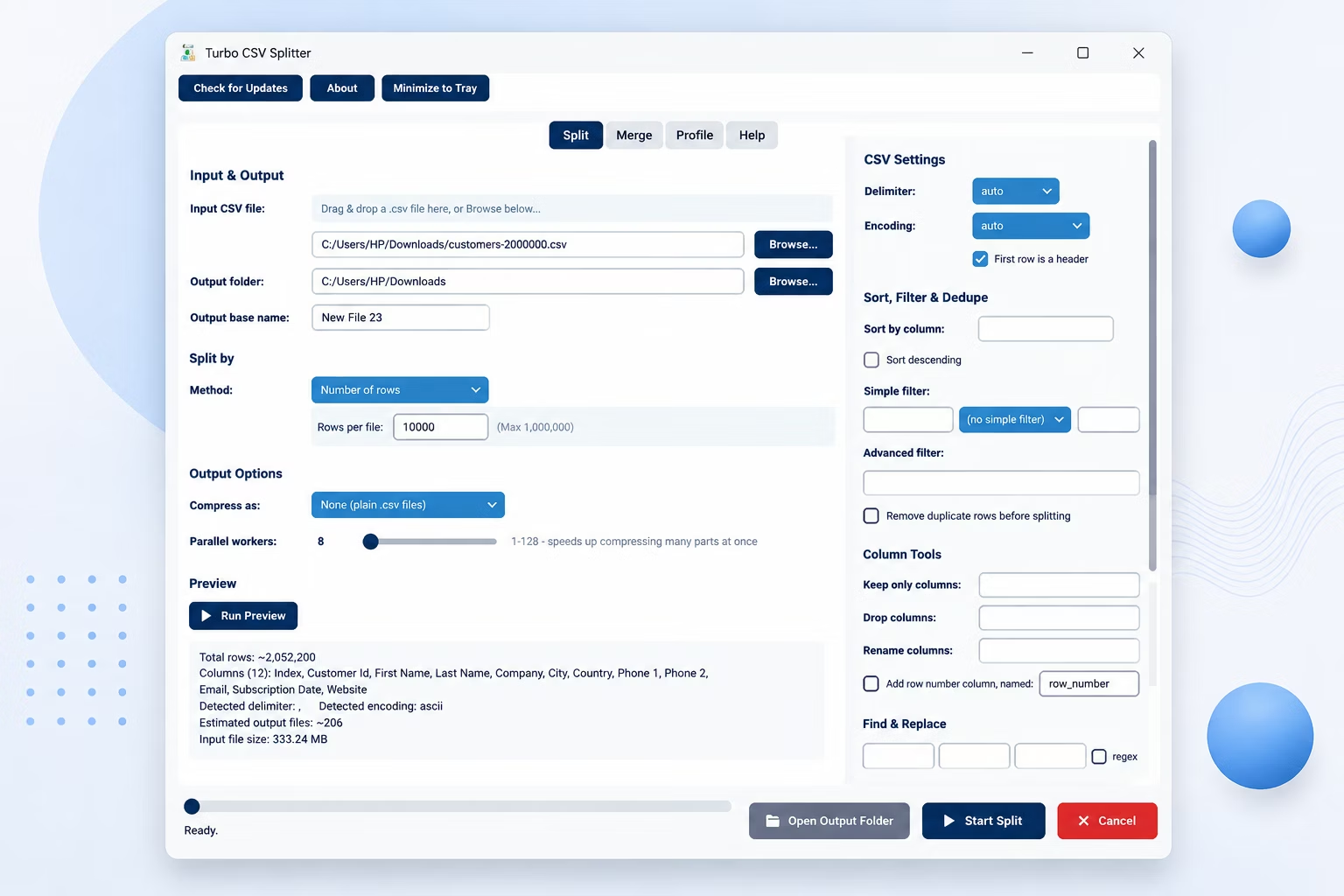
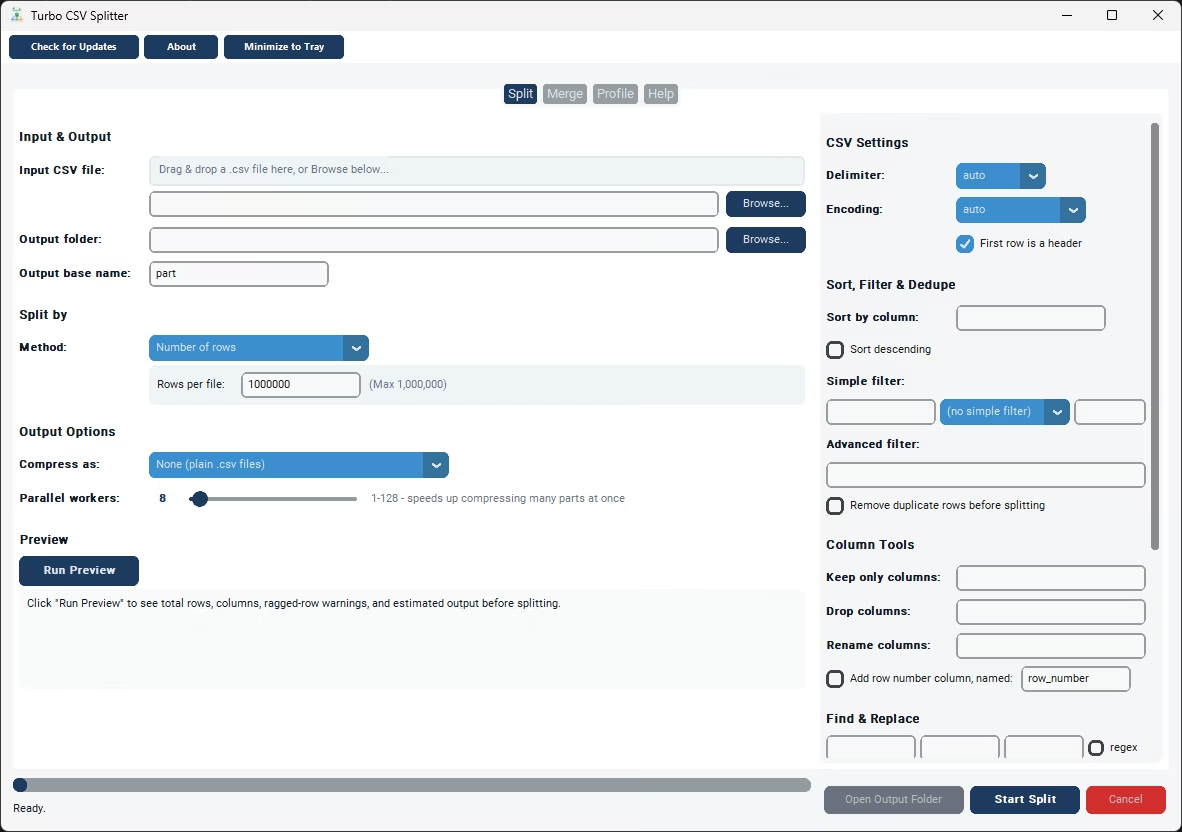
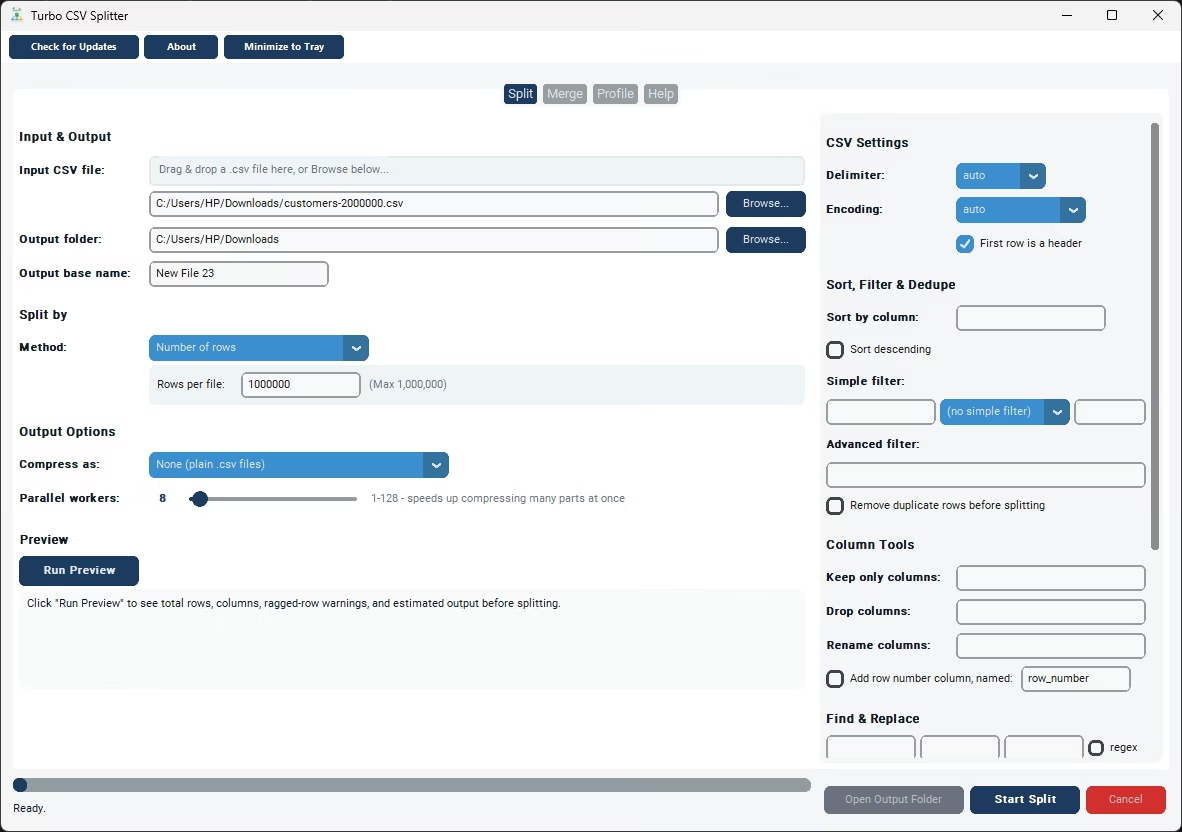
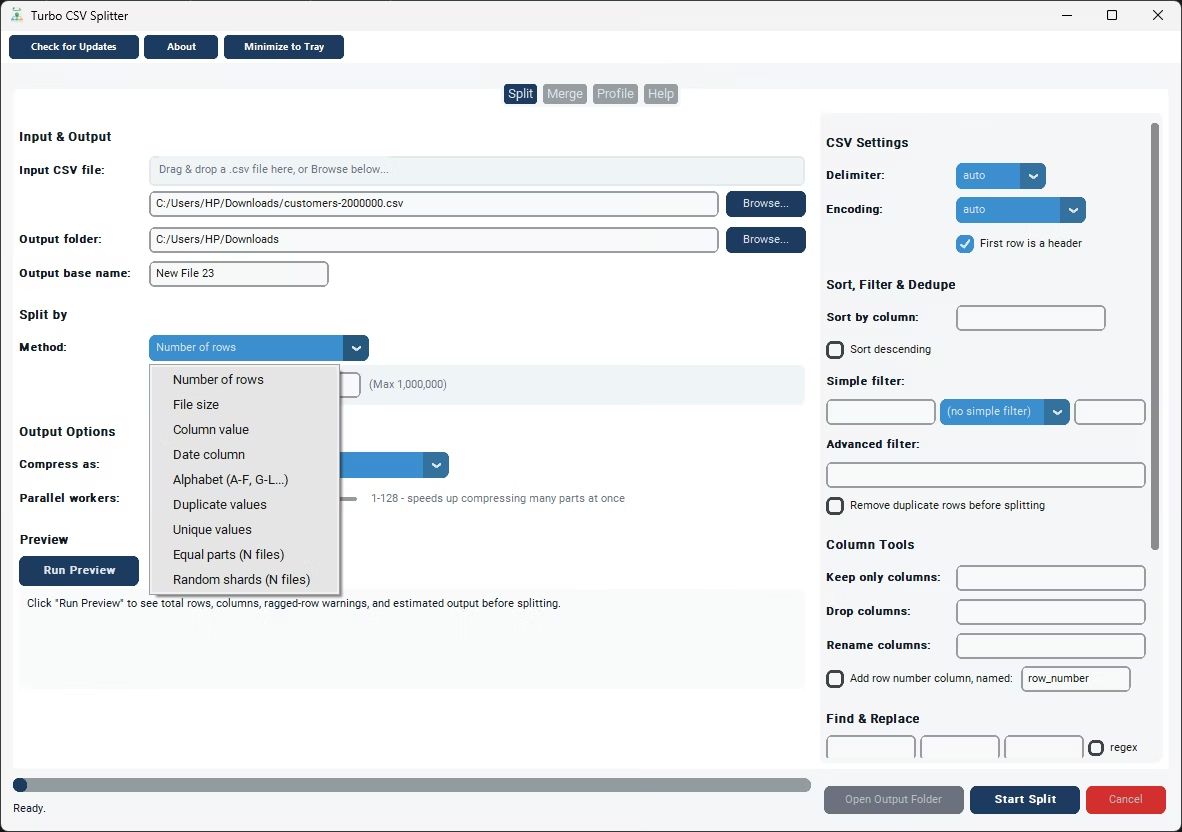
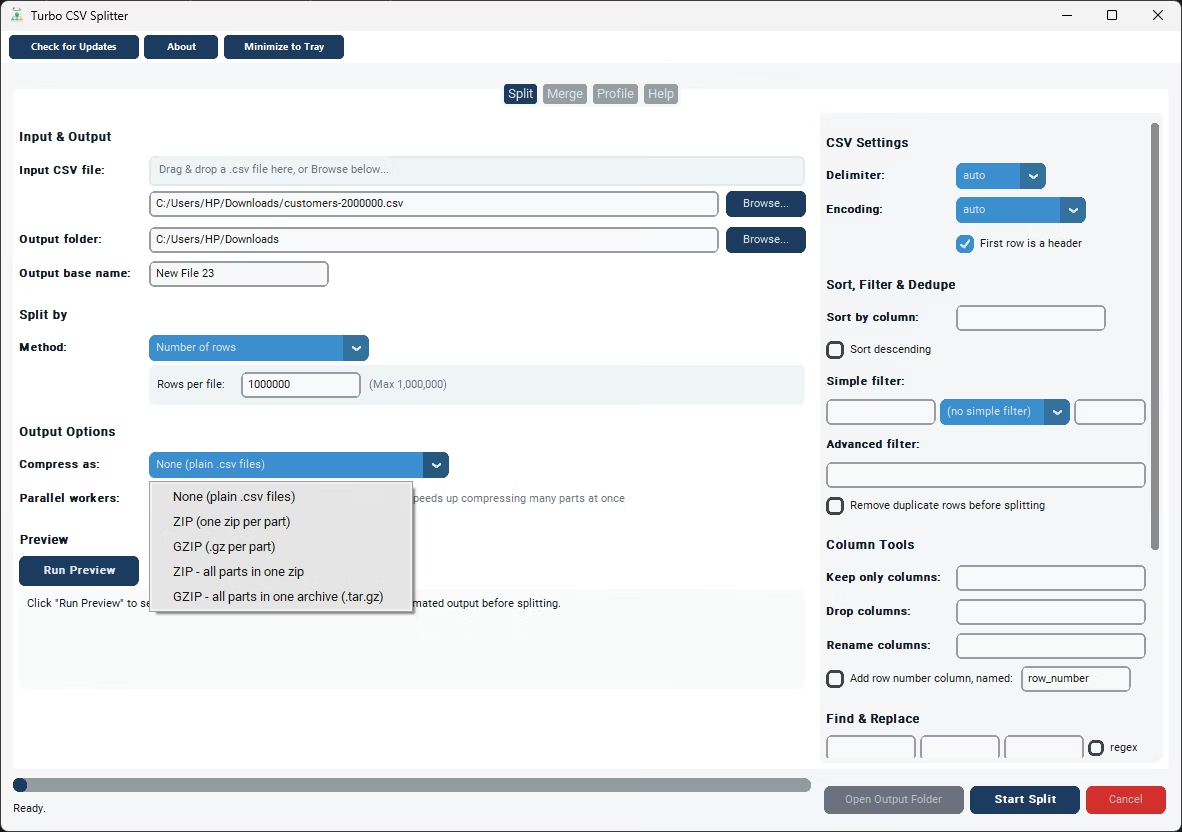
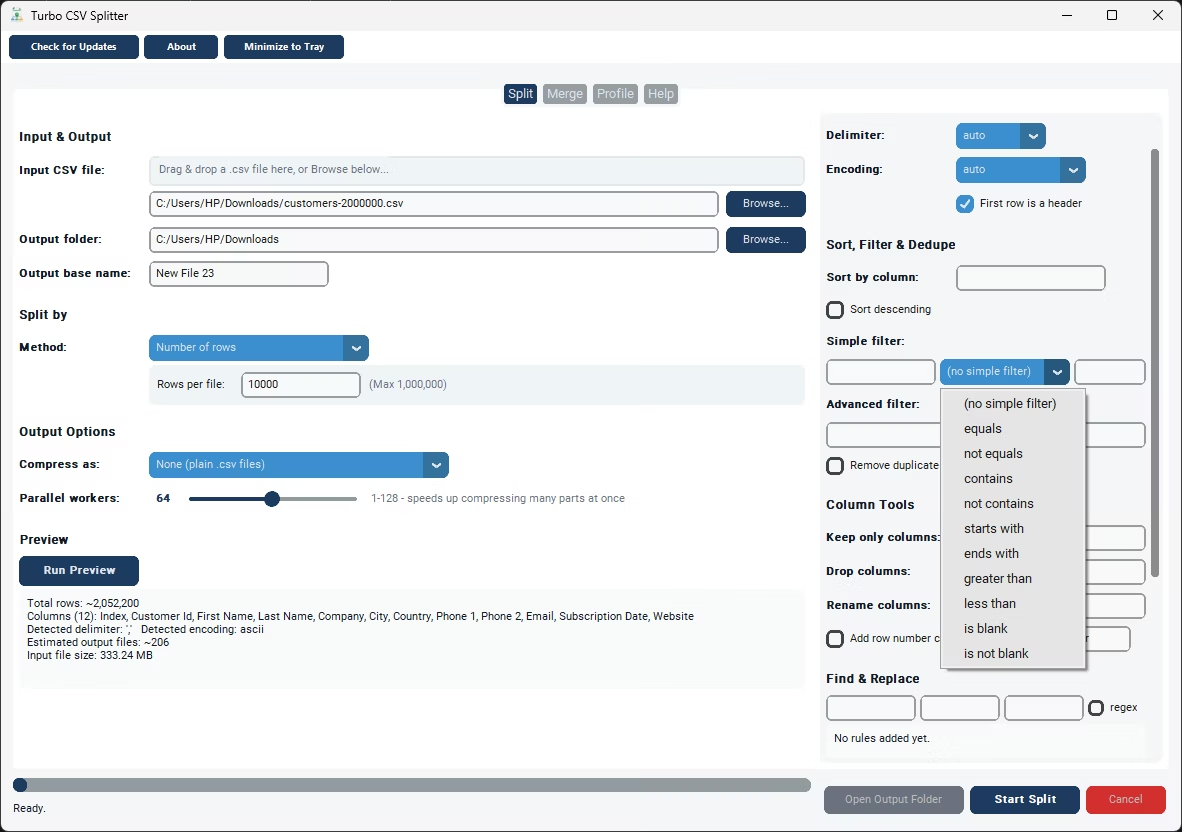
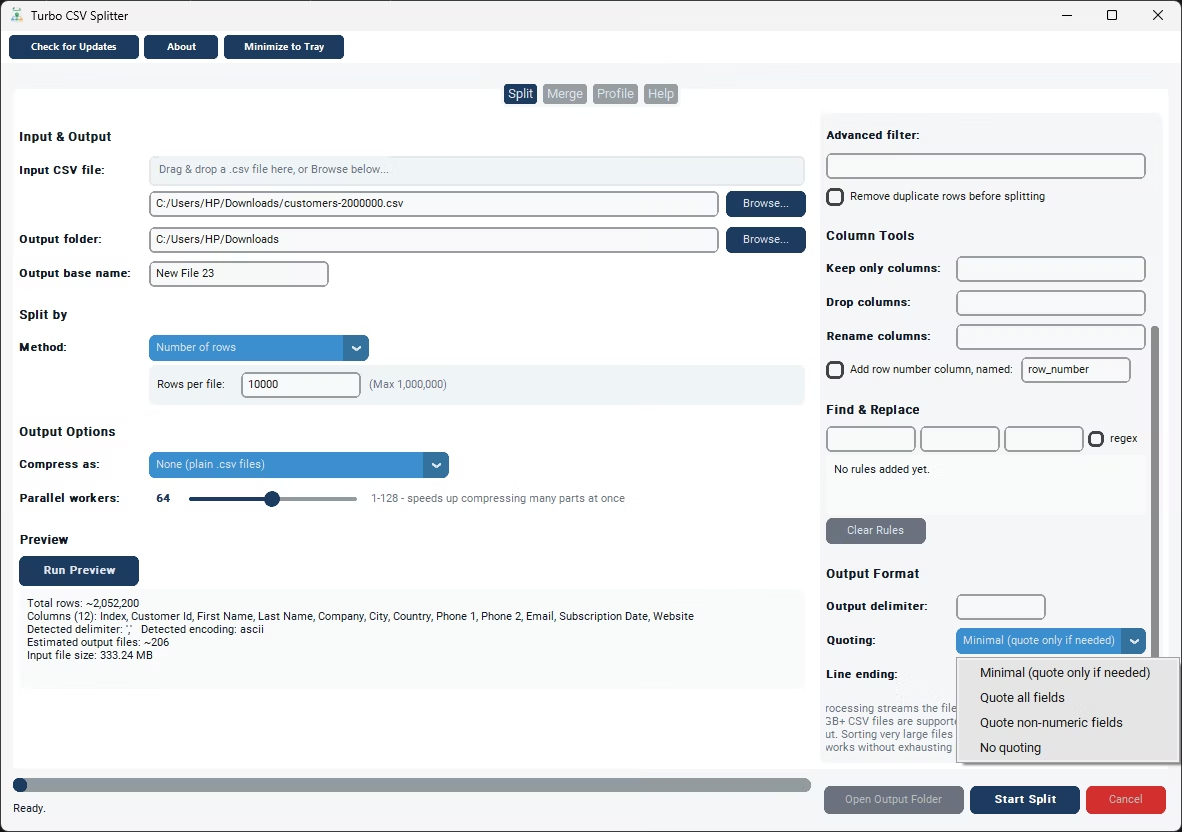
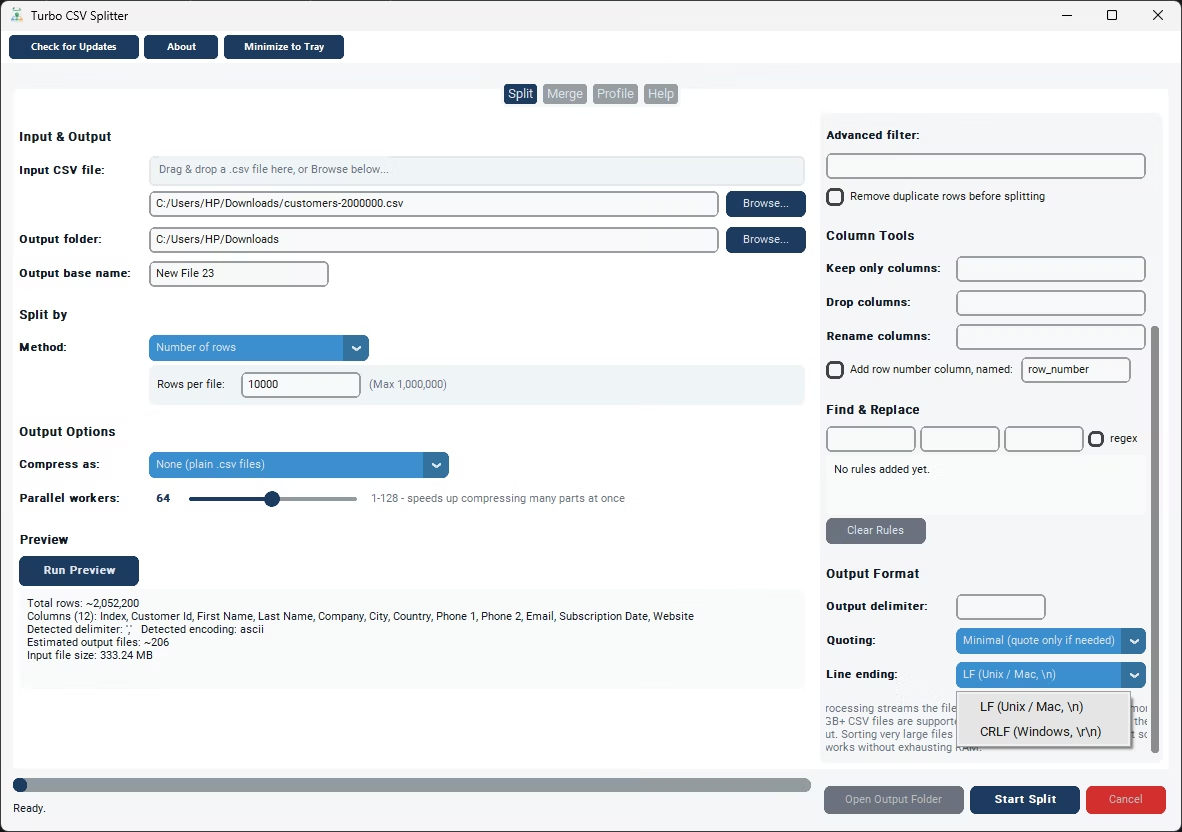
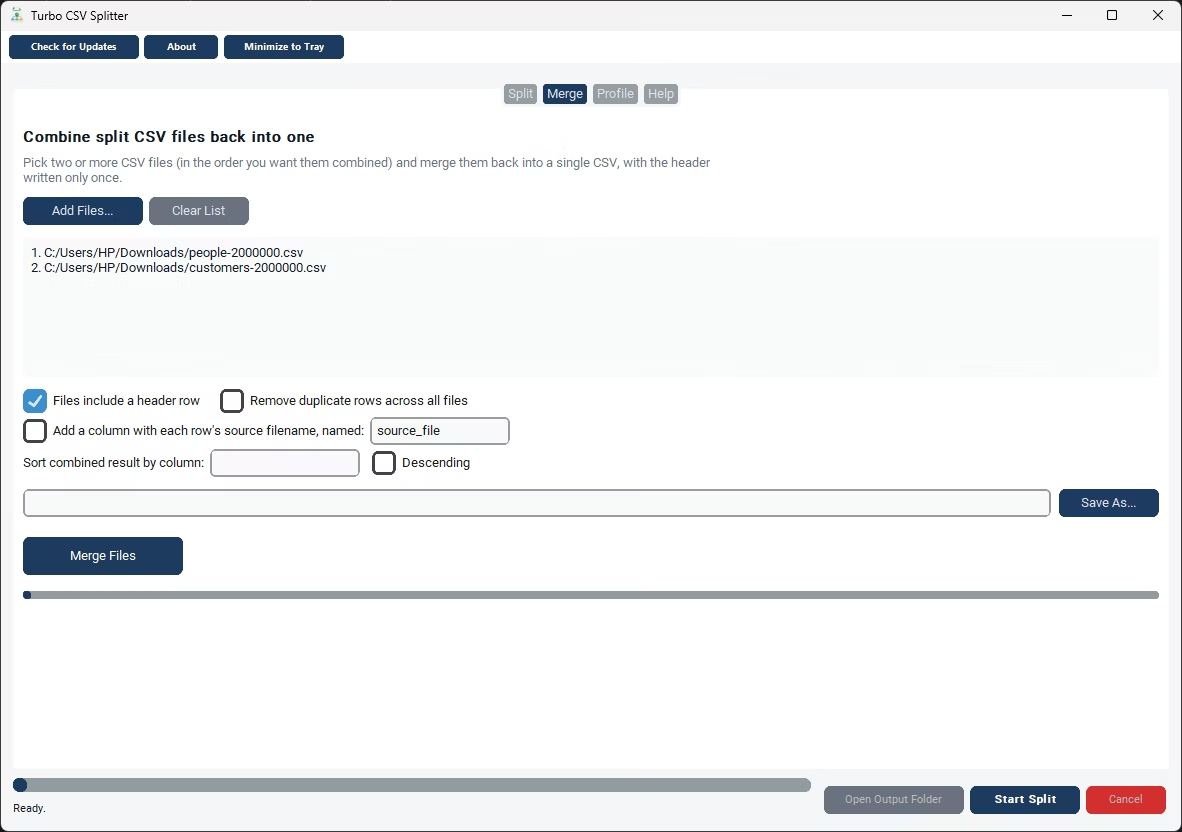
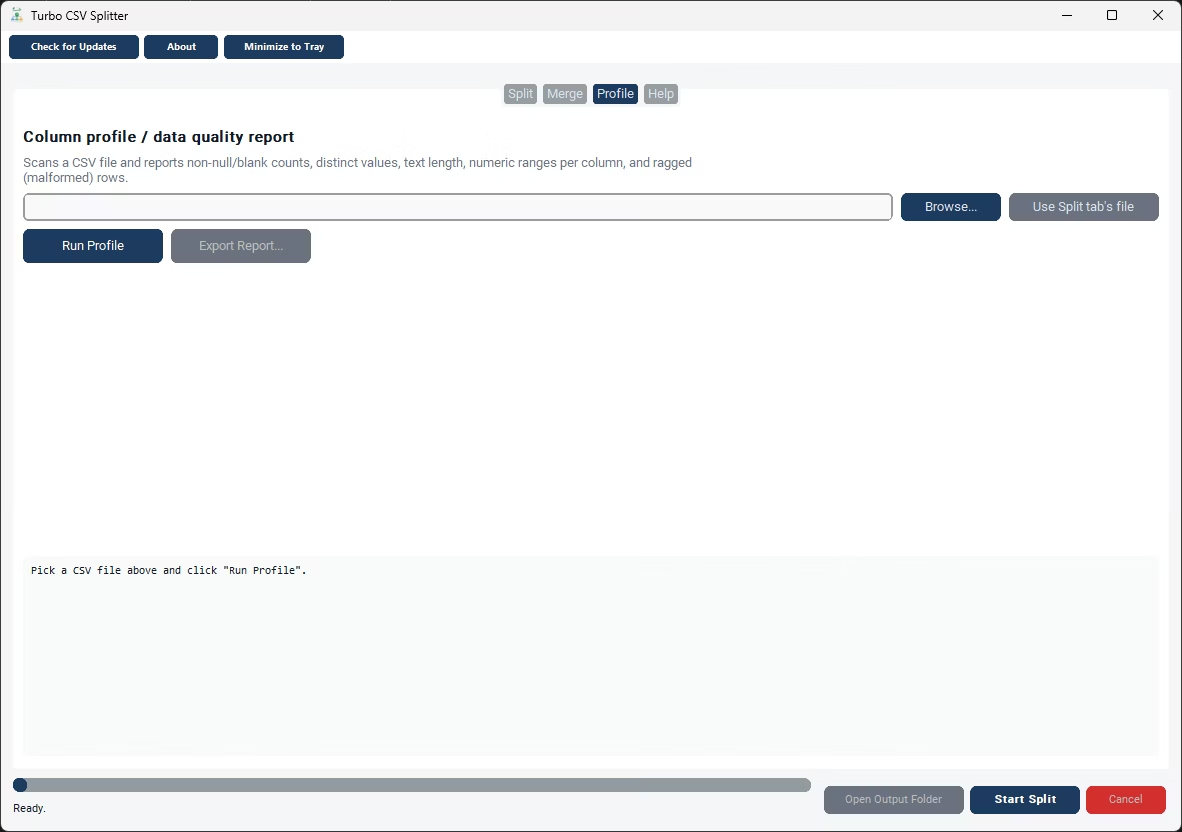
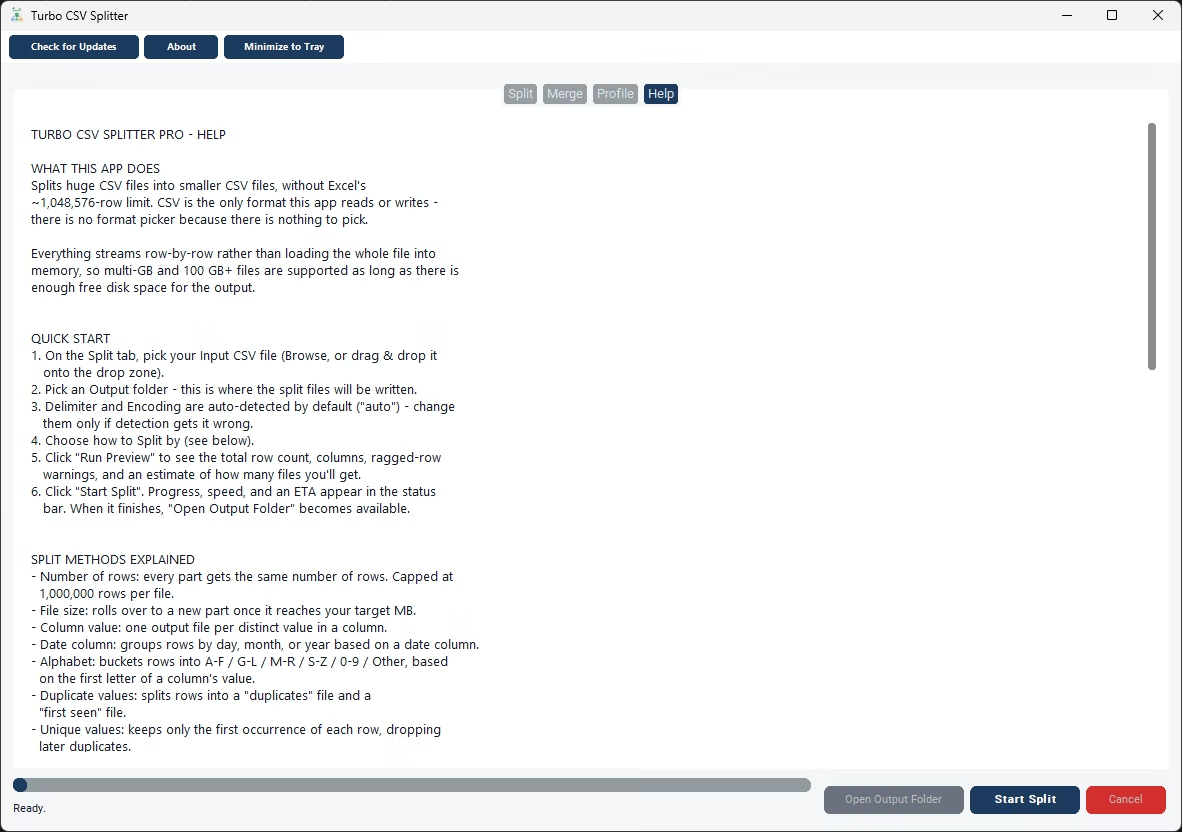
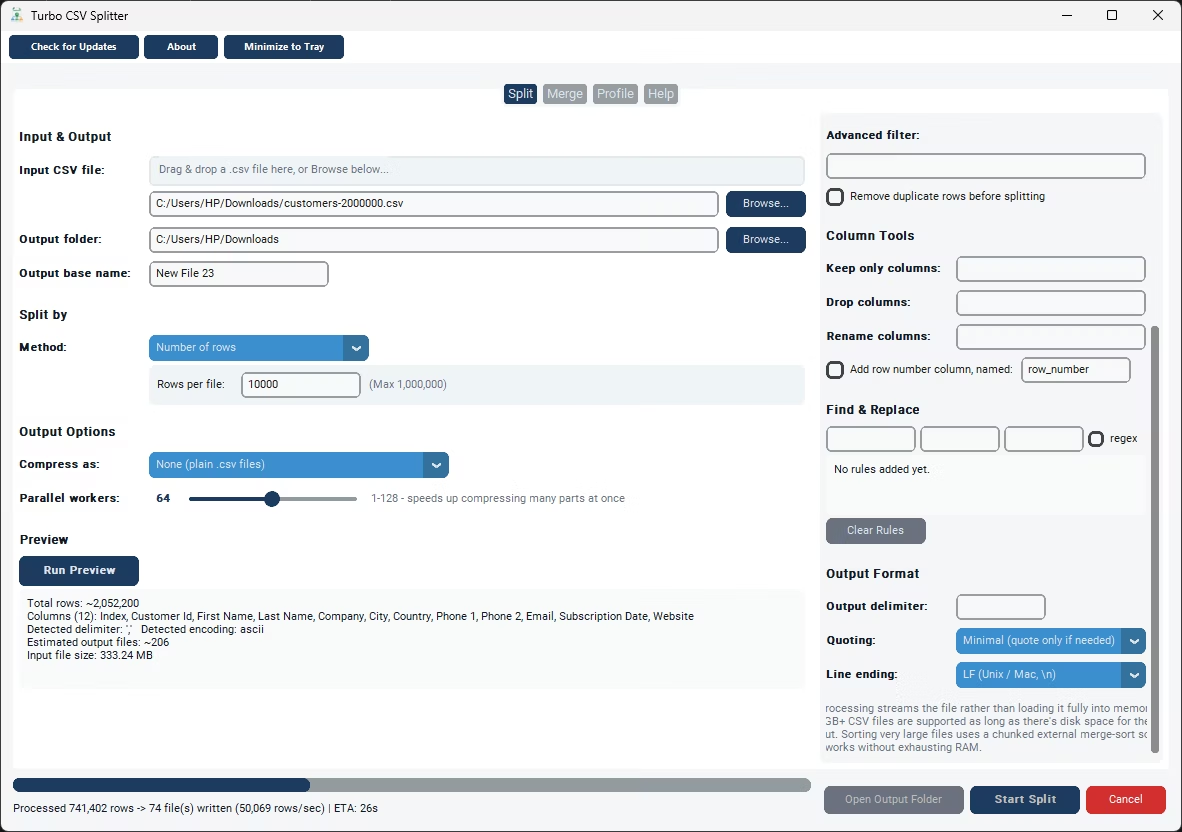
Turbo CSV Splitter is built around a streaming engine specifically so file size isn't the limiting factor it is for memory-loading tools. Rows are read and written one at a time, which keeps memory use flat whether the source file is 50 MB or 100 GB. In practice that means a multi-gigabyte export with tens of millions of rows is split using the same process, at the same level of reliability, as a small file - the difference is only how long the job takes, and the app shows a live rows-per-second figure along with a dynamically updated ETA so you're never left guessing how much longer a large job will run.
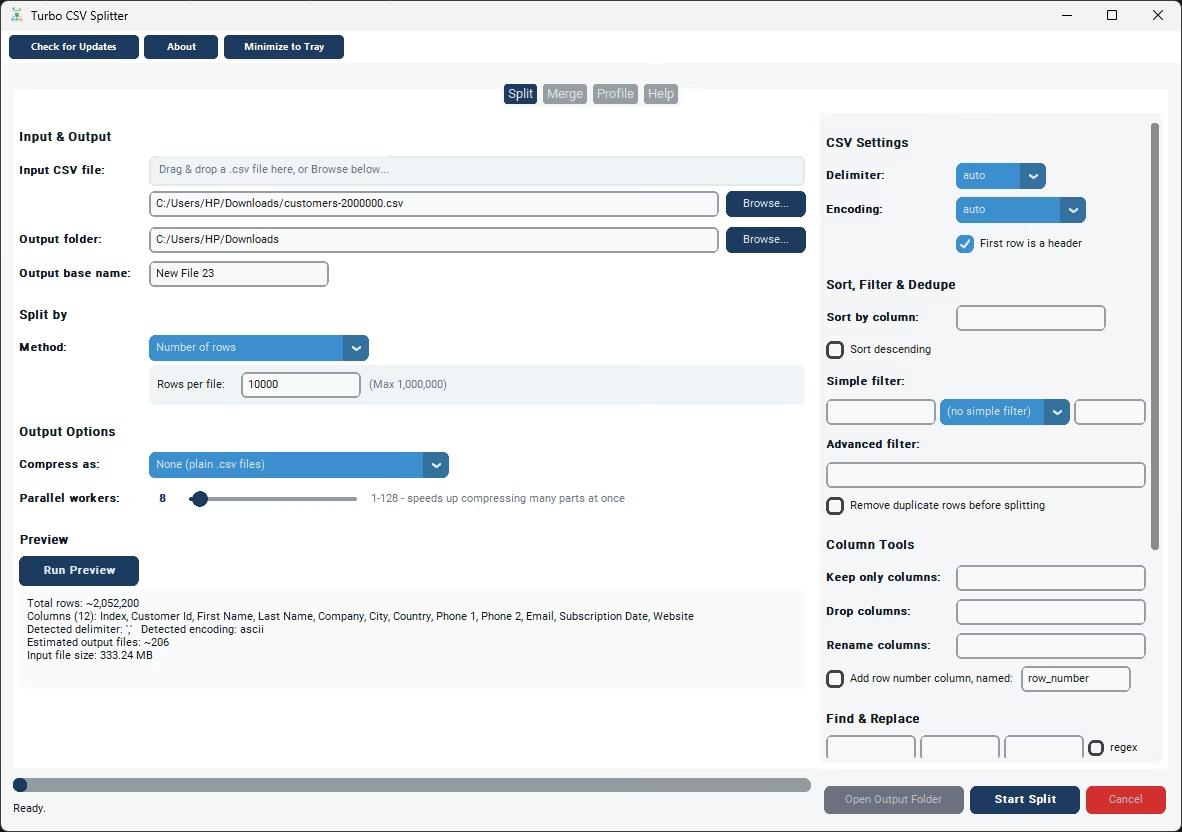
Before committing to the full split, Run Preview scans the file and reports its total row count, the columns it detected, a handful of sample rows, and any ragged rows - rows with a different number of fields than the header, which show up more often in very large exports pulled from imperfect source systems. That preview also estimates how many output files your chosen split settings will produce, so you can adjust the target row count or file size before starting the real job rather than after.
Large files are also where interruptions matter most - a job that takes twenty minutes is more likely to get cancelled, or to run into a machine restart, than a thirty-second one. Turbo CSV Splitter writes a checkpoint file into the output folder as it works, so if a large split job is stopped partway through, clicking Start Split again with the same file and the same settings picks up exactly where it left off instead of reprocessing rows that were already handled. Checkpoints are fingerprinted to the specific input file and settings, so a checkpoint only resumes a job when everything still matches; if anything changed, the job simply starts fresh rather than silently applying stale progress.
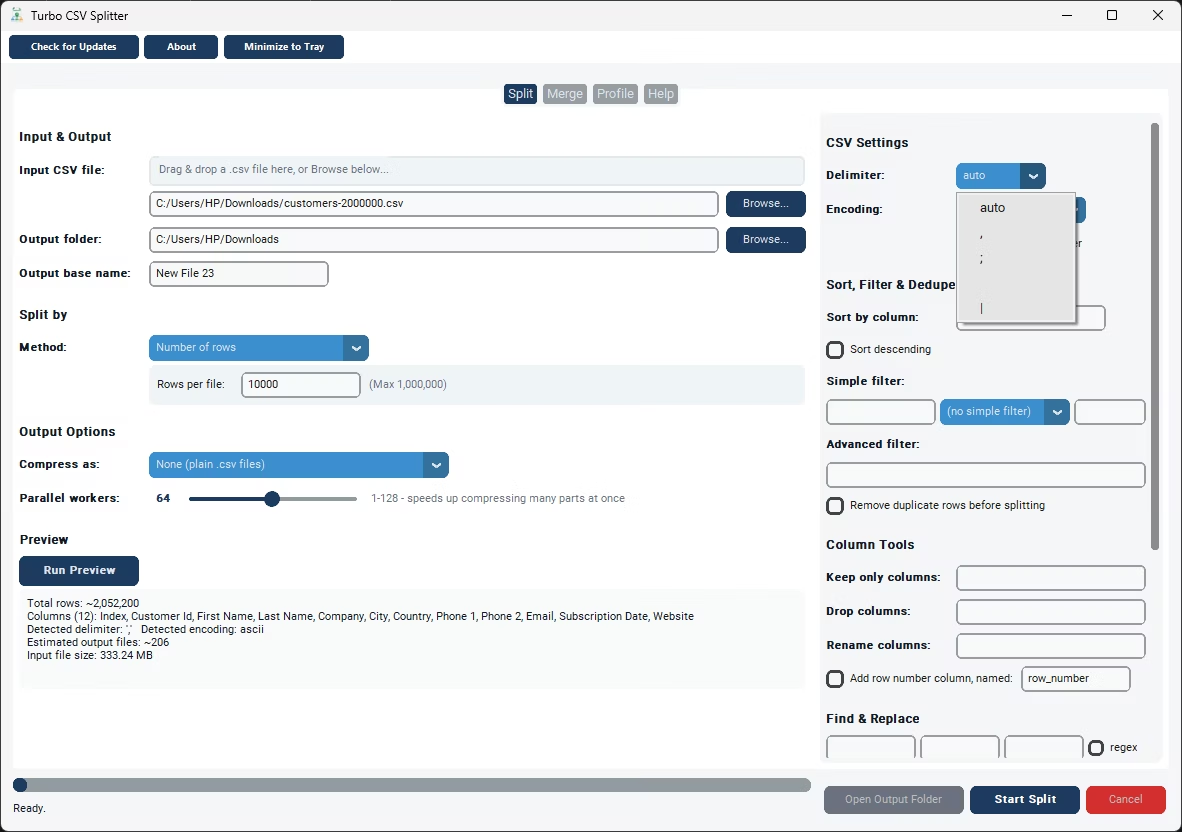
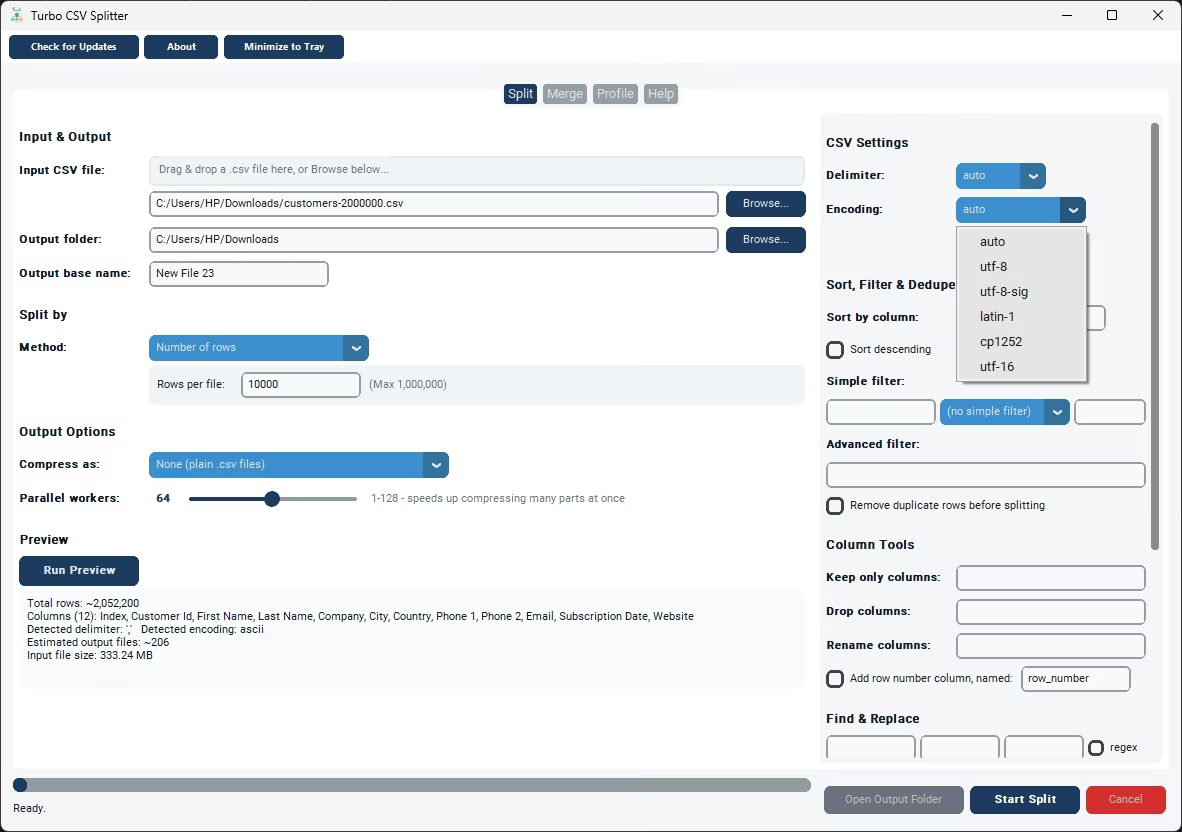
Delimiter and encoding detection work the same way on large files as on small ones - samples of the file are checked automatically rather than the whole thing being scanned, so even a huge file opens for splitting quickly. And because every megabyte of processing happens locally on your PC, a large, possibly sensitive export never has to be uploaded anywhere to be split.
- Install Turbo CSV Splitter on a Windows PC with enough free disk space for your output.
- Browse to the large CSV file - no need to open it in another program first.
- Run Preview to see the total row count, columns, and an estimated output file count.
- Choose a split method such as Number of Rows or File Size and set your target.
- Click Start Split and monitor the live rows-per-second speed and ETA.
- If the job is interrupted, restart the app and click Start Split again to resume from the checkpoint.
- Streaming engine keeps memory use flat on files of any size
- Live rows-per-second speed and ETA while a large job runs
- Checkpoint and fingerprinted resume for interrupted jobs
- Run Preview reports row count, columns, and ragged rows before splitting
- Fast delimiter and encoding detection even on huge files
- Fully offline processing on your own Windows PC
My CSV file is over 5 GB - can it still be split?
Yes. Because rows are streamed one at a time rather than loaded into memory, file size on disk doesn't create a ceiling - the requirement is simply enough free disk space to hold the output files.
Why does my computer freeze when I try to open a large CSV directly?
Programs that load an entire file into memory before showing it to you - including many spreadsheet tools - can run out of available RAM on a large file, which causes the freezing or crashing you're seeing. A streaming approach avoids this by never holding the whole file in memory at once.
What happens if the split job fails partway through a large file?
A checkpoint file is saved in the output folder as the job progresses. If it's cancelled, crashes, or the computer restarts, starting the job again with the same file and settings resumes from the checkpoint instead of reprocessing rows that were already written.
Is there a way to check the file before committing to a full split?
Yes. Run Preview scans the file and reports the row count, detected columns, sample rows, ragged-row warnings, and an estimate of how many output files your settings will produce - all before you start the actual split.
Ready to split your CSV files the easy way?