A CSV file is really just plain text arranged in rows and columns, which makes it easy to store but not always easy to work with once it grows large. Opening a multi-million-row CSV in a spreadsheet program can freeze the application, and many systems that accept CSV imports reject files past a certain row count.
Splitting the file into several smaller CSV files fixes this without changing any of the underlying data. Turbo Large Data Splitter automates the process, so instead of writing a script or manually copying rows, you point the app at your file, choose how to divide it, and get clean output files in return.
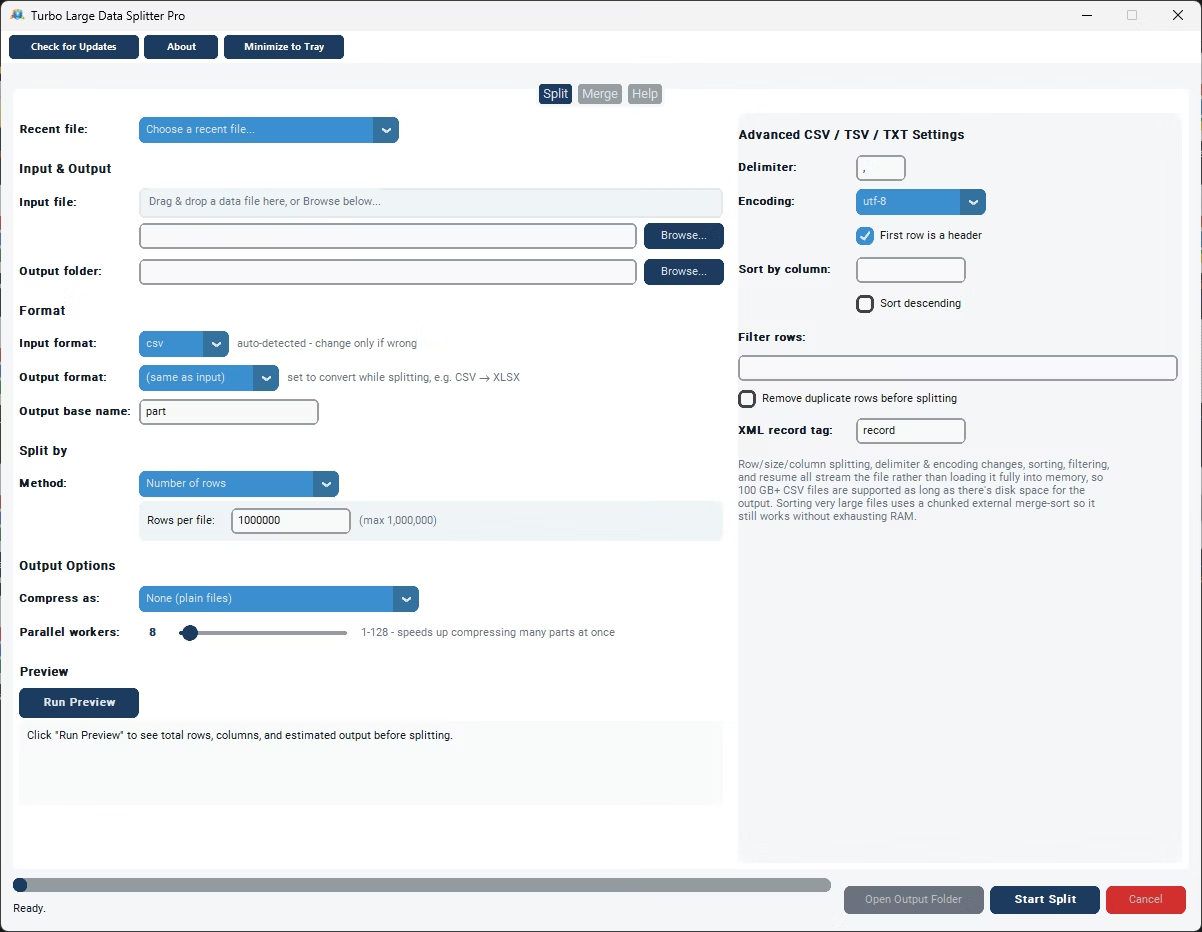
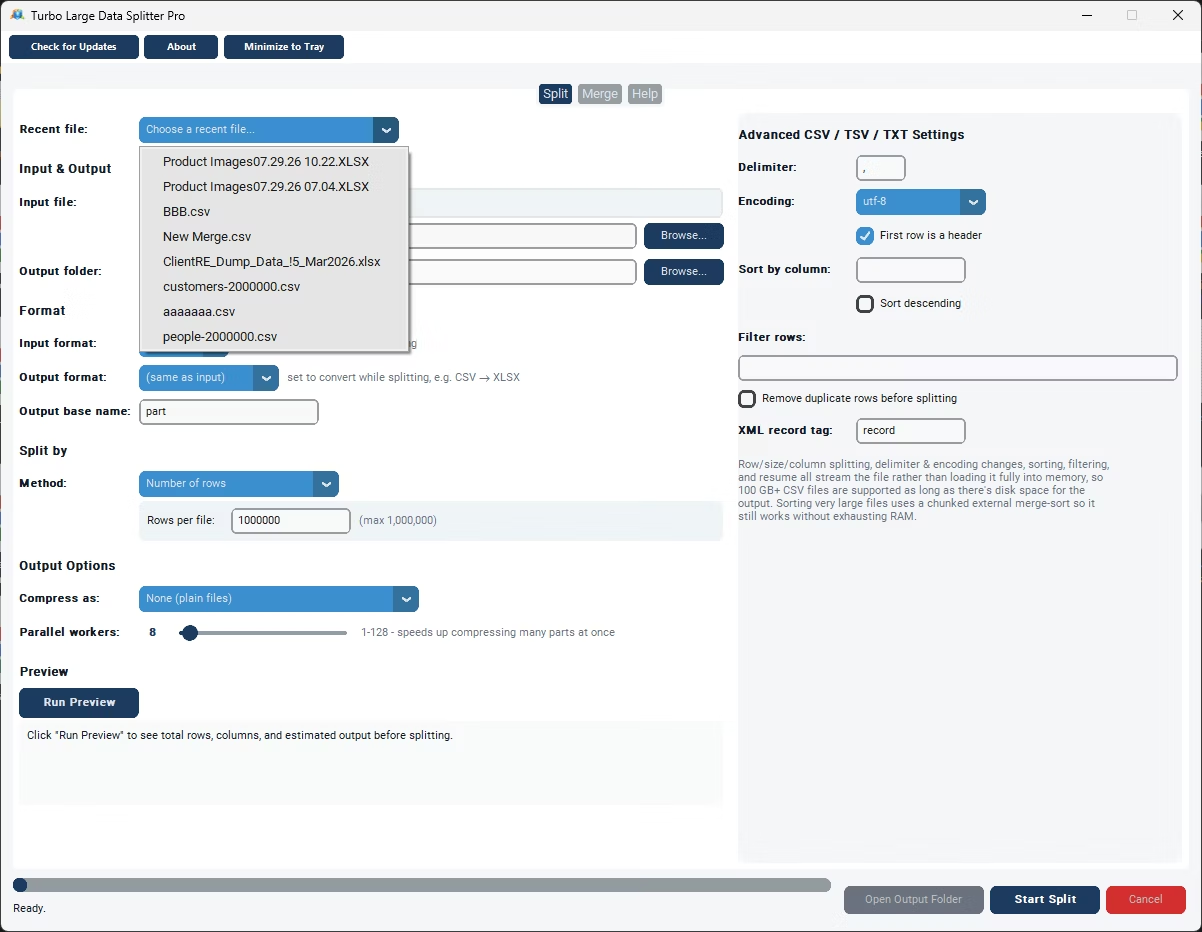
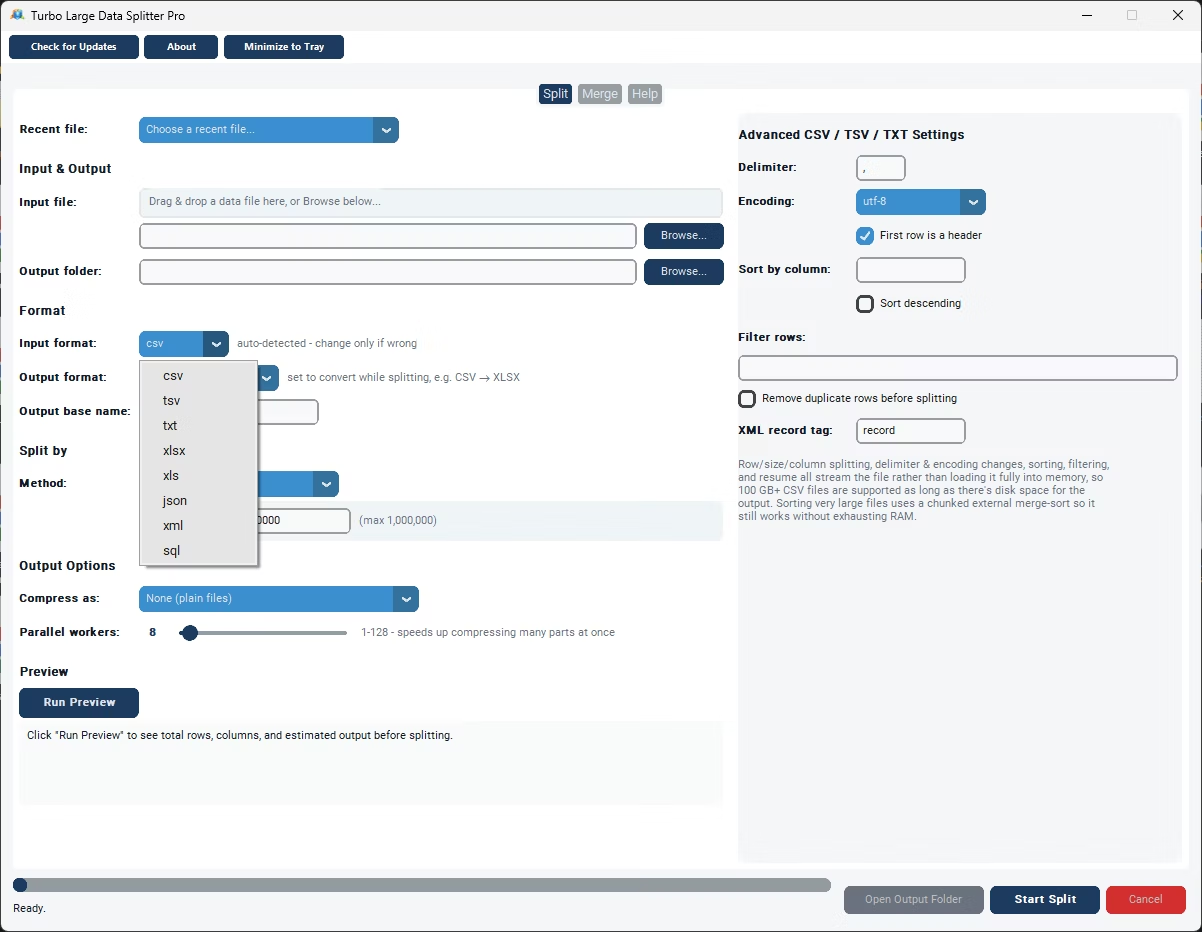
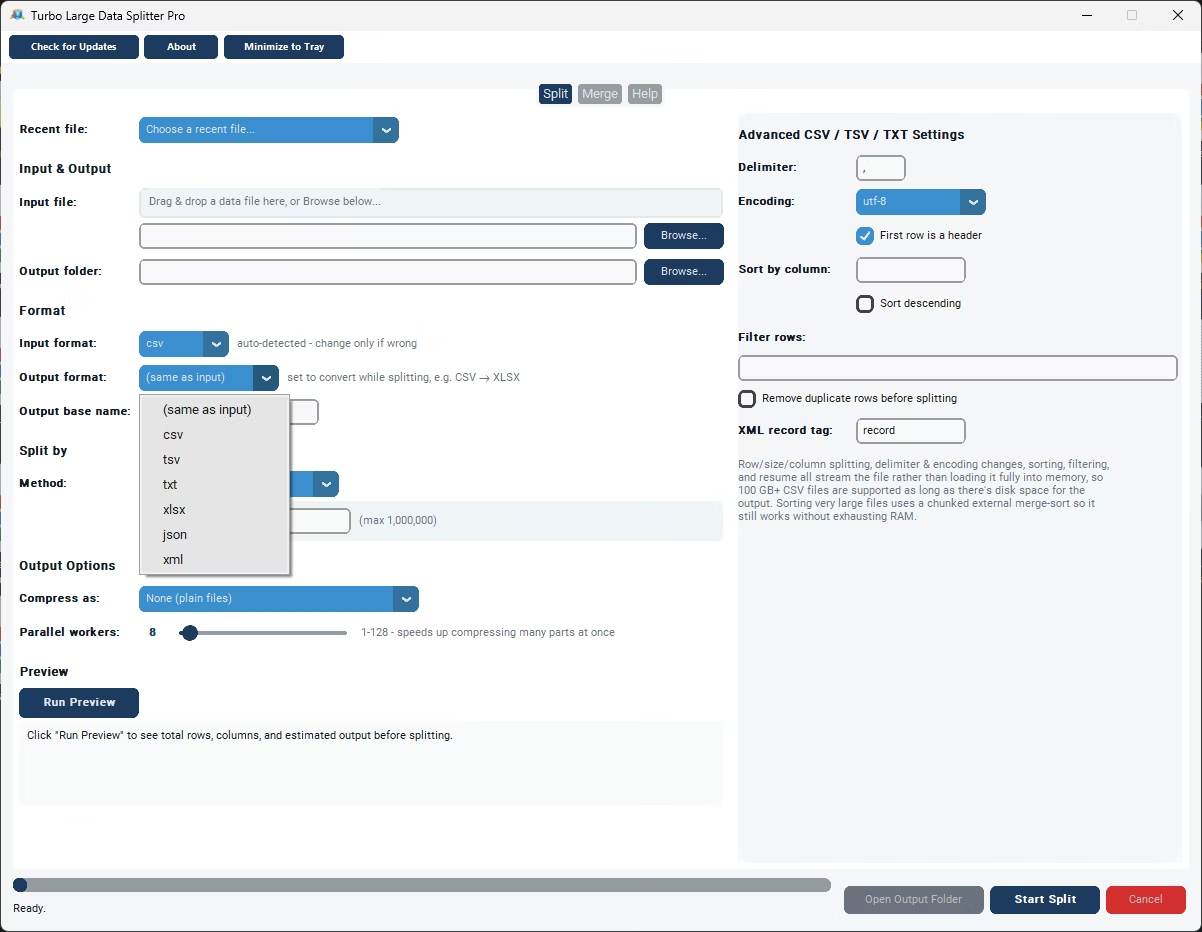
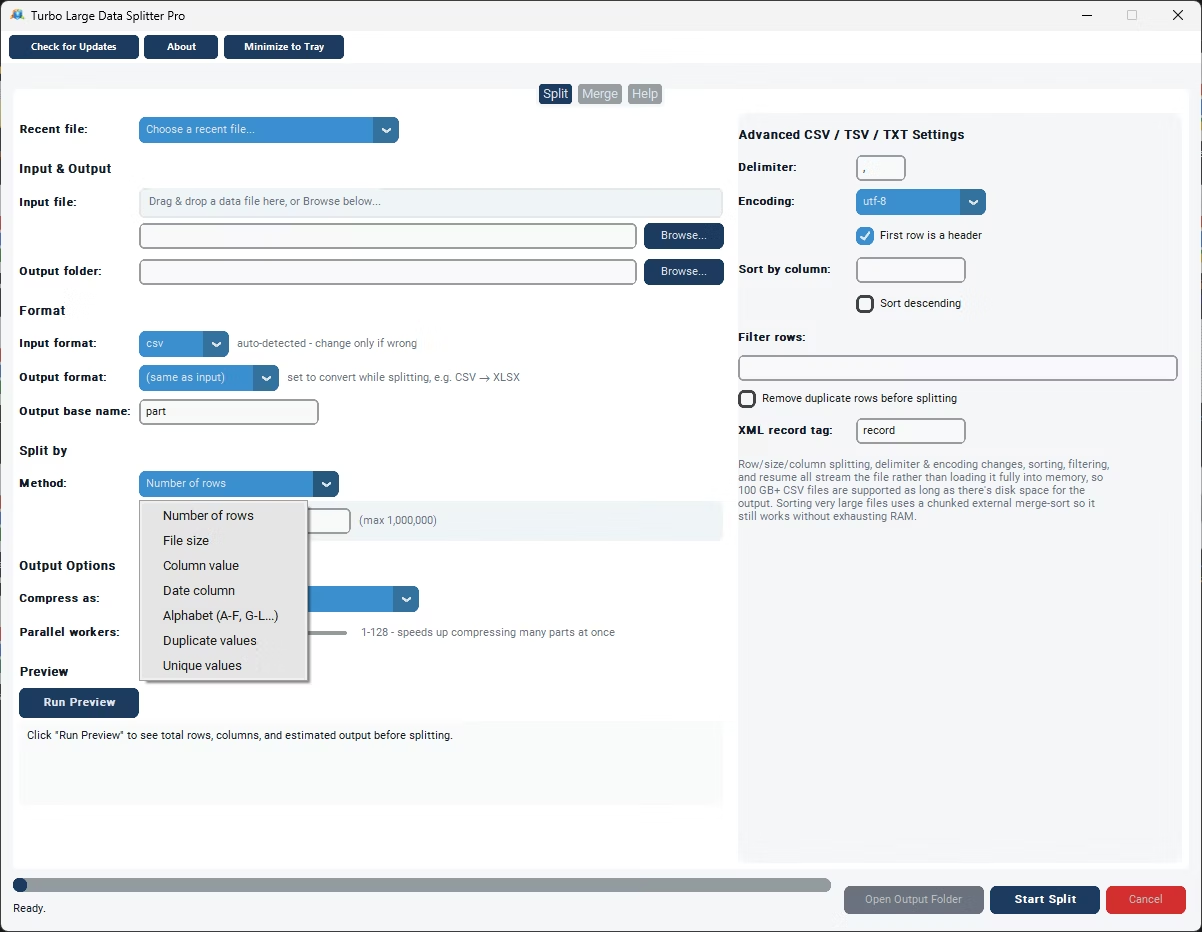
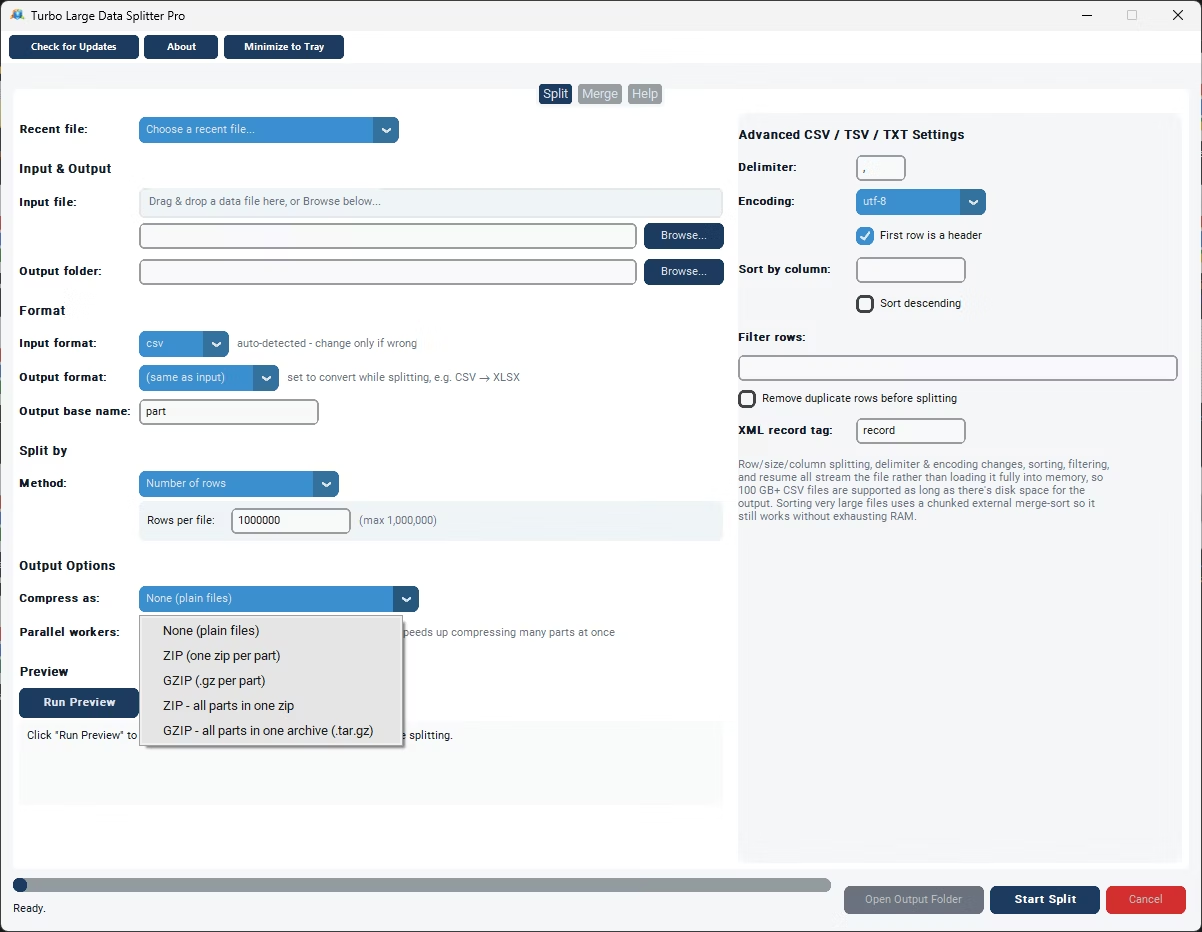
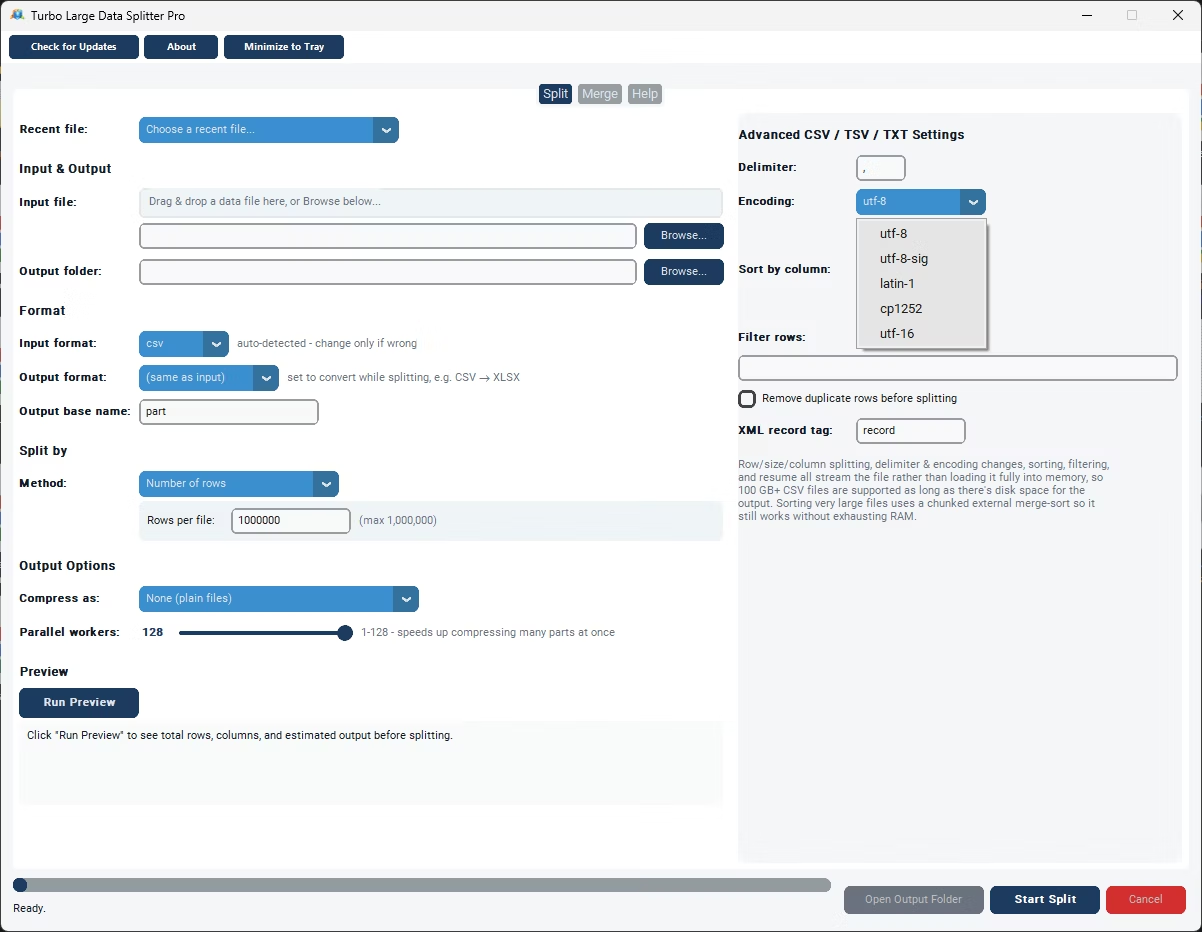
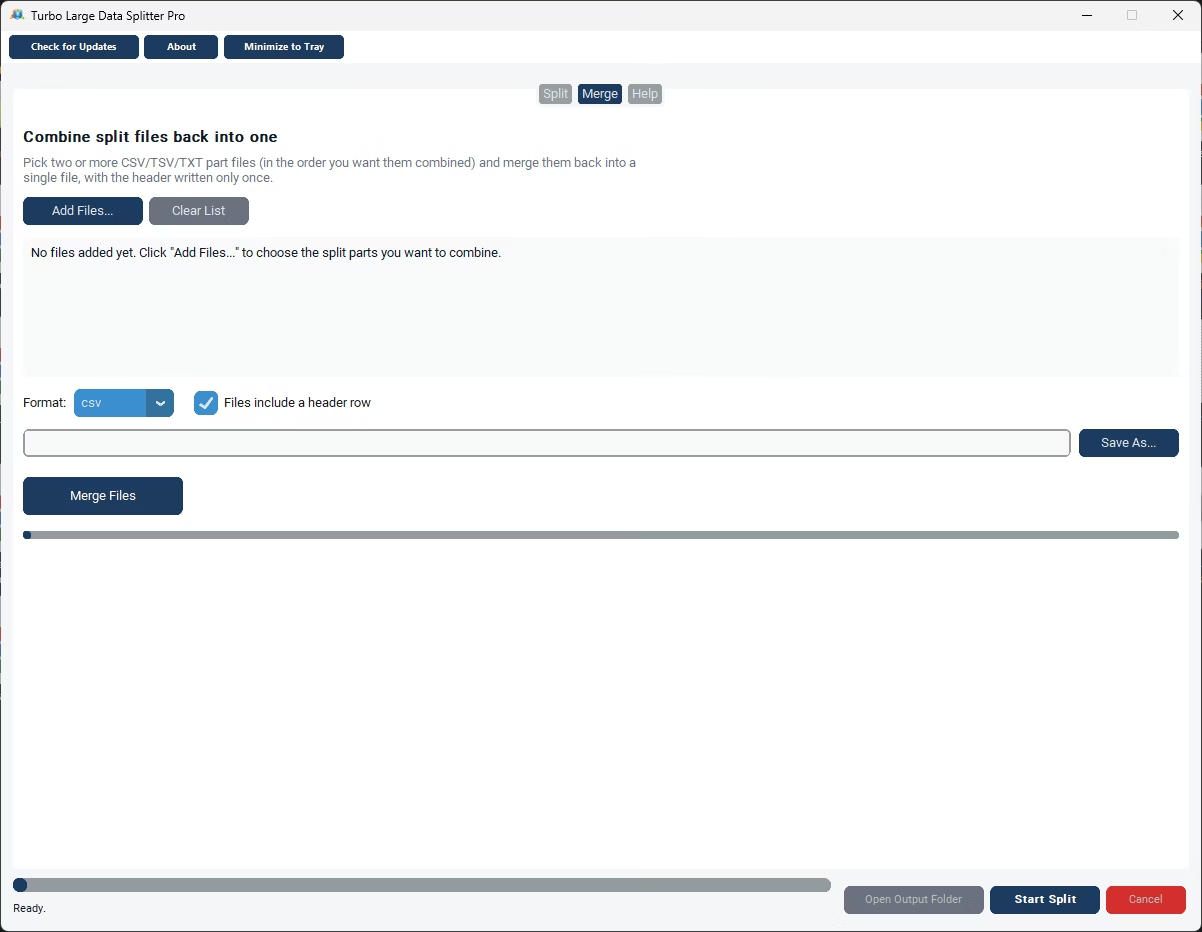
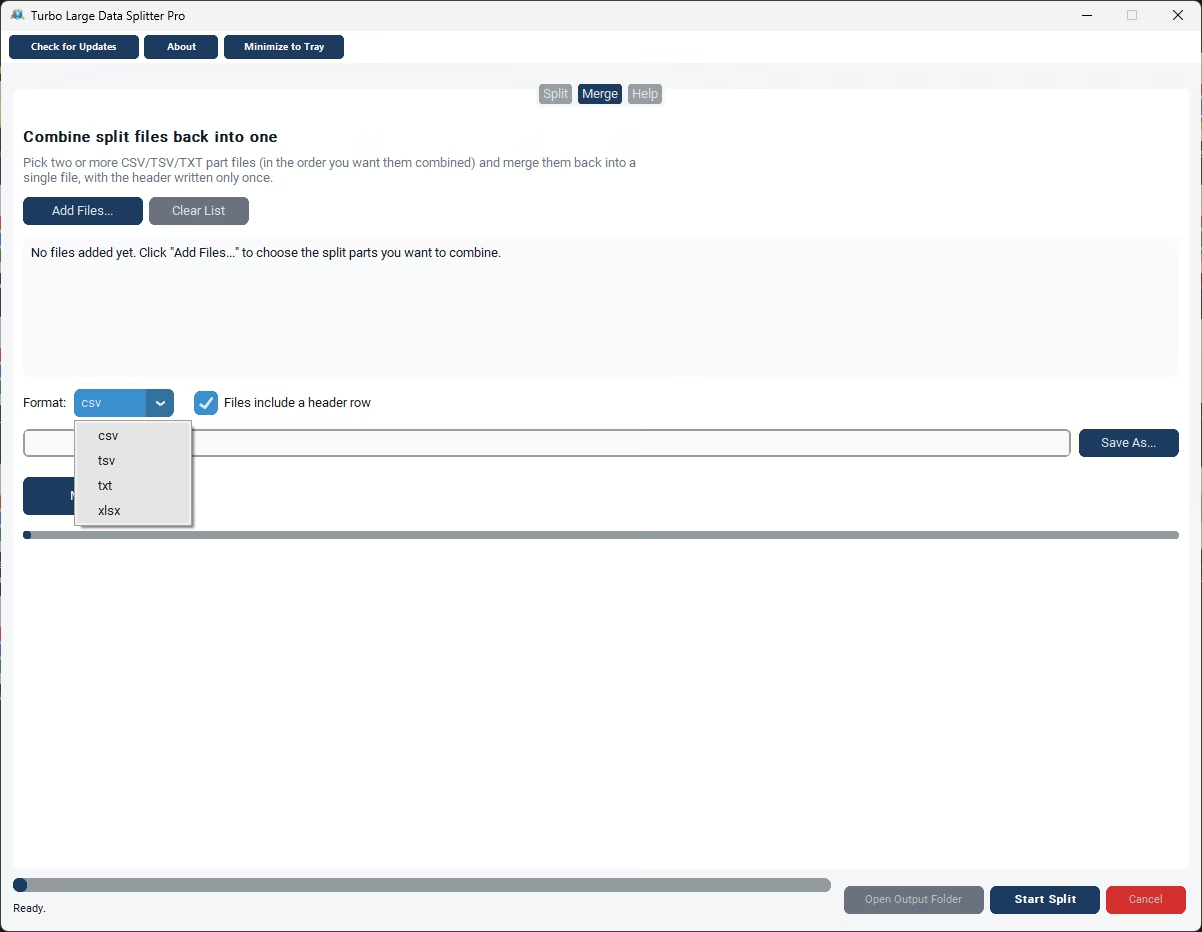
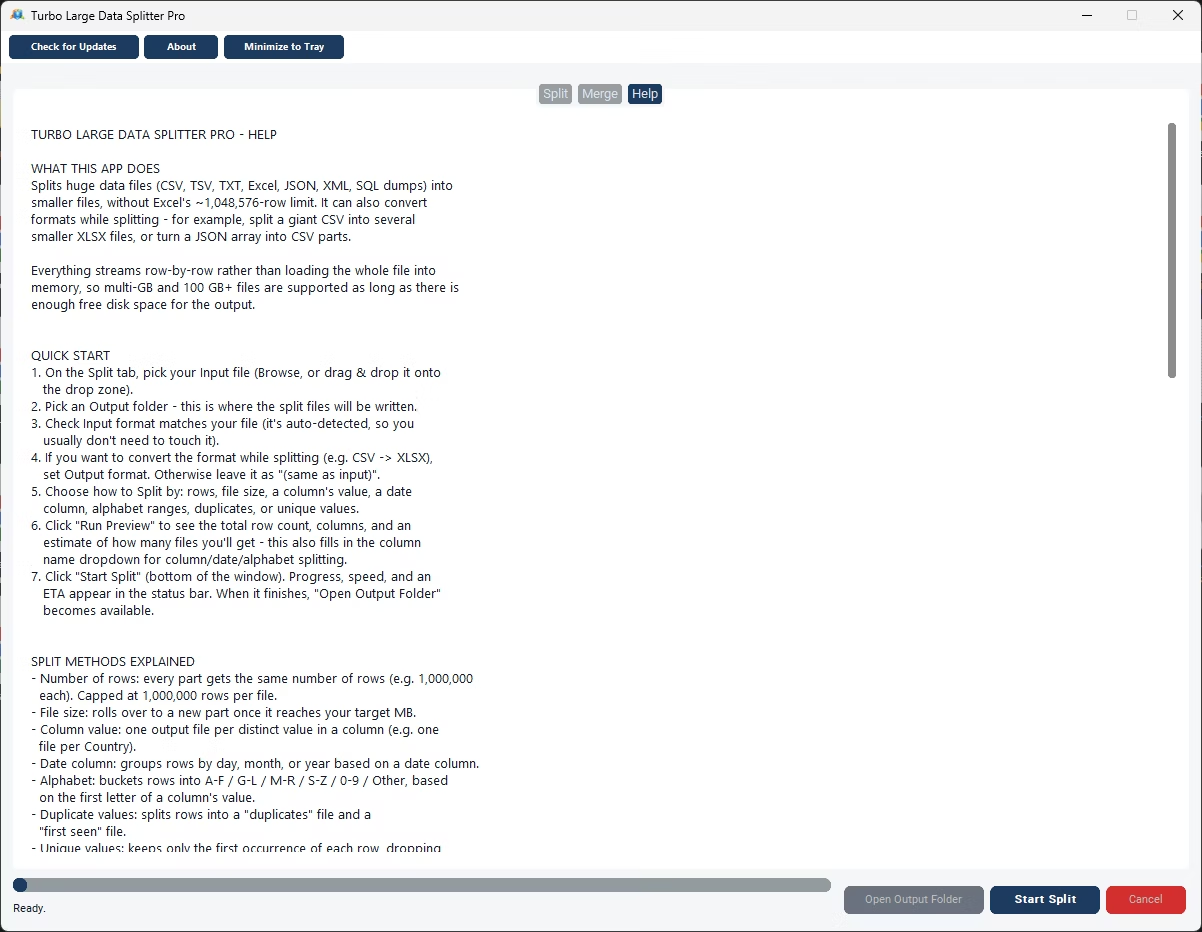
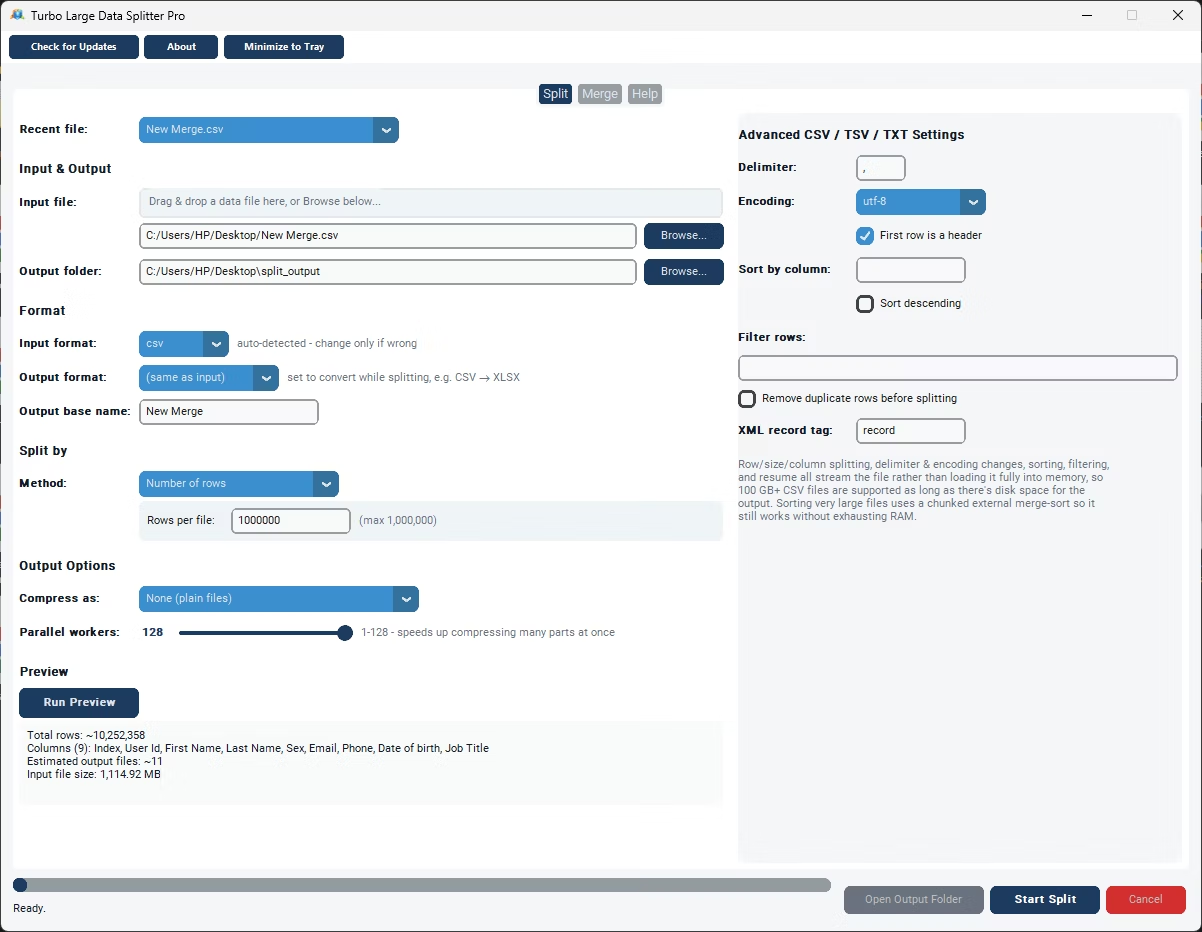
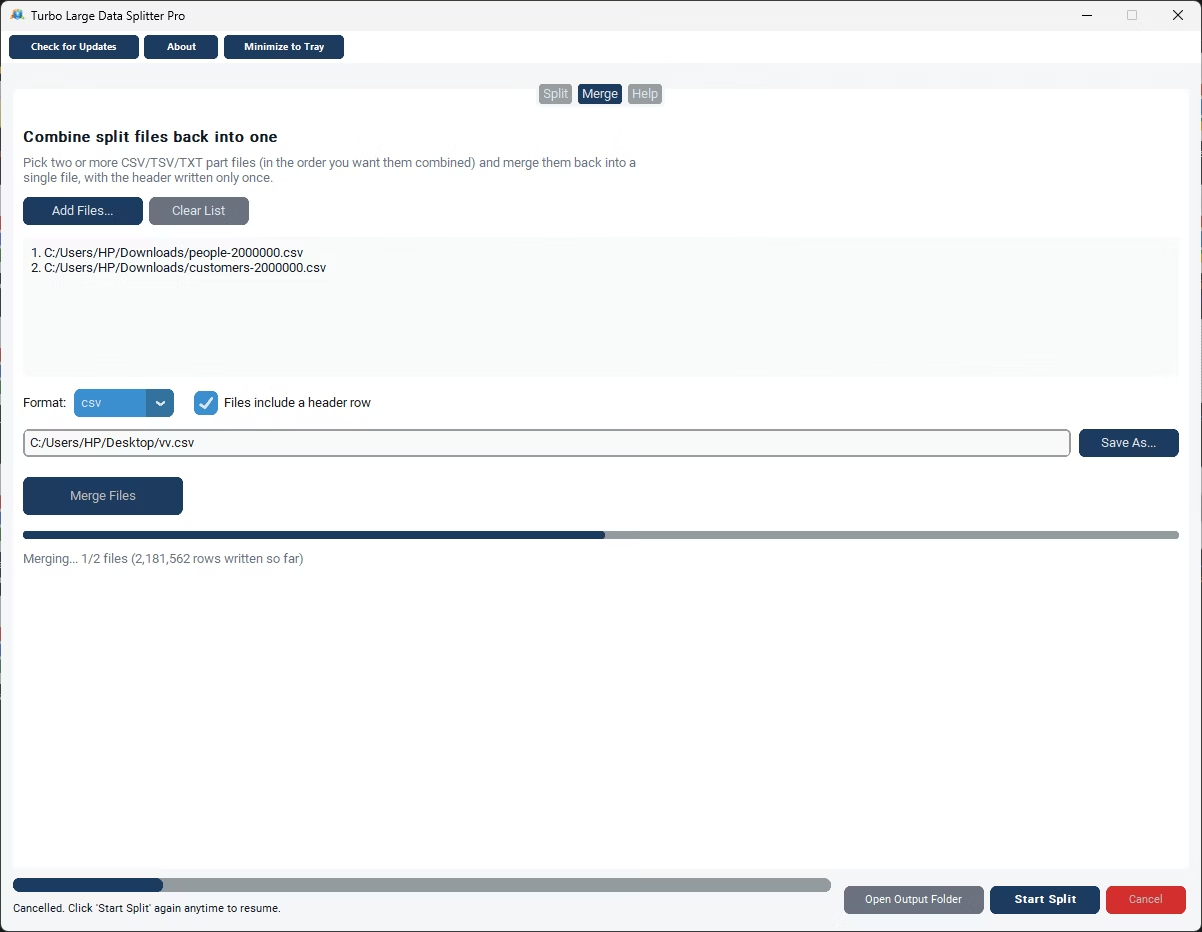
- Install Turbo Large Data Splitter and open the app.
- Load the CSV file you want to split.
- Pick a split method: by number of rows or by file size.
- Enter your preferred value for rows or size.
- Choose whether to repeat the header row in every split file.
- Click Split to generate the smaller CSV files.
- Splits CSV files of virtually any size
- Two split methods: by row count and by file size
- Optional header row repetition on every output file
- Fast chunked processing that keeps memory use low
- Supports comma, semicolon, and tab-delimited CSV files
- Runs fully offline for complete data privacy
What's the difference between splitting by rows and splitting by size?
Splitting by rows divides the file into pieces with an exact number of data rows each, while splitting by size targets a specific file size in megabytes, which is useful when a system enforces a byte limit rather than a row limit.
Do I need to know how to code to split a CSV file?
No, Turbo Large Data Splitter is a point-and-click desktop app, so no scripting or command-line knowledge is required.
Can I undo a split if I need the original file back?
The original CSV file is never modified or deleted during the split process, so it remains available exactly as it was.
Ready to split your CSV file in just a few clicks?