Using VLOOKUP between two different Excel files depends entirely on getting the external reference syntax right - a small difference in how the file name, sheet name, and range are written determines whether the formula works, breaks with #REF!, or shows a stale cached value.
This page focuses specifically on that syntax using a student records example, since most cross-file VLOOKUP problems come down to a reference that was written or later broken incorrectly.
When the source file is open, the reference is short: [FileName.xlsx]SheetName!Range. When it's closed, Excel needs the full path: 'C:\Folder Path\[FileName.xlsx]SheetName'!Range - note the single quotes required around the path when it contains spaces.
Say Students.xlsx contains this table on a sheet named Records:
| Roll No | Student Name | Class | Marks |
|---|---|---|---|
| R001 | Ananya Iyer | 10-A | 88 |
| R002 | Kabir Mehta | 10-B | 76 |
| R003 | Sara Thomas | 10-A | 91 |
Once Students.xlsx is closed, the formula still displays its last calculated value, but won't refresh until Students.xlsx is reopened or the formula is forced to recalculate with both files accessible.
If Students.xlsx has been renamed or moved, use Data > Edit Links (Excel desktop) to repoint the reference to its new location without needing to rewrite every formula individually.
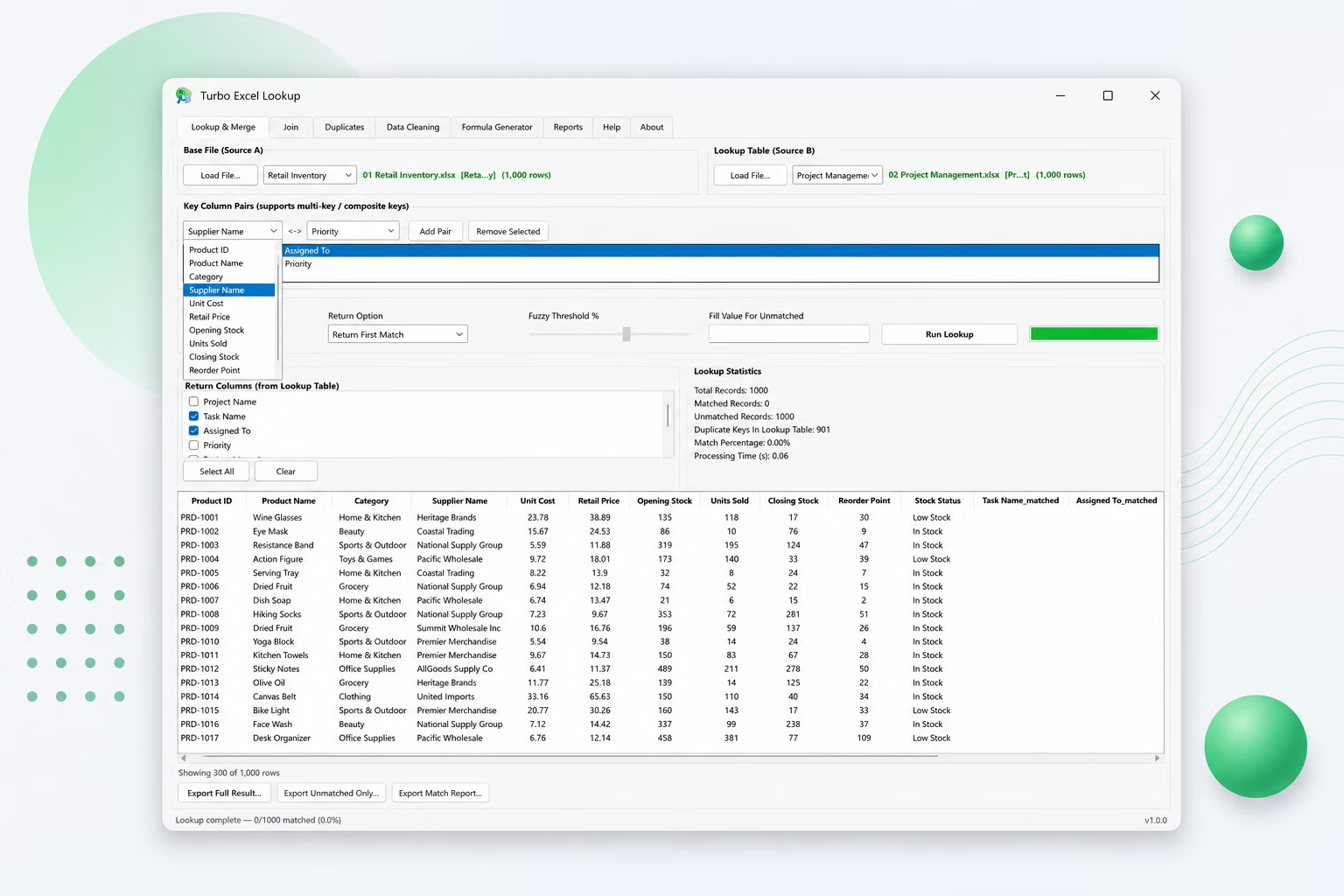
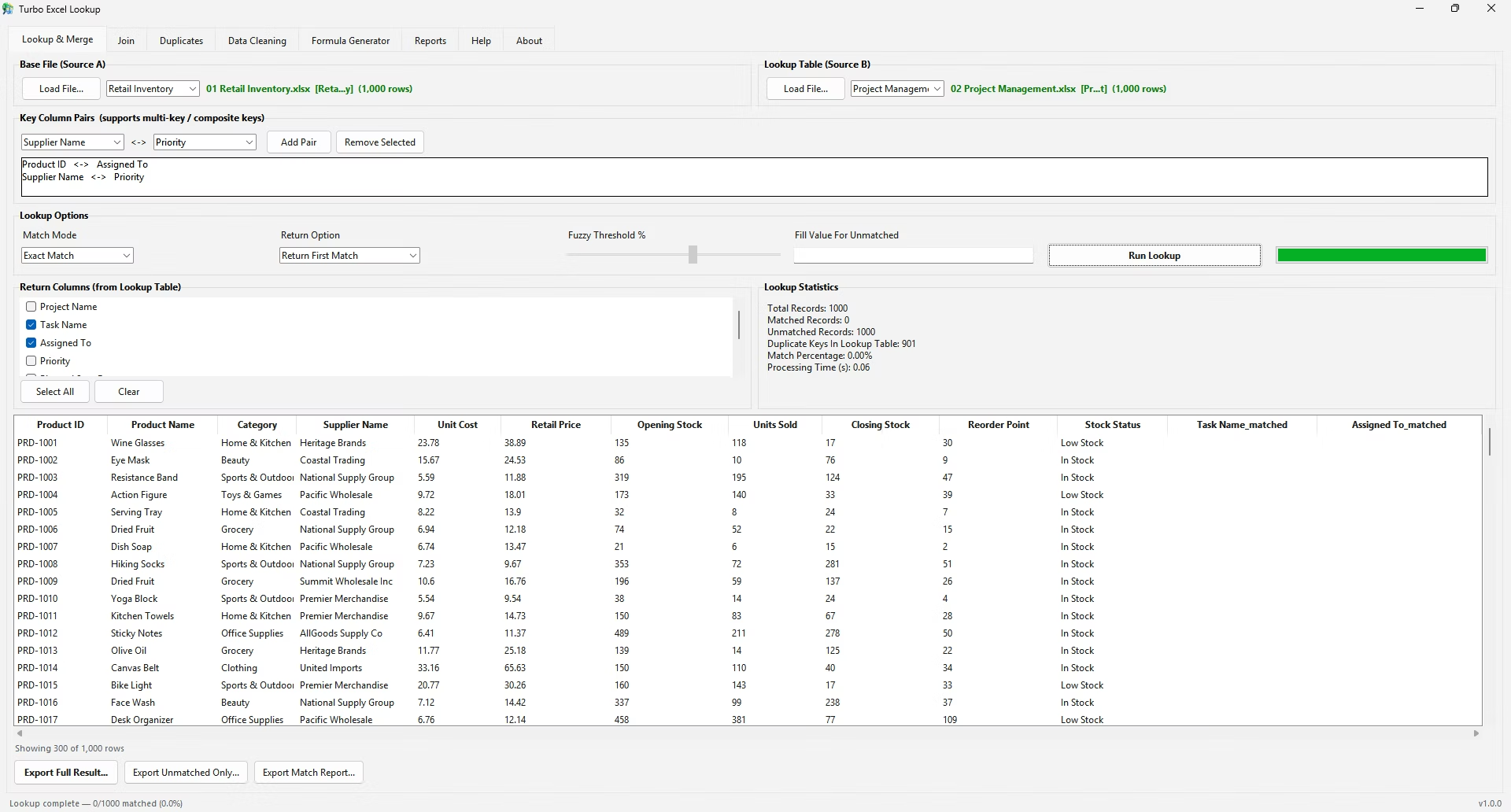
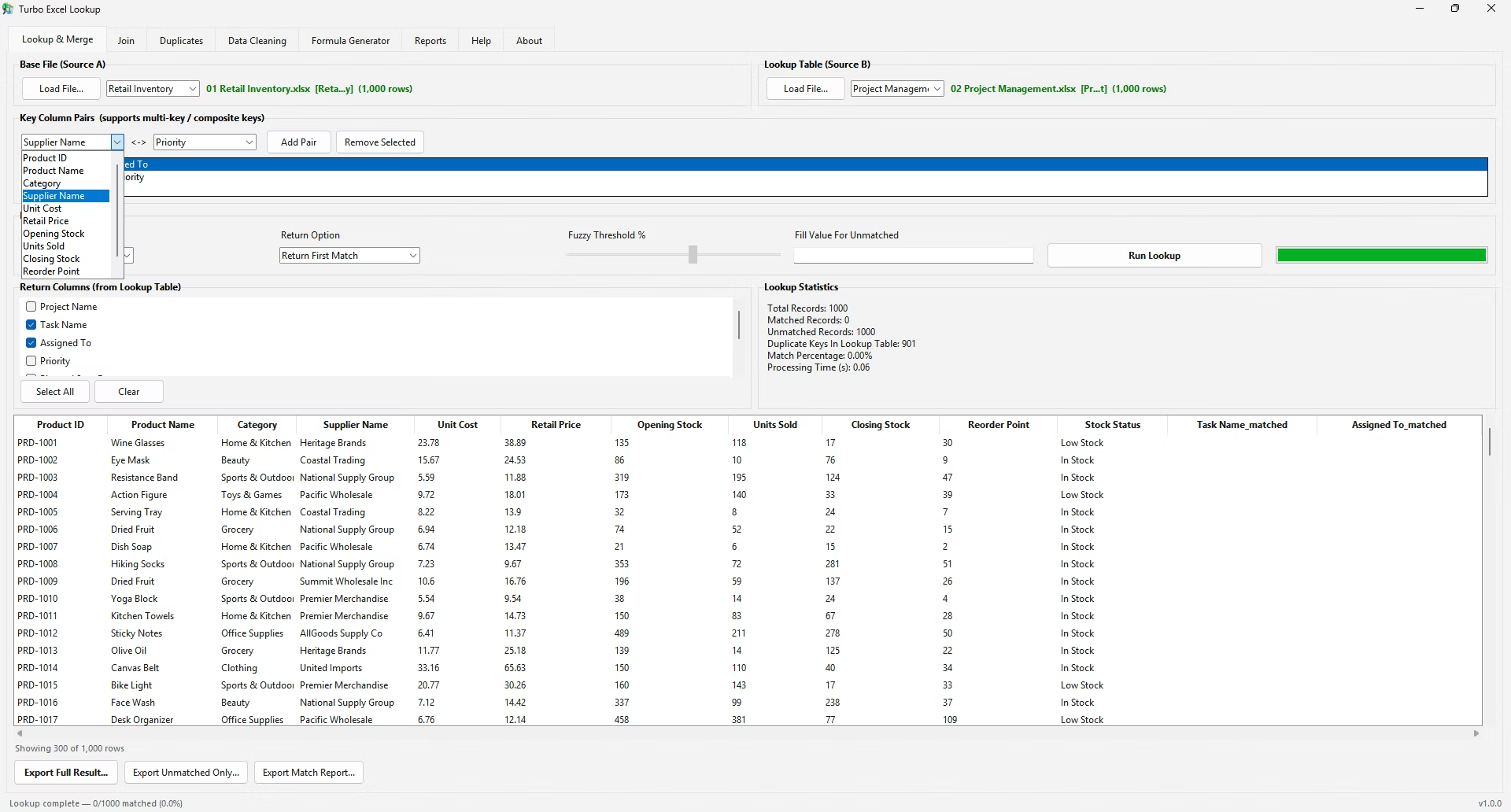
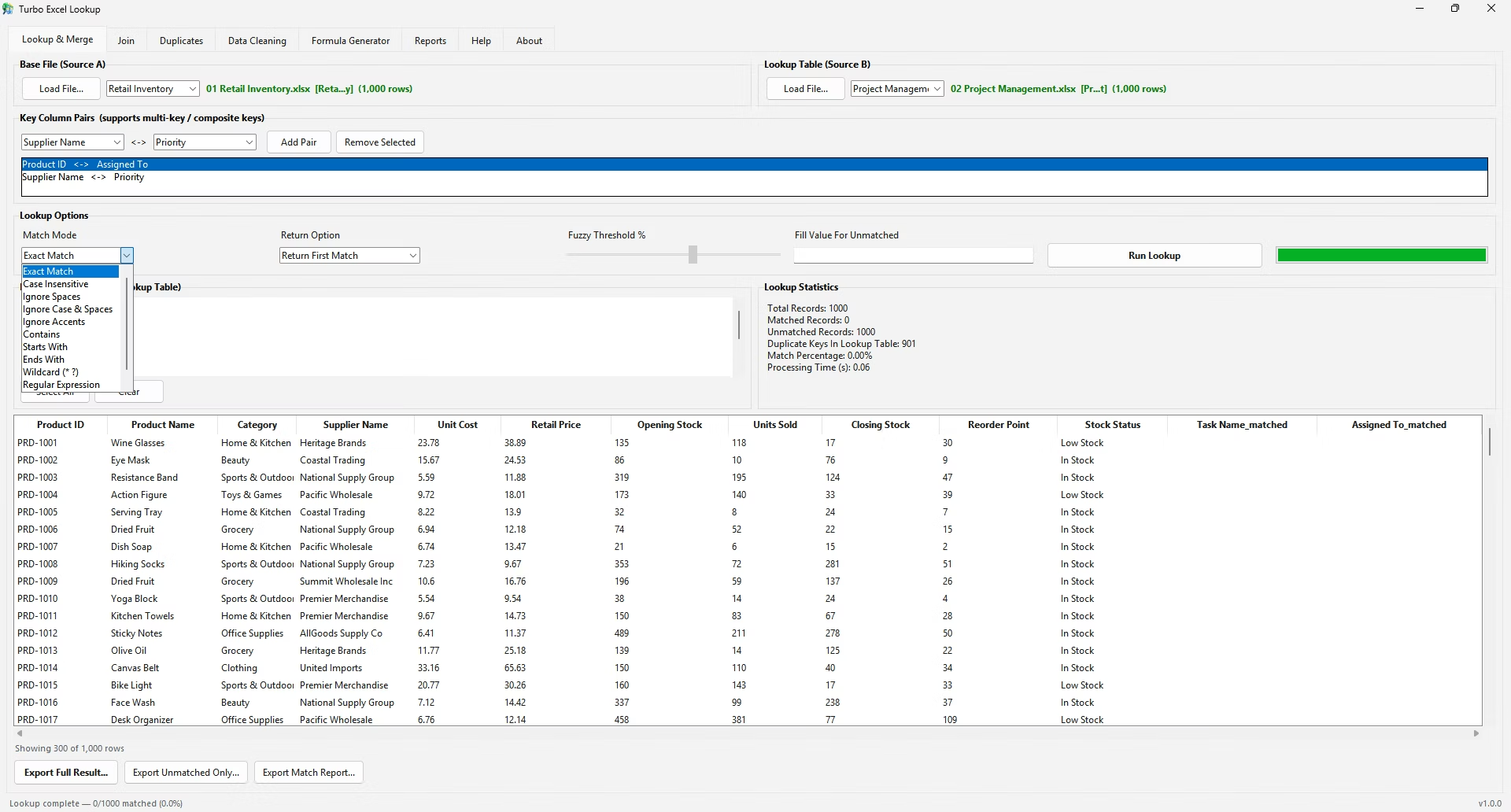
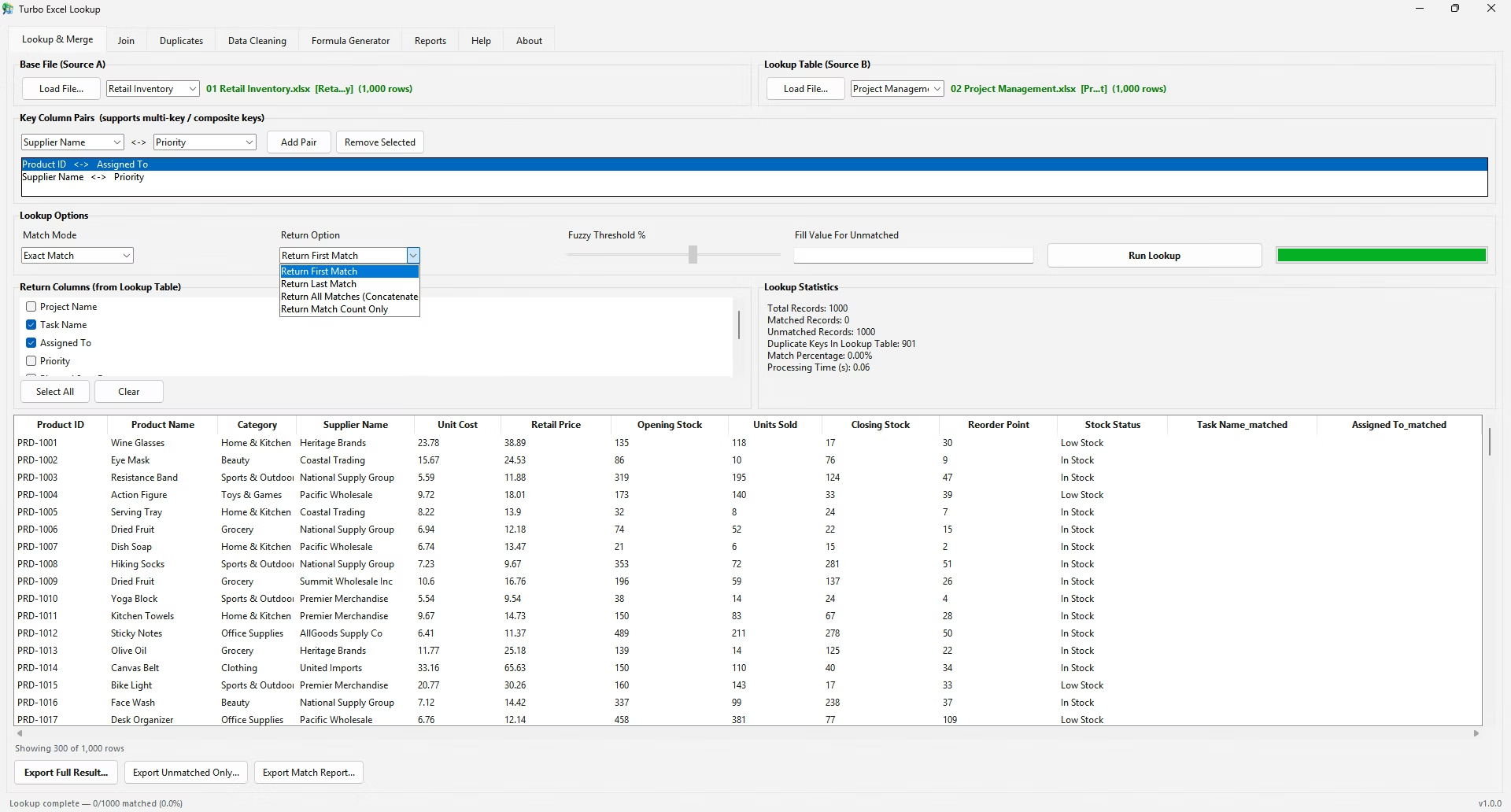
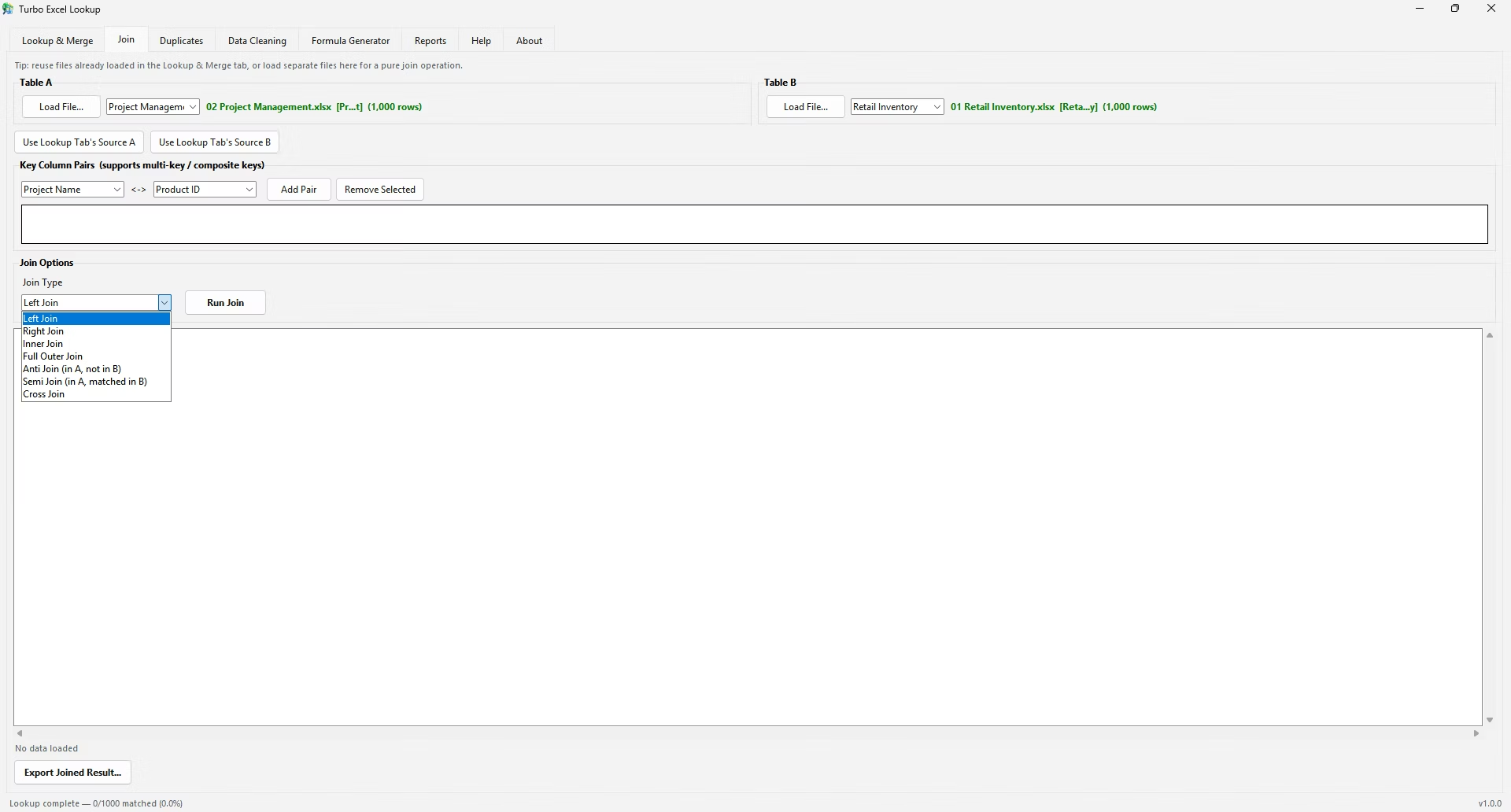
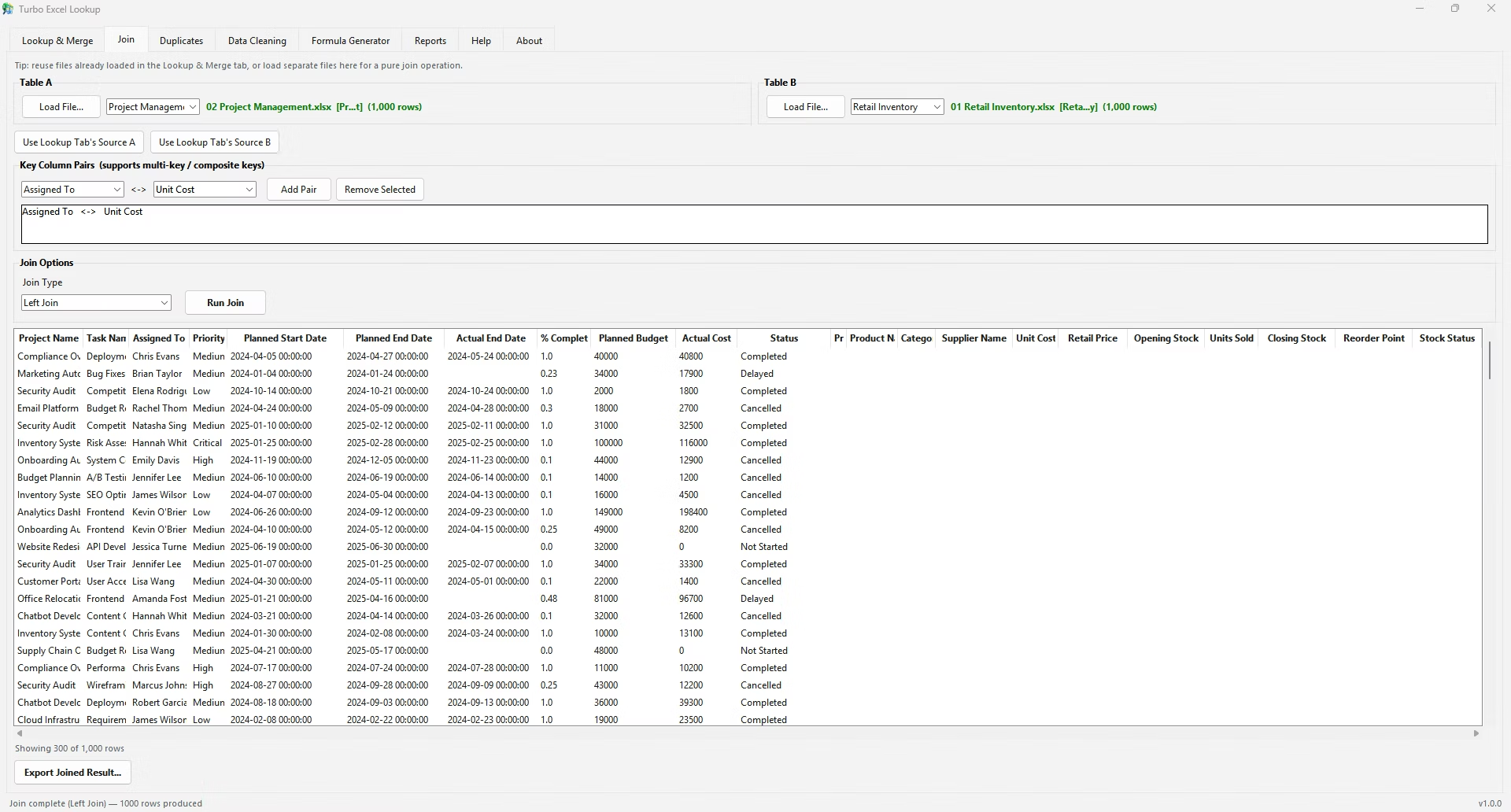
Turbo Excel VLookup doesn't store any external reference syntax at all - each match is run by loading the two files directly at the time of the match, so there's no cached value or broken link to manage afterward.
A surprising number of VLOOKUP problems turn out to be a data type mismatch rather than a logic error - a value stored as text in one column and as a number in the other will never match, even if they look identical on screen.
Before assuming the formula itself is wrong, select the lookup value's cell and check the small green triangle or the number alignment; numbers align right by default, and text aligns left, which is a fast way to spot the mismatch.
In a shared workbook, a bare VLOOKUP formula gives the next person no indication of what it's supposed to be matching or why. Adding a cell comment, or a short label in an adjacent column, explaining the source and purpose of the lookup saves significant time when the workbook is revisited months later or handed to a colleague.
This becomes even more important once a workbook has several lookups feeding into each other, since untangling a chain of undocumented formulas is far harder than reading a documented one.
What's the difference between the open-file and closed-file reference formats?
The closed-file format requires the full folder path in quotes, while the open-file format only needs the file name in brackets.
Why does a formula show an old value after the source file is closed?
Because it displays the last calculated result until the source file is reopened or accessed again.
How do I fix a broken cross-file reference after a file is renamed?
Use Data > Edit Links in Excel desktop to repoint the reference to the file's new name or location.
Does the reference syntax change based on the sheet name?
The sheet name is included directly after the file name in brackets, and needs to match exactly, including any spaces.
Why are single quotes sometimes needed around the file path?
They're required whenever the file path contains spaces, to keep Excel from misreading the reference.
Is there a way to match two files without dealing with this reference syntax?
Yes, Turbo Excel VLookup loads both files directly for each match rather than storing an external reference.
Does locking a range with F4 change how the formula calculates?
No, it only fixes the range so it doesn't shift when the formula is copied - the calculation itself works the same either way.
What's a fast way to check what a formula is actually returning?
Selecting part of the formula in the formula bar and pressing F9 shows its calculated value directly, without changing the formula.
Can trailing spaces in a cell cause a lookup to fail?
Yes, an extra space at the end of a value is invisible but prevents an exact match; TRIM() around the lookup value often fixes this.
Does the order of rows in the source data matter for an exact match?
No, an exact match search works regardless of row order; only an approximate match requires sorted data.
Ready to stop fighting #N/A errors and match your spreadsheets visually?