Excel Lookup Without Formulas is what Turbo Excel VLookup was built for: automatically match your data, without opening the formula bar or worrying about column counting, exact-match arguments, or broken external references.
The sections below cover how the matching process works, what's included, who it tends to fit best, and how it compares to writing the equivalent VLOOKUP formula by hand, so you can decide quickly whether it fits your own spreadsheets.
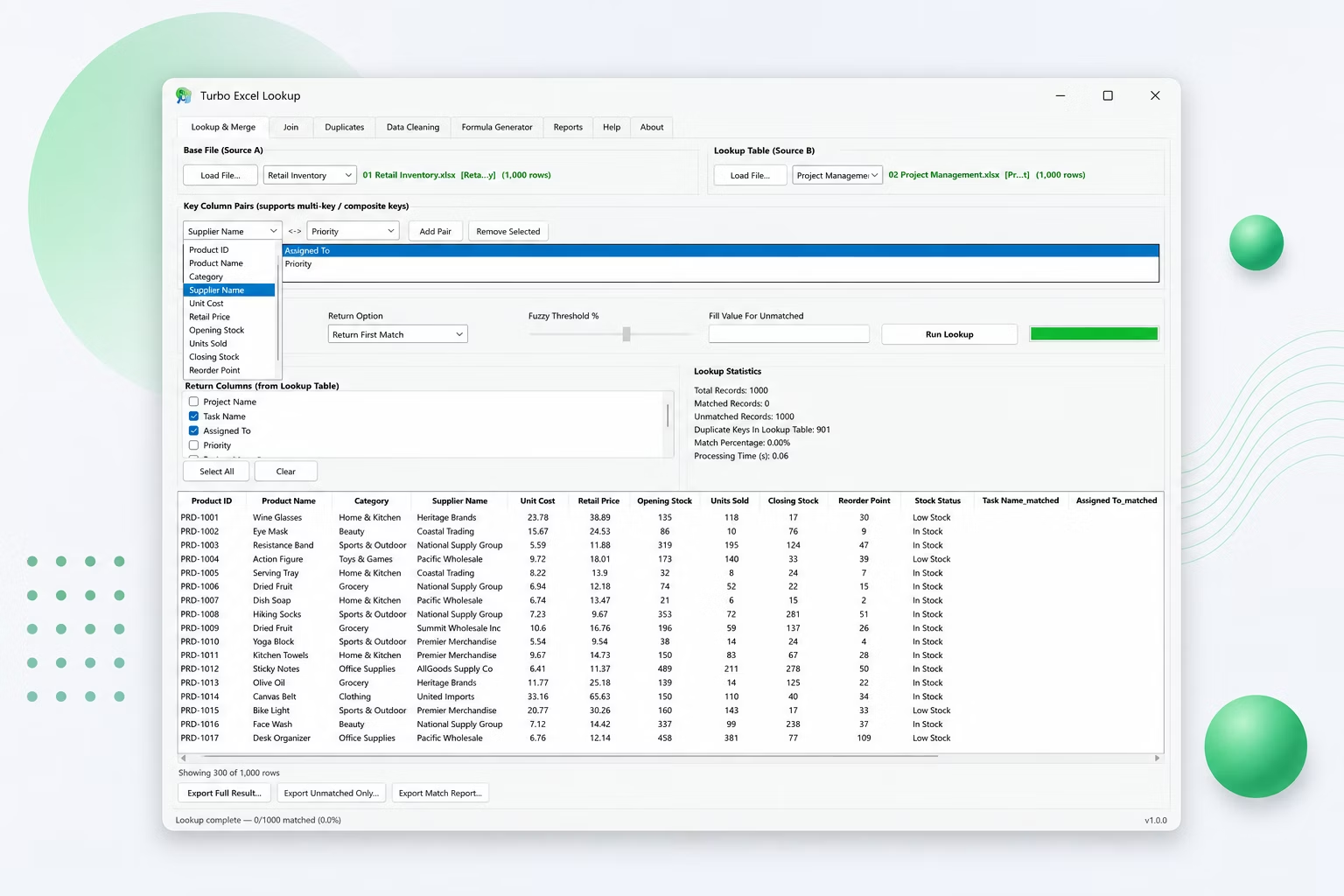
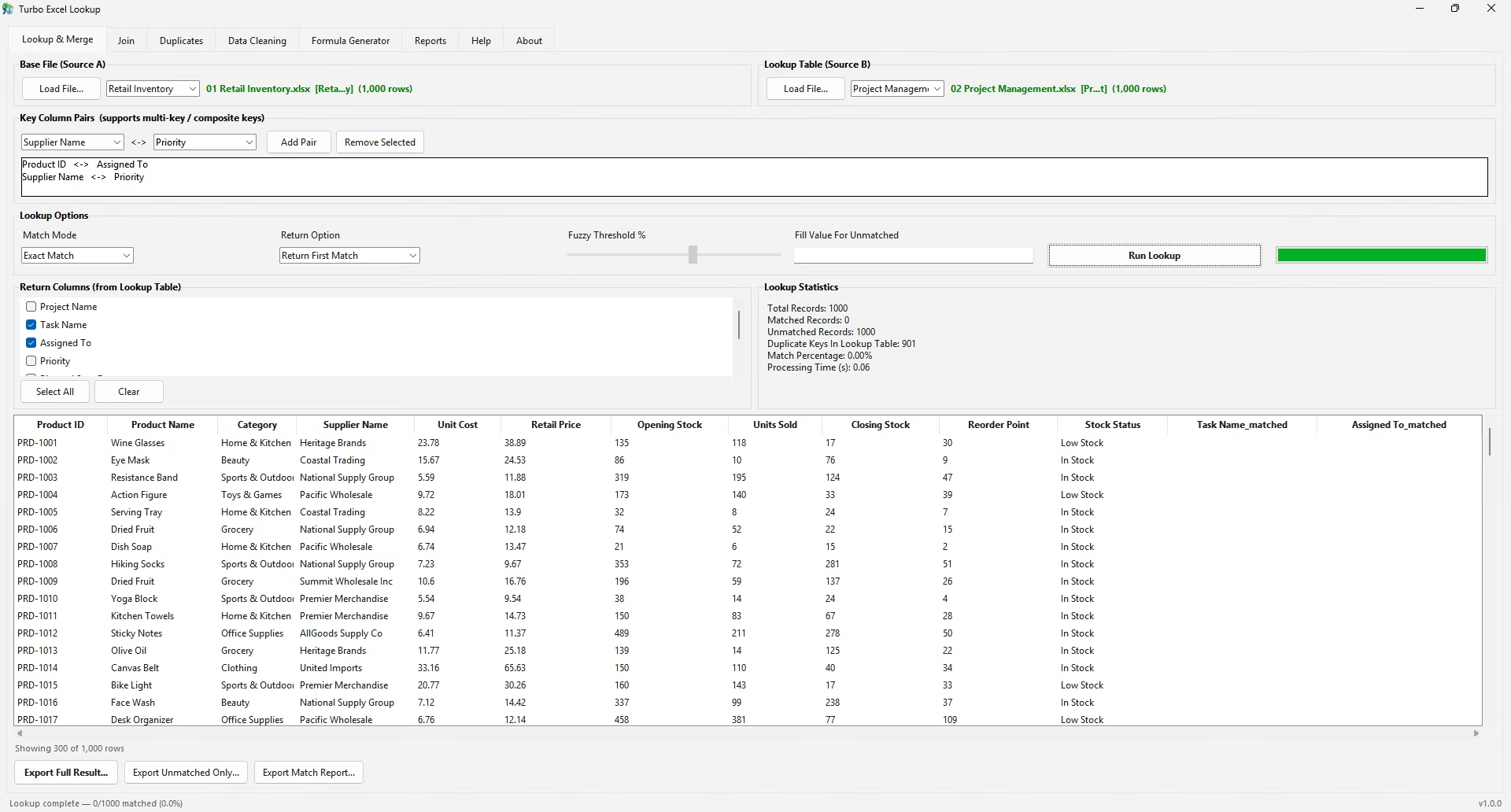
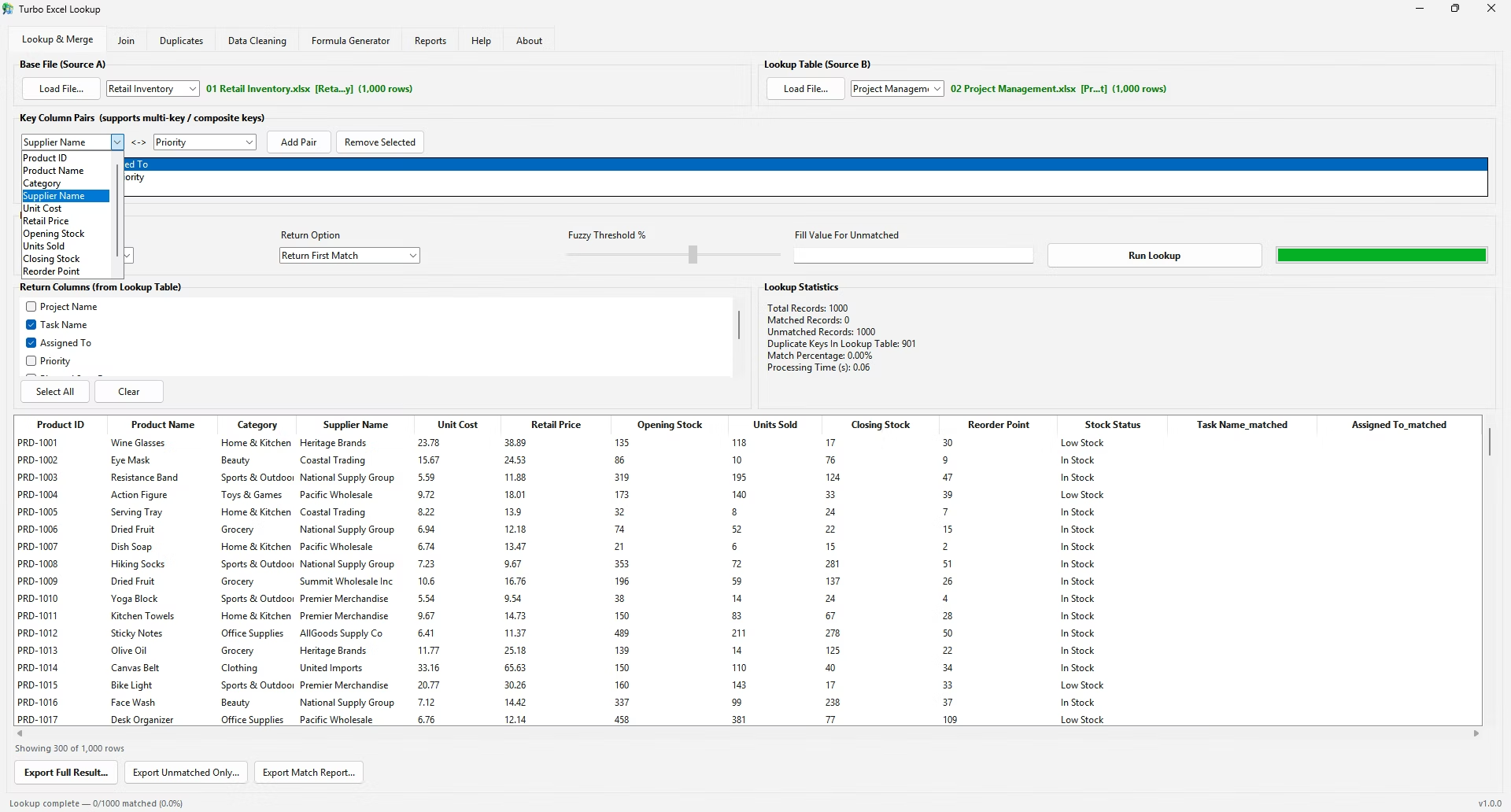
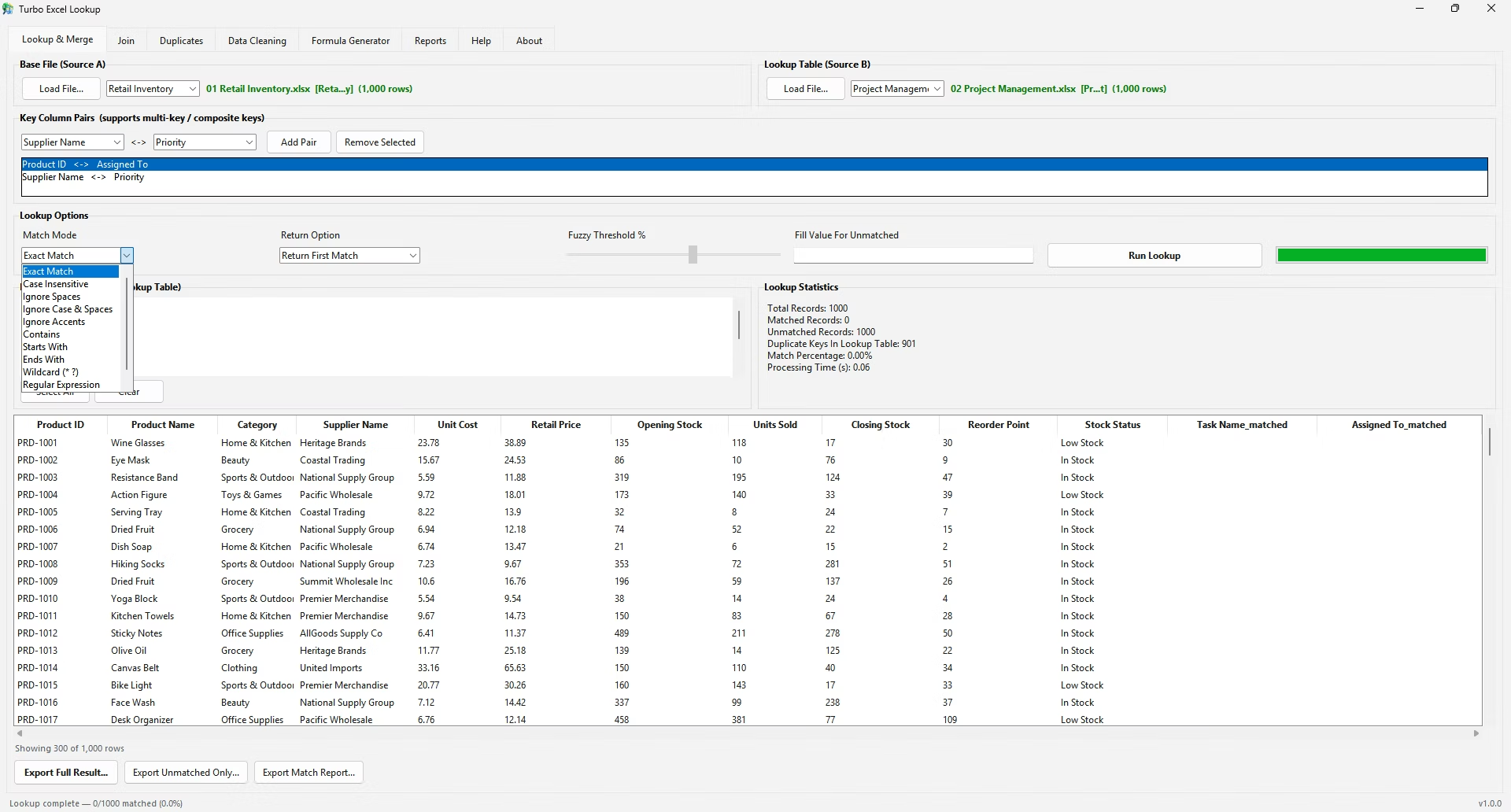
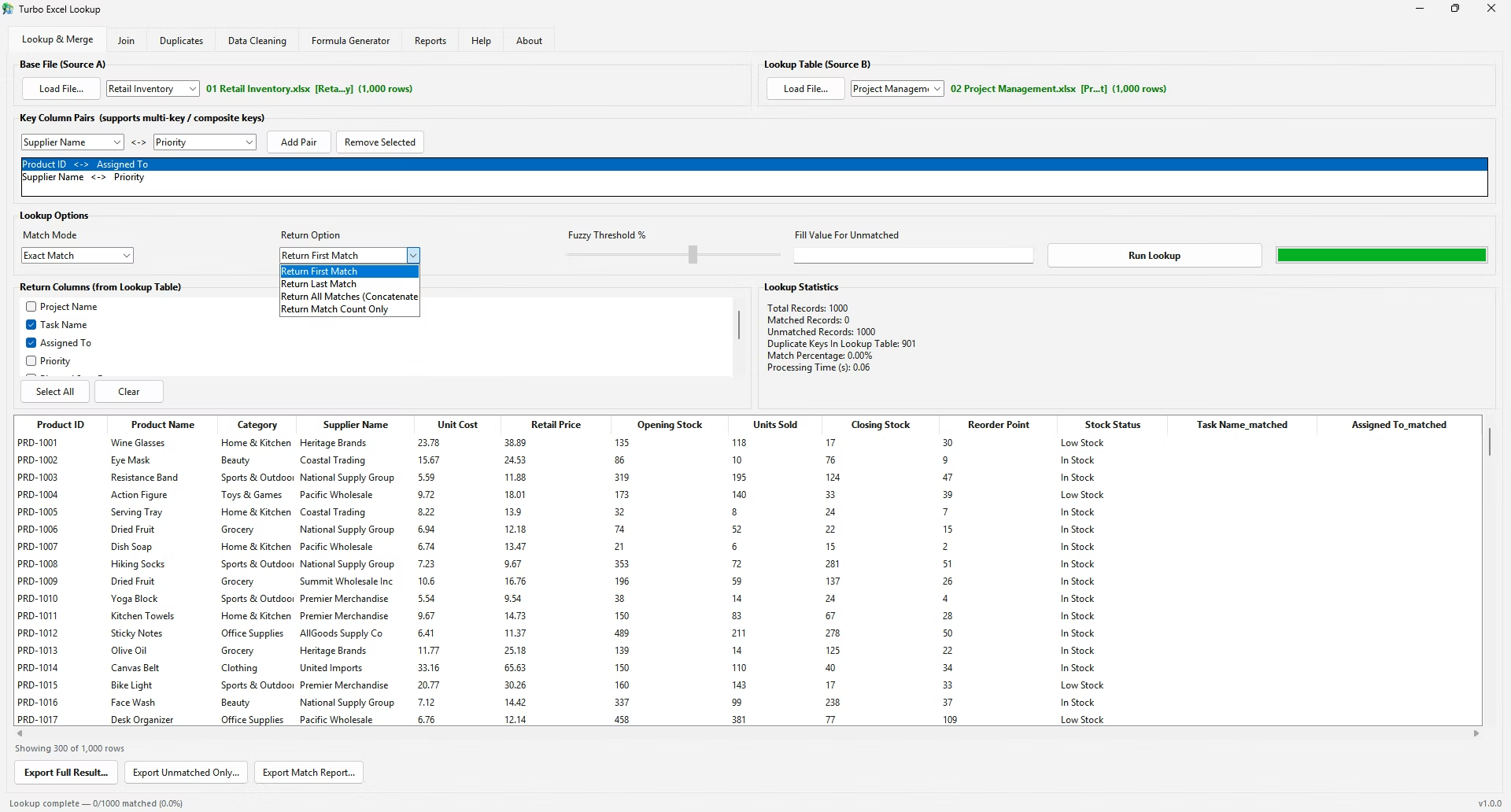
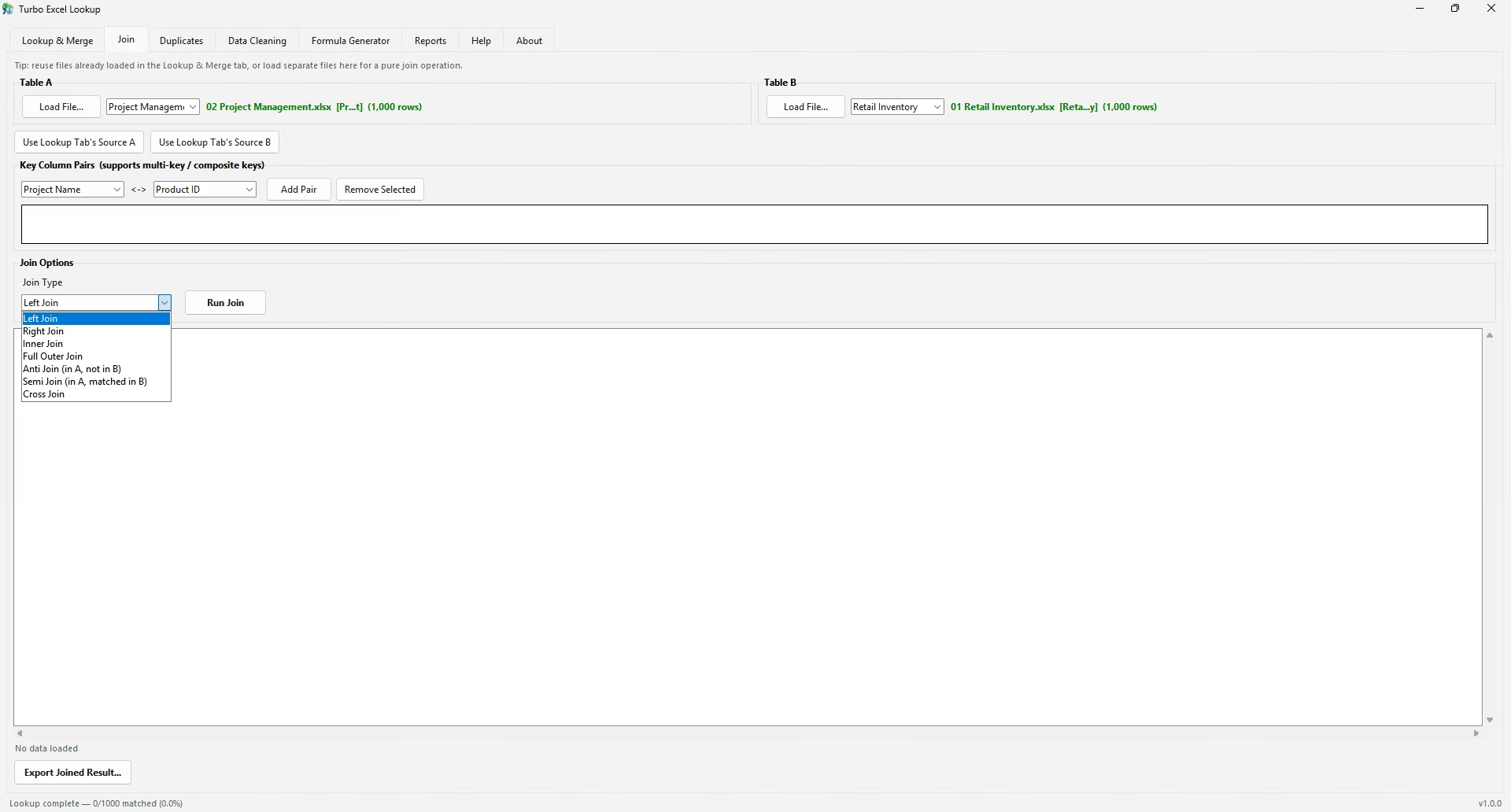
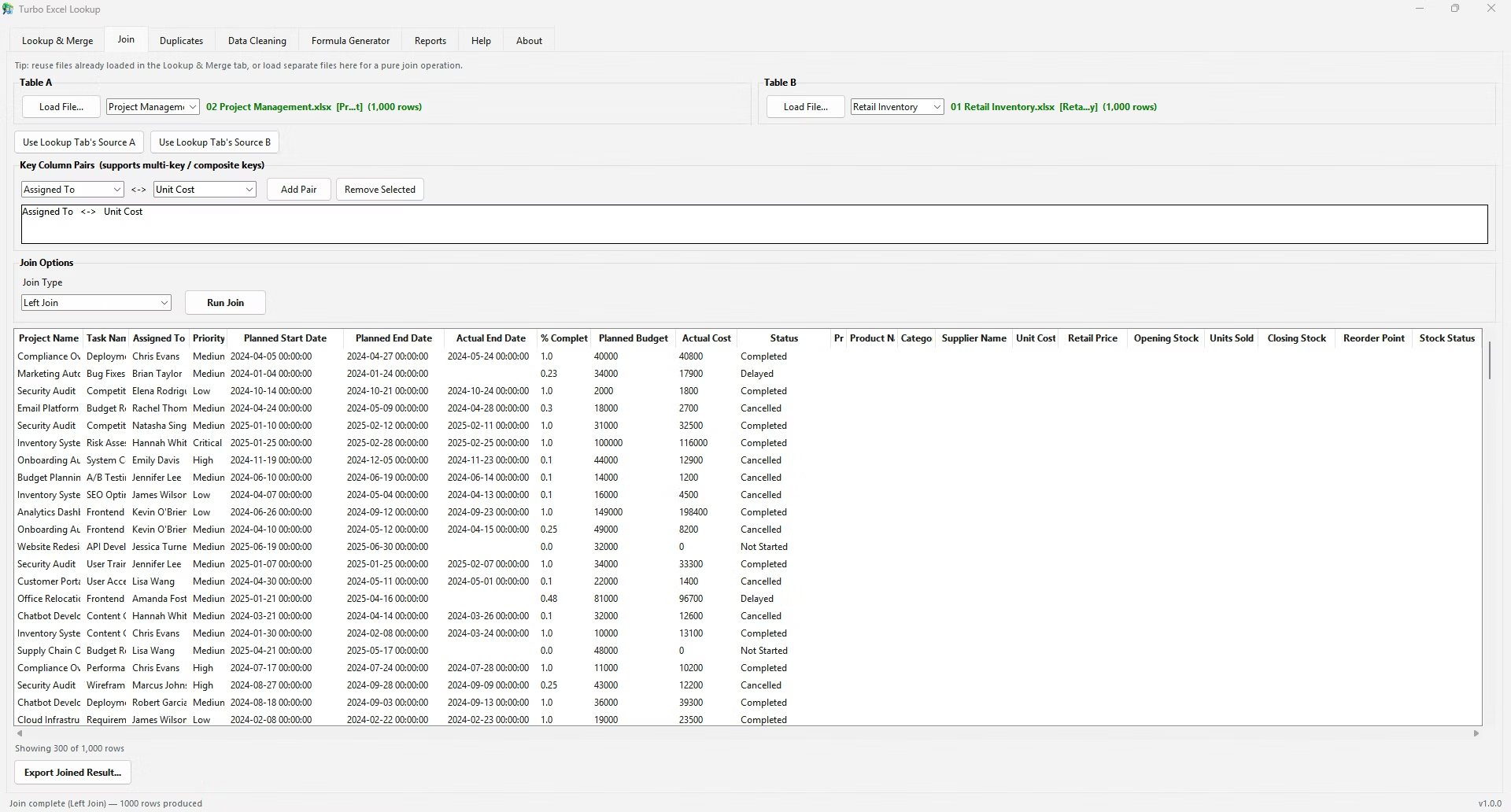
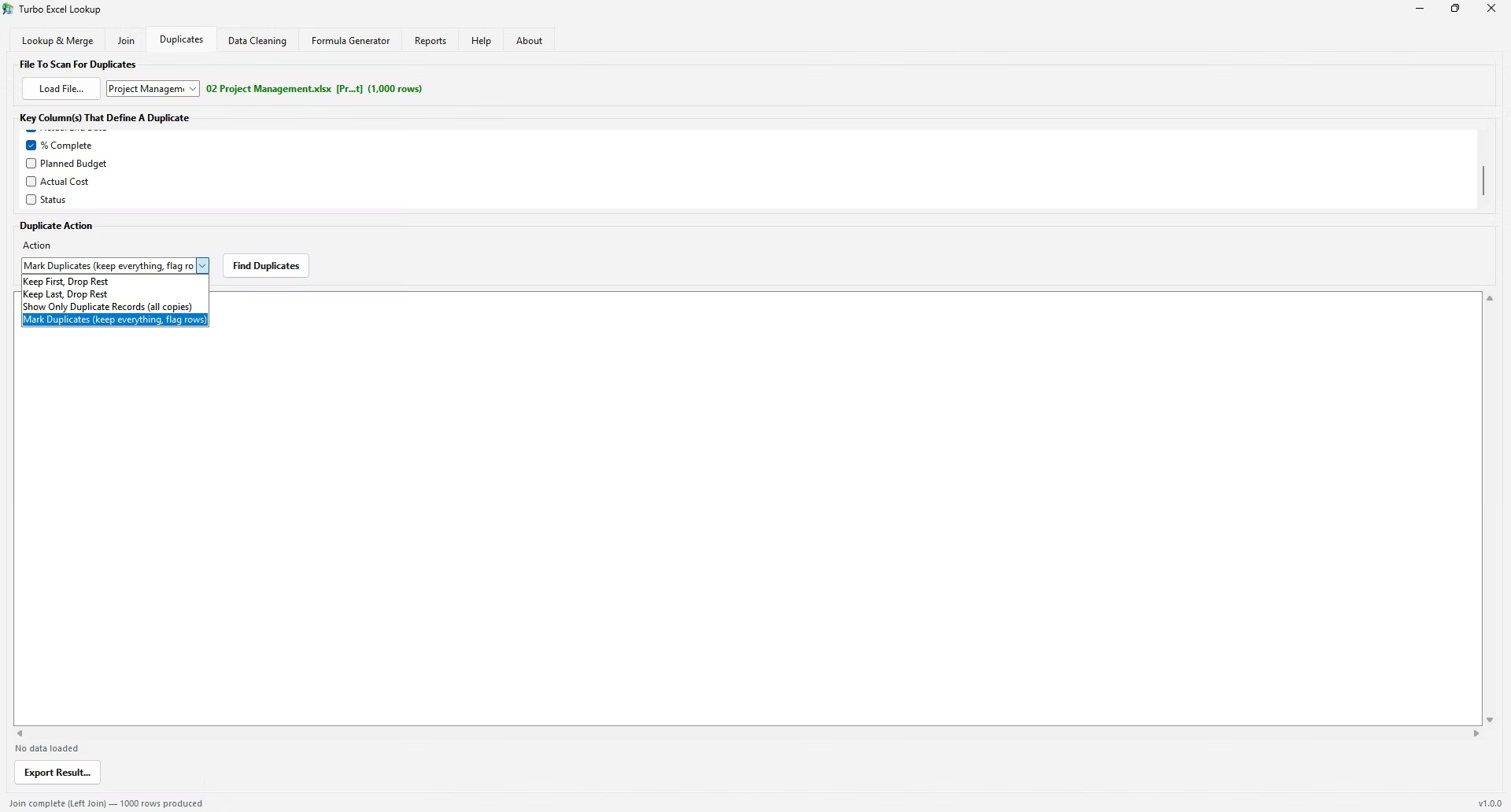
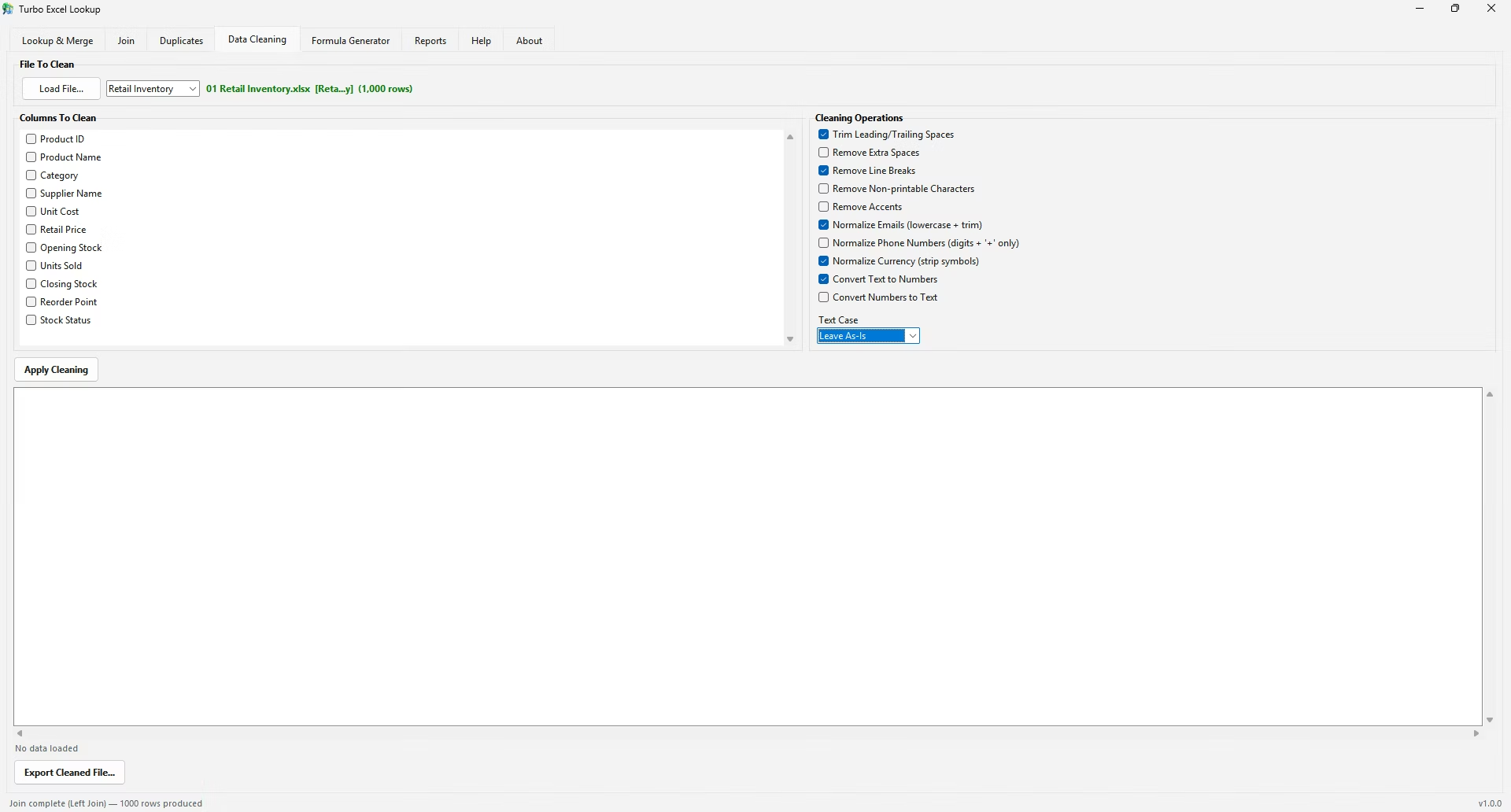
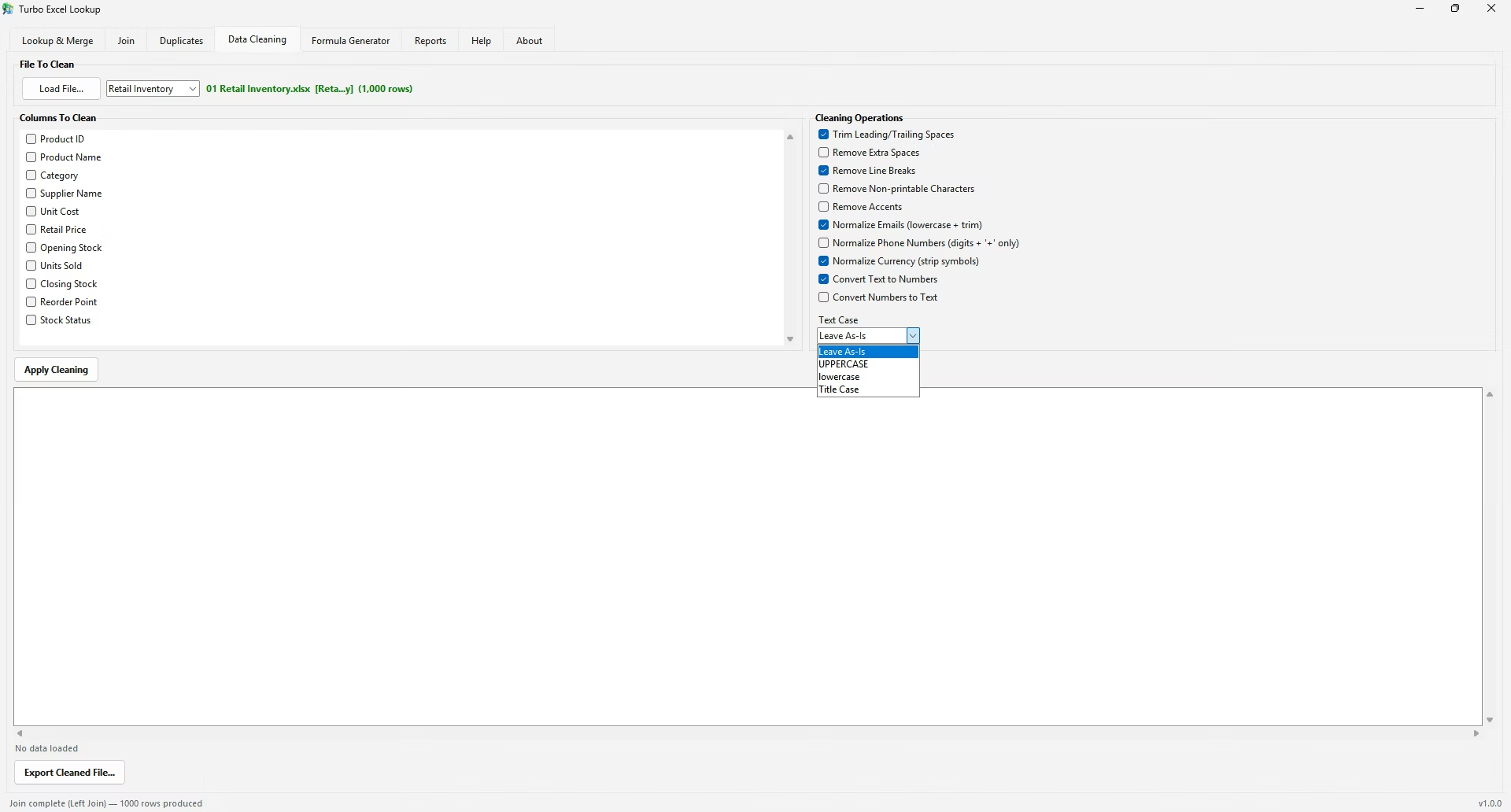
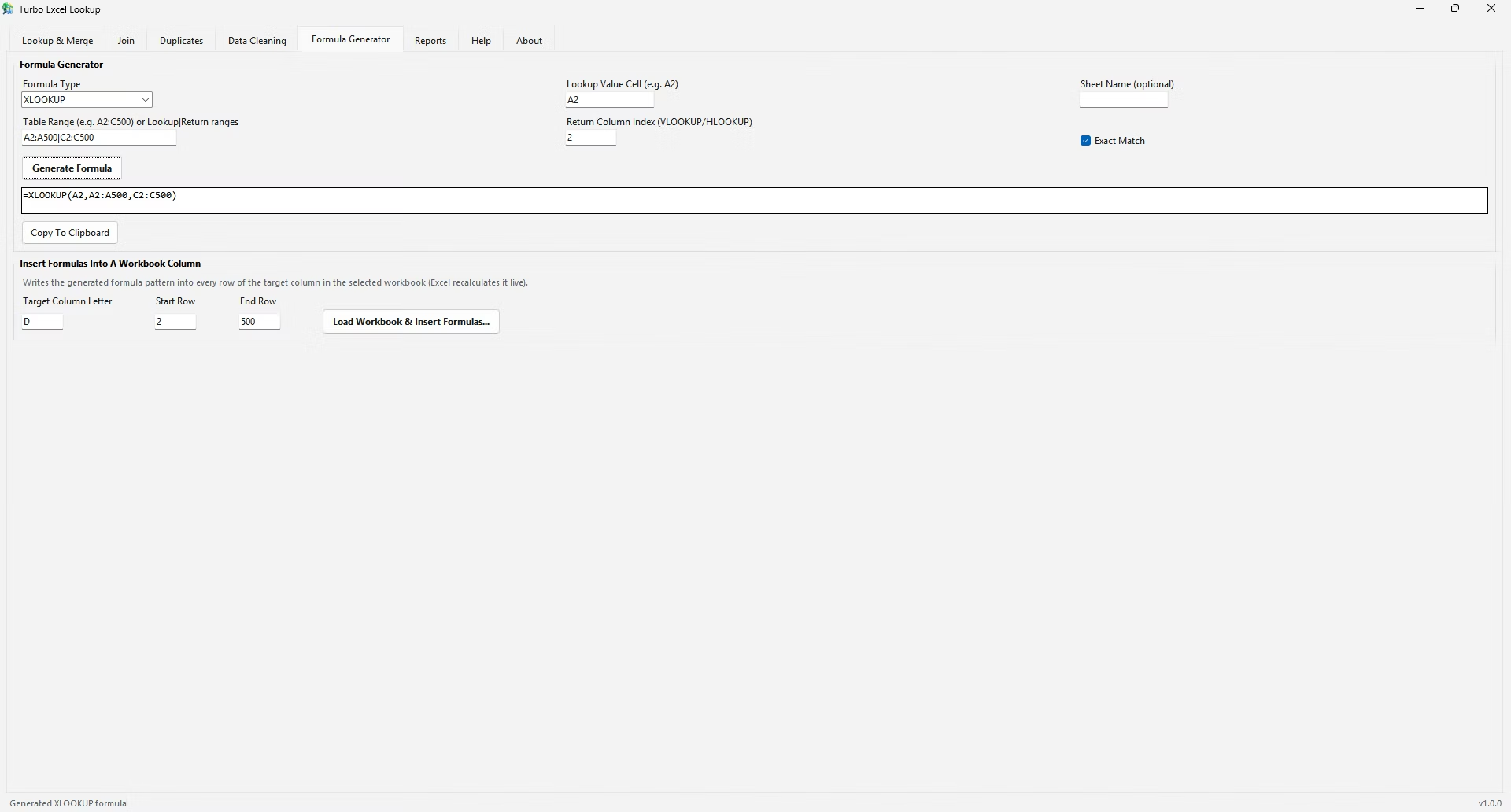
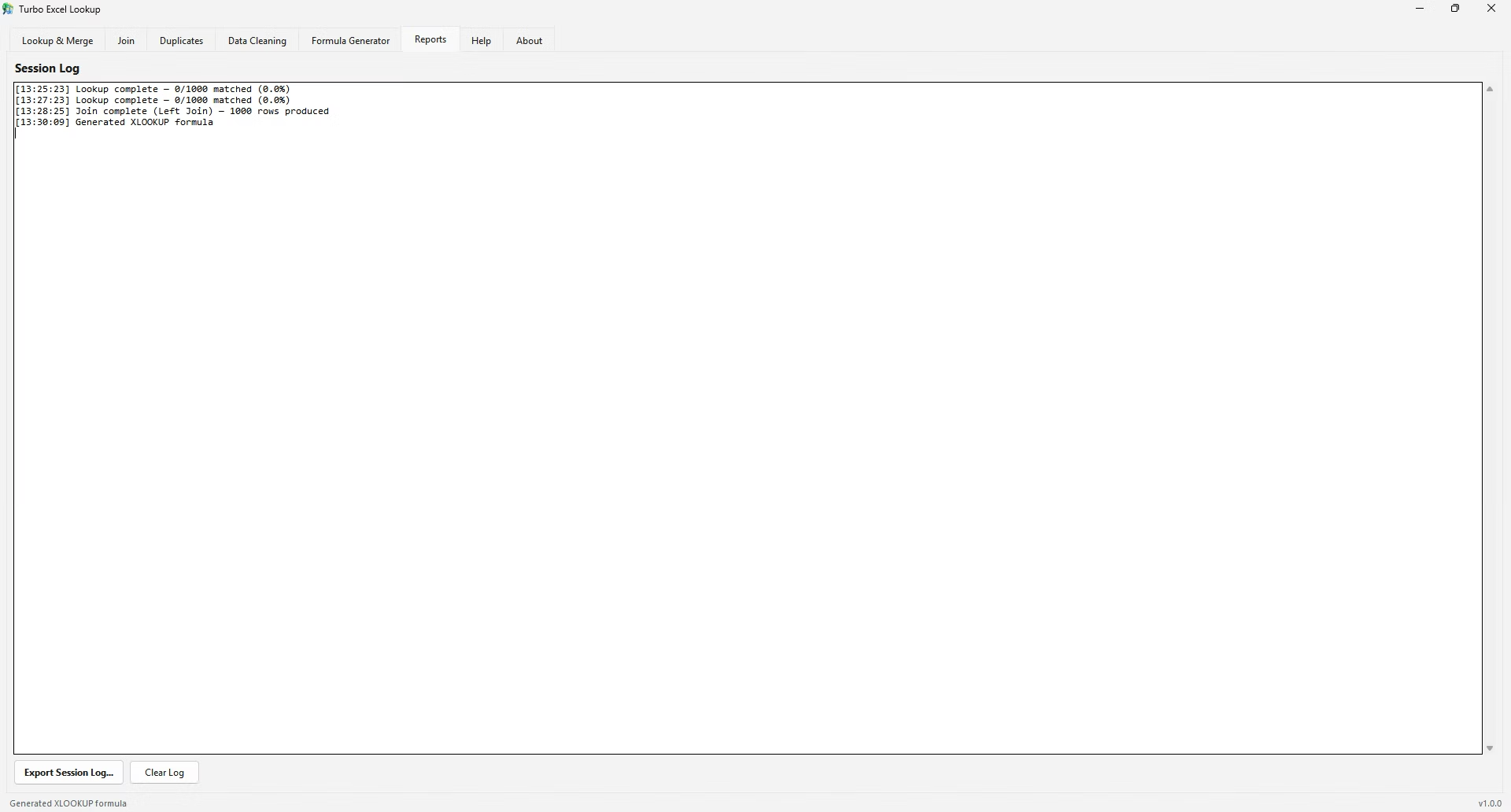
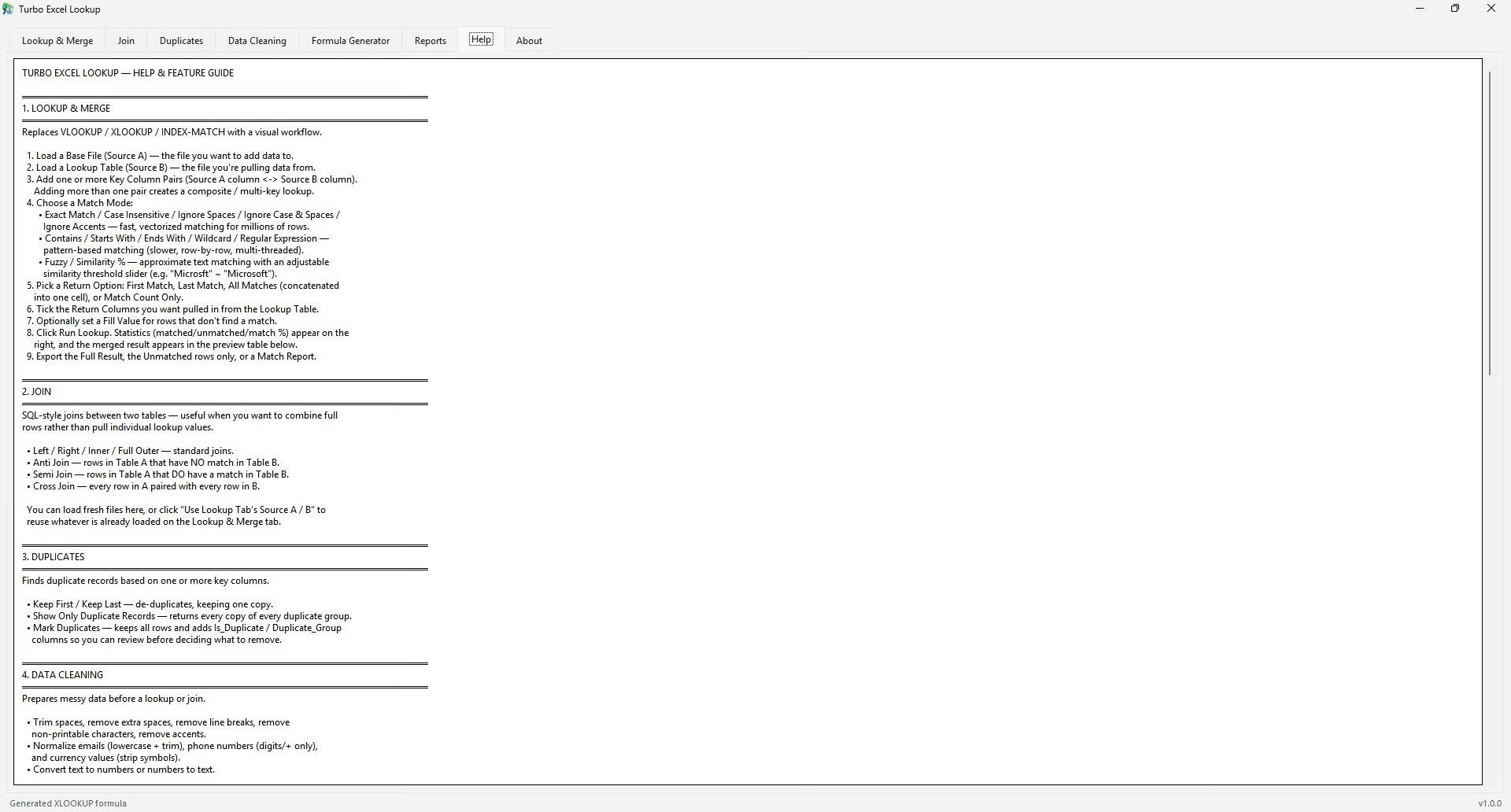
- Load the file you want to enrich, and the file that holds the reference data.
- Map the two ID columns that should be used to find matching rows.
- Select every column you want brought across in a single pass, not one at a time.
- Run the match across the entire dataset at once.
- Review the session log and export the finished spreadsheet.
Matching still comes down to the same basic idea as a manual VLOOKUP - given an ID in this table, find the related value in another file:
| Employee ID | Name | Department | Salary |
|---|---|---|---|
| E101 | Asha Rao | Marketing | 54000 |
| E102 | Vikram Shah | Finance | 61000 |
| E103 | Priya Nair | Sales | 48000 |
Instead of writing =VLOOKUP("E102", A2:D4, 3, FALSE), the same result comes from picking the Employee ID column in each file from a dropdown and ticking Department as a return column.
- No formula syntax, no column counting, no TRUE/FALSE arguments to remember
- A guided, point-and-click screen replaces the formula bar entirely
- Works identically whether the data lives in one file or two
- No broken formulas left behind if rows are added, deleted, or reordered later
- Produces a plain, formula-free spreadsheet that's easy to share with anyone
A good fit for anyone who finds VLOOKUP's syntax more trouble than it's worth, or who manages spreadsheets for people who aren't comfortable writing formulas themselves.
It's also useful in shared workbooks where formulas tend to break when someone unfamiliar with them edits a column.
VLOOKUP's four-argument syntax is a common source of avoidable errors - a missed FALSE, a miscounted column, or an unlocked range that shifts. A dropdown-based interface removes each of those specific failure points.
For anyone moving away from formulas, it helps to first run the match on a small sample of rows and compare the results against a known-correct VLOOKUP formula, just to build confidence that the two approaches agree before relying on it for a full dataset.
After that initial check, most people find the dropdown-based setup faster than writing formulas for every new lookup that comes up.
Is this meant for people who already know VLOOKUP?
It's built for both - it removes formula syntax for beginners, and saves setup time for people who already know VLOOKUP well.
Will my results differ from a properly written VLOOKUP formula?
No, an exact-match lookup produces the same result either way; the difference is only in how the match is configured.
What happens to rows that don't find a match?
Unmatched rows are clearly reported in the match statistics rather than silently left blank or causing an error.
Is a Gumroad license required to use the full feature set?
Yes, a license key activates the full version; activation details are covered on the Support and Activate pages.
Can the same match be re-run later on updated files?
Yes, the same column mapping can be reused any time the source files are refreshed with new data.
Does it work with very large spreadsheets?
Yes, the matching engine is built with parallel processing to handle large files without slowing down.
Is any coding or macro knowledge required?
No, the entire process is handled through a point-and-click interface with no code involved.
Does this replace VLOOKUP entirely, or work alongside it?
It can be used instead of writing a VLOOKUP formula, or alongside existing formulas in the same workbook - there's no conflict either way.
What file formats are supported?
XLSX, XLS, and CSV files are supported for both input and output.
Does the source file need to stay open while matching runs?
No, both files are loaded directly by the app and don't need to remain open in Excel.
Does it work on both Windows and Mac?
It's a native Windows desktop application; Mac users typically run it through a Windows virtual machine or Boot Camp.
Ready to stop fighting #N/A errors and match your spreadsheets visually?