VLOOKUP and Pivot Tables solve different problems, but they're frequently used together in the same workflow: VLOOKUP pulls related details across from another table first, and a Pivot Table then summarizes that combined data by category, total, or average.
This page walks through a typical order of operations using an order table, so it's clear when to reach for each tool.
VLOOKUP answers "what value corresponds to this ID," pulling in one piece of information at a time. A Pivot Table answers a different kind of question - "how do these values break down by category" - by grouping and summarizing rows automatically, without needing individual formulas.
Starting with this order table, a City column is missing a Region label needed for reporting:
| Order ID | Customer Name | City | Status |
|---|---|---|---|
| ORD-501 | Rohan Gupta | Chennai | Shipped |
| ORD-502 | Meera Pillai | Bengaluru | Pending |
| ORD-503 | Arjun Nair | Hyderabad | Delivered |
With Region now added as a column via VLOOKUP, a Pivot Table can be built from Insert > PivotTable, dragging Region into Rows and Status into Values (as a count), producing a breakdown of order status by region in a few clicks.
Pivot Tables can only summarize data that's already present in the source range - if Region isn't in the table before the Pivot Table is built, it won't be available as a field afterward without refreshing the Pivot Table's source range to include the new column.
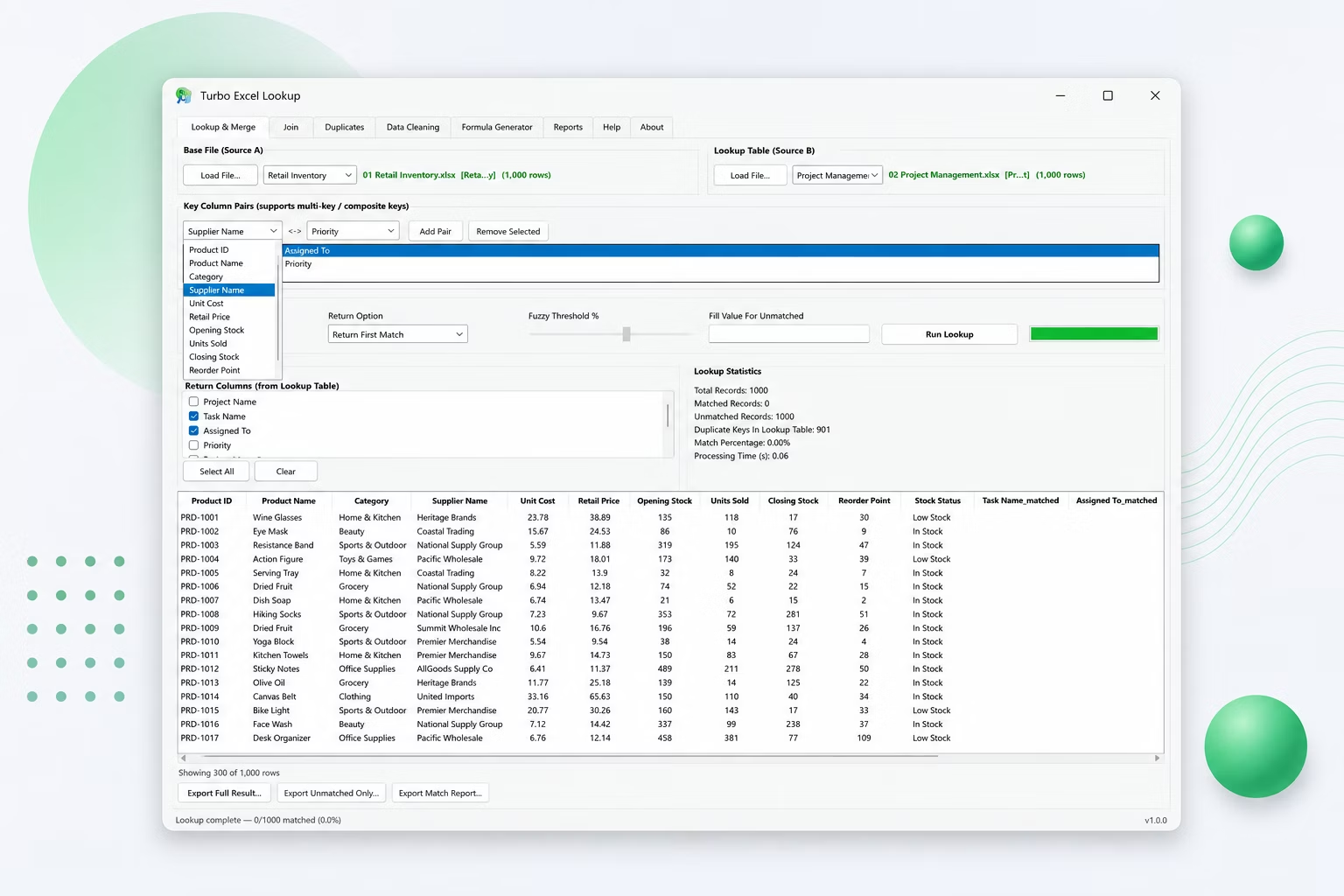
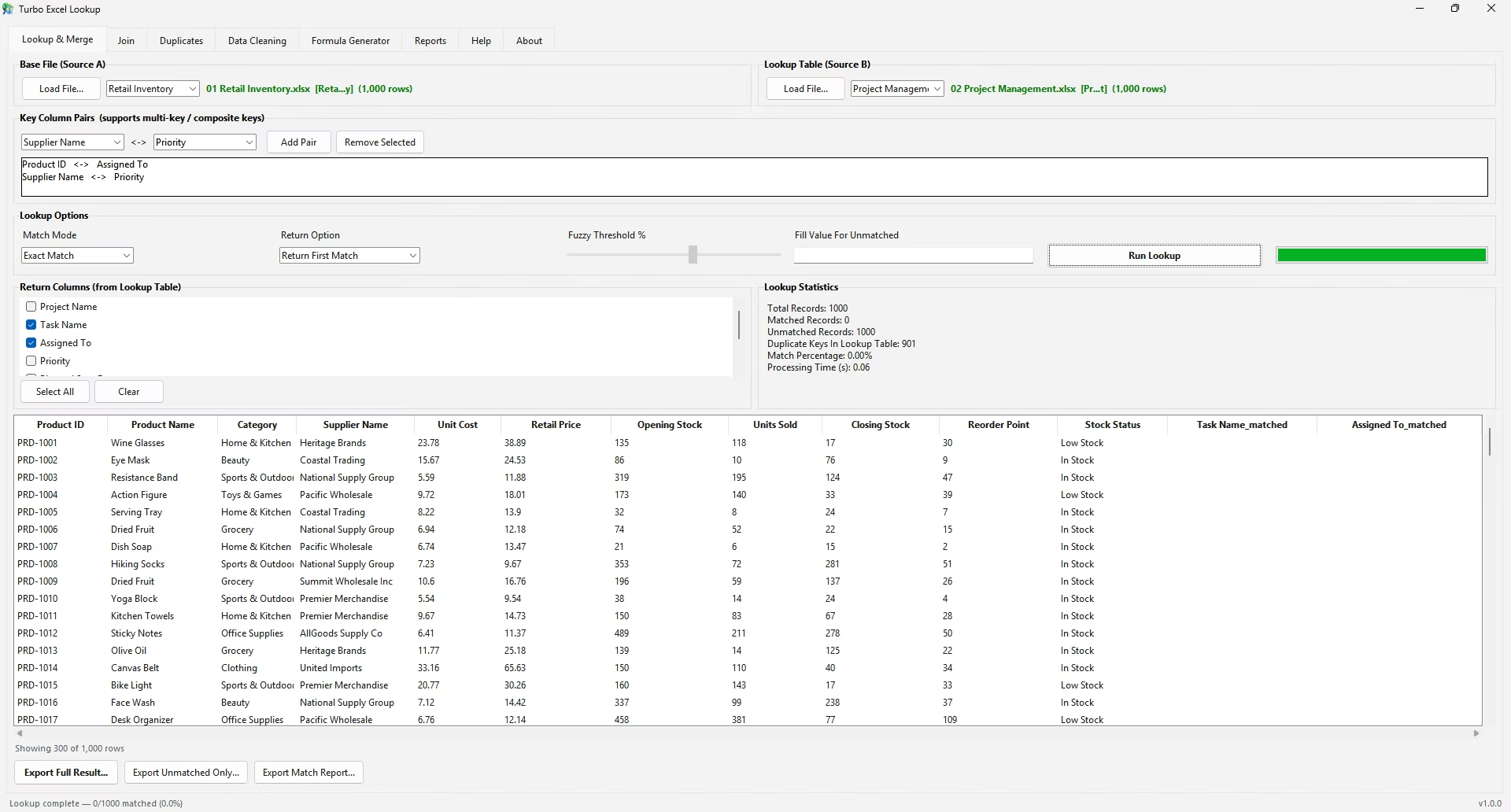
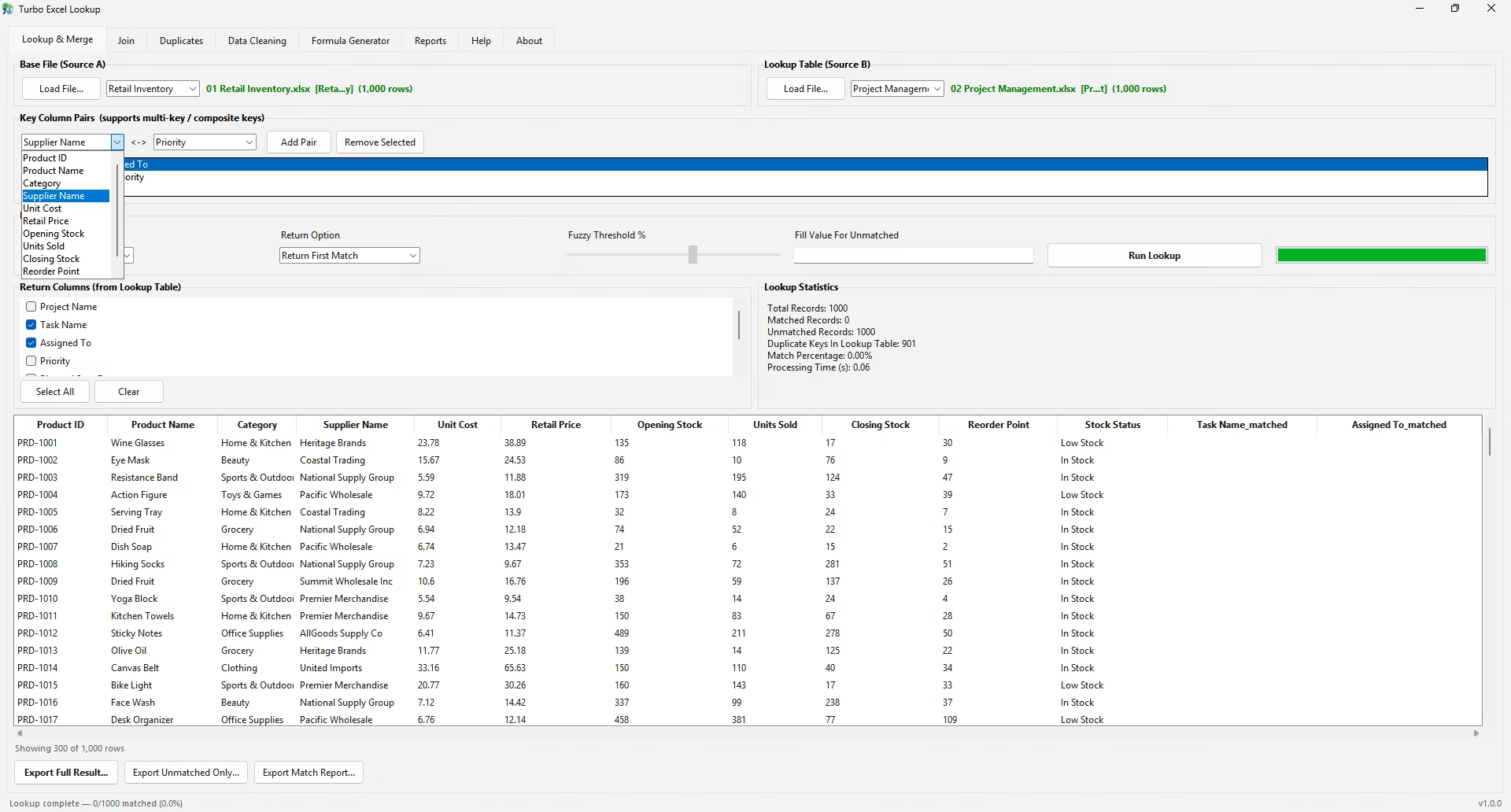
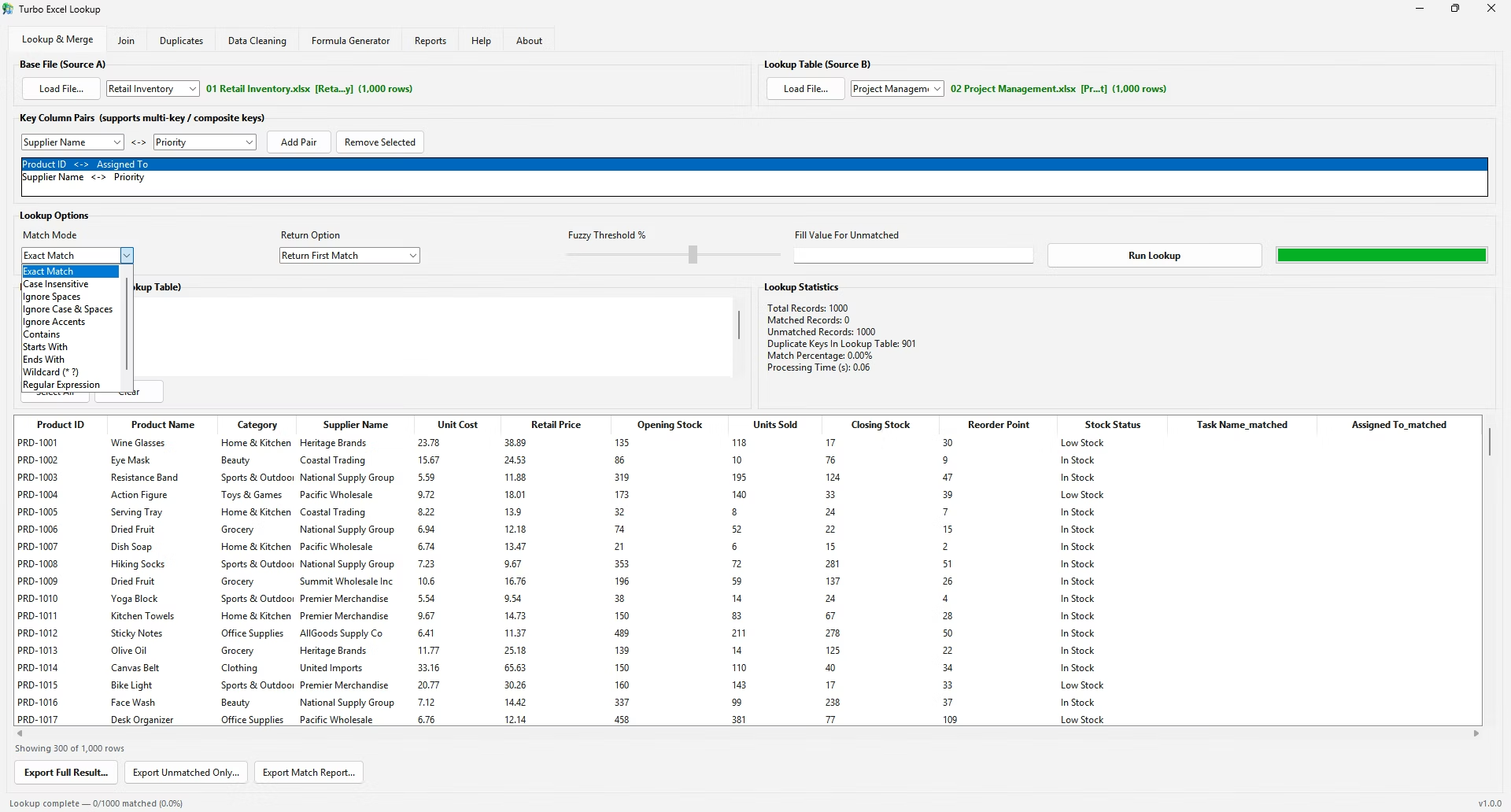
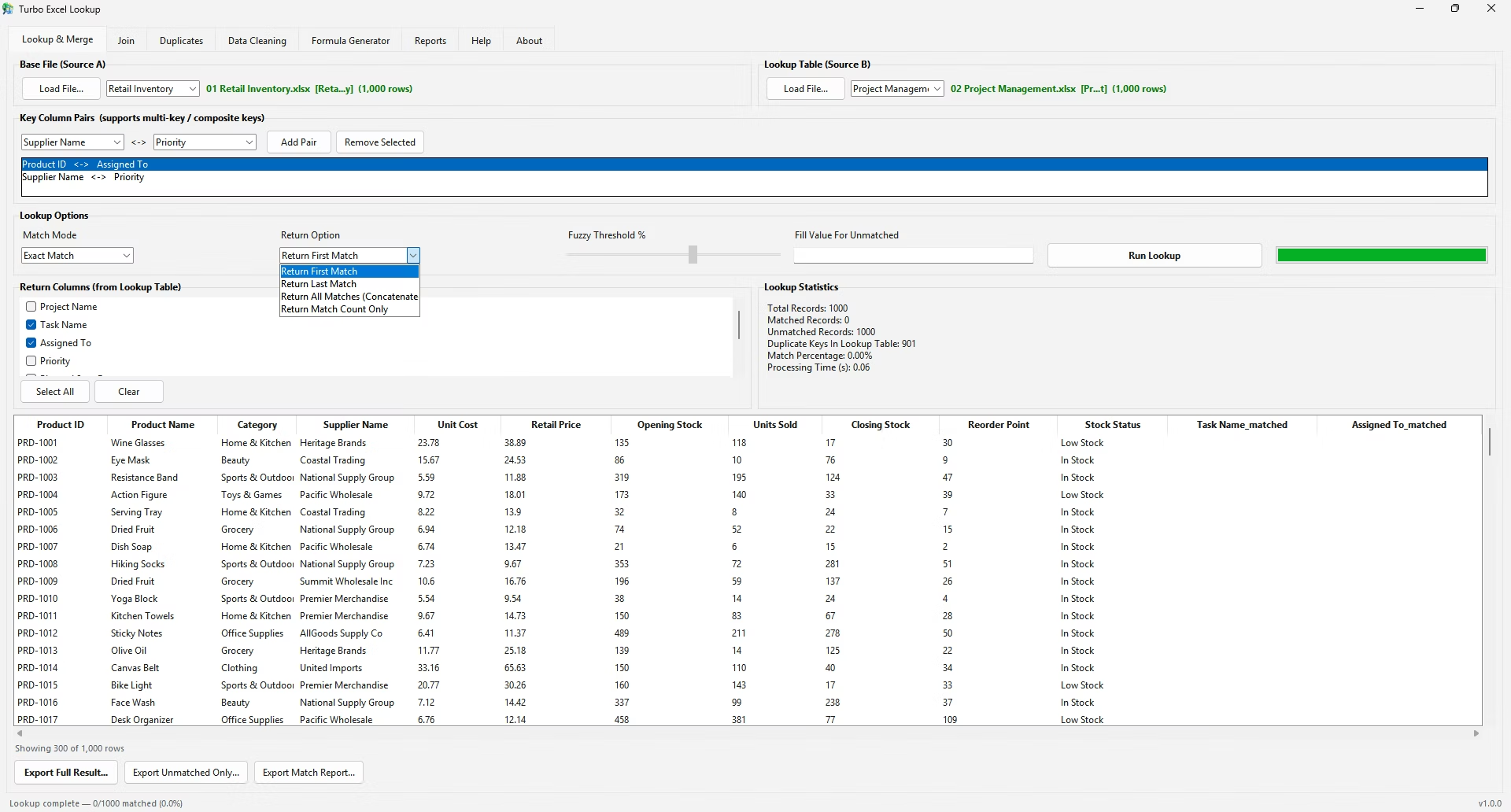
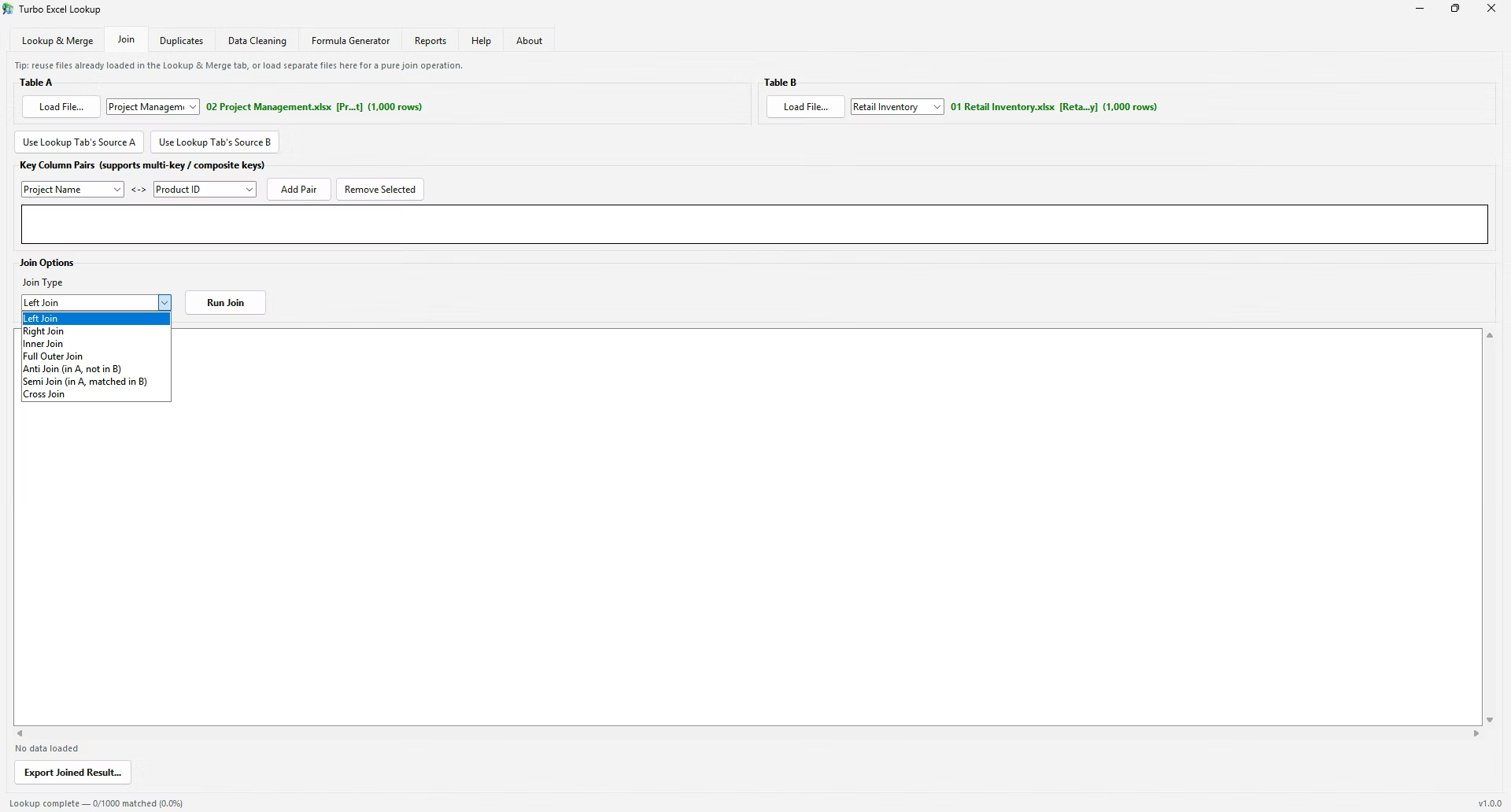
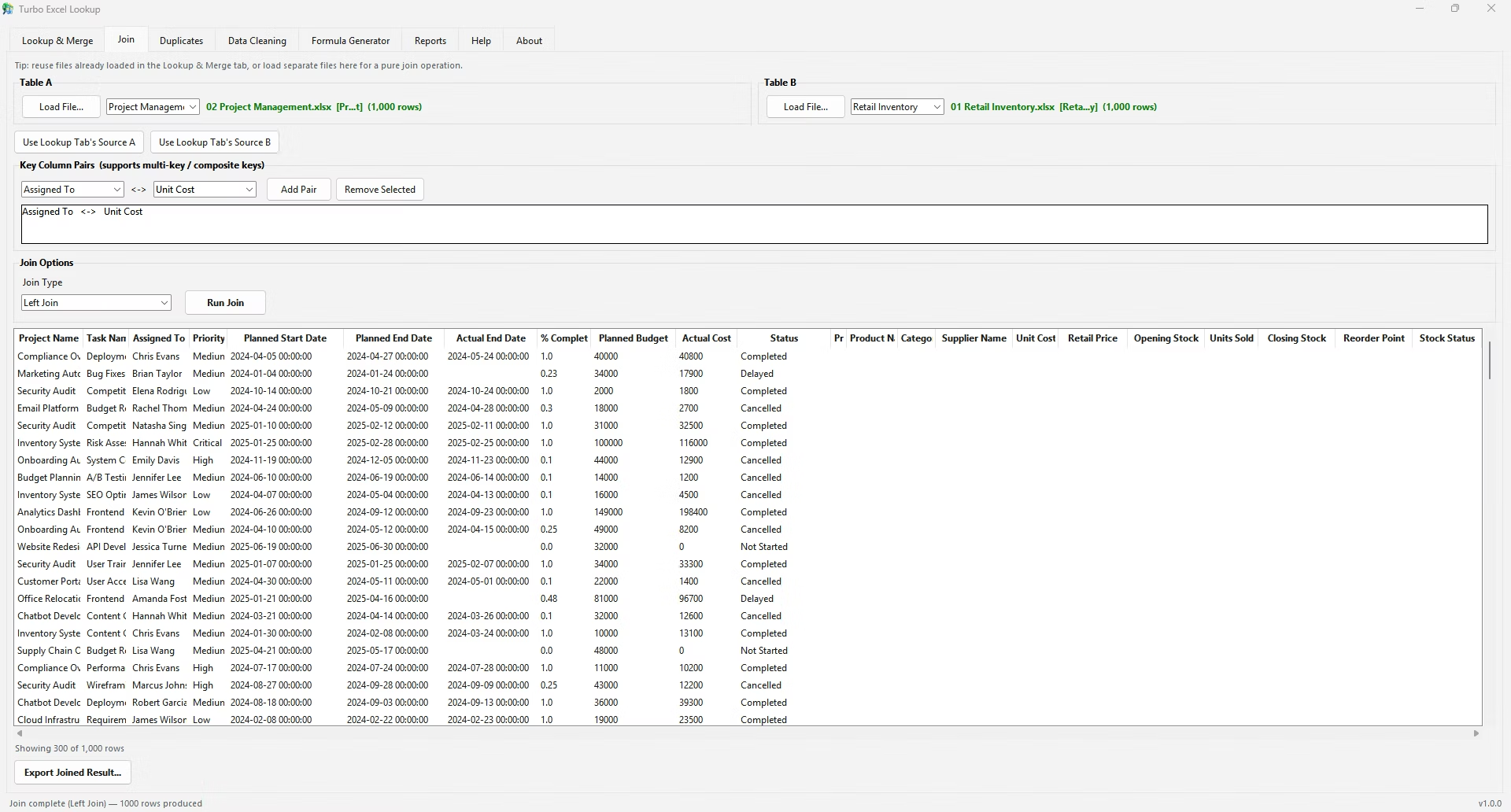
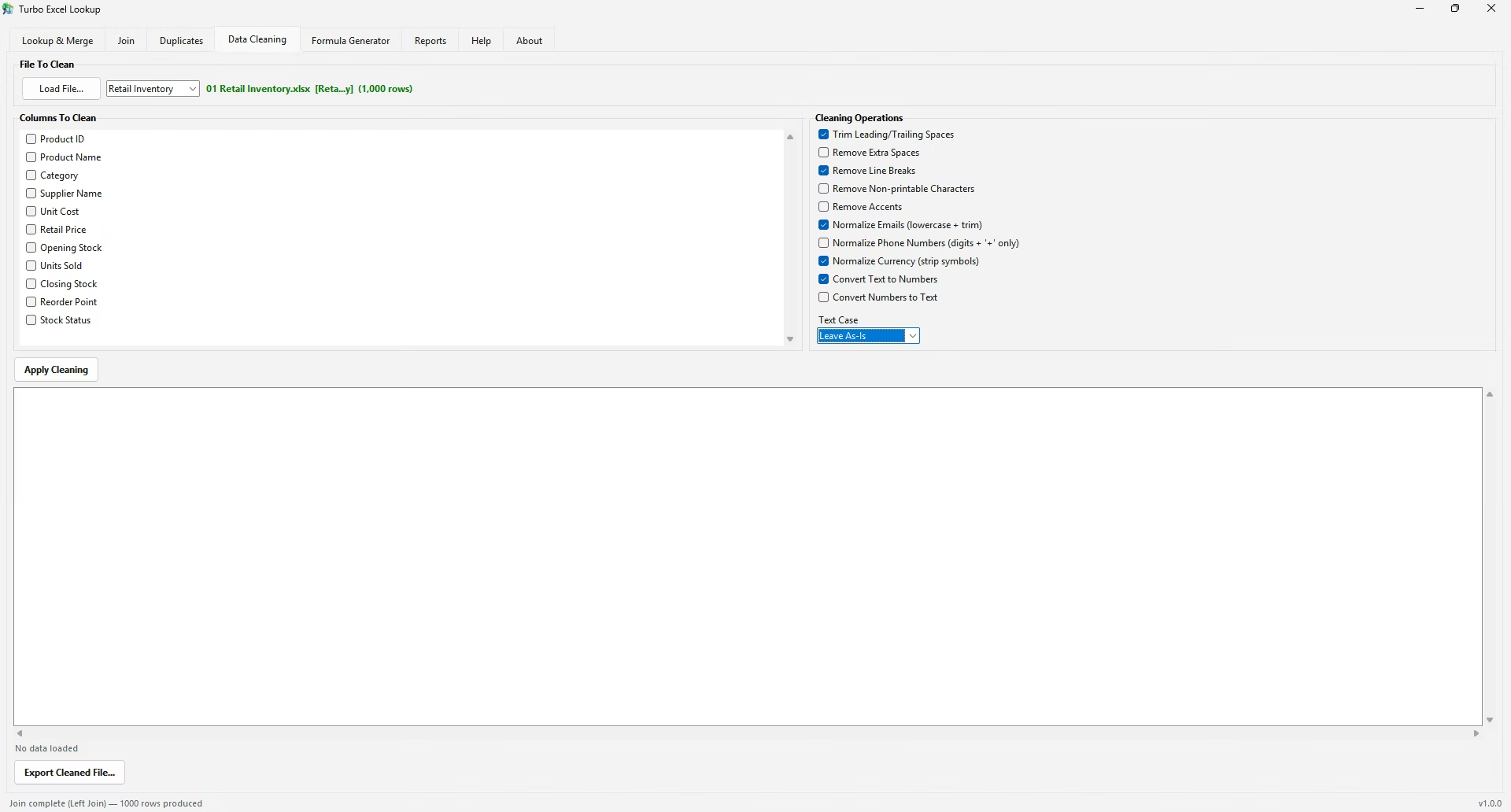
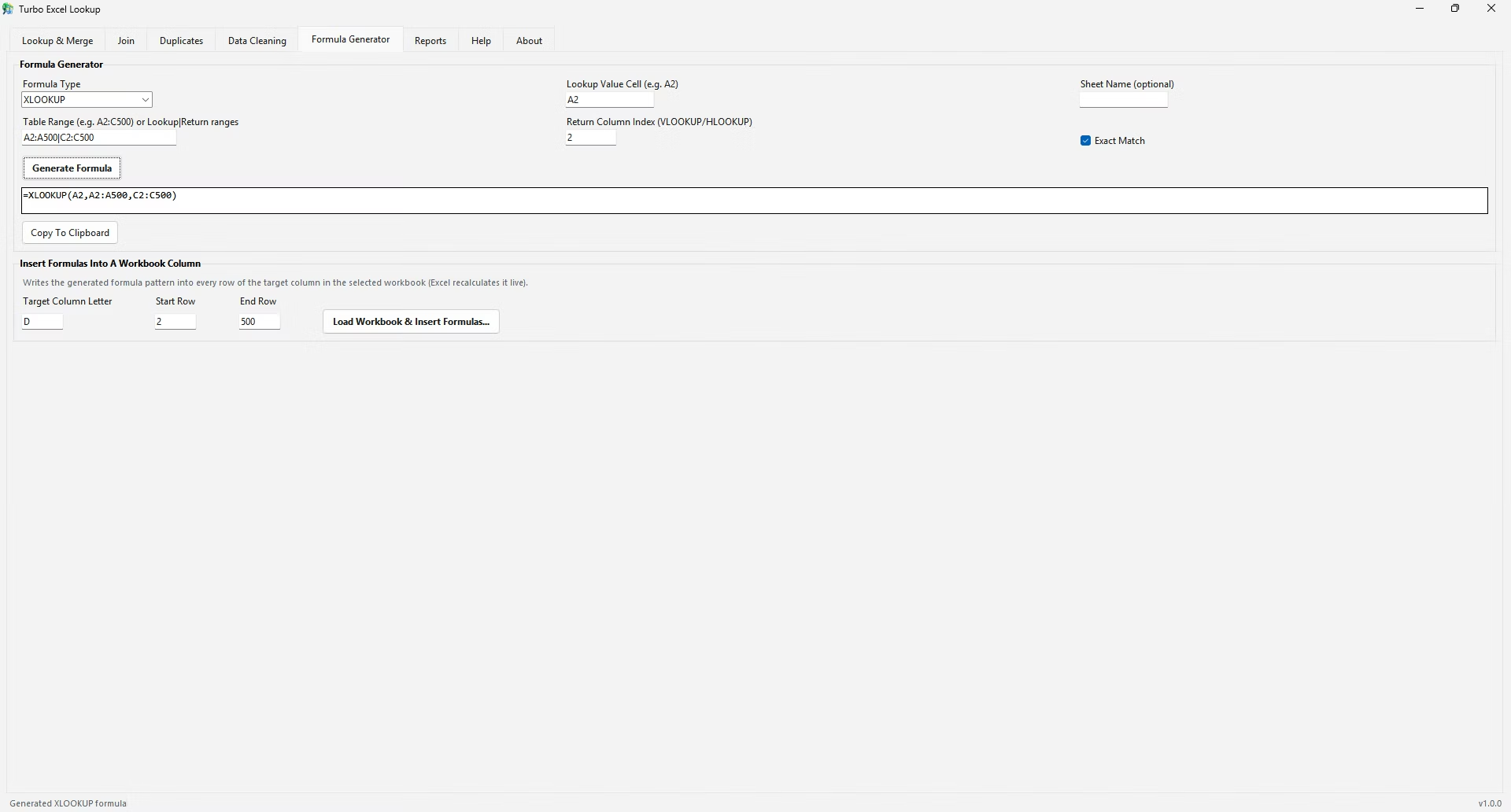
Turbo Excel VLookup can perform the enrichment step - matching City to Region, or any similar ID-based match - without a formula, producing a plain output file that's ready to feed directly into a Pivot Table afterward.
When a VLOOKUP formula that used to work suddenly returns the wrong value with no visible error, the most likely cause is that a column was inserted or deleted inside table_array, shifting col_index_num out of alignment with the intended column.
Selecting the formula and pressing F9 with just that part of the formula highlighted shows the calculated value inline, which is a quick way to confirm whether table_array is still pointing where it should.
A common source of confusing errors is editing the same table that a VLOOKUP formula is pulling from, especially when rows are sorted or filtered mid-edit. Keeping a clearly labeled, rarely edited "source" sheet that formulas pull from, separate from a "working" sheet where day-to-day changes happen, reduces the chance of a lookup silently pulling from a half-edited row.
What's the difference between what VLOOKUP and a Pivot Table each do?
VLOOKUP pulls a specific value across from another table; a Pivot Table groups and summarizes existing data by category.
Should VLOOKUP be used before or after building a Pivot Table?
Before, since a Pivot Table can only summarize columns that already exist in its source data.
Can a Pivot Table refresh to include a newly added VLOOKUP column?
Yes, by updating the Pivot Table's source range or refreshing it after the column is added.
Why enrich data with VLOOKUP before summarizing it?
It adds context, like a Region label, that the Pivot Table can then group and summarize by.
Does the Pivot Table need the VLOOKUP formulas to stay in place afterward?
No, once summarized, the Pivot Table works from whatever static or formula-driven values were present in the source data at the time it was built.
Is there a way to enrich data before a Pivot Table without formulas?
Yes, Turbo Excel VLookup can add matched columns to a dataset without any VLOOKUP formula, producing a file ready for a Pivot Table.
Is it safe to have duplicate values in the lookup column?
A lookup formula will only return the first matching row it finds, so duplicates can silently return the wrong record if not accounted for.
Should I test a new formula on one row before applying it everywhere?
Yes, verifying a single result against the source data first catches setup mistakes before they're copied across an entire column.
Is it a good idea to edit source data while formulas are actively referencing it?
It's safer to keep a stable source sheet separate from a working sheet, since editing referenced data mid-use can produce confusing intermediate results.
Why would a text-formatted number fail to match a real number?
Excel treats text and numeric values as different data types, so "101" stored as text won't match 101 stored as a number even though they display the same.
Ready to stop fighting #N/A errors and match your spreadsheets visually?