Setting up a VLOOKUP formula in Excel correctly the first time comes down to getting four things right: the cell you're searching from, the range you're searching in, the column you want back, and whether the match needs to be exact. Get any one of those wrong and the formula either throws an error or, worse, quietly returns the wrong value without telling you.
This guide walks through the setup process cleanly, flags the mistakes that cause the most support tickets, and shows Turbo Excel Lookup as a way to sidestep formula setup entirely when you're working with data that isn't perfectly clean.
- Click the cell where you want the result to appear.
- Type
=VLOOKUP(and click the cell containing the value you want to look up. - Type a comma, then select the full range containing both the lookup column and the return column, making sure the lookup column is the leftmost column selected.
- Type a comma, then enter the column number (counting from the left of your selected range) that holds the value you want returned.
- Type a comma, then type FALSE for an exact match, and close the parenthesis.
- Press Enter, then copy the formula down if you need it for multiple rows, locking the range with $ signs first.
- Forgetting to lock the table_array with $ signs before copying the formula down
- Leaving out FALSE, which defaults to an approximate match on unsorted data
- Selecting a range where the lookup column isn't the first column
- Counting the column number from the sheet instead of from the start of the selected range
- Not accounting for leading or trailing spaces in either the lookup value or the table data
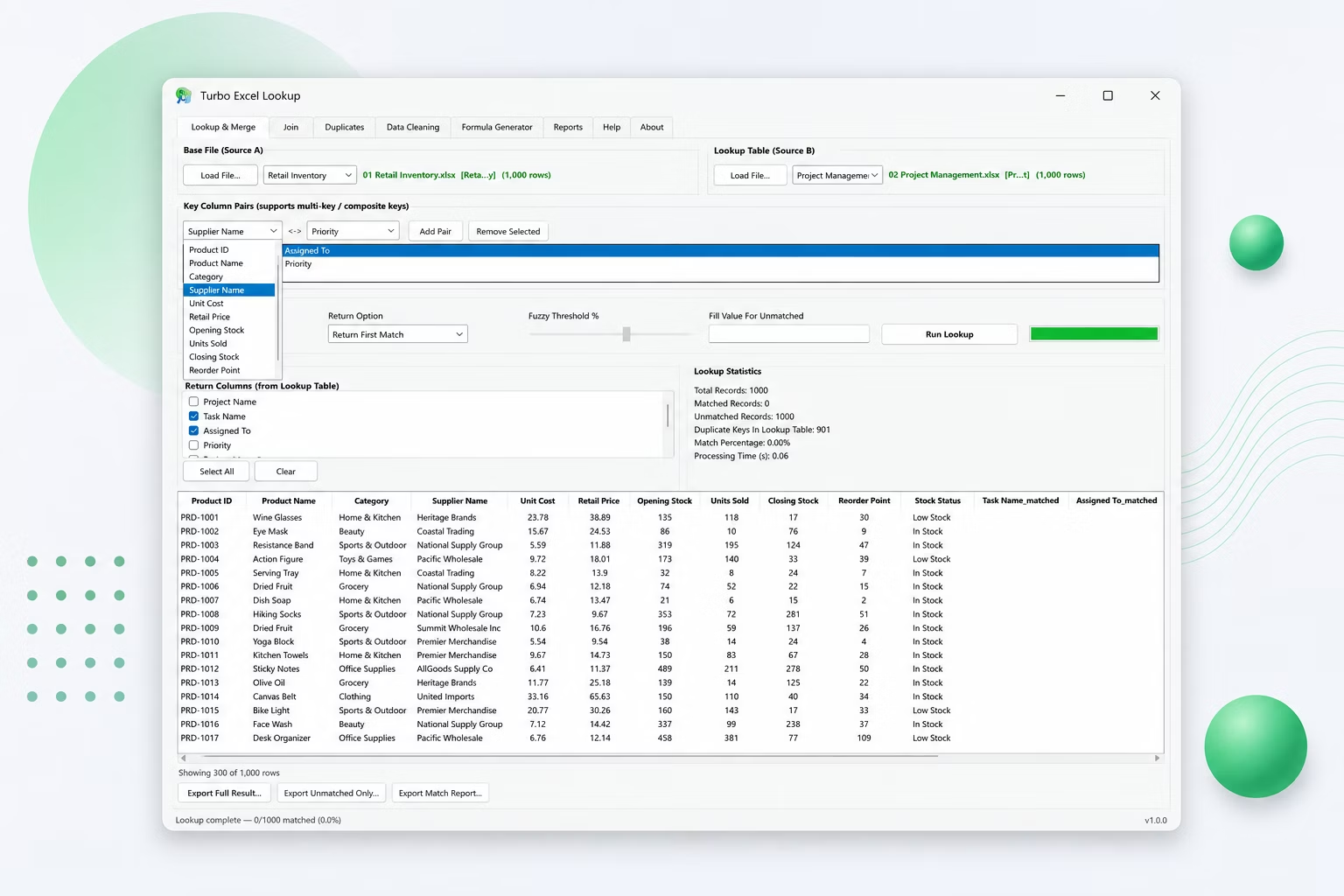
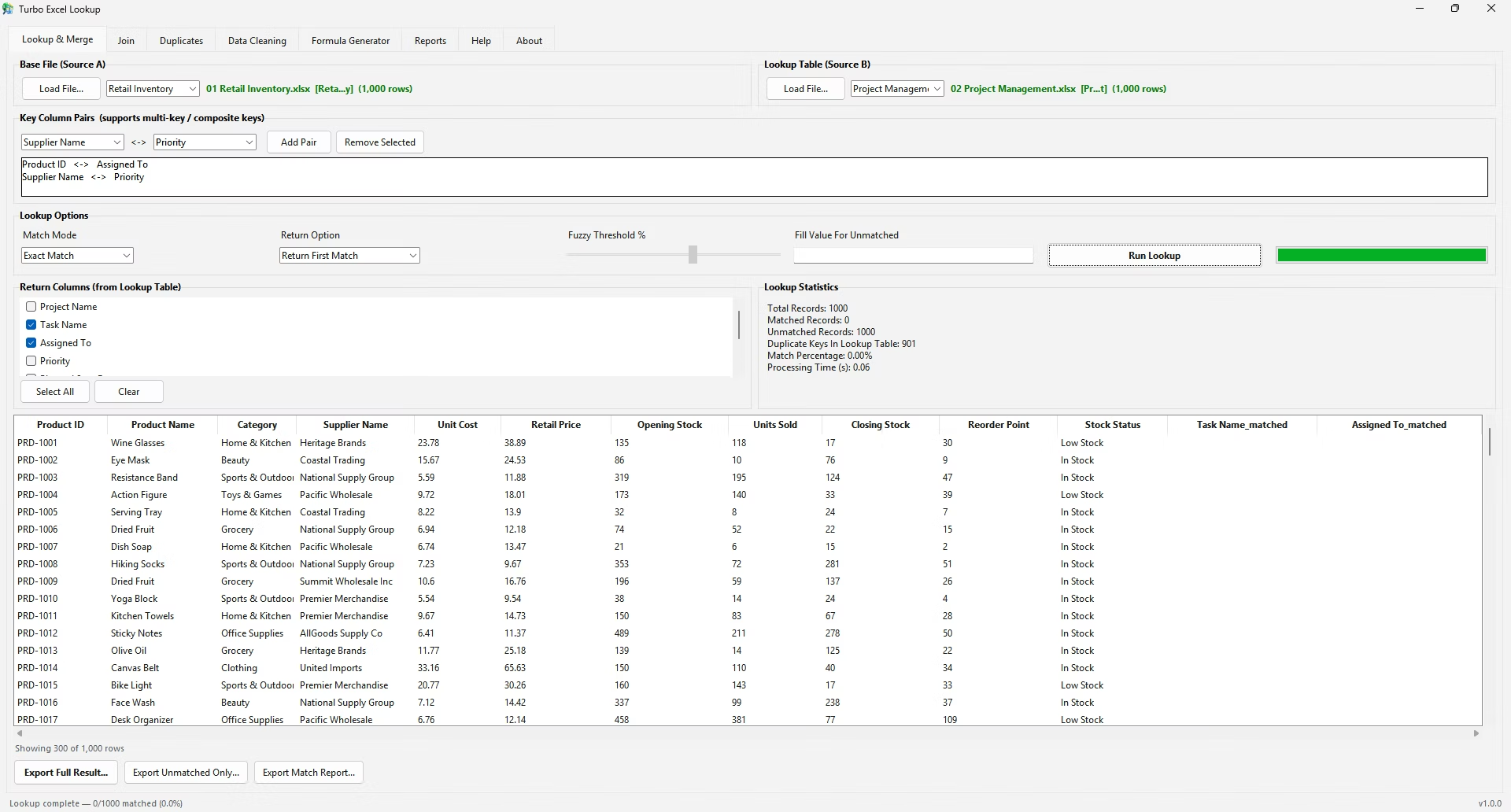
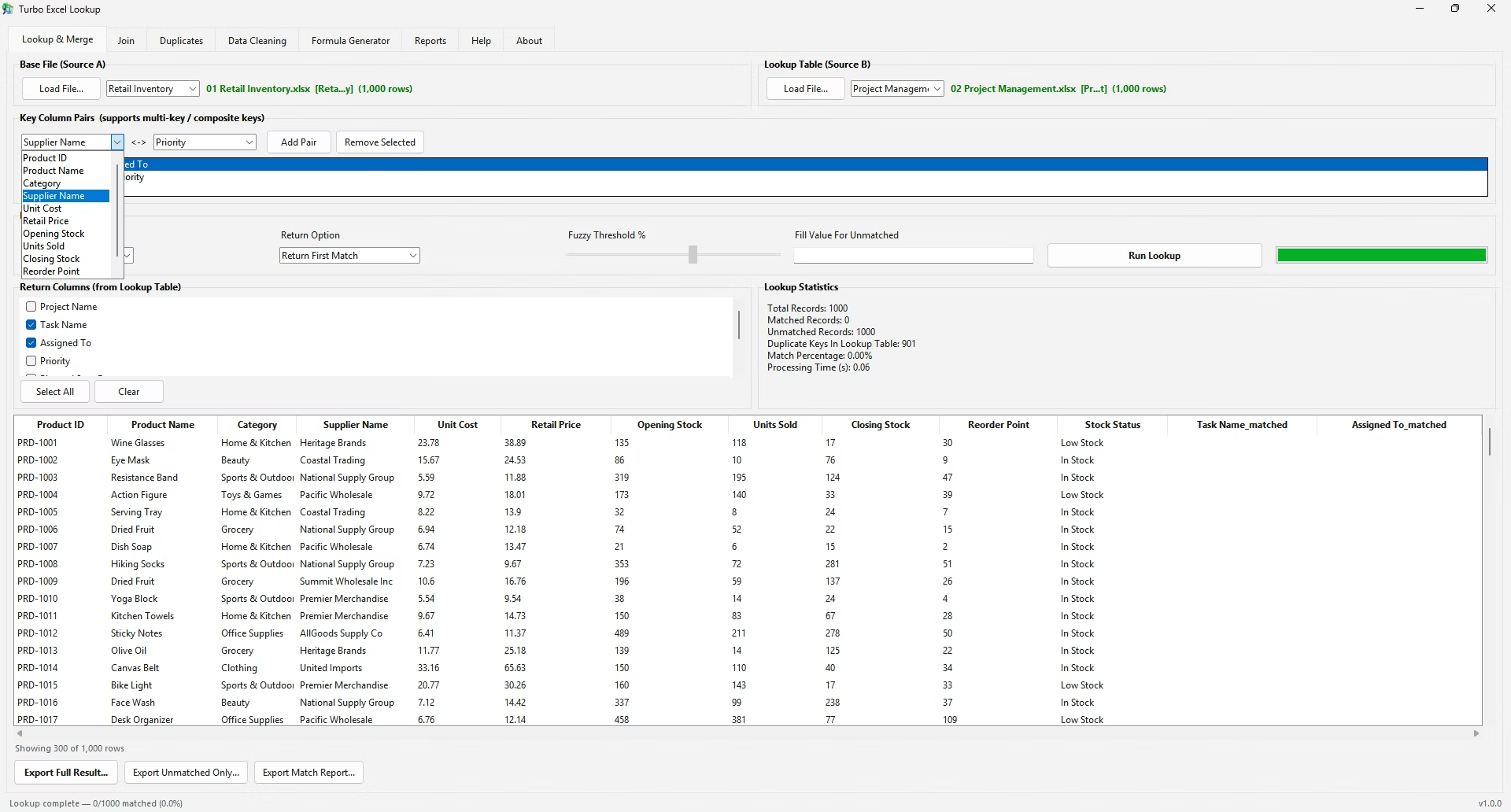
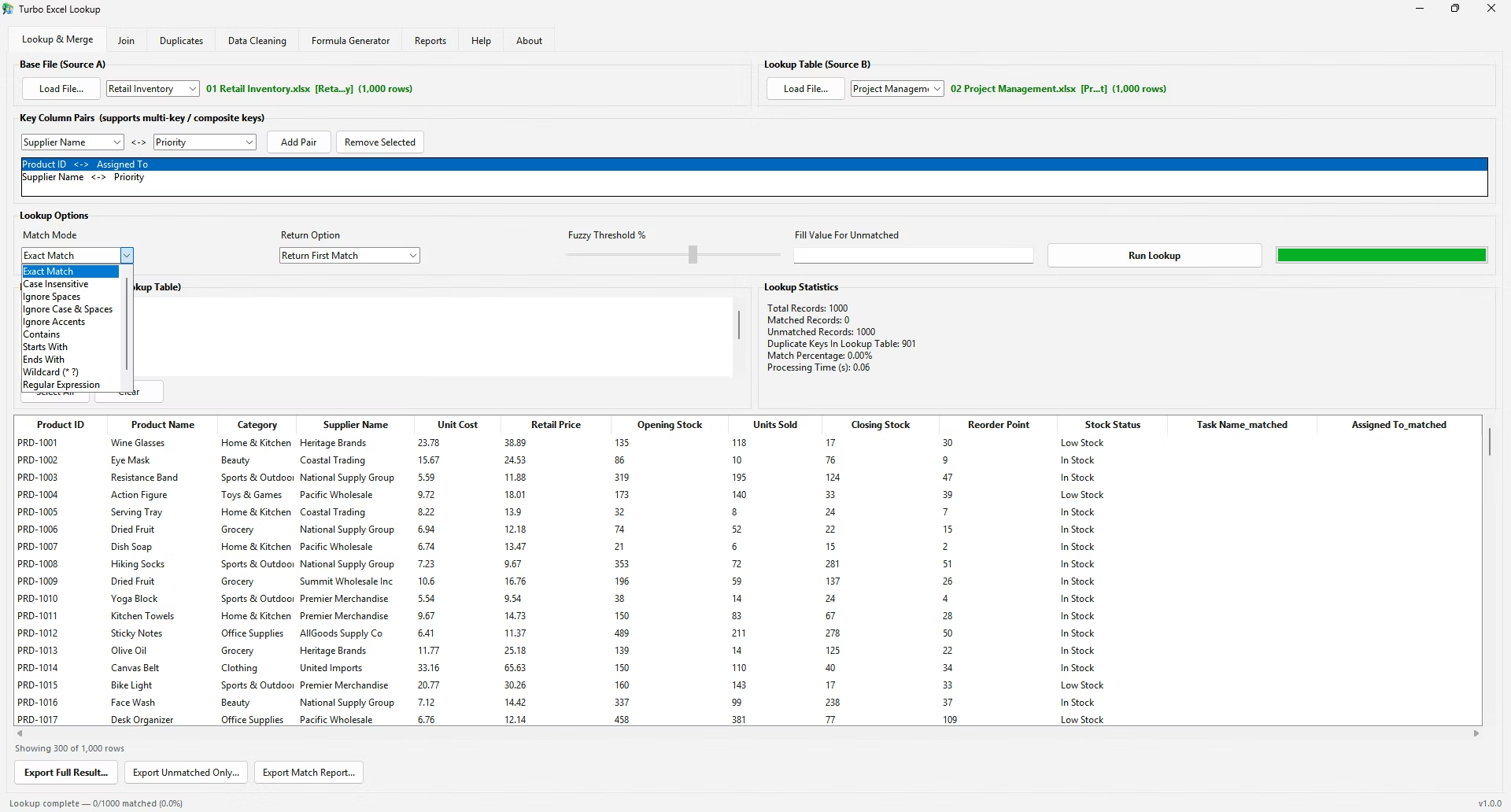
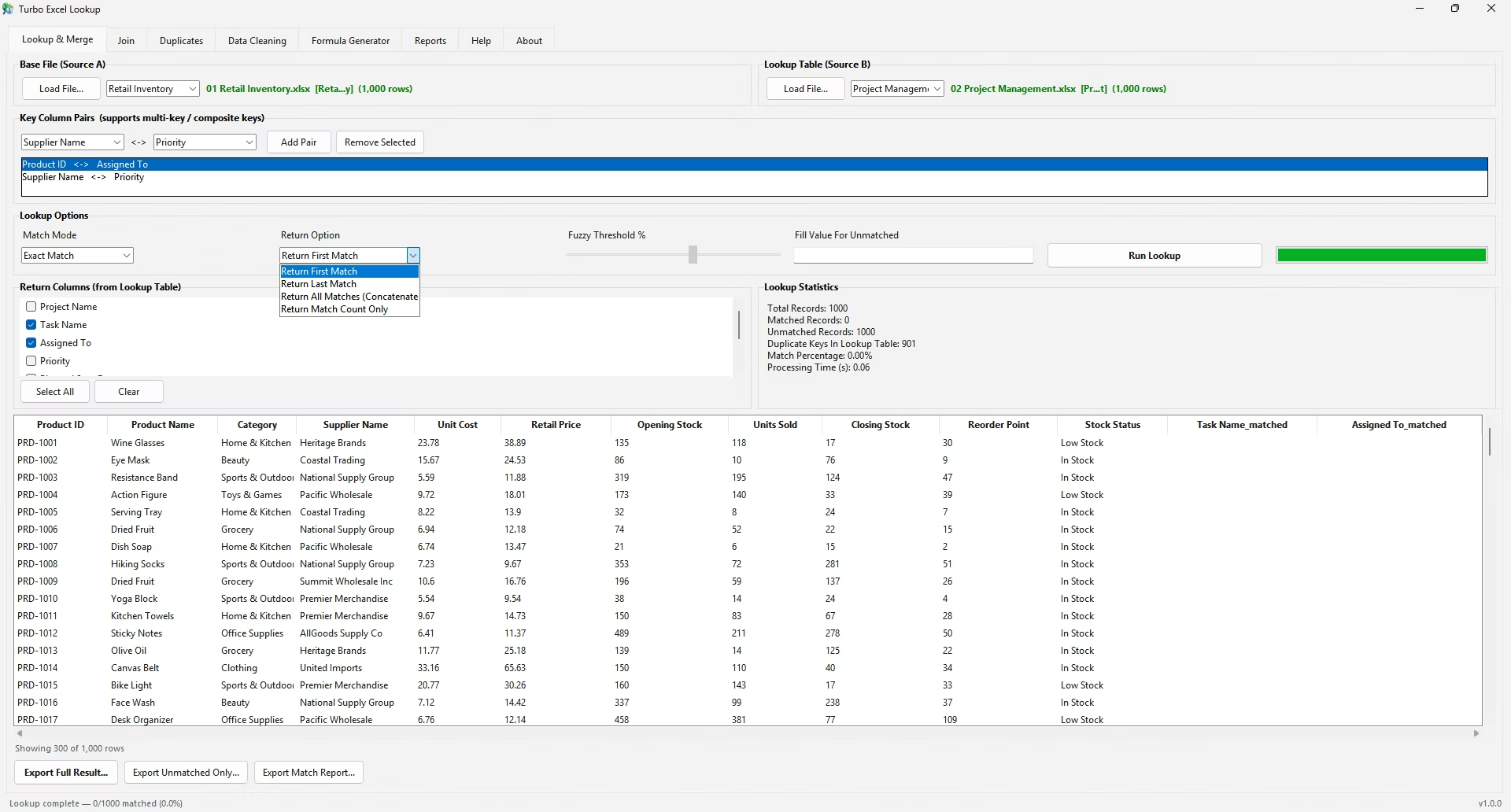
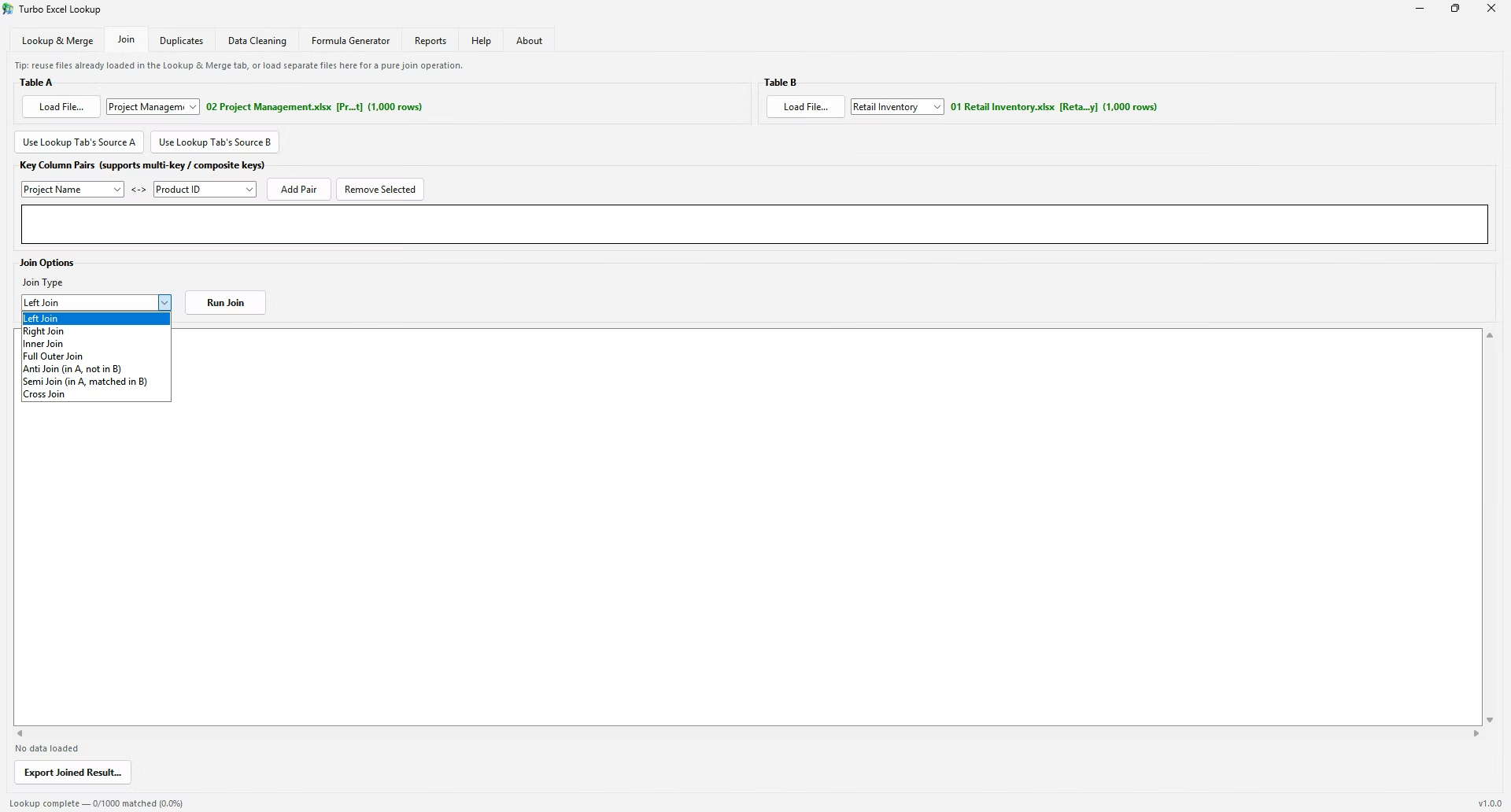
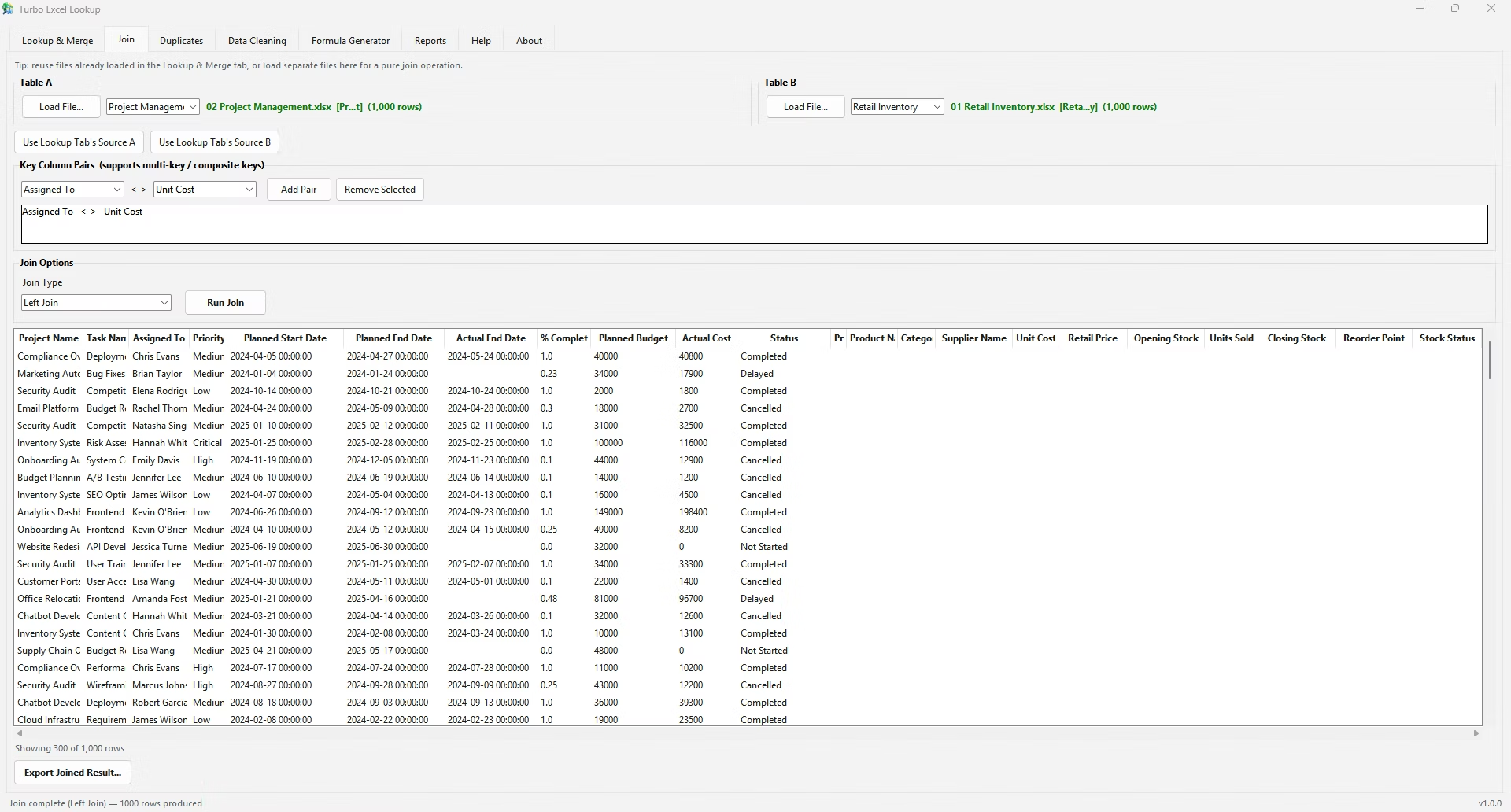
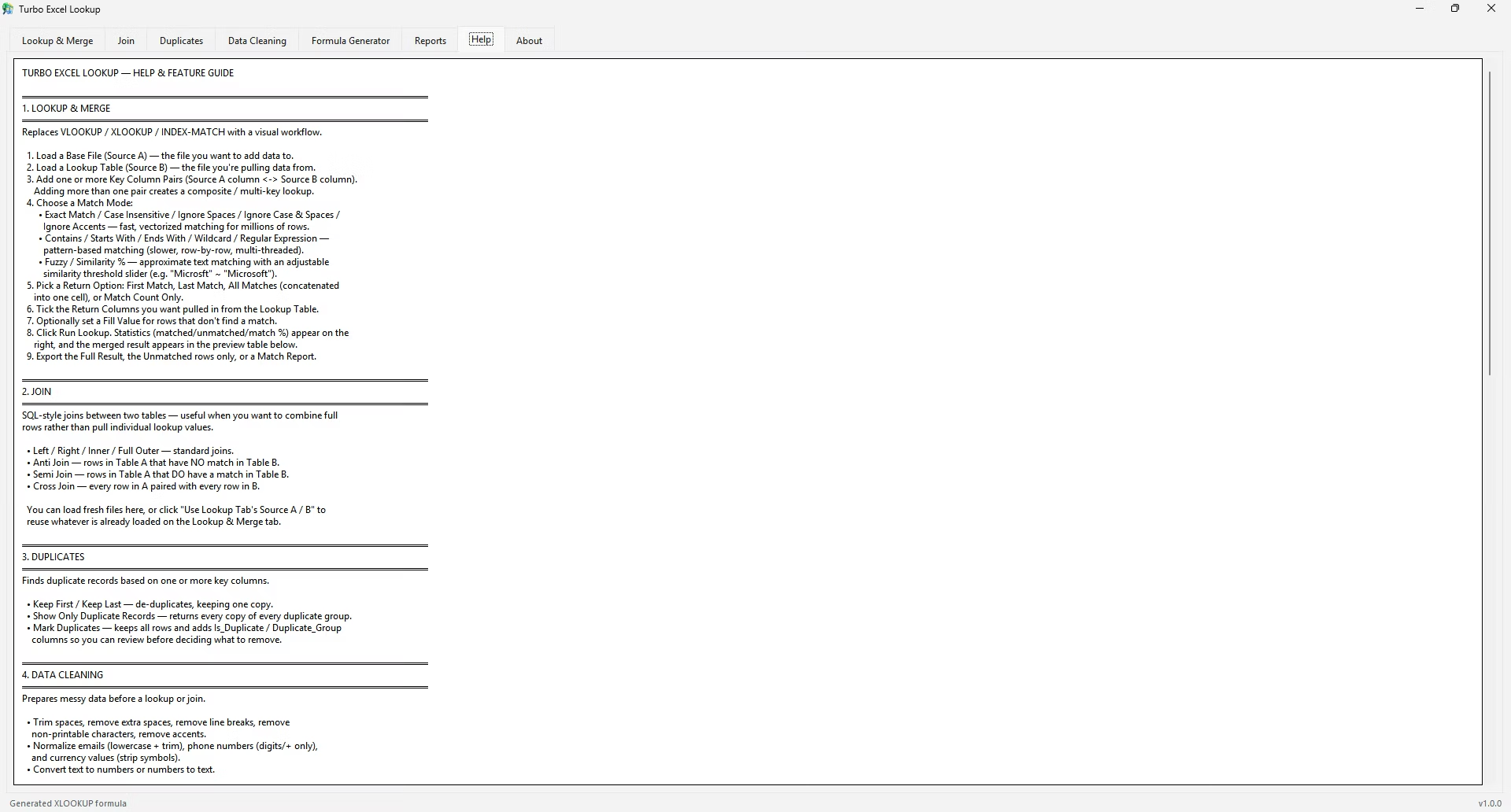
Turbo Excel Lookup replaces every one of these setup steps with a guided interface: load your two files, pick the matching columns from a dropdown of actual header names, tick the columns you want returned, and click Run Lookup. There's no range selection to get wrong and no column-counting step, and five of its eleven match modes are specifically built to absorb the space, casing, and accent inconsistencies that cause exact-match formulas to fail.
For anyone setting up their first lookup, or anyone who has been burned by a silently broken formula before, this removes most of the setup risk while still producing the same matched result.
Before copying a new VLOOKUP formula down hundreds or thousands of rows, it's worth testing it against a handful of rows where you already know the correct answer. Pick two or three rows with known, verifiable results, apply the formula, and confirm the output matches expectations before committing to the full range. This catches range-locking mistakes and column-counting errors while they're still easy to fix, rather than after they've been copied across an entire sheet.
This same testing instinct carries over well to Turbo Excel Lookup - running a lookup on a small sample export first, checking the match percentage and a few individual rows, then re-running it against the full dataset once the column pairing and match mode are confirmed correct, avoids having to redo a large export because of a setting that needed adjusting.
Many long-time Excel users keep a small personal "formula cheat sheet" workbook with a few working VLOOKUP examples they can copy structure from when starting a new one, rather than rebuilding the syntax from memory every time. This is a low-effort habit that pays off consistently, especially for the range-locking step, which is easy to forget under time pressure even after years of using the function regularly.
For anyone who builds similar VLOOKUP-based reports repeatedly - a weekly sales summary, a monthly reconciliation - setting up a template workbook once, with the formula structure already in place and locked ranges pointing at placeholder data, saves rebuilding the same setup from scratch each cycle. Updating the placeholder data with a fresh export each week or month, rather than rewriting formulas, turns a recurring task into a much faster, more reliable routine.
Setting up VLOOKUP correctly the first time comes down to a short, repeatable checklist - lock the range, use FALSE, count the column position from the range's start. Once that checklist becomes habit, most of the friction historically associated with the function disappears.
Do I need to select the whole sheet or just the relevant columns?
You only need to select the columns from the lookup column through to the column you want returned - selecting the entire sheet works too but makes the formula harder to read and slightly slower.
What's the fastest way to lock a range reference?
Select the range reference inside the formula bar and press F4, which cycles through absolute and mixed reference styles automatically.
Can I use a named range instead of a cell range?
Yes, named ranges work as the table_array and have the added benefit of not shifting when copied, similar to a locked reference.
What if my data has extra spaces I can't see?
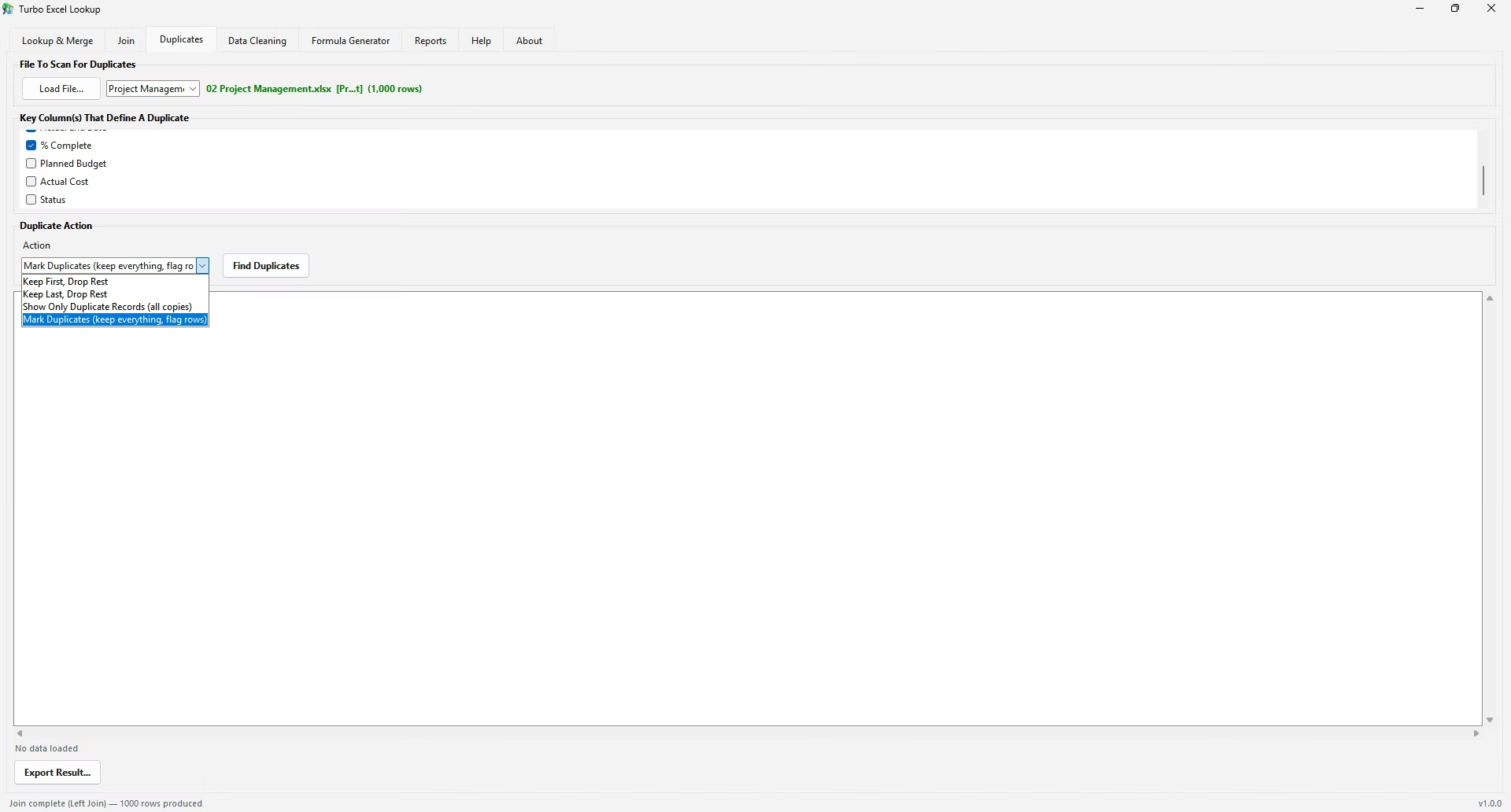
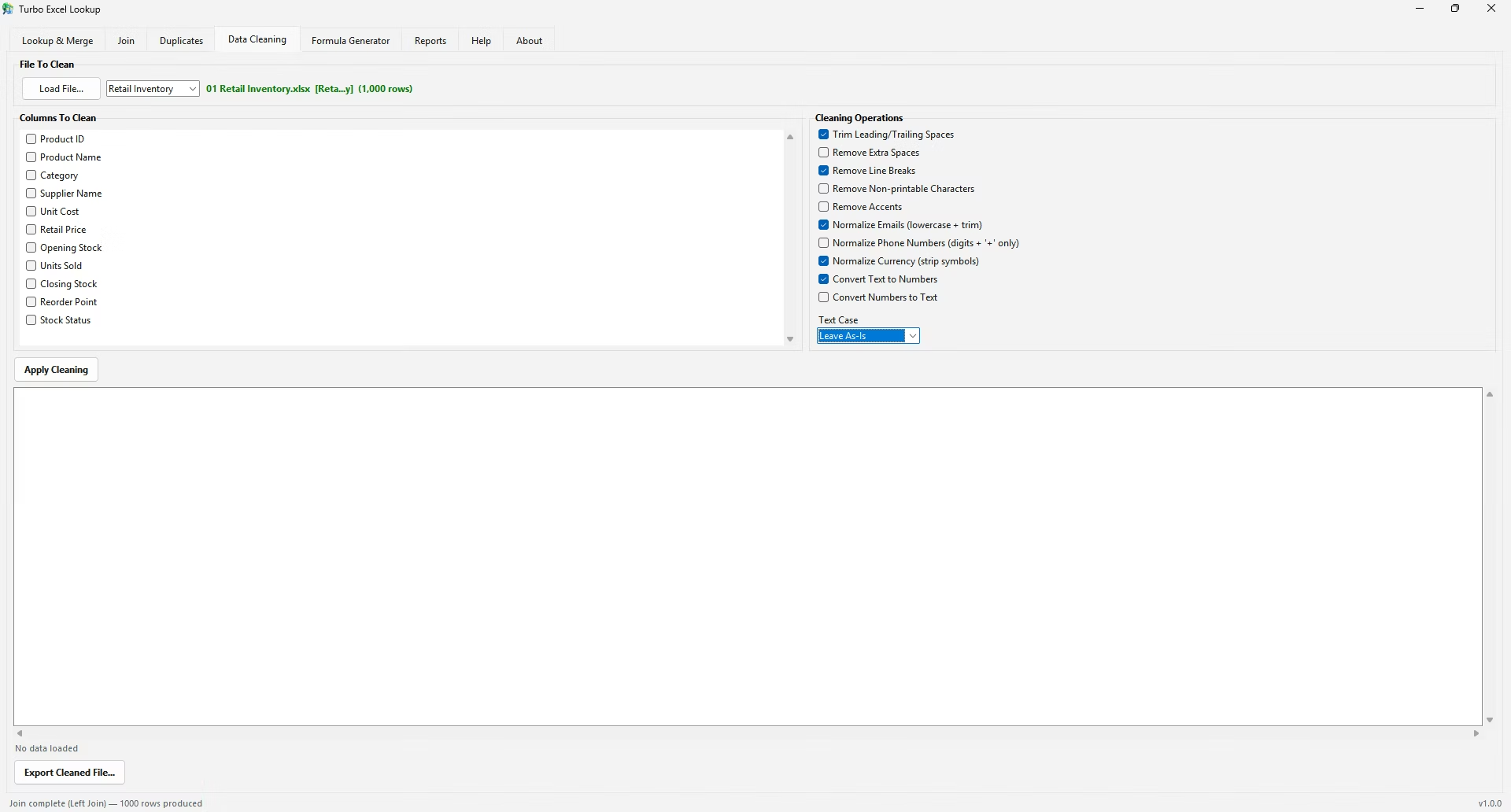
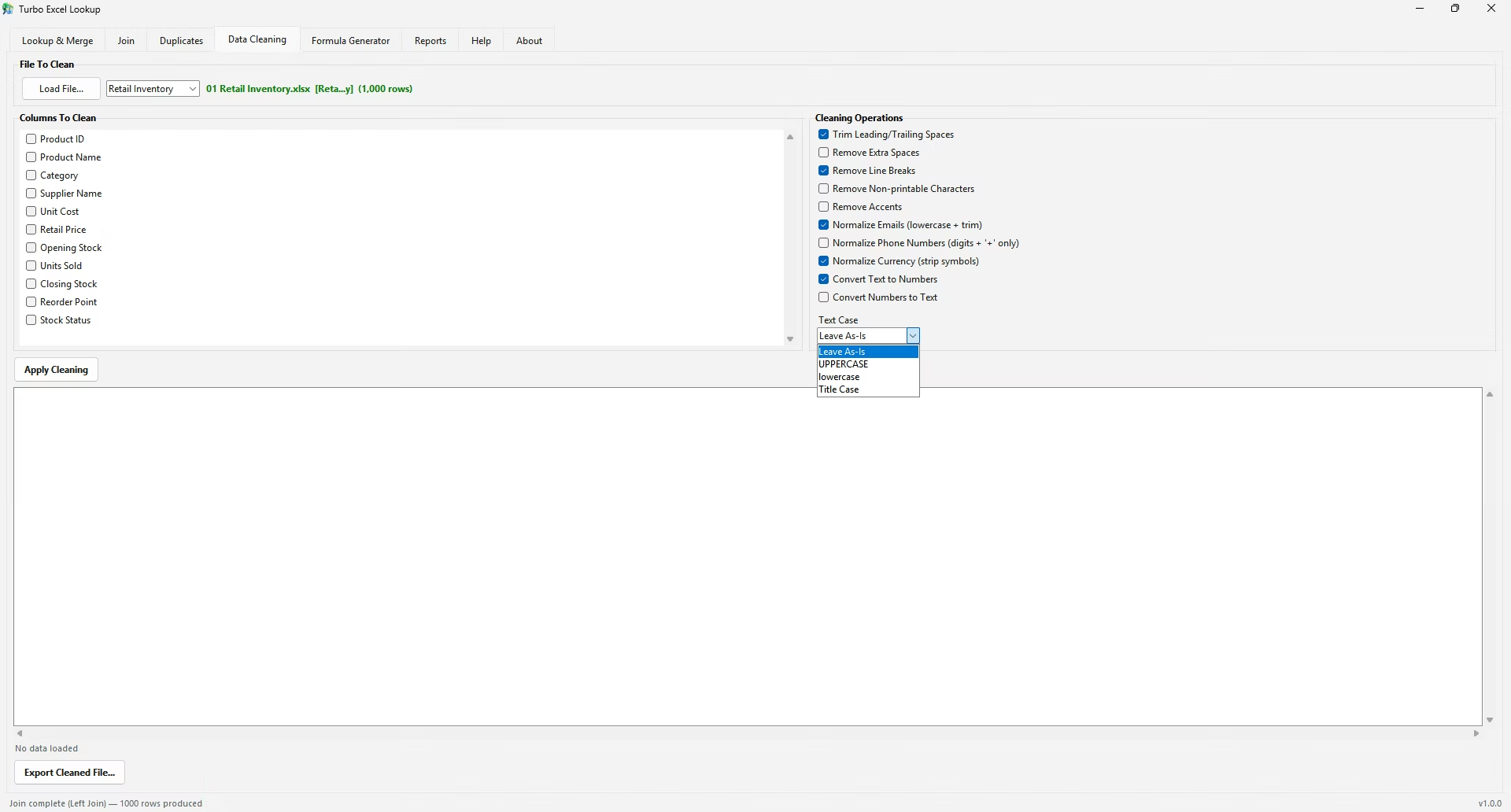
This is a very common cause of failed matches. Turbo Excel Lookup's Ignore Spaces and Data Cleaning tabs handle this automatically without needing to manually trim every cell first.
How many test rows should I check before trusting a new formula?
Two or three rows with known, verifiable answers are usually enough to catch range or column-index mistakes before they propagate.
Does testing on a sample help with non-formula tools too?
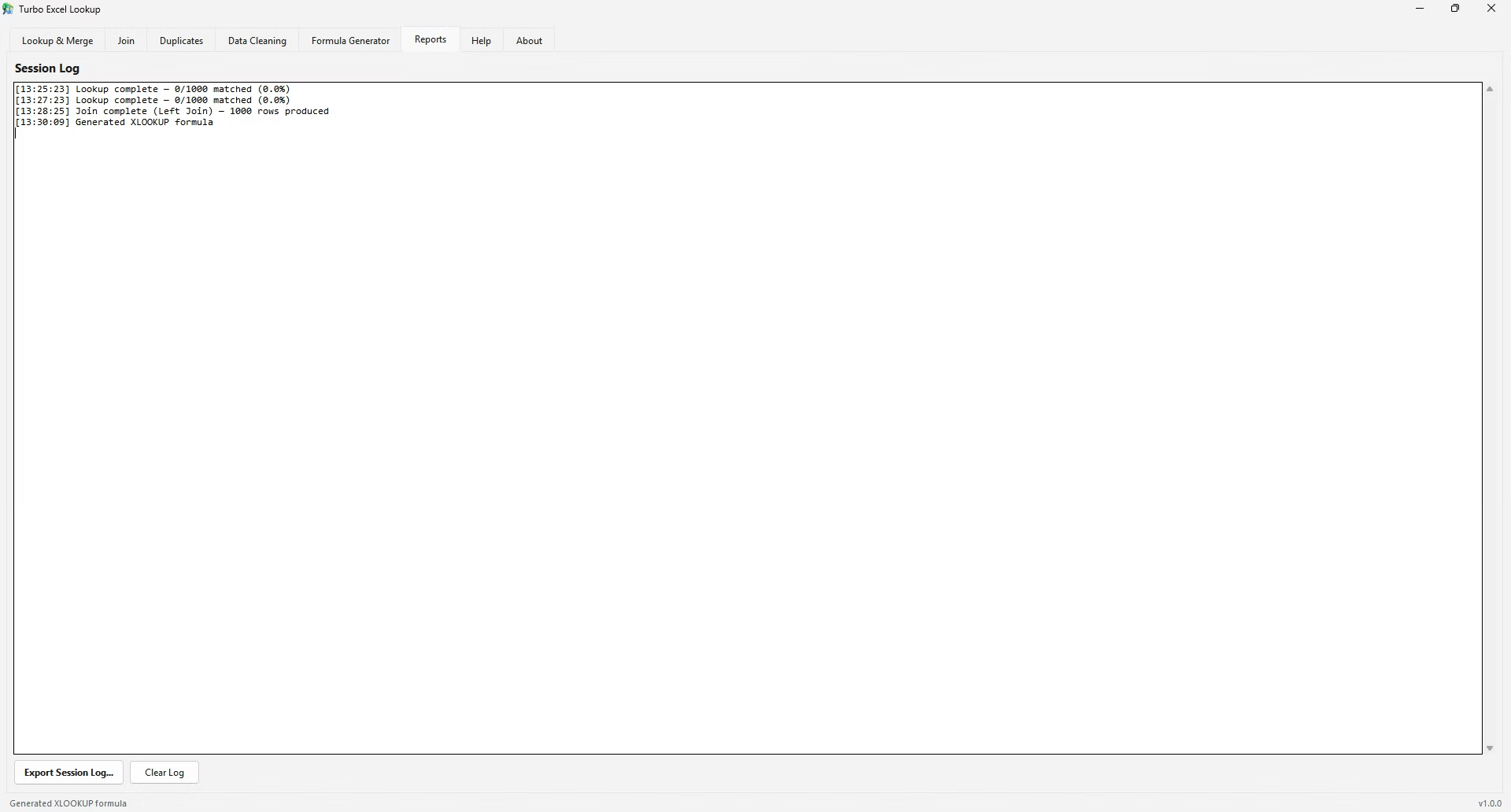
Yes, running a lookup against a smaller sample first and checking the match-rate report is a good habit before processing a full dataset in any tool.
Is it worth keeping a personal reference sheet of working formulas?
Yes, many experienced users keep a small workbook of proven formula examples to copy structure from, which reduces small syntax mistakes compared to rebuilding a formula from memory each time.
Is it worth building a reusable template for a recurring VLOOKUP report?
Yes, for any report built repeatedly on a schedule, a template workbook with formulas and locked ranges already in place saves considerable setup time compared to rebuilding the structure from scratch each cycle.
Ready to stop fighting #N/A errors and match your spreadsheets visually?