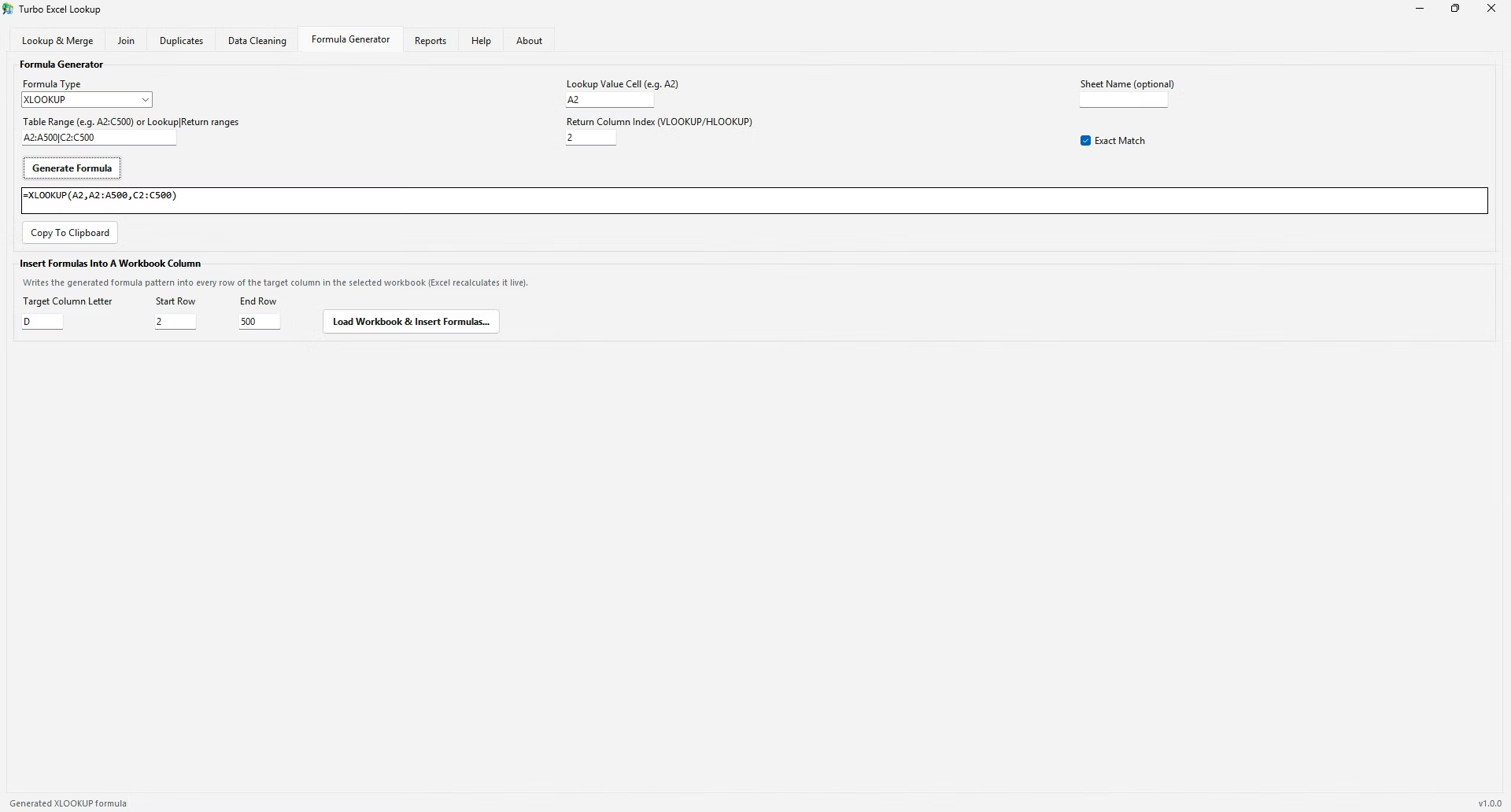
XLOOKUP is already considered the easiest of Excel's lookup formulas, since it needs only three required arguments and no column counting. Even so, there are two realistic ways to use it - typing the formula, or skipping formulas entirely with a dedicated matching tool - and which one is easiest depends on how much matching needs to be done.
This page compares both using a small warehouse inventory table.

Using this inventory table, the goal is to find Stock Qty for ITM-01:
| Item Code | Item Name | Warehouse | Stock Qty |
|---|---|---|---|
| ITM-01 | Steel Bolts | WH-A | 1200 |
| ITM-02 | Rubber Gasket | WH-B | 450 |
| ITM-03 | Copper Wire | WH-A | 980 |
This is easy once the three-argument pattern is familiar, since there's no column counting or TRUE/FALSE argument to remember.
Adding a fourth argument avoids raw #N/A errors without needing a separate IFERROR wrapper:
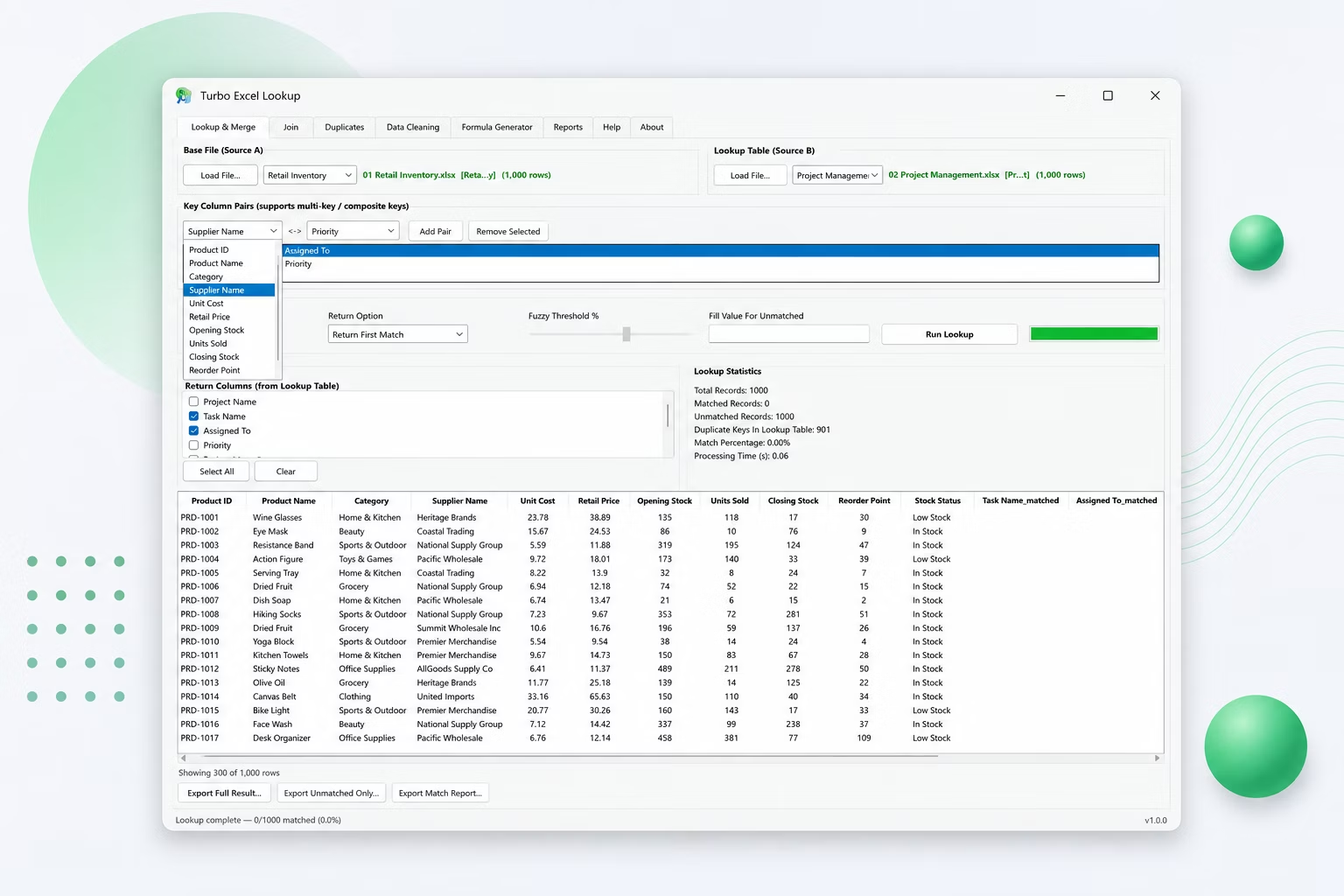
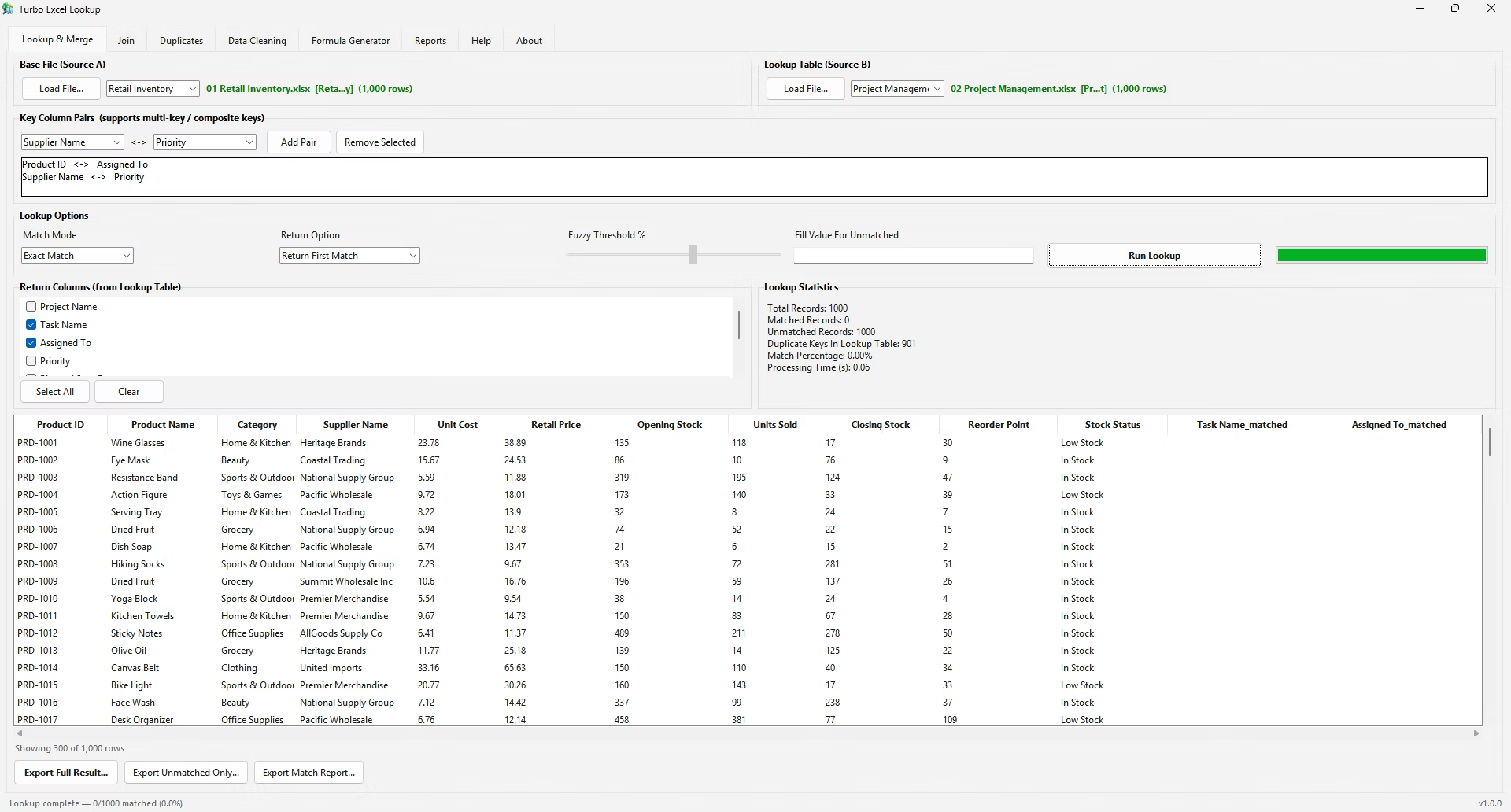
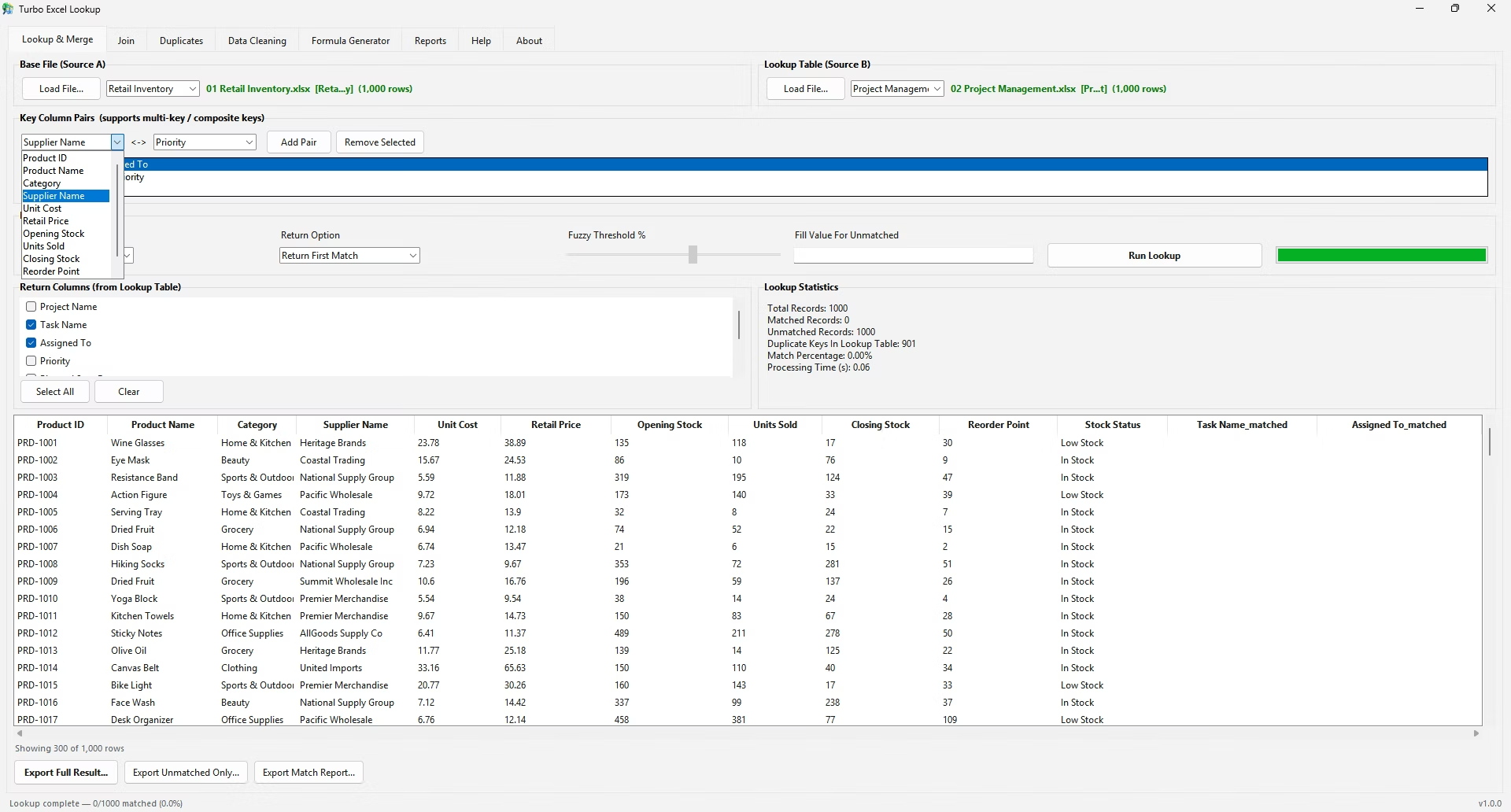
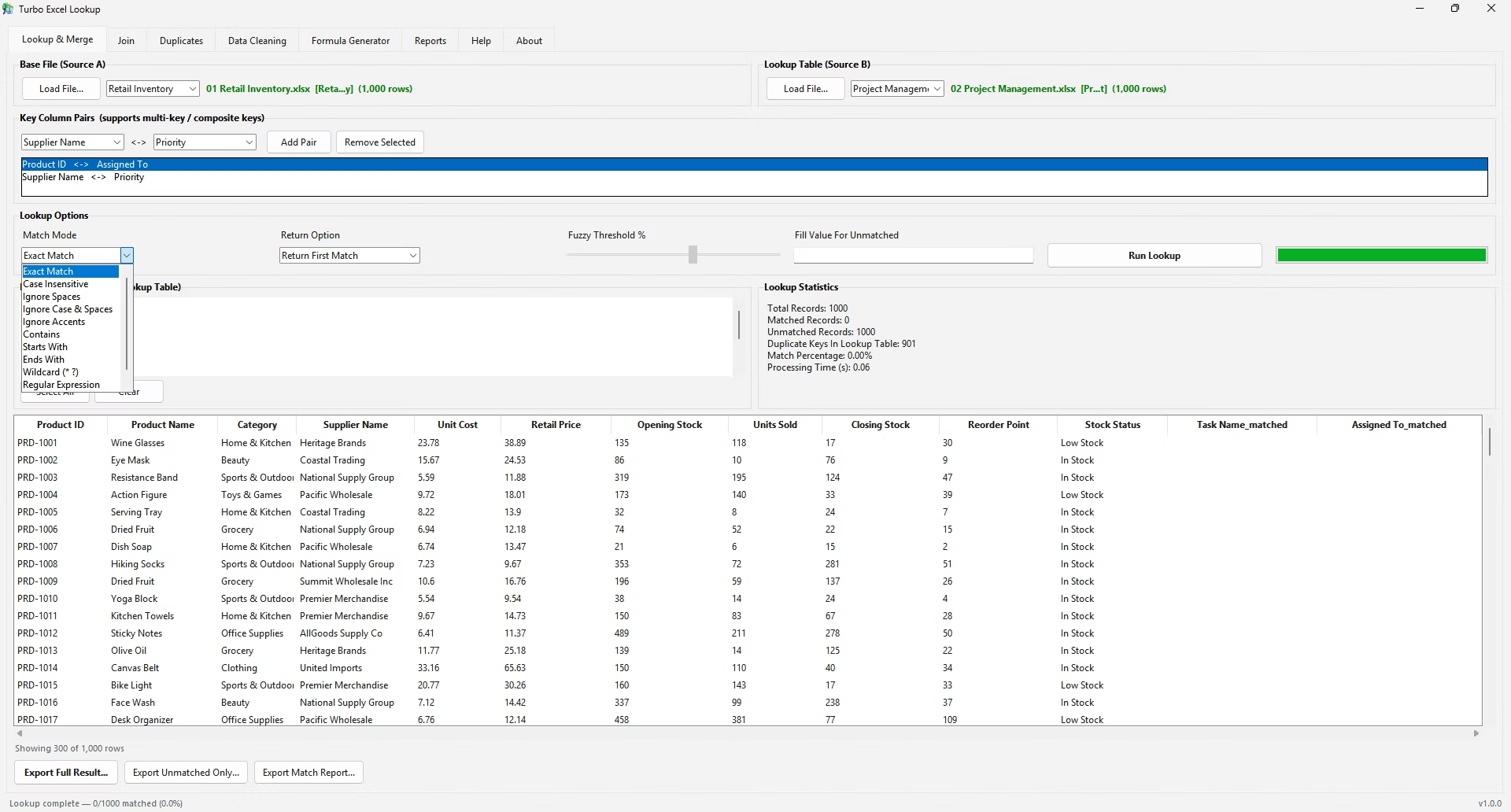
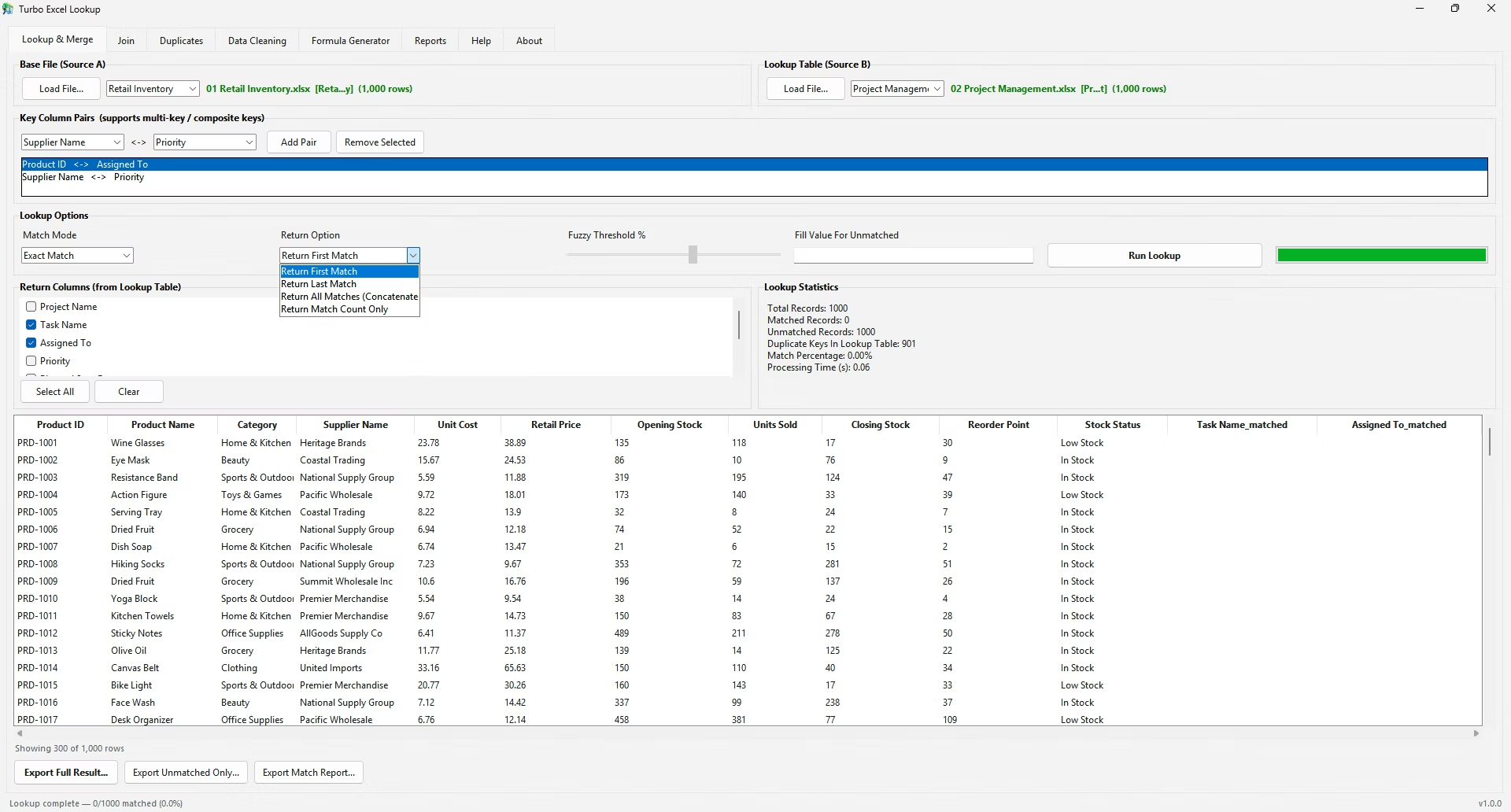
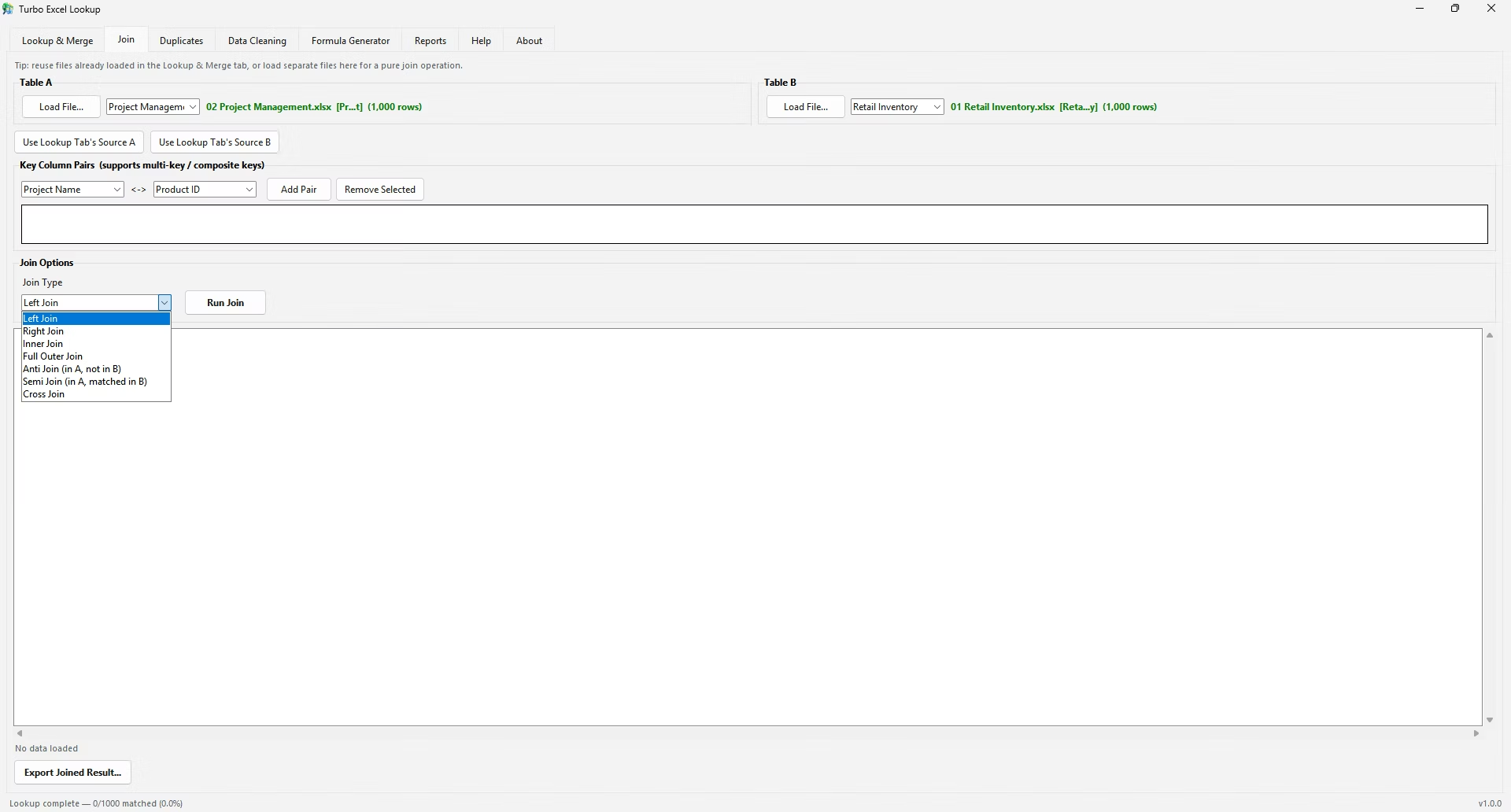
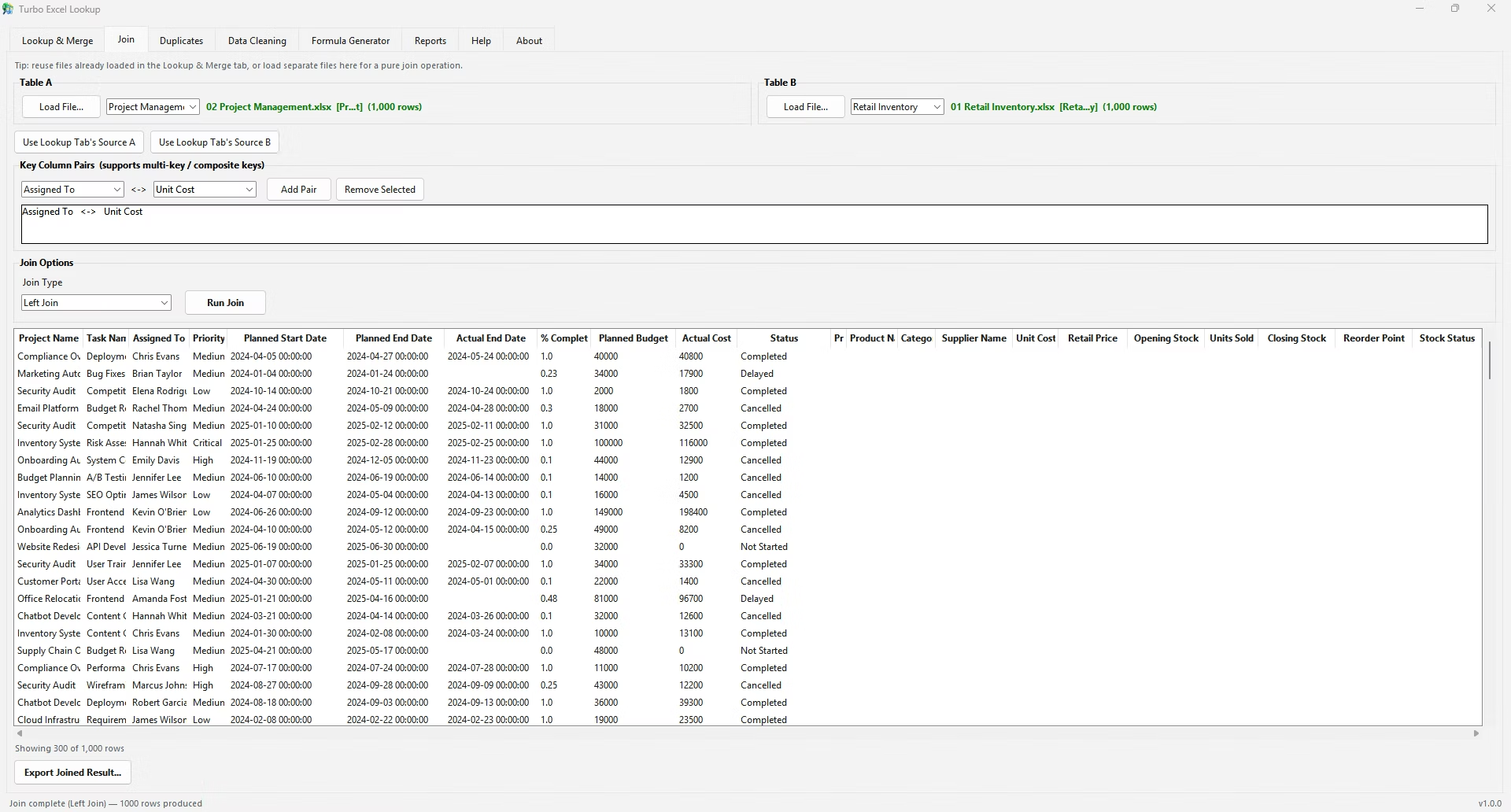
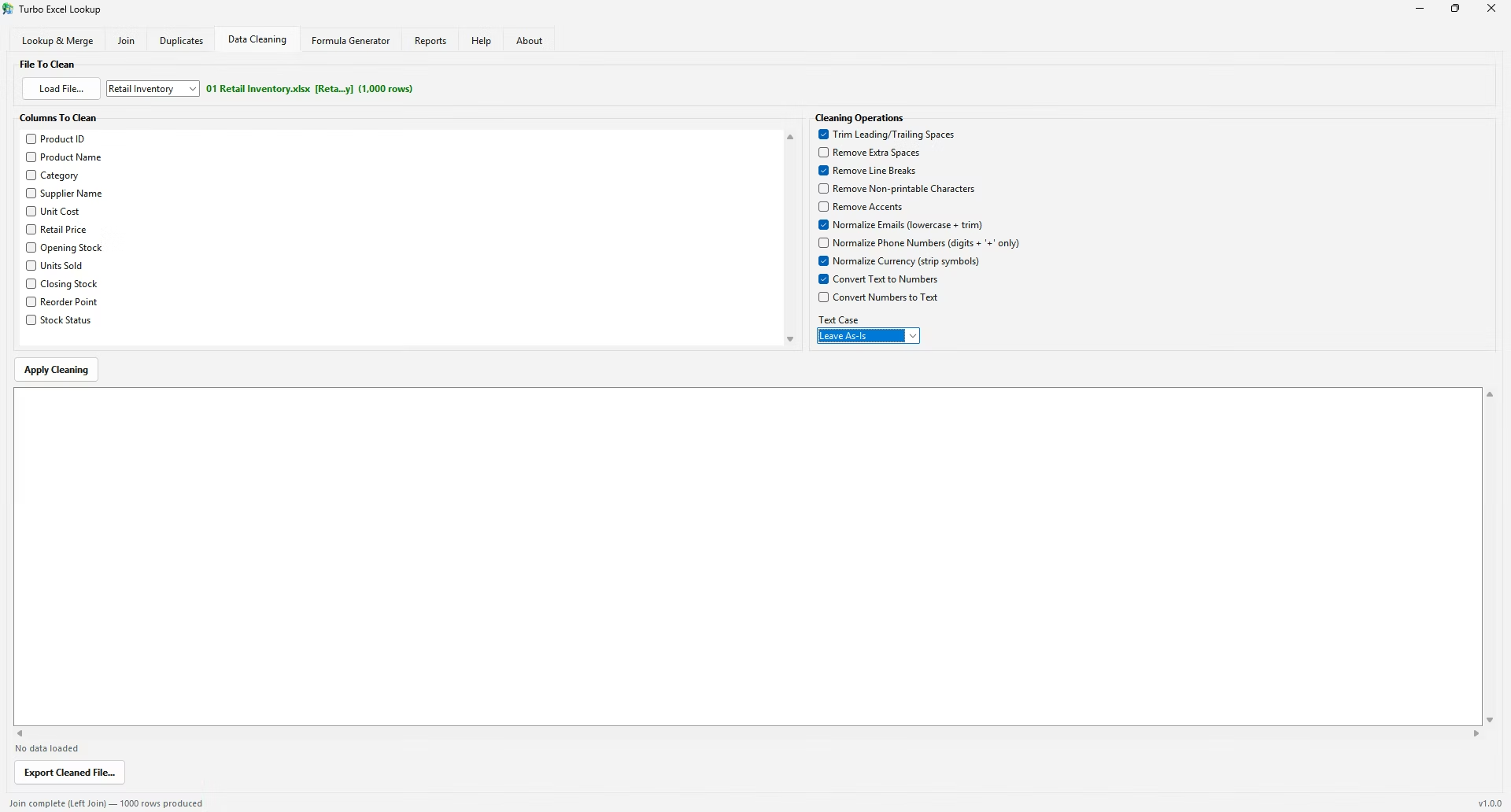
Turbo Excel VLookup is the easiest option for matching more than a handful of items - load the two files, choose the matching ID columns from dropdowns, tick which columns to bring across, and click Run Lookup to match the entire dataset at once.
For one or two lookups inside a sheet you already know, typing XLOOKUP is fast and simple. For matching a whole inventory list, especially across two separate files, a dedicated matching tool avoids the repetition of copying the formula down.
If the answer needed is a single value, type the formula. If you're matching a full column or comparing two files, Turbo Excel VLookup handles the entire dataset in one pass without needing the formula written at all.
Just like VLOOKUP, XLOOKUP will fail to match values that look identical but are stored as different data types - text versus number is the most common culprit.
If a lookup that should clearly match is instead falling through to if_not_found, converting the lookup value with VALUE() or TEXT() to match the source column's format usually resolves it.
A short comment or adjacent label explaining what an XLOOKUP formula is matching and why makes a shared workbook far easier to maintain, especially once several lookups start feeding into each other across different sheets.
XLOOKUP's optional fifth argument, match_mode, defaults to an exact match, but it also supports approximate matches - either the next smaller or next larger value when no exact match exists - by passing -1 or 1 instead of the default 0.
This is useful for scenarios like matching a score against grade thresholds, where an exact match won't always exist but the closest applicable bracket still needs to be found.
Why is XLOOKUP already considered easy?
It needs only three required arguments and doesn't require counting columns like VLOOKUP does.
How can I avoid seeing #N/A with XLOOKUP?
Add a fourth argument specifying a fallback value to return when no match is found.
What's the easiest option for matching a whole inventory list?
Turbo Excel VLookup, since it matches every row in a dataset in one action rather than one formula per item.
Does XLOOKUP's ease change based on dataset size?
The formula itself stays equally simple, but copying it down a large column becomes repetitive at scale.
Can I combine both approaches on the same workbook?
Yes, typing individual formulas and using a dedicated matching tool aren't mutually exclusive.
Is a formula-free match as reliable as XLOOKUP itself?
Yes, the underlying exact-match logic is the same; only how the match is configured differs.
Can trailing spaces in a cell cause a lookup to fail?
Yes, an extra space at the end of a value is invisible but prevents an exact match; TRIM() around the lookup value often fixes this.
Does the order of rows in the source data matter for an exact match?
No, an exact match search works regardless of row order; only an approximate match requires sorted data.
Is it safe to have duplicate values in the lookup column?
A lookup formula will only return the first matching row it finds, so duplicates can silently return the wrong record if not accounted for.
Should I test a new formula on one row before applying it everywhere?
Yes, verifying a single result against the source data first catches setup mistakes before they're copied across an entire column.
Ready to stop fighting #N/A errors and match your spreadsheets visually?