A CSV file, by definition, doesn't have sheets or tabs at all - it's a single flat list of rows, with no concept of multiple worksheets the way an Excel workbook has. So when a large CSV needs to end up spread across multiple sheets inside Excel, what's actually needed is two separate steps: first, break the source data into sensible, appropriately sized groups, and second, get each of those groups onto its own tab inside a workbook. The confusion usually comes from Excel's own row limit - a single worksheet tops out at 1,048,576 rows, so a CSV export with several million rows genuinely cannot fit on one sheet no matter what you do, and has to be divided somehow before it can be reviewed properly inside Excel.
People run into this most often with exports that are naturally organized into categories - sales data by region, orders by month, survey responses by department - where it would make sense for each category to live on its own tab so a reviewer can flip between them rather than filtering one giant sheet over and over. Getting there manually means figuring out the row boundaries or category values yourself, copying the right rows out of the source file, and pasting them into a new tab one at a time, which is slow and error-prone on anything beyond a small file, and simply impossible to do by hand once the source file is too large for Excel to even open in the first place.

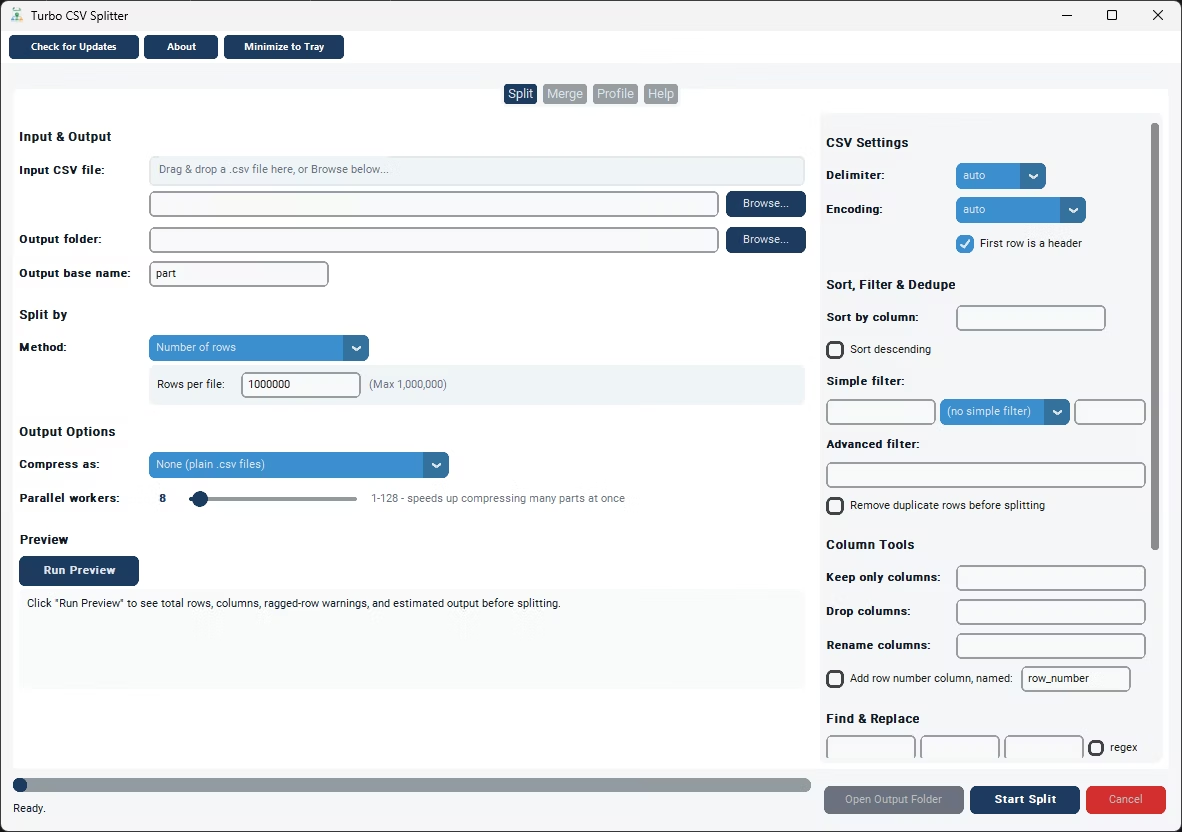
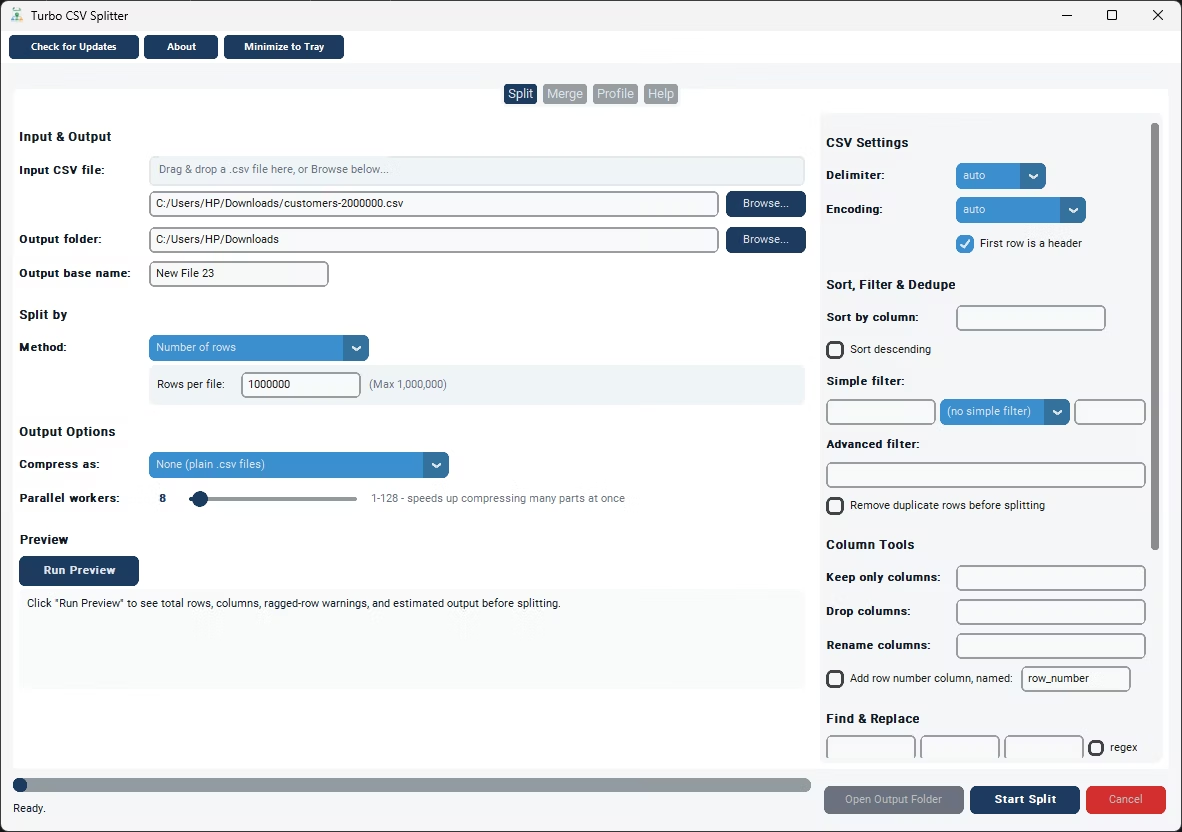
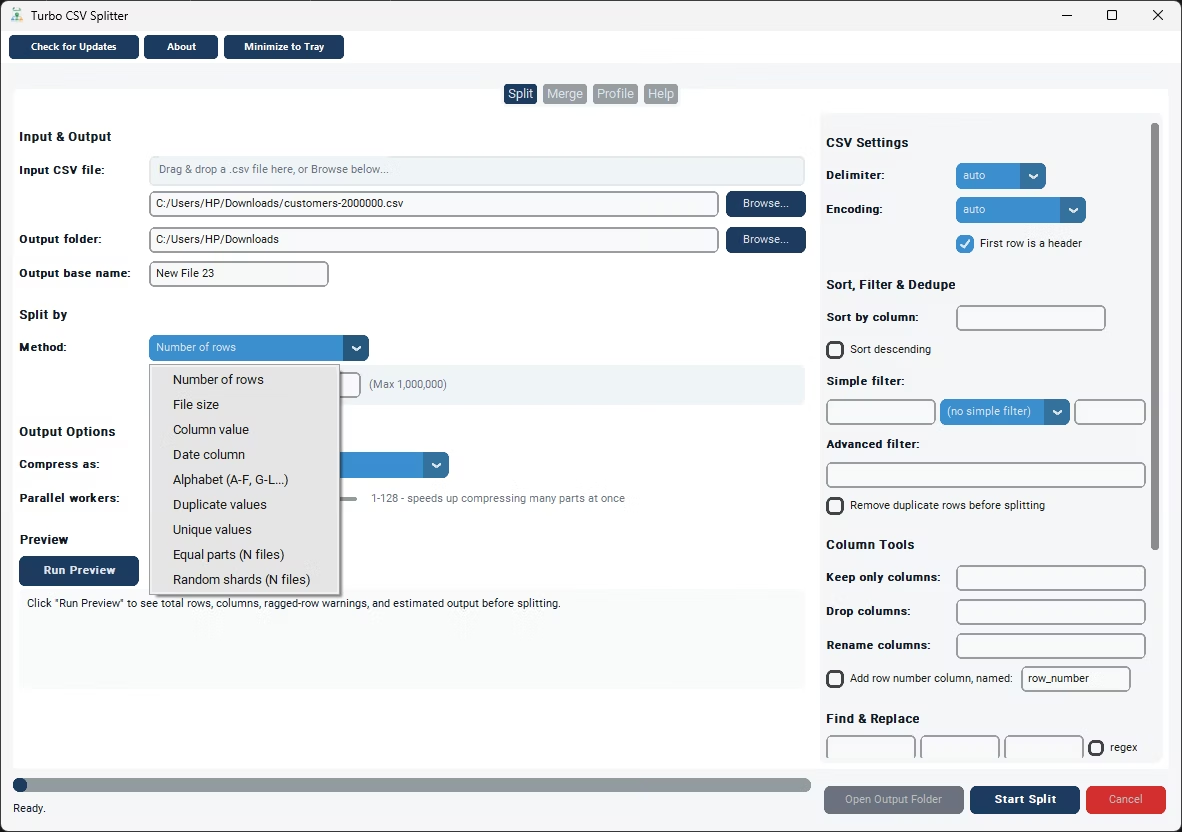
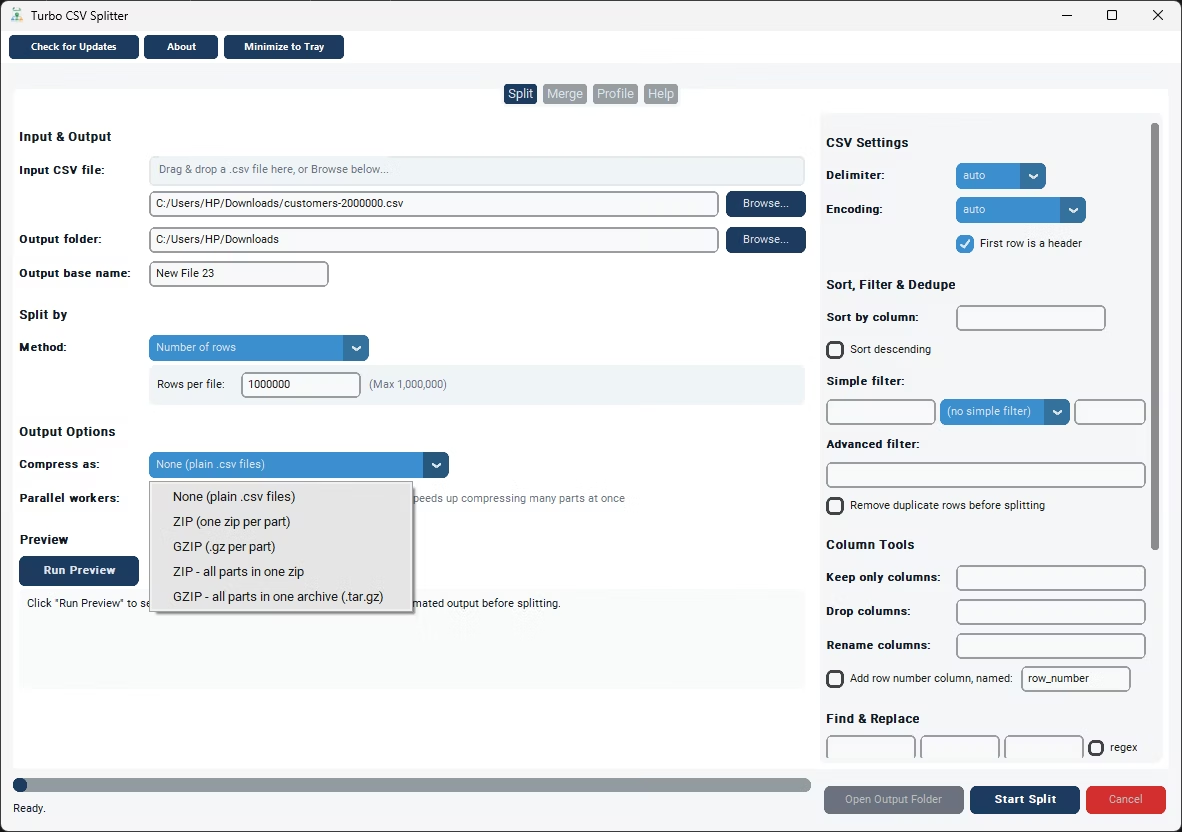
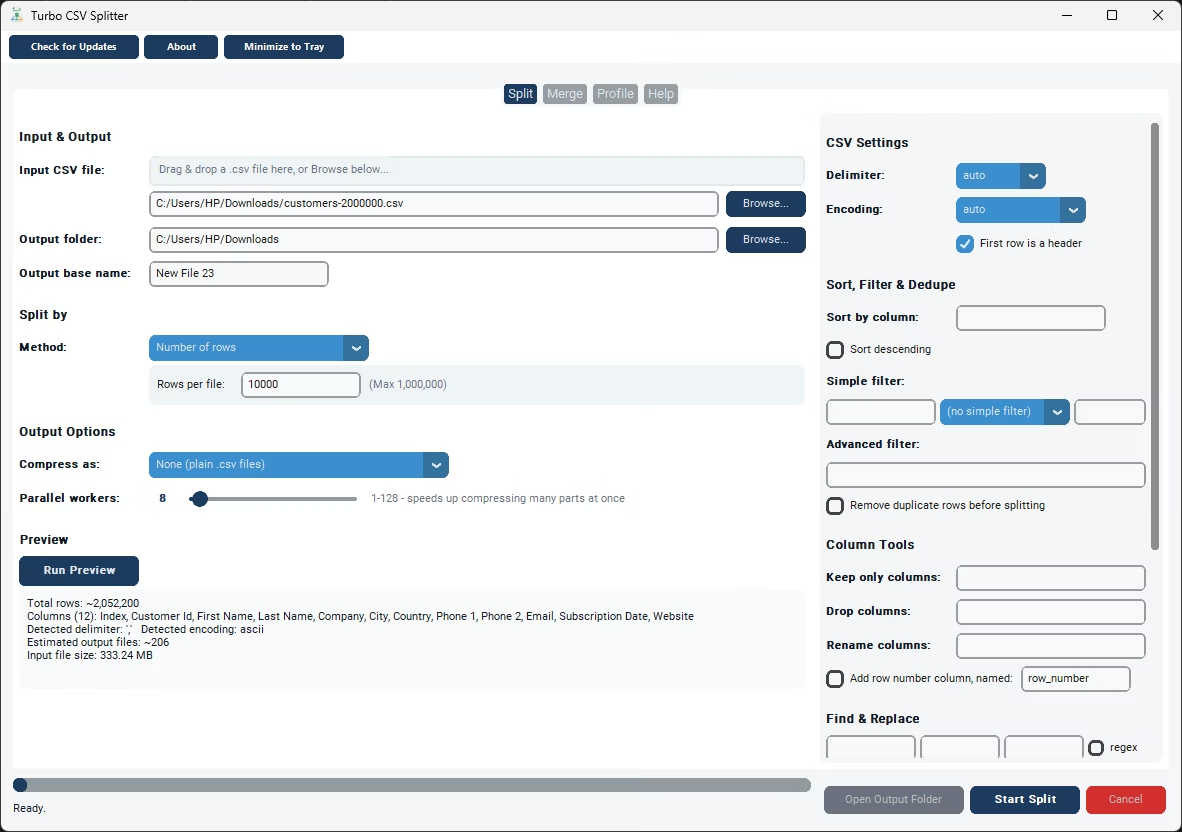
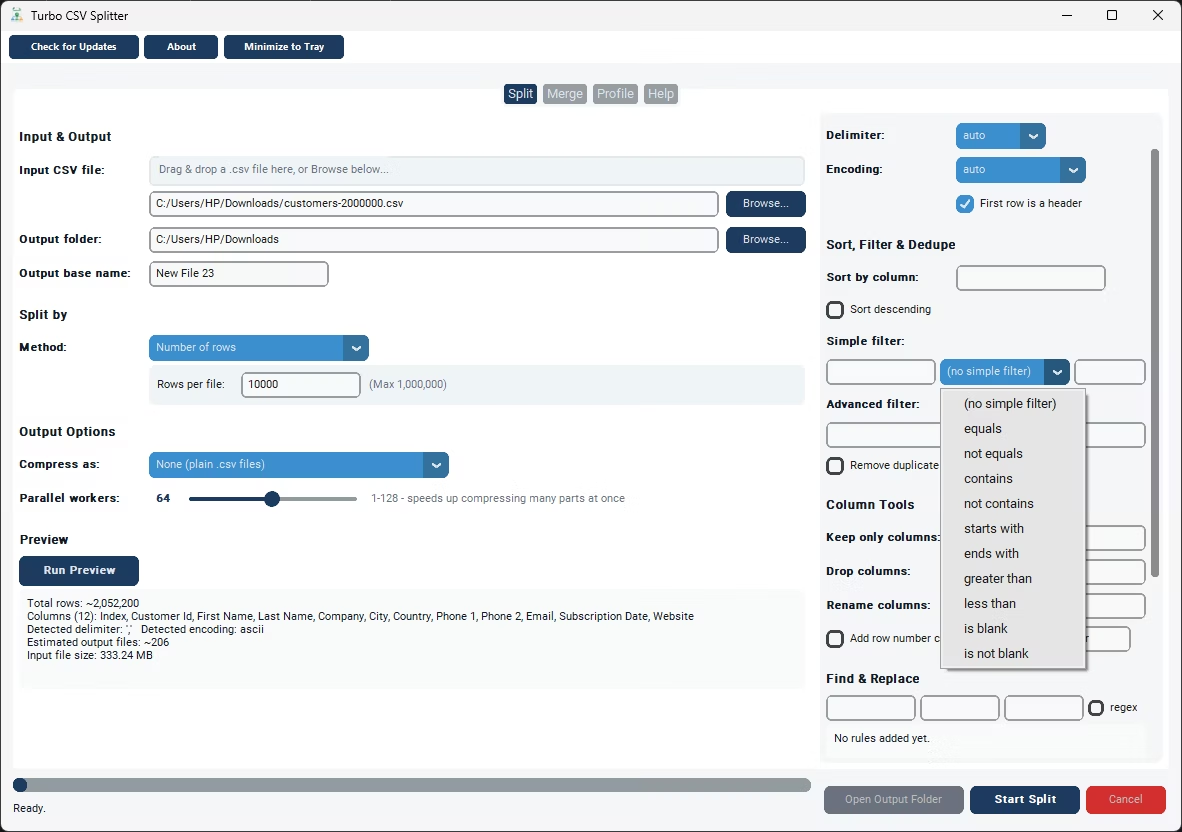
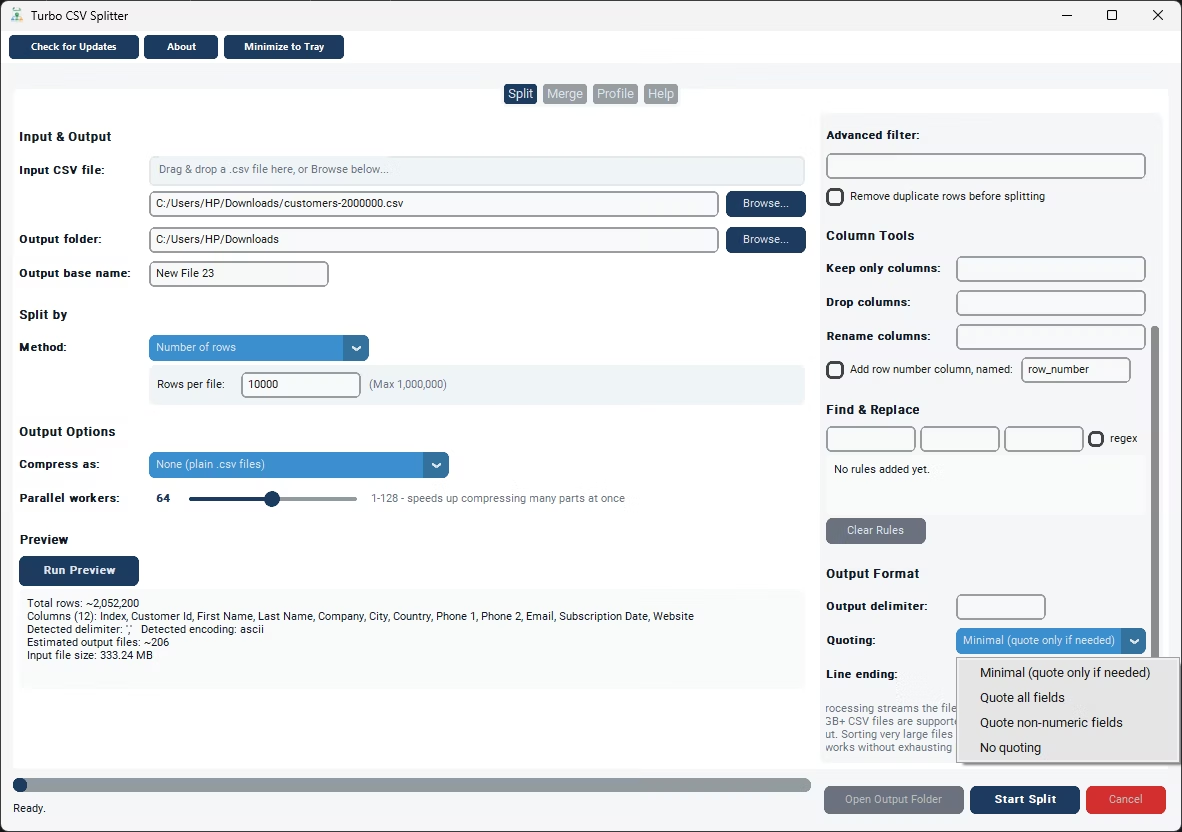
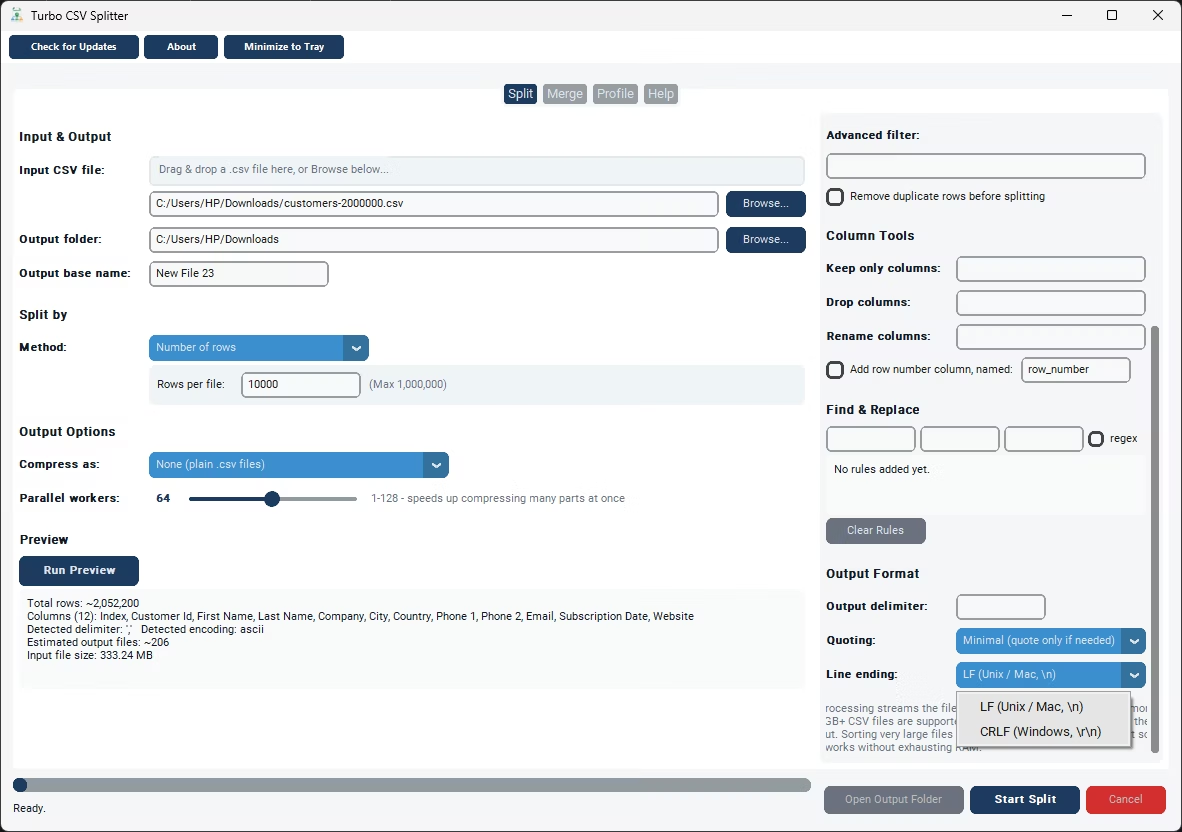
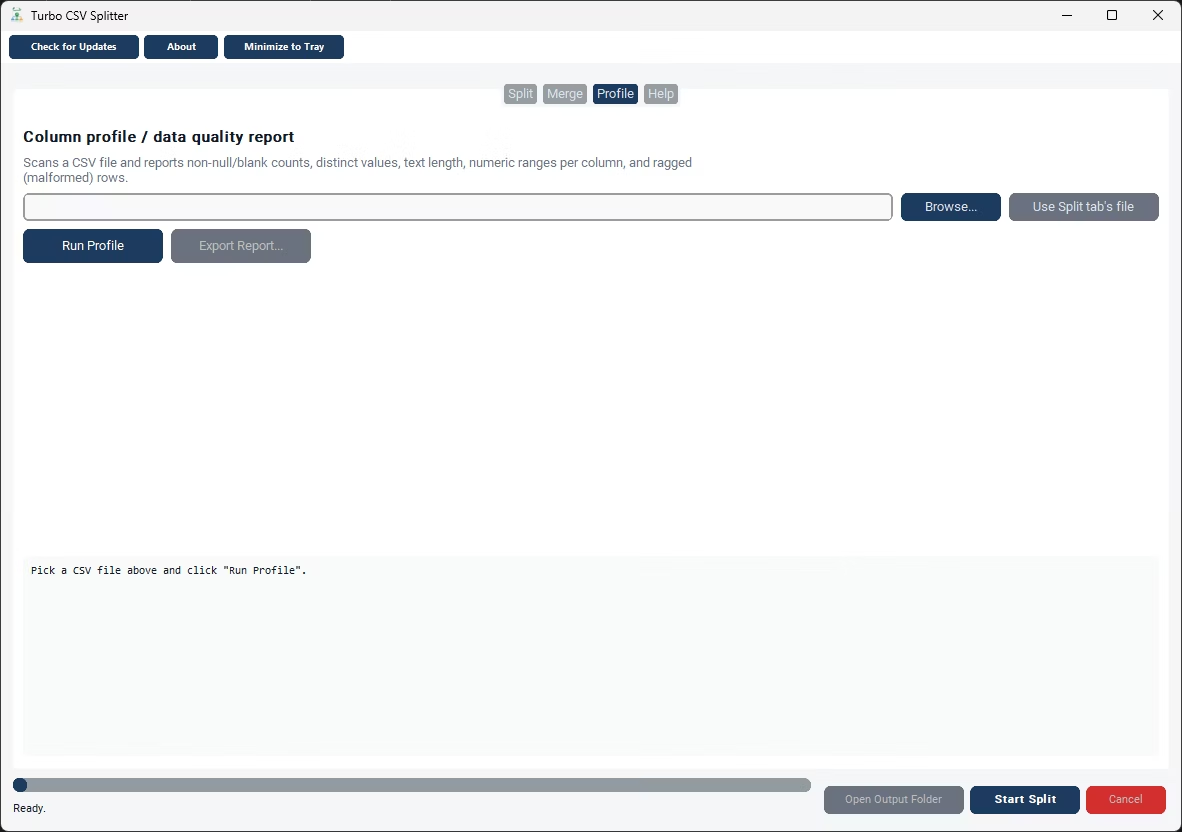
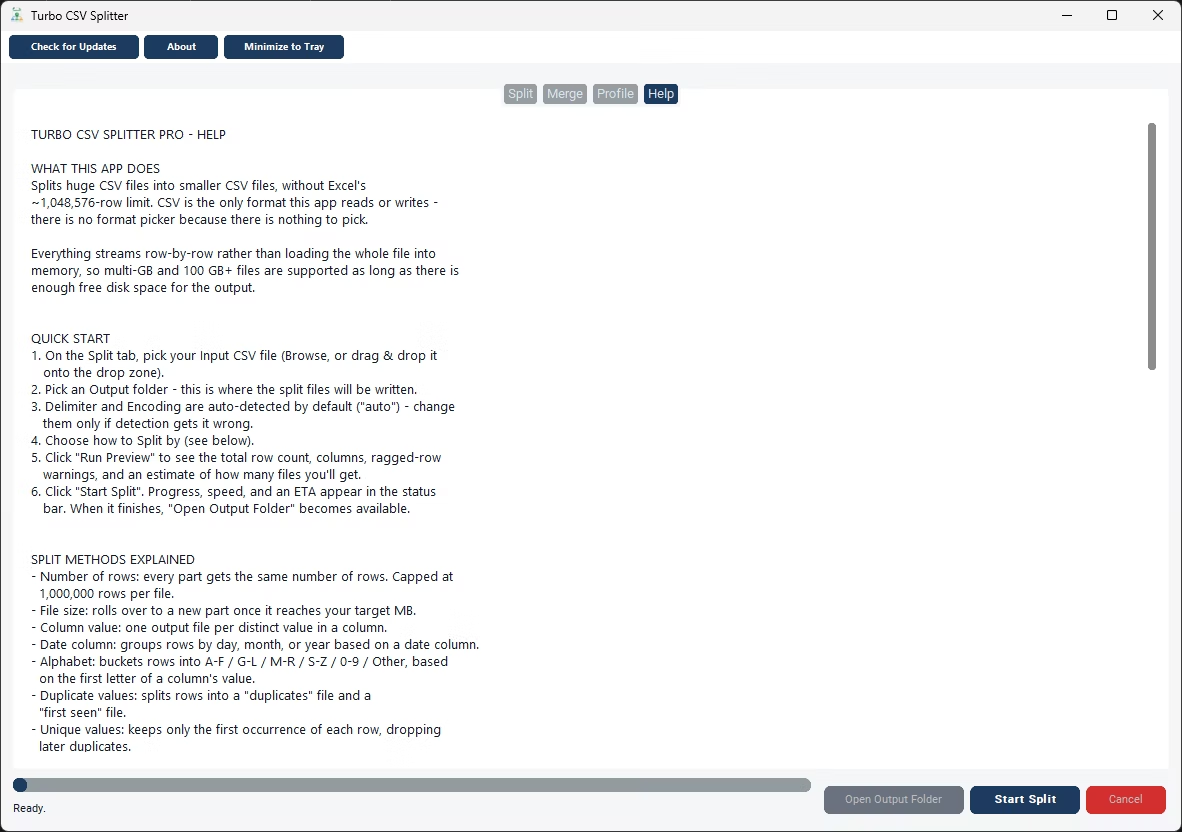
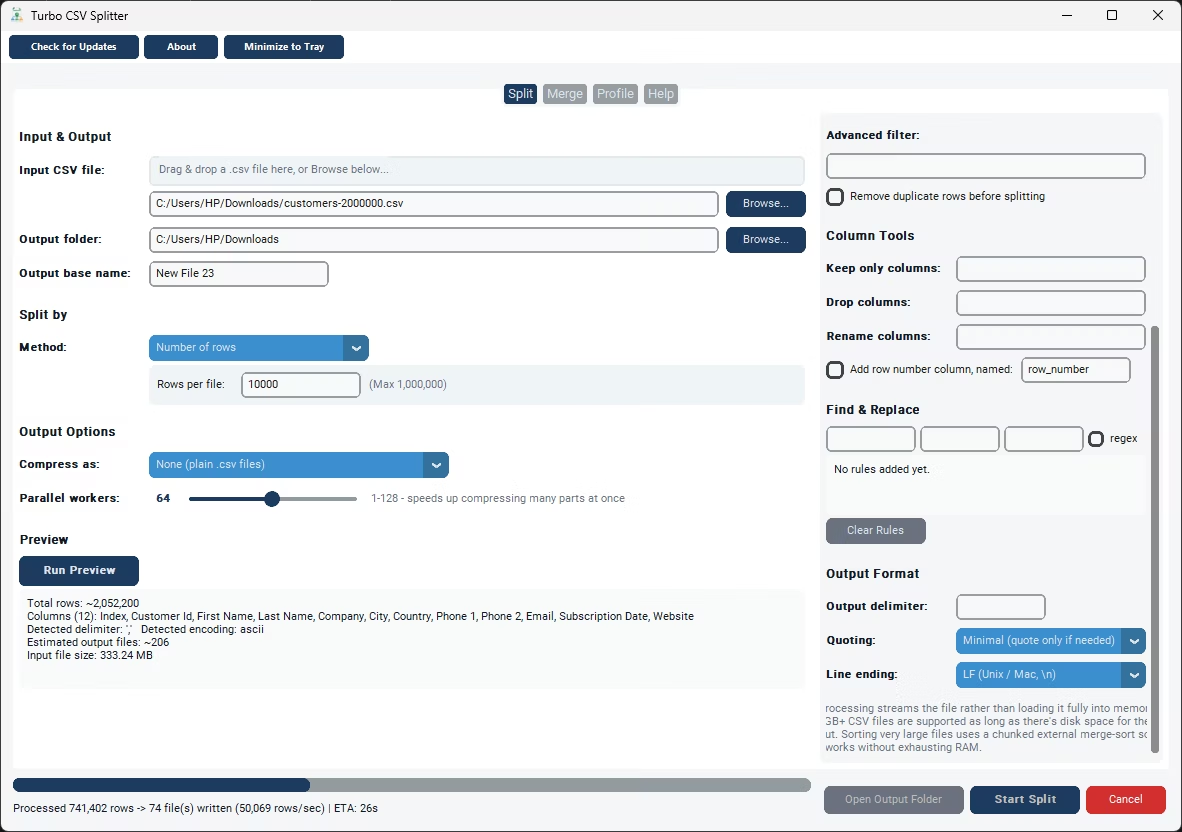
Turbo CSV Splitter handles the first half of this job directly: taking one large CSV file and dividing it into several smaller, complete CSV files - which is the necessary starting point before anything can go onto separate Excel tabs. If you want each resulting file to correspond to a specific category, the Column Value split method writes one output file per distinct value in a column you choose, so a file with a Region column, for example, produces one CSV per region automatically. If instead you just want evenly sized pieces regardless of category, Number of Rows or File Size will divide the source file into as many parts as needed, each one safely under Excel's row limit and ready to open on its own.
Every file produced this way includes the original header row, so each one opens in Excel as a complete, independent table rather than a headerless fragment. From there, moving each split file into its own tab inside a single workbook is a matter of opening a blank workbook and importing or copying each CSV into a new sheet - the heavy lifting of dividing the data correctly, keeping headers intact, and handling a file too large for Excel to open directly has already been done by the split. For files with a genuinely large row count, this two-step approach - split first with a tool built to stream through large files, then bring each part into its own tab - avoids ever needing to load the full, oversized dataset into Excel at once.
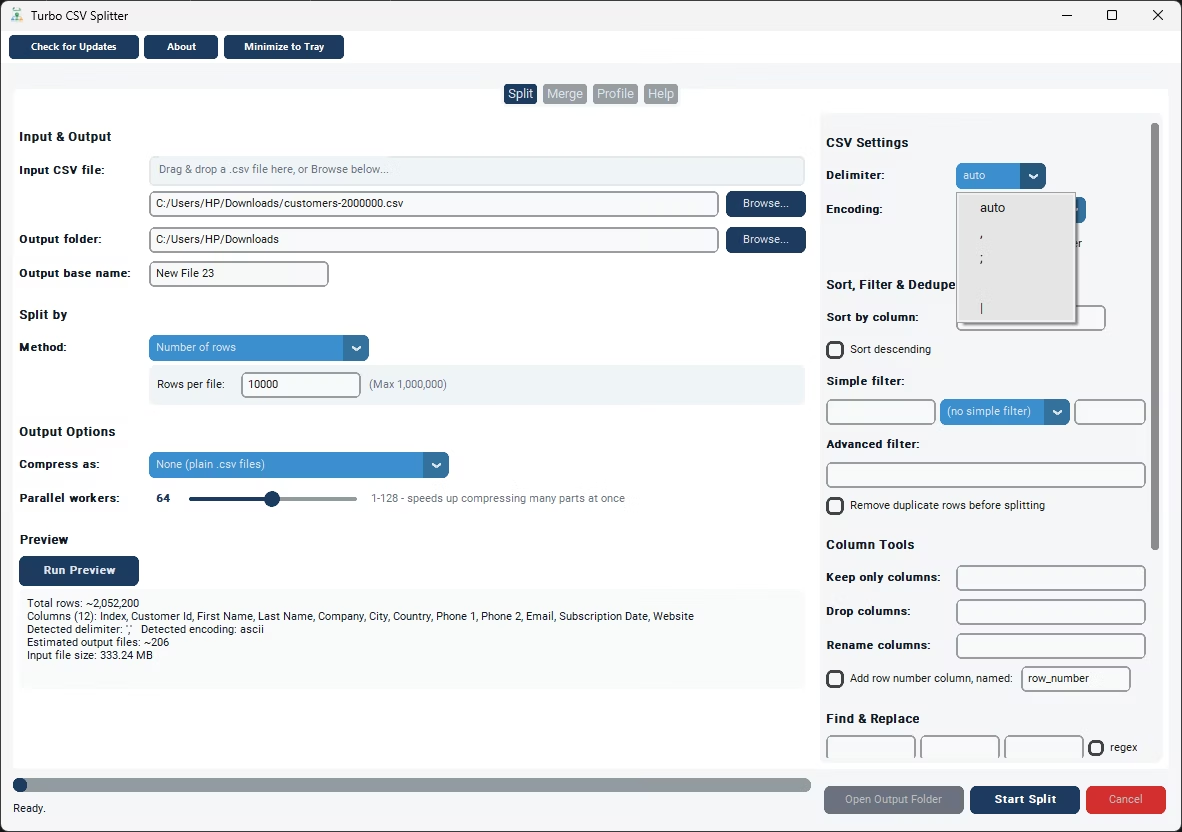
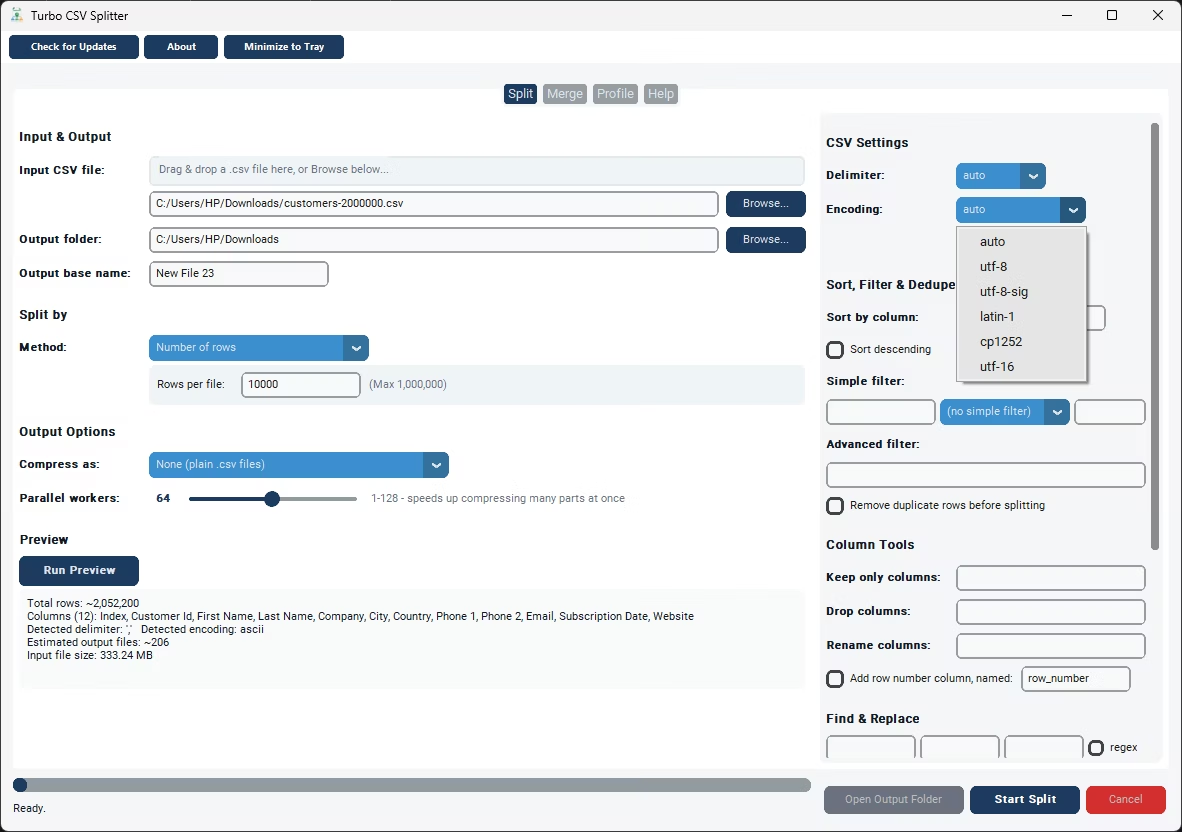
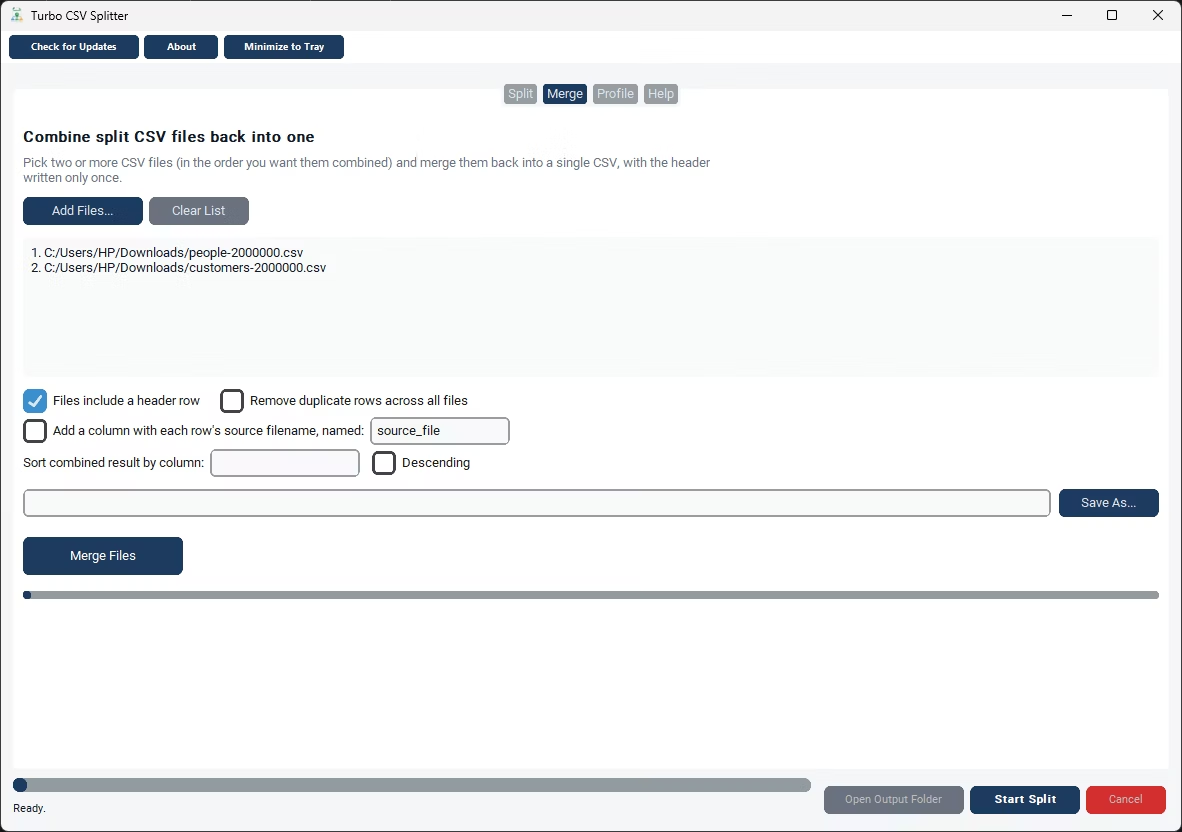
Because the split itself streams rows instead of loading the whole file into memory, it works the same way whether the source file is a few hundred thousand rows or tens of millions, with a live rows-per-second reading and ETA shown while the job runs. Delimiter and encoding are auto-detected, and if you later need the data back as one combined CSV instead of separate sheets, the Merge tab can recombine the split files - or the individual sheets exported back out of Excel - into a single file again.
- Install Turbo CSV Splitter and open the app.
- Browse to the large CSV file you want spread across multiple sheets.
- Choose Column Value if you want a file per category, or Number of Rows for evenly sized parts.
- Click Start Split to generate the smaller CSV files.
- Open a blank Excel workbook and import or copy each split file into its own tab.
- Save the workbook once every part has its own sheet.
- Column Value method produces one file per category, ready for its own tab
- Number of Rows and File Size methods produce evenly sized parts instead
- Every split file includes the header row and opens cleanly in Excel
- Streaming engine avoids ever loading an oversized file into Excel directly
- Merge tab available to recombine files if you need one CSV again later
- Runs fully offline on your own Windows PC
Does Turbo CSV Splitter create one Excel workbook with several tabs?
No. It splits one CSV file into several separate CSV files, each a complete file on its own. If you specifically want everything inside one Excel workbook as separate tabs, you'd copy each split CSV into its own sheet within that workbook afterward.
Why not just try to fit everything on one sheet?
A single Excel worksheet is capped at 1,048,576 rows. A large CSV export can easily exceed that, and Excel will silently open only the first 1,048,576 rows rather than warning you that the rest didn't load - splitting the source data first avoids that problem entirely.
Is it faster to split by rows or by a column value for this?
It depends on what you want each part to represent. Number of Rows is the simpler choice if you just want evenly sized pieces, while Column Value is better if you want each resulting file - and eventually each tab - to represent a specific category, like one region or one product line per file.
Can the split files be merged back into one CSV later?
Yes. The Merge tab combines multiple CSV files - including previously split parts - back into a single file, writing the header only once.
Ready to split your CSV files the easy way?