Sometimes the goal isn't just to combine CSV files into another CSV, but to bring them into a single Excel workbook where each source file becomes its own sheet, or where all the data lands together on one sheet. This is common when preparing a report that needs to move between different data sources but stay organized in one file.
Turbo Large Data Splitter can take a group of CSV files and write them into one Excel workbook, either as separate sheets named after the source files, or combined onto a single sheet if that better fits your needs. The output opens directly in Excel with no additional formatting steps required.
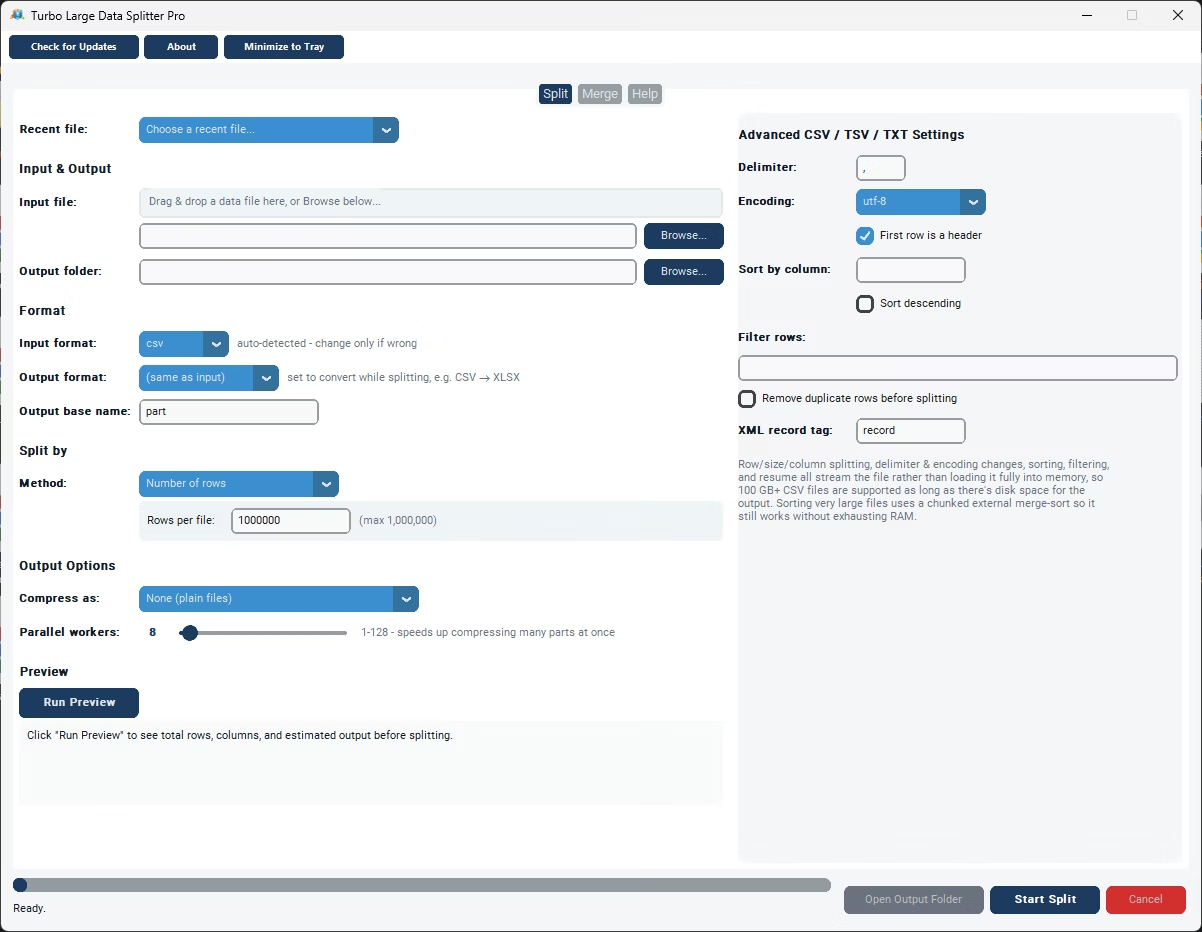
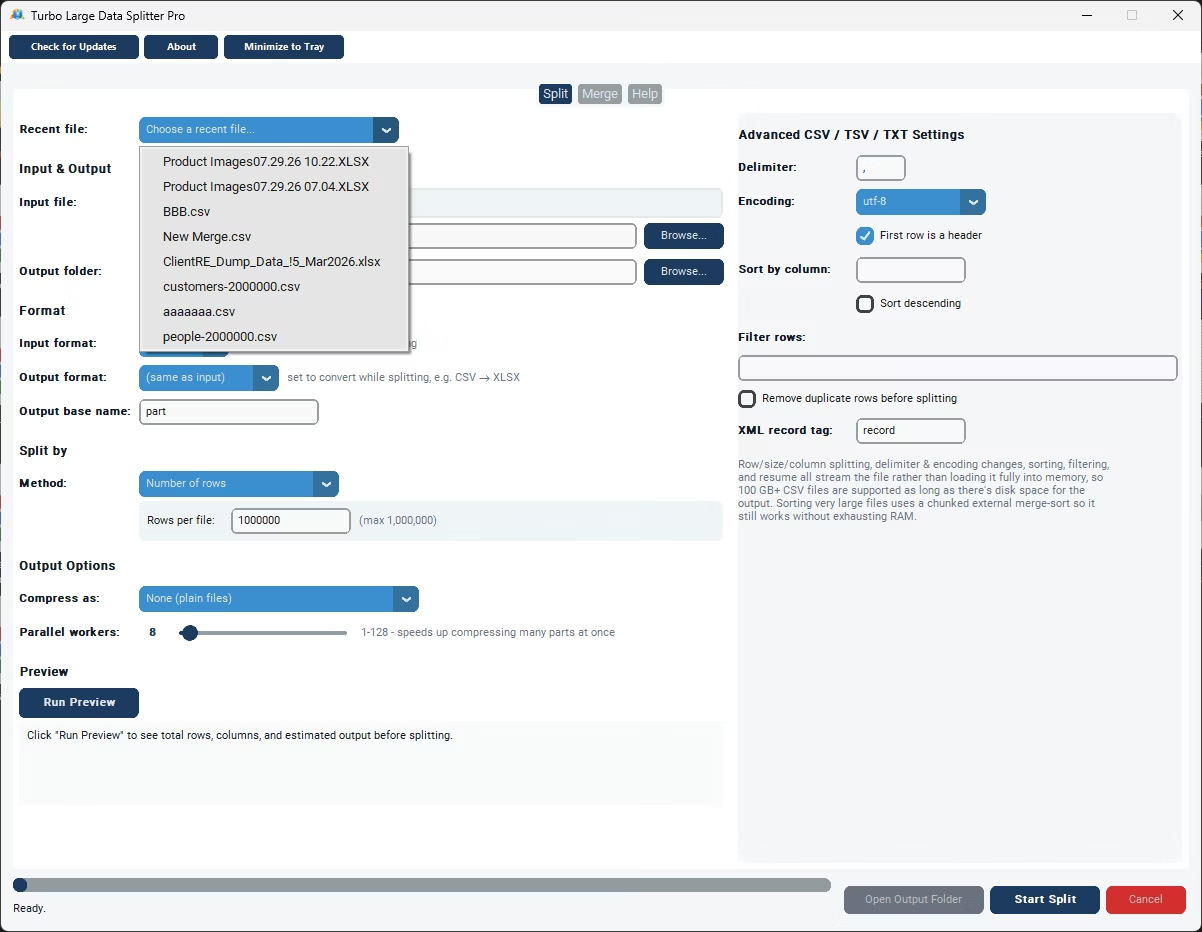
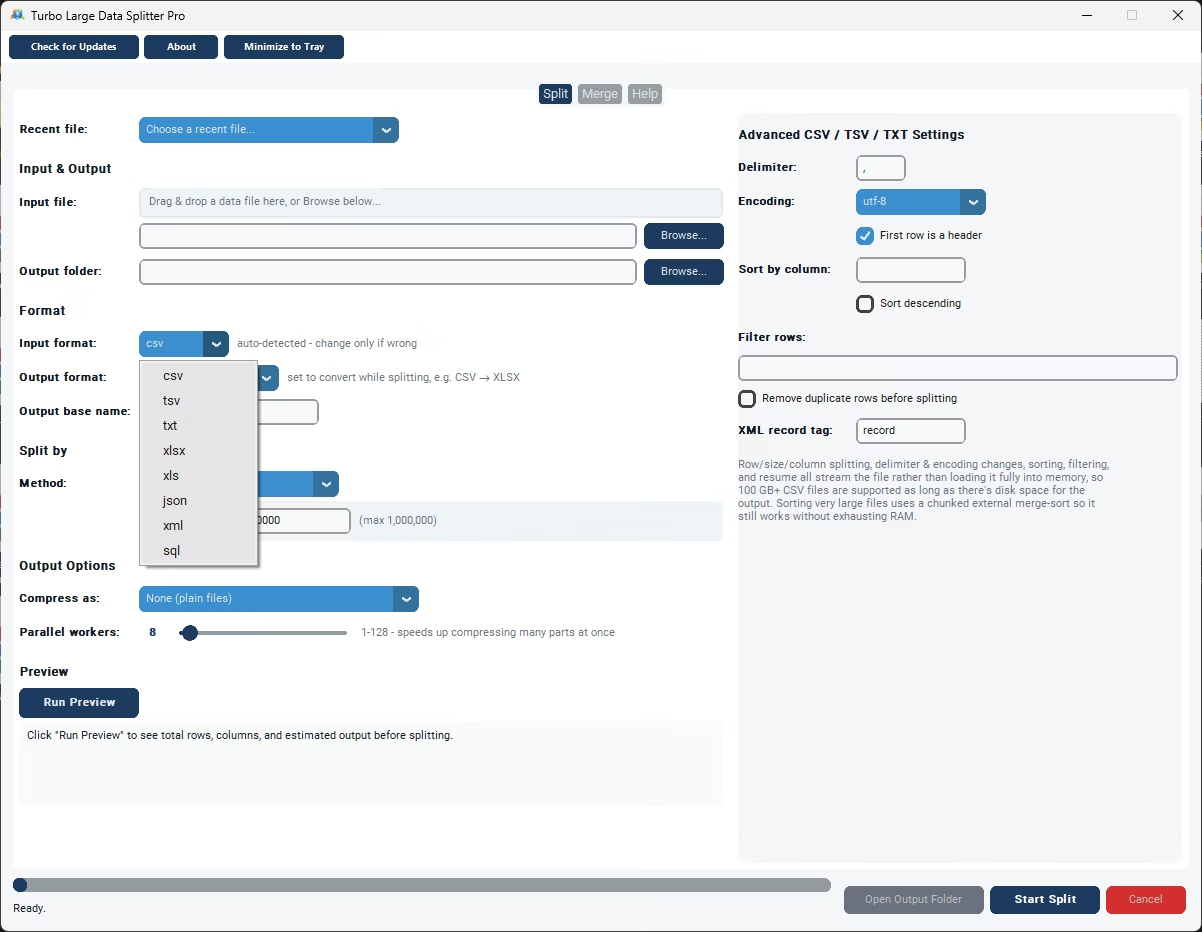
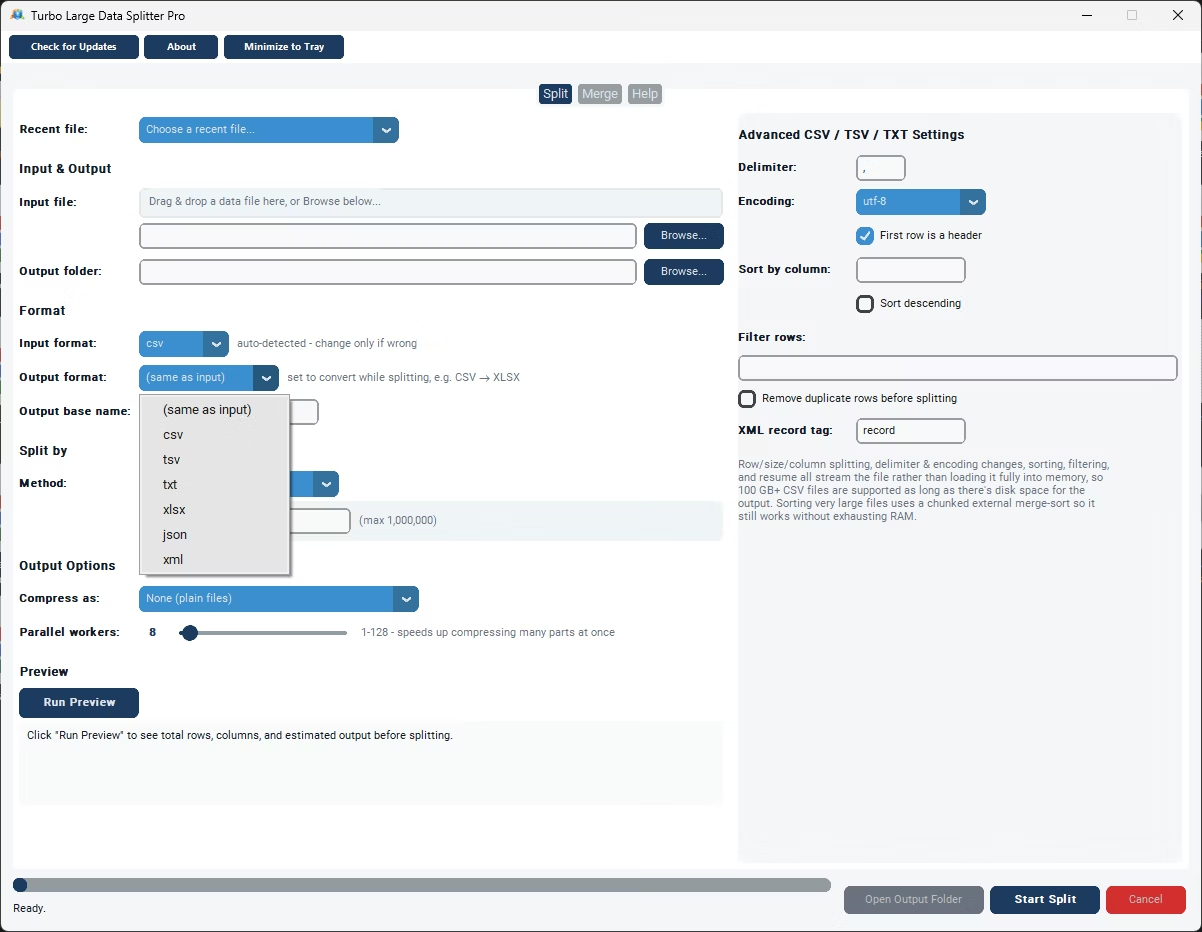
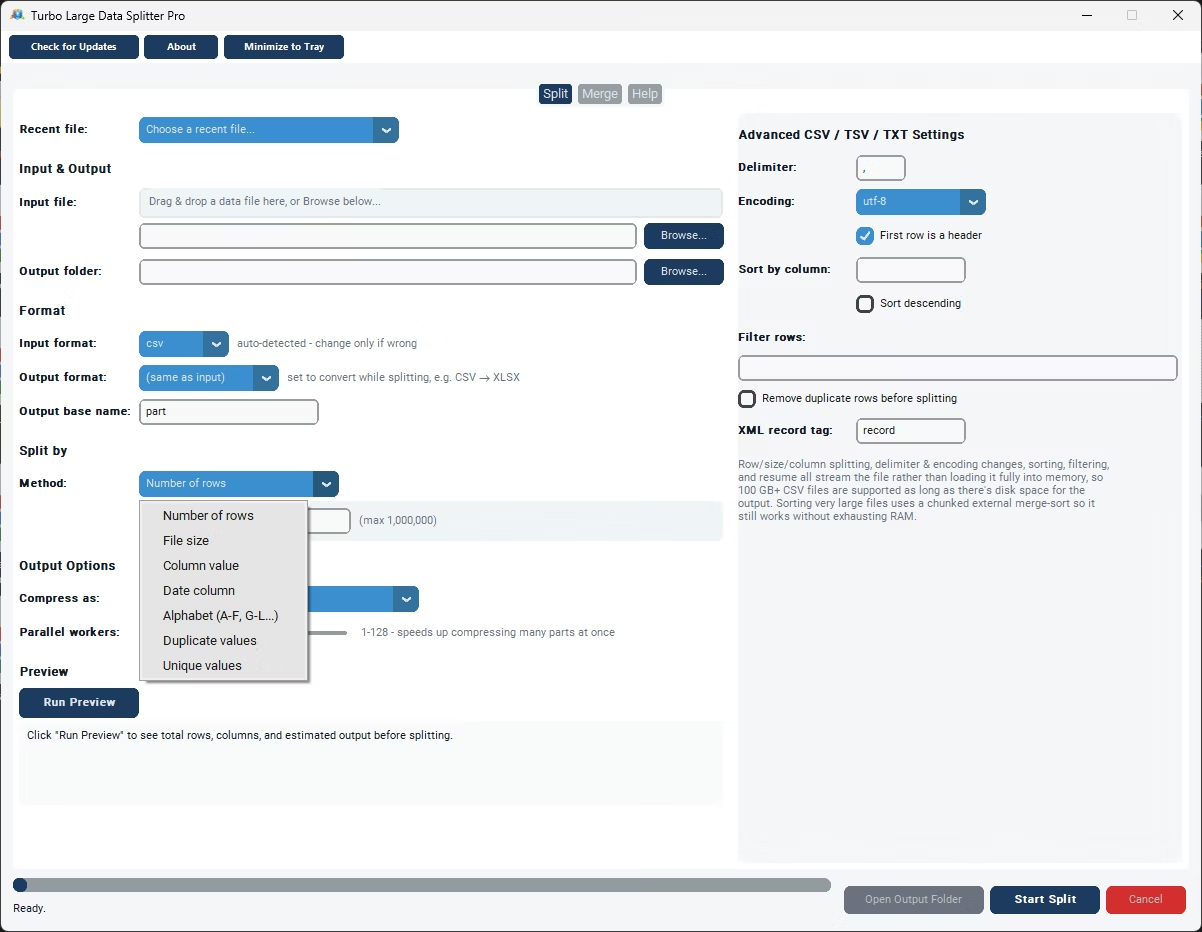
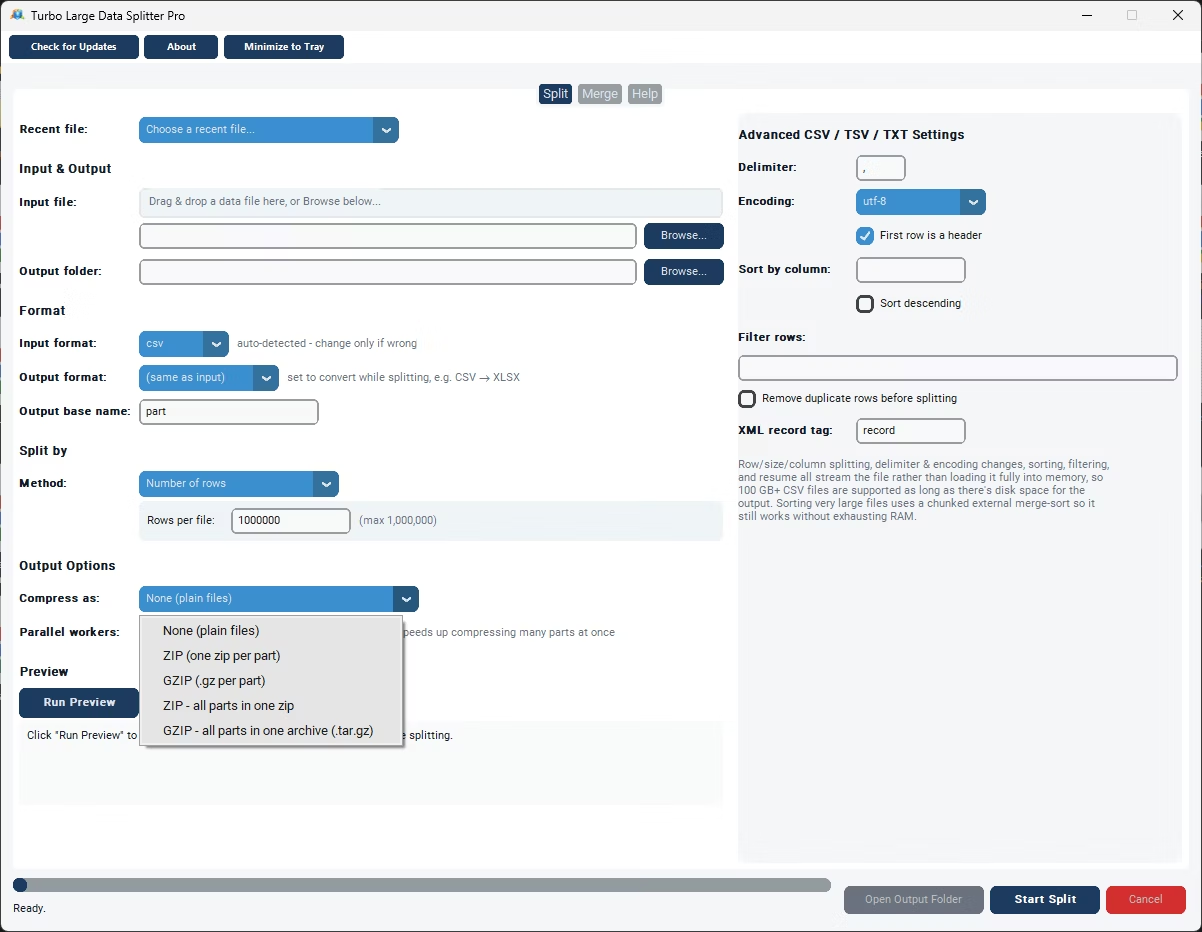
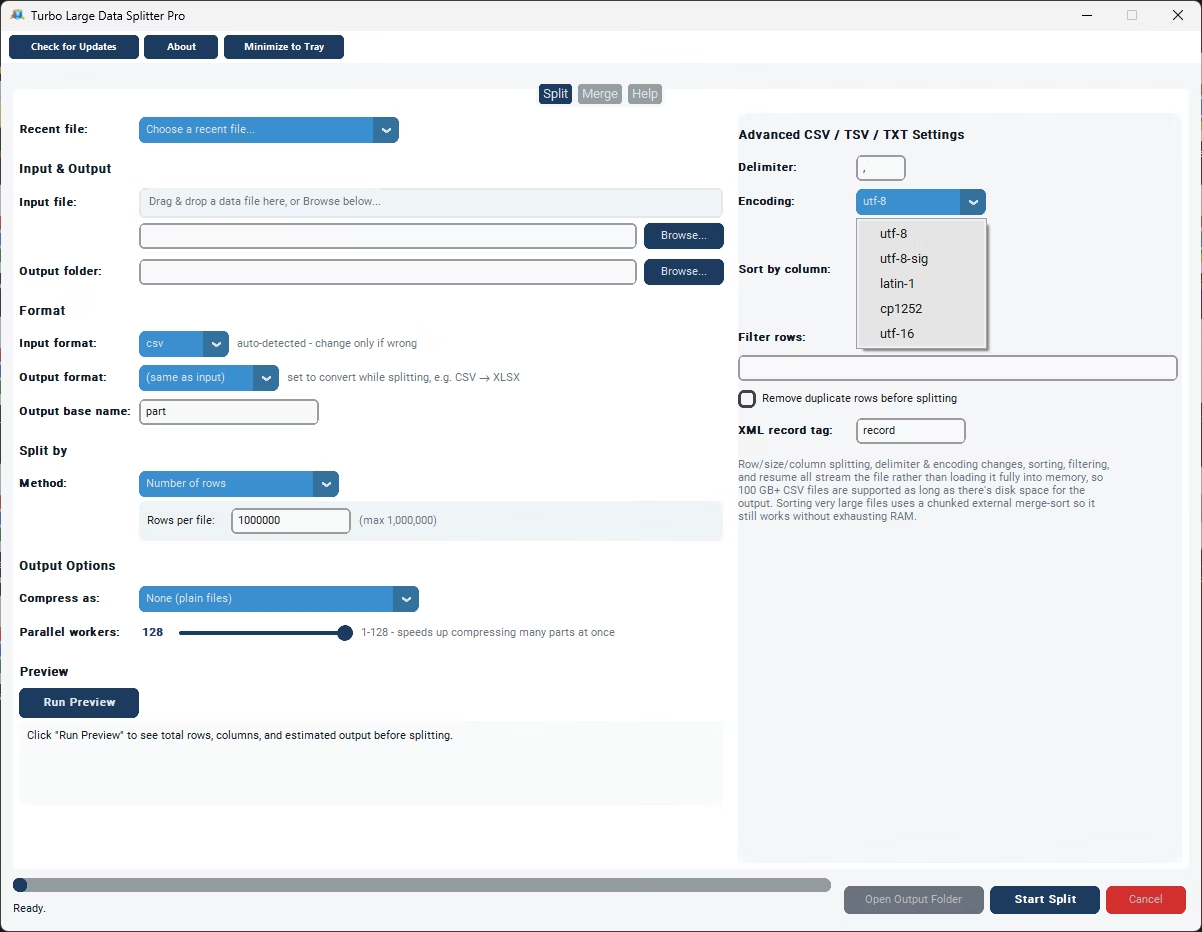
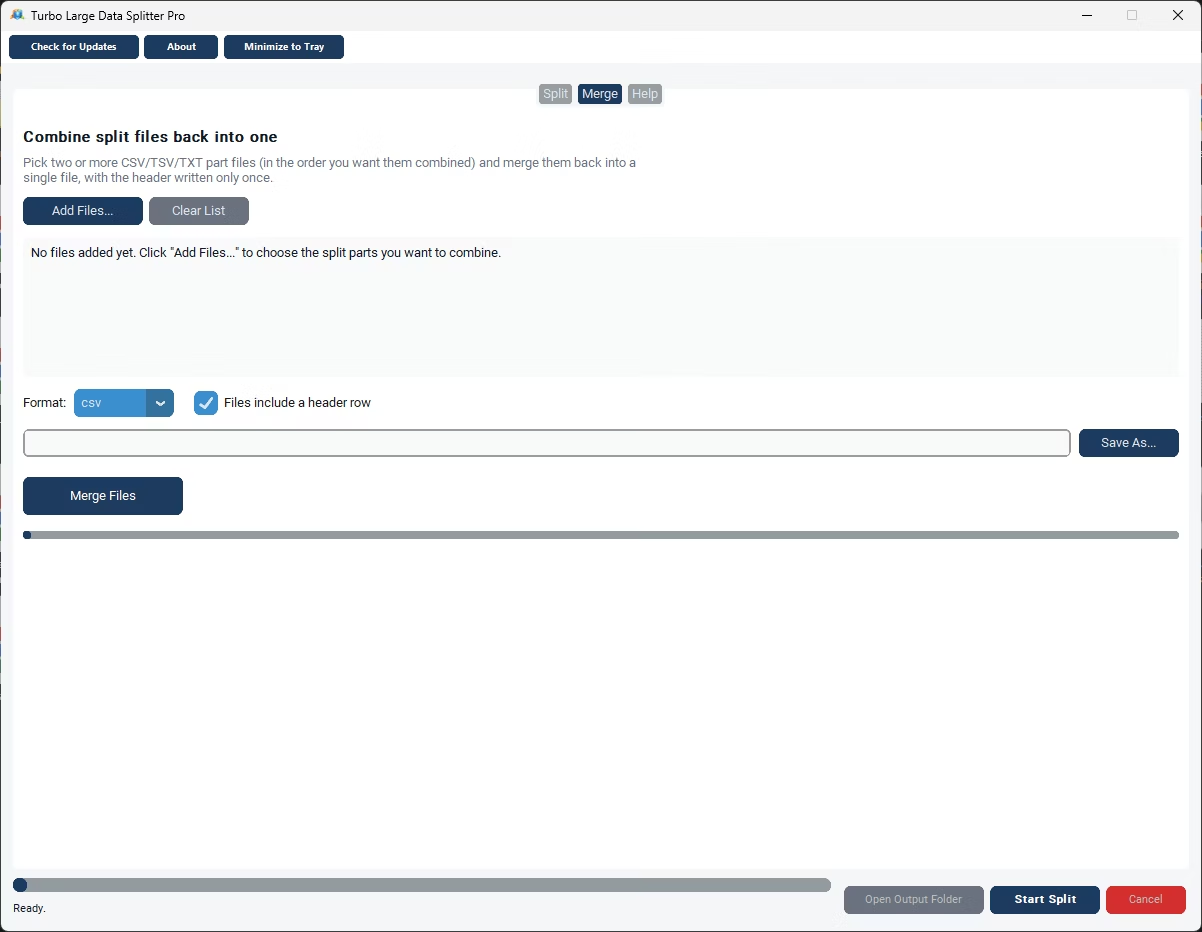
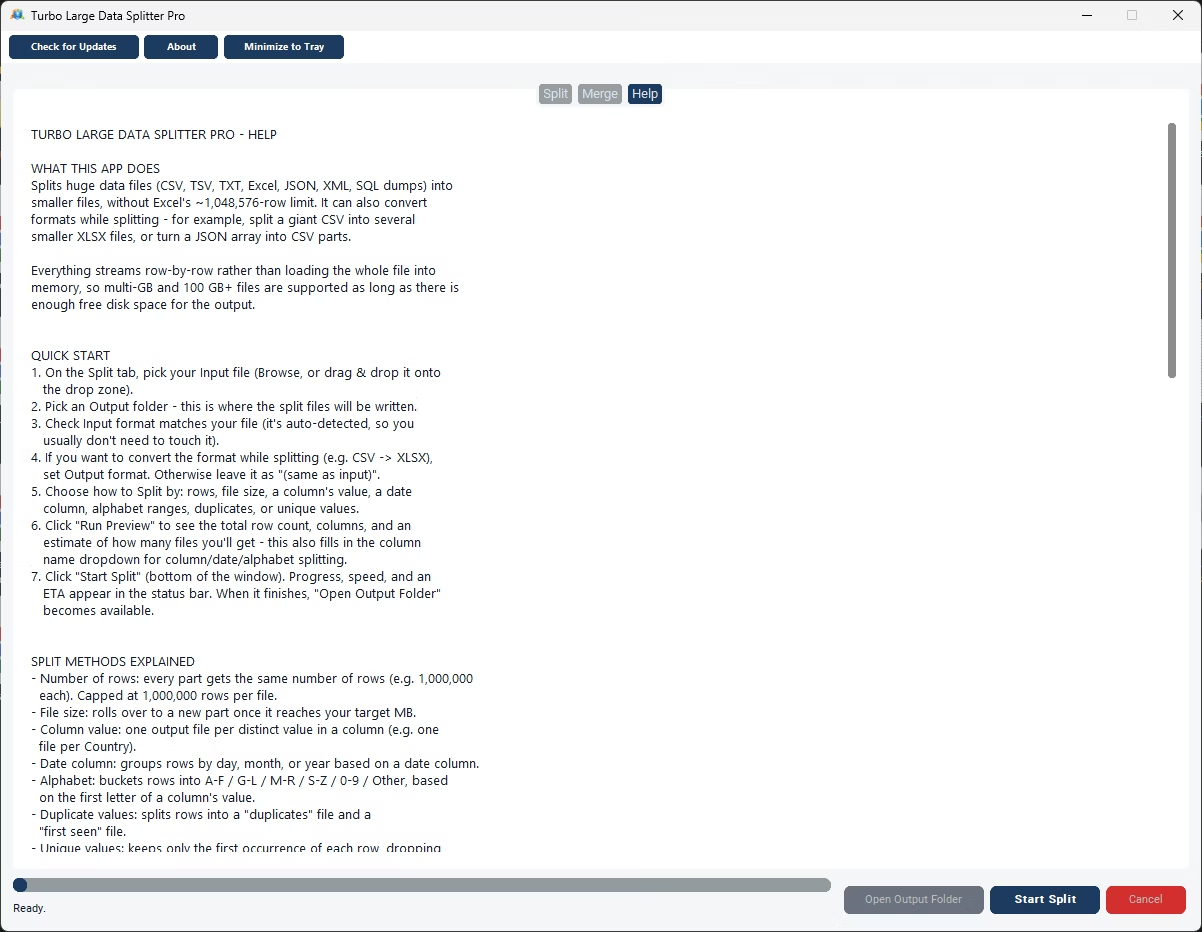
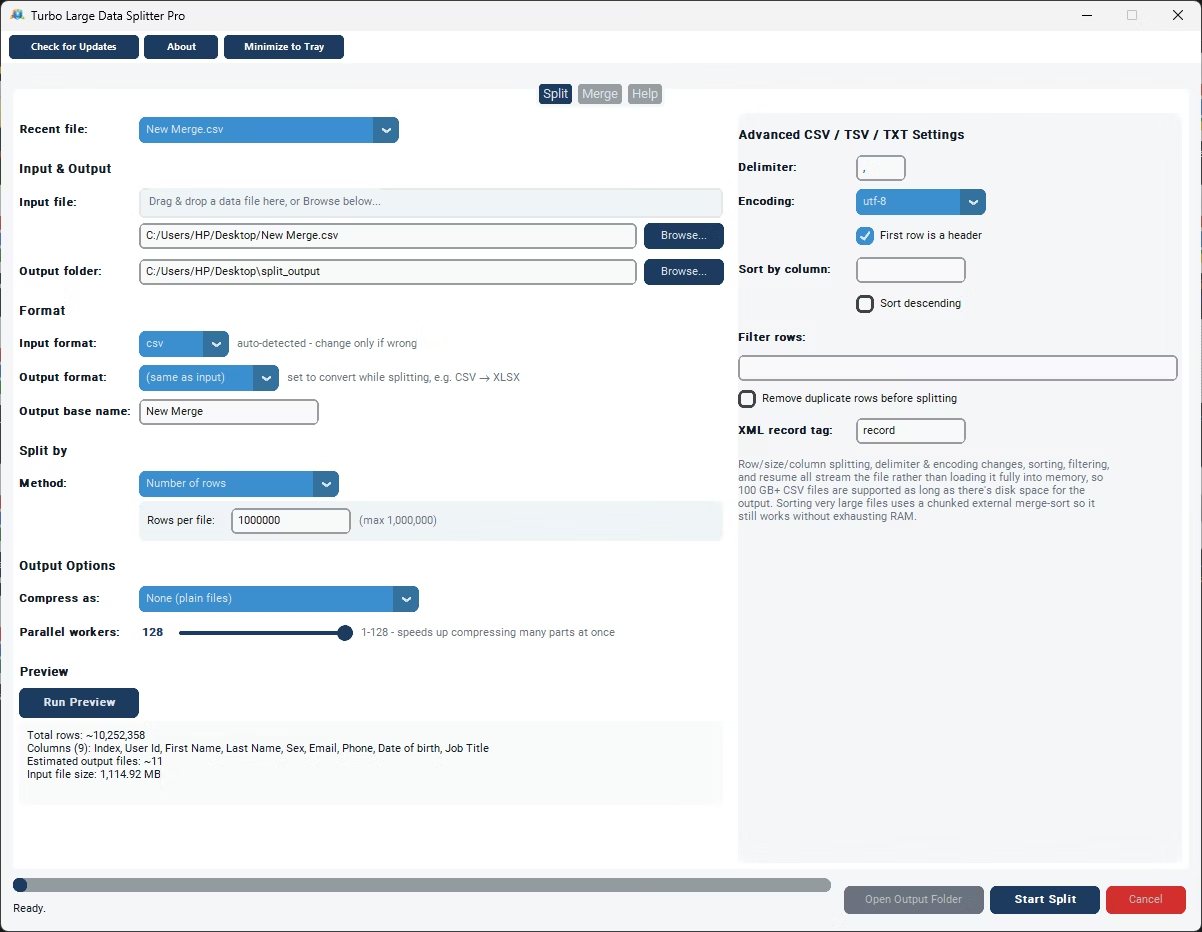
- Install Turbo Large Data Splitter on your Windows PC.
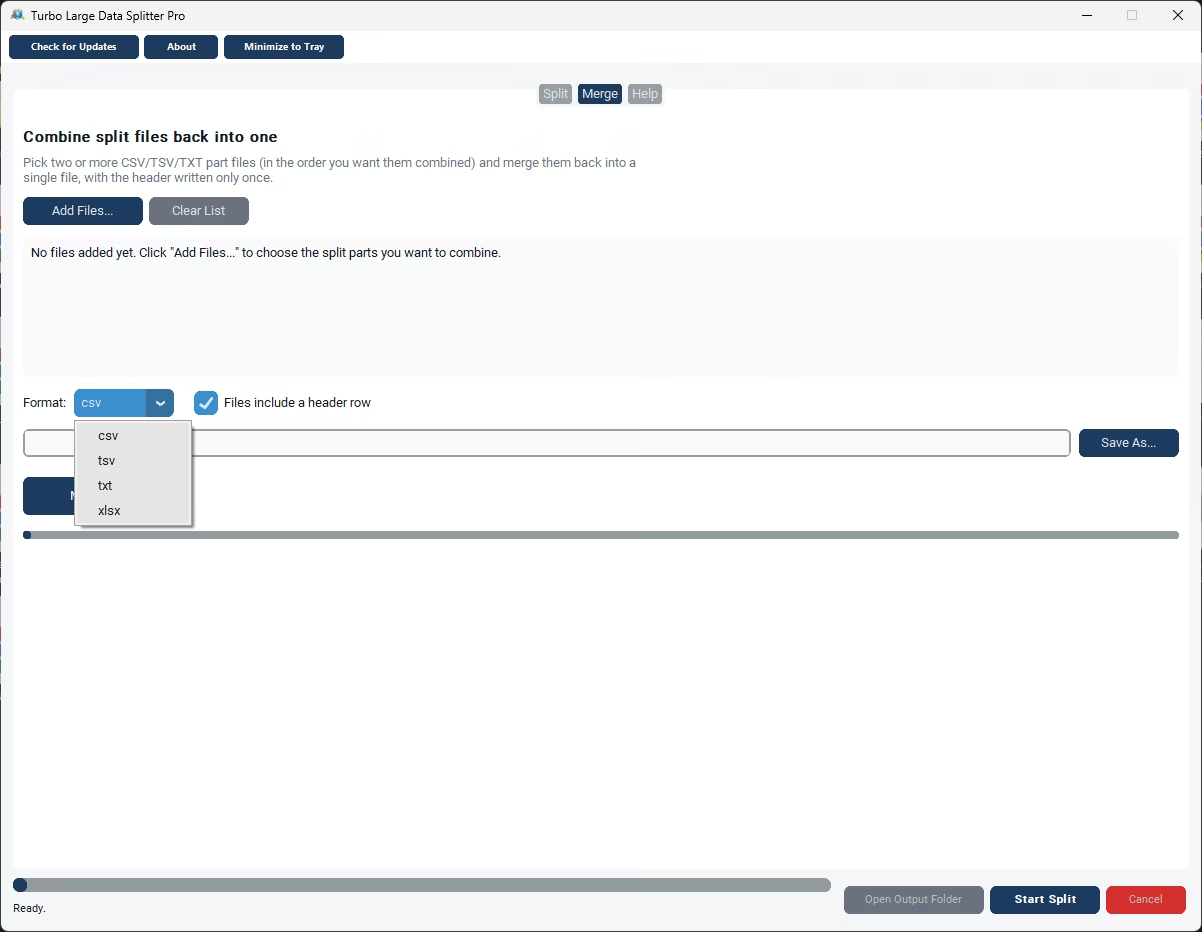
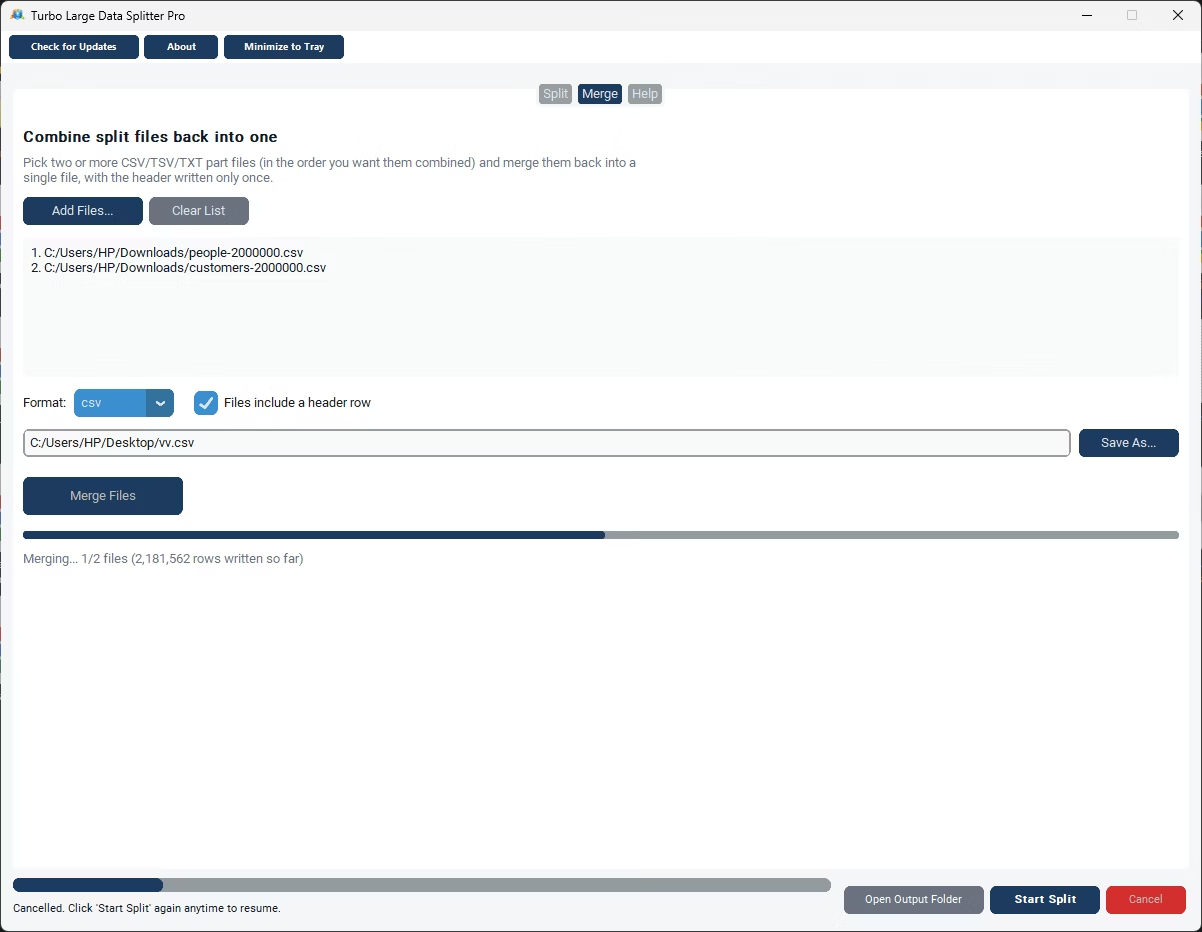
- Open the merge feature and select your CSV files.
- Choose whether each file becomes its own sheet or all data goes onto one sheet.
- Set the output as an Excel workbook (.xlsx).
- Click Merge to build the combined workbook.
- Open the resulting .xlsx file directly in Excel.
- Combine CSV files into one Excel workbook
- Option to keep each file as a separate sheet
- Option to merge everything onto a single sheet
- Sheets automatically named after their source files
- Output opens directly in Excel with no extra steps
- Runs fully offline for complete data privacy
Will each CSV file become a separate tab in the workbook?
Yes, if you choose the separate-sheets option, each source CSV file is written to its own named tab within the workbook.
Can all the CSV data be combined onto a single sheet instead?
Yes, that option is available too, and the app will stack the data from all files onto one sheet if the column structures match.
Is there a limit to how many sheets a workbook can have?
Excel workbooks support a very large number of sheets, so merging dozens of CSV files into separate tabs isn't a practical concern.
Ready to merge your CSV files into one organized Excel workbook?