A CSV combiner is useful any time data arrives split across several files that really belong together, such as monthly exports, files from different regions, or batches produced by an automated system. Combining them by hand means opening each one, copying the rows, and pasting them into a master file, which gets tedious fast and is easy to mess up.
Turbo Large Data Splitter's combiner mode lets you select every file you want combined and produces one clean output file with all the data lined up correctly. It handles the row-by-row copying automatically, so the manual process is reduced to a few clicks.
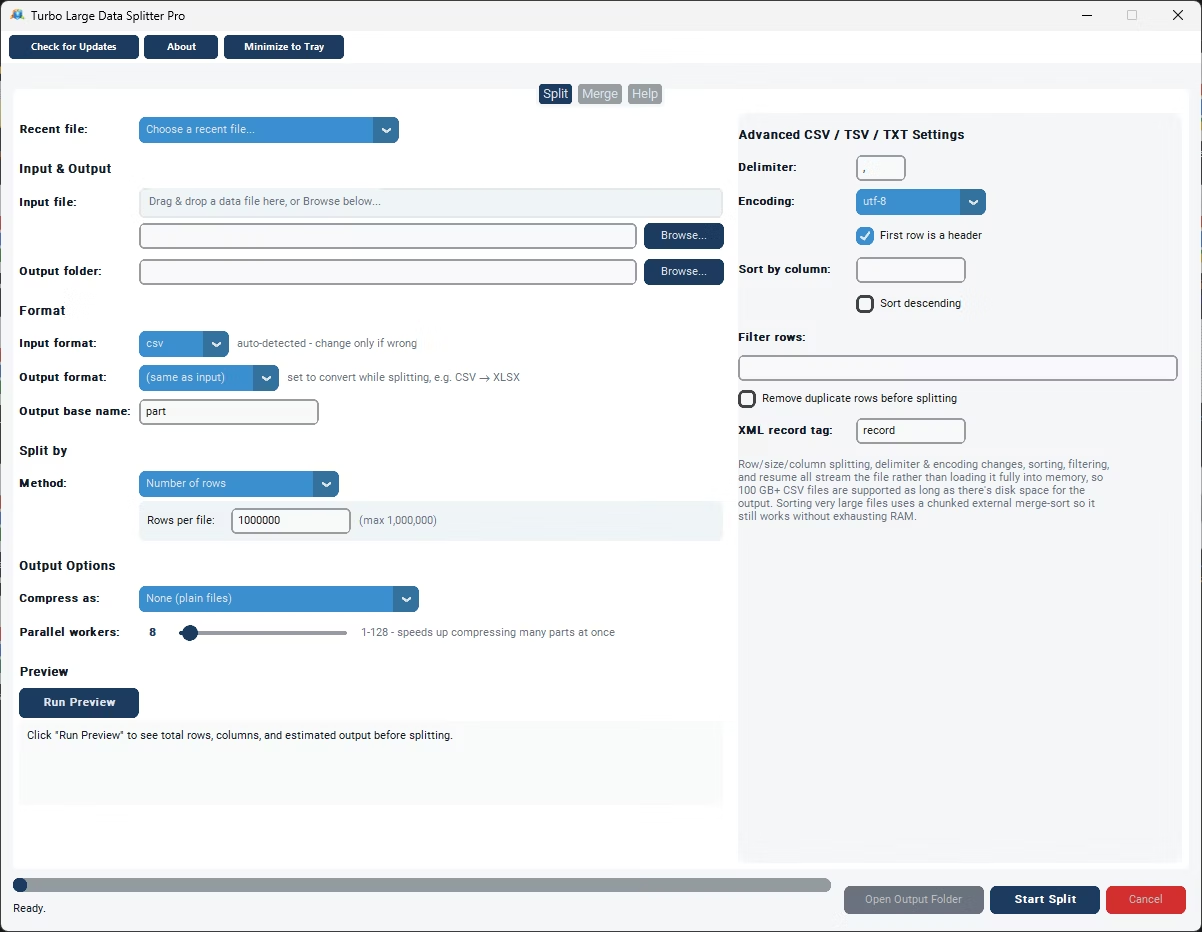
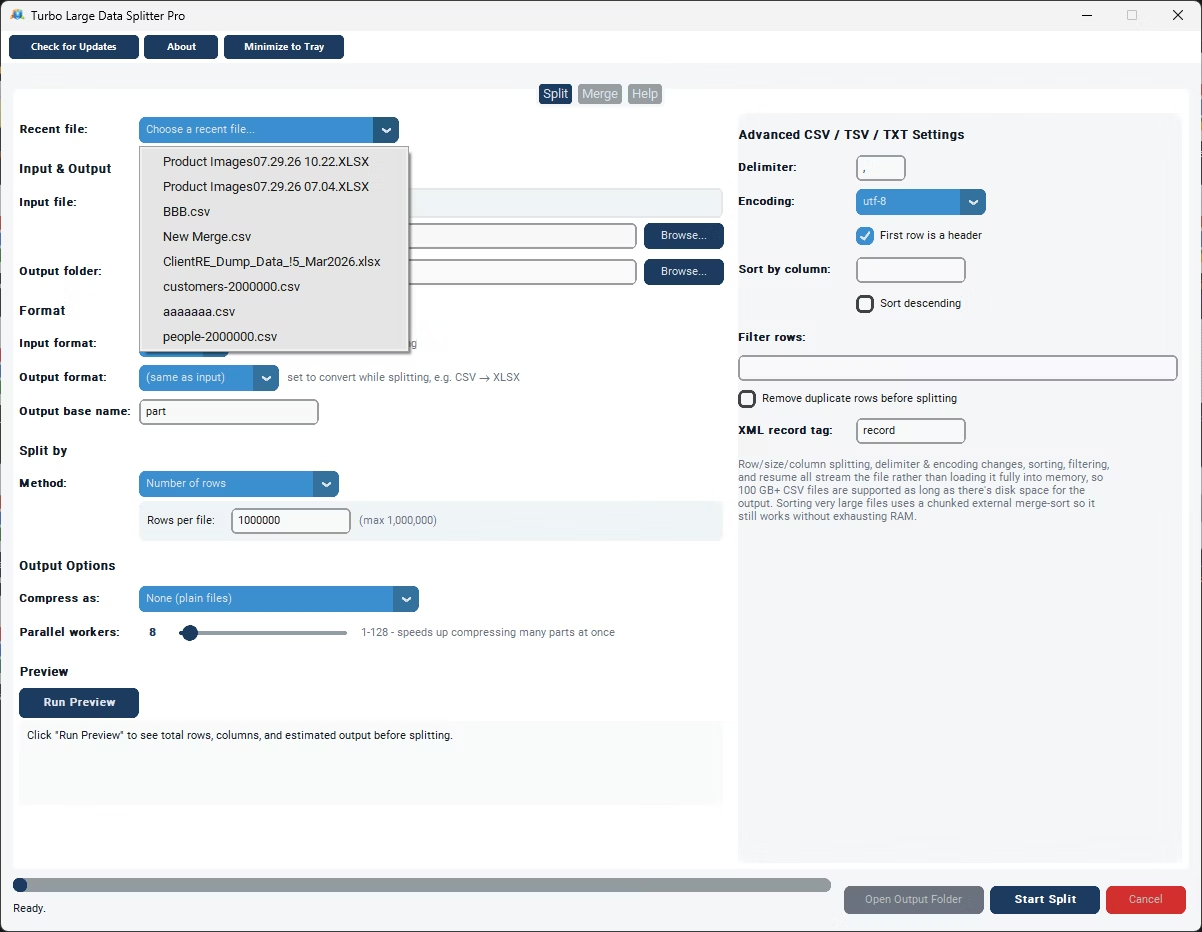
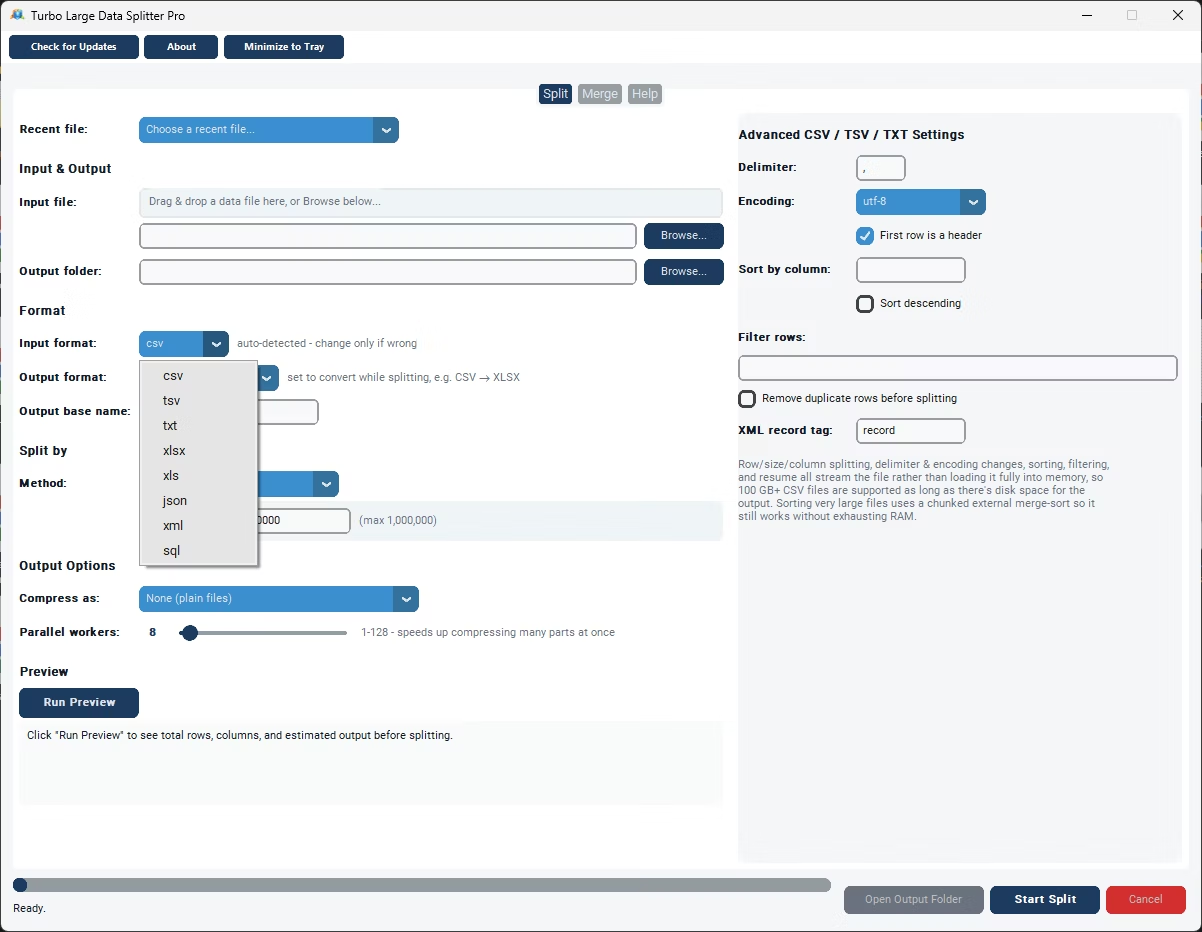
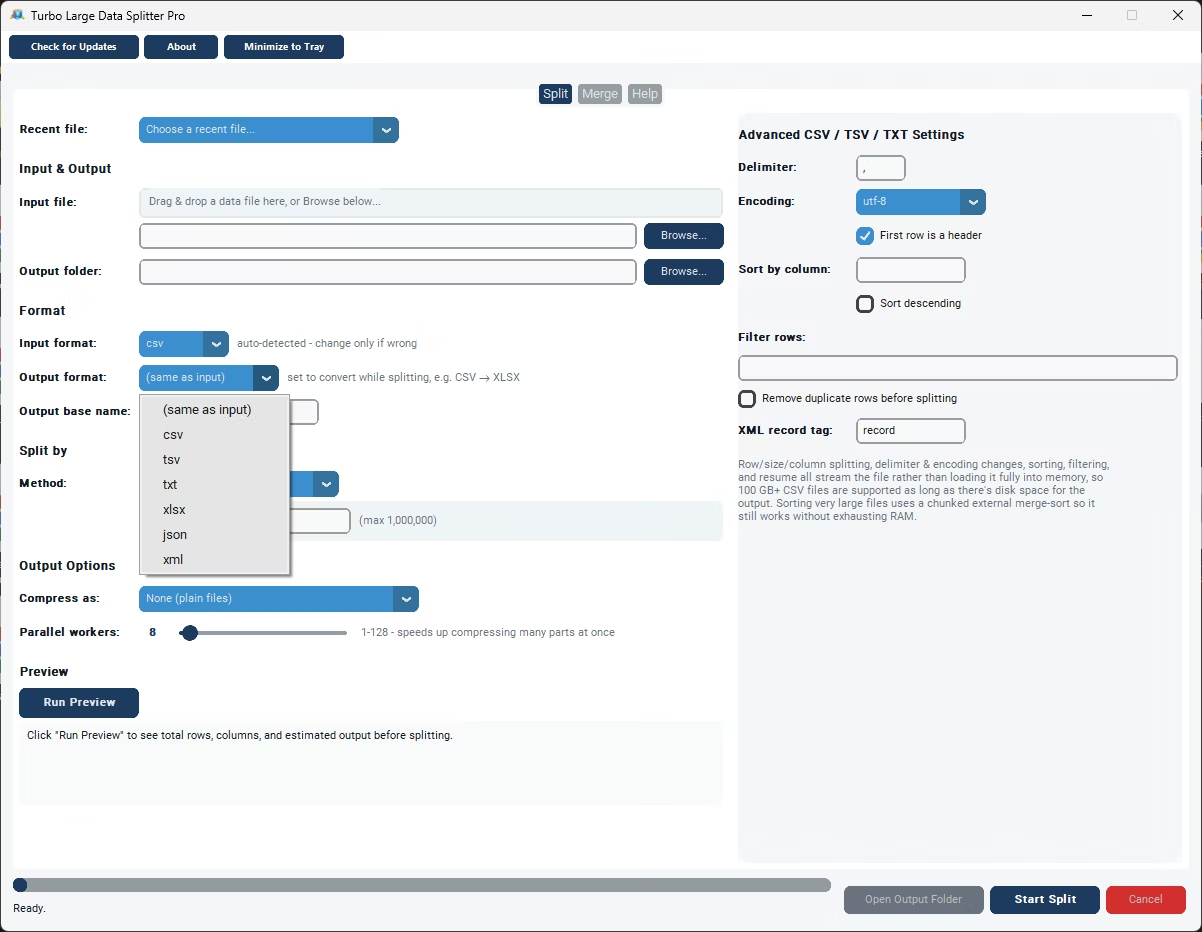
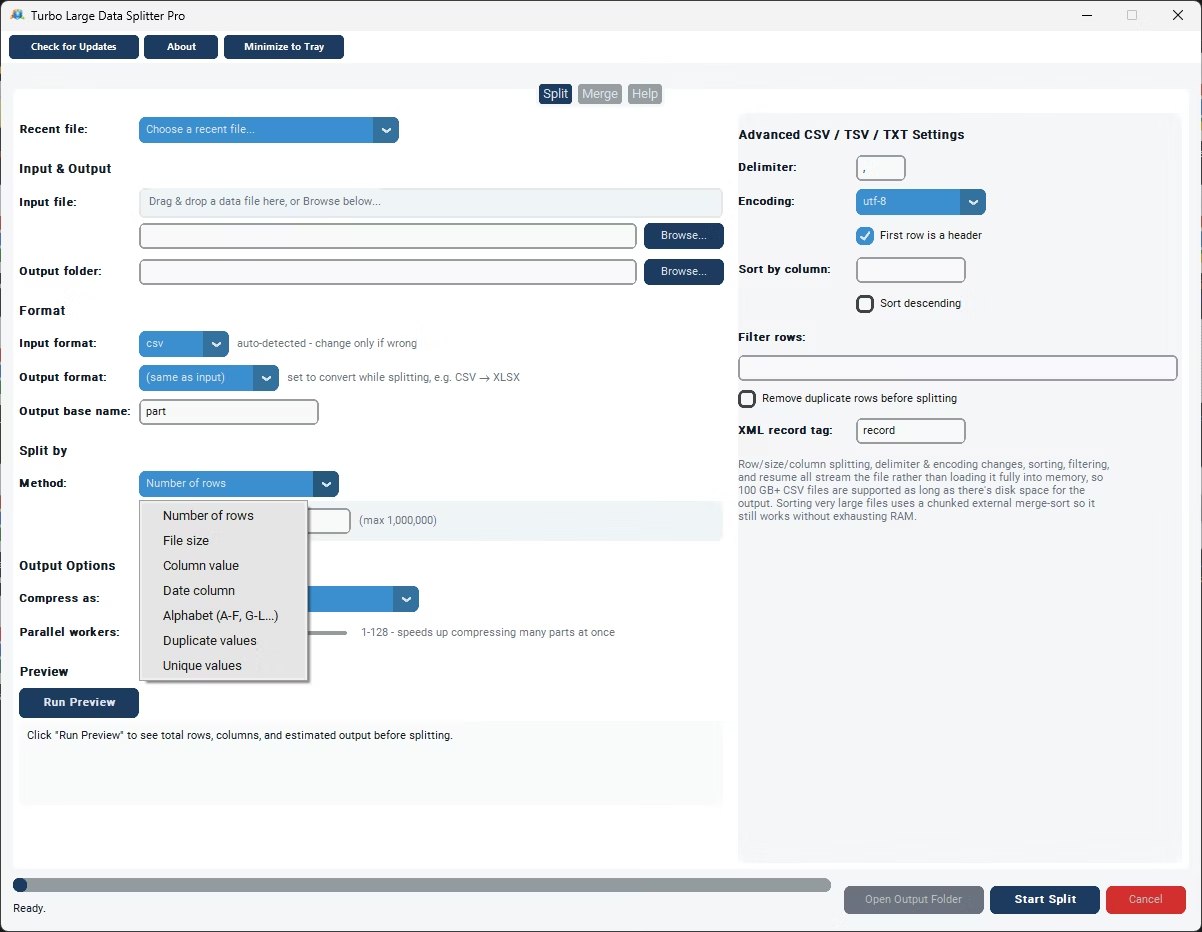
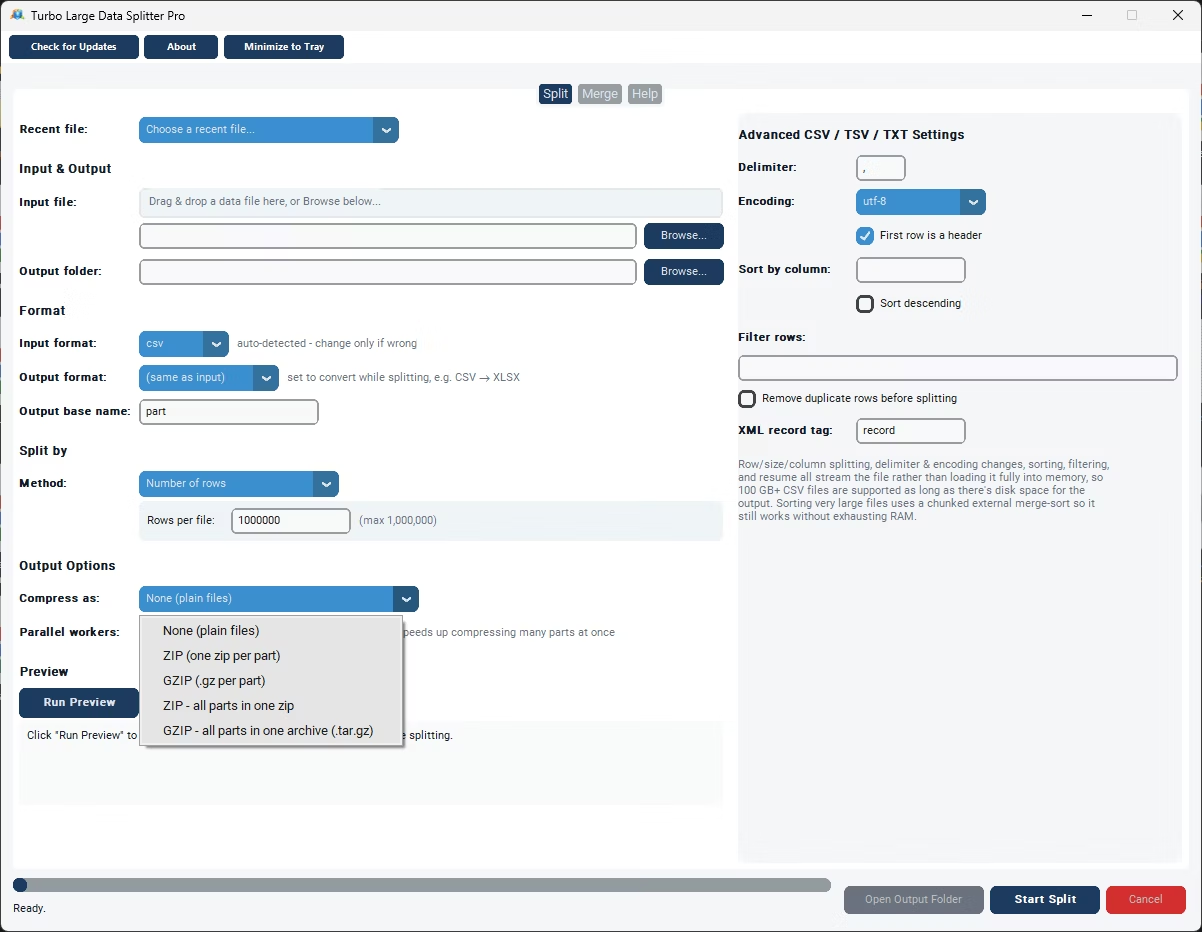
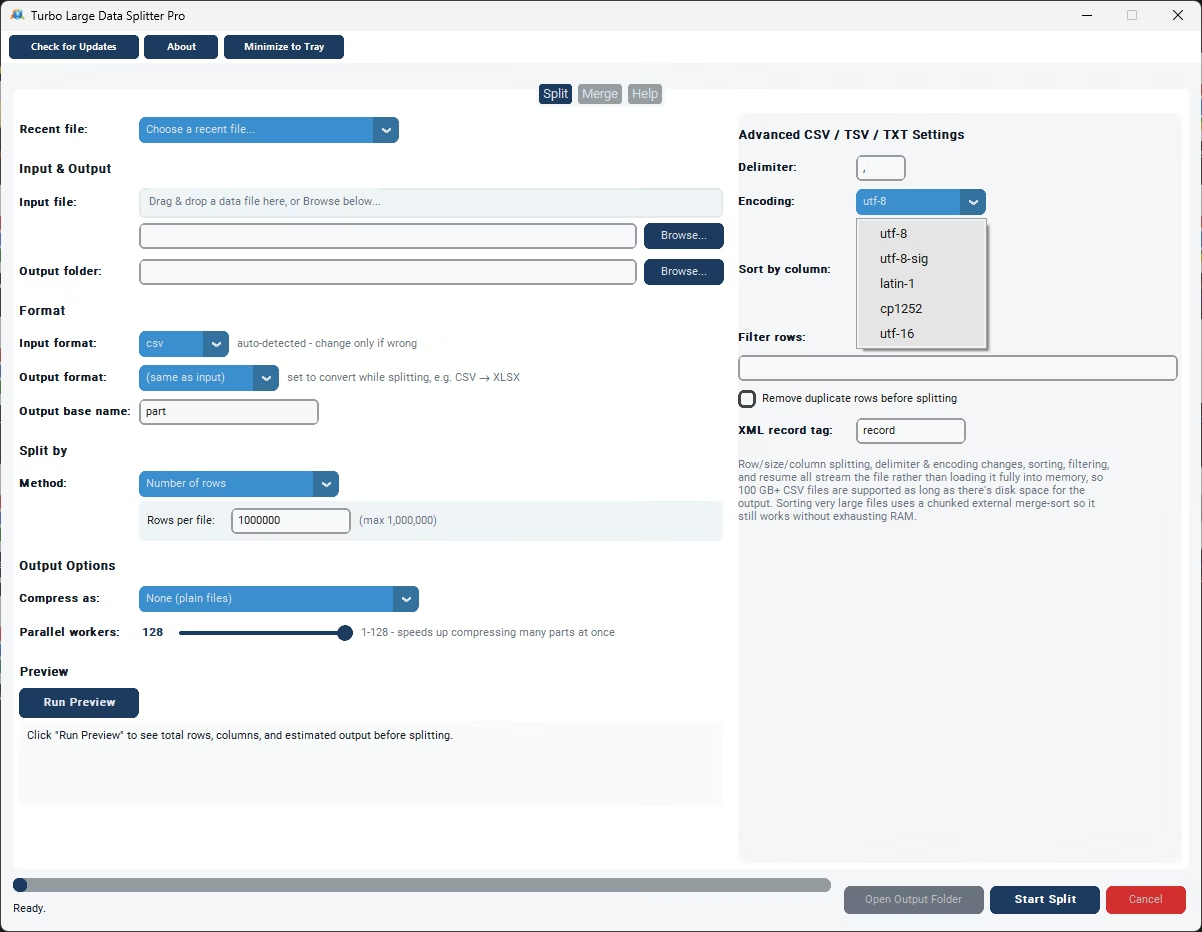
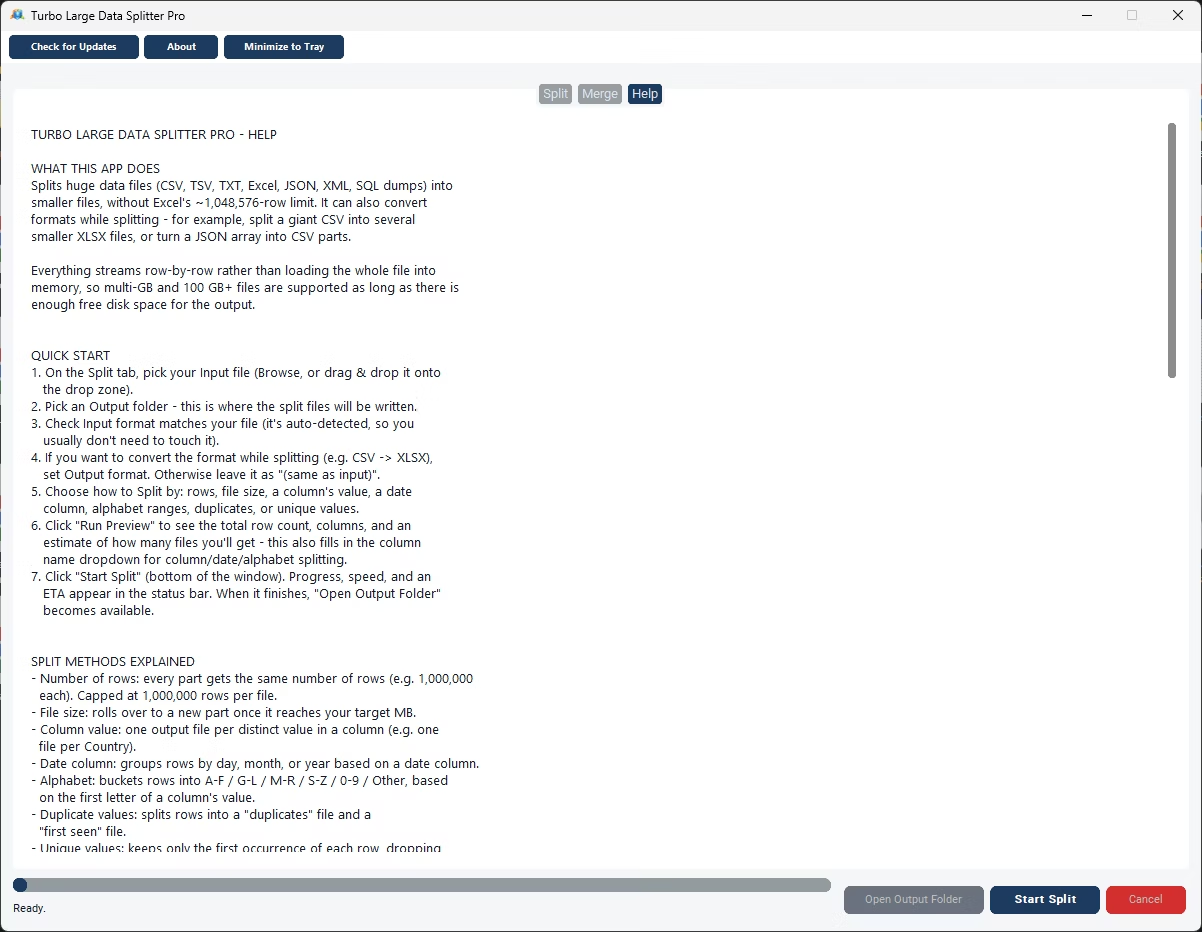
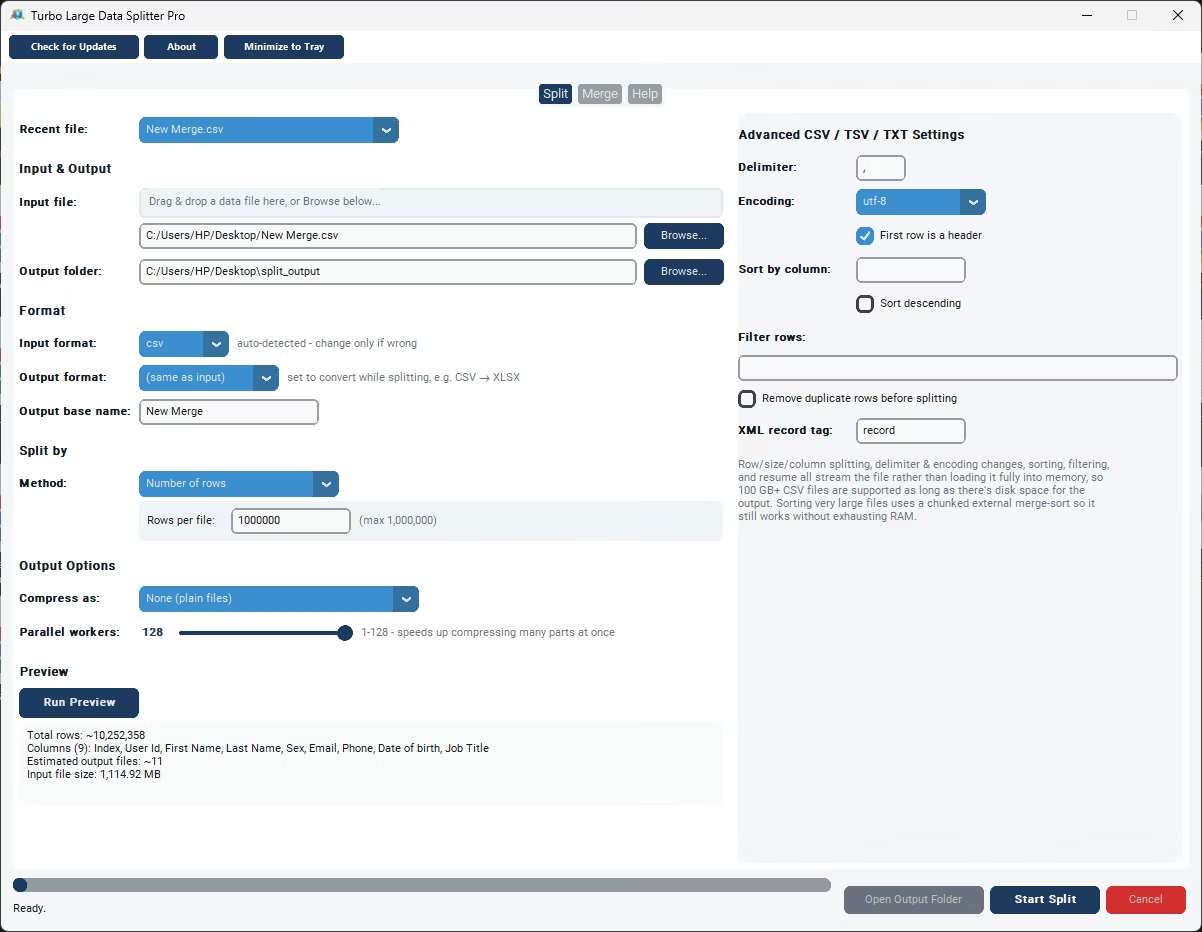
- Install Turbo Large Data Splitter on your Windows PC.
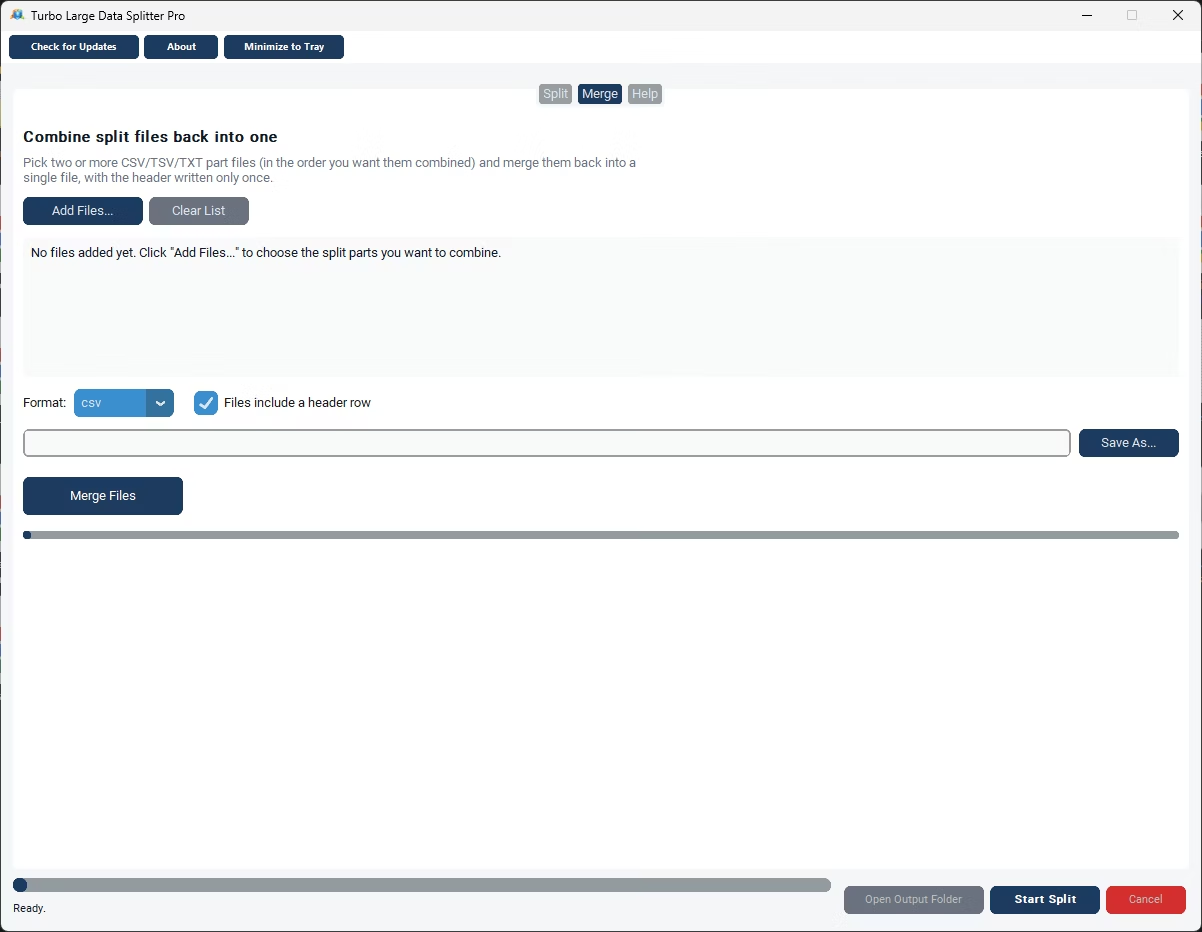
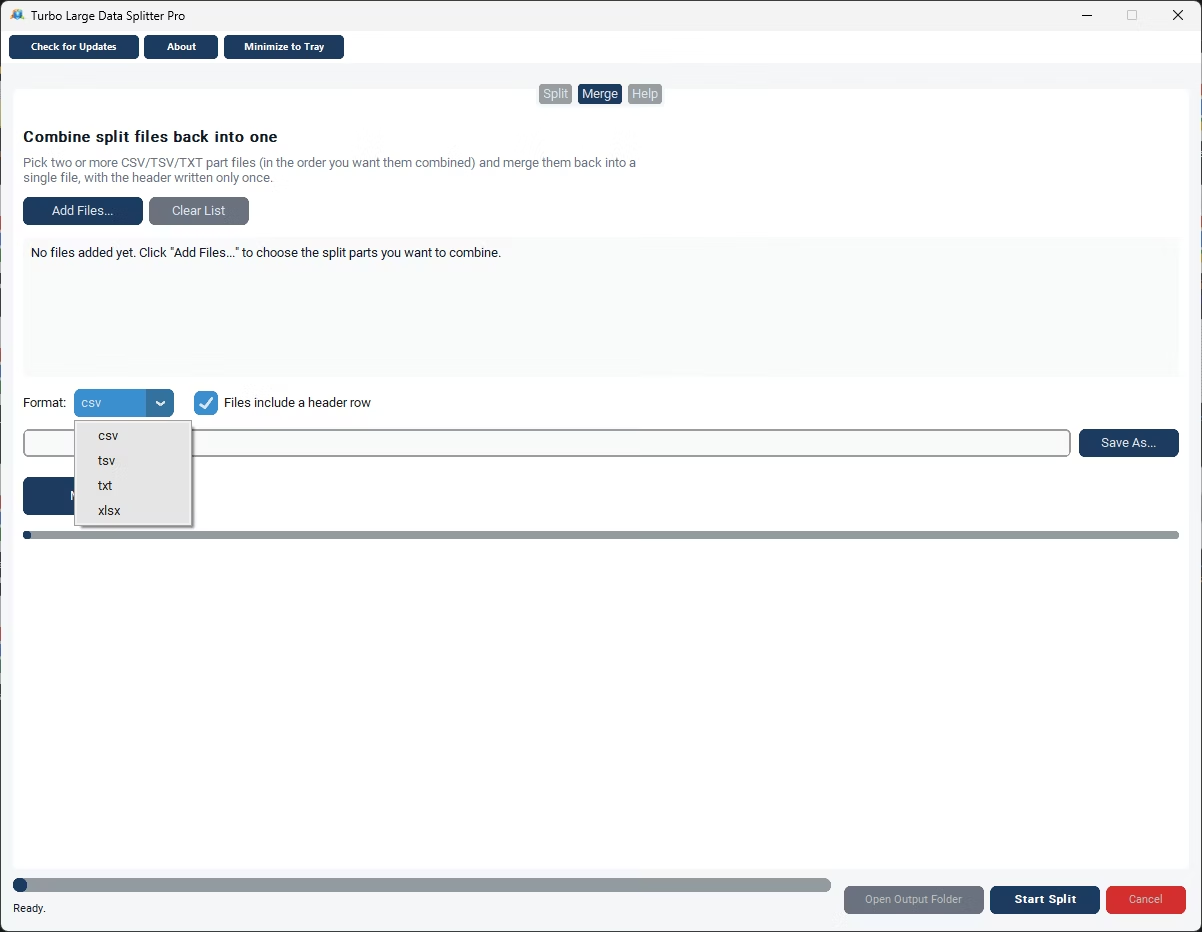
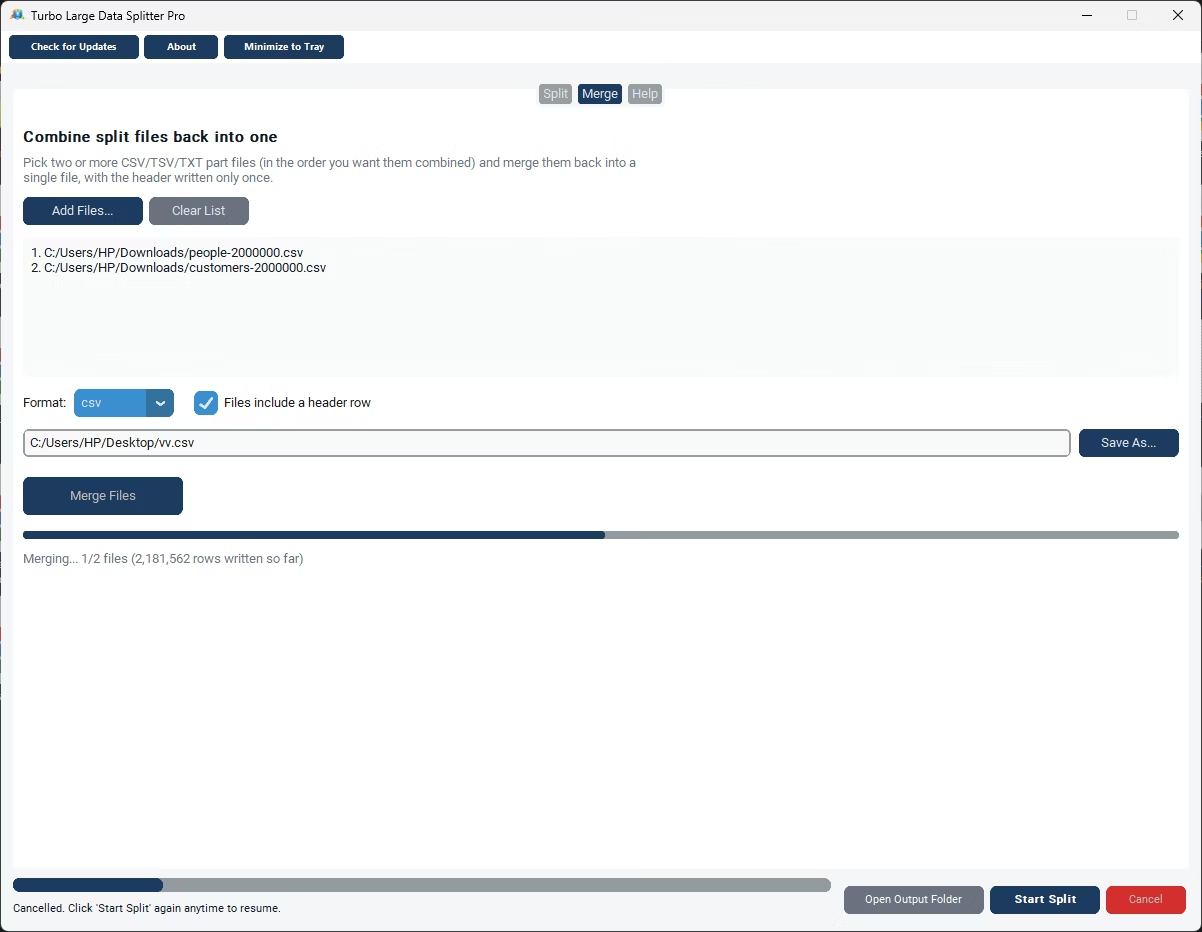
- Open the combiner mode within the app.
- Add all the CSV files you want to combine.
- Review the detected columns to confirm they line up correctly.
- Click Combine to merge everything into a single CSV file.
- Save the combined file to your chosen folder.
- Combine any number of CSV files in one operation
- Automatic column alignment across files
- Handles files with slightly different column orders
- Fast processing even with many files or large row counts
- Runs fully offline for complete data privacy
- No coding or manual copy-pasting required
How many CSV files can be combined at once?
There's no fixed limit; you can select as many files as you need combined in a single run.
What if one file has an extra column the others don't?
The combiner can include extra columns and will leave the corresponding cells blank in files that don't have that column.
Does combining files change the original CSV files?
No, the original files are left untouched; the combiner only reads from them to produce a new, separate output file.
Ready to combine your CSV files into one clean file?