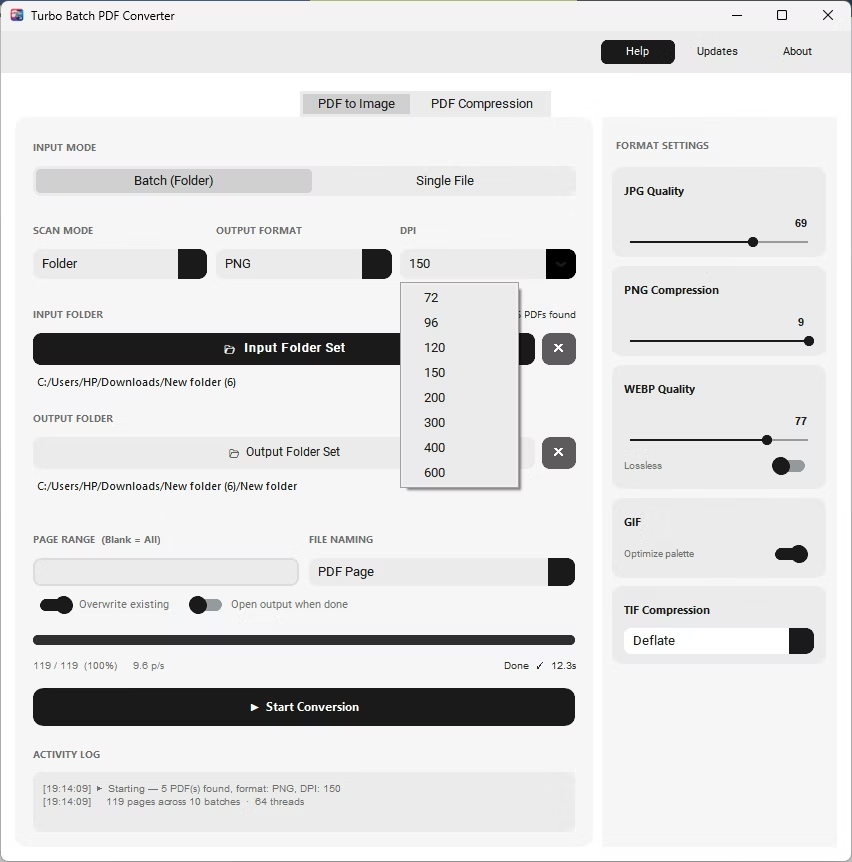
DPI, or dots per inch, controls how much detail is captured when a PDF page is rendered to an image. Higher DPI produces sharper text and finer line detail, which matters for professional printing and archival scanning, while lower DPI keeps files smaller for everyday screen viewing.
While pdf to tiff 1200 dpi is a common search, most print shops and scanning archives only require up to 600 DPI for sharp, professional-grade output, which is already more than enough resolution for reports, contracts, and scanned books.
Turbo Batch PDF Converter runs on Windows 10 and Windows 11, both 64-bit, and installs as a single self-contained application with no separate Poppler or Ghostscript dependency to configure. That keeps setup to a couple of minutes, whether the app is going on a personal laptop or a shared office PC handling document conversion for a whole team.
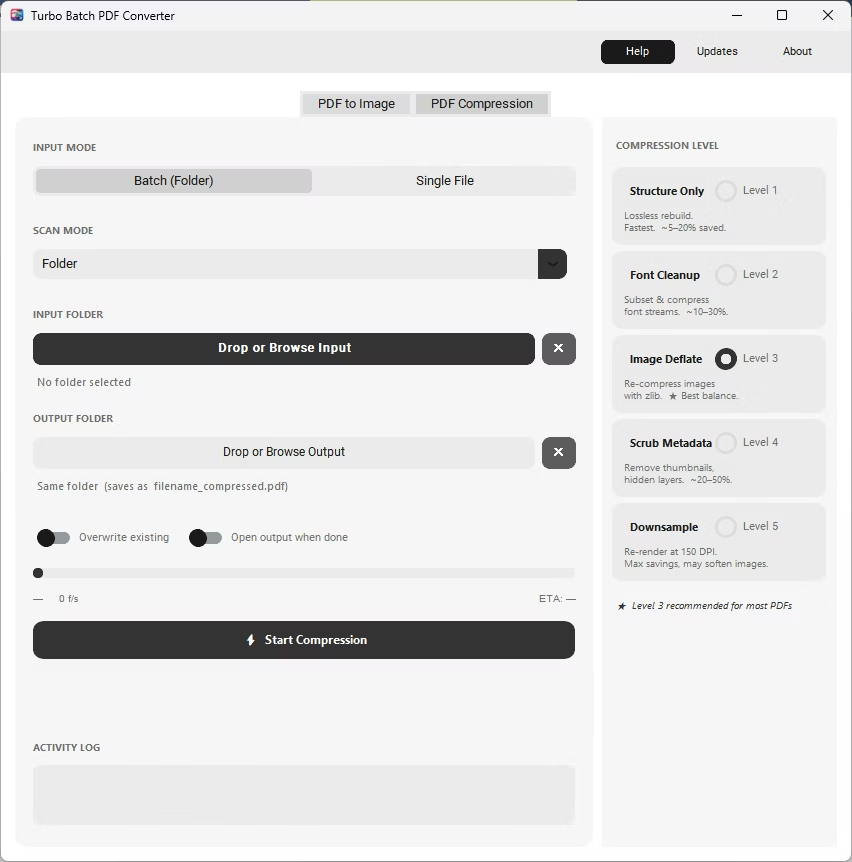
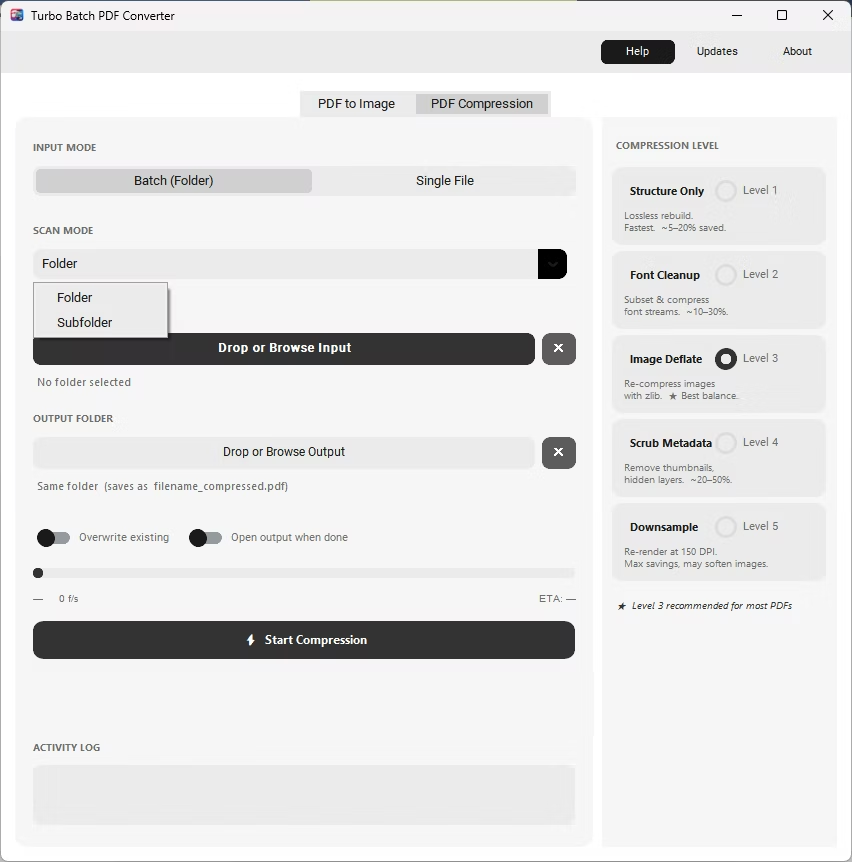
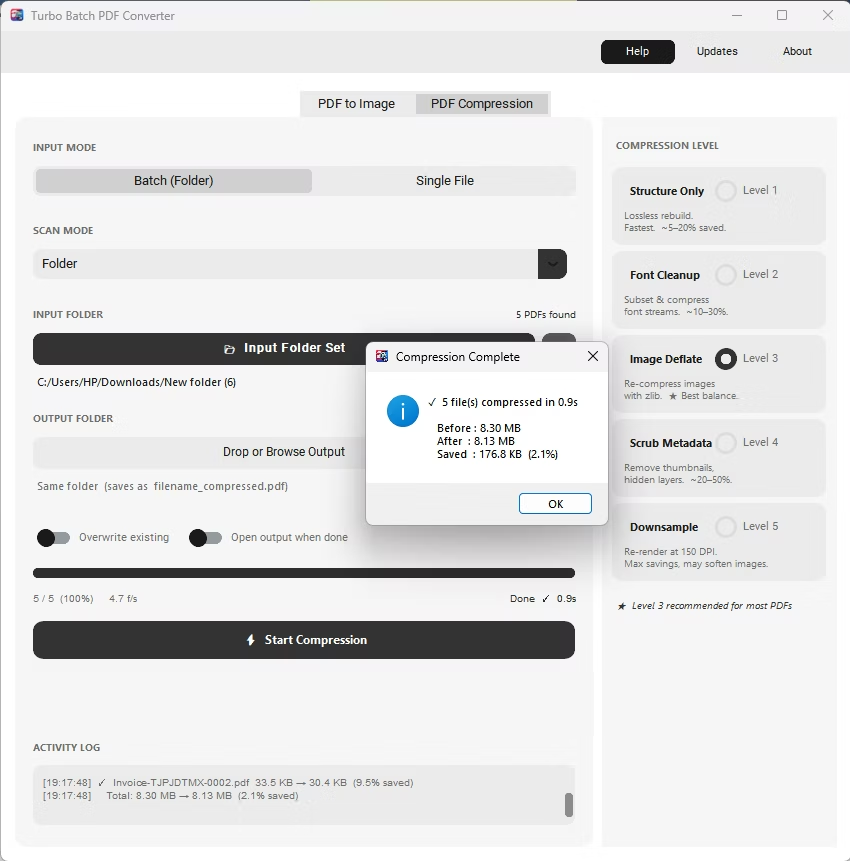
The same app also includes a built-in PDF compressor with five compression levels, so shrinking file sizes for email or storage doesn't require switching to a separate tool. Everything runs locally through a one-time Gumroad license, without a recurring subscription, and pairs naturally with other TurboSoft utilities such as Turbo Bulk Renaming Tool for organizing converted files afterward.
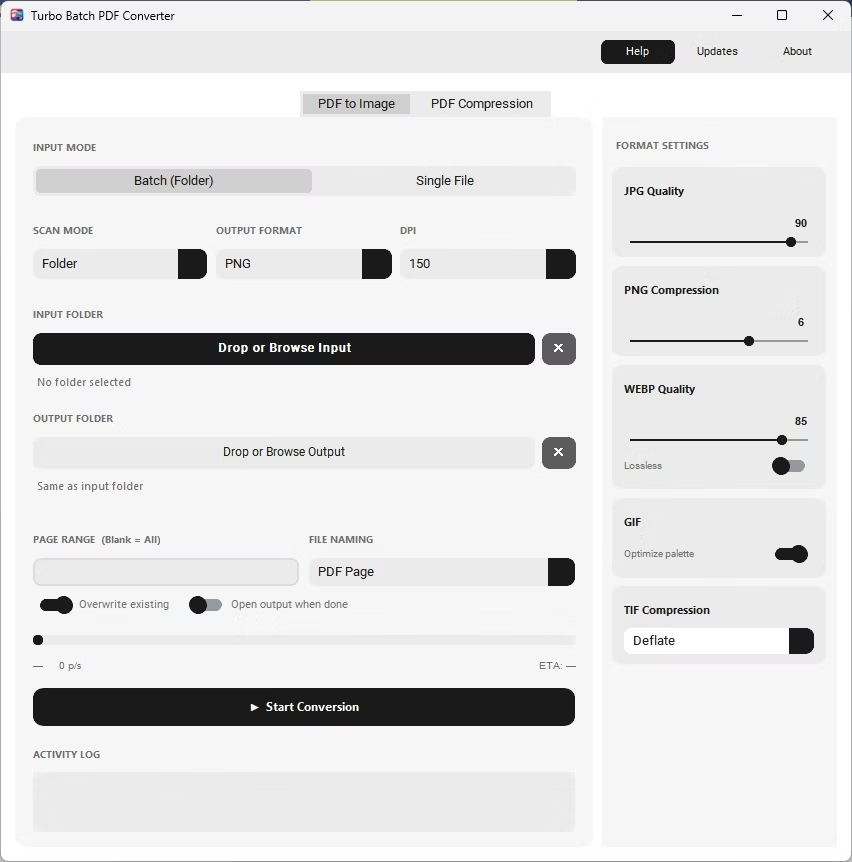
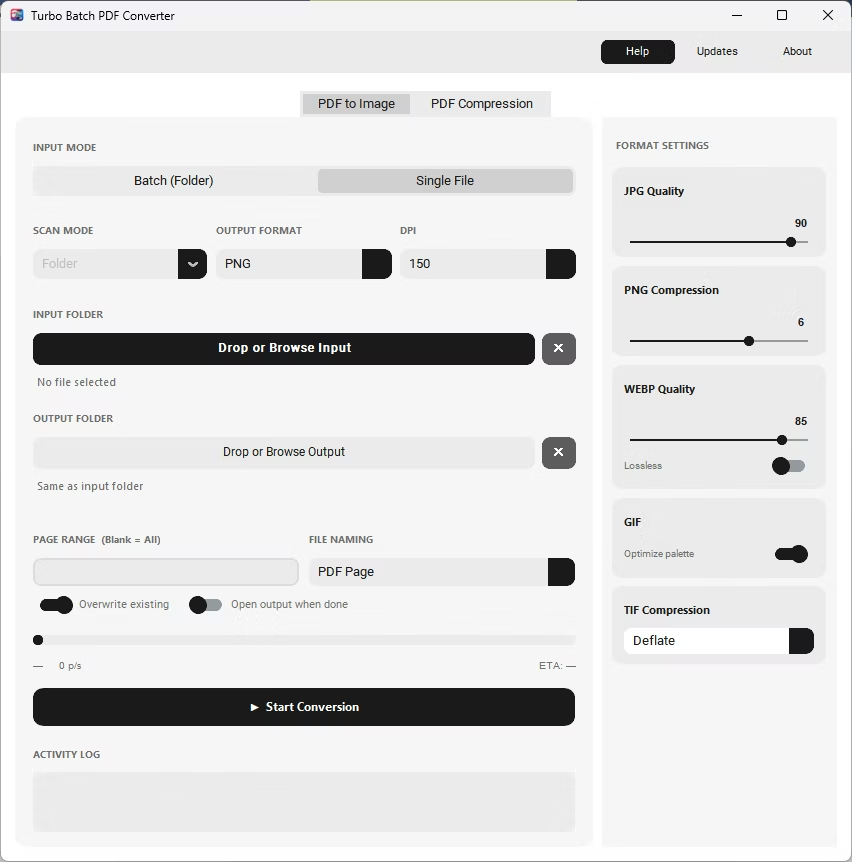
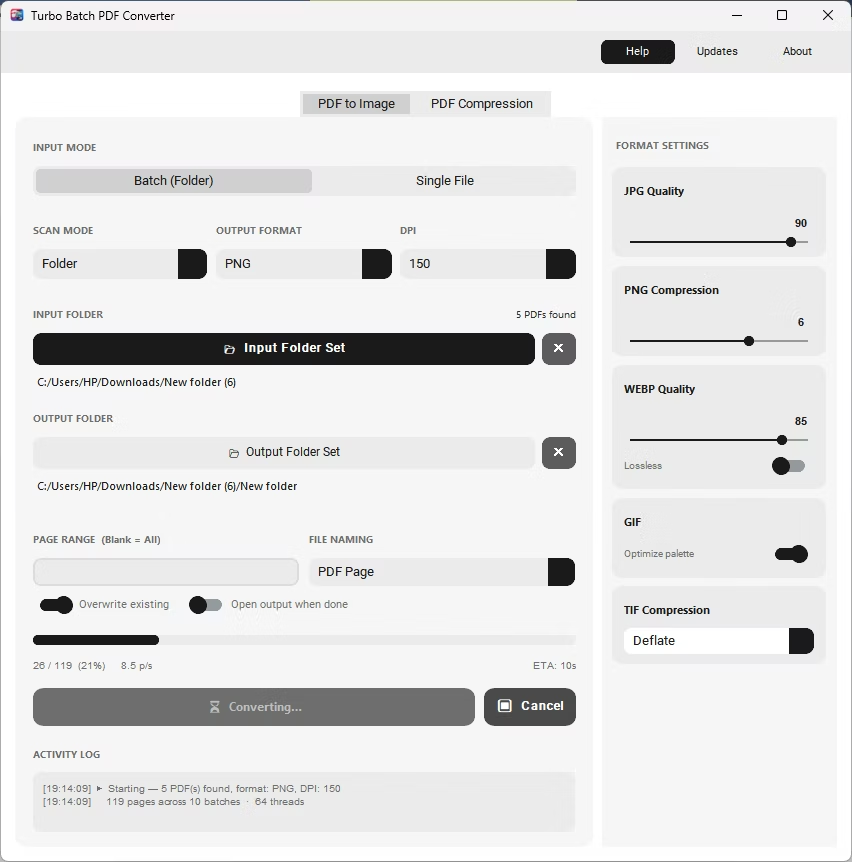
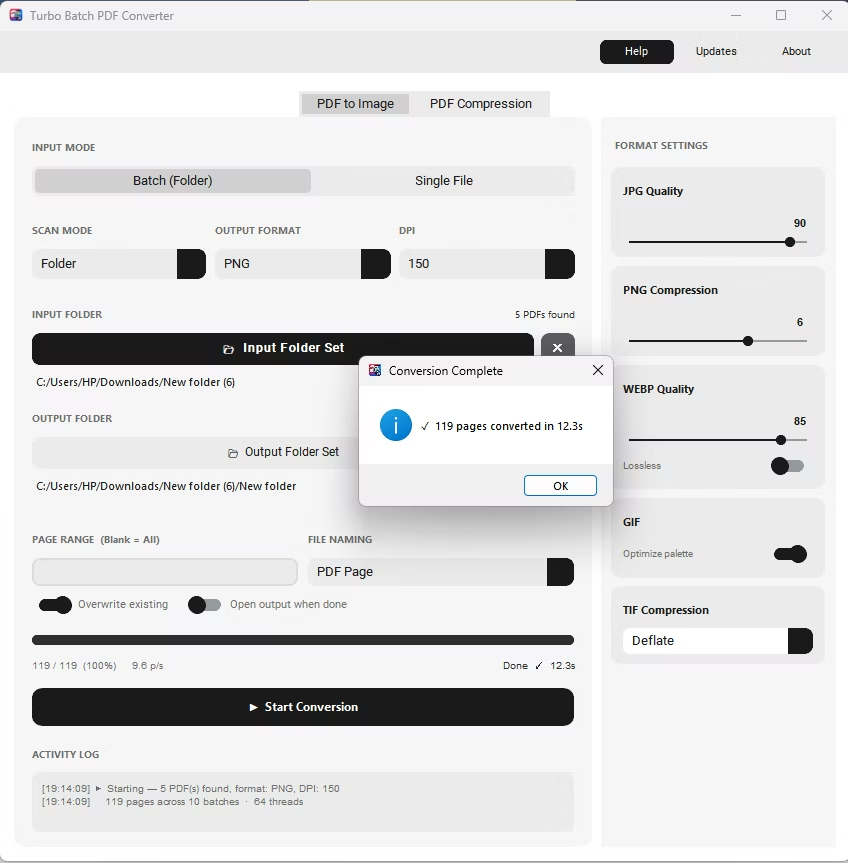
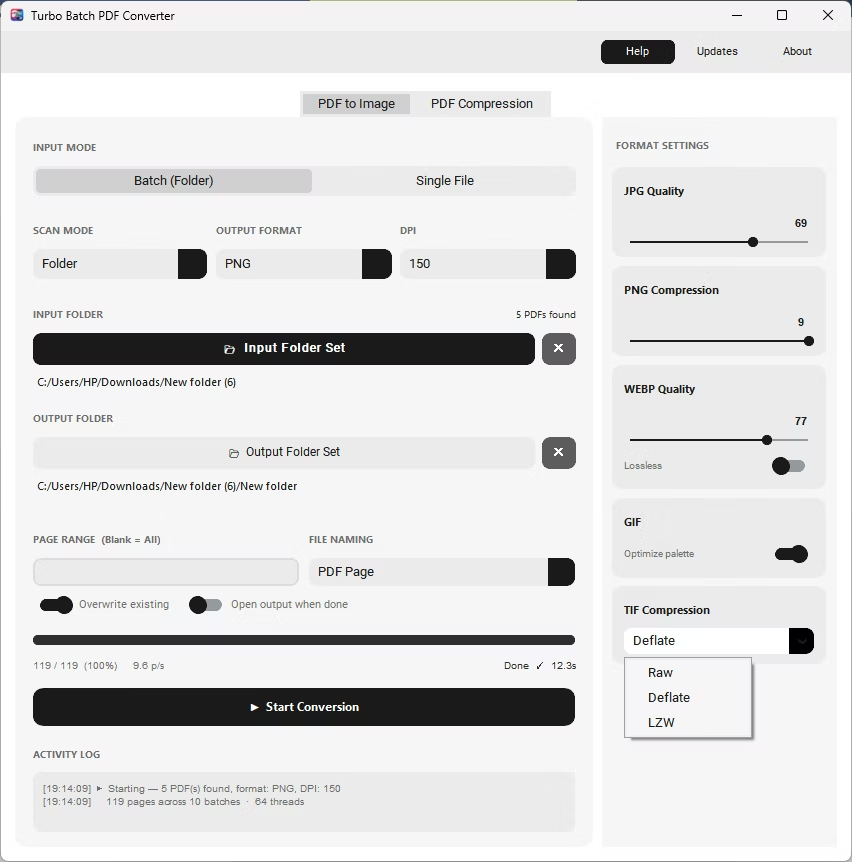
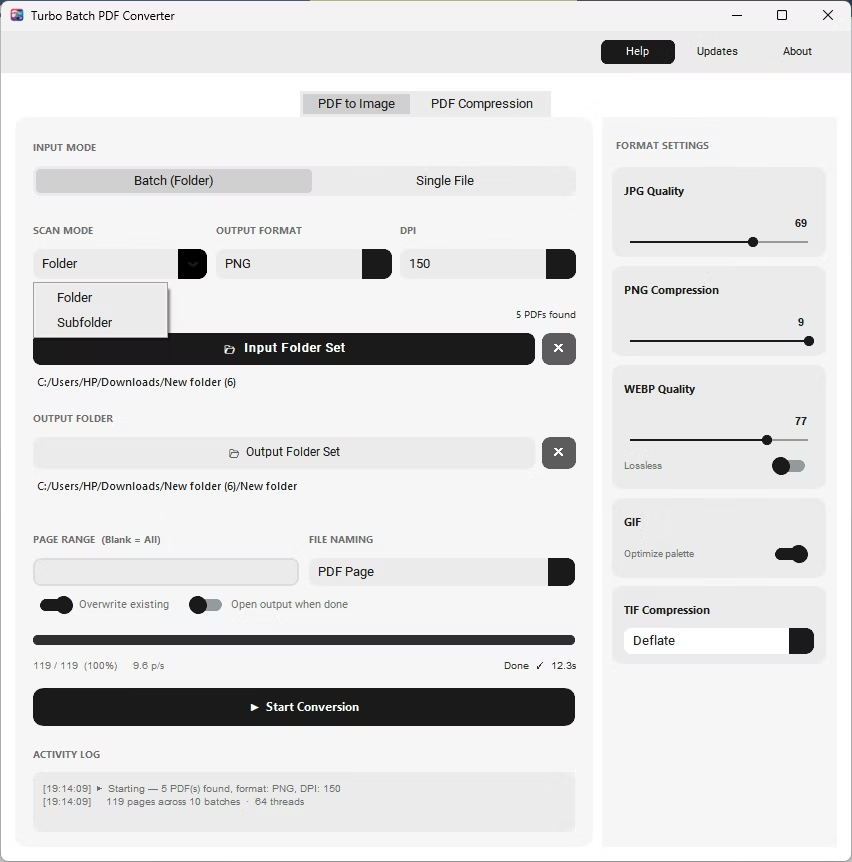
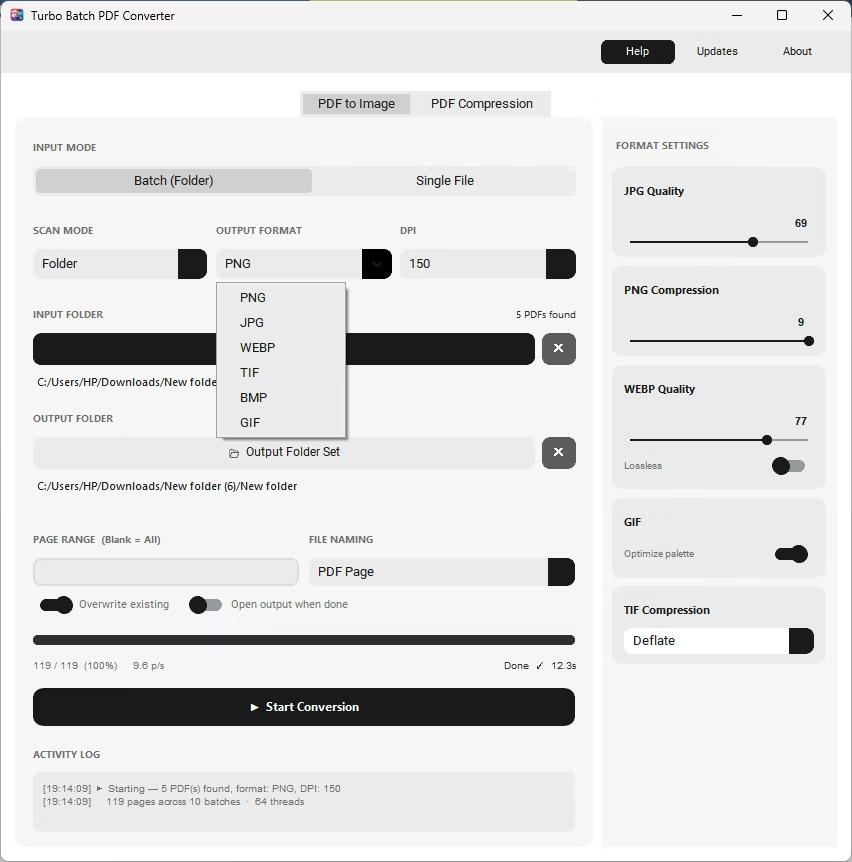
- Install Turbo Batch PDF Converter on your Windows PC.
- Open the app and select TIFF as the output format on the PDF to Image tab.
- Choose 300 or 600 DPI from the DPI dropdown for print-ready sharpness.
- Select Deflate or LZW compression to keep file size reasonable at high DPI.
- Click Start Conversion to render every page at your chosen resolution, offline.
- 72-96 DPI is enough for on-screen preview and web use
- 150-200 DPI works well for readable scanned text documents
- 300 DPI is the standard for most professional printing
- 600 DPI delivers sharp, print-ready pages for reports and archives
- Higher DPI increases file size, so pair it with LZW or Deflate compression
- DPI settings apply consistently across an entire batch
Does the app support pdf to tiff 1200 DPI?
The app renders up to 600 DPI, which already covers professional print and scanning archive requirements for the overwhelming majority of documents.
Will 600 DPI make my TIFF files very large?
File size does increase at higher DPI, but choosing Deflate or LZW compression instead of Raw keeps the increase manageable.
What DPI is best for scanned text archives?
300 DPI combined with LZW or Deflate compression is a common choice for scanned text archives, balancing sharpness and storage size.
Ready to convert your PDFs offline, in bulk, with full privacy?