TIFF is the standard format for scanned document archives, print shops, and long-term storage because it supports high-resolution, high-fidelity page images along with several compression choices. Converting a PDF to TIFF is common when a document needs to enter a scanning or records-management system that expects TIFF input rather than PDF.
Unlike JPG, TIFF can be stored with lossless compression, which matters for legal records, medical scans, or archival copies where every detail on the page has to be preserved exactly, page after page, without any generational quality loss.
Turbo Batch PDF Converter runs on Windows 10 and Windows 11, both 64-bit, and installs as a single self-contained application with no separate Poppler or Ghostscript dependency to configure. That keeps setup to a couple of minutes, whether the app is going on a personal laptop or a shared office PC handling document conversion for a whole team.
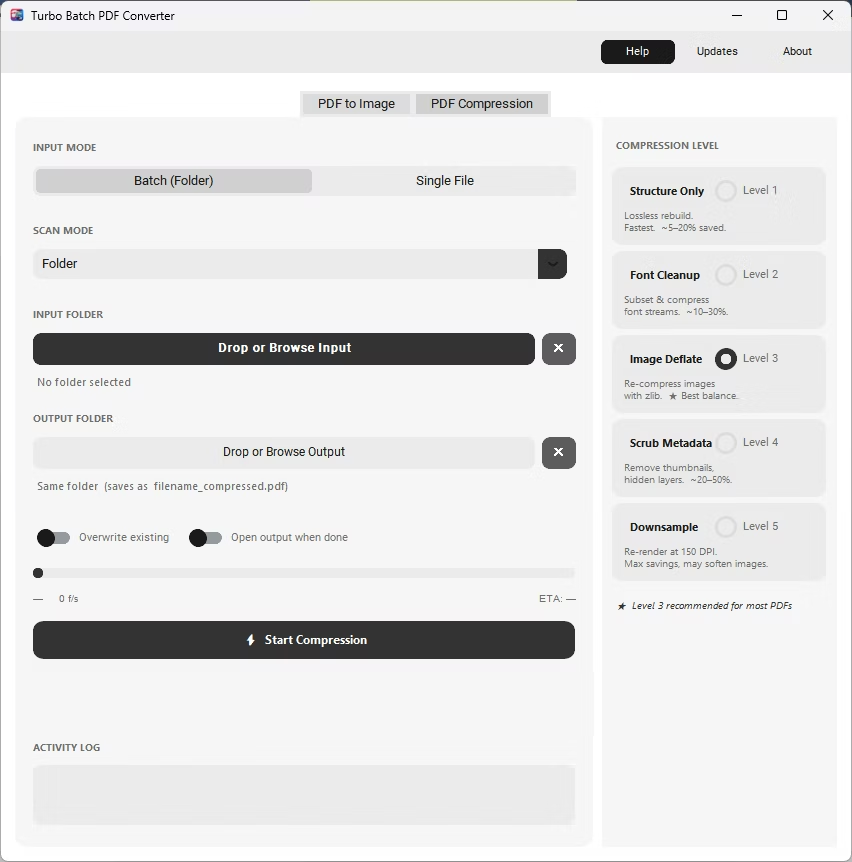
The same app also includes a built-in PDF compressor with five compression levels, so shrinking file sizes for email or storage doesn't require switching to a separate tool. Everything runs locally through a one-time Gumroad license, without a recurring subscription, and pairs naturally with other TurboSoft utilities such as Turbo Bulk Renaming Tool for organizing converted files afterward.
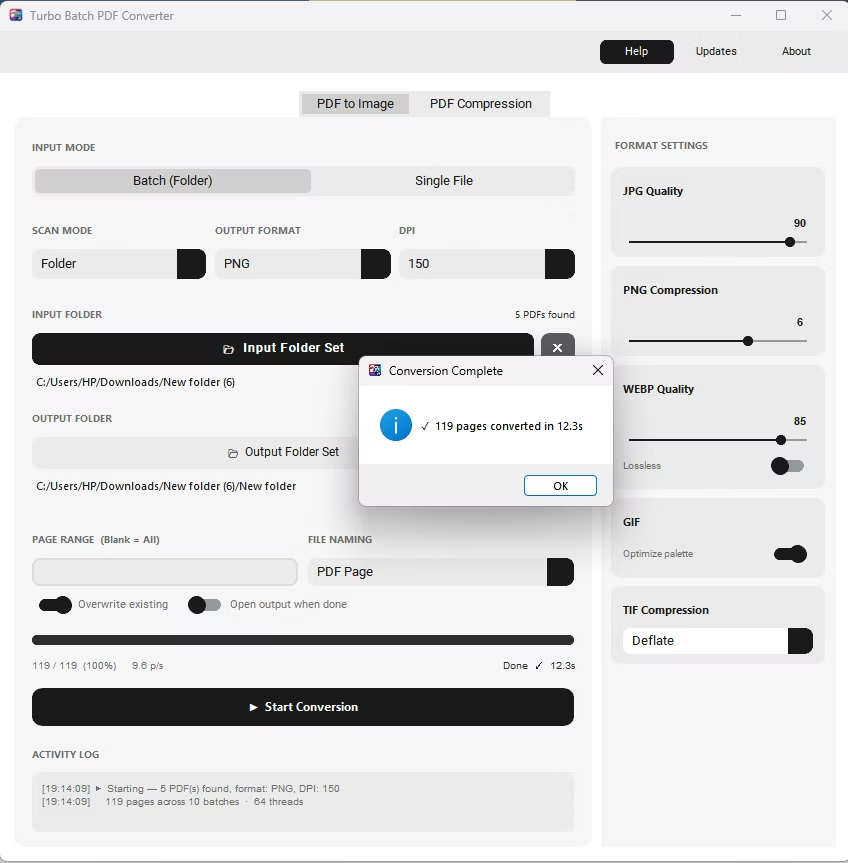
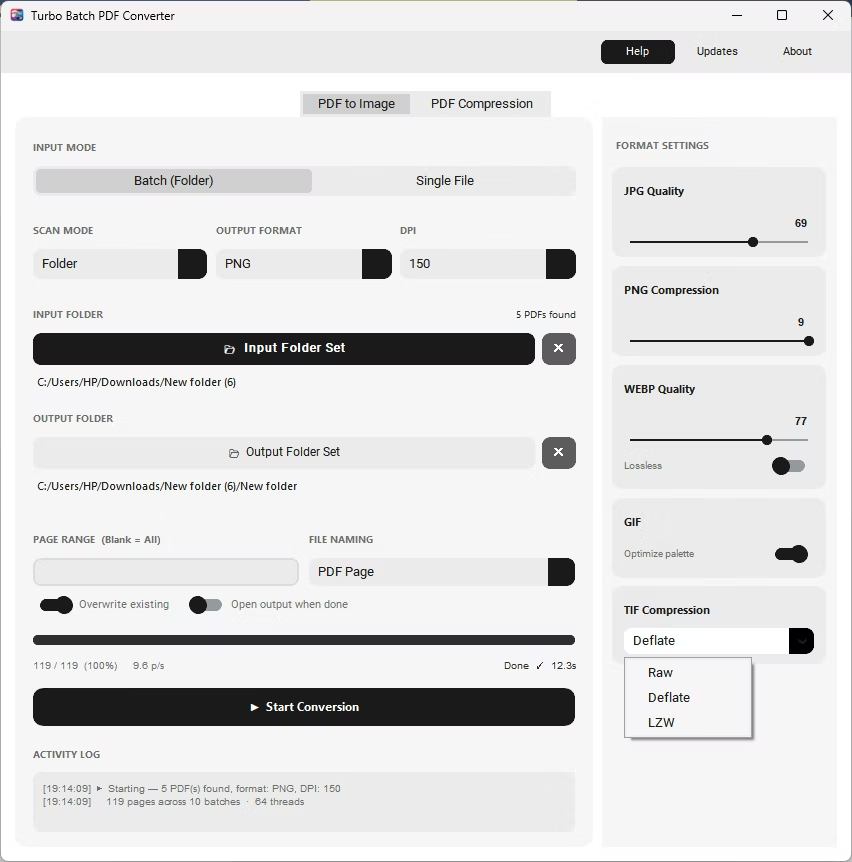
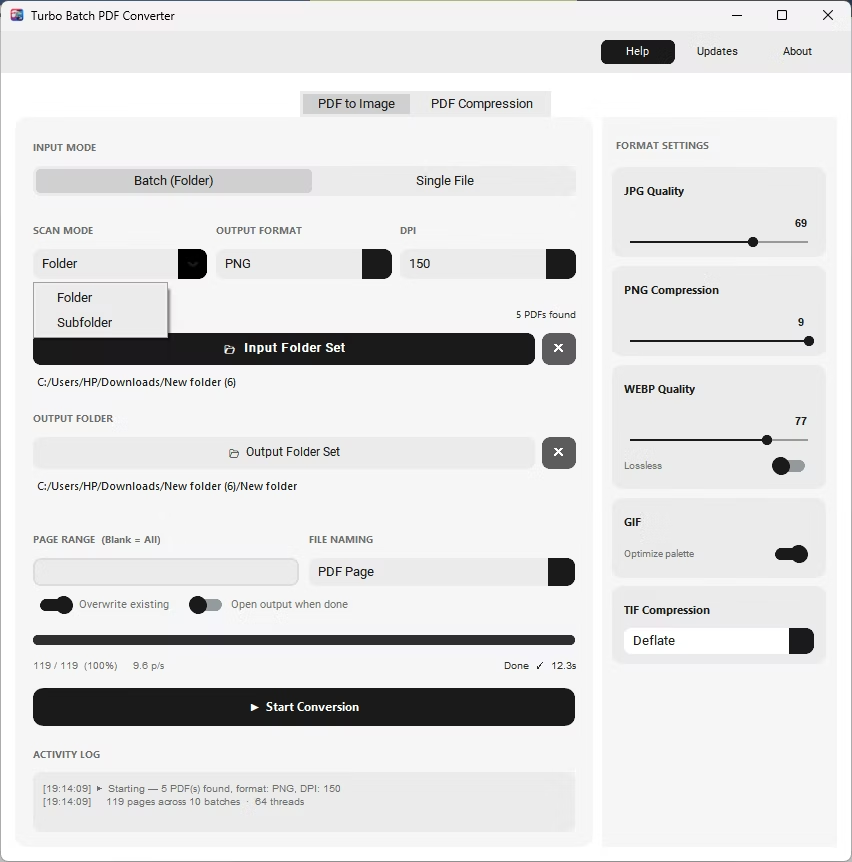
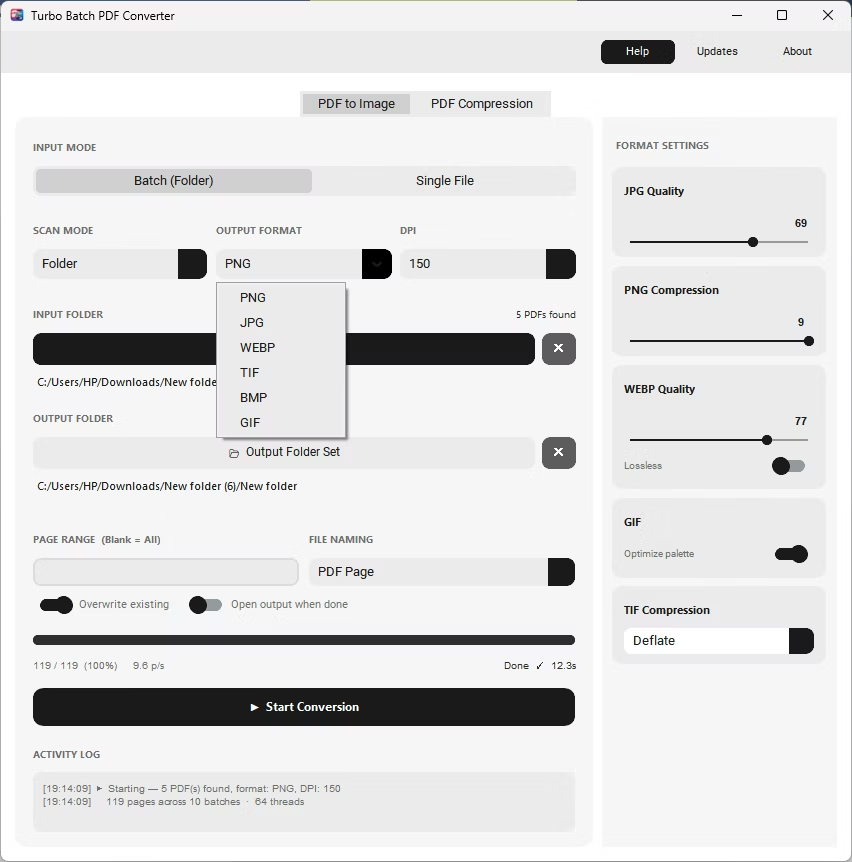
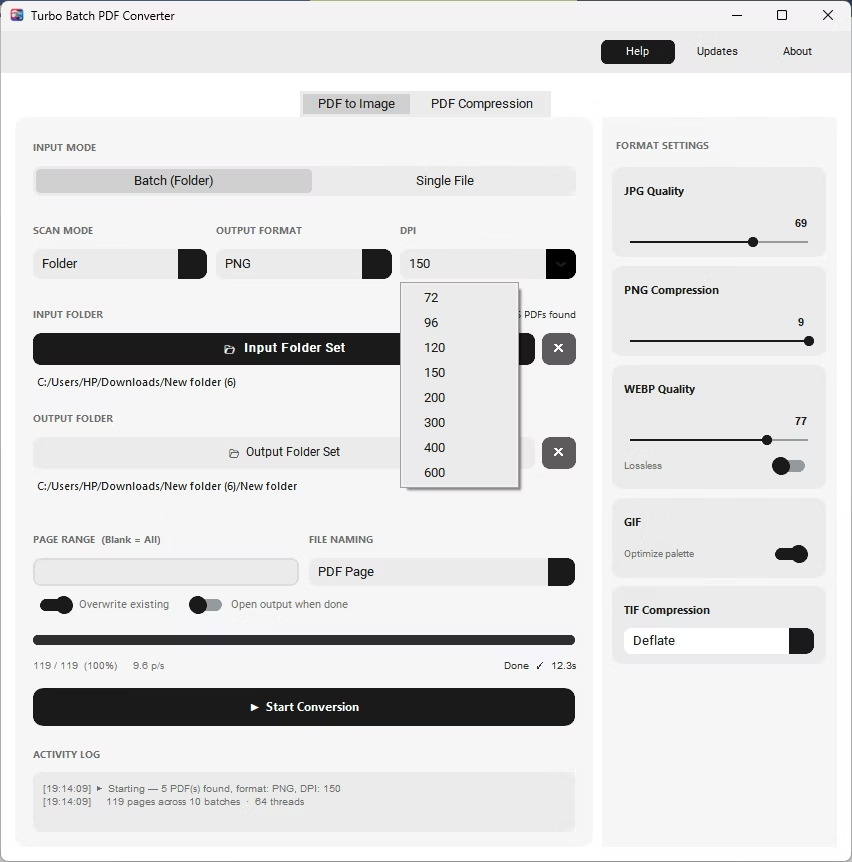
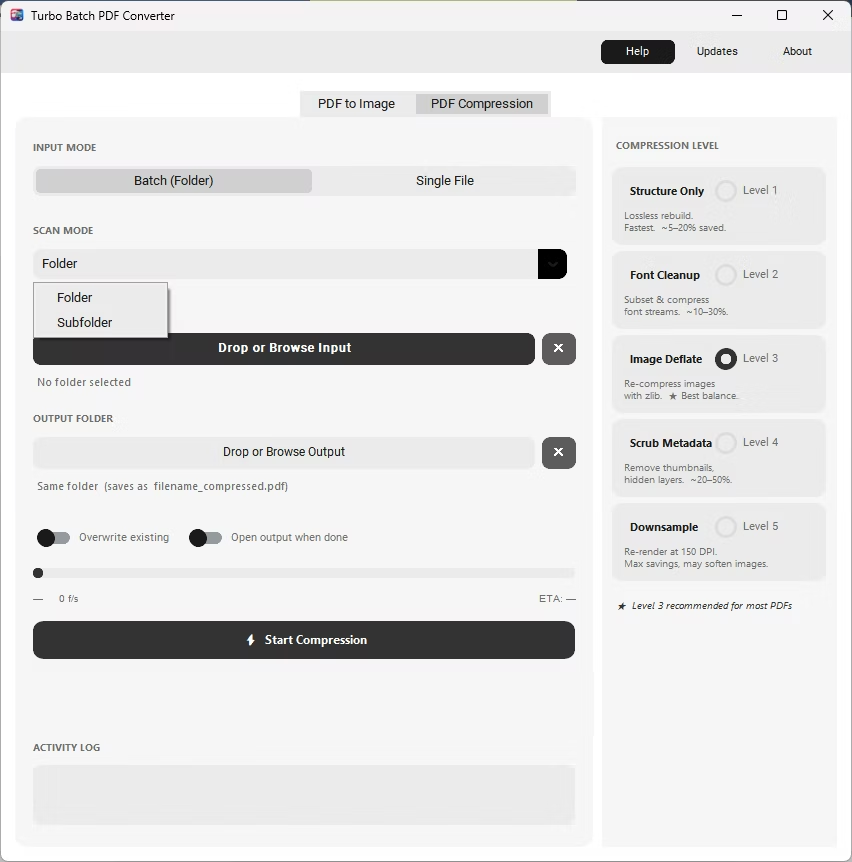
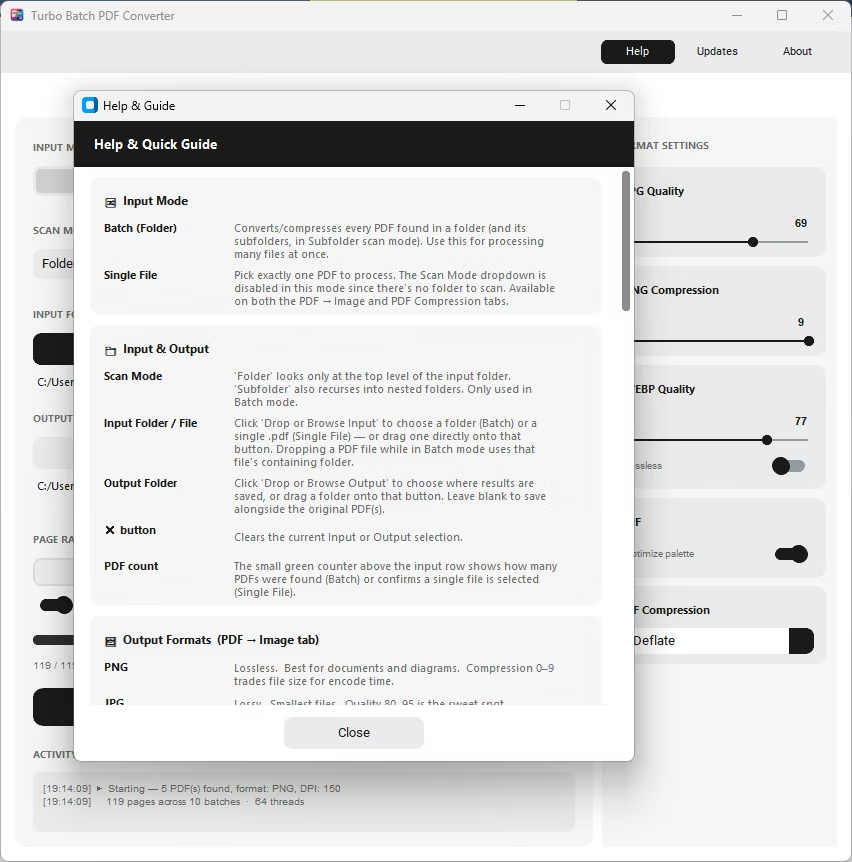
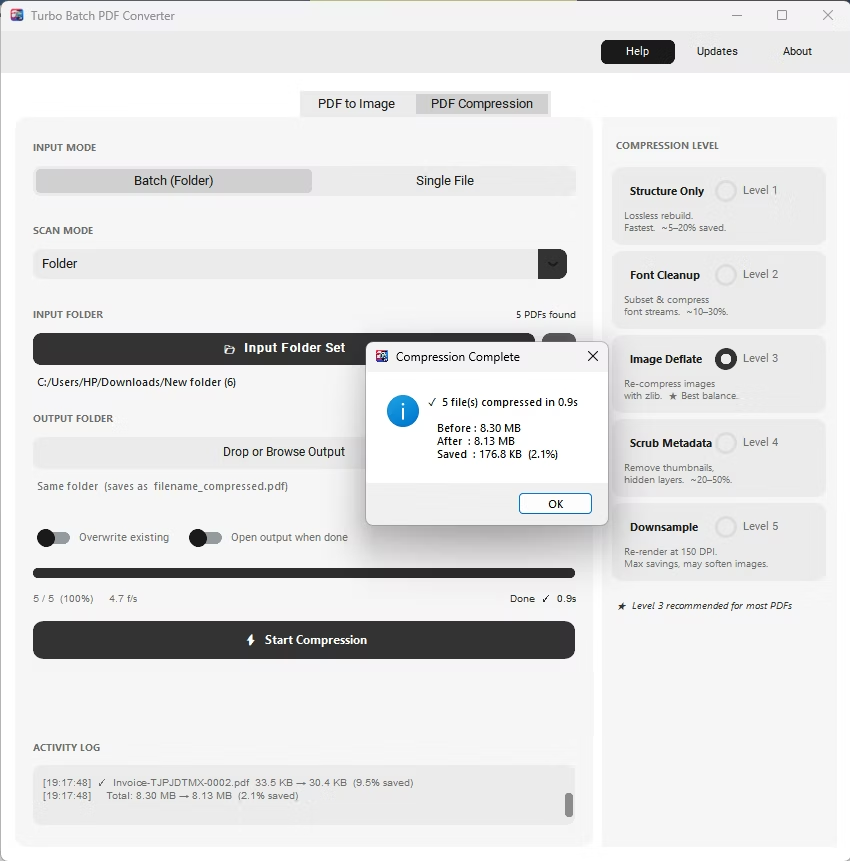
- Install Turbo Batch PDF Converter on your Windows PC.
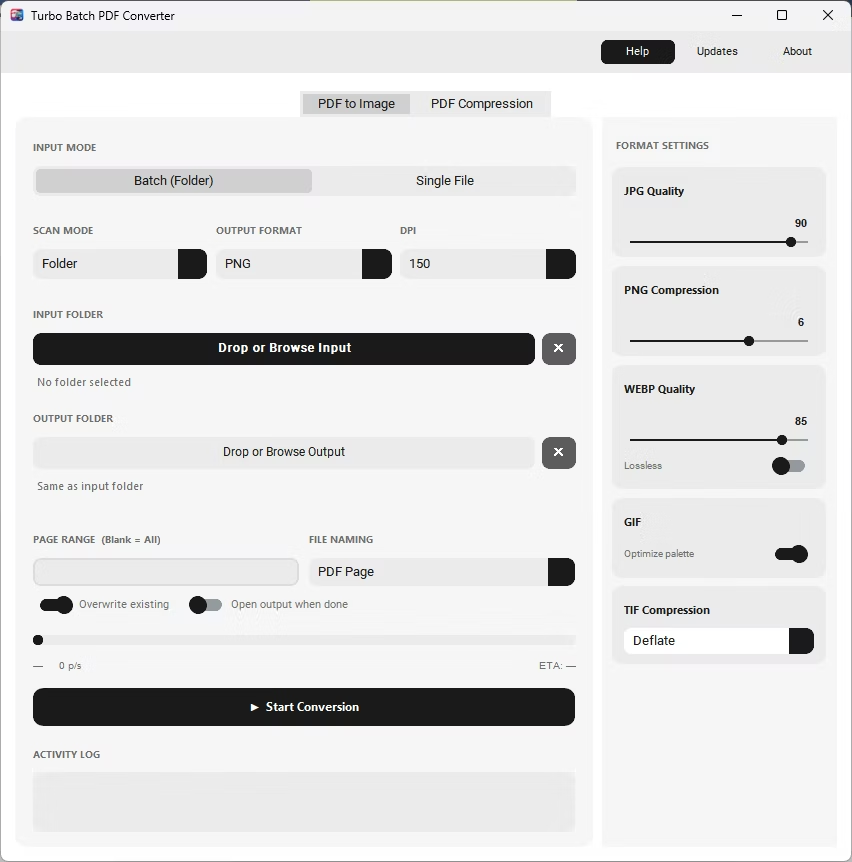
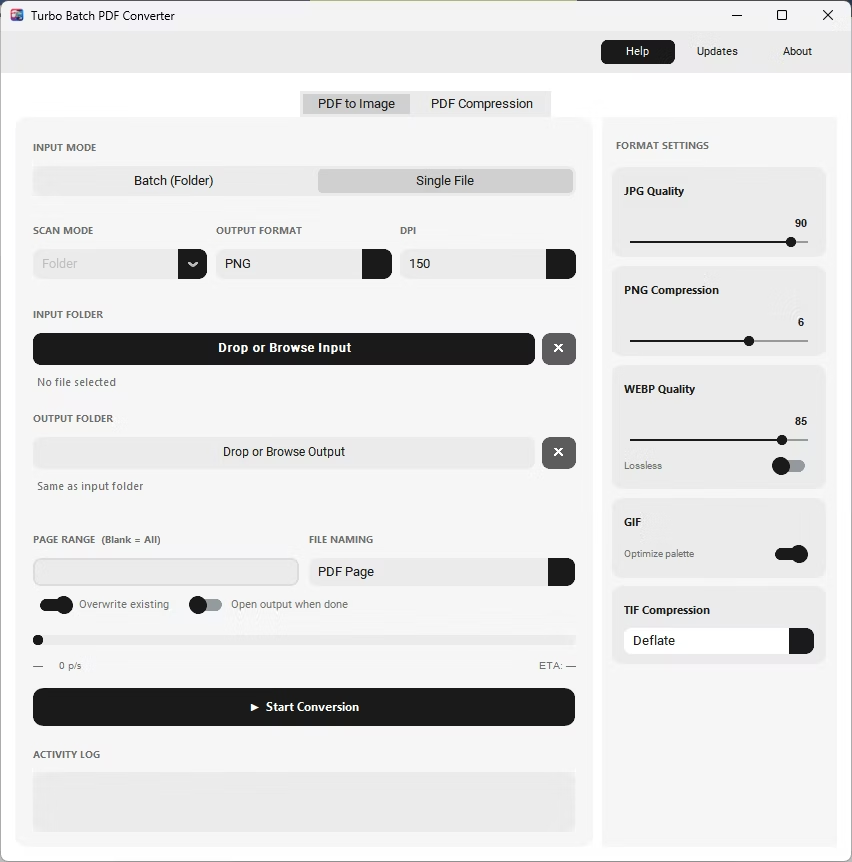
- Open the app and choose Batch mode for folders or Single File mode for one PDF.
- Drag your PDF file or folder into the window, enabling Subfolder mode if needed.
- Set the output format to TIFF and choose Raw, Deflate, or LZW compression, plus a DPI up to 600.
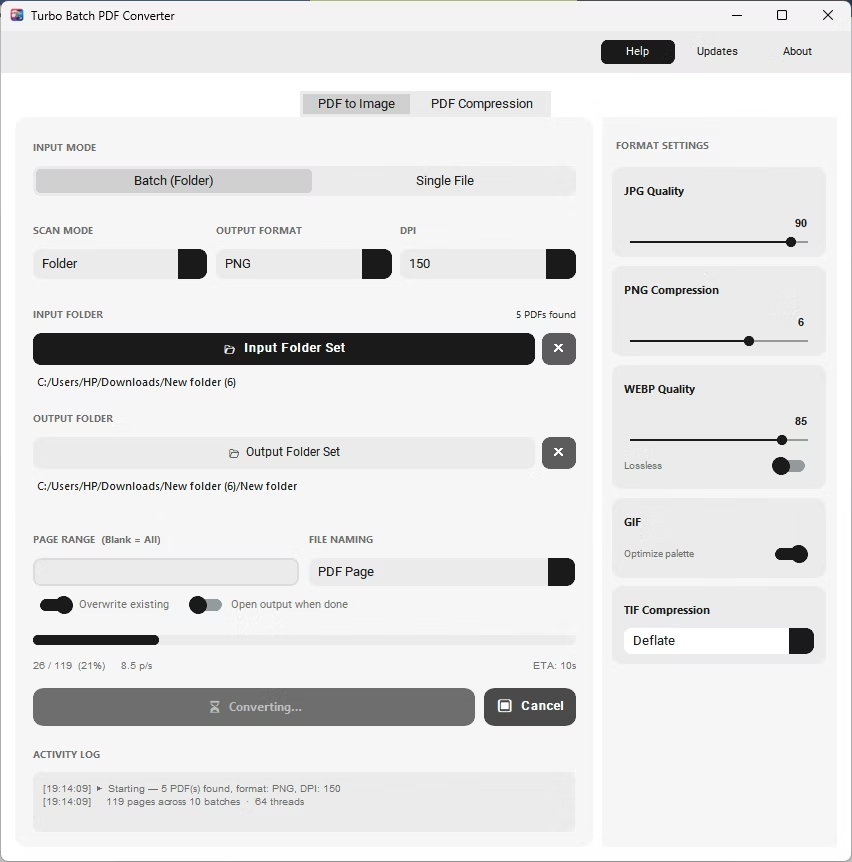
- Click Start Conversion. TIFF files for every page are saved to the output folder offline.
- Choice of Raw, Deflate, or LZW compression
- Resolution from 72 up to 600 DPI for print-ready pages
- Ideal for scanned document archives and records-management systems
- Batch processing of entire folders, including nested subfolders
- Up to 64 parallel workers for fast handling of large multi-page PDFs
- 100% offline with no uploads or watermarks
Which TIFF compression should I choose?
Deflate or LZW compression is lossless and reduces file size compared to Raw, making either a good default for most scanned document archives.
What DPI does the app support for TIFF output?
The app renders TIFF pages from 72 DPI up to 600 DPI, which covers screen preview through professional print-ready quality.
Is Raw TIFF output larger than Deflate or LZW?
Yes, Raw stores every pixel uncompressed, producing the largest files, while Deflate and LZW compress losslessly to reduce size.
Ready to convert your PDFs offline, in bulk, with full privacy?