Document archives rarely stay in one tidy folder. Scanned invoices, reports, and contracts often end up scattered across separate subfolders organized by date, client, or department, which makes converting them one folder at a time slow and easy to get wrong. What's usually needed isn't merging the PDFs themselves into a single document, but converting every PDF from every nested folder and collecting the resulting images or compressed files in one place.
A converter with recursive subfolder scanning solves this directly. Instead of opening each folder individually, you point the app at the top-level parent folder once, and it walks through every nested subfolder automatically, picking up every PDF it finds along the way.
Turbo Batch PDF Converter runs on Windows 10 and Windows 11, both 64-bit, and installs as a single self-contained application with no separate Poppler or Ghostscript dependency to configure. That keeps setup to a couple of minutes, whether the app is going on a personal laptop or a shared office PC handling document conversion for a whole team.
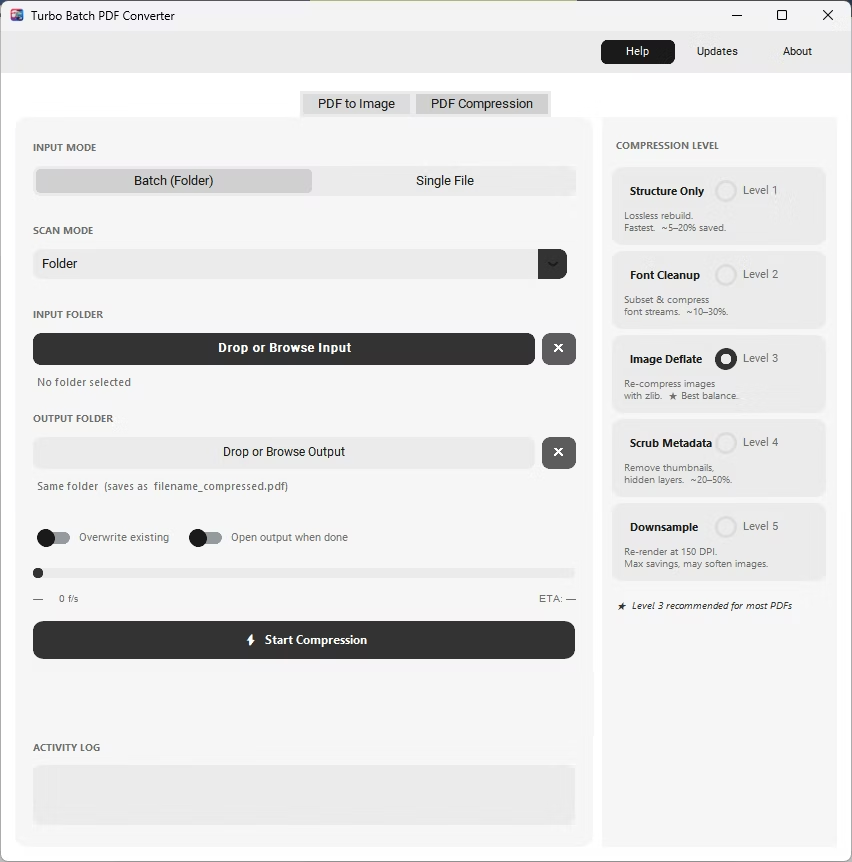
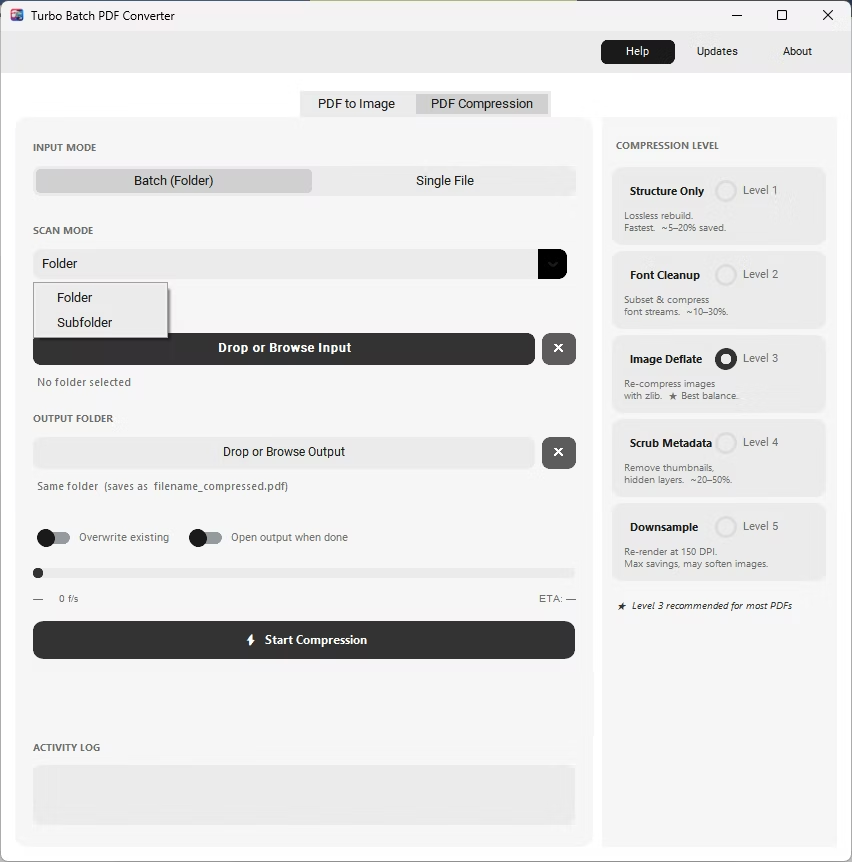
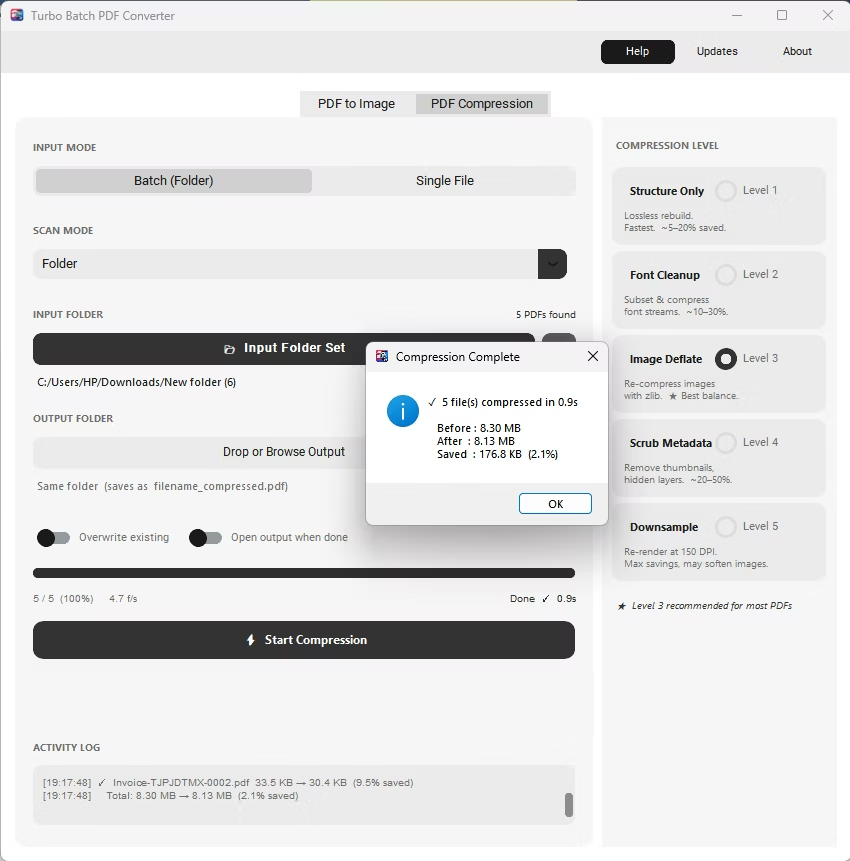
The same app also includes a built-in PDF compressor with five compression levels, so shrinking file sizes for email or storage doesn't require switching to a separate tool. Everything runs locally through a one-time Gumroad license, without a recurring subscription, and pairs naturally with other TurboSoft utilities such as Turbo Bulk Renaming Tool for organizing converted files afterward.
- Install Turbo Batch PDF Converter on your Windows PC.
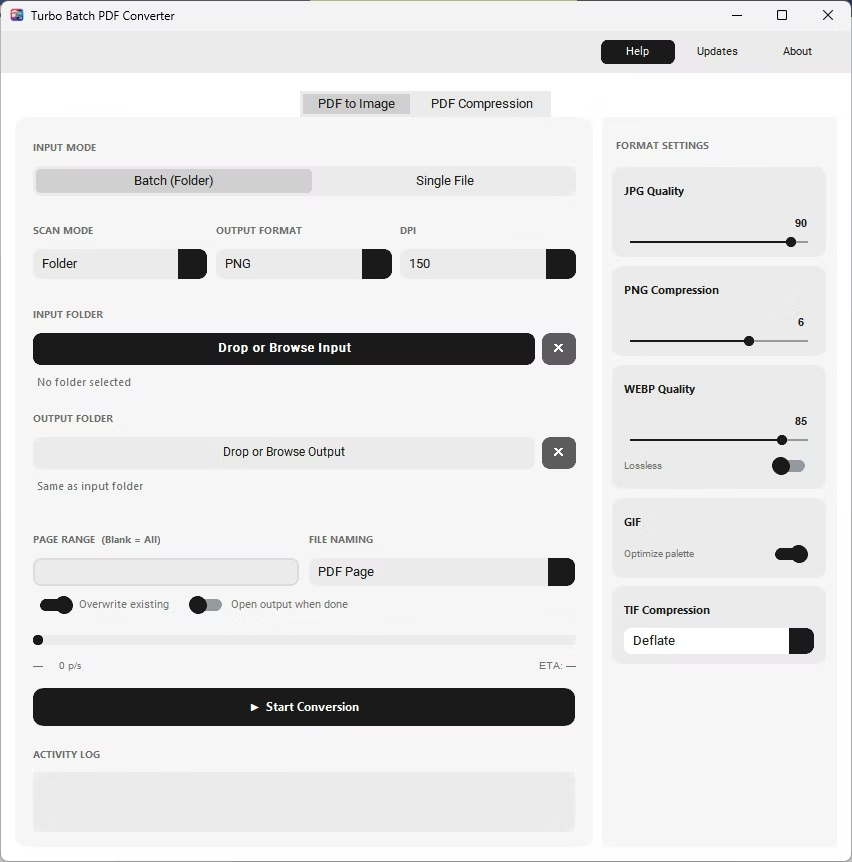
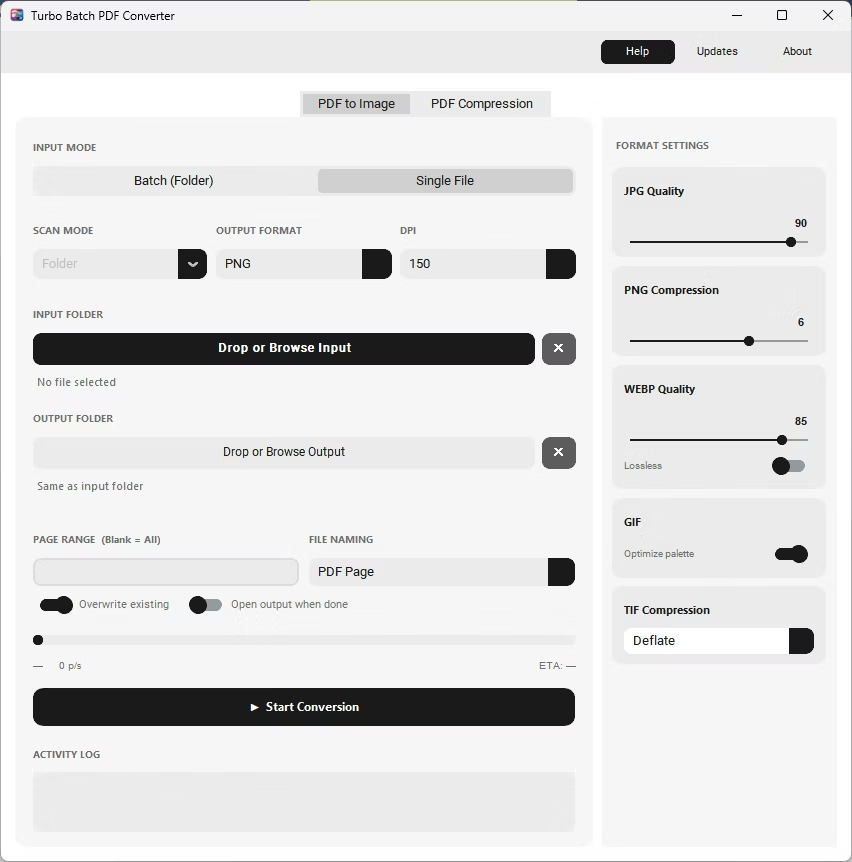
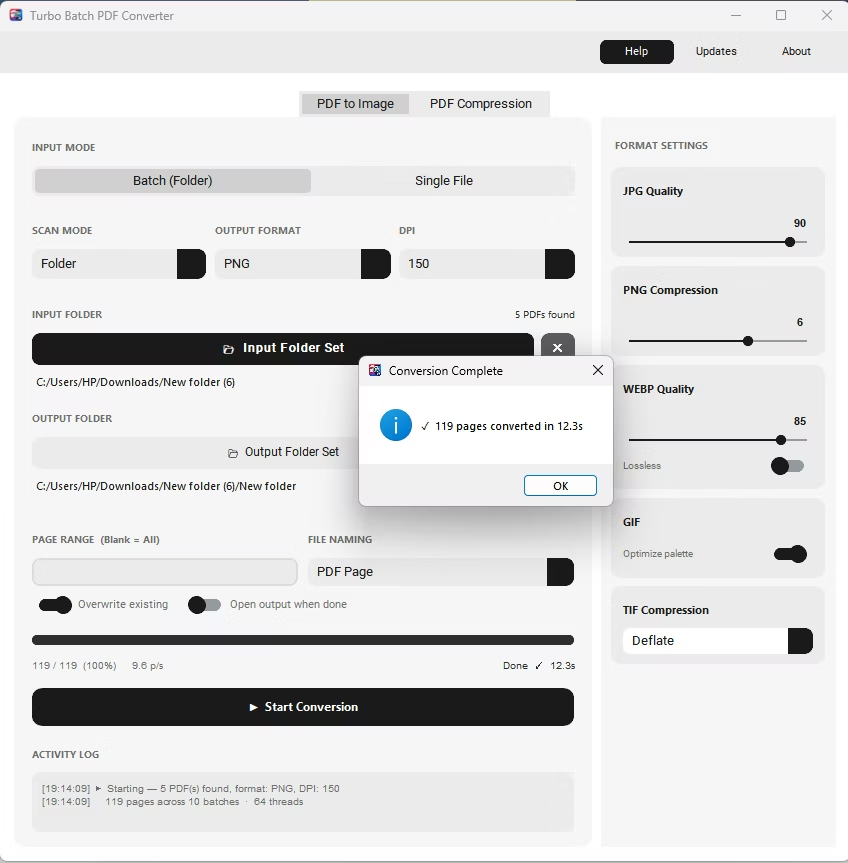
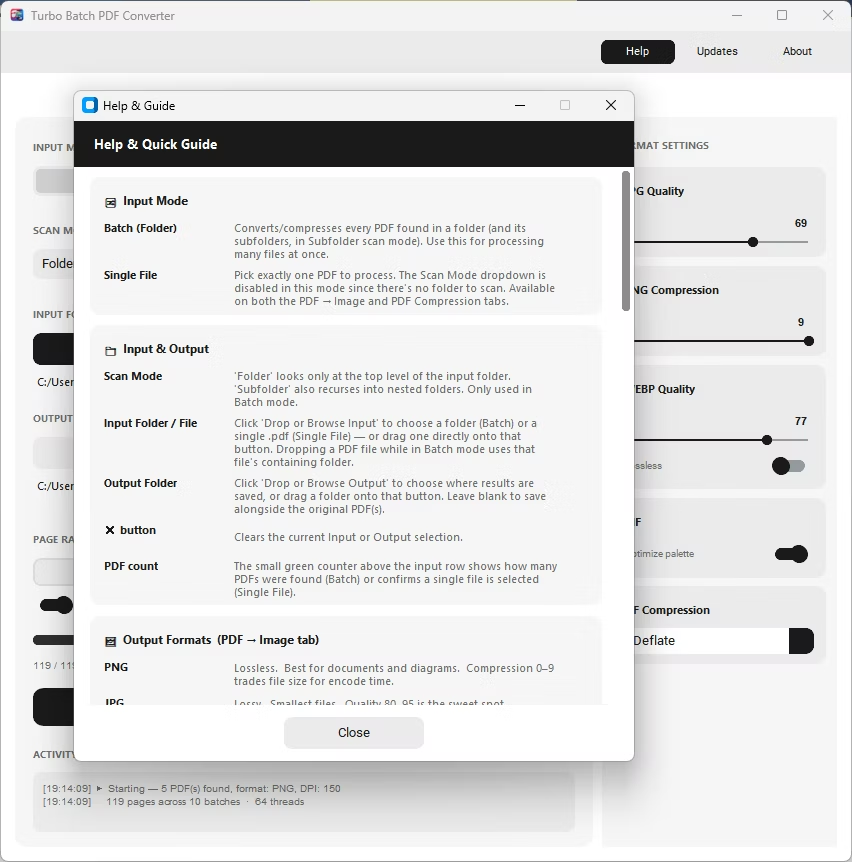
- Open the app and switch to Batch (Folder) mode.
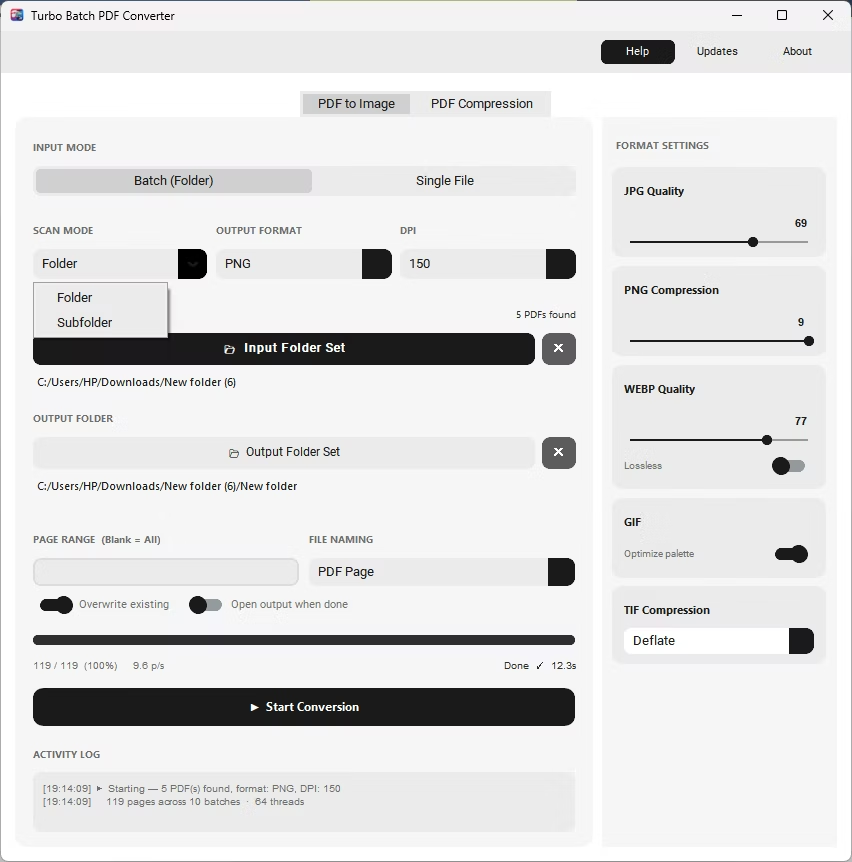
- Select Subfolder mode instead of Folder mode, then browse to the top-level parent folder containing all your subfolders.
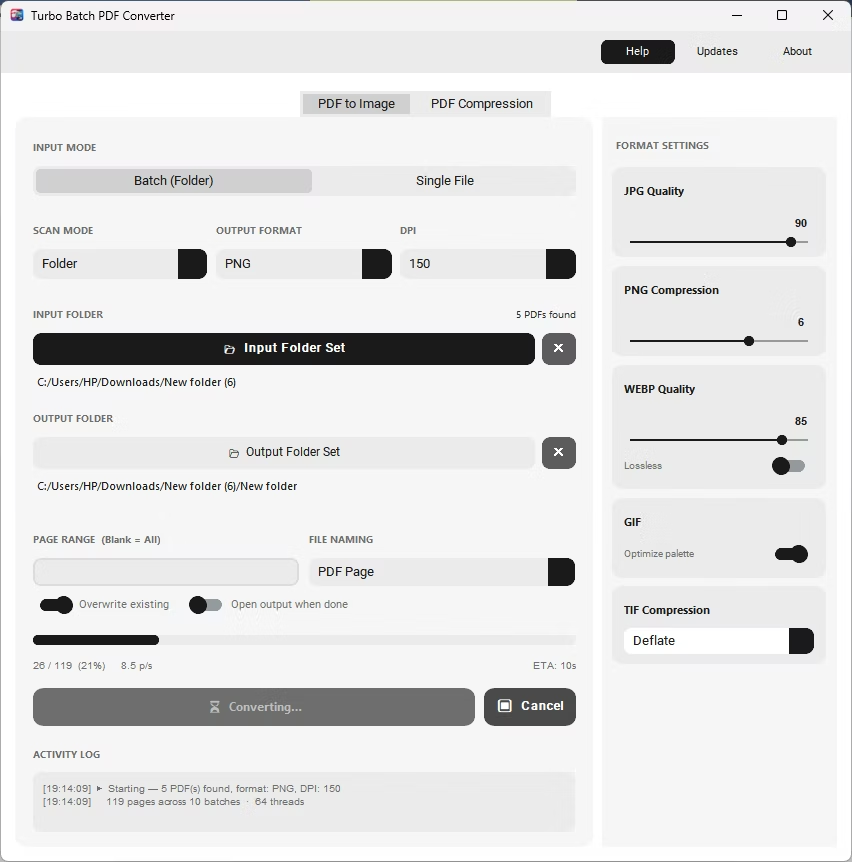
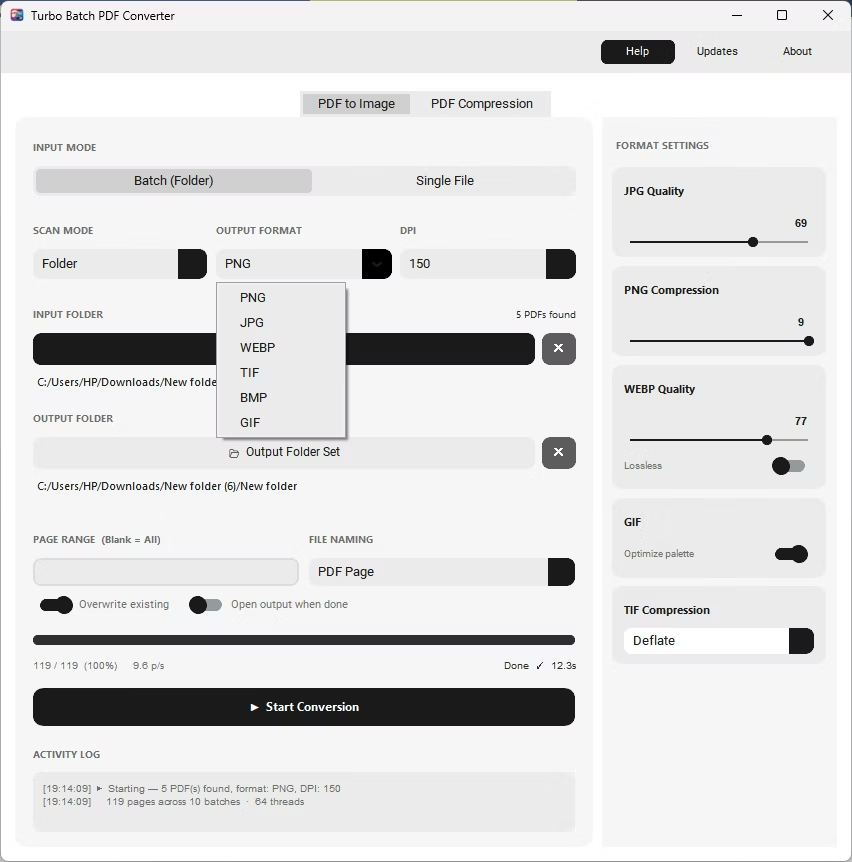
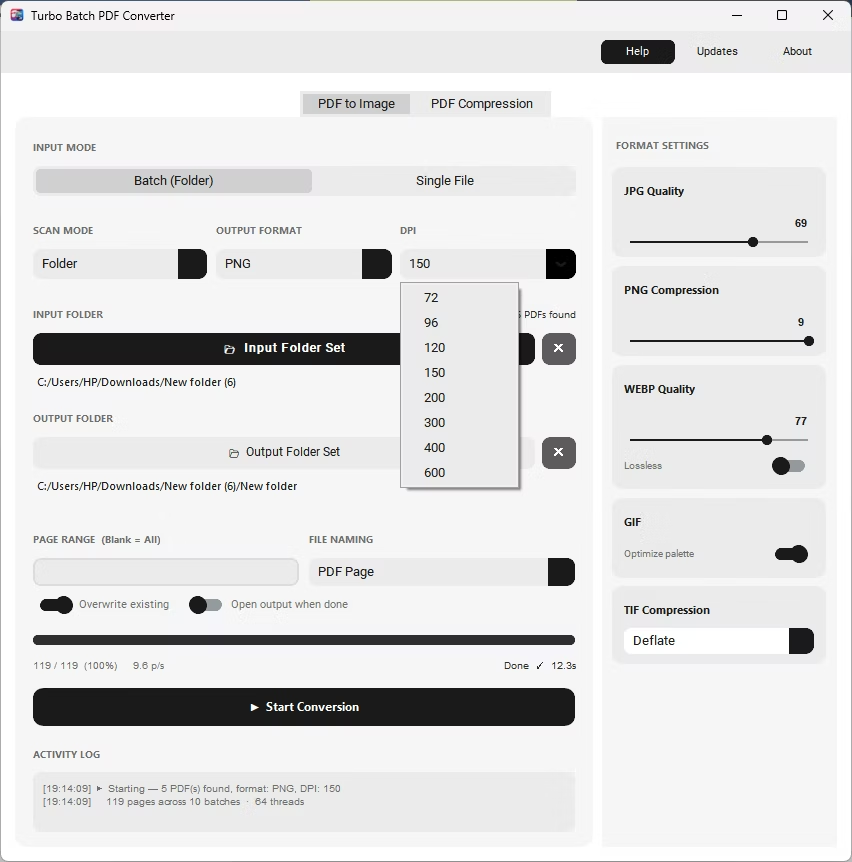
- Choose your output format and destination folder, so every converted file lands in one consolidated location.
- Click Start Conversion. Every PDF in every nested subfolder is converted and saved to the single output folder, offline.
- Subfolder mode recursively walks every nested folder automatically
- One output destination keeps converted files organized in a single place
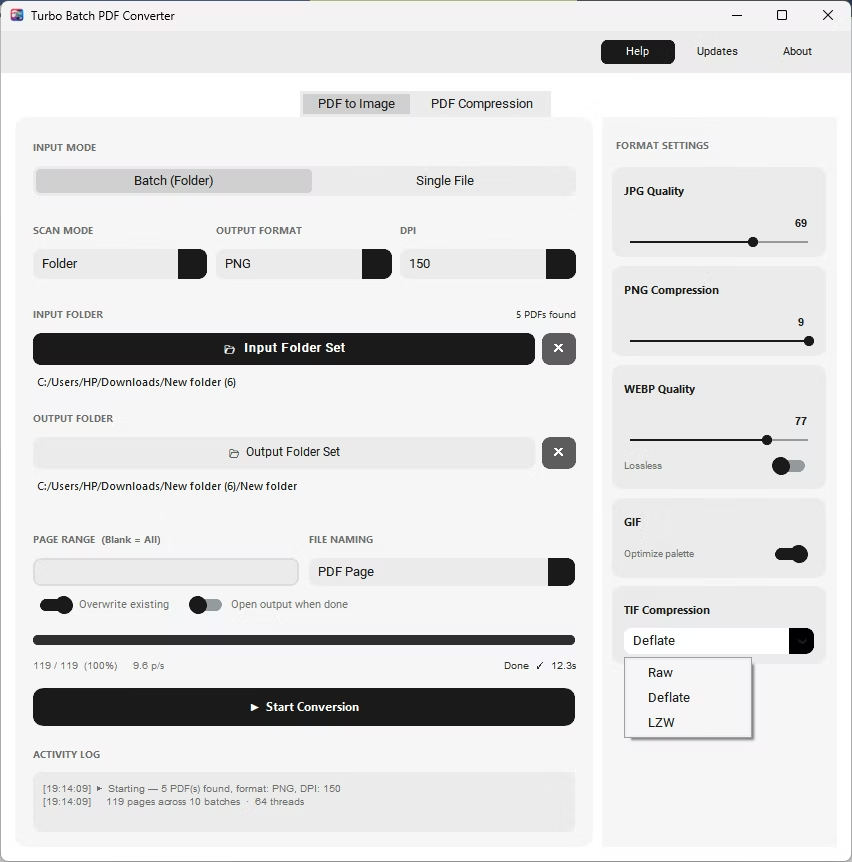
- Works across all six supported output formats, plus PDF compression
- Up to 64 parallel workers keep large multi-folder batches fast
- Activity log reports every file processed, including any failures
- 100% offline — no document ever leaves your computer
Does this merge multiple PDFs into a single PDF file?
No, this workflow converts every PDF found across nested folders into images or compressed PDFs collected in one output folder, rather than merging PDF pages together.
How deep can the subfolder scanning go?
Subfolder mode recursively walks every nested folder to any depth, picking up every PDF inside deeply organized archives.
Will files from different subfolders overwrite each other in the output?
The app processes each file independently and reports its result in the activity log, so you can confirm every source file converted as expected.
Ready to convert your PDFs offline, in bulk, with full privacy?