Large PDF files slow down email attachments, eat into cloud storage quotas, and take longer to upload to portals with strict file-size limits. Compressing a PDF reduces its size by cleaning up its internal structure and, at more aggressive levels, downsampling embedded images, without needing to convert the file to a different format first.
A dedicated PDF compressor that works offline is especially useful for confidential documents such as contracts or medical records, where uploading files to a web-based compression tool isn't an option.
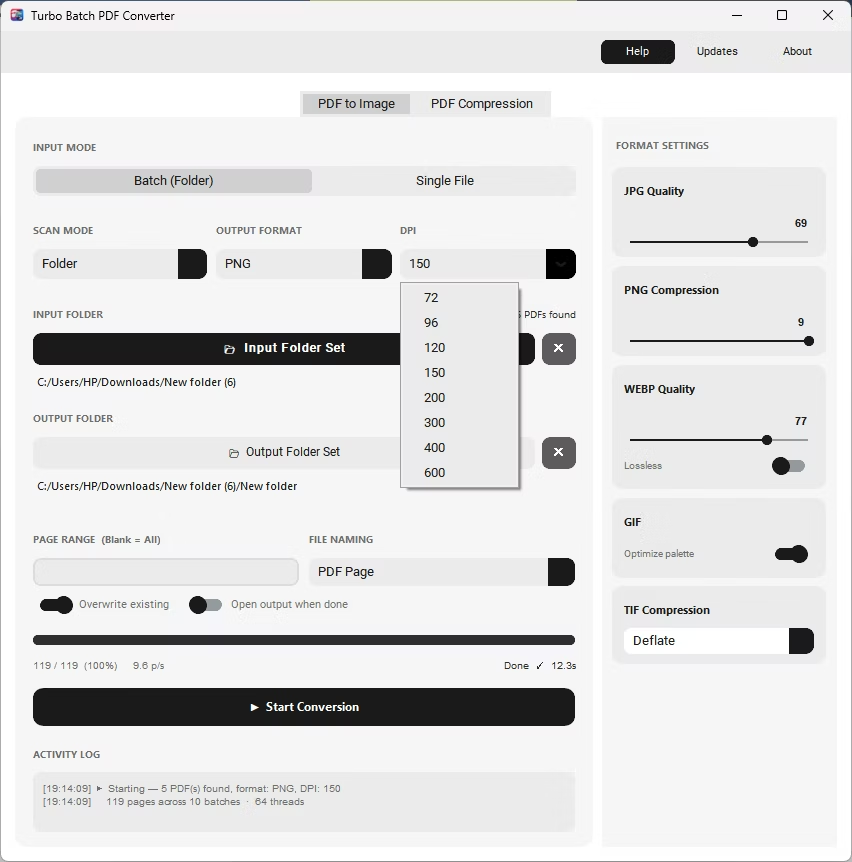
Turbo Batch PDF Converter runs on Windows 10 and Windows 11, both 64-bit, and installs as a single self-contained application with no separate Poppler or Ghostscript dependency to configure. That keeps setup to a couple of minutes, whether the app is going on a personal laptop or a shared office PC handling document conversion for a whole team.
The same app also includes a built-in PDF compressor with five compression levels, so shrinking file sizes for email or storage doesn't require switching to a separate tool. Everything runs locally through a one-time Gumroad license, without a recurring subscription, and pairs naturally with other TurboSoft utilities such as Turbo Bulk Renaming Tool for organizing converted files afterward.
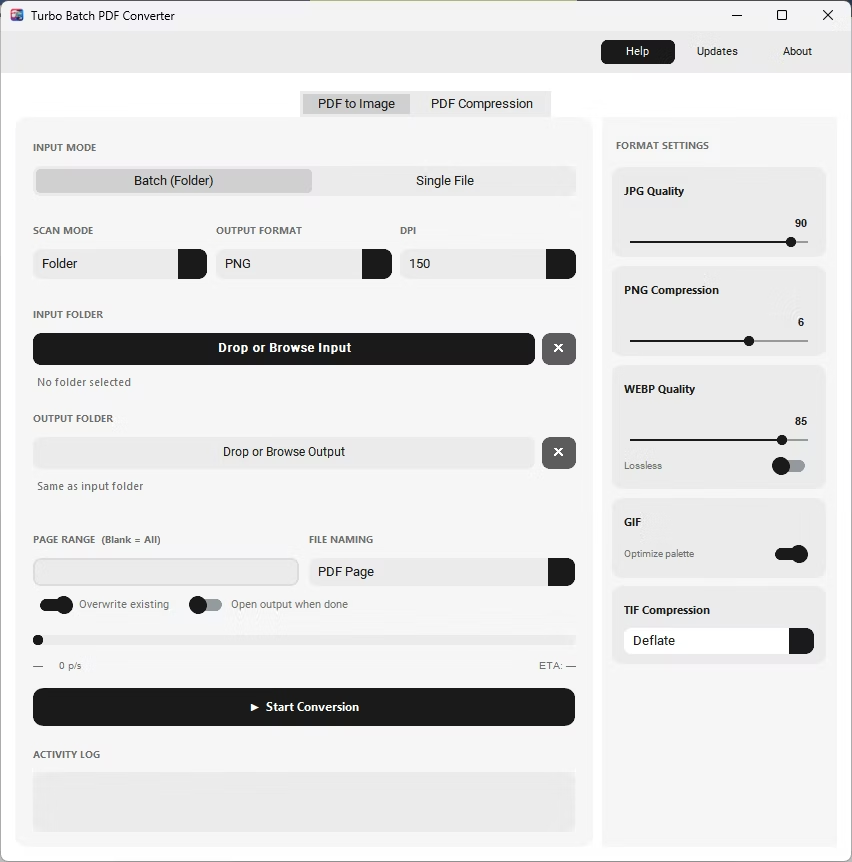
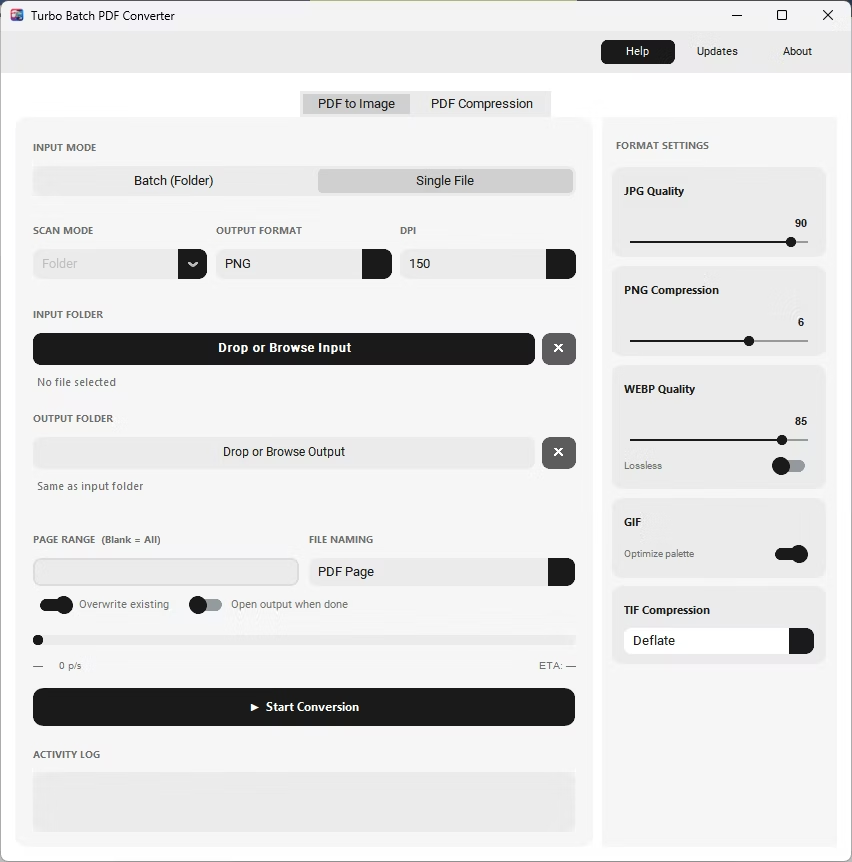
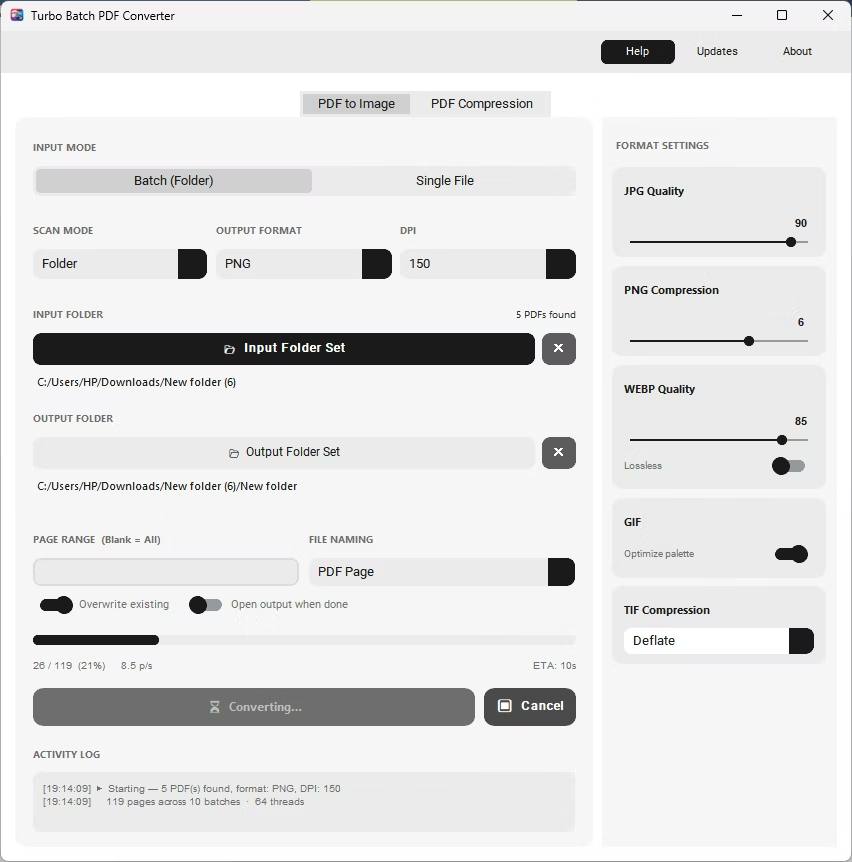
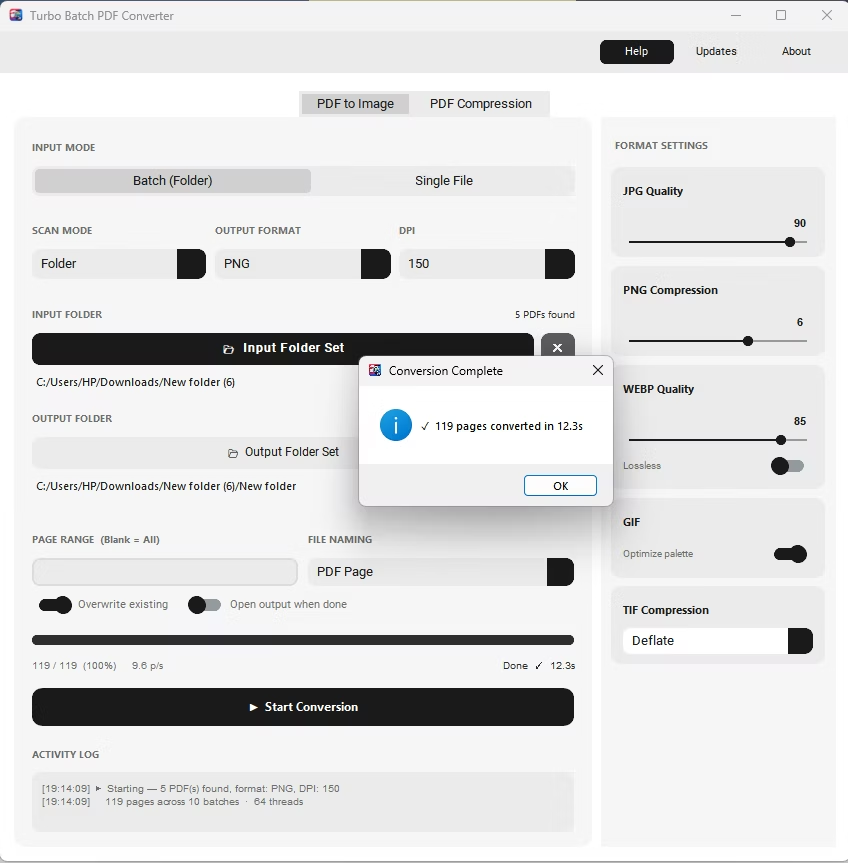
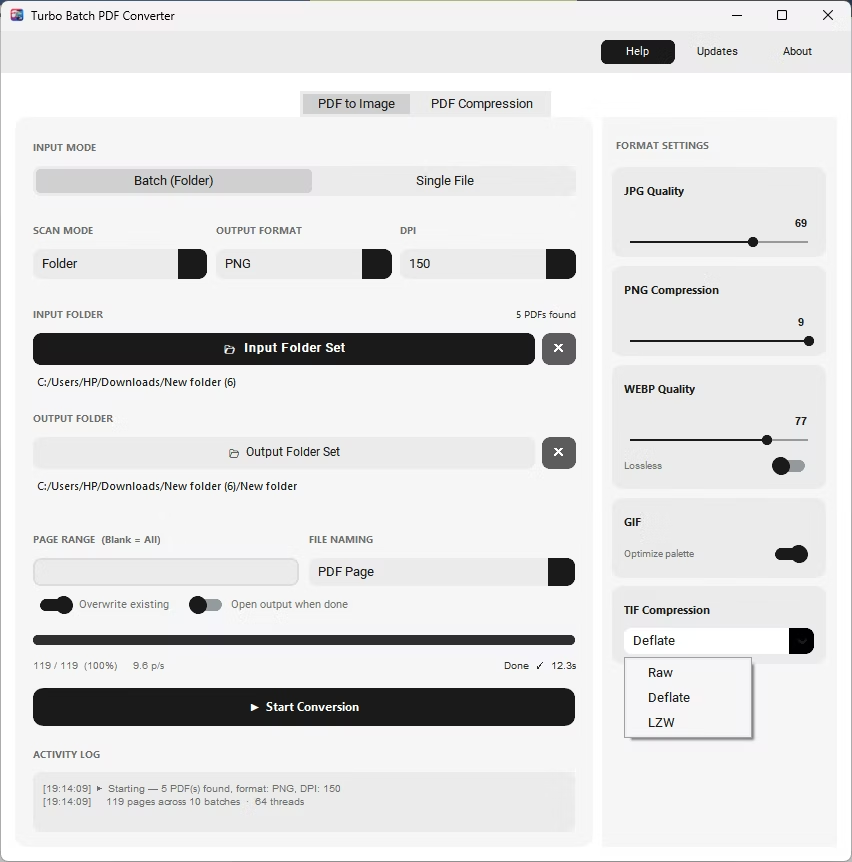
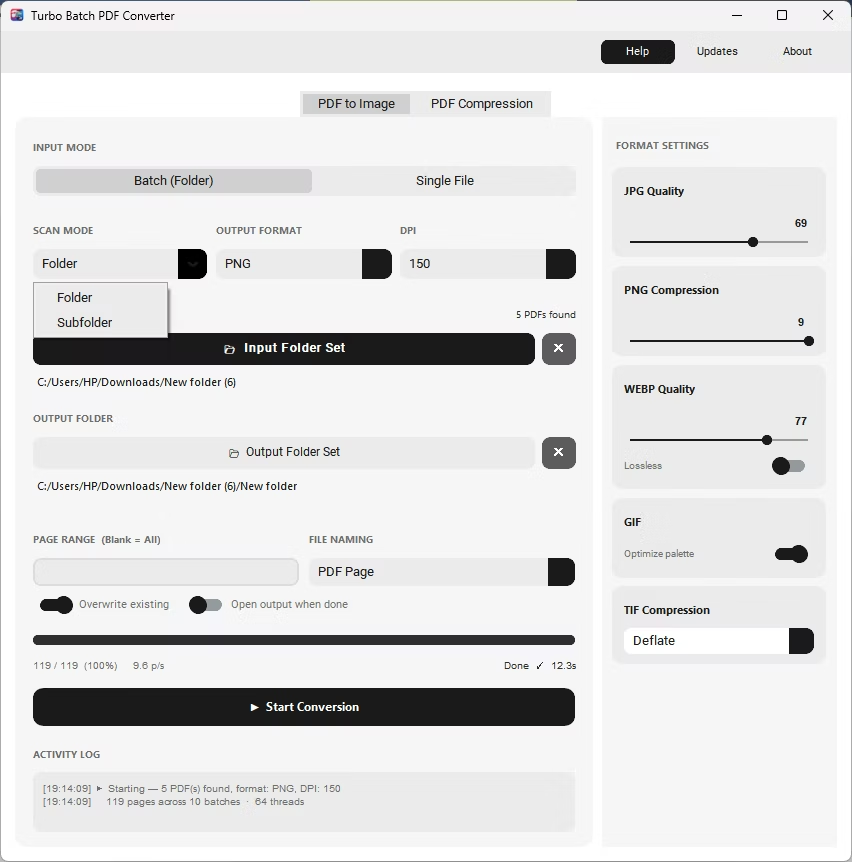
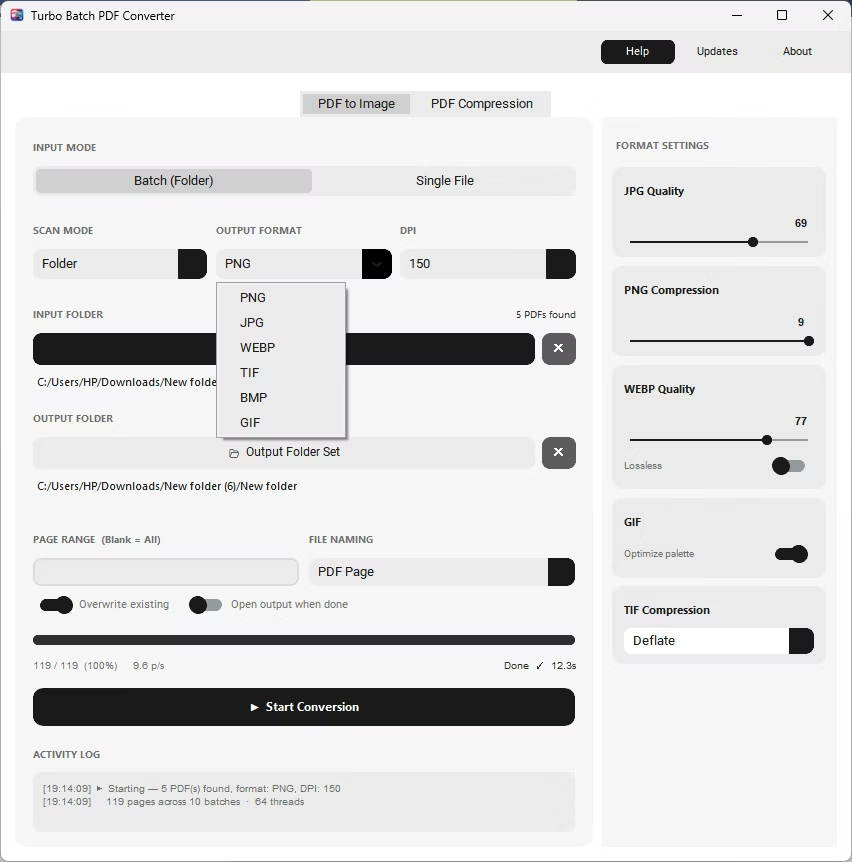
- Install Turbo Batch PDF Converter on your Windows PC.
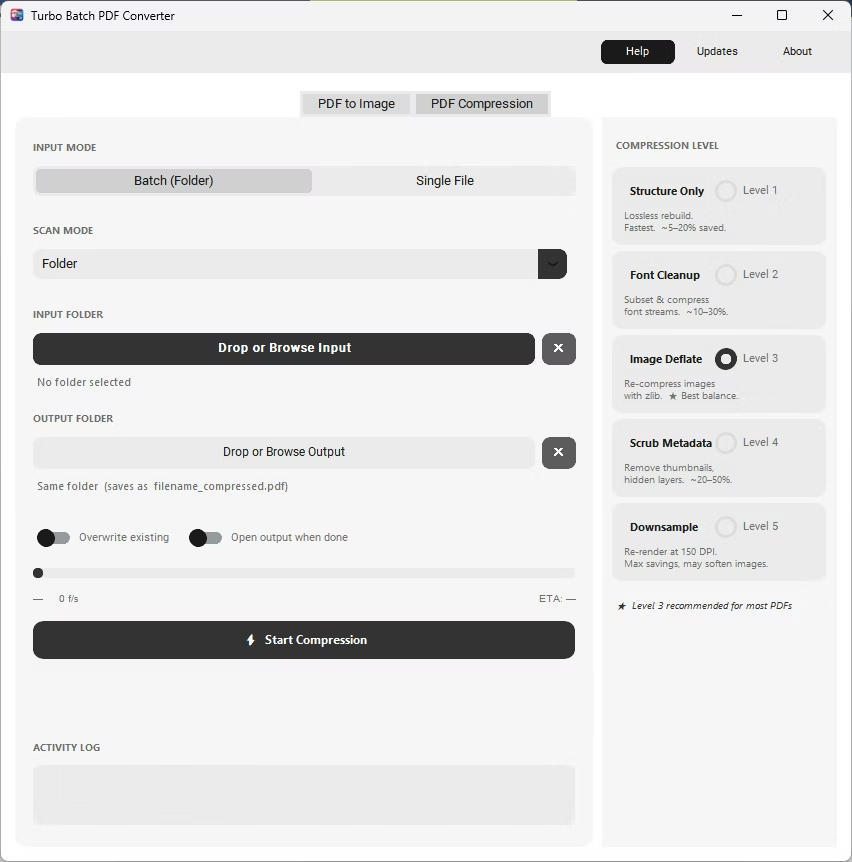
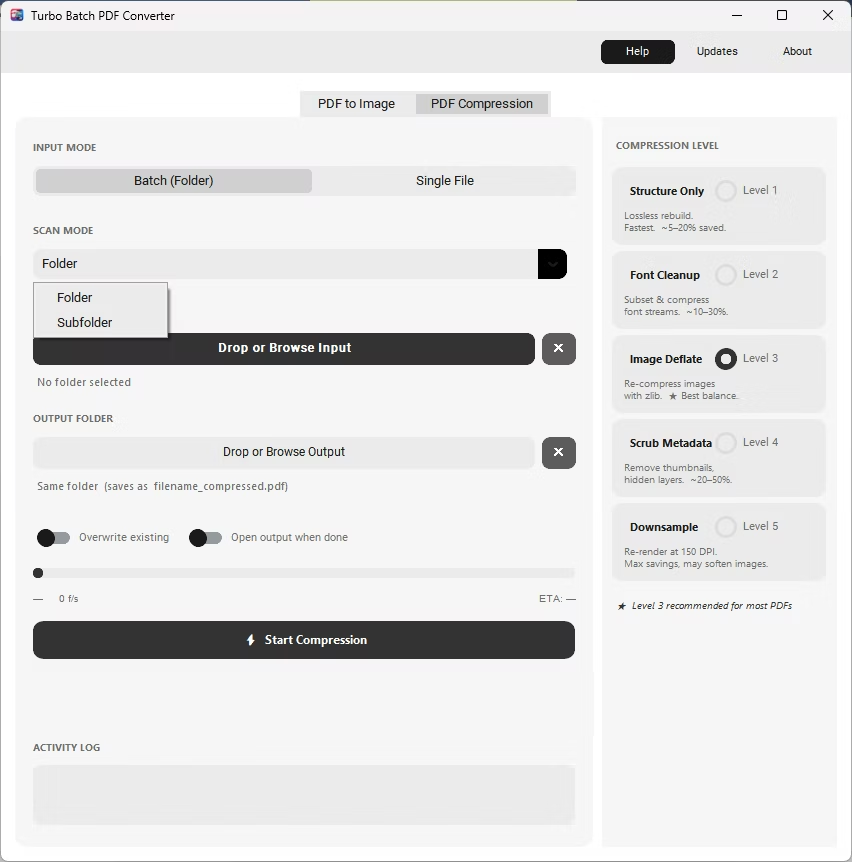
- Open the app and switch to the PDF Compression tab.
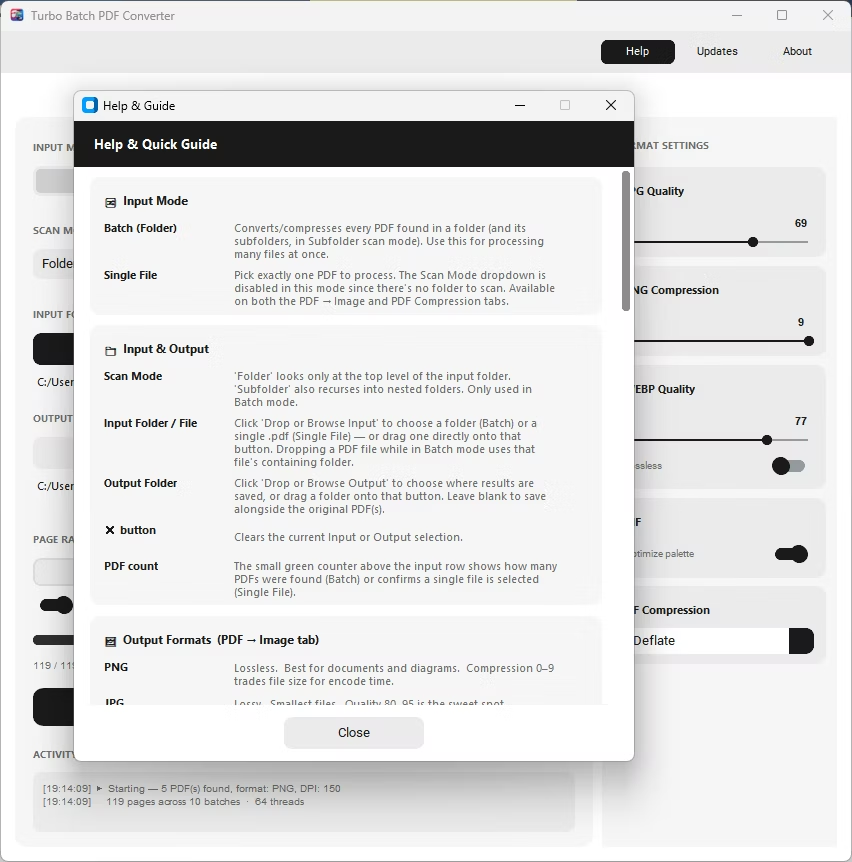
- Choose Batch mode for a folder of PDFs or Single File mode for one document.
- Select a compression level from 1 to 5, depending on how aggressive you want the size reduction to be.
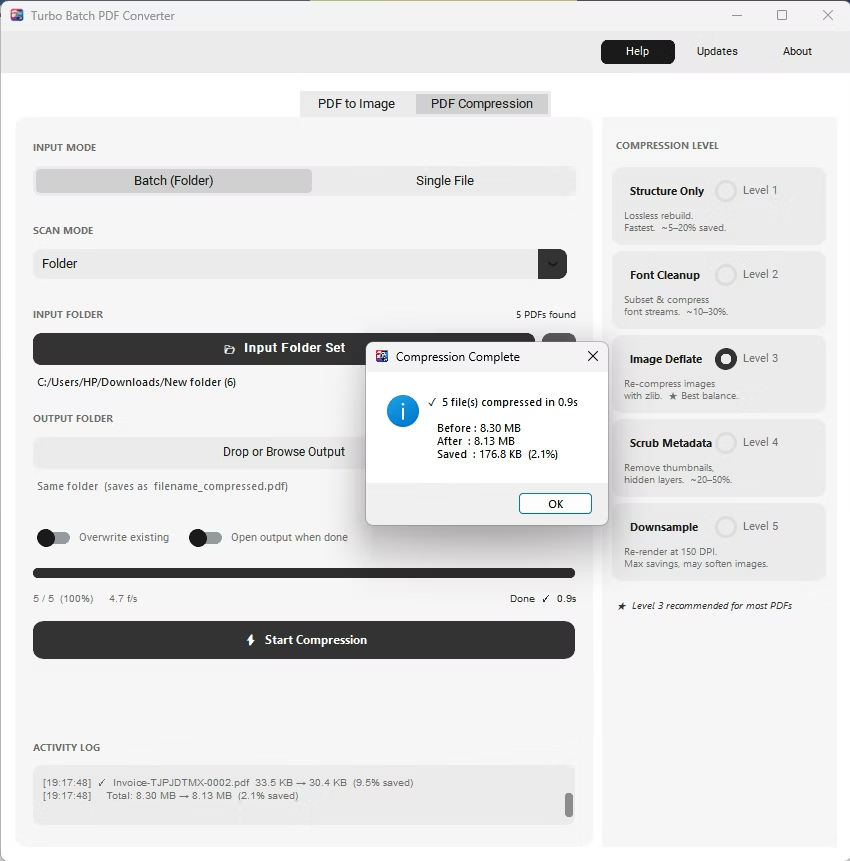
- Click Start Compression. The app reports the original size, new size, and percentage saved for every file, offline.
- Five compression levels, from lossless structure cleanup to aggressive image downsampling
- Original size, new size, and percentage saved shown for every file
- Batch (Folder) and Single File modes with recursive subfolder scanning
- 100% offline — confidential PDFs are never uploaded
- Cancel Anytime support for long-running compression batches
- Same drag-and-drop workflow as the PDF to Image tab
Which compression level should I start with?
Level 3 is recommended for most documents, combining the structure cleanup of lower levels with re-compression of existing image streams for a good balance of size and quality.
How much smaller does a typical PDF get?
Recommended-level compression typically reduces file size by around 15-40%, though results vary depending on how many images the PDF contains.
Can I confirm the size reduction before deleting the original PDF?
Yes, each compressed file reports its original size, new size, and percentage saved in the activity log, so you can verify the result first.
Ready to convert your PDFs offline, in bulk, with full privacy?