This is a compact guide focused on one thing: using VLOOKUP correctly the first time, with a simple example that shows exactly why each argument is set the way it is. It uses a small warehouse inventory table, but the logic applies to any two-column matching problem.
Once this simple pattern is clear, it's the same pattern behind almost every VLOOKUP formula you'll ever write.
| Item Code | Item Name | Warehouse | Stock Qty |
|---|---|---|---|
| ITM-01 | Steel Bolts | WH-A | 1200 |
| ITM-02 | Rubber Gasket | WH-B | 450 |
| ITM-03 | Copper Wire | WH-A | 980 |
To find the Warehouse for ITM-03:
Item codes are unique identifiers, so an approximate match makes no sense here - FALSE forces Excel to find an exact match or return #N/A rather than confidently returning the wrong item's data.
- Confirm the lookup value matches exactly, including capitalization and spacing.
- Confirm table_array starts at the ID column, not somewhere to its right.
- Recount col_index_num from the start of table_array, not from the worksheet's column headers.
- Confirm range_lookup is FALSE if an exact match is required.
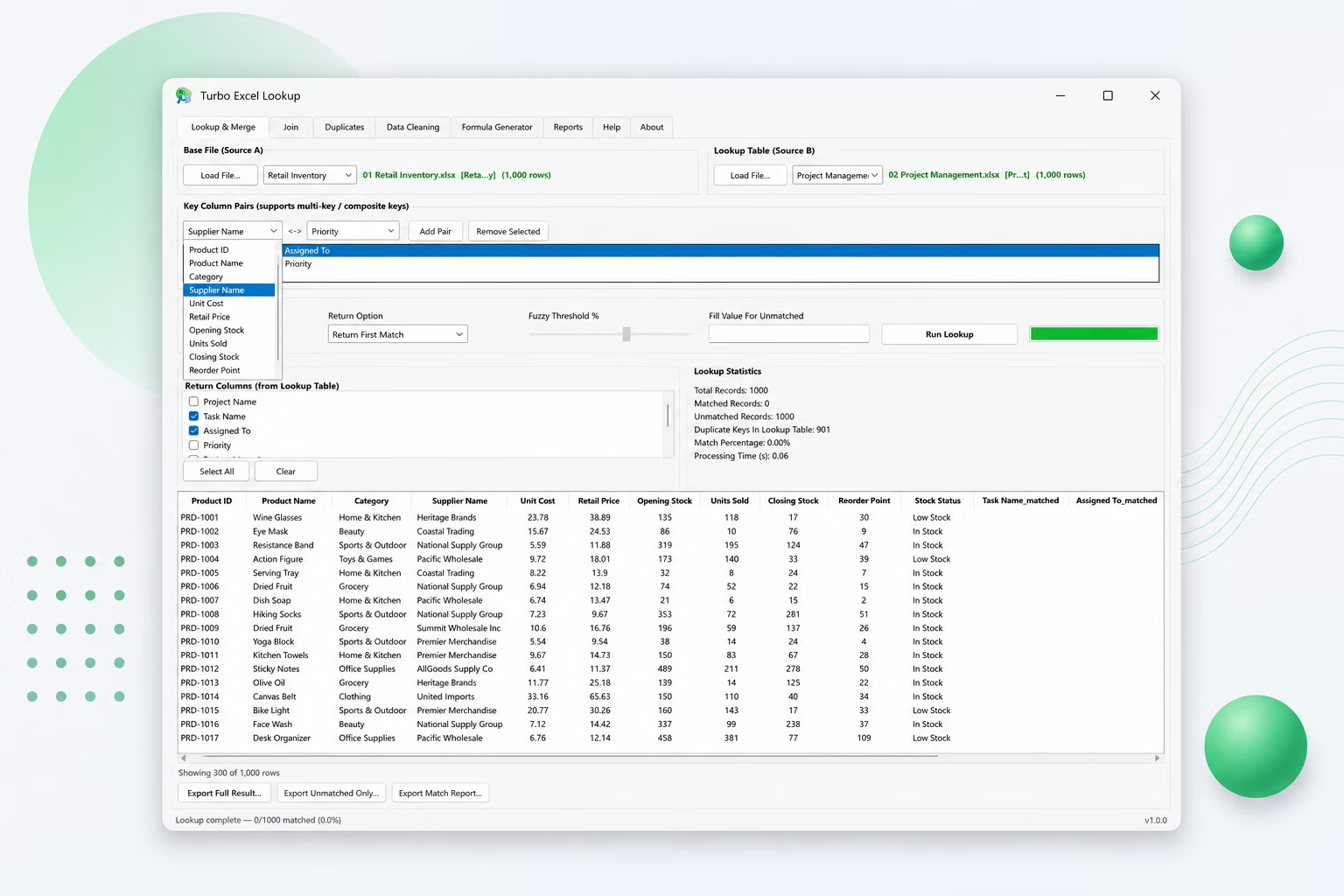
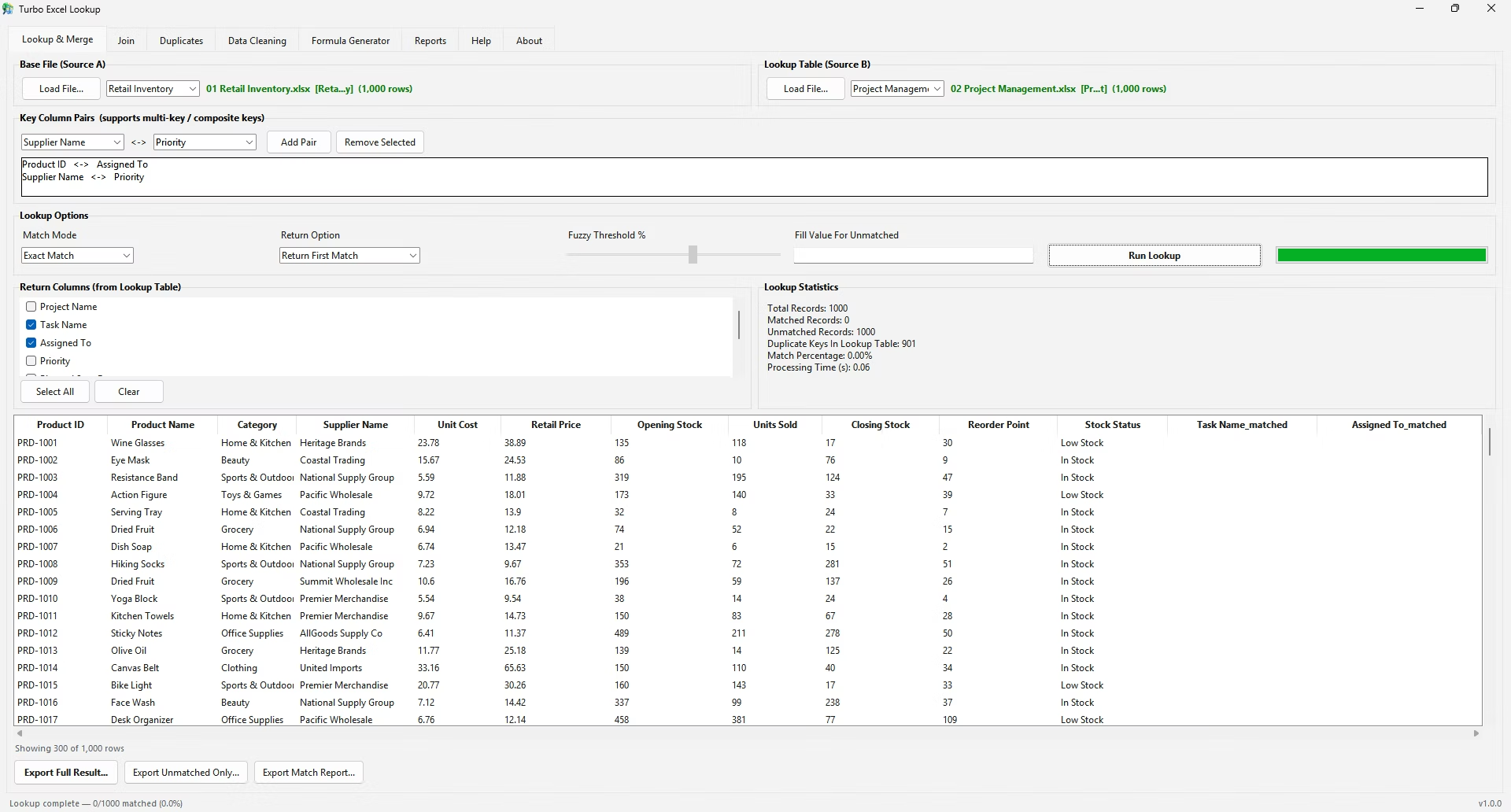
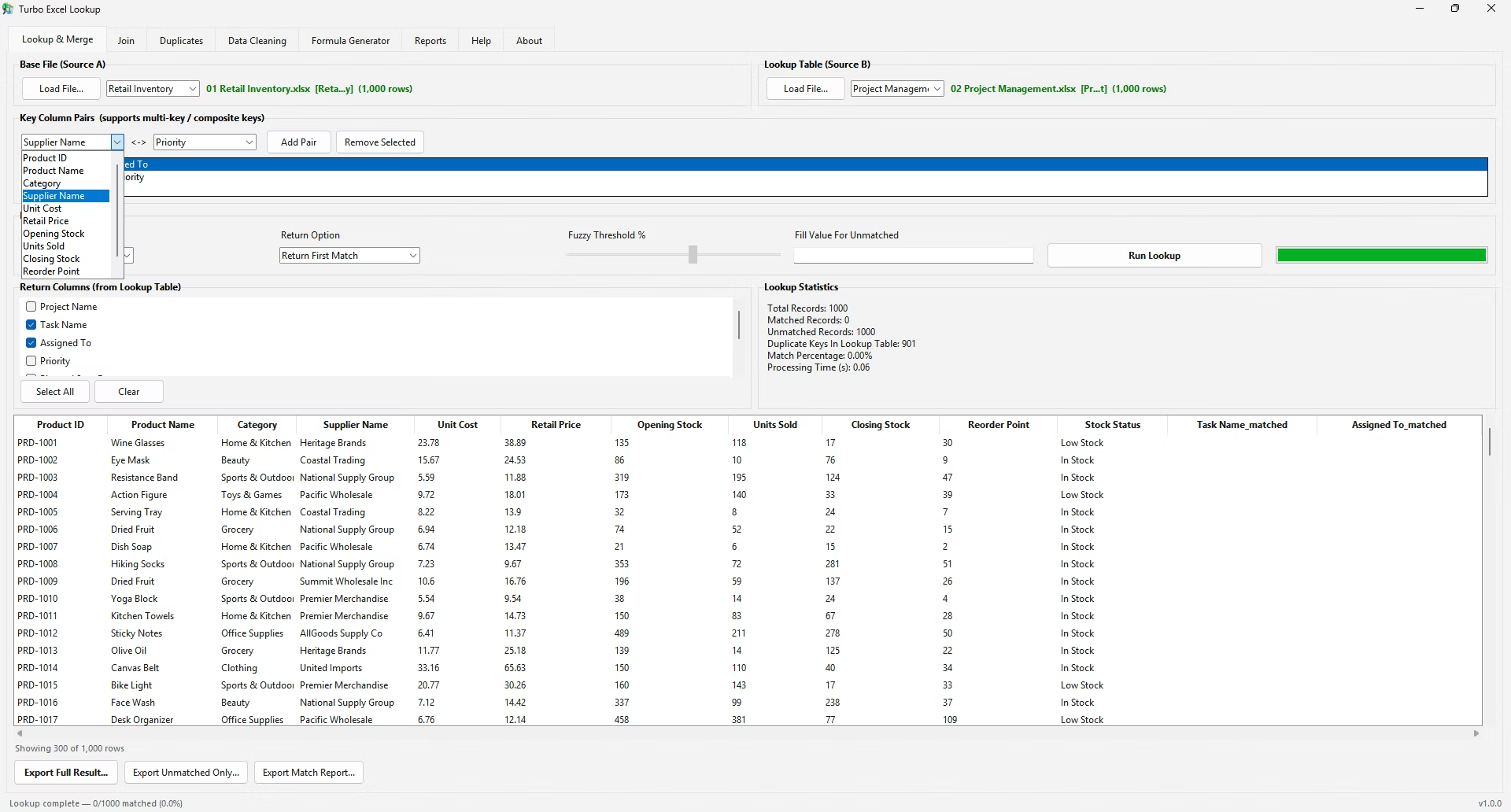
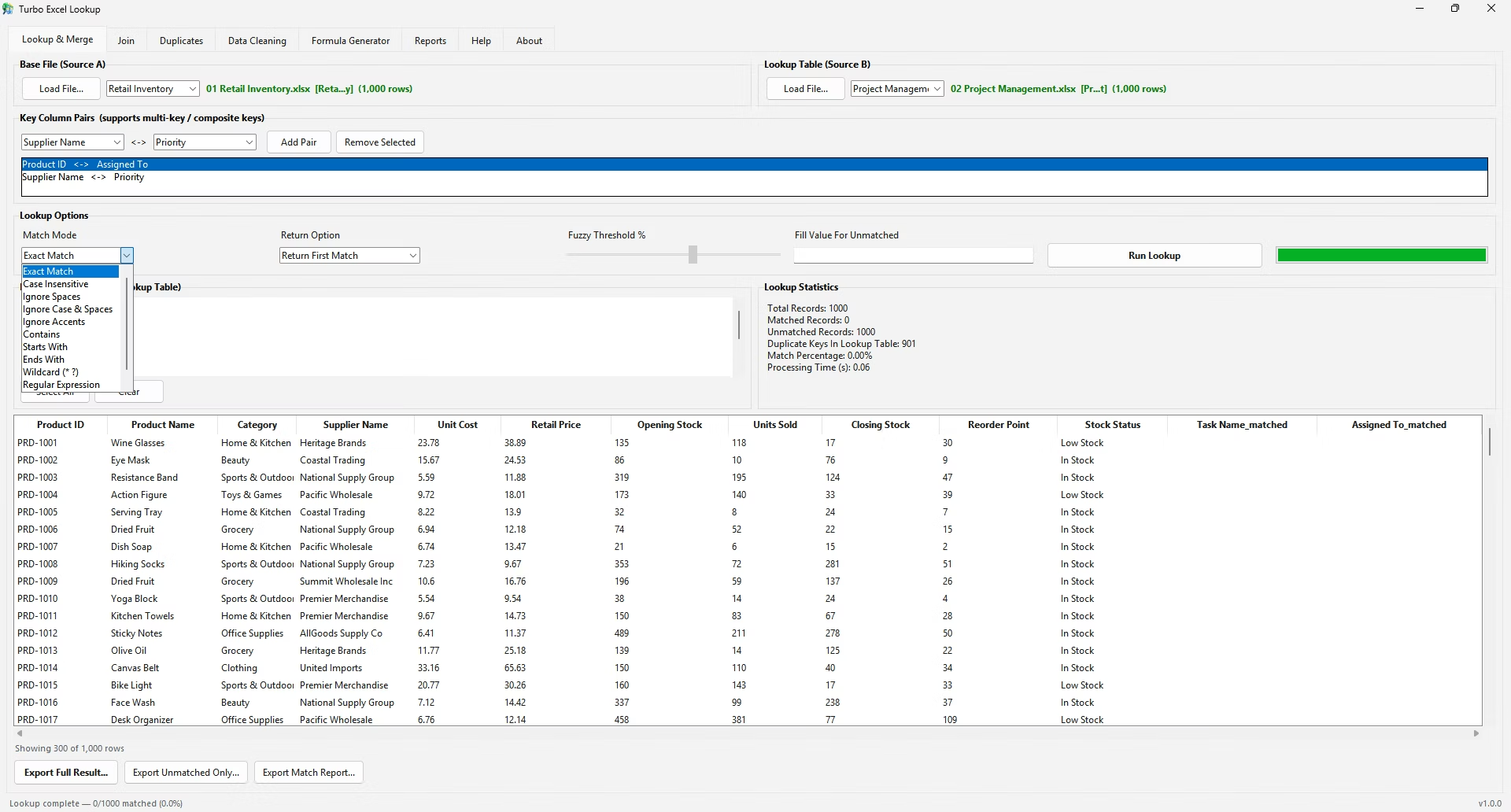
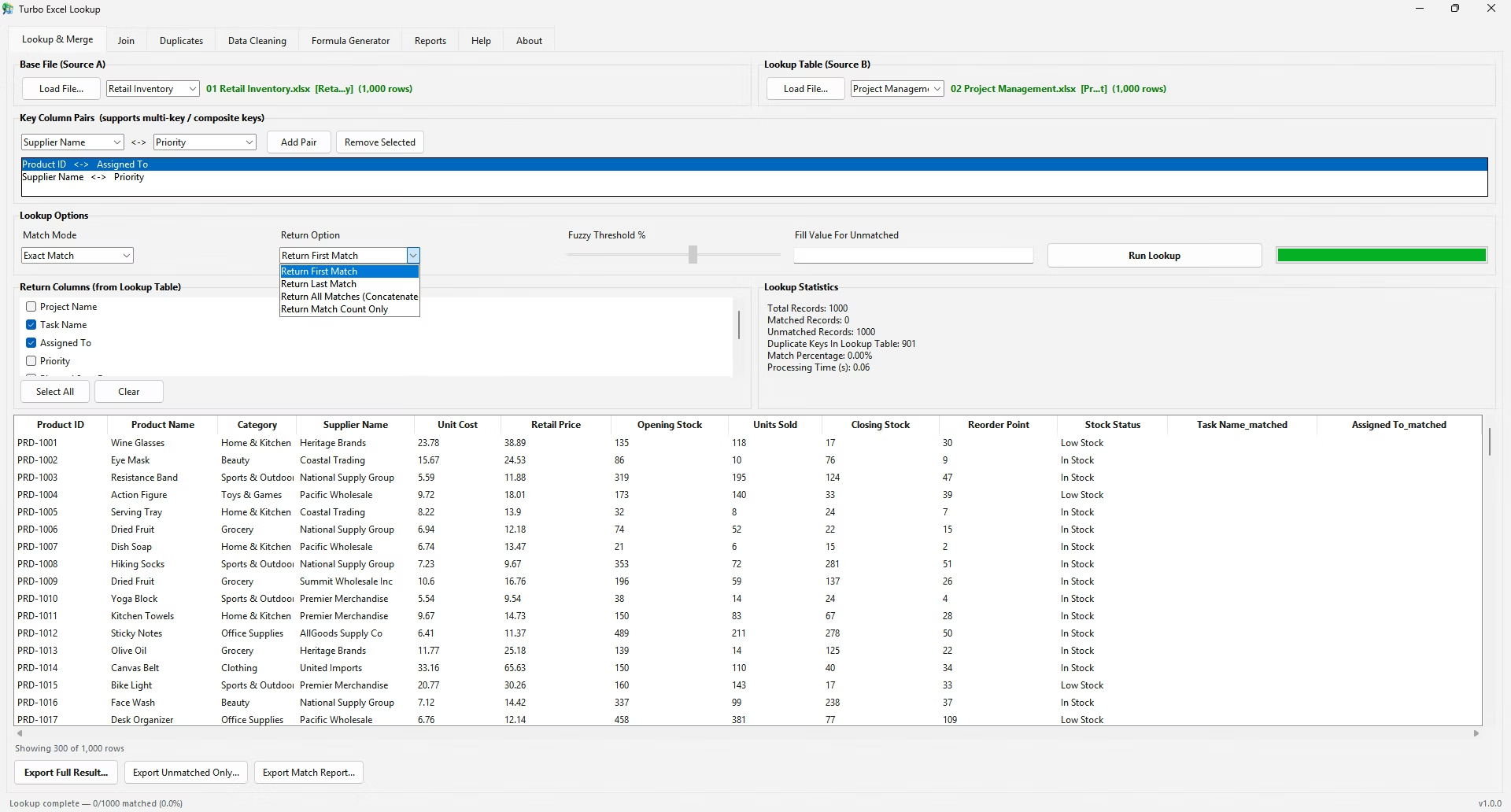
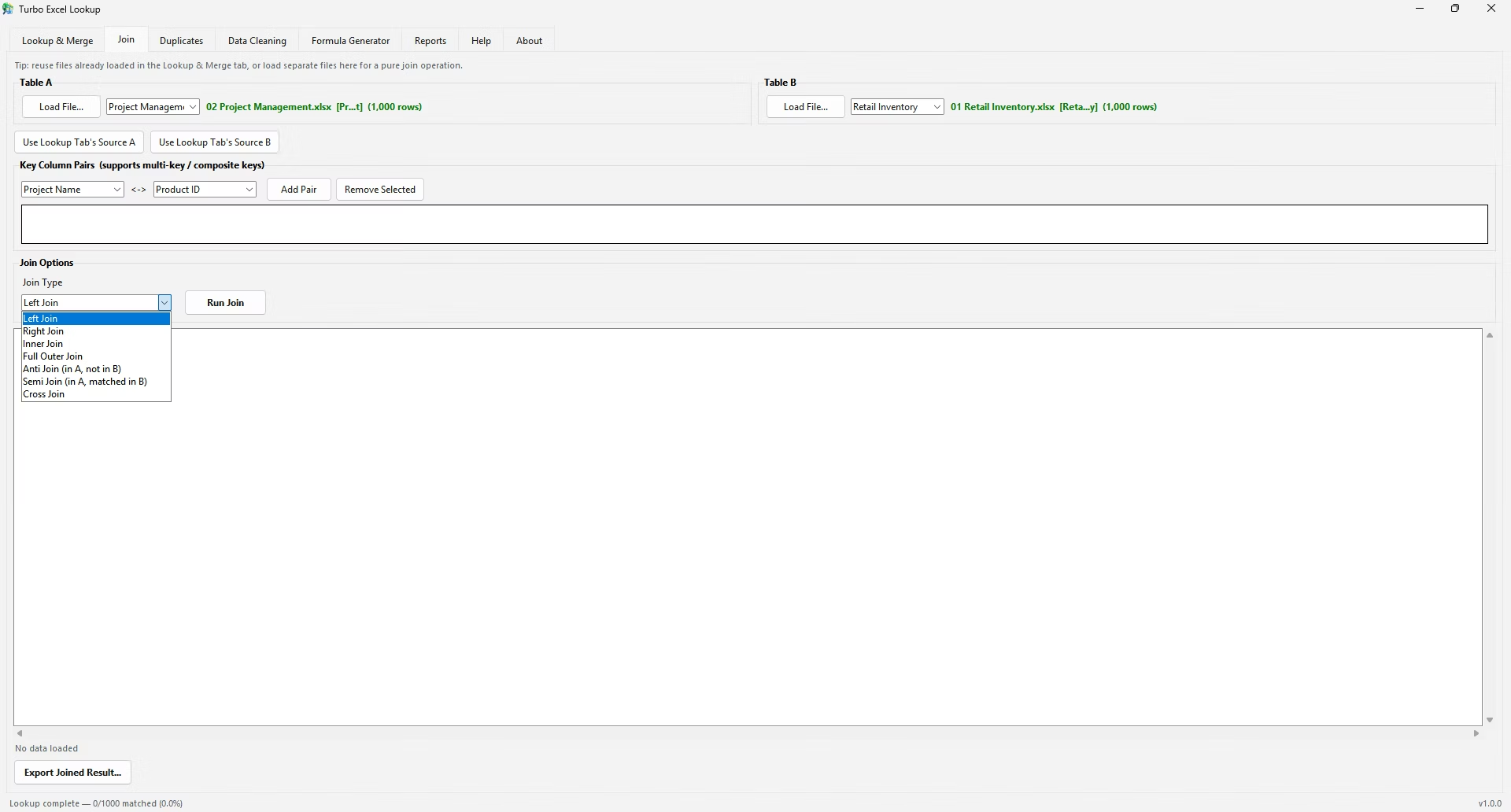
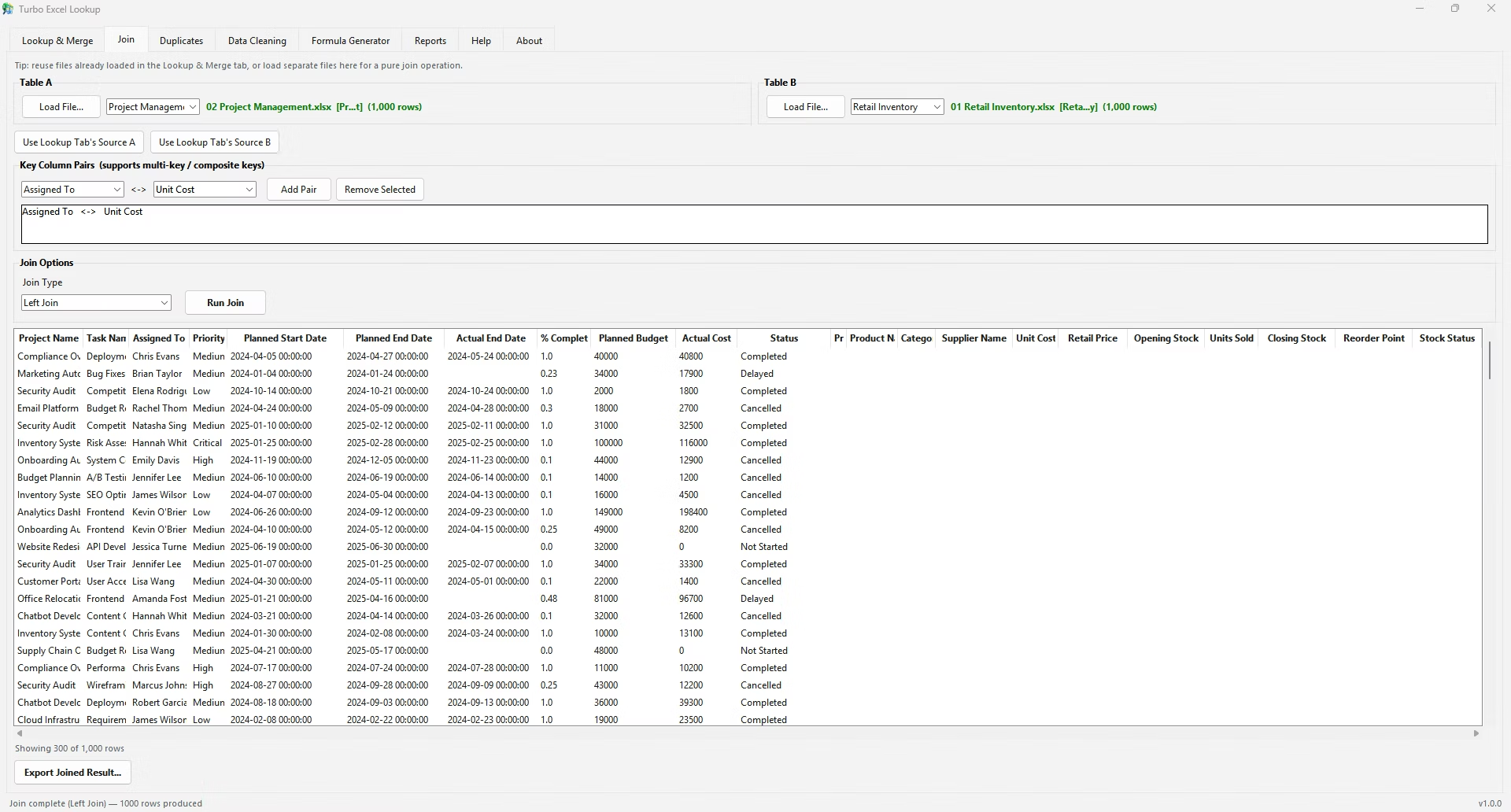
The same formula pattern works on a table with thousands of rows - only table_array needs to expand to cover them. For matching an entire inventory list against another file without writing or copying formulas, Turbo Excel VLookup performs the same match across the whole dataset in one step.
A surprising number of VLOOKUP problems turn out to be a data type mismatch rather than a logic error - a value stored as text in one column and as a number in the other will never match, even if they look identical on screen.
Before assuming the formula itself is wrong, select the lookup value's cell and check the small green triangle or the number alignment; numbers align right by default, and text aligns left, which is a fast way to spot the mismatch.
In a shared workbook, a bare VLOOKUP formula gives the next person no indication of what it's supposed to be matching or why. Adding a cell comment, or a short label in an adjacent column, explaining the source and purpose of the lookup saves significant time when the workbook is revisited months later or handed to a colleague.
This becomes even more important once a workbook has several lookups feeding into each other, since untangling a chain of undocumented formulas is far harder than reading a documented one.
What's the simplest way to check a VLOOKUP result?
Manually locate the row in the source data and compare it to what the formula returned.
Why might VLOOKUP return #N/A here?
The item code likely doesn't match exactly - check for extra spaces or a typo in either the formula or the source data.
Does col_index_num count worksheet columns or table_array columns?
It counts columns within table_array only, starting at 1 for the first column in that selected range.
Is FALSE always the right choice for ID lookups?
In almost all cases, yes - approximate matching is reserved for specific cases like tiered ranges, not unique identifiers.
What happens to the formula if I insert a new column in the middle of table_array?
col_index_num no longer points at the intended column and needs to be manually corrected.
How do I match an entire inventory list instead of one item?
Turbo Excel VLookup runs the same lookup logic across every row of a dataset in a single action.
What's a fast way to check what a formula is actually returning?
Selecting part of the formula in the formula bar and pressing F9 shows its calculated value directly, without changing the formula.
Can trailing spaces in a cell cause a lookup to fail?
Yes, an extra space at the end of a value is invisible but prevents an exact match; TRIM() around the lookup value often fixes this.
Does the order of rows in the source data matter for an exact match?
No, an exact match search works regardless of row order; only an approximate match requires sorted data.
Is it safe to have duplicate values in the lookup column?
A lookup formula will only return the first matching row it finds, so duplicates can silently return the wrong record if not accounted for.
Ready to stop fighting #N/A errors and match your spreadsheets visually?