The easiest way to use XLOOKUP is to ignore its optional arguments entirely at first and stick to the basic three-argument form. That covers the vast majority of everyday lookups, and the optional arguments can be added later only when actually needed.
This page keeps things simple using a small student table, then covers a formula-free option for anyone who wants the same result without touching the formula bar.
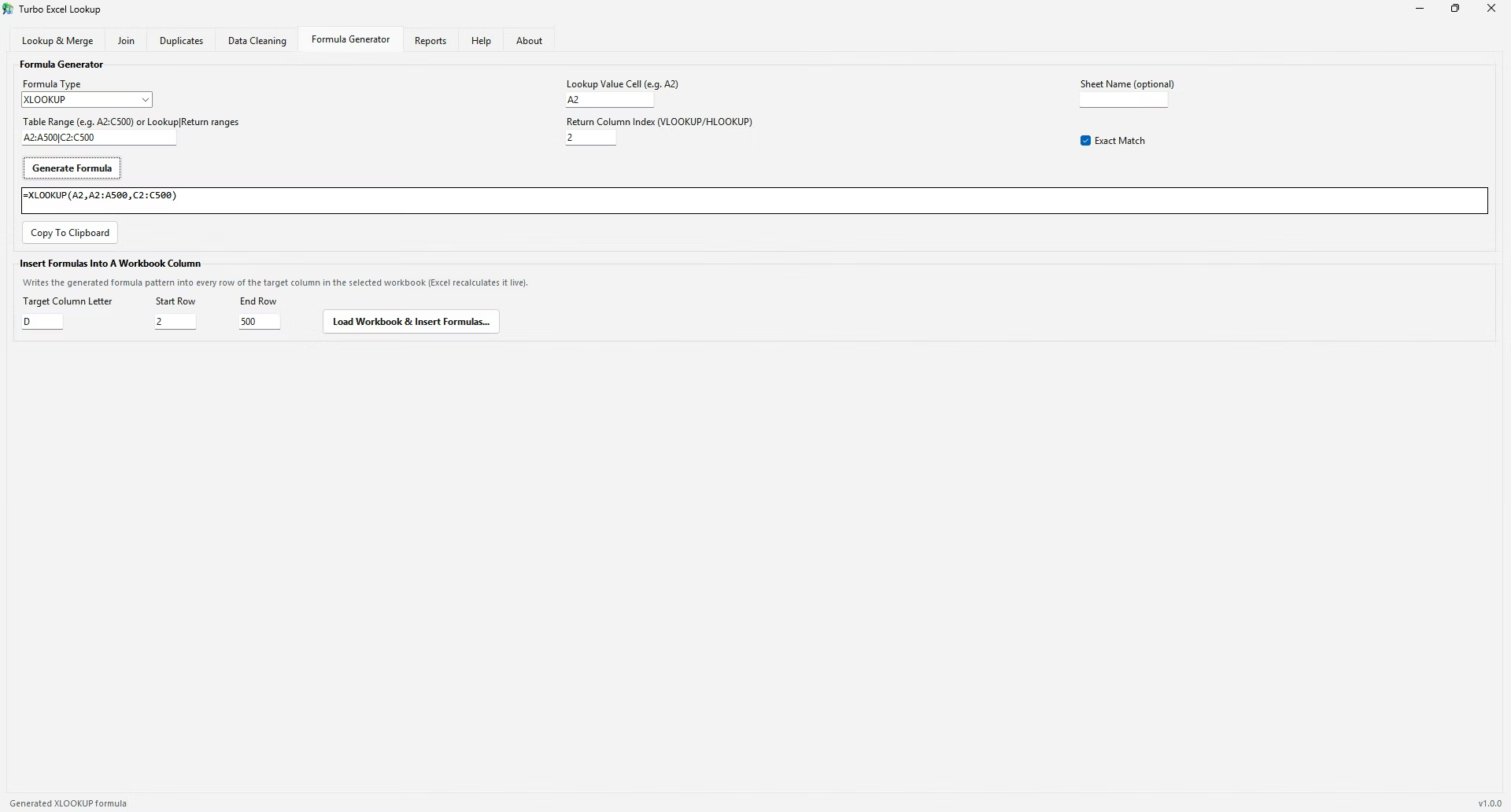
That's the entire formula needed for most lookups - no column counting, no TRUE/FALSE, no table_array to define.
Using this student table, to find the Marks for R002:
| Roll No | Student Name | Class | Marks |
|---|---|---|---|
| R001 | Ananya Iyer | 10-A | 88 |
| R002 | Kabir Mehta | 10-B | 76 |
| R003 | Sara Thomas | 10-A | 91 |
lookup_array and return_array should be the same size - here both are three rows (2 to 4). If they're mismatched in size, XLOOKUP returns a #VALUE! error rather than silently misaligning rows.
Replacing the typed value with a cell reference makes the formula reusable across many rows:
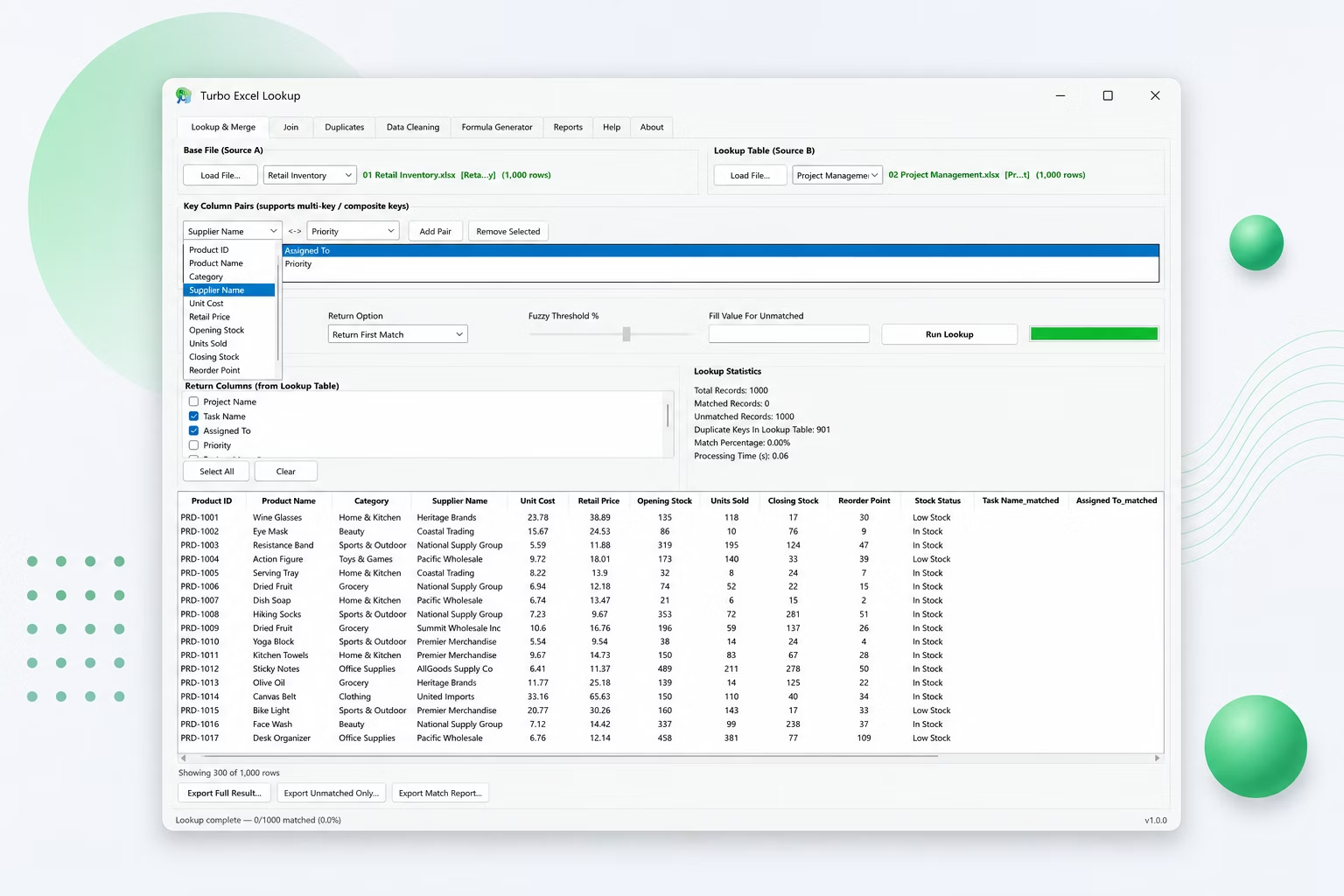
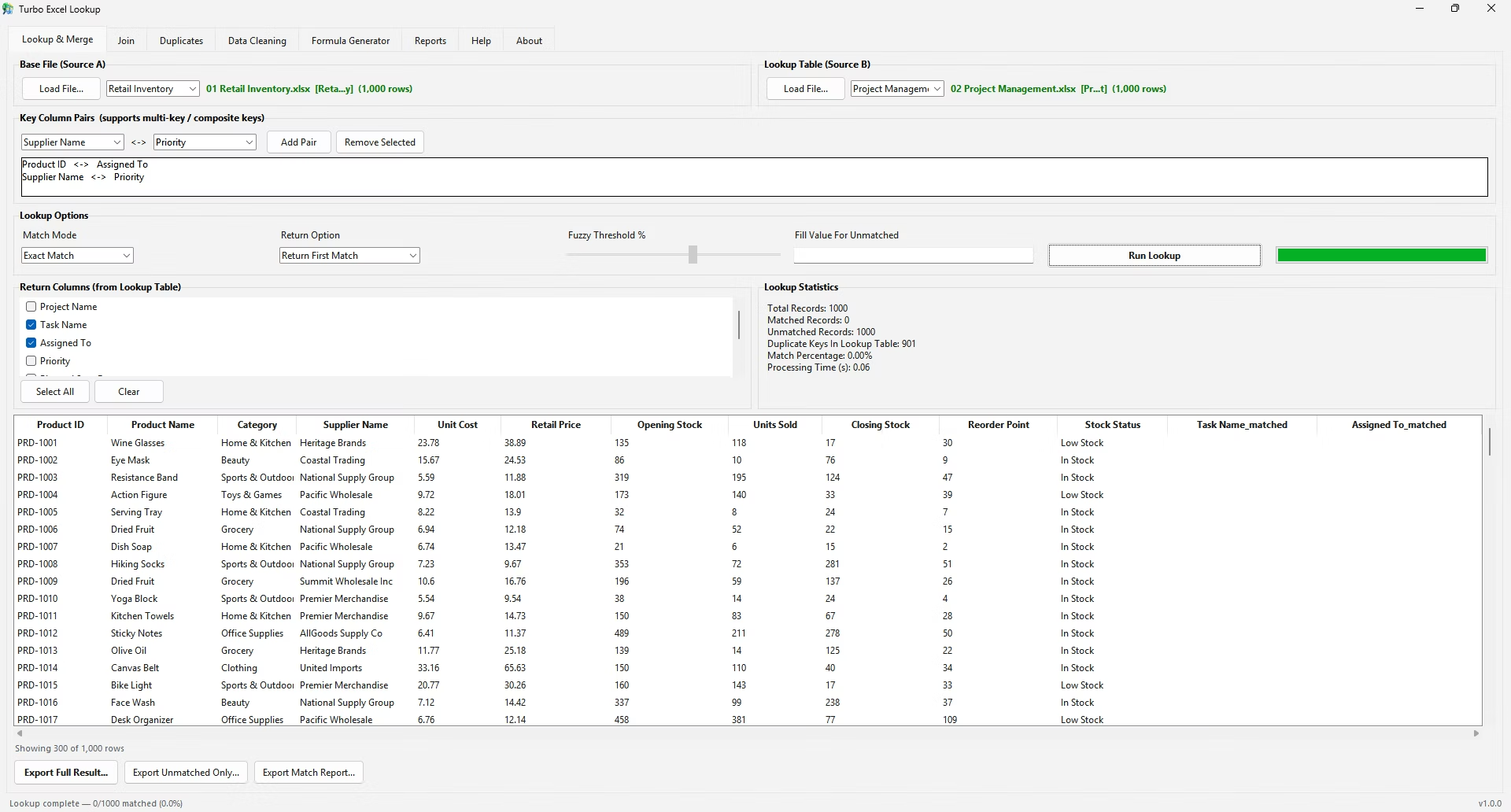
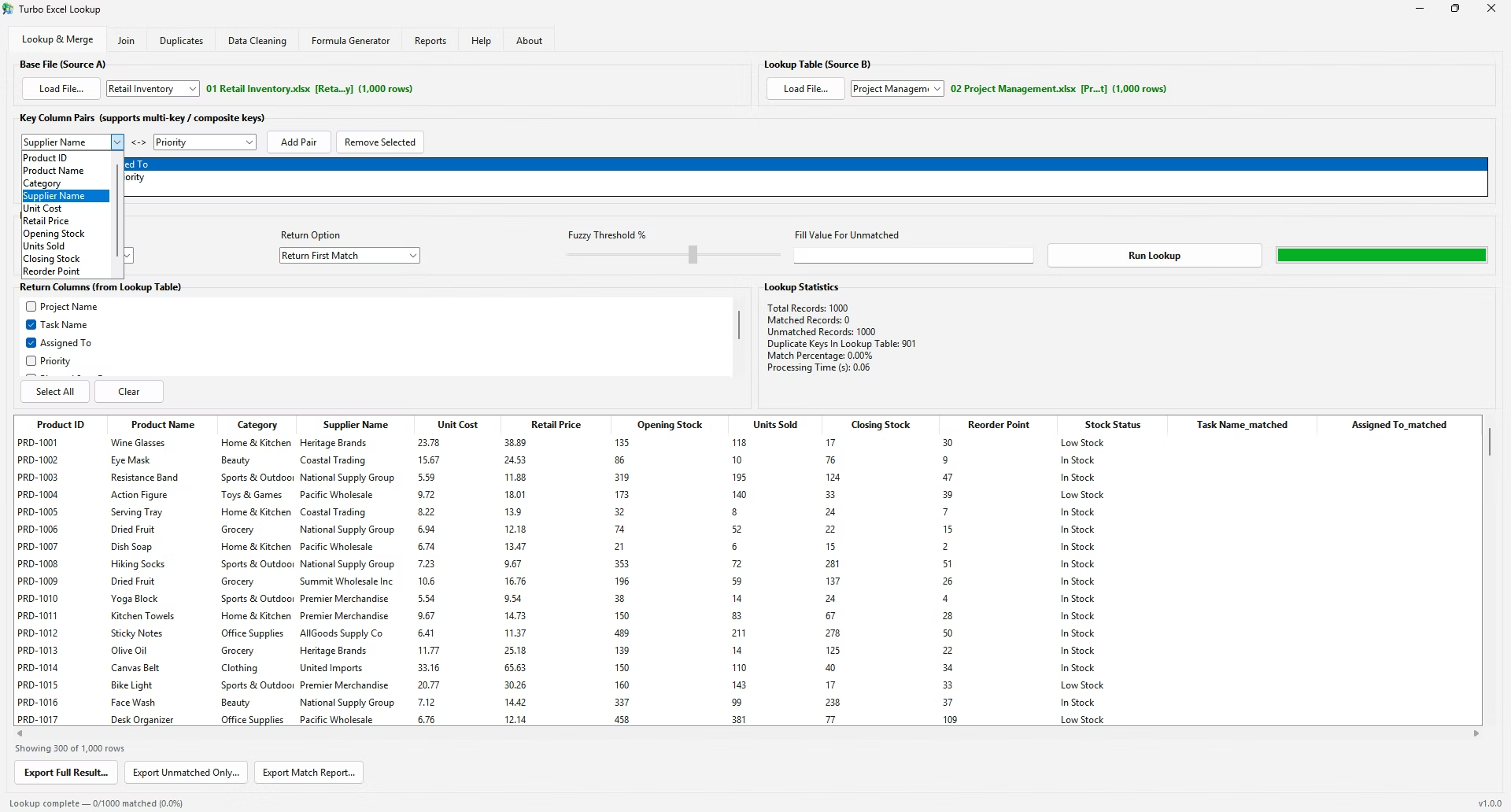
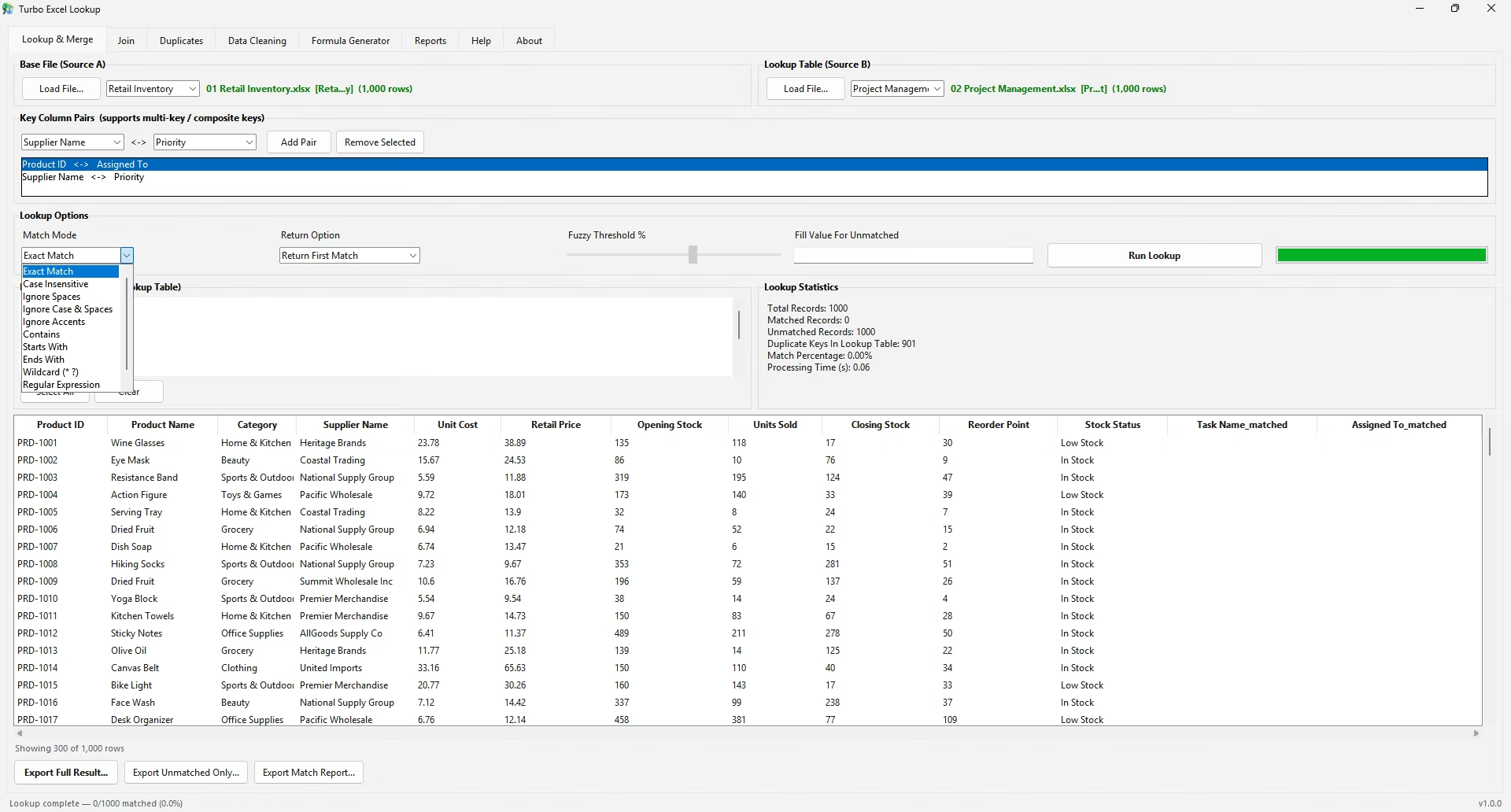
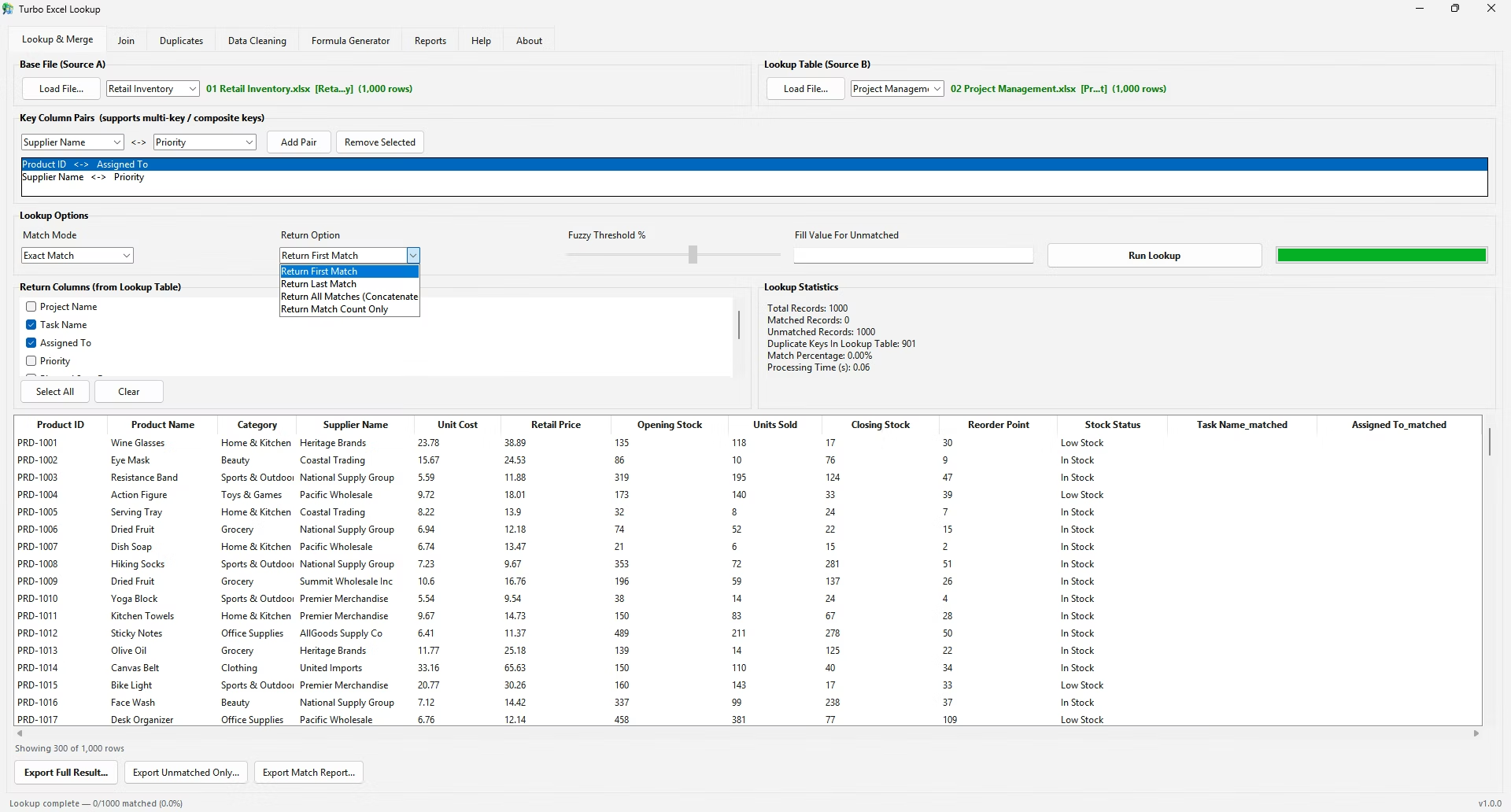
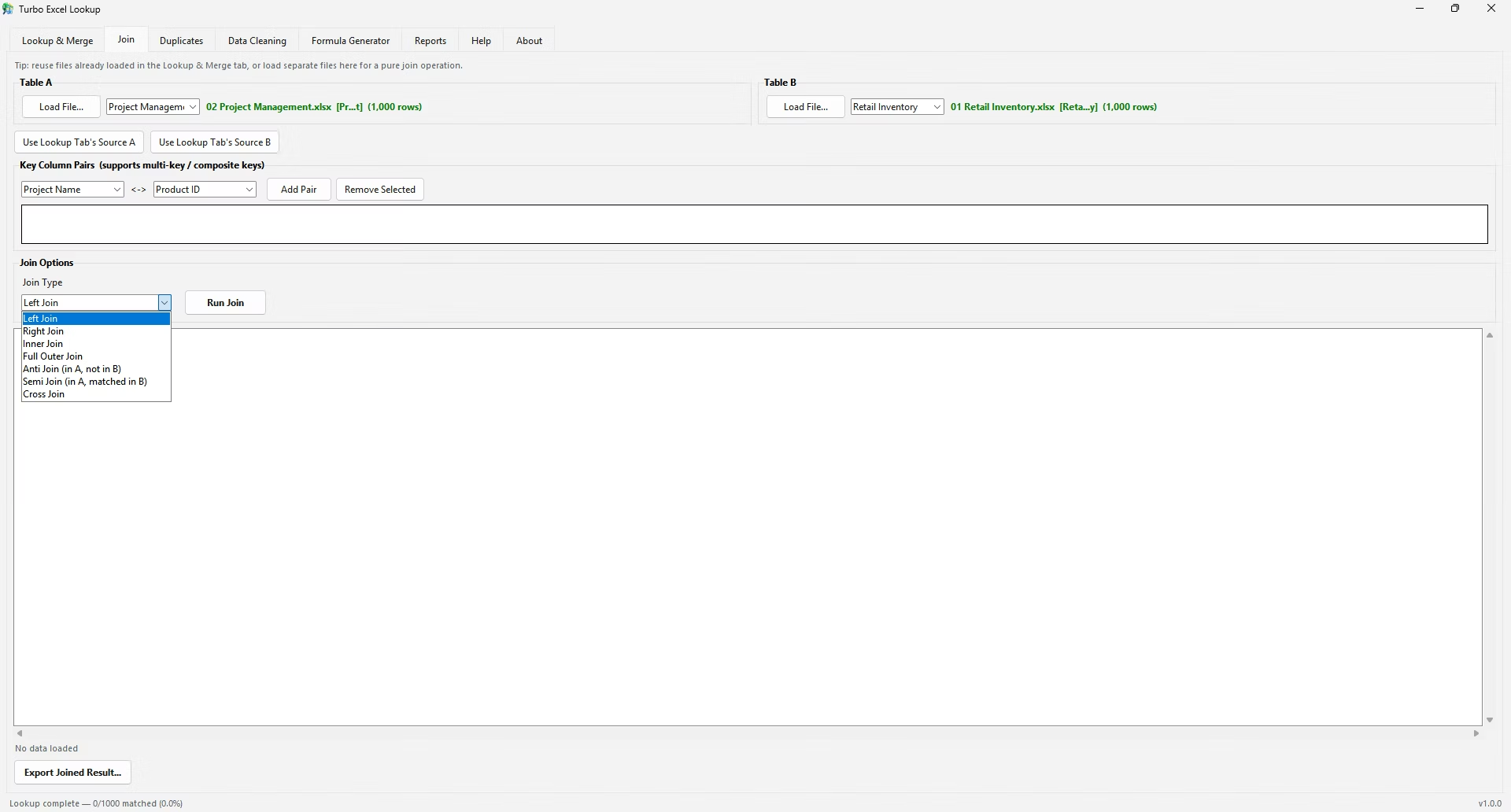
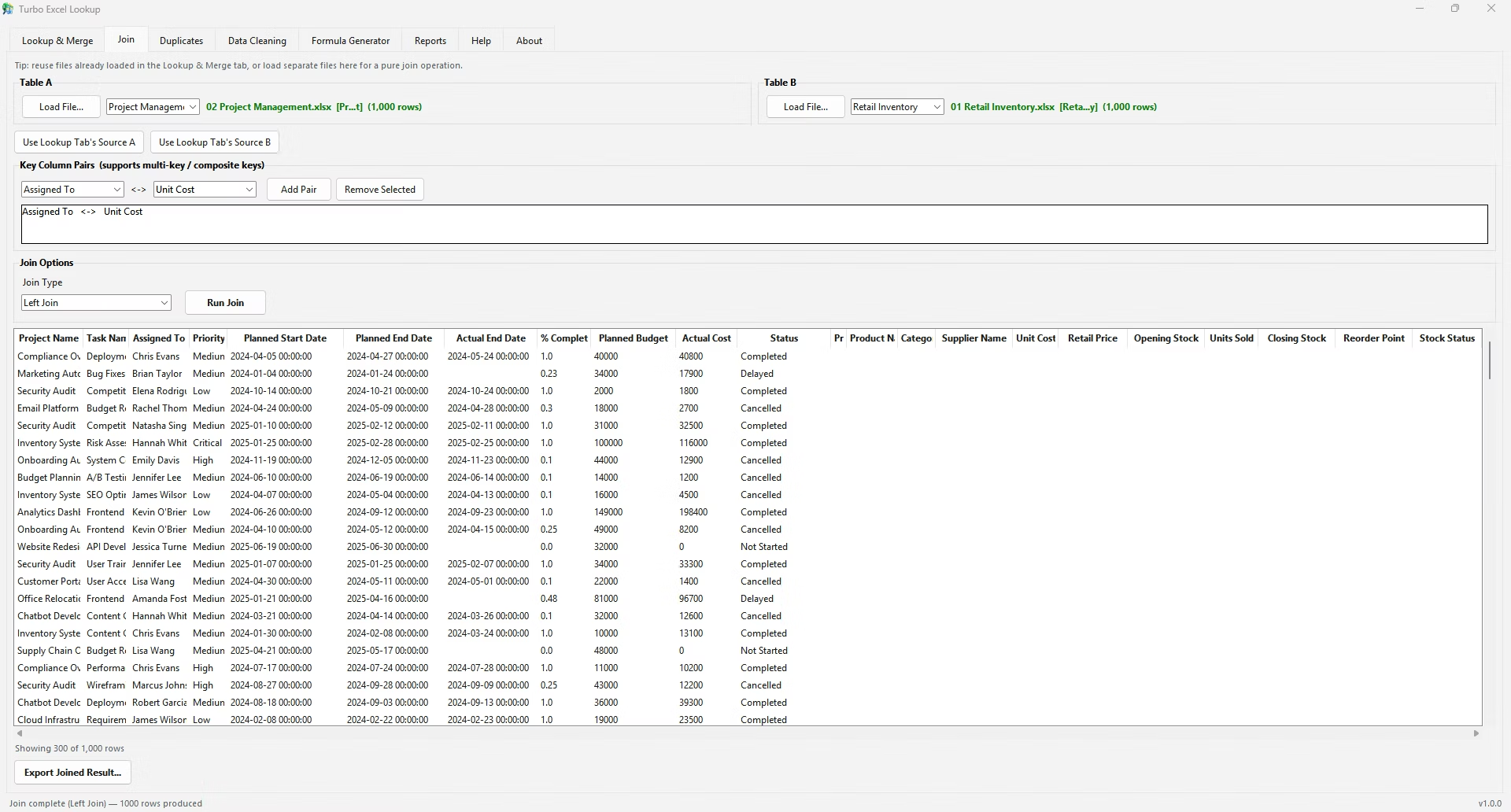
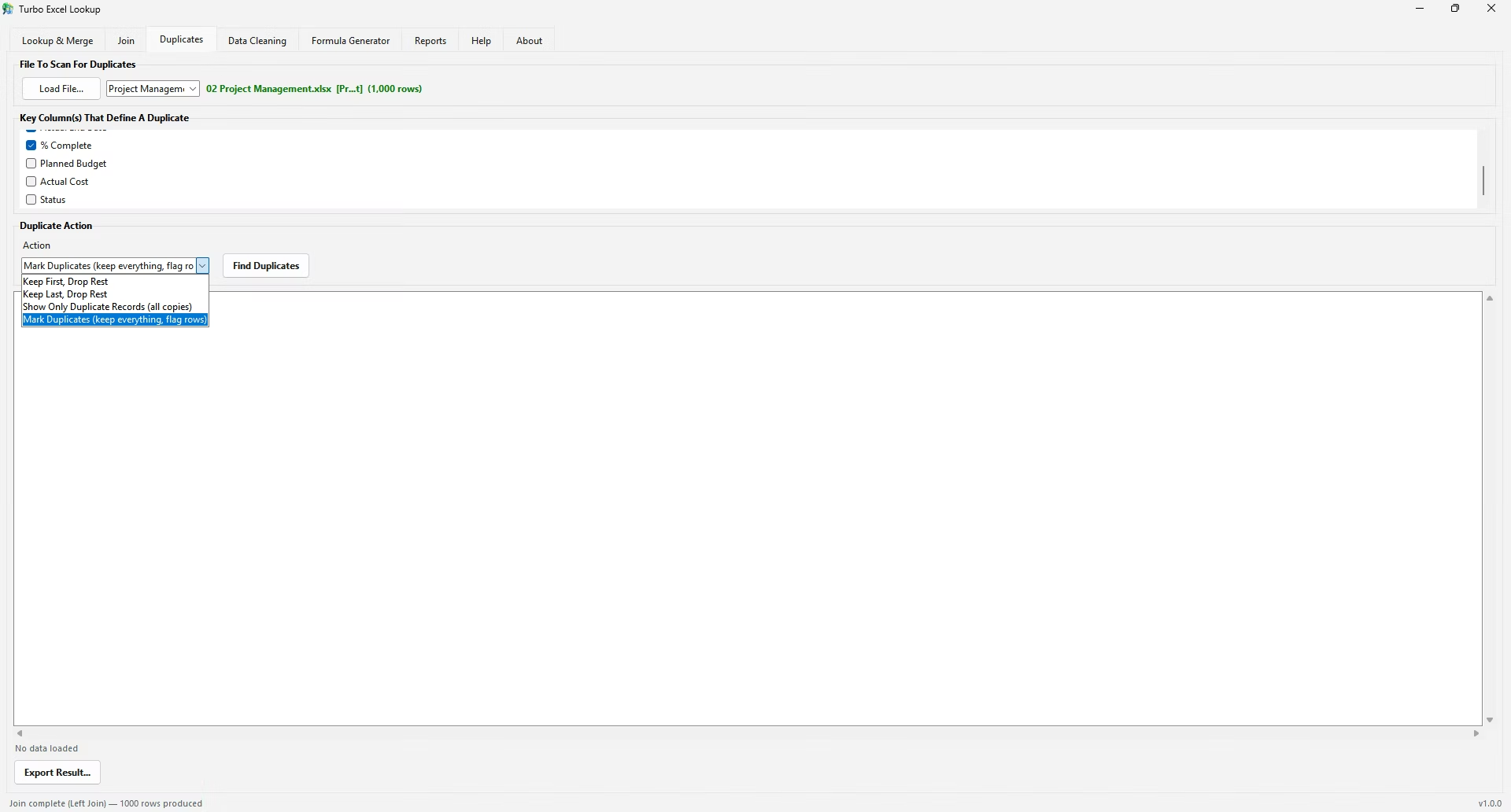
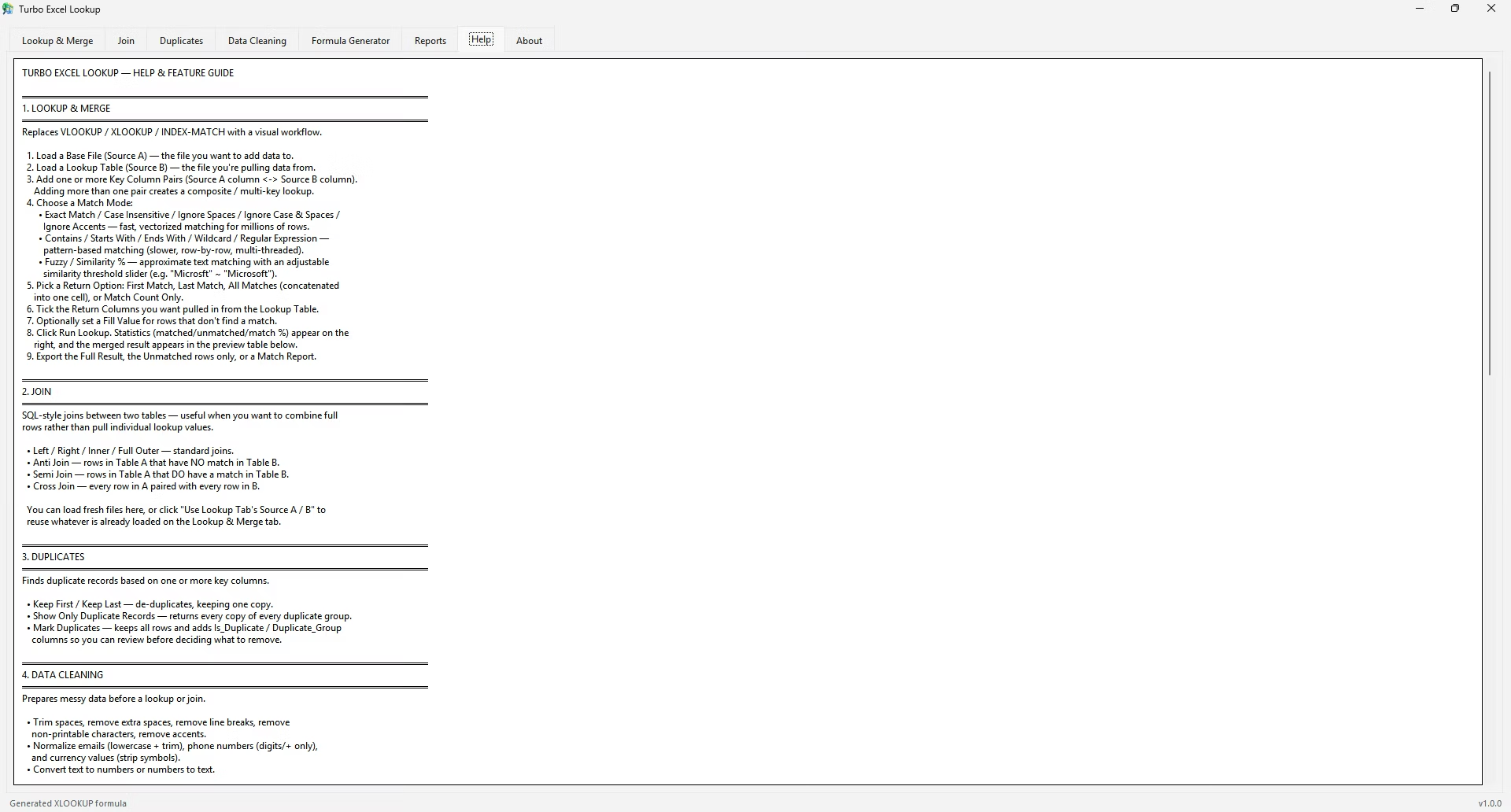
Turbo Excel VLookup removes the formula step completely for matching a full class list or dataset - load the files, choose the matching columns, tick what to return, and run the match across every row in one action.
Selecting the lookup_array and return_array portions of a formula and pressing F9 shows their calculated values directly in the formula bar, which is a fast way to confirm both ranges are pointing at the expected data before assuming there's a deeper problem.
Editing the same range that lookup_array and return_array point to, especially while rows are being sorted or filtered, is a common source of confusing results. A clearly separated source sheet that's rarely edited directly reduces that risk.
XLOOKUP's optional fifth argument, match_mode, defaults to an exact match, but it also supports approximate matches - either the next smaller or next larger value when no exact match exists - by passing -1 or 1 instead of the default 0.
This is useful for scenarios like matching a score against grade thresholds, where an exact match won't always exist but the closest applicable bracket still needs to be found.
What's the simplest form of XLOOKUP?
The three-argument form: lookup_value, lookup_array, and return_array, covering most everyday lookups.
What happens if lookup_array and return_array are different sizes?
XLOOKUP returns a #VALUE! error, since the two ranges need to match in size.
Should I type the lookup value directly or use a cell reference?
A cell reference is easier to maintain and reuse across multiple lookups.
Do I need to lock the ranges with $ signs when copying XLOOKUP down?
Yes, locking lookup_array and return_array with F4 keeps the formula from shifting incorrectly when copied.
Is there a way to match a whole class list at once?
Yes, Turbo Excel VLookup applies the same matching logic to an entire dataset in a single action.
Does the easy three-argument form handle missing matches?
No, without the optional fourth argument it returns #N/A for unmatched values, same as basic VLOOKUP.
Does locking a range with F4 change how the formula calculates?
No, it only fixes the range so it doesn't shift when the formula is copied - the calculation itself works the same either way.
What's a fast way to check what a formula is actually returning?
Selecting part of the formula in the formula bar and pressing F9 shows its calculated value directly, without changing the formula.
Can trailing spaces in a cell cause a lookup to fail?
Yes, an extra space at the end of a value is invisible but prevents an exact match; TRIM() around the lookup value often fixes this.
Does the order of rows in the source data matter for an exact match?
No, an exact match search works regardless of row order; only an approximate match requires sorted data.
Ready to stop fighting #N/A errors and match your spreadsheets visually?