Excel VLOOKUP Merger is what Turbo Excel VLookup was built for: match and combine excel data, without opening the formula bar or worrying about column counting, exact-match arguments, or broken external references.
The sections below cover how the matching process works, what's included, who it tends to fit best, and how it compares to writing the equivalent VLOOKUP formula by hand, so you can decide quickly whether it fits your own spreadsheets.
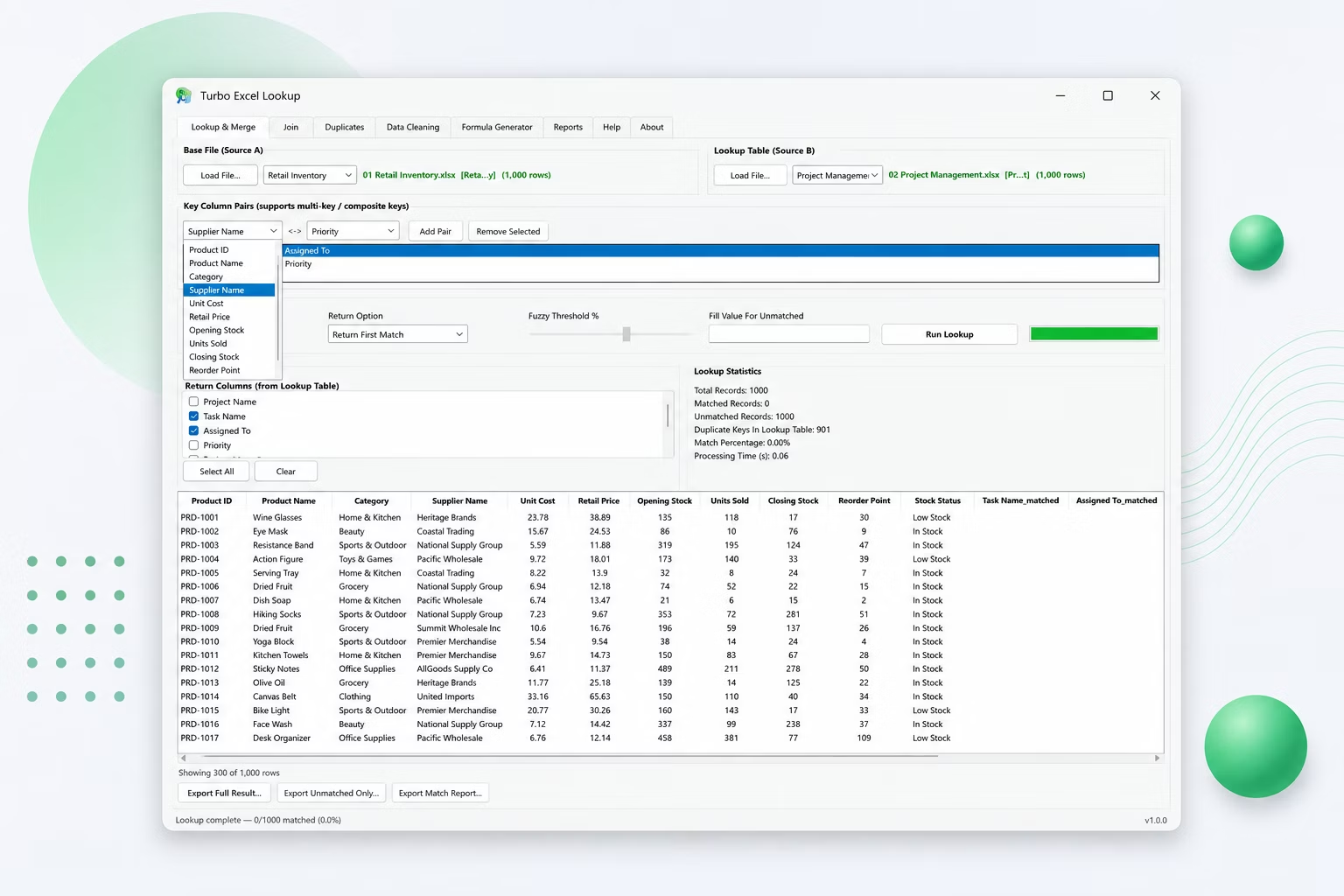
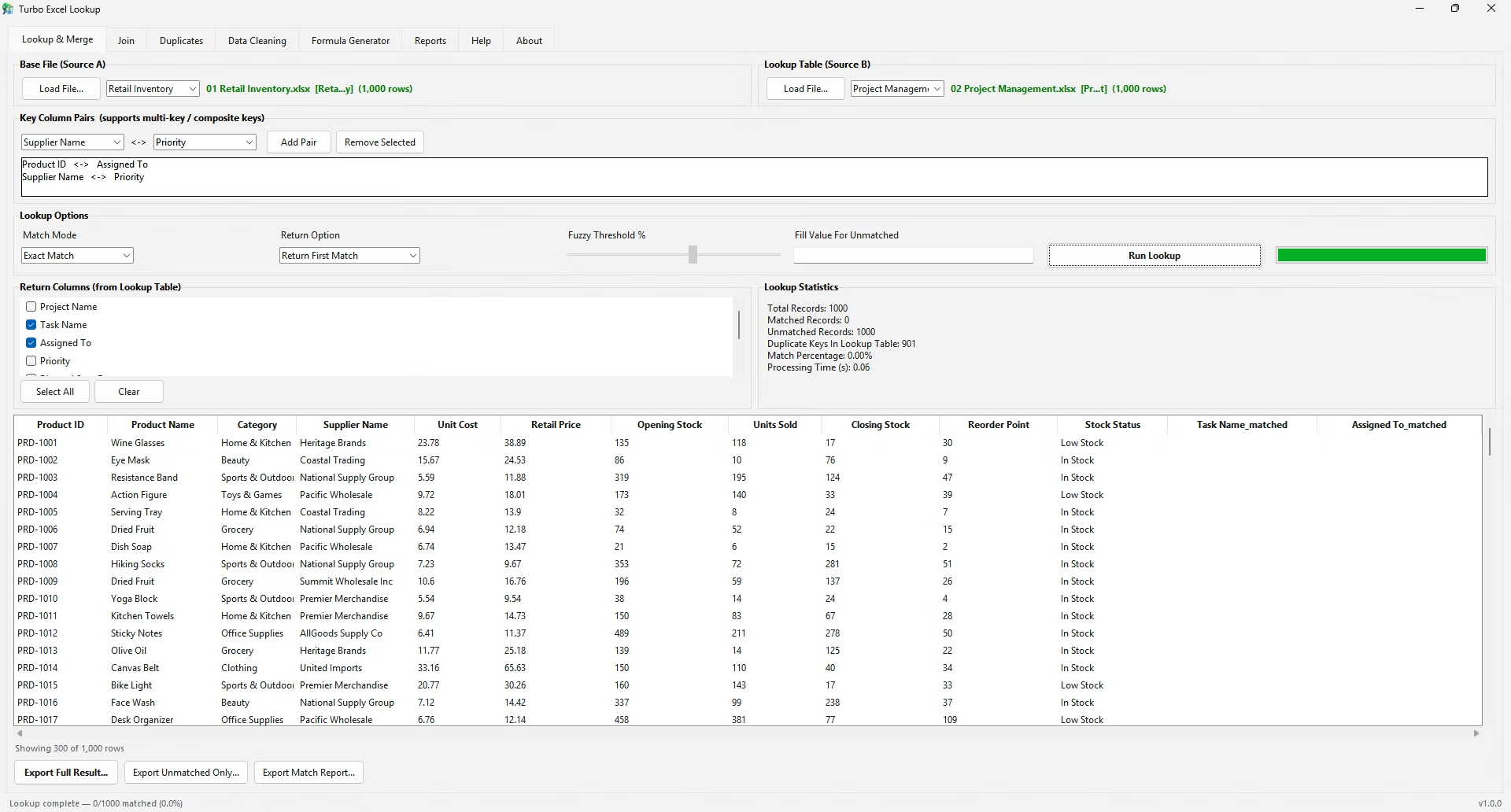
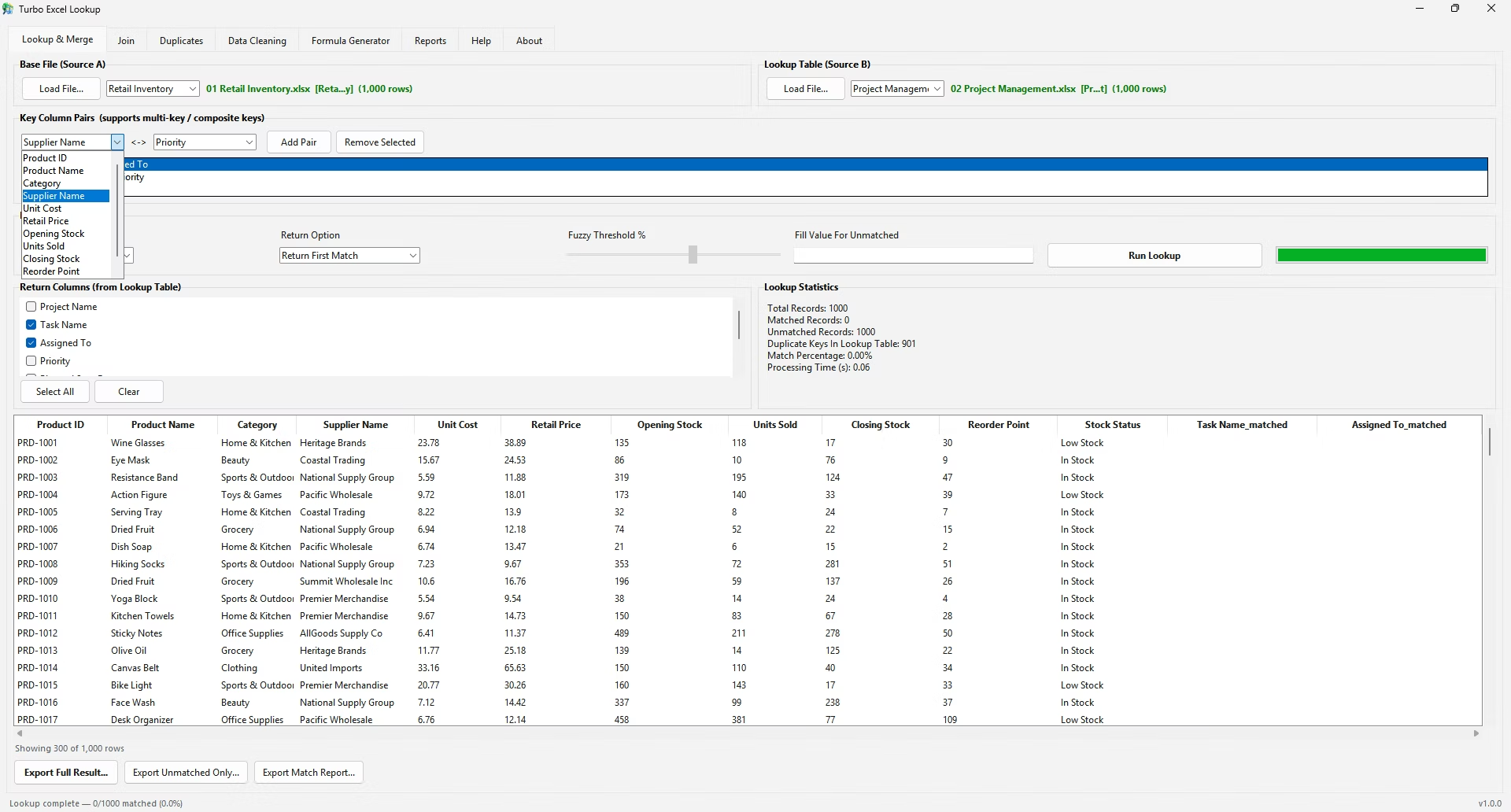
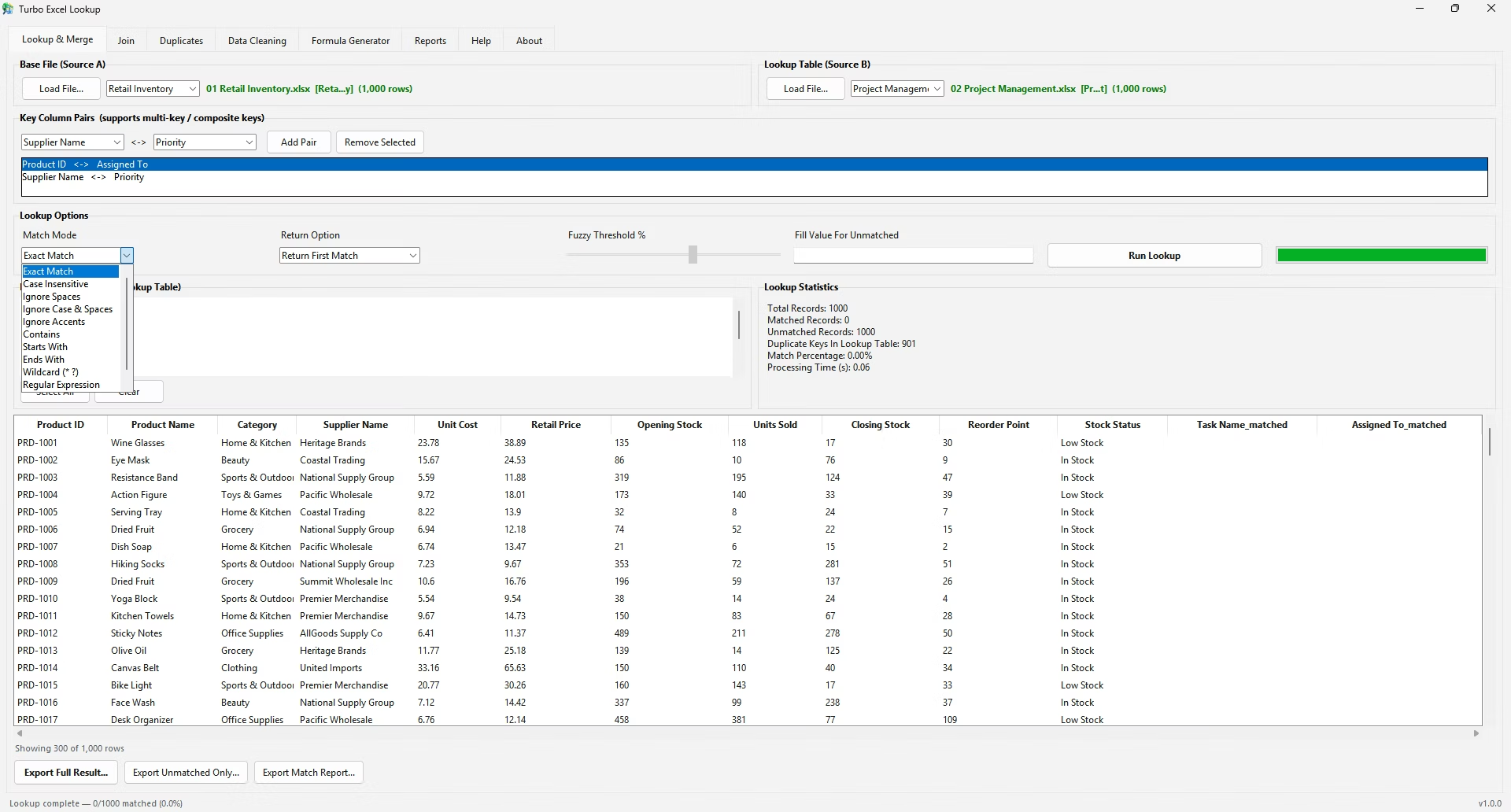
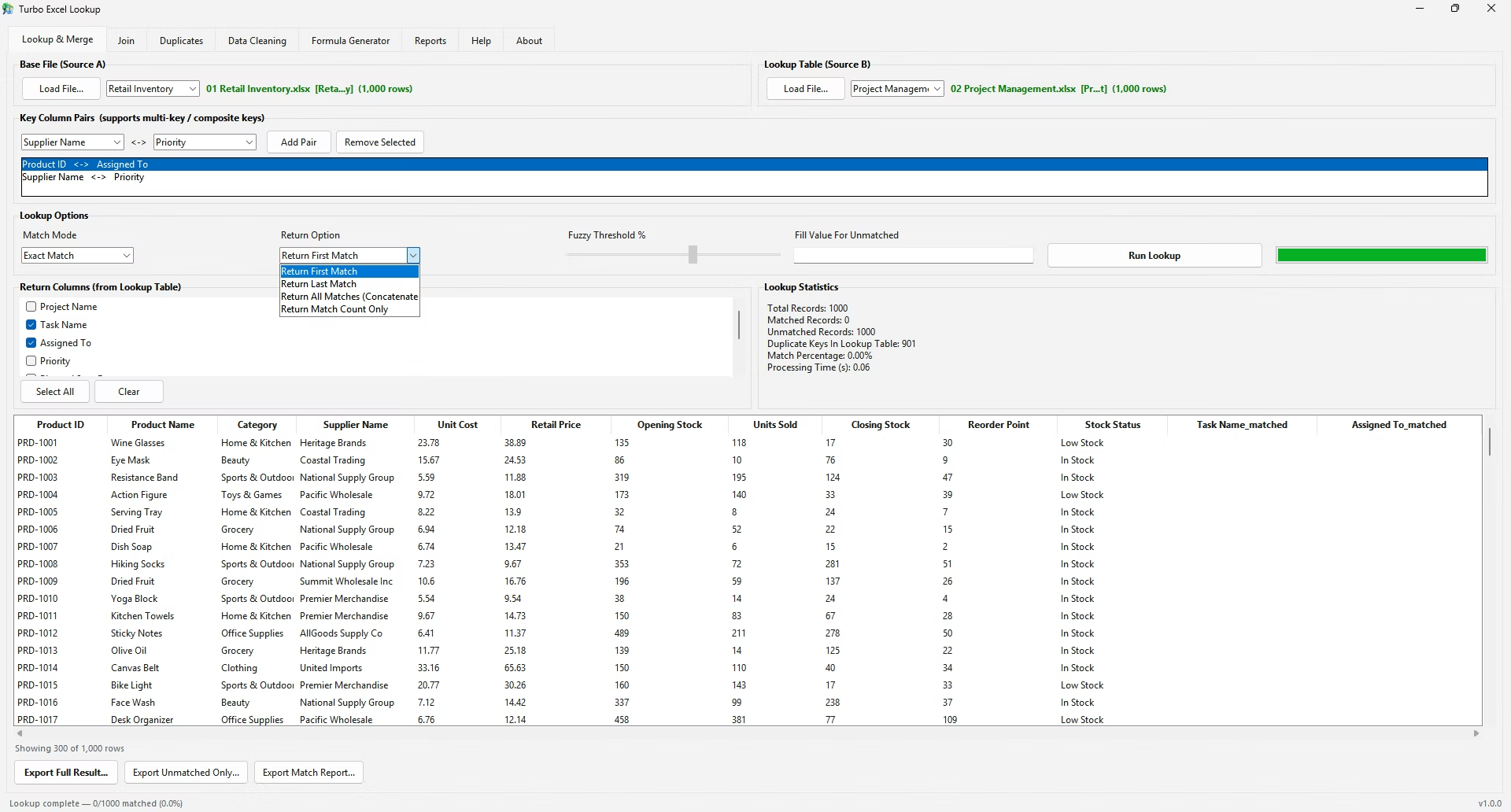
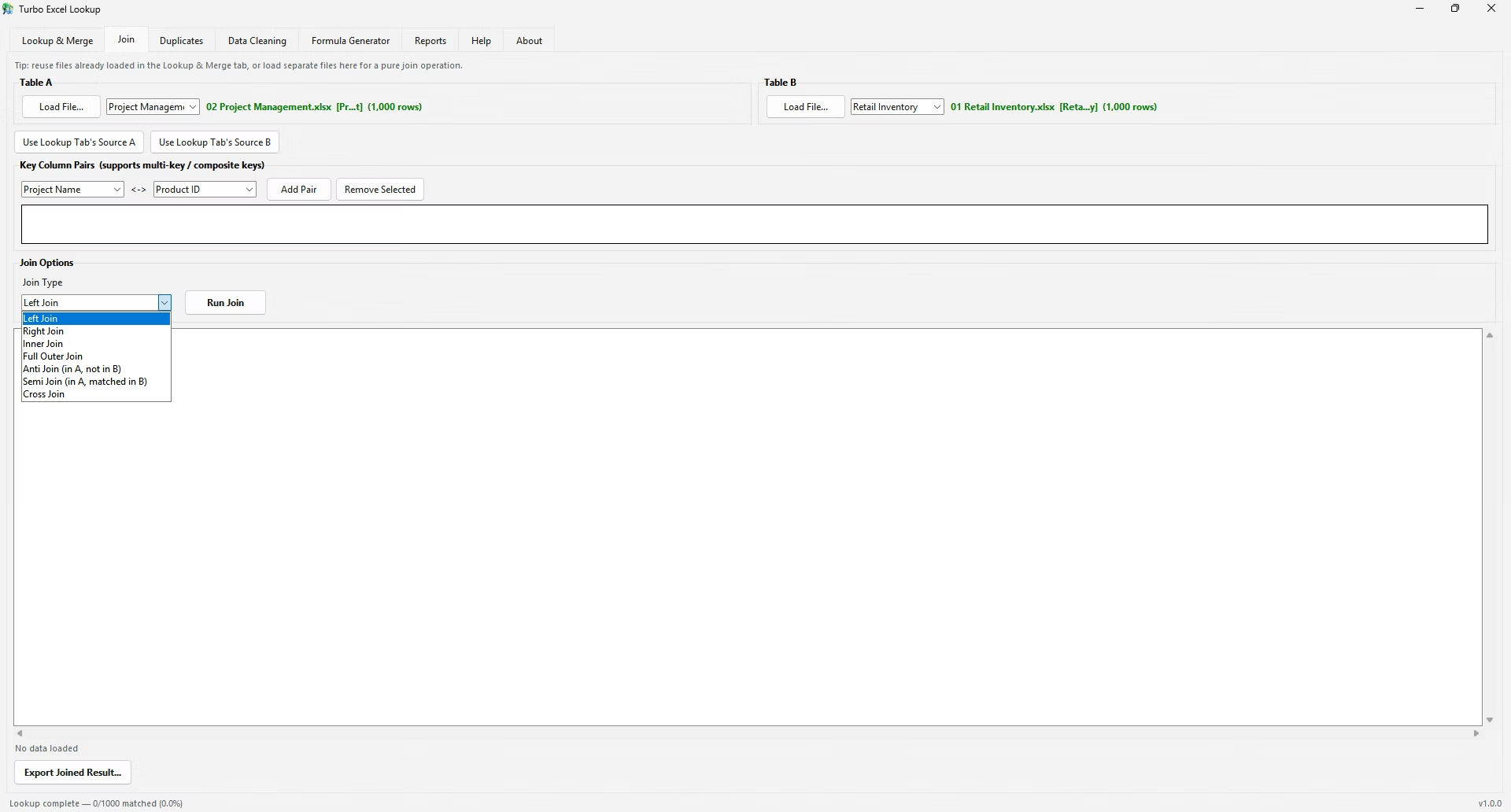
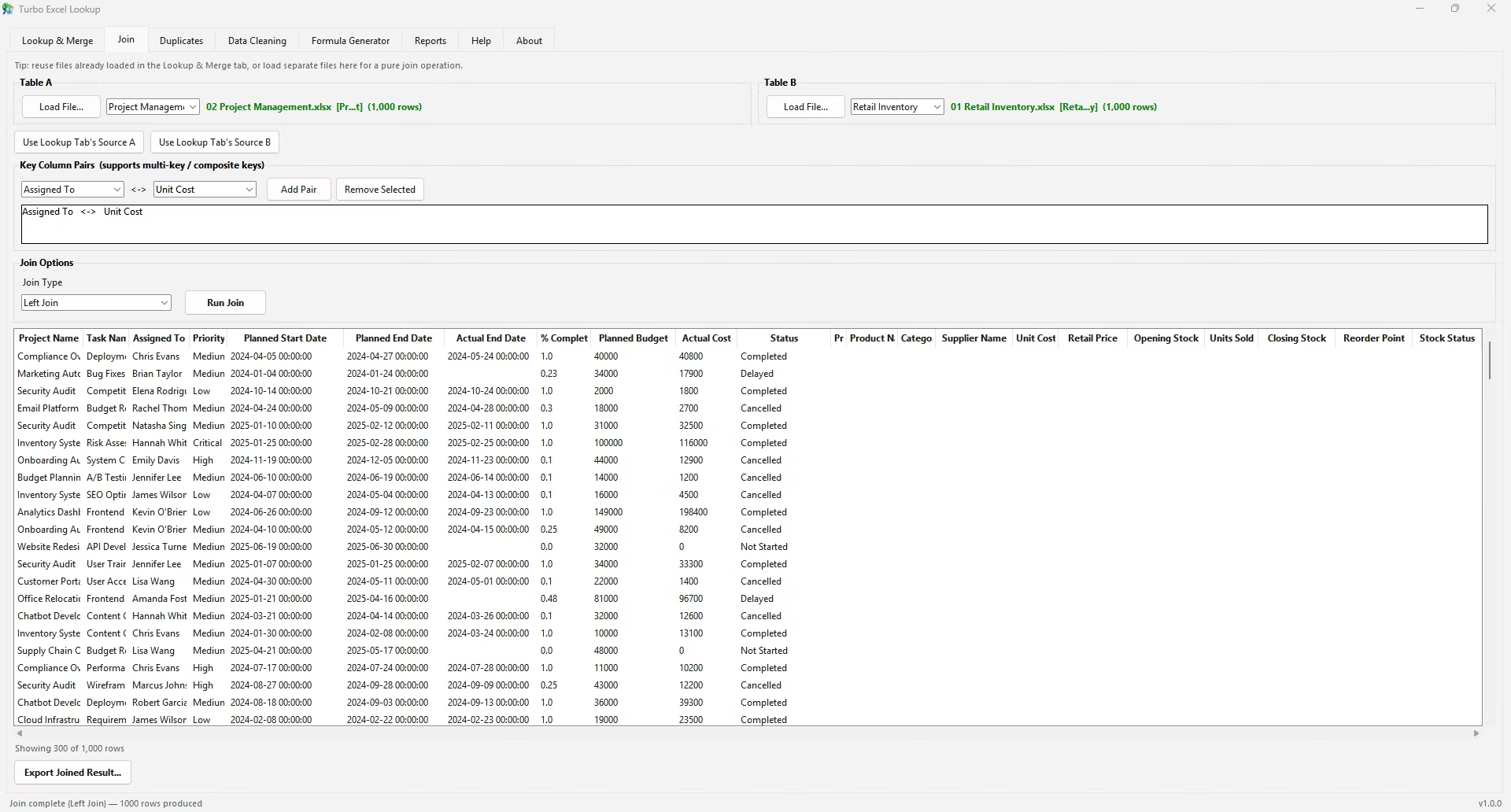
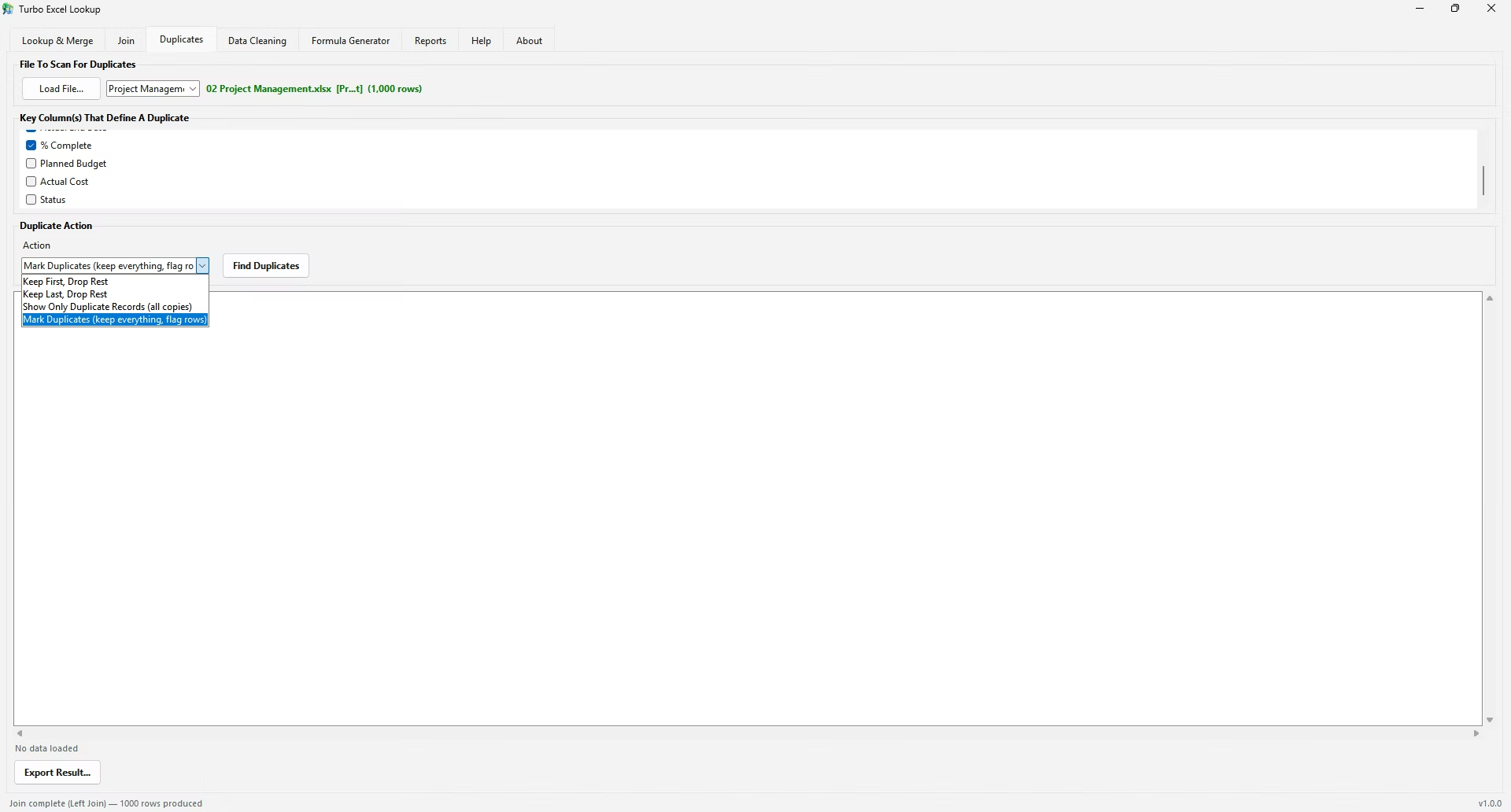
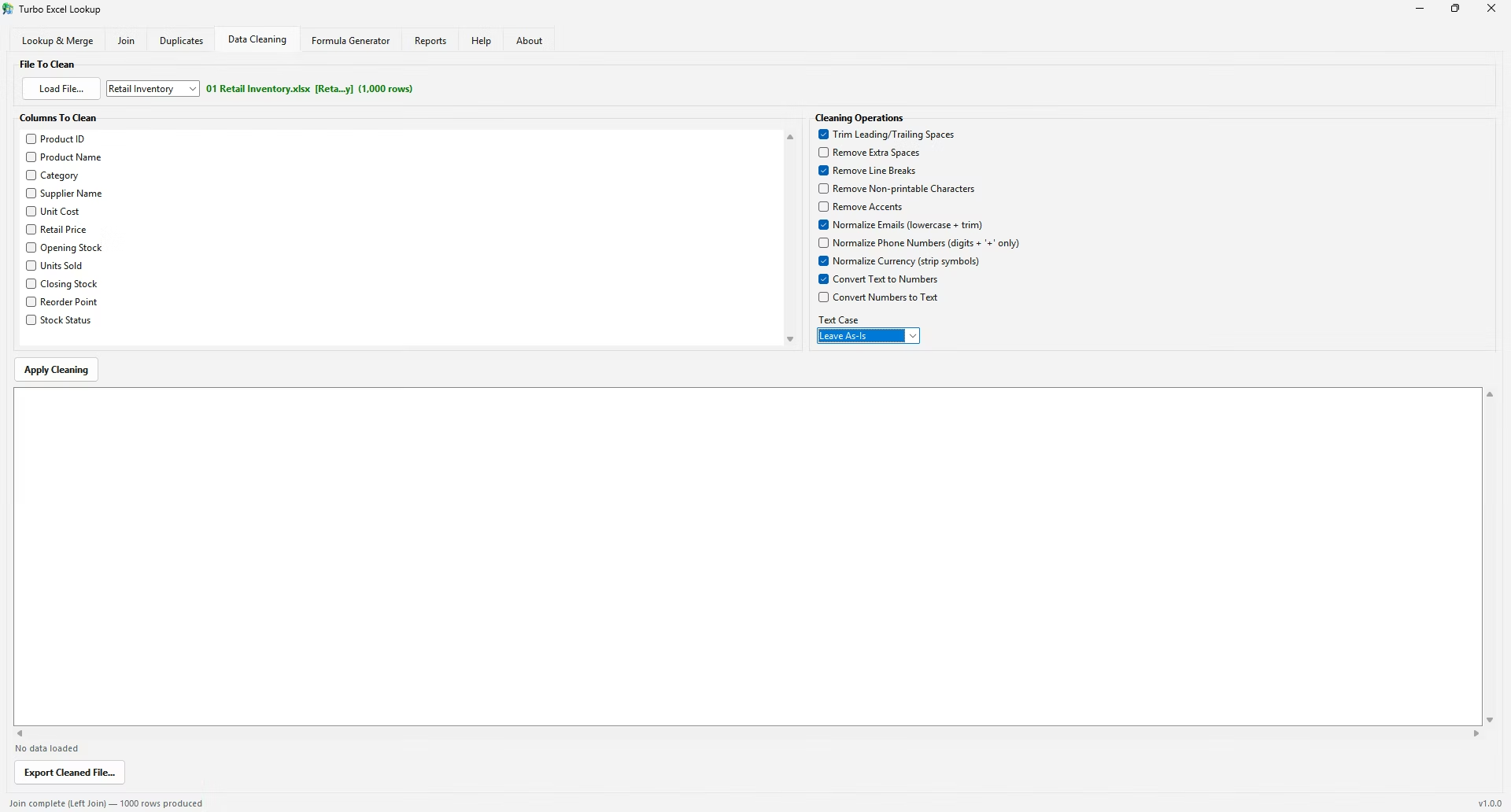
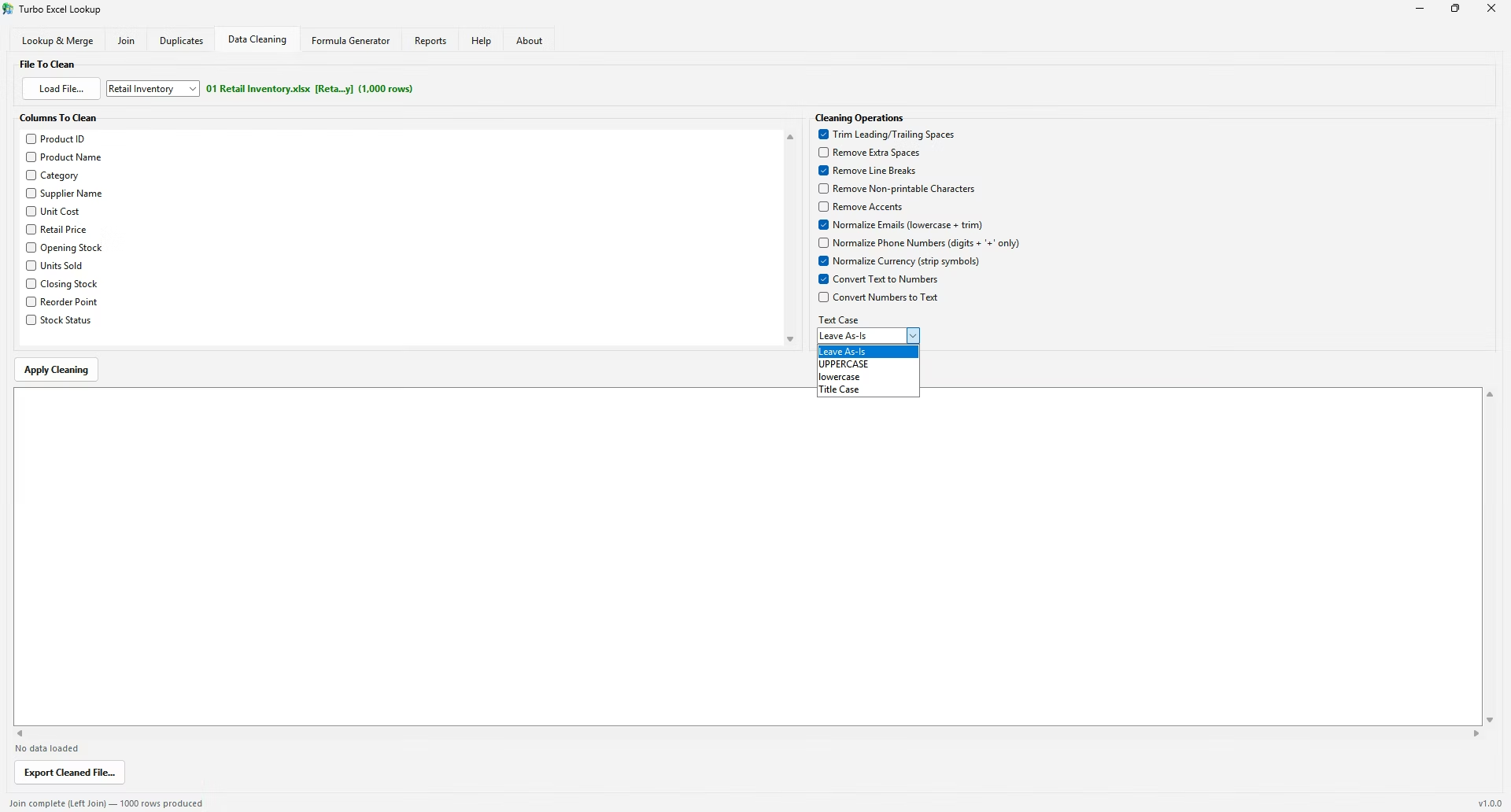
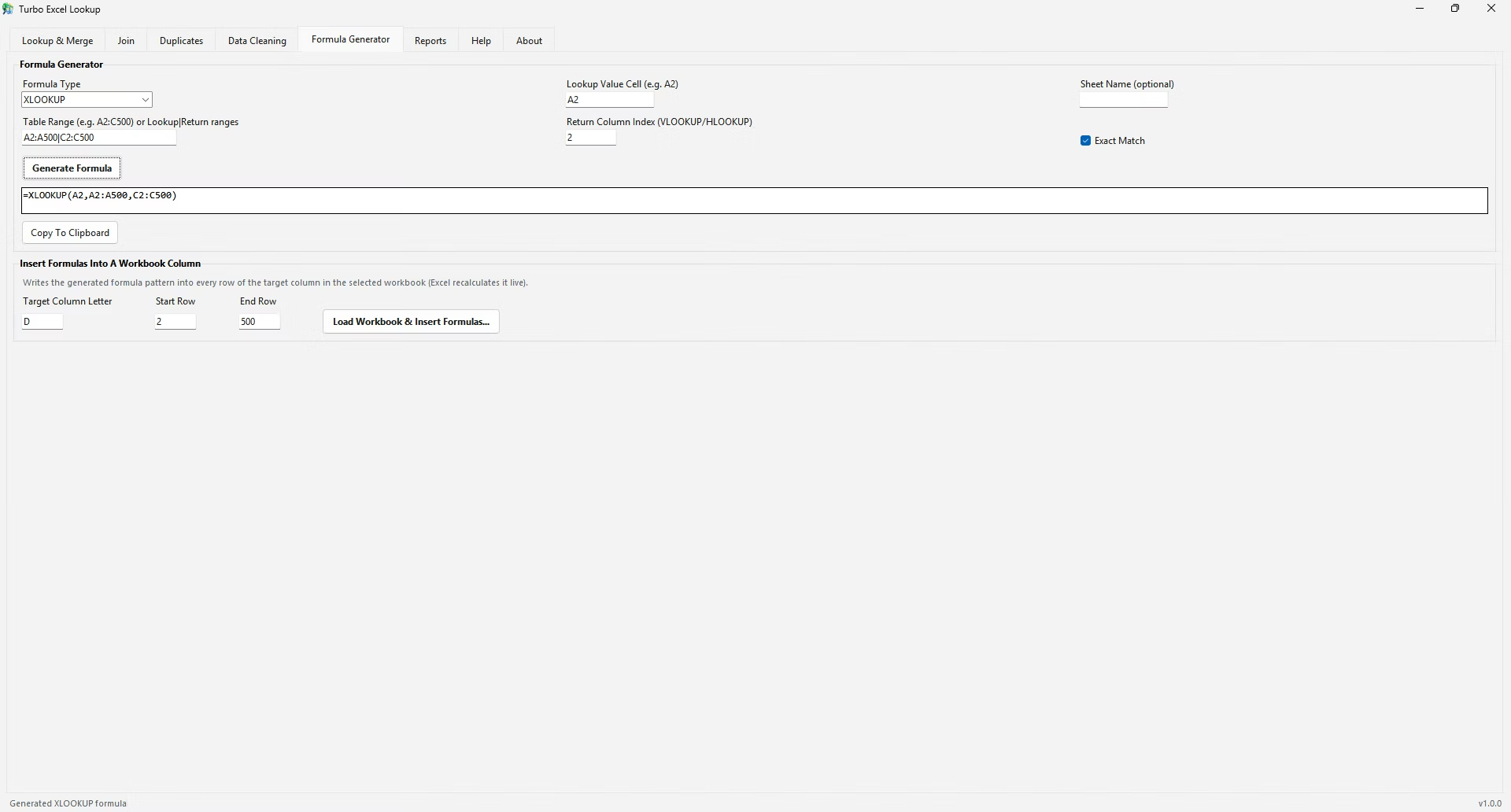
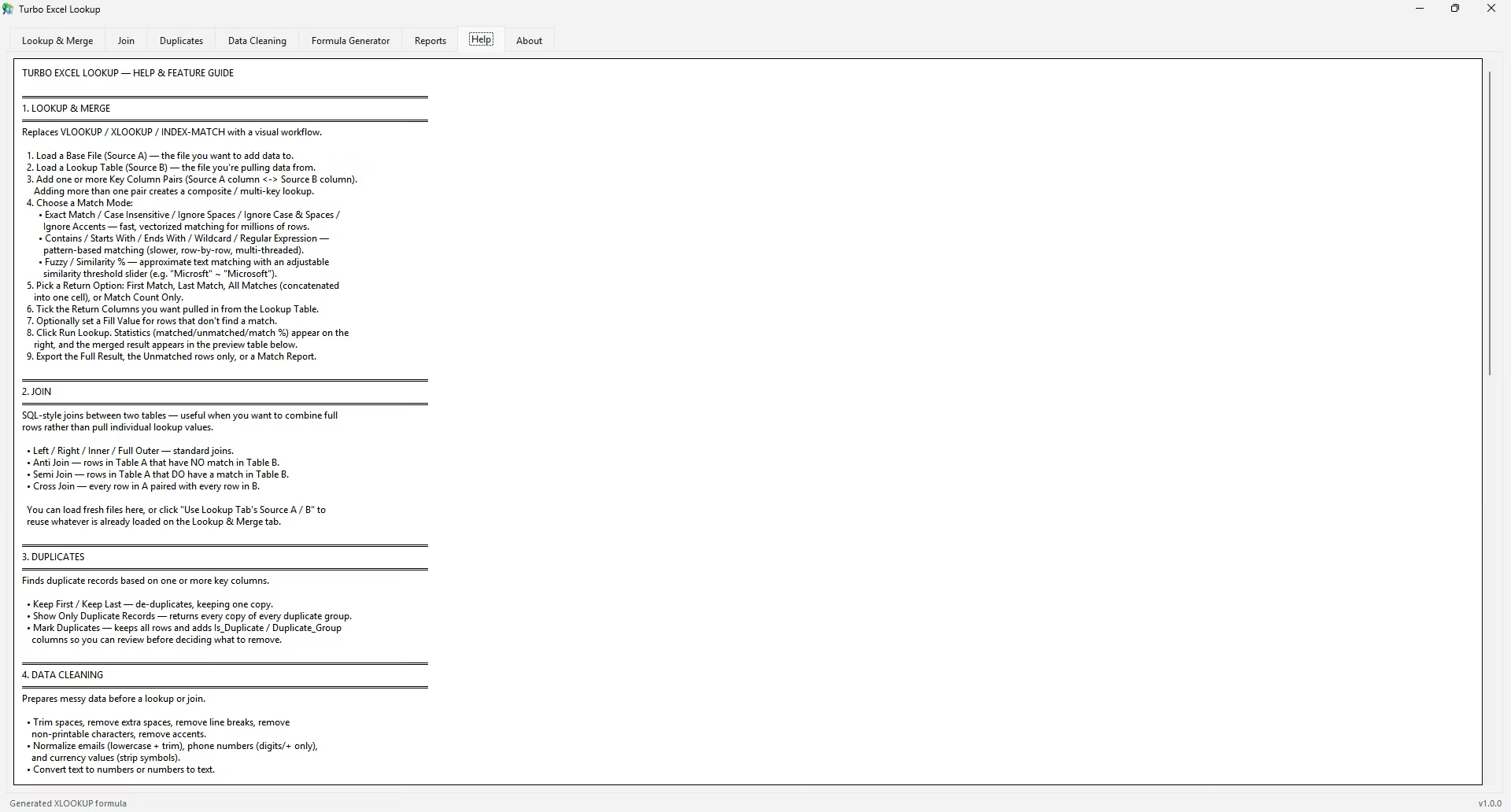
- Load the file you want to enrich, and the file that holds the reference data.
- Map the two ID columns that should be used to find matching rows.
- Select every column you want brought across in a single pass, not one at a time.
- Run the match across the entire dataset at once.
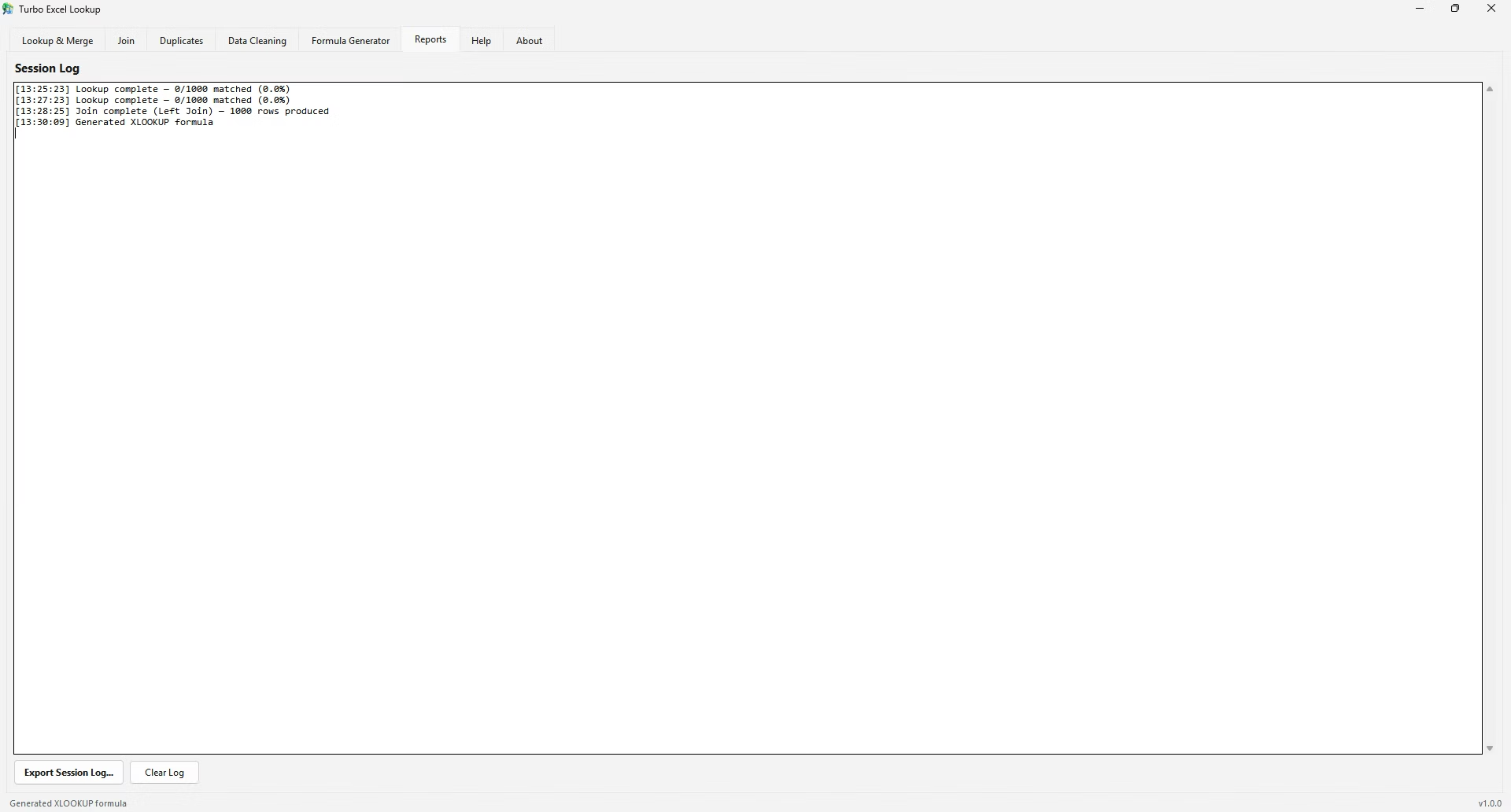
- Review the session log and export the finished spreadsheet.
Matching still comes down to the same basic idea as a manual VLOOKUP - given an ID in this table, find the related value in another file:
| Employee ID | Name | Department | Salary |
|---|---|---|---|
| E101 | Asha Rao | Marketing | 54000 |
| E102 | Vikram Shah | Finance | 61000 |
| E103 | Priya Nair | Sales | 48000 |
Instead of writing =VLOOKUP("E102", A2:D4, 3, FALSE), the same result comes from picking the Employee ID column in each file from a dropdown and ticking Department as a return column.
- Load any two Excel files, regardless of their file names or folder locations
- No external references or file paths stored between runs
- Match across different sheets within the same workbook, or across two separate workbooks
- Handles files with different column orders and header names
- No risk of a broken link if either file is later renamed or moved
This fits naturally when master data - like a pricing list, employee directory, or product catalog - lives in one file, and several other working files need to pull from it regularly.
It also removes the need to keep both files open at once just to build a working cross-file reference.
A cross-file VLOOKUP formula stores the source file's path at the time it's written, which breaks if that file is later renamed or moved. Loading both files fresh at the time of each match avoids that fragility altogether.
Since the two files are loaded independently rather than through a stored link, it's worth double-checking that both are pointed at the current version before running a match, especially if either file gets emailed back and forth between people.
If the ID column format differs slightly between the two files - for example, one includes a prefix like "ID-" and the other doesn't - cleaning that up in one file first will noticeably improve the match rate.
Do both files need to be in the same folder?
No, files can be loaded from any location on your computer independently of each other.
What happens if a source file is renamed after a match is run?
Nothing breaks, since no permanent link to the file is stored - simply reload it under its new name for the next match.
Is any coding or macro knowledge required?
No, the entire process is handled through a point-and-click interface with no code involved.
Does this replace VLOOKUP entirely, or work alongside it?
It can be used instead of writing a VLOOKUP formula, or alongside existing formulas in the same workbook - there's no conflict either way.
What file formats are supported?
XLSX, XLS, and CSV files are supported for both input and output.
Does the source file need to stay open while matching runs?
No, both files are loaded directly by the app and don't need to remain open in Excel.
What happens to rows that don't find a match?
Unmatched rows are clearly reported in the match statistics rather than silently left blank or causing an error.
Is a Gumroad license required to use the full feature set?
Yes, a license key activates the full version; activation details are covered on the Support and Activate pages.
Can the same match be re-run later on updated files?
Yes, the same column mapping can be reused any time the source files are refreshed with new data.
Does it work with very large spreadsheets?
Yes, the matching engine is built with parallel processing to handle large files without slowing down.
Is an internet connection needed while matching runs?
No, matching itself runs locally; an internet connection is only needed for license activation.
Ready to stop fighting #N/A errors and match your spreadsheets visually?