XLOOKUP was designed to be easier than VLOOKUP, and for the most part it succeeds - there's no column counting, no leftward-search restriction, and no need to remember TRUE or FALSE. It only needs three arguments for a basic lookup: what to search for, where to search, and what to return.
This page shows the easy version of XLOOKUP using a small employee table, then covers Turbo Excel VLookup for anyone who'd rather not write a formula at all.
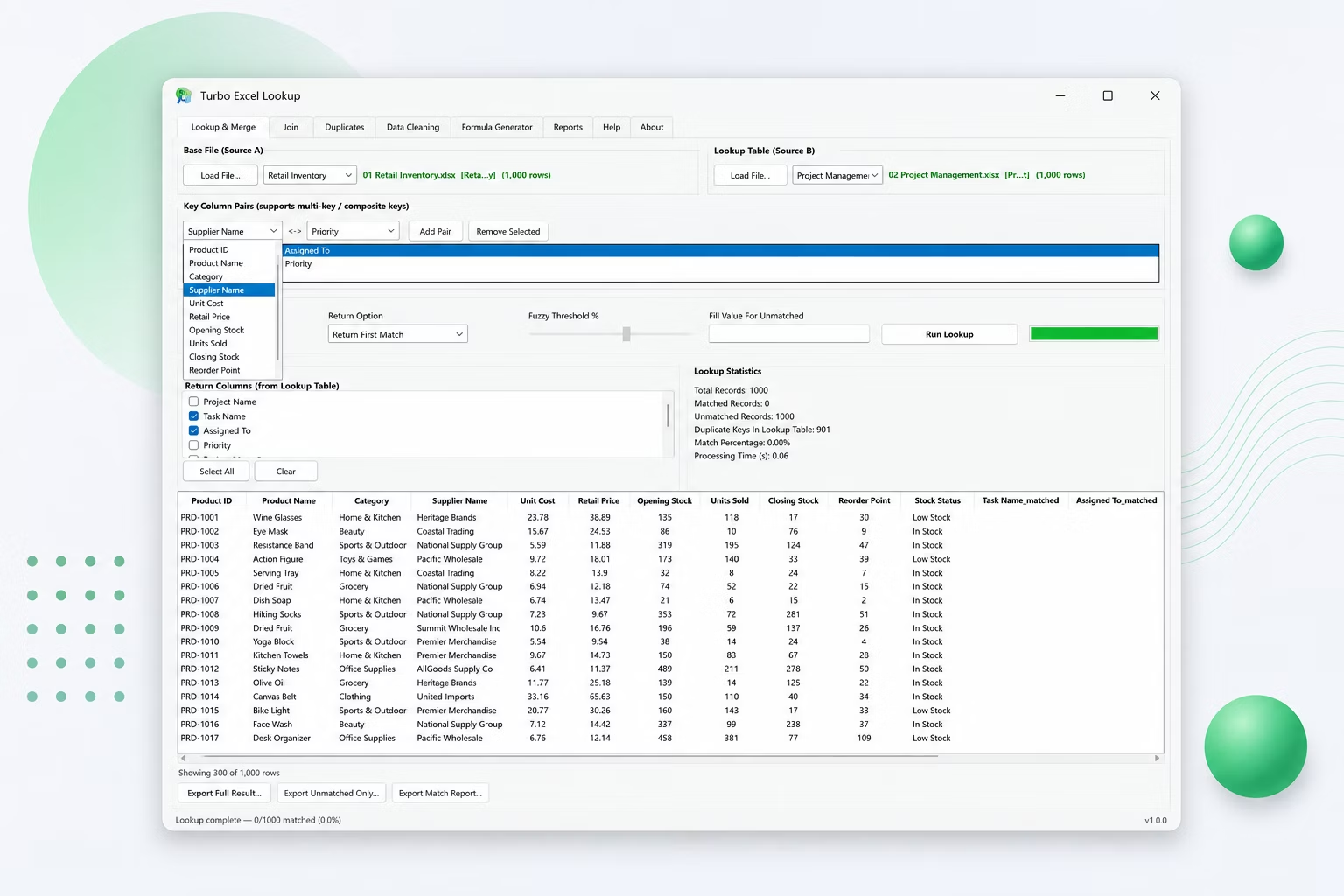
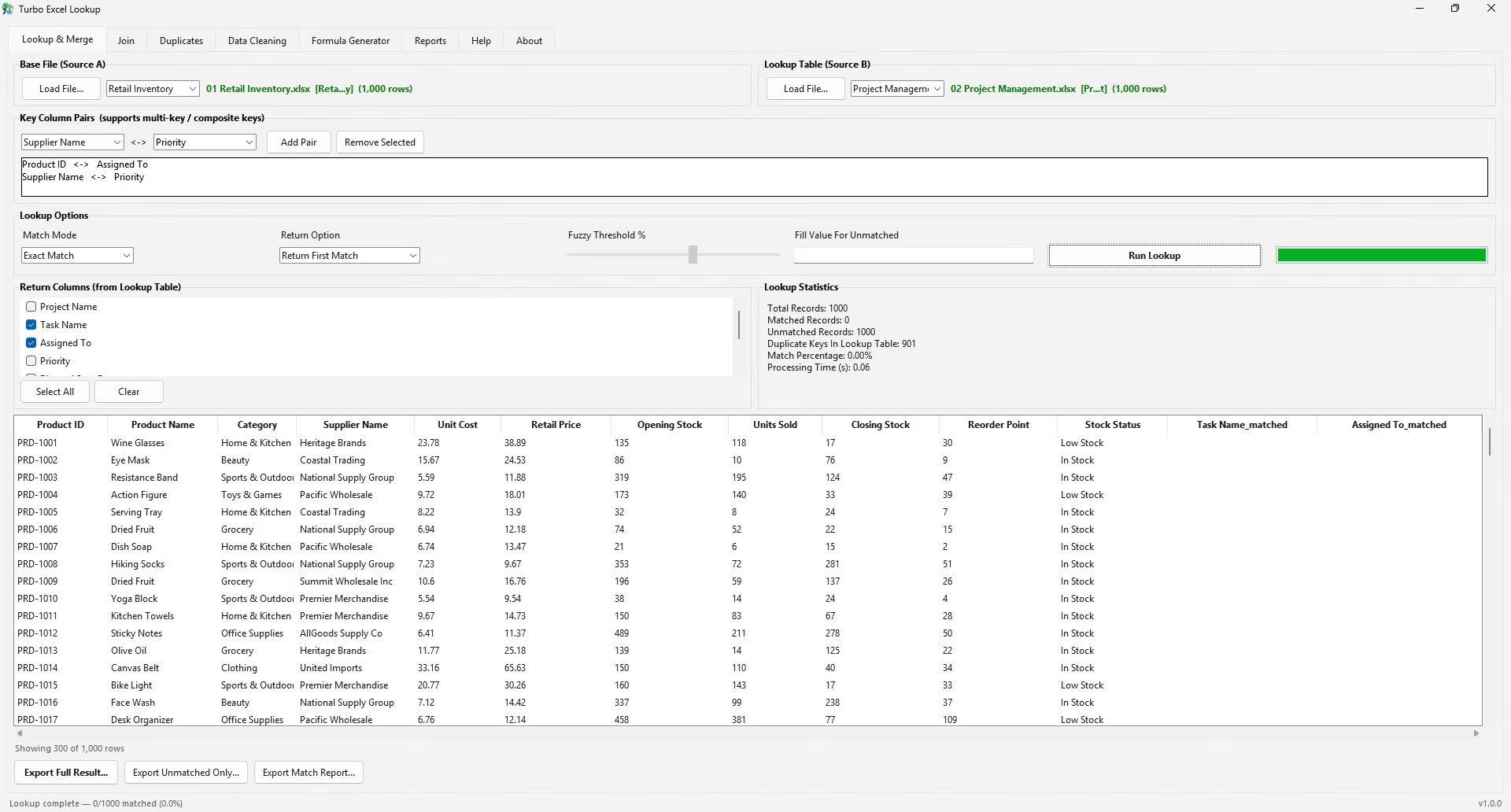
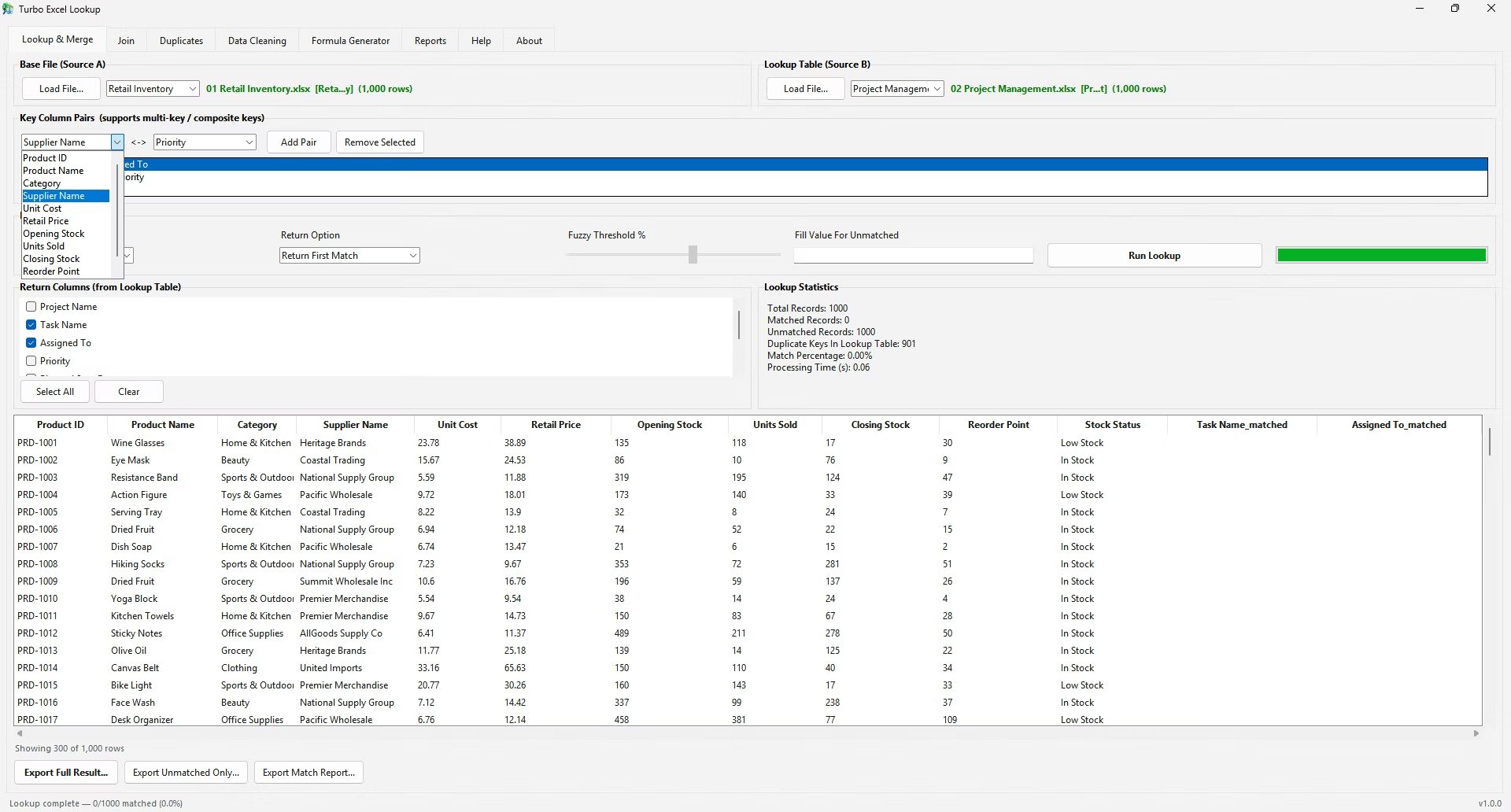
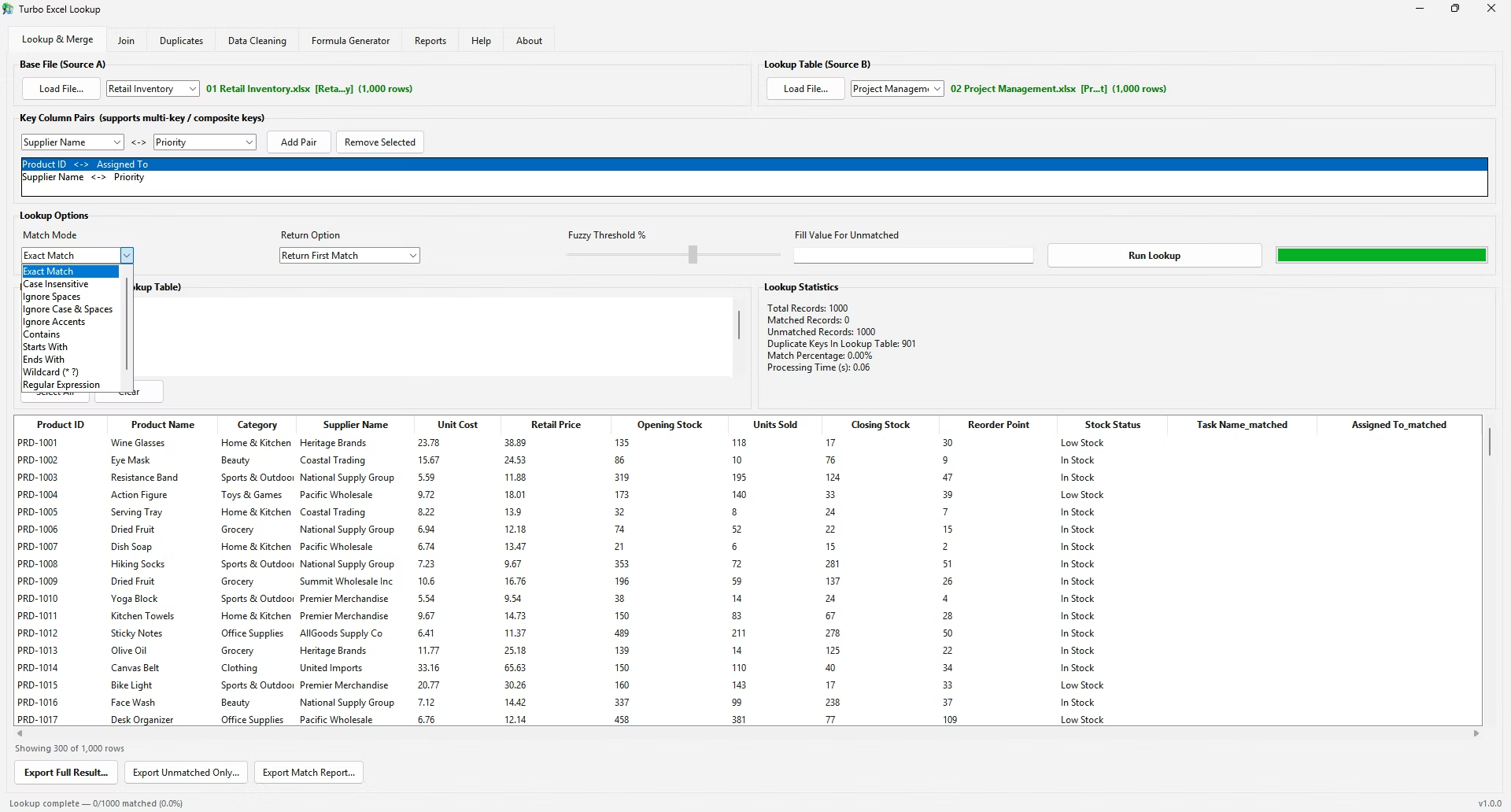
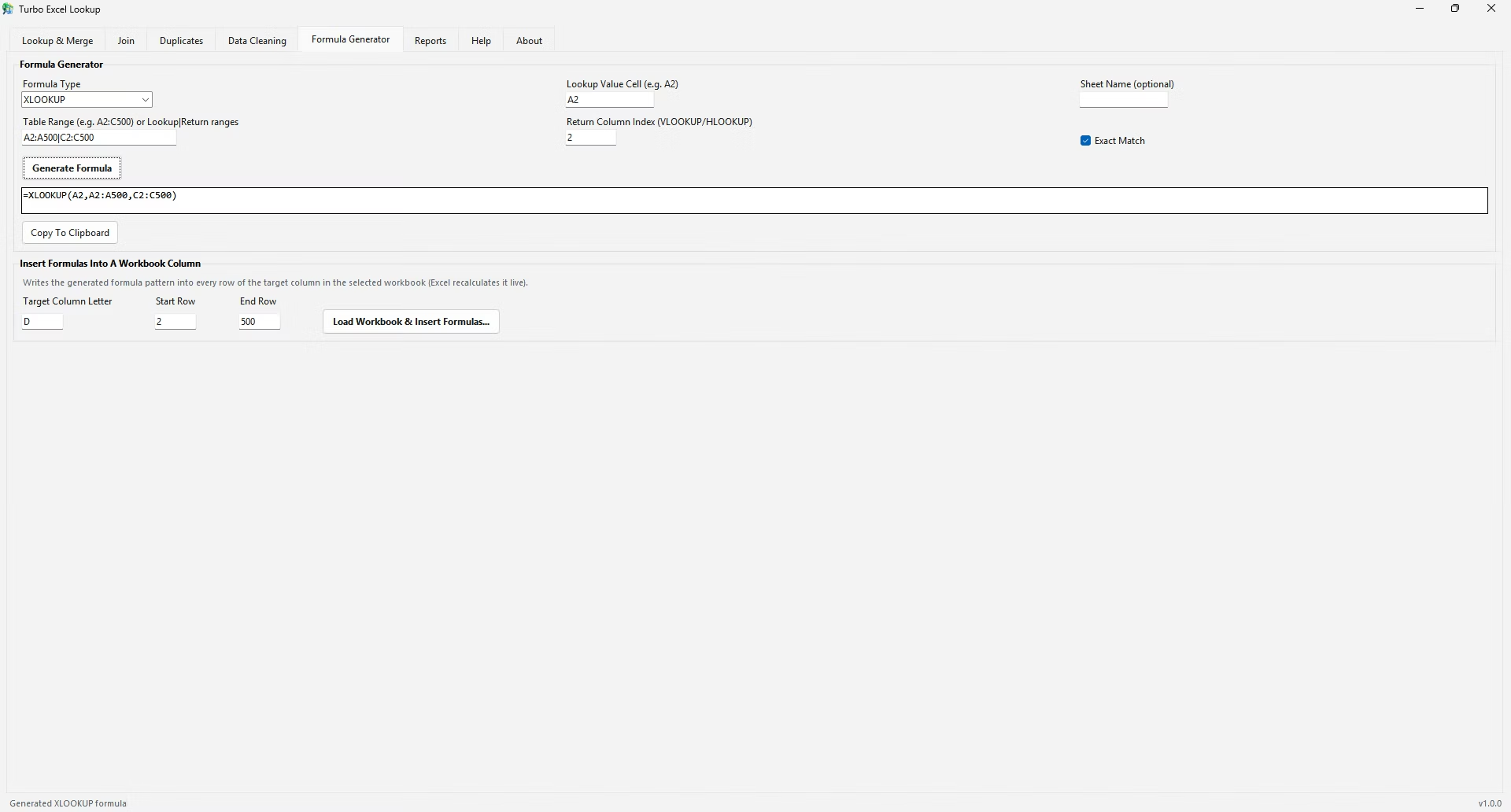
A basic XLOOKUP needs the value you're searching for, the column that contains it, and the column you want returned - notice there's no counting involved, since you point directly at the return column instead of counting over to it.
Using this employee table, to find the Department for E102:
| Employee ID | Name | Department | Salary |
|---|---|---|---|
| E101 | Asha Rao | Marketing | 54000 |
| E102 | Vikram Shah | Finance | 61000 |
| E103 | Priya Nair | Sales | 48000 |
lookup_array (A2:A4) and return_array (C2:C4) are pointed at directly, rather than counted from a single combined range.
Because lookup_array and return_array are selected independently, there's no risk of miscounting columns, and the return column doesn't need to sit to the right of the lookup column - it can be anywhere on the sheet, including to the left.
XLOOKUP has a built-in fourth argument for missing matches, so there's no need to wrap it in IFERROR:
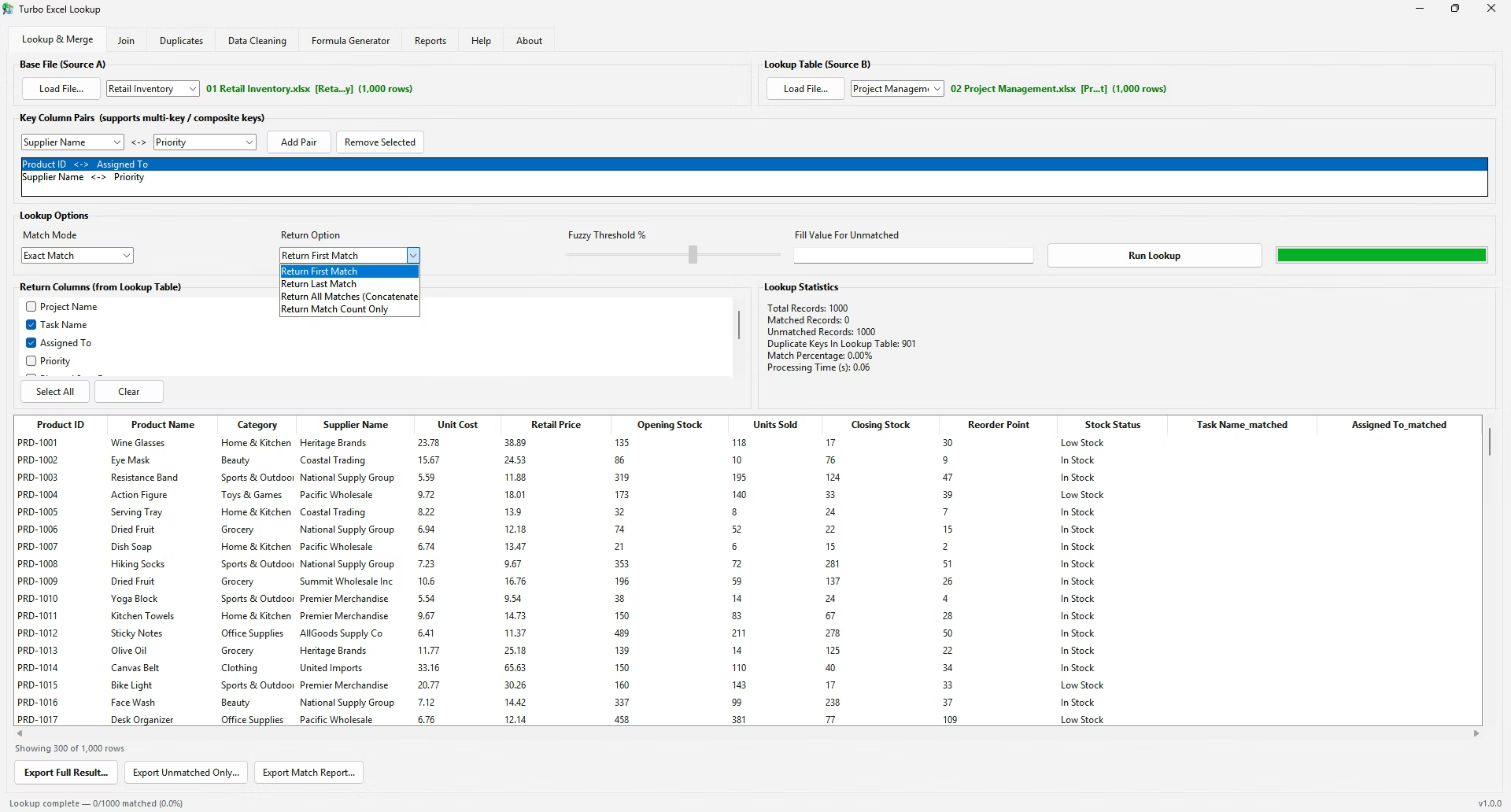
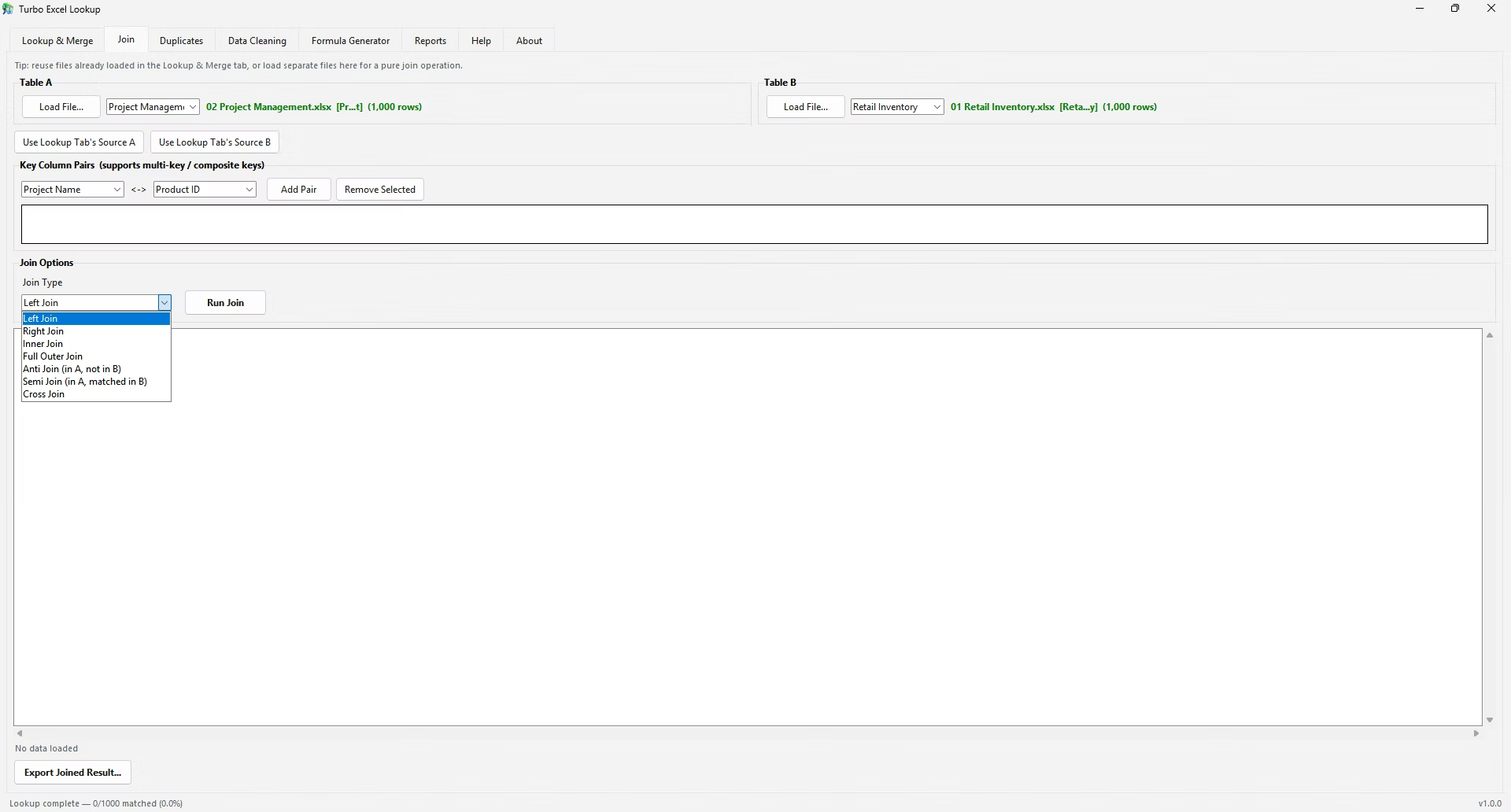
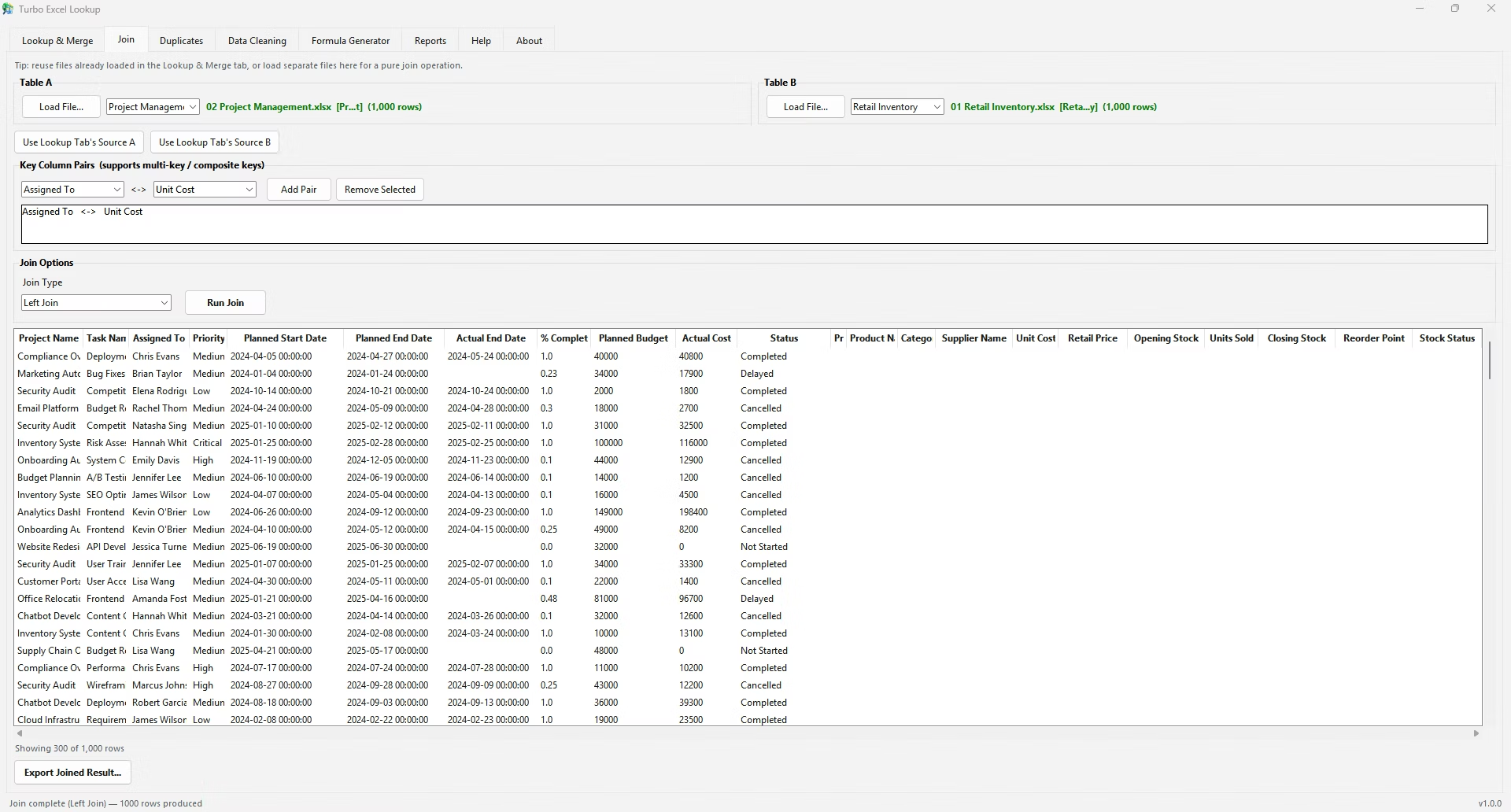
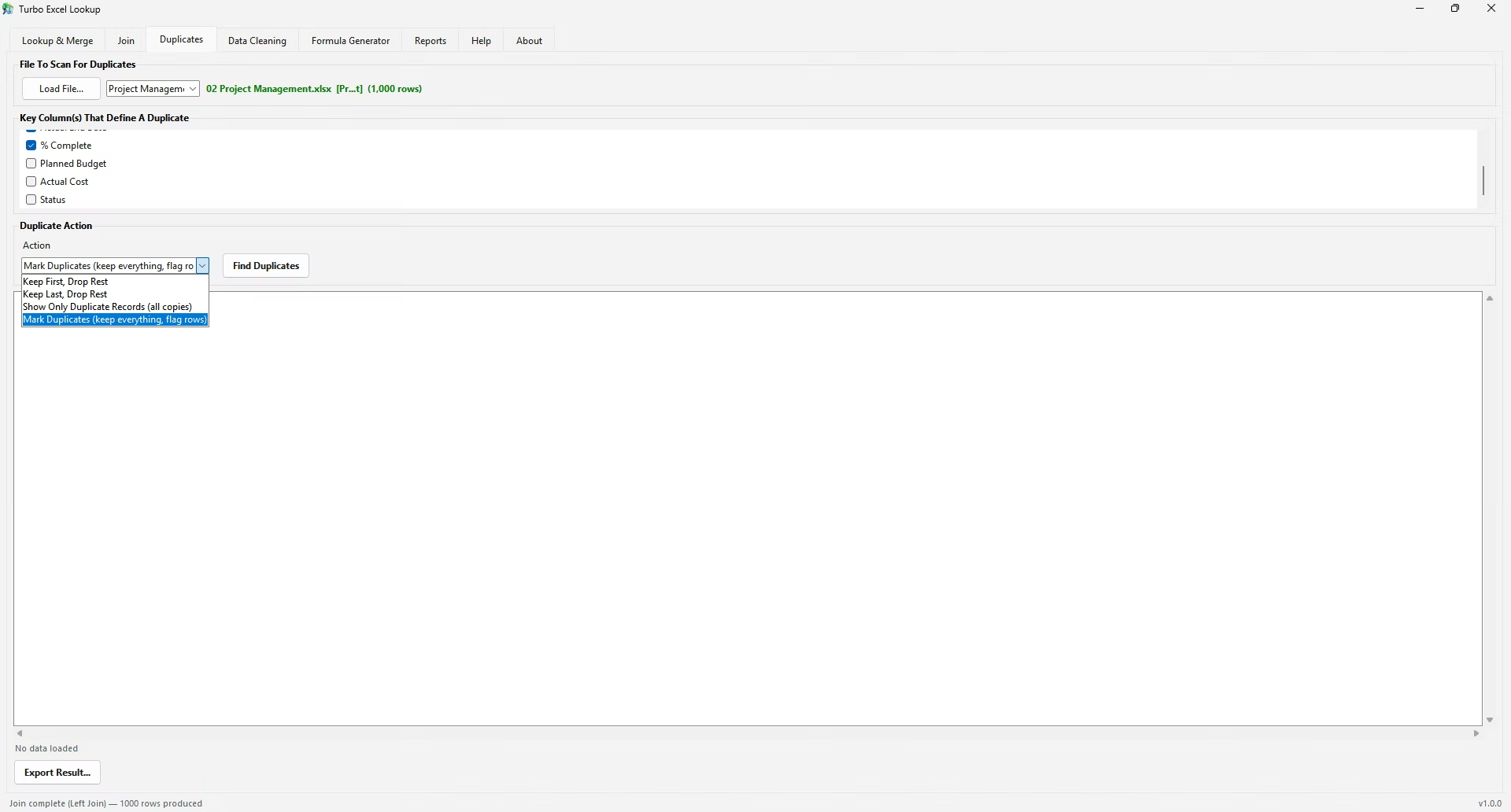
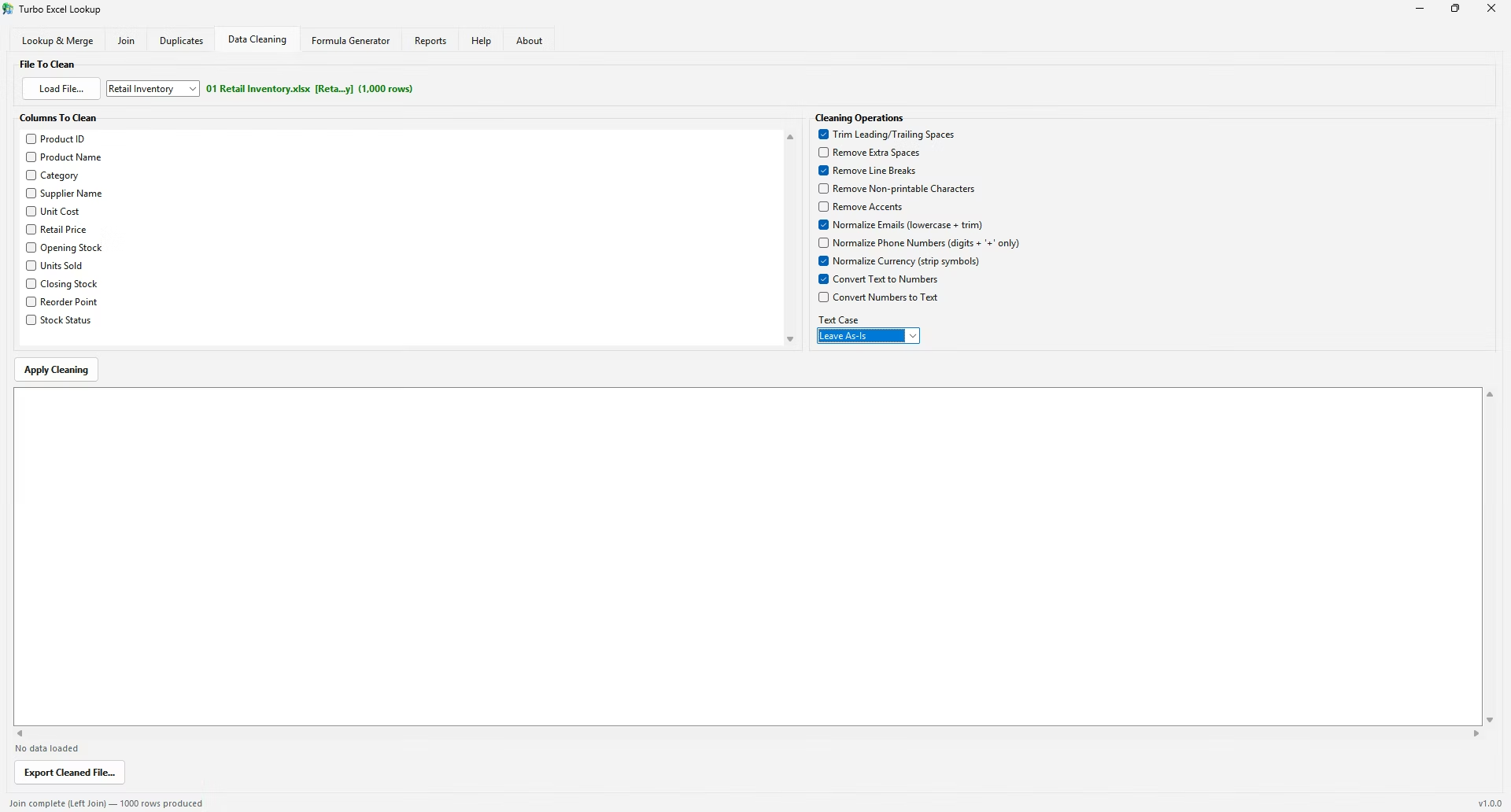
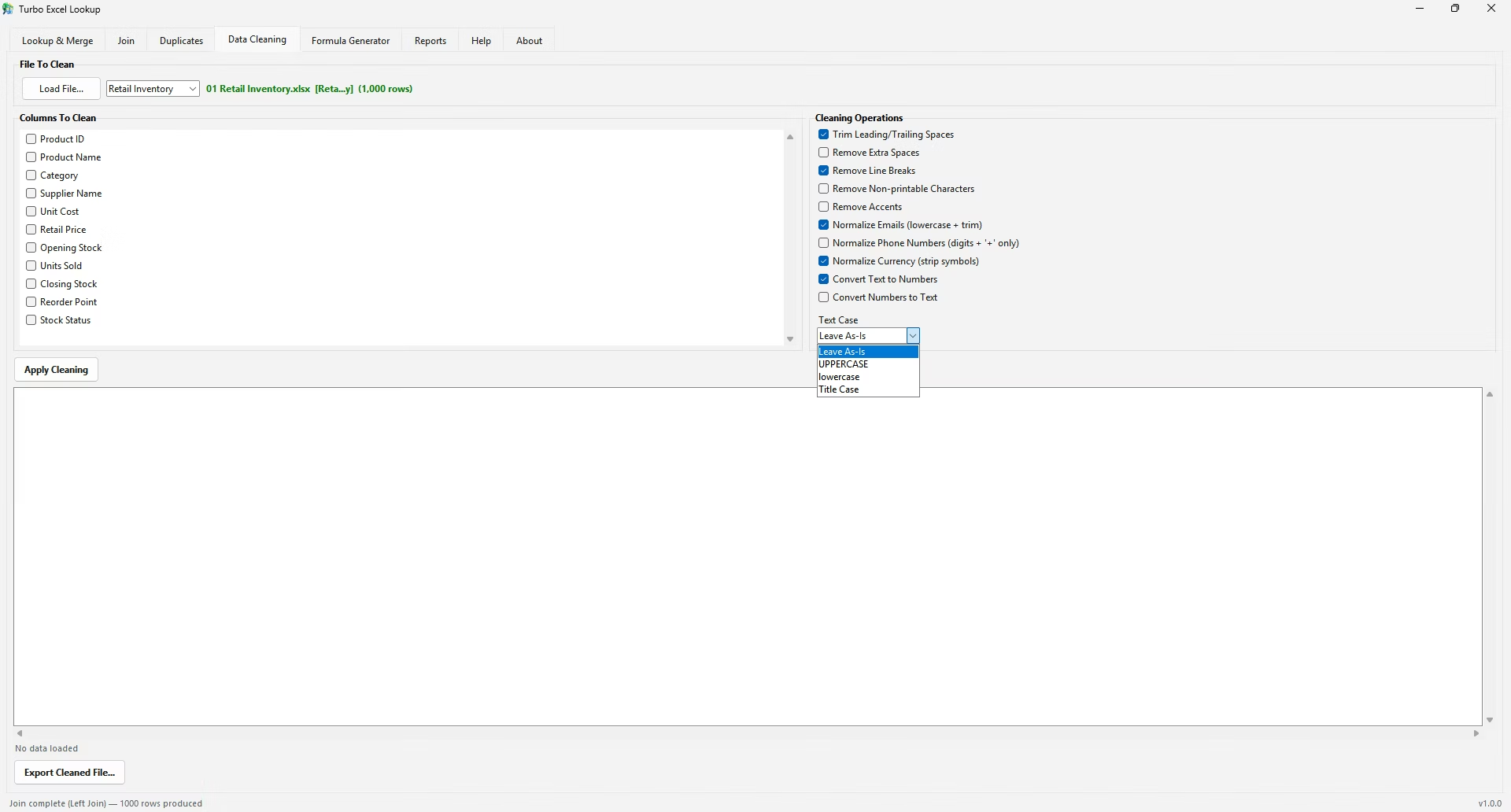
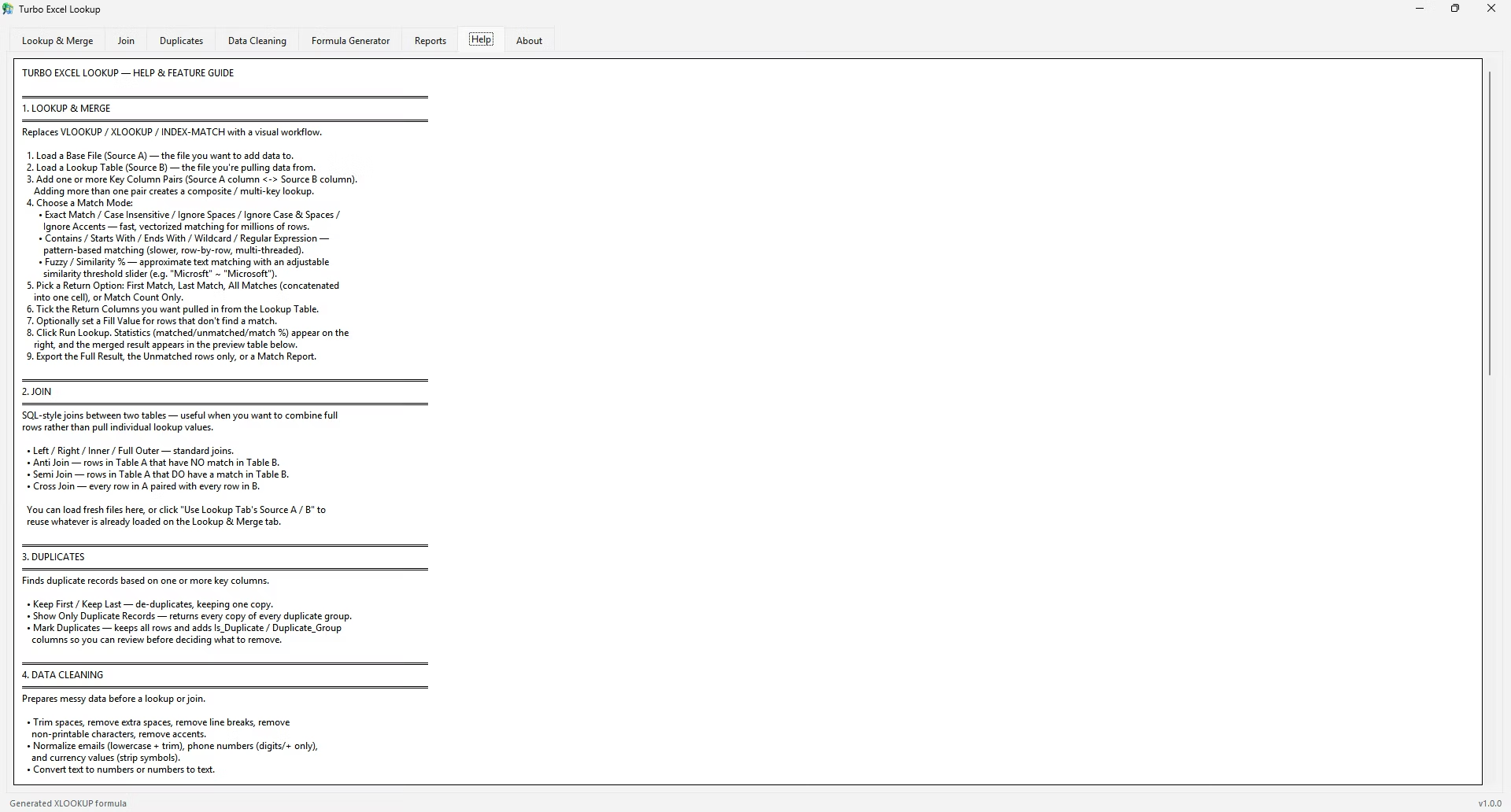
Turbo Excel VLookup applies this same easy matching logic across an entire dataset - load your files, pick the matching columns from dropdowns, and run the match, without writing XLOOKUP into any cell.
Because lookup_array and return_array are selected independently rather than counted from a combined range, inserting a new column between them doesn't shift col_index_num the way it would with VLOOKUP - Excel automatically adjusts both named ranges to keep pointing at the correct data.
This is one of the more practical advantages of XLOOKUP in a spreadsheet that's edited frequently, since it removes a whole category of silent, hard-to-spot errors.
Before copying an XLOOKUP formula down an entire column, testing it against a single known row and manually verifying the result catches setup mistakes - like mismatched range sizes - before they propagate across a whole dataset.
XLOOKUP's optional fifth argument, match_mode, defaults to an exact match, but it also supports approximate matches - either the next smaller or next larger value when no exact match exists - by passing -1 or 1 instead of the default 0.
This is useful for scenarios like matching a score against grade thresholds, where an exact match won't always exist but the closest applicable bracket still needs to be found.
How many arguments does a basic XLOOKUP need?
Three: the lookup value, the column to search, and the column to return.
Does XLOOKUP need the return column to be to the right of the lookup column?
No, lookup_array and return_array are selected independently and can be in any position relative to each other.
How does XLOOKUP handle a missing match?
It can return a custom fallback value using its optional fourth argument, instead of showing #N/A.
Is XLOOKUP easier for beginners than VLOOKUP?
Many beginners find it easier since there's no column counting and no TRUE/FALSE argument to remember.
Does XLOOKUP work in every version of Excel?
It's available in Microsoft 365 and Excel 2021 onward, but not in older perpetual versions like Excel 2016.
Is there an option that skips formulas altogether?
Yes, Turbo Excel VLookup performs the same easy matching through a point-and-click interface.
Is it a good idea to edit source data while formulas are actively referencing it?
It's safer to keep a stable source sheet separate from a working sheet, since editing referenced data mid-use can produce confusing intermediate results.
Why would a text-formatted number fail to match a real number?
Excel treats text and numeric values as different data types, so "101" stored as text won't match 101 stored as a number even though they display the same.
Does locking a range with F4 change how the formula calculates?
No, it only fixes the range so it doesn't shift when the formula is copied - the calculation itself works the same either way.
What's a fast way to check what a formula is actually returning?
Selecting part of the formula in the formula bar and pressing F9 shows its calculated value directly, without changing the formula.
Ready to stop fighting #N/A errors and match your spreadsheets visually?