Getting images in and out of Excel is really two halves of the same recurring problem: sometimes a workbook already has pictures embedded in it that you need as separate files, and sometimes you have a folder of pictures that need to end up correctly placed inside a workbook. Most tools handle only one direction, forcing you to find a second utility for the other.
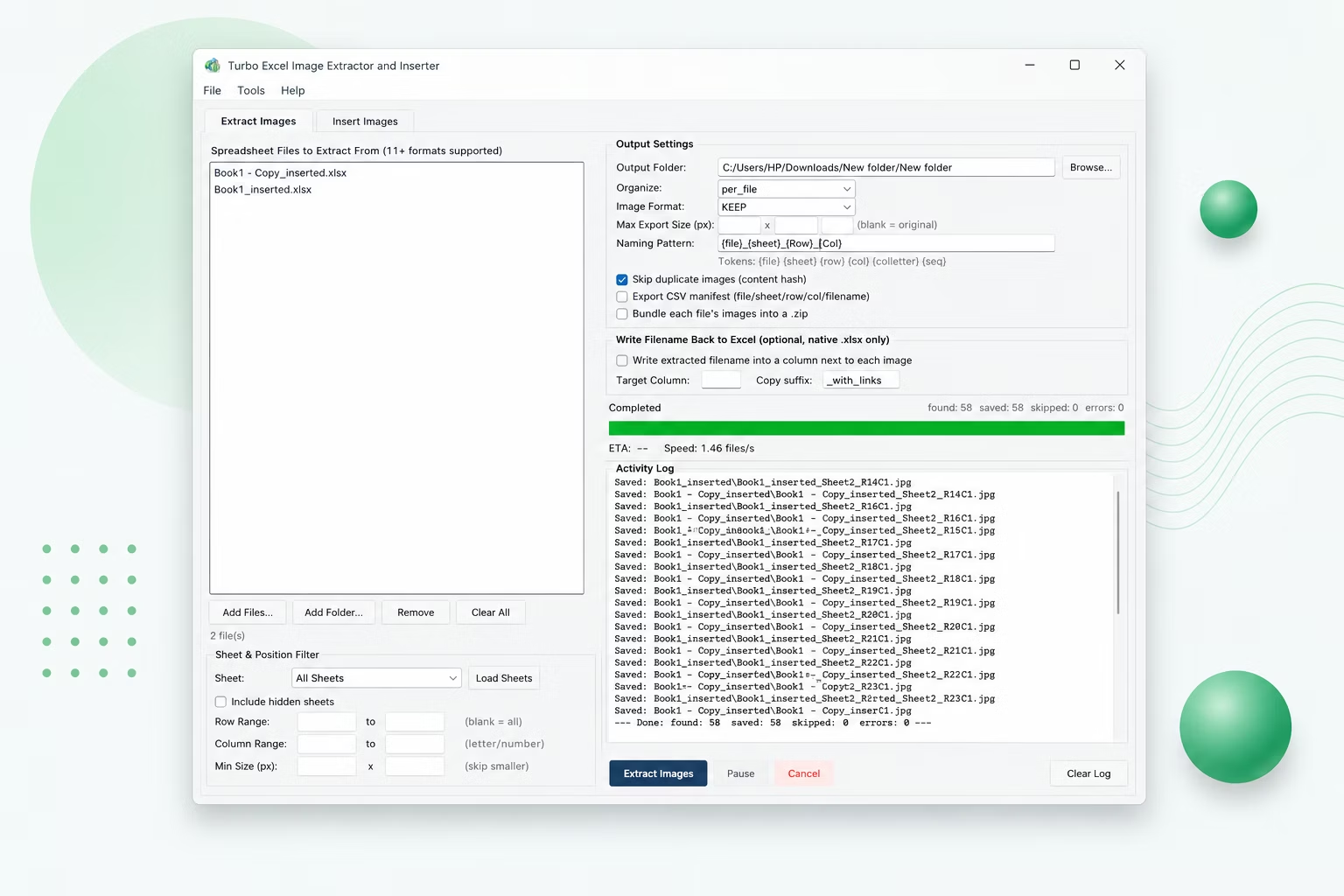
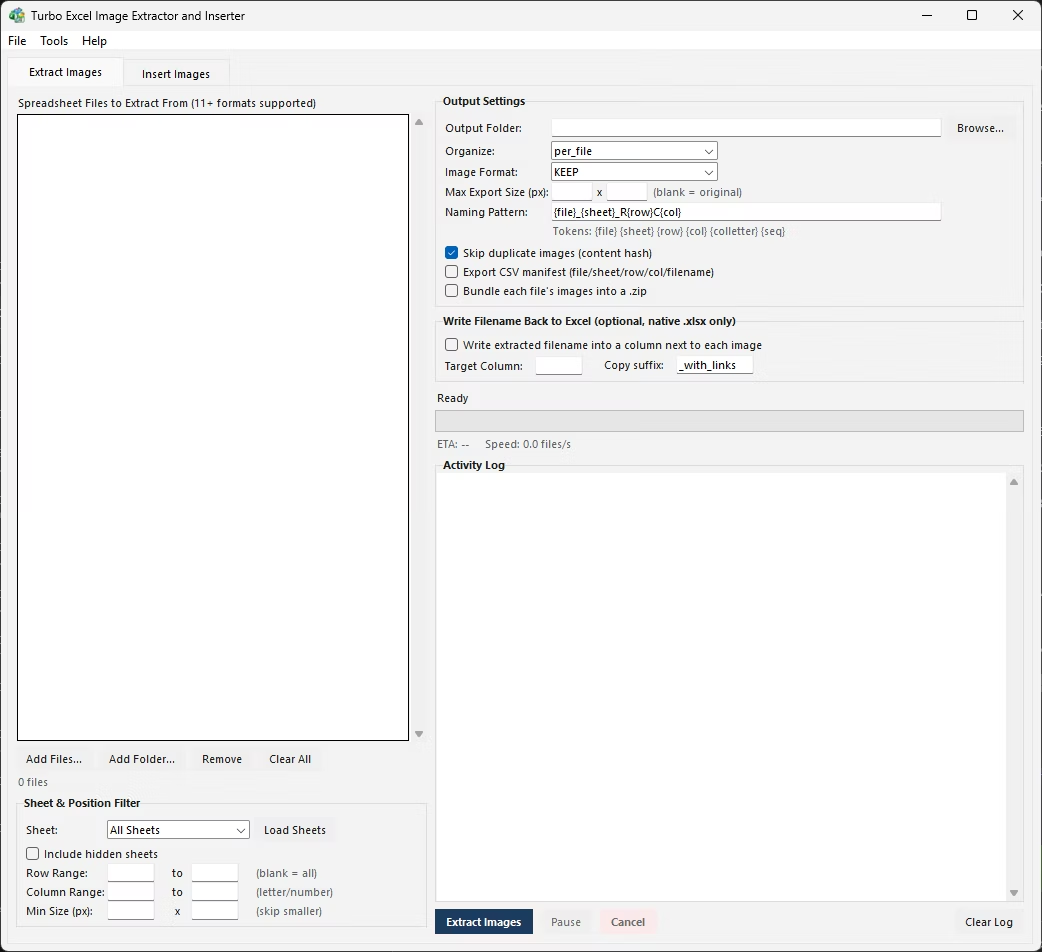
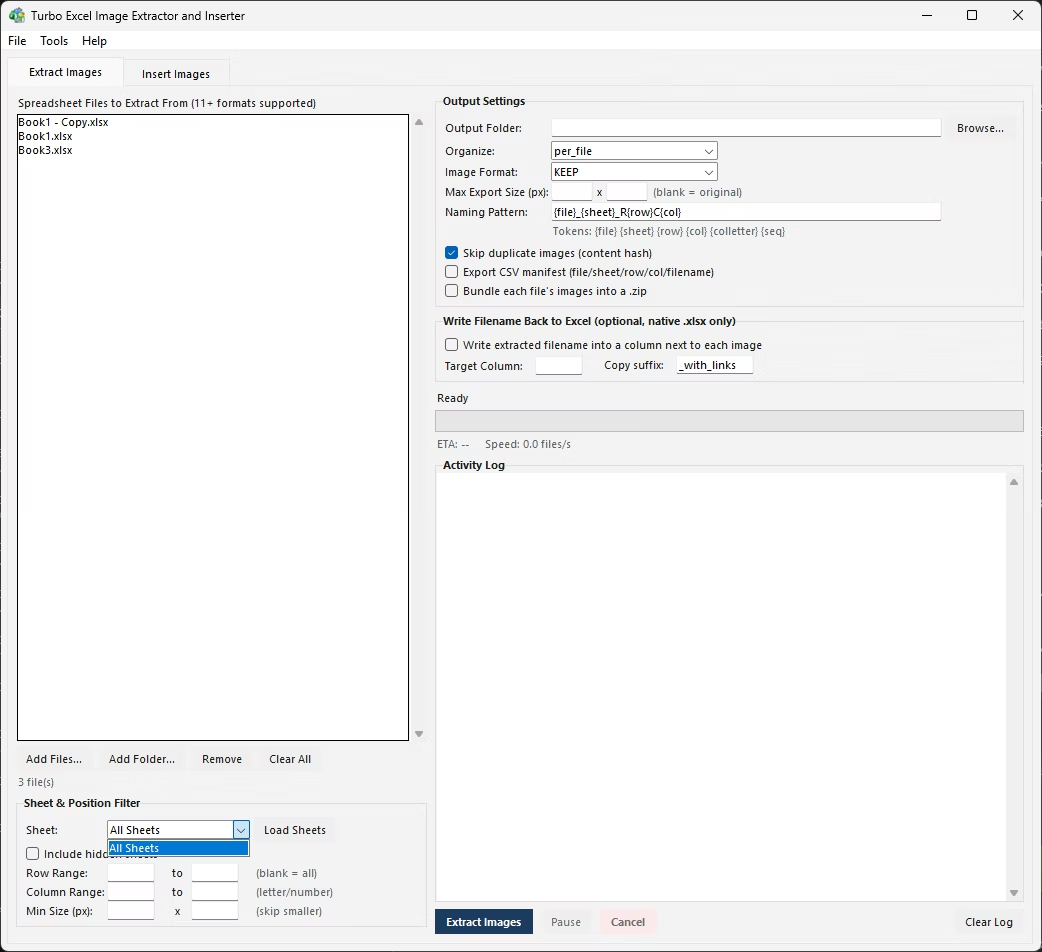
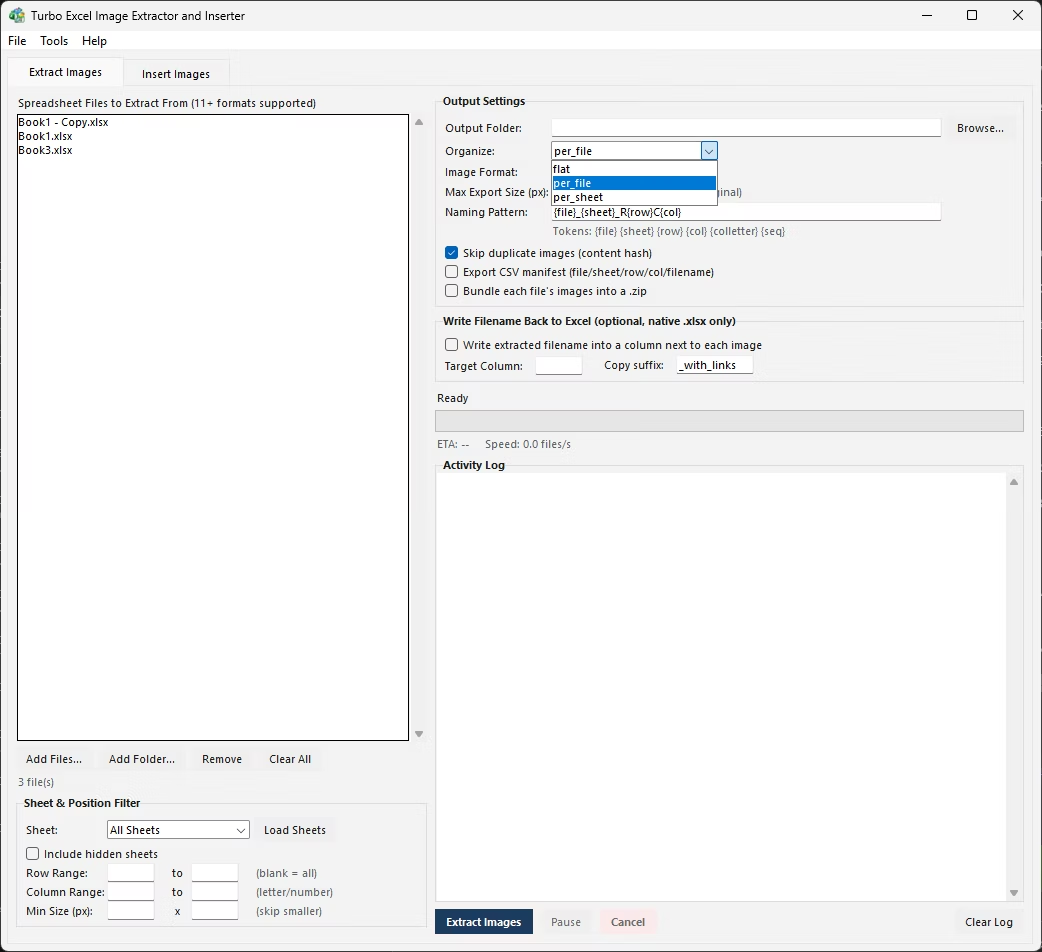
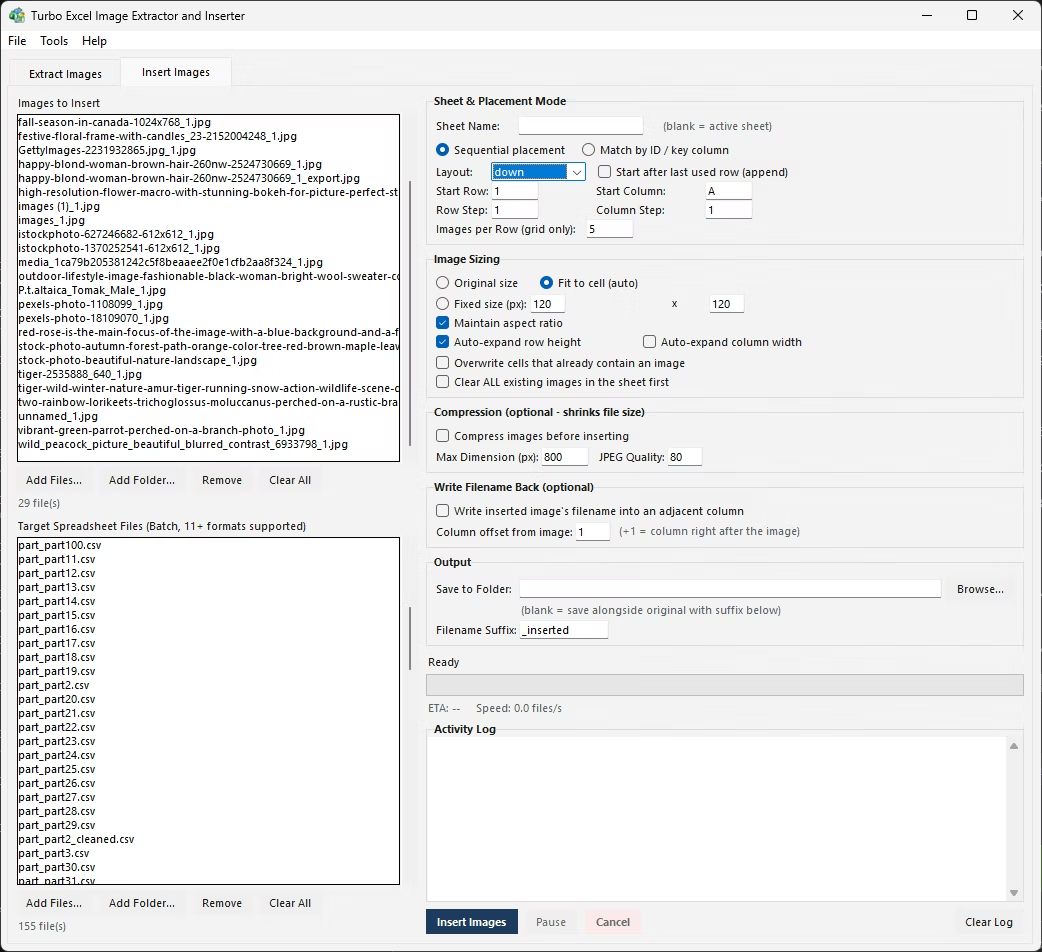
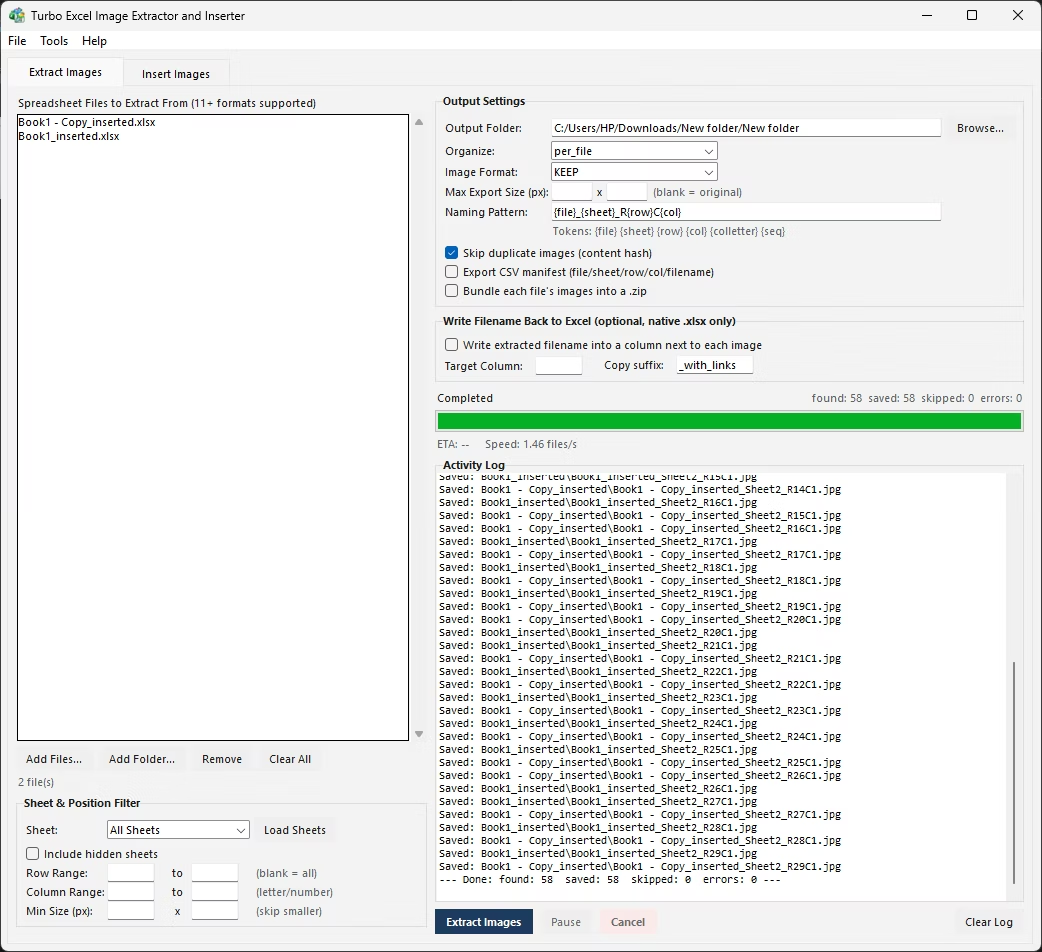
Turbo Excel Image Extractor and Inserter handles both in a single window with two tabs. Extract Images pulls embedded pictures out of one or many workbooks, filtered by sheet, row, column, or size, renamed and organized on the way out, with a CSV manifest recording where each one came from. Insert Images takes a folder of pictures and places them into a workbook, either in a simple sequence or matched to the correct row by filename against a key column like a SKU or barcode.
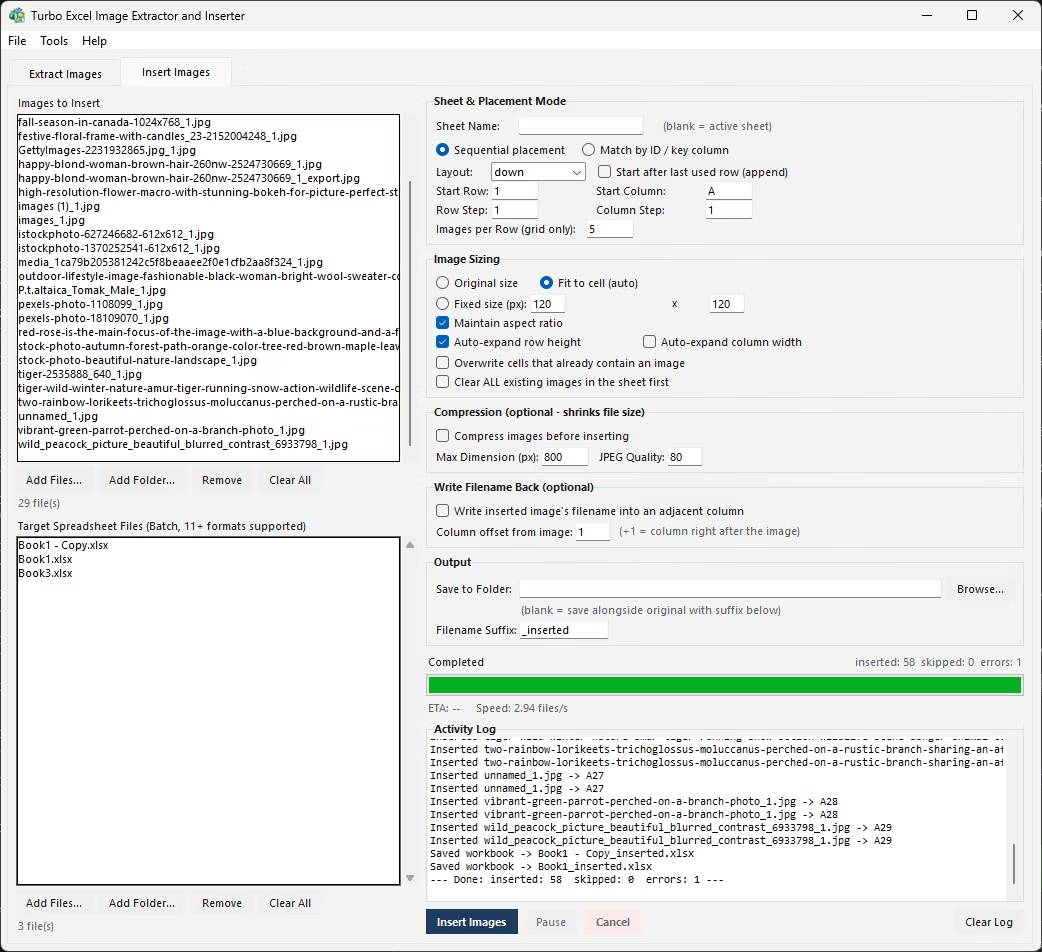
Both tabs share the same underlying engine: a multi-threaded batch processor with live progress, a files-per-second speed readout, an activity log, and support for pausing, resuming, or cancelling a job. Once you've learned one tab, the other feels familiar immediately, since the controls that make sense are just adapted for the direction you're working in.
Having both directions in one tool matters in practice because the two jobs so often follow one another: extract a supplier's product photos from a price list on Monday, clean and rename them, then insert them into your own catalog spreadsheet on Tuesday, all without switching applications.
Beyond the core workflow built for excel Image Extractor and Inserter, Turbo Excel Image Extractor and Inserter includes the full toolkit found throughout the application: content-hash deduplication that compares actual pixel data rather than filenames, per-format quality and compression controls, folder organization on output, and a license activation system tied to a single one-time purchase. Any of these can be combined with the workflow described above, so a job that starts simple can grow into a fully configured pipeline without switching tools.
The application itself is a one-time purchase for Windows, with no subscription and no watermarks added to extracted or inserted images, and no data ever leaving your PC during a run. Every extraction can be documented with a CSV manifest recording the source file, sheet, row, column, cell reference, saved filename, and pixel dimensions for each image, and every insertion job can be paused, resumed, or cancelled, giving you full control over even a very large batch.
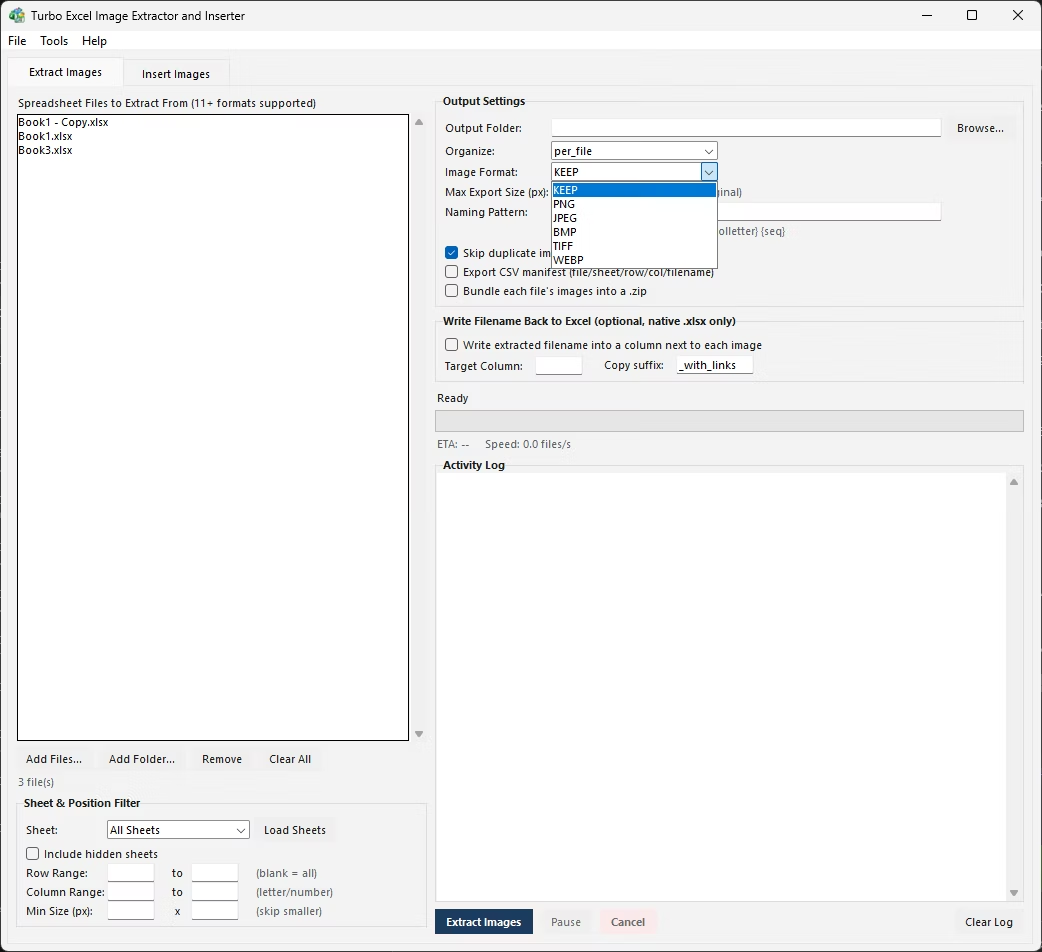
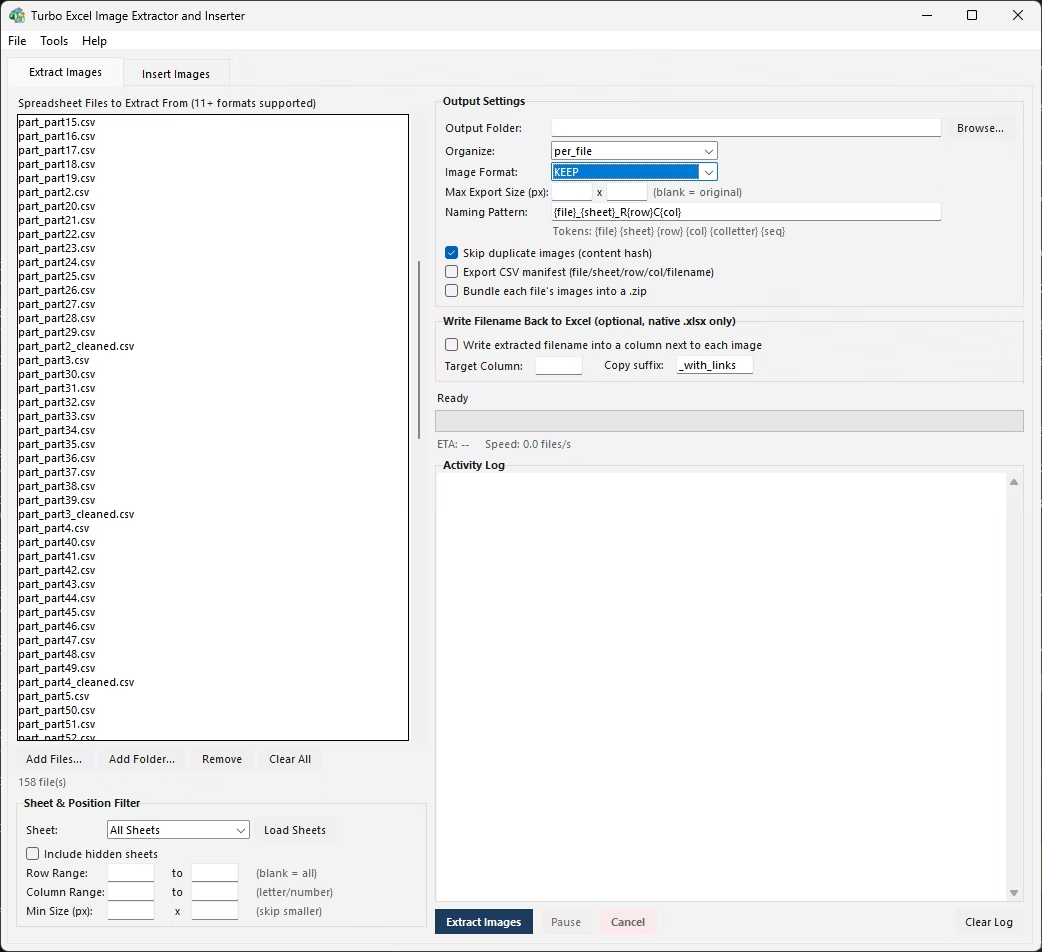
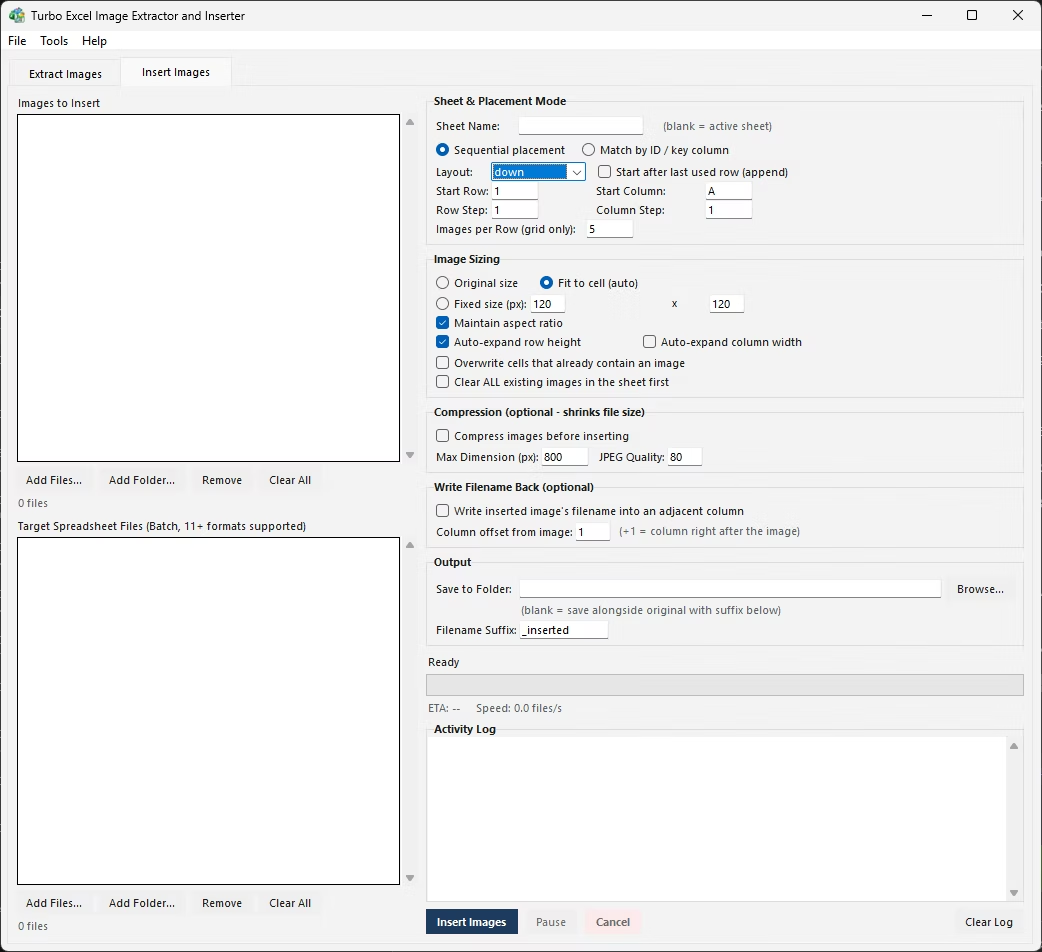
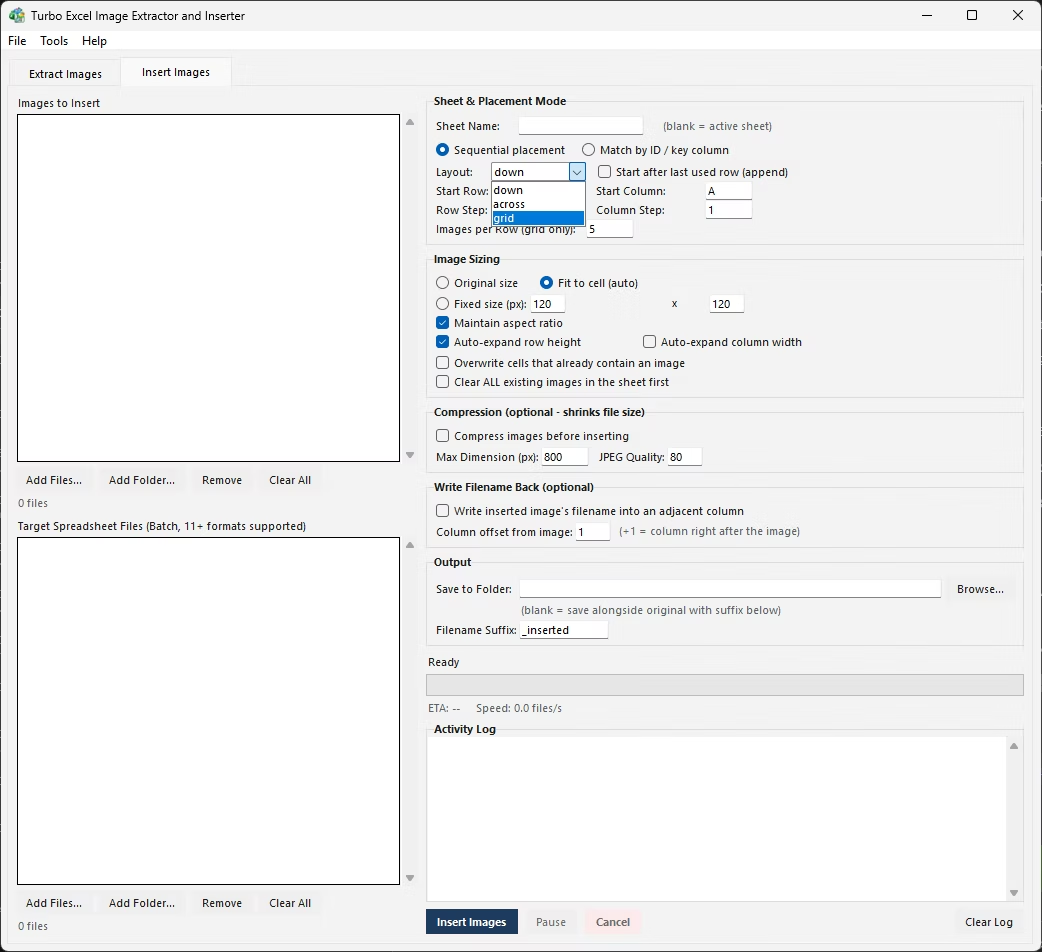
- Install Turbo Excel Image Extractor and Inserter on your Windows PC.
- Open the Extract Images tab to pull pictures out of a workbook.
- Set filters and a naming pattern, then run the extraction.
- Switch to the Insert Images tab to place a folder of images into a workbook.
- Choose sequential layout or match mode by key column.
- Set your sizing and compression options.
- Click Start on whichever job you need, and monitor the live progress.
- Review the activity log or CSV manifest once the run completes.
- Double-check the activity log for any files or images that need a second look.
- Repeat the process on additional workbooks or folders as your workflow requires.
- Extract embedded pictures out of workbooks as ordinary files
- Insert folders of images into workbooks automatically
- Shared multi-threaded engine with live progress for both directions
- Match mode links image filenames to a key column like a SKU
- CSV manifest and activity log document every run
- Pause, resume, or cancel either extraction or insertion jobs
- Runs fully offline with no upload limits
- One-time purchase for Windows, with no subscription or watermarks
- Content-hash deduplication compares actual pixel data, not just filenames
- Works with files on local drives, external drives, and network shares
Do I need two separate tools for extracting and inserting images?
No, both directions are built into the same application, in two tabs that share the same underlying engine.
Can I extract images from one workbook and insert them into another?
Yes, that's a common workflow: extract from a source workbook, clean up the files, then insert them into a different target workbook.
How does match mode know which image goes in which row?
It compares each image's filename to a key column you specify, such as a SKU or part number, and places the image in the row where that value matches.
Is this suitable for very large workbooks or catalogs?
Yes, the multi-threaded engine processes an unlimited number of files in parallel, handling large workbooks and catalogs without locking up.
Does this work on both Windows 10 and Windows 11?
Yes, Turbo Excel Image Extractor and Inserter is built and tested for both Windows 10 and Windows 11.
Is my data safe when using this tool?
Yes, all processing happens locally on your PC; no workbooks or images are ever uploaded, so proprietary or sensitive content stays fully under your control.
Can I cancel a job partway through if I need to?
Yes, both extraction and insertion jobs support pausing, resuming, and cancelling at any point during processing.
Can I use this on files stored on an external or network drive?
Yes, workbooks and image folders on local drives, external drives, or mapped network shares all work the same as any local folder.
Is there a trial version available before buying?
Check the product page on turbo-soft.com for current trial availability and details.
Ready to extract and insert your Excel images, fully offline and in one tool?