A workbook full of embedded pictures, whether product photos, scanned documents, or diagrams, becomes far more useful once those pictures exist as ordinary files you can open, share, or reuse anywhere. Excel's own Save As Picture command works, but only one image at a time, which makes it impractical for anything beyond a handful of pictures.
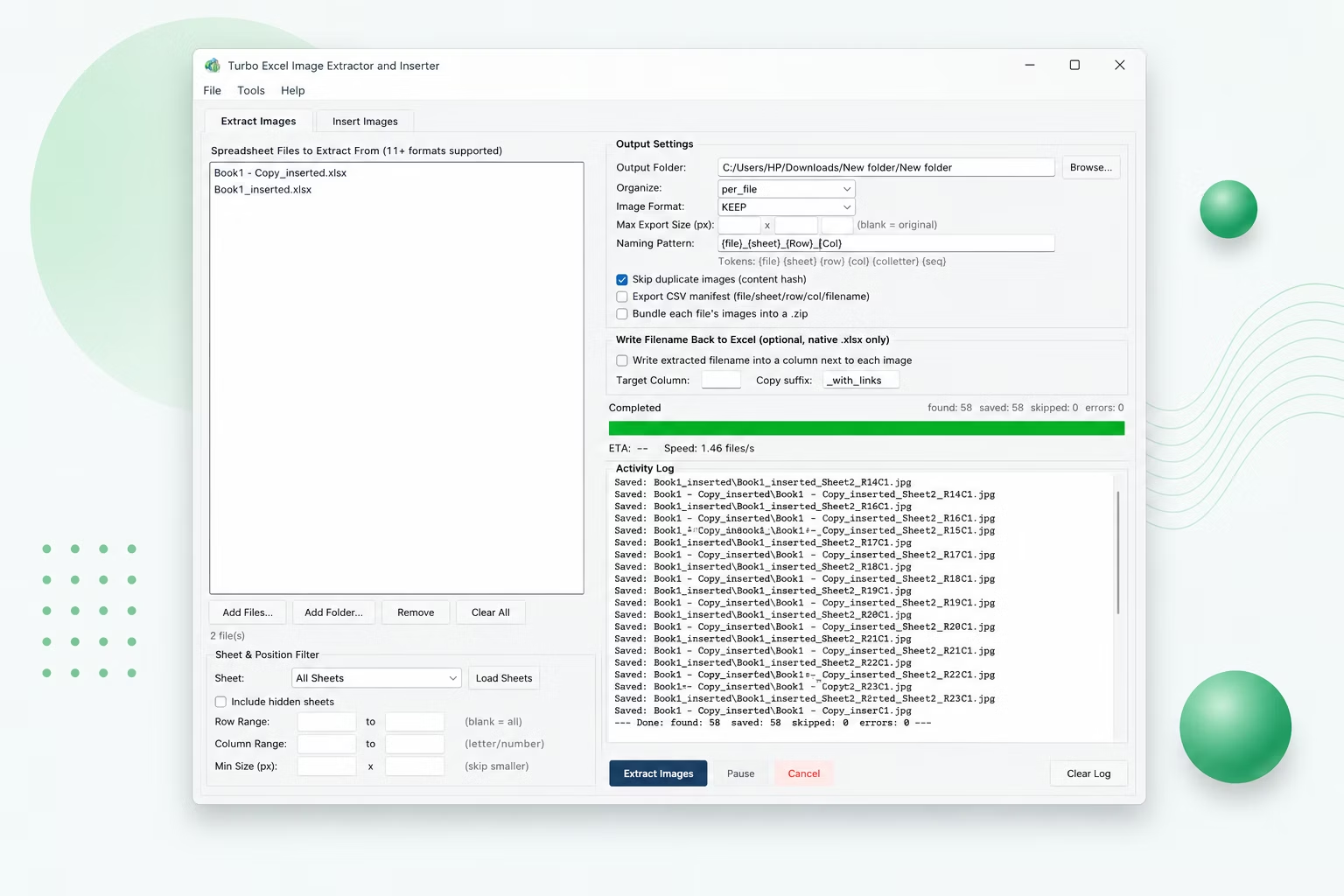
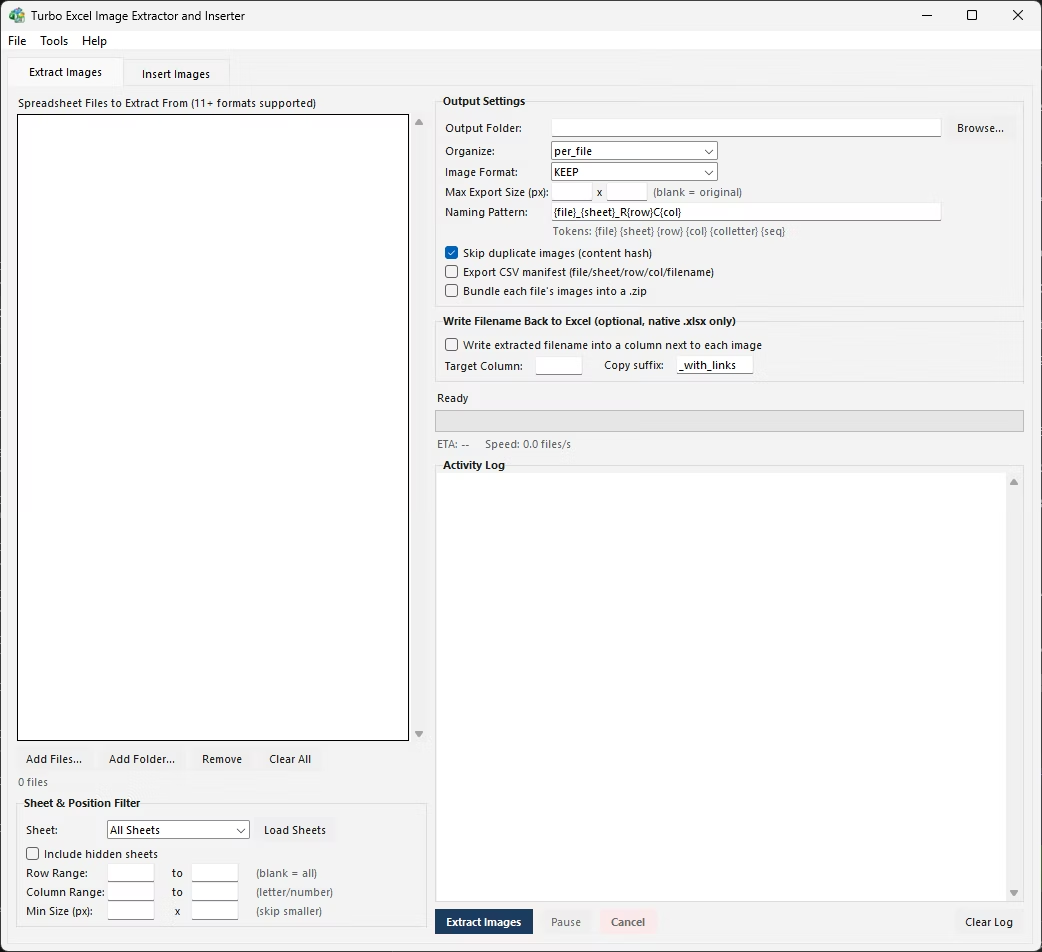
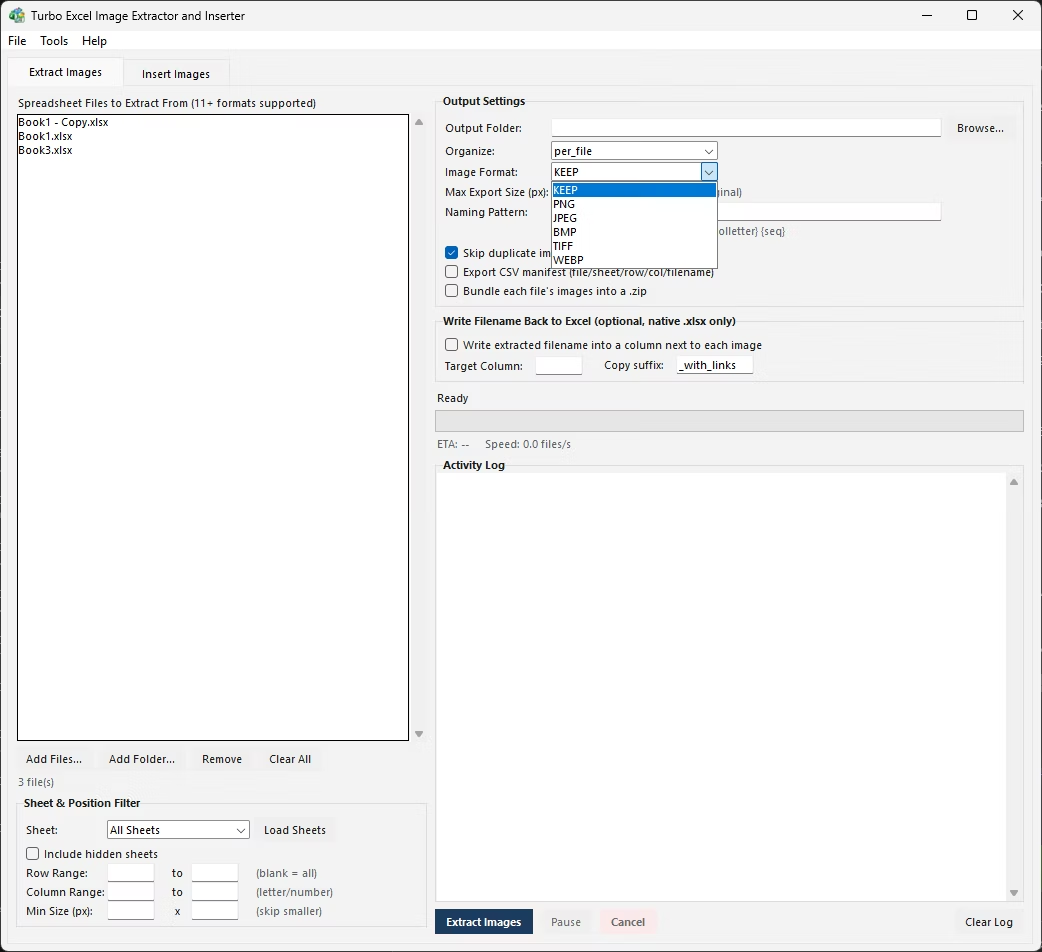
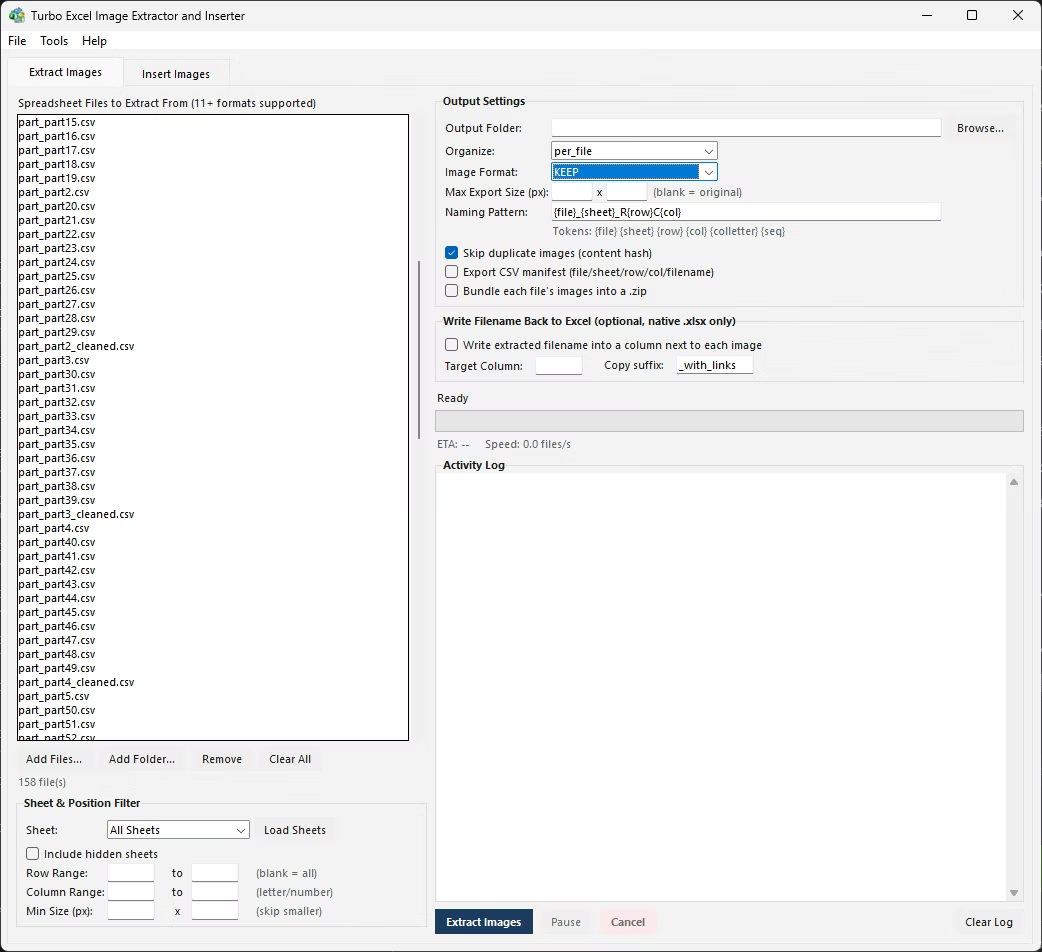
Turbo Excel Image Extractor and Inserter extracts images from Excel in bulk, reading every embedded picture in a workbook, or an entire folder of workbooks, and writing each one out as a standard file. Filters let you narrow the extraction to a specific sheet, a range of rows or columns, or only images above a minimum size, so you're not stuck extracting things you don't actually need.
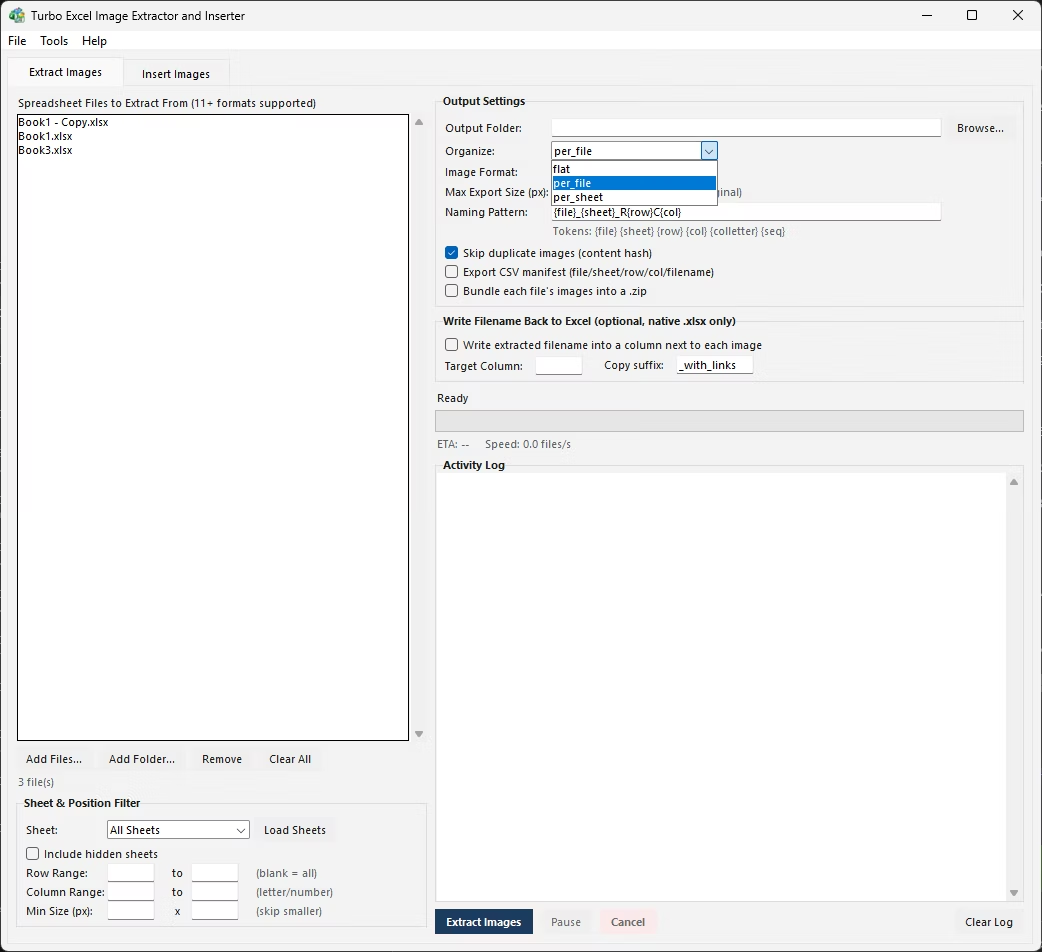
Each extracted file can be named using a pattern you define, run through deduplication so identical pictures aren't saved twice, and organized automatically into folders. A CSV manifest records exactly which sheet, row, and column every image came from, which matters when you need to trace a picture back to the data row it belonged to.
The whole extraction runs on a multi-threaded engine that processes an unlimited number of files in parallel, with a live progress bar and activity log so you can see exactly what's happening during a large batch. Nothing is uploaded anywhere; extraction happens entirely on your own Windows PC.
Beyond the core workflow built for extract Images from Excel, Turbo Excel Image Extractor and Inserter includes the full toolkit found throughout the application: content-hash deduplication that compares actual pixel data rather than filenames, per-format quality and compression controls, folder organization on output, and a license activation system tied to a single one-time purchase. Any of these can be combined with the workflow described above, so a job that starts simple can grow into a fully configured pipeline without switching tools.
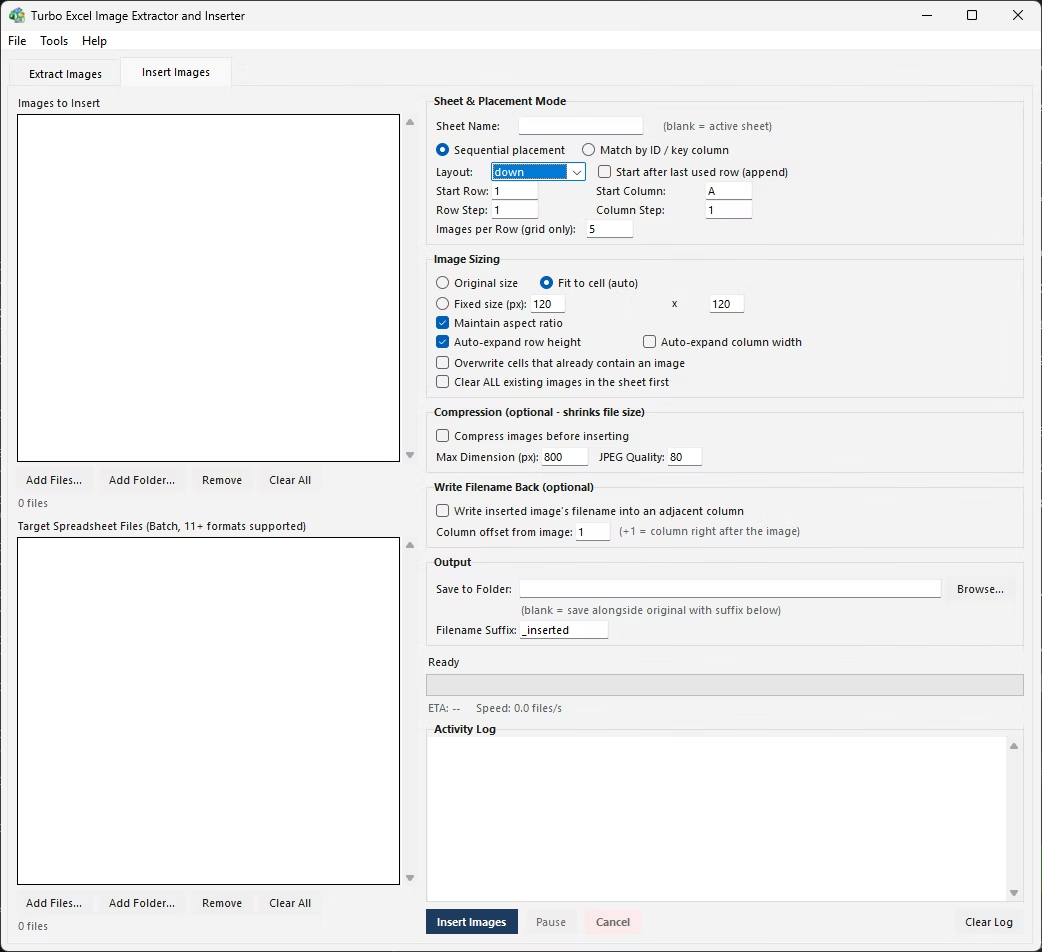
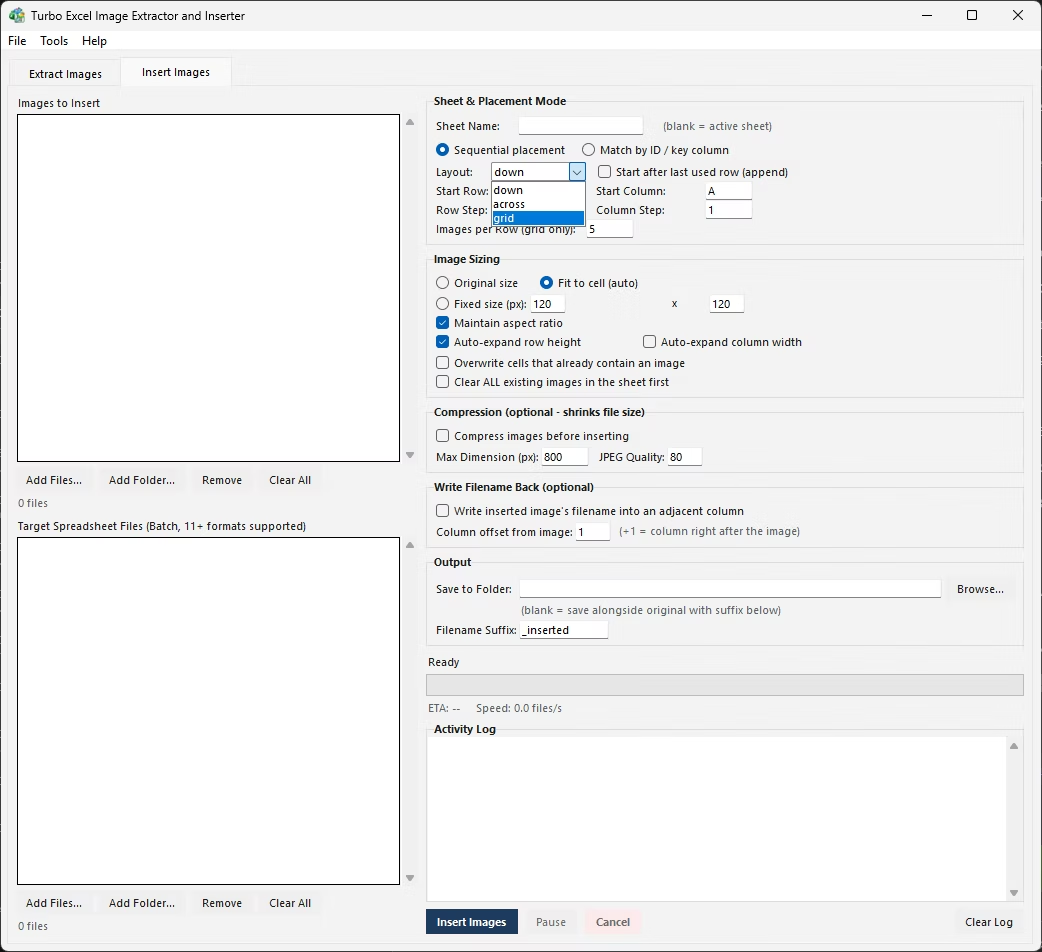
The application itself is a one-time purchase for Windows, with no subscription and no watermarks added to extracted or inserted images, and no data ever leaving your PC during a run. Every extraction can be documented with a CSV manifest recording the source file, sheet, row, column, cell reference, saved filename, and pixel dimensions for each image, and every insertion job can be paused, resumed, or cancelled, giving you full control over even a very large batch.
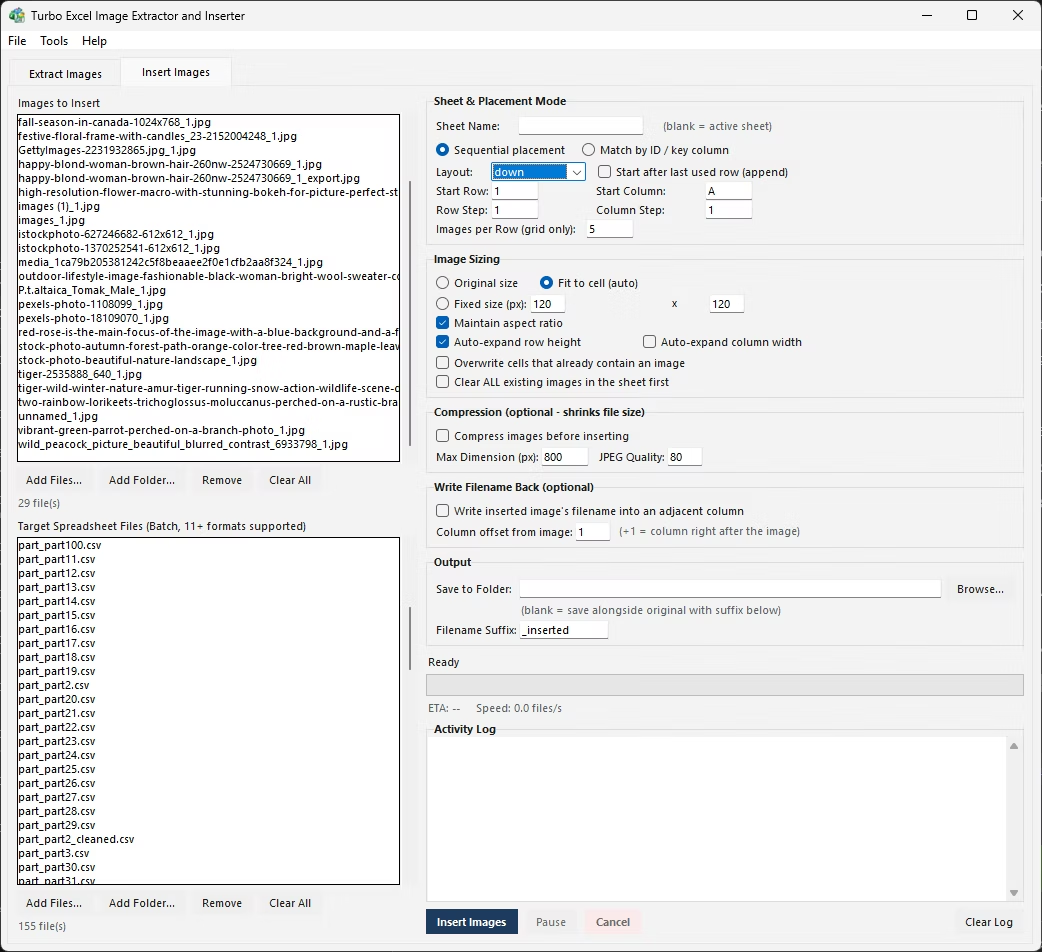
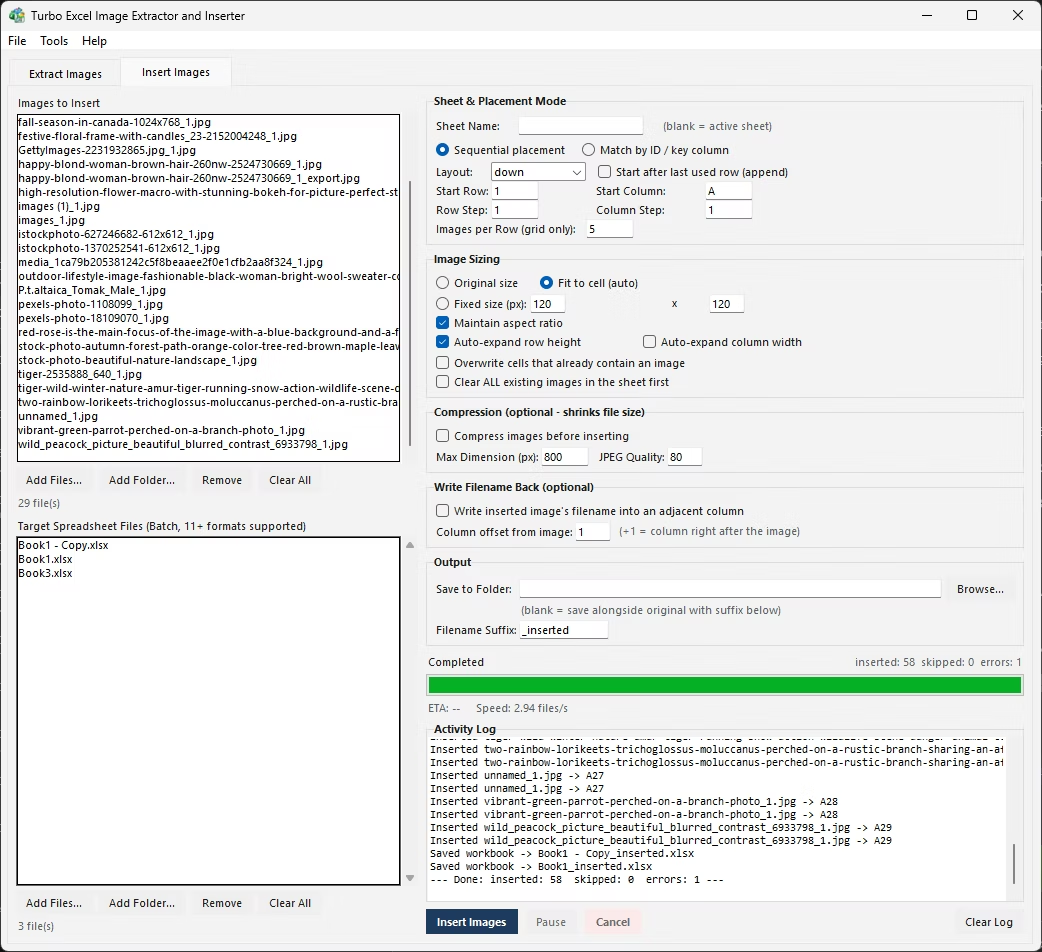
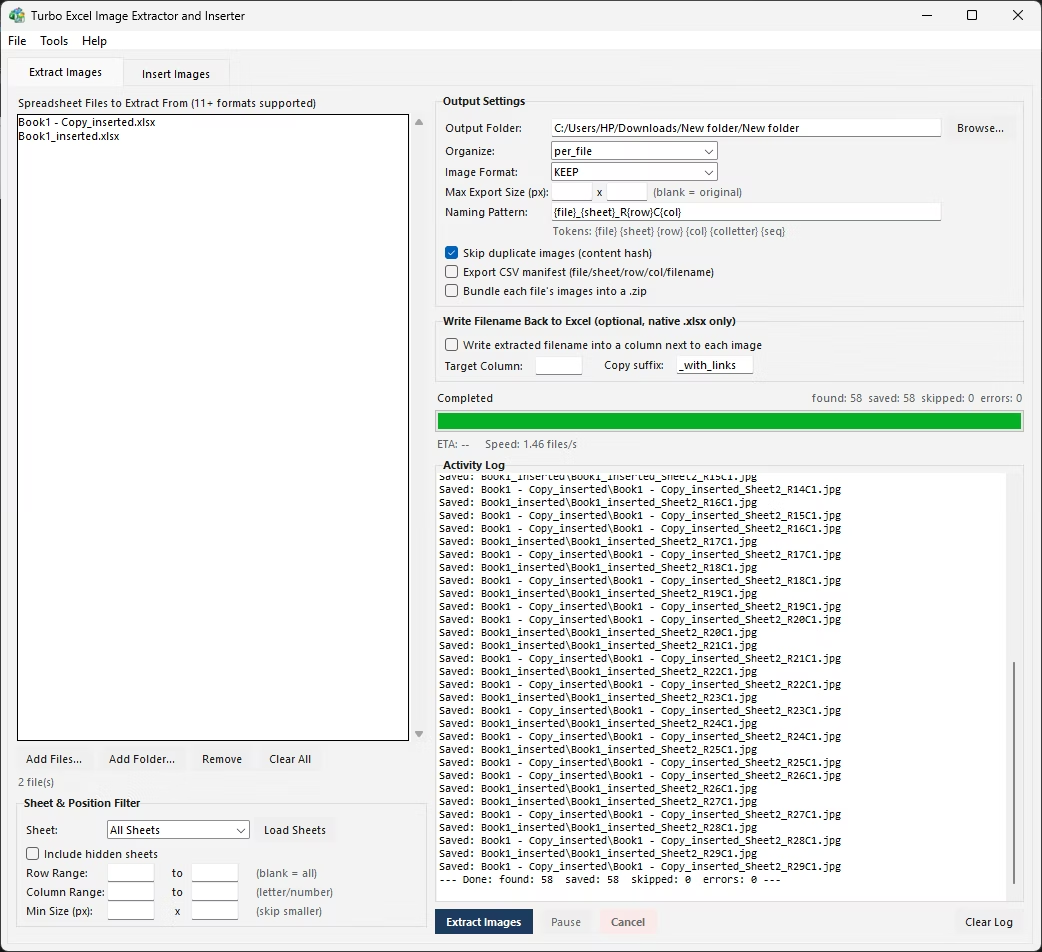
- Install Turbo Excel Image Extractor and Inserter on your Windows PC.
- Open the Extract Images tab.
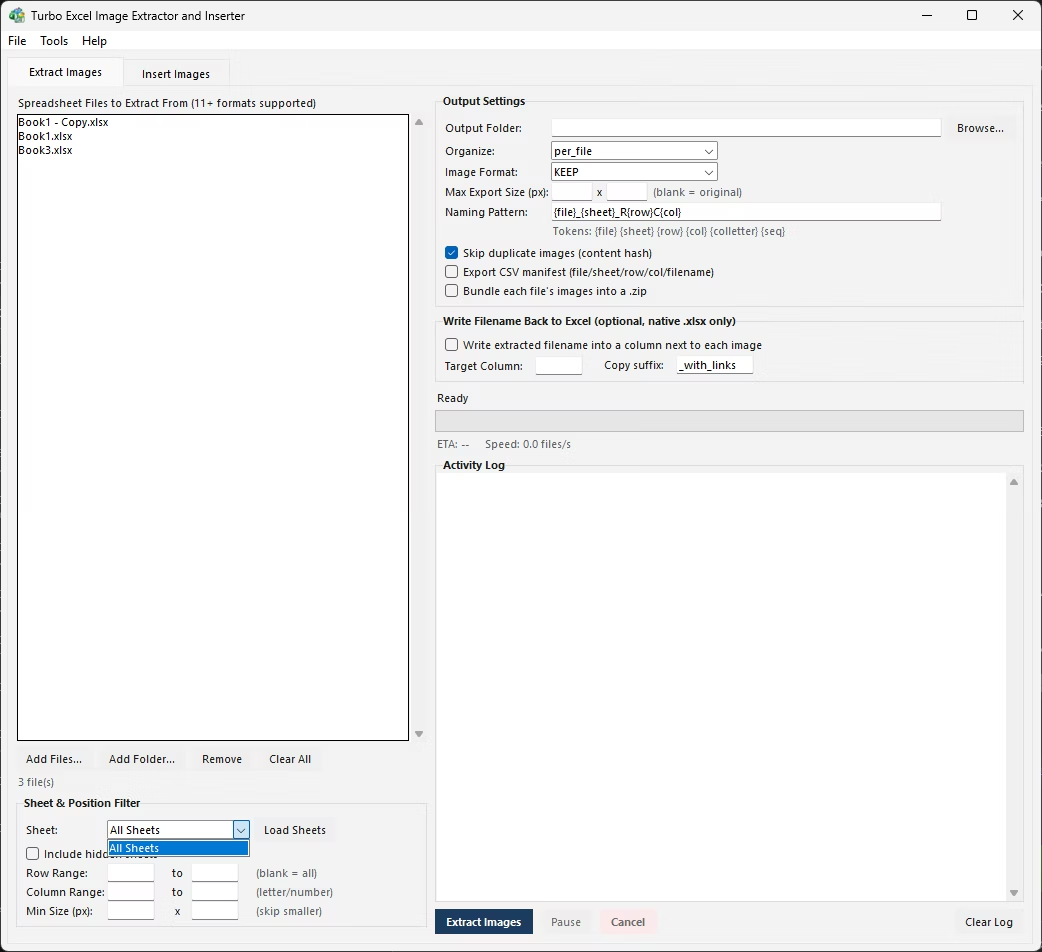
- Add the workbook or workbooks you want to extract from.
- Set filters for sheet, row, column, or minimum size if needed.
- Choose a naming pattern and output image format.
- Enable deduplication if your workbook may contain repeated images.
- Click Start and monitor the live progress bar.
- Check the output folder and CSV manifest once extraction finishes.
- Double-check the activity log for any files or images that need a second look.
- Repeat the process on additional workbooks or folders as your workflow requires.
- Extracts every embedded image from one or many workbooks
- Filters for sheet, row, column, or minimum image size
- Custom naming patterns and automatic deduplication
- CSV manifest traces every image back to its sheet, row, and column
- Optional format conversion during extraction
- Multi-threaded engine handles unlimited files in parallel
- Runs fully offline with no upload limits
- One-time purchase for Windows, with no subscription or watermarks
- Content-hash deduplication compares actual pixel data, not just filenames
- Works with files on local drives, external drives, and network shares
Can I extract images from just one sheet in a large workbook?
Yes, the sheet filter lets you limit extraction to a specific sheet rather than the whole workbook.
What if the same picture appears more than once in the workbook?
Deduplication can be enabled so identical images are only saved once, rather than once per occurrence.
Can I extract only the larger images and skip small icons or logos?
Yes, a minimum size filter lets you exclude small images below a threshold you set.
How do I know which data row an extracted image belonged to?
The CSV manifest records the sheet, row, and column for every extracted image, giving you a traceable link back to the source.
Does this work on both Windows 10 and Windows 11?
Yes, Turbo Excel Image Extractor and Inserter is built and tested for both Windows 10 and Windows 11.
Is my data safe when using this tool?
Yes, all processing happens locally on your PC; no workbooks or images are ever uploaded, so proprietary or sensitive content stays fully under your control.
Can I cancel a job partway through if I need to?
Yes, both extraction and insertion jobs support pausing, resuming, and cancelling at any point during processing.
Can I use this on files stored on an external or network drive?
Yes, workbooks and image folders on local drives, external drives, or mapped network shares all work the same as any local folder.
Is there a trial version available before buying?
Check the product page on turbo-soft.com for current trial availability and details.
Ready to extract images from your Excel files in bulk, fully offline?