VLOOKUP shows up constantly across office work because so many everyday spreadsheet tasks boil down to the same underlying need: taking a value in one file and using it to pull related information from another file. Pricing, payroll, inventory, and reporting all depend on this same pattern, which is why VLOOKUP became one of the most-used functions in Excel despite being originally designed for a fairly narrow use case.
This page covers the most common real-world uses for VLOOKUP, and where Turbo Excel Lookup can take over the same job when the datasets get larger or messier than a formula comfortably handles.


- Pricing lookups - pulling current prices into a quote, invoice, or order sheet from a master price list
- Payroll and HR - matching employee IDs across a timesheet, a pay grade table, and a benefits enrollment list
- Inventory management - checking stock levels or reorder points against a SKU list
- Grading and scoring - converting raw scores into letter grades using an approximate-match lookup table
- Report building - enriching a raw export with descriptive labels, categories, or owner names from a reference sheet
Most of these use cases work fine with VLOOKUP as long as the data stays small, clean, and static. The friction shows up as datasets grow: a payroll sheet with tens of thousands of rows recalculating VLOOKUP formulas on every edit gets noticeably slow, and pricing or inventory data pulled from different systems rarely has perfectly matching text formatting, which produces a wave of #N/A errors that then need to be manually chased down.
Multi-key scenarios compound the problem further - matching both Customer ID and Order Date together, for instance, requires either a helper column that concatenates both fields or a more complex array formula, either of which adds another point of failure.
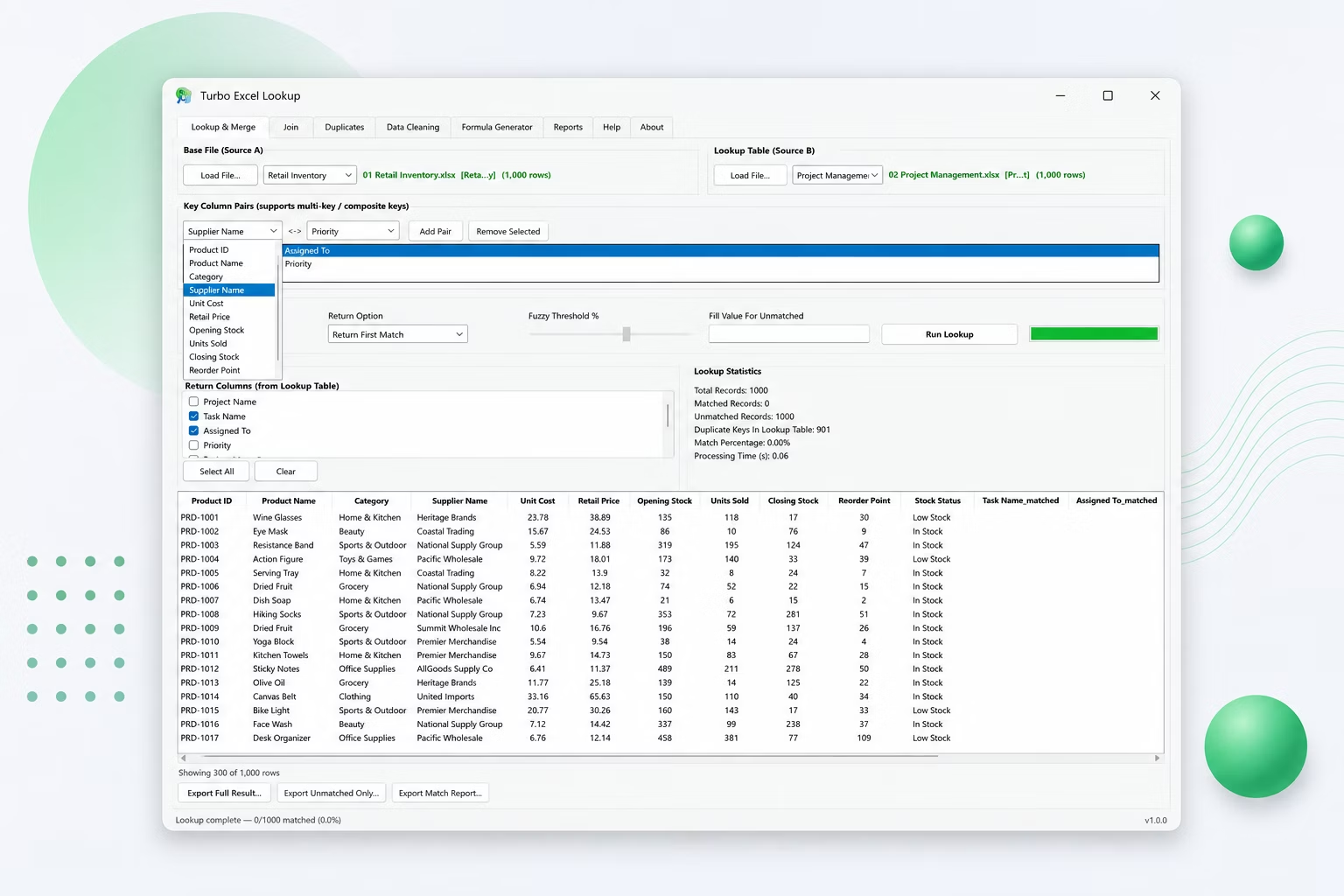
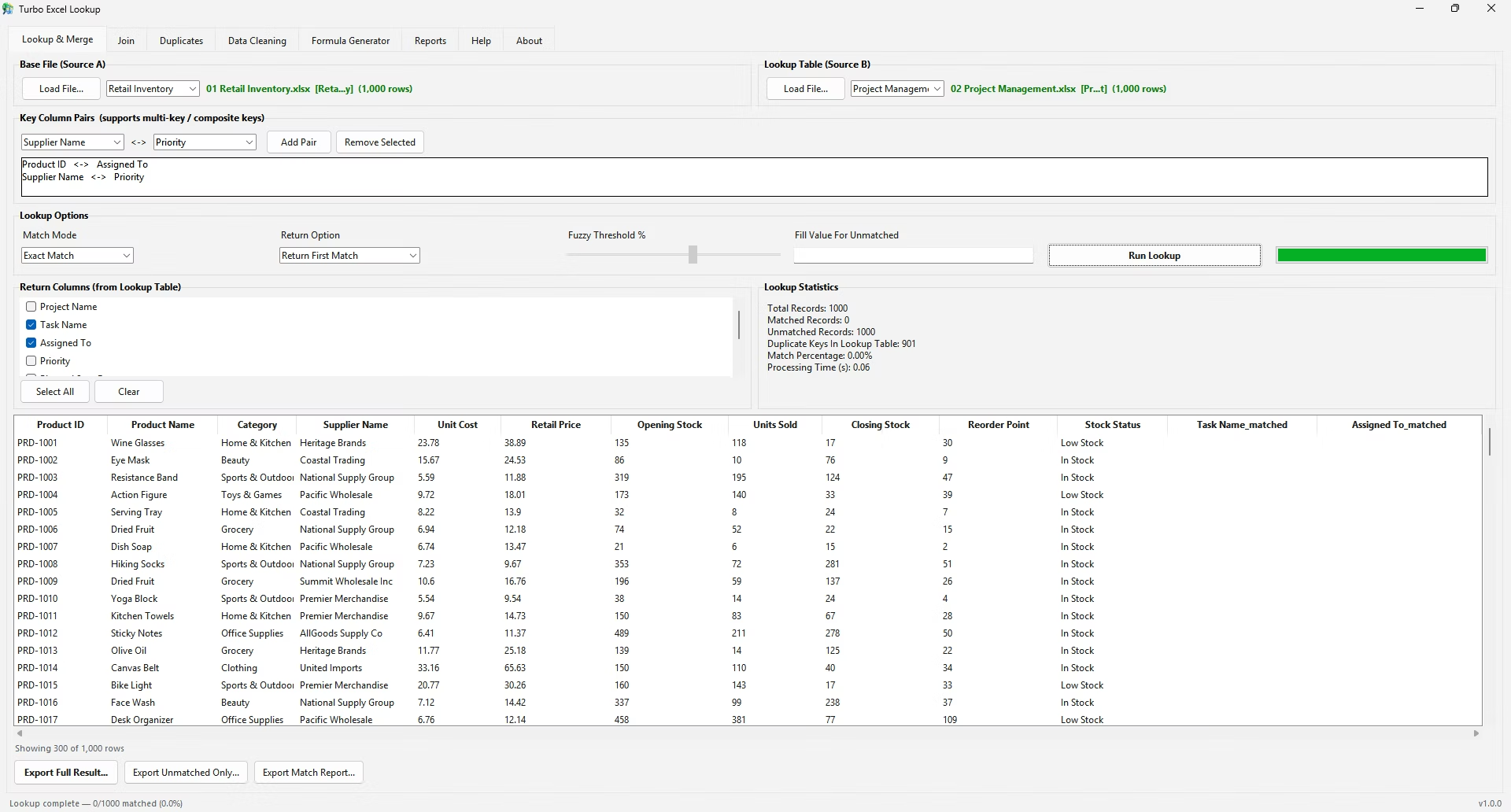
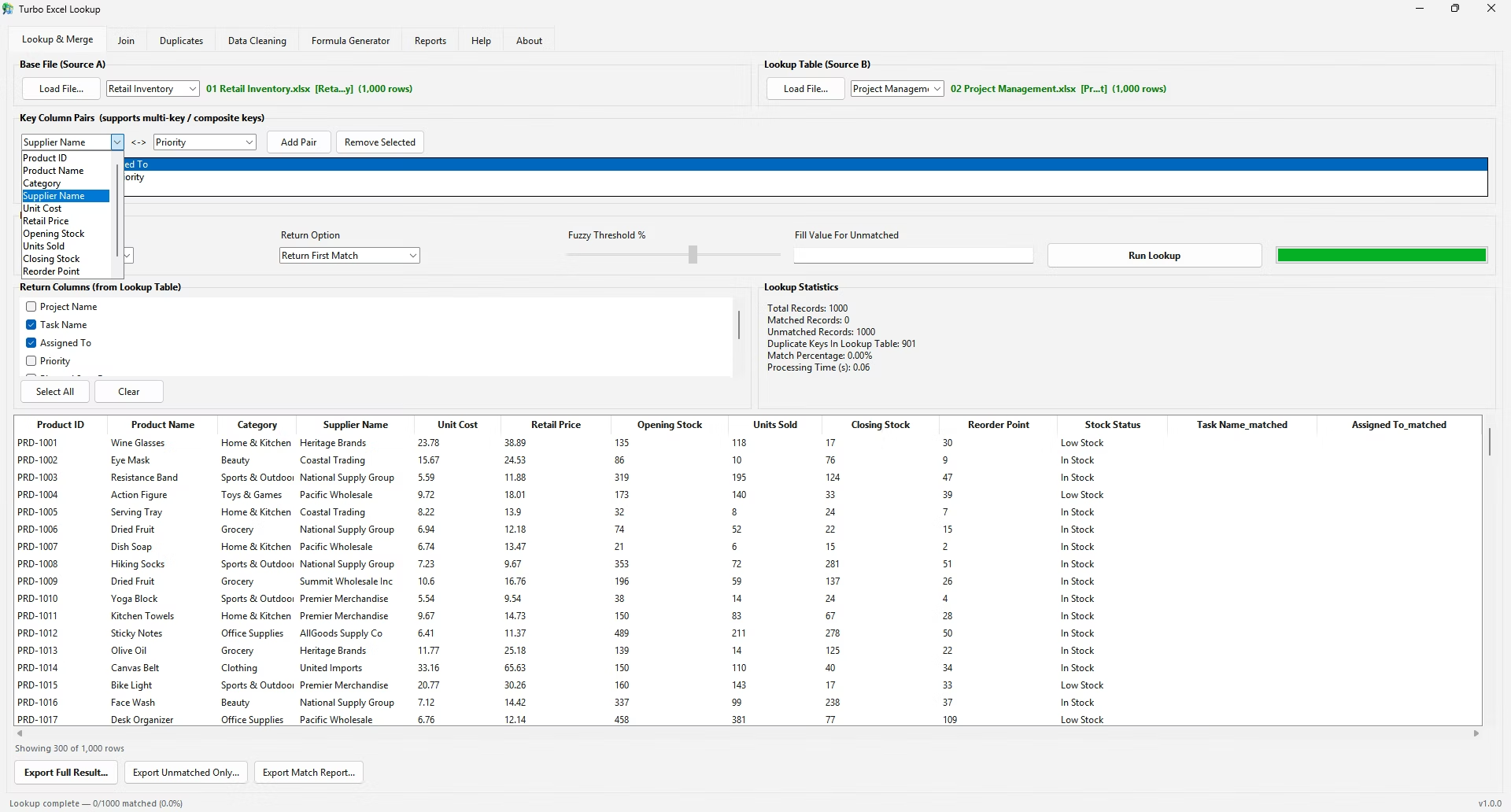
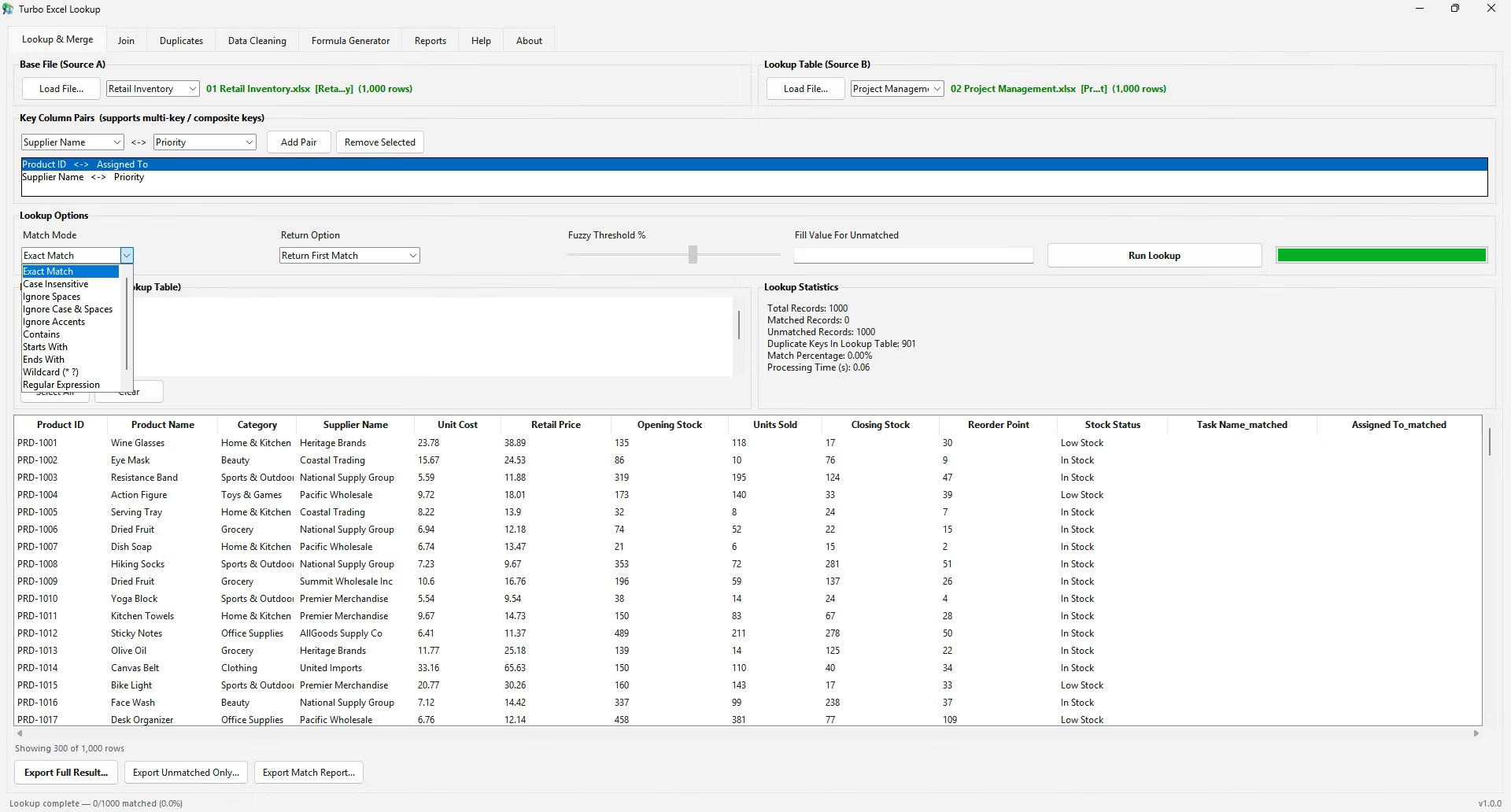
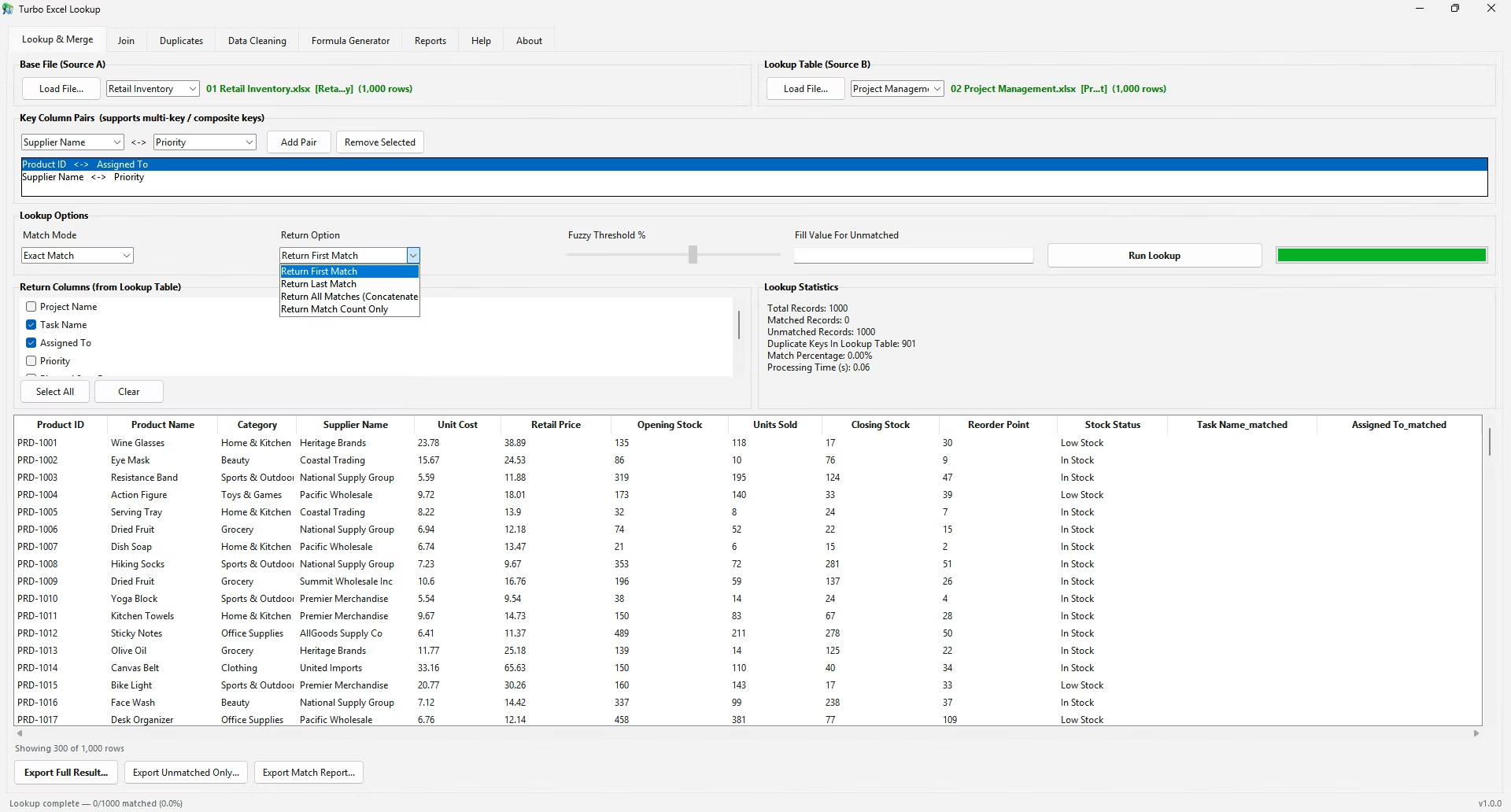
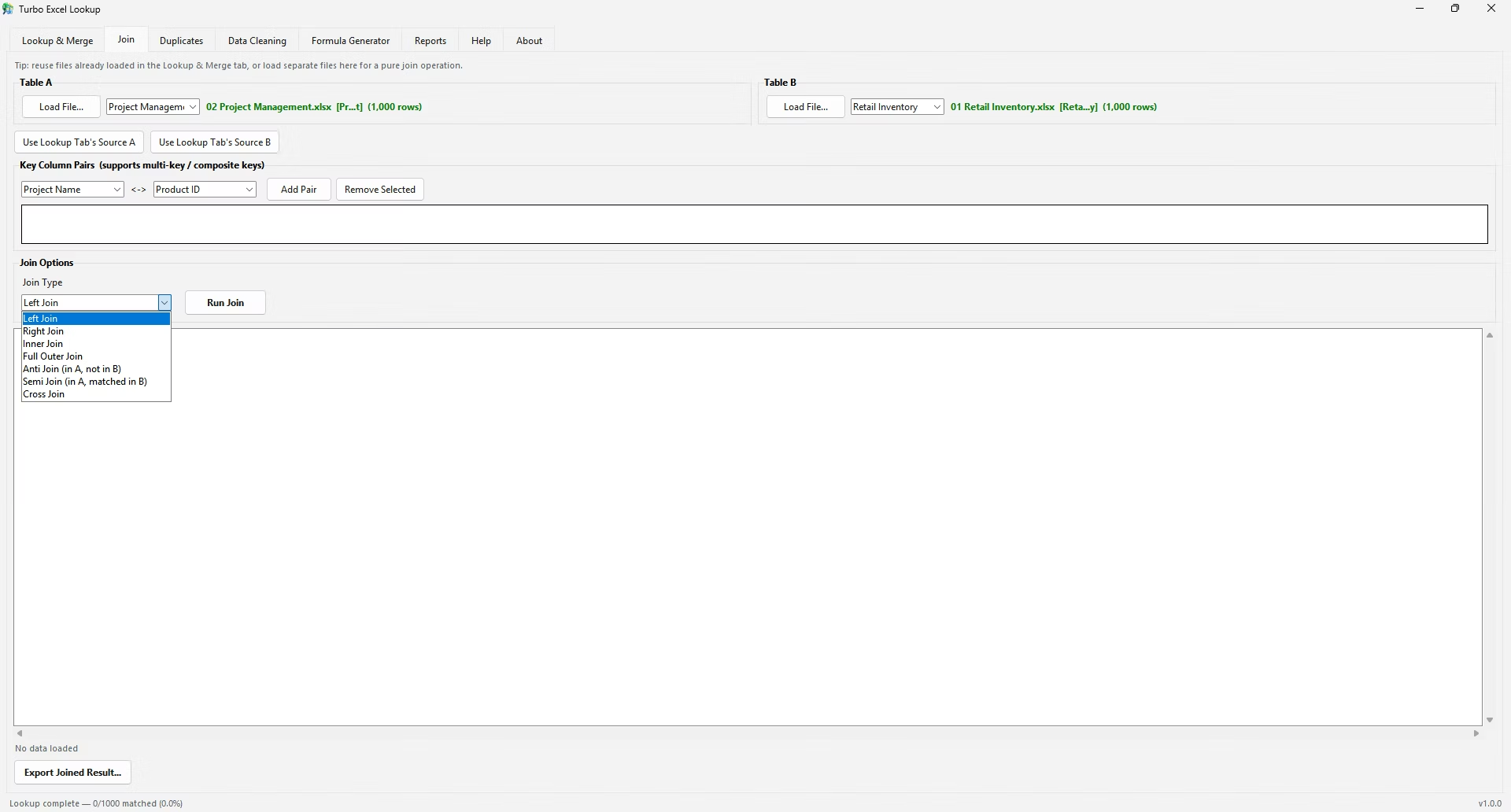
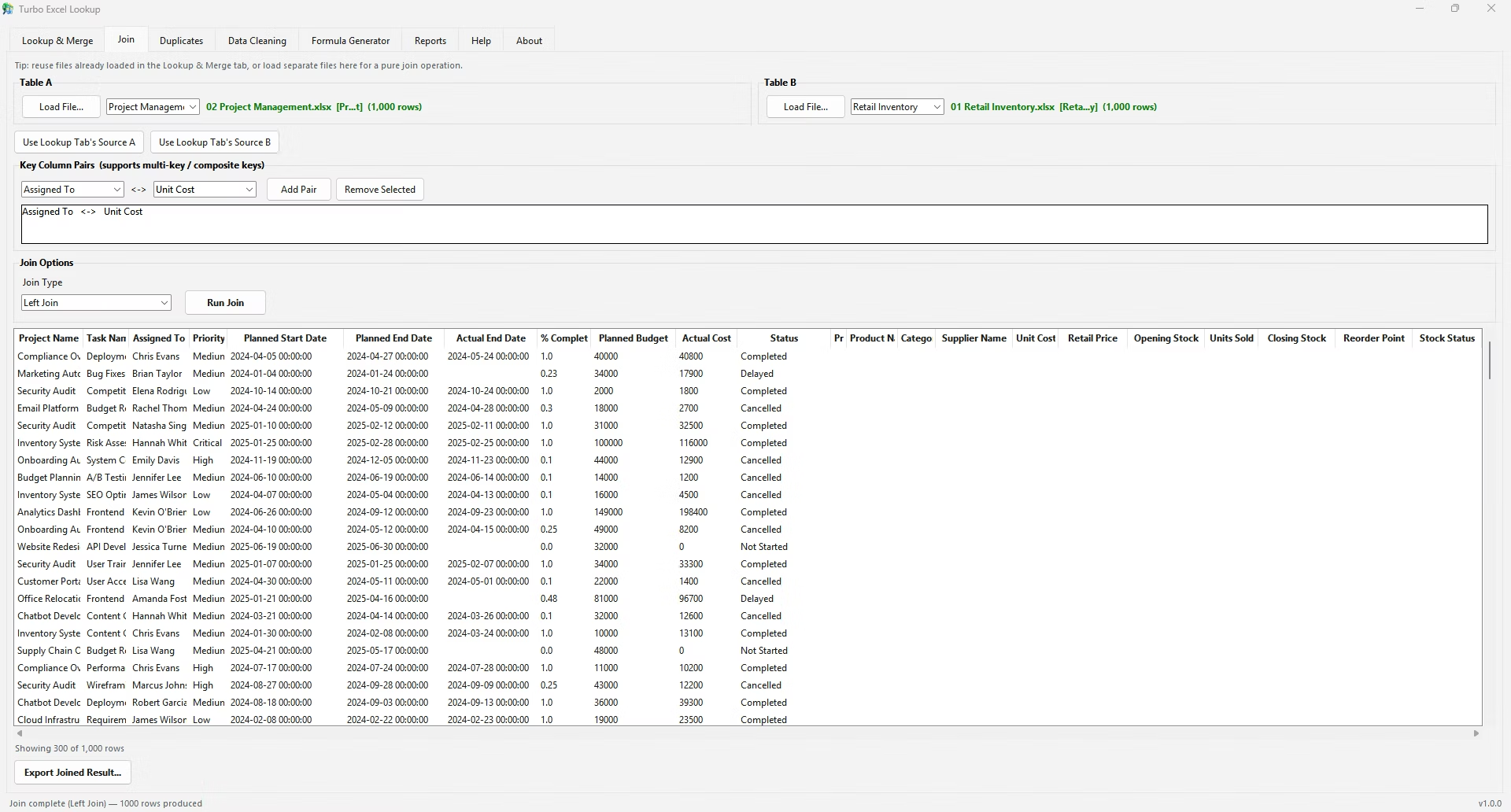
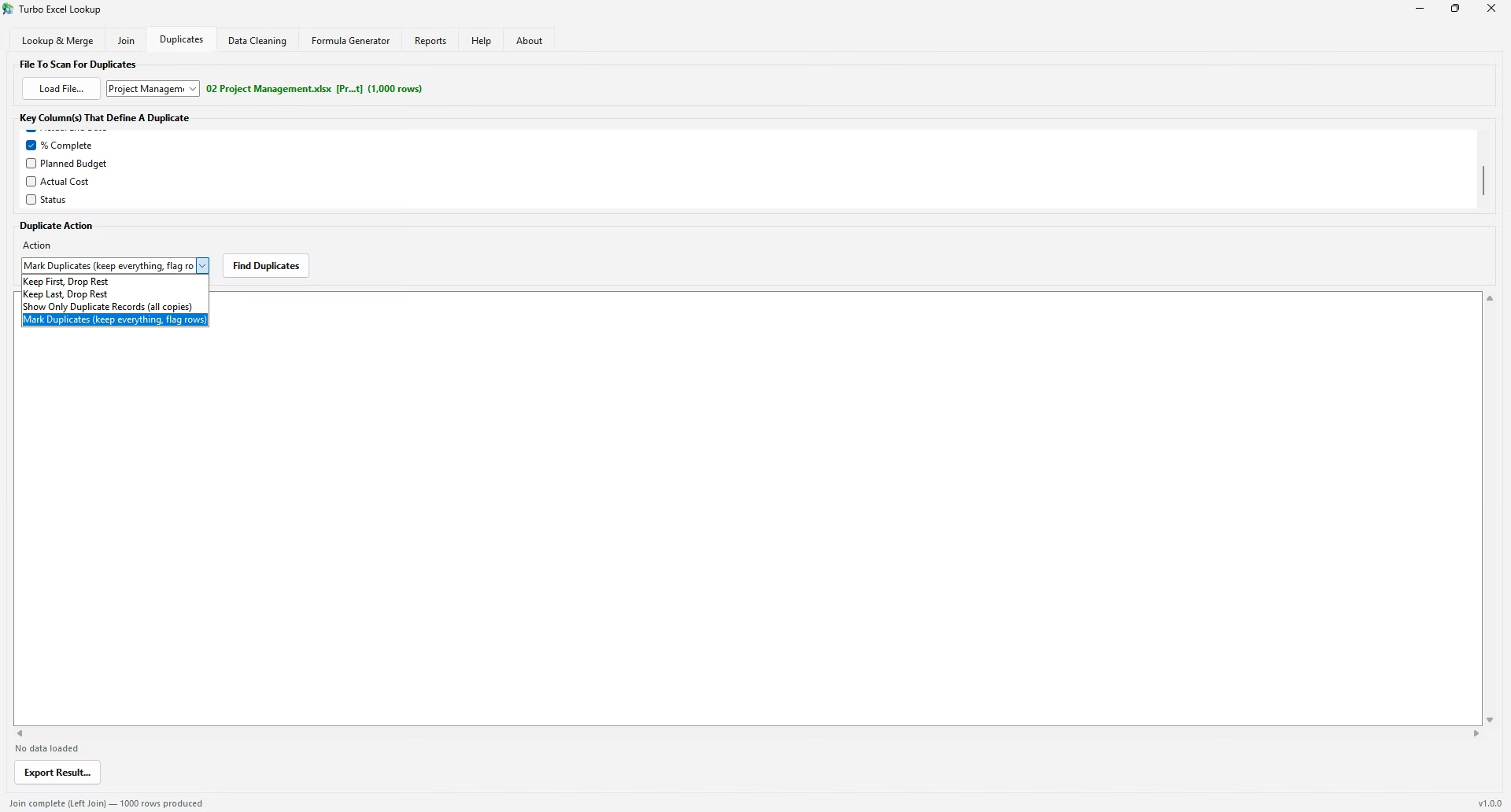
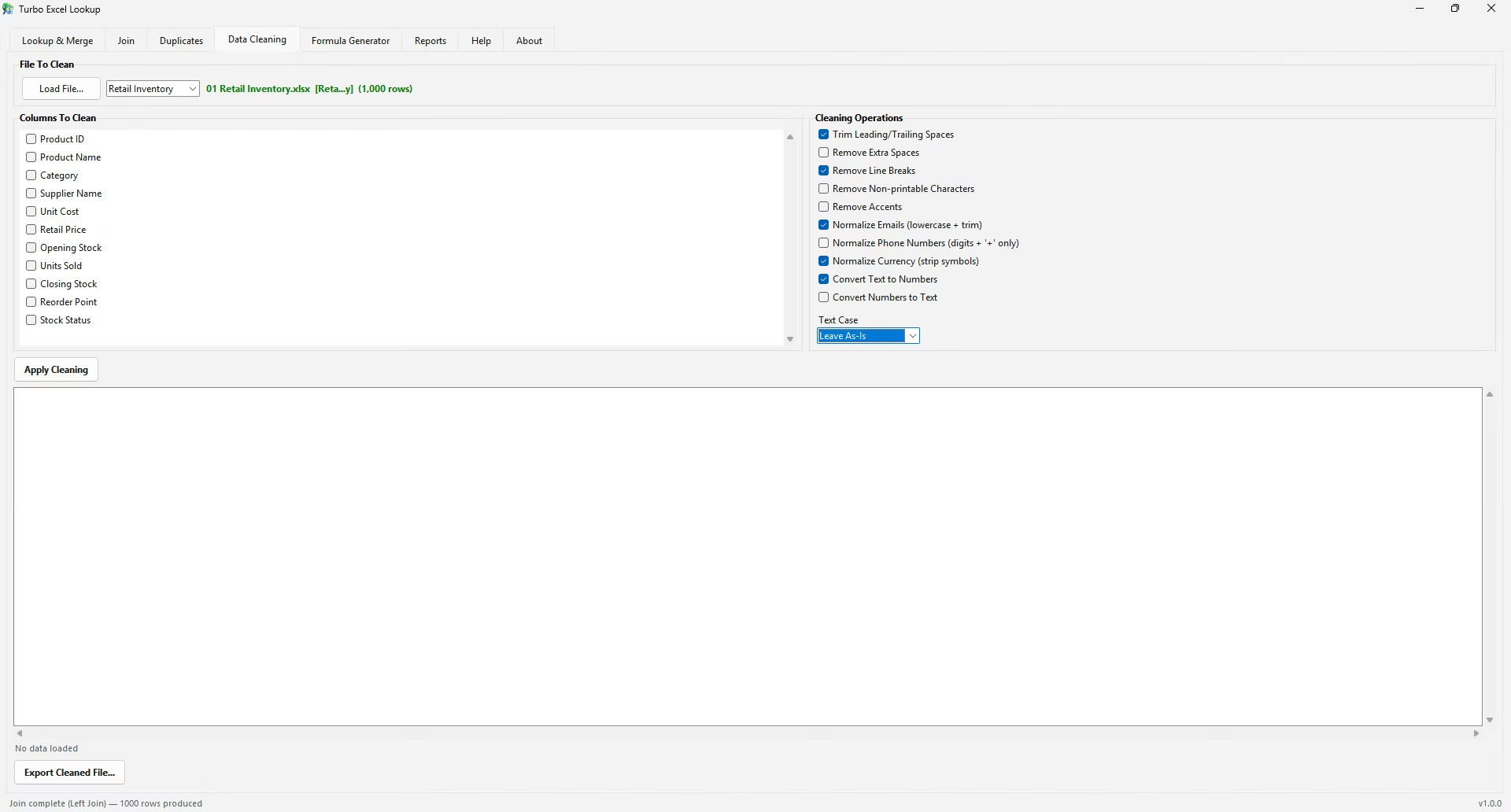
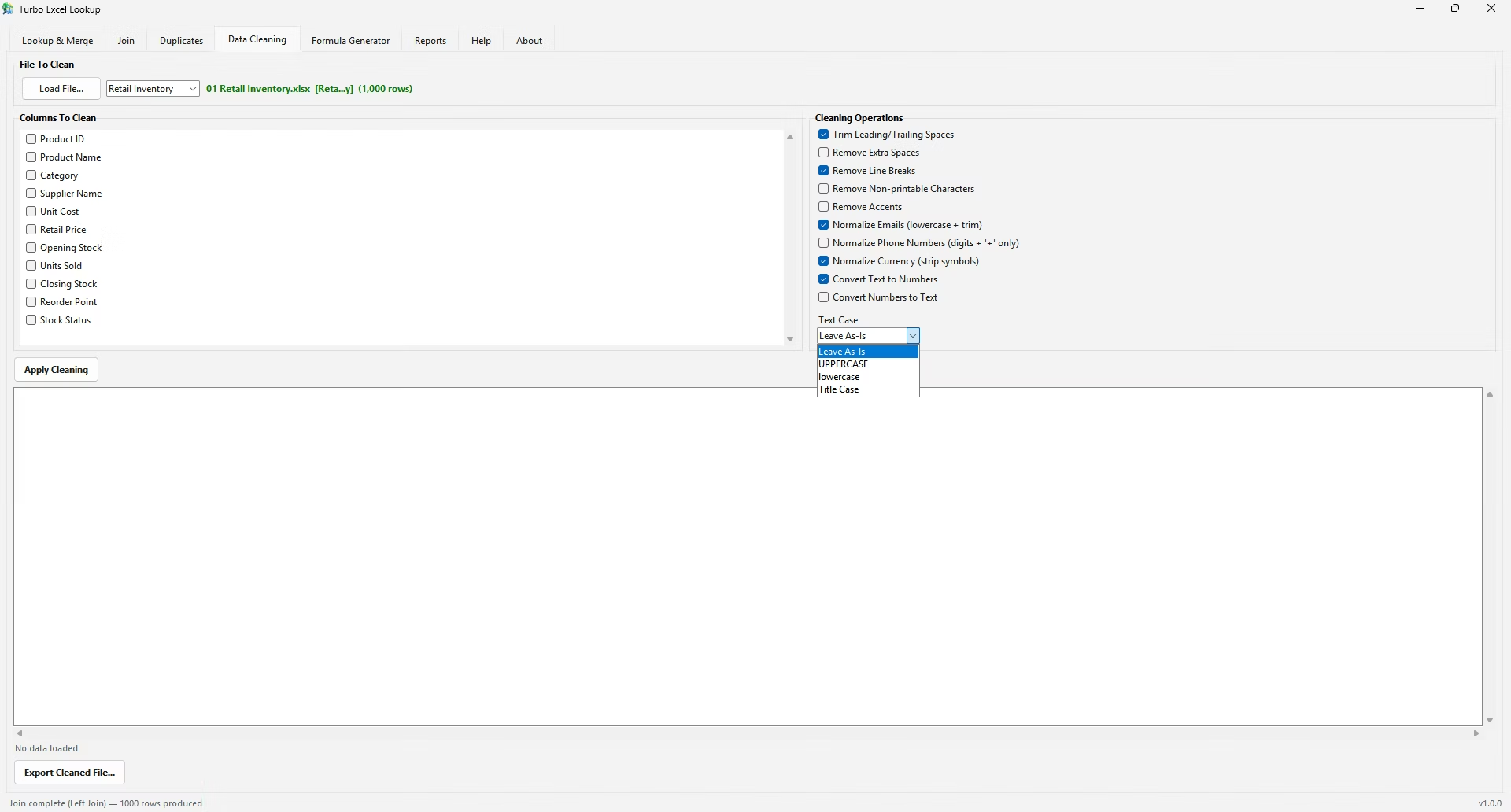
Turbo Excel Lookup covers each of the uses above through its Lookup & Merge tab, with a few specific advantages for the cases where VLOOKUP tends to break down. Multi-key matching is built in - adding a second Key Column Pair for Customer ID and Order Date takes one click rather than a helper column. Large files are handled through pandas' vectorized merge operations rather than row-by-row formula recalculation, so tens or hundreds of thousands of rows process quickly. And its eleven match modes absorb the formatting inconsistencies - spacing, casing, accents - that would otherwise need manual cleanup before a VLOOKUP formula could match reliably.
A common real workflow combines several of the uses listed above in sequence: a monthly payroll export is matched against a pay-grade table to assign salary bands (a pricing-style lookup), then matched again against a benefits enrollment list to flag anyone missing coverage (a status-check lookup), and finally summarized by department using the results of both. Each stage is typically a separate VLOOKUP column, and any spacing or ID-format inconsistency introduced at the first stage tends to compound through the later stages.
Running the same multi-stage workflow through Turbo Excel Lookup keeps each stage as a distinct, reviewable lookup with its own match-rate report, making it easier to catch a data-quality issue at the stage it actually occurred rather than only noticing a downstream summary looks wrong.
Many of the uses listed above - payroll, pricing, HR - involve sensitive data that some organizations prefer not to process through cloud-based tools. VLOOKUP's advantage here is that it runs entirely within Excel on the local machine, never sending data anywhere. Turbo Excel Lookup shares this same property, processing files locally on the Windows machine it's installed on rather than uploading them to any server, which matters for the same category of sensitive HR, payroll, and financial matching work.
A VLOOKUP formula that starts as a simple, one-off pricing lookup often grows in scope over months - a second criterion gets added, a third data source joins the mix, the row count triples. Recognizing this natural growth pattern early, and periodically reassessing whether the original formula-based approach still fits, avoids ending up with an increasingly fragile, over-extended formula chain that would have been simpler to rebuild in a dedicated tool from the start.
VLOOKUP's popularity comes from how broadly its core pattern - match a value, pull related data - applies across everyday spreadsheet work. Recognizing which of your own recurring tasks fit this pattern is the first step toward deciding whether a formula or a dedicated tool is the better long-term fit.
Is VLOOKUP still relevant now that XLOOKUP exists?
Yes, VLOOKUP remains widely used because it's available in every Excel version and is still the function most people are already familiar with, even though XLOOKUP is more flexible where it's available.
Can VLOOKUP match on more than one column at once?
Not directly - it requires a helper column that combines both fields into one value first. Turbo Excel Lookup supports multi-key matching natively without a helper column.
What's the practical row limit before VLOOKUP feels slow?
It varies by machine, but many users notice a slowdown once a sheet has several thousand VLOOKUP formulas recalculating simultaneously, especially with volatile functions elsewhere in the workbook.
Does Turbo Excel Lookup work with pricing and inventory exports from other systems?
Yes, it accepts XLSX, XLSM, XLSB, CSV, and TSV files, which covers the vast majority of exports from ERP, POS, and inventory systems.
Why do errors from an early VLOOKUP stage often show up later?
Because a mismatched or blank value from an earlier lookup gets used as input to a later formula, so the error compounds rather than staying isolated to its original stage.
Does Turbo Excel Lookup support running several lookups in sequence?
Yes, results from one lookup can be exported and then loaded as the Base File for a subsequent lookup, letting you build a multi-stage workflow with a match report at each stage.
Does Turbo Excel Lookup upload data to the cloud?
No, it processes files entirely locally on the Windows machine it's installed on, which matters for sensitive data like payroll, HR, or financial records.
Why do simple VLOOKUP setups sometimes become fragile over time?
Because the scope of the original task often grows gradually - more criteria, more data sources, more rows - without a deliberate point where the approach is reassessed, leaving an increasingly complex formula chain built on a structure meant for something simpler.
Ready to stop fighting #N/A errors and match your spreadsheets visually?