The basic VLOOKUP formula follows the same structure regardless of what data it's applied to: search for a value, look in a defined range, count over to a column, and decide how strict the match needs to be. This page covers that basic structure using a product table as the working example.
Once the basic form is understood, more advanced variations - nested formulas, table references, or wildcard matches - are just small additions on top of this same foundation.
This is the version worth memorizing first, with FALSE hard-coded, since exact matches cover the vast majority of real use cases.
| SKU | Product Name | Category | Price |
|---|---|---|---|
| SKU-2201 | Wireless Mouse | Electronics | 699 |
| SKU-2202 | Desk Lamp | Home | 899 |
| SKU-2203 | Notebook Pack | Stationery | 150 |
Wrapping the formula in IFERROR handles missing matches gracefully: =IFERROR(VLOOKUP(...), "Not Found") returns a readable message instead of #N/A. Using COLUMN() in place of a fixed col_index_num allows the same formula to be copied sideways across multiple columns without manual adjustment.
The basic formula struggles once you need to search to the left of the lookup column, match on more than one condition at once, or reference a closed workbook. These situations usually call for INDEX MATCH, XLOOKUP, or a helper column rather than a plain VLOOKUP.
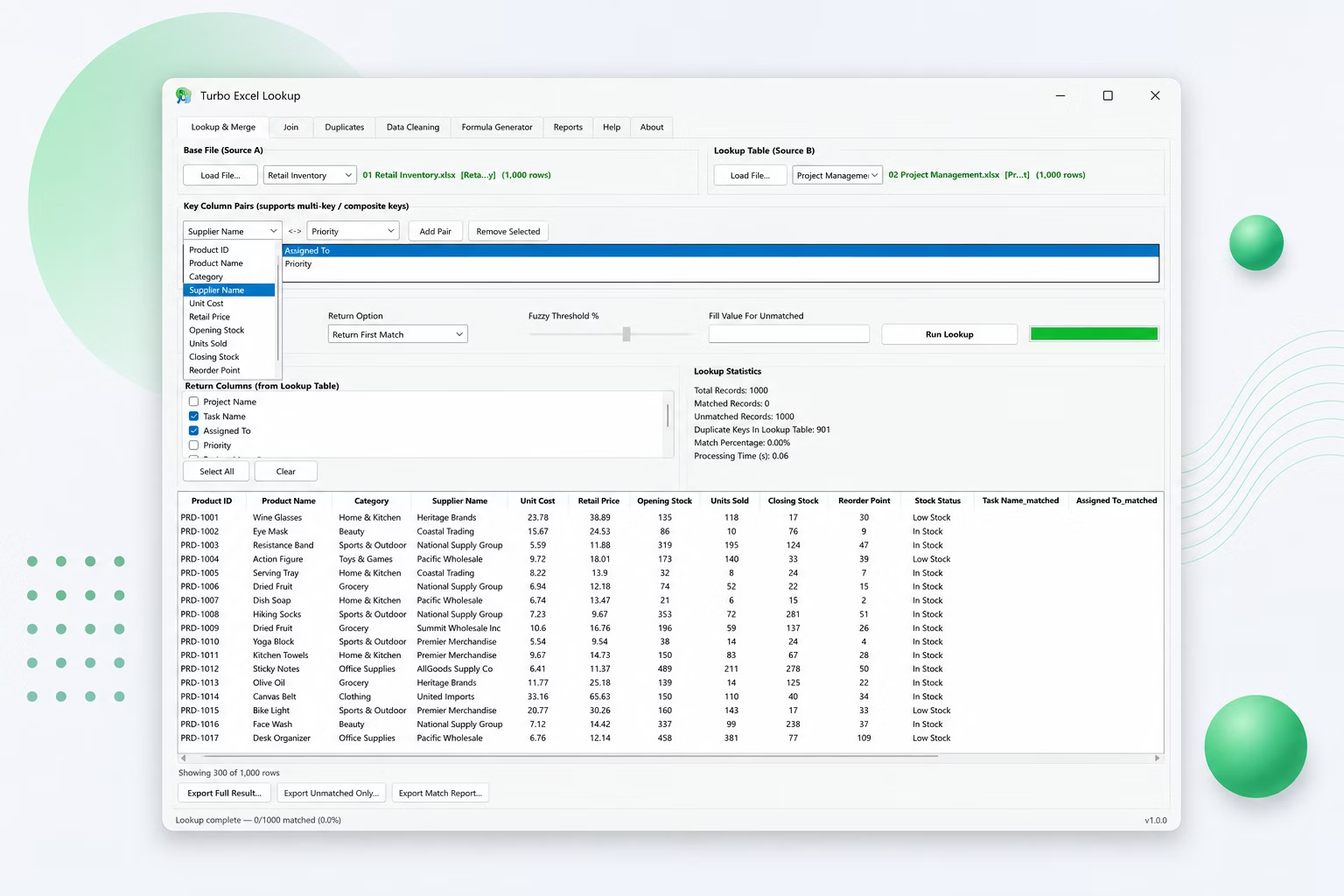
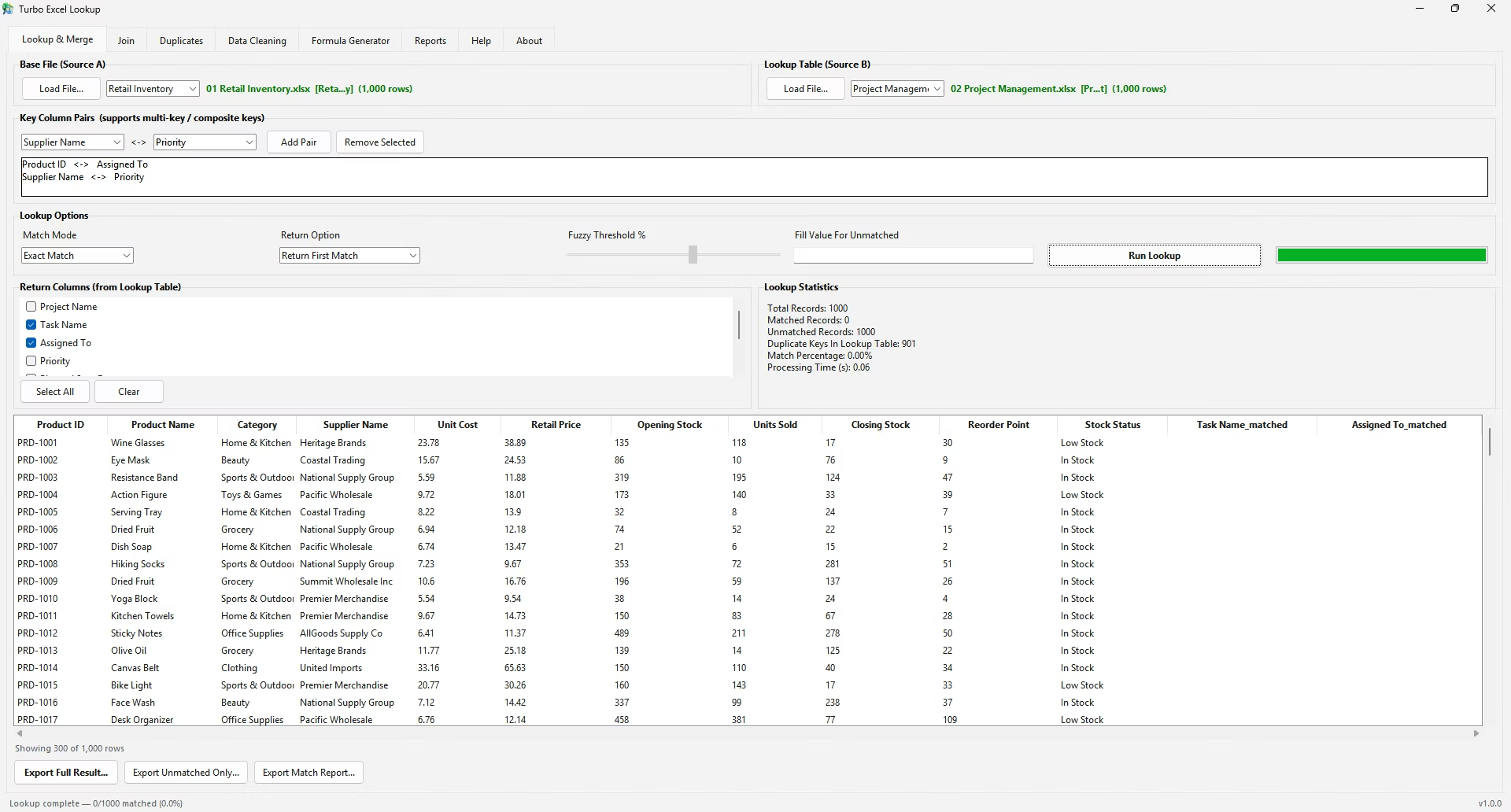
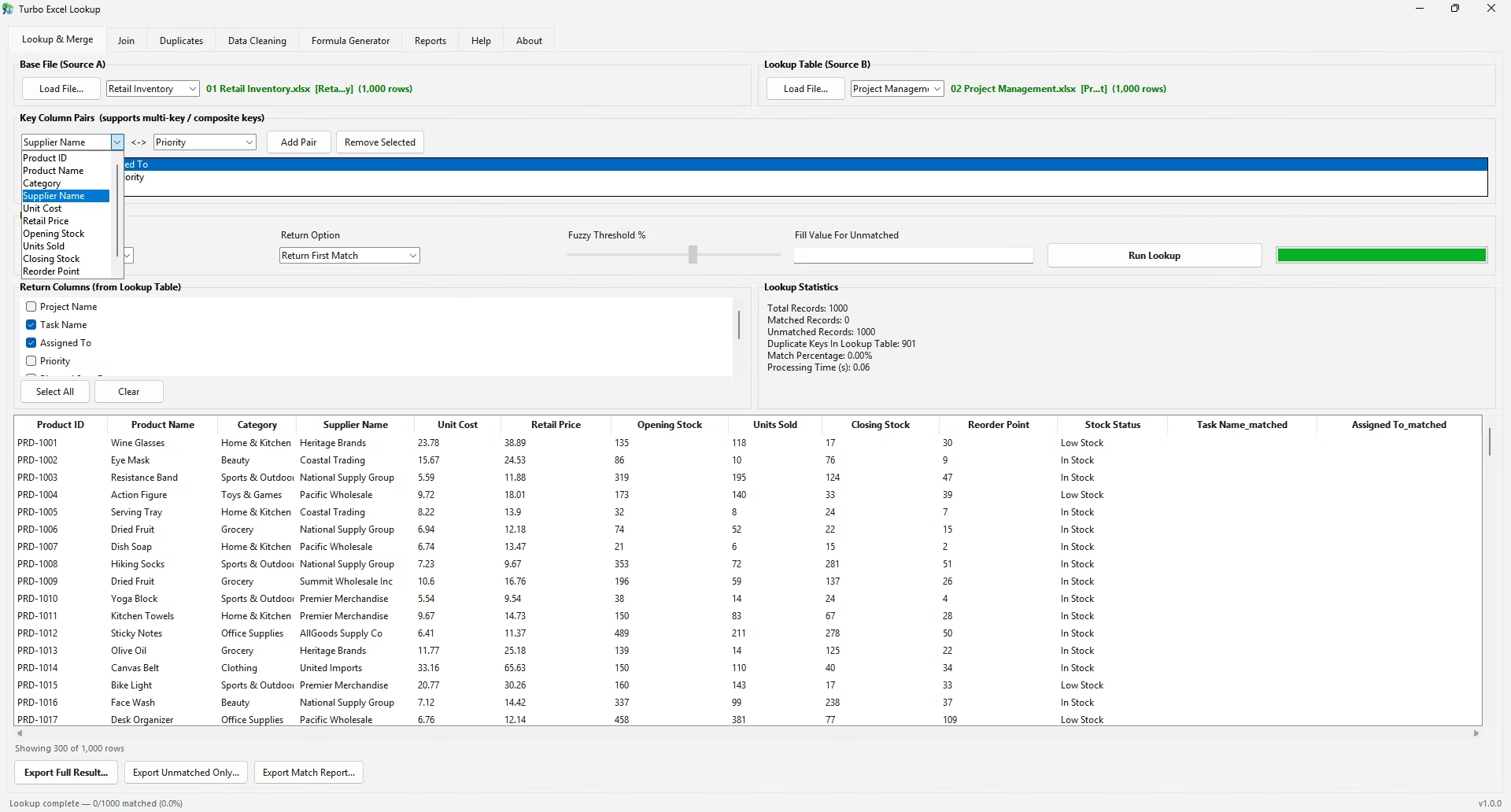
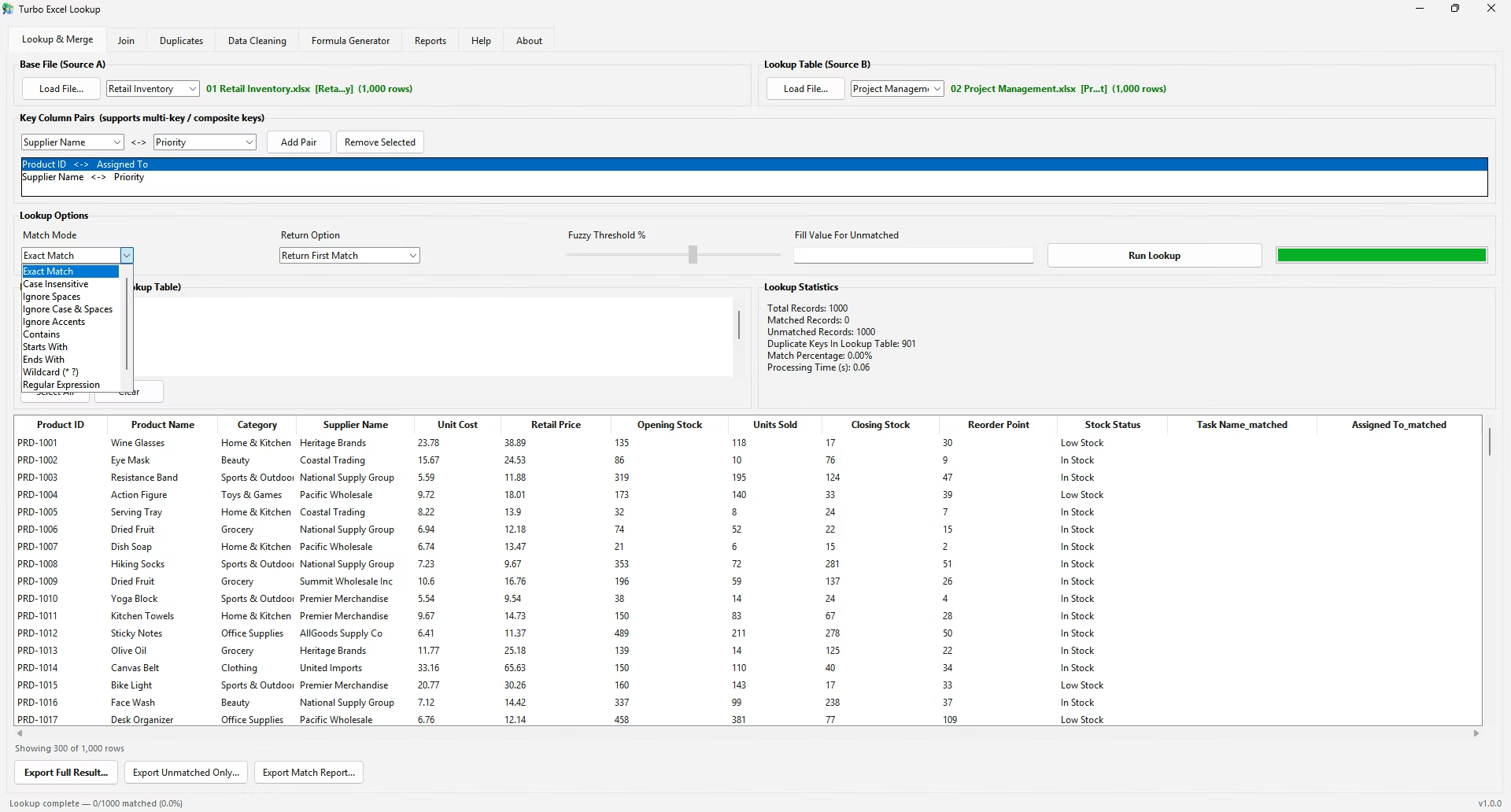
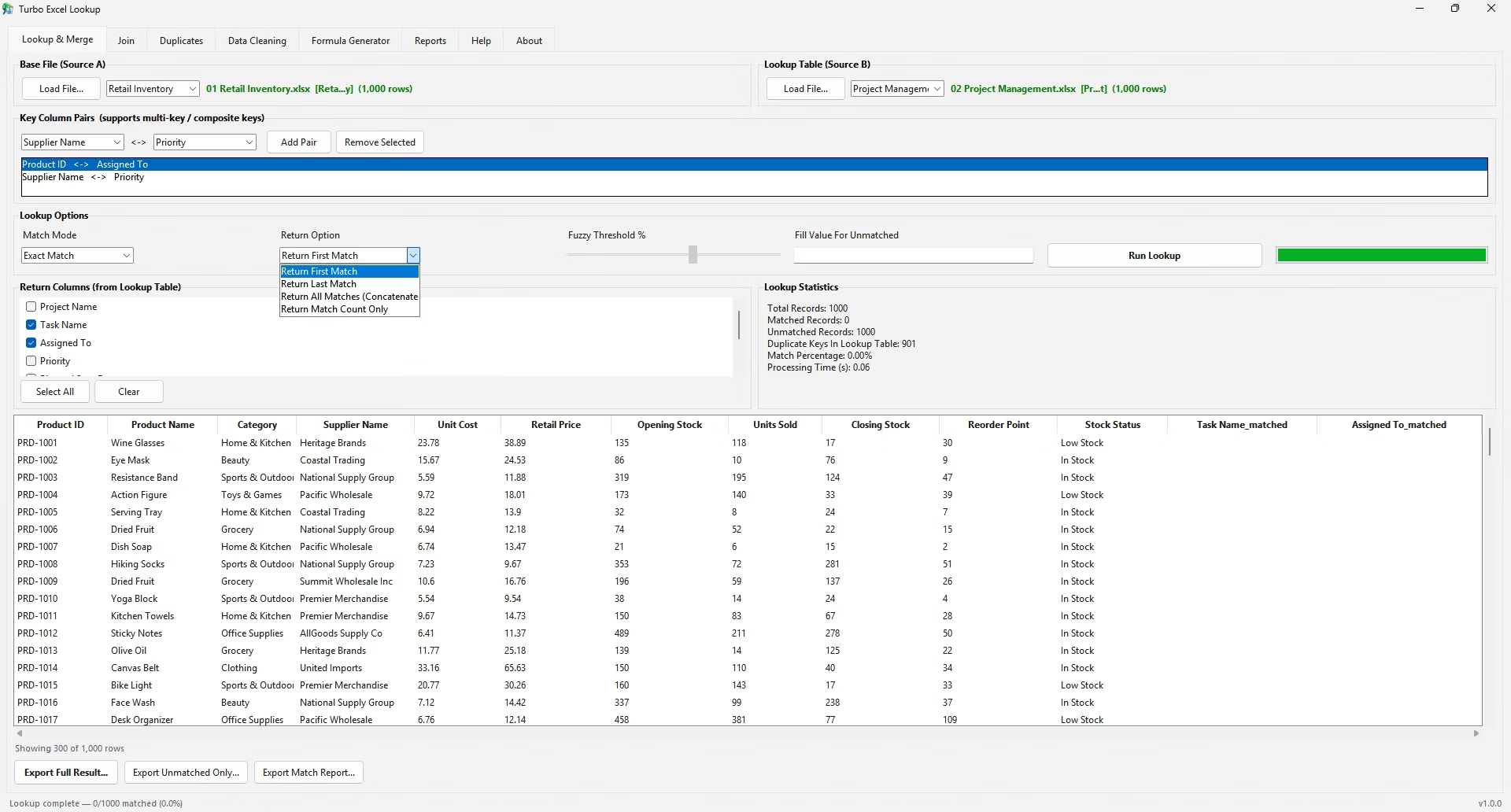
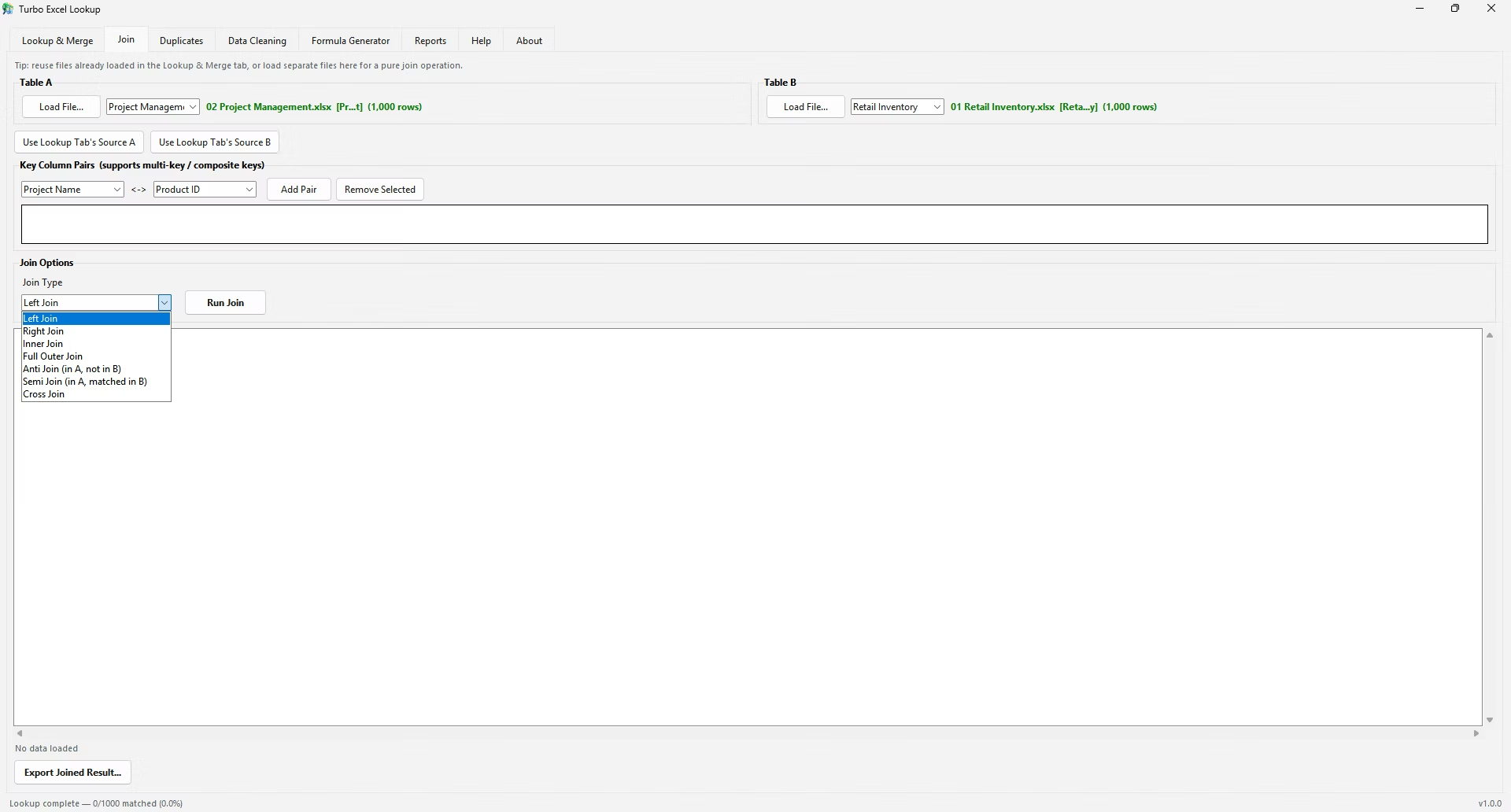
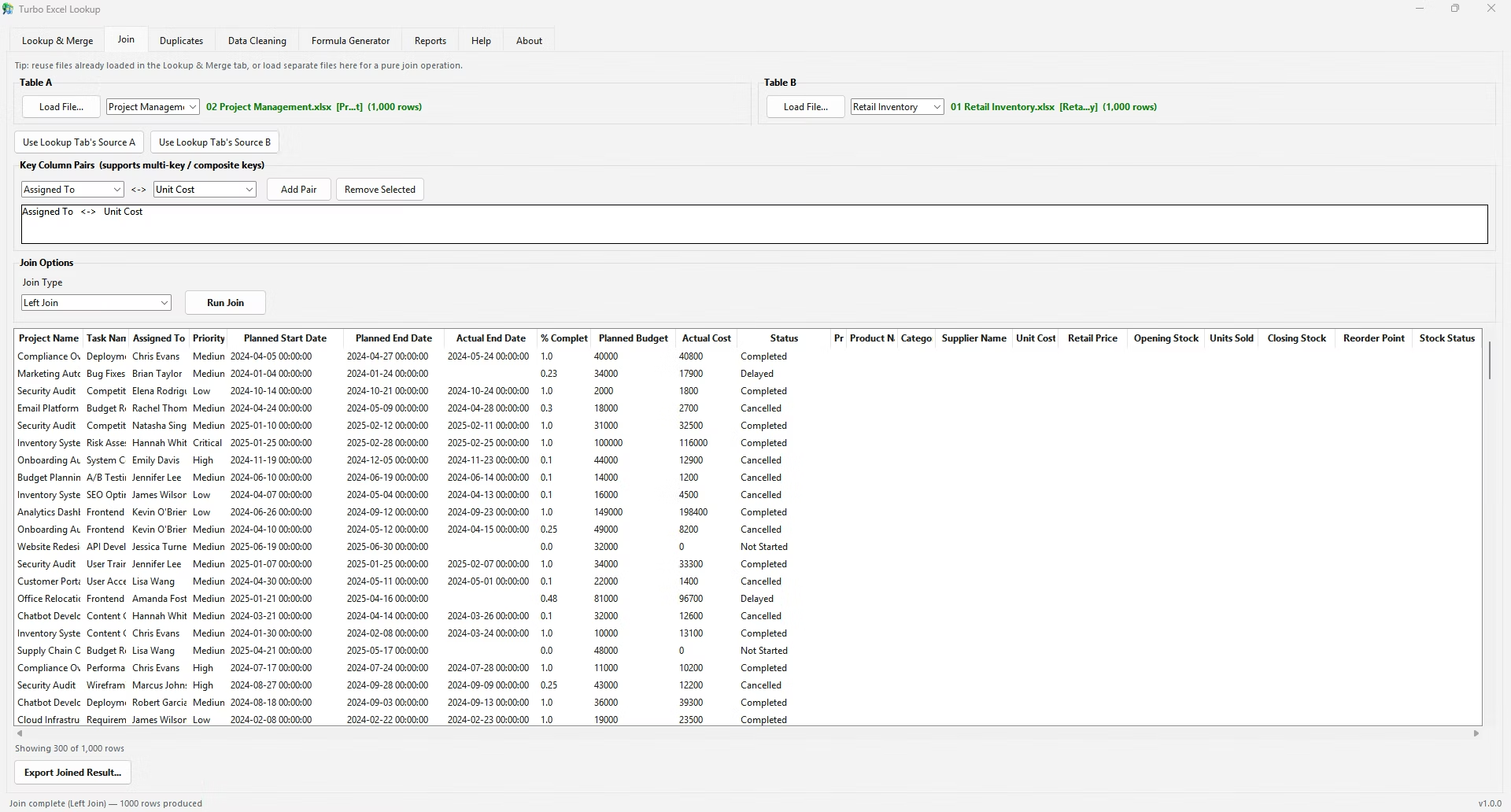
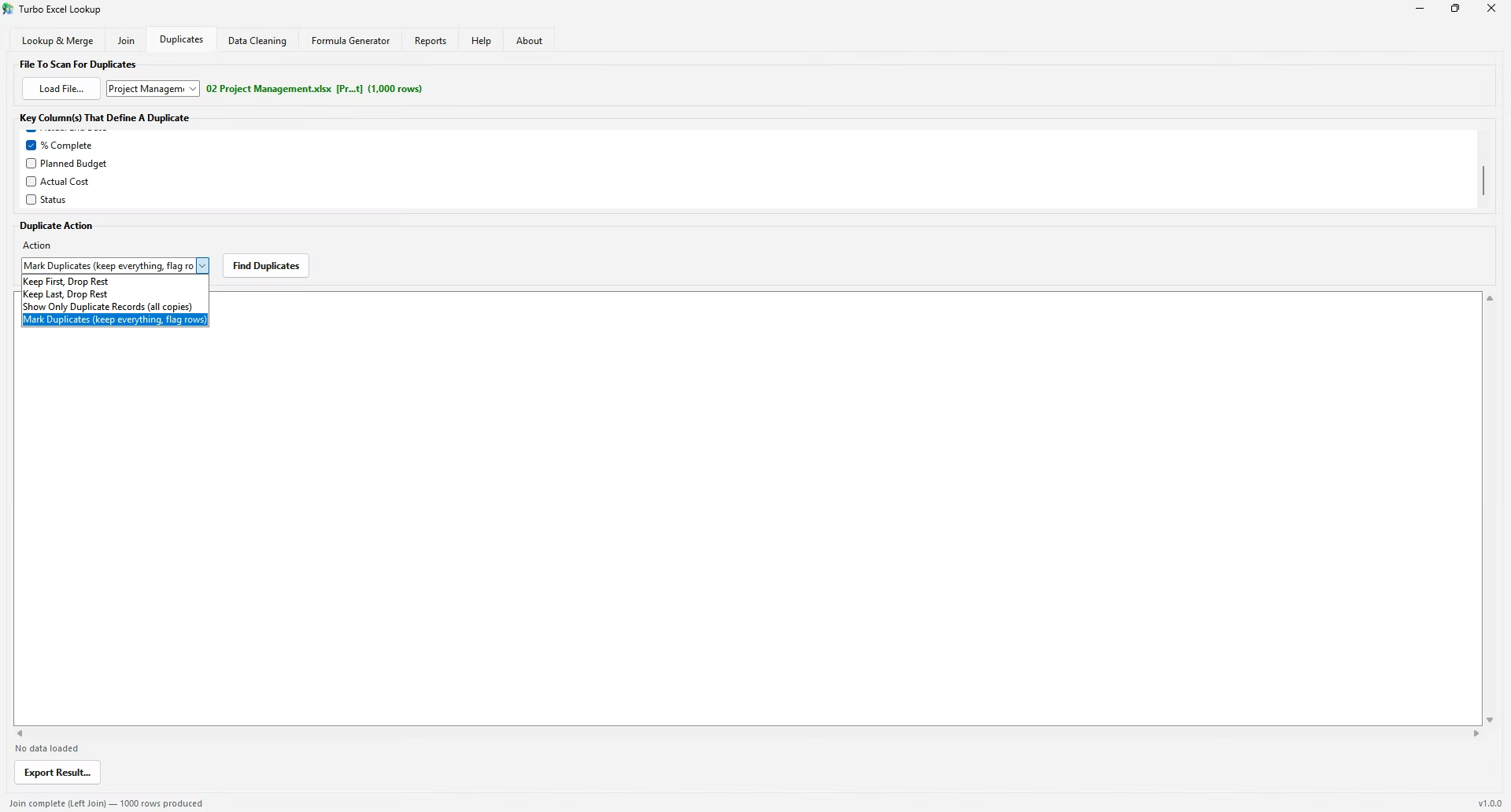
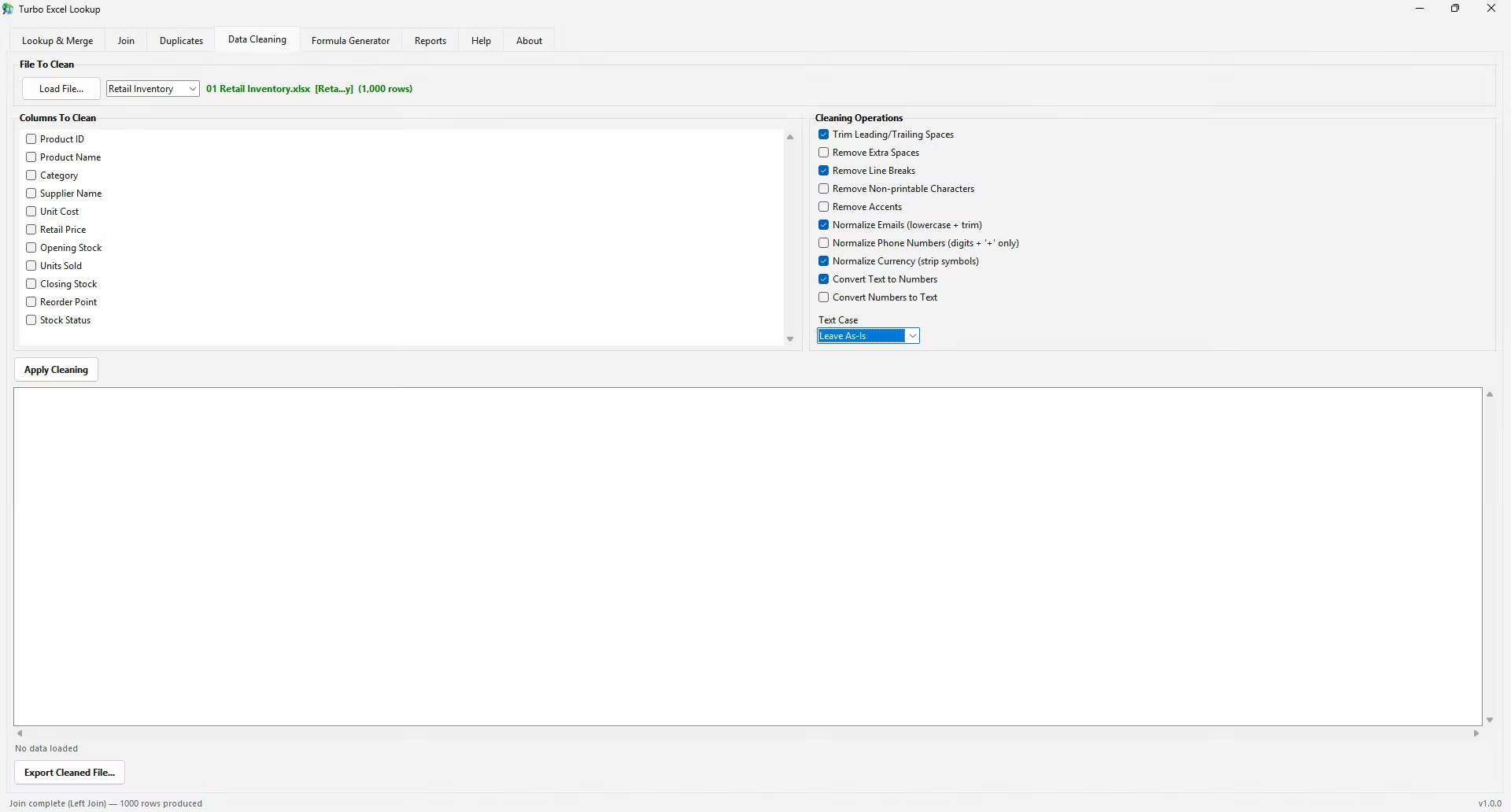
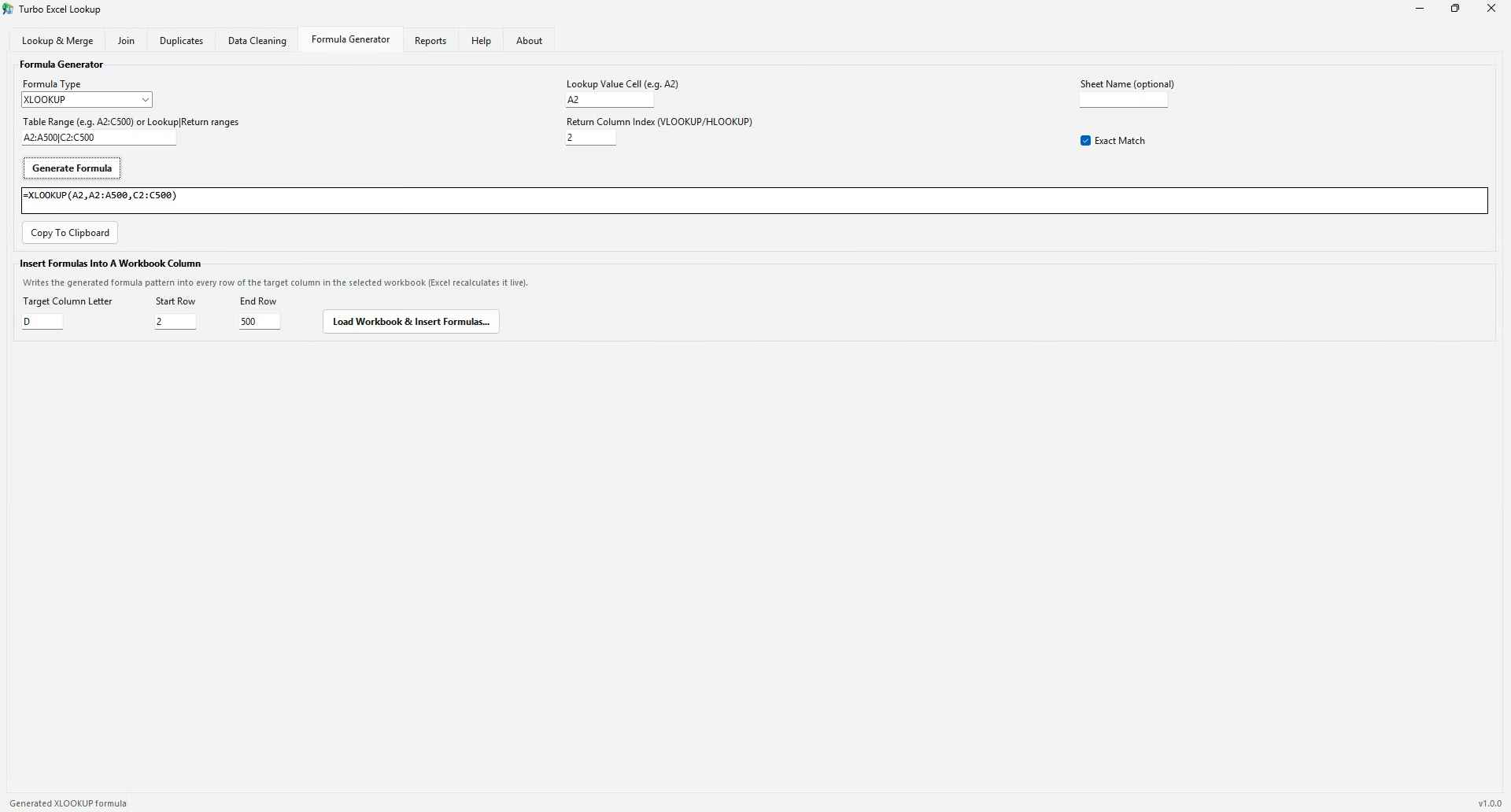
Turbo Excel VLookup applies this same basic matching idea - exact ID match, return a column - across an entire dataset without the formula needing to be written or copied at all, which is often the simplest route once more than a few lookups are needed.
A worksheet with thousands of VLOOKUP formulas recalculating against a large table_array can slow Excel down noticeably, especially if the range isn't locked and Excel has to re-evaluate a shifting reference on every keystroke.
Converting the source range into an Excel Table (Insert > Table) before referencing it in VLOOKUP tends to help, since Table references automatically resize with the data and stay consistent without needing manual $ locking.
Before applying a new VLOOKUP formula to an entire column, it's worth testing it on a single row and manually verifying the result against the source data, since a mistake caught in one cell takes seconds to fix, while the same mistake copied down five hundred rows takes much longer to untangle.
This is especially worth doing whenever the source table_array has changed shape recently, since a resized or reordered table is the single most common reason a previously reliable formula starts returning unexpected results.
What is the most basic version of a VLOOKUP formula?
=VLOOKUP(lookup_value, table_array, col_index_num, FALSE), using FALSE for an exact match.
How can I avoid seeing #N/A in my basic formula?
Wrap the formula in IFERROR to display a custom message instead of the raw error.
Can col_index_num be made dynamic instead of a fixed number?
Yes, using COLUMN() inside the formula lets it adjust automatically when copied across columns.
When does a basic VLOOKUP formula stop being enough?
When you need to search leftward, match multiple conditions, or reference a closed workbook.
Is FALSE always the right setting for a basic formula?
For matching unique identifiers, yes - TRUE is reserved for specific sorted-range scenarios.
What's a simpler option than writing the basic formula for a whole table?
Turbo Excel VLookup performs the same basic matching across an entire dataset without any formula.
Does the order of rows in the source data matter for an exact match?
No, an exact match search works regardless of row order; only an approximate match requires sorted data.
Is it safe to have duplicate values in the lookup column?
A lookup formula will only return the first matching row it finds, so duplicates can silently return the wrong record if not accounted for.
Should I test a new formula on one row before applying it everywhere?
Yes, verifying a single result against the source data first catches setup mistakes before they're copied across an entire column.
Is it a good idea to edit source data while formulas are actively referencing it?
It's safer to keep a stable source sheet separate from a working sheet, since editing referenced data mid-use can produce confusing intermediate results.
Ready to stop fighting #N/A errors and match your spreadsheets visually?