Assigning sequential numbers to a batch of files automatically removes the guesswork and manual counting that comes with numbering files by hand, especially once the batch grows past a few dozen files. An automatic numbering tool applies a consistent sequence across the entire selection in one pass.
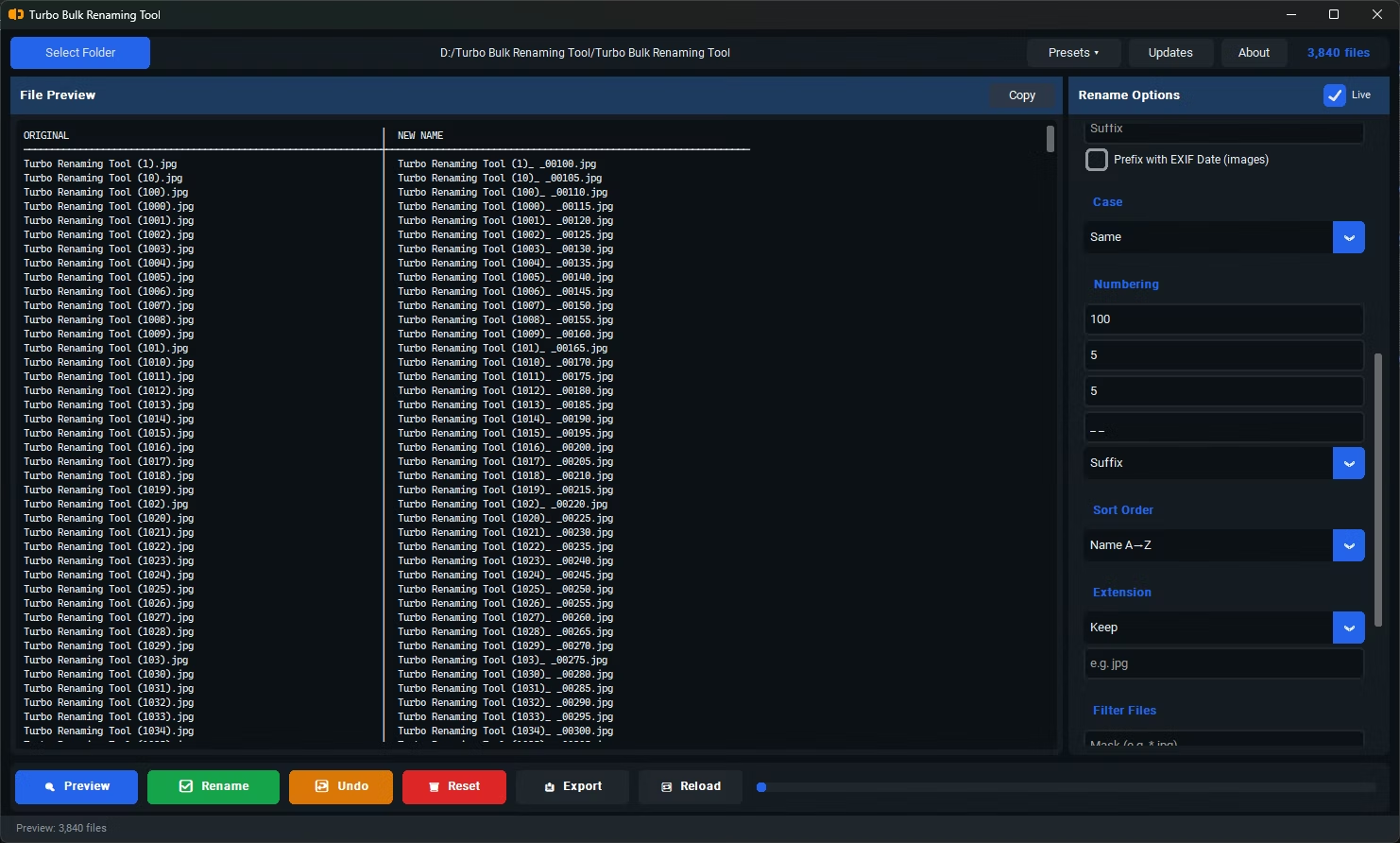
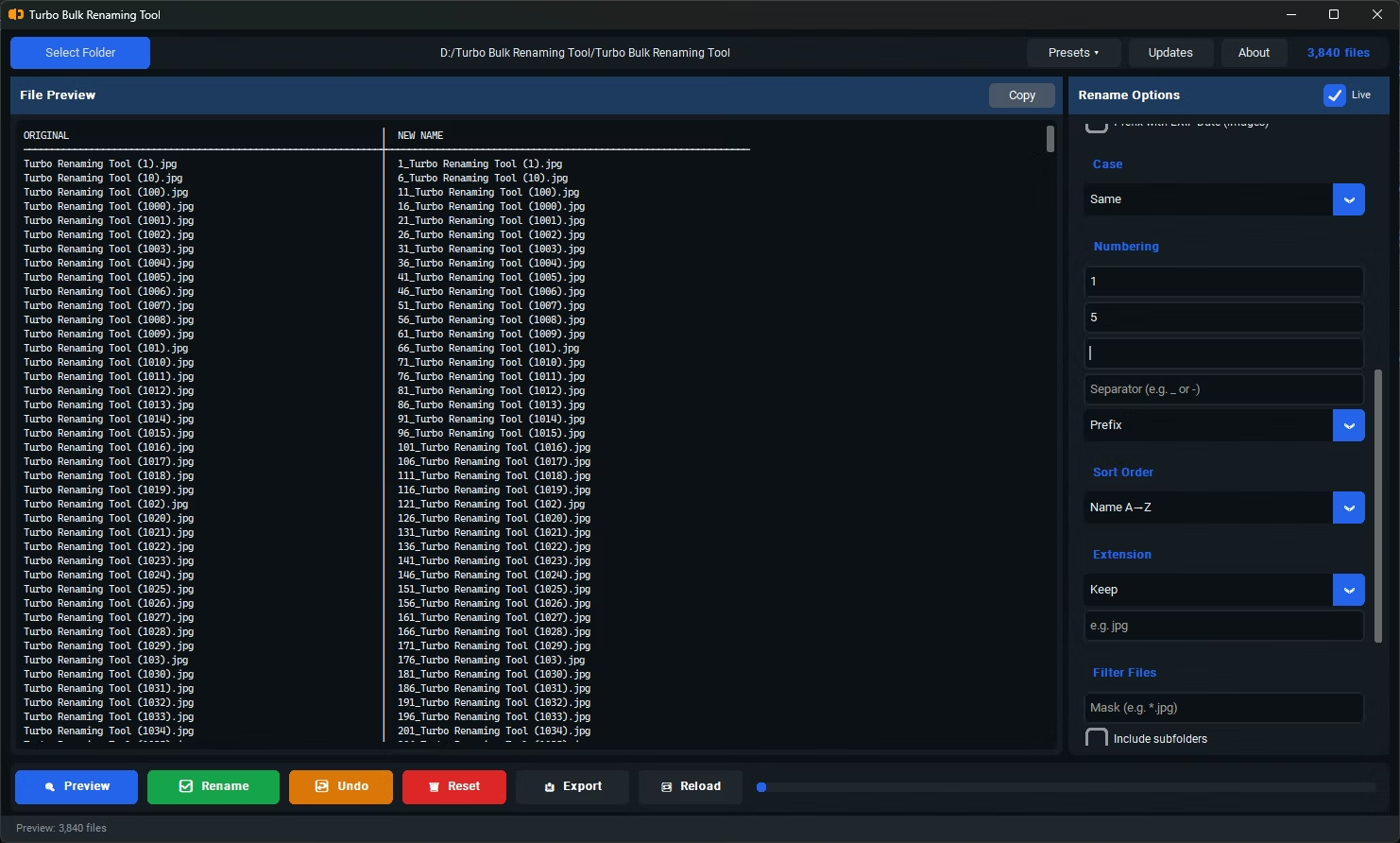
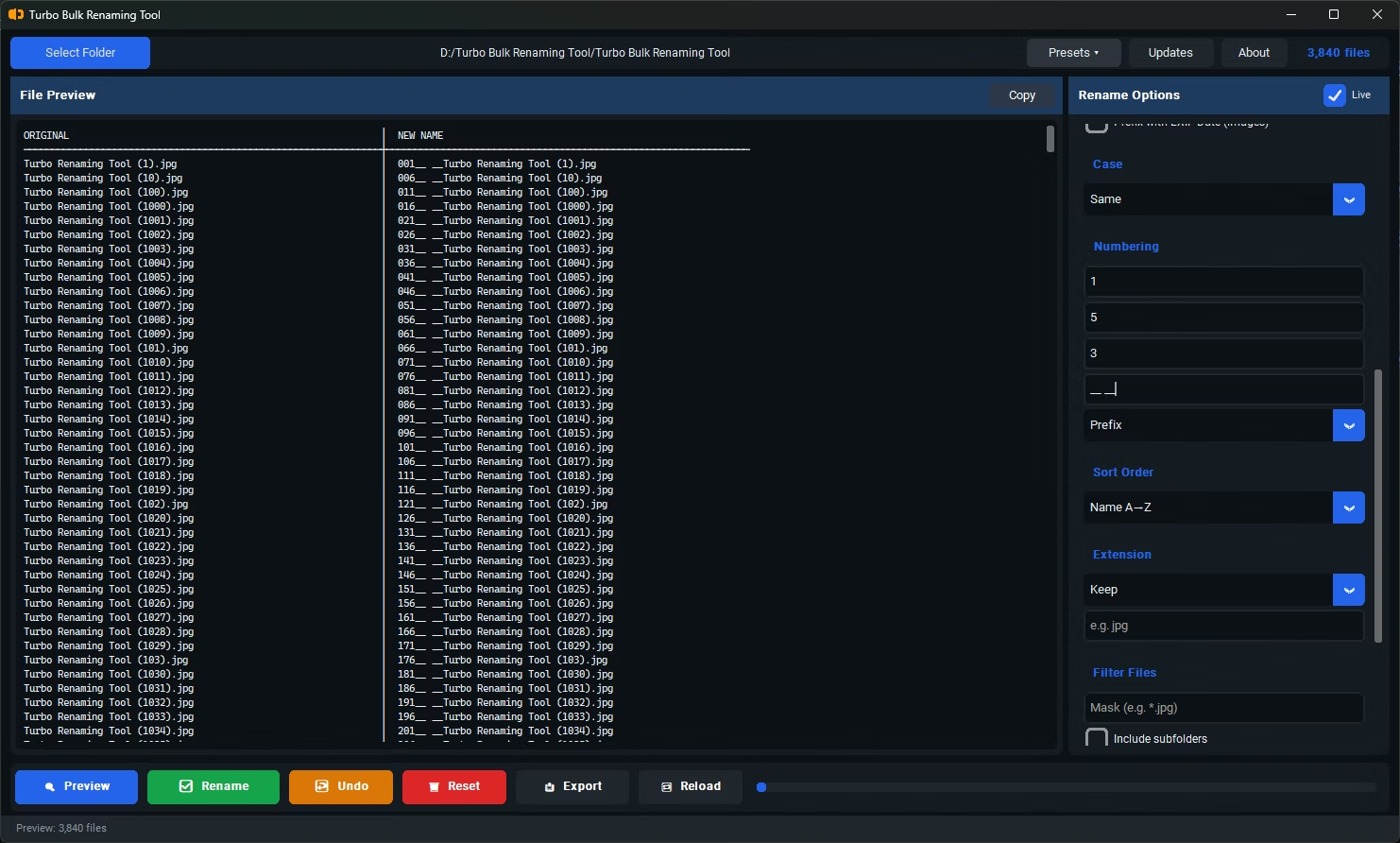
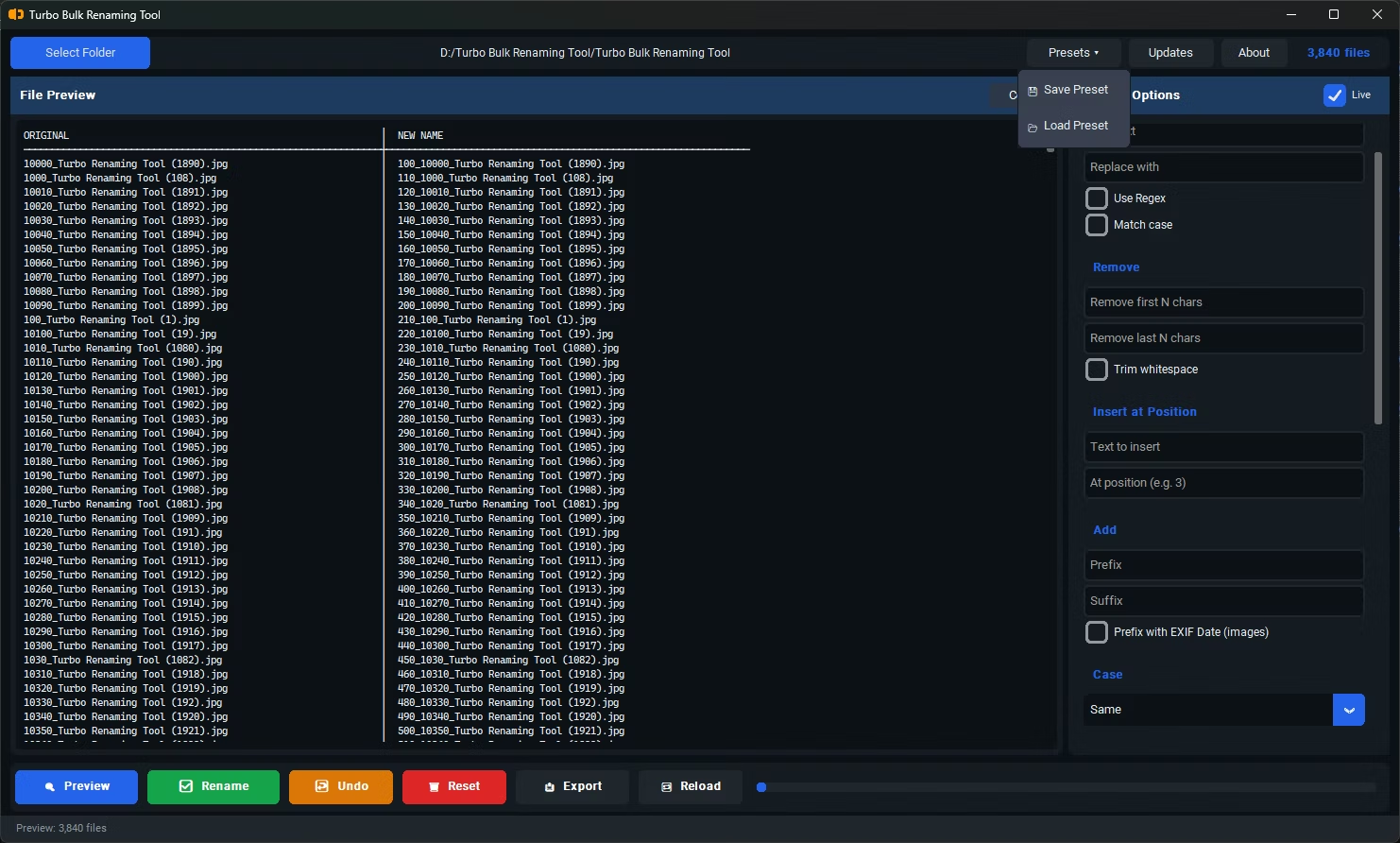
Turbo Bulk Renaming Tool automatically numbers files with a configurable start number, step, and zero-padding, placing the number wherever your naming convention calls for it, at the start, end, or a specific position within the filename. The sort order setting ensures numbering follows the sequence you actually intend, such as by date or by original filename.
Because the live preview reflects the automatic numbering as you configure it, you can verify the sequence is correct across a sample of files before committing to the whole batch. The numbering rule combines with prefixes, suffixes, and find and replace, so you can build a complete naming convention in one automated pass.
Beyond the core workflow built for number Files Automatically, Turbo Bulk Renaming Tool includes the full renaming toolkit found throughout the application: regex-based find and replace for advanced pattern matching, EXIF date extraction for photo libraries, case conversion for consistent capitalization, character trimming to strip a fixed number of characters from either end of a filename, text insertion at any position, and recursive folder scanning that pulls in files from every nested sub-folder. Any of these tools can be layered on top of the rules described above, so a job that starts as a simple rename can grow into a complete naming convention without switching to a different application.
The application itself is a one-time purchase for Windows 10 and Windows 11, with no subscription, no watermarks added to renamed files, and no data ever leaving your PC during a rename operation. Every batch can be logged to CSV, XLSX, or TXT so you always have a written record of the original and new name for each file, and any combination of rules you build can be saved as a reusable preset, so a renaming job you configure today is ready to run again in a couple of clicks the next time the same kind of files come in.
For teams and individuals who rename the same kind of files repeatedly, the combination of live preview, saved presets, and exportable logs turns number Files Automatically from an occasional chore into a routine, low-risk step in a larger workflow. You configure the rules once, confirm the result looks right, and from then on a job that used to take an afternoon of manual renaming takes a few clicks, with a clear written record left behind for anyone who needs to check exactly what changed and when.
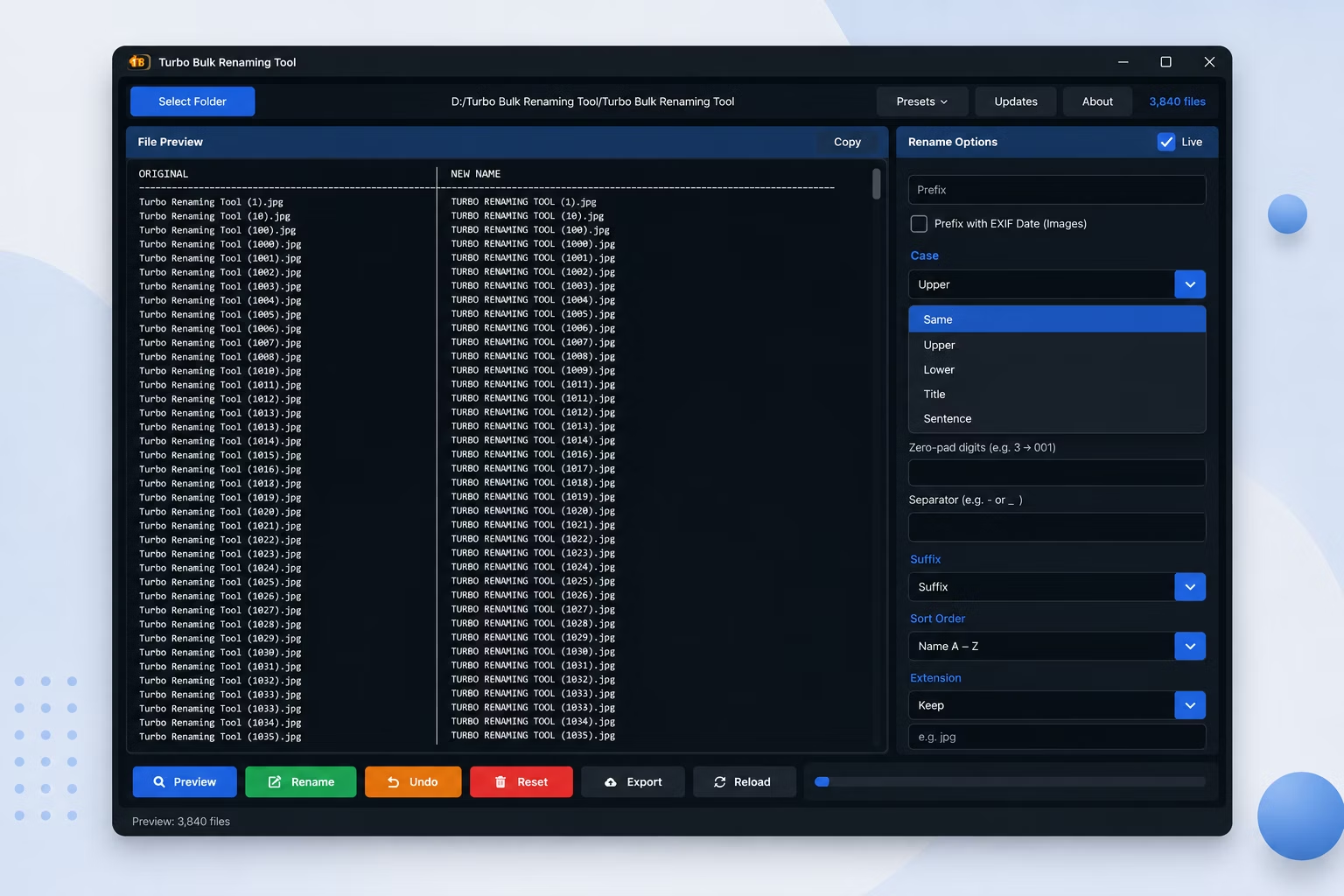
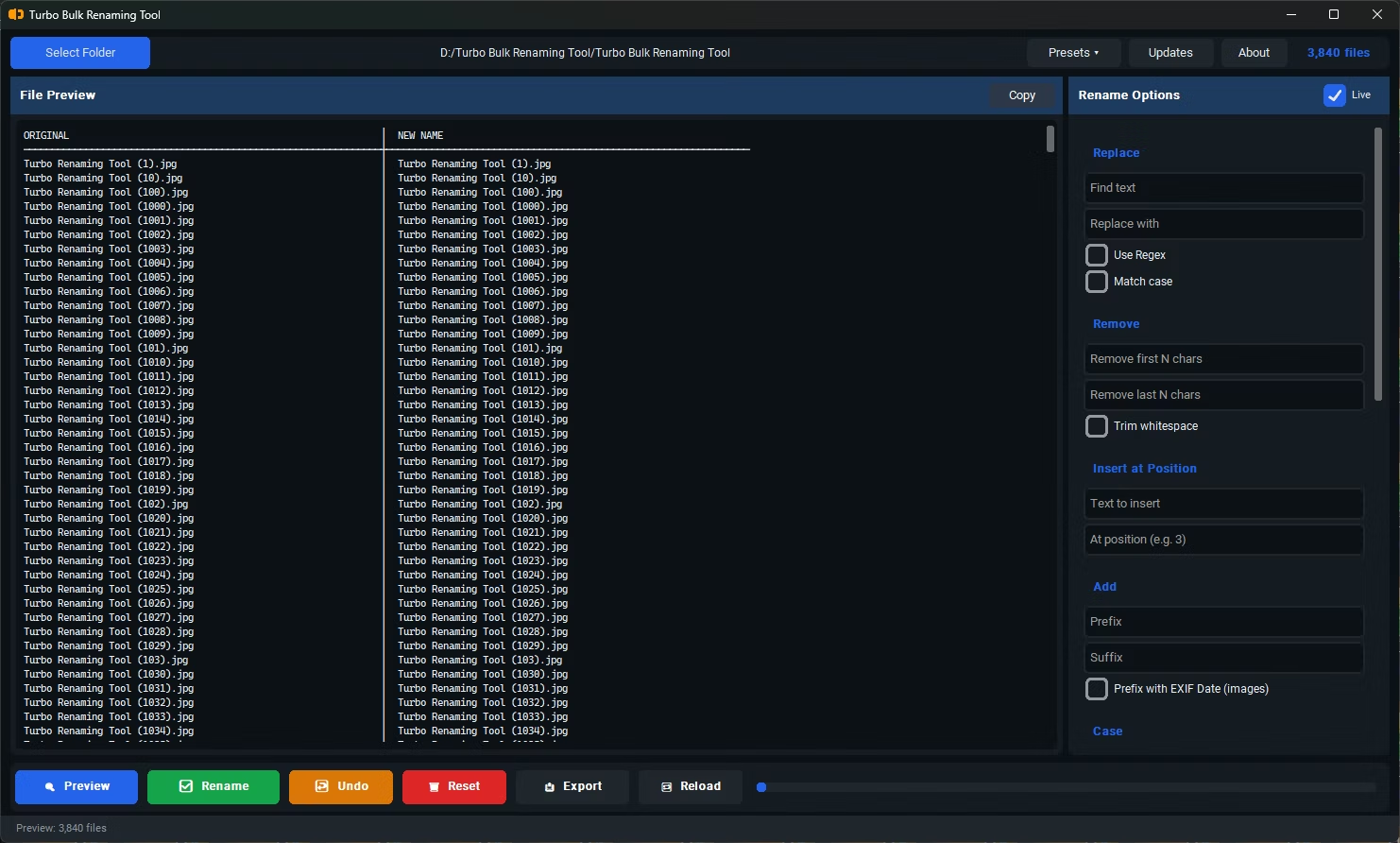
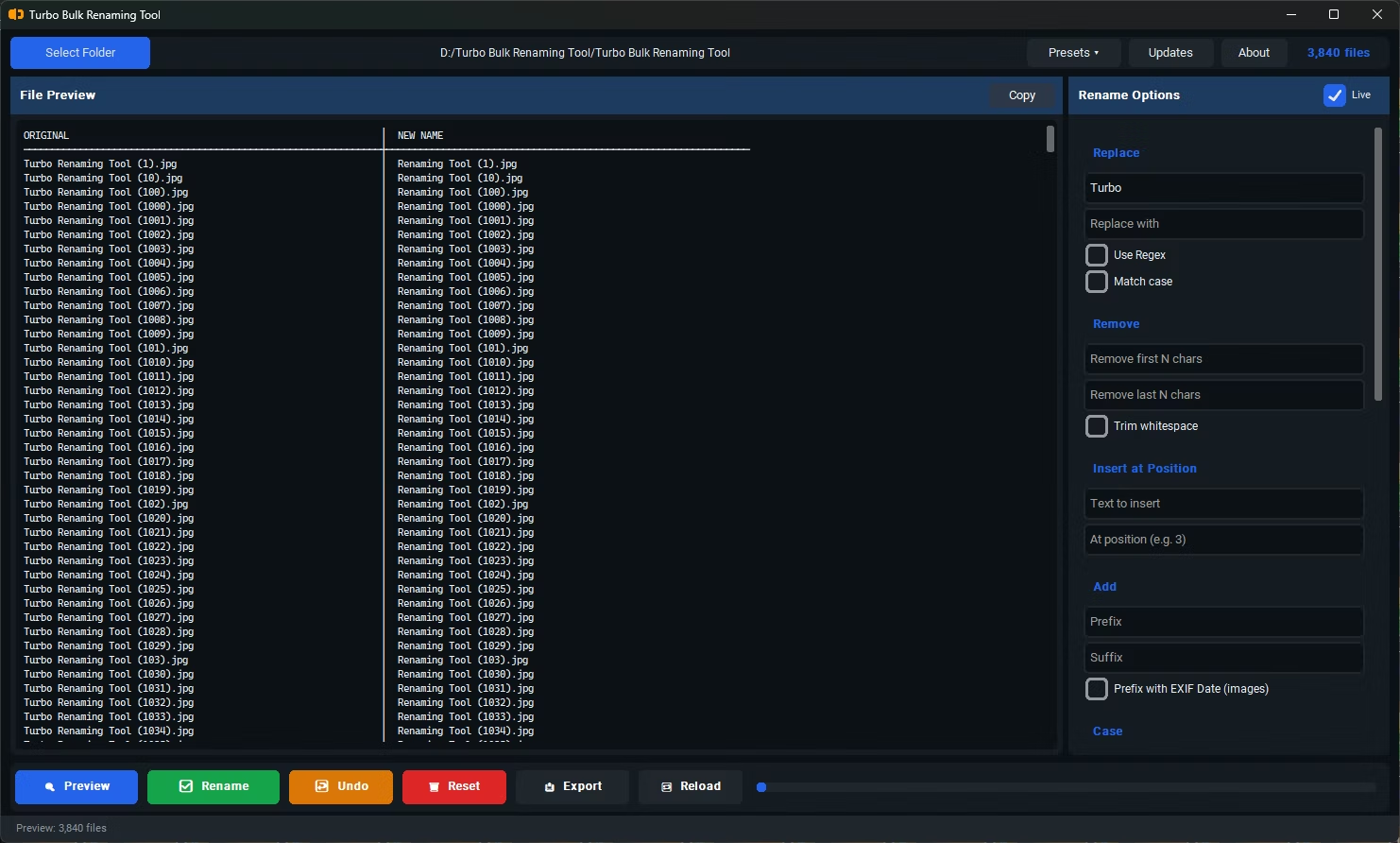
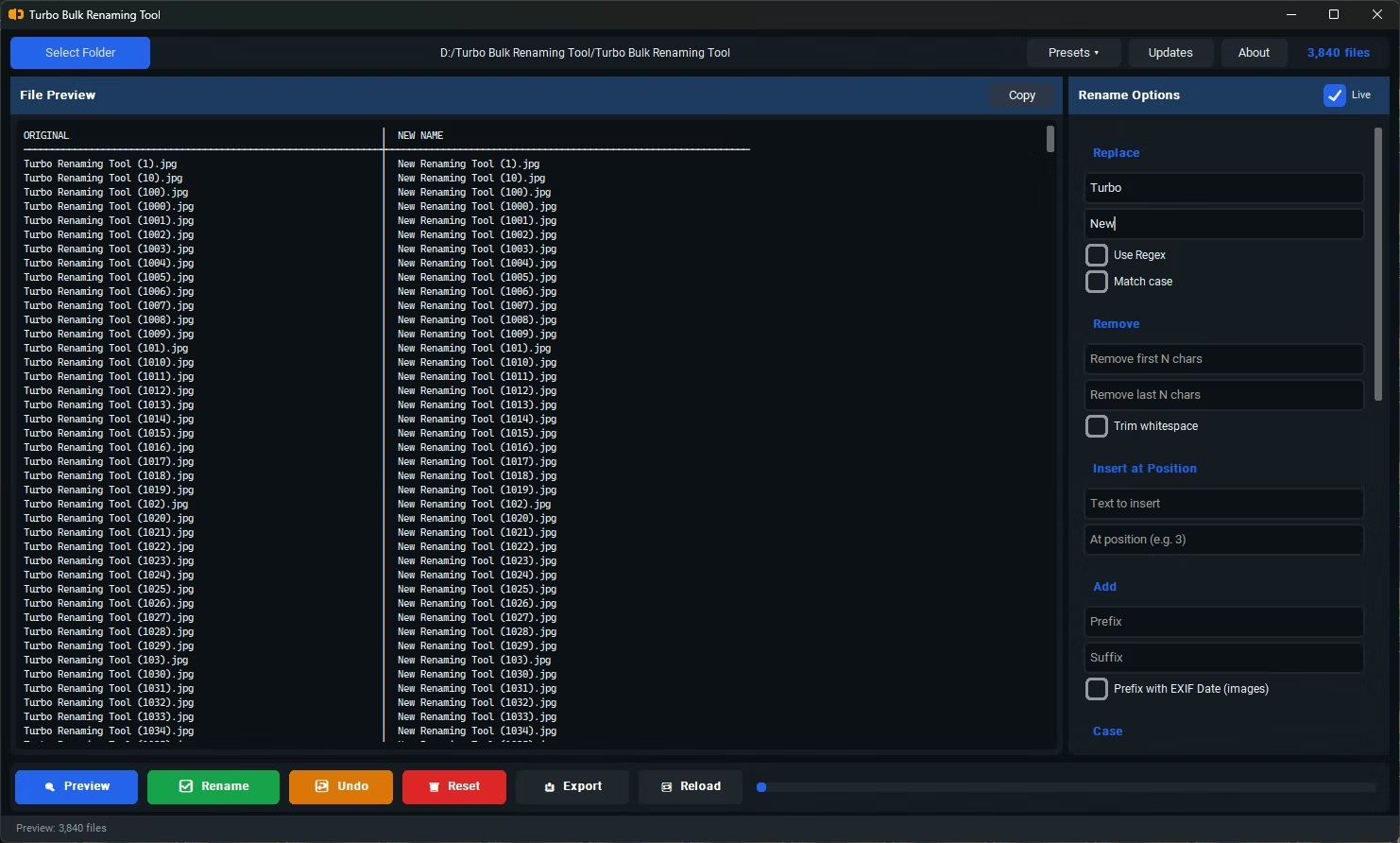
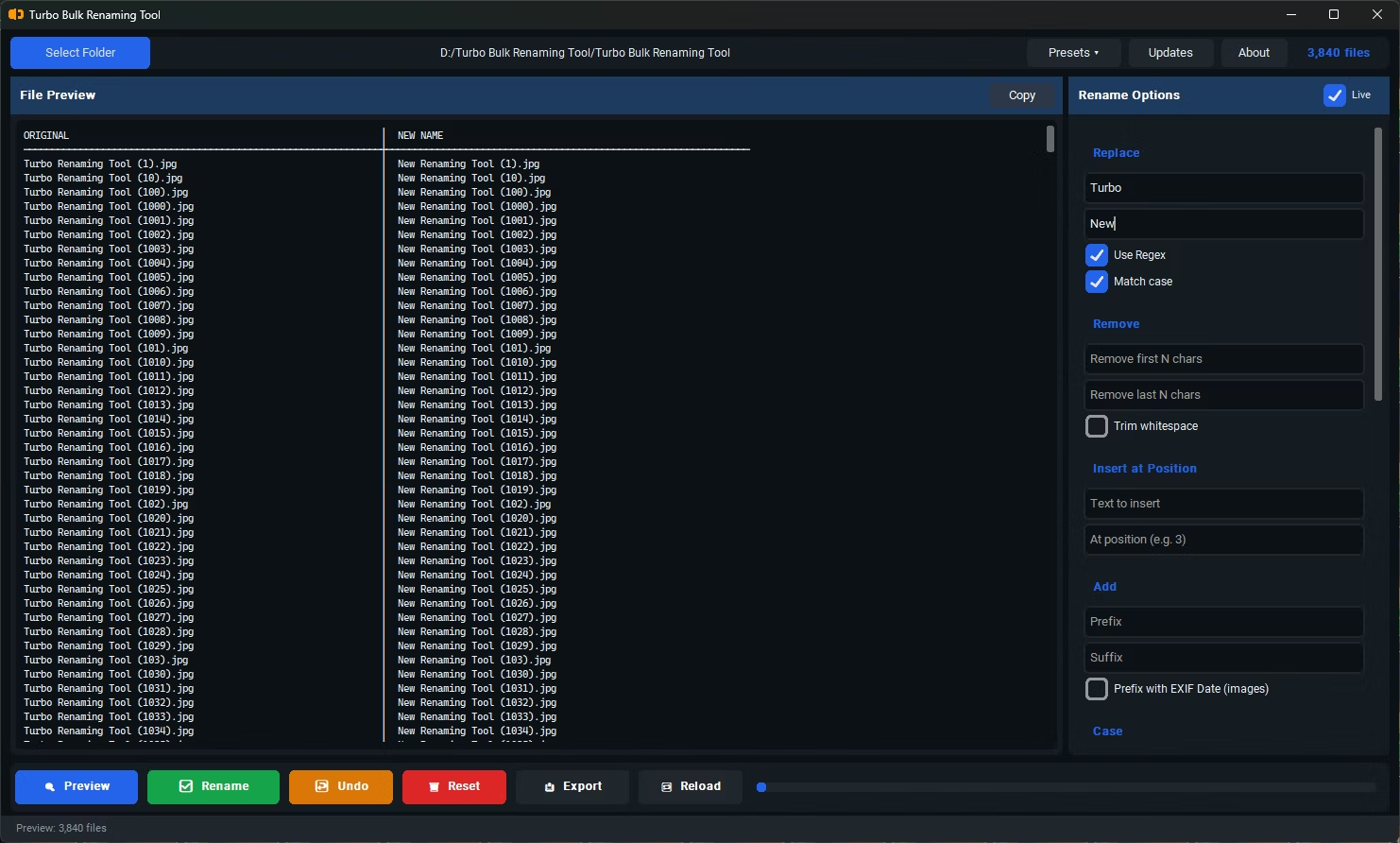
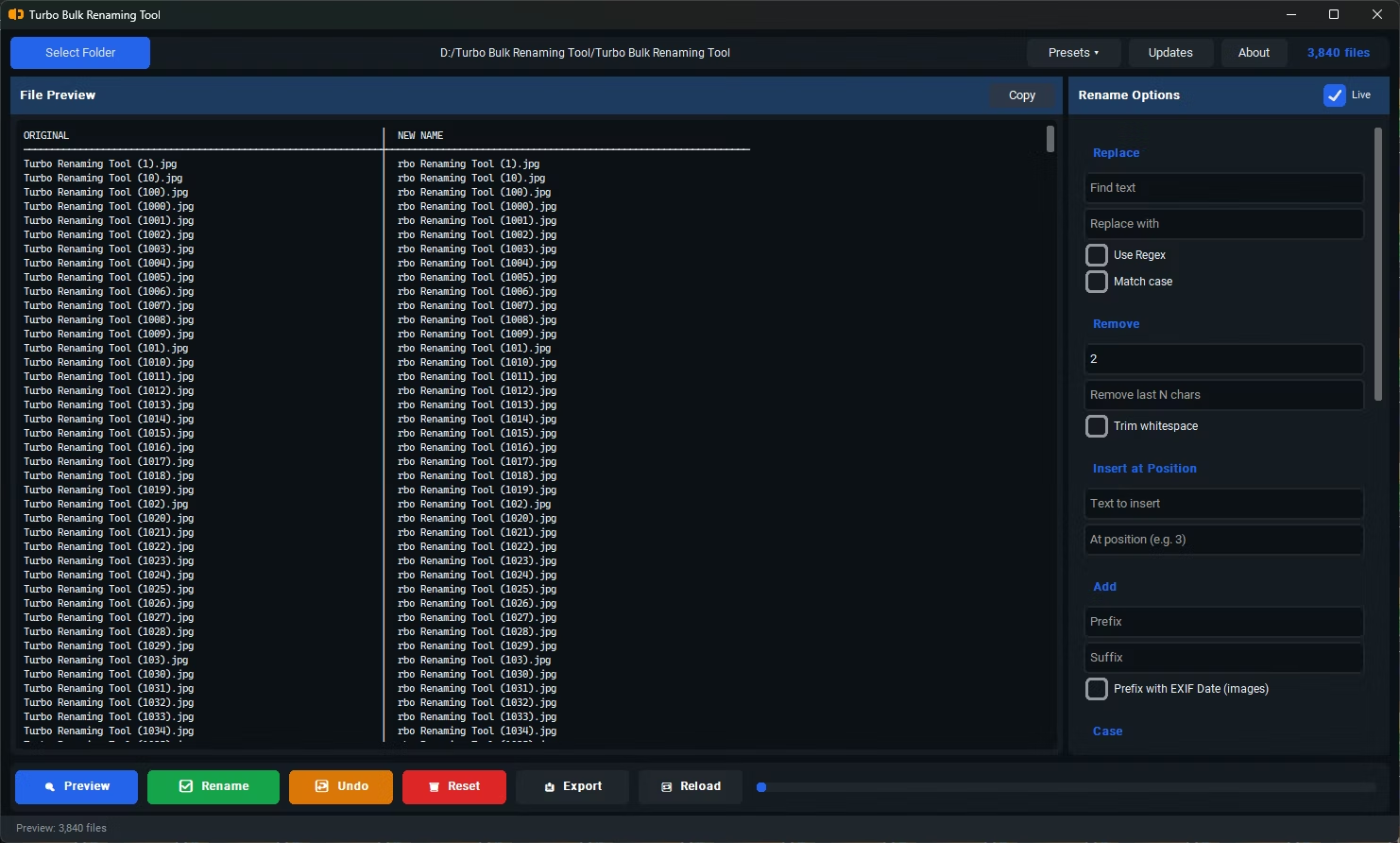
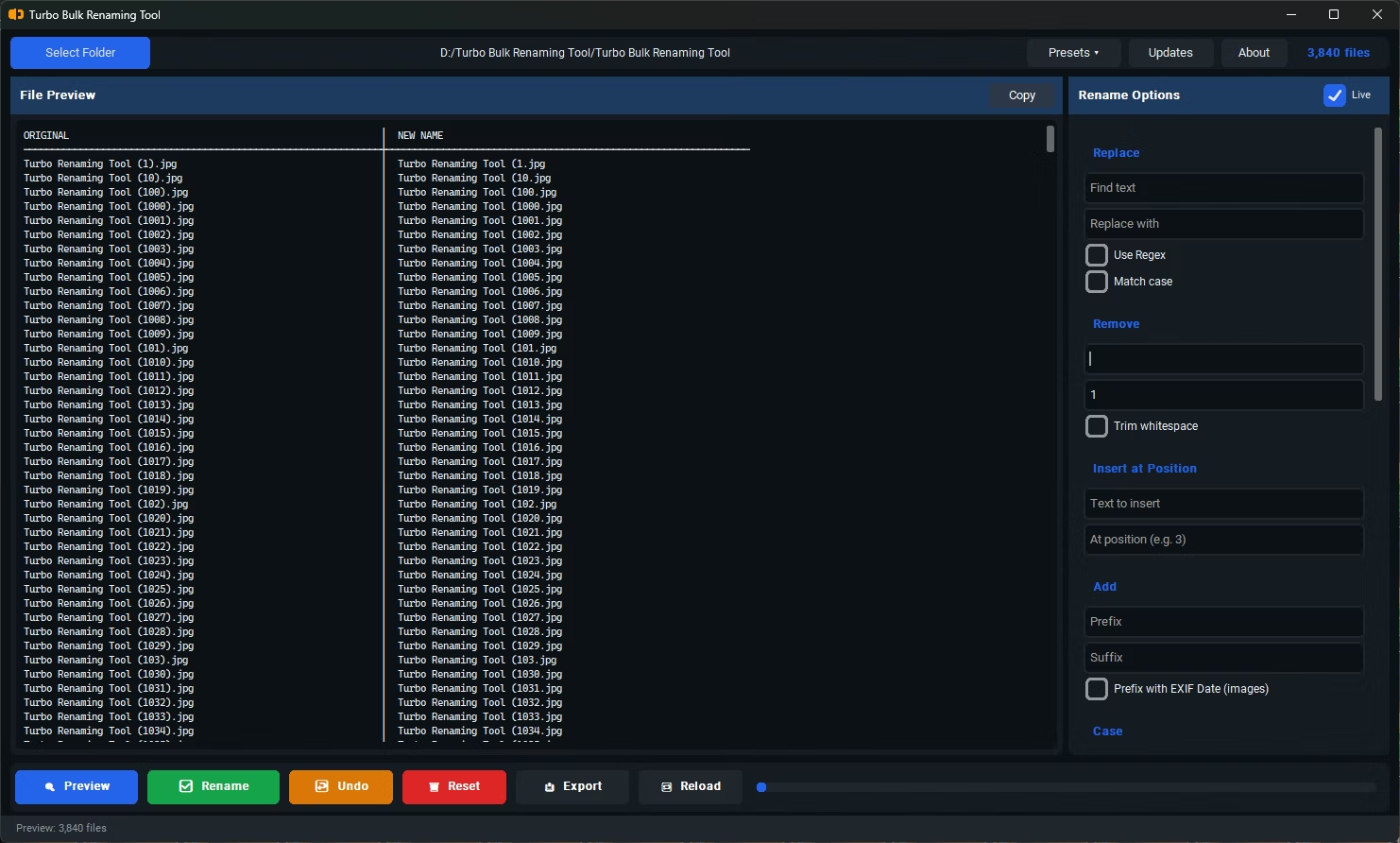
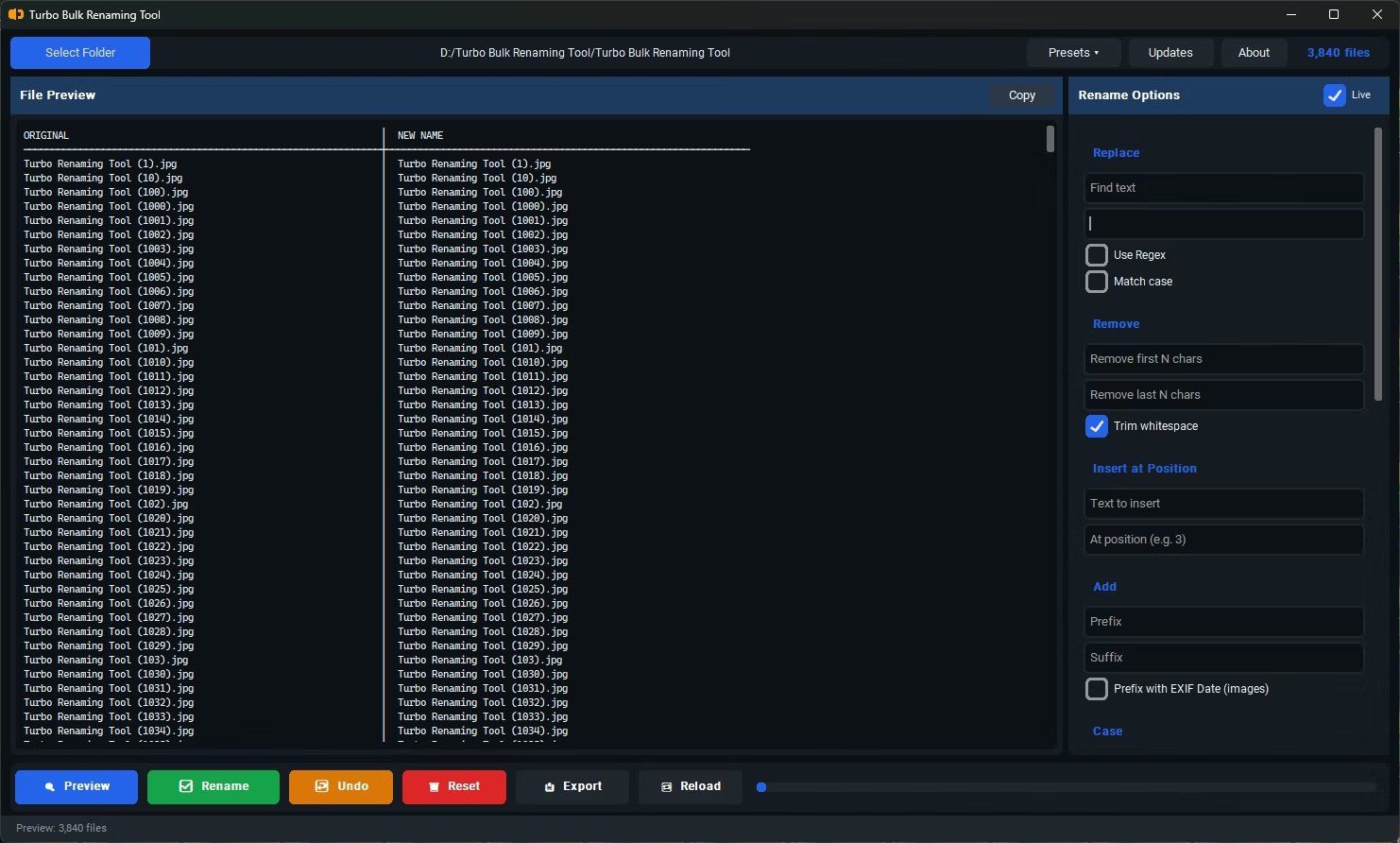
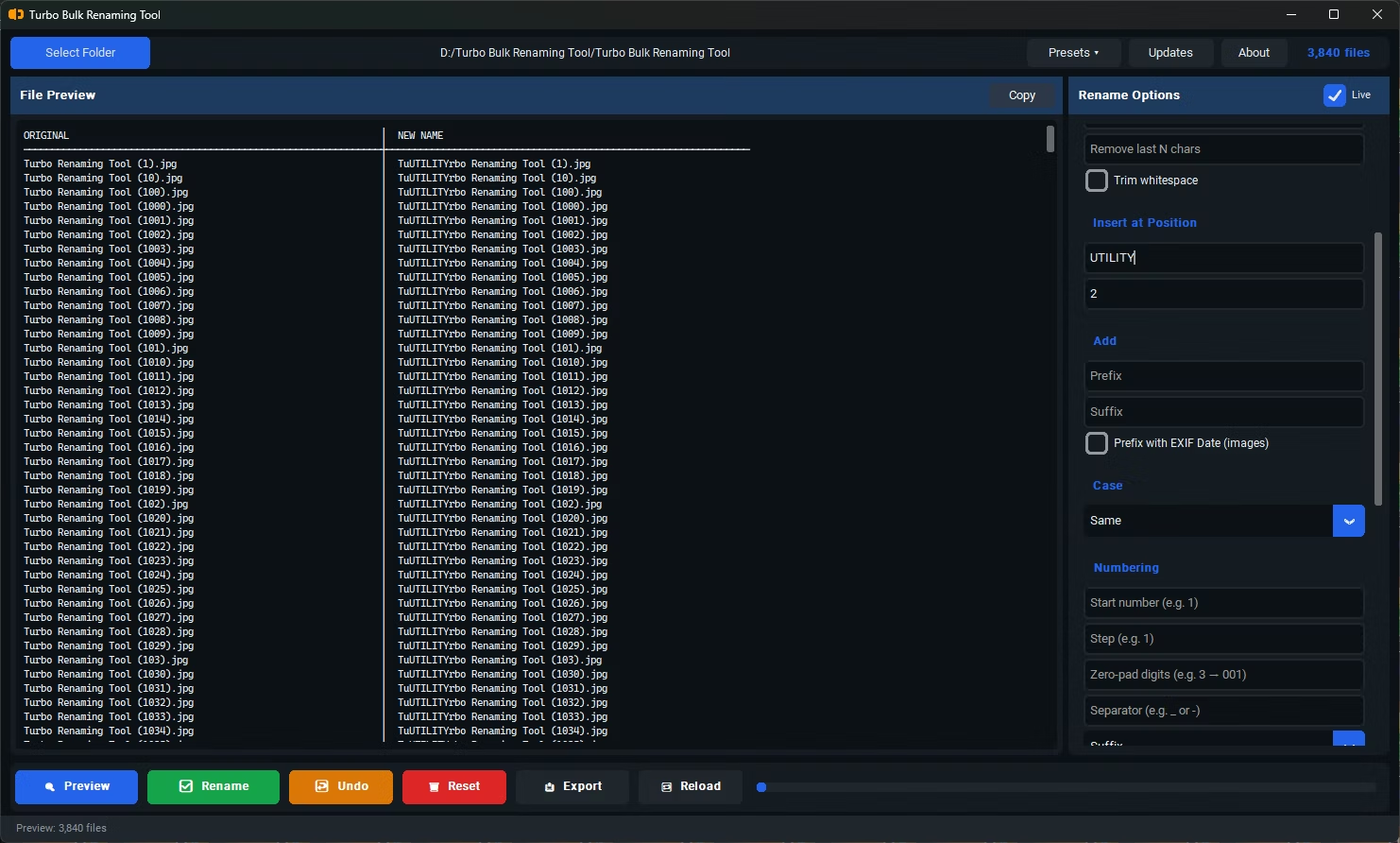
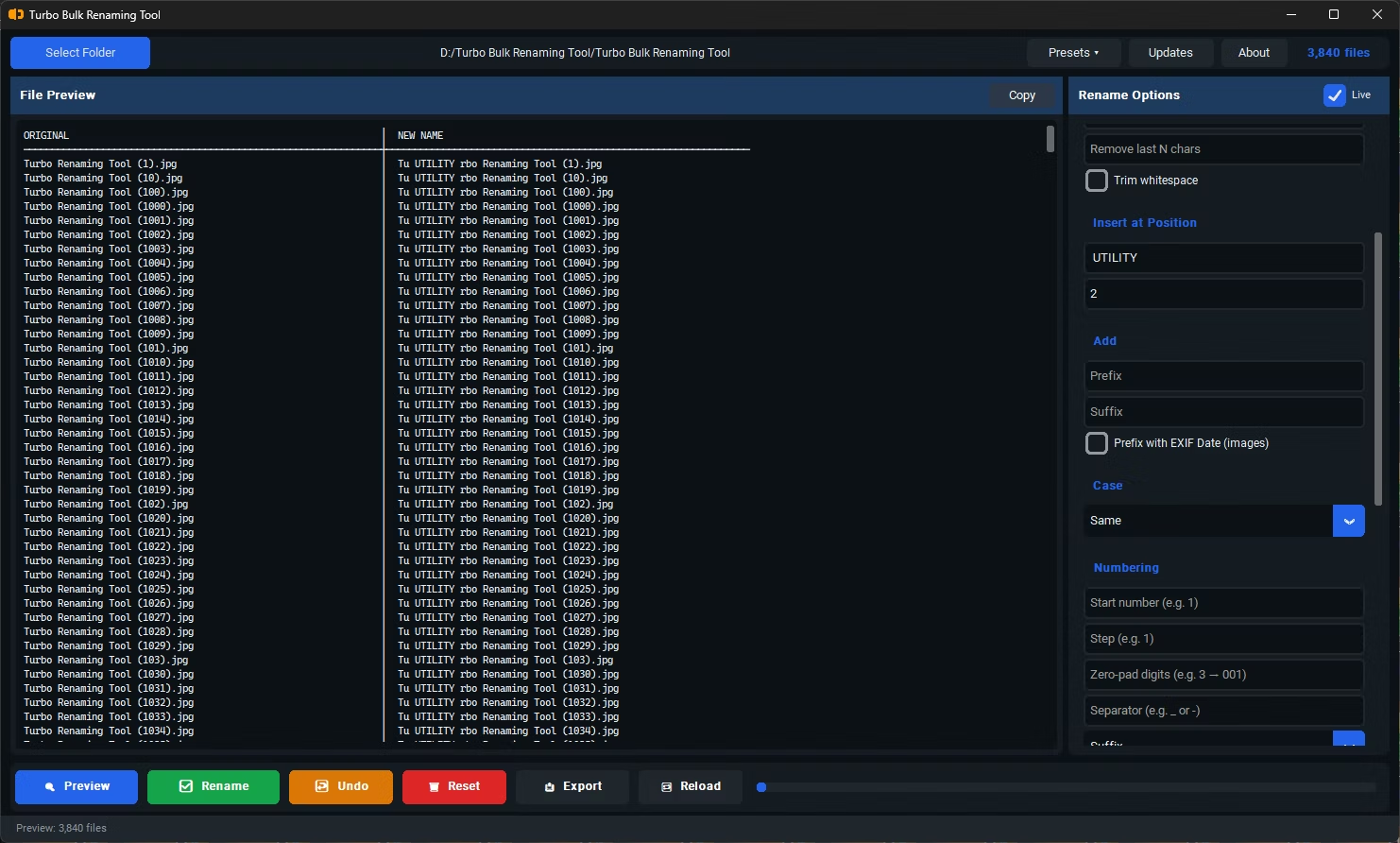
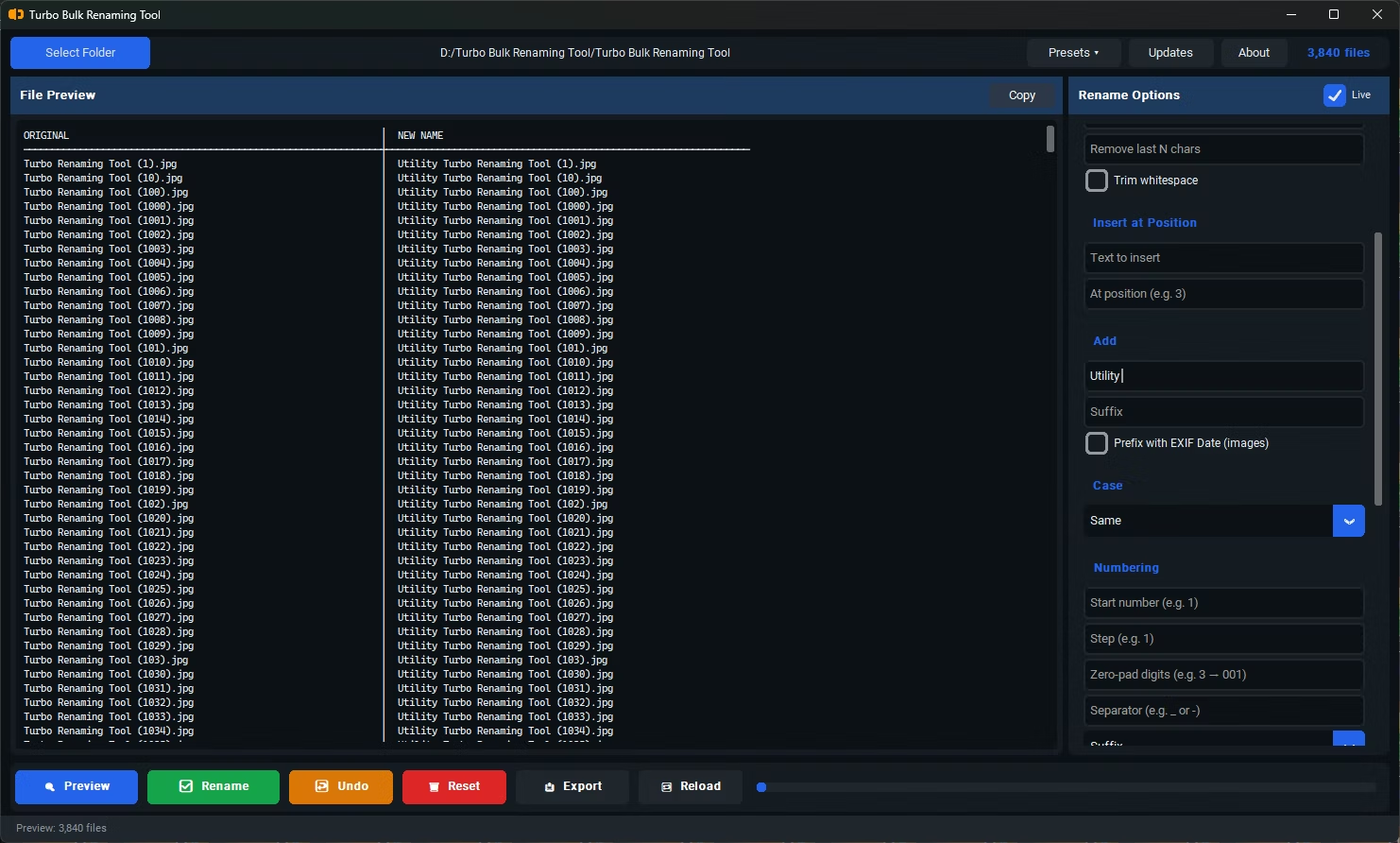
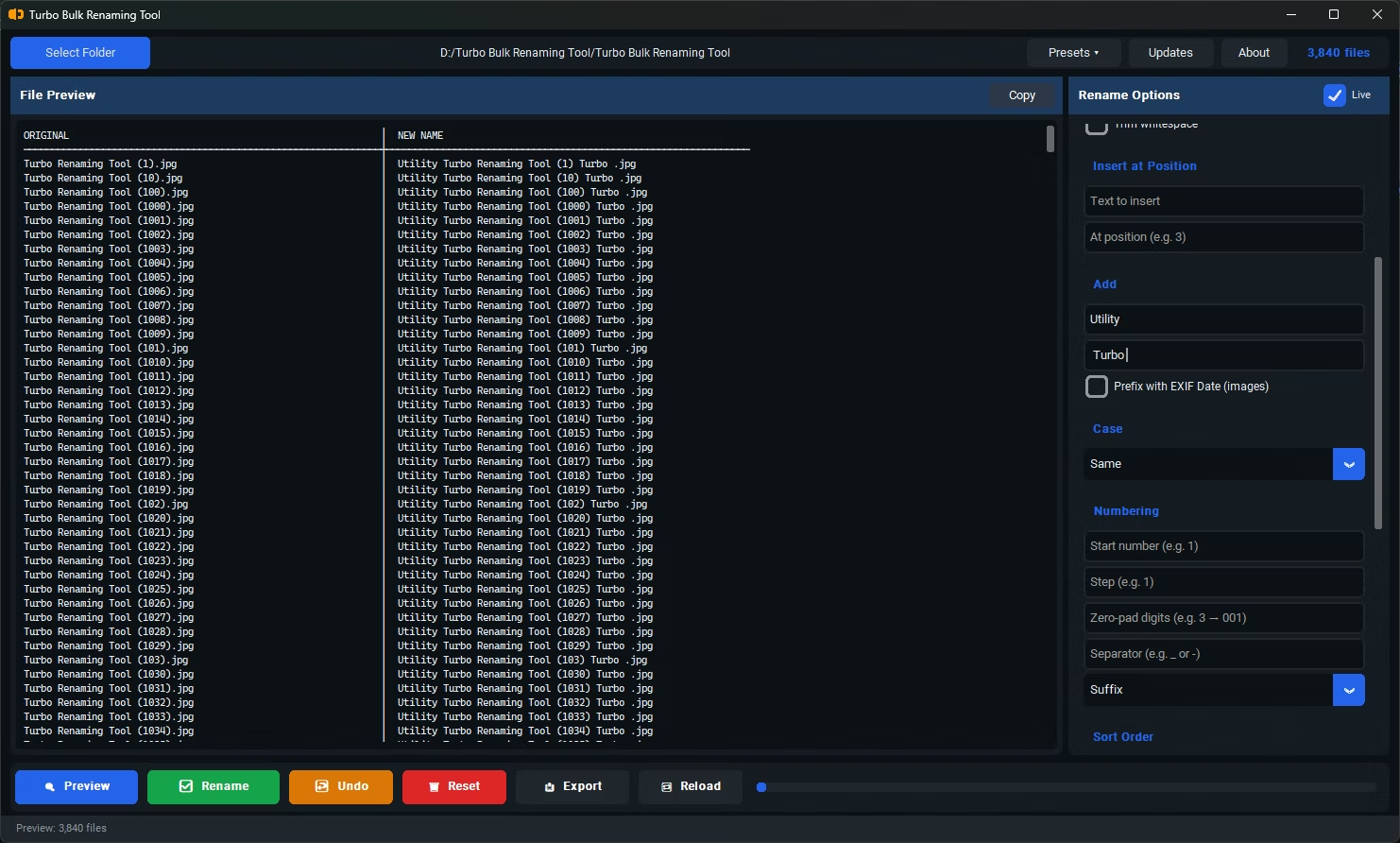
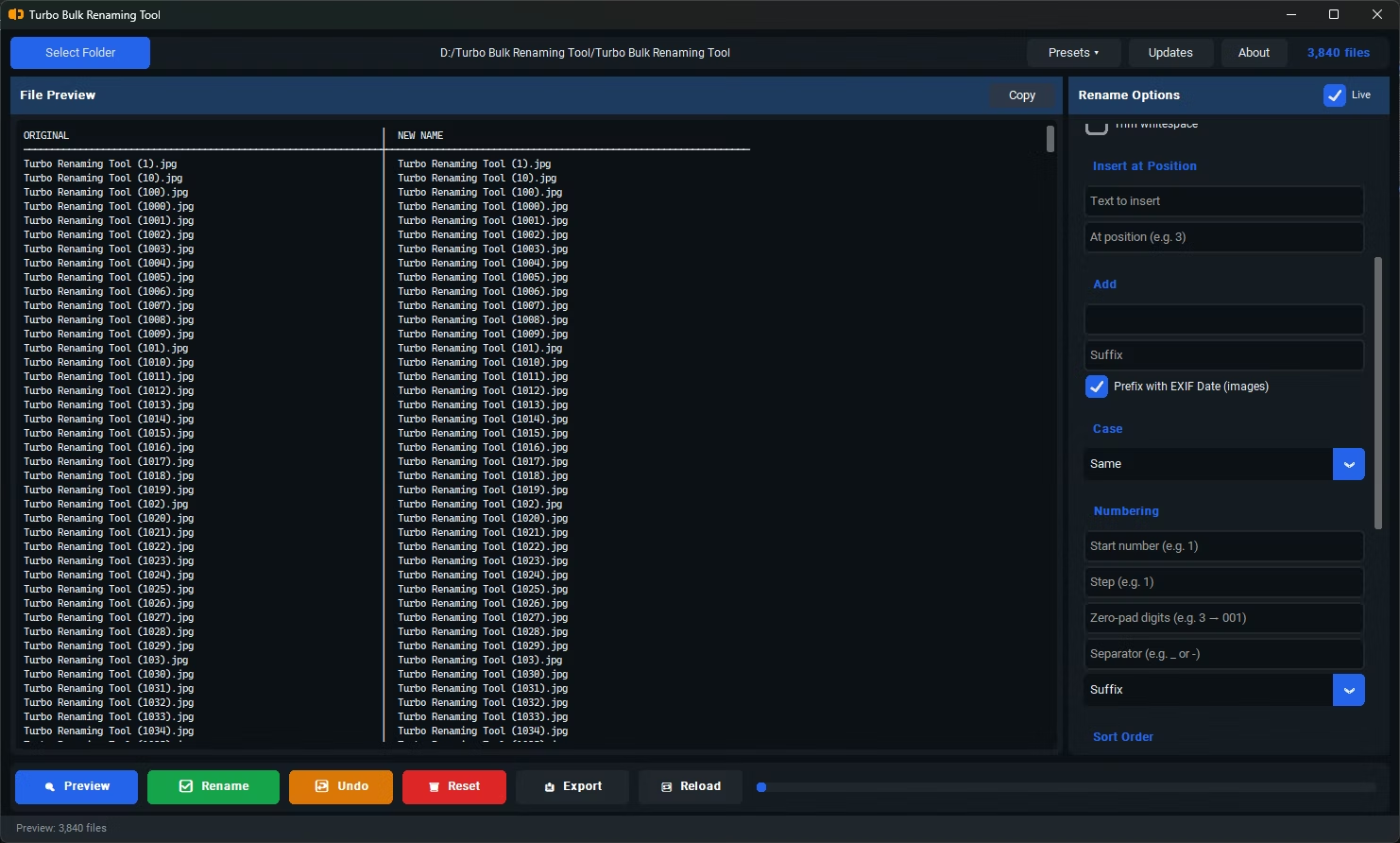
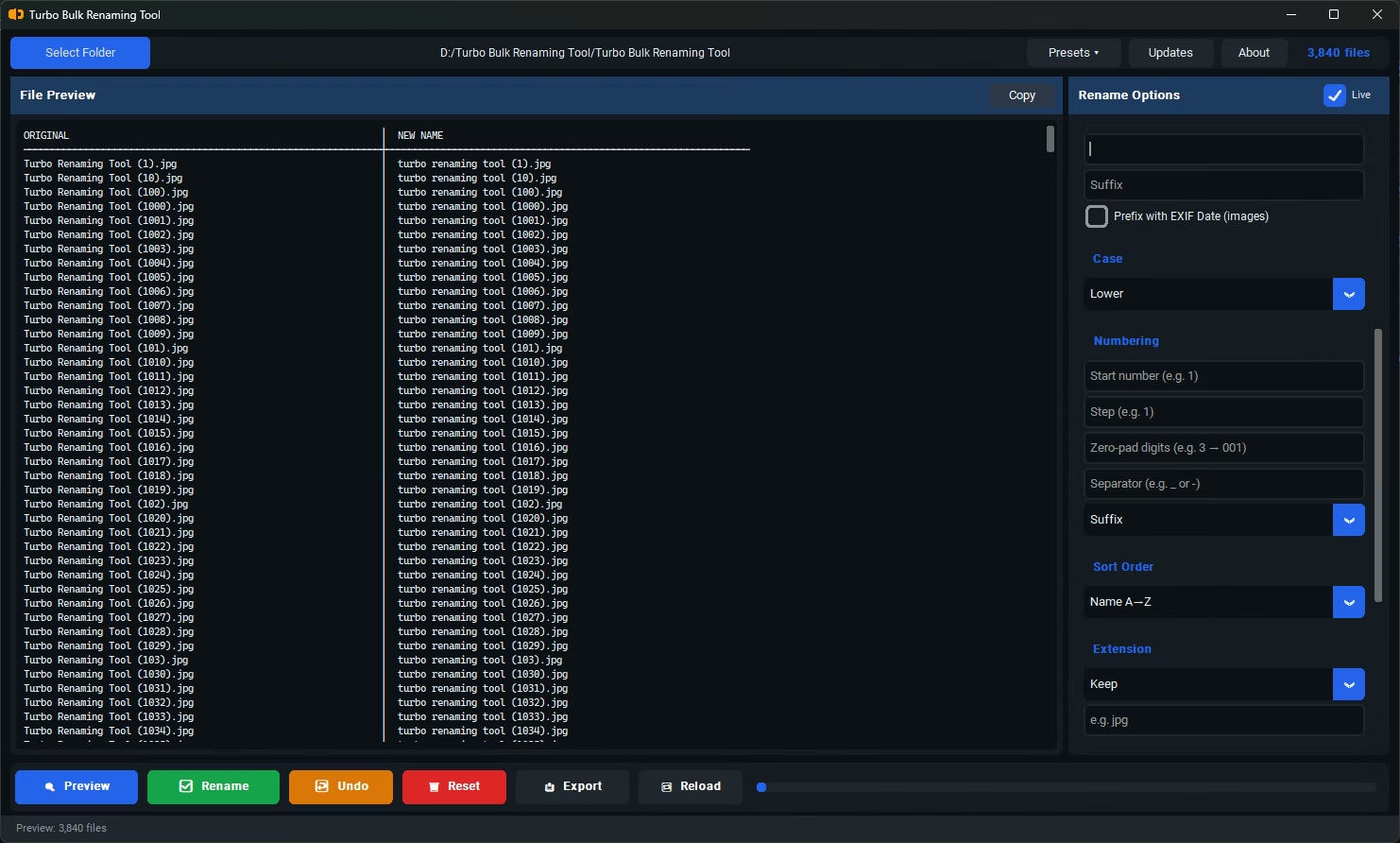
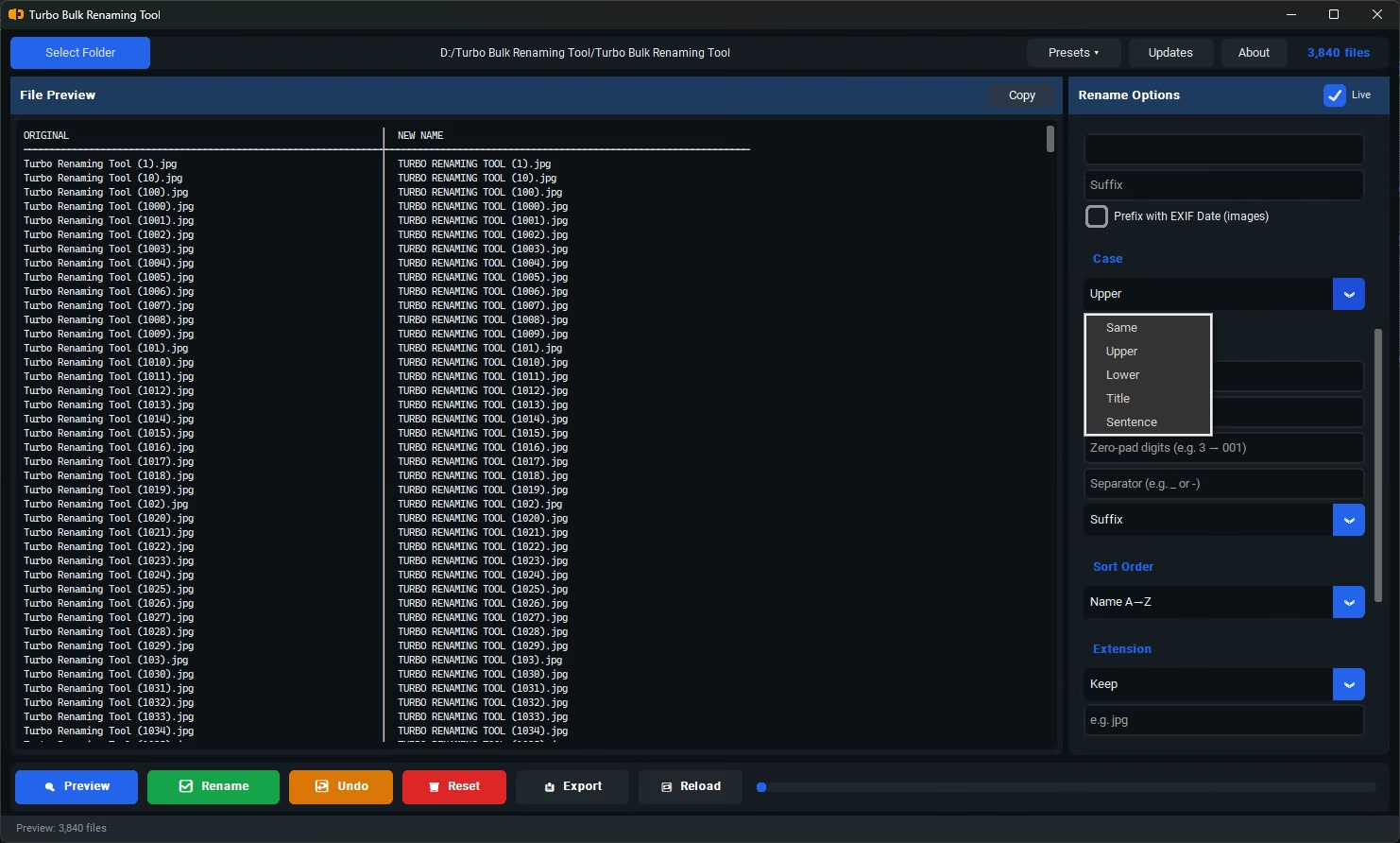
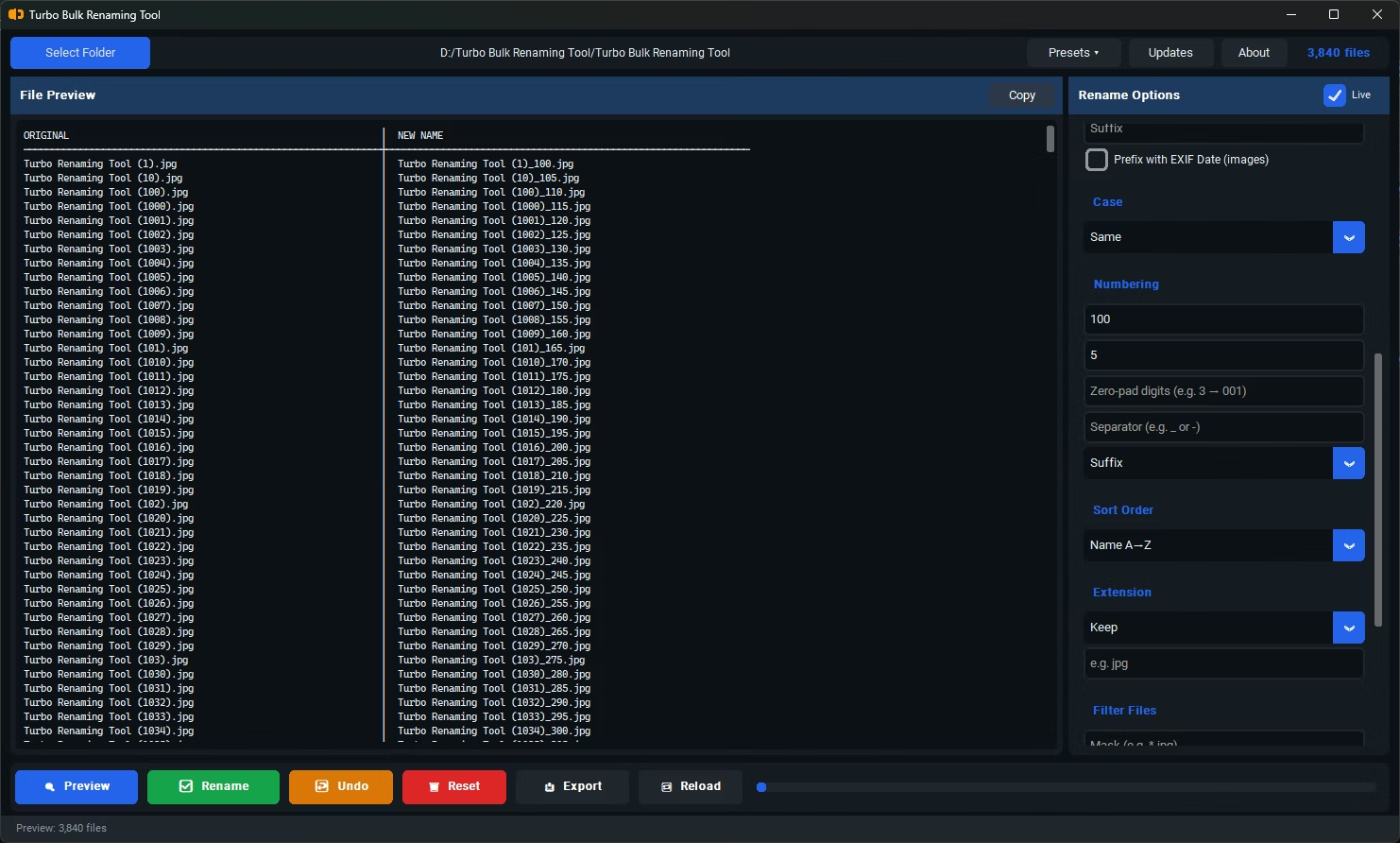
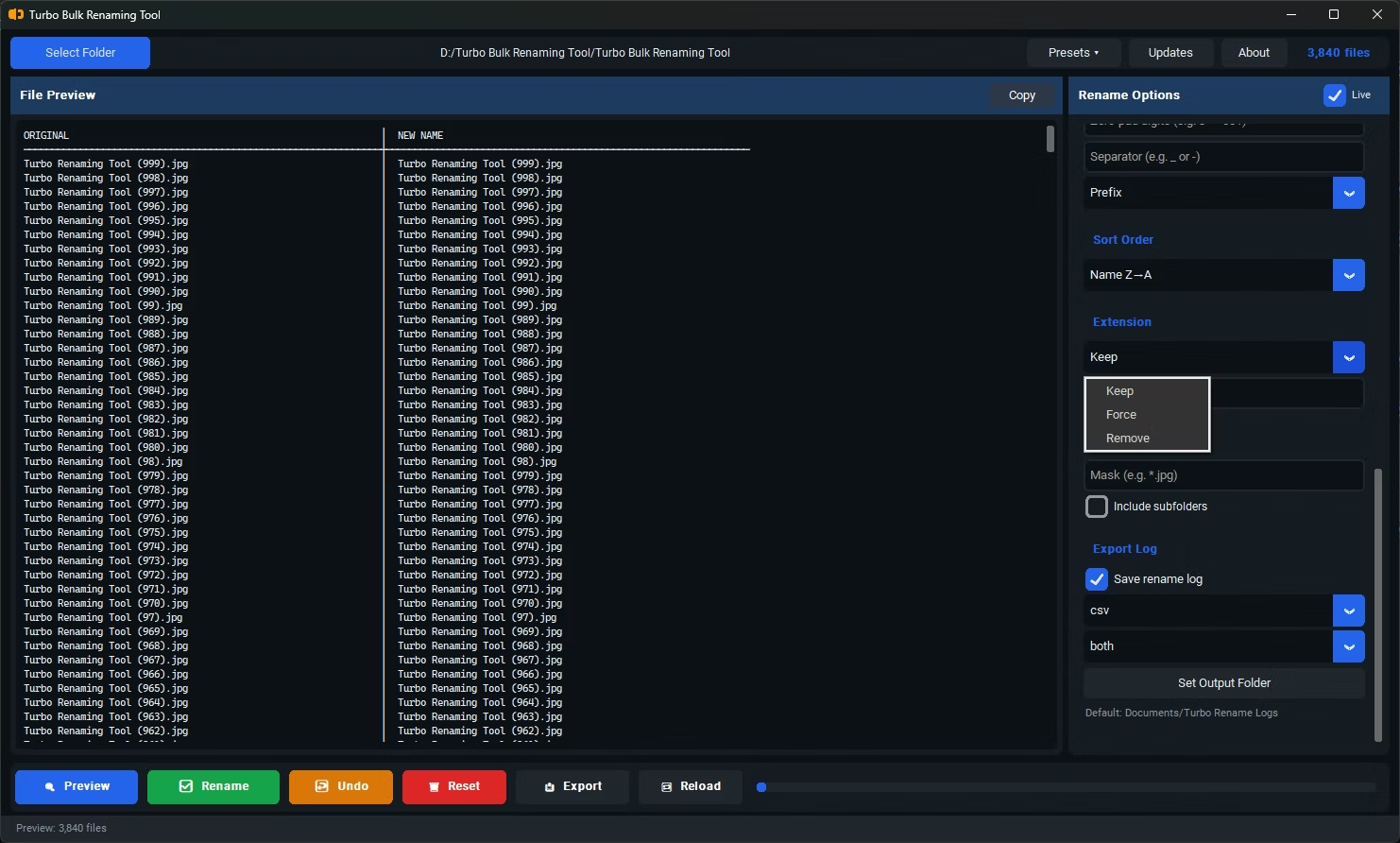
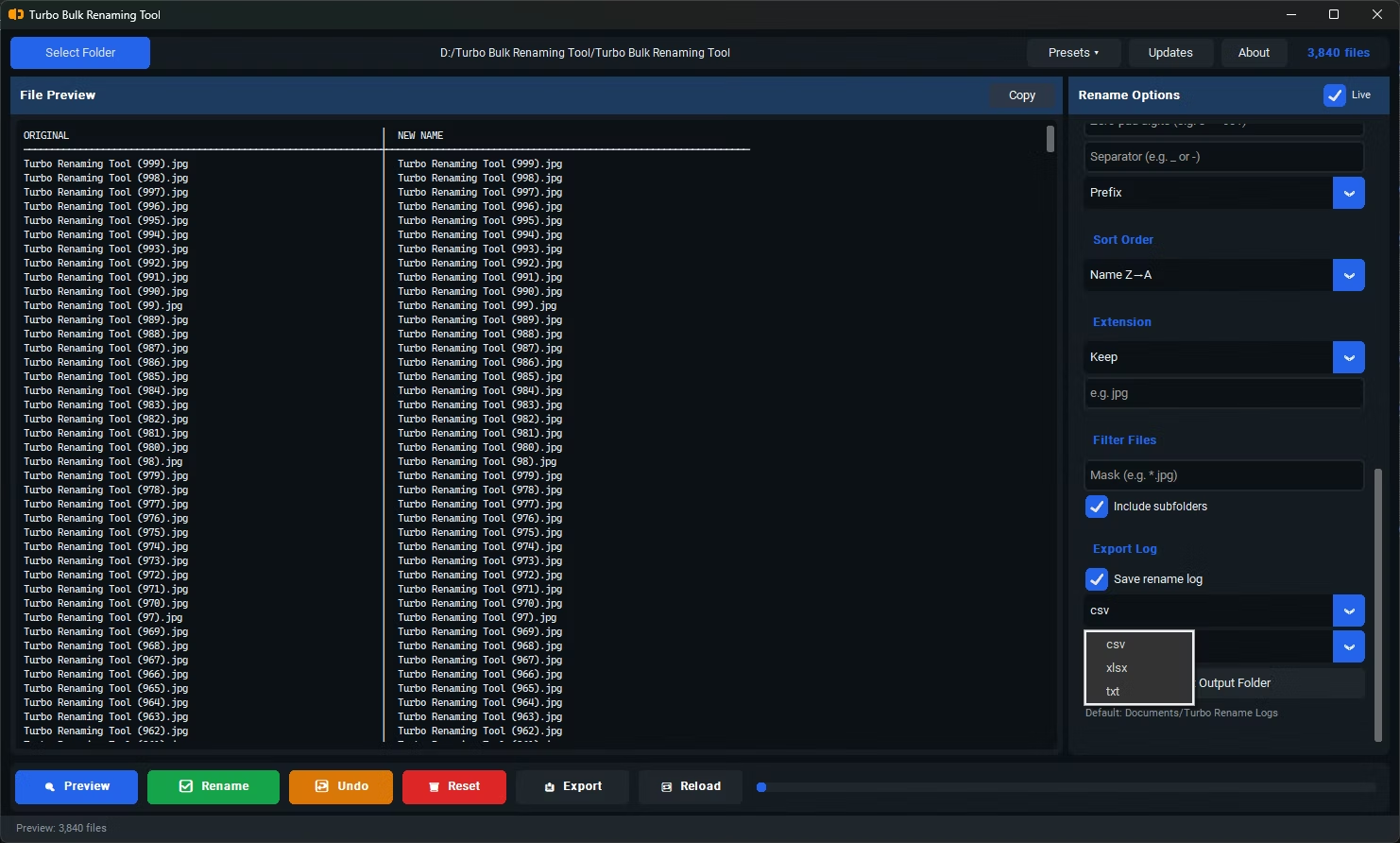
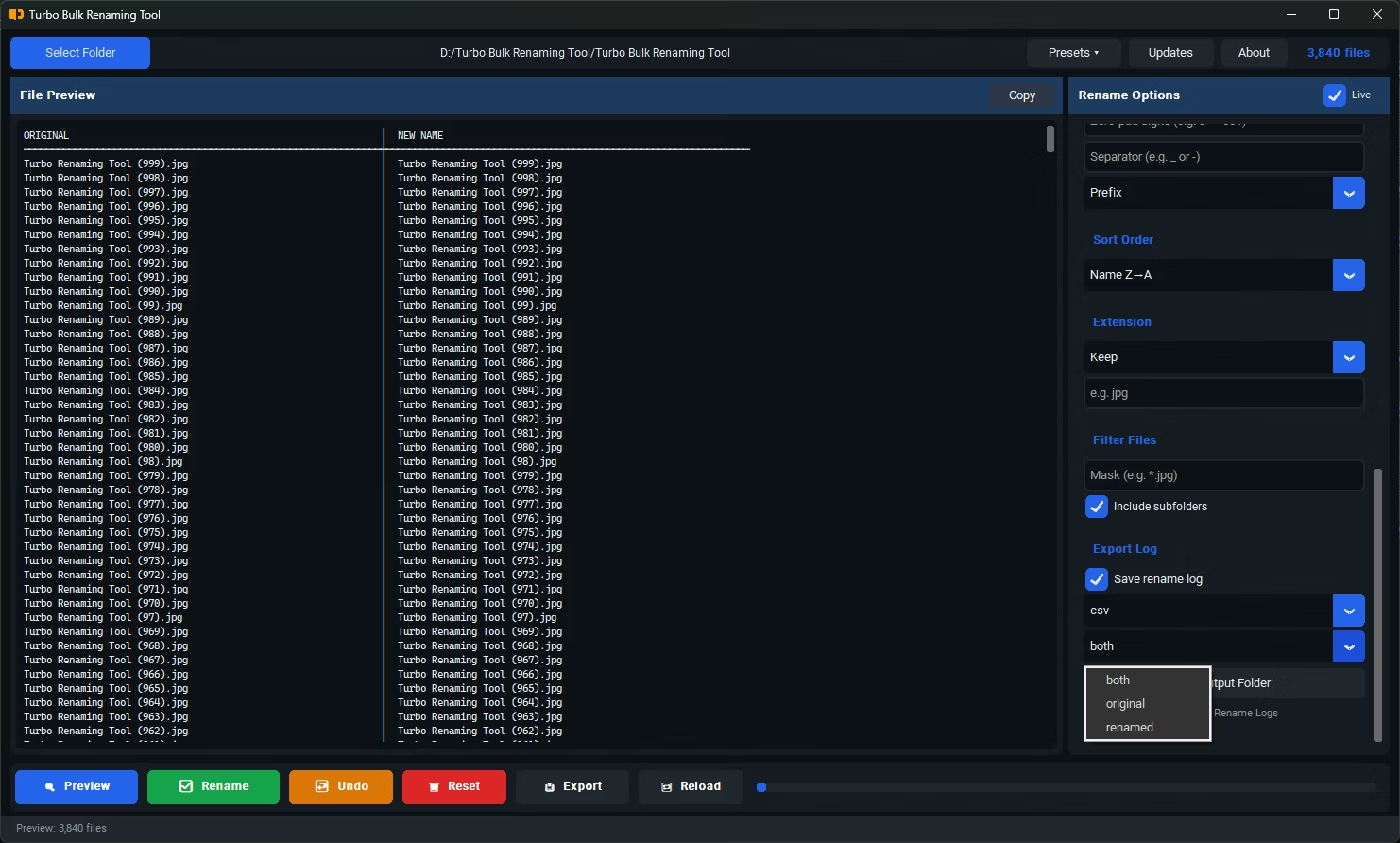
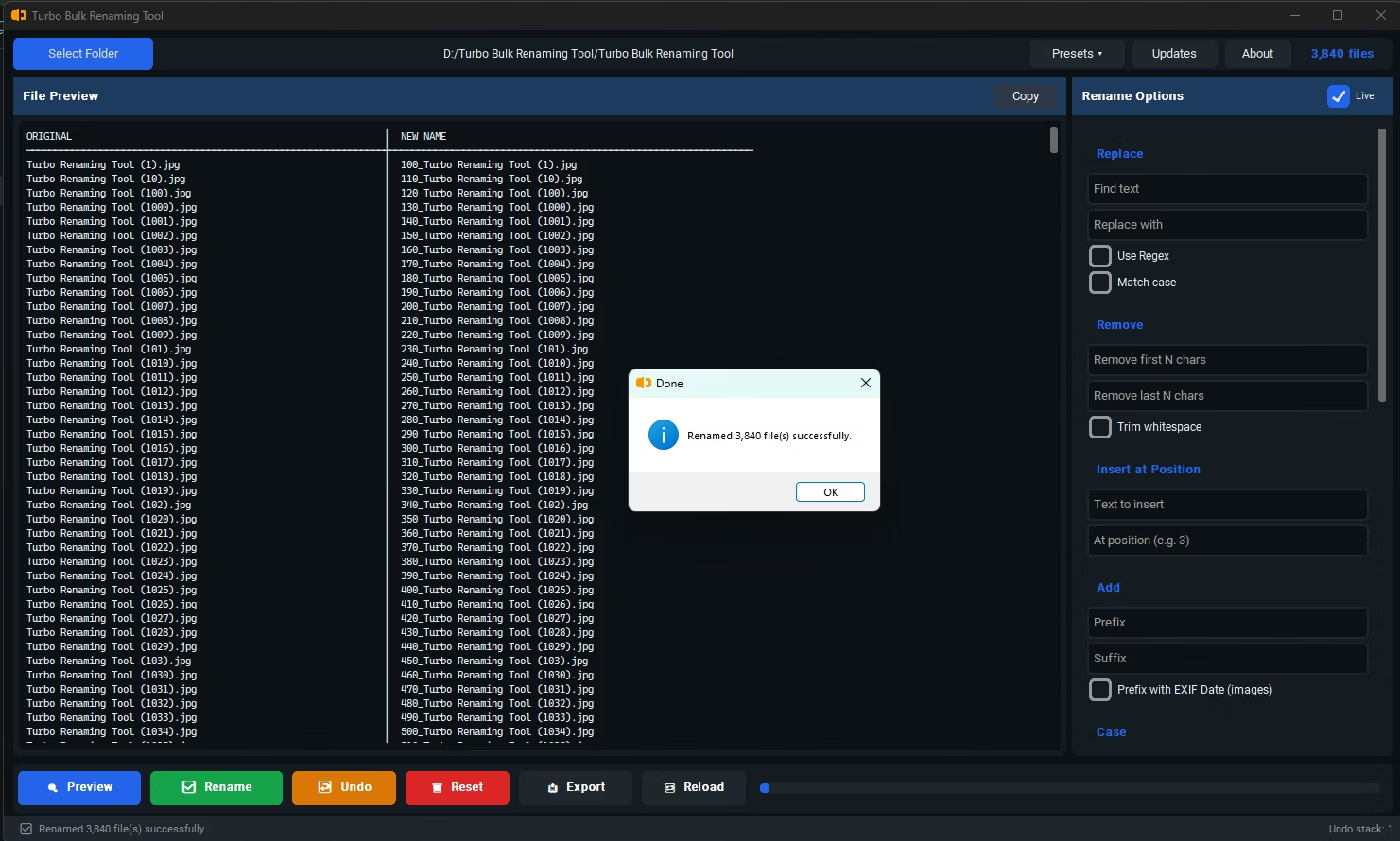
- Install Turbo Bulk Renaming Tool on your Windows PC.
- Select the batch of files you want to number.
- Choose the Numbering rule.
- Set your start number, step, and zero-padding.
- Choose the number's position within the filename.
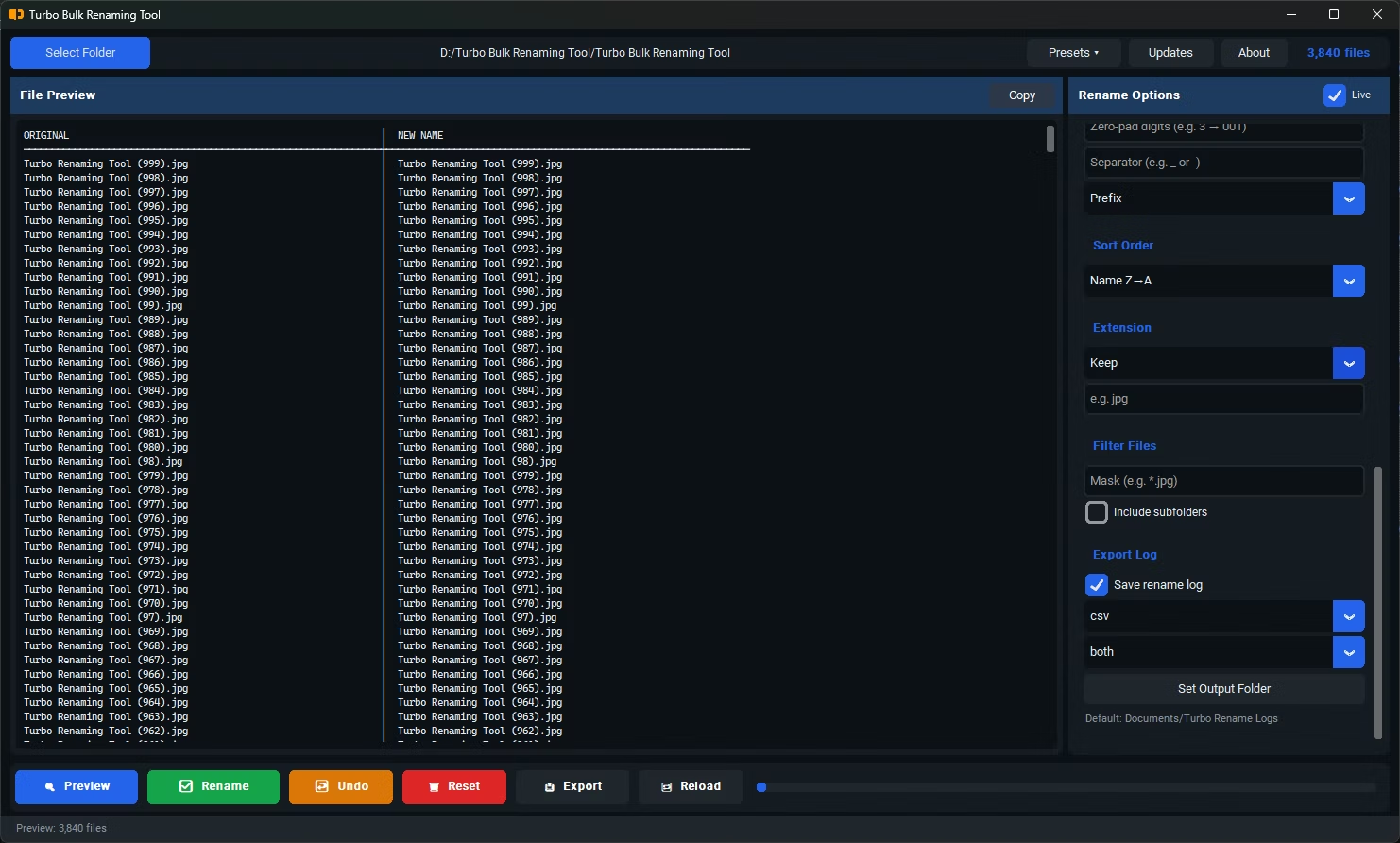
- Set your sort order for the correct sequence.
- Review the live preview across your batch.
- Click Rename to automatically number every file.
- Double-check the live preview one more time for any file that looks unexpected.
- Save your configuration as a preset if this is a job you expect to repeat.
- If you're renaming a recurring job, note down the settings or save them as a preset so the next run takes seconds.
- Automatically numbers an entire batch in one pass
- Custom start number, step, and zero-padding
- Sort order ensures the correct numbering sequence
- Number placement configurable within the filename
- Combine automatic numbering with other renaming rules
- Live preview confirms the sequence before renaming
- Runs fully offline with no upload limits
- One-time purchase for Windows 10 and Windows 11, with no subscription or watermarks
- Save and reload full renaming configurations as presets for repeat jobs
- Straightforward installer with no extra dependencies to configure
- Works with files on local drives, external drives, and network shares
- Safe cancel support for stopping an in-progress rename mid-batch
- Clear, side-by-side original and new filename listing in every exported log
Does automatic numbering skip any files in the batch?
No, every selected file receives a sequential number according to your chosen start, step, and sort order.
Can I control which files get which numbers?
The sort order setting determines numbering sequence; sorting by name, date, or another attribute controls which file gets which number.
What happens if I add more files to the batch later?
You can run numbering again on an updated selection, adjusting the start number so the new sequence continues correctly.
Is there a way to verify the numbering before committing?
Yes, the live preview shows the numbered result for every file in the batch before you click Rename.
Does this work on both Windows 10 and Windows 11?
Yes, Turbo Bulk Renaming Tool is built and tested for both Windows 10 and Windows 11.
Is my data safe when using this tool?
Yes, all renaming happens locally on your PC; no files are uploaded or sent anywhere, so private or sensitive files stay fully under your control.
Can I try a renaming rule without permanently committing to it?
Yes, the live preview lets you experiment with any rule and see the exact result before you click Rename, so nothing changes until you're ready.
Do I need to install anything else for this to work?
No, the installer includes everything needed; there are no separate dependencies or plugins to set up.
Can I rename files stored on an external or network drive?
Yes, you can select files from local drives, external drives, or mapped network shares, the same as any folder on your PC.
Can I cancel a rename operation partway through?
Yes, safe cancel support lets you stop an in-progress rename, and any files already renamed at that point stay renamed while the rest keep their original names.
What if I select a mix of files and folders together?
You can rename files and folders in the same selection; the same rule set applies to both, and the live preview shows the result for each.
Can I see exactly what changed after a rename is finished?
Yes, the exported rename log lists the original and new name side by side for every file, giving you a complete record of the operation even after the fact.
Does the tool support both files and folders in the same rule set?
Yes, the same prefix, suffix, numbering, and find and replace rules apply equally whether your selection contains files, folders, or a mix of both.
Is there a trial version available before buying?
Check the product page on turbo-soft.com for current trial availability and details.
Ready to automatically number your files, fully offline and in one pass?