Files organized into layers of sub-folders, by date, by project, or by category, need a renaming tool that can walk through that entire structure, not just the top-level folder. Recursive scanning is what makes that possible, pulling files from every nested level into a single batch.
Turbo Bulk Renaming Tool supports recursive folder scanning, so a rule such as sequential numbering, a prefix change, or find and replace can be applied across an entire nested folder tree in one operation, with the live preview showing results for files no matter how deep they're nested.
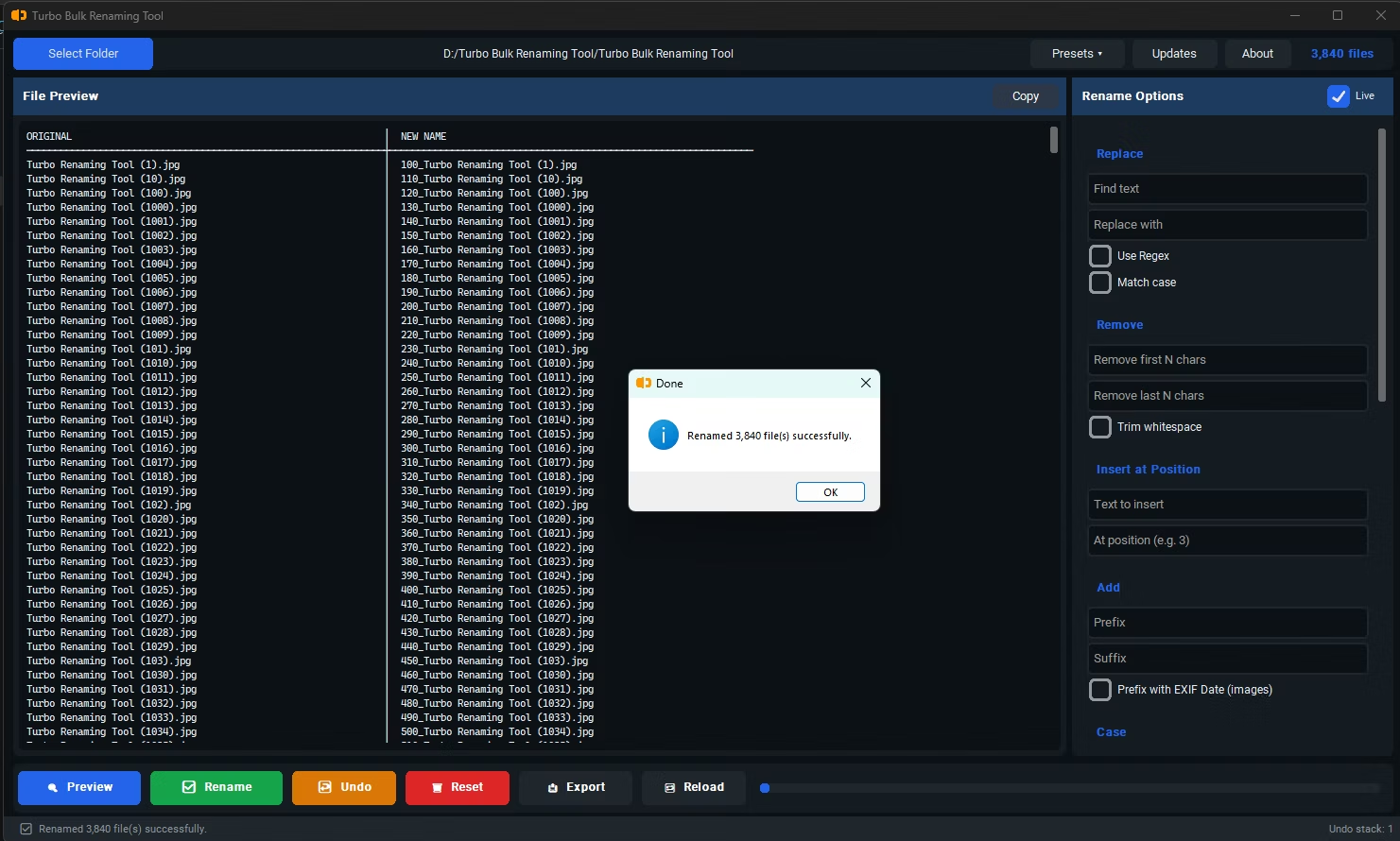
Because recursive scanning pulls in every sub-folder automatically, there's no need to open and rename each one separately. Once the preview confirms the results look right, a single click renames files across the whole tree, and the exportable log records the original path of every file alongside its new name.
Beyond the core workflow built for rename Files in Subfolders, Turbo Bulk Renaming Tool includes the full renaming toolkit found throughout the application: regex-based find and replace for advanced pattern matching, EXIF date extraction for photo libraries, case conversion for consistent capitalization, character trimming to strip a fixed number of characters from either end of a filename, text insertion at any position, and recursive folder scanning that pulls in files from every nested sub-folder. Any of these tools can be layered on top of the rules described above, so a job that starts as a simple rename can grow into a complete naming convention without switching to a different application.
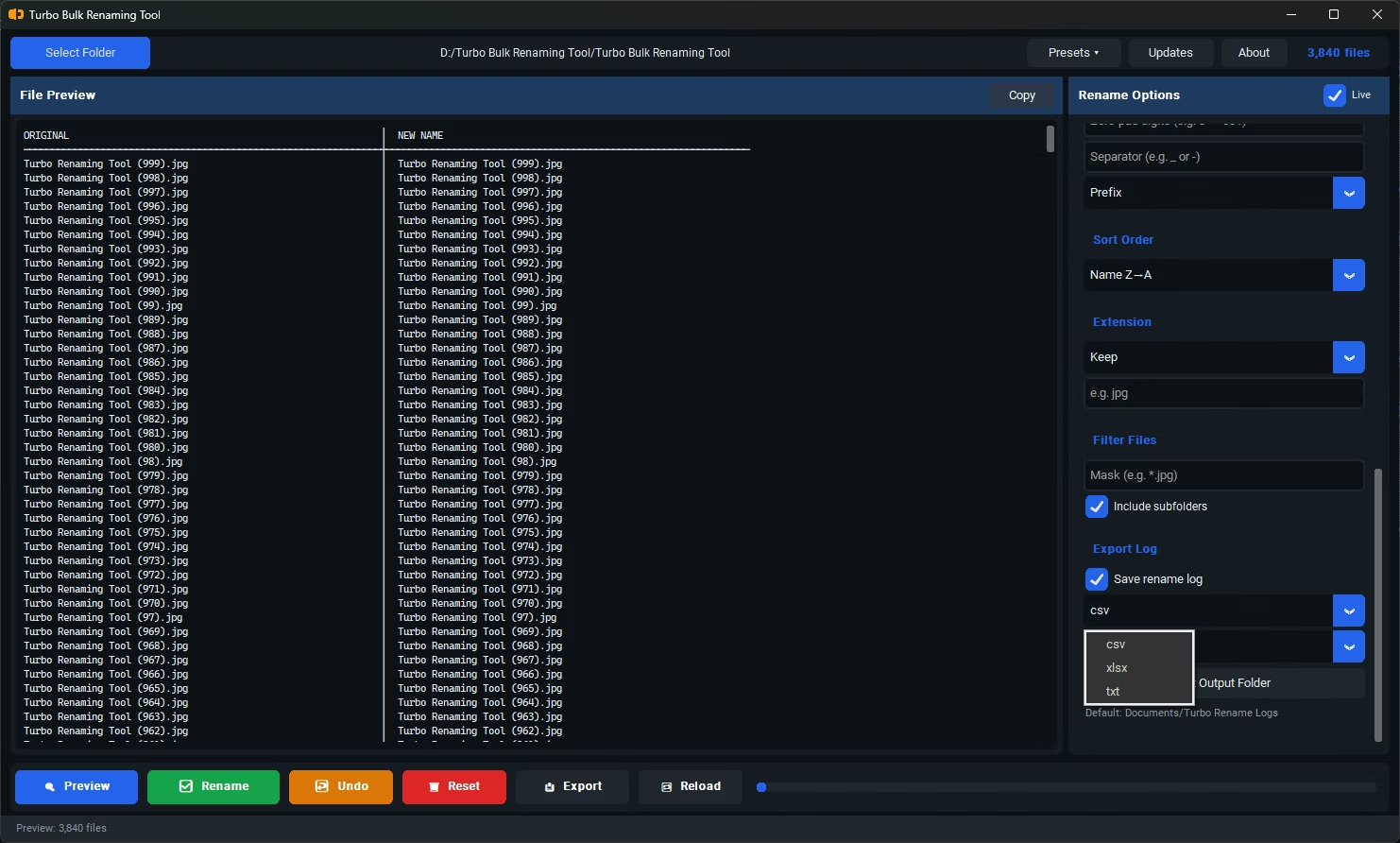
The application itself is a one-time purchase for Windows 10 and Windows 11, with no subscription, no watermarks added to renamed files, and no data ever leaving your PC during a rename operation. Every batch can be logged to CSV, XLSX, or TXT so you always have a written record of the original and new name for each file, and any combination of rules you build can be saved as a reusable preset, so a renaming job you configure today is ready to run again in a couple of clicks the next time the same kind of files come in.
For teams and individuals who rename the same kind of files repeatedly, the combination of live preview, saved presets, and exportable logs turns rename Files in Subfolders from an occasional chore into a routine, low-risk step in a larger workflow. You configure the rules once, confirm the result looks right, and from then on a job that used to take an afternoon of manual renaming takes a few clicks, with a clear written record left behind for anyone who needs to check exactly what changed and when.
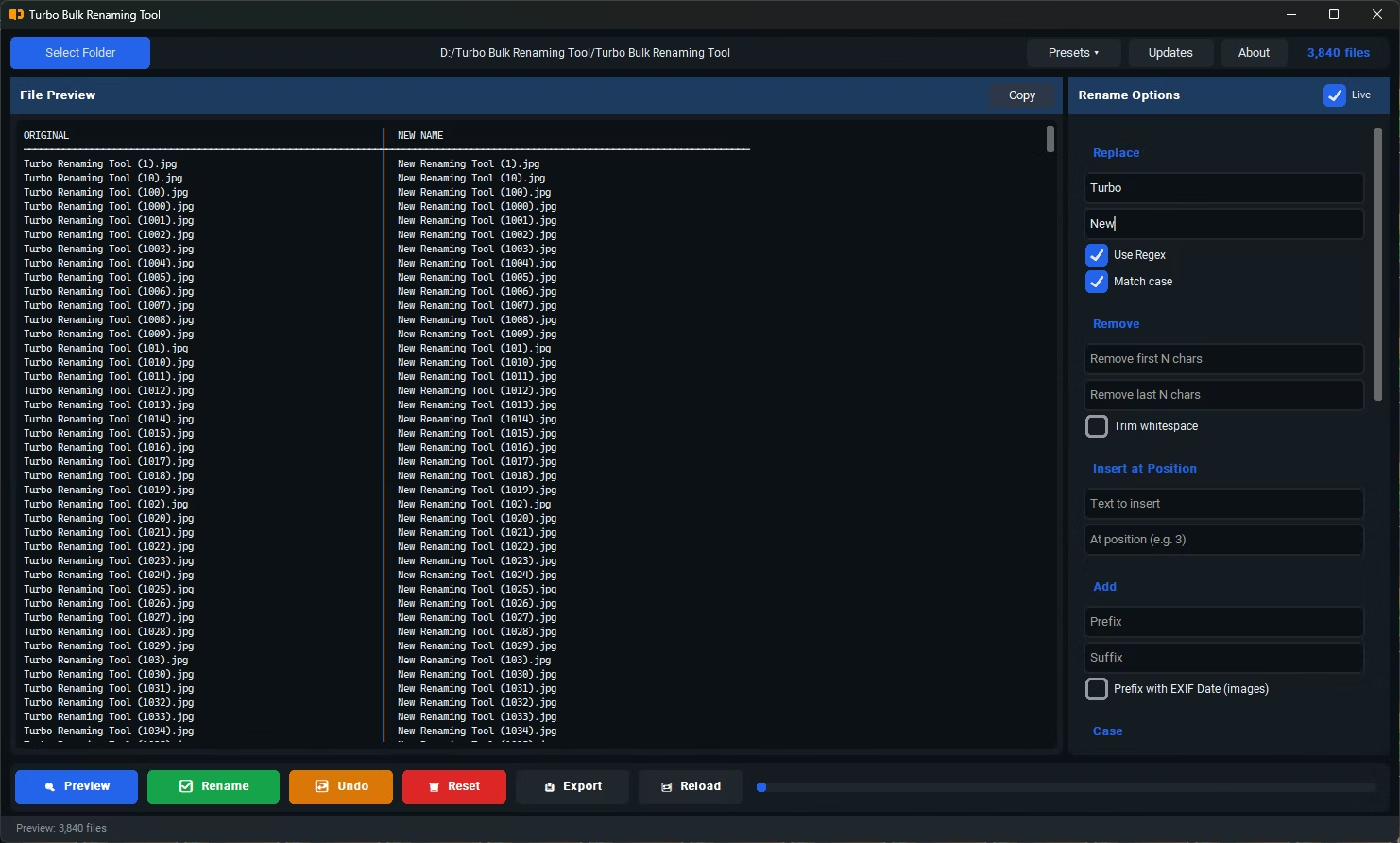
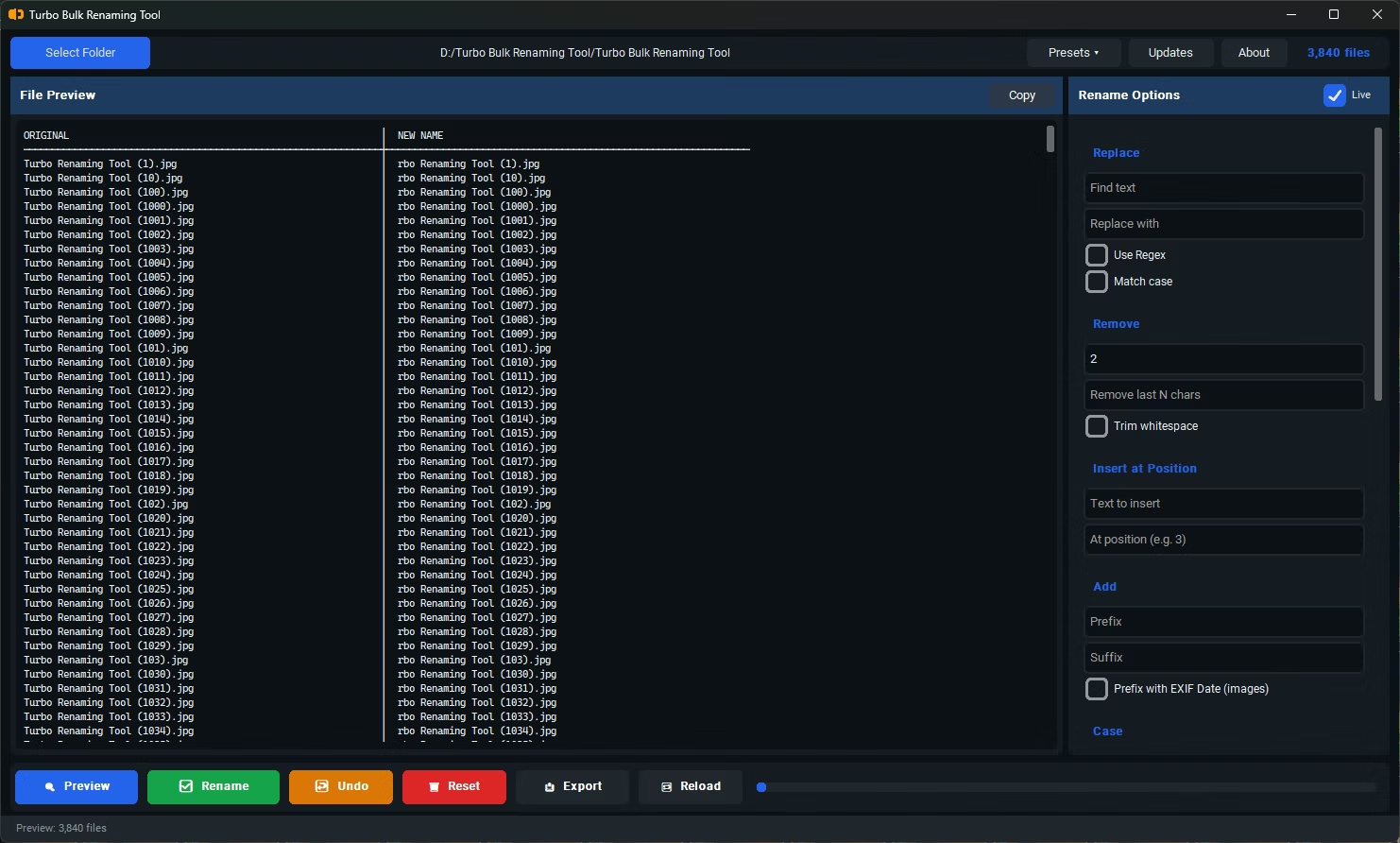
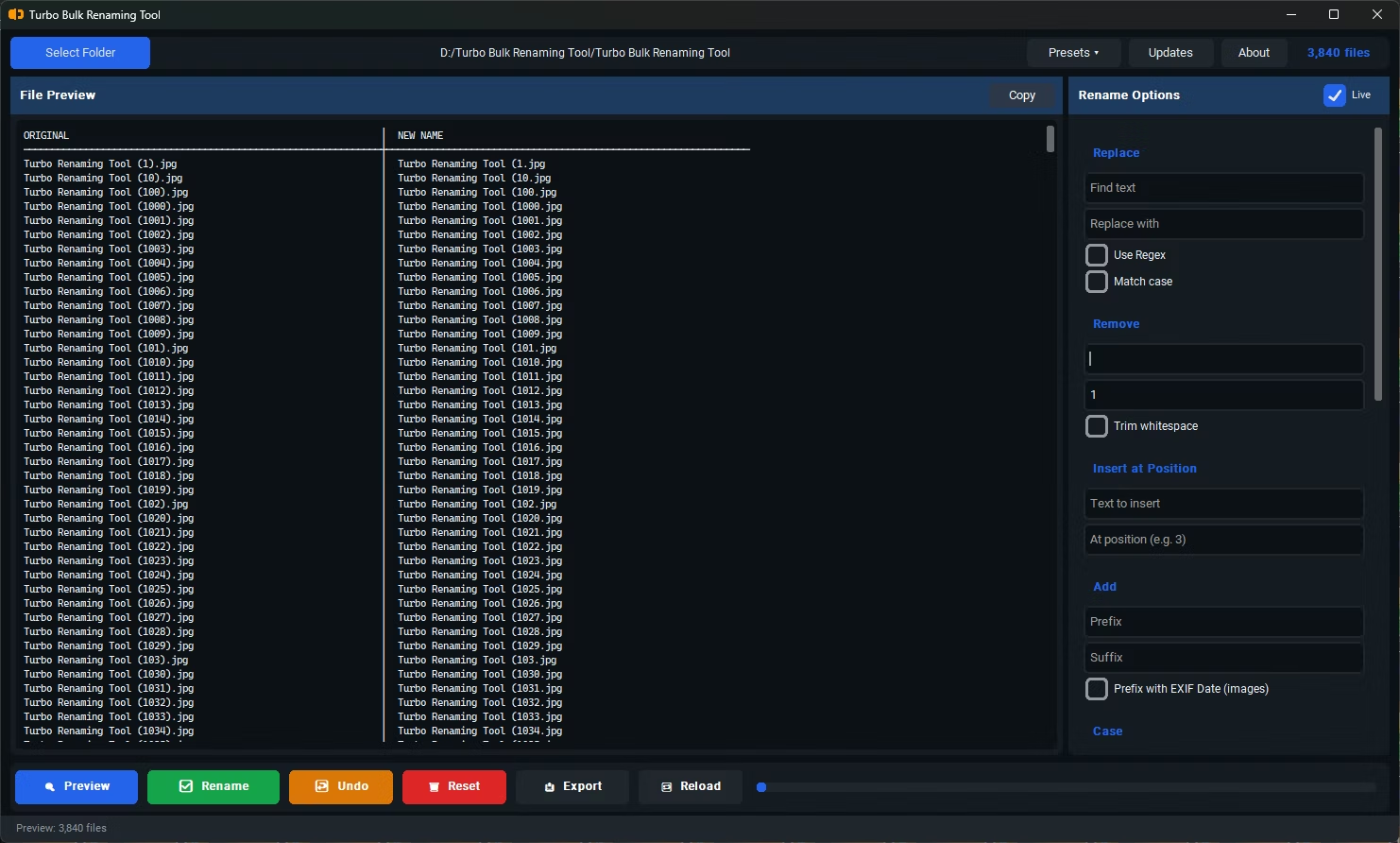
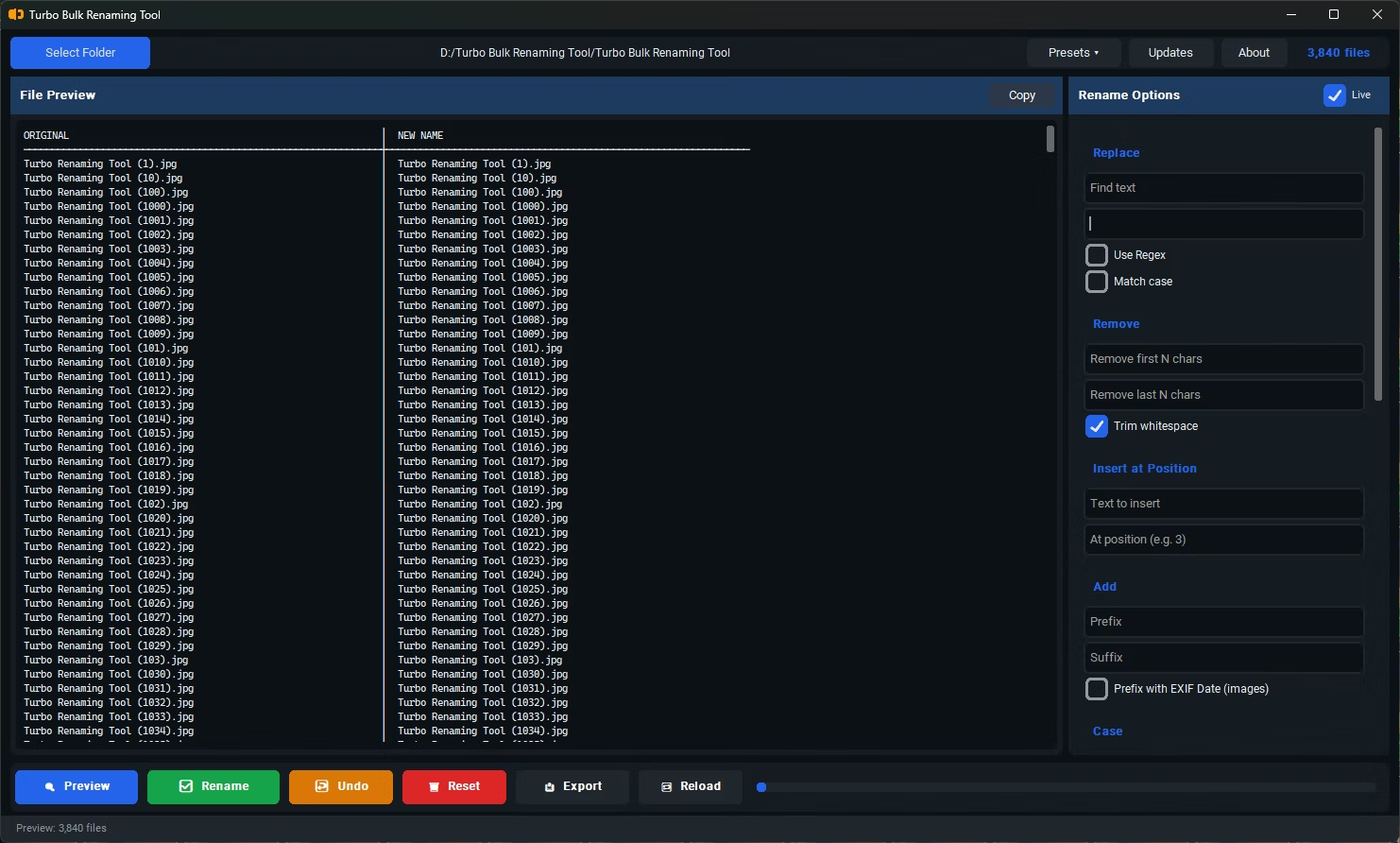
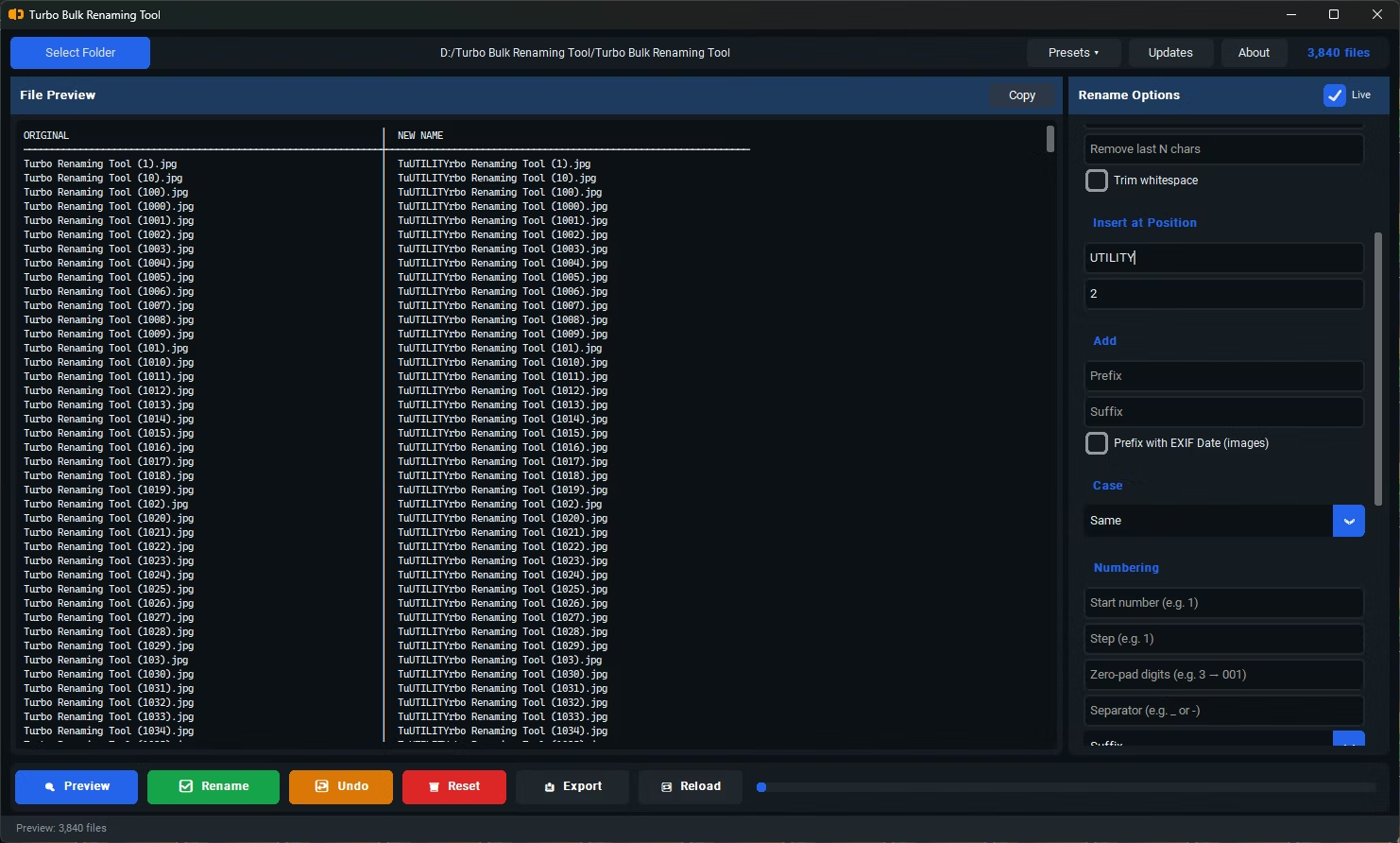
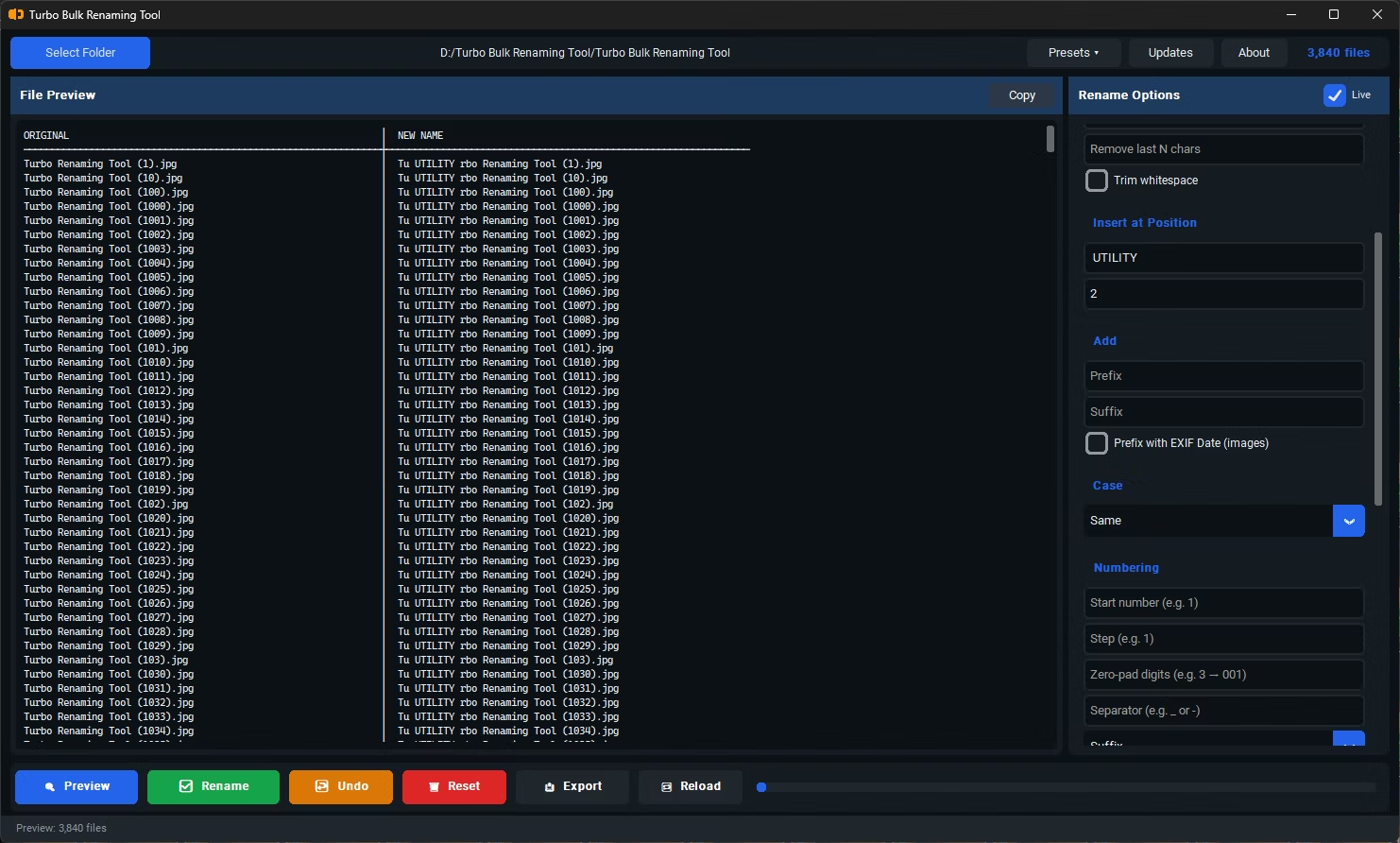
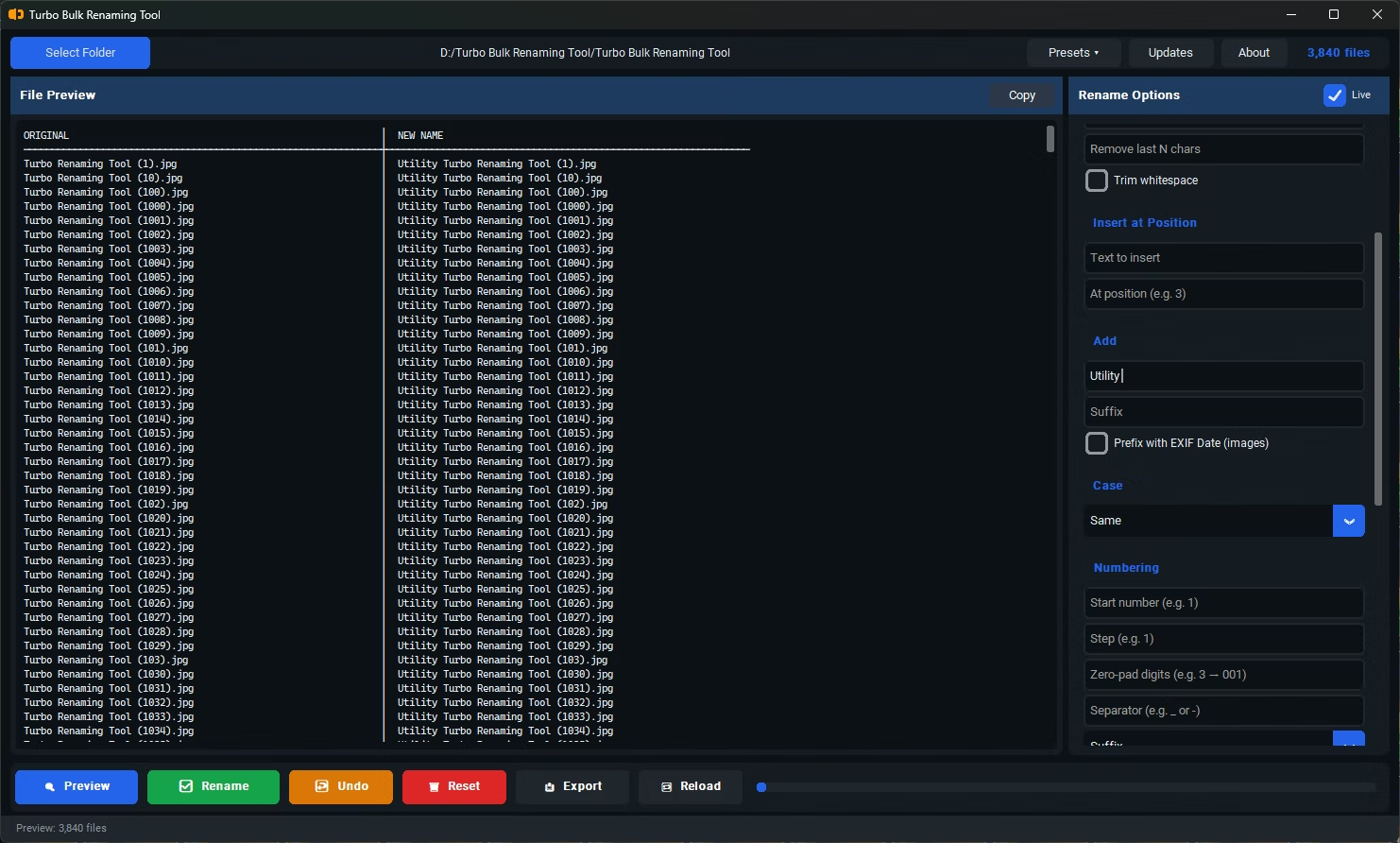
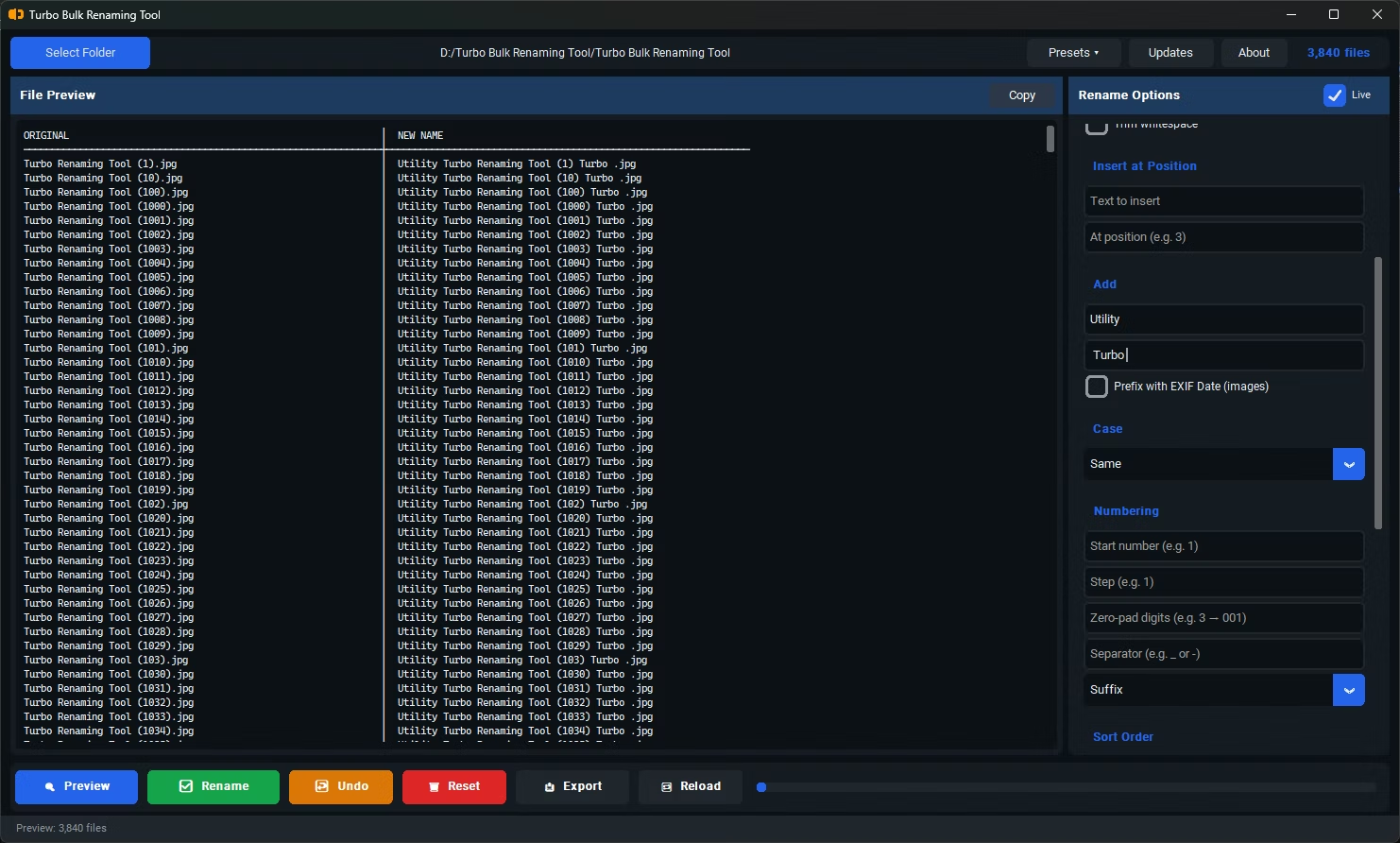
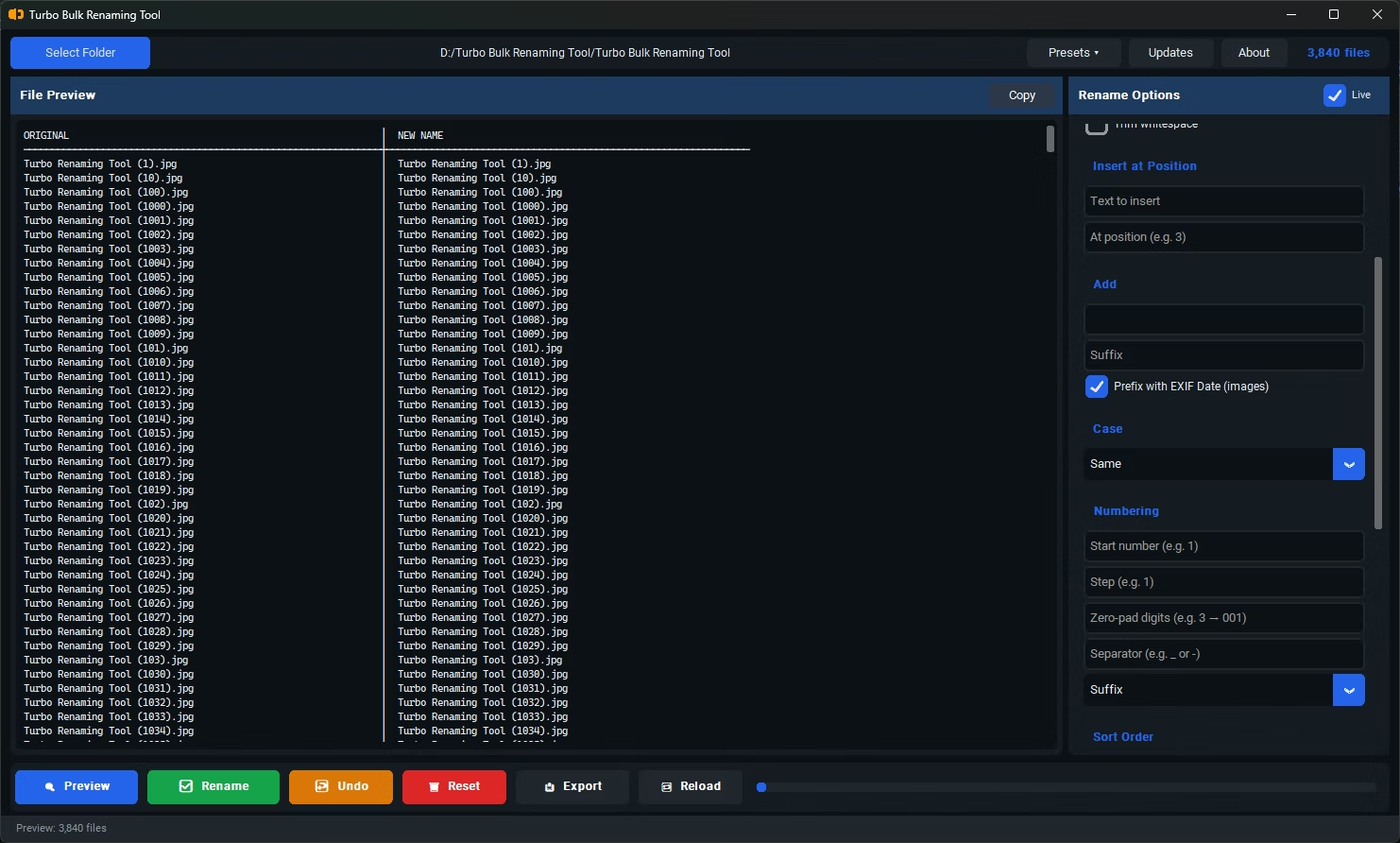
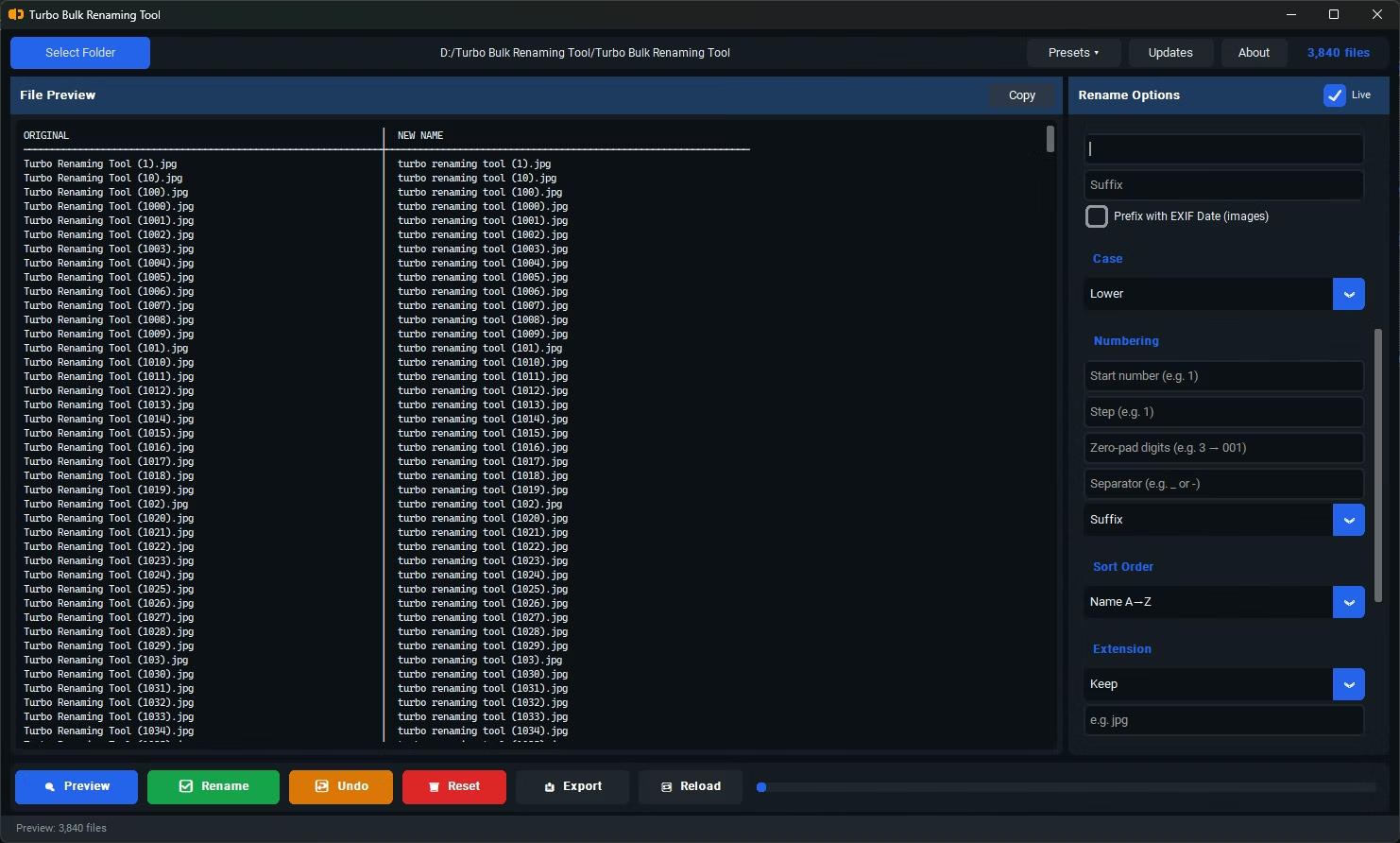
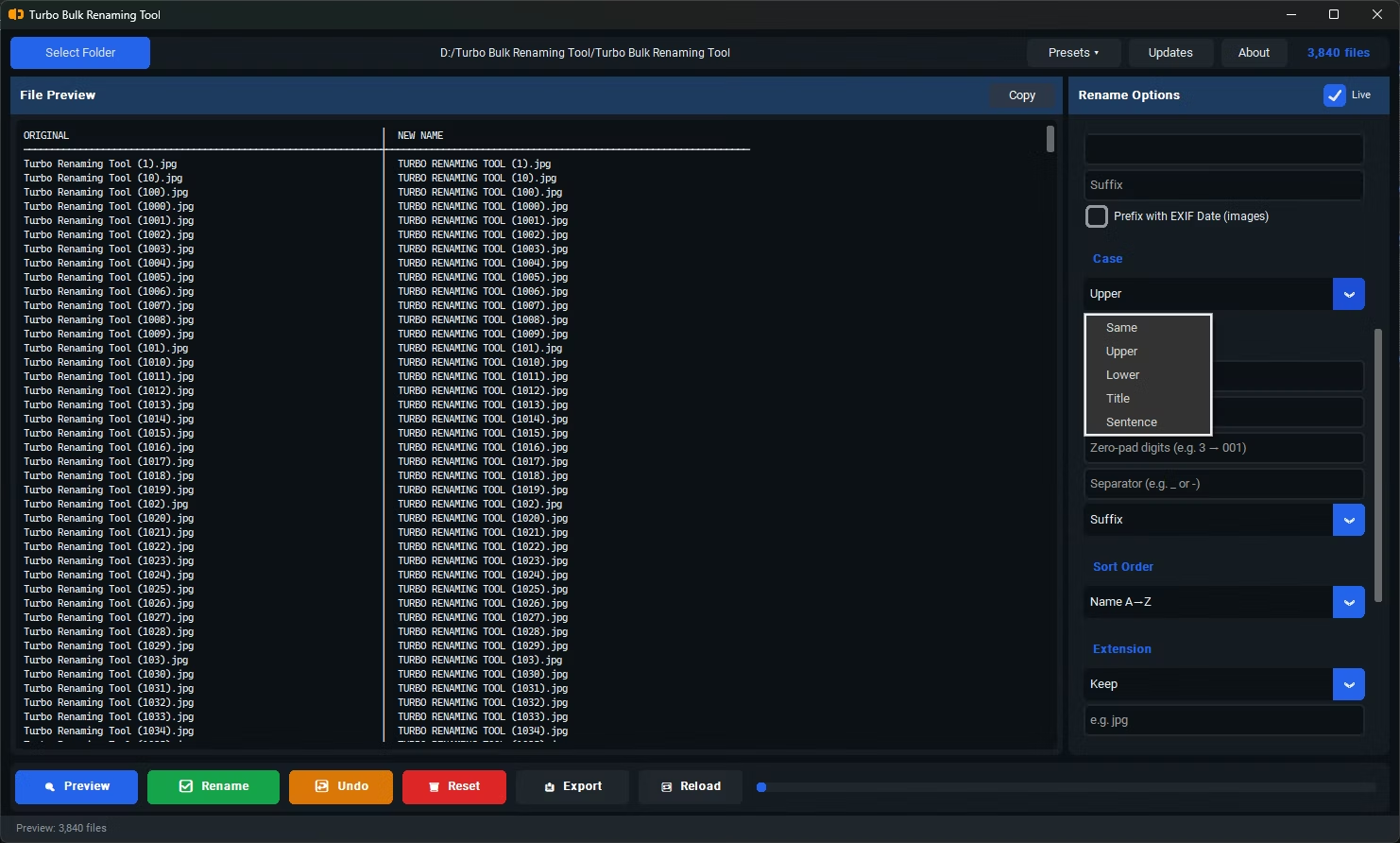
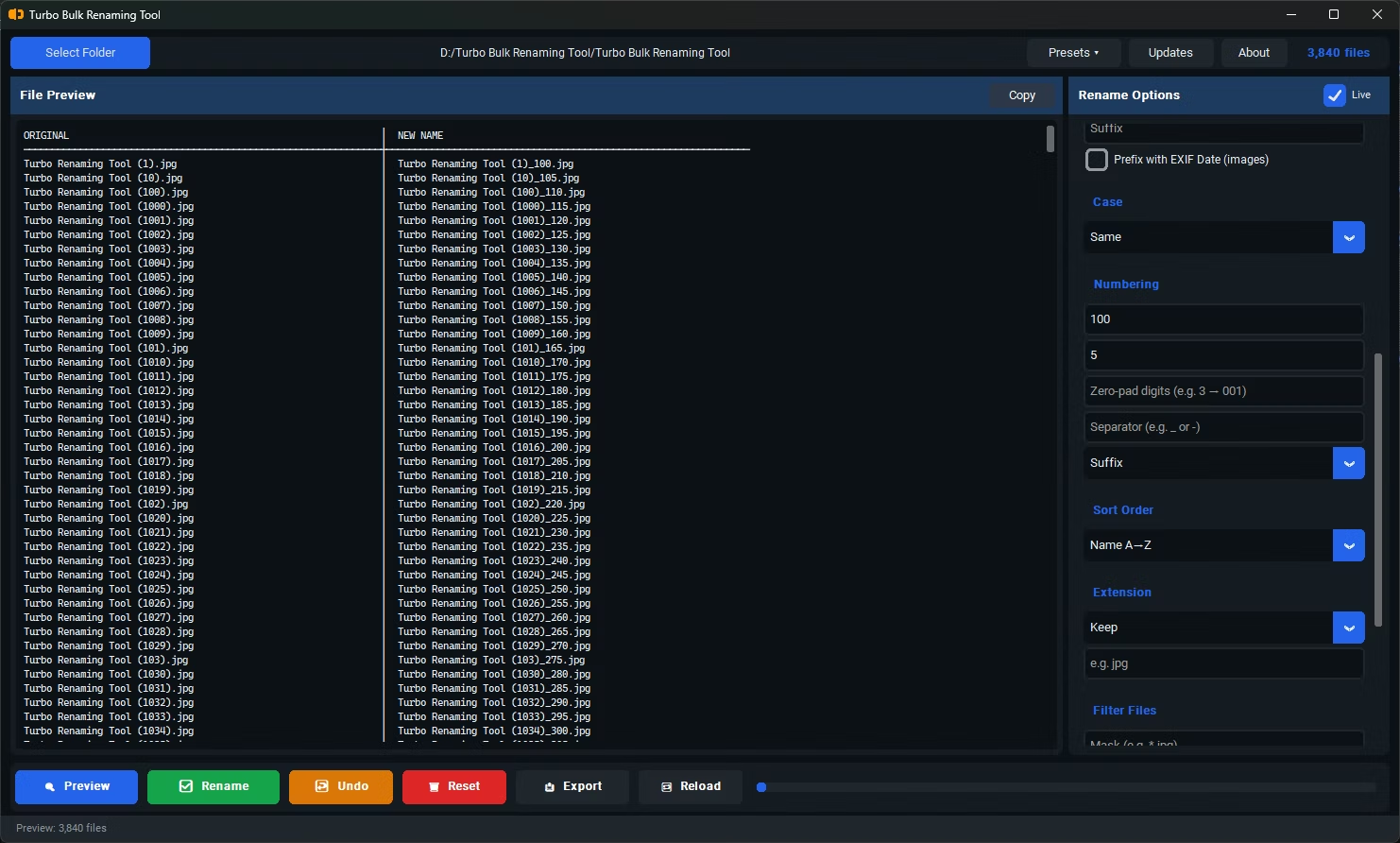
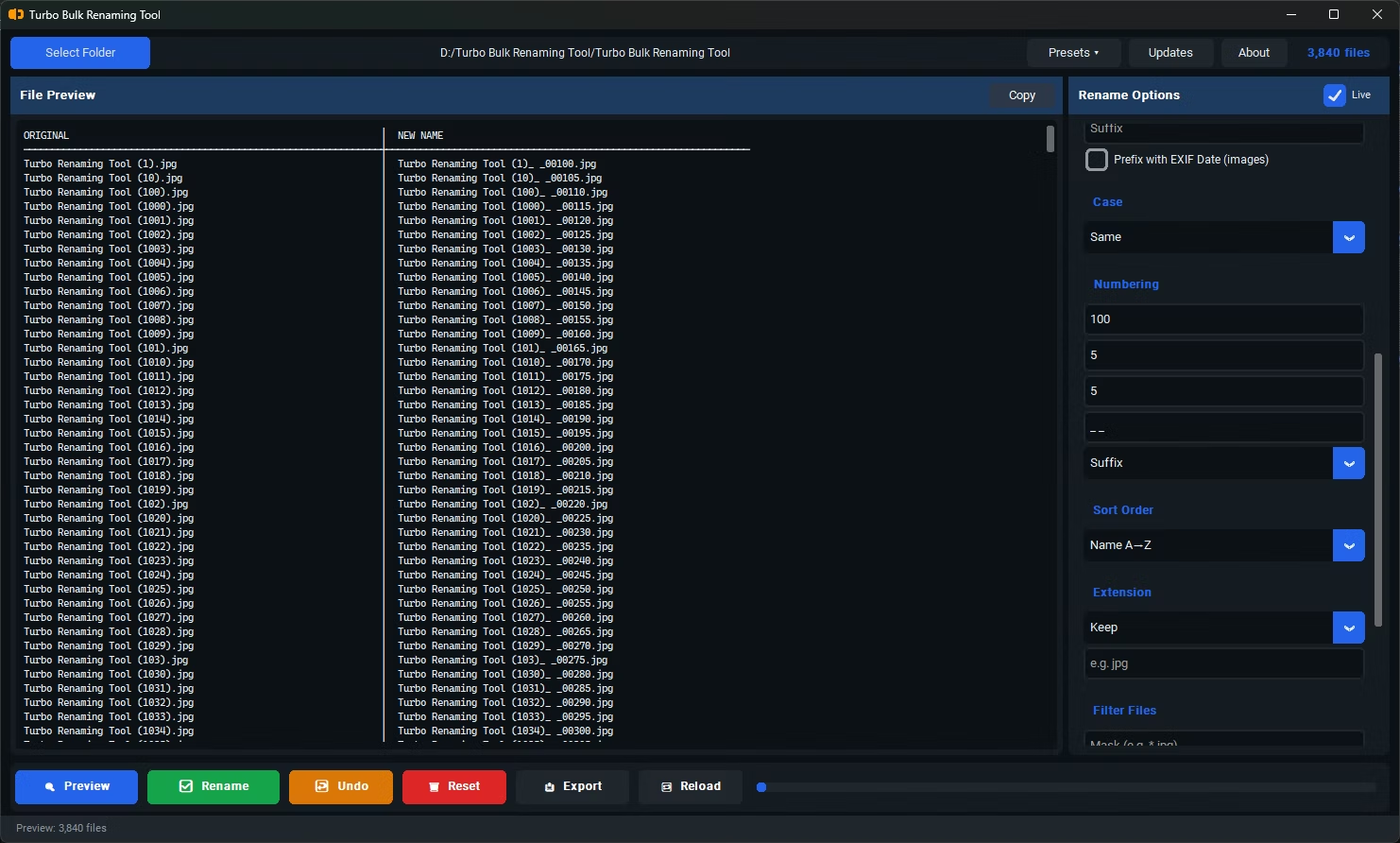
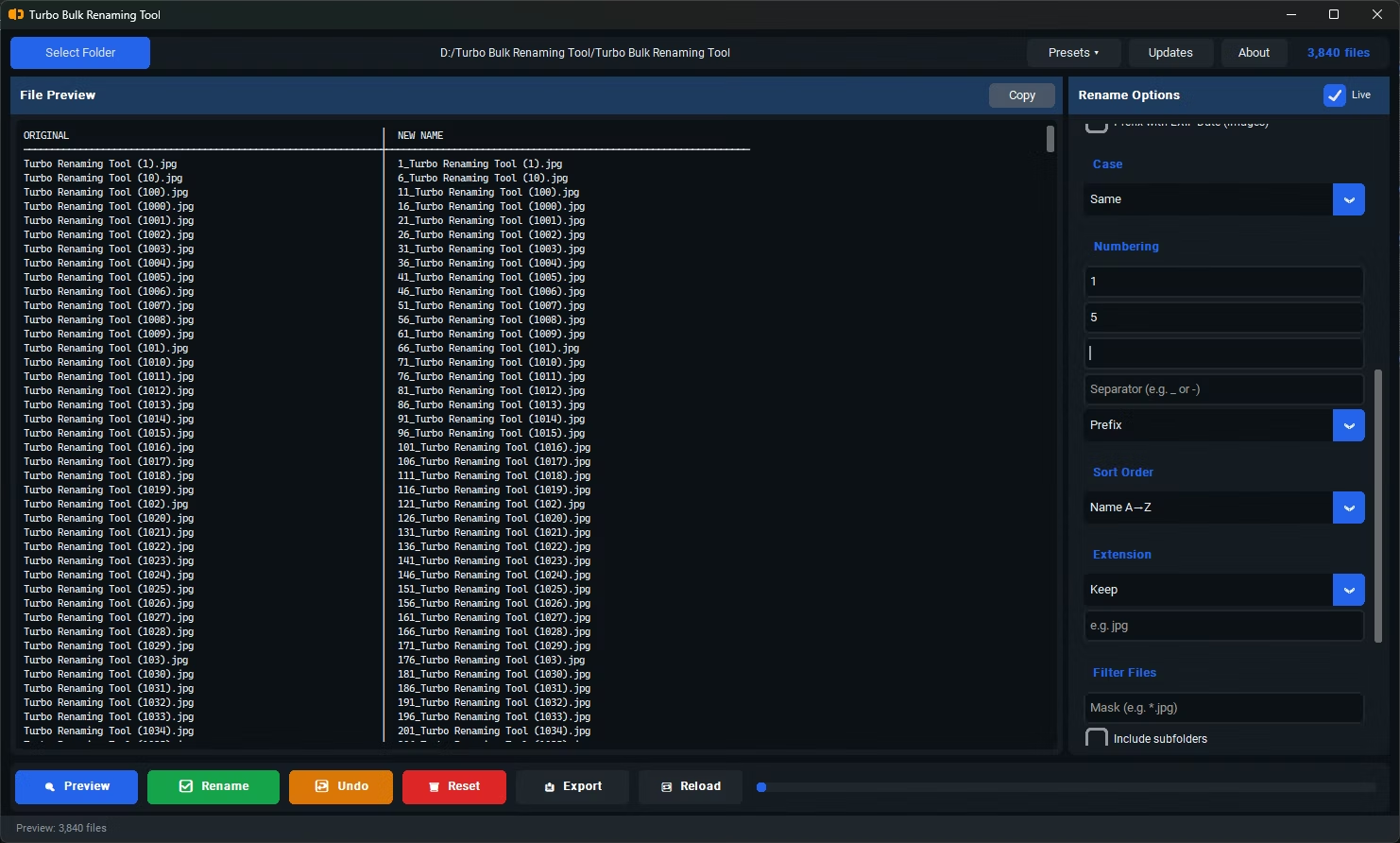
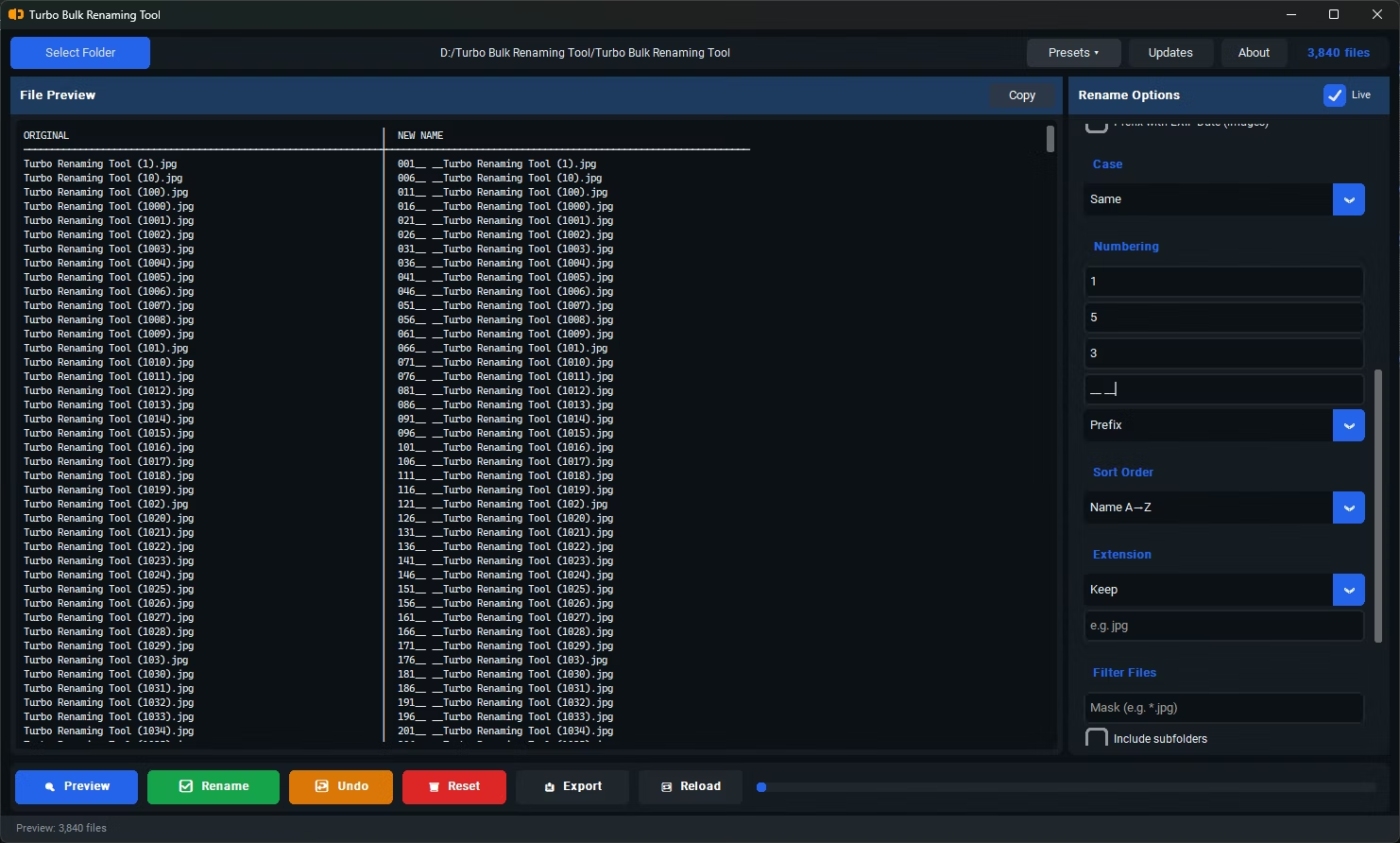
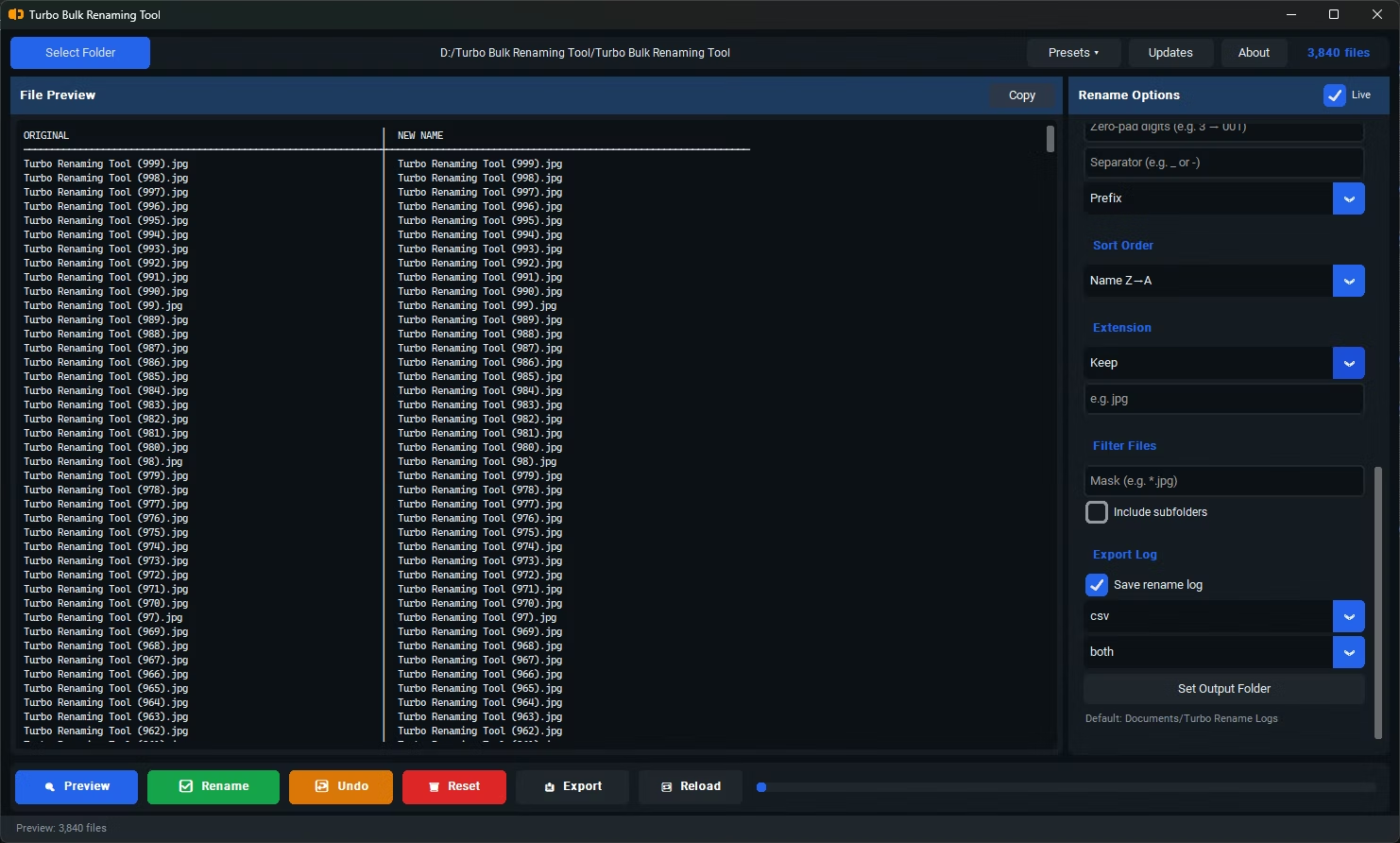
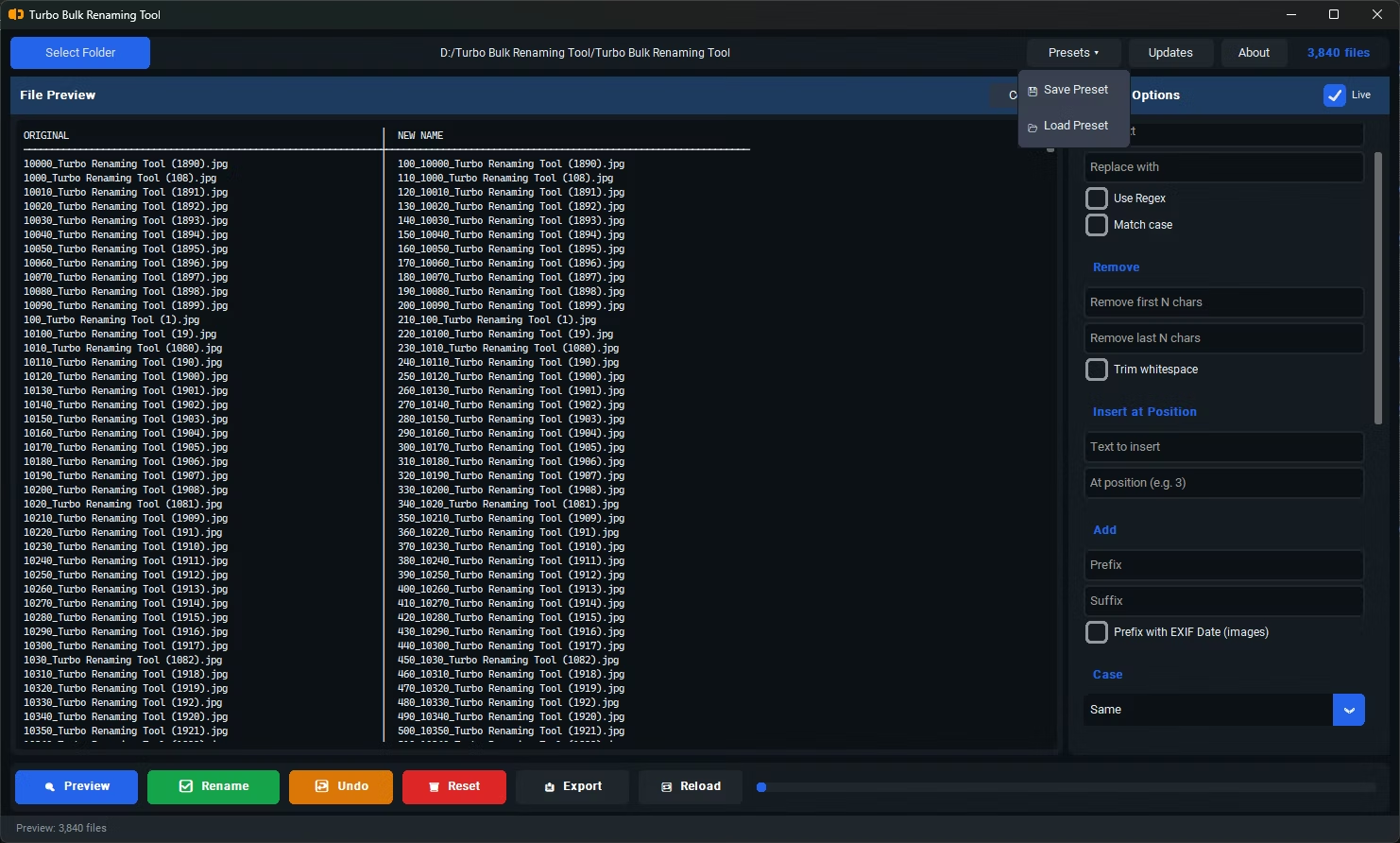
- Install Turbo Bulk Renaming Tool on your Windows PC.
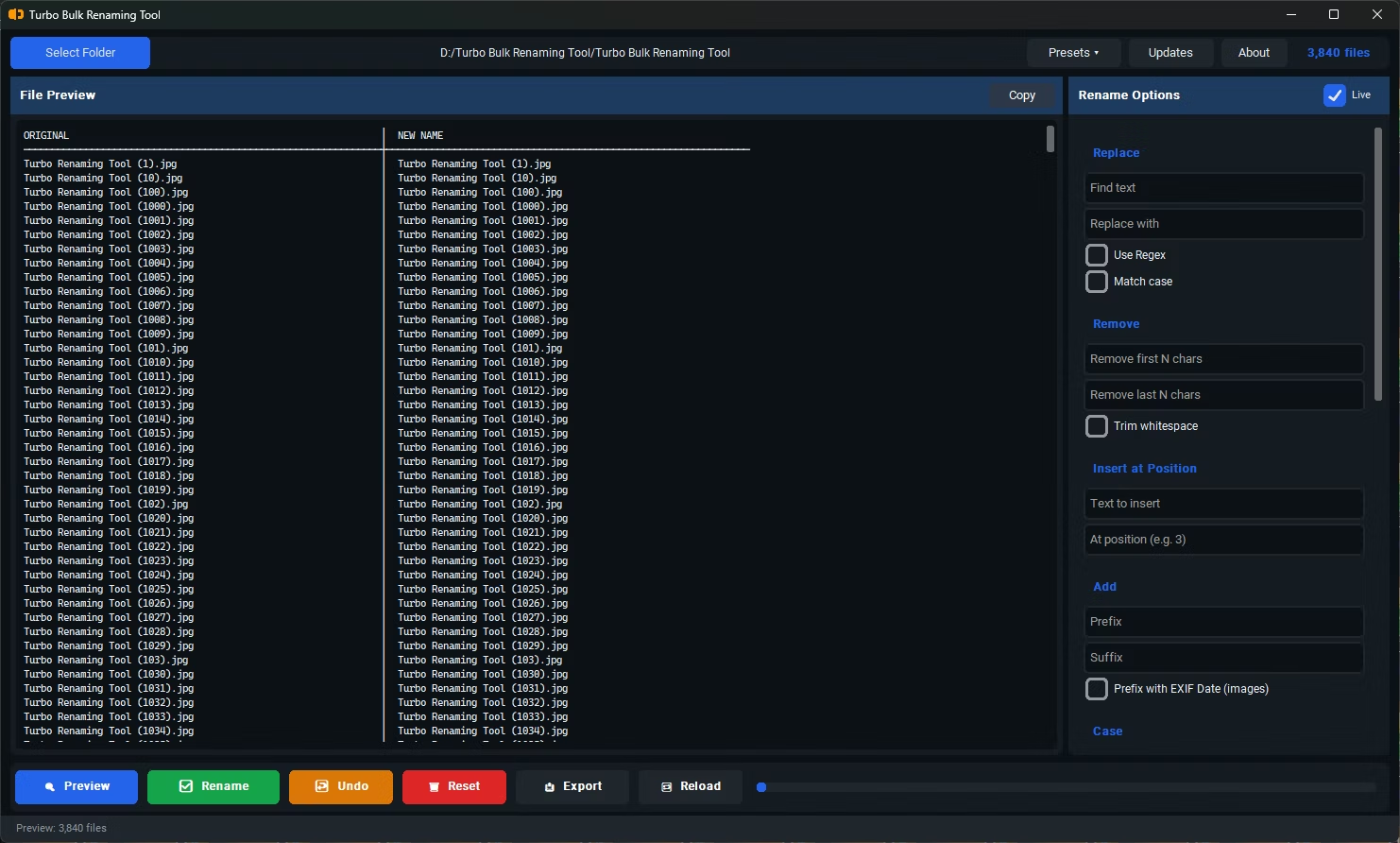
- Select the top-level folder of your folder tree.
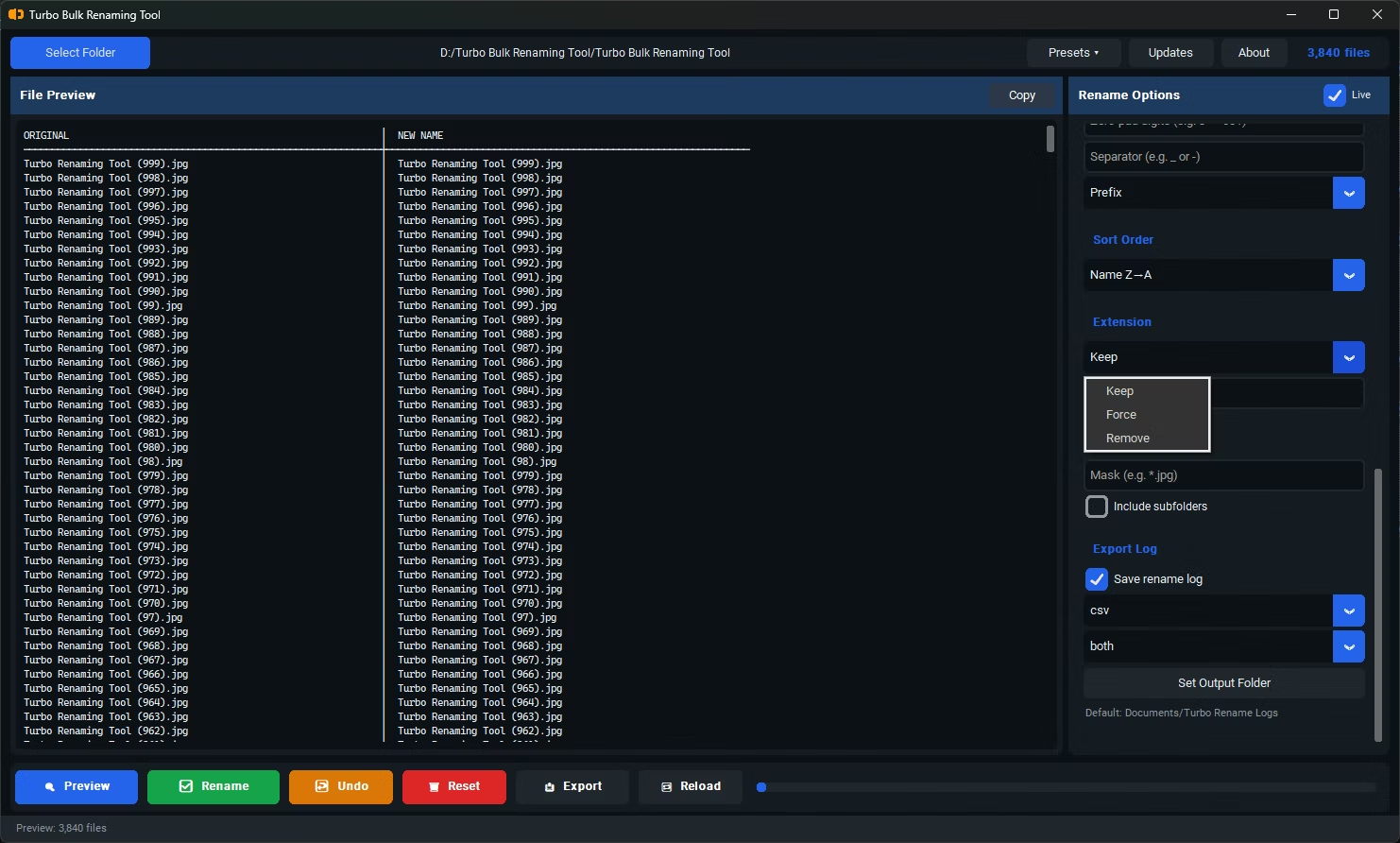
- Enable recursive scanning to include nested sub-folders.
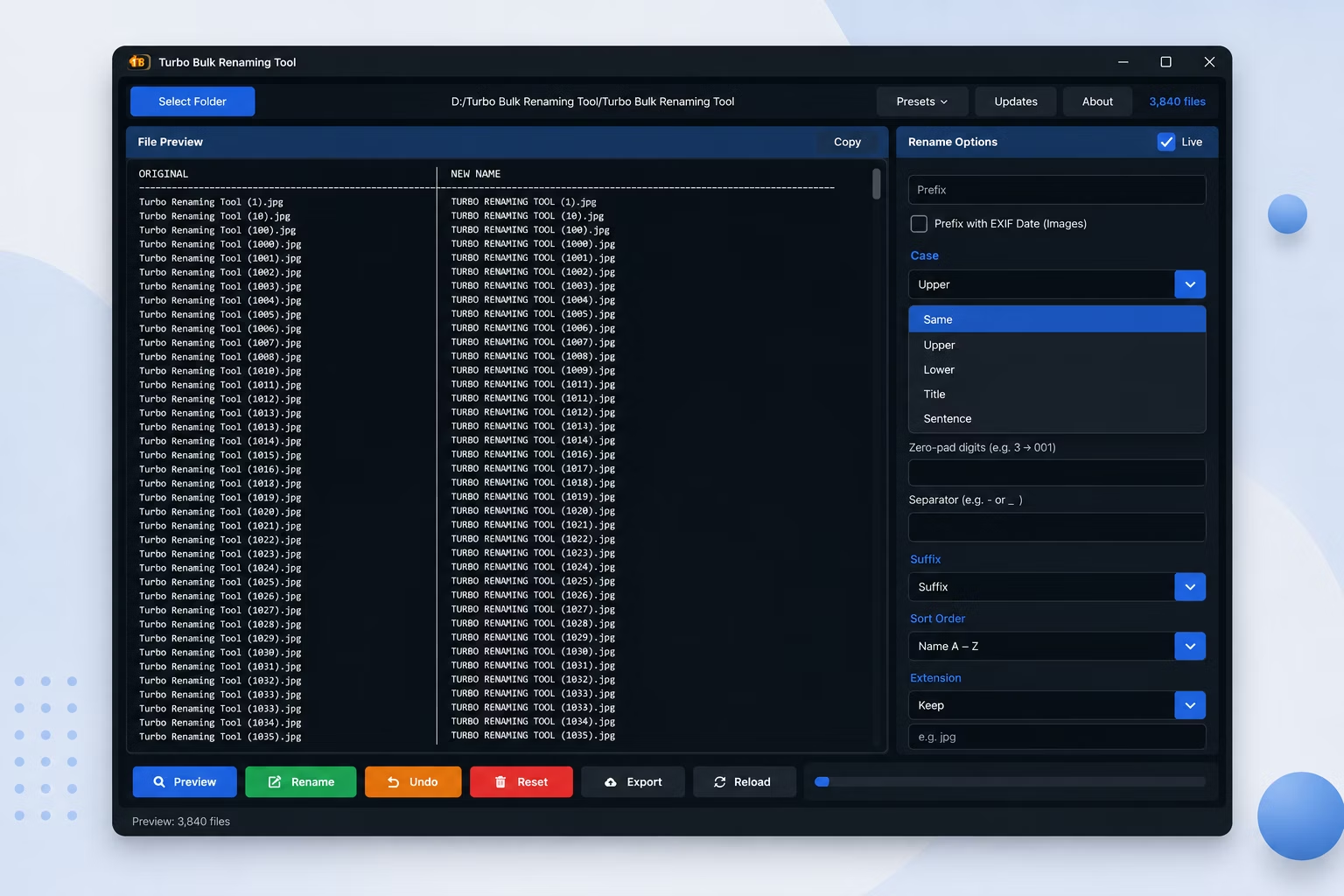
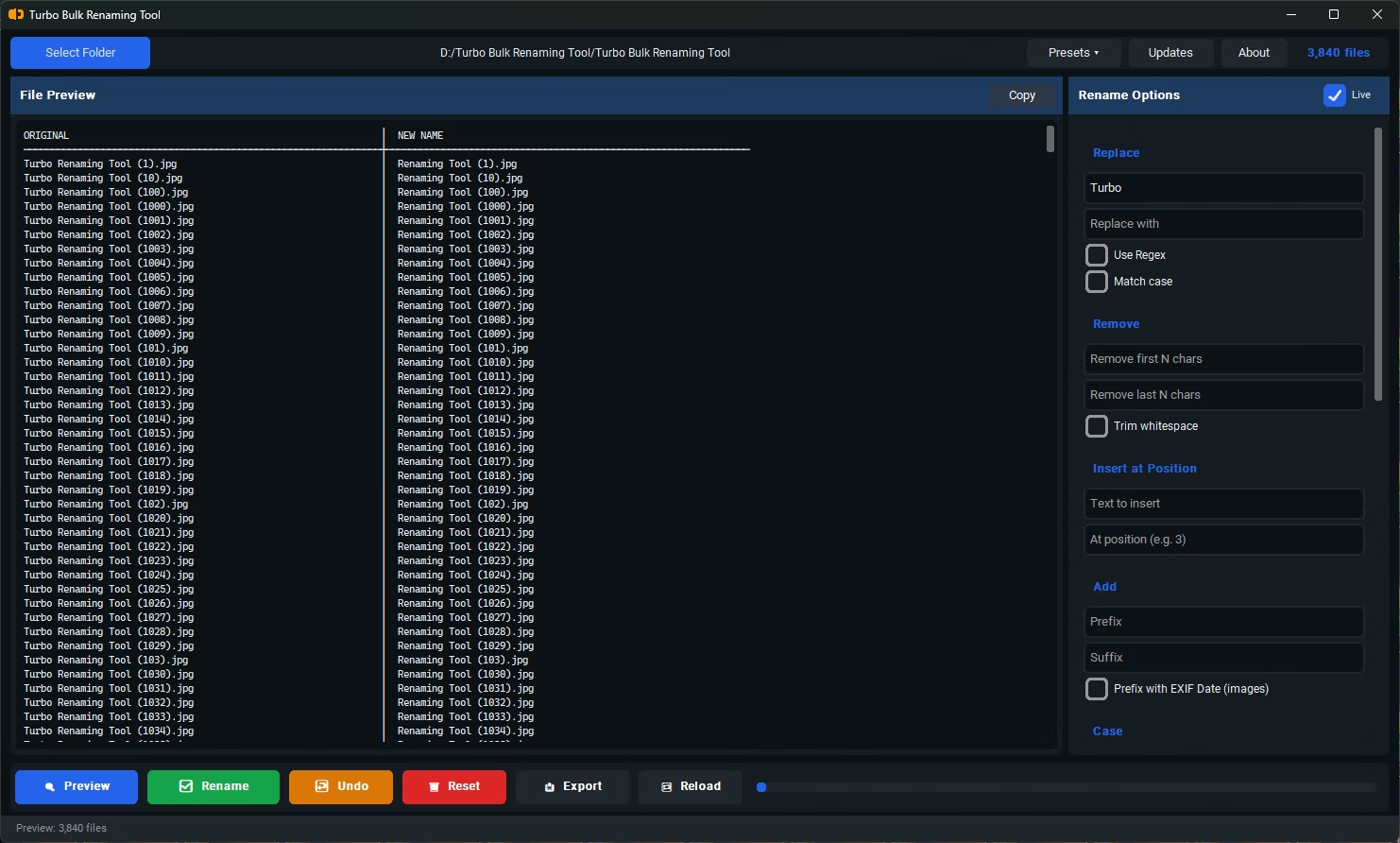
- Choose your renaming rule from the available options.
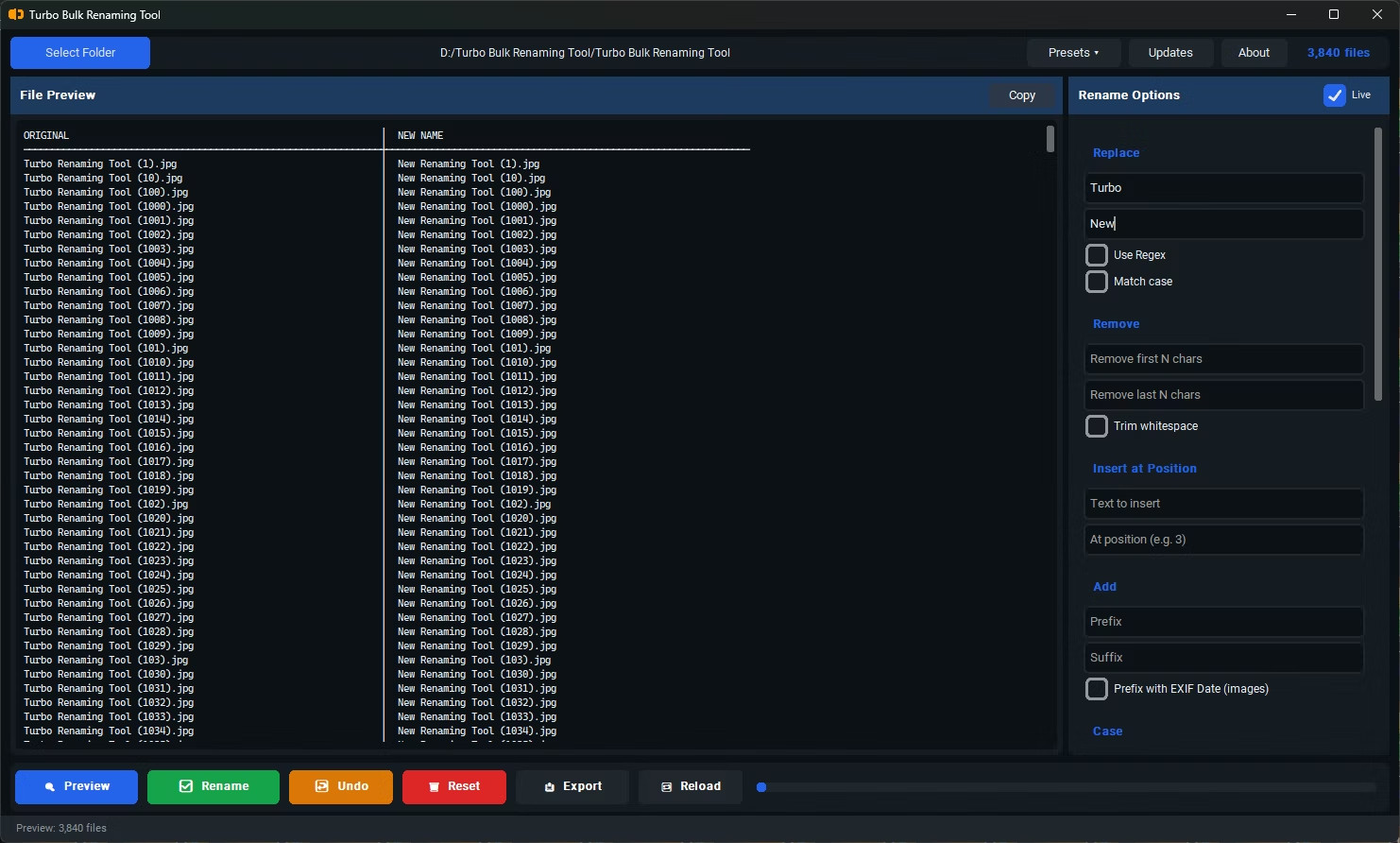
- Adjust the rule and review the live preview.
- Set your sort order and extension handling.
- Click Rename to apply the changes across the entire folder tree.
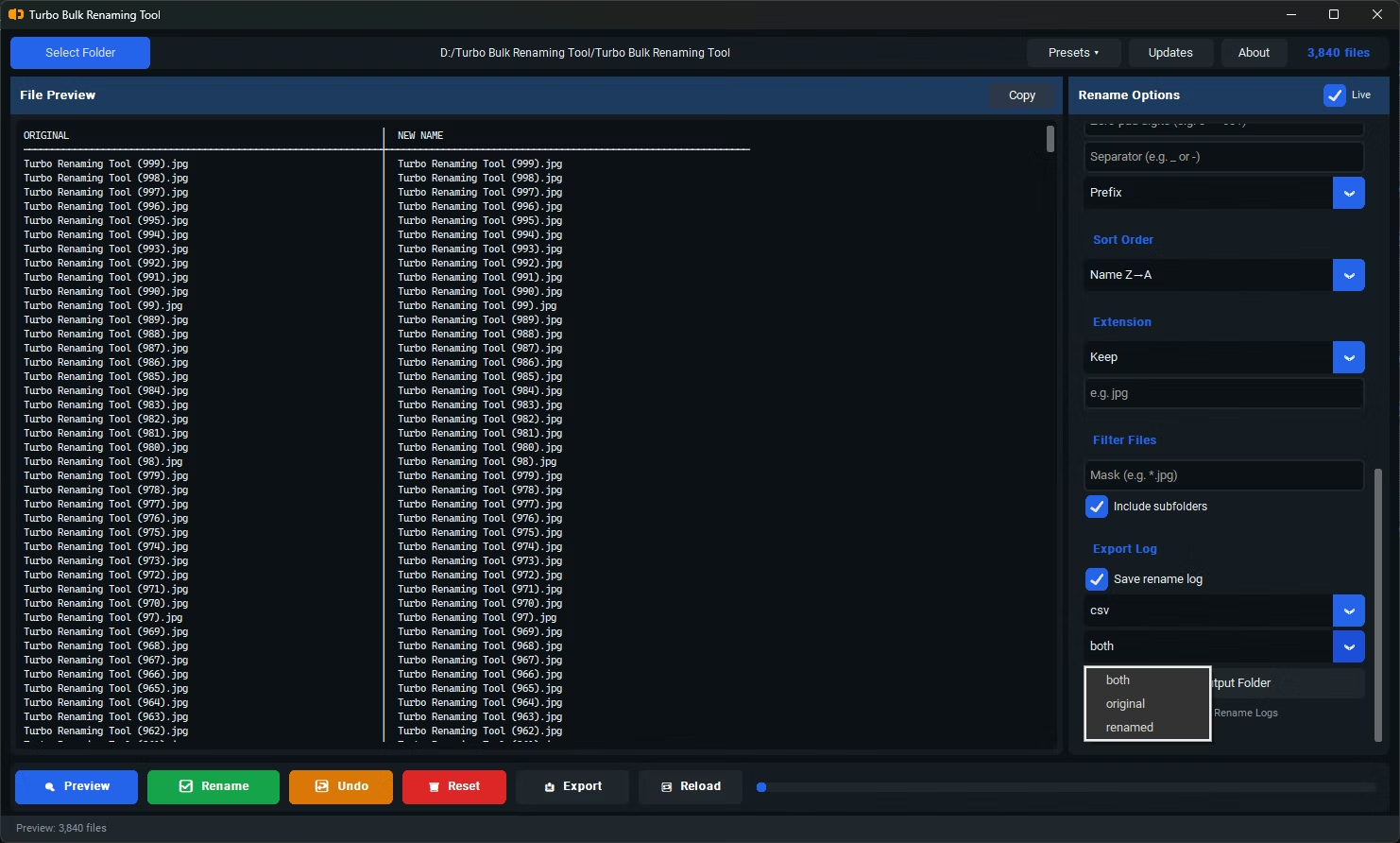
- Export a rename log covering every file and its original sub-folder path.
- Double-check the live preview one more time for any file that looks unexpected.
- Save your configuration as a preset if this is a job you expect to repeat.
- If you're renaming a recurring job, note down the settings or save them as a preset so the next run takes seconds.
- Recursive scanning covers folder trees of any depth
- Renames files across every nested sub-folder in one run
- Live preview shows results regardless of nesting level
- Prefixes, suffixes, numbering, and find and replace built in
- Regex support for advanced nested-folder patterns
- Exportable rename logs include each file's original path
- Runs fully offline with no upload limits
- One-time purchase for Windows 10 and Windows 11, with no subscription or watermarks
- Save and reload full renaming configurations as presets for repeat jobs
- Straightforward installer with no extra dependencies to configure
- Works with files on local drives, external drives, and network shares
- Safe cancel support for stopping an in-progress rename mid-batch
- Clear, side-by-side original and new filename listing in every exported log
How deep can recursive scanning go?
There's no fixed depth limit; the tool walks through as many nested sub-folder levels as your folder structure contains.
Do renamed files stay in their original sub-folders?
Yes, files are renamed in place, so they remain in whichever sub-folder they started in unless you choose to move them.
Can I turn off recursive scanning if I only want the top folder?
Yes, recursive scanning is optional and can be disabled to rename only files directly in the selected top-level folder.
Does the rename log show which sub-folder each file came from?
Yes, the exported log includes each file's original path, so you can see exactly which sub-folder it was renamed in.
Does this work on both Windows 10 and Windows 11?
Yes, Turbo Bulk Renaming Tool is built and tested for both Windows 10 and Windows 11.
Is my data safe when using this tool?
Yes, all renaming happens locally on your PC; no files are uploaded or sent anywhere, so private or sensitive files stay fully under your control.
Can I try a renaming rule without permanently committing to it?
Yes, the live preview lets you experiment with any rule and see the exact result before you click Rename, so nothing changes until you're ready.
Do I need to install anything else for this to work?
No, the installer includes everything needed; there are no separate dependencies or plugins to set up.
Can I rename files stored on an external or network drive?
Yes, you can select files from local drives, external drives, or mapped network shares, the same as any folder on your PC.
Can I cancel a rename operation partway through?
Yes, safe cancel support lets you stop an in-progress rename, and any files already renamed at that point stay renamed while the rest keep their original names.
What if I select a mix of files and folders together?
You can rename files and folders in the same selection; the same rule set applies to both, and the live preview shows the result for each.
Can I see exactly what changed after a rename is finished?
Yes, the exported rename log lists the original and new name side by side for every file, giving you a complete record of the operation even after the fact.
Does the tool support both files and folders in the same rule set?
Yes, the same prefix, suffix, numbering, and find and replace rules apply equally whether your selection contains files, folders, or a mix of both.
Is there a trial version available before buying?
Check the product page on turbo-soft.com for current trial availability and details.
Ready to rename files across an entire folder tree, fully offline?