Learning the VLOOKUP formula comes down to memorizing one thing: the order of its four arguments, and what each one is asking for. Once that order is second nature, building new VLOOKUP formulas for different tables becomes a matter of substitution rather than relearning from scratch.
This page breaks the formula down argument by argument, then applies it to a worked employee table so the structure is grounded in something concrete.
Reading it left to right: what to search for, where to search, which column to return, and how strict the match needs to be. Every VLOOKUP formula follows this exact order - only the values inside change from one lookup to the next.
This is the value being searched for - usually a cell reference like A2, but it can also be typed text or a number directly in the formula. It must exist in the same format (text vs number) as the data in the lookup column, or the match will silently fail.
Using the employee table below:
| Employee ID | Name | Department | Salary |
|---|---|---|---|
| E101 | Asha Rao | Marketing | 54000 |
| E102 | Vikram Shah | Finance | 61000 |
| E103 | Priya Nair | Sales | 48000 |
table_array here is A2:D4 - it must start at the lookup column (Employee ID) and extend at least as far right as the column being returned.
col_index_num of 3 counts to Department within A2:D4, and FALSE requires the Employee ID to match exactly rather than approximately.
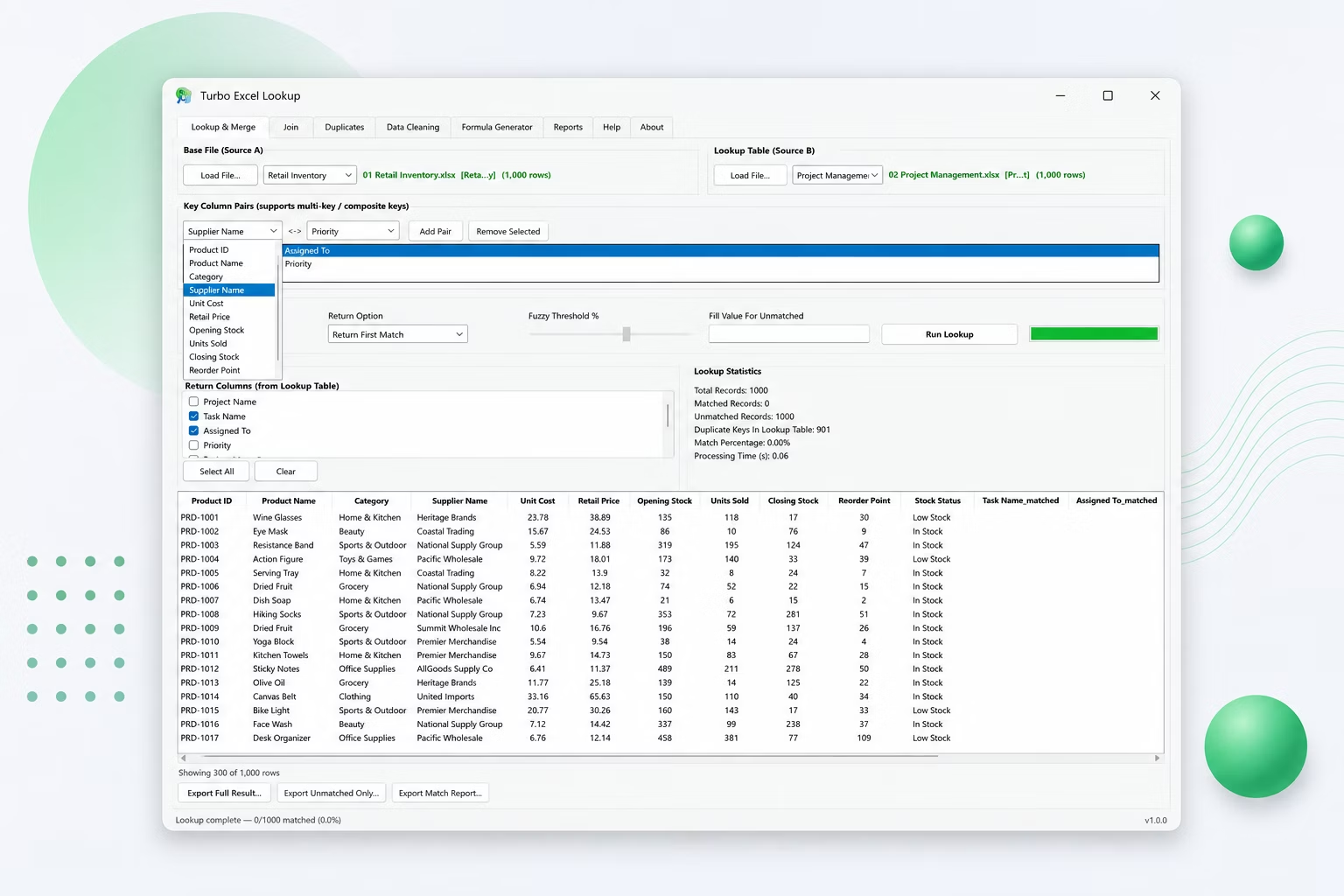
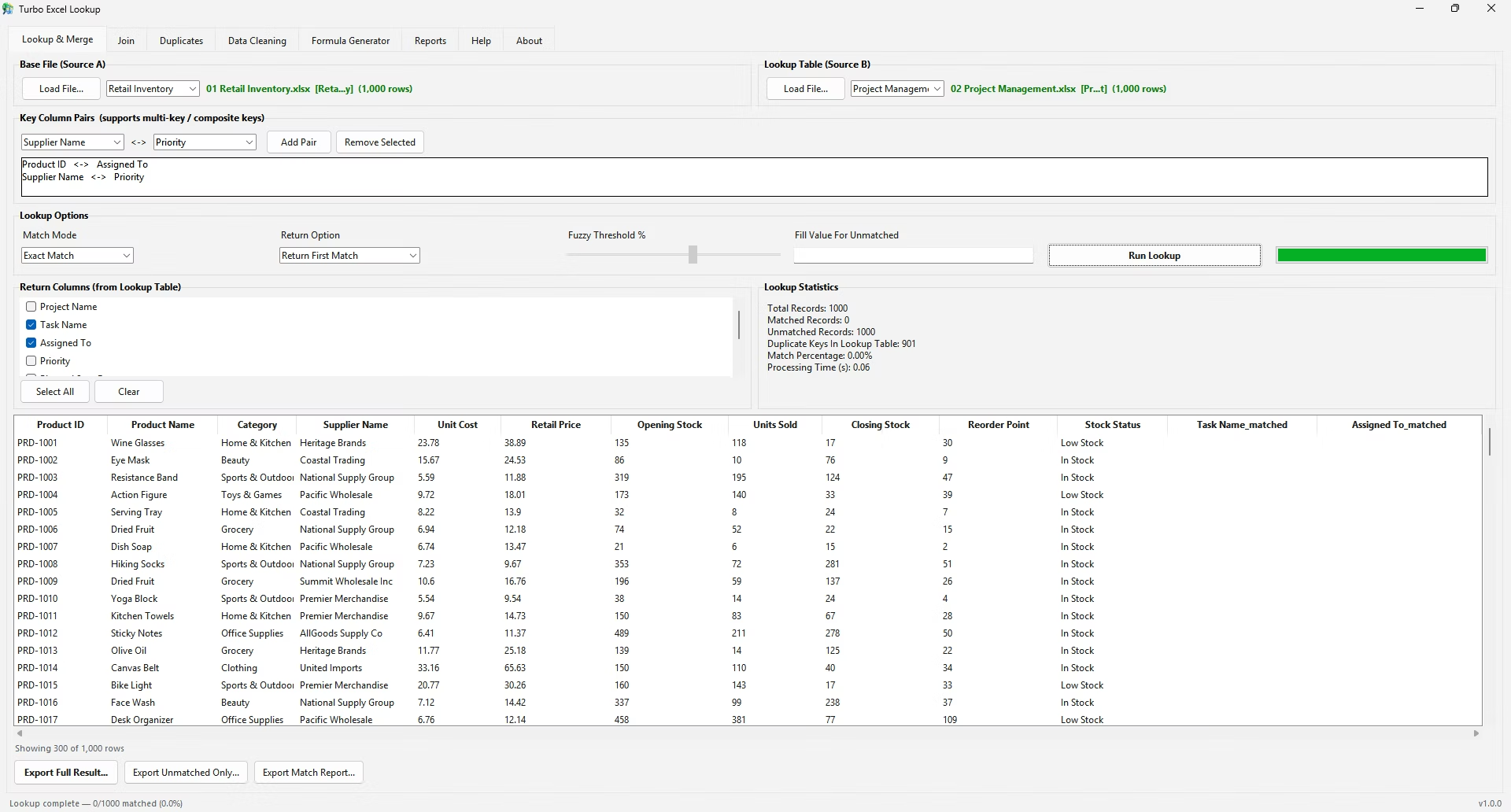
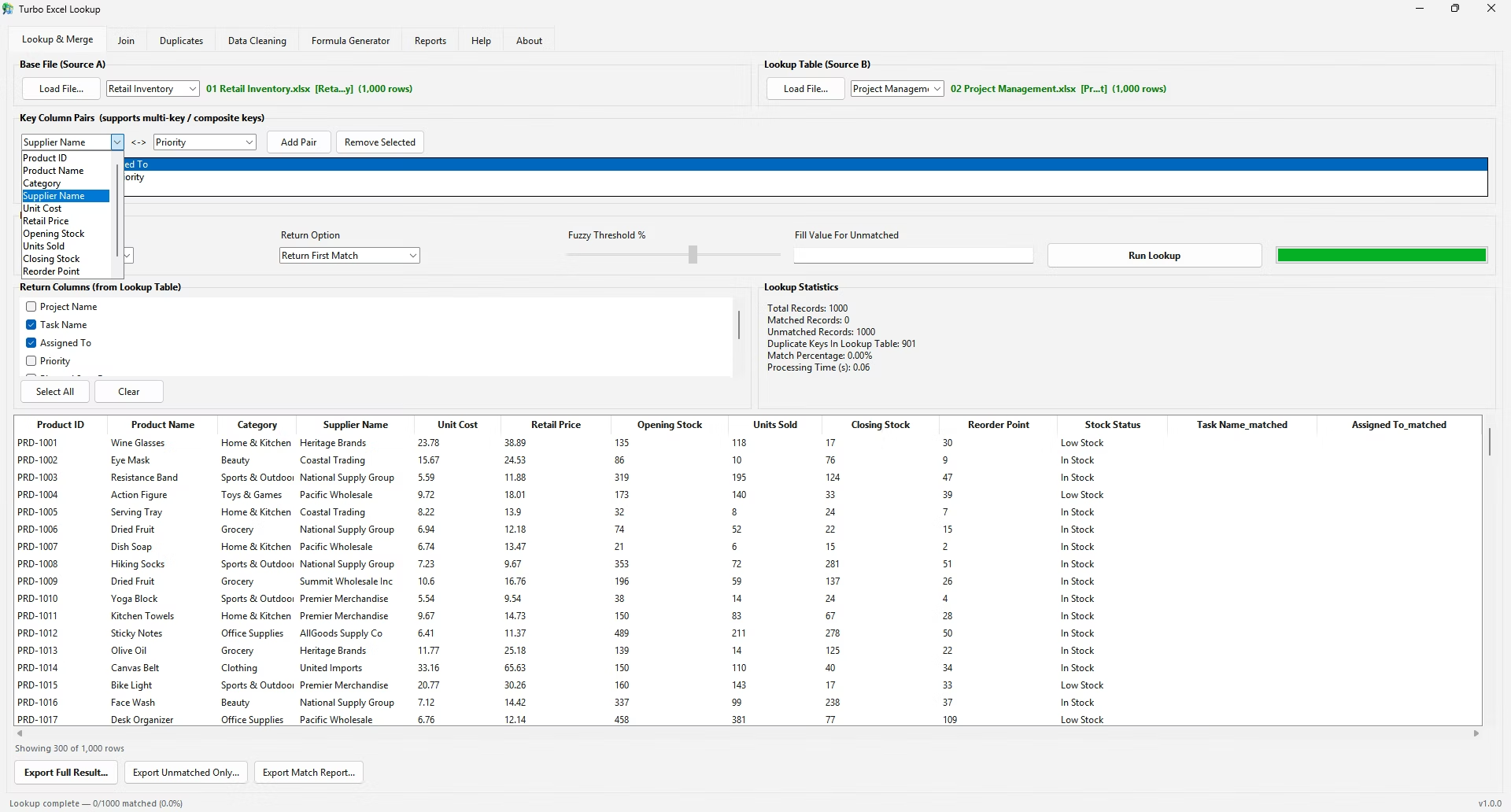
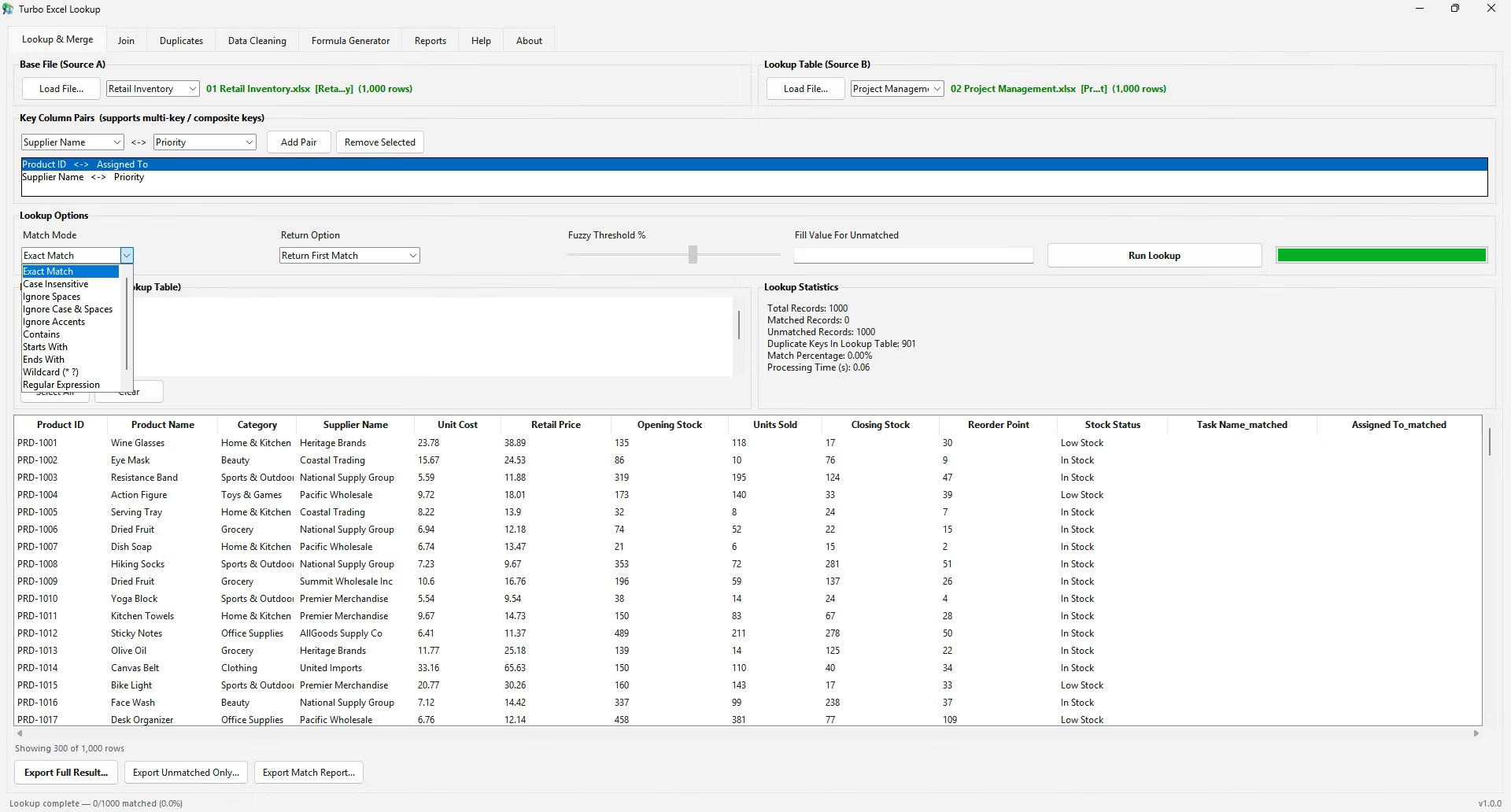
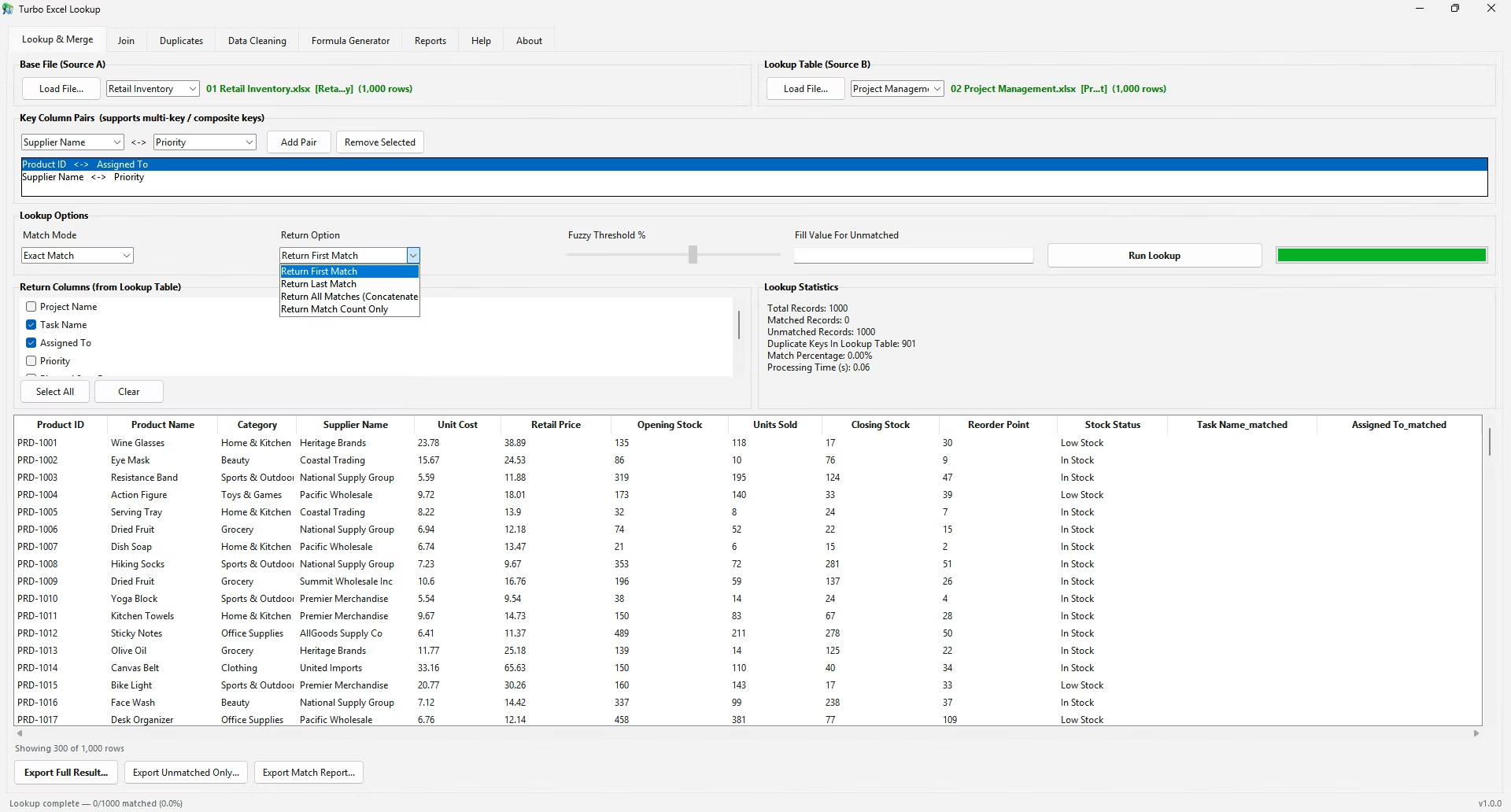
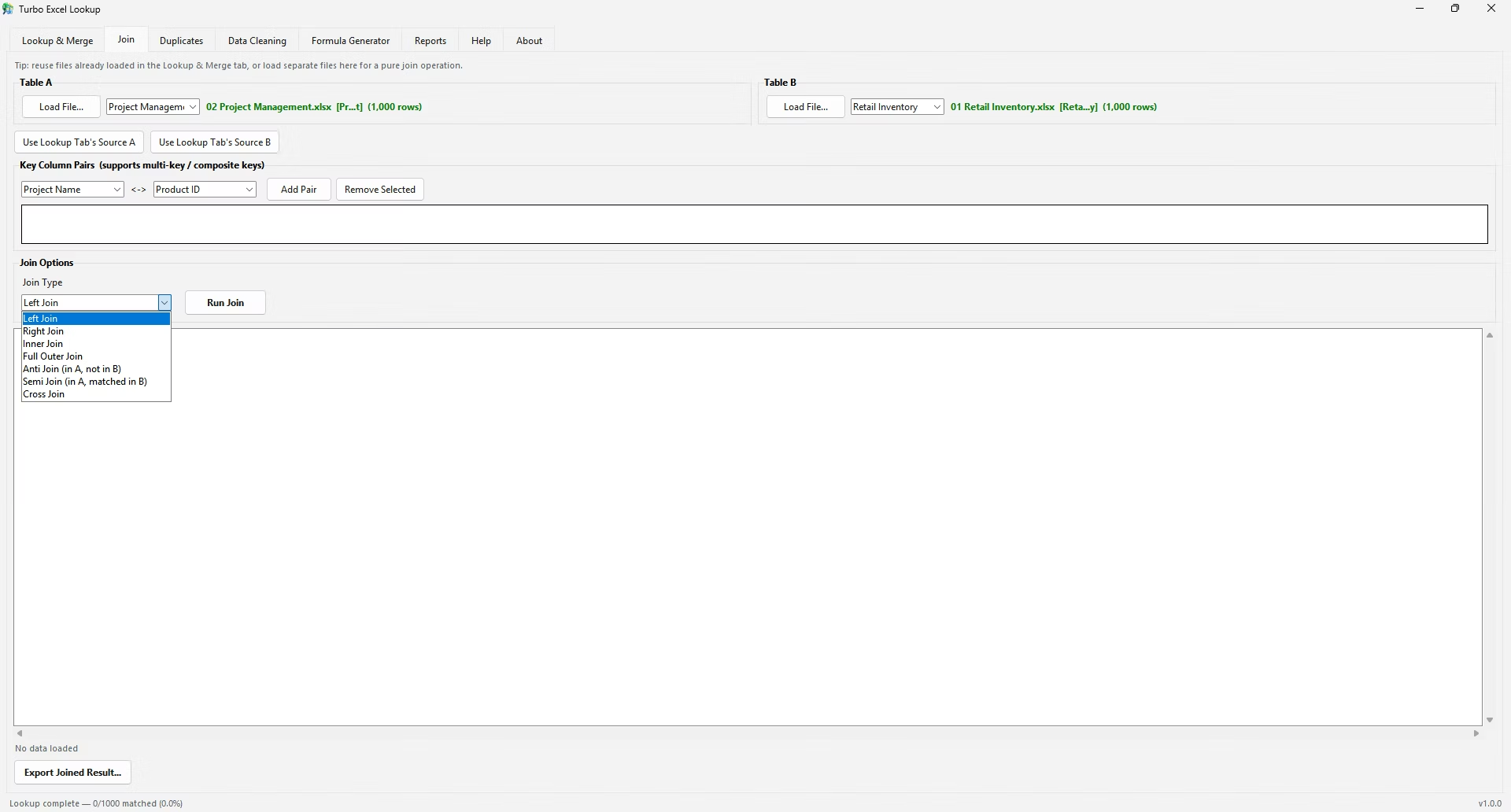
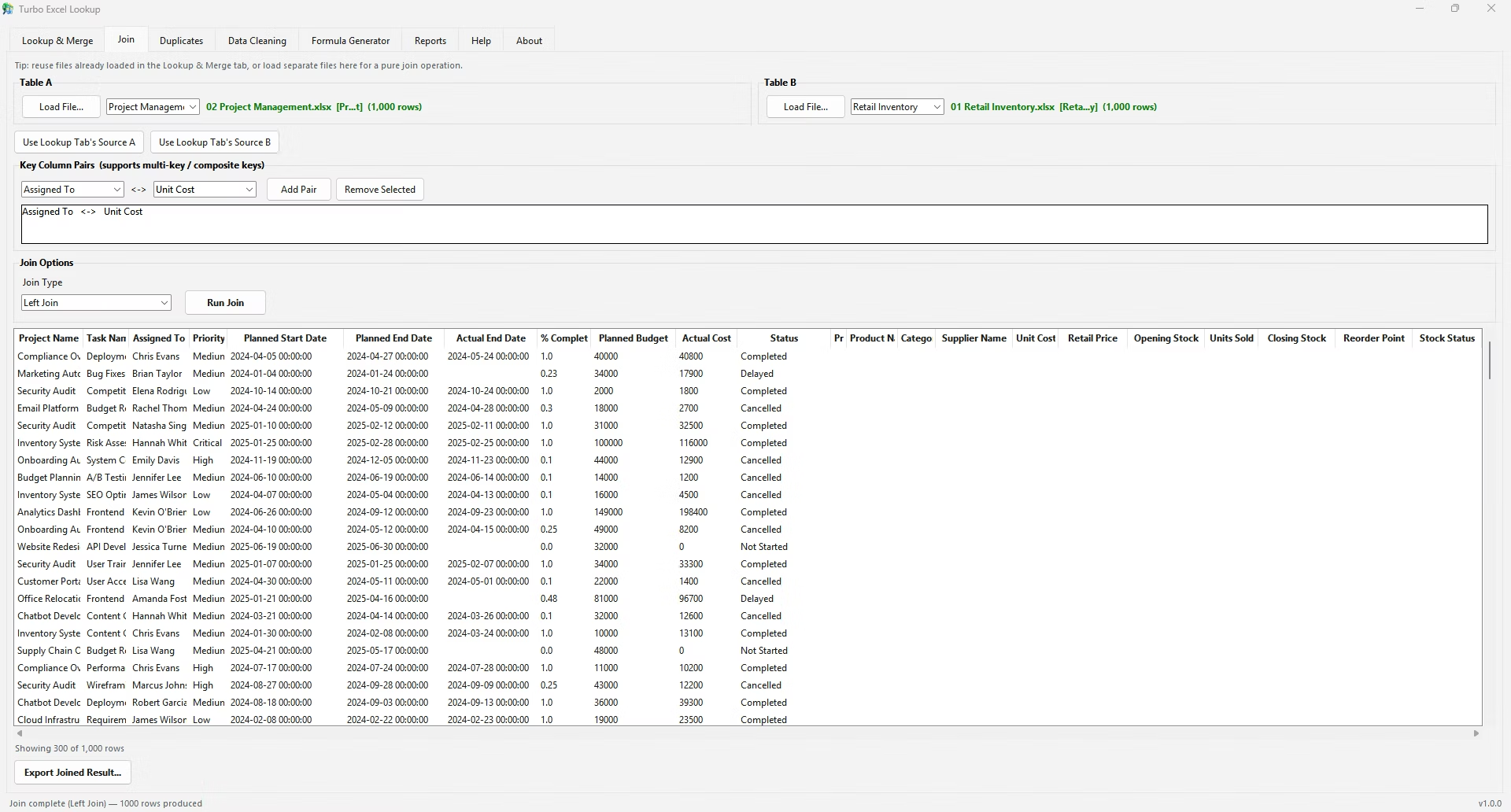
A useful way to check understanding is to predict a VLOOKUP result before running it, then verify with Turbo Excel VLookup's point-and-click matching, which performs the identical lookup logic without requiring the formula to be typed at all.
When a VLOOKUP formula that used to work suddenly returns the wrong value with no visible error, the most likely cause is that a column was inserted or deleted inside table_array, shifting col_index_num out of alignment with the intended column.
Selecting the formula and pressing F9 with just that part of the formula highlighted shows the calculated value inline, which is a quick way to confirm whether table_array is still pointing where it should.
A common source of confusing errors is editing the same table that a VLOOKUP formula is pulling from, especially when rows are sorted or filtered mid-edit. Keeping a clearly labeled, rarely edited "source" sheet that formulas pull from, separate from a "working" sheet where day-to-day changes happen, reduces the chance of a lookup silently pulling from a half-edited row.
What are the four arguments of VLOOKUP in order?
lookup_value, table_array, col_index_num, and range_lookup.
Does lookup_value have to be a cell reference?
No, it can be a cell reference, typed text in quotes, or a number, as long as its format matches the lookup column.
What's the minimum size table_array needs to be?
It must start at the lookup column and extend at least to the column being returned.
Is range_lookup a required argument?
Technically it's optional, but omitting it defaults to an approximate match, so it's best to always set it explicitly.
Why memorize the argument order instead of looking it up each time?
Once memorized, formulas can be written directly without needing to reopen documentation or the wizard each time.
Is there a way to check a VLOOKUP result without writing the formula?
Yes, Turbo Excel VLookup performs the same matching logic through a dropdown-based interface for verification.
Can trailing spaces in a cell cause a lookup to fail?
Yes, an extra space at the end of a value is invisible but prevents an exact match; TRIM() around the lookup value often fixes this.
Does the order of rows in the source data matter for an exact match?
No, an exact match search works regardless of row order; only an approximate match requires sorted data.
Is it safe to have duplicate values in the lookup column?
A lookup formula will only return the first matching row it finds, so duplicates can silently return the wrong record if not accounted for.
Should I test a new formula on one row before applying it everywhere?
Yes, verifying a single result against the source data first catches setup mistakes before they're copied across an entire column.
Ready to stop fighting #N/A errors and match your spreadsheets visually?