The easiest way to use VLOOKUP is to stop thinking about it as a formula and start thinking about it as a question: "given this ID, what value sits in that other column, in the same row?" Every VLOOKUP formula is just Excel's way of answering that one question.
This page keeps things as simple as possible, using a small student marks table as the example, and ends with a formula-free option for anyone who'd rather not deal with the formula bar at all.
Before opening the formula bar, answer three questions in plain words: what am I searching for, where is the data, and which column do I want back. Writing those three answers down first makes translating them into VLOOKUP arguments almost mechanical.
Using this student table, the question is: "given Roll No R002, what's the Marks value?"
| Roll No | Student Name | Class | Marks |
|---|---|---|---|
| R001 | Ananya Iyer | 10-A | 88 |
| R002 | Kabir Mehta | 10-B | 76 |
| R003 | Sara Thomas | 10-A | 91 |
Roll No is the search value, A2:D4 is where the data lives, 4 counts to the Marks column, and FALSE demands an exact match.
If the same lookup needs to run for every row in a column, select the table_array and press F4 to lock it with $ signs before copying the formula down. This is the step people skip most often, and it's the reason a formula that worked in row 2 suddenly breaks in row 10.
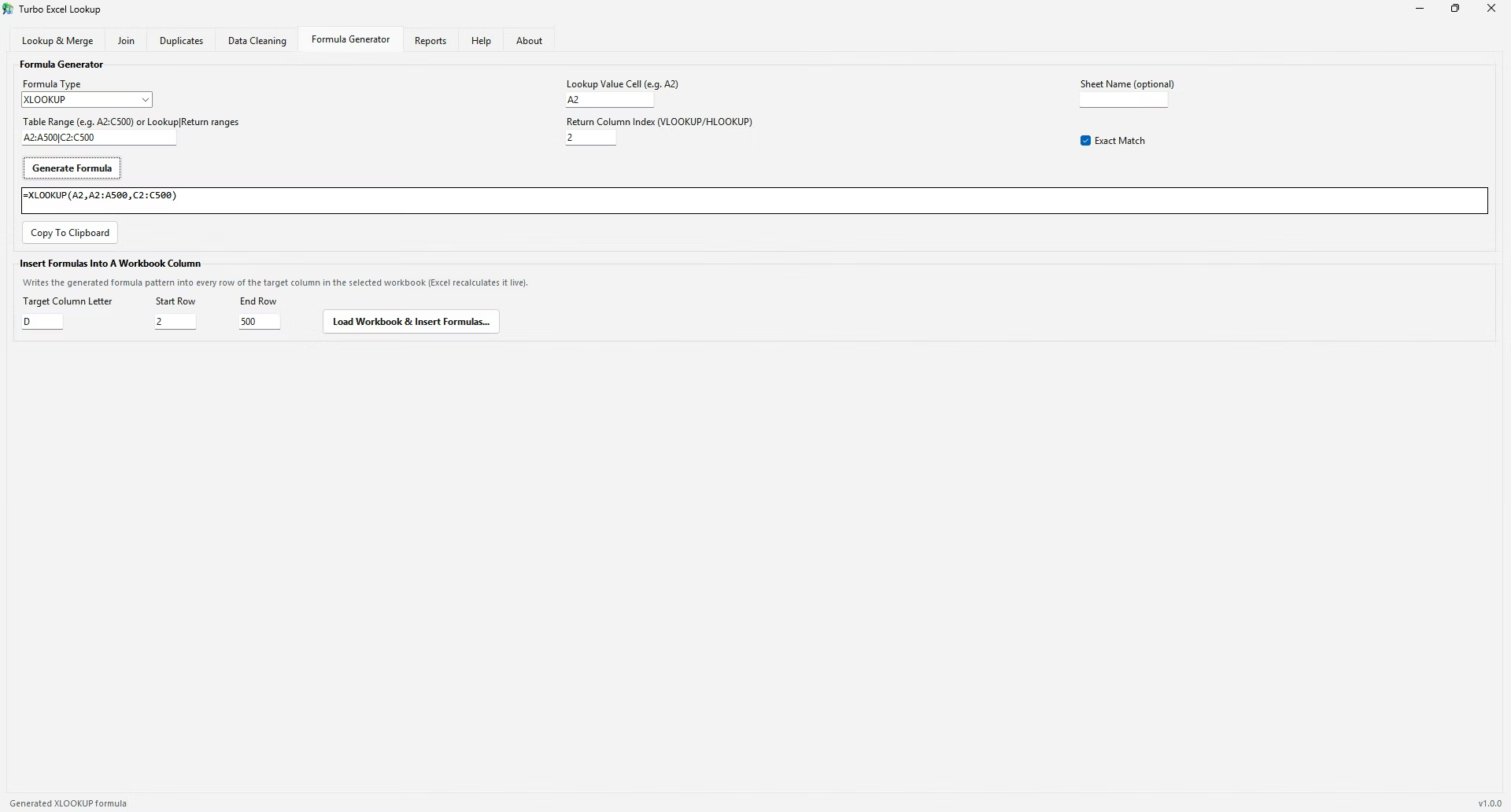
Rather than typing the lookup value directly into the formula, reference a cell instead, such as =VLOOKUP(F2, A2:D4, 4, FALSE). This makes the formula reusable - changing the value in F2 automatically updates the result without editing the formula itself.
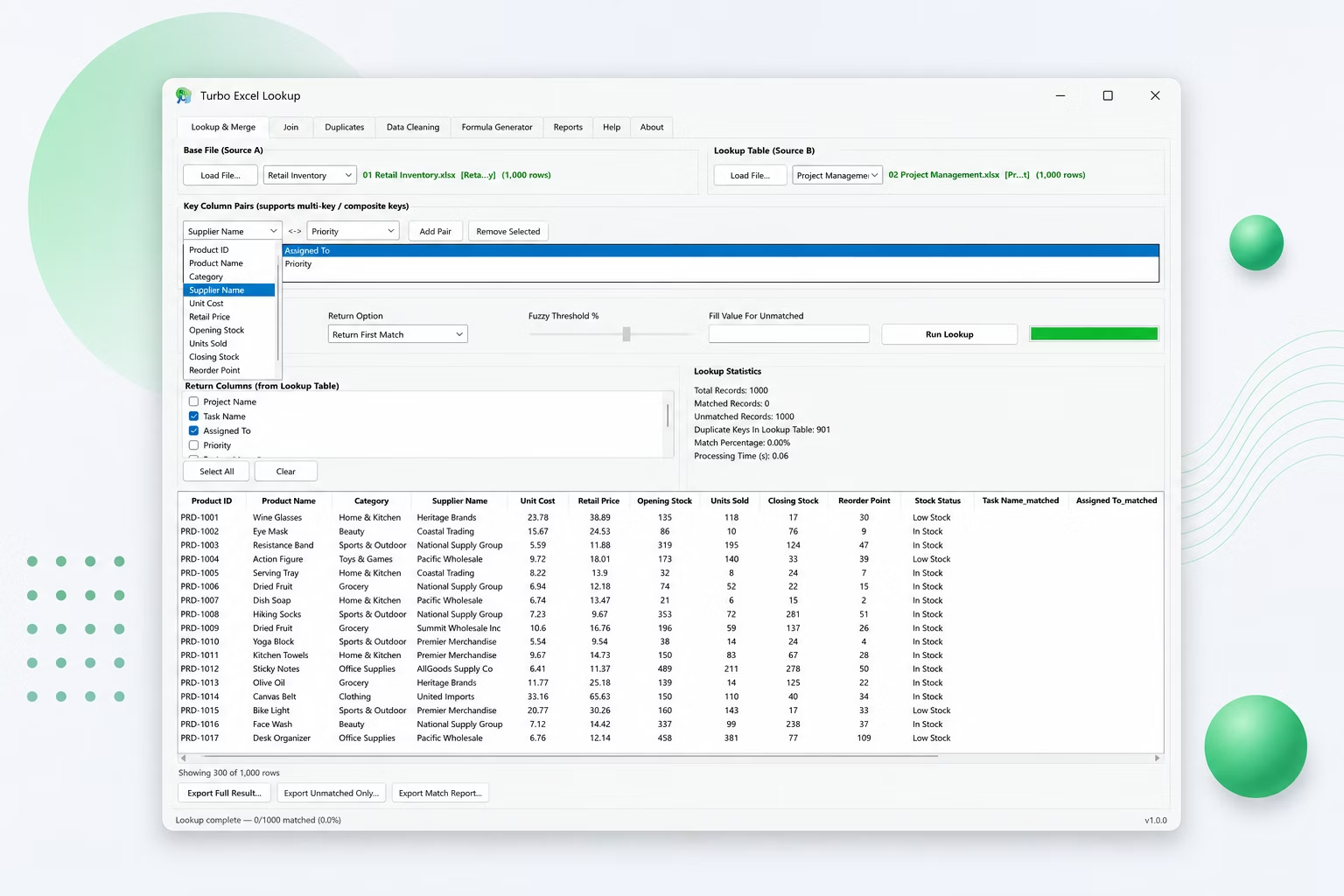
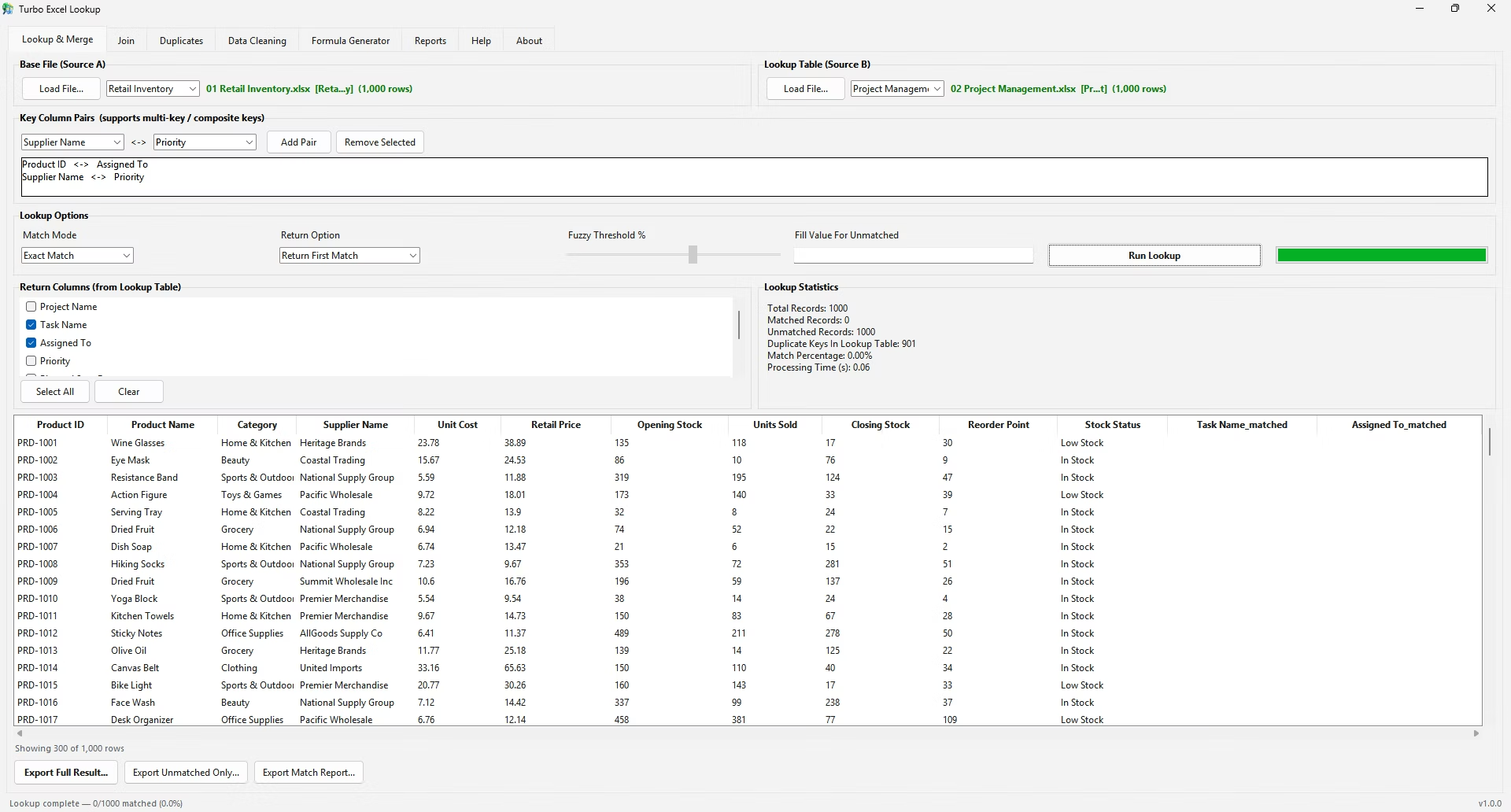
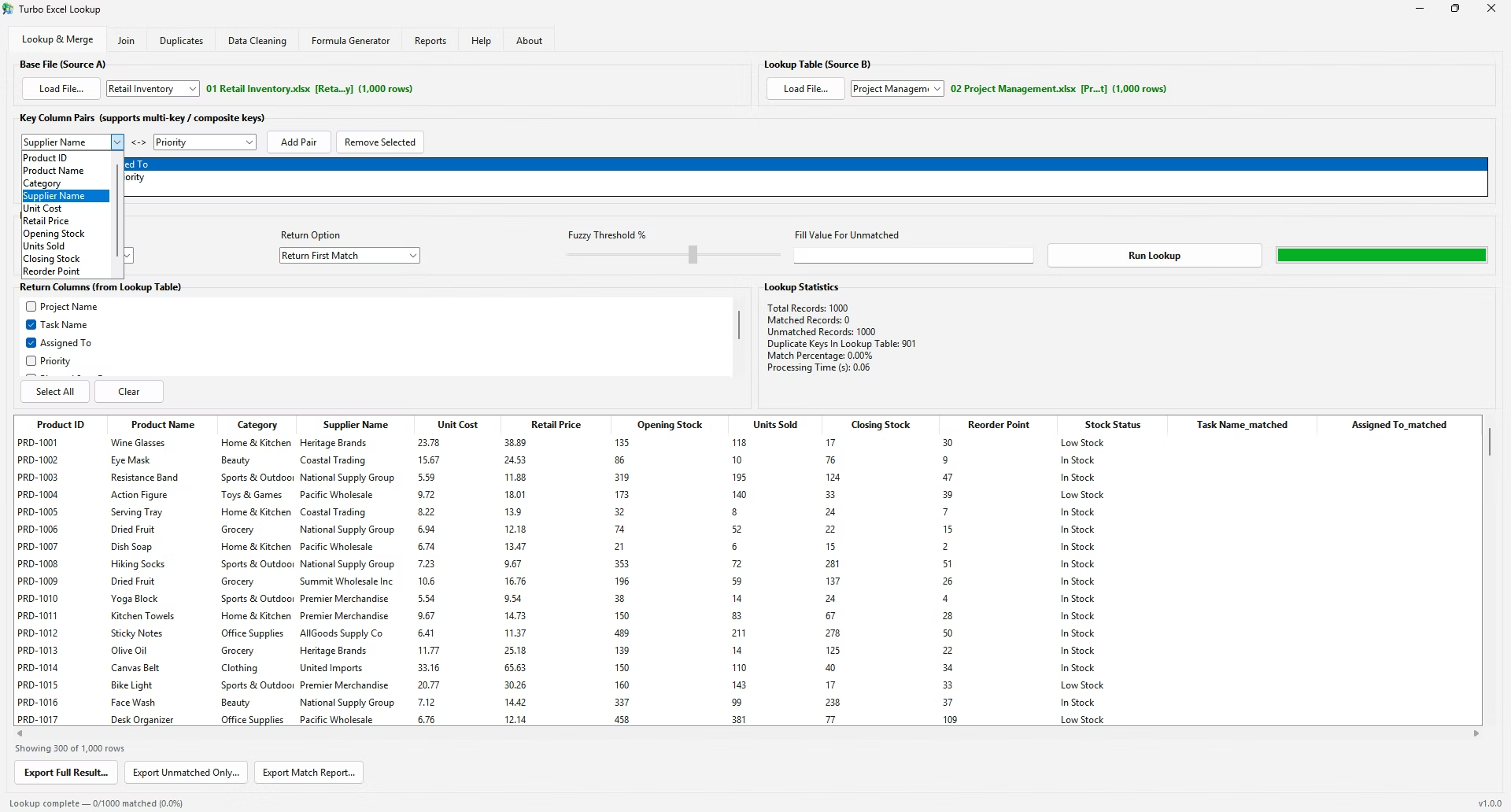
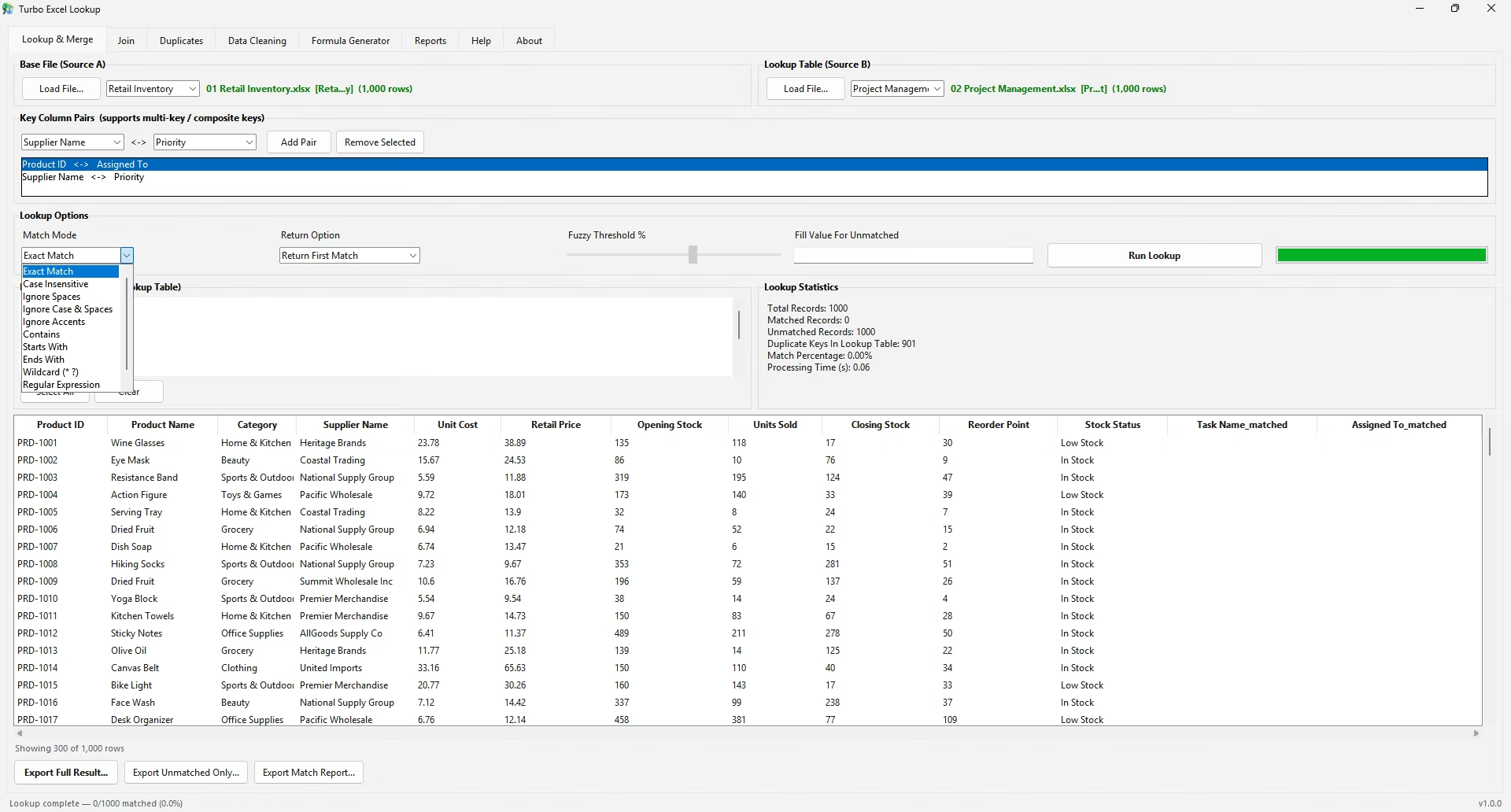
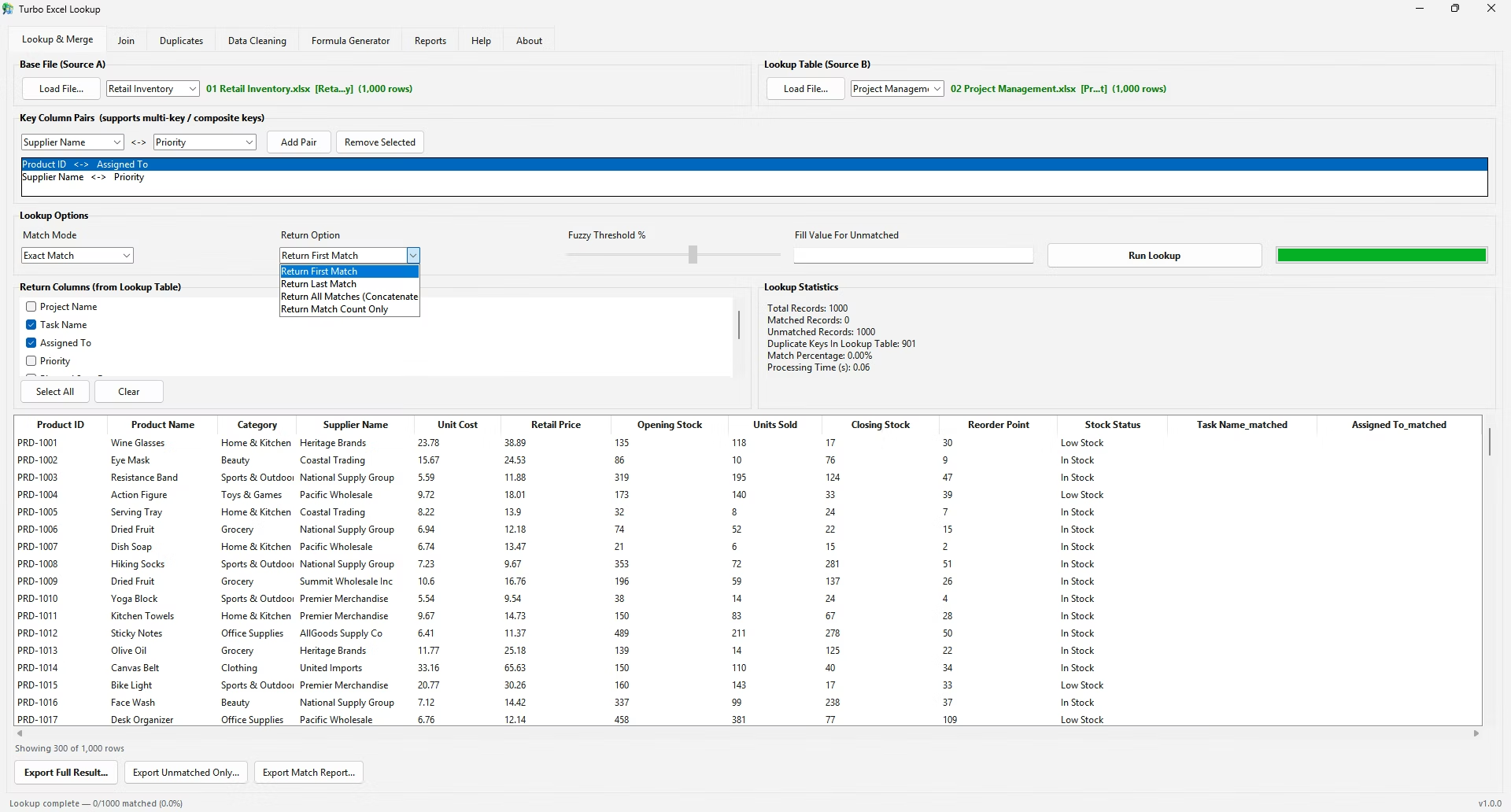
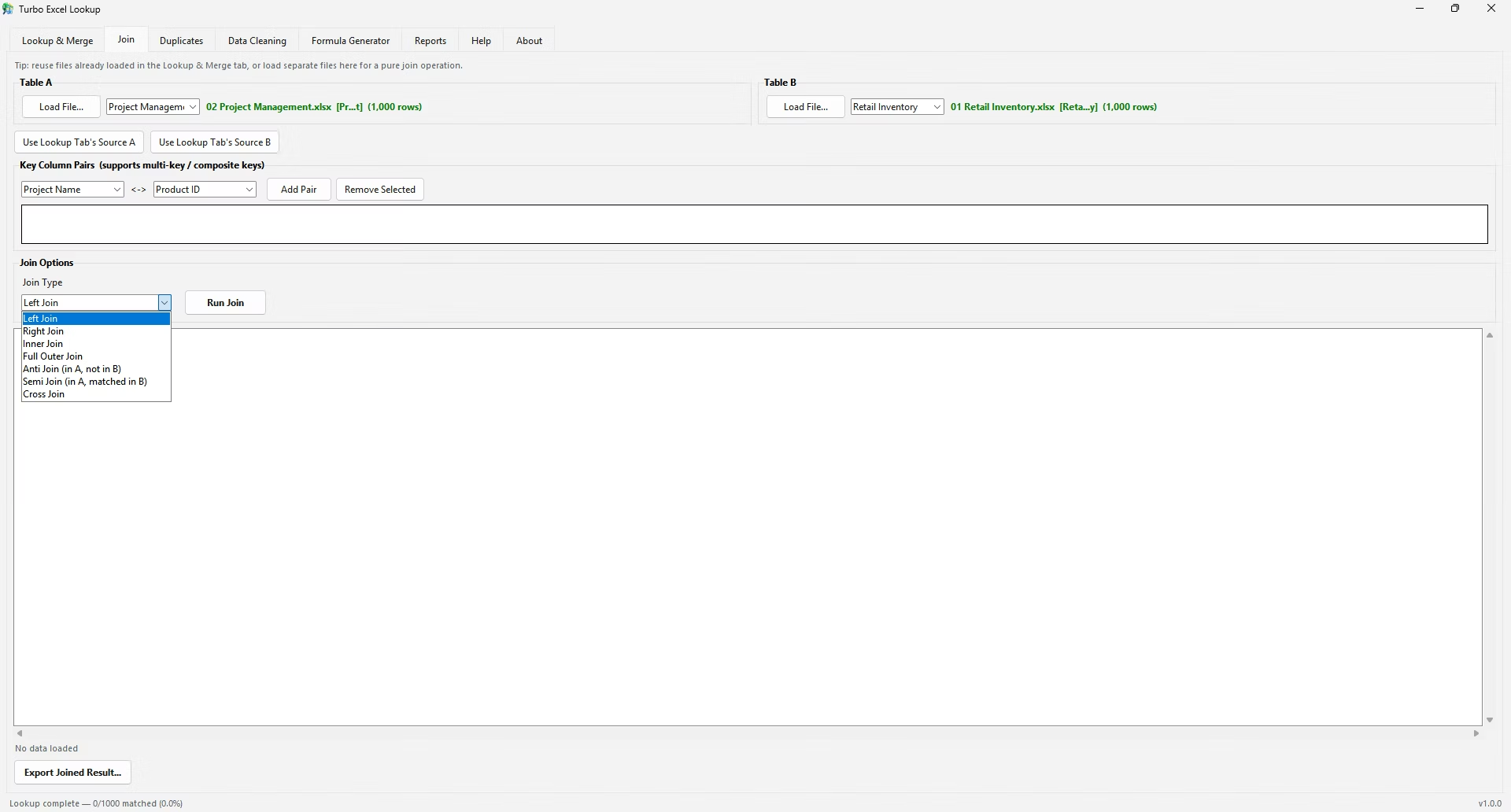
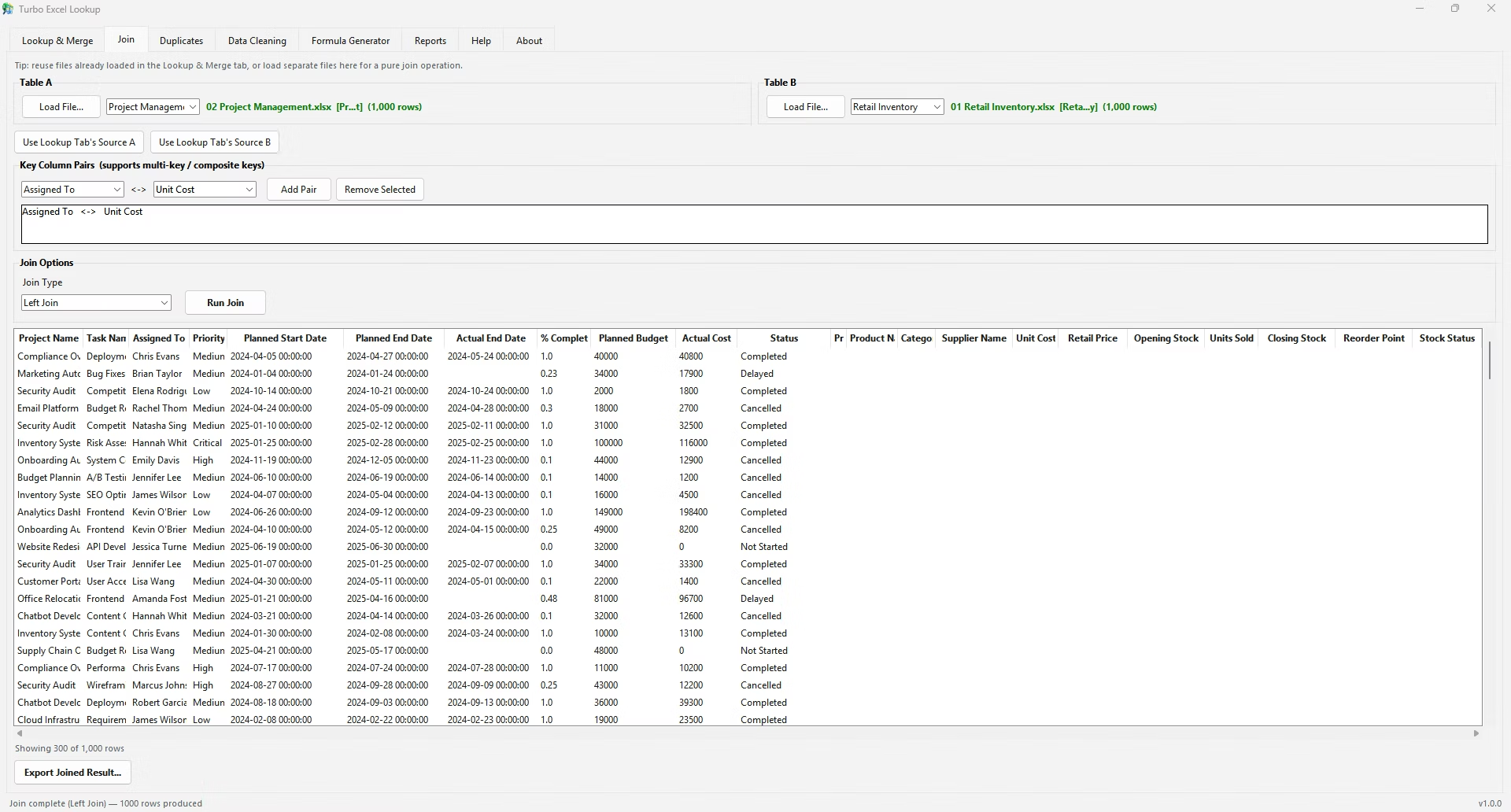
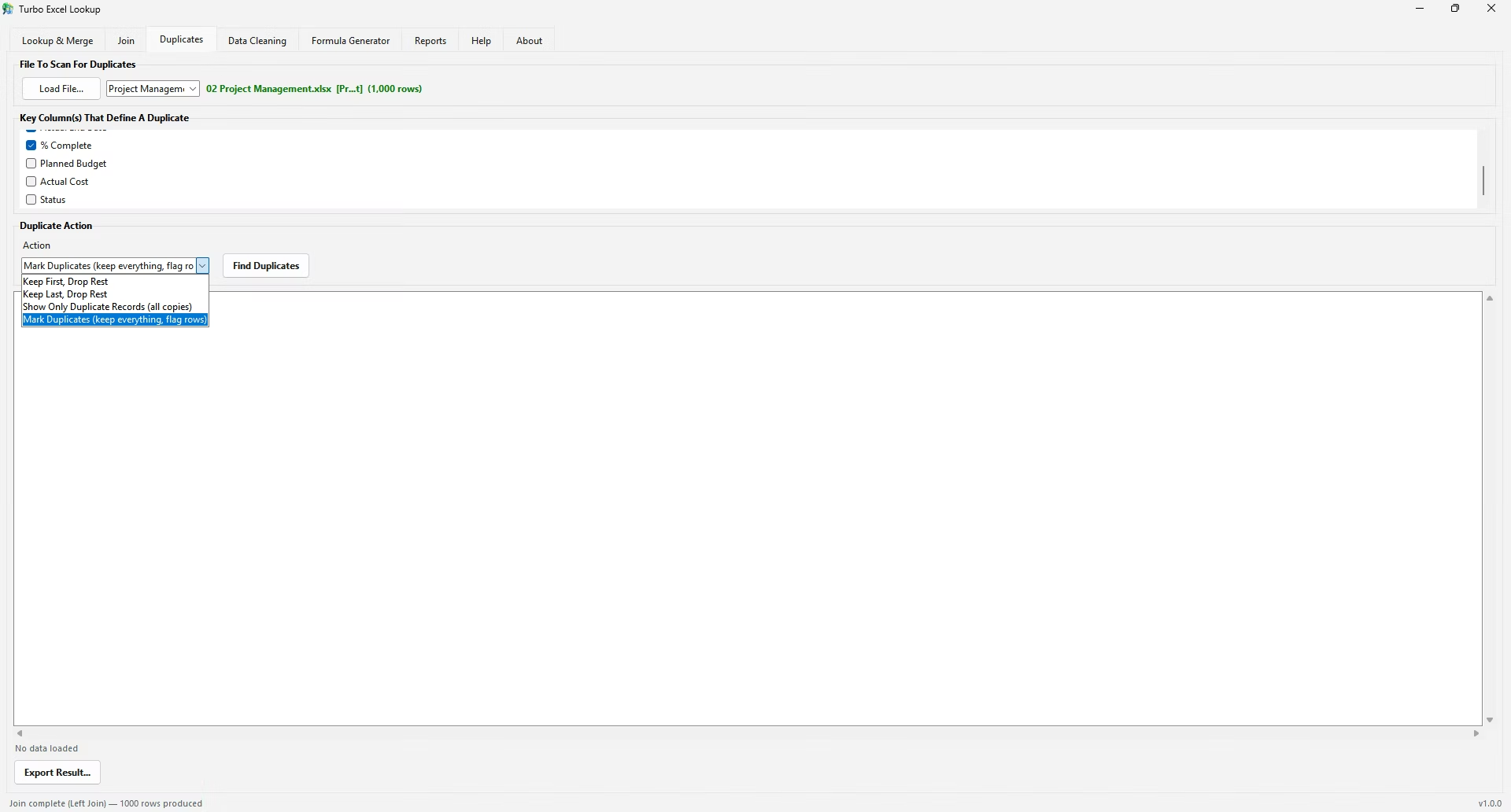
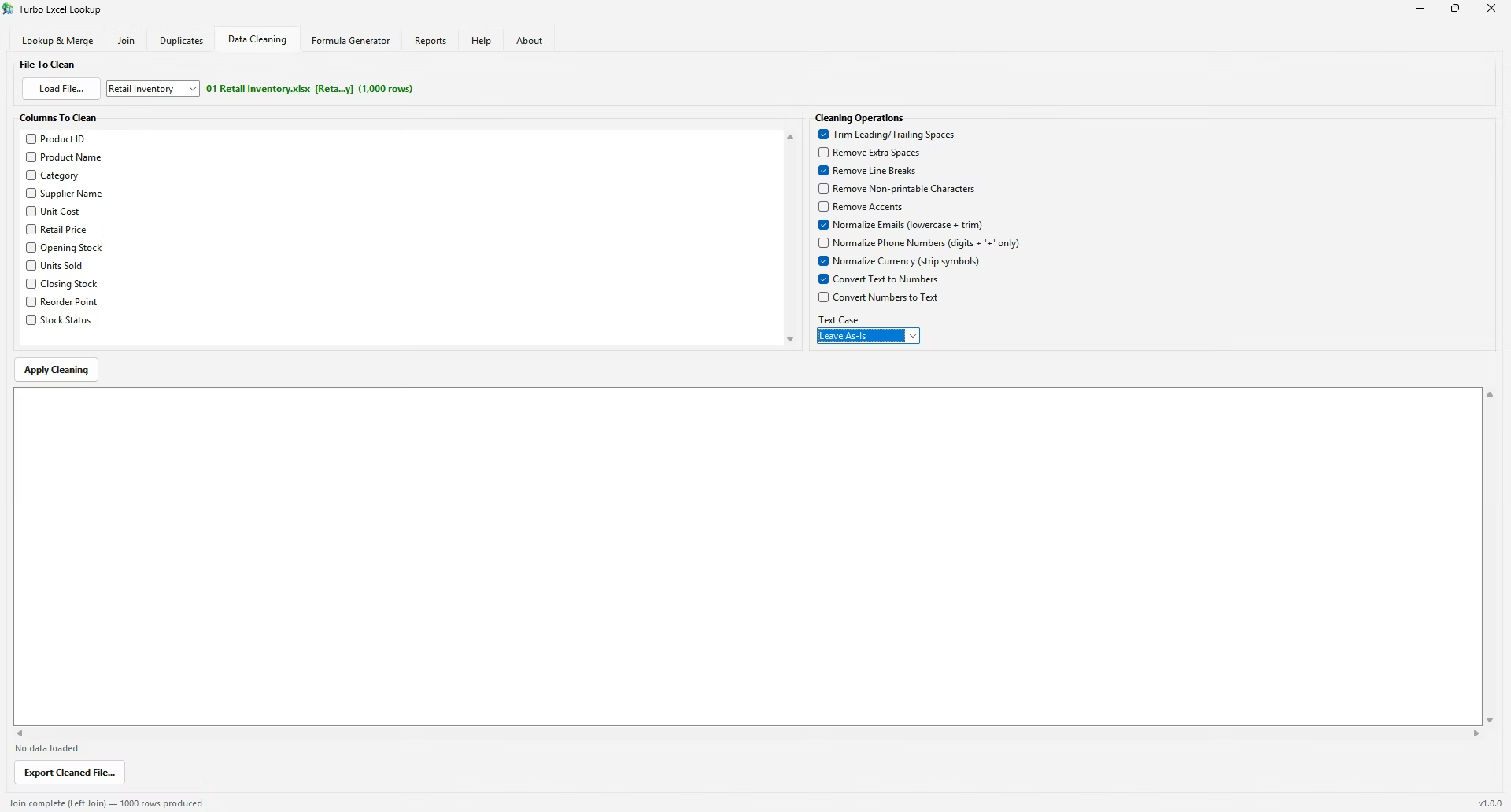
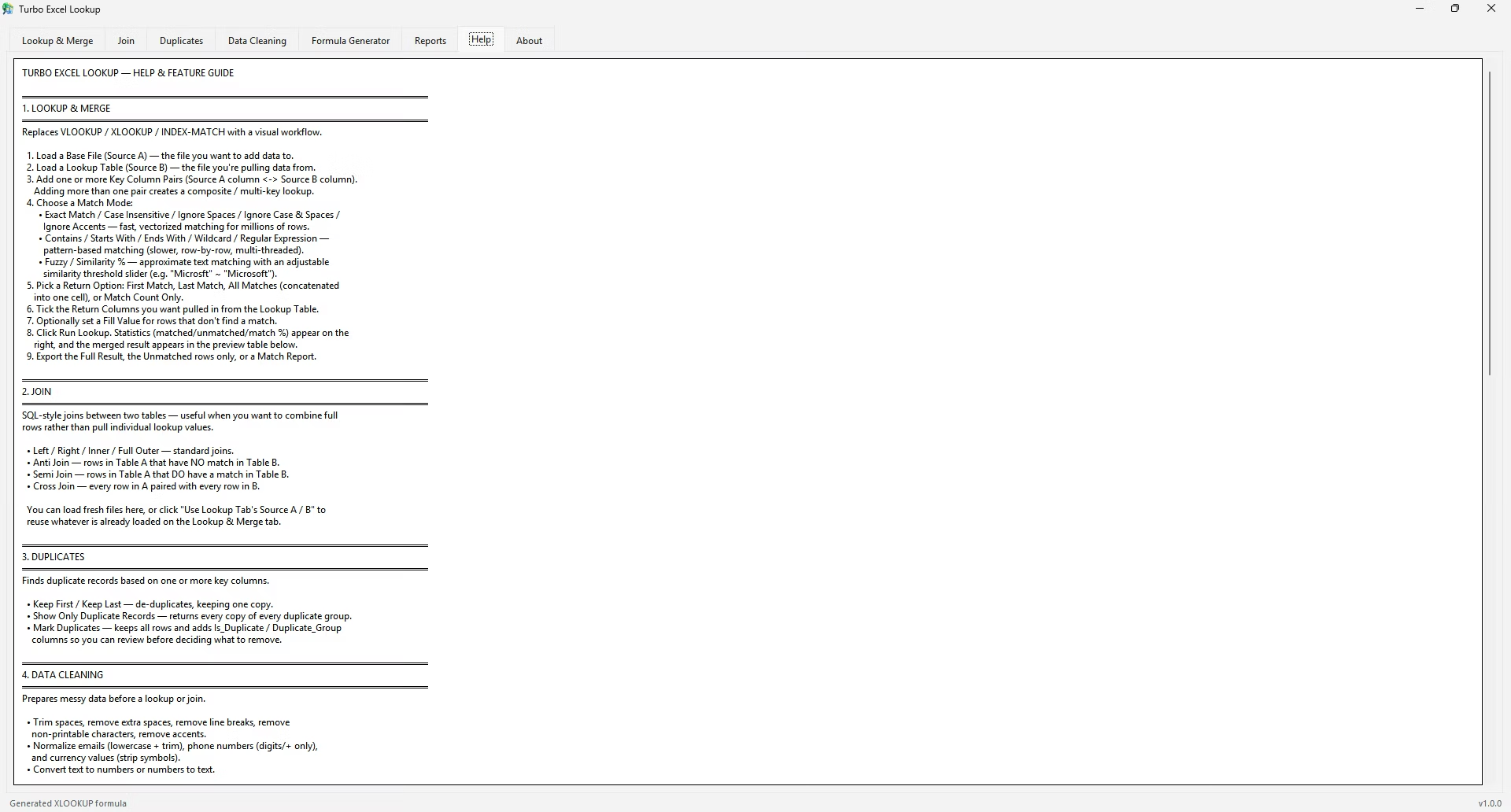
Turbo Excel VLookup removes the formula step entirely. Load your two files, pick the matching ID columns, tick the columns you want pulled across, and run the match. It handles the entire column at once instead of one cell at a time, which is usually the part beginners find hardest about VLOOKUP.
When a VLOOKUP formula that used to work suddenly returns the wrong value with no visible error, the most likely cause is that a column was inserted or deleted inside table_array, shifting col_index_num out of alignment with the intended column.
Selecting the formula and pressing F9 with just that part of the formula highlighted shows the calculated value inline, which is a quick way to confirm whether table_array is still pointing where it should.
A common source of confusing errors is editing the same table that a VLOOKUP formula is pulling from, especially when rows are sorted or filtered mid-edit. Keeping a clearly labeled, rarely edited "source" sheet that formulas pull from, separate from a "working" sheet where day-to-day changes happen, reduces the chance of a lookup silently pulling from a half-edited row.
What's the easiest way to think about VLOOKUP?
As answering the question: given this value, what's in the matching column of the same row?
Should I type values directly into the formula or reference a cell?
Referencing a cell is easier to maintain, since changing the referenced cell updates the result without editing the formula.
Why does my formula break when I copy it down?
The table_array likely isn't locked with $ signs, so it shifts down with each row instead of staying fixed.
What if I just want the match without writing any formula?
Turbo Excel VLookup performs the same matching through a point-and-click interface with no formula required.
Does the column order in my table matter?
Yes, the lookup column must be the leftmost column in the range you select for VLOOKUP to search.
Can I use easily-typed values like today's date as the lookup value?
Yes, any cell reference or literal value can be used as lookup_value, including dates, as long as the format matches the lookup column.
What's a fast way to check what a formula is actually returning?
Selecting part of the formula in the formula bar and pressing F9 shows its calculated value directly, without changing the formula.
Can trailing spaces in a cell cause a lookup to fail?
Yes, an extra space at the end of a value is invisible but prevents an exact match; TRIM() around the lookup value often fixes this.
Does the order of rows in the source data matter for an exact match?
No, an exact match search works regardless of row order; only an approximate match requires sorted data.
Is it safe to have duplicate values in the lookup column?
A lookup formula will only return the first matching row it finds, so duplicates can silently return the wrong record if not accounted for.
Ready to stop fighting #N/A errors and match your spreadsheets visually?