VLOOKUP can reference data in a completely separate Excel file, not just another sheet in the same workbook - the syntax just needs the second file's name and sheet included in the range reference. This is useful when product data, pricing, or customer records live in a dedicated master file that other spreadsheets need to pull from.
This page covers how to reference another file directly in a formula, what changes when that file is closed, and a way to match several files at once without formulas at all.
With both files open, start typing =VLOOKUP( in the first file, then click over to the second file's window and select the range there directly - Excel automatically writes the correct external reference, which looks like:
The formula still works when the source file is closed, as long as it isn't moved or renamed, but Excel needs the full file path in the reference rather than just the file name in square brackets. Recalculation can also be slower since Excel has to open the file in the background.
Say Prices.xlsx contains this product table on a sheet named Data:
| SKU | Product Name | Category | Price |
|---|---|---|---|
| SKU-2201 | Wireless Mouse | Electronics | 699 |
| SKU-2202 | Desk Lamp | Home | 899 |
| SKU-2203 | Notebook Pack | Stationery | 150 |
External references break if the source file is renamed, moved to a different folder, or if its sheet name changes. Since Excel stores the file path at the time the formula was written, any of these changes require manually updating every affected formula.
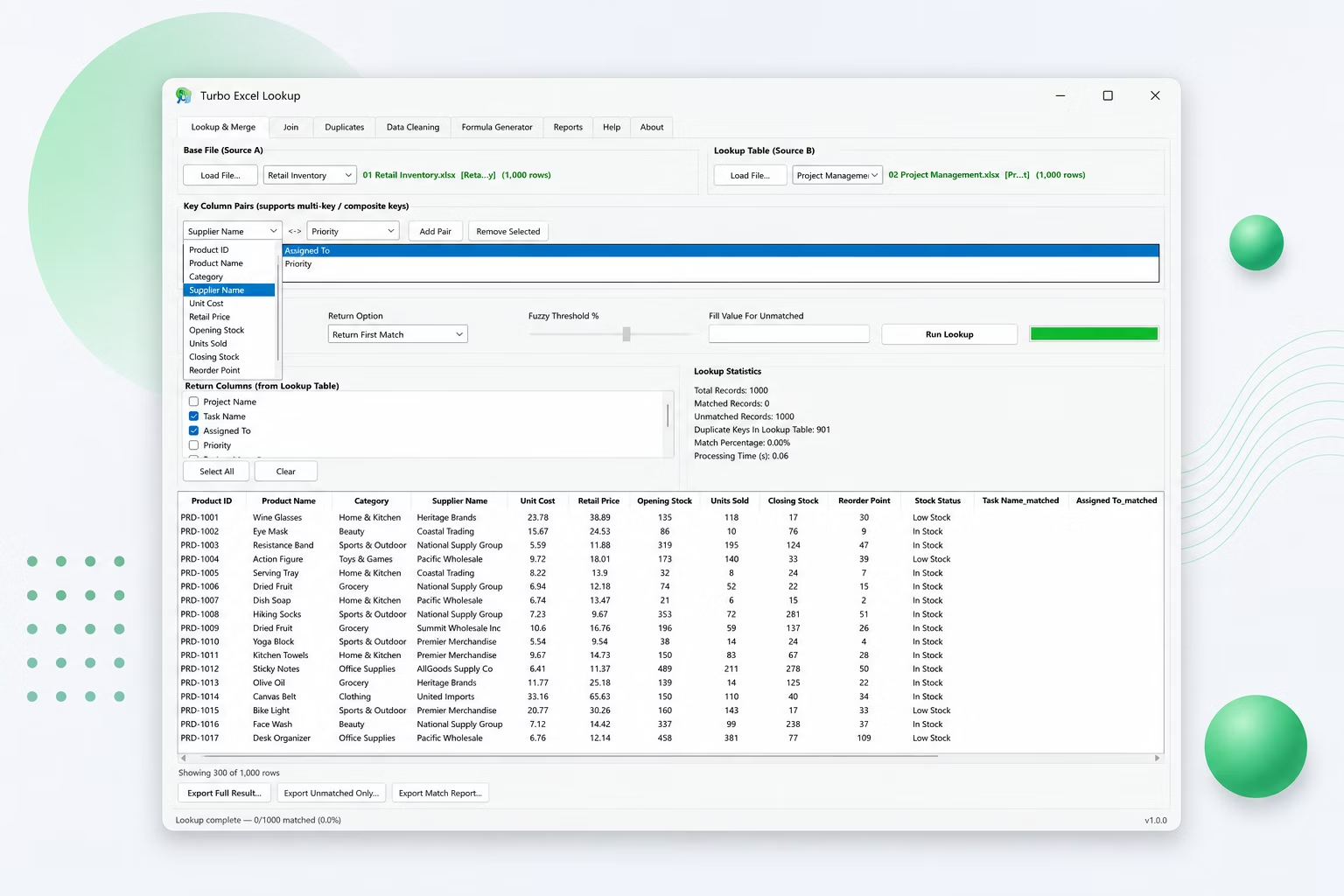
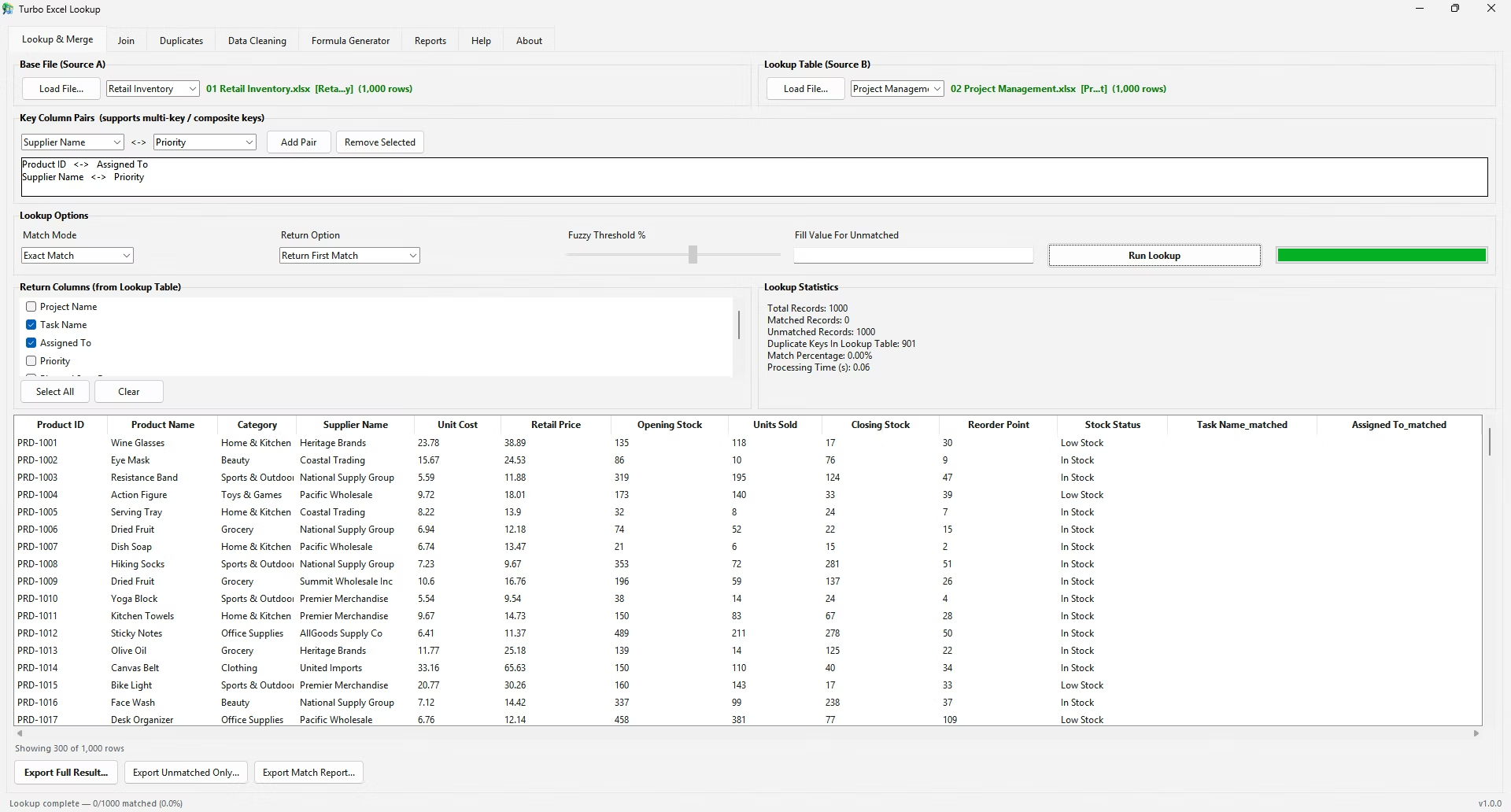
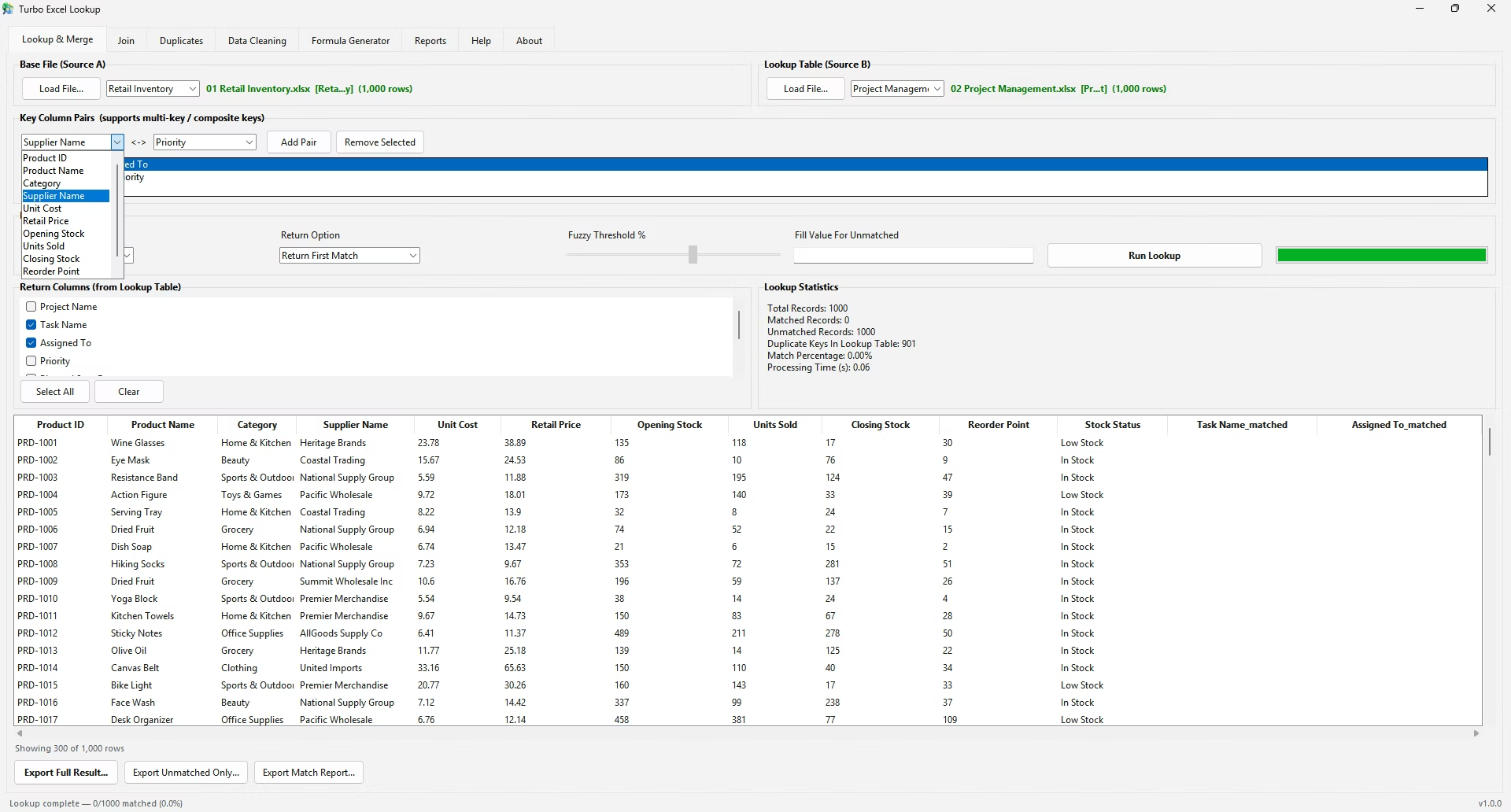
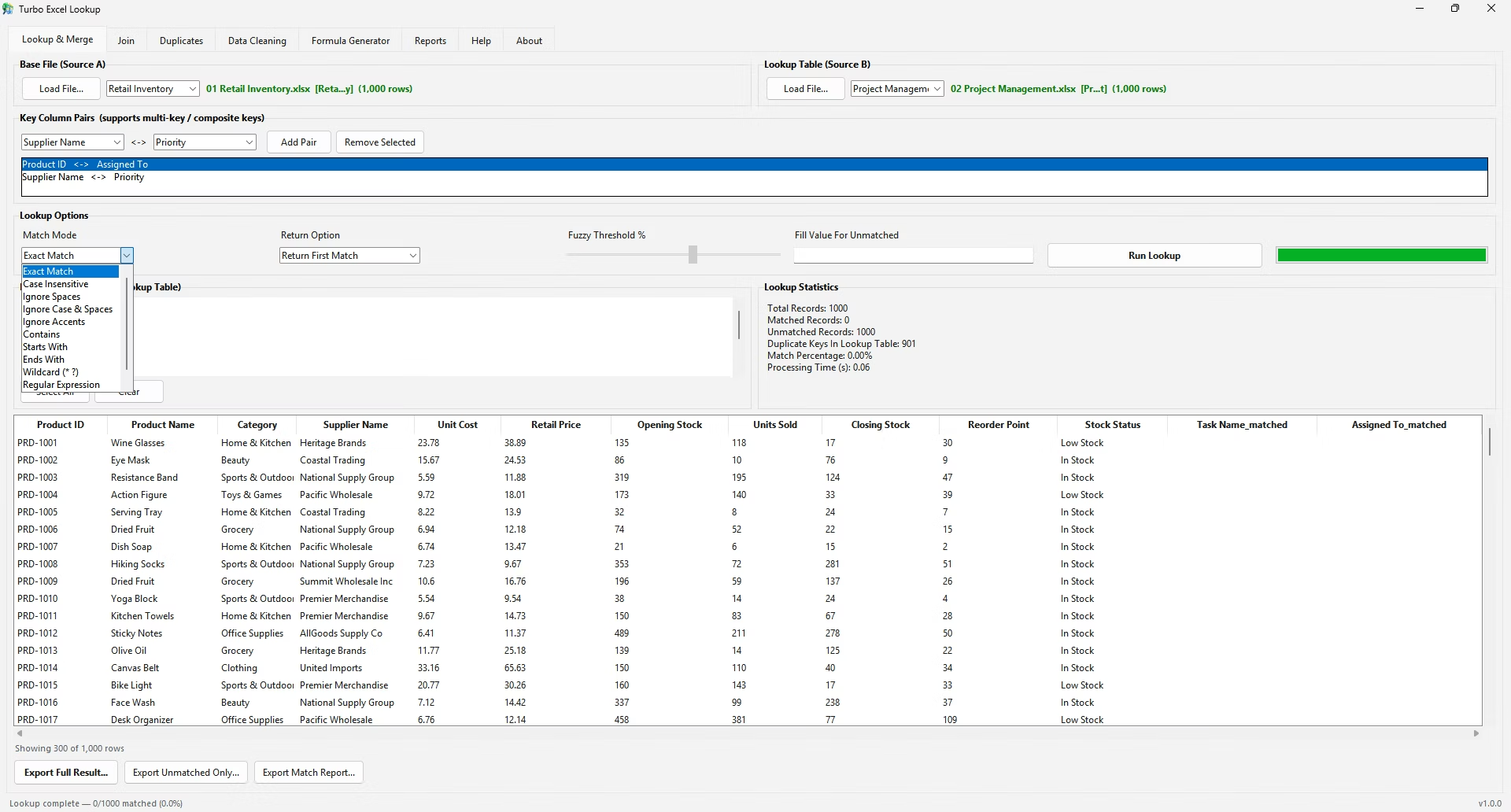
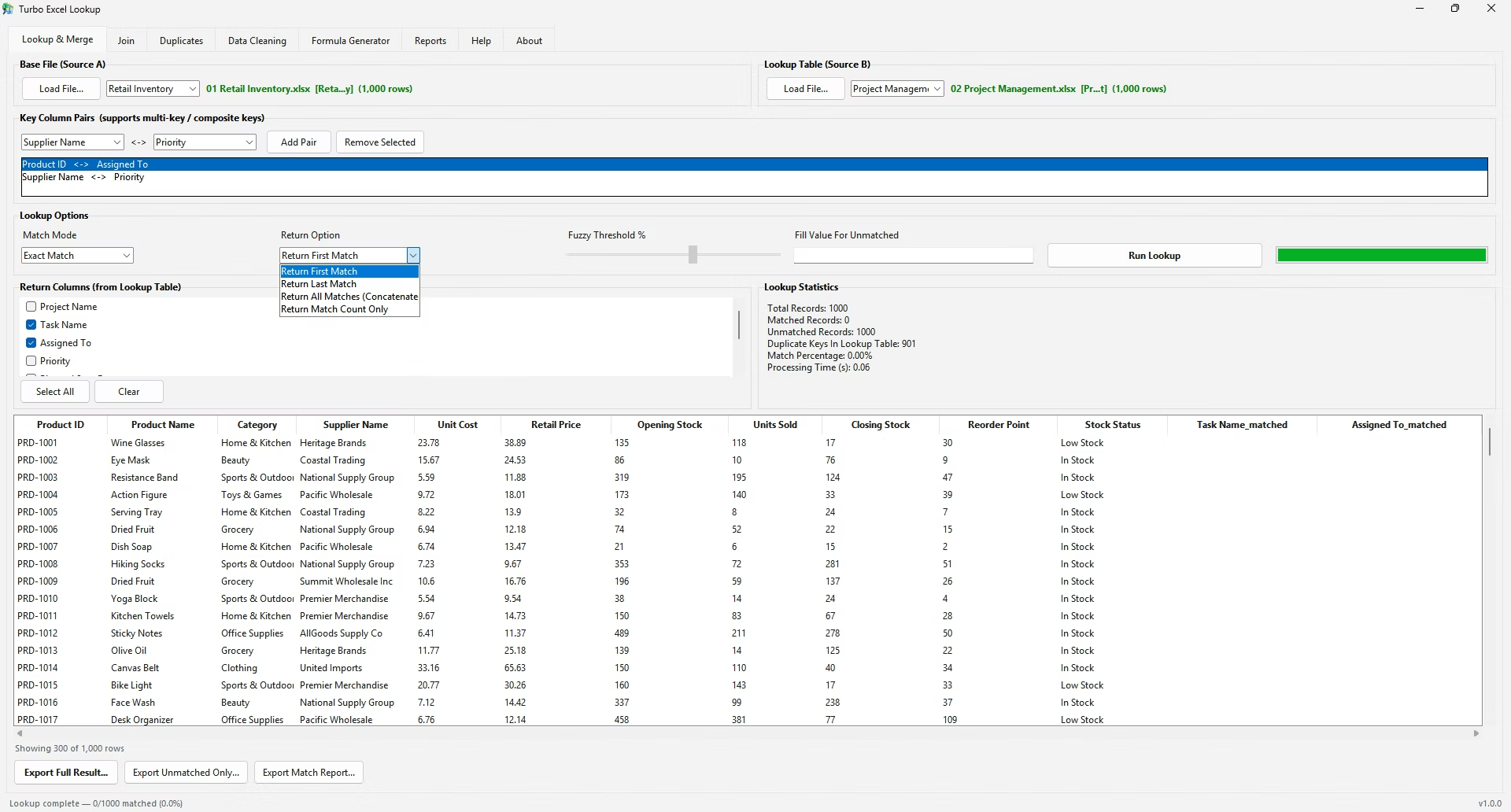
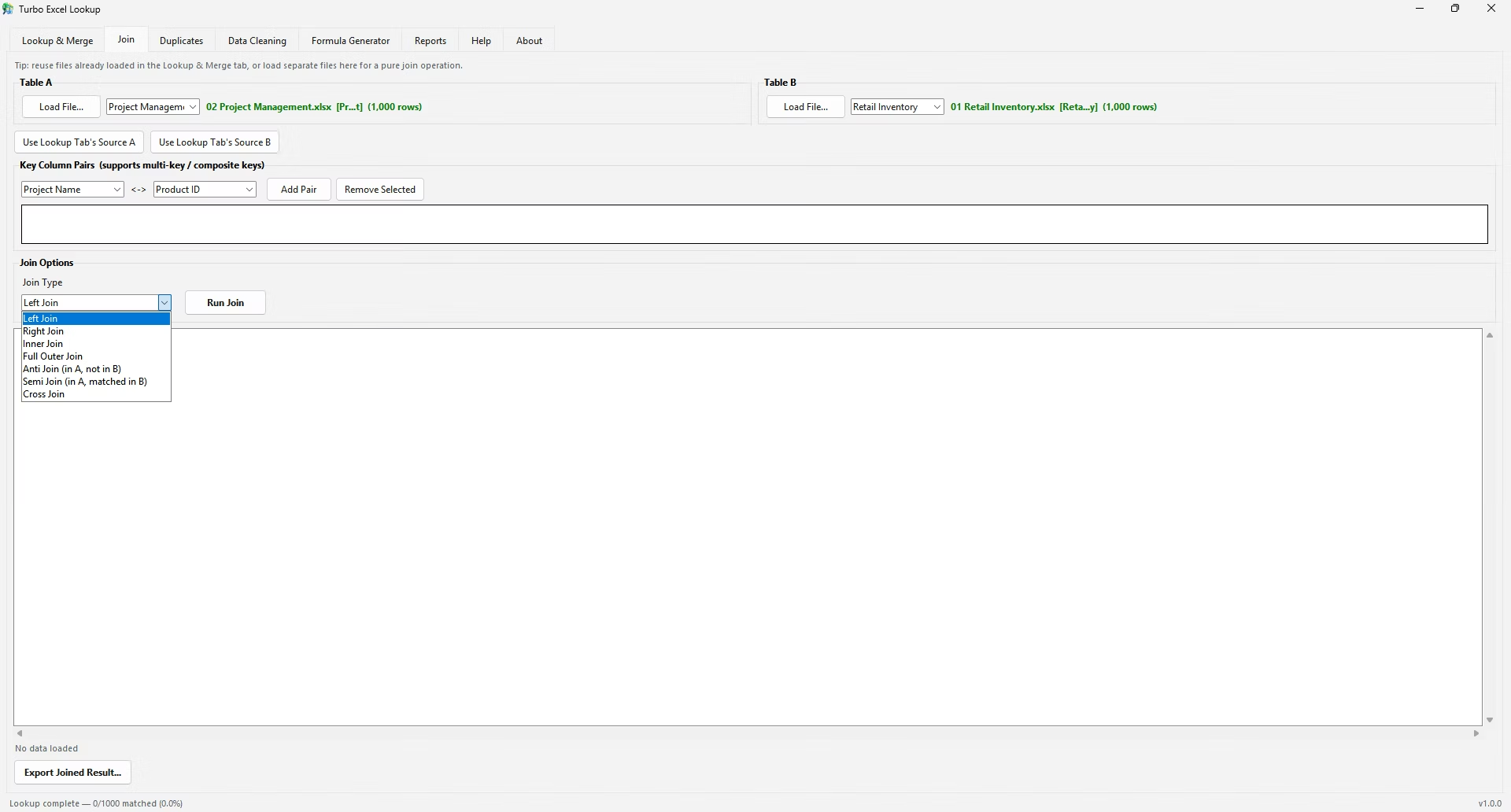
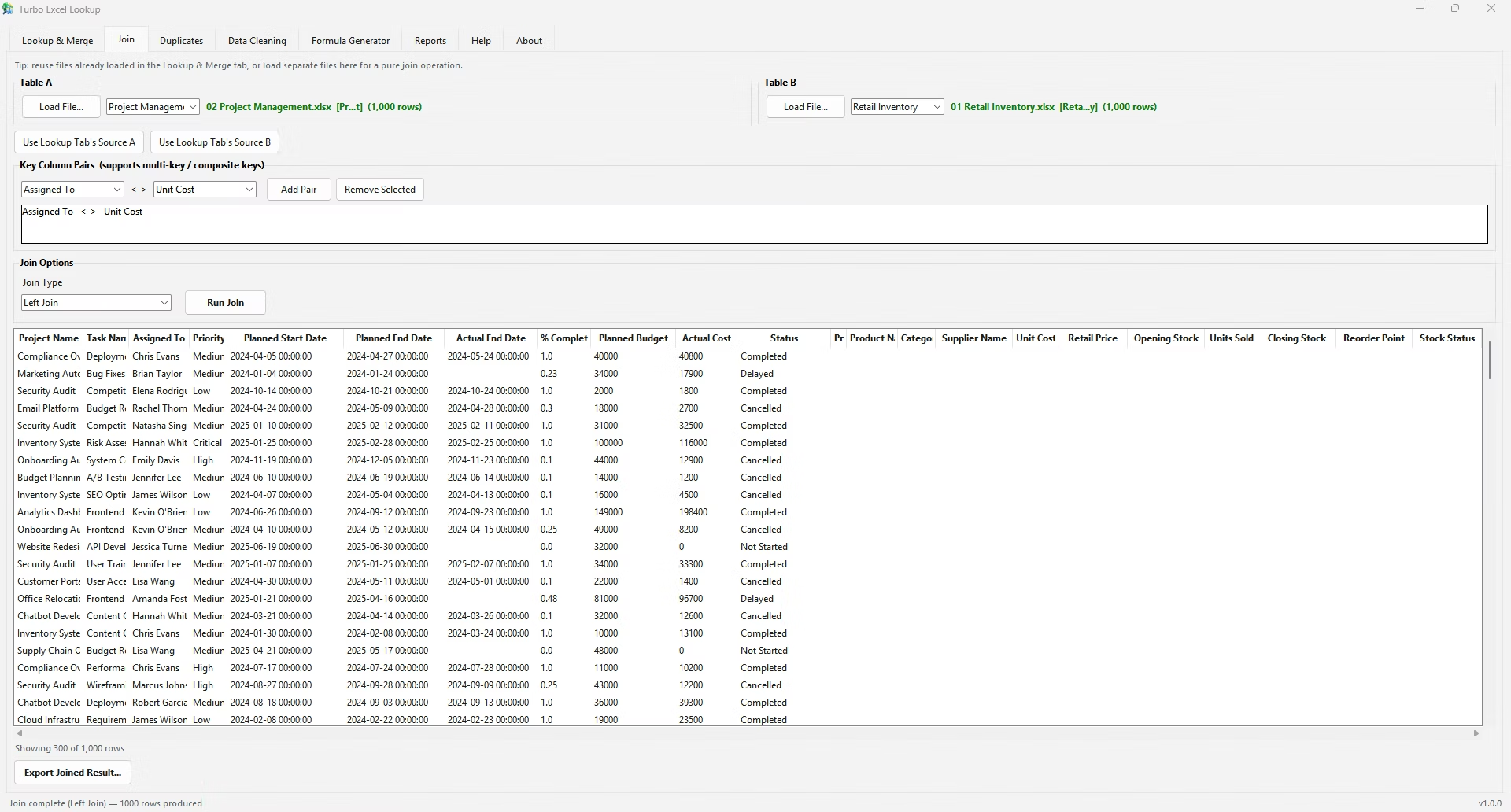
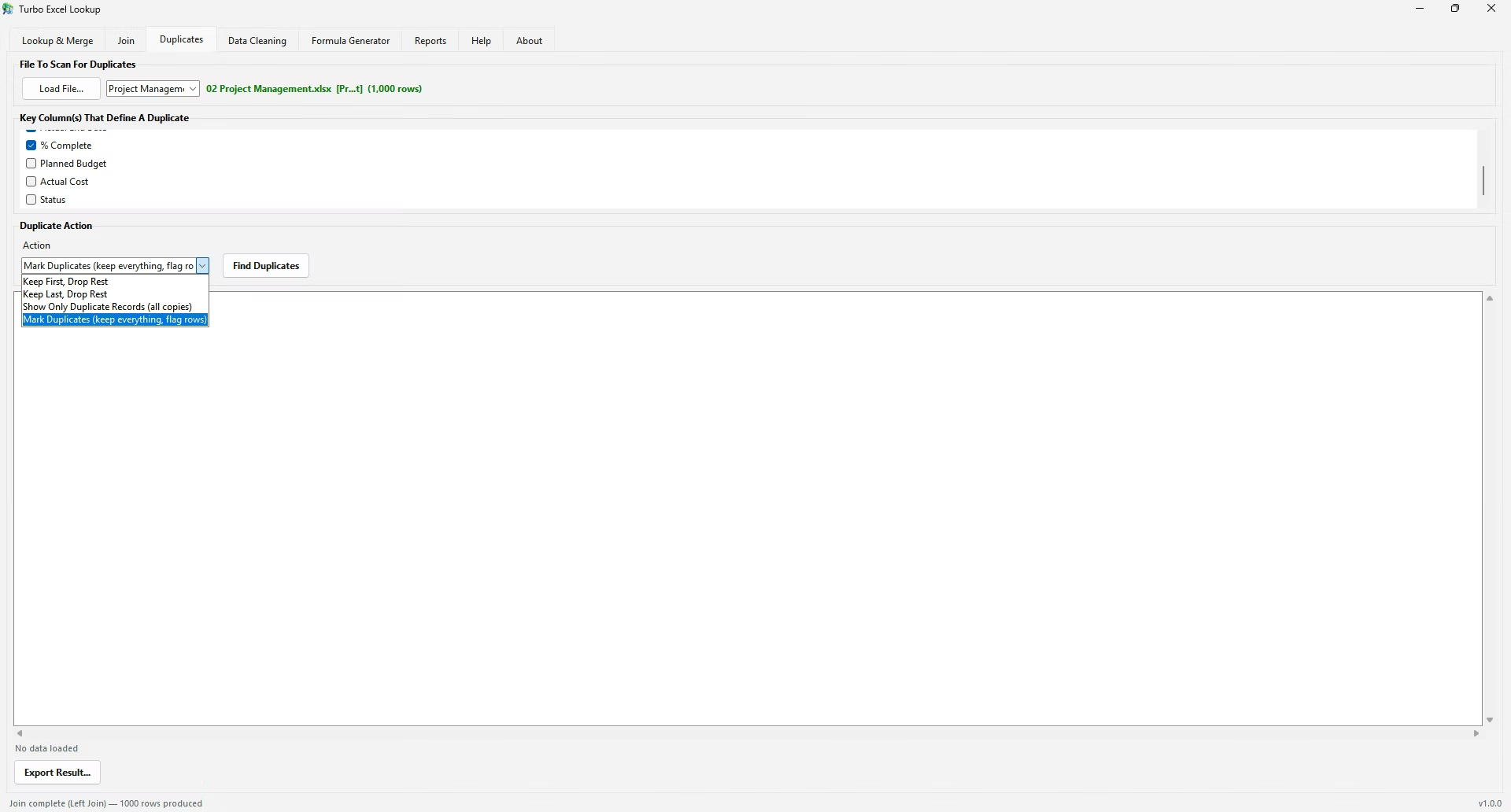
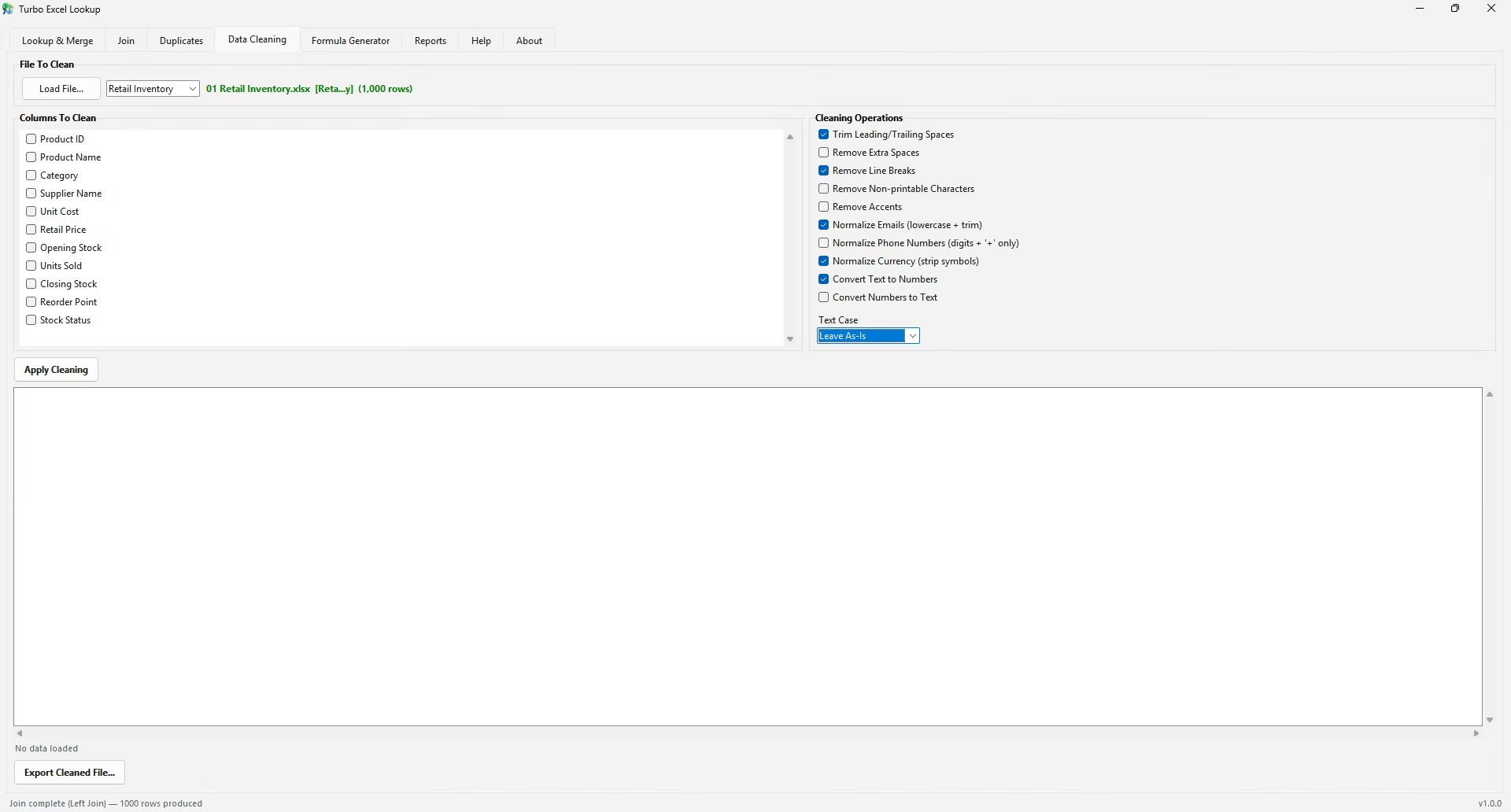
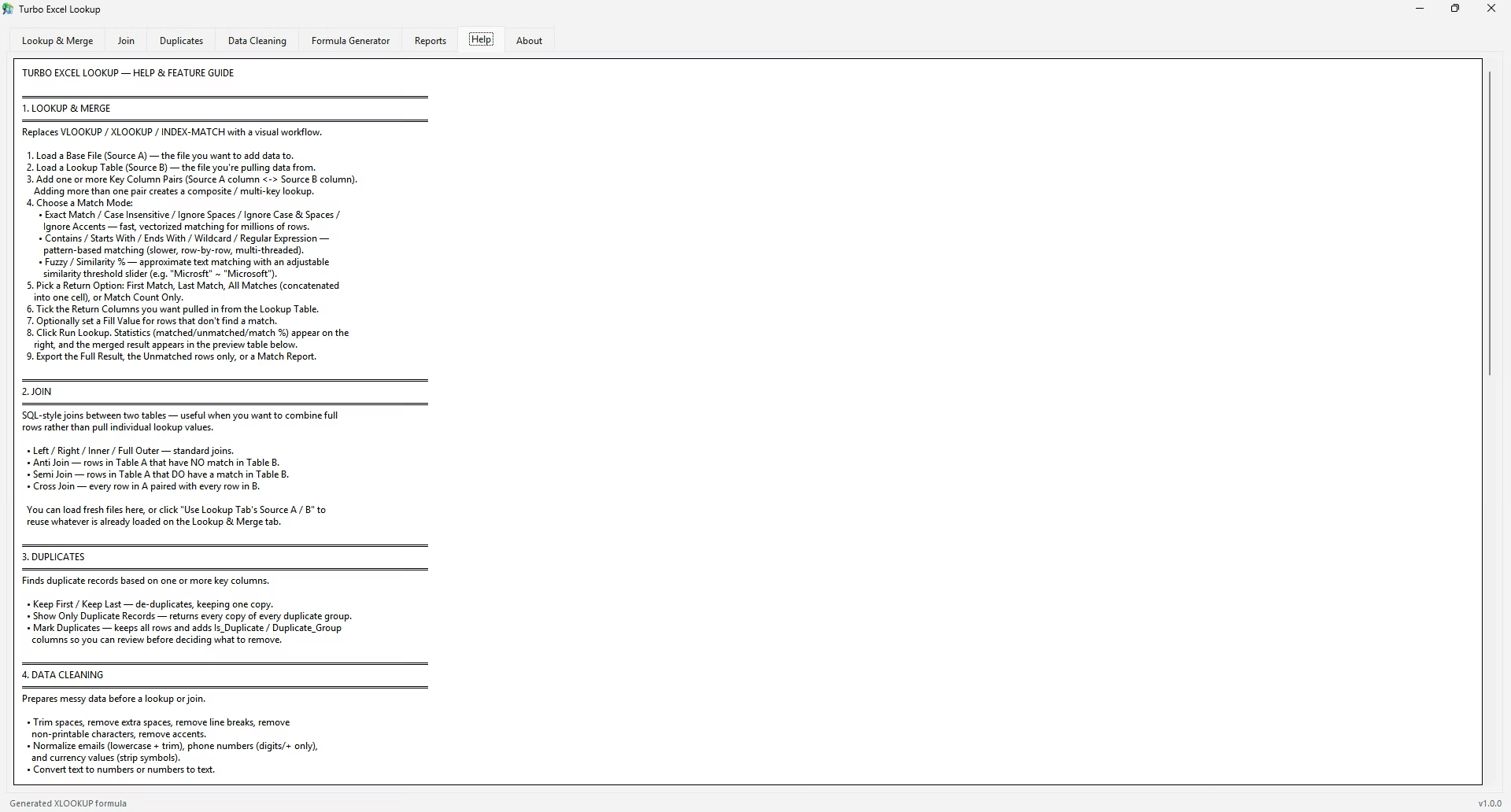
Turbo Excel VLookup avoids external reference fragility entirely - you load the Base File and Lookup Table as separate files each time you run a match, so there's no stored file path to break if a file gets renamed or moved between runs.
A worksheet with thousands of VLOOKUP formulas recalculating against a large table_array can slow Excel down noticeably, especially if the range isn't locked and Excel has to re-evaluate a shifting reference on every keystroke.
Converting the source range into an Excel Table (Insert > Table) before referencing it in VLOOKUP tends to help, since Table references automatically resize with the data and stay consistent without needing manual $ locking.
Before applying a new VLOOKUP formula to an entire column, it's worth testing it on a single row and manually verifying the result against the source data, since a mistake caught in one cell takes seconds to fix, while the same mistake copied down five hundred rows takes much longer to untangle.
This is especially worth doing whenever the source table_array has changed shape recently, since a resized or reordered table is the single most common reason a previously reliable formula starts returning unexpected results.
Can VLOOKUP pull data from a completely different Excel file?
Yes, by referencing the external file and sheet name directly within table_array.
Does VLOOKUP still work if the source file is closed?
Yes, but the formula needs the full file path, and recalculation can be slower than with an open file.
What breaks an external VLOOKUP reference?
Renaming or moving the source file, or renaming the referenced sheet, since the path is stored at the time the formula was created.
Is there a faster way to write the external reference?
Yes, opening both files and clicking into the second file while typing the formula writes the reference automatically.
Can I match against several files without external references?
Yes, Turbo Excel VLookup loads files individually for each run rather than storing a permanent file path.
Does closing the source file affect the formula's accuracy?
No, the formula still returns the last calculated data, though it needs to reopen the file to refresh values.
Is it safe to have duplicate values in the lookup column?
A lookup formula will only return the first matching row it finds, so duplicates can silently return the wrong record if not accounted for.
Should I test a new formula on one row before applying it everywhere?
Yes, verifying a single result against the source data first catches setup mistakes before they're copied across an entire column.
Is it a good idea to edit source data while formulas are actively referencing it?
It's safer to keep a stable source sheet separate from a working sheet, since editing referenced data mid-use can produce confusing intermediate results.
Why would a text-formatted number fail to match a real number?
Excel treats text and numeric values as different data types, so "101" stored as text won't match 101 stored as a number even though they display the same.
Ready to stop fighting #N/A errors and match your spreadsheets visually?