Excel Record Matching Tool is what Turbo Excel VLookup was built for: find matching rows automatically, without opening the formula bar or worrying about column counting, exact-match arguments, or broken external references.
The sections below cover how the matching process works, what's included, who it tends to fit best, and how it compares to writing the equivalent VLOOKUP formula by hand, so you can decide quickly whether it fits your own spreadsheets.
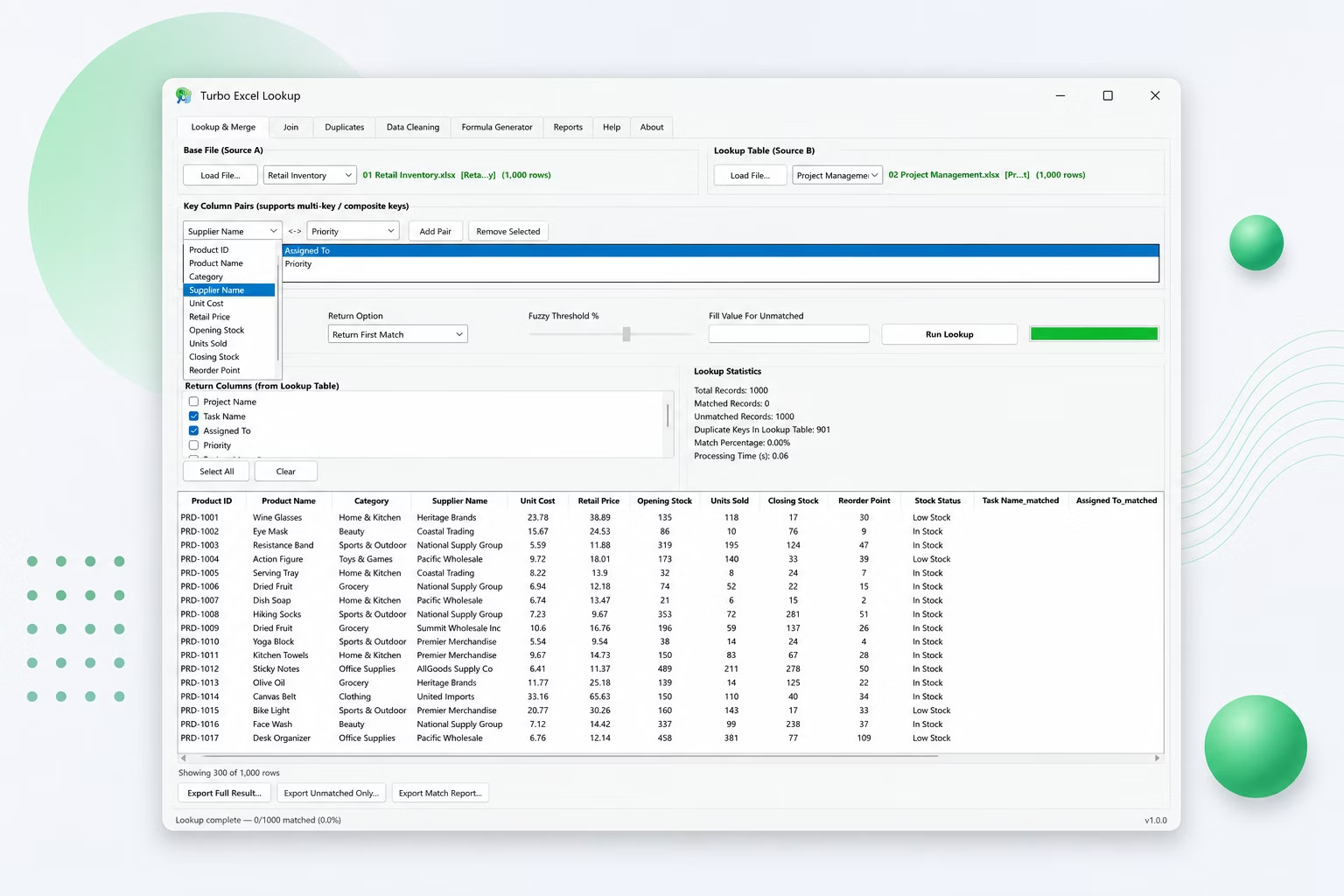
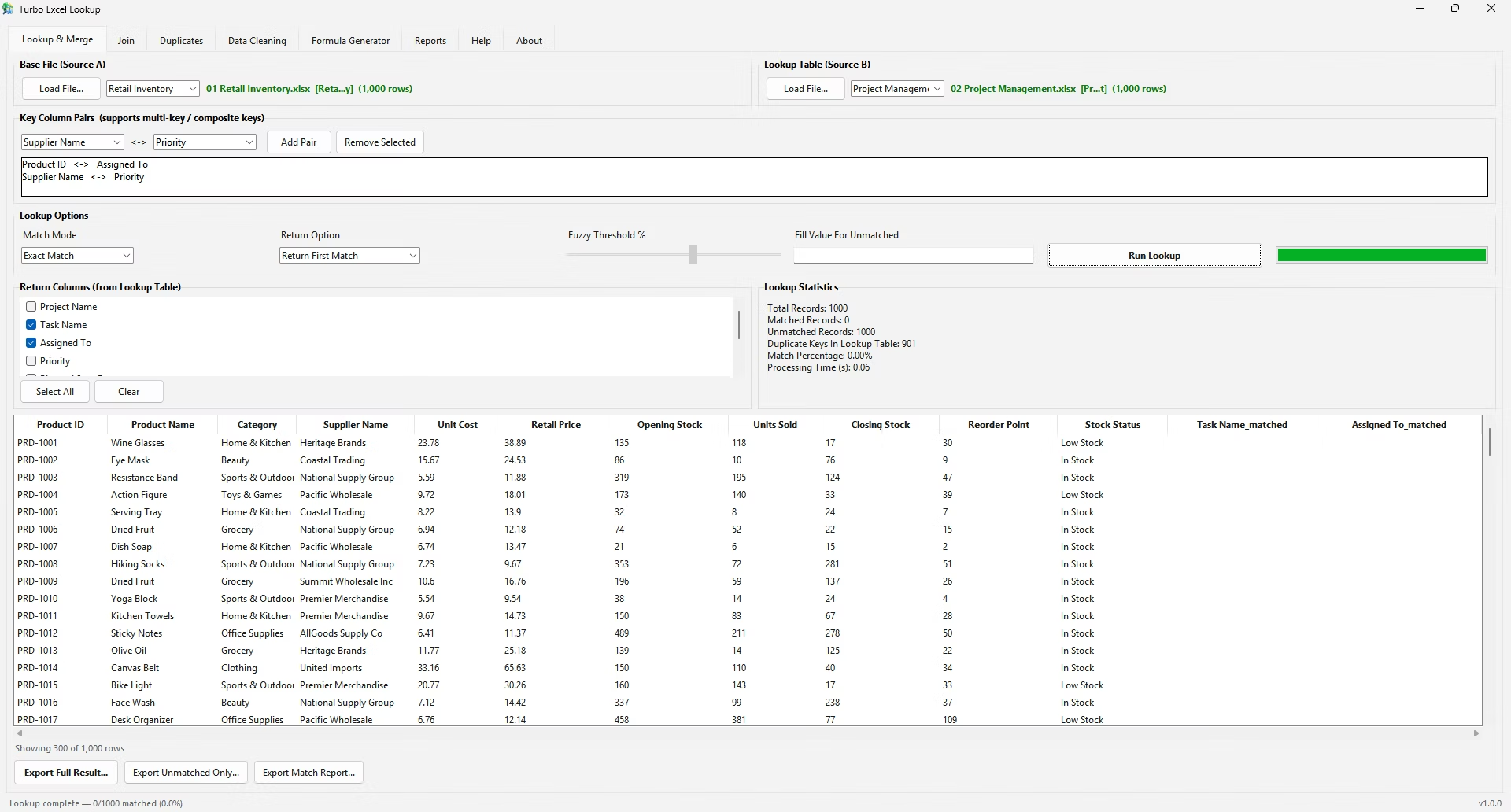
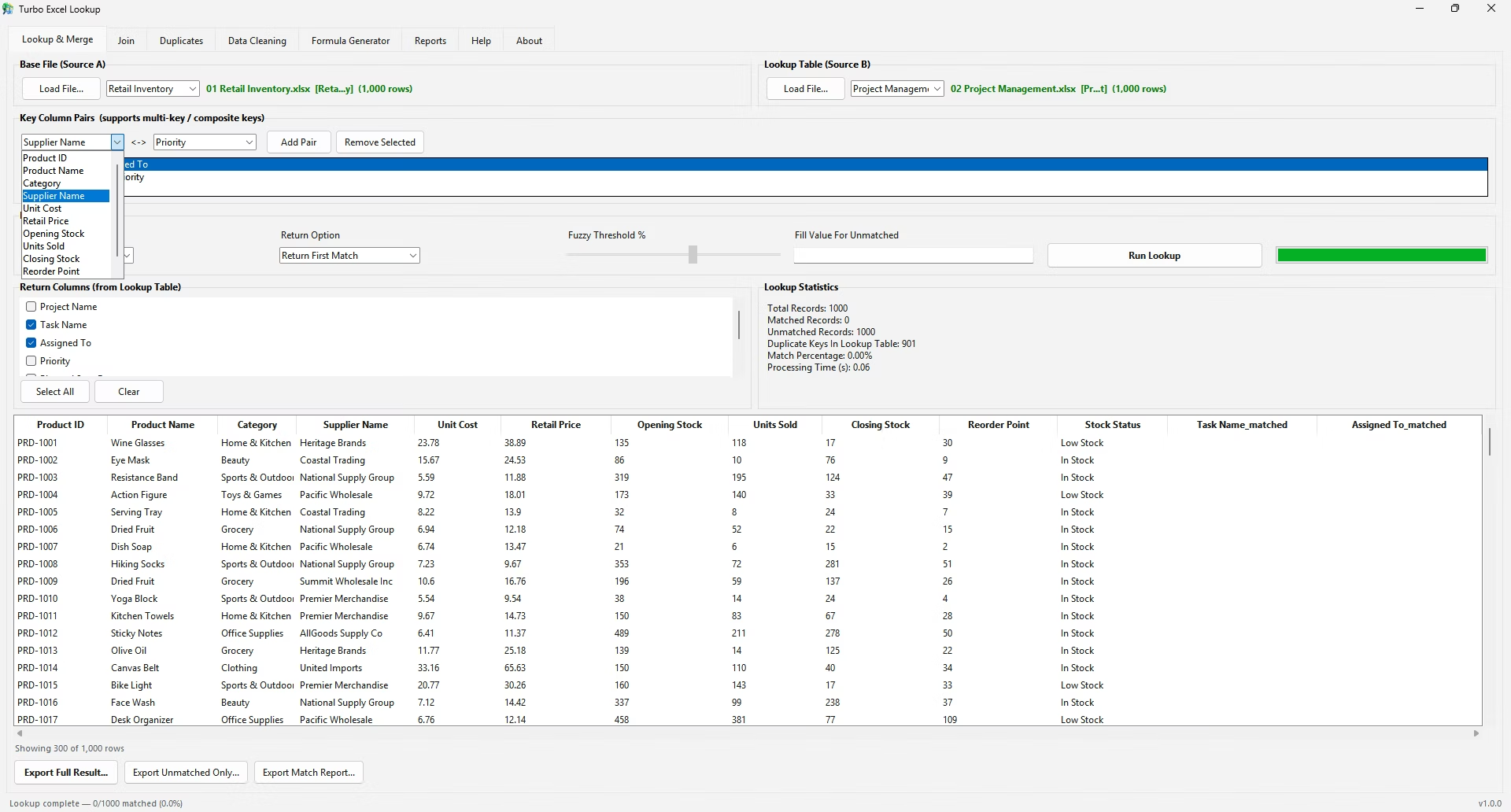
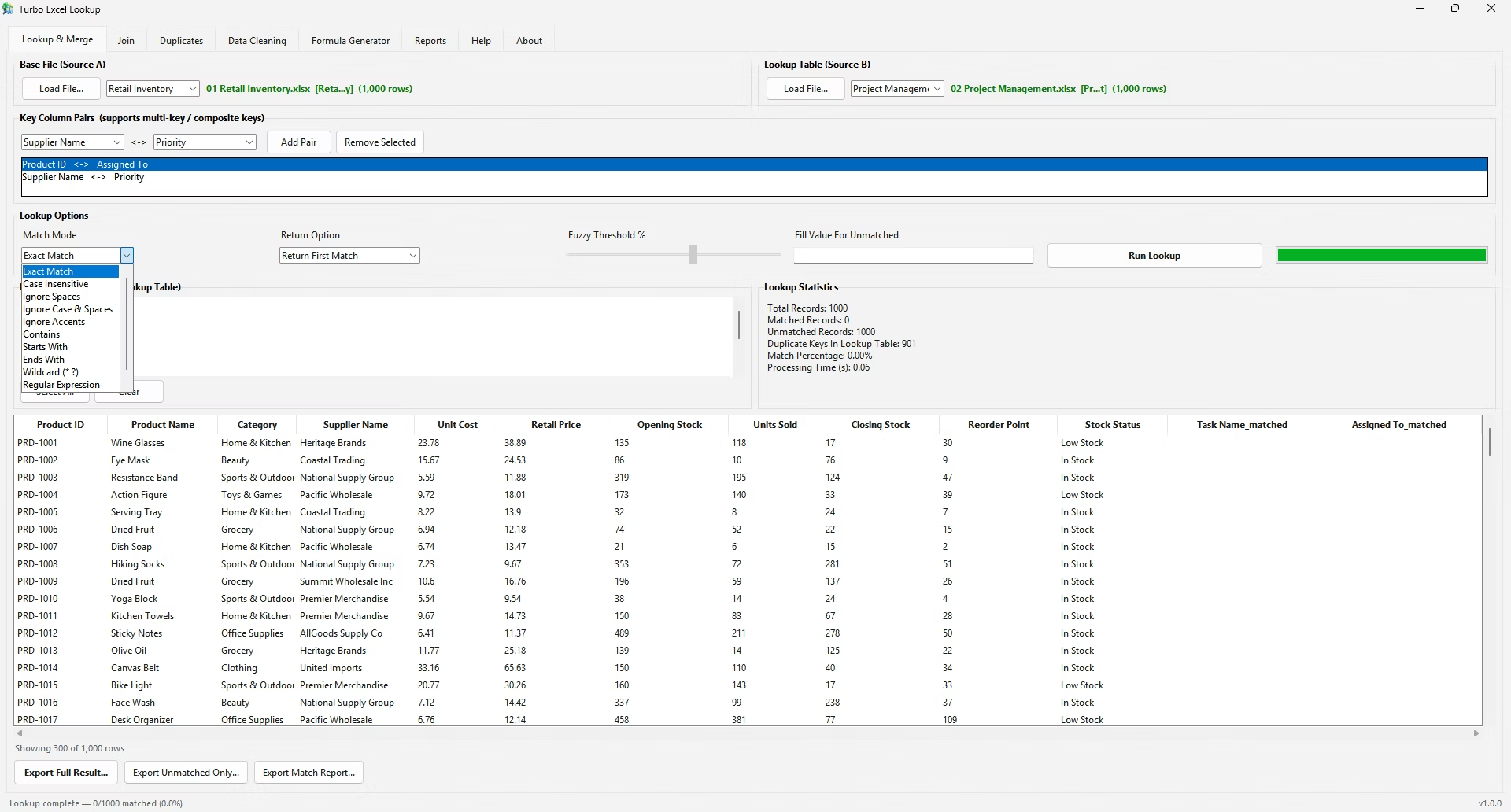
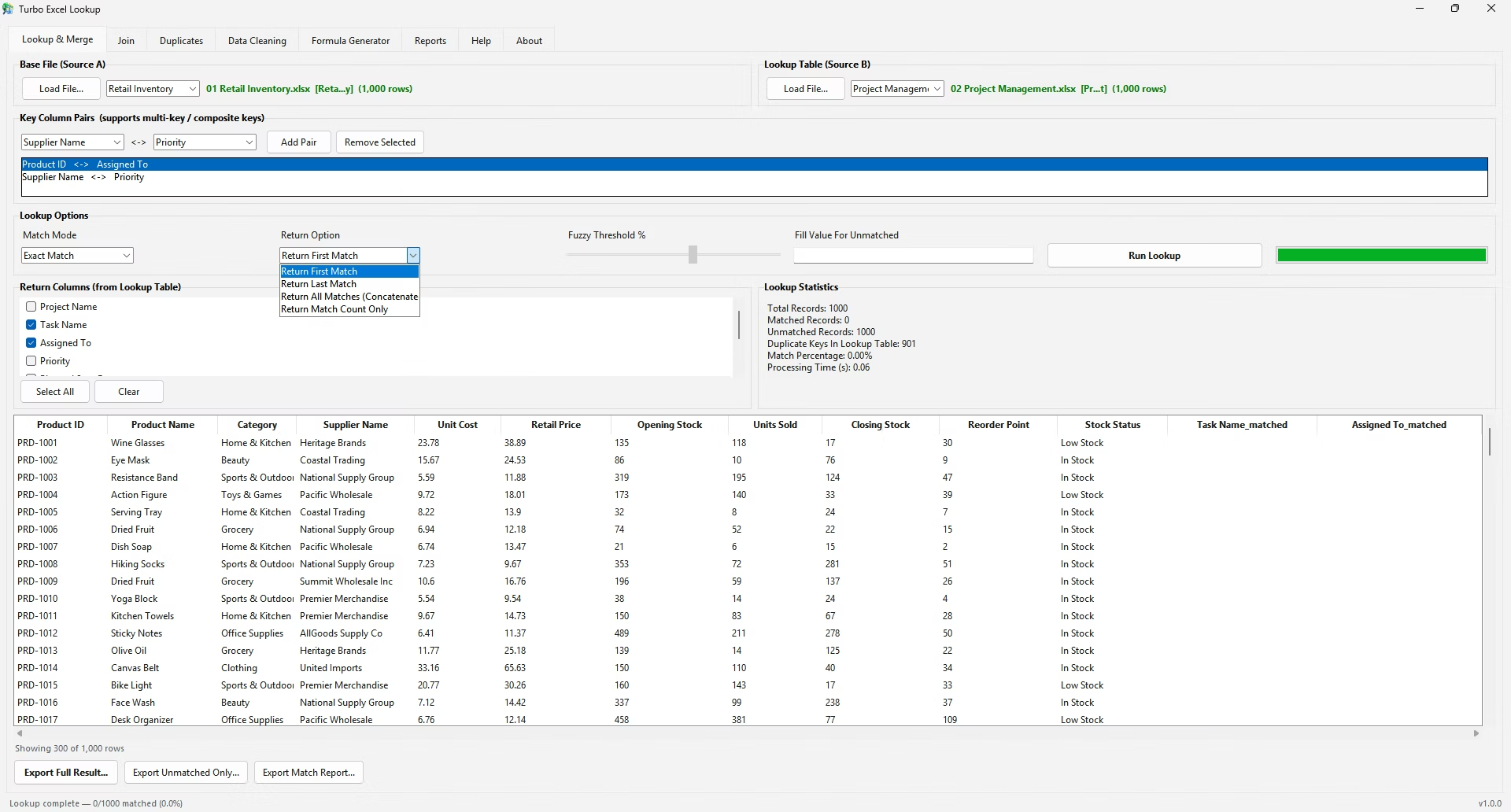
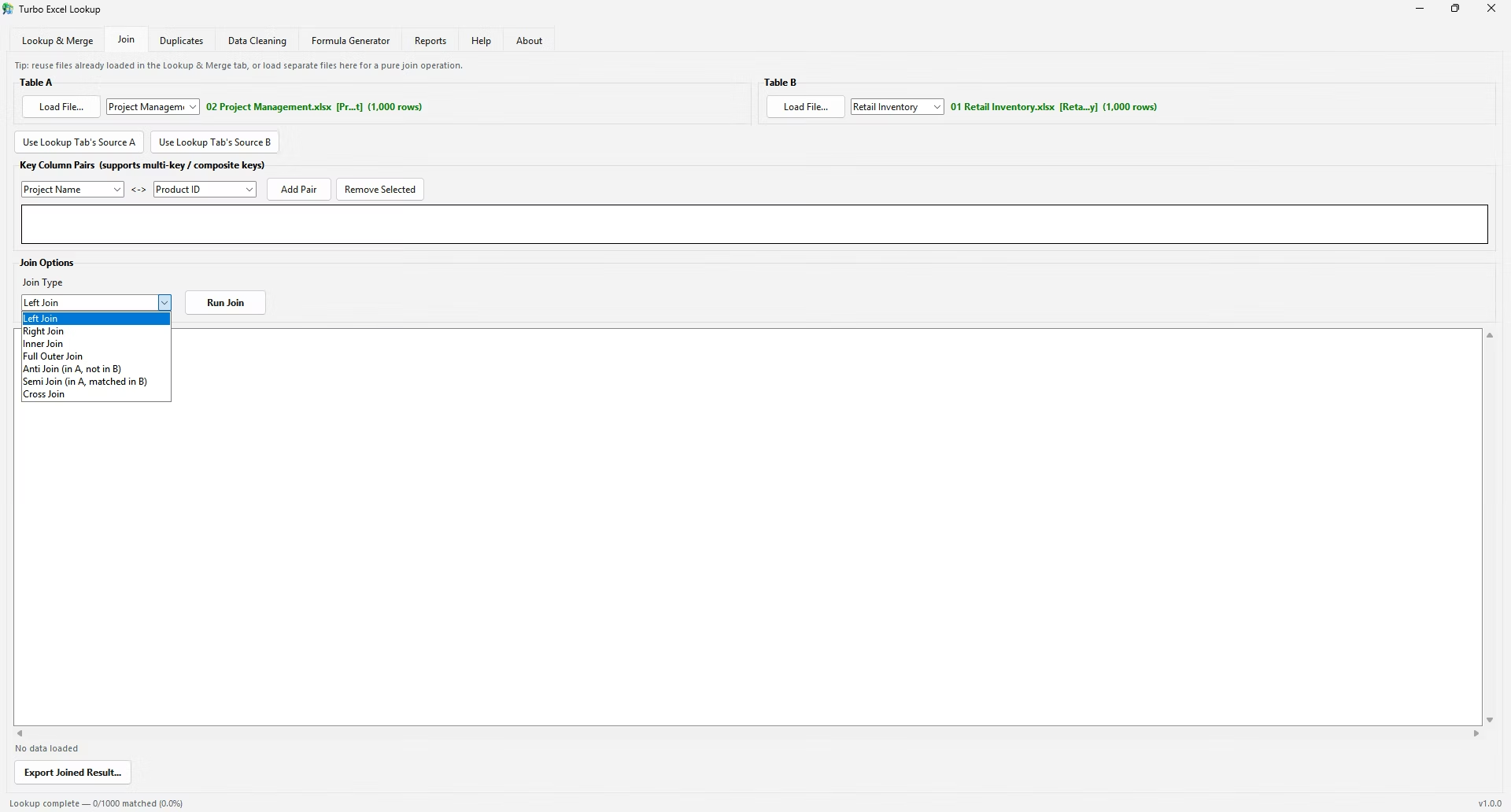
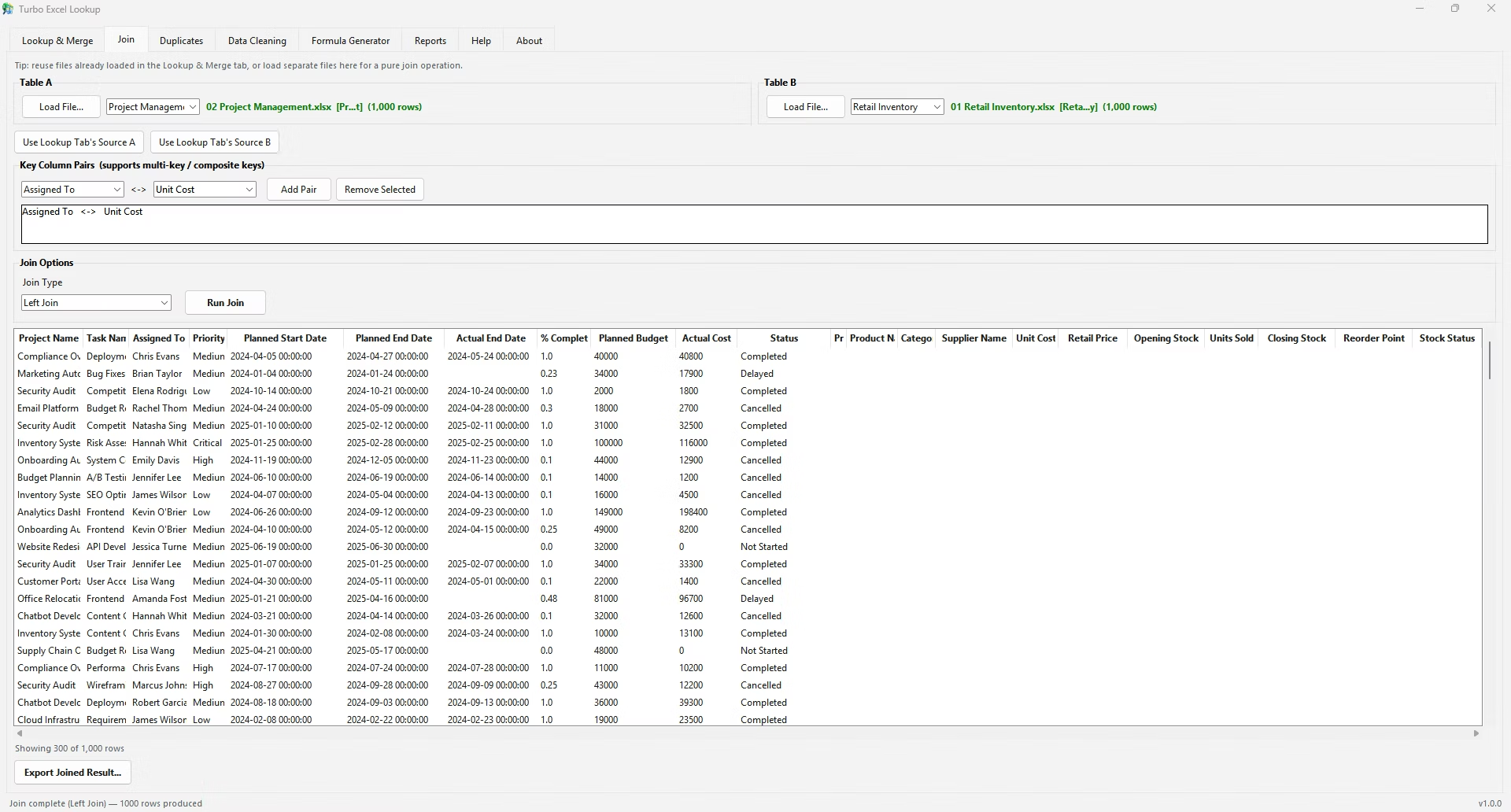
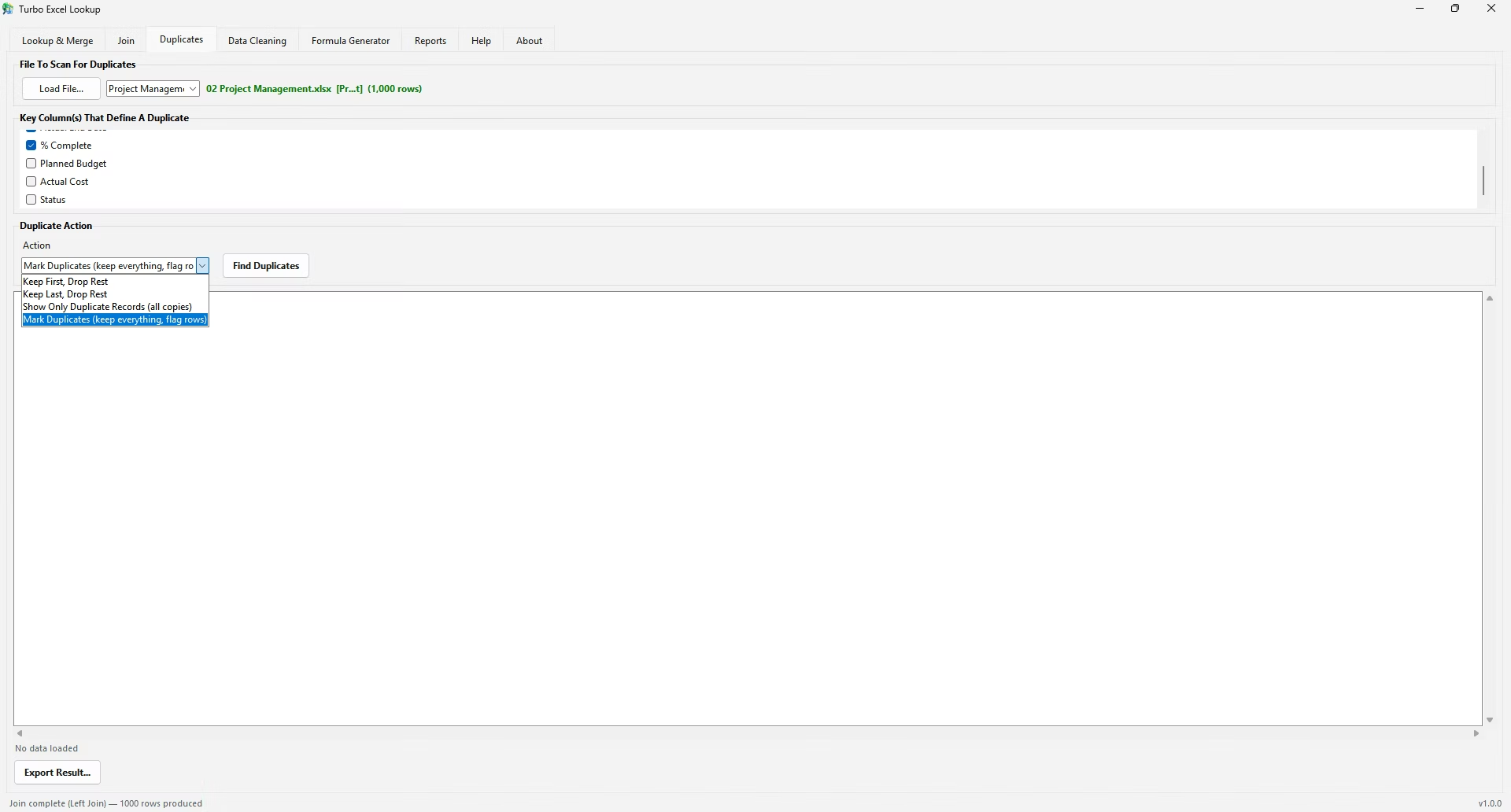
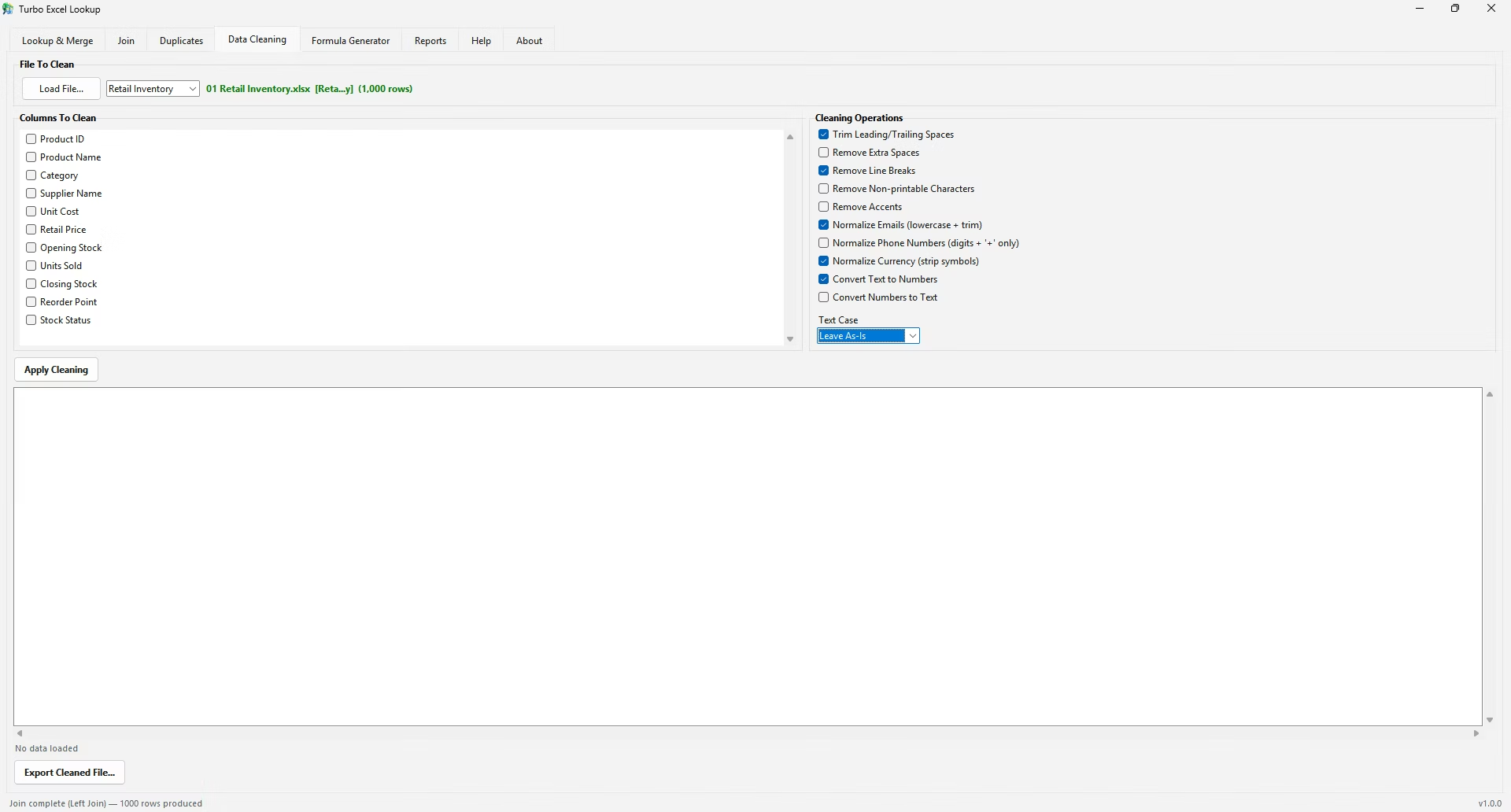
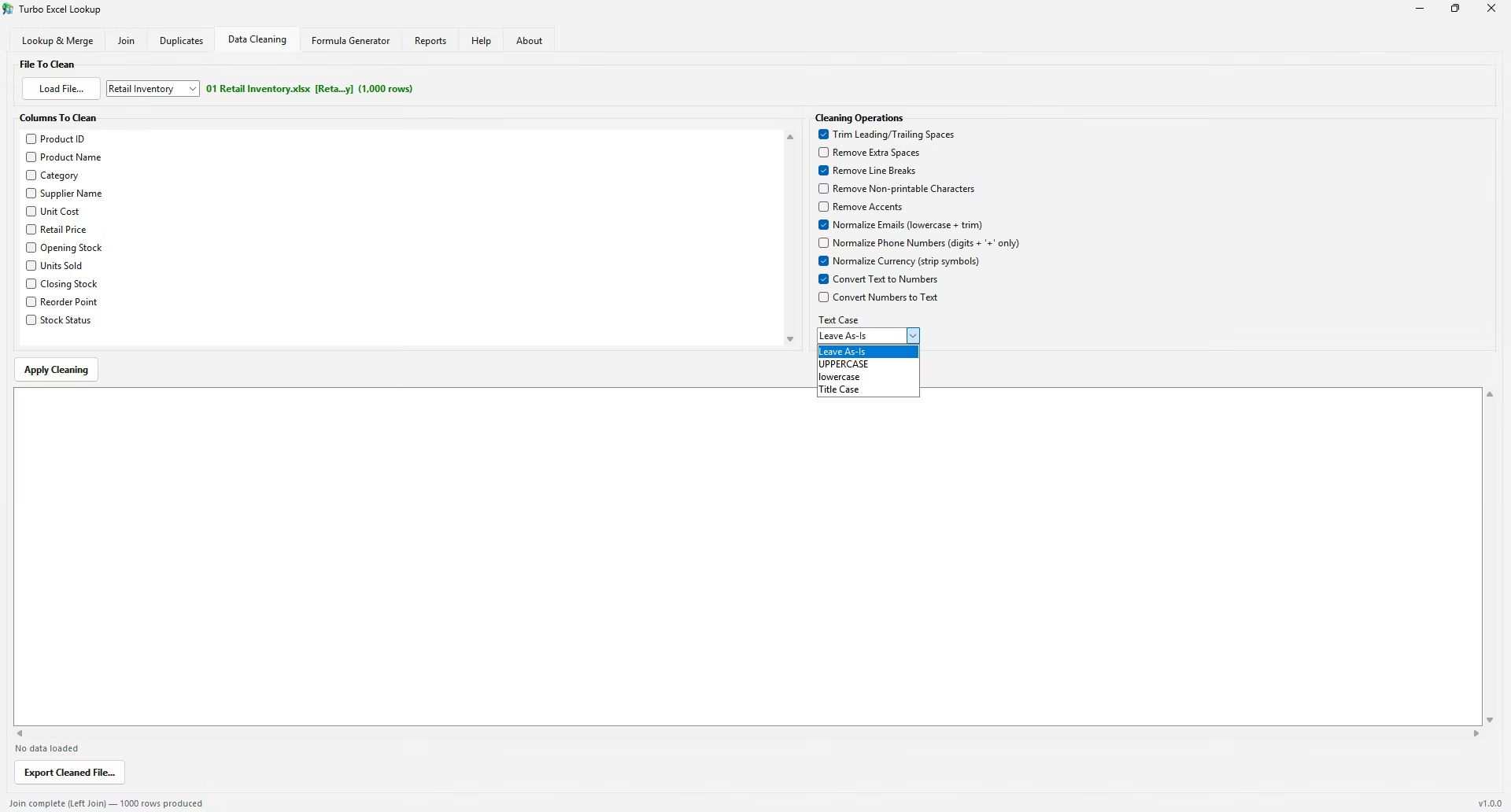
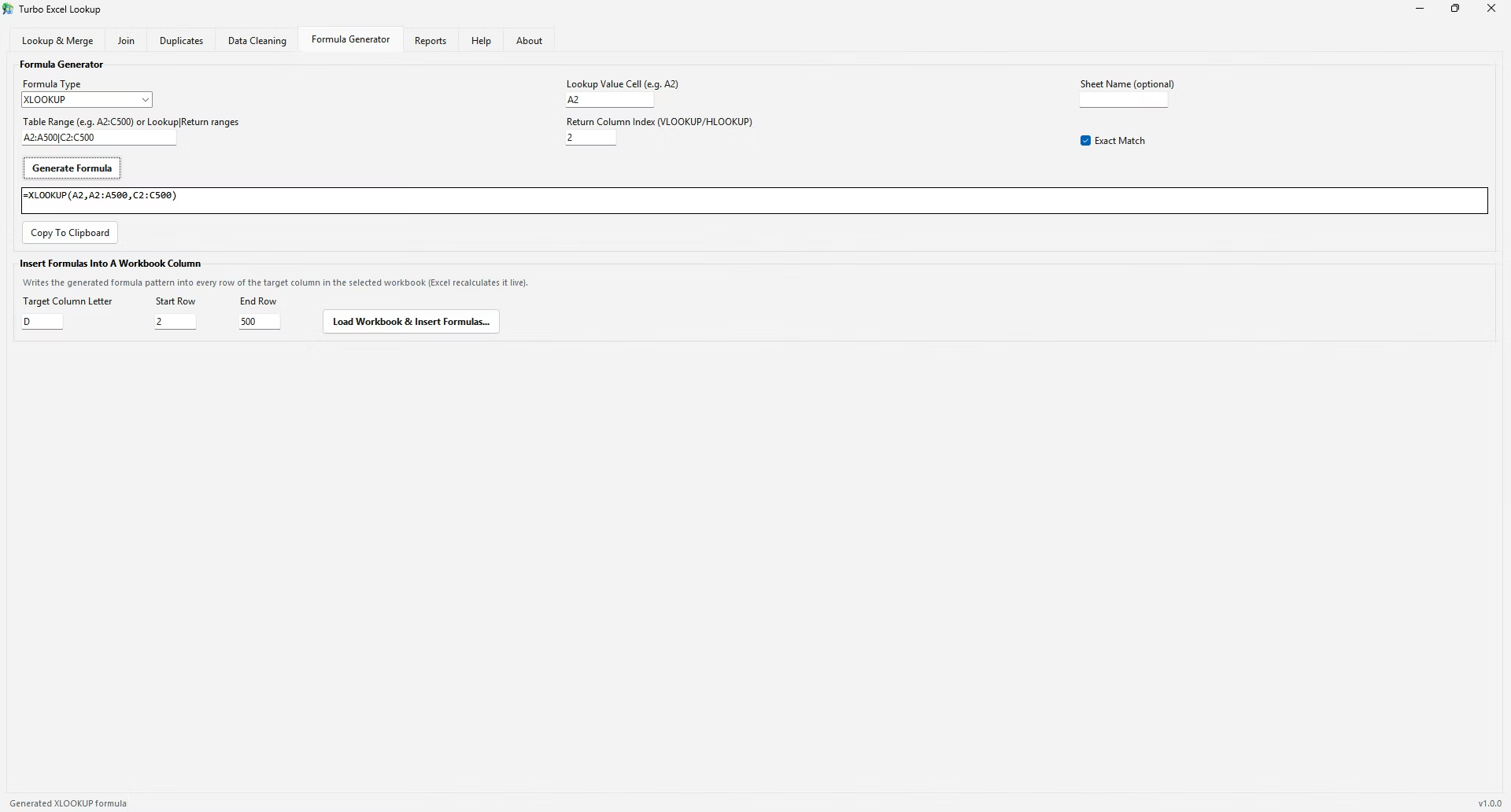
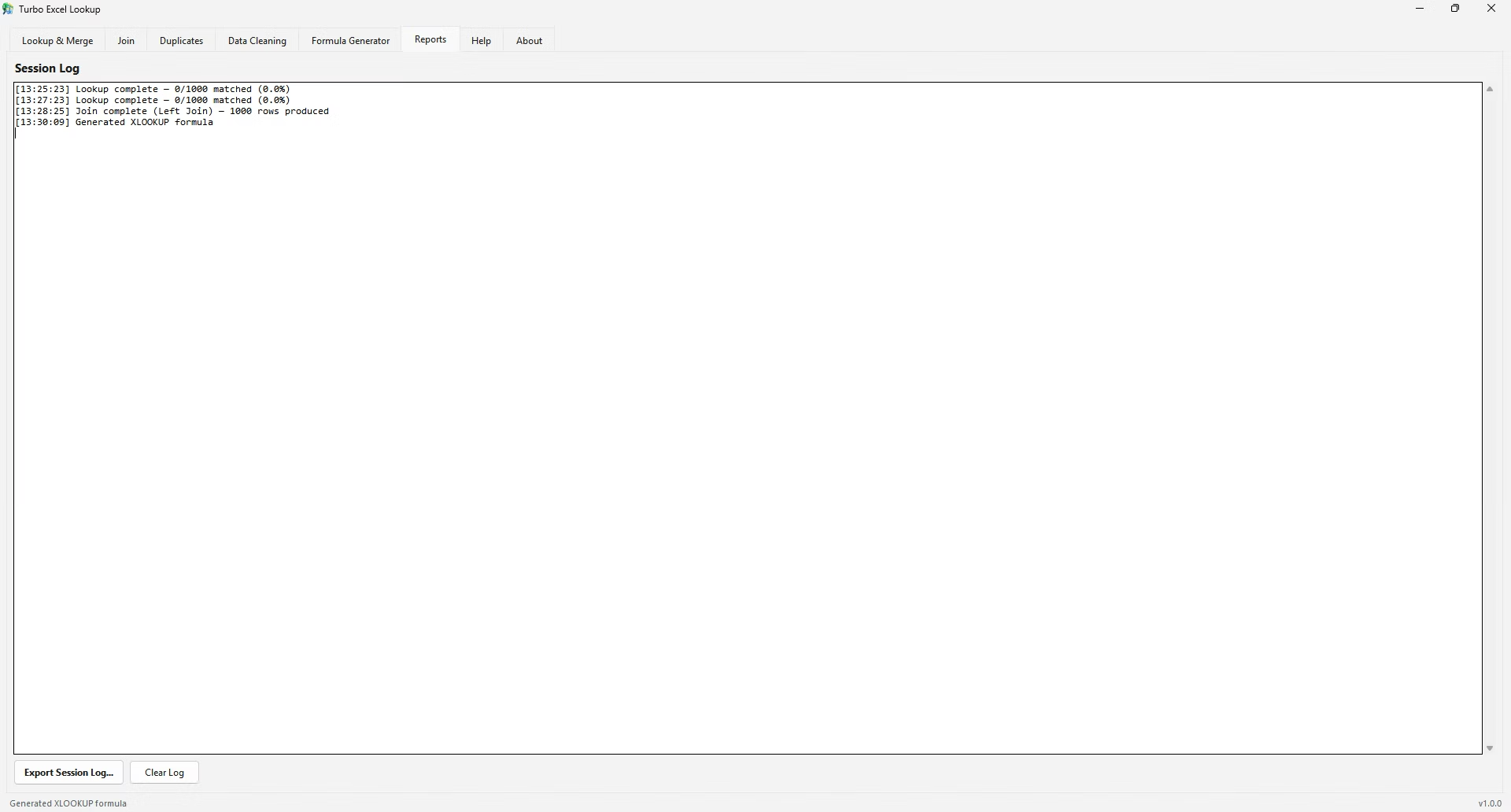
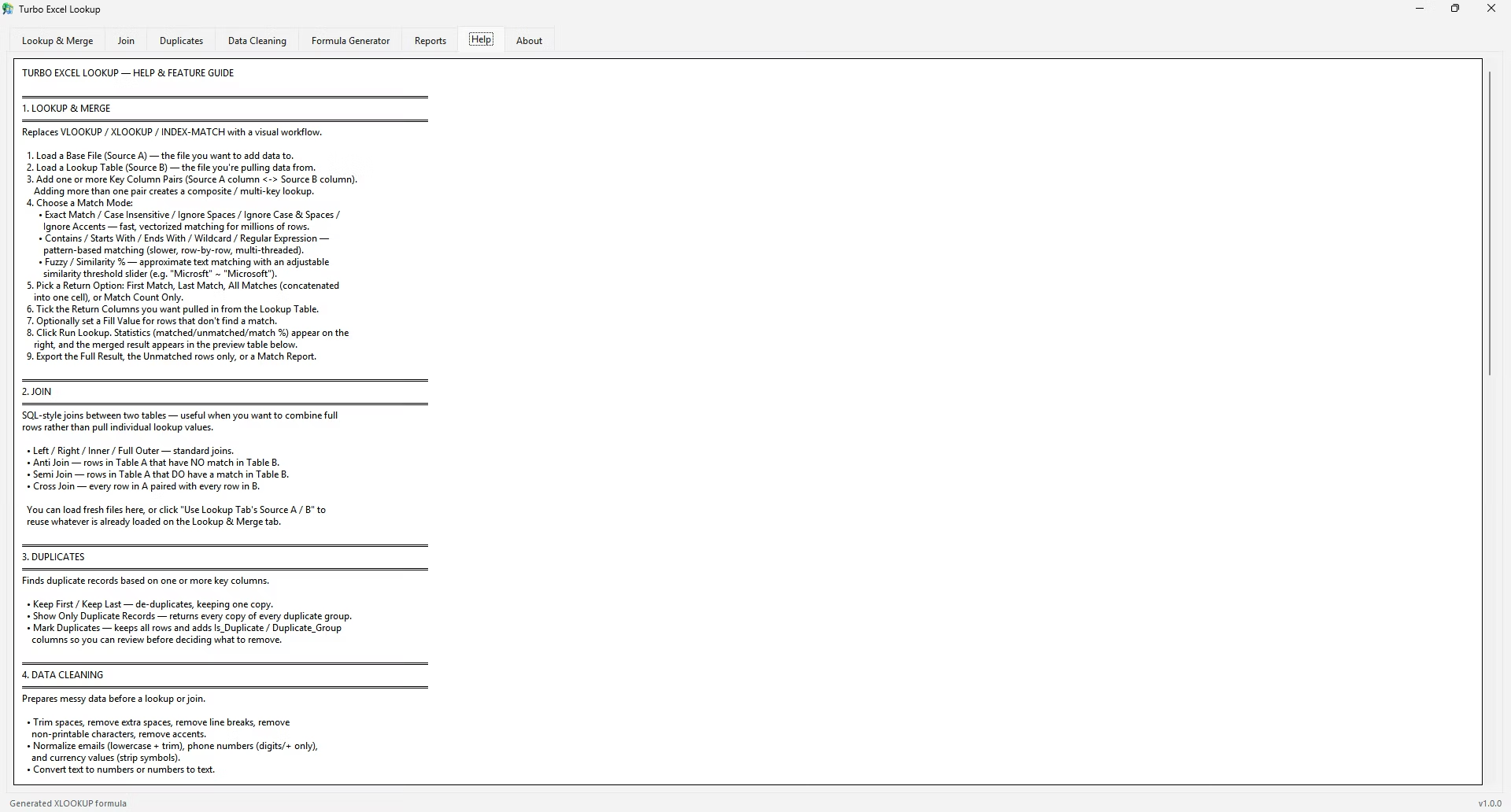
- Load your Base File - the spreadsheet you want the results added to.
- Load your Lookup Table - the spreadsheet holding the data you want pulled across.
- Choose the matching ID columns from two dropdown menus, no typing required.
- Tick which columns from the Lookup Table you want returned into the Base File.
- Click Run Lookup - every row is matched in one pass, with a match-rate summary shown afterward.
Matching still comes down to the same basic idea as a manual VLOOKUP - given an ID in this table, find the related value in another file:
| Employee ID | Name | Department | Salary |
|---|---|---|---|
| E101 | Asha Rao | Marketing | 54000 |
| E102 | Vikram Shah | Finance | 61000 |
| E103 | Priya Nair | Sales | 48000 |
Instead of writing =VLOOKUP("E102", A2:D4, 3, FALSE), the same result comes from picking the Employee ID column in each file from a dropdown and ticking Department as a return column.
- Row-by-row and column-by-column comparison modes
- Clear flagging of rows present in one file but missing from the other
- Support for matching on a single column or a composite multi-column key
- Built-in duplicate finder to catch repeated records before they cause problems
- Exportable match report alongside the finished spreadsheet
Common in reconciliation work - comparing a bank statement against an internal ledger, or a shipped-orders list against a received-orders list - where the goal is finding what matches and what doesn't.
It's also useful for catching duplicate entries that crept into a spreadsheet over time.
Manually comparing two lists for matches and mismatches is slow and error-prone at any real scale. Automated record matching handles the comparison in one pass and clearly flags what didn't line up.
For reconciliation-style work, it's worth spot-checking a handful of both matched and unmatched rows manually the first time, since that quickly reveals whether an apparent mismatch is a genuine data discrepancy or just a formatting difference.
Keeping the original two files unedited alongside the matched output also makes it easy to re-run the comparison later if a discrepancy needs to be traced back to its source.
Can this catch duplicate rows within a single file?
Yes, a built-in duplicate finder flags repeated records before they cause matching problems.
Does it show me a report of what did and didn't match?
Yes, a match-rate report and session log summarize every run.
Is a Gumroad license required to use the full feature set?
Yes, a license key activates the full version; activation details are covered on the Support and Activate pages.
Can the same match be re-run later on updated files?
Yes, the same column mapping can be reused any time the source files are refreshed with new data.
Does it work with very large spreadsheets?
Yes, the matching engine is built with parallel processing to handle large files without slowing down.
Is any coding or macro knowledge required?
No, the entire process is handled through a point-and-click interface with no code involved.
Does this replace VLOOKUP entirely, or work alongside it?
It can be used instead of writing a VLOOKUP formula, or alongside existing formulas in the same workbook - there's no conflict either way.
What file formats are supported?
XLSX, XLS, and CSV files are supported for both input and output.
Does the source file need to stay open while matching runs?
No, both files are loaded directly by the app and don't need to remain open in Excel.
What happens to rows that don't find a match?
Unmatched rows are clearly reported in the match statistics rather than silently left blank or causing an error.
Does it work on both Windows and Mac?
It's a native Windows desktop application; Mac users typically run it through a Windows virtual machine or Boot Camp.
Ready to stop fighting #N/A errors and match your spreadsheets visually?