There isn't one single "easiest" way to VLOOKUP - it depends on how comfortable you already are with Excel formulas. For some people, typing the formula directly is genuinely the fastest option once they know the syntax by heart. For others, especially when matching more than a handful of rows, a formula-free tool ends up being both easier and faster.
This page compares the three realistic options side by side using a small warehouse inventory table, so you can judge which one is actually easiest for your own situation.
Using this inventory table, the goal is to find Stock Qty for ITM-02:
| Item Code | Item Name | Warehouse | Stock Qty |
|---|---|---|---|
| ITM-01 | Steel Bolts | WH-A | 1200 |
| ITM-02 | Rubber Gasket | WH-B | 450 |
| ITM-03 | Copper Wire | WH-A | 980 |
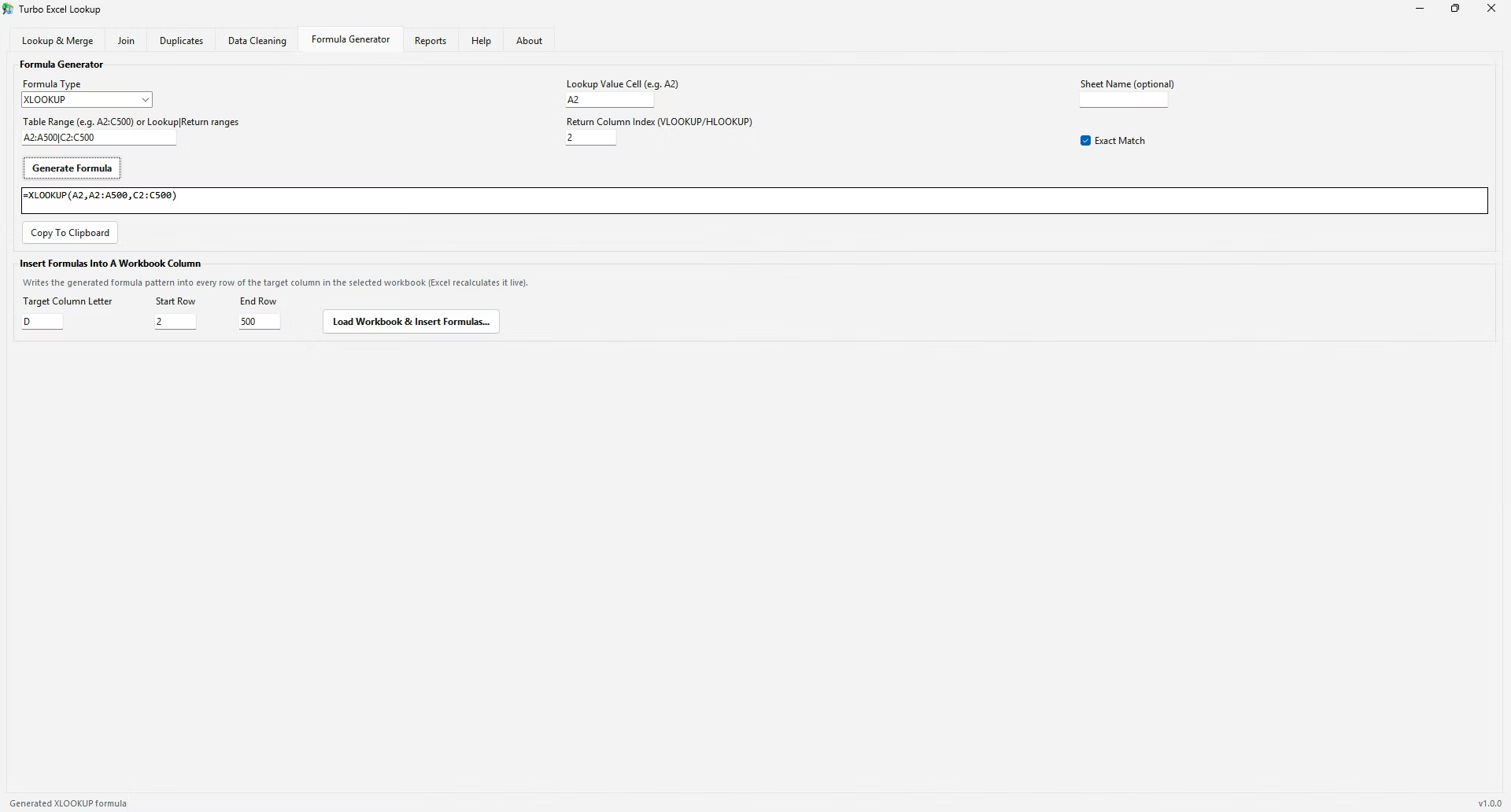
This is easiest once the four arguments are memorized, but it requires remembering column positions and re-copying the formula for every new lookup.
Clicking the fx button next to the formula bar opens a guided dialog with labeled input boxes for each argument, plus a live preview of the result. This is easier for a first attempt since nothing needs to be memorized, but it's slower than typing once you know the formula well.
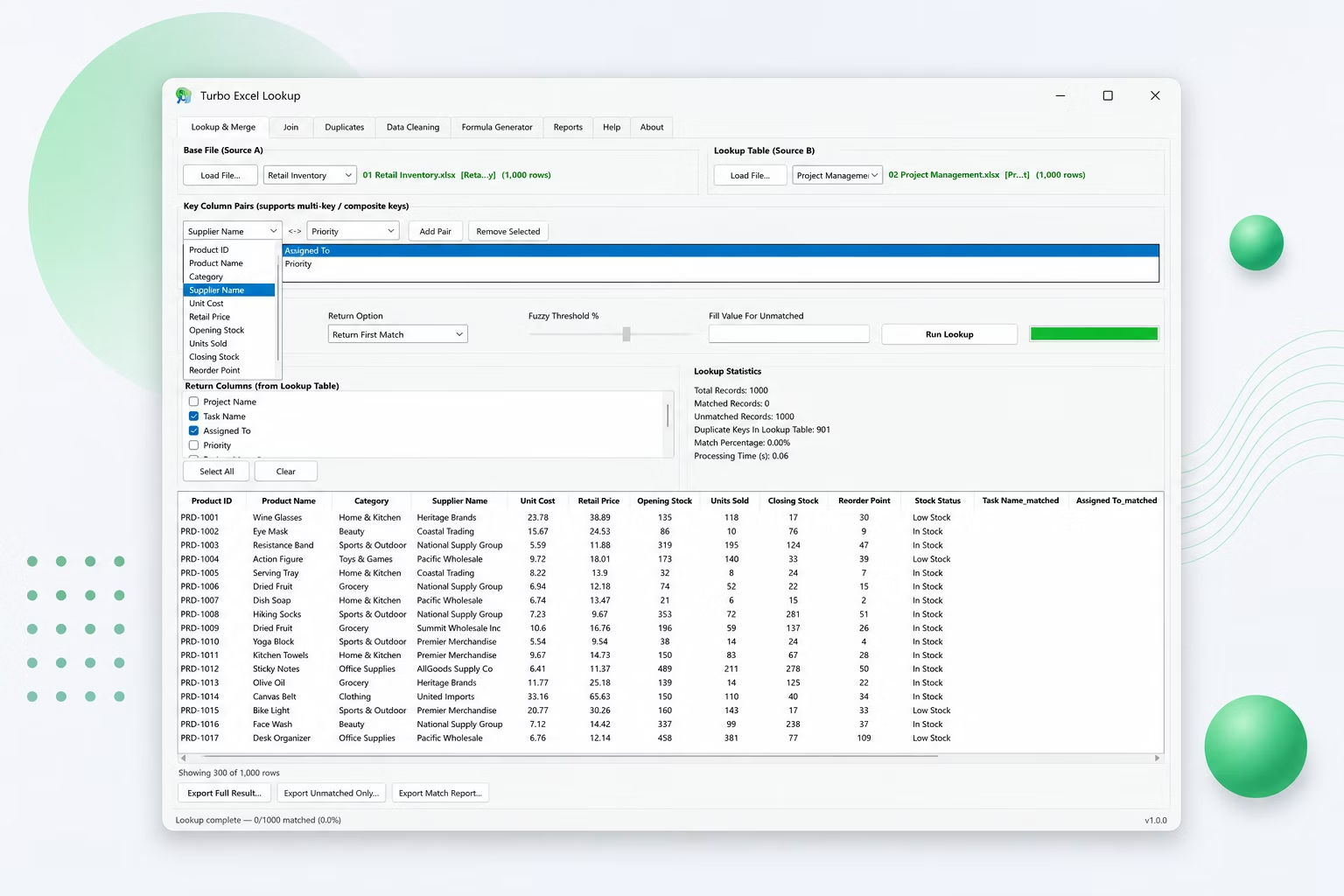
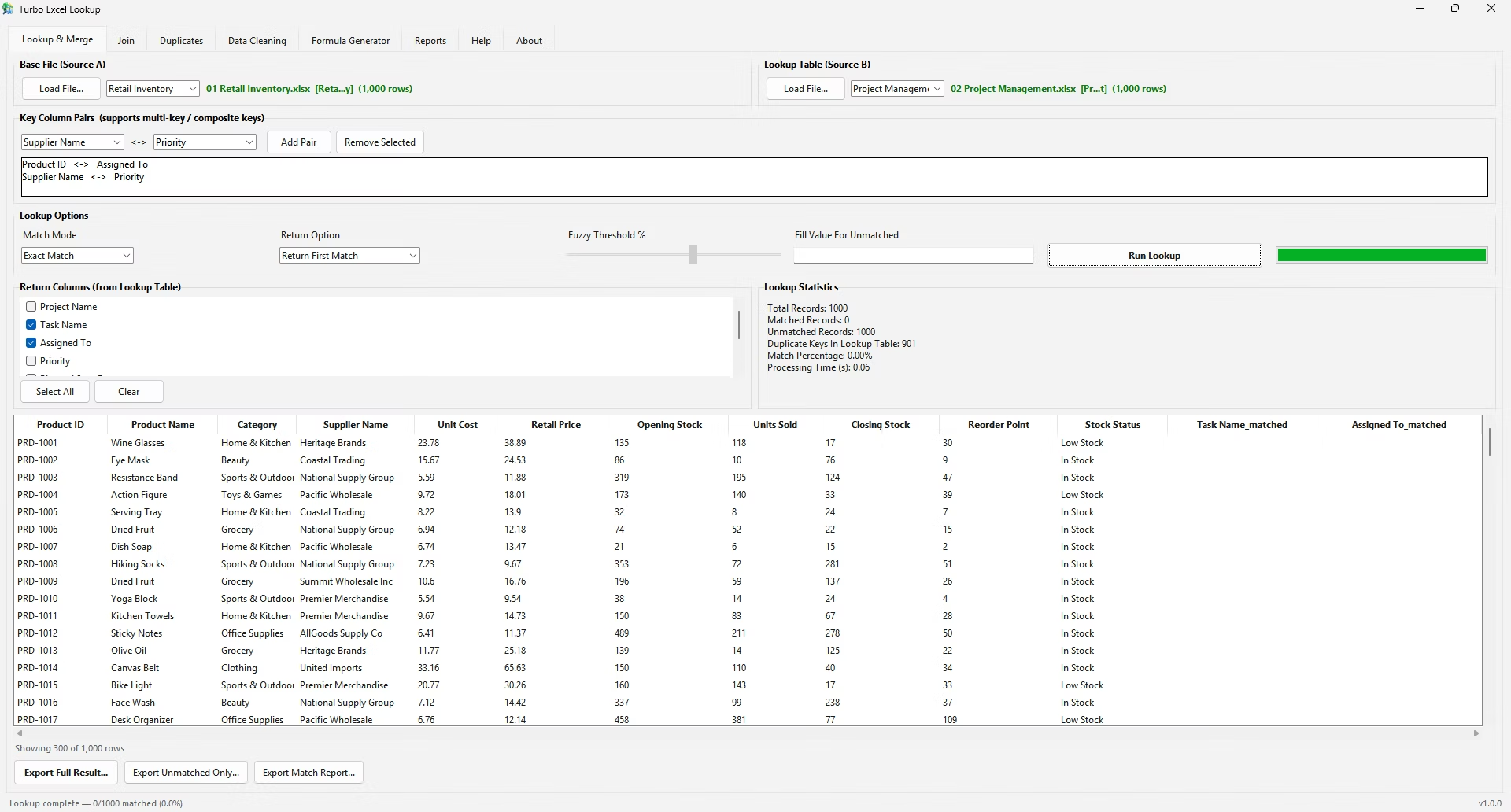
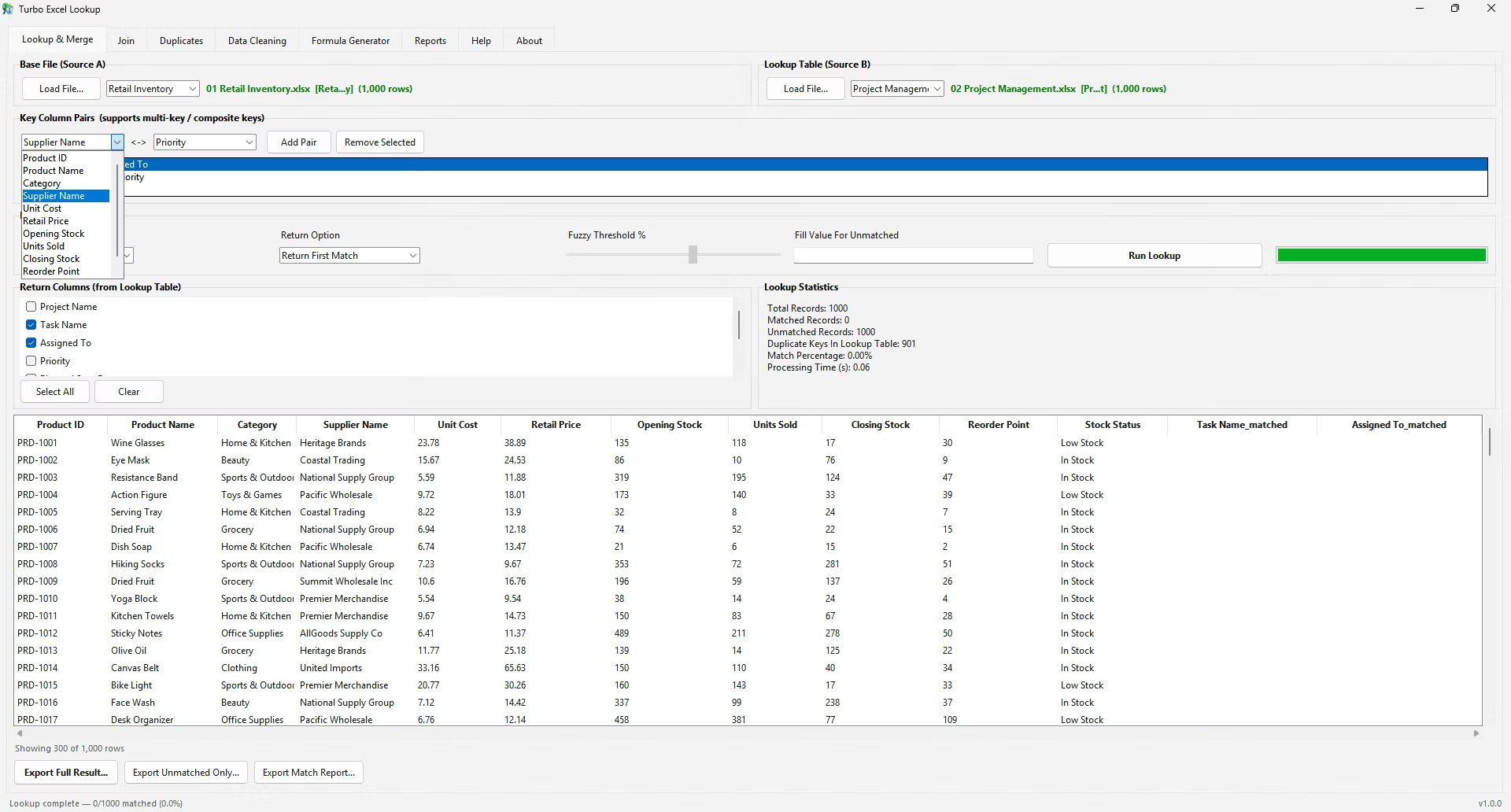
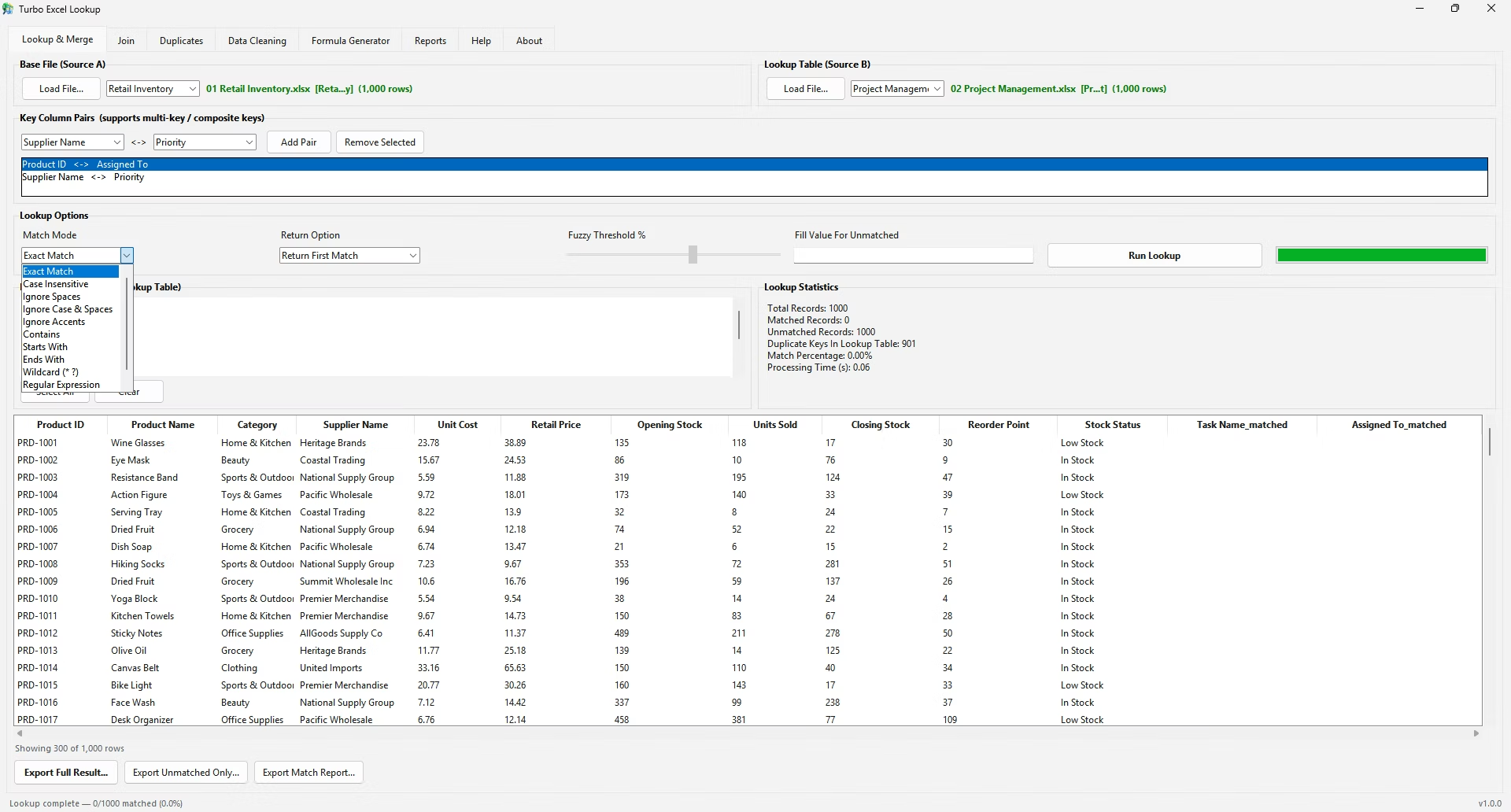
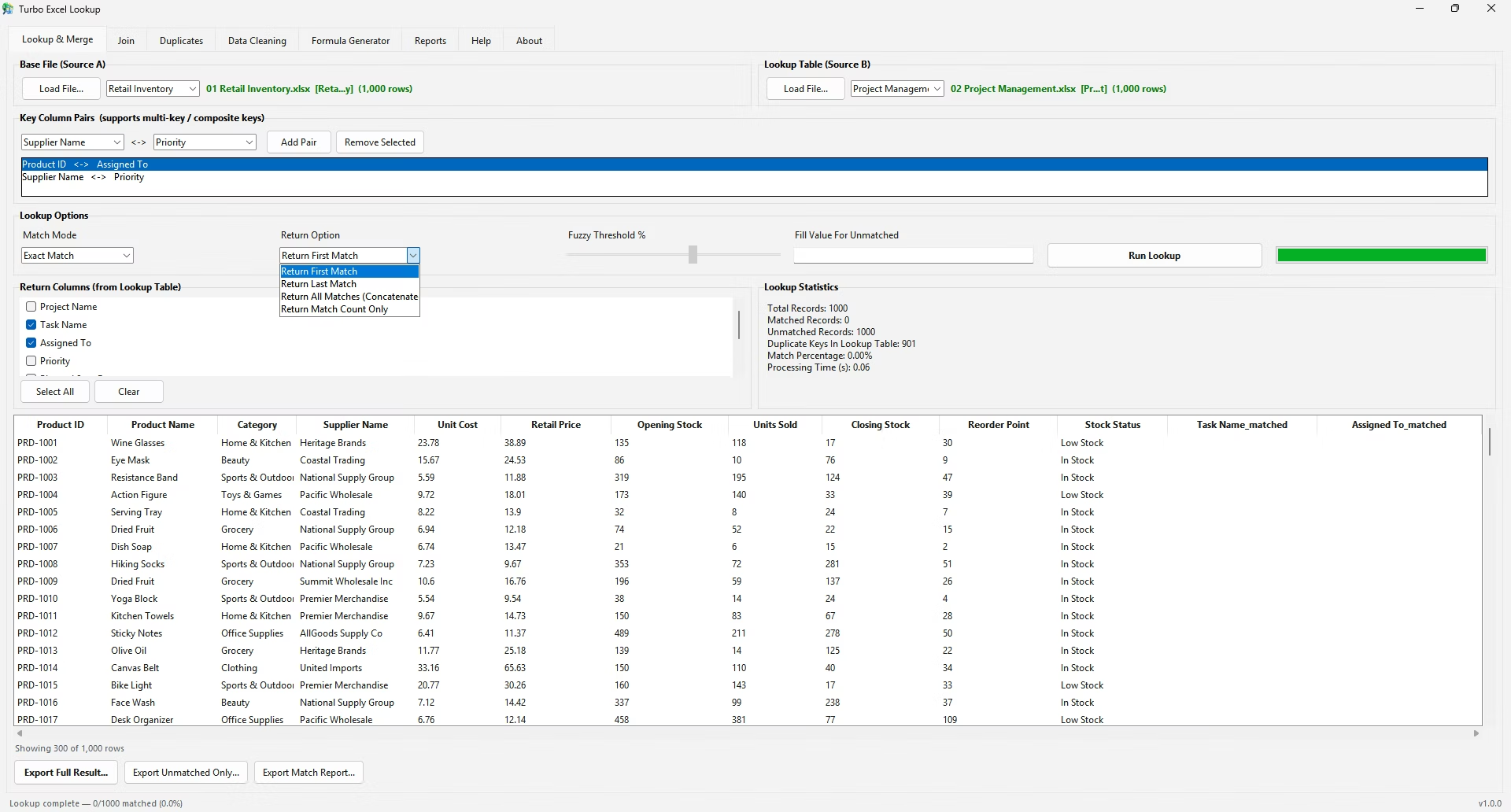
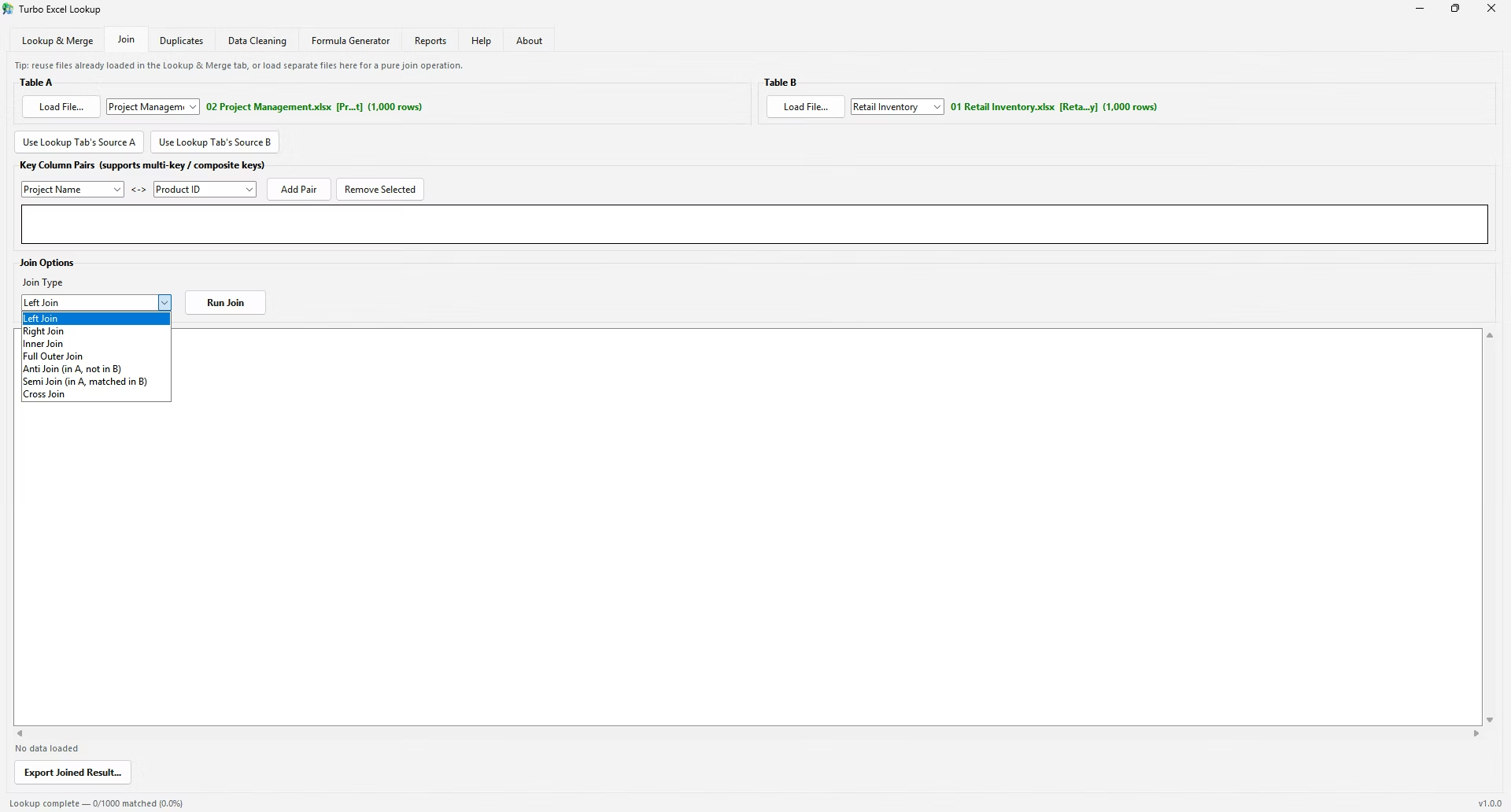
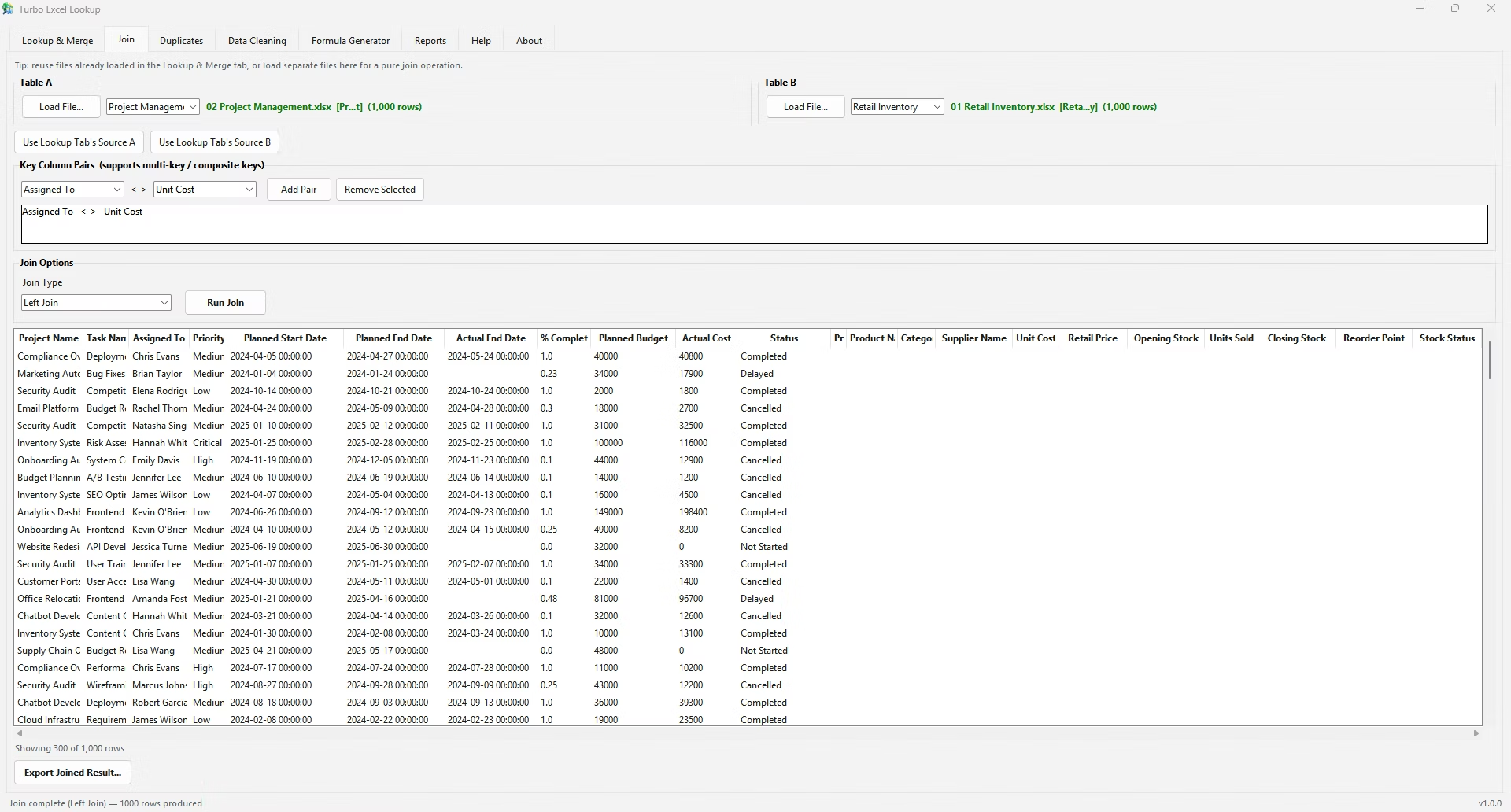
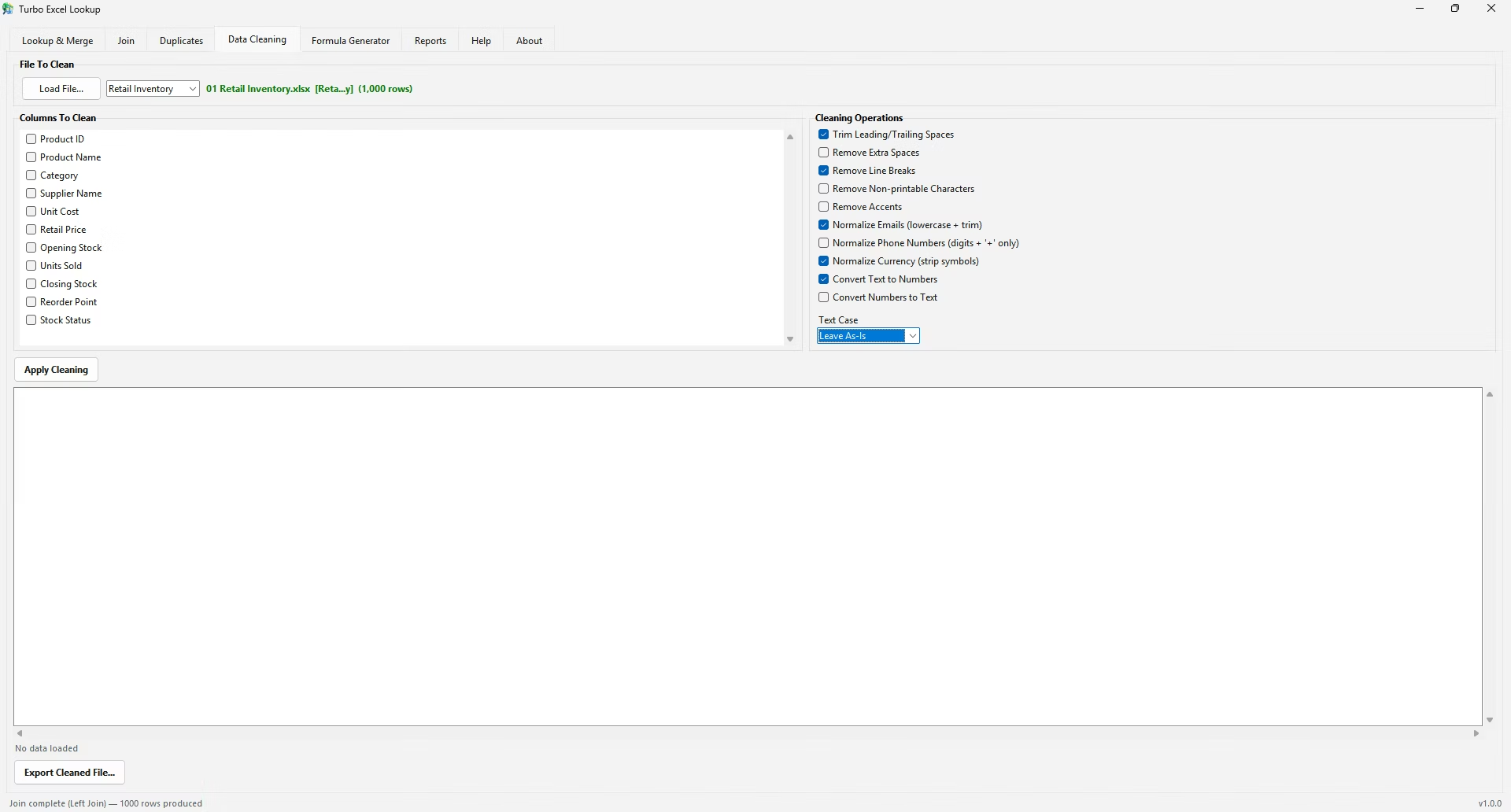
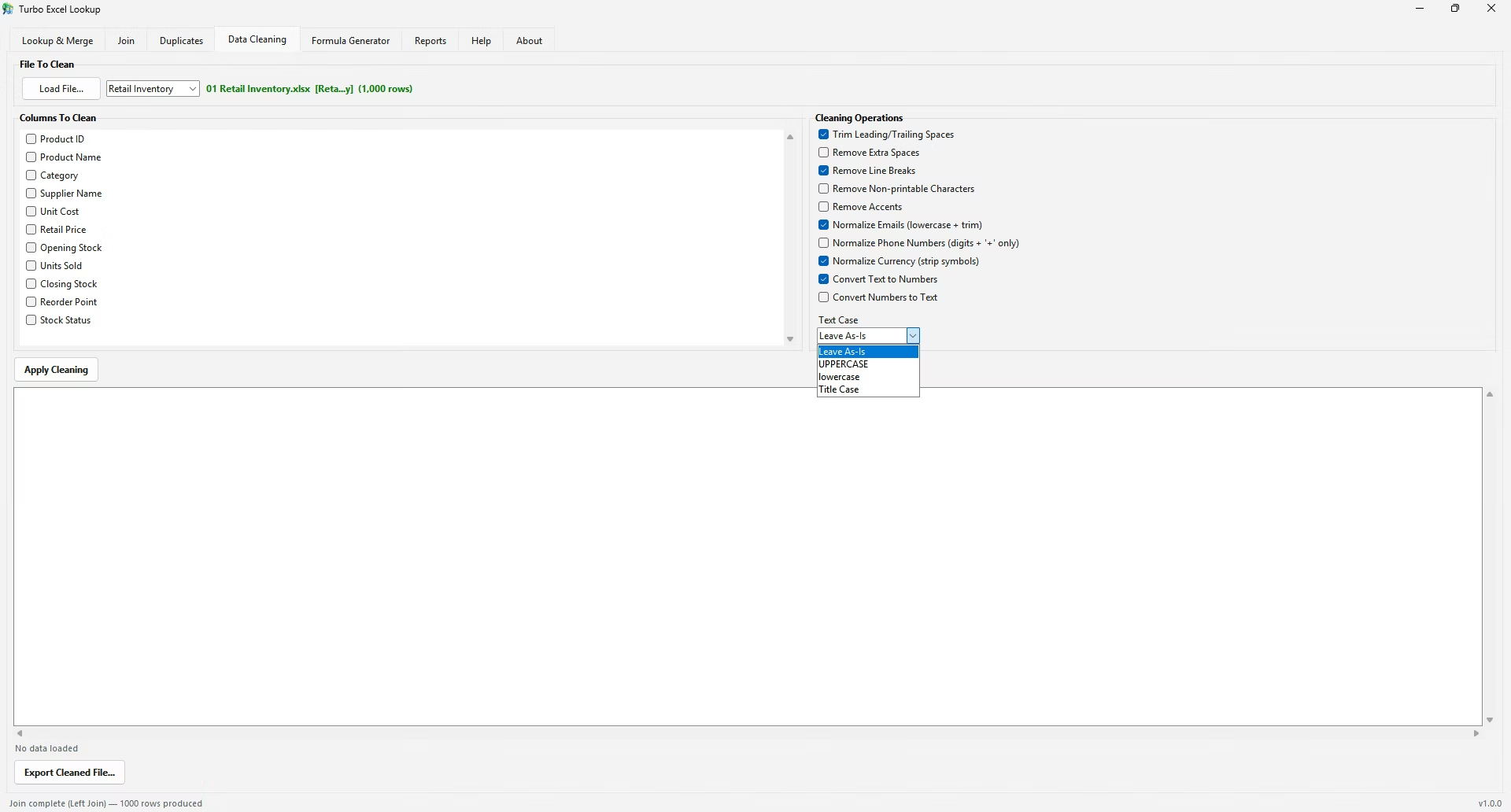
Turbo Excel VLookup is the easiest option for anyone who'd rather avoid the formula bar completely. You load the two files, choose the ID columns to match from dropdowns, tick which columns to bring across, and click Run Lookup - the match runs on the entire dataset in one action rather than one cell at a time.
For a single one-off lookup, typing the formula is usually fastest if you already know it. For matching dozens or hundreds of rows across two files, a tool that runs the whole match at once tends to be faster overall, since there's no formula to copy down or range to re-lock.
If you're matching one or two values inside a single sheet you already know well, type the formula. If you're matching a whole column, working across separate files, or you just don't want to deal with syntax, Turbo Excel VLookup removes that step entirely.
A surprising number of VLOOKUP problems turn out to be a data type mismatch rather than a logic error - a value stored as text in one column and as a number in the other will never match, even if they look identical on screen.
Before assuming the formula itself is wrong, select the lookup value's cell and check the small green triangle or the number alignment; numbers align right by default, and text aligns left, which is a fast way to spot the mismatch.
In a shared workbook, a bare VLOOKUP formula gives the next person no indication of what it's supposed to be matching or why. Adding a cell comment, or a short label in an adjacent column, explaining the source and purpose of the lookup saves significant time when the workbook is revisited months later or handed to a colleague.
This becomes even more important once a workbook has several lookups feeding into each other, since untangling a chain of undocumented formulas is far harder than reading a documented one.
What's genuinely the fastest option for a single lookup?
Typing the formula directly, once the four arguments are familiar, since it needs no extra dialog boxes or file loading.
What's easiest for someone who has never written a formula?
The Function Wizard, because it labels every argument and shows a live preview before the formula is finalized.
What's easiest for matching an entire column at once?
Turbo Excel VLookup, since it applies the match to every row in one action rather than needing the formula copied down.
Does the easiest method change based on file size?
Yes, formula-based methods scale less comfortably to large datasets than a tool built to match a full dataset at once.
Can I switch between these methods on the same data?
Yes, none of the methods are exclusive - you can start with the wizard and later switch to typing or to a dedicated tool.
Is a formula-free method as accurate as writing the formula?
Yes, the underlying matching logic is the same; the difference is only in how the matching arguments are entered.
Does the order of rows in the source data matter for an exact match?
No, an exact match search works regardless of row order; only an approximate match requires sorted data.
Is it safe to have duplicate values in the lookup column?
A lookup formula will only return the first matching row it finds, so duplicates can silently return the wrong record if not accounted for.
Should I test a new formula on one row before applying it everywhere?
Yes, verifying a single result against the source data first catches setup mistakes before they're copied across an entire column.
Is it a good idea to edit source data while formulas are actively referencing it?
It's safer to keep a stable source sheet separate from a working sheet, since editing referenced data mid-use can produce confusing intermediate results.
Ready to stop fighting #N/A errors and match your spreadsheets visually?