XLOOKUP and VLOOKUP solve the same fundamental problem - finding a value and returning related data from the same row - but XLOOKUP was designed years later specifically to address VLOOKUP's most common complaints. The two functions aren't interchangeable in every situation, though, and knowing exactly where they differ helps decide which one (or whether a non-formula tool) fits a given task.
This page compares them directly across the dimensions that matter most in practice, then shows where Turbo Excel Lookup fits as a third option that borrows the strengths of both.
| Aspect | VLOOKUP | XLOOKUP |
|---|---|---|
| Excel version required | All versions | Microsoft 365 / Excel 2021+ |
| Lookup column position | Must be leftmost in range | Any position, either direction |
| Default match type | Approximate (risk if FALSE is forgotten) | Exact |
| Missing-value handling | Requires IFERROR wrapper | Built-in if_not_found argument |
| Multiple return columns | One formula per column | Can return an array with one formula |
| Search direction | Top-down only | Configurable, including bottom-up |
VLOOKUP is still the safer choice for a workbook that might be opened by someone on an older Excel version, or one shared with a broad, mixed audience where compatibility matters more than convenience. XLOOKUP is the better choice whenever it's available, since its default behavior is safer for beginners, it doesn't restrict column order, and it removes the need for IFERROR wrapping on every formula.
Neither function, however, solves the underlying issue both share: they only recognize character-for-character matches, so inconsistent spacing, casing, or accents between two data sources will still produce missed matches in either one.
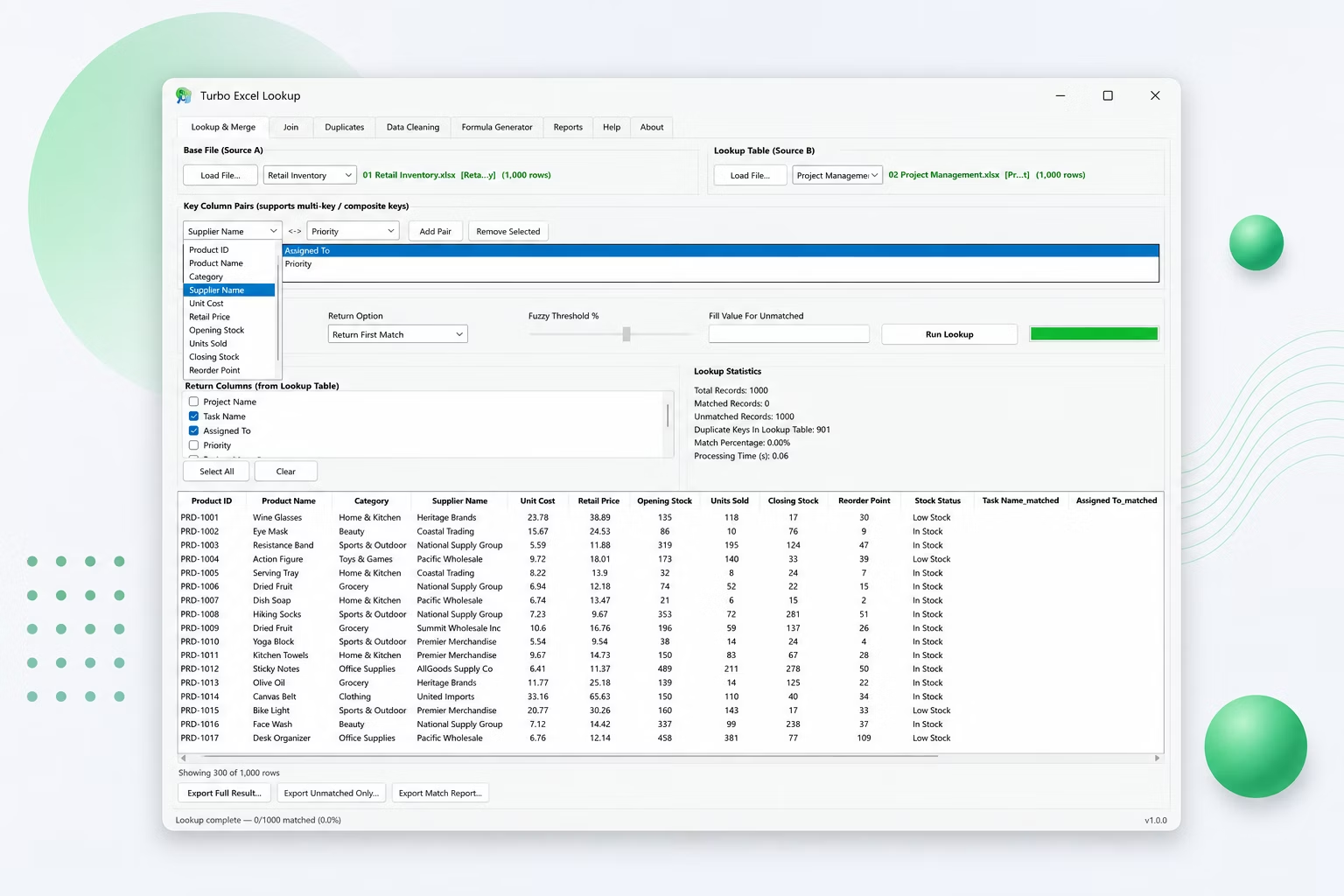
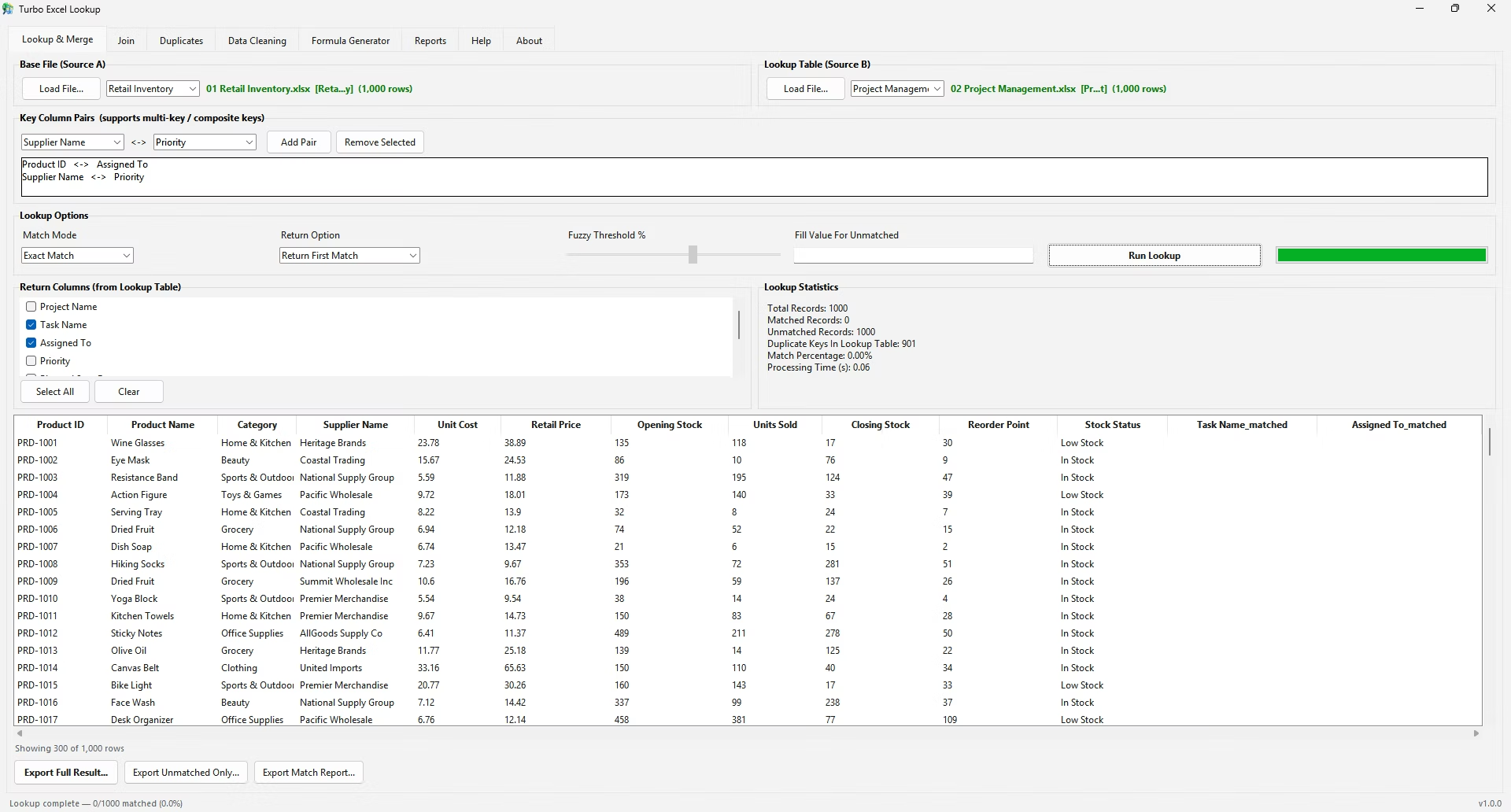
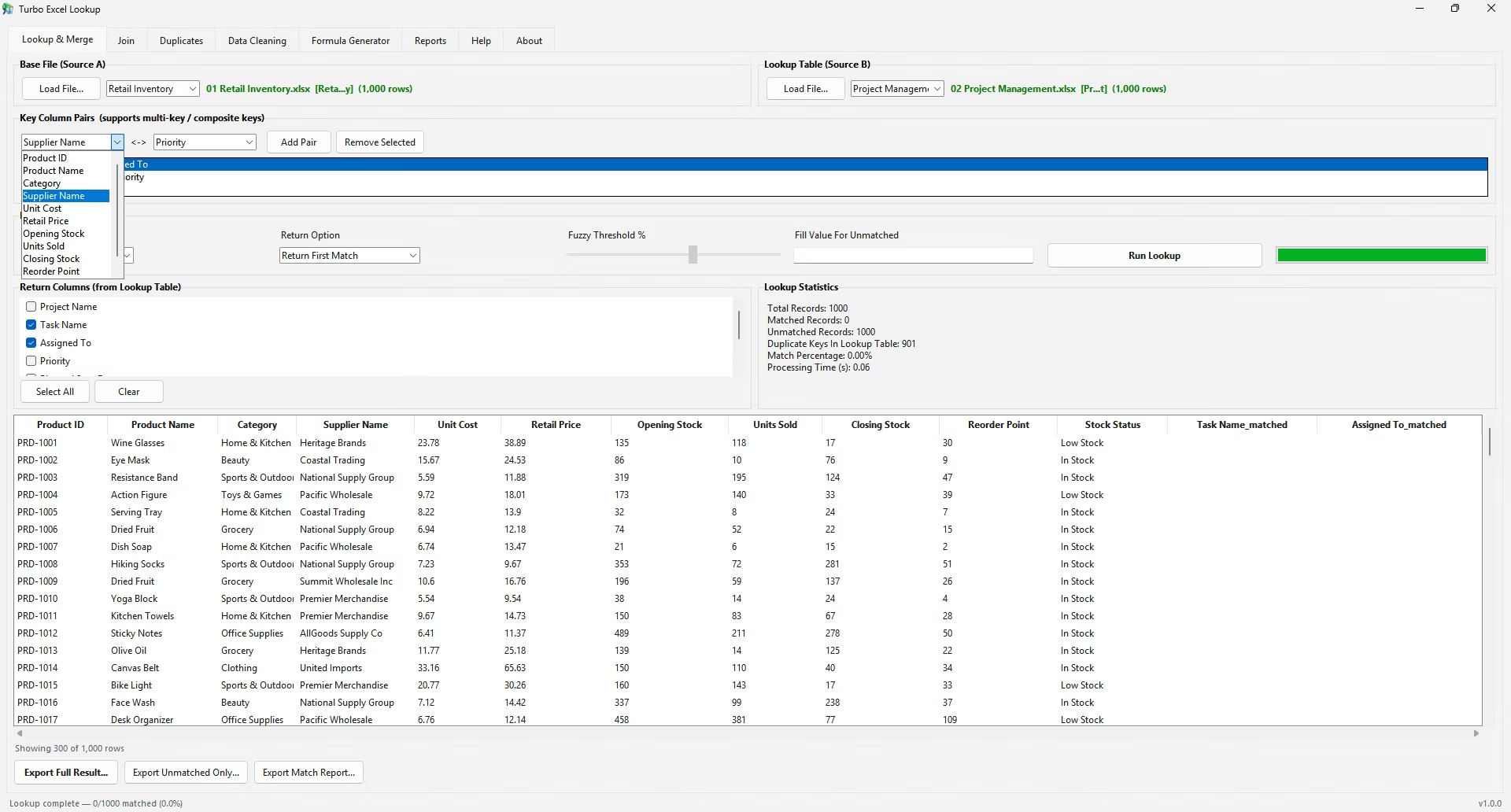
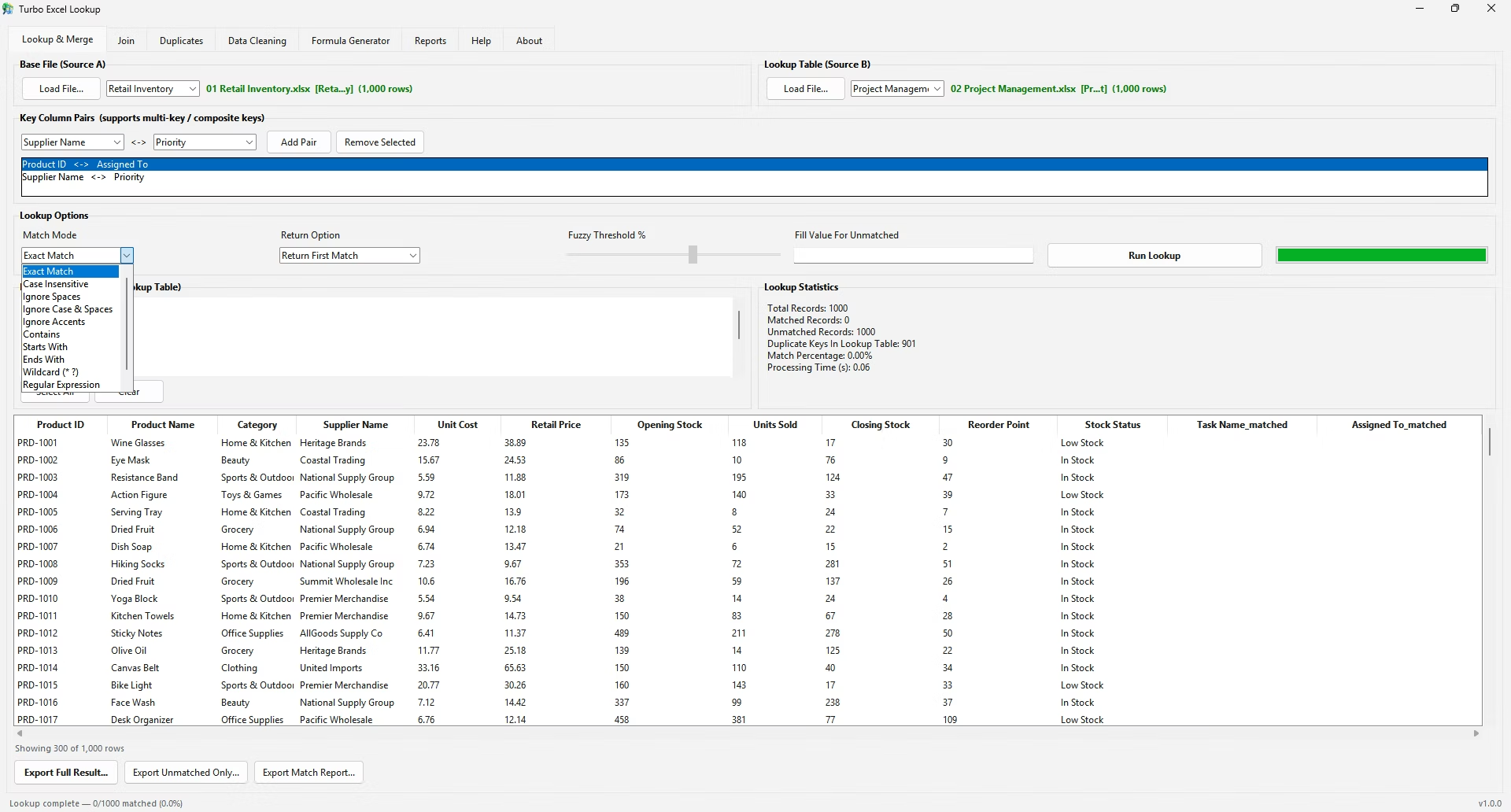
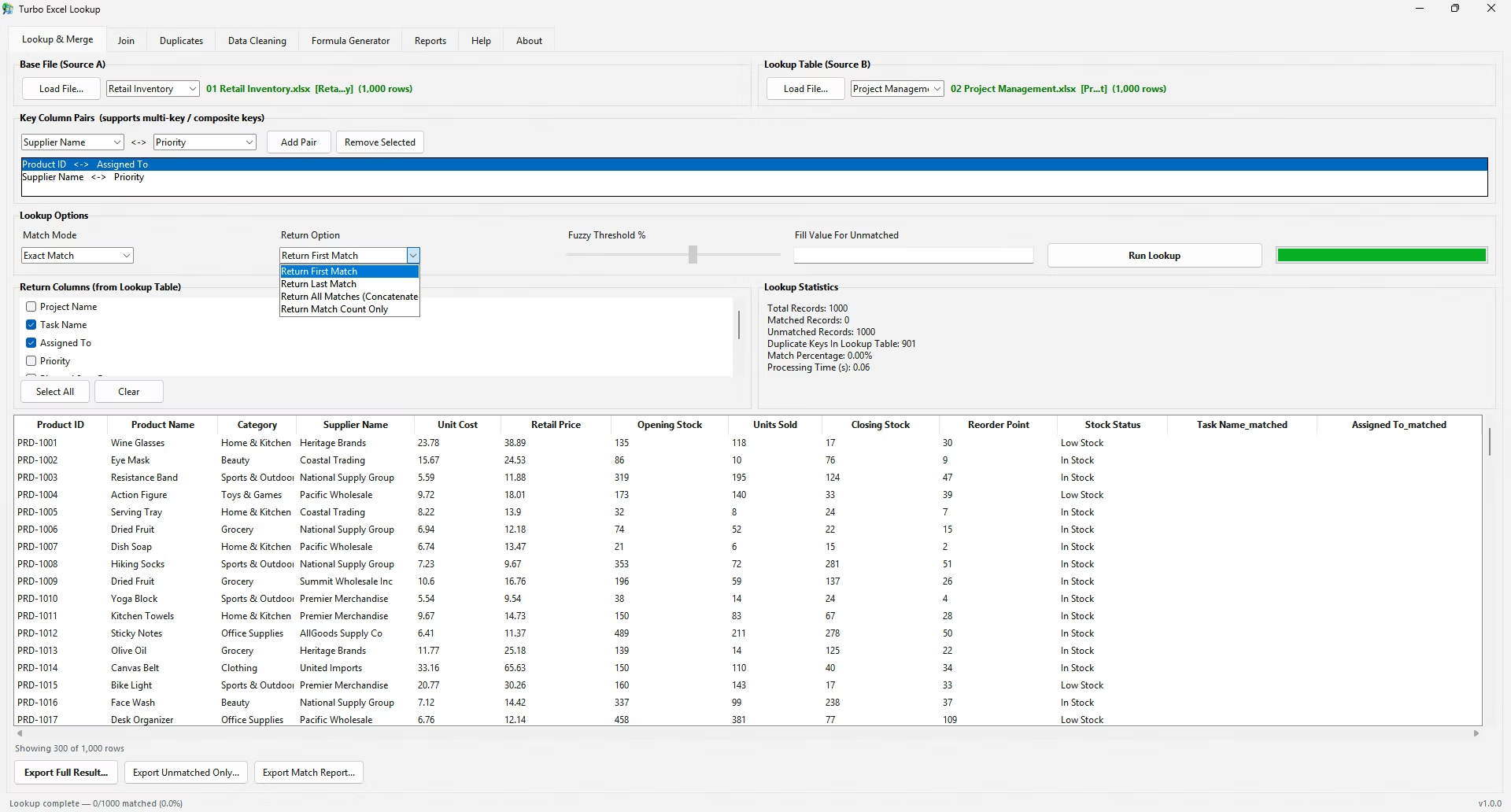
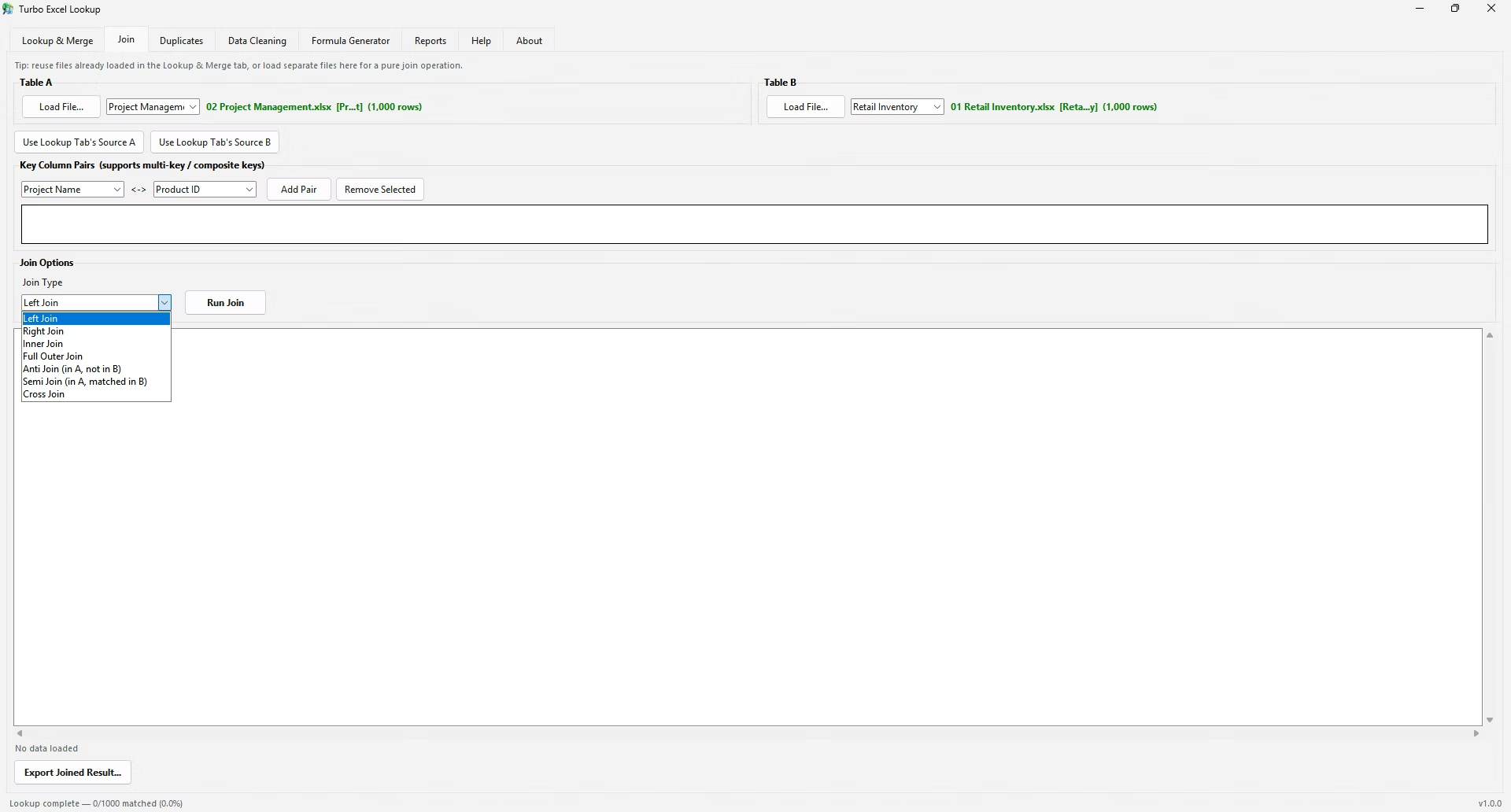
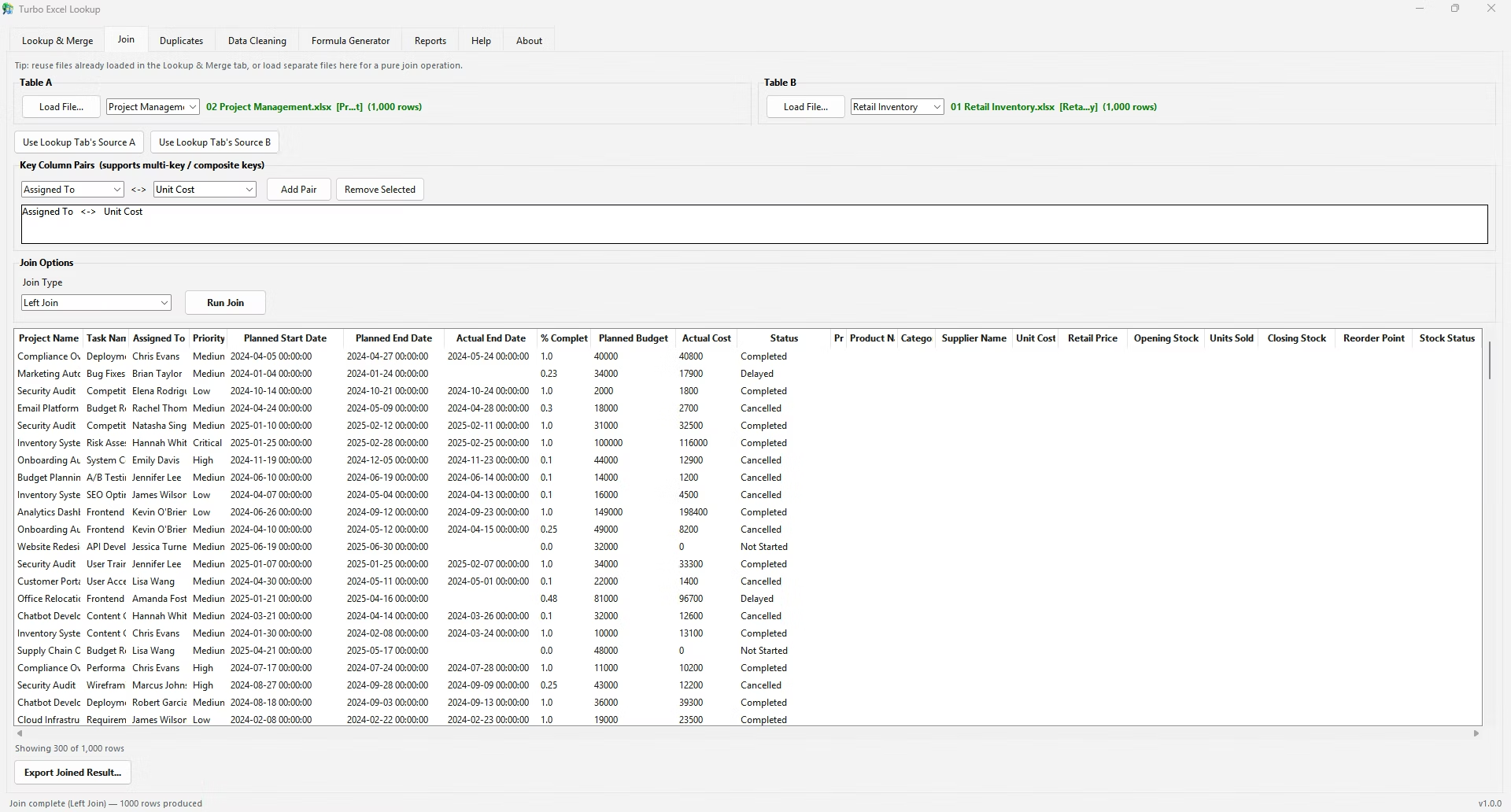
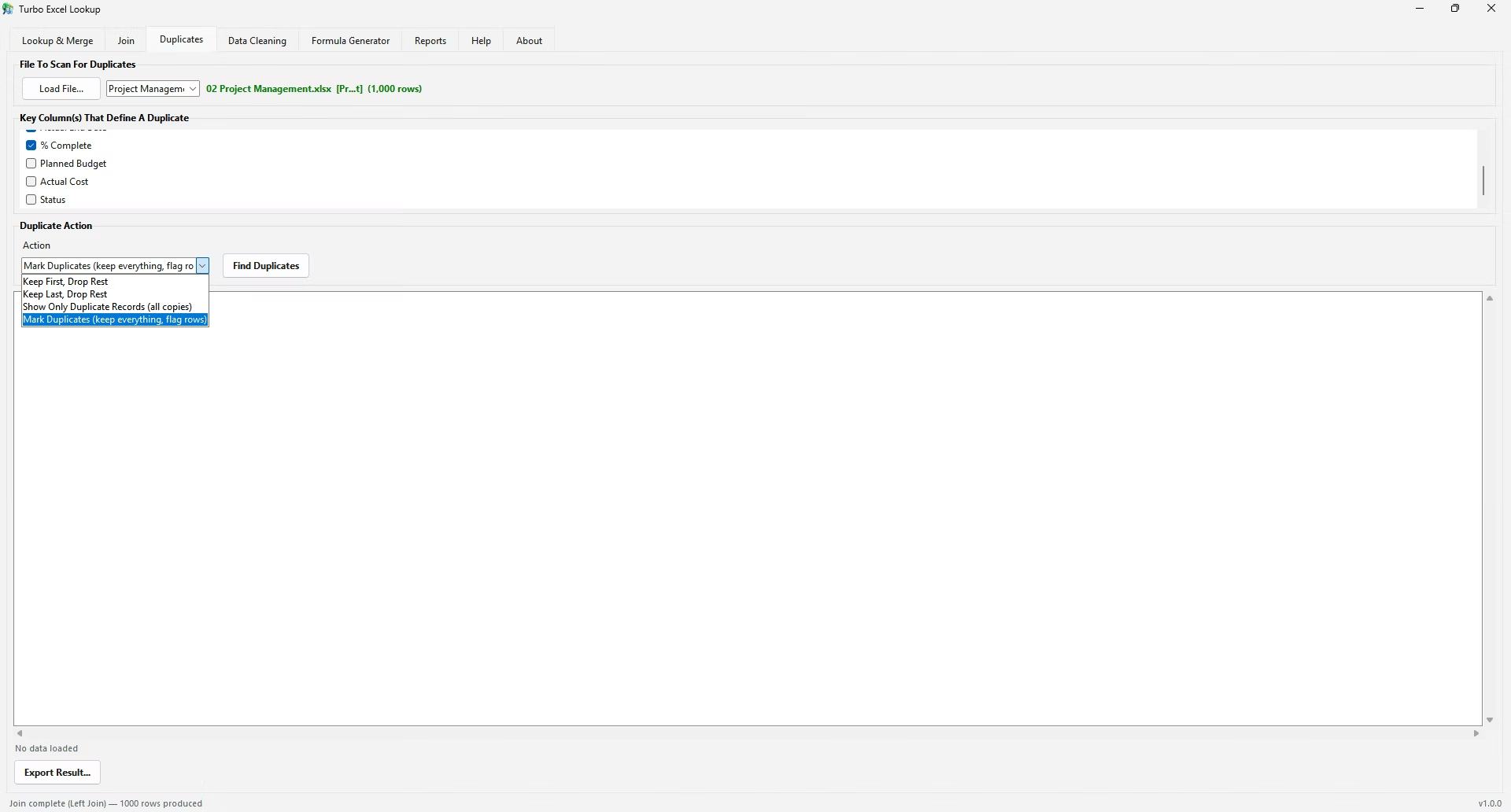
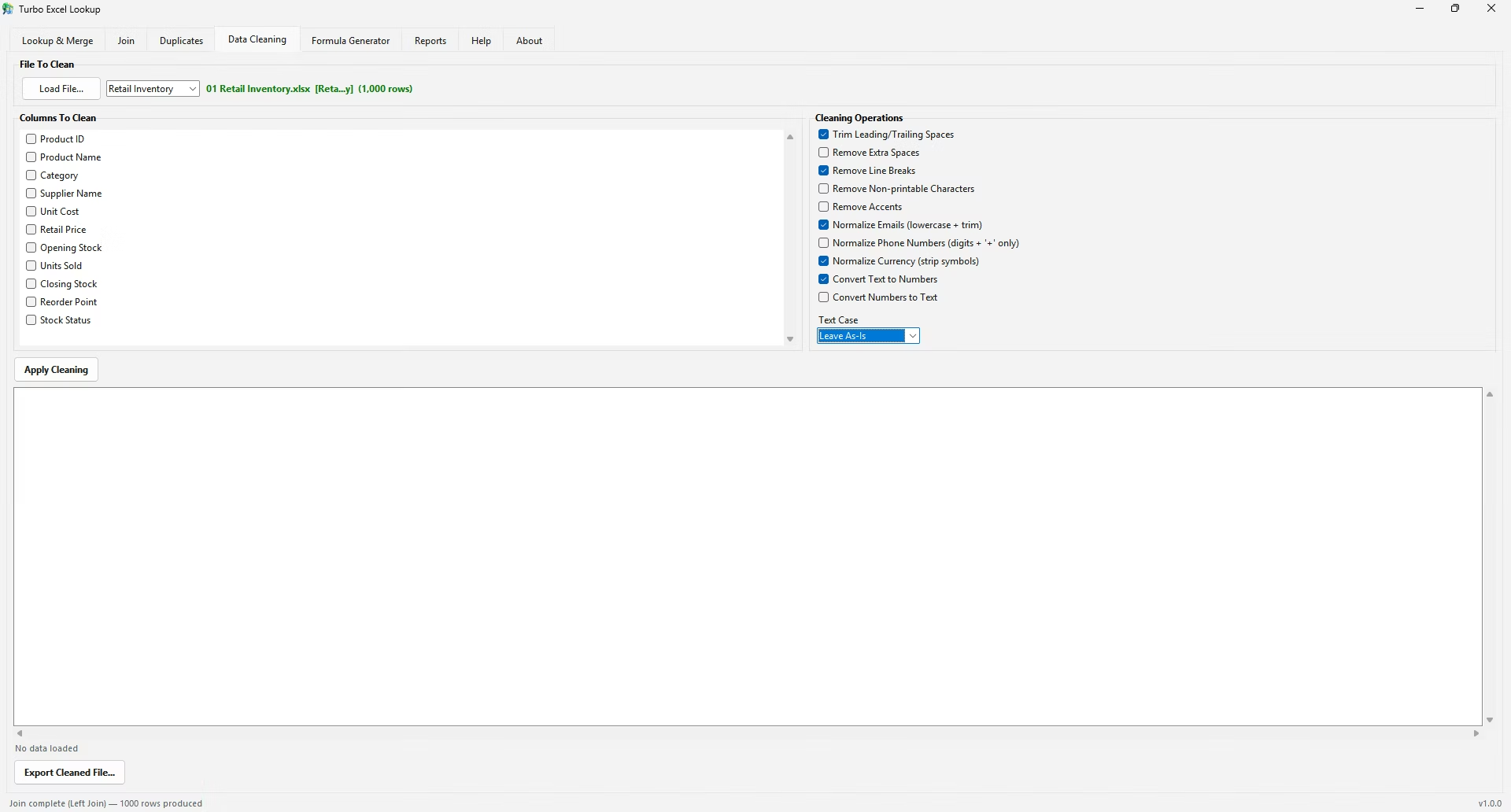
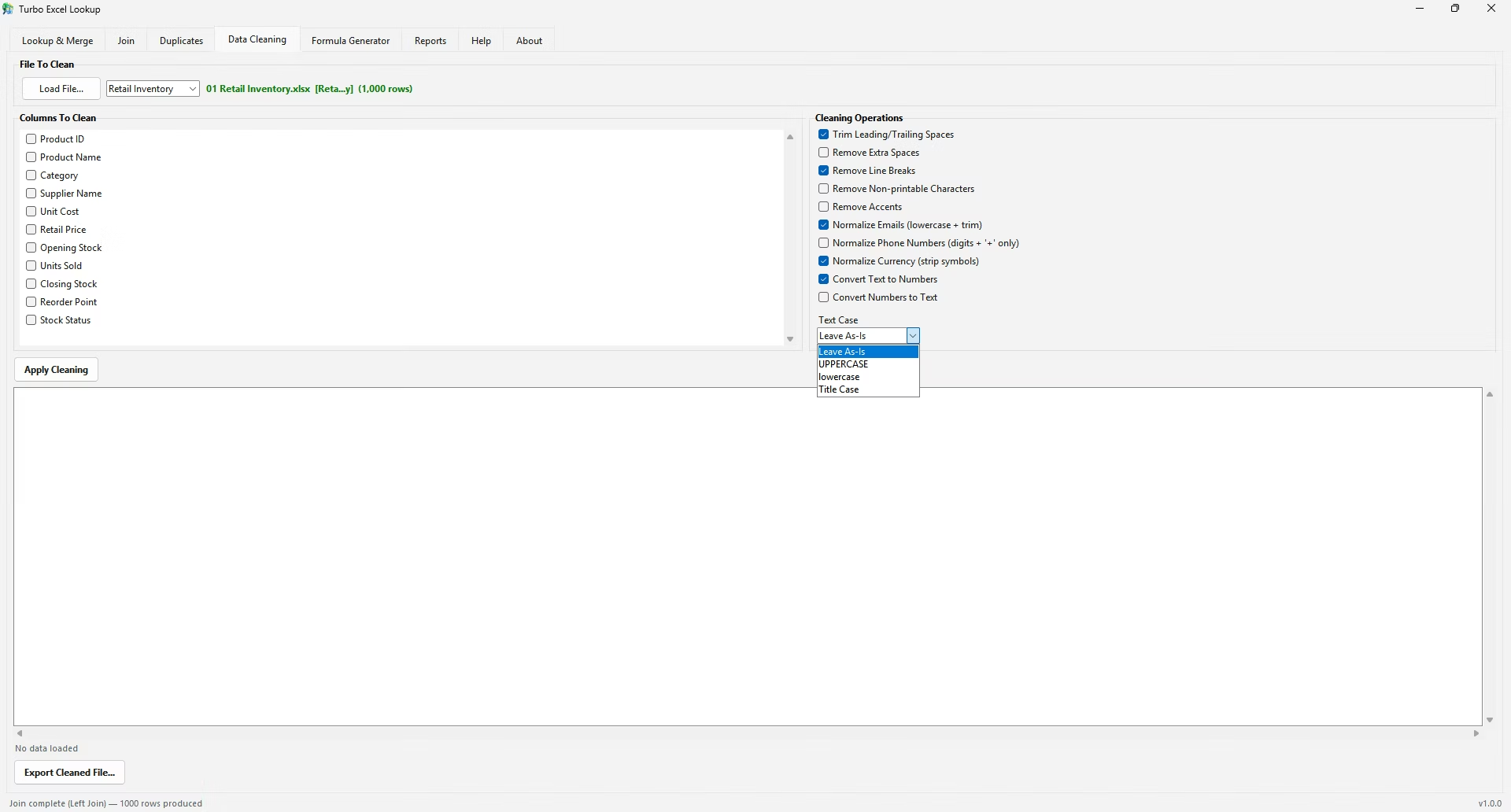
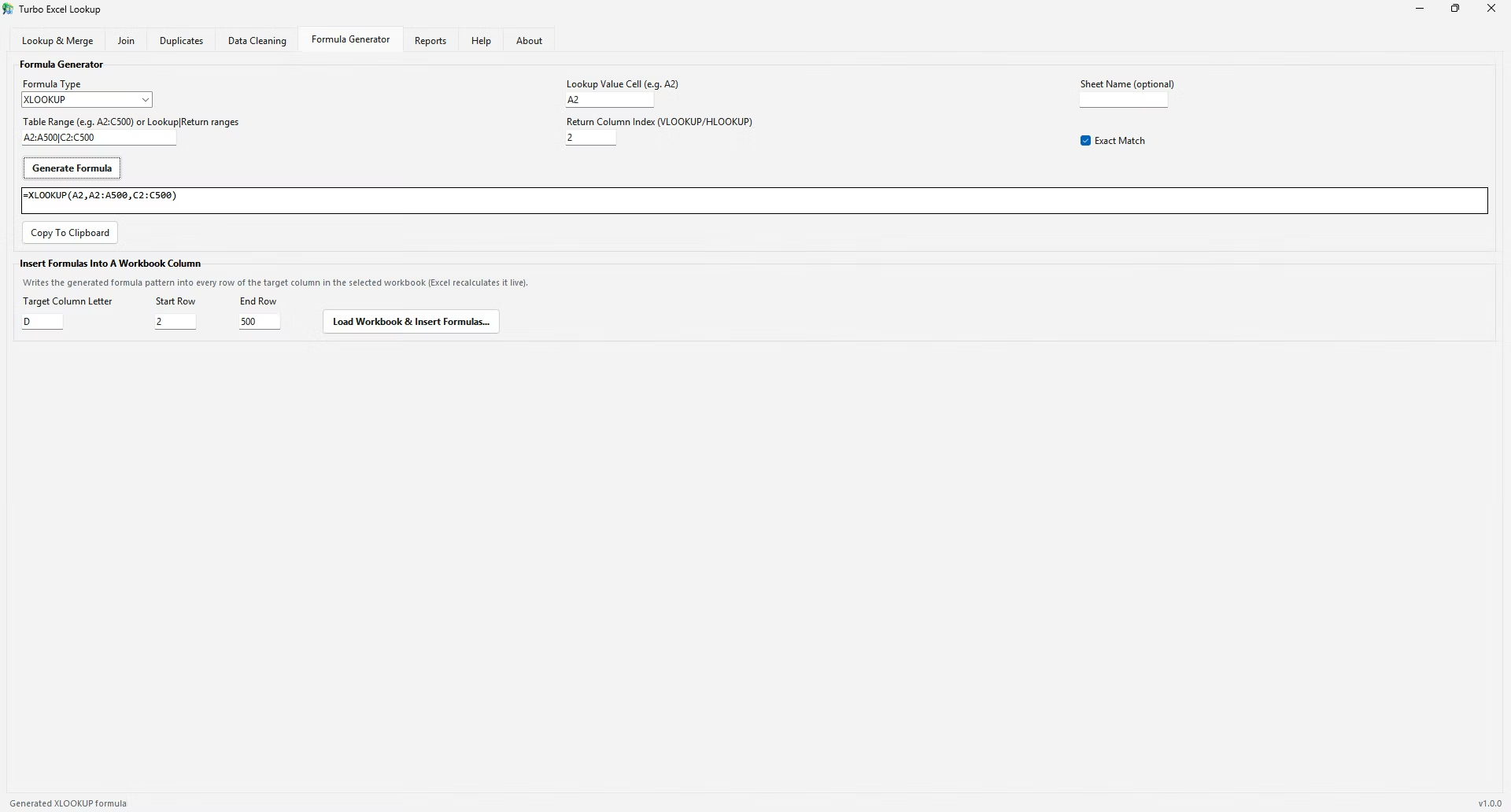
Turbo Excel Lookup sidesteps the VLOOKUP-vs-XLOOKUP decision entirely for one-off or bulk matching work: its Lookup & Merge tab already behaves like XLOOKUP in terms of column-order flexibility and multi-column returns, while working identically regardless of which Excel version is installed, since it's a standalone Windows application rather than a spreadsheet formula. For anyone who genuinely needs a native formula in the final workbook, the Formula Generator tab can produce either VLOOKUP or XLOOKUP syntax on demand, so the choice between them is made once, per use case, rather than being locked in by whichever Excel version happens to be installed.
Teams that decide to standardize on XLOOKUP going forward, rather than mixing it with existing VLOOKUP formulas, generally benefit from a brief transition period rather than a one-time mass conversion. New formulas can be written in XLOOKUP immediately, while existing VLOOKUP formulas in older, stable workbooks are often left alone unless they're actively causing problems, since converting a working formula purely for consistency introduces its own risk of a typo or a dropped argument.
For anyone rebuilding a workbook from scratch rather than incrementally maintaining it, Turbo Excel Lookup's Formula Generator offers a practical middle path: build the lookup logic visually first to confirm the matching is accurate, then use the generator to produce clean XLOOKUP formula text for the parts of the workbook that specifically need to stay live and recalculating.
If you only take one thing away from this comparison: use XLOOKUP when it's available and compatibility with older Excel versions isn't a concern, since its defaults are safer and its layout flexibility removes a common source of formula rework. Use VLOOKUP when a file needs to be broadly compatible. And reach for a tool like Turbo Excel Lookup when the actual bottleneck is messy, inconsistent text rather than the choice of function, since neither VLOOKUP nor XLOOKUP solves that problem on their own.
Neither function has a meaningful difference in the file size it adds to a workbook, since both store as a single formula string per cell. Performance differences are generally minor for typical dataset sizes, though XLOOKUP's ability to avoid whole-table references in favor of single-column ranges can give it a slight edge in very large, formula-heavy workbooks where every bit of recalculation overhead adds up across thousands of cells.
Neither function is universally superior - the right choice depends on Excel version compatibility, layout flexibility needs, and how the workbook will be shared. When the real obstacle is messy data rather than function choice, a tool designed specifically for tolerant matching is worth considering alongside either formula.
Is XLOOKUP simply a better version of VLOOKUP?
In most respects yes, but it isn't available in Excel 2019 and earlier, so VLOOKUP remains necessary for compatibility with older files and installations.
Does XLOOKUP run faster than VLOOKUP?
Generally XLOOKUP is comparable or slightly faster since it doesn't scan an entire table array, but the difference is usually only noticeable on very large sheets.
Can I convert existing VLOOKUP formulas to XLOOKUP automatically?
Excel doesn't offer a built-in converter, though Turbo Excel Lookup's Formula Generator can build a fresh XLOOKUP formula for the same lookup if you provide the cell and range references.
Which one handles messy, inconsistent text better?
Neither handles it natively - both require exact character matches by default. Turbo Excel Lookup's Ignore Spaces, Ignore Case, and Fuzzy match modes are built specifically for that gap.
Should I convert all my existing VLOOKUP formulas to XLOOKUP?
Not necessarily - if the existing formulas work correctly and the file doesn't need to be opened in older Excel versions, converting purely for consistency isn't usually worth the risk of introducing a new error.
Is there a bulk way to convert VLOOKUP formulas to XLOOKUP?
Excel doesn't offer a built-in bulk converter; each formula would need to be rewritten individually, which is one reason many workbooks end up with a mix of both functions over time.
What's the one-sentence takeaway for choosing between these two functions?
Use XLOOKUP when it's available and compatibility isn't a concern; use VLOOKUP when broad Excel-version compatibility matters more than convenience.
Does choosing XLOOKUP over VLOOKUP reduce file size?
No, both store as a similar-length formula string per cell, so file size isn't meaningfully affected by which function is chosen.
Ready to stop fighting #N/A errors and match your spreadsheets visually?