VLOOKUP Excel Converter is what Turbo Excel VLookup was built for: automate your lookup tasks, without opening the formula bar or worrying about column counting, exact-match arguments, or broken external references.
The sections below cover how the matching process works, what's included, who it tends to fit best, and how it compares to writing the equivalent VLOOKUP formula by hand, so you can decide quickly whether it fits your own spreadsheets.
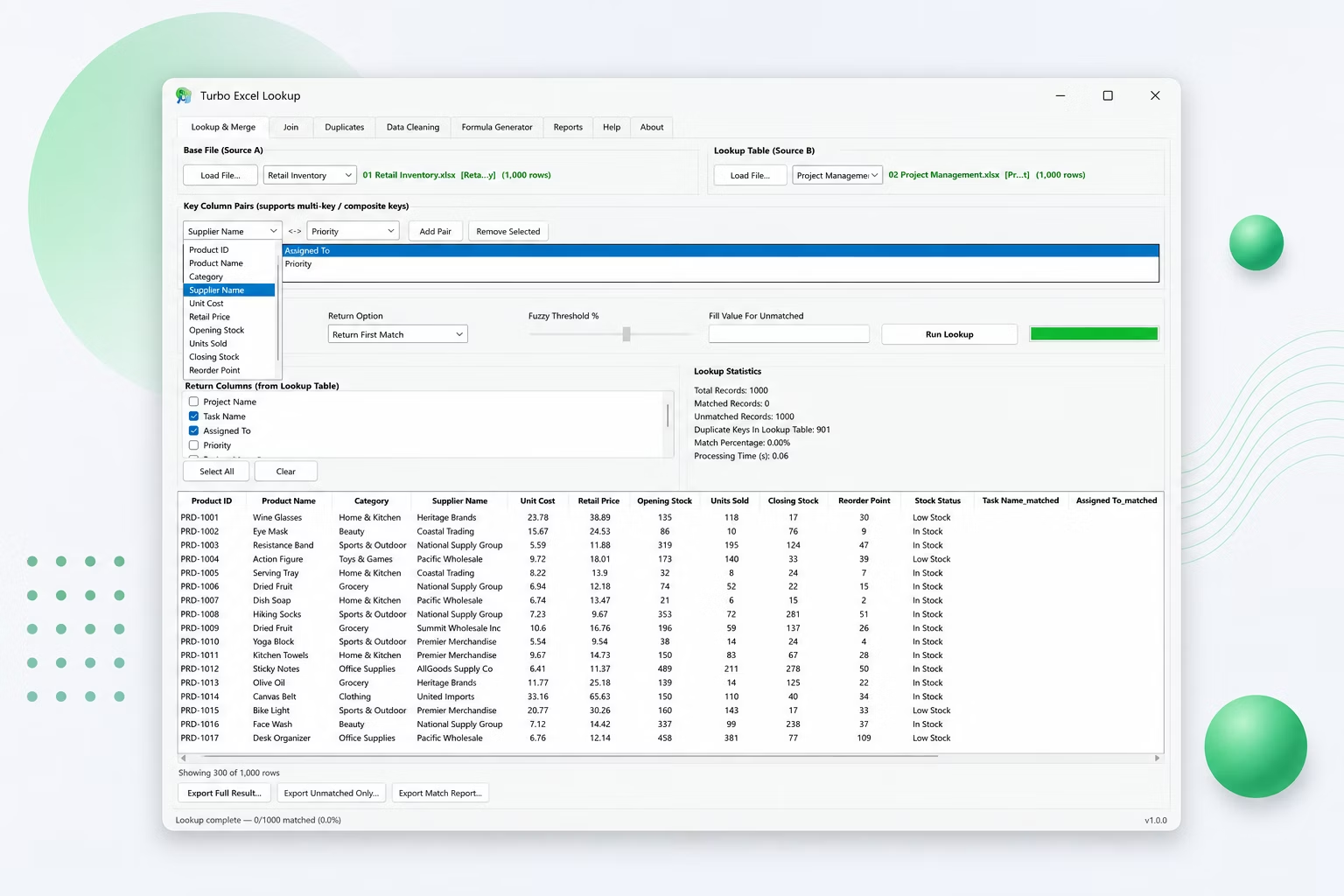
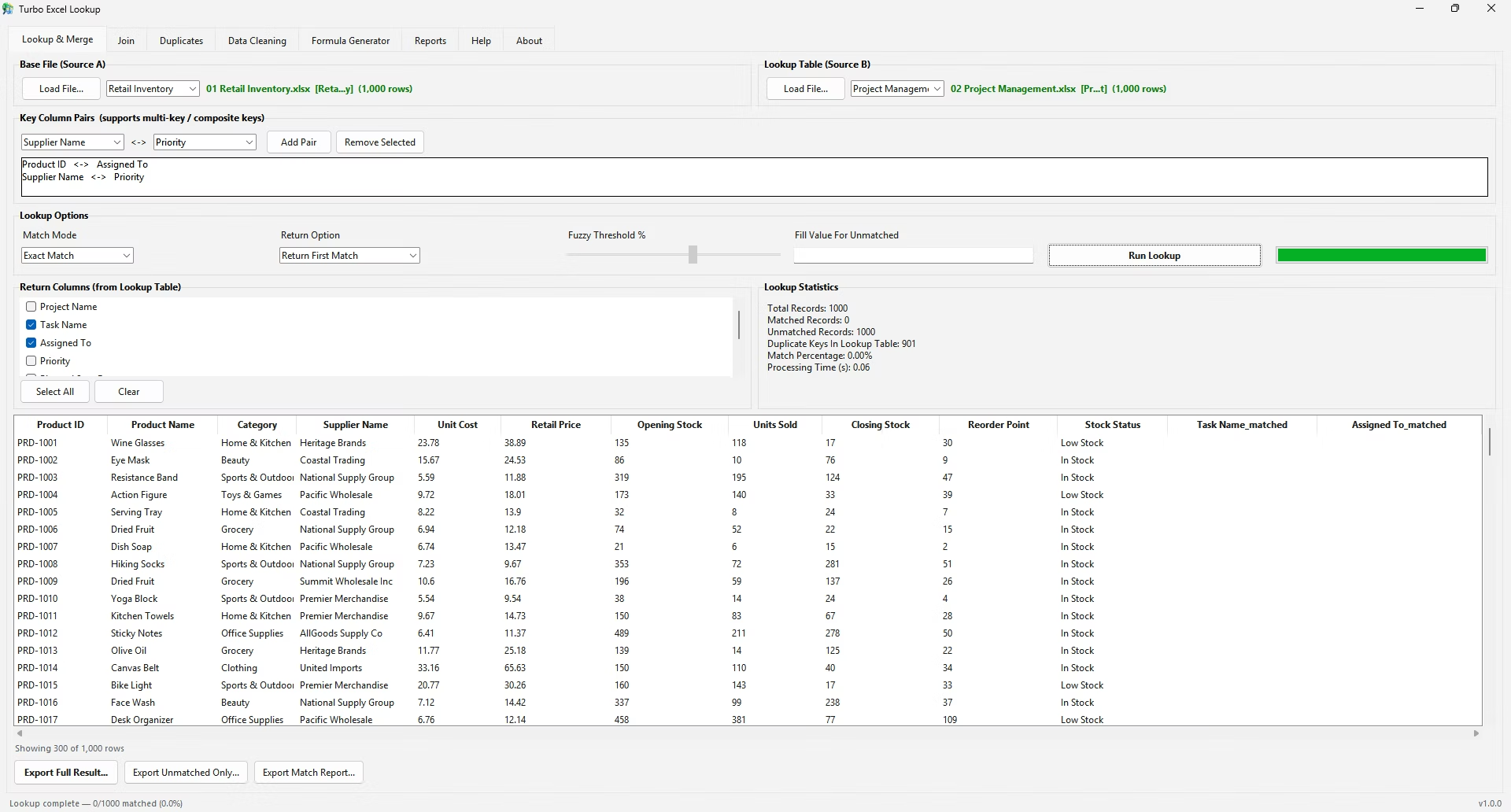
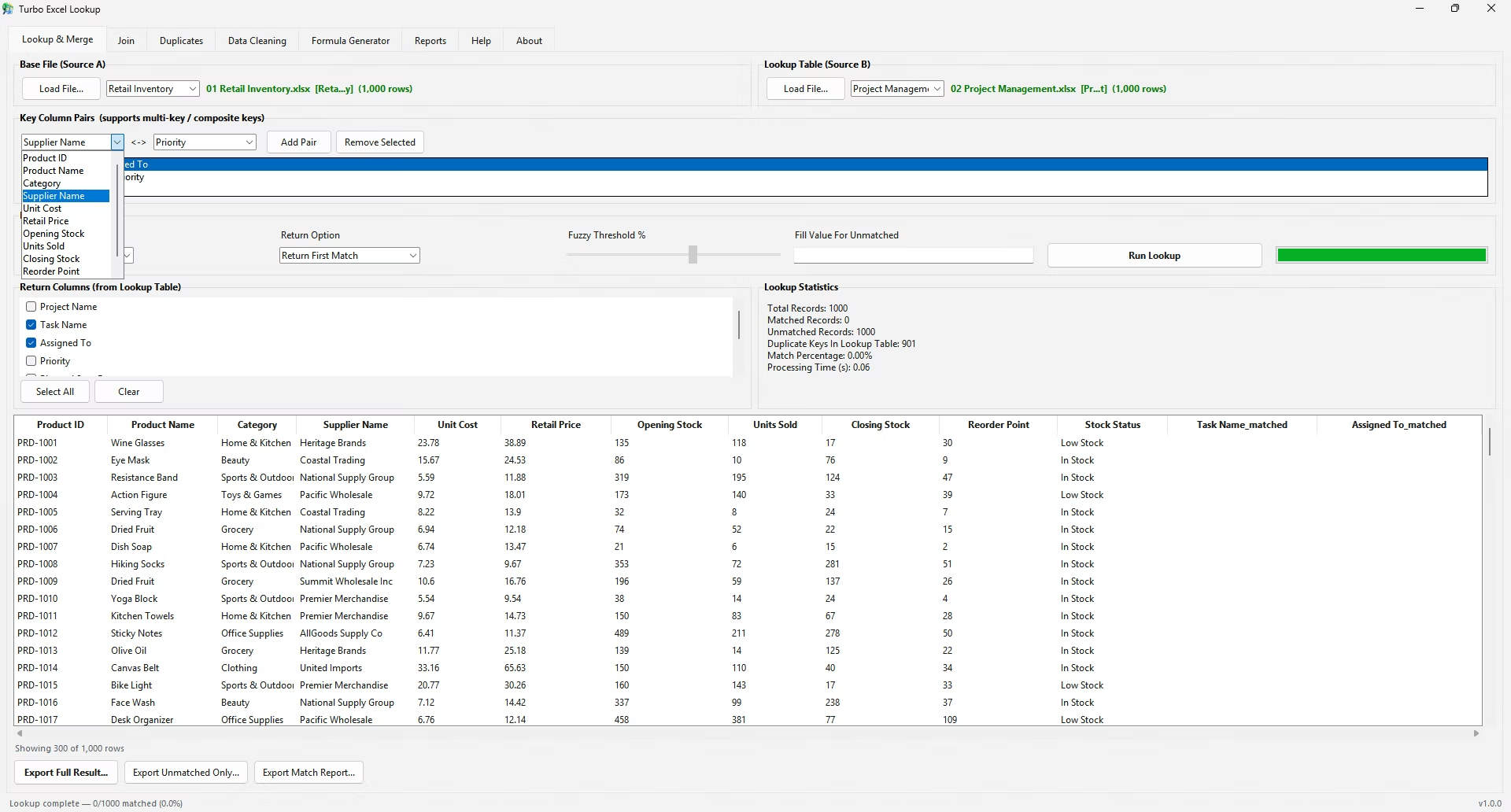
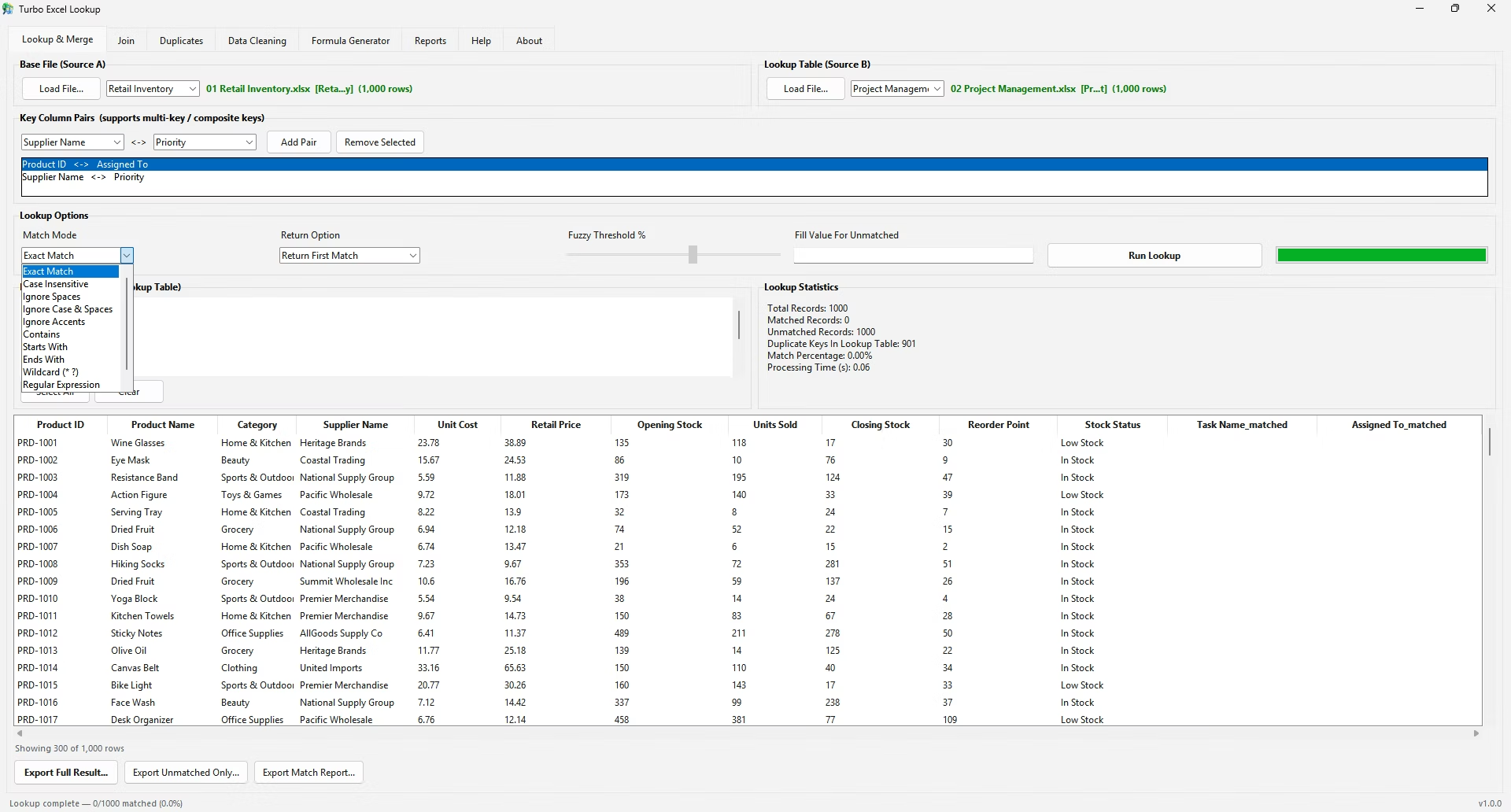
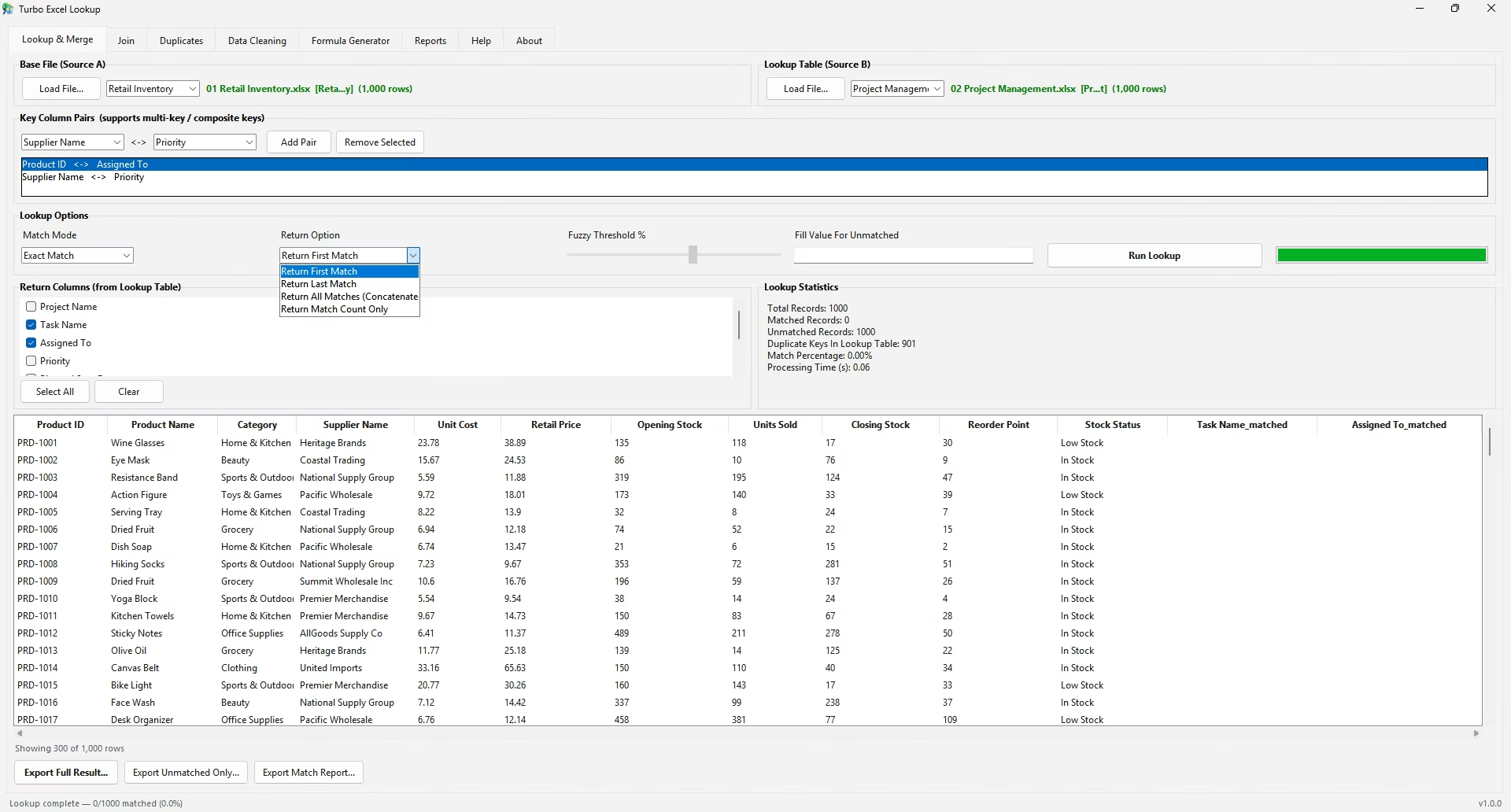
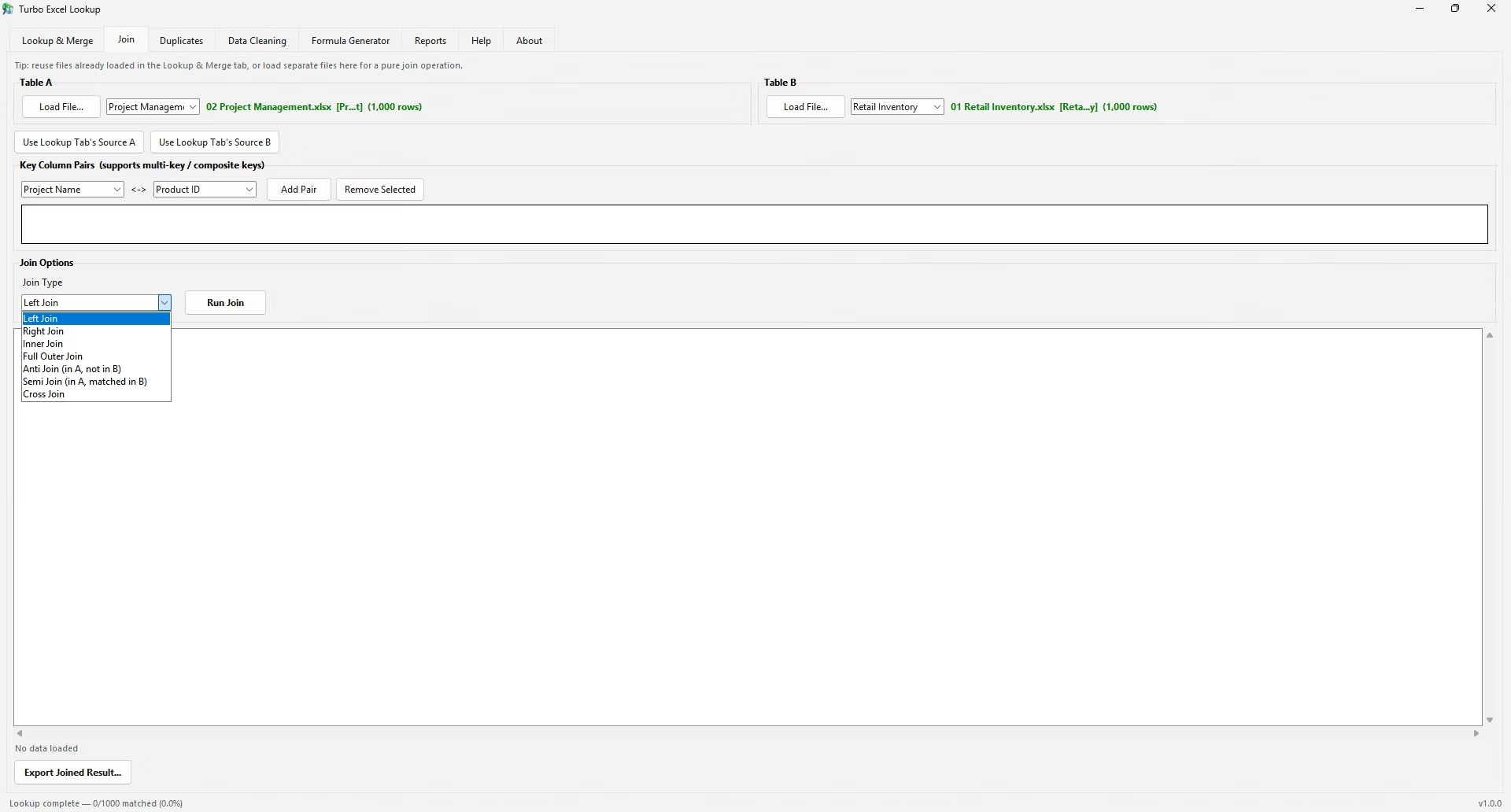
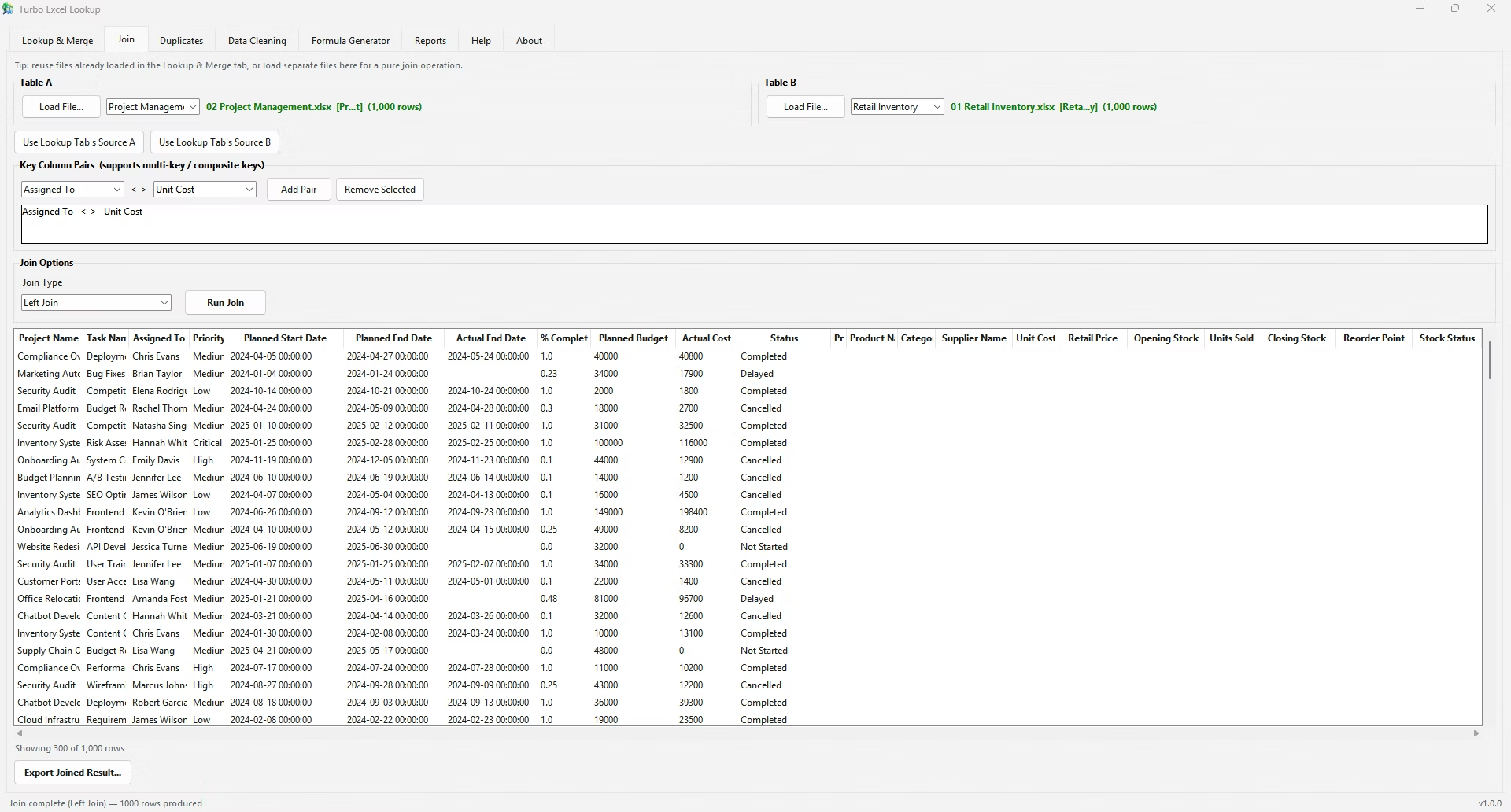
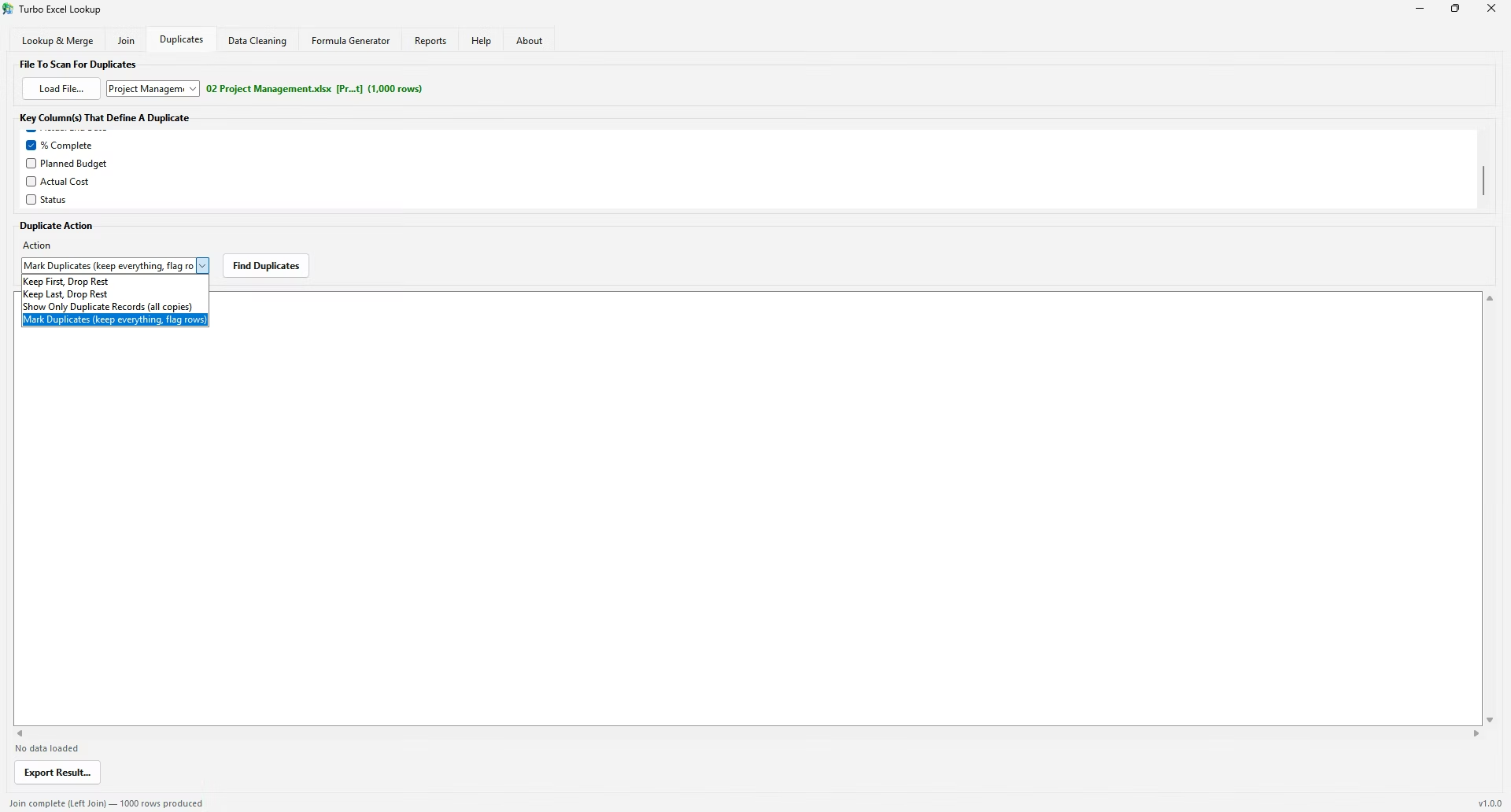
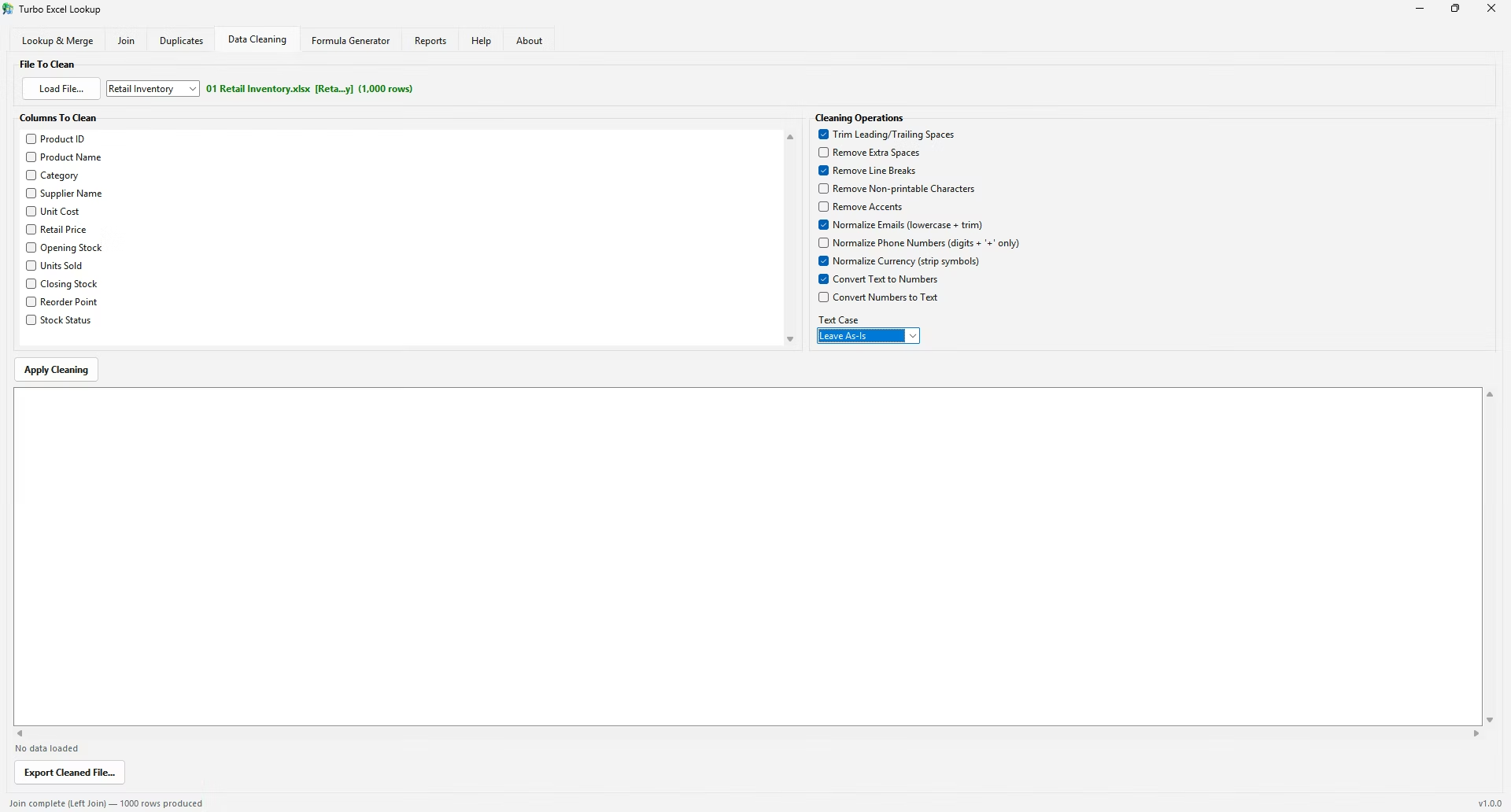
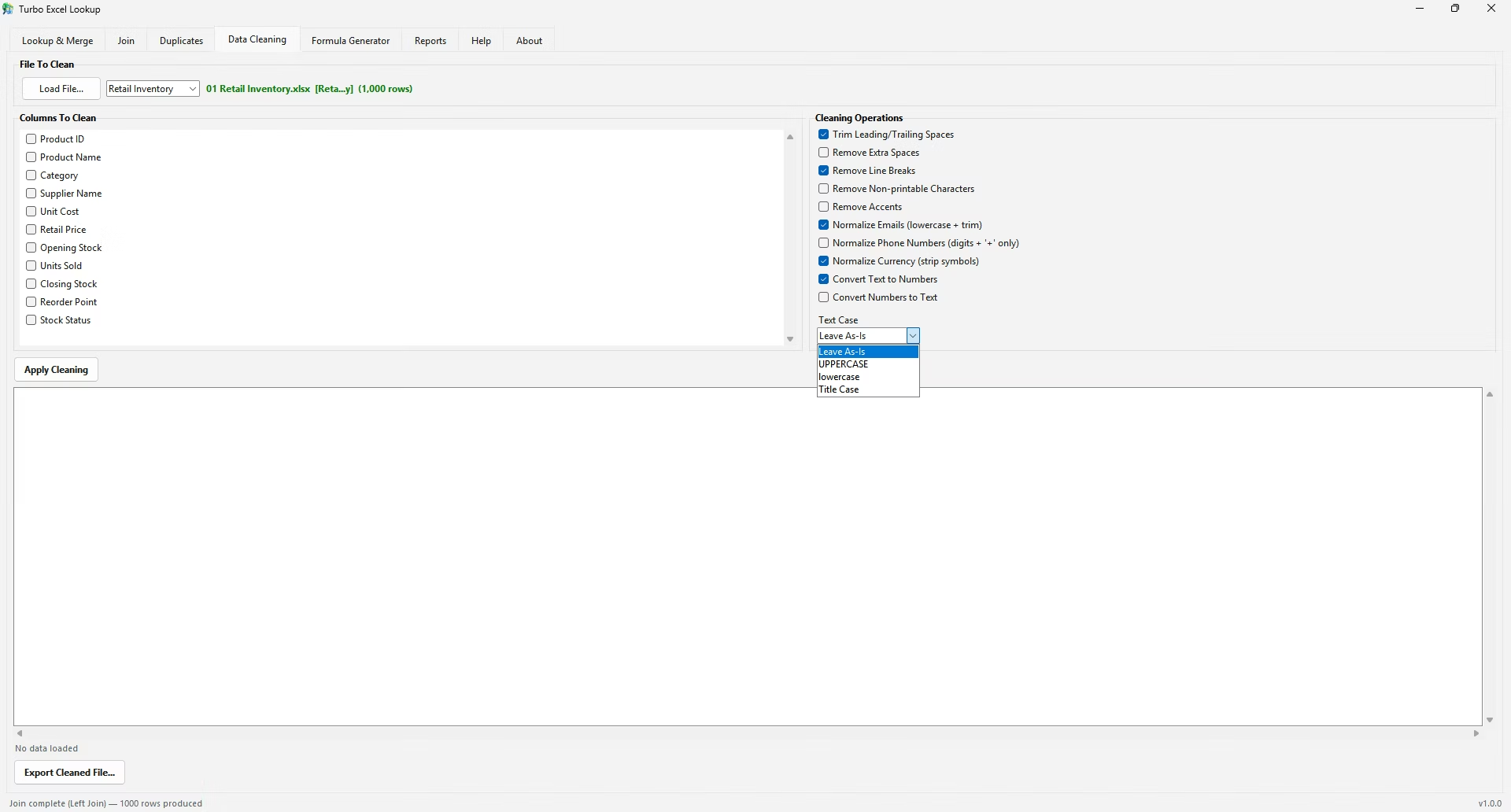
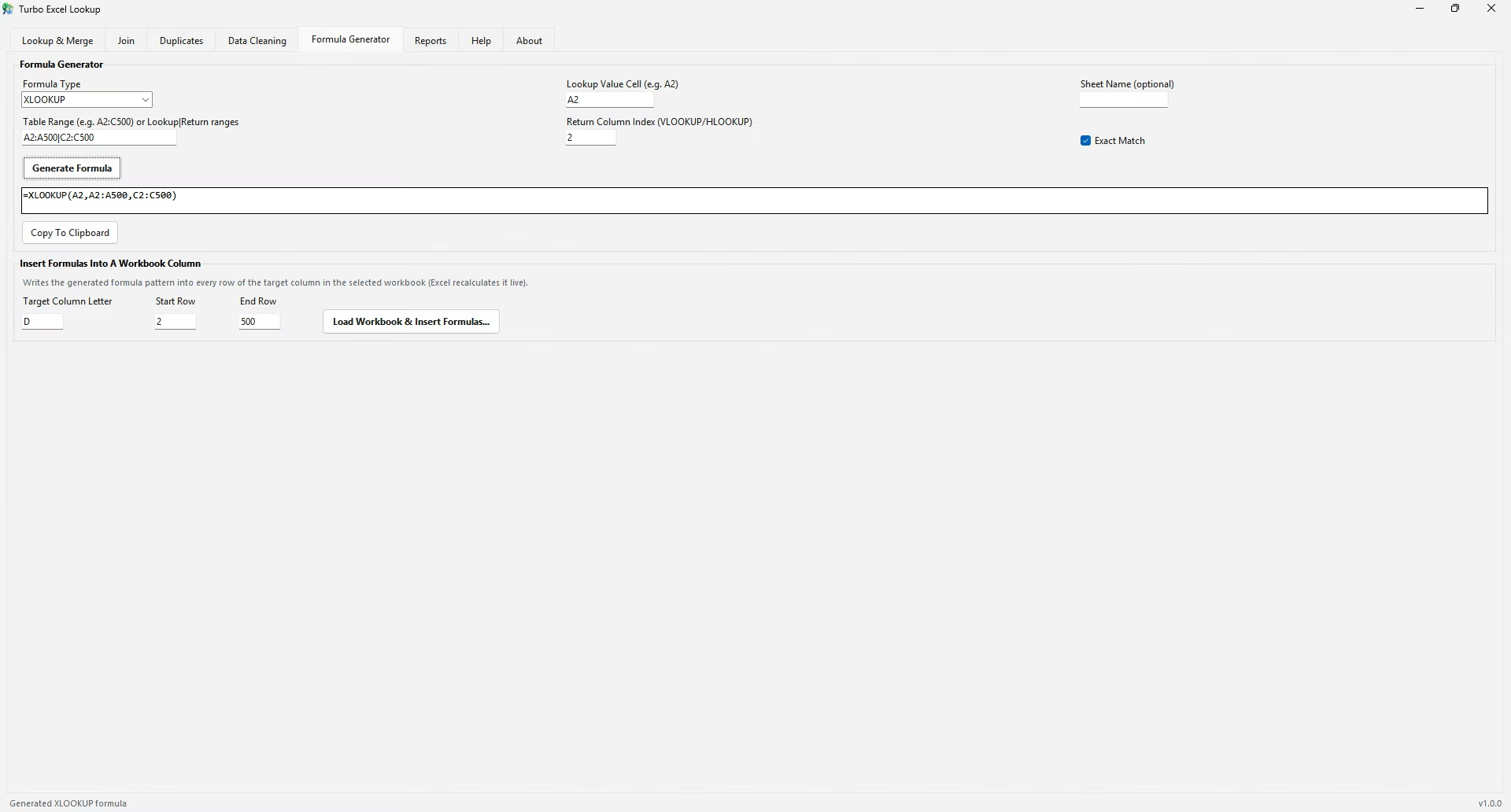
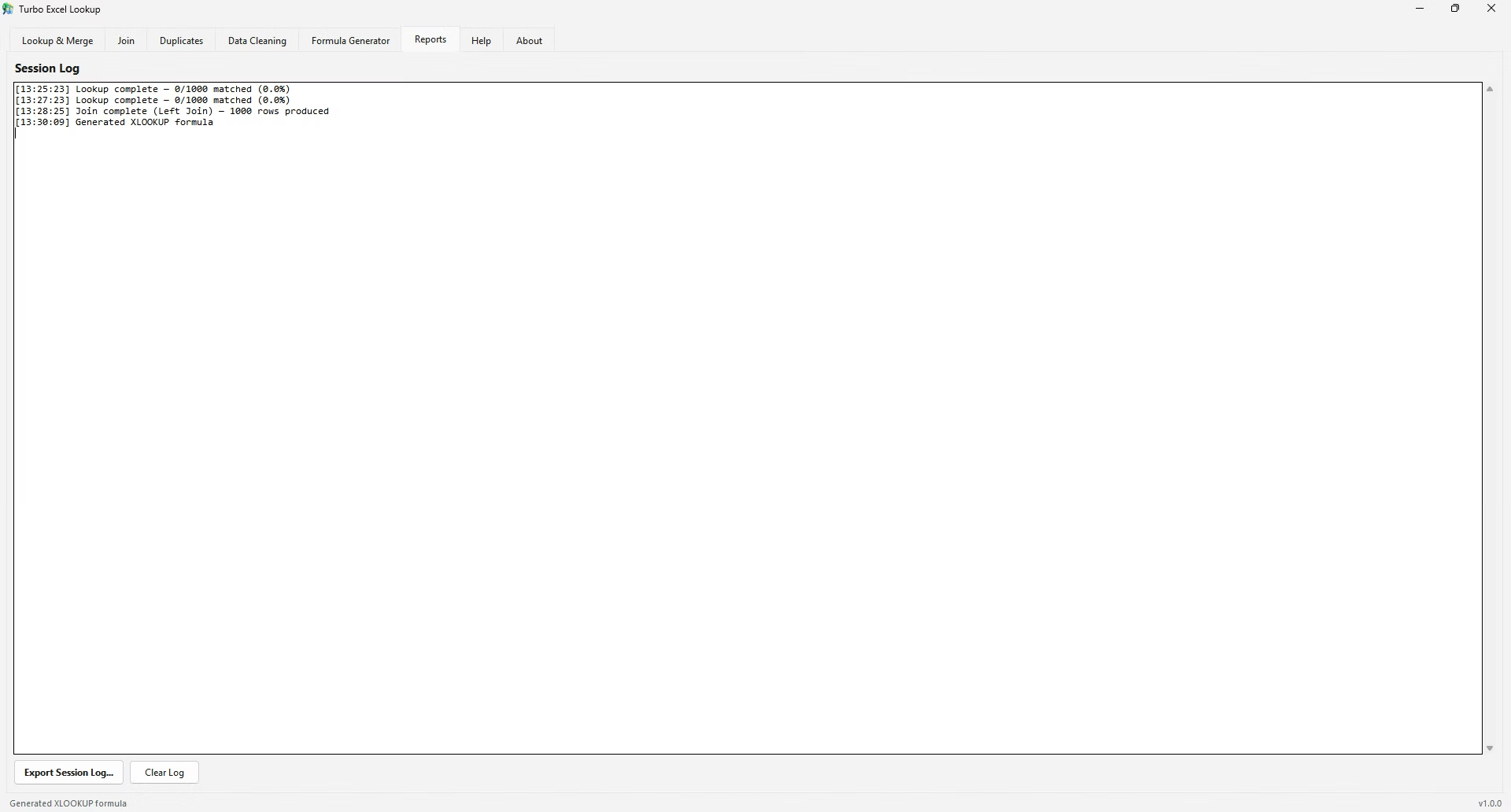
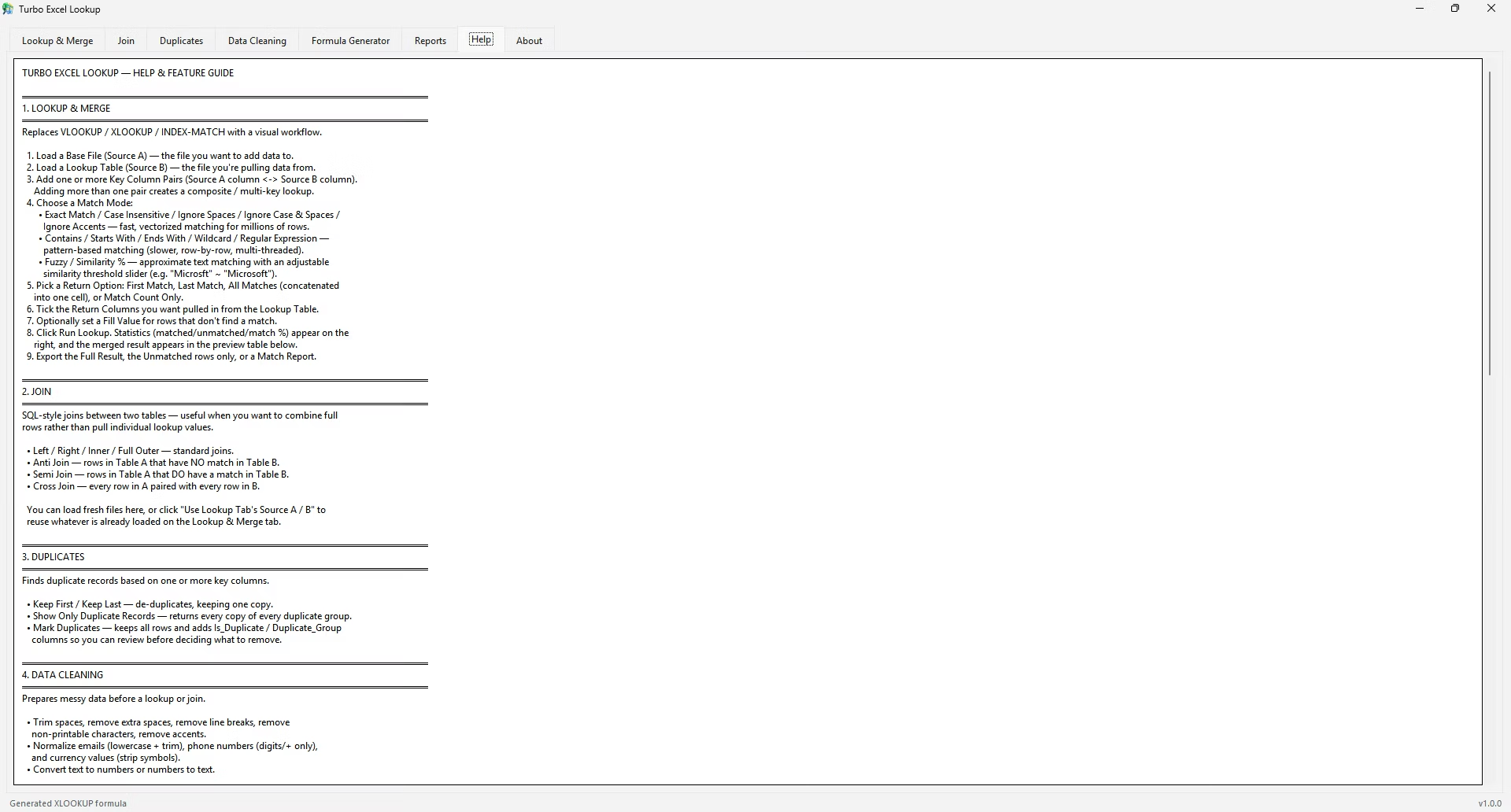
- Point the app at your two Excel files - no need to open either one manually first.
- Pick the Key Column Pair that identifies matching rows between the two files.
- Choose the return columns, and optionally add more than one key column for a composite match.
- Preview the match statistics, including how many rows matched and how many didn't.
- Export the merged result, ready to use without a single formula left in the file.
Matching still comes down to the same basic idea as a manual VLOOKUP - given an ID in this table, find the related value in another file:
| Employee ID | Name | Department | Salary |
|---|---|---|---|
| E101 | Asha Rao | Marketing | 54000 |
| E102 | Vikram Shah | Finance | 61000 |
| E103 | Priya Nair | Sales | 48000 |
Instead of writing =VLOOKUP("E102", A2:D4, 3, FALSE), the same result comes from picking the Employee ID column in each file from a dropdown and ticking Department as a return column.
- Convert raw lookup results into a clean XLSX, CSV, or TSV file
- No formulas left behind in the output file - just finished values
- Handles text, number, and date-formatted key columns automatically
- Preview results before exporting anything
- Works with files exported from other systems, not just native Excel workbooks
Teams that regularly receive lookup data in one format and need it converted into a finished spreadsheet - pricing sheets, contact lists, code-to-description mappings - use this to skip the manual conversion step entirely.
It's also useful for anyone who inherited a spreadsheet full of formulas from someone else and just wants a clean, static file with the same results.
A VLOOKUP formula produces a live, formula-driven result that recalculates every time the source data changes - useful in some cases, but often unnecessary once a lookup only needs to be done once. Converting the result to static values afterward is an extra step that this tool skips entirely by producing a plain output file from the start.
The most common reason a first conversion needs a redo is a header row mismatch - if one file's headers start on row 1 and the other's start on row 2, the column dropdowns will show the wrong labels. Checking that both files have a single, consistent header row before loading them avoids this entirely.
It's also worth trimming stray blank rows at the top or bottom of either file beforehand, since a fully blank row can sometimes get counted as a data row.
Does the output file contain any formulas at all?
No, the exported file contains plain matched values, not formulas.
Can I choose the output format?
Yes, results can be exported as XLSX, CSV, or TSV depending on what your workflow needs.
Does the source file need to stay open while matching runs?
No, both files are loaded directly by the app and don't need to remain open in Excel.
What happens to rows that don't find a match?
Unmatched rows are clearly reported in the match statistics rather than silently left blank or causing an error.
Is a Gumroad license required to use the full feature set?
Yes, a license key activates the full version; activation details are covered on the Support and Activate pages.
Can the same match be re-run later on updated files?
Yes, the same column mapping can be reused any time the source files are refreshed with new data.
Does it work with very large spreadsheets?
Yes, the matching engine is built with parallel processing to handle large files without slowing down.
Is any coding or macro knowledge required?
No, the entire process is handled through a point-and-click interface with no code involved.
Does this replace VLOOKUP entirely, or work alongside it?
It can be used instead of writing a VLOOKUP formula, or alongside existing formulas in the same workbook - there's no conflict either way.
What file formats are supported?
XLSX, XLS, and CSV files are supported for both input and output.
Can I undo a match if the wrong columns were selected?
Yes, since the original files aren't modified in place, simply reload them and run the match again with corrected column selections.
Ready to stop fighting #N/A errors and match your spreadsheets visually?