VLOOKUP works almost identically in Google Sheets and Excel - the four arguments are exactly the same, and formulas copy over cleanly between the two in most cases. The differences that do exist are mostly around referencing data in another spreadsheet file and a couple of small syntax quirks.
This page covers the formula itself using a product table, then the Google Sheets-specific parts worth knowing.
| SKU | Product Name | Category | Price |
|---|---|---|---|
| SKU-2201 | Wireless Mouse | Electronics | 699 |
| SKU-2202 | Desk Lamp | Home | 899 |
| SKU-2203 | Notebook Pack | Stationery | 150 |
Just like Excel, referencing a different sheet within the same file uses an exclamation mark:
This is where Google Sheets differs most from Excel - there's no direct cross-file range reference. Instead, IMPORTRANGE first has to pull the external sheet's data into the current file:
Once IMPORTRANGE brings the data in (and access is granted the first time it runs), VLOOKUP can be applied to that imported range as if it were local data.
Google Sheets is somewhat stricter about matching text vs number formatting between the lookup value and the lookup column than Excel is - a numeric-looking ID stored as text often needs to be converted with VALUE() or TEXT() to match consistently.
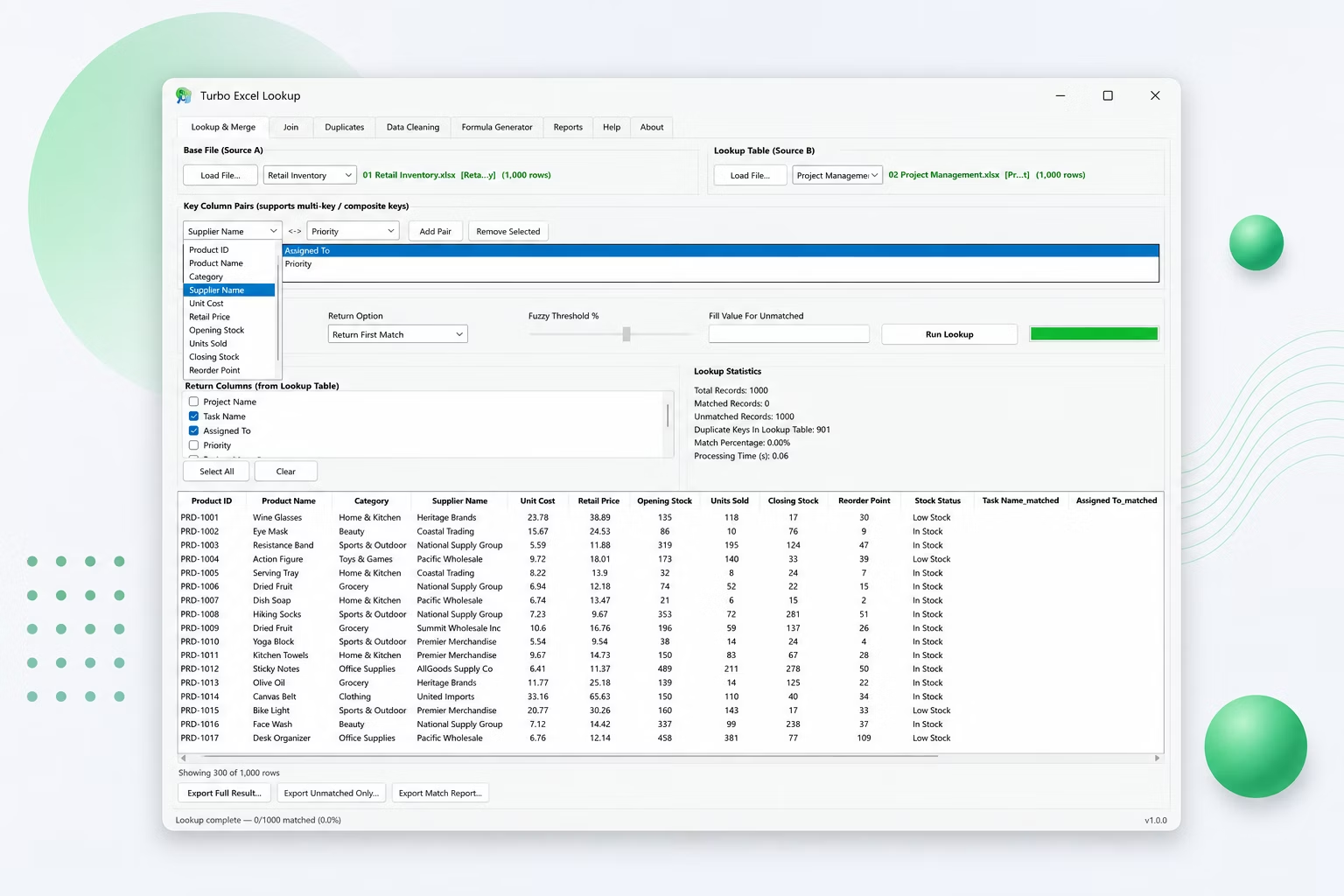
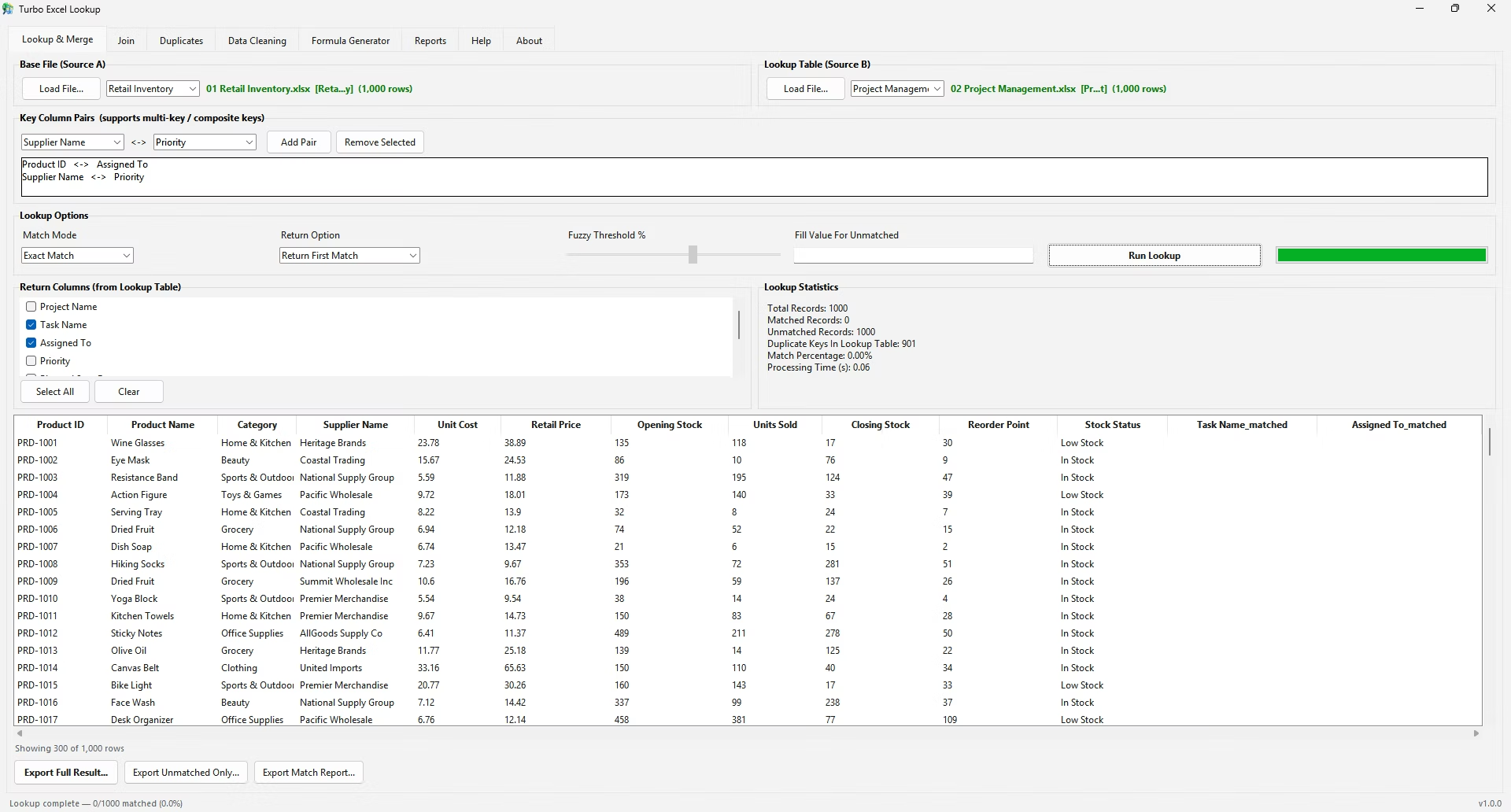
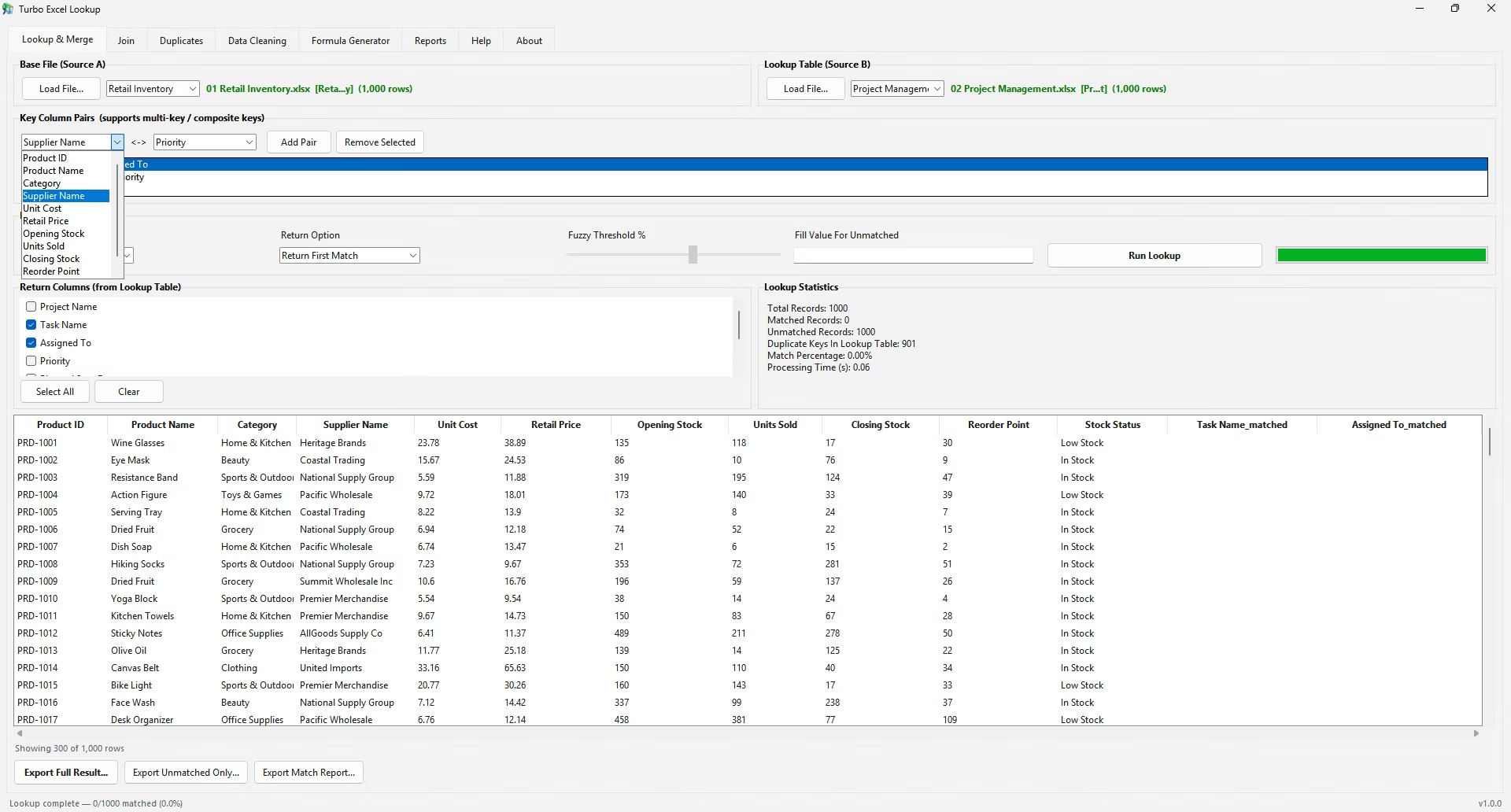
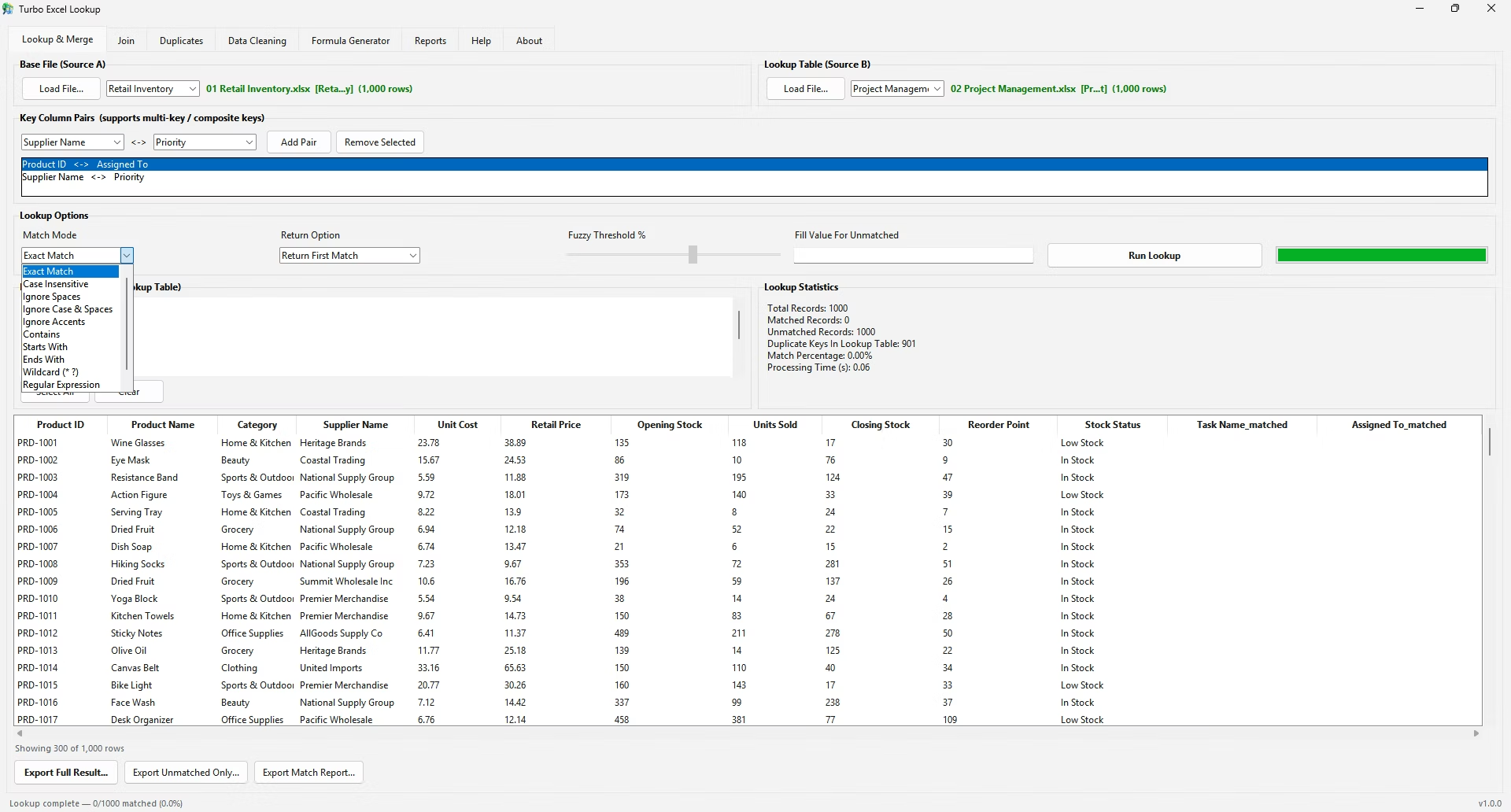
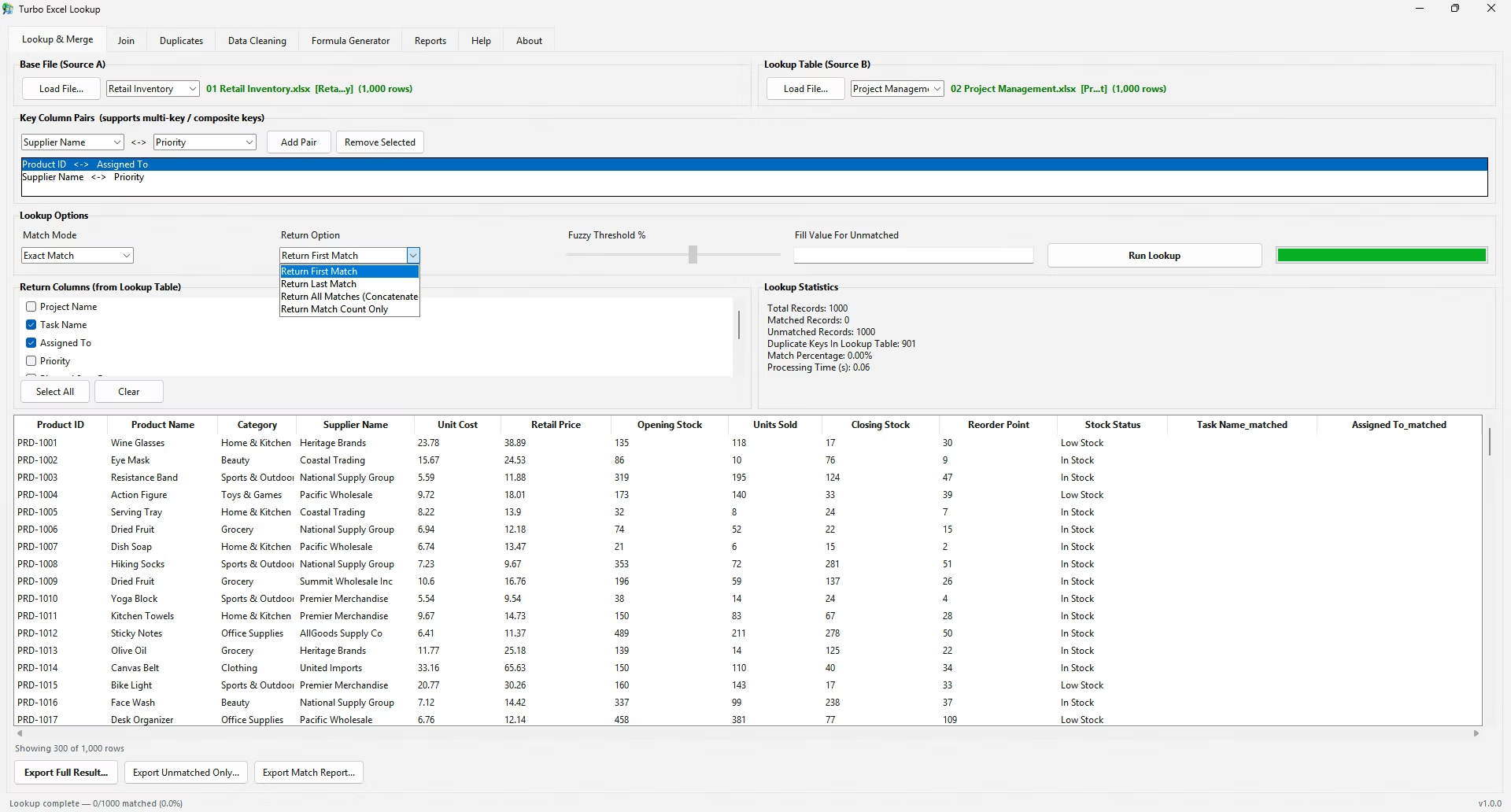
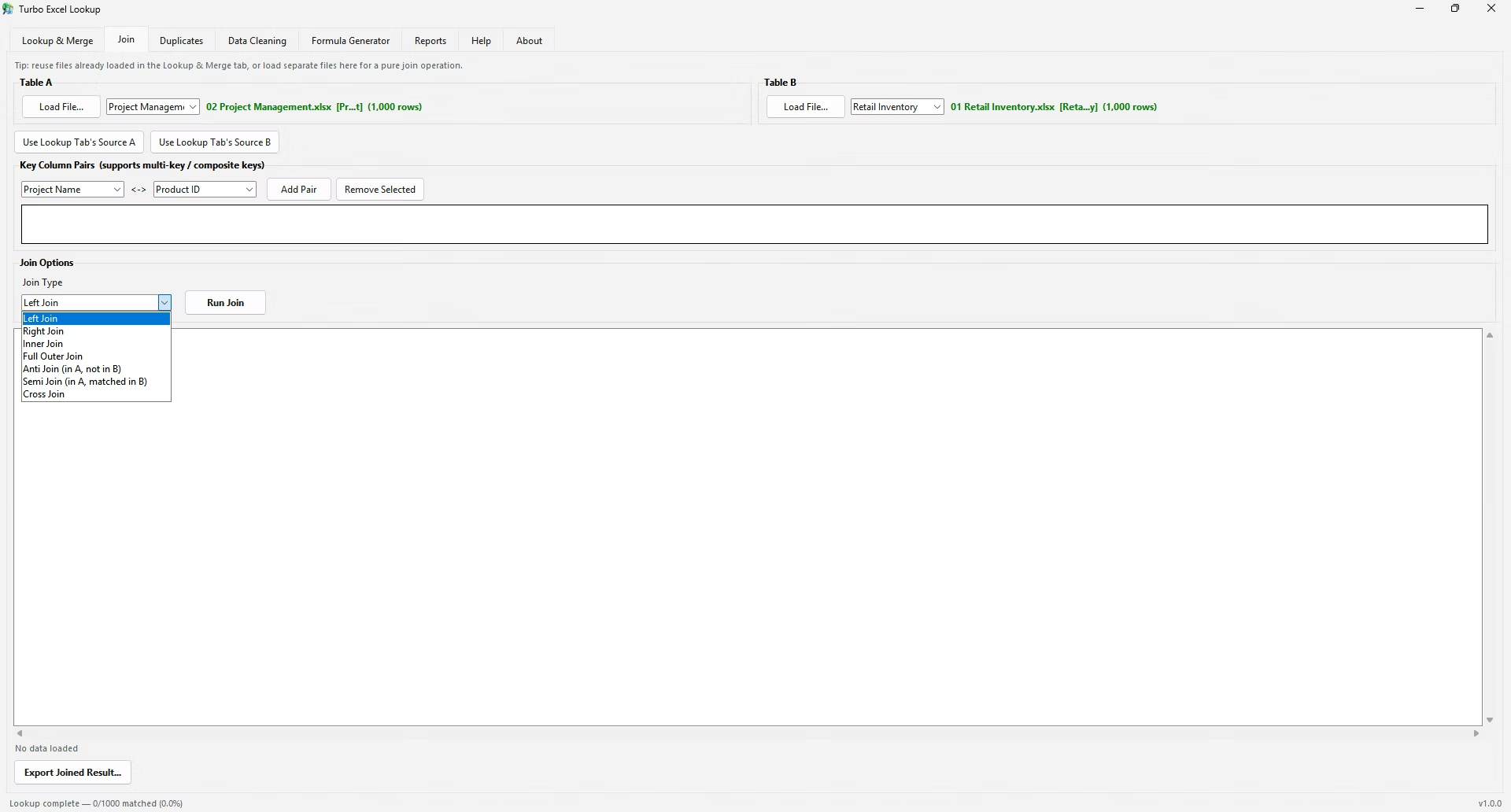
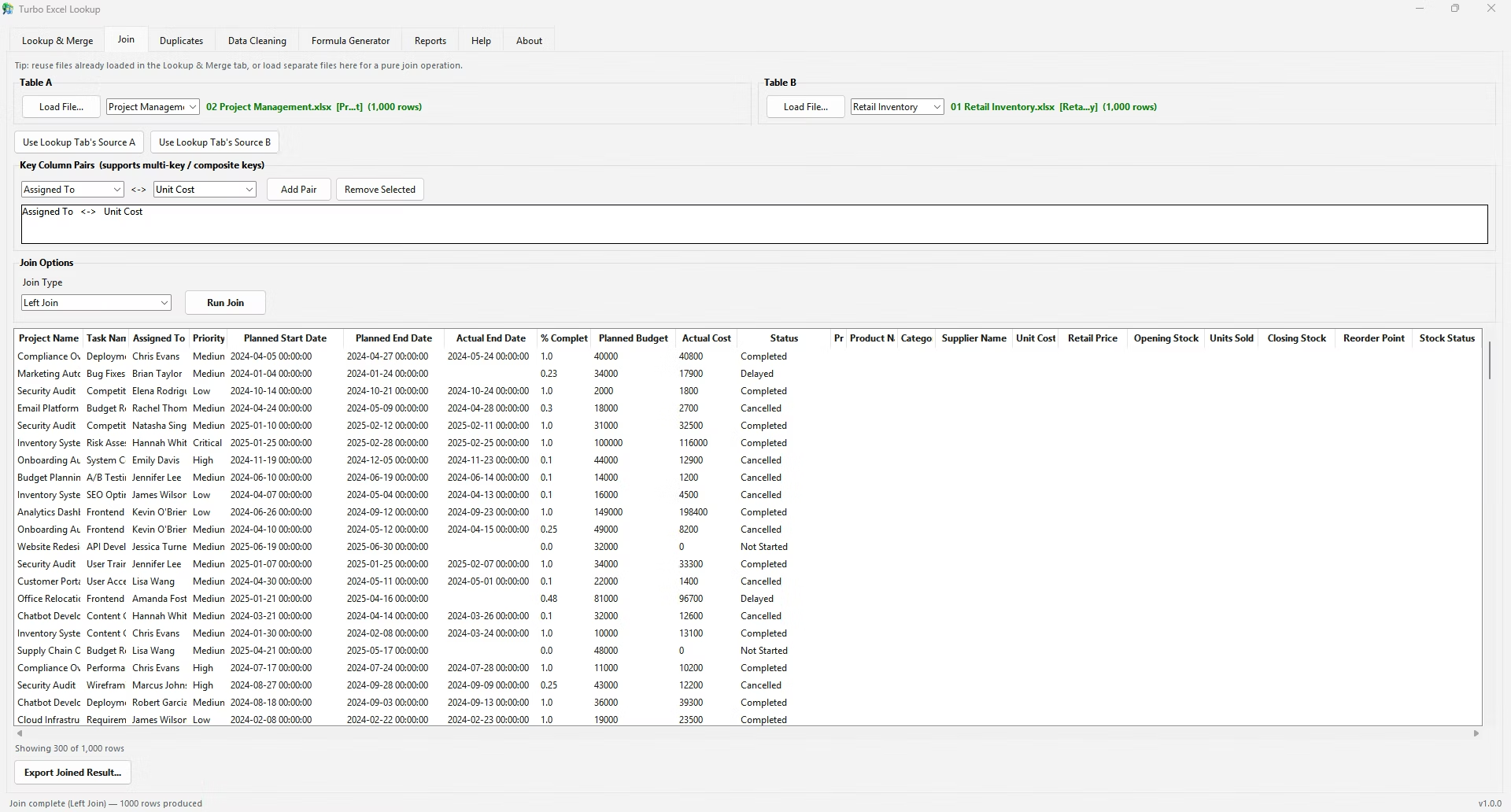
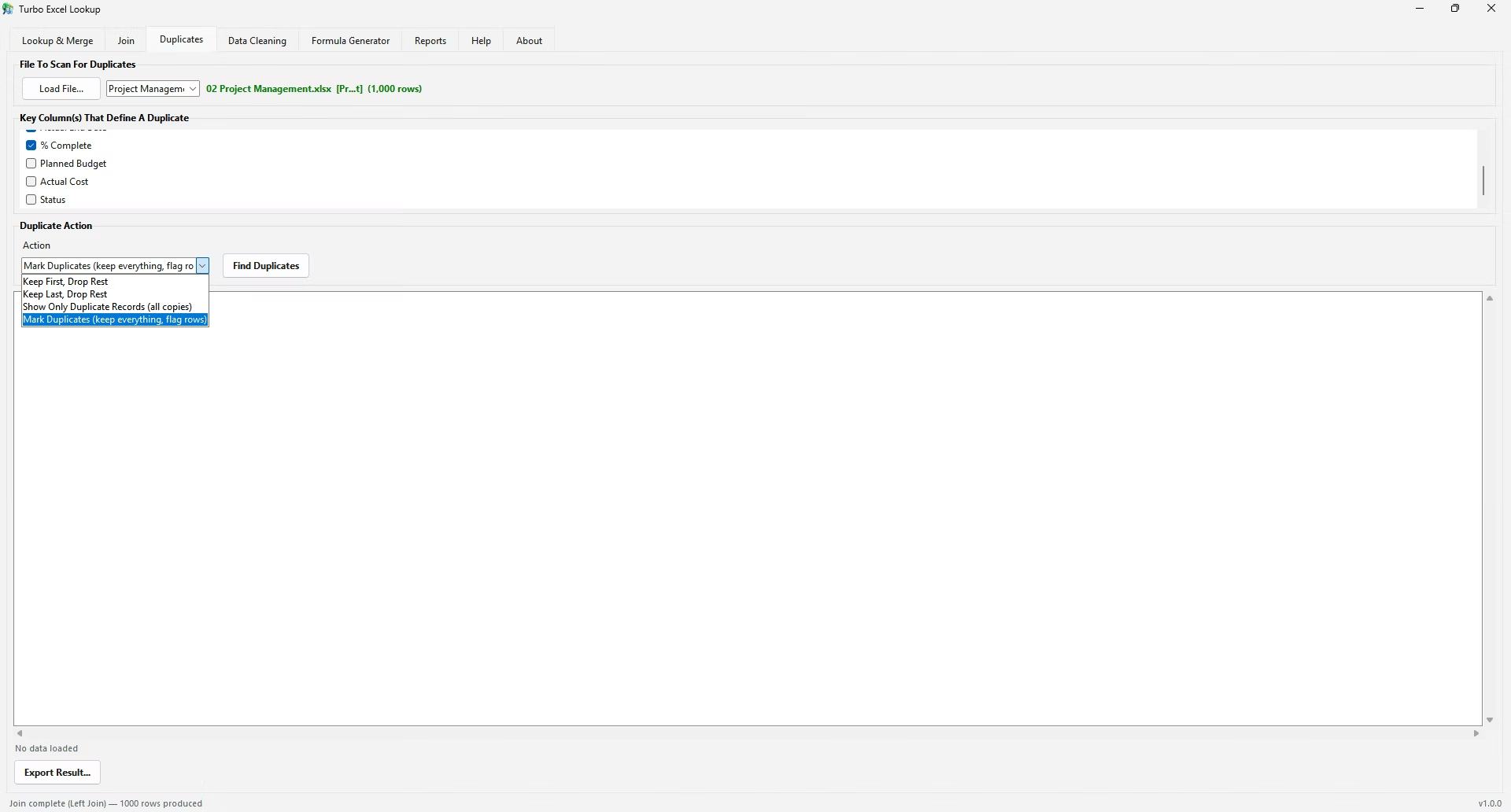
Turbo Excel VLookup works with Excel and CSV files exported from Google Sheets, matching an entire dataset through dropdown menus - useful when the file needs to be moved out of Google Sheets for a one-time bulk match.
When a VLOOKUP formula that used to work suddenly returns the wrong value with no visible error, the most likely cause is that a column was inserted or deleted inside table_array, shifting col_index_num out of alignment with the intended column.
Selecting the formula and pressing F9 with just that part of the formula highlighted shows the calculated value inline, which is a quick way to confirm whether table_array is still pointing where it should.
A common source of confusing errors is editing the same table that a VLOOKUP formula is pulling from, especially when rows are sorted or filtered mid-edit. Keeping a clearly labeled, rarely edited "source" sheet that formulas pull from, separate from a "working" sheet where day-to-day changes happen, reduces the chance of a lookup silently pulling from a half-edited row.
Does VLOOKUP work the same way in Google Sheets as in Excel?
Yes, the four arguments and general syntax are identical between the two platforms.
How do I reference another Google Sheets file, not just another tab?
Use IMPORTRANGE to bring the external file's data into the current spreadsheet first, then apply VLOOKUP to it.
Do I need permission to use IMPORTRANGE the first time?
Yes, Google Sheets prompts for access to the external file the first time IMPORTRANGE is used to pull from it.
Why might my Google Sheets VLOOKUP fail even though the value looks correct?
Text and number formatting mismatches are common; converting the lookup value's format to match the source column often resolves it.
Can a VLOOKUP formula be copied directly from Excel into Google Sheets?
Yes, in most cases the formula pastes in and works without modification, aside from any external file references.
Is there a way to match data exported from Google Sheets without formulas?
Yes, Turbo Excel VLookup can match CSV or Excel files exported from Google Sheets through its dropdown-based interface.
Why would a text-formatted number fail to match a real number?
Excel treats text and numeric values as different data types, so "101" stored as text won't match 101 stored as a number even though they display the same.
Does locking a range with F4 change how the formula calculates?
No, it only fixes the range so it doesn't shift when the formula is copied - the calculation itself works the same either way.
What's a fast way to check what a formula is actually returning?
Selecting part of the formula in the formula bar and pressing F9 shows its calculated value directly, without changing the formula.
Can trailing spaces in a cell cause a lookup to fail?
Yes, an extra space at the end of a value is invisible but prevents an exact match; TRIM() around the lookup value often fixes this.
Ready to stop fighting #N/A errors and match your spreadsheets visually?