Most explanations of VLOOKUP jump straight to syntax without explaining what the formula is actually doing internally, which is often why it feels confusing the first few times you use it. At its core, VLOOKUP performs a single, simple operation: it scans down the first column of a range you specify, looking for a value that matches what you're searching for, and once it finds that row, it counts across to a column you specify and returns whatever value sits there.
Understanding it this way - as a two-step process of "find the row, then read across" - makes most of its quirks and error messages make a lot more sense, and it also explains why certain layouts simply don't work with the function no matter how the formula is written.
VLOOKUP always searches the first column of whatever range you give it as table_array - never any other column. This is the single most common source of confusion: if your lookup column isn't the leftmost column of the range, VLOOKUP simply can't find it, no matter how correctly the rest of the formula is written. This is why data is often rearranged, or why people switch to INDEX/MATCH or XLOOKUP, which don't have this leftmost-column restriction.
The FALSE argument matters here too - it tells Excel the match must be character-for-character identical, including type. The text "1024" and the number 1024 are not considered equal by VLOOKUP, which is a frequent, hard-to-spot cause of unexpected #N/A results when data has been imported from a CSV or another system.
Once VLOOKUP finds the matching row, col_index_num tells it how many columns to count to the right, starting from 1 at the lookup column itself. If your table_array is columns A through F and you want column D, that's the fourth column in the range, so col_index_num is 4 - not the sheet's actual column letter.
This counting-from-the-range-start behavior is another common trap: if someone inserts a new column into the middle of the table_array later, every col_index_num in every formula referencing that range now points to the wrong column, and the formulas will return incorrect data without any visible error.
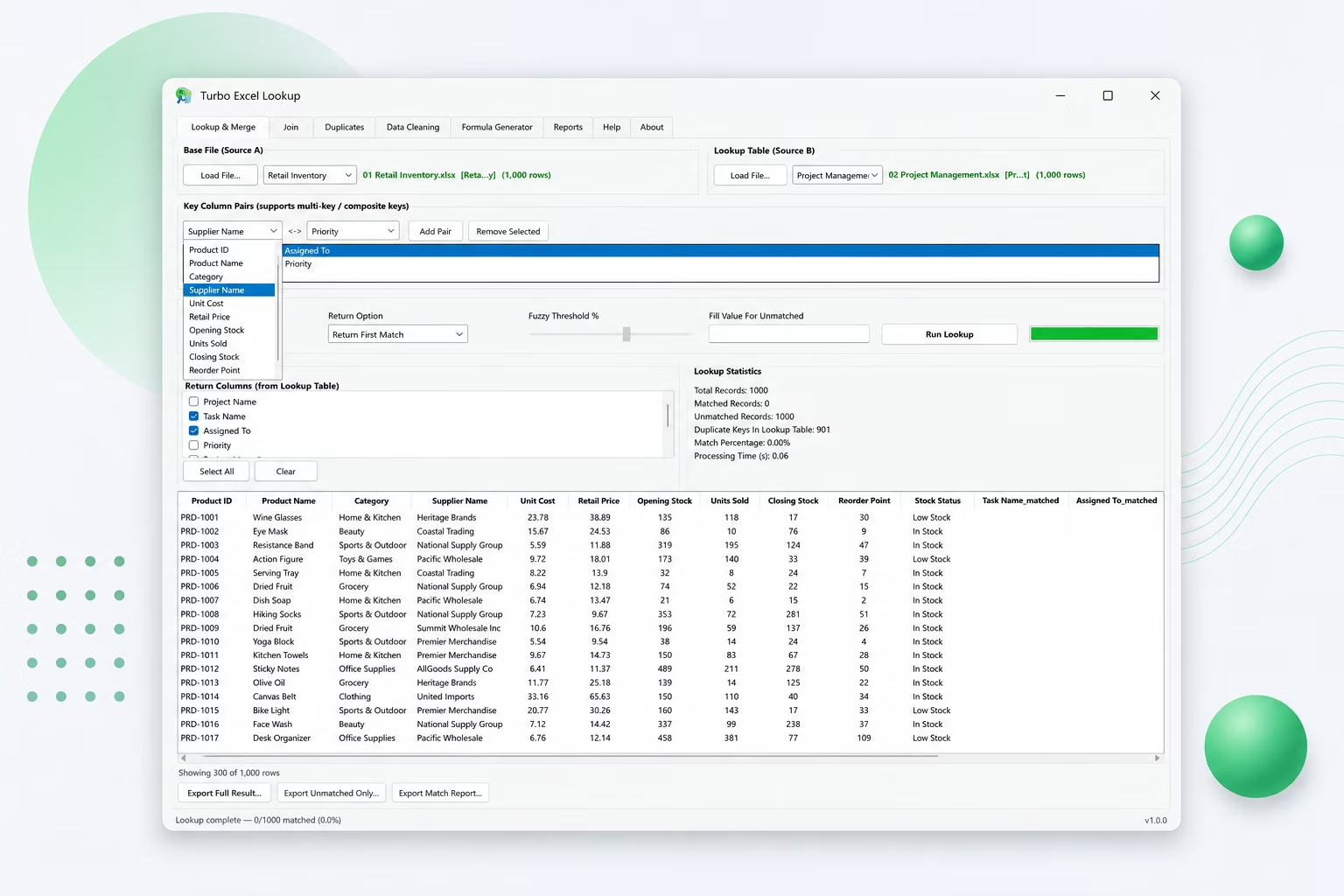
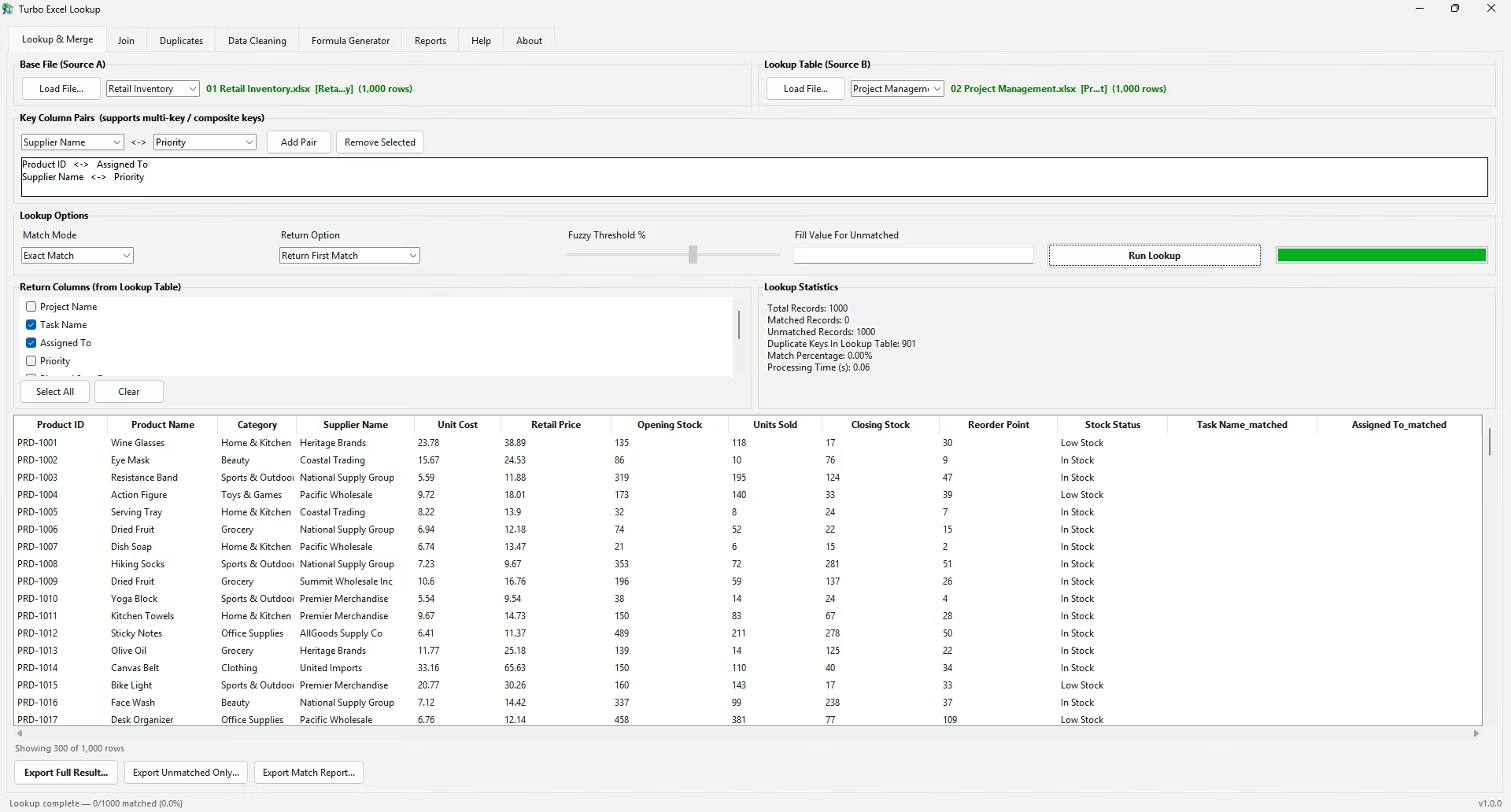
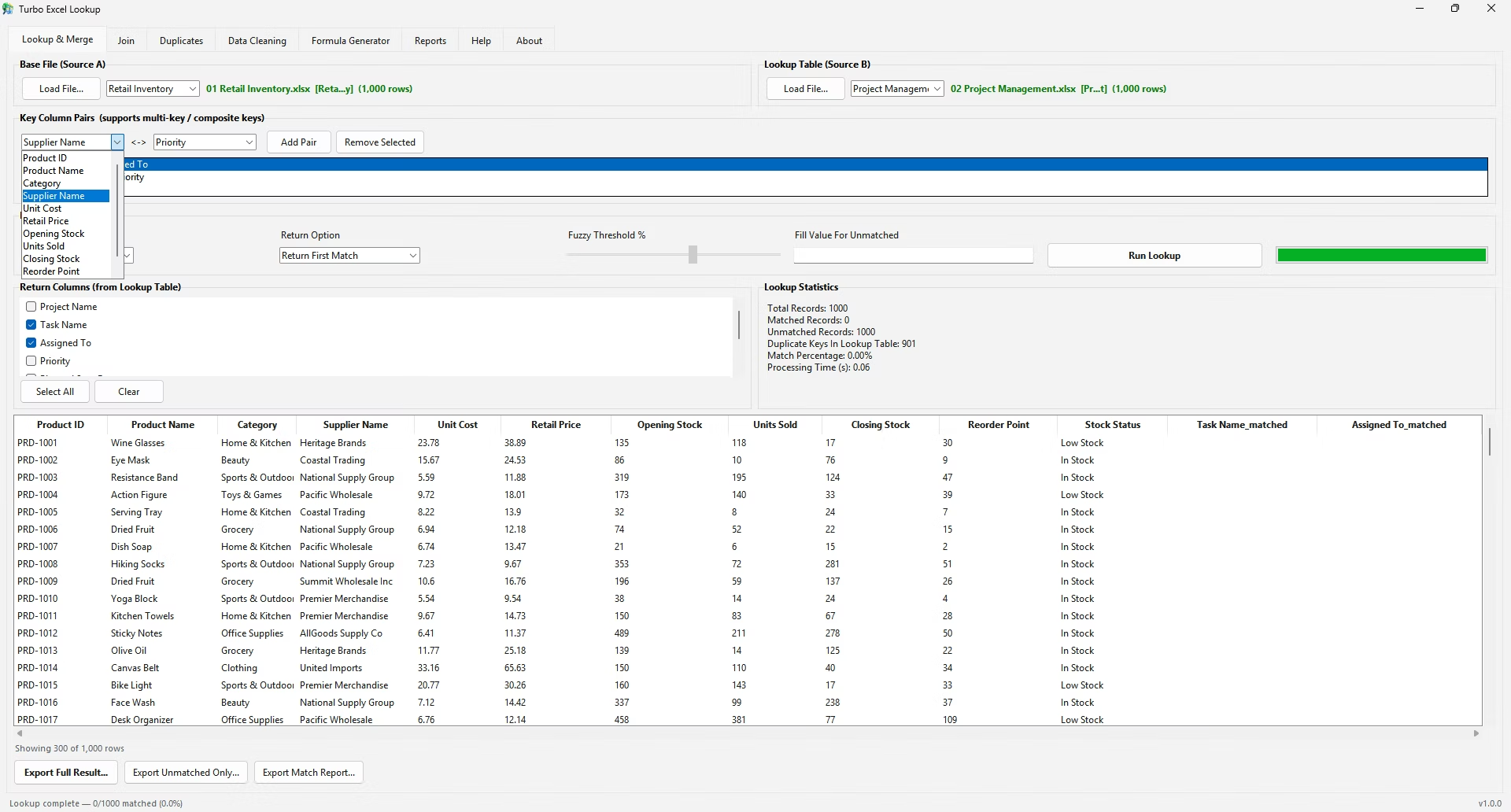
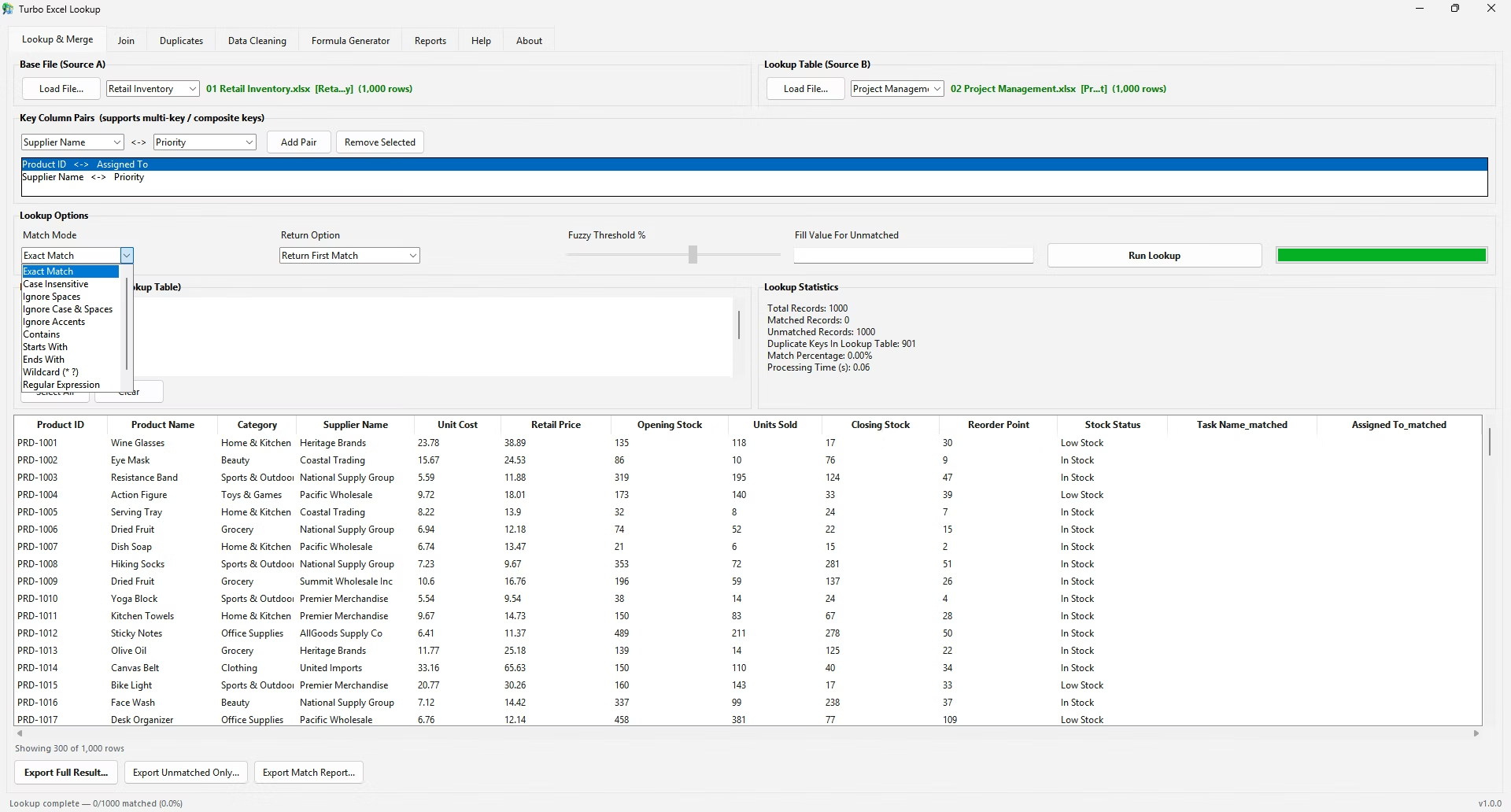
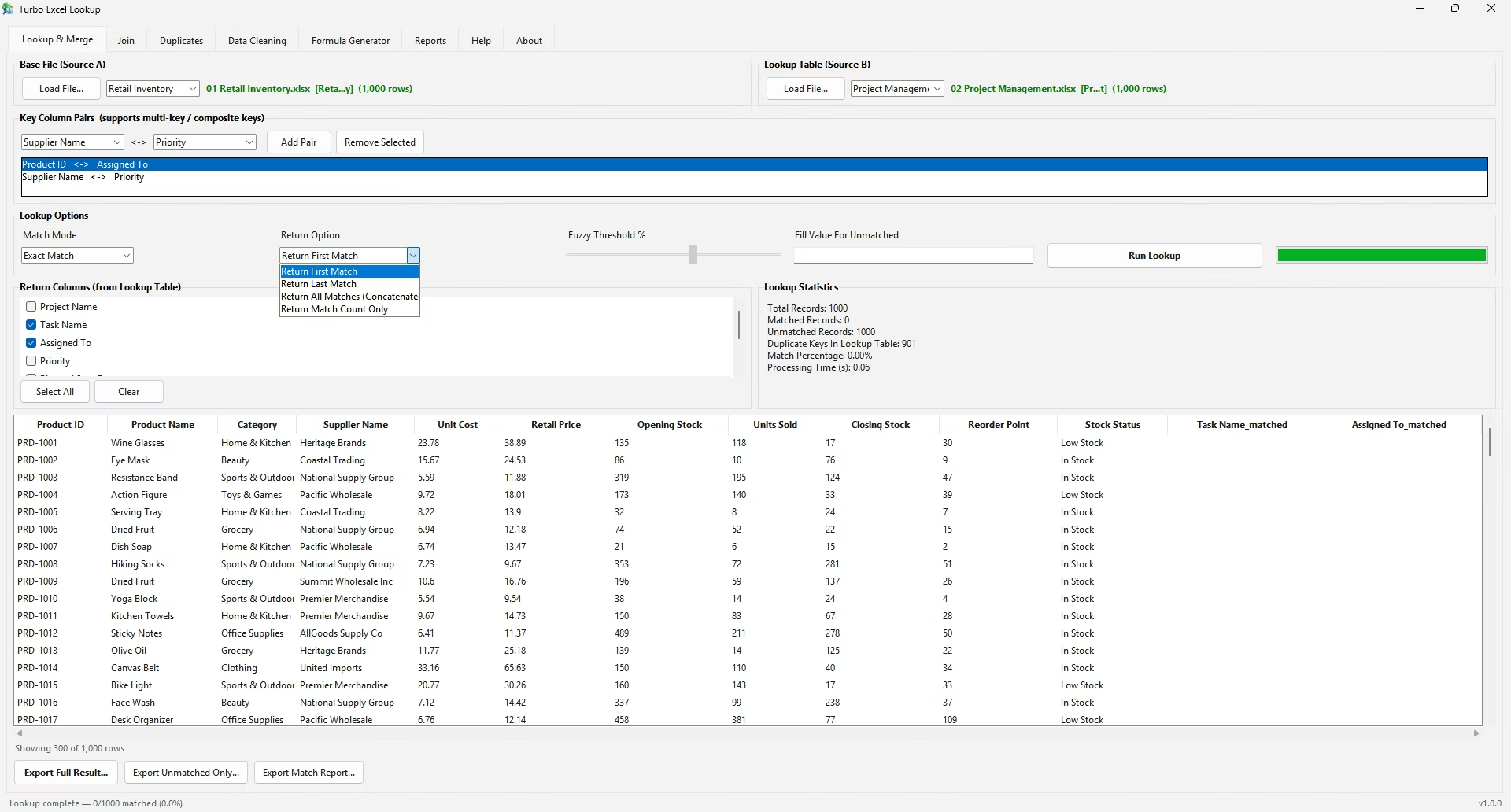
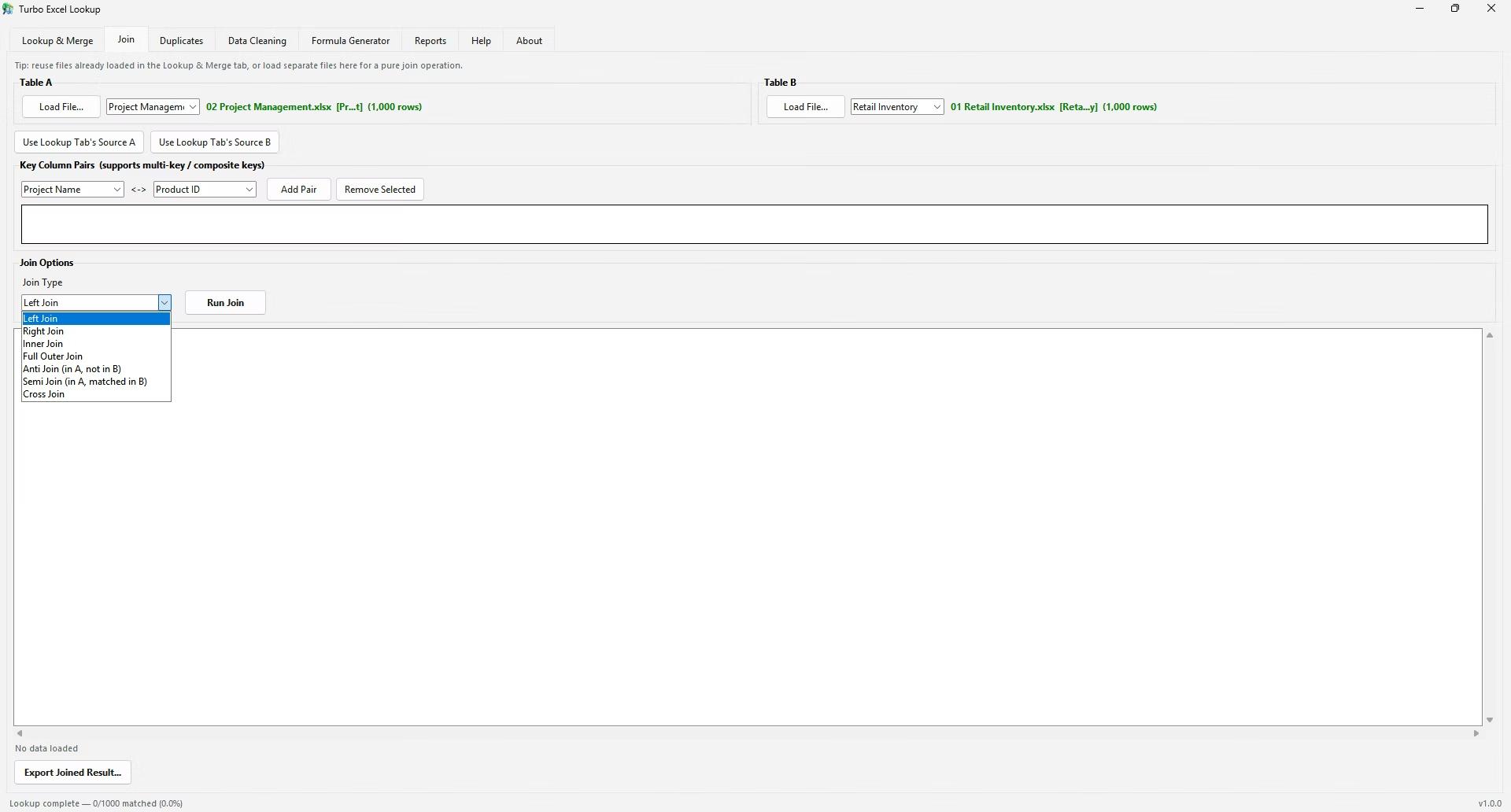
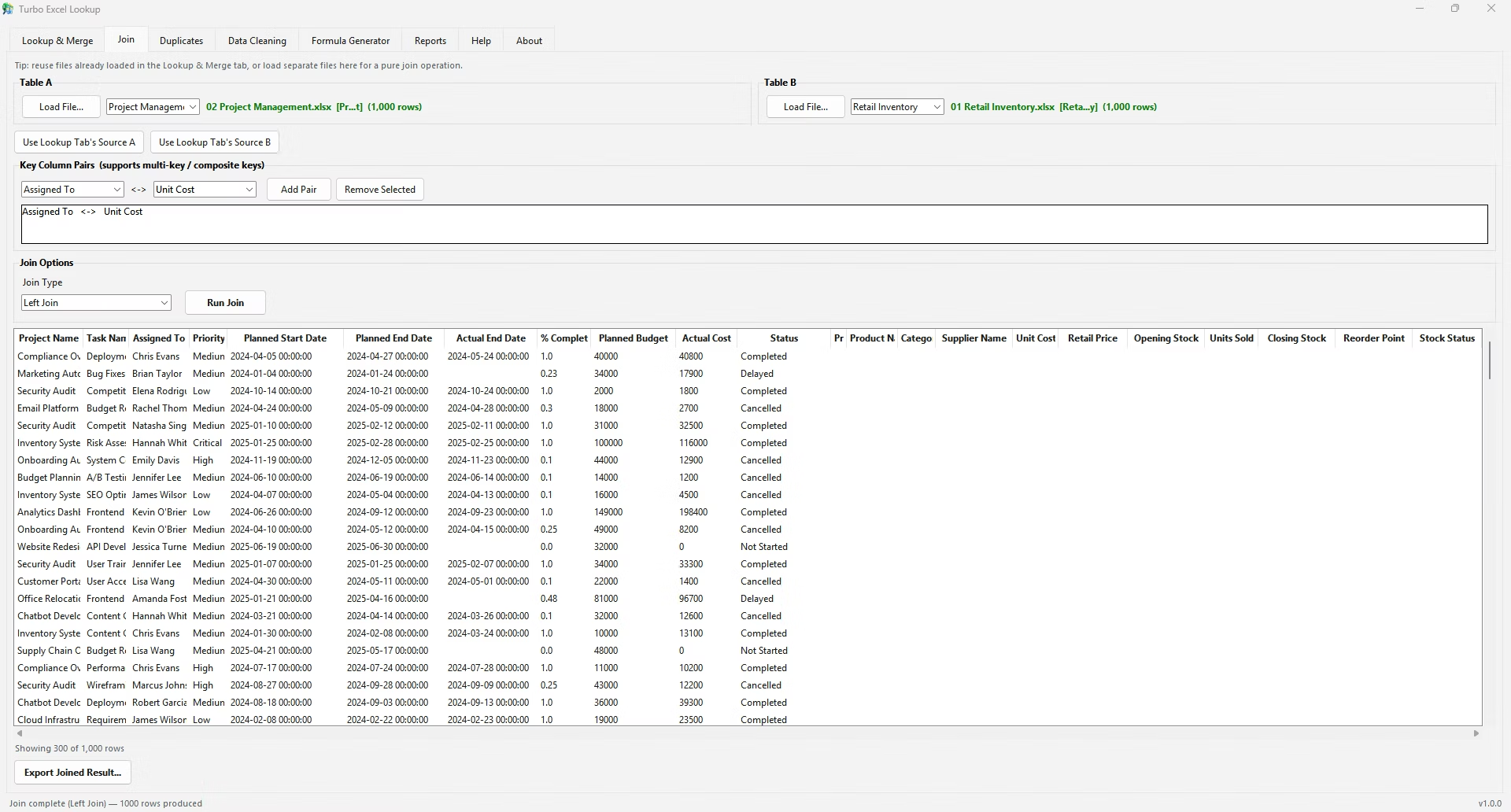
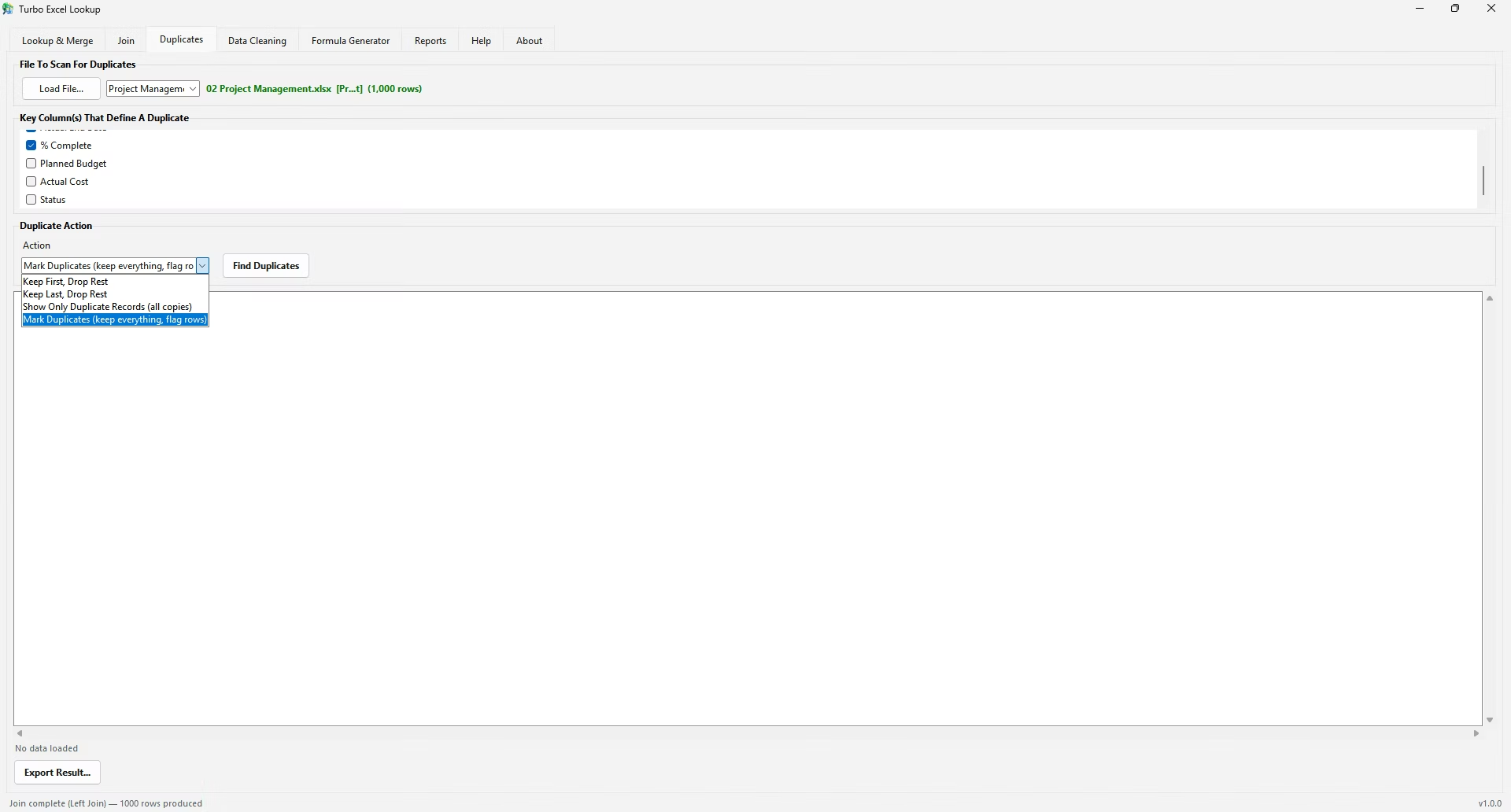
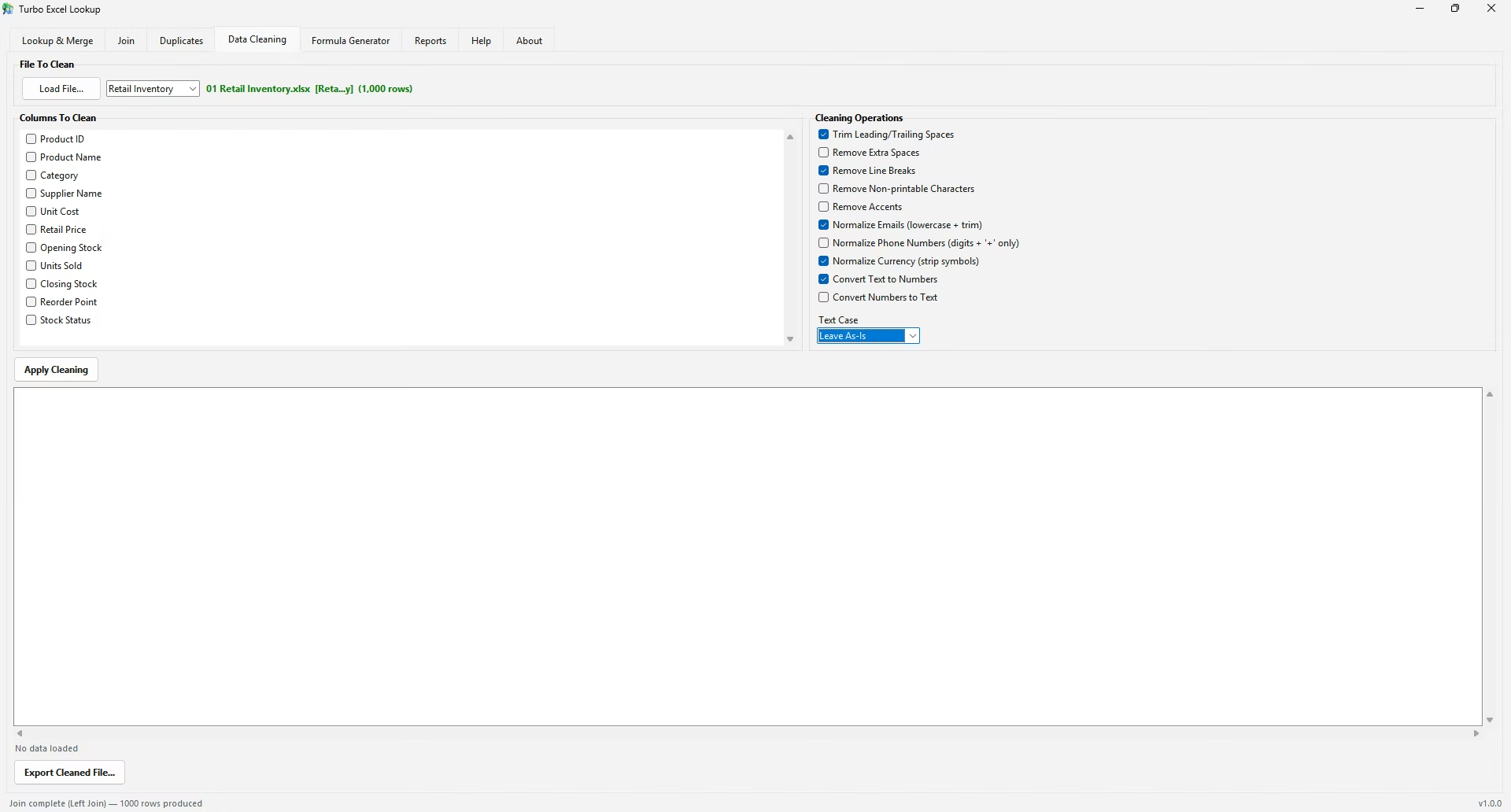
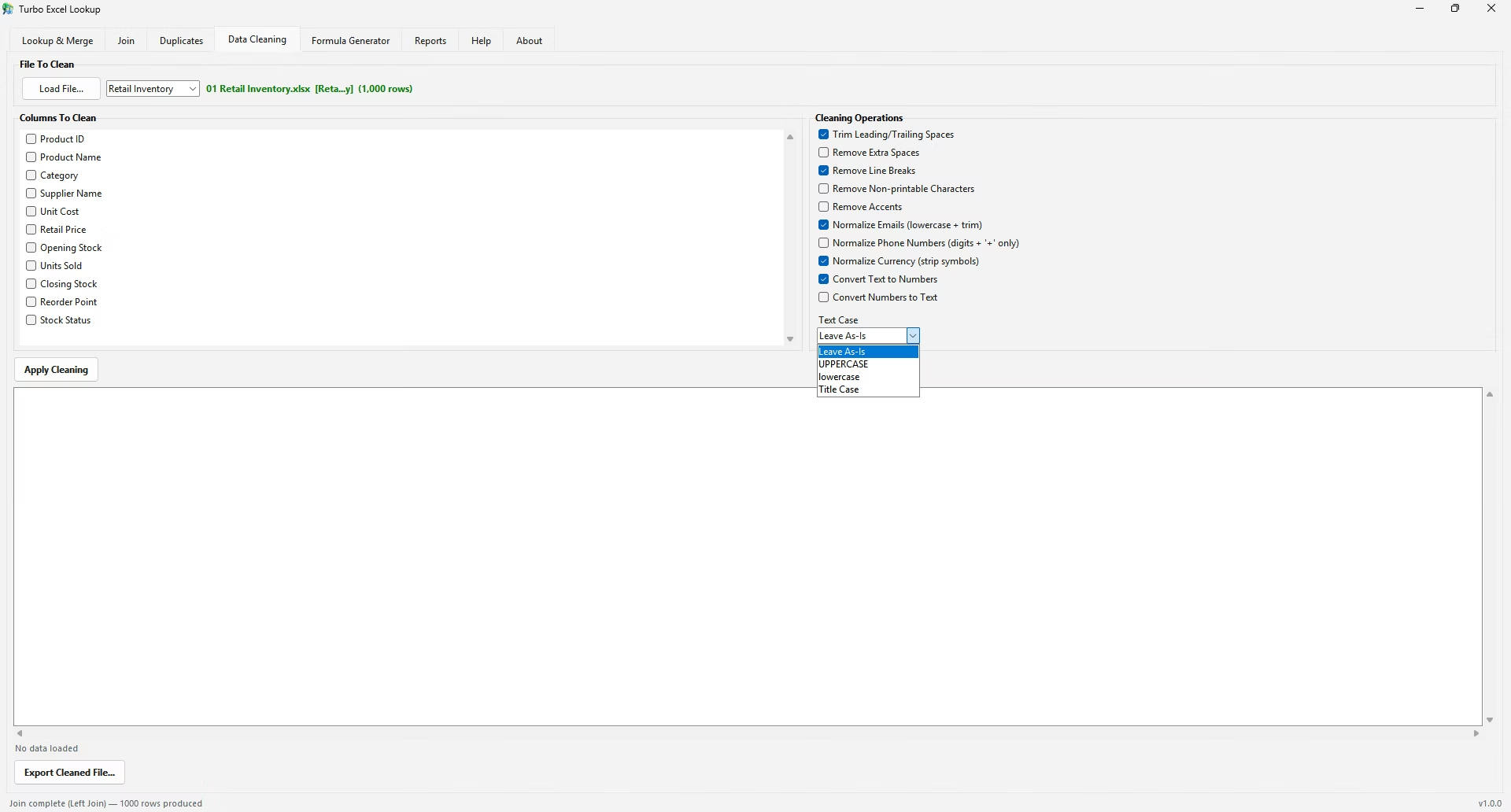
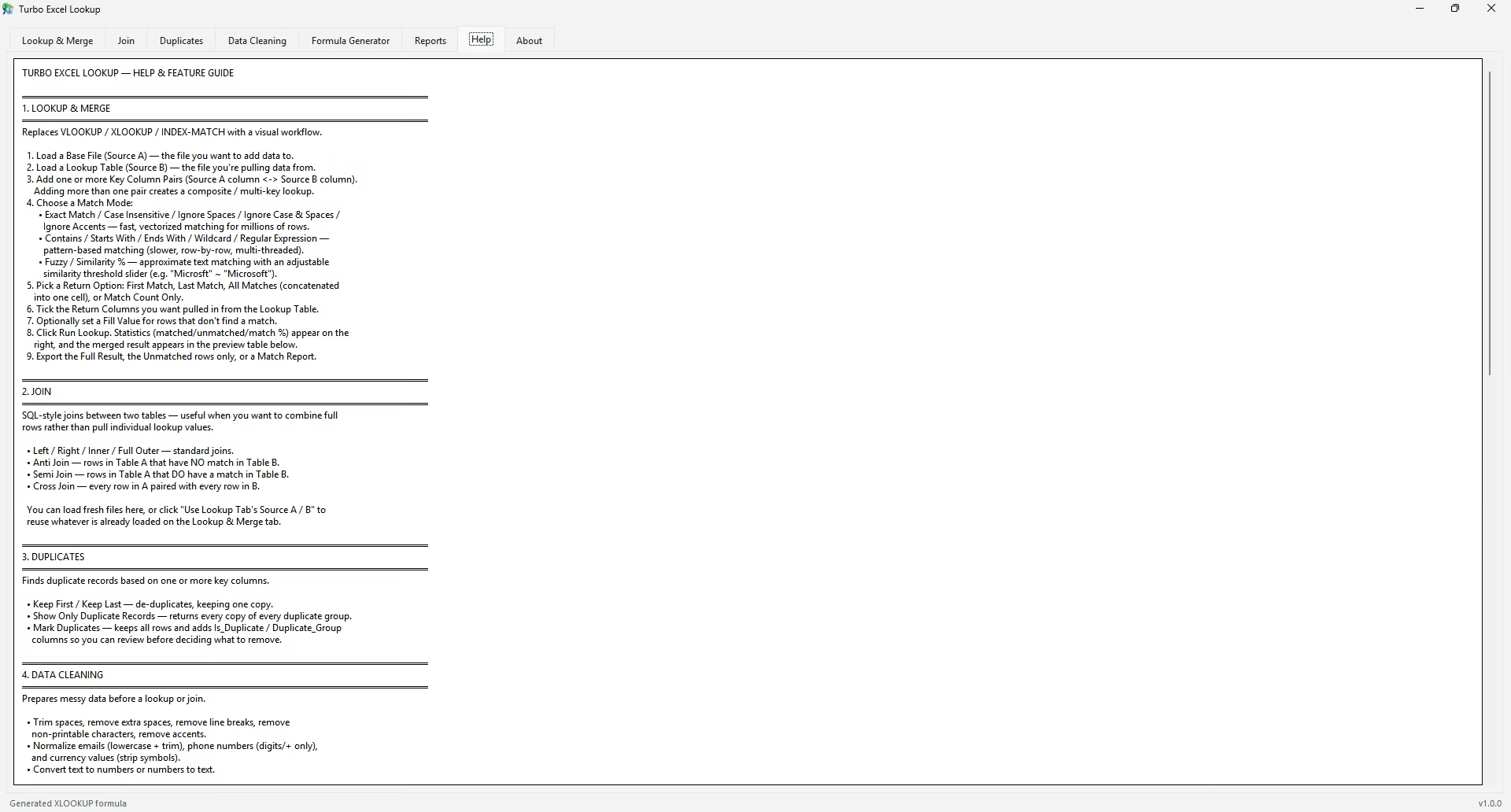
Turbo Excel Lookup replicates this exact two-step logic - match a key, then pull a value - but represents it visually instead of through column-counting. You choose the matching columns by name from a dropdown rather than counting positions, and you tick the columns you want returned by their actual header text. Because there's no col_index_num to maintain, inserting or reordering columns in your source files doesn't silently break anything the way it can with a formula.
VLOOKUP can produce a few different error types, and each one points to a different root cause. #N/A means the search ran successfully but found no matching row - the most common and usually the least serious. #REF! typically appears when col_index_num points beyond the actual width of the selected table_array, for example asking for column 5 in a range that only has 3 columns. #VALUE! usually indicates a problem with the lookup_value or range_lookup argument itself, such as a text string where a number was expected.
Recognizing which error you're looking at narrows down where to check first: #N/A sends you to the data itself, while #REF! and #VALUE! send you back to the formula's arguments. Turbo Excel Lookup avoids #REF!-style errors specifically, since there's no column index to miscount - the return columns are ticked directly by name and can't reference a position that doesn't exist.
Once you internalize VLOOKUP as "find the row, then read across," troubleshooting a broken formula becomes a matter of checking each step independently: is the row actually being found (test with a simpler formula that ignores col_index_num), and if so, is the correct column being read (double-check the count from the range's start). Separating the two steps mentally, rather than treating the formula as one opaque operation, is often the fastest way to isolate exactly where a problem is coming from.
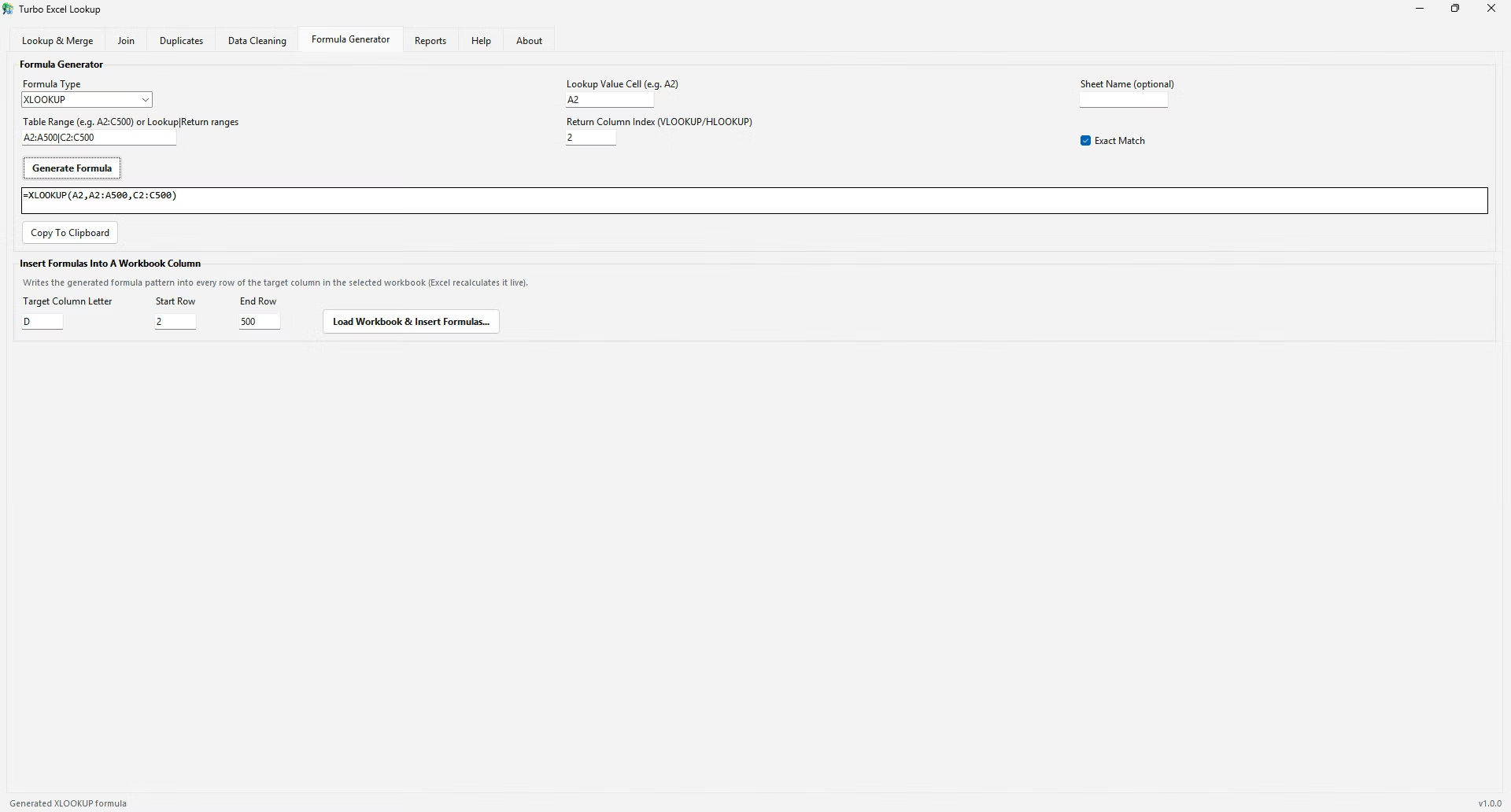
The "find the row, then read across" model isn't unique to VLOOKUP - it's the same underlying logic behind HLOOKUP (rotated ninety degrees), INDEX/MATCH (the same two steps performed by two separate functions), and even XLOOKUP, despite its more flexible range selection. Understanding this shared logic once means every related lookup function becomes easier to pick up afterward, since the core mental model transfers directly, with only the syntax differing between them.
Understanding VLOOKUP as a two-step "find, then read across" process demystifies most of its error messages and quirks. This same mental model carries over directly to HLOOKUP, INDEX/MATCH, and XLOOKUP, making it a genuinely worthwhile few minutes to understand properly rather than memorizing the syntax by rote.
Why does VLOOKUP only search the leftmost column?
It's a structural limitation of how the function was designed - it always treats the first column of table_array as the search column, with no argument to change that behavior.
Does VLOOKUP treat text and numbers as equal if they look the same?
No. A number stored as text (like "1024") and an actual number (1024) are different data types to VLOOKUP and will not match under exact-match mode, even though they display identically.
Why did my formula start returning wrong data after I edited the sheet?
Inserting or deleting a column inside the table_array range shifts what column corresponds to a given col_index_num, so the formula keeps running without error but now points at the wrong data.
Is there a way to match by column name instead of column number?
Turbo Excel Lookup lets you pick columns by their actual header names in a visual interface, which avoids the col_index_num counting problem entirely.
What does #REF! mean in a VLOOKUP formula?
It usually means col_index_num is asking for a column number that doesn't exist within the selected table_array range.
What does #VALUE! mean in a VLOOKUP formula?
It typically points to an issue with an argument's data type, such as text where range_lookup expected TRUE or FALSE, or an invalid lookup_value.
What's the fastest way to isolate whether a VLOOKUP problem is with matching or with column counting?
Temporarily set col_index_num to 1, which returns the lookup column itself - if that succeeds, the row is being found correctly and the issue is with the column count; if it still fails, the matching itself is the problem.
Does understanding VLOOKUP's logic help with learning other lookup functions?
Yes, the core "find the row, then read across" logic underlies HLOOKUP, INDEX/MATCH, and XLOOKUP as well, so understanding it once makes the related functions considerably easier to pick up.
Ready to stop fighting #N/A errors and match your spreadsheets visually?