There are two standard ways to insert a VLOOKUP formula into an Excel cell: typing it directly, or using the built-in Function Wizard, which walks through each argument in a dialog box with input fields. Both produce the same result, but the wizard is often easier for a first attempt since it labels each argument and shows a live preview of the result.
This page covers both methods step by step, and then shows how Turbo Excel Lookup replaces the insertion process entirely with a point-and-click interface for people who'd rather not touch the formula bar at all.
- Click the cell where the result should appear.
- Type
=VLOOKUP(- Excel will show a small tooltip listing the arguments in order. - Click the lookup value cell, type a comma, then select the table range and type another comma.
- Type the column index number, then a final comma followed by TRUE or FALSE.
- Close the parenthesis and press Enter.
- Click the cell for the result, then go to the Formulas tab and click Insert Function (or click the small fx button next to the formula bar).
- Search for "VLOOKUP" and select it, then click OK.
- Fill in each argument field in the dialog box - Lookup_value, Table_array, Col_index_num, and Range_lookup - clicking the small range-selector icon to pick cells directly from the sheet.
- The dialog shows a live preview of the formula result at the bottom before you click OK.
The wizard is particularly useful for double-checking a table_array selection before committing to the formula, since mistakes here are one of the most common causes of an incorrect result later.
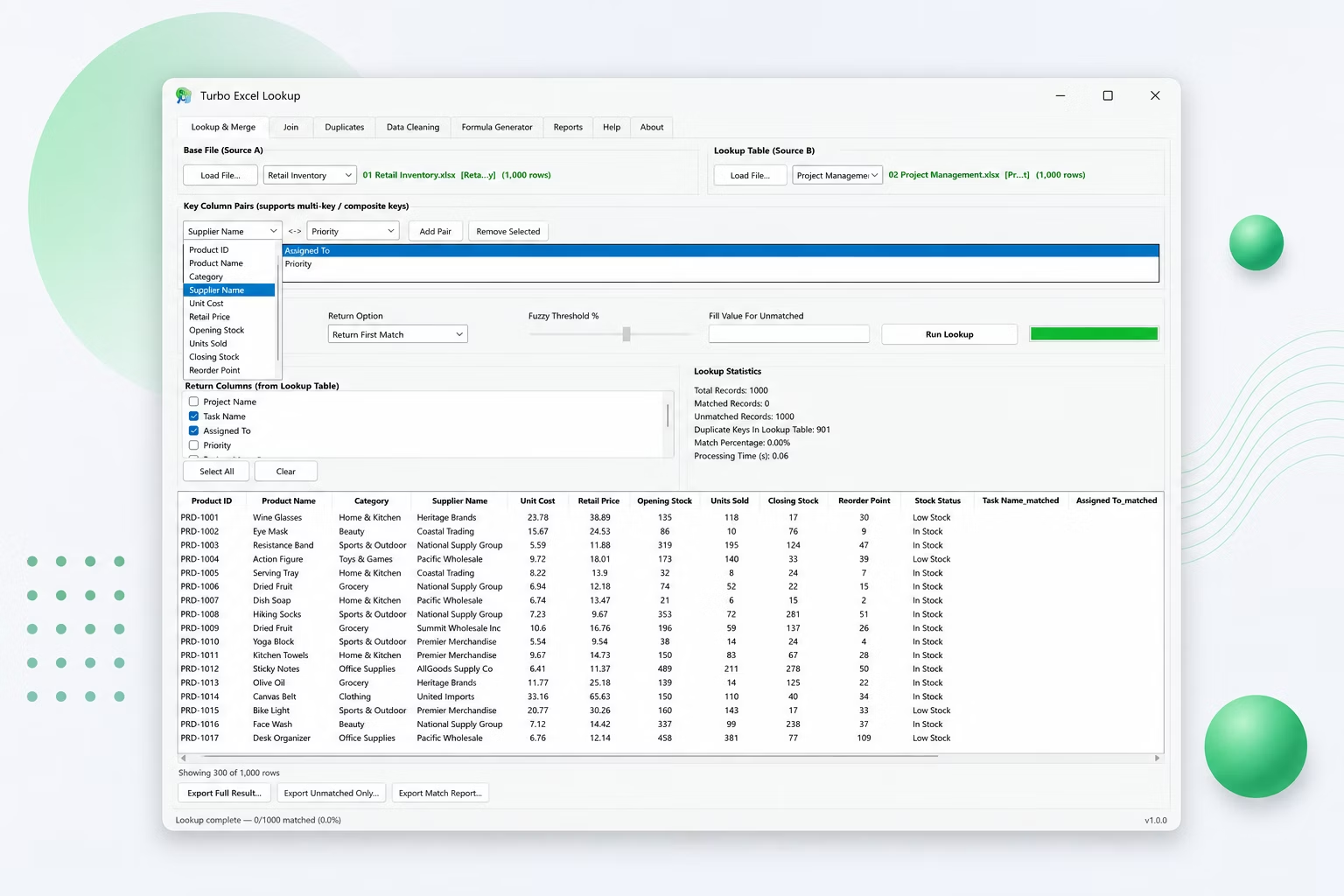
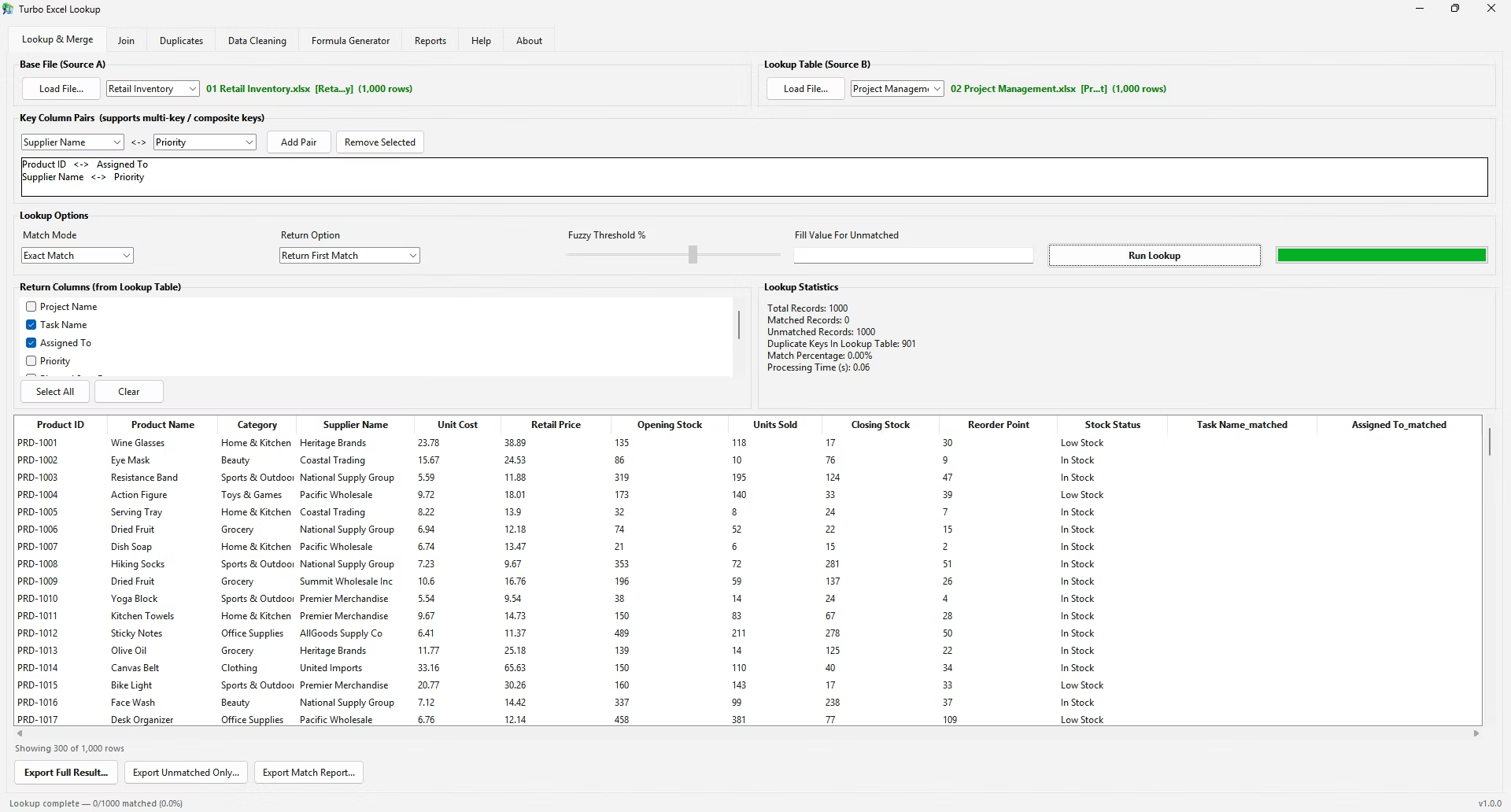
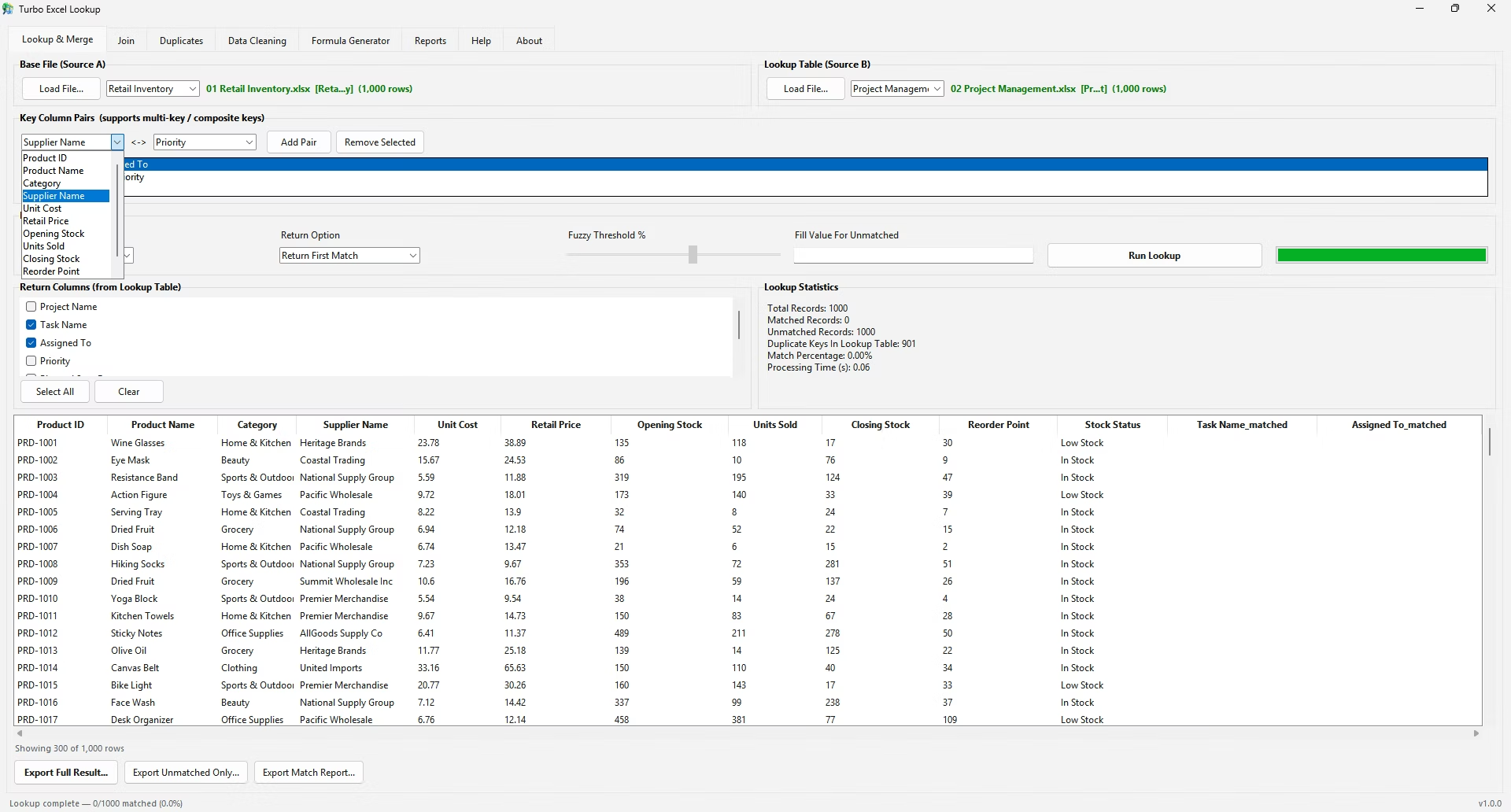
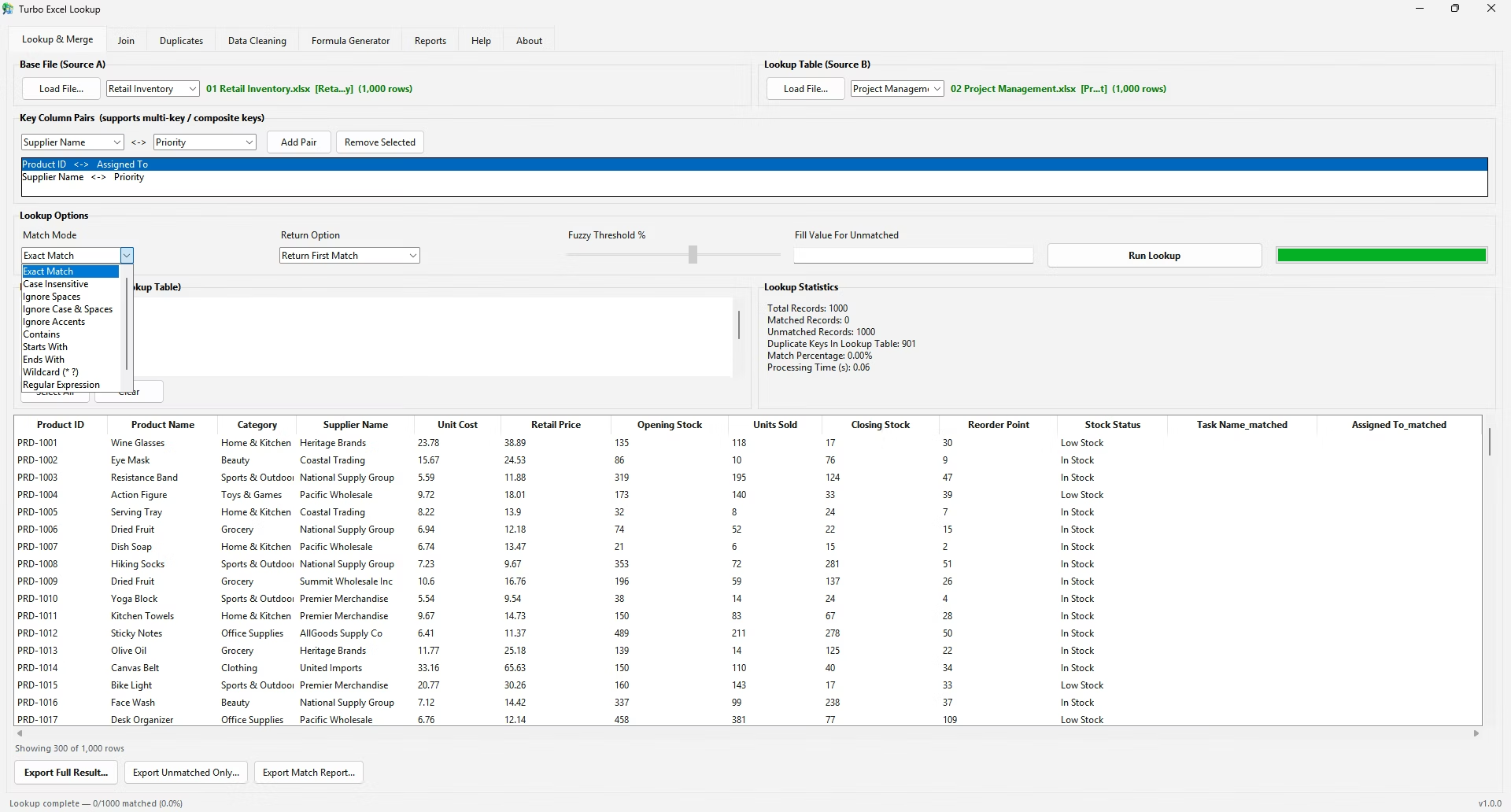
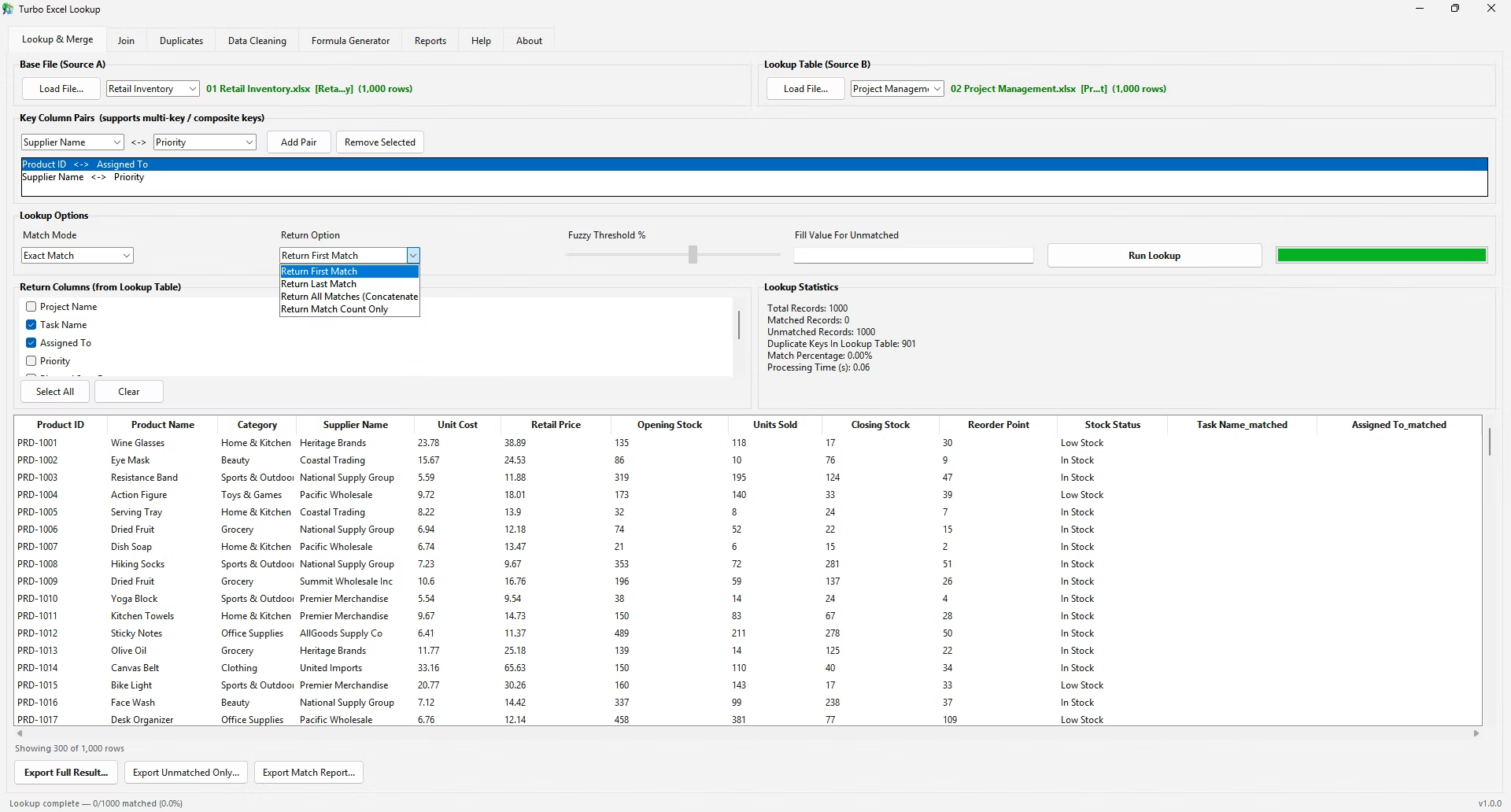
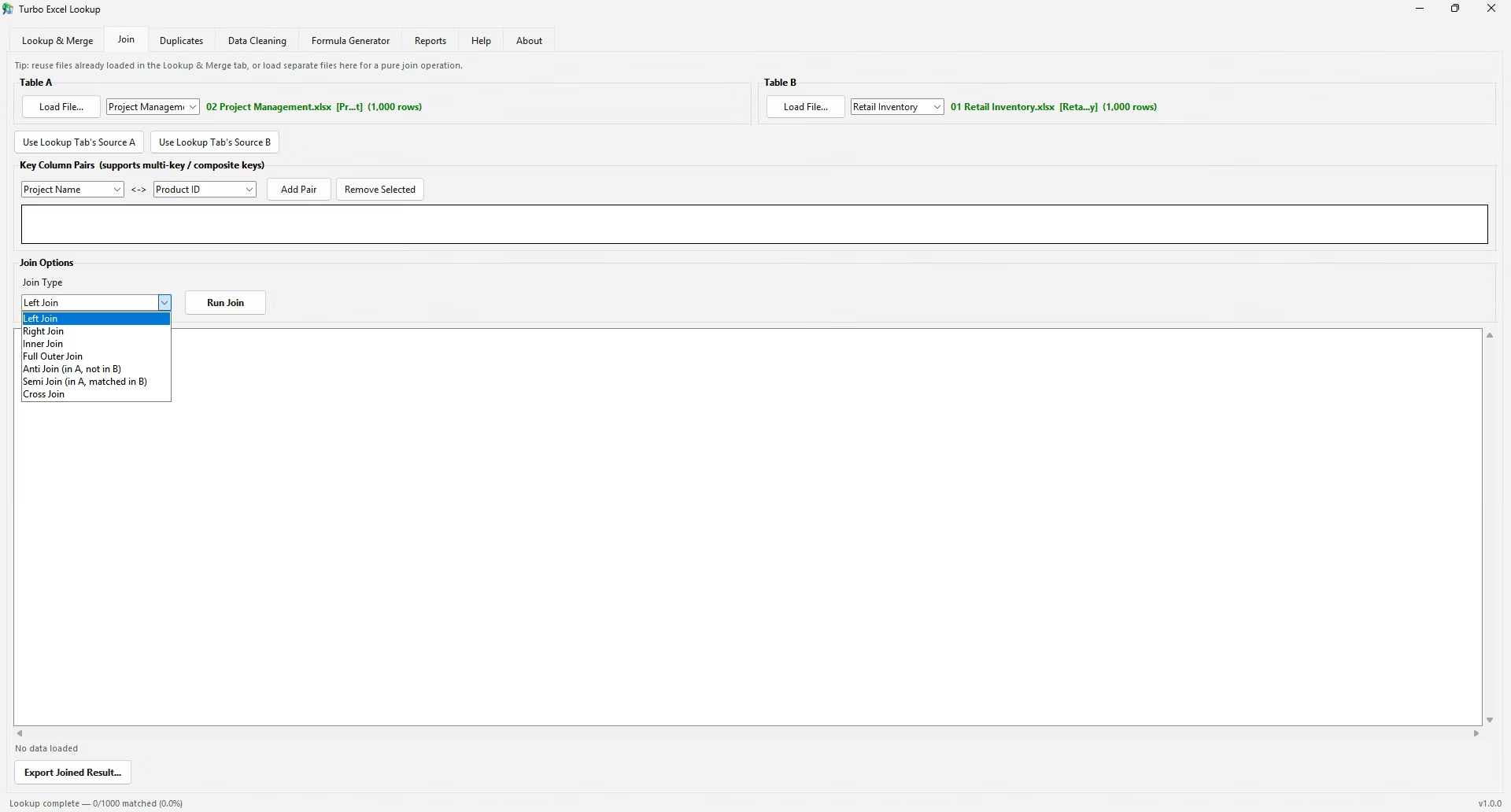
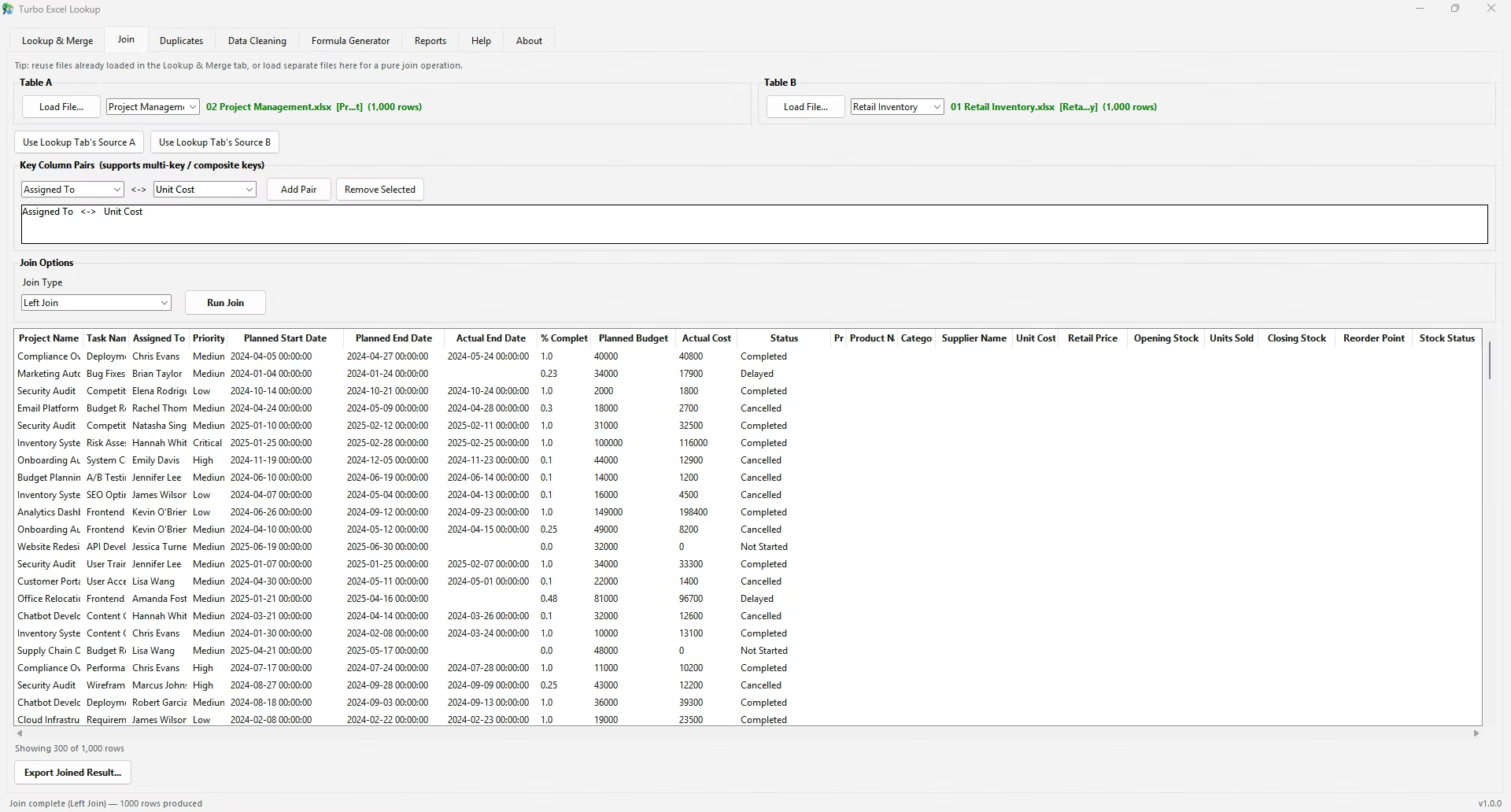
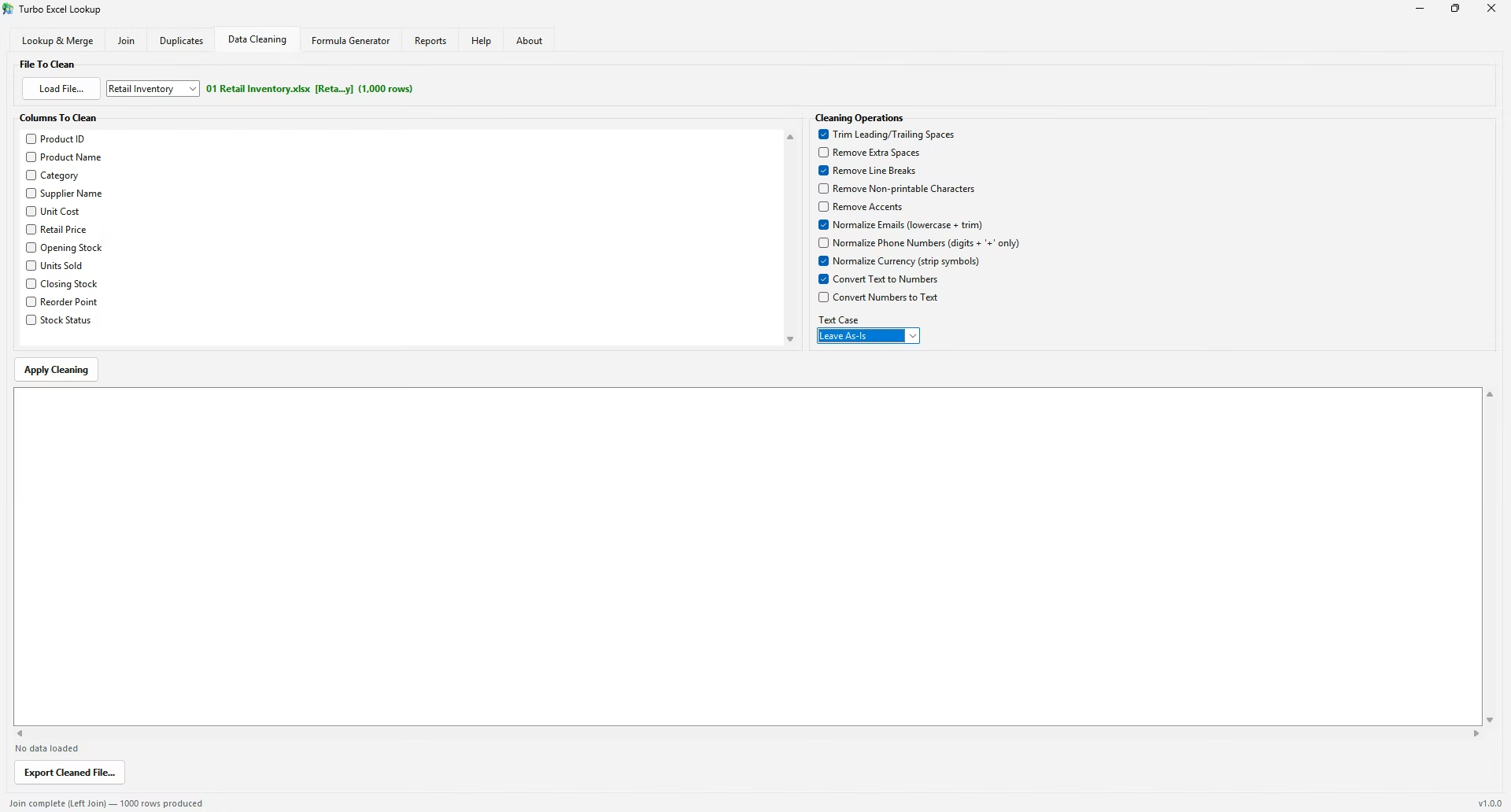
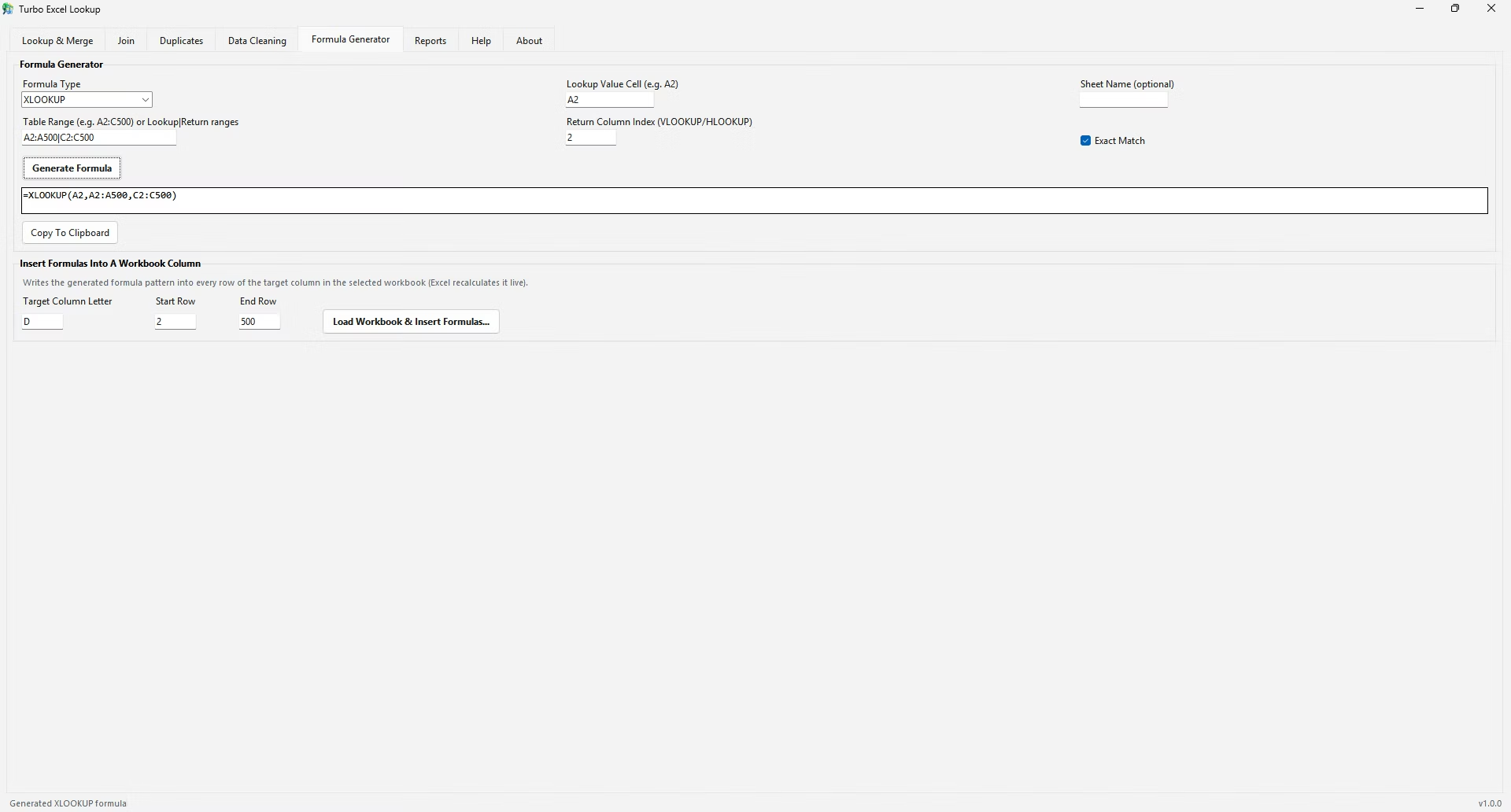
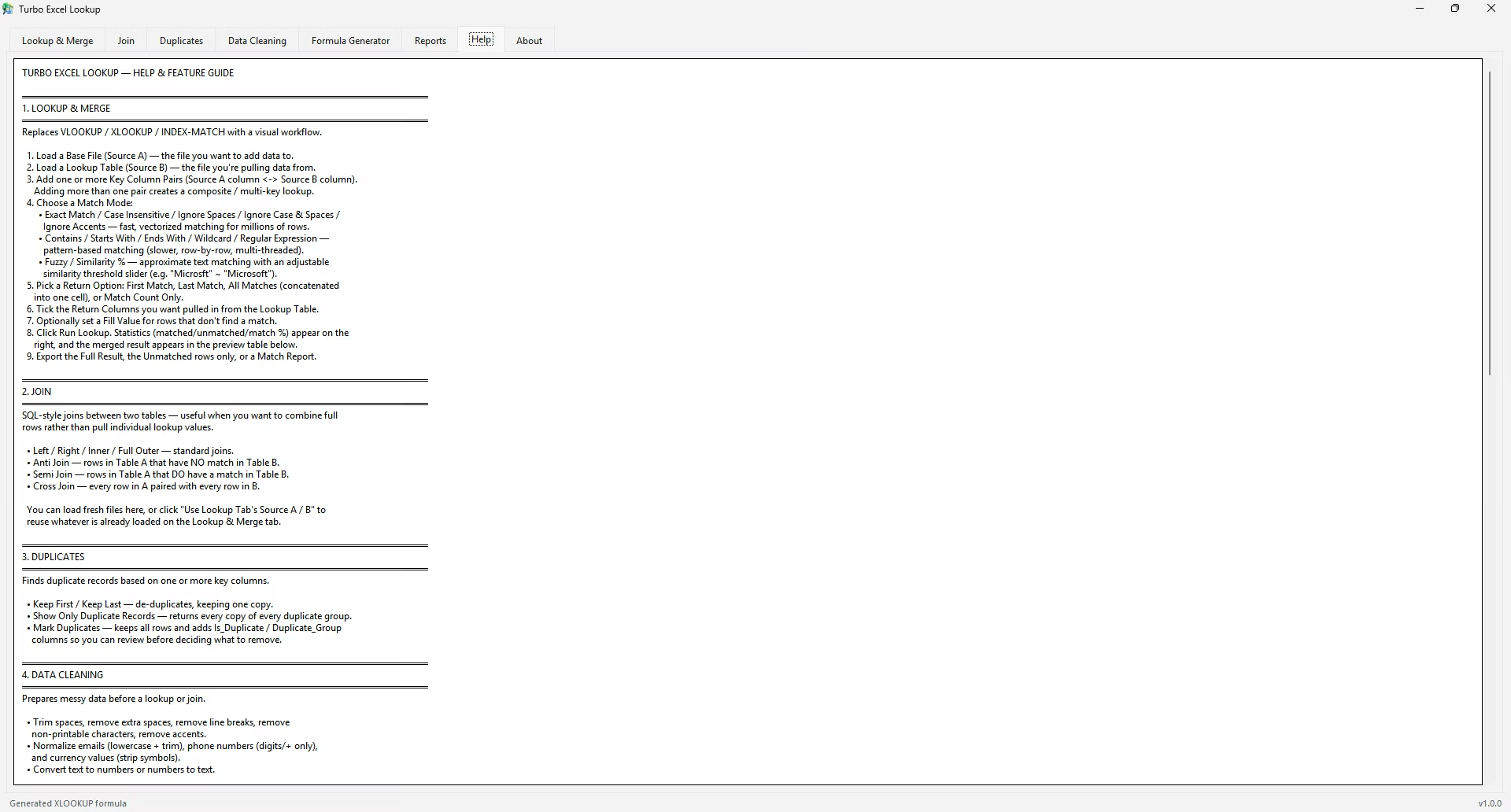
Turbo Excel Lookup replaces both of these insertion methods with a single guided screen: load the Base File and Lookup Table, build a Key Column Pair from two dropdowns, tick the columns to return, and click Run Lookup. There's no formula syntax, no fx dialog box, and no argument order to remember - the app's interface is effectively the Function Wizard's clarity applied to the whole dataset at once rather than one cell at a time.
Excel's Formula AutoComplete feature offers a middle ground between typing a formula from scratch and using the full Function Wizard dialog. As soon as you type =VLOOKUP(, a small floating tooltip appears beneath the cell listing each argument in order, with the current argument bolded. Clicking any argument name in that tooltip jumps the cursor to that point in the formula, which is a fast way to double-check argument order without opening the separate wizard dialog.
This tooltip disappears once the formula is complete, so it's really only useful during the initial typing process. For reviewing or editing an existing VLOOKUP formula later, double-clicking the cell re-triggers the same AutoComplete tooltip, functioning as a lightweight reference without needing to reopen Insert Function.
Once you've inserted the same basic VLOOKUP structure several times, copying an existing working formula from another cell or workbook and adjusting the cell references is often faster than either typing from scratch or using the wizard. Selecting a working formula, copying it, and pasting it into a new location automatically updates relative references, needing only a manual check of the table_array lock and column index for the new context.
If your data has been converted into an Excel Table (Insert > Table), inserting VLOOKUP works the same way, but you can reference the table by name instead of a cell range, e.g. =VLOOKUP(A2, CustomerTable, 3, FALSE), which automatically expands if the table grows and doesn't require manually locking the range with $ signs, since table references behave as fixed by default.
Whether typed directly or built through the Function Wizard, inserting VLOOKUP correctly the first time mostly comes down to careful range selection and remembering the FALSE argument. Both insertion methods produce an identical formula, so use whichever one feels more comfortable for your current skill level.
Which method is faster once I'm comfortable with VLOOKUP?
Typing the formula directly is faster for experienced users, while the Function Wizard remains useful as a reference for less frequently used optional arguments.
Can I edit a VLOOKUP formula after inserting it with the wizard?
Yes, clicking the fx button again while the cell is selected reopens the wizard pre-filled with the existing arguments for editing.
Does the Function Wizard work the same in Excel Online?
The core Insert Function dialog is available in Excel Online, though some layout details differ slightly from the desktop version.
Is there a way to insert a lookup for an entire dataset instead of one cell at a time?
Turbo Excel Lookup runs its match across the entire dataset in one action rather than requiring the formula to be copied cell by cell down a column.
What is Formula AutoComplete in Excel?
It's the small tooltip that appears while typing a formula, listing each argument in order and highlighting the one currently being entered, as a lightweight alternative to the full Function Wizard.
Does double-clicking a cell with an existing formula show the same tooltip?
Yes, double-clicking to edit a cell re-triggers Formula AutoComplete for the formula already in that cell.
Is copying an existing formula faster than typing a new one?
Often yes, for repeat users - copying a known-working formula and adjusting the relevant references tends to be faster than typing the full syntax from scratch each time.
Does inserting VLOOKUP work differently with an Excel Table?
The insertion process is the same, but referencing a Table by name instead of a plain cell range means the reference automatically expands as the table grows, without needing to manually lock it.
Ready to stop fighting #N/A errors and match your spreadsheets visually?