Inserting the VLOOKUP function into a cell can be done either by typing it directly or by using Excel's Insert Function dialog, which walks through each argument with labeled fields. Both insert the exact same function - the difference is only in how it's entered.
This page covers both insertion methods using a small student table, then shows a way to get the same result without inserting a function at all.
- Click the cell where the result should appear.
- Type =VLOOKUP( - Excel shows a small tooltip listing the arguments in order.
- Enter the lookup value, table range, column number, and TRUE or FALSE in sequence.
- Close the parenthesis and press Enter to insert the finished function.
- Go to the Formulas tab and click Insert Function, or click the small fx icon by the formula bar.
- Search for VLOOKUP, select it, and click OK.
- Fill in each argument in its own labeled field, using the range-selector icon to pick cells directly.
- Check the live preview at the bottom of the dialog, then click OK to insert the function.
| Roll No | Student Name | Class | Marks |
|---|---|---|---|
| R001 | Ananya Iyer | 10-A | 88 |
| R002 | Kabir Mehta | 10-B | 76 |
| R003 | Sara Thomas | 10-A | 91 |
Clicking the fx icon again while a cell containing VLOOKUP is selected reopens the dialog pre-filled with its current arguments, which is often the fastest way to fix a mistake without retyping the whole formula.
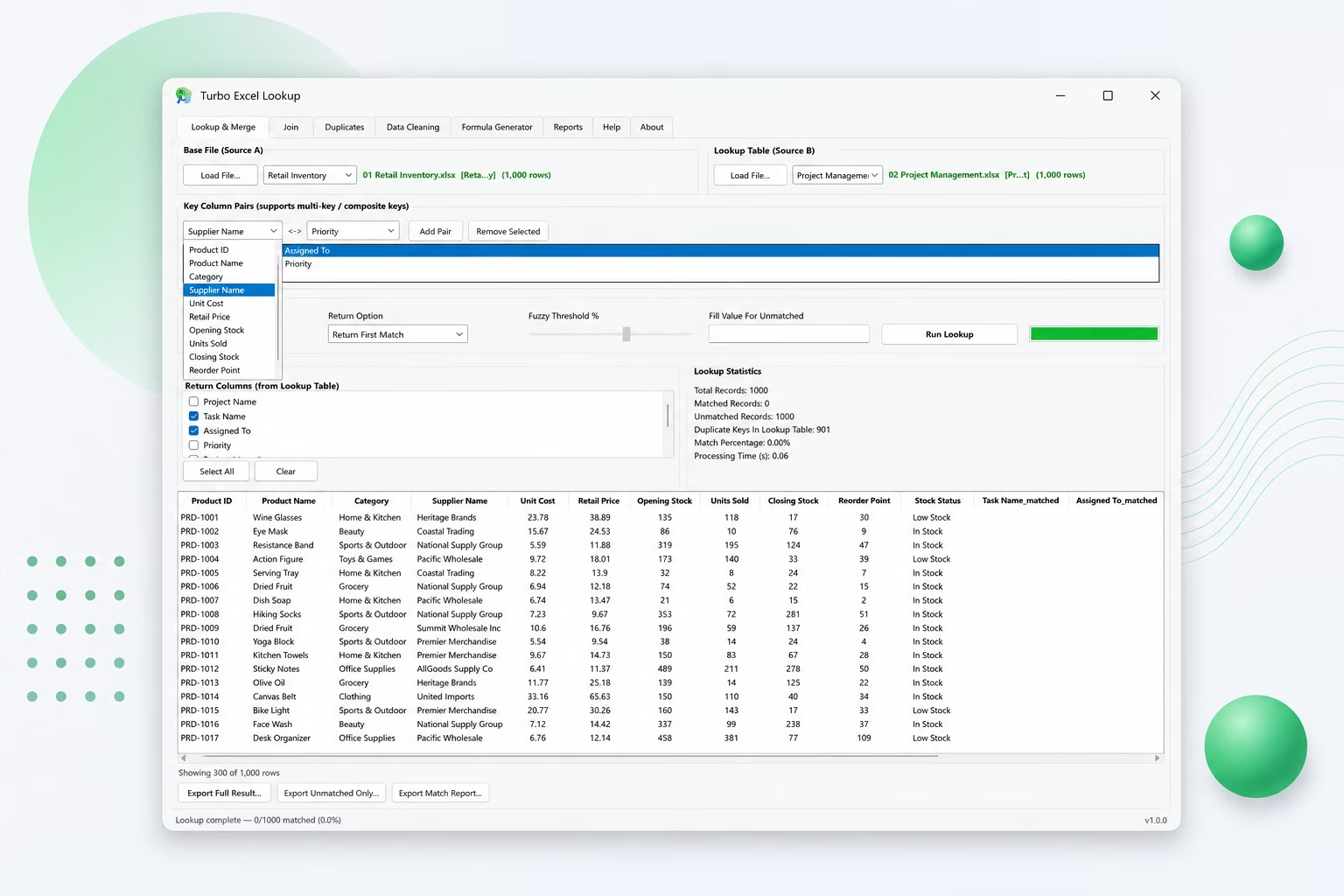
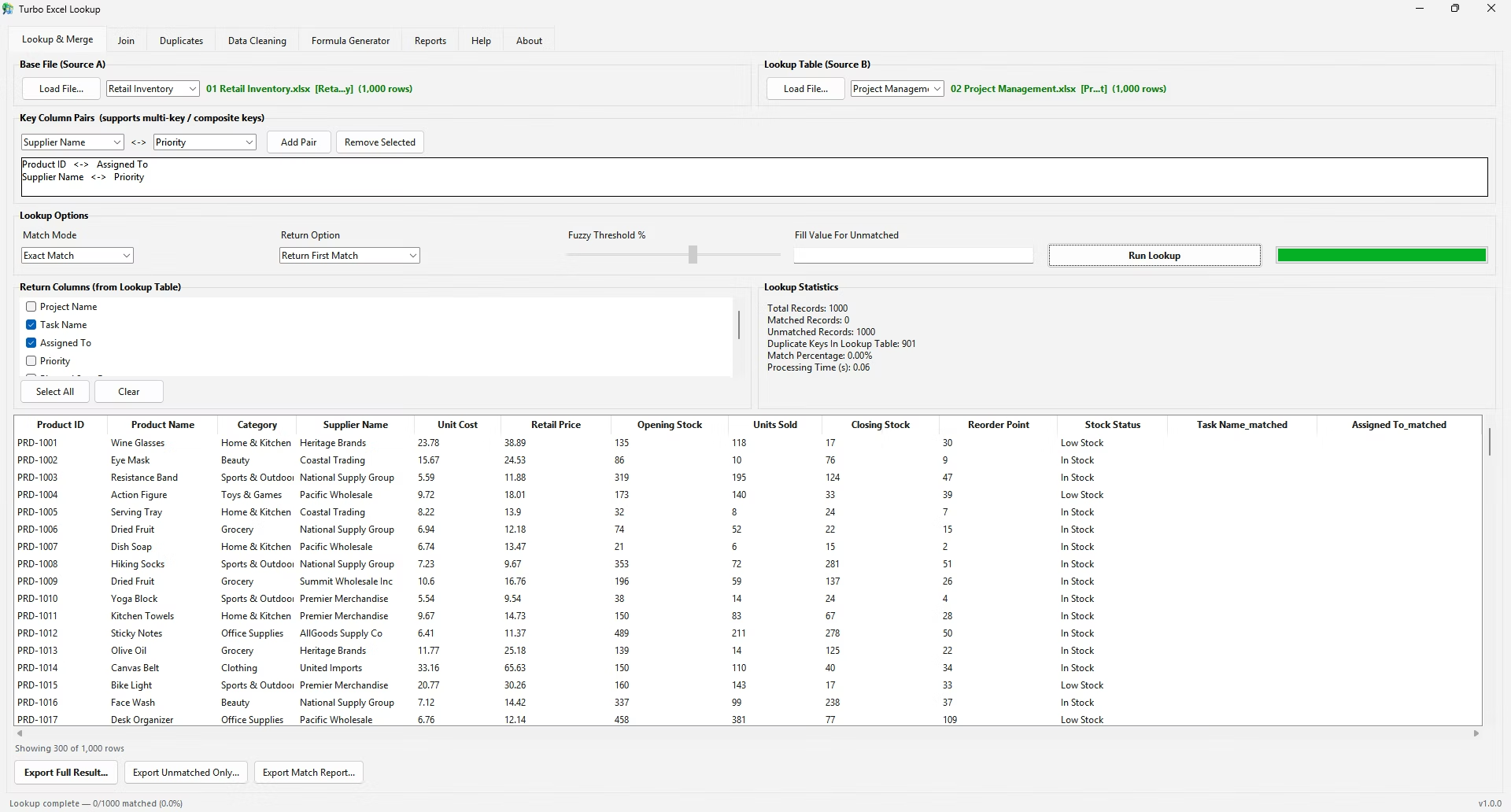
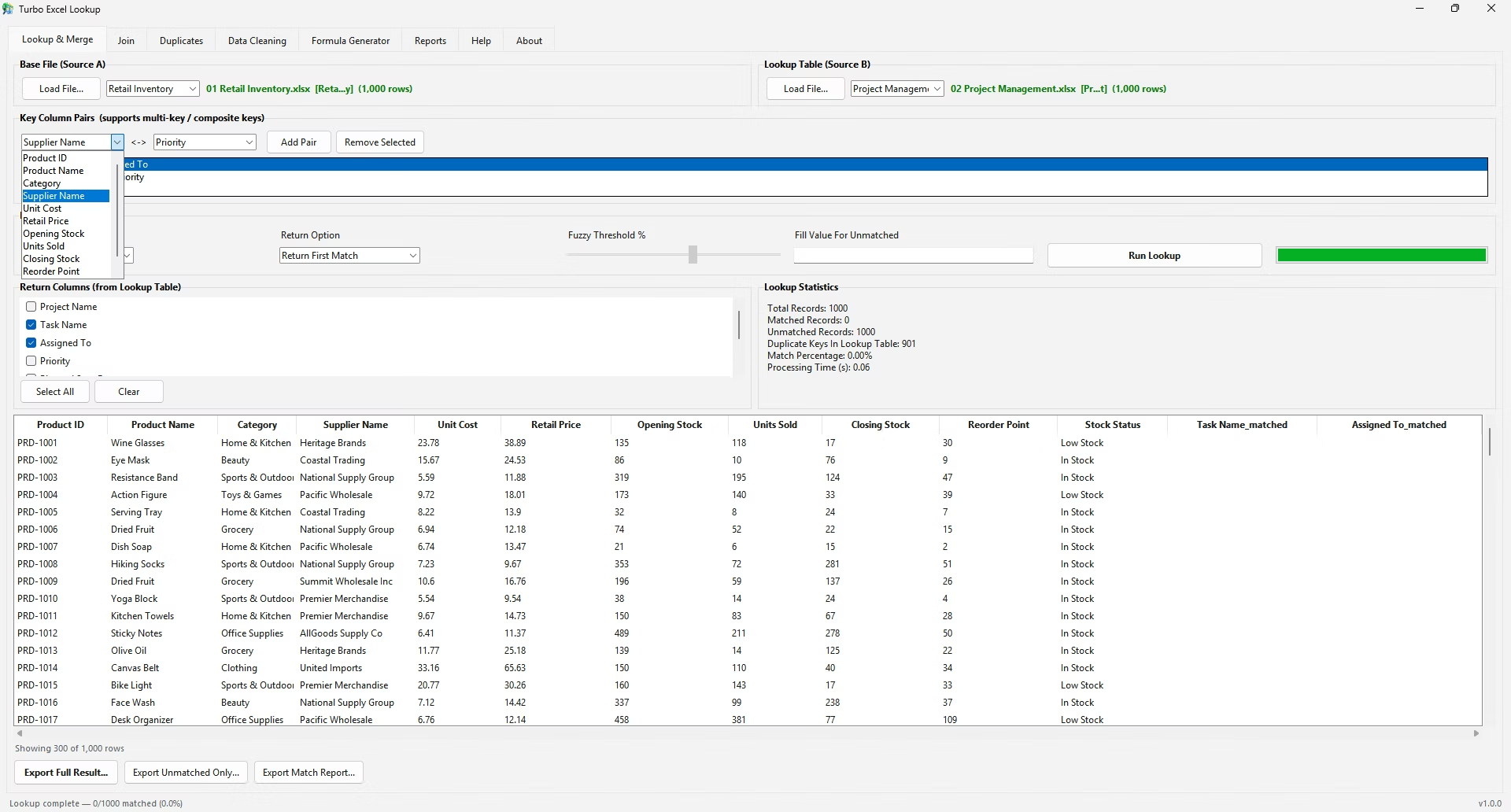
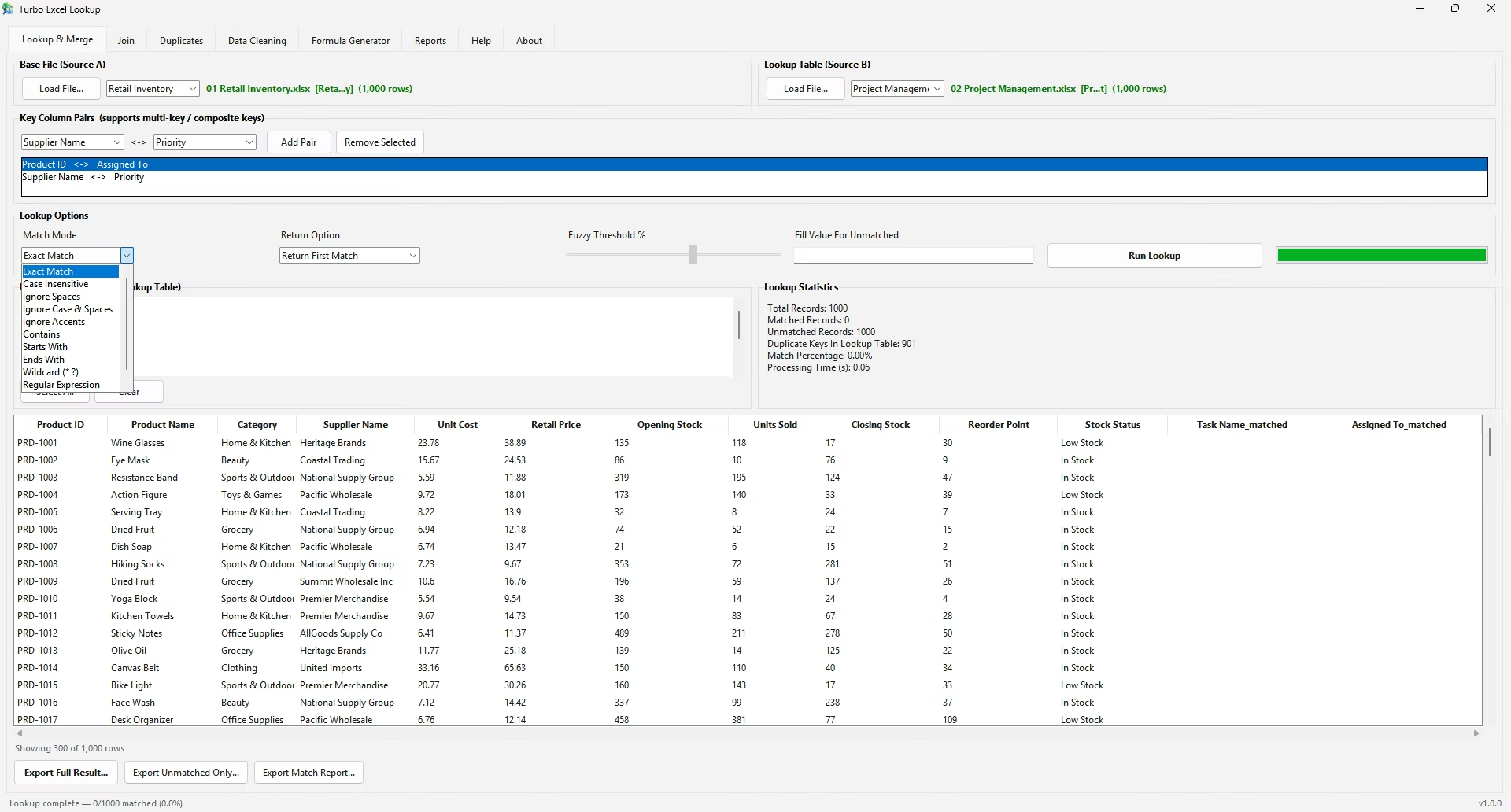
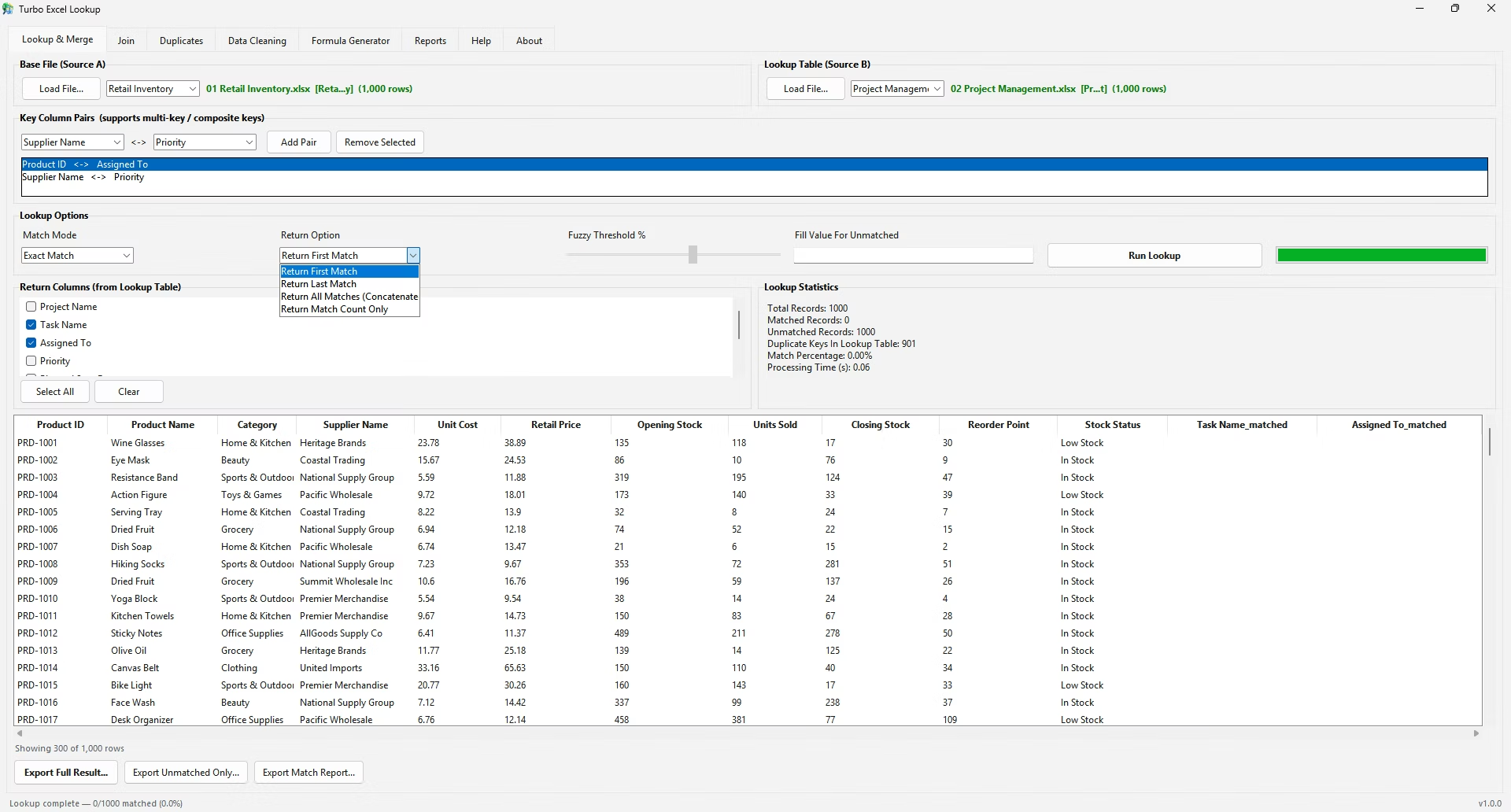
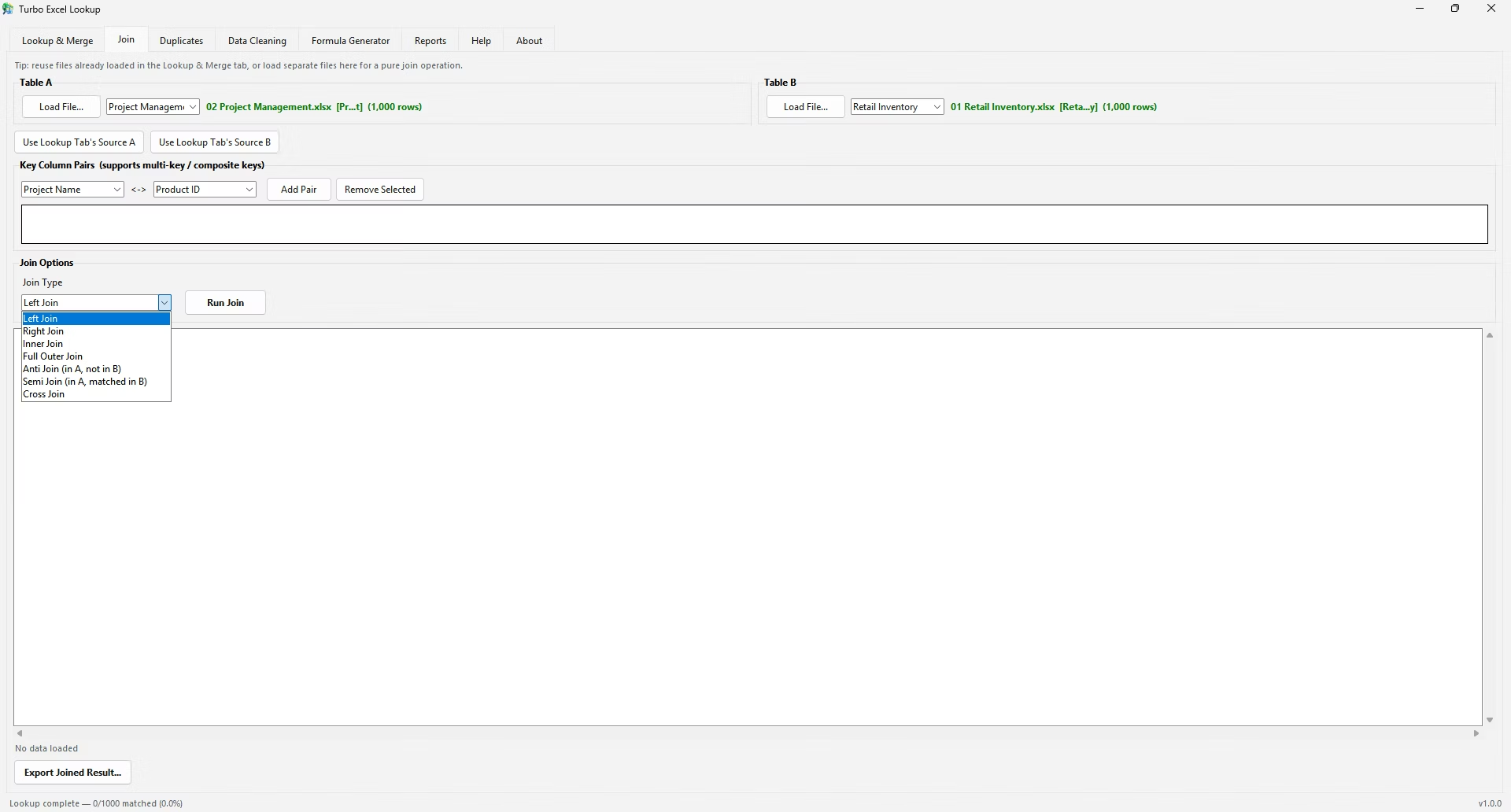
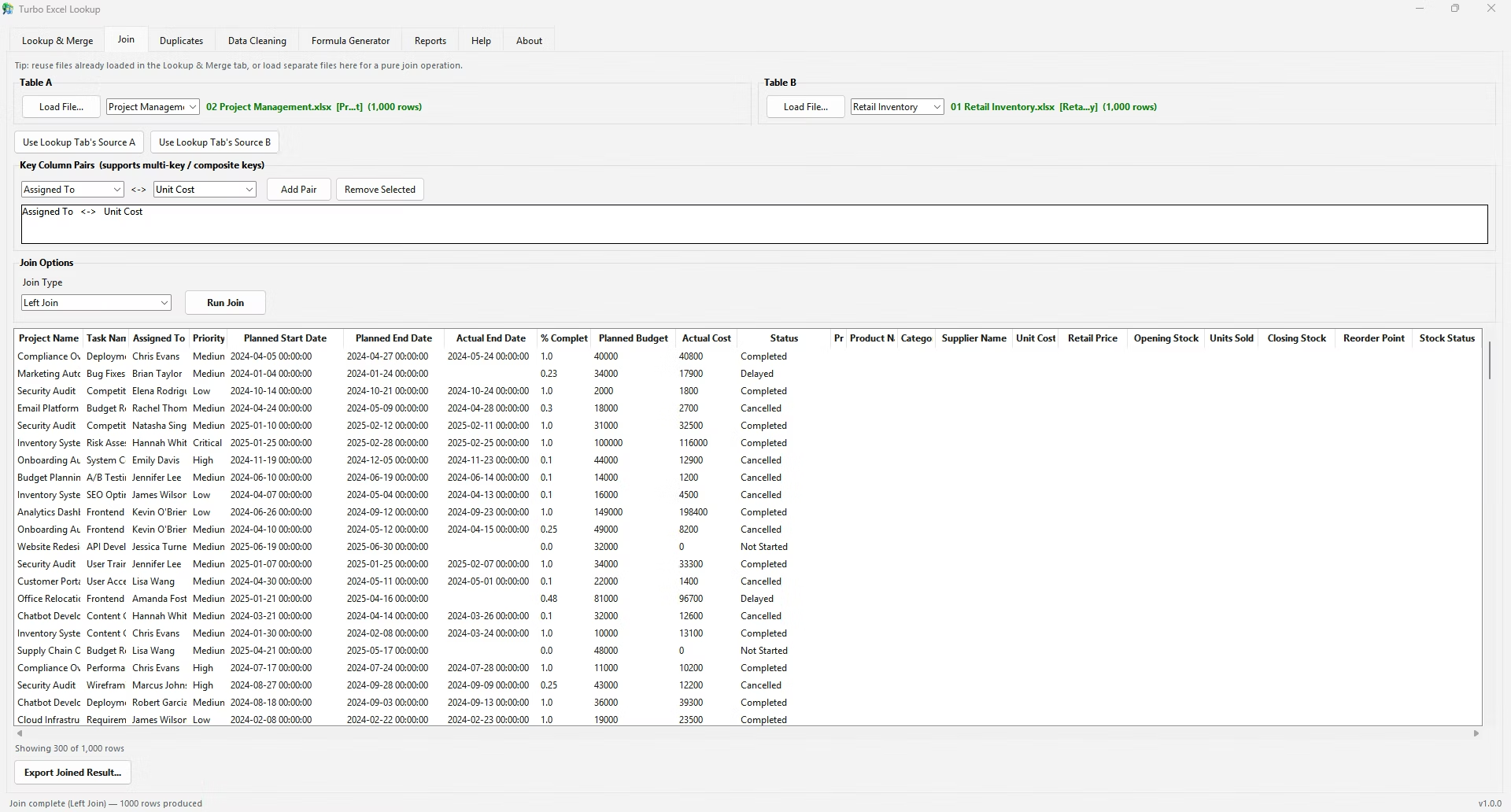
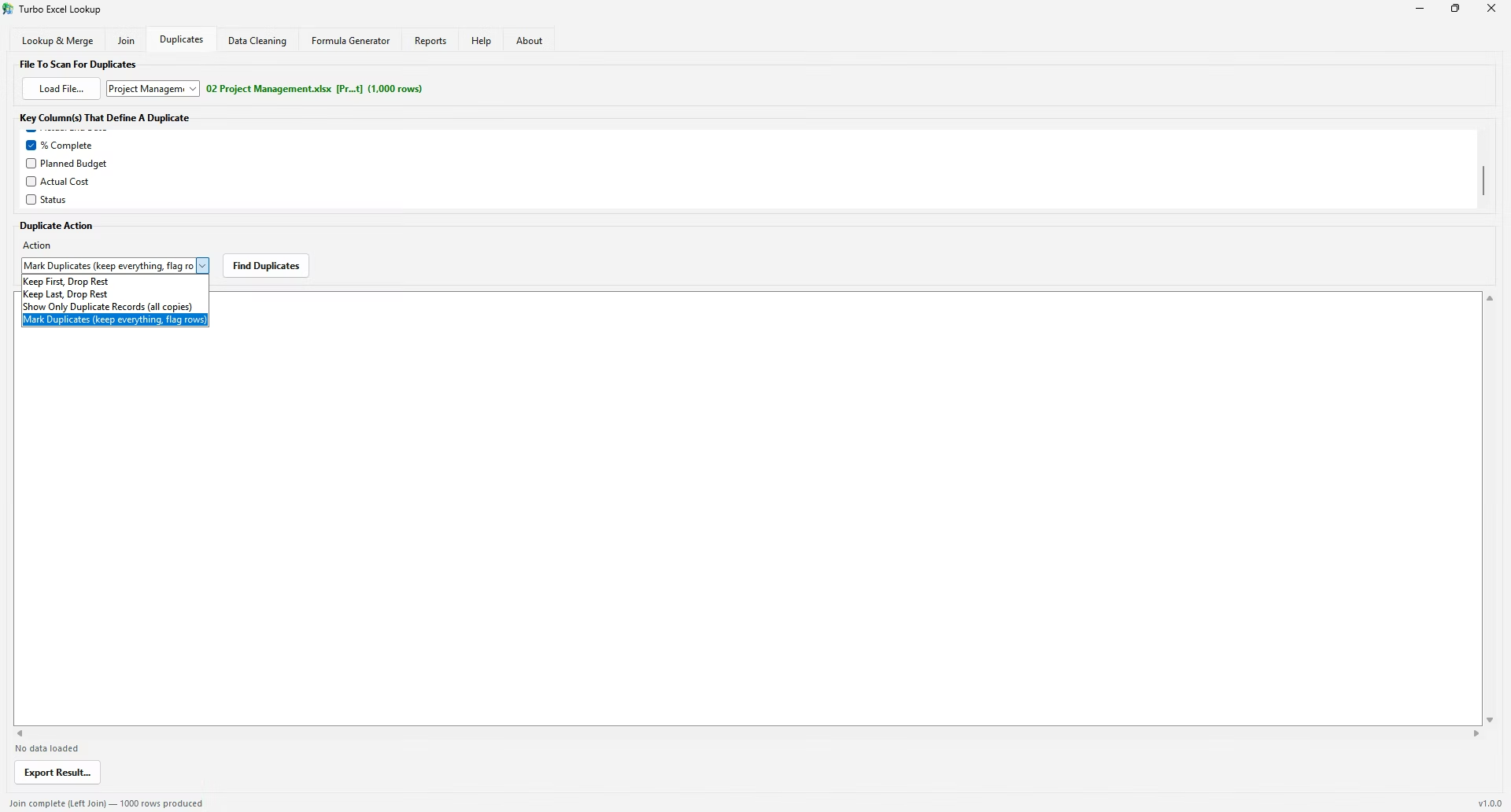
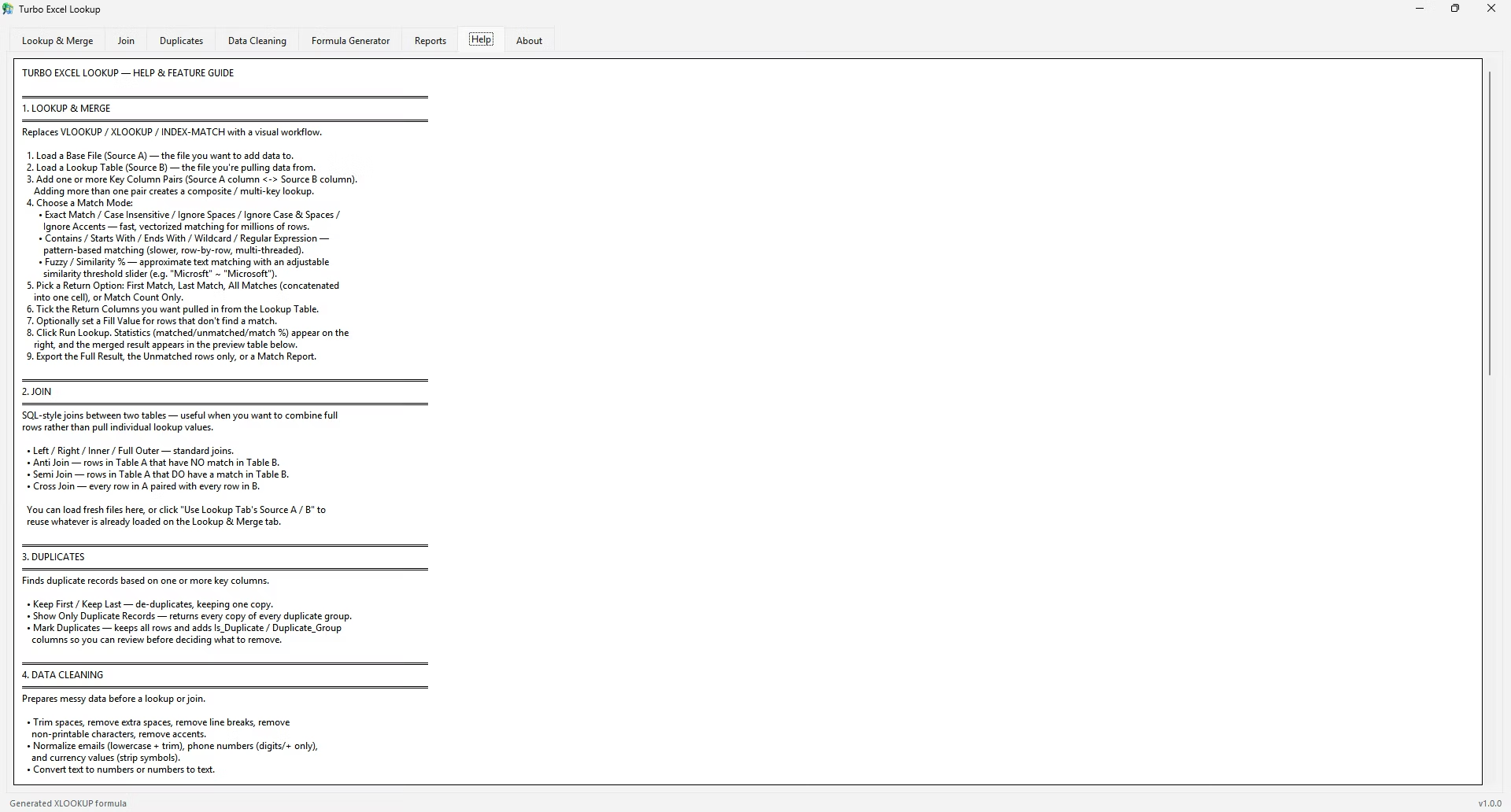
Turbo Excel VLookup replaces the function-insertion step entirely - instead of inserting VLOOKUP into a cell, you select matching columns from dropdown menus and tick the columns to return, and the match is applied across the whole dataset in one action.
When a VLOOKUP formula that used to work suddenly returns the wrong value with no visible error, the most likely cause is that a column was inserted or deleted inside table_array, shifting col_index_num out of alignment with the intended column.
Selecting the formula and pressing F9 with just that part of the formula highlighted shows the calculated value inline, which is a quick way to confirm whether table_array is still pointing where it should.
A common source of confusing errors is editing the same table that a VLOOKUP formula is pulling from, especially when rows are sorted or filtered mid-edit. Keeping a clearly labeled, rarely edited "source" sheet that formulas pull from, separate from a "working" sheet where day-to-day changes happen, reduces the chance of a lookup silently pulling from a half-edited row.
What's the fastest way to insert VLOOKUP?
Typing it directly into the cell is fastest once the argument order is familiar.
Where is the Insert Function dialog located?
On the Formulas tab, or by clicking the small fx icon next to the formula bar.
Can I edit a VLOOKUP function after inserting it?
Yes, clicking the fx icon again while the cell is selected reopens the dialog with existing arguments filled in.
Does the tooltip that appears while typing help with insertion?
Yes, it lists each argument in order and highlights the one currently being entered, functioning as a lightweight guide.
What happens if I insert the function into the wrong cell?
The formula can be cut and pasted into the correct cell, though relative references may need to be rechecked afterward.
Is there a way to skip inserting a function altogether?
Yes, Turbo Excel VLookup performs the same lookup through a point-and-click interface with no function inserted.
Should I test a new formula on one row before applying it everywhere?
Yes, verifying a single result against the source data first catches setup mistakes before they're copied across an entire column.
Is it a good idea to edit source data while formulas are actively referencing it?
It's safer to keep a stable source sheet separate from a working sheet, since editing referenced data mid-use can produce confusing intermediate results.
Why would a text-formatted number fail to match a real number?
Excel treats text and numeric values as different data types, so "101" stored as text won't match 101 stored as a number even though they display the same.
Does locking a range with F4 change how the formula calculates?
No, it only fixes the range so it doesn't shift when the formula is copied - the calculation itself works the same either way.
Ready to stop fighting #N/A errors and match your spreadsheets visually?