This page is written as a printable, step-by-step reference - the kind of guide people often search for as a PDF to keep open or print out while working through their first few VLOOKUP formulas. Every step is numbered, the example uses concrete sample data instead of placeholders, and a quick-reference checklist at the end summarizes the whole process on its own.
You can print this page directly from your browser (Ctrl+P or Cmd+P) to create a PDF version for offline reference. The final section covers Turbo Excel Lookup for anyone who would rather follow a guided app screen than a printed checklist.
| Sheet1 - Students | |
|---|---|
| Student ID | Grade Letter (to fill) |
| S-77 | ? |
| Sheet2 - Scores | |
|---|---|
| Student ID | Grade Letter |
| S-77 | B+ |
- Click cell B2 on the Students sheet.
- Type
=VLOOKUP(A2, Scores!A:B, 2, FALSE)and press Enter. - Confirm B2 now shows "B+", matching the Scores sheet.
- Click B2 again, copy it (Ctrl+C).
- Select the remaining cells in column B for other students, and paste (Ctrl+V).
- Scan column B for any #N/A results, which indicate a Student ID missing from the Scores sheet.
- Lookup column is the leftmost column of the selected range
- FALSE is used for exact match
- Column index number is counted from the selected range, not the sheet
- Range is locked with $ signs before copying the formula down
- #N/A results have been reviewed for genuine missing data versus spacing or casing mismatches
Keeping this checklist visible while building a new lookup catches the majority of first-time VLOOKUP mistakes before they require debugging later.
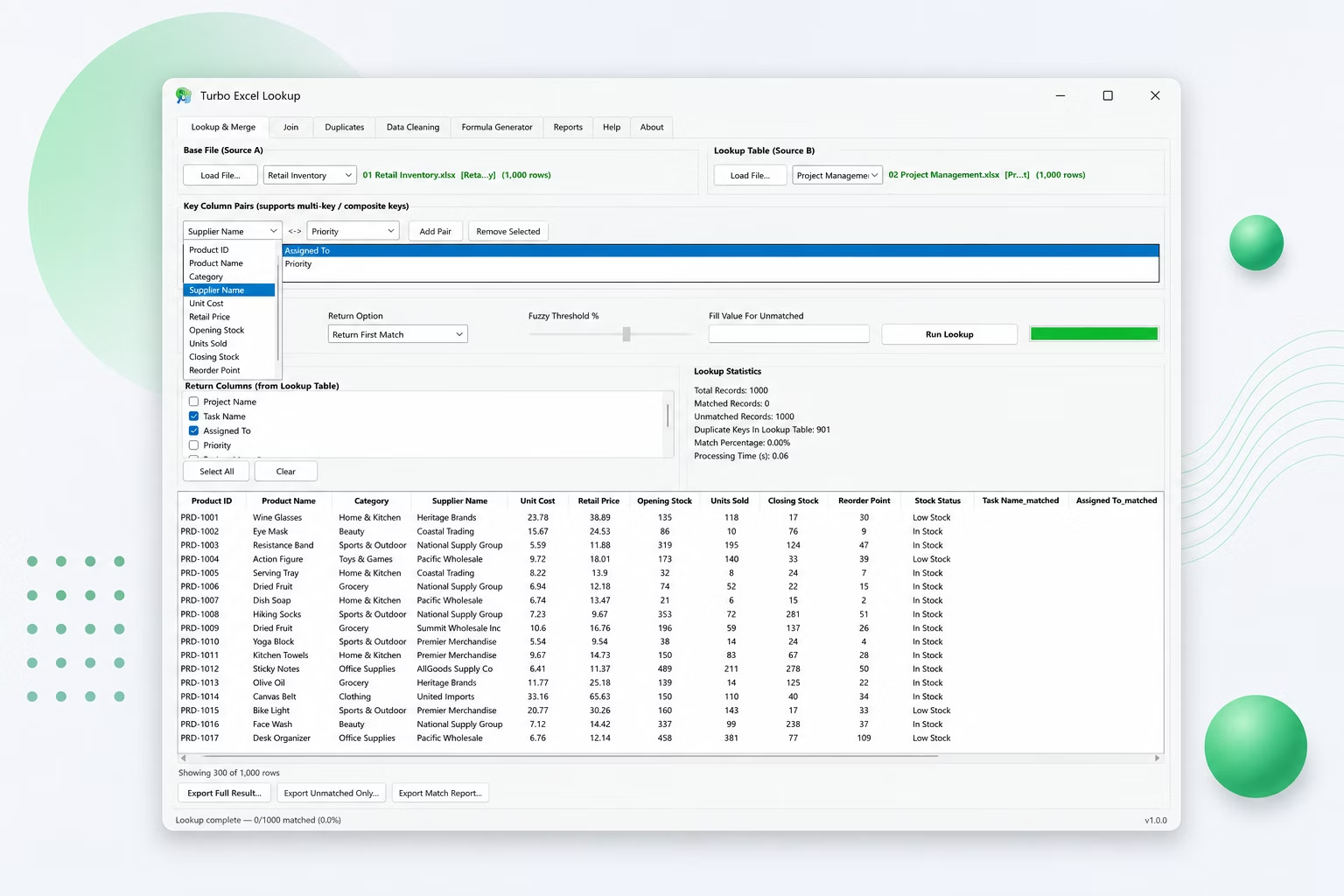
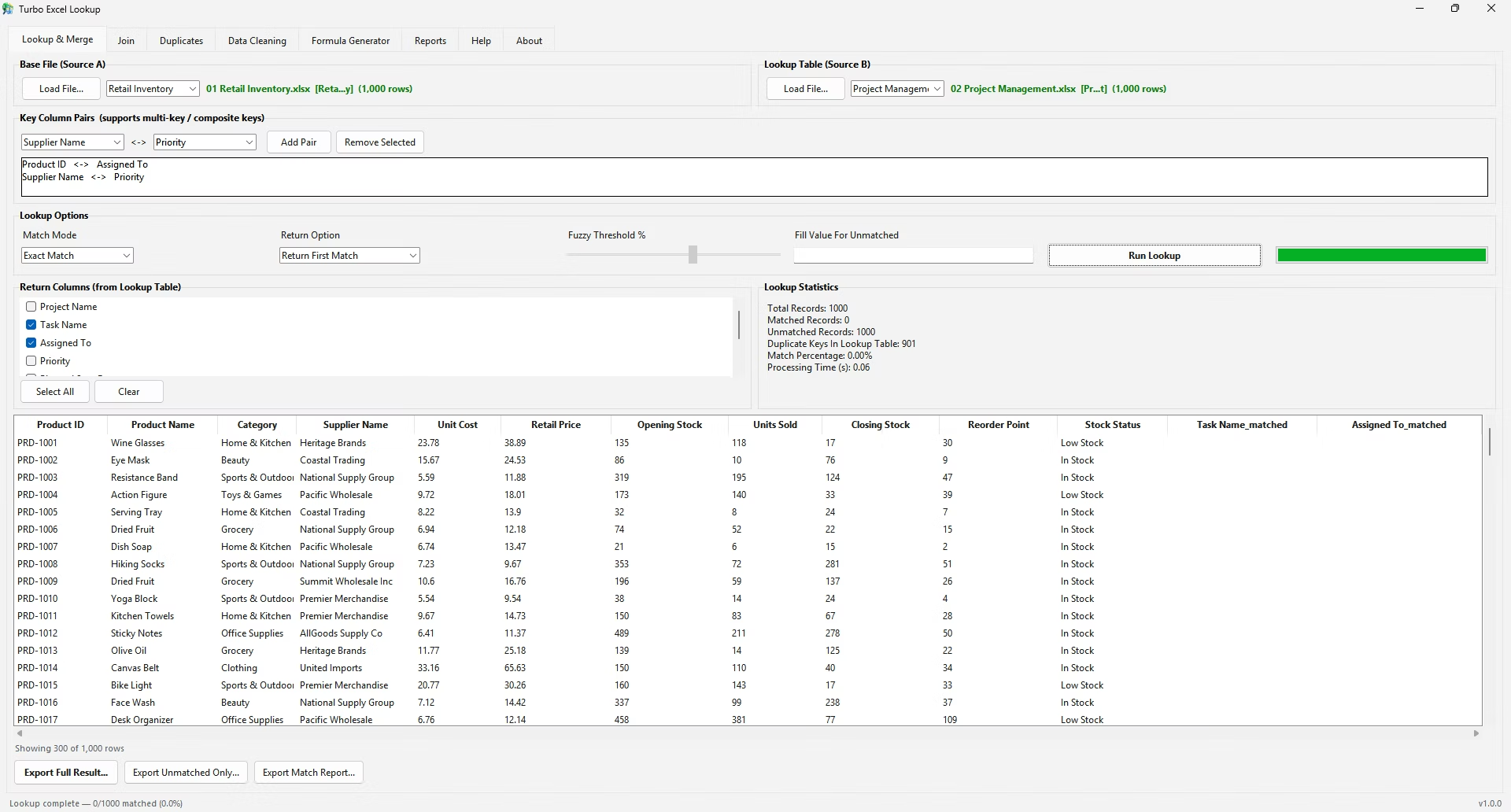
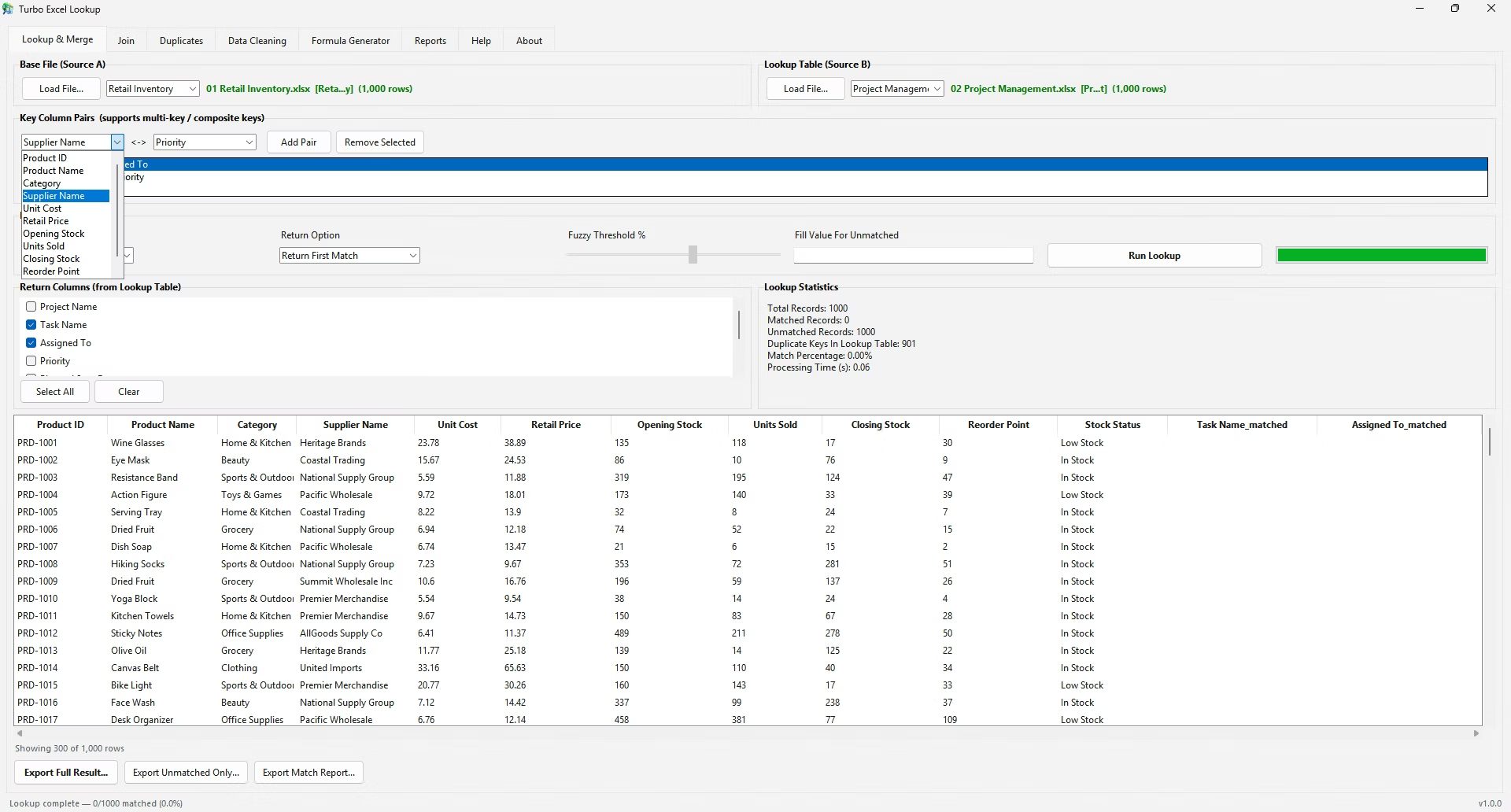
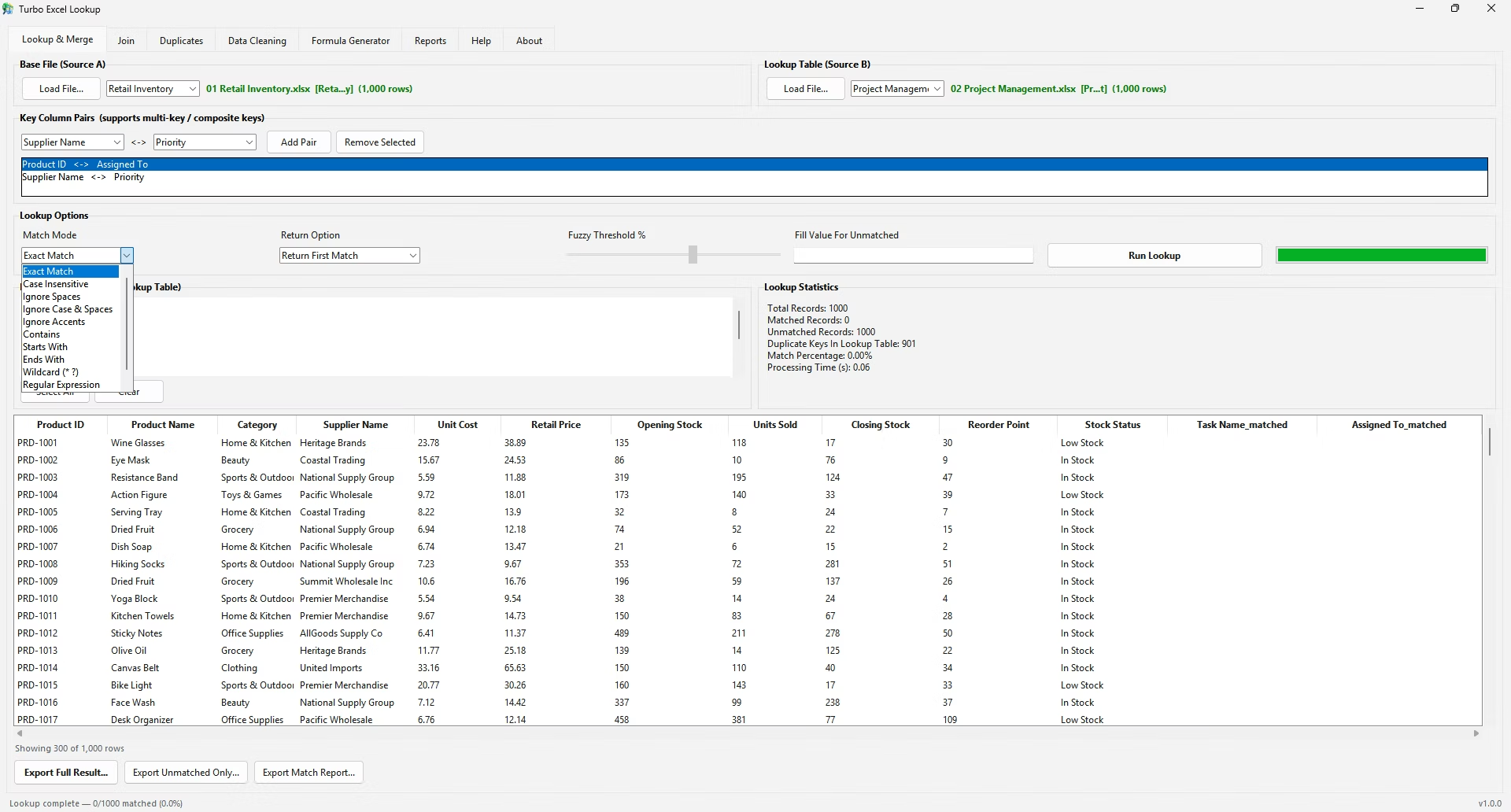
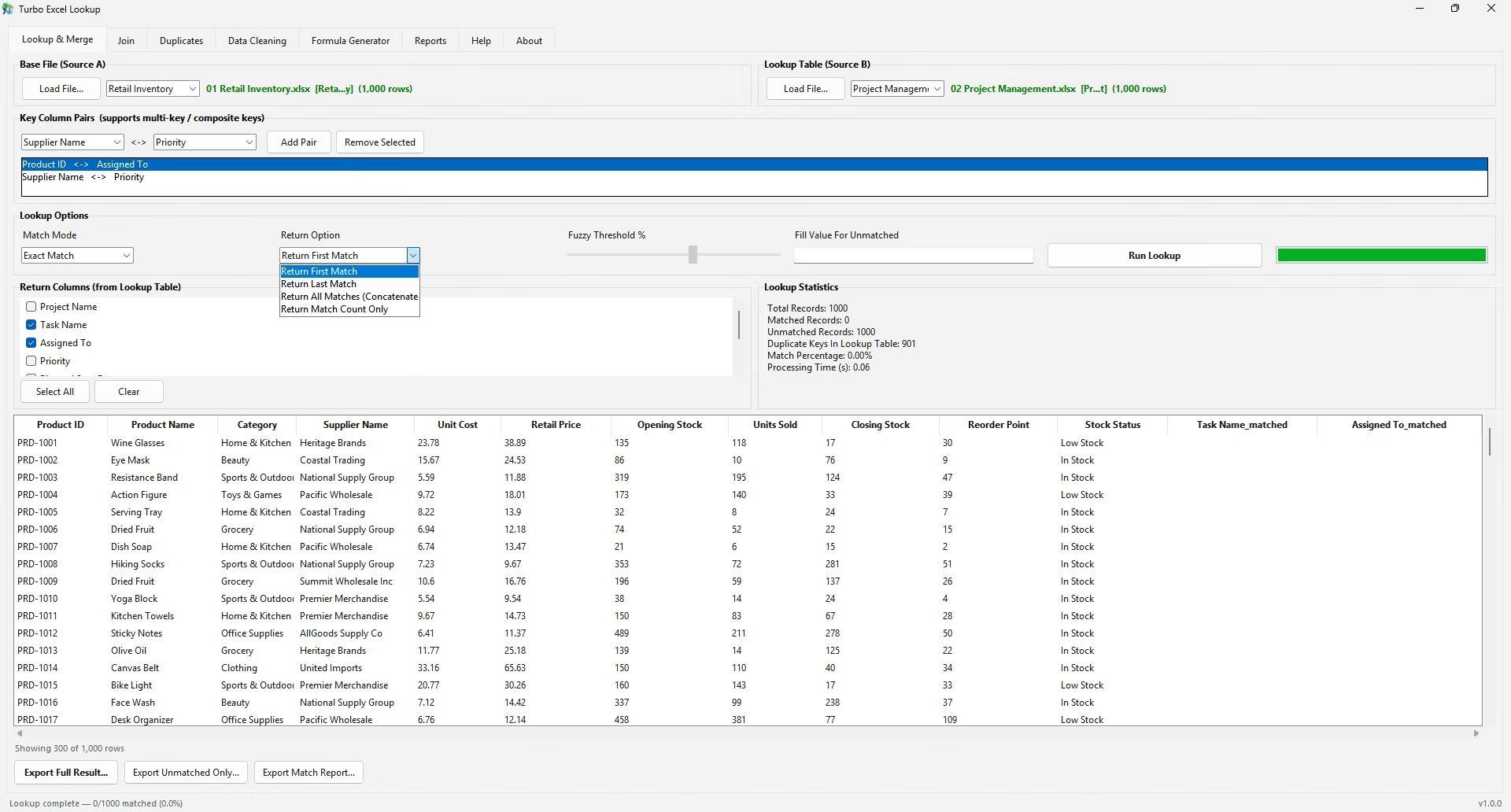
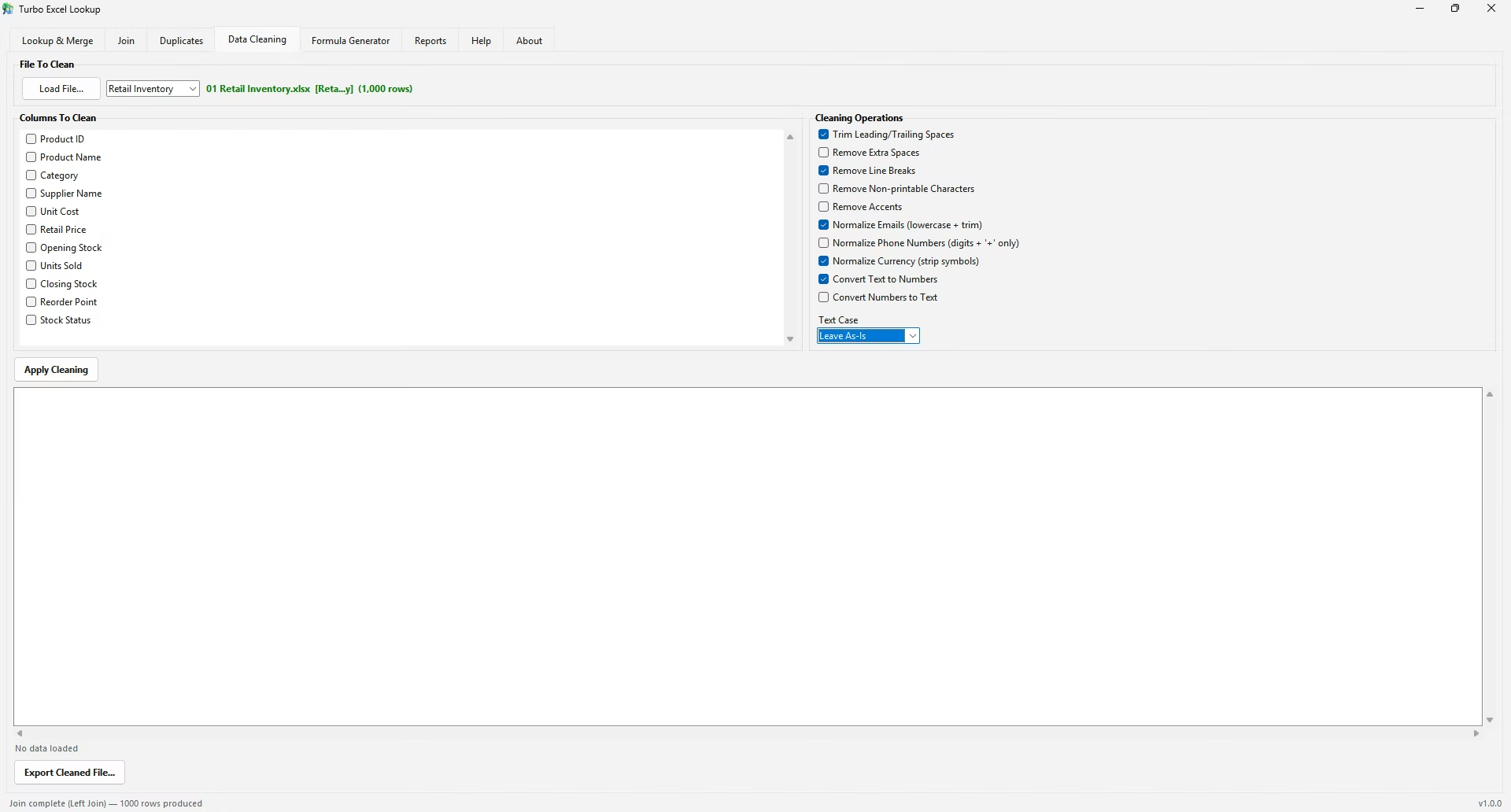
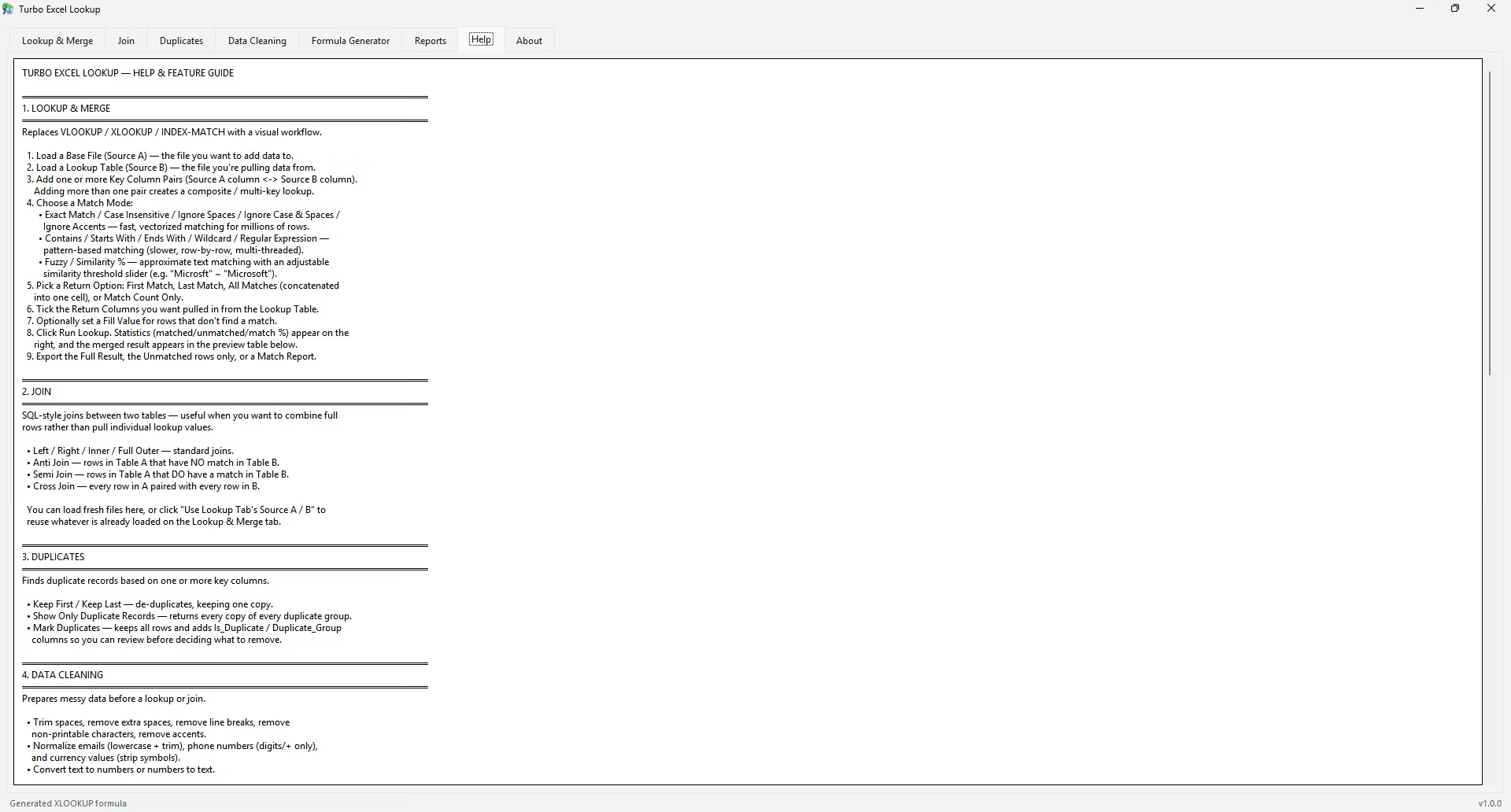
Turbo Excel Lookup effectively turns this checklist into an on-screen guided process: the app's Lookup & Merge tab only lets you select a valid leftmost-independent column pairing, defaults its Match Mode to Exact, counts nothing since columns are chosen by name, and shows a match-percentage report automatically instead of requiring a manual scan for #N/A. For the Students-and-Scores example above, loading both sheets and matching Student ID to Student ID with Grade Letter ticked as the return column produces the same "B+" result without working through the checklist by hand.
For additional practice beyond the Students-and-Scores example above, consider a small inventory scenario: Sheet1 lists Warehouse Bin numbers needing a Product Name filled in, and Sheet2 lists Bin numbers alongside Product Names. The formula =VLOOKUP(A2, Bins!A:B, 2, FALSE) follows the identical pattern as the earlier example - lookup_value from the current sheet, an exact-match range from Bins, and column 2 for Product Name.
Working through a second example with different sample data, using the same checklist from above, helps confirm the process has genuinely been understood rather than just memorized from one specific case. If this second example also produces correct, expected results without needing to reference the steps again, the checklist has likely become second nature.
Beyond printing this page directly, bookmarking it in your browser or saving the exported PDF to a shared team folder makes it available the next time a colleague needs a VLOOKUP refresher, without needing to search for a new guide from scratch each time. A consistent, trusted reference like this tends to get reused far more than most people expect once it's easy to find again.
This step-by-step format also works well as the basis for a short team training session - walking through the numbered steps live using a shared screen, then having each participant repeat the same steps independently on the practice dataset, reinforces the process more effectively than reading through it silently. The quick-reference checklist doubles as a handout participants can keep afterward.
A printable, checklist-style guide like this one is meant to be referenced repeatedly rather than read once - keep it bookmarked or printed nearby for the next time a VLOOKUP formula needs building, whether it's your first attempt or your fiftieth.
Can I actually save this page as a PDF?
Yes, using your browser's Print function (Ctrl+P or Cmd+P) and choosing "Save as PDF" as the destination will produce a printable PDF version of this guide.
Why is the quick-reference checklist useful even if I already know VLOOKUP?
It's a fast way to catch the specific mistakes - unlocked ranges, wrong match type, miscounted column index - that account for most VLOOKUP errors, even among experienced users working quickly.
What should I check first if my copied-down formula gives wrong results?
Check whether the table_array reference is locked with $ signs; an unlocked reference is the most common cause of a formula that works in the first row but breaks in subsequent rows.
Does Turbo Excel Lookup produce a report I can save, similar to a PDF summary?
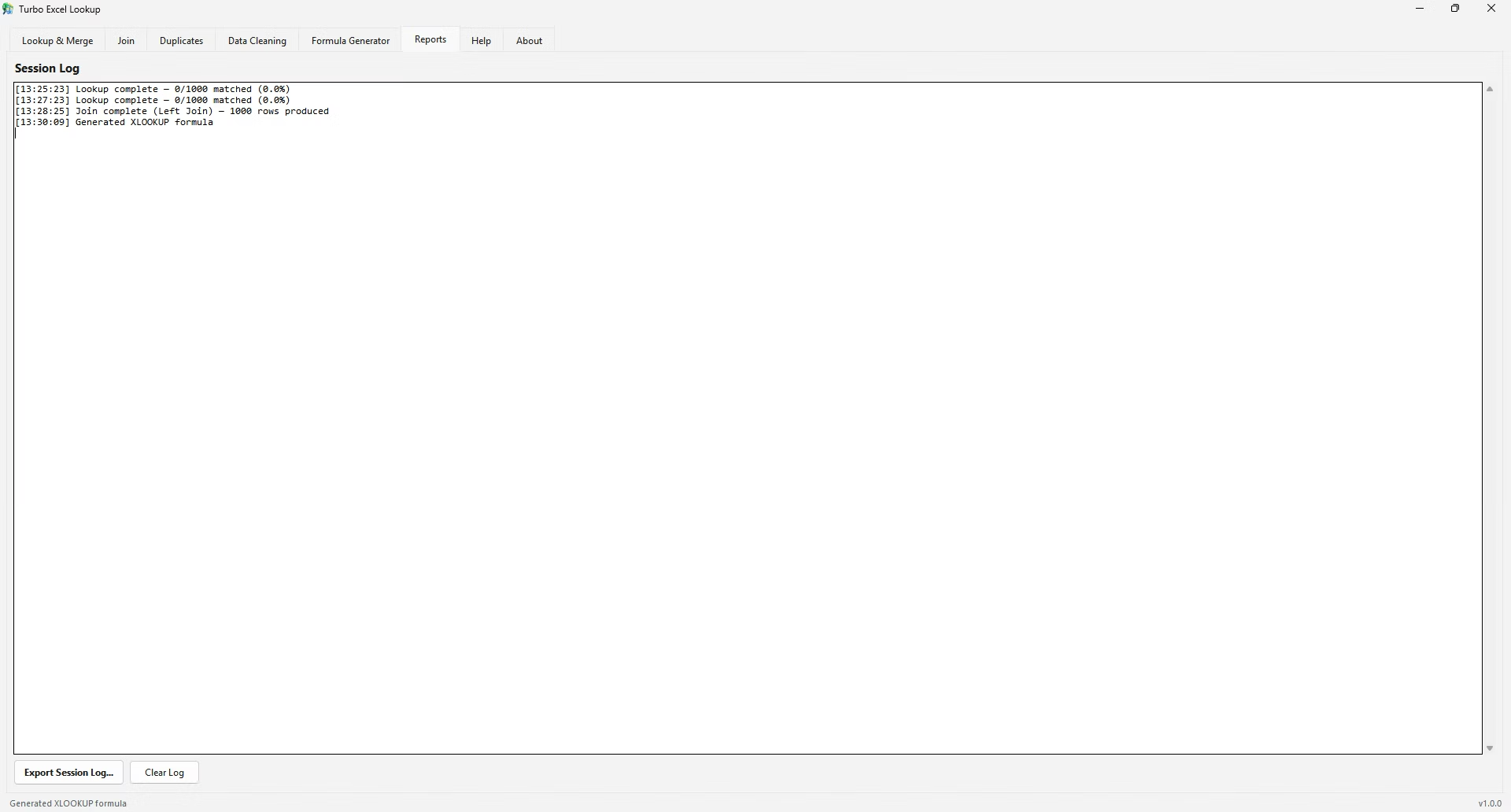
Yes, after running a lookup the app's Reports tab keeps a session log, and results including the match statistics can be exported to XLSX or CSV for record-keeping.
Why is a second practice example useful after the first one?
It confirms the underlying process has been understood generally, rather than just memorized for one specific dataset, since different sample data can surface gaps in understanding the first example didn't reveal.
Can I use this same checklist for XLOOKUP instead of VLOOKUP?
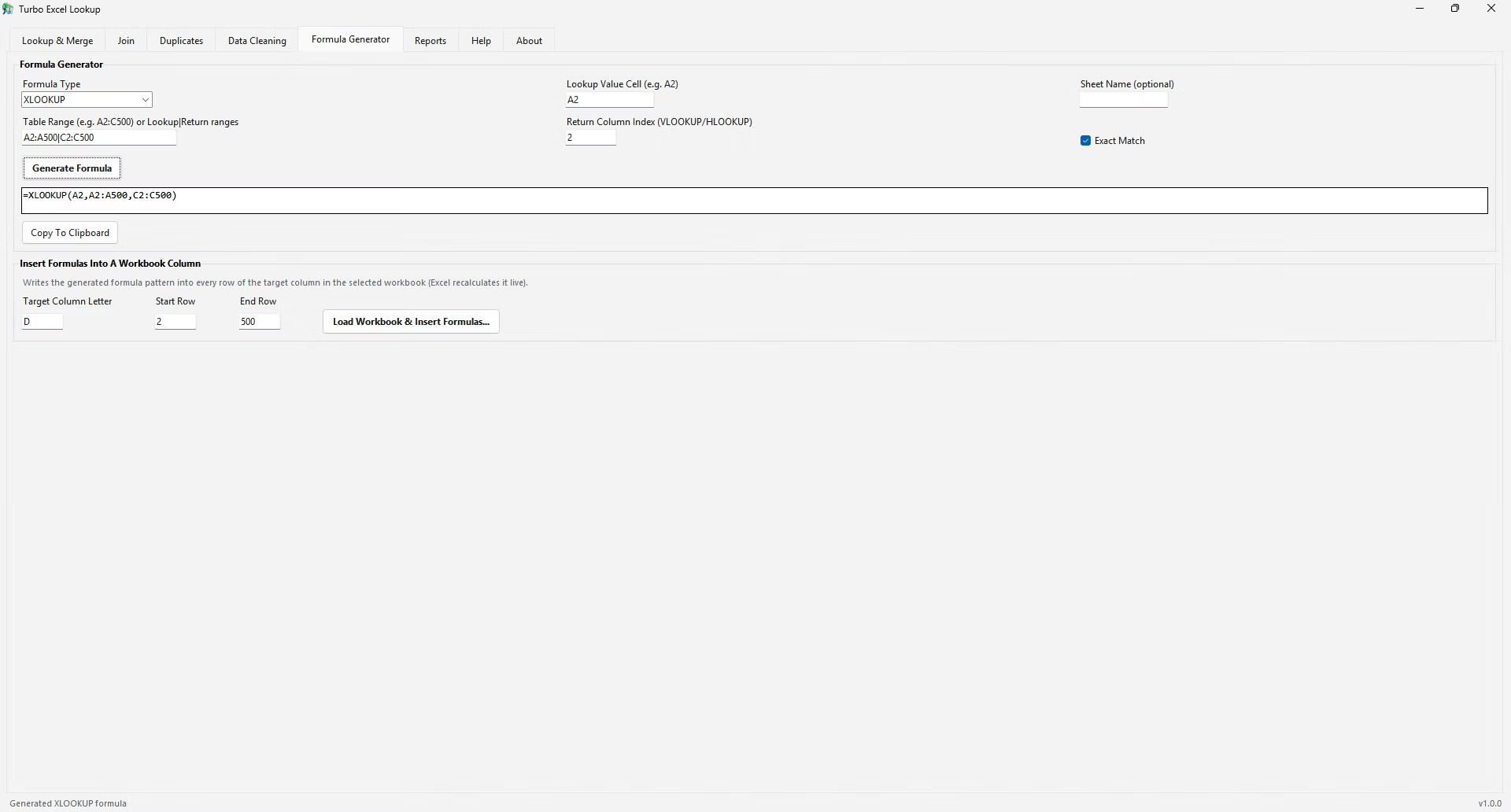
The core ideas (exact match, correct range, testing before scaling) apply to both, though XLOOKUP replaces the leftmost-column and column-counting checks with simpler independent range selection.
Is it worth saving this guide somewhere for future reference?
Yes, bookmarking the page or saving an exported PDF to a shared folder makes it quick to find again the next time a VLOOKUP refresher is needed, for yourself or a colleague.
Can this guide be used to train a team rather than just for individual reference?
Yes, walking through the numbered steps live as a group, then having each person repeat them independently on a practice dataset, works well as a short training session, with the checklist serving as a takeaway handout.
Ready to stop fighting #N/A errors and match your spreadsheets visually?