Excel 2016's Insert tab has a Pictures button under the Illustrations group that opens a file browser for choosing an image from your computer. Once selected, the picture is placed on the active sheet as a floating object, the same basic behavior found in every version of Excel released before and since - 2013, 2019, 2021, and Microsoft 365 all work essentially the same way here.
There is no cell-embedding option in Excel 2016's version of this command - the picture floats above the worksheet grid rather than becoming part of any individual cell, and positioning it over a specific cell is a manual drag-and-drop step after insertion.
Click the cell you want the image near, open the Insert tab, and click Pictures in the Illustrations group. A browser dialog opens (from a local drive, since 2016 predates the broader online-picture-source integration added in later 365 updates) - choose your file and click Insert.
The picture lands on the sheet, floating and usually not aligned to any cell boundary. From there, dragging the corner handles resizes it and dragging its body repositions it, exactly as in newer versions - the mechanics haven't meaningfully changed across Excel releases.
- Click the cell where you want the image positioned.
- Go to the Insert tab and click Pictures in the Illustrations group.
- Browse to your image file and click Insert.
- Drag a corner handle to resize the image to roughly fit the target cell.
- Drag the image body so it sits over the correct cell, then right-click and set Move and size with cells.
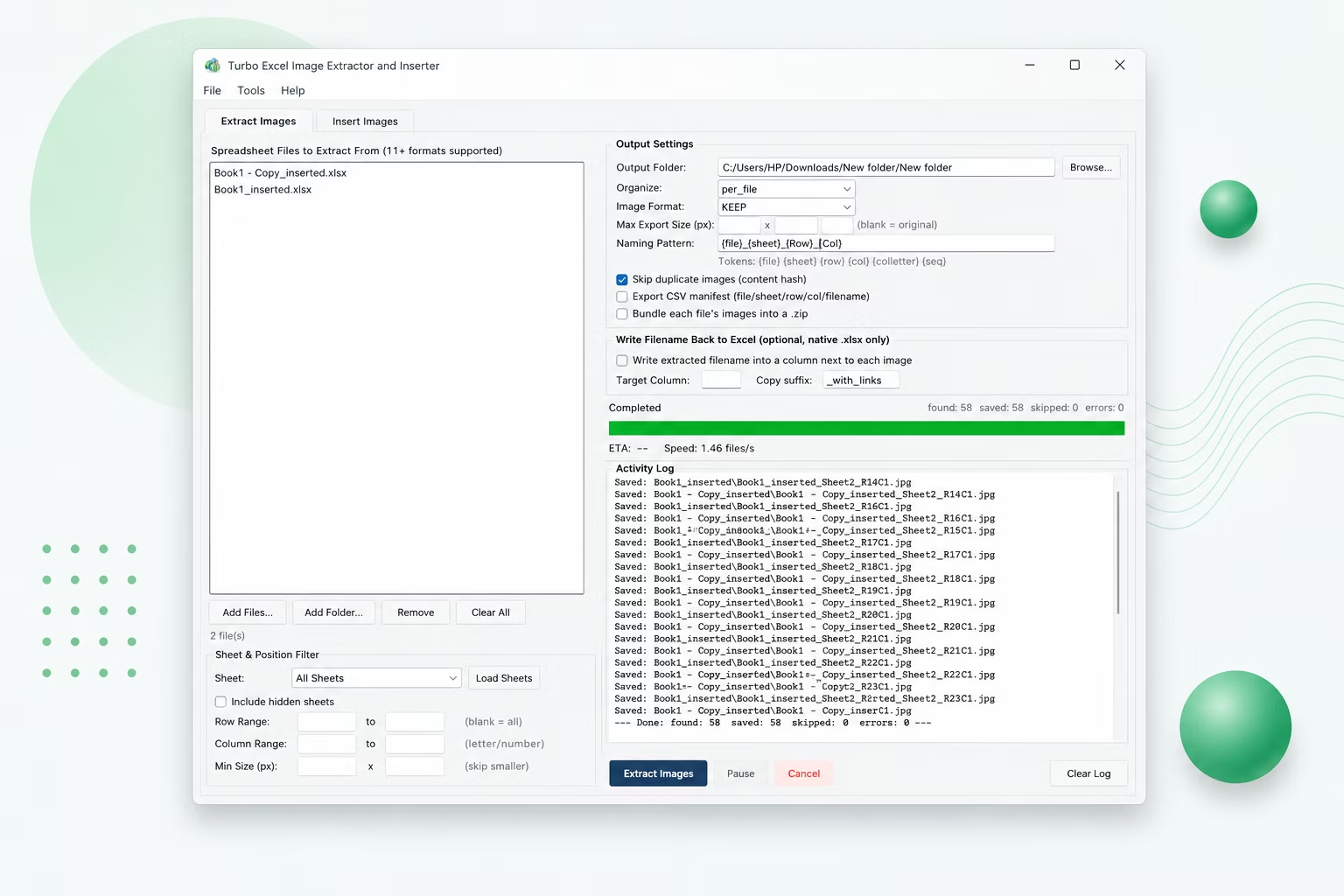
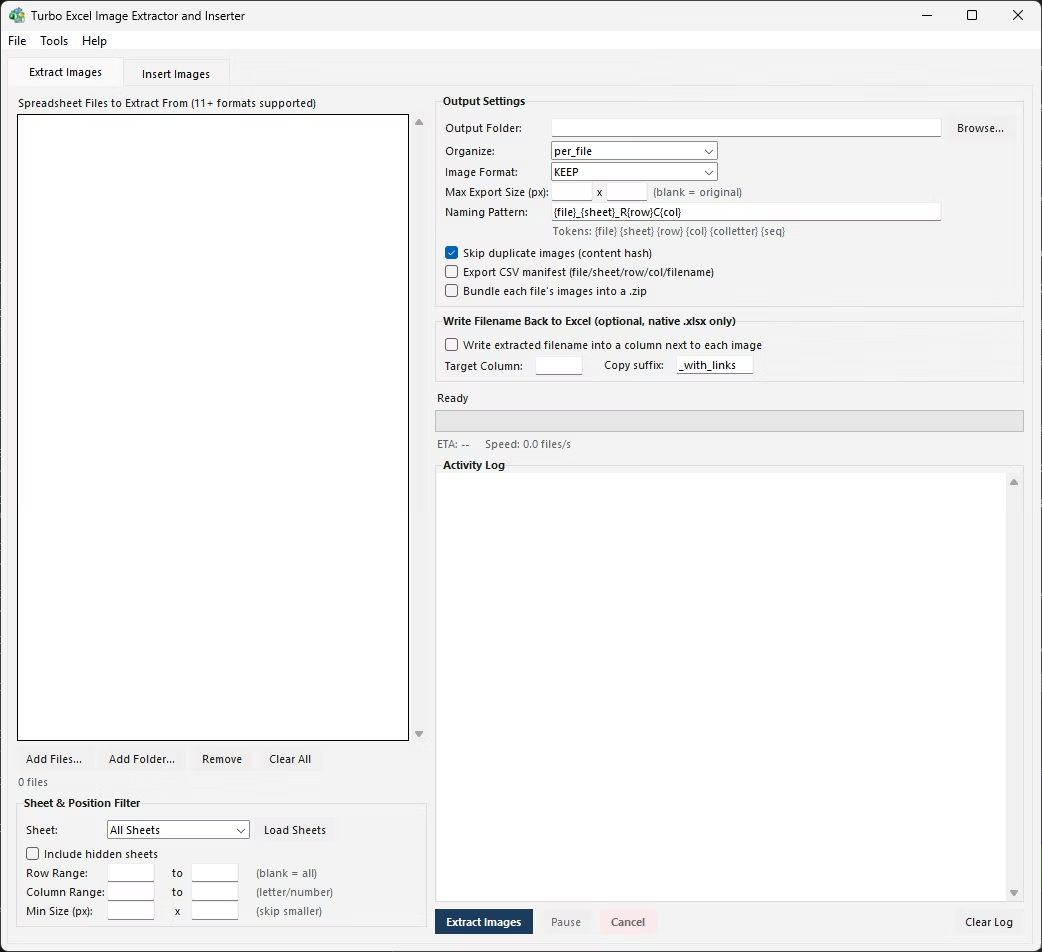
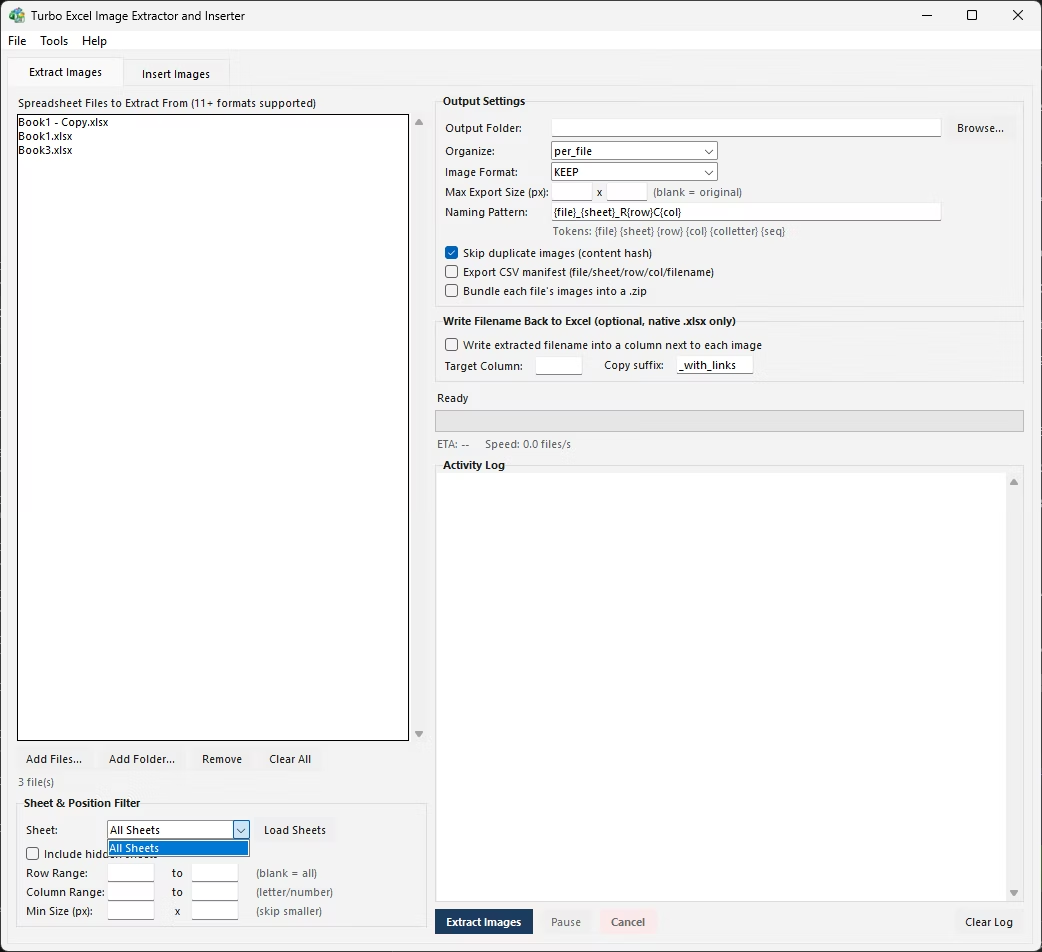
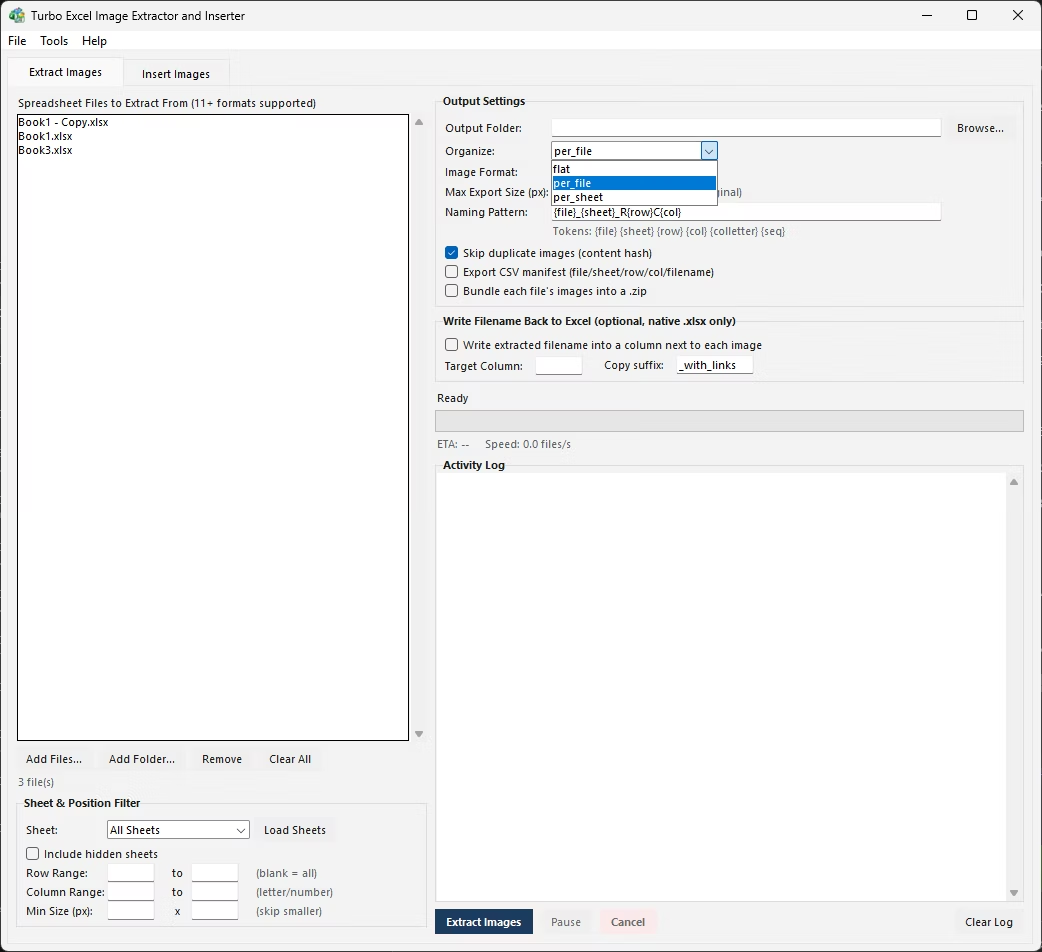
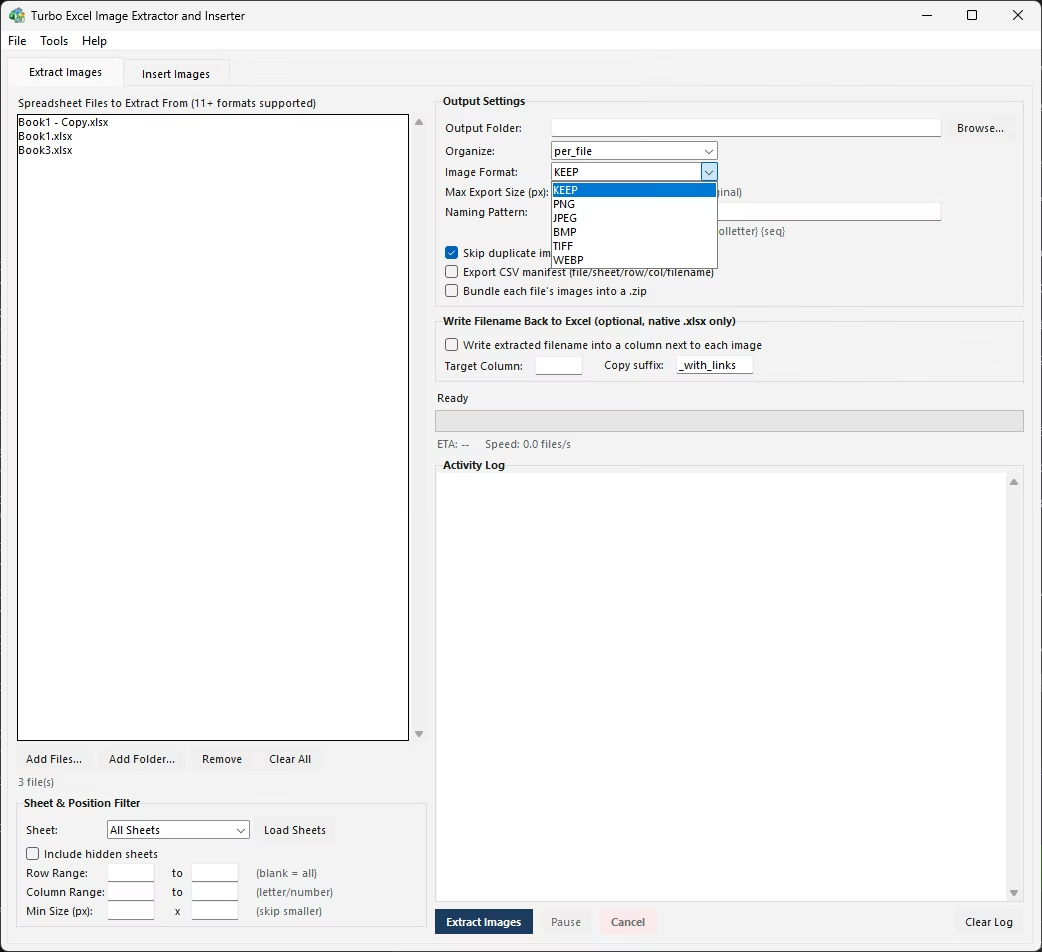
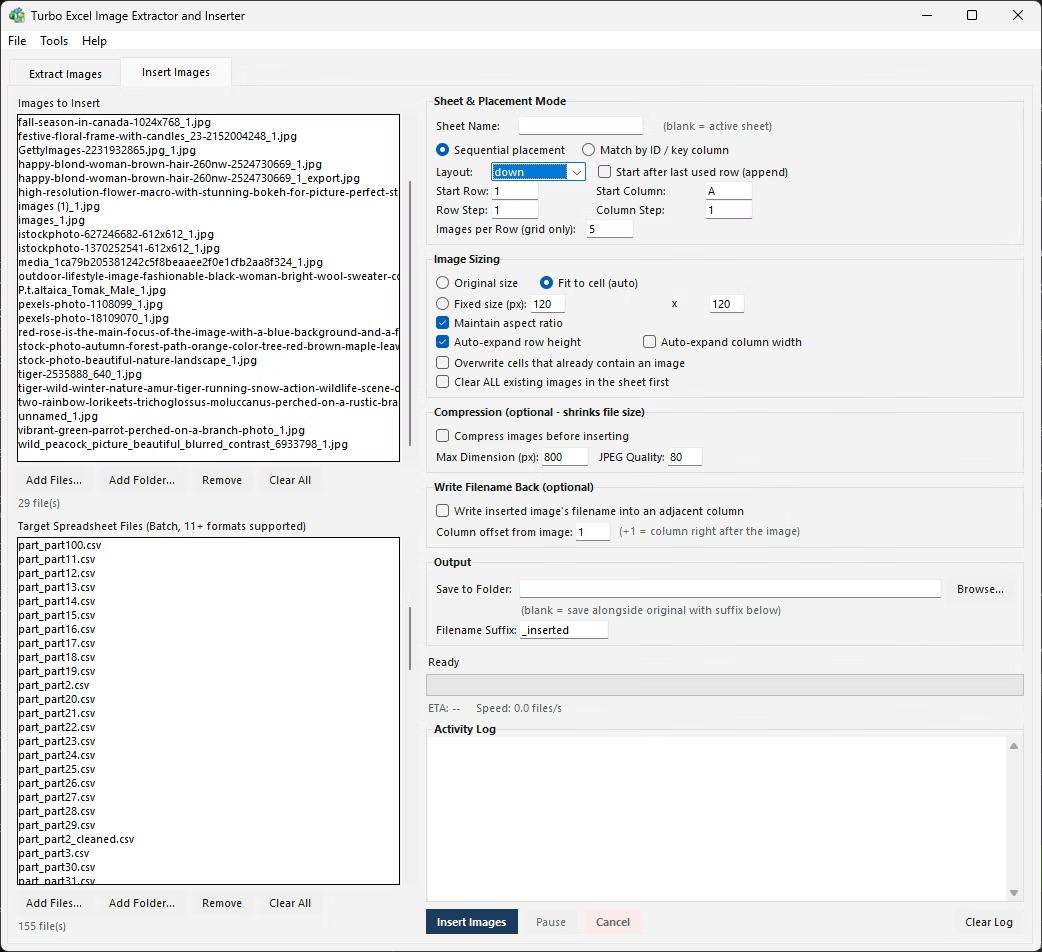
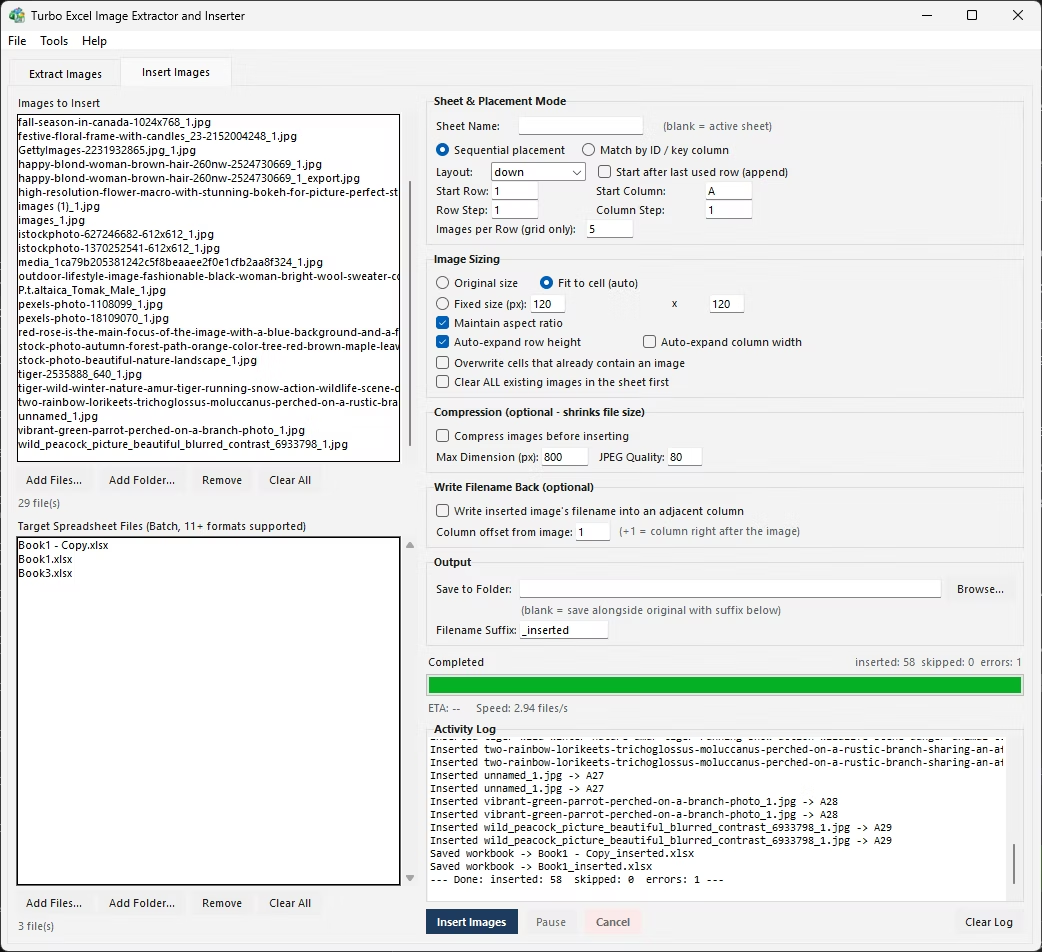
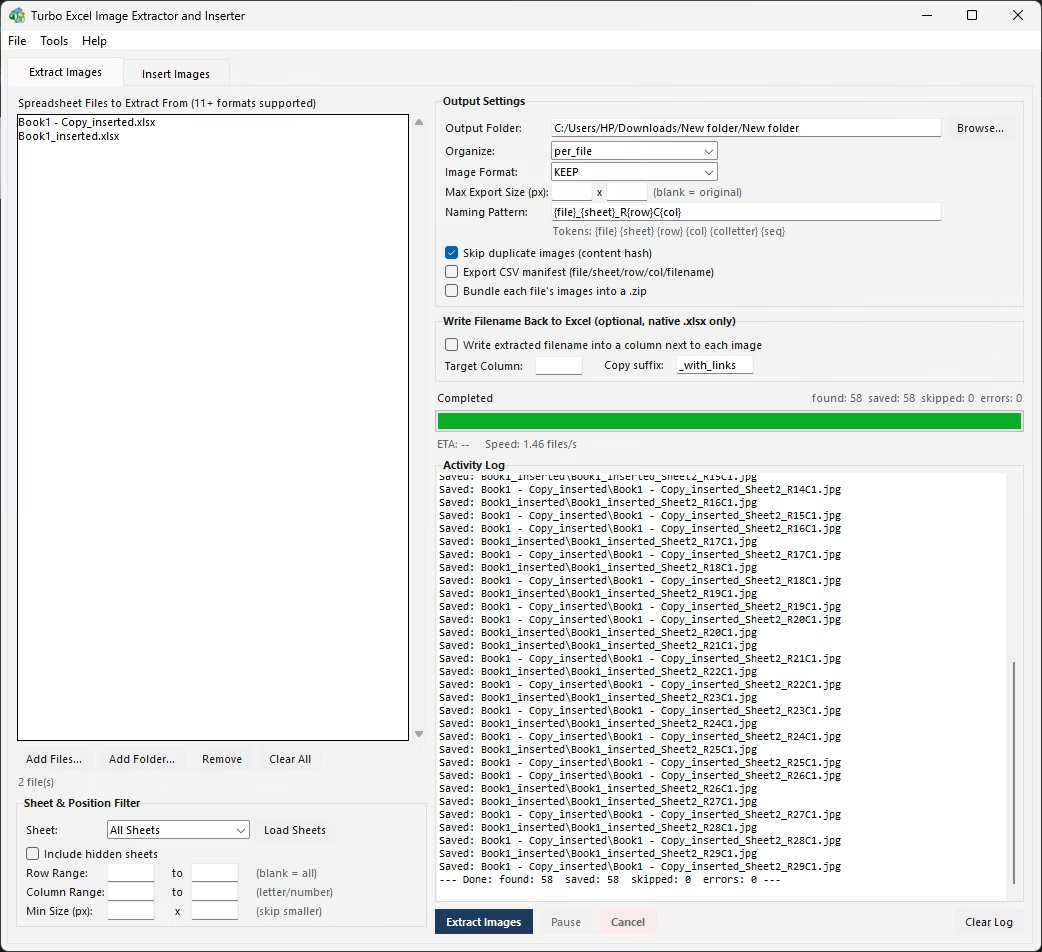
Turbo Excel Image Extractor and Inserter doesn't automate Excel as an application - it reads and writes spreadsheet file formats directly, which means it inserts images into a workbook the same way regardless of whether that file was created in Excel 2016, a newer version, or no version of Excel at all. There's no dependency on which Excel edition happens to be installed on the machine running the batch.
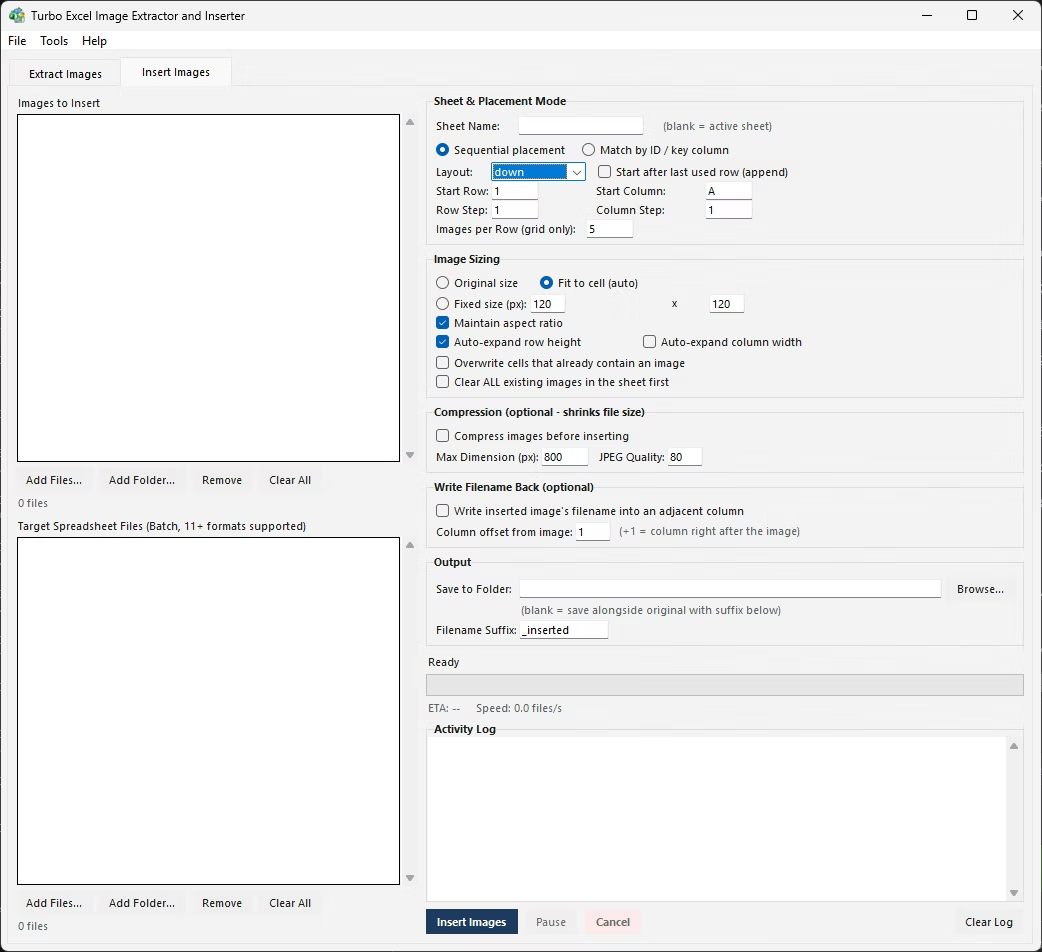
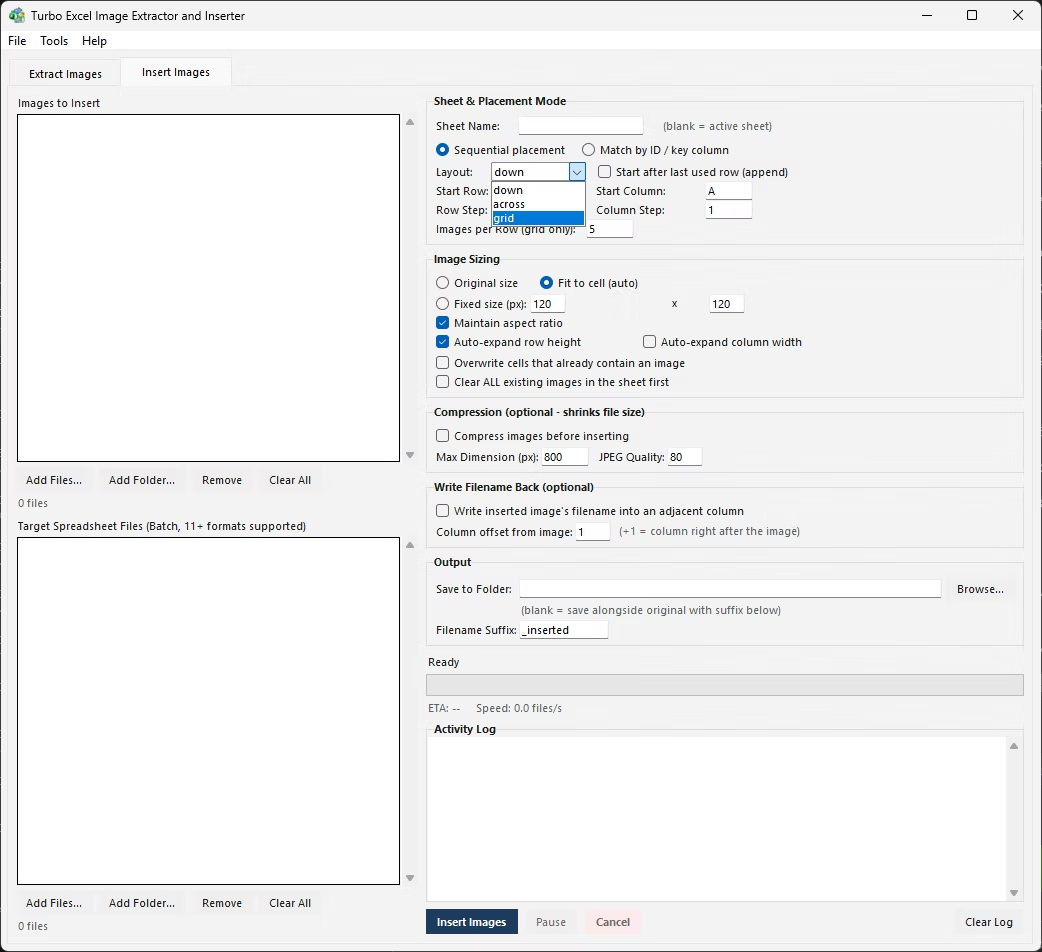
The same Sequential and Match placement modes, Fit to Cell sizing, and existing-image handling described throughout this guide apply identically to files that will eventually be opened in Excel 2016 as they do for any newer version - the resulting workbook opens normally, with images anchored and sized exactly as configured, in whichever Excel release opens it afterward.
Excel 2016 reads and writes the same .xlsx file format introduced with Excel 2007, so a workbook built or edited by a batch insertion tool opens in Excel 2016 exactly as it would in any newer version - there's no format compatibility gap to worry about for files staying within the modern .xlsx family.
Older .xls files, from Excel 97-2003, use a different underlying binary format, which is why a dedicated library is needed to read and write them correctly rather than treating them the same as .xlsx. A tool built to handle both formats correctly means a mixed folder of legacy .xls and modern .xlsx files can go through the same batch insertion process without conversion headaches.
This matters in practice for organizations that still have older workbooks in circulation alongside newer ones - a batch insertion job doesn't need to sort files by format first or convert older ones before processing, since both are handled correctly within the same run, saving a preparation step that would otherwise be needed before inserting images into a mixed-format folder. The same applies to .xlsb, .ods, and plain-text formats sitting in the same batch.
- Reads and writes spreadsheet files directly, no Excel installation required
- Same insertion behavior regardless of which Excel version created the file
- Fit to Cell, original, and fixed-size-with-aspect-ratio sizing modes
- Sequential and Match placement modes for any target workbook
- Resulting files open normally in Excel 2016 and every version since
- Batch processes many target files in parallel, independent of Excel edition
Is the Insert Pictures process different in Excel 2016 compared to newer versions?
No, the core mechanics - Insert tab, Pictures button, file browser, drag to resize and position - have stayed essentially the same across Excel 2016 through the current Microsoft 365 releases.
Does a batch insertion tool need Excel 2016 installed to work on 2016-created files?
No, a tool that reads and writes the spreadsheet file format directly works the same regardless of which Excel version is installed, or whether Excel is installed at all.
Will images inserted by a batch tool display correctly when opened in Excel 2016?
Yes, since the resulting file follows the standard spreadsheet format, images appear anchored and sized exactly as configured when opened in Excel 2016 or any later version.
Can I insert images into a folder of files without knowing which Excel version created each one?
Yes, insertion is applied the same way regardless of the originating Excel version, so a mixed folder of older and newer workbooks can be processed together in one batch.
Ready to handle images in bulk, offline, with full privacy?