UPPER CASE text is often required for reference codes, part numbers, compliance-related identifiers, and certain forms where mixed-case text is technically invalid even though it displays fine on screen. It is also sometimes used simply as a house style for consistency, particularly in fields like country codes or category labels where uppercase is the accepted convention. Data typed by hand or pulled from a system that does not enforce case rules often arrives inconsistent, mixing lowercase, Title Case, and uppercase entries in the same column.
Converting the whole column to uppercase in one pass removes that inconsistency without retyping anything by hand.

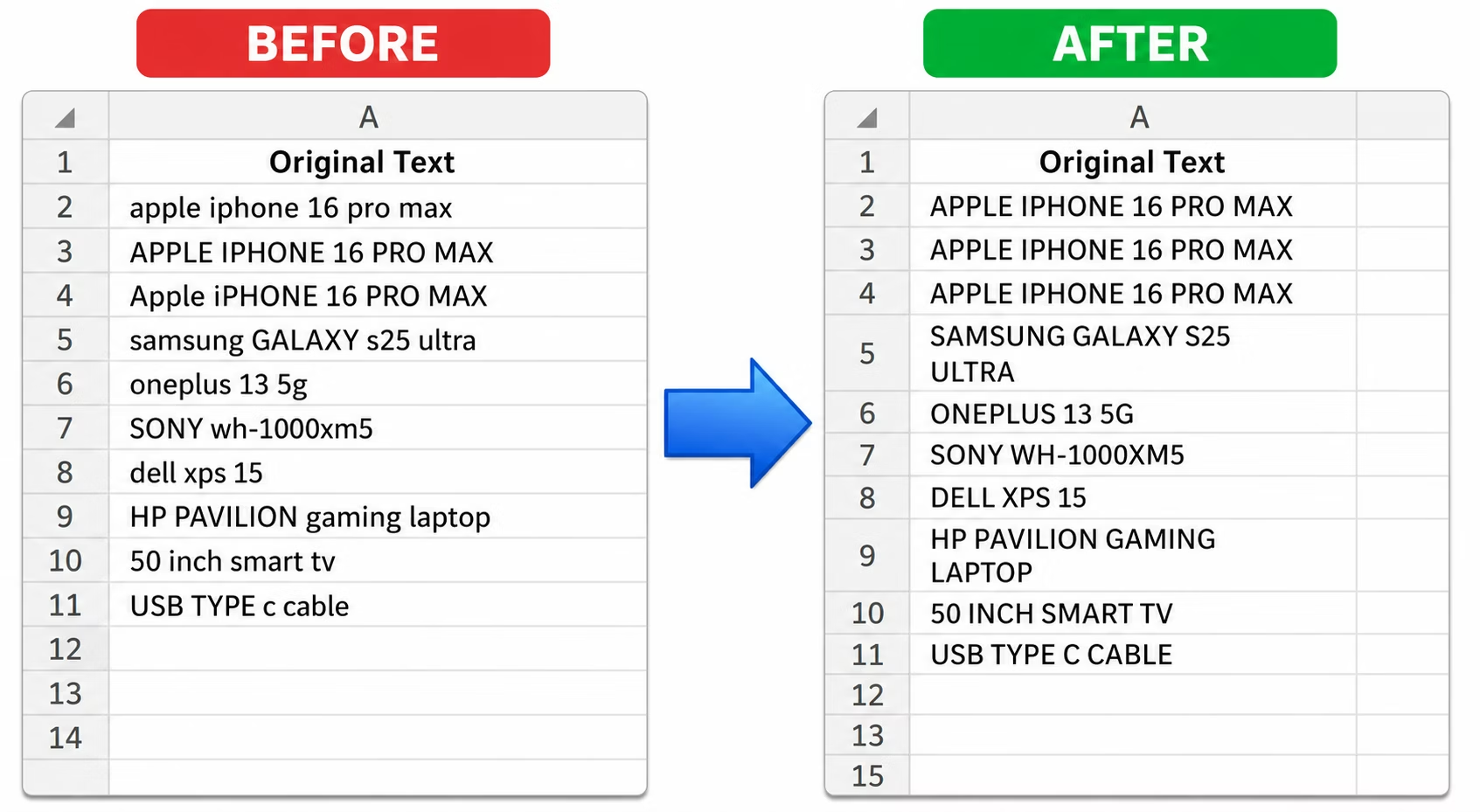

Excel's UPPER function converts every letter in a text string to its capital form and leaves numbers, punctuation, and symbols unchanged, which makes it a safe, predictable choice for standardizing a column of text. Since UPPER cannot rewrite a cell in place, the standard workflow is to calculate the result in a helper column, then copy and paste those results back over the original cells as values before removing the helper column.
This is a reliable method for a single column, but it needs to be repeated separately for every column and every worksheet that needs the same treatment.
A common mistake is applying UPPER to a column that mixes genuine text with numbers stored as text, expecting the case-conversion step to also fix the numeric formatting - UPPER only affects letters and leaves the underlying text-versus-number issue completely untouched. It is worth running a separate number-conversion pass afterward if a column needs both consistent casing and to be recognized correctly by SUM and other numeric formulas.
- Insert a helper column next to the text you want to convert.
- Enter =UPPER(A1) in the first cell of the helper column.
- Fill the formula down across your full data range.
- Copy the helper column and use Paste Special > Values over the original column.
- Delete the helper column once the text has been replaced with uppercase values.
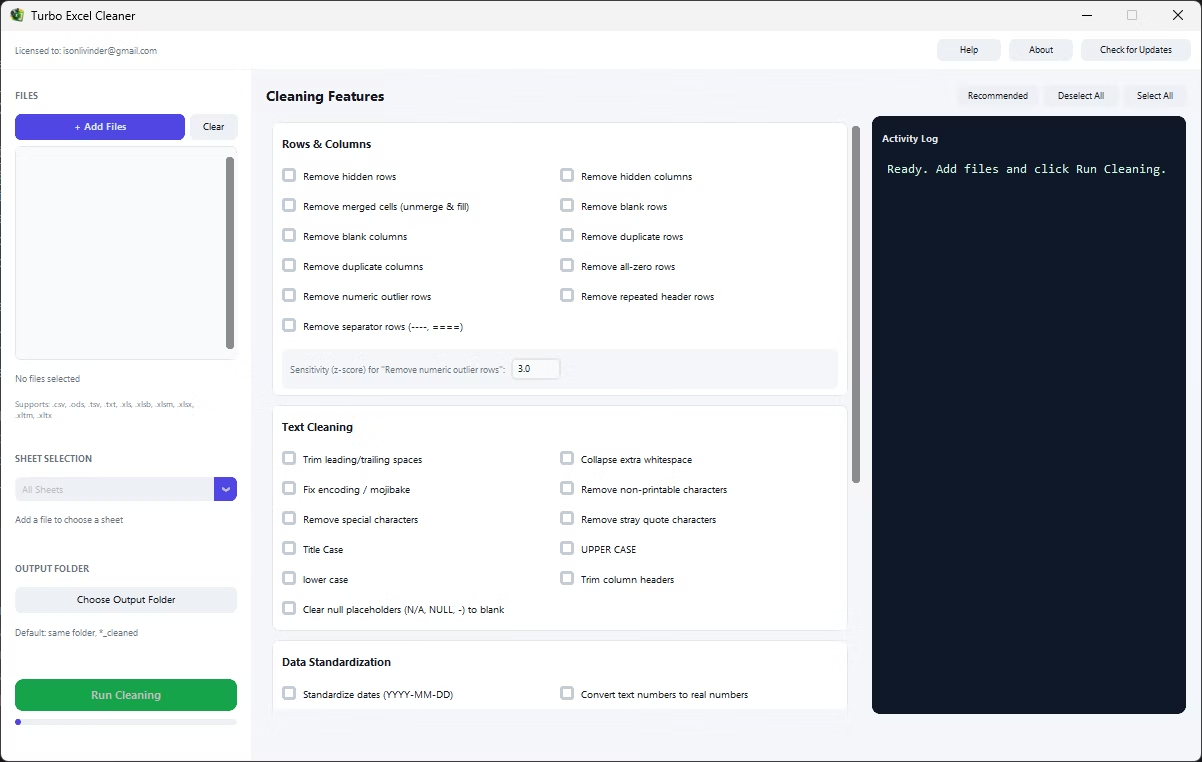
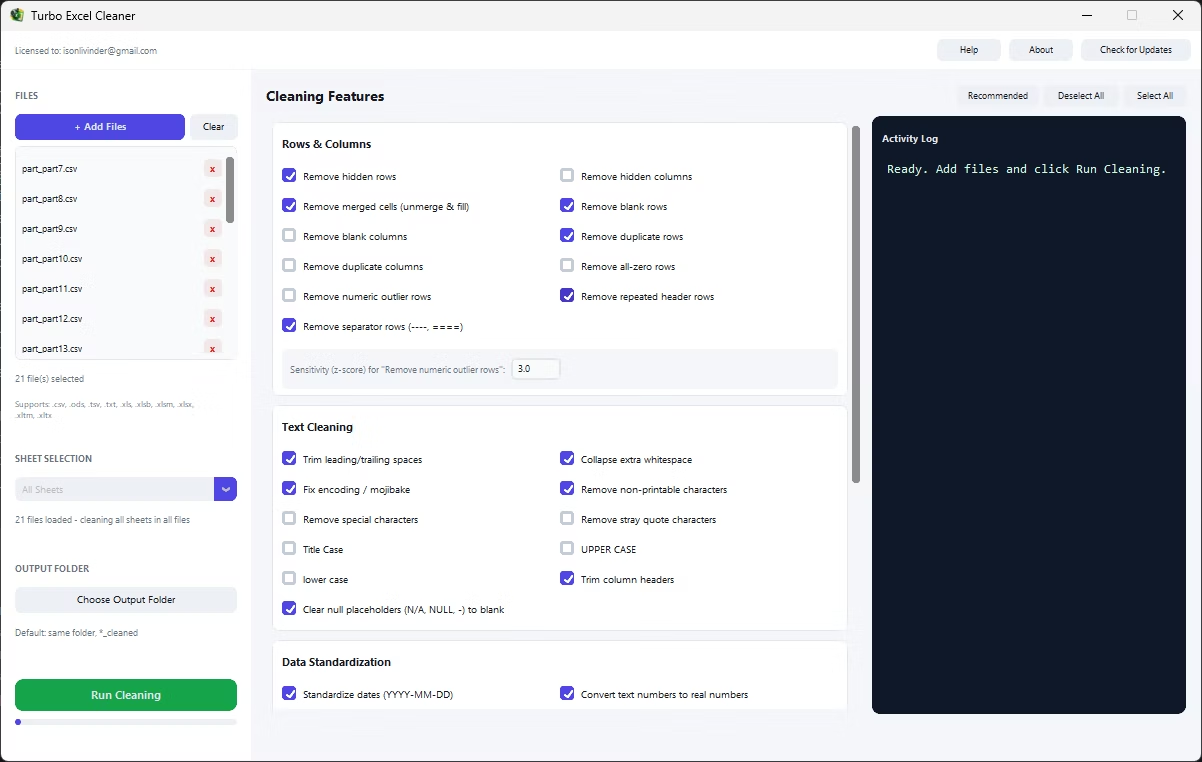
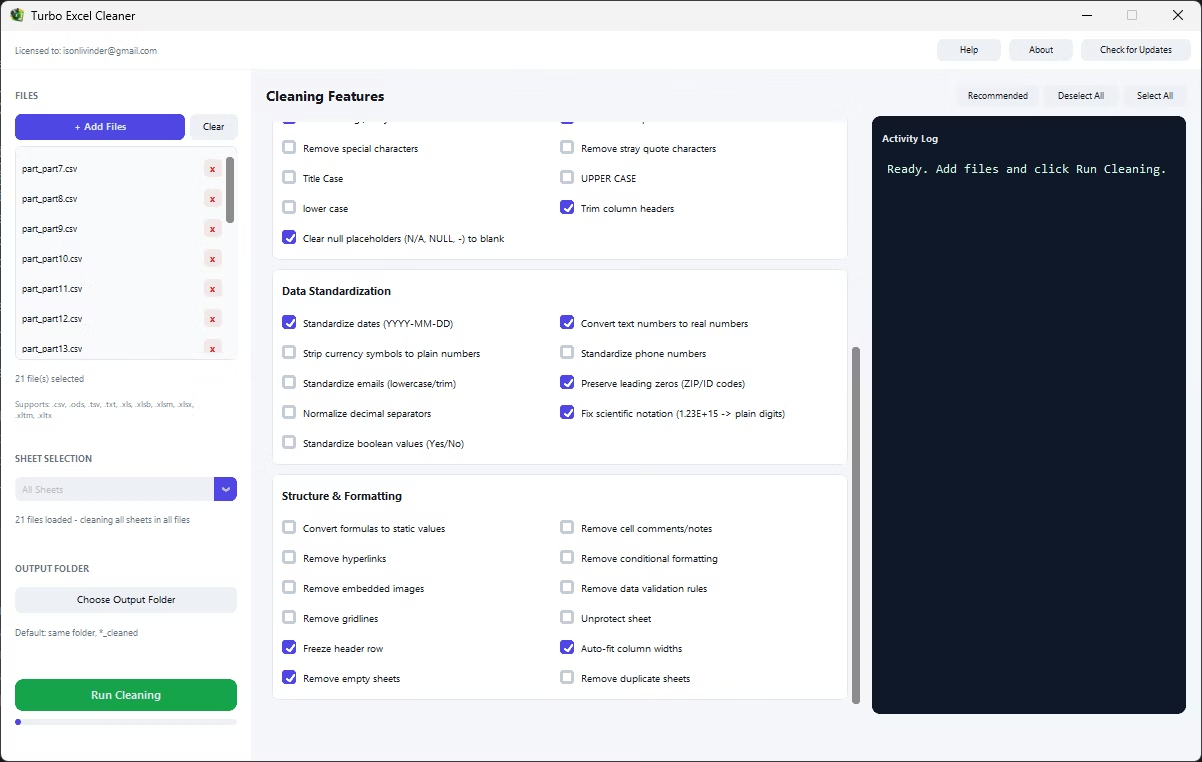
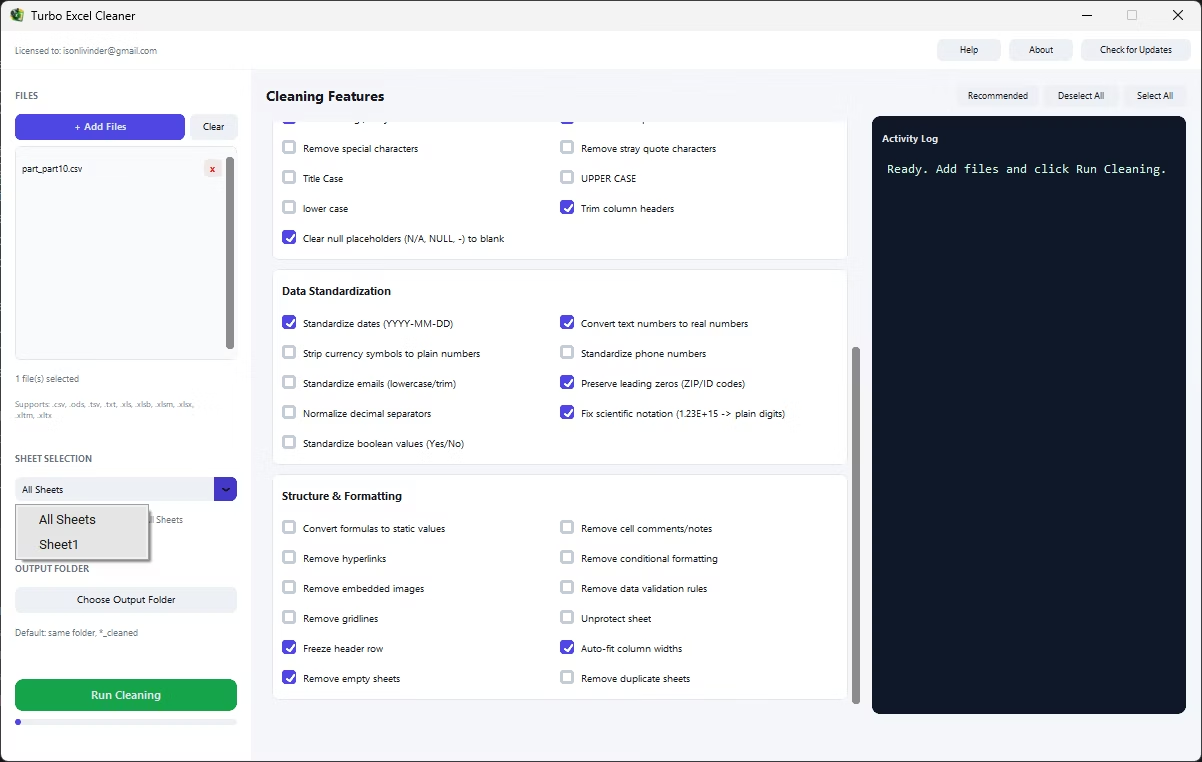
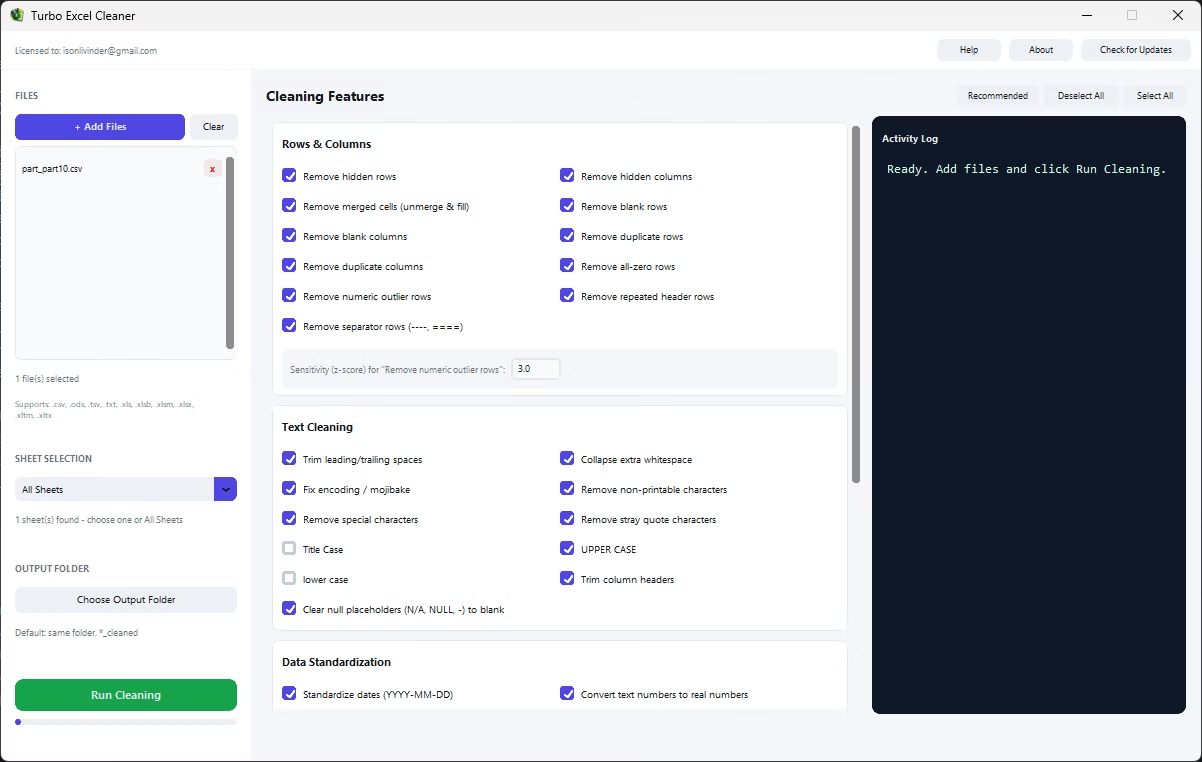
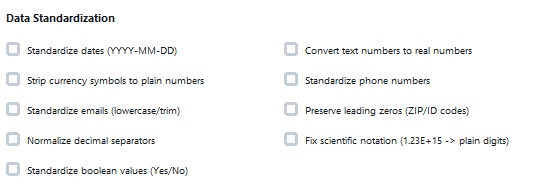
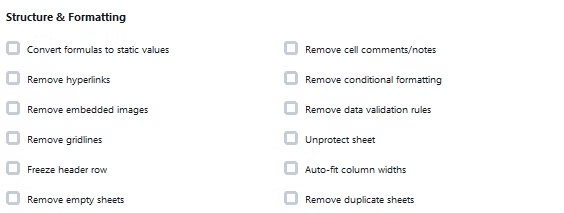
Turbo Excel Cleaner's Uppercase feature applies this same conversion directly to every text cell across every sheet in every file you load, without the helper-column workaround, and it intelligently skips numbers, dates, and formulas so only genuine text content is affected. Selecting it alongside other Text Cleaning features lets you standardize case, trim whitespace, and remove stray characters in a single batch run.
Because the app processes each file independently, a batch of ten or a hundred workbooks can be uppercased in exactly the same amount of effort as a single file - you tick the feature once and let the app apply it everywhere.
- One-click uppercase conversion for text cells across a whole sheet
- Automatically skips numbers, dates, and formulas
- Applies to every sheet in every file in the batch
- Combine with other Text Cleaning features in one run
- Works on Excel, OpenDocument, CSV, TSV, and TXT files
Does uppercase conversion affect formulas that produce text?
If a formula outputs text as its result, that displayed text can be affected the same way as a plain text cell; the underlying formula logic itself is not altered.
Will numbers stored as text be uppercased too?
UPPER-style conversion only changes letters, so numeric characters are passed through unchanged even if the number happens to be stored as text.
Can I uppercase only specific columns instead of the whole sheet?
The manual UPPER-formula method lets you target a single column precisely if that is all you need for a one-off task.
Ready to clean your spreadsheets in bulk, offline, with full privacy?