If VLOOKUP still feels confusing after reading a few explanations, the problem usually isn't you - it's that most explanations start with formula syntax before explaining what the formula is actually for. This page starts at the very beginning: what problem VLOOKUP solves, and then how to actually type it.
There's also a completely formula-free option at the end for anyone who'd rather never see the word "VLOOKUP" in a formula bar again.
Imagine two lists: one with student roll numbers and names, another with roll numbers and marks. VLOOKUP is how you combine them - it looks up a roll number in one list and pulls back the matching marks from the other, without manually scrolling through and matching rows by eye.
| Roll No | Student Name | Class | Marks |
|---|---|---|---|
| R001 | Ananya Iyer | 10-A | 88 |
| R002 | Kabir Mehta | 10-B | 76 |
| R003 | Sara Thomas | 10-A | 91 |
To find the Marks for roll number R003:
- "R003" - what we're looking for.
- A2:D4 - the block of cells containing all the data.
- 4 - Marks is the fourth column across in that block.
- FALSE - it has to match R003 exactly, not approximately.
The most common beginner mistake is selecting a range that doesn't start at the roll number column, since VLOOKUP can only search the very first column of whatever range you select. The second most common mistake is forgetting the FALSE at the end.
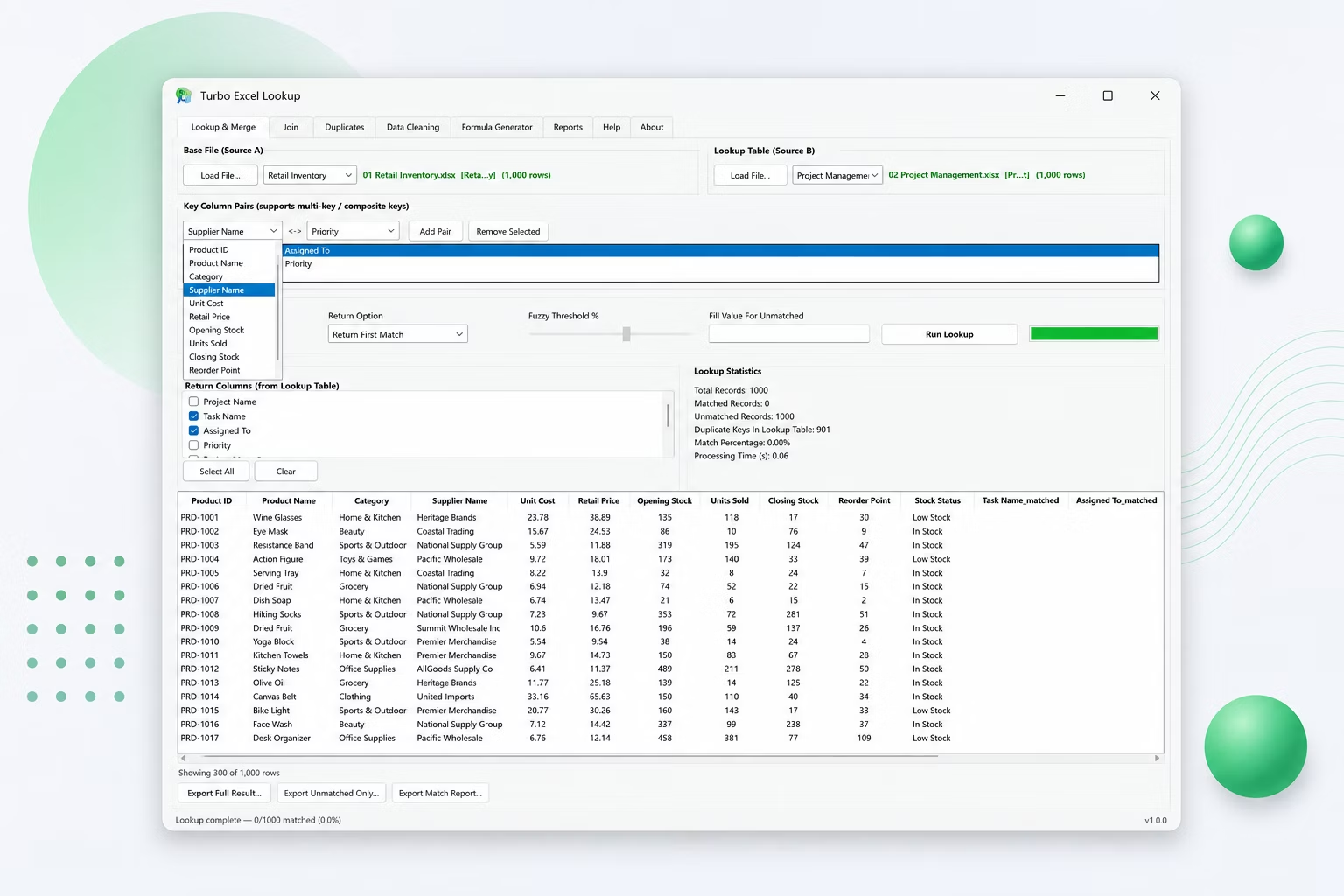
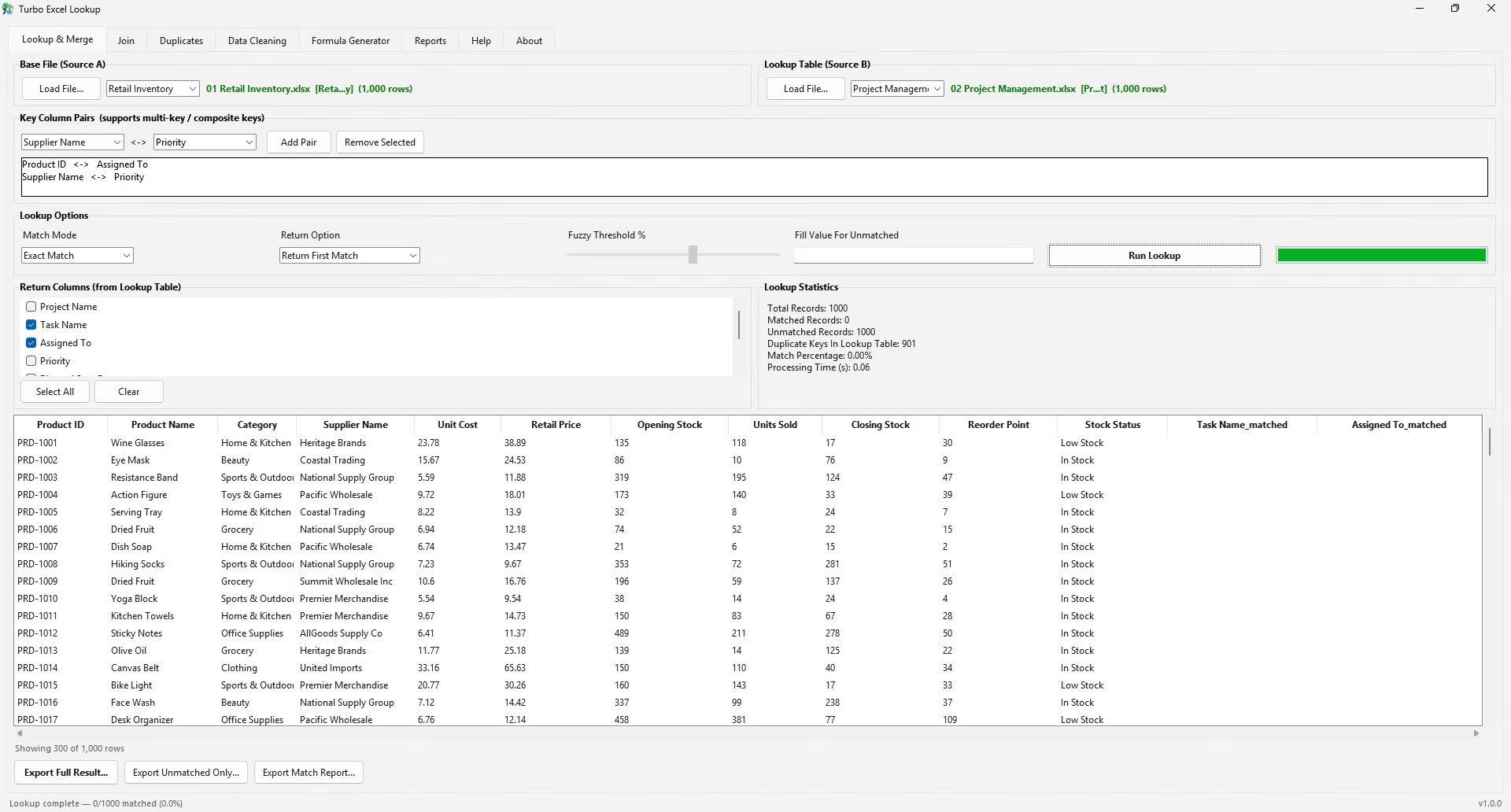
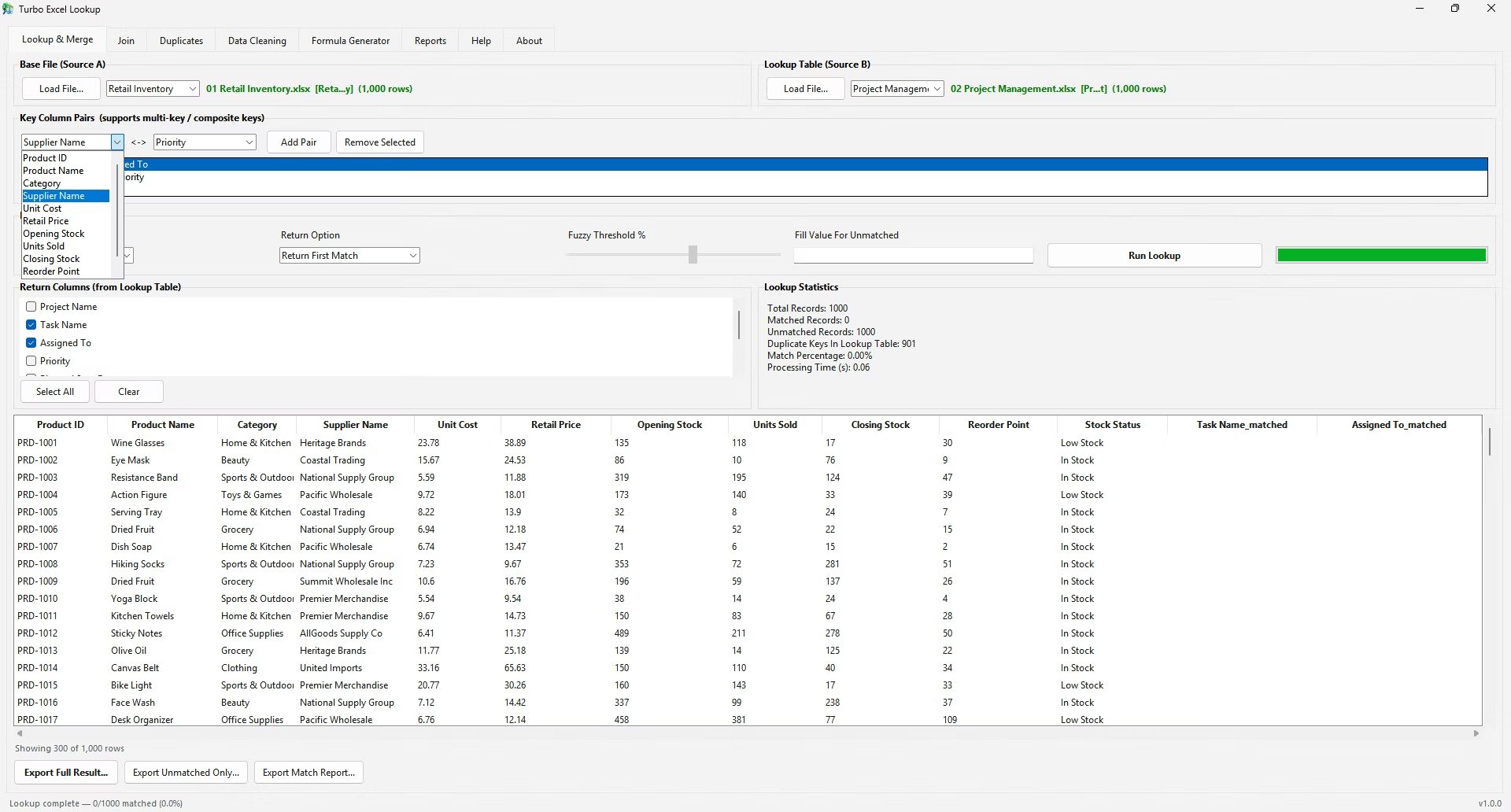
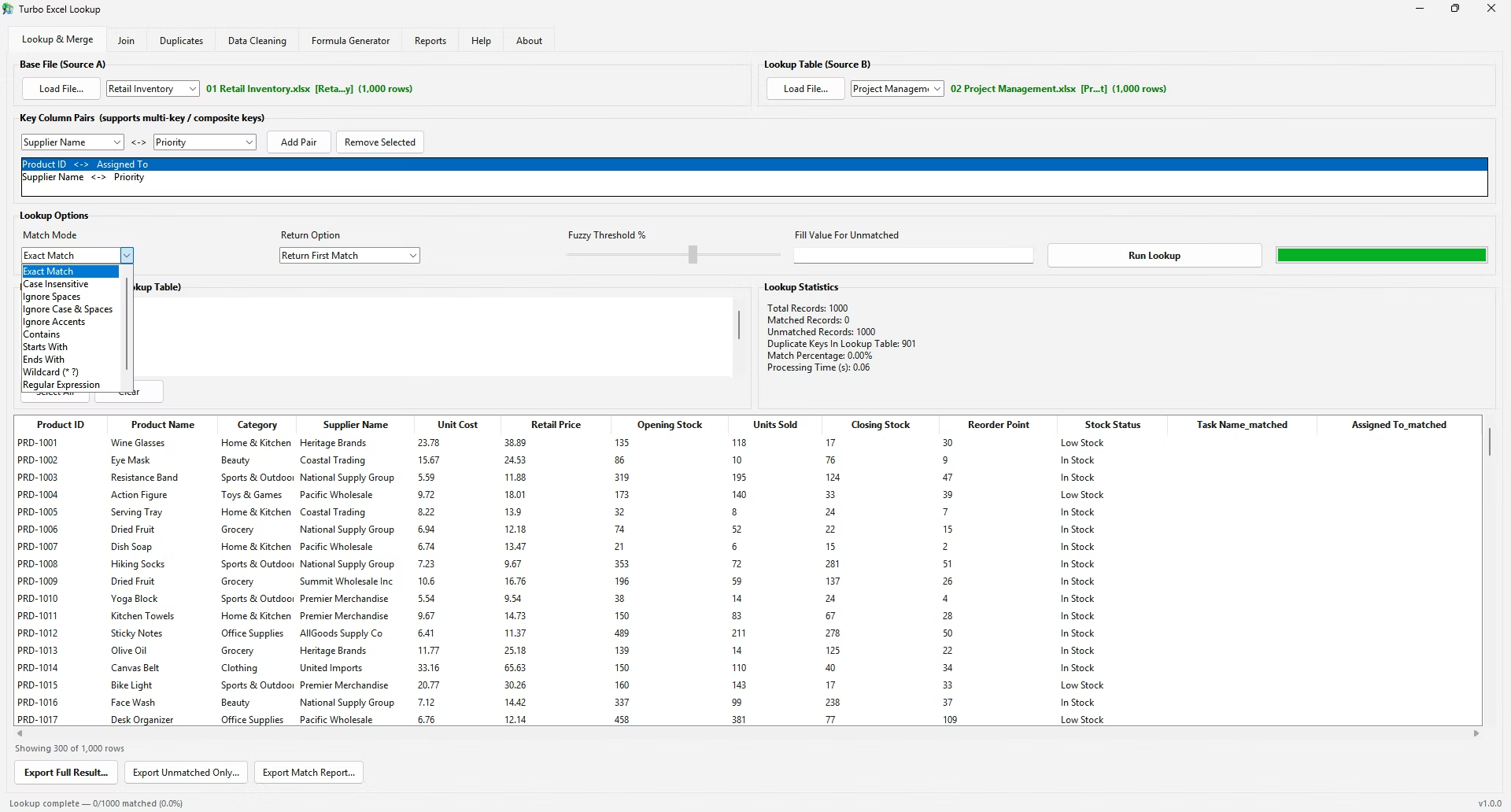
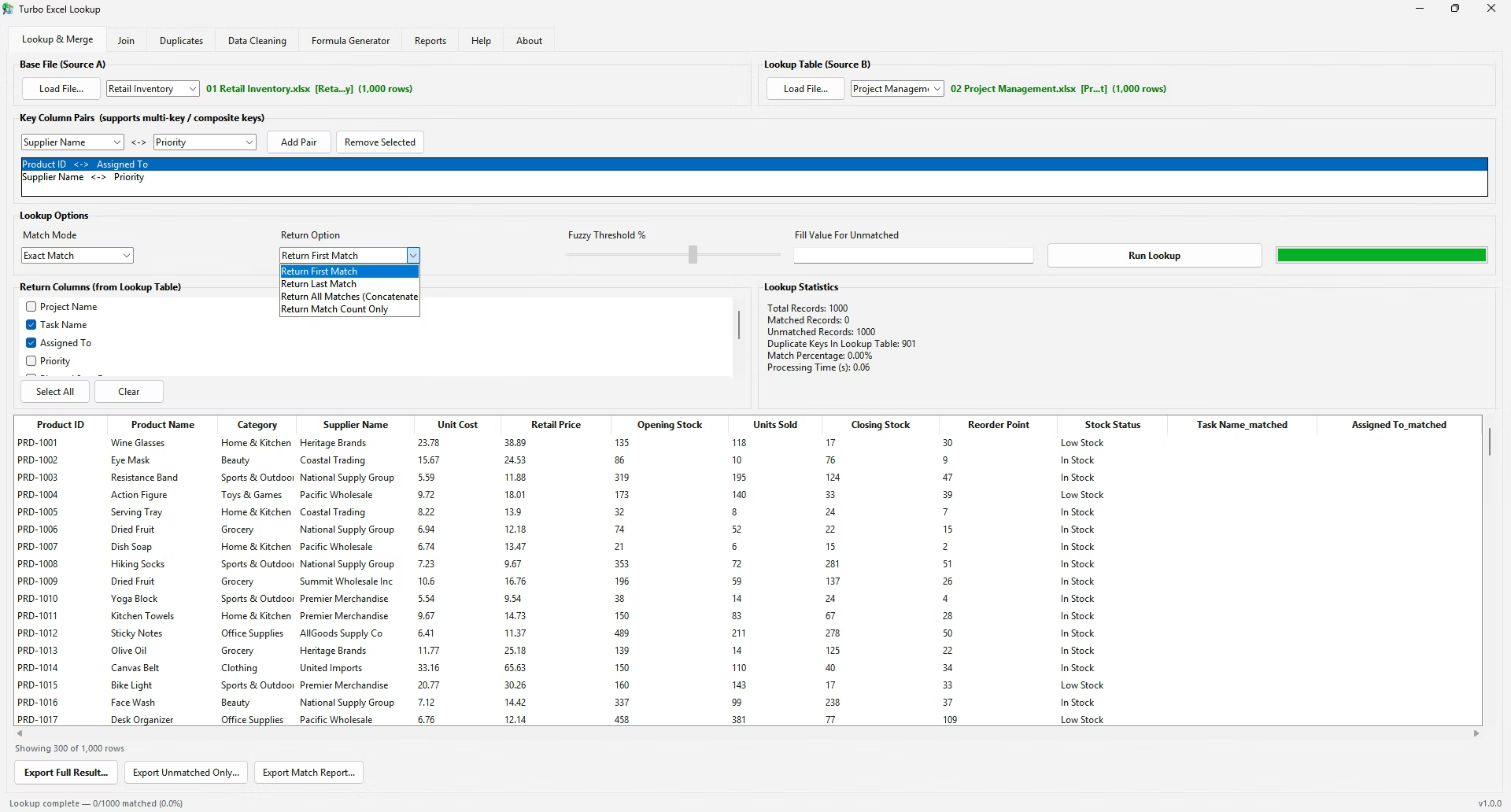
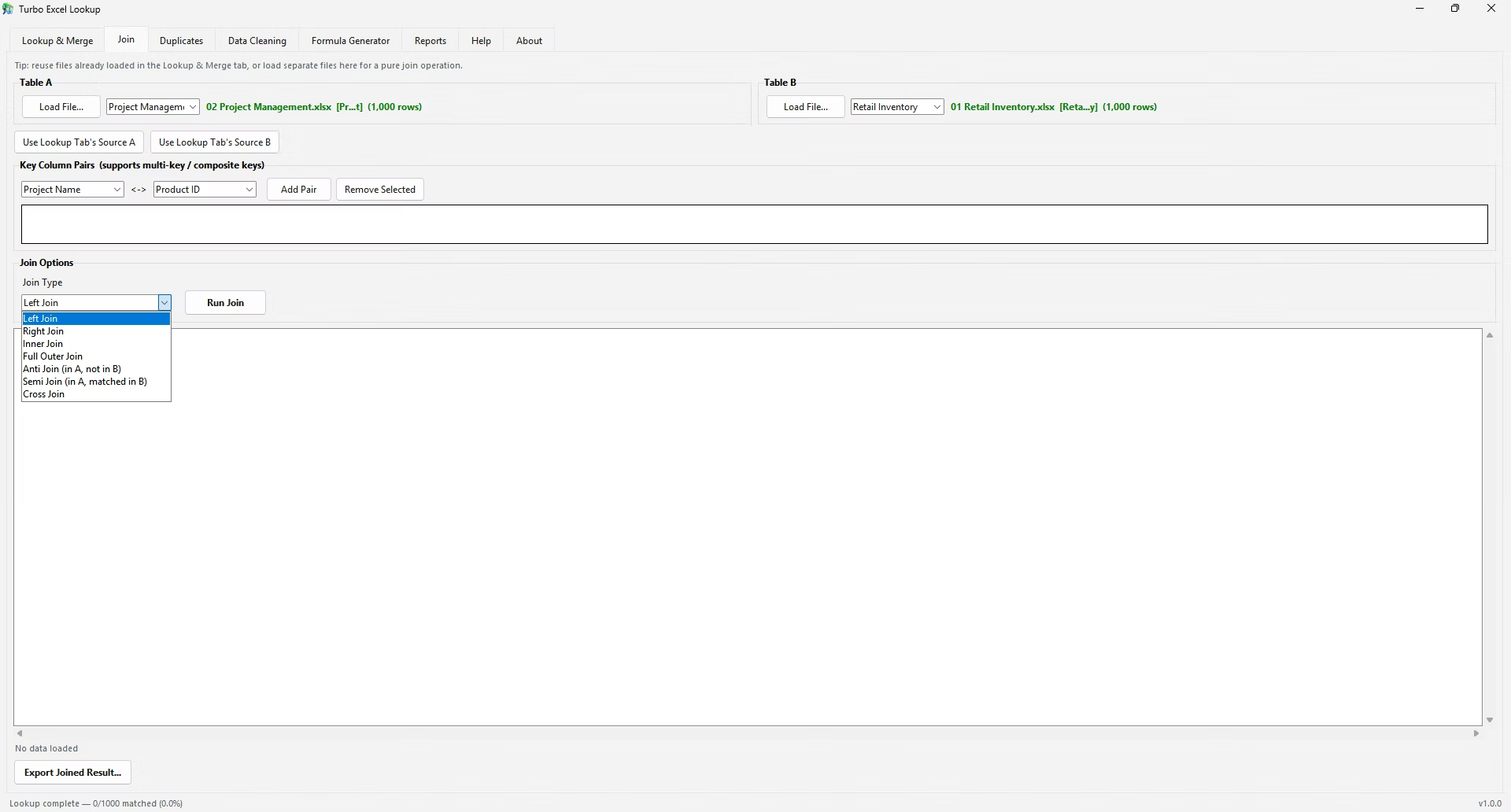
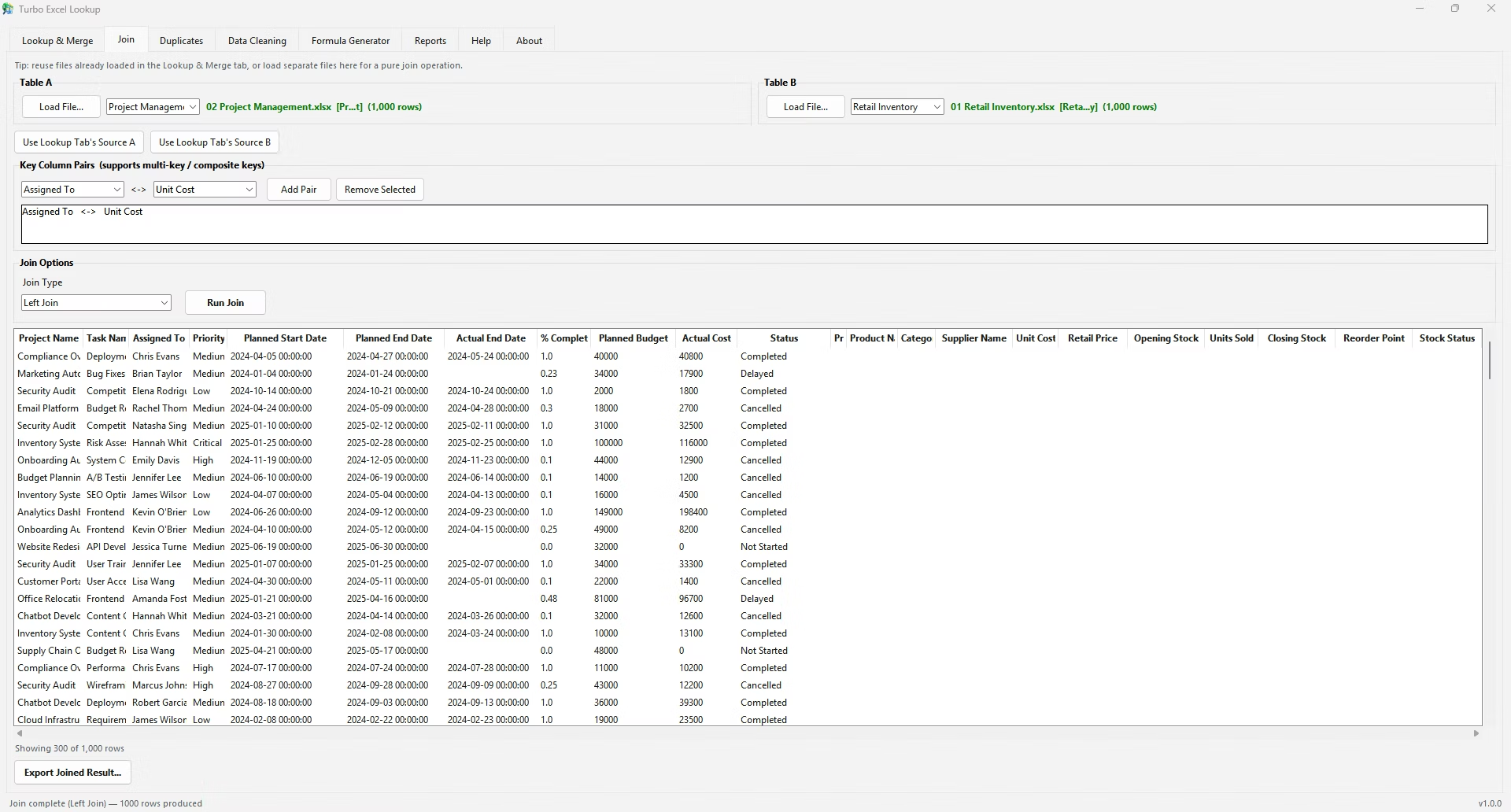
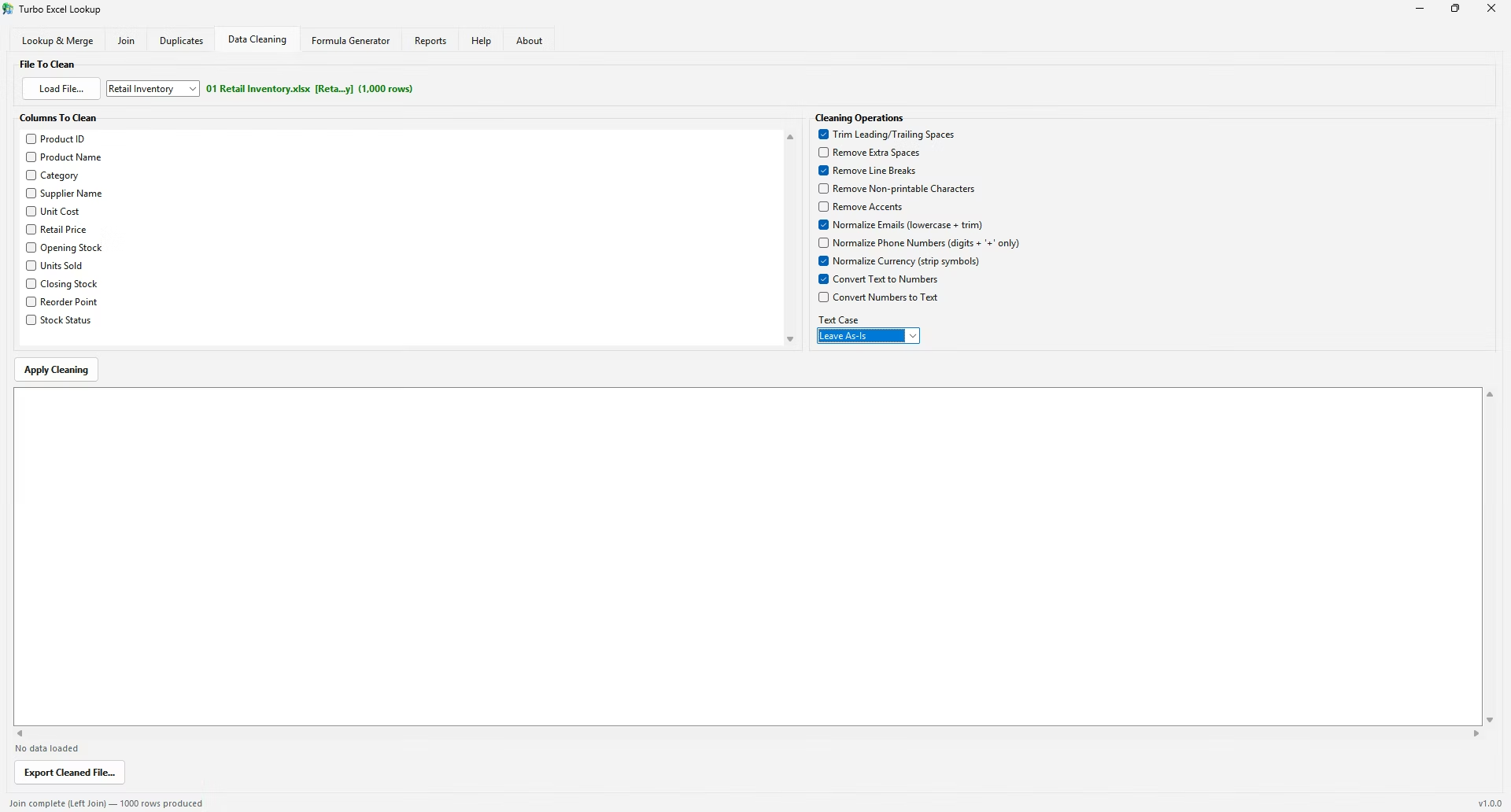
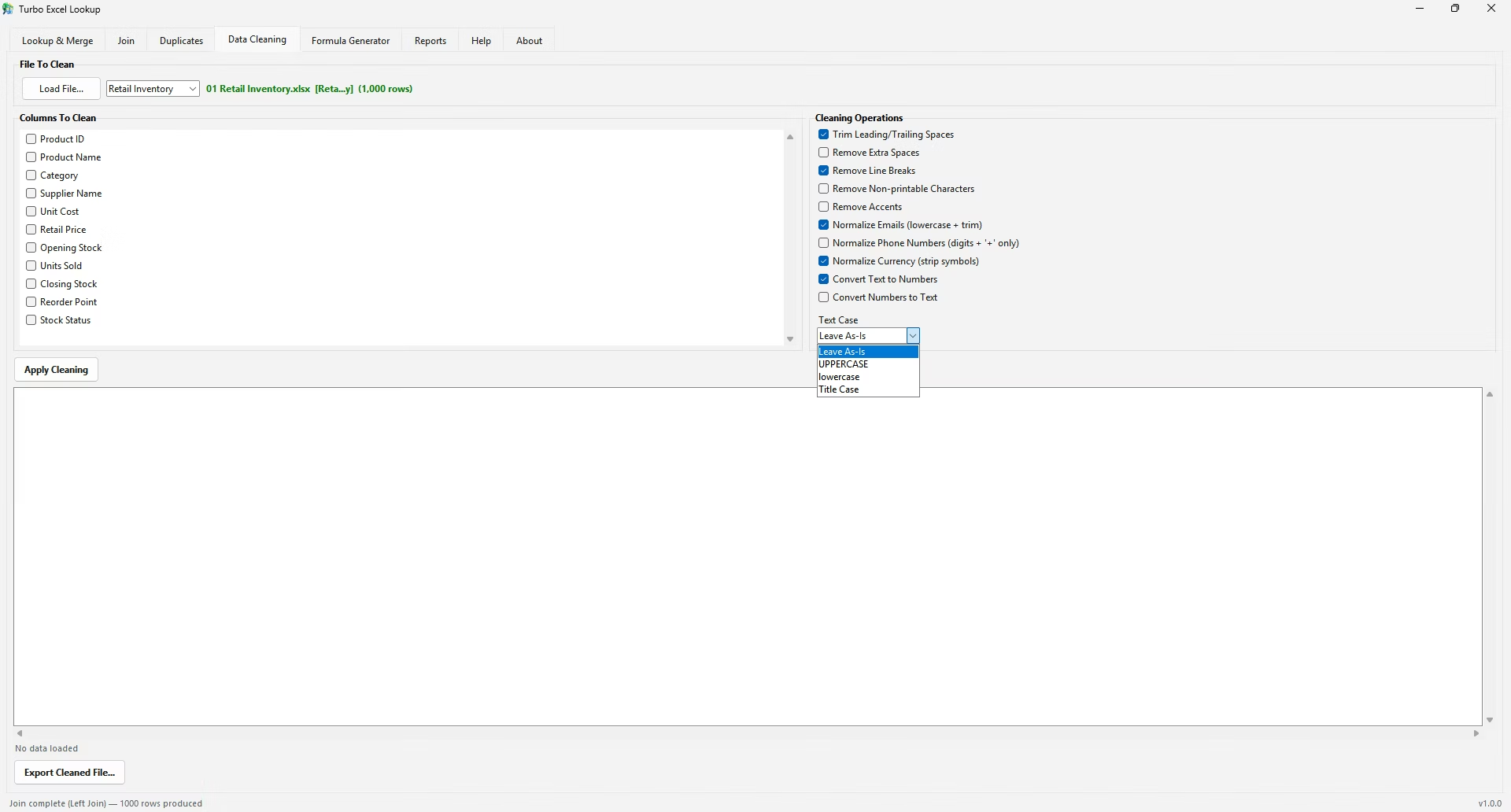
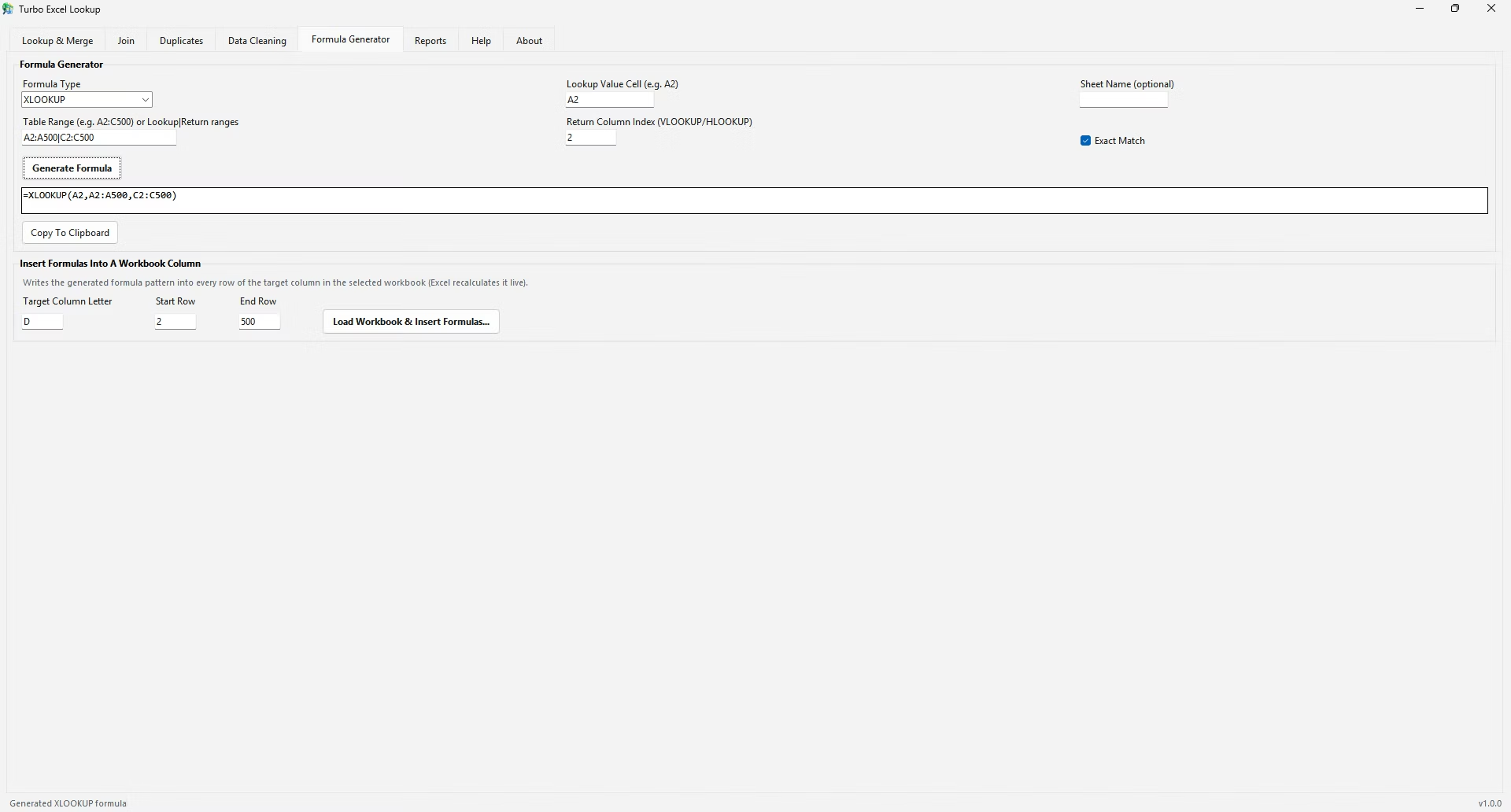
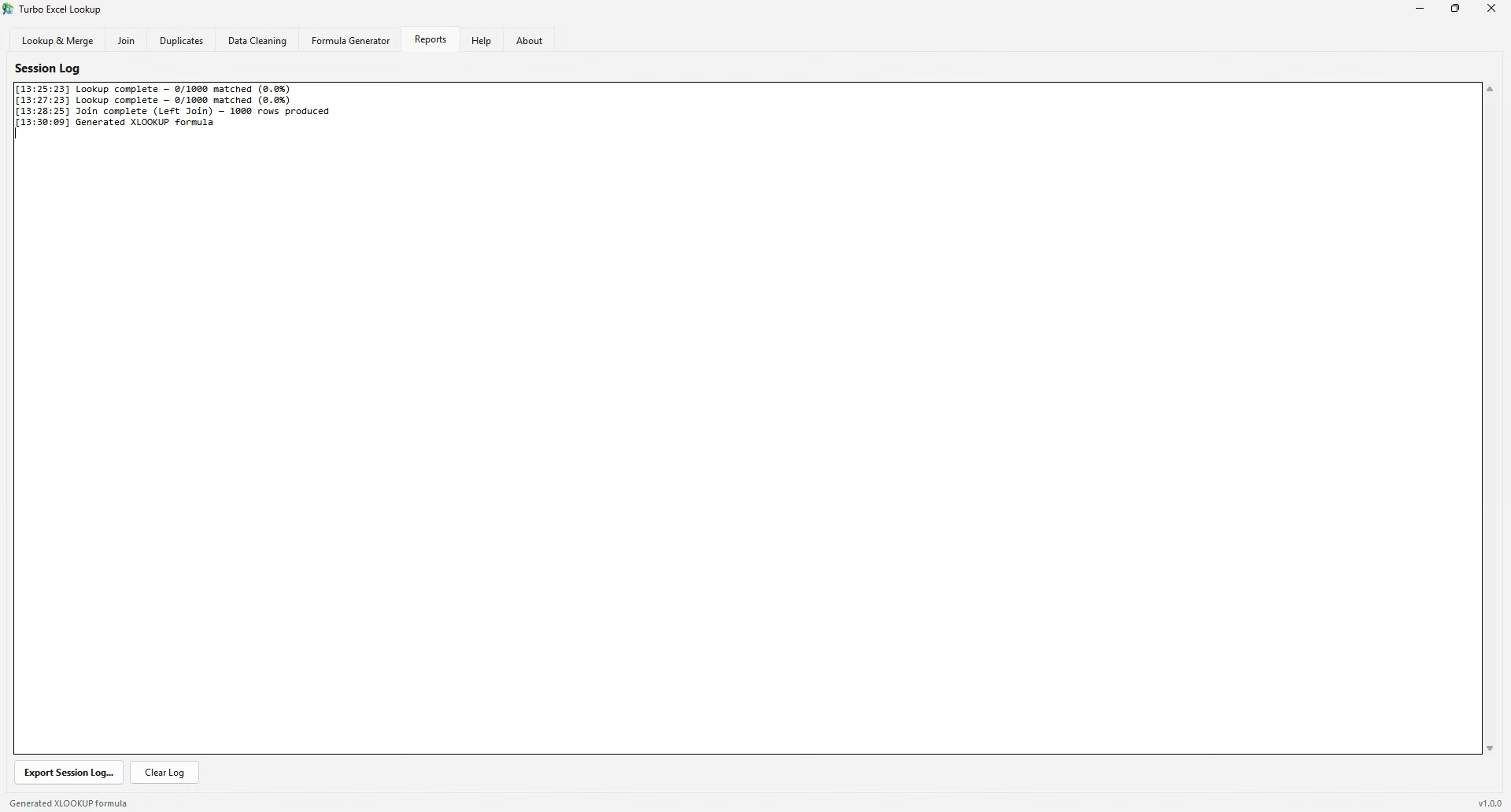
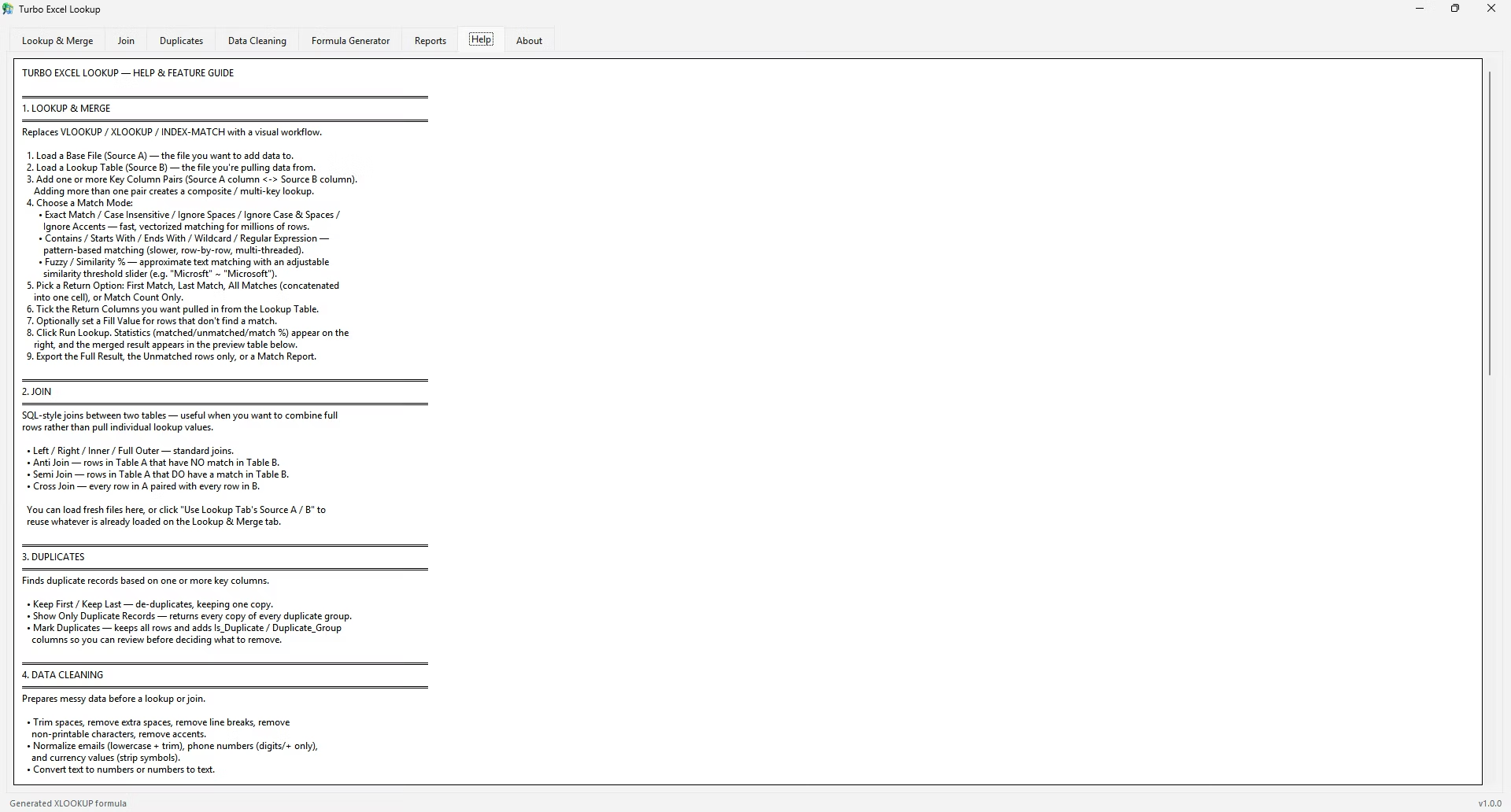
Turbo Excel VLookup was built specifically for this. Instead of a formula bar, you get a simple screen: load your file, load the lookup table, choose which ID columns match using dropdown menus, tick the columns you want, and click Run Lookup. No typing, no counting columns, no FALSE to remember.
When a VLOOKUP formula that used to work suddenly returns the wrong value with no visible error, the most likely cause is that a column was inserted or deleted inside table_array, shifting col_index_num out of alignment with the intended column.
Selecting the formula and pressing F9 with just that part of the formula highlighted shows the calculated value inline, which is a quick way to confirm whether table_array is still pointing where it should.
A common source of confusing errors is editing the same table that a VLOOKUP formula is pulling from, especially when rows are sorted or filtered mid-edit. Keeping a clearly labeled, rarely edited "source" sheet that formulas pull from, separate from a "working" sheet where day-to-day changes happen, reduces the chance of a lookup silently pulling from a half-edited row.
What is VLOOKUP actually used for?
Matching two lists together by a shared ID, so information from one list can be pulled into the other automatically.
Do I need to know Excel well to use VLOOKUP?
No, VLOOKUP only needs four pieces of information filled in the right order, which can be learned without broader Excel experience.
What does it mean that VLOOKUP searches vertically?
It scans down a single column looking for a match, rather than across a row, which is why the ID column must be leftmost.
Why is FALSE so important?
Without FALSE, Excel may return an approximate match rather than requiring the exact value you searched for.
What if I just don't want to deal with formulas at all?
Turbo Excel VLookup performs the same matching through dropdown menus, with no formula typed anywhere.
Is VLOOKUP hard to learn compared to other Excel formulas?
It's considered one of the more approachable formulas once the four-argument pattern is understood, compared to more advanced array formulas.
Why would a text-formatted number fail to match a real number?
Excel treats text and numeric values as different data types, so "101" stored as text won't match 101 stored as a number even though they display the same.
Does locking a range with F4 change how the formula calculates?
No, it only fixes the range so it doesn't shift when the formula is copied - the calculation itself works the same either way.
What's a fast way to check what a formula is actually returning?
Selecting part of the formula in the formula bar and pressing F9 shows its calculated value directly, without changing the formula.
Can trailing spaces in a cell cause a lookup to fail?
Yes, an extra space at the end of a value is invisible but prevents an exact match; TRIM() around the lookup value often fixes this.
Ready to stop fighting #N/A errors and match your spreadsheets visually?