Using the VLOOKUP formula correctly is really about getting comfortable with four arguments and understanding what each one is doing, rather than memorizing the syntax by rote. Once the role of each argument is clear, adapting the formula to new situations - a different sheet, a different column layout, a different match type - becomes straightforward rather than something to look up every time.
This page focuses specifically on argument-level guidance, with practical tips for each one, and closes with how Turbo Excel Lookup removes the need to manage these arguments manually.
lookup_value: Reference a single cell rather than typing a hardcoded value where possible, so the formula stays flexible when copied. Confirm the data type matches the table - text lookup values need text matches, numbers need numbers.
table_array: Select from the lookup column onward, never starting before it. Lock the range with F4 immediately after selecting it, before moving on to the next argument, so you don't forget later.
col_index_num: Count physically from the first column of your table_array selection, not from the sheet's column letters. It's often easier to count on the screen than to calculate mentally.
[range_lookup]: Type FALSE unless you specifically need an approximate match against sorted data - this single habit prevents the majority of incorrect-but-not-erroring VLOOKUP results.
- Wrap the formula in IFERROR to show a clean message instead of #N/A for genuinely unmatched rows
- Use TRIM() on lookup values if you suspect stray spaces, e.g. =VLOOKUP(TRIM(A2), ...)
- Avoid selecting entire columns (A:D) in very large workbooks, since it can slow recalculation
- Test the formula on a handful of known rows before applying it across the full sheet
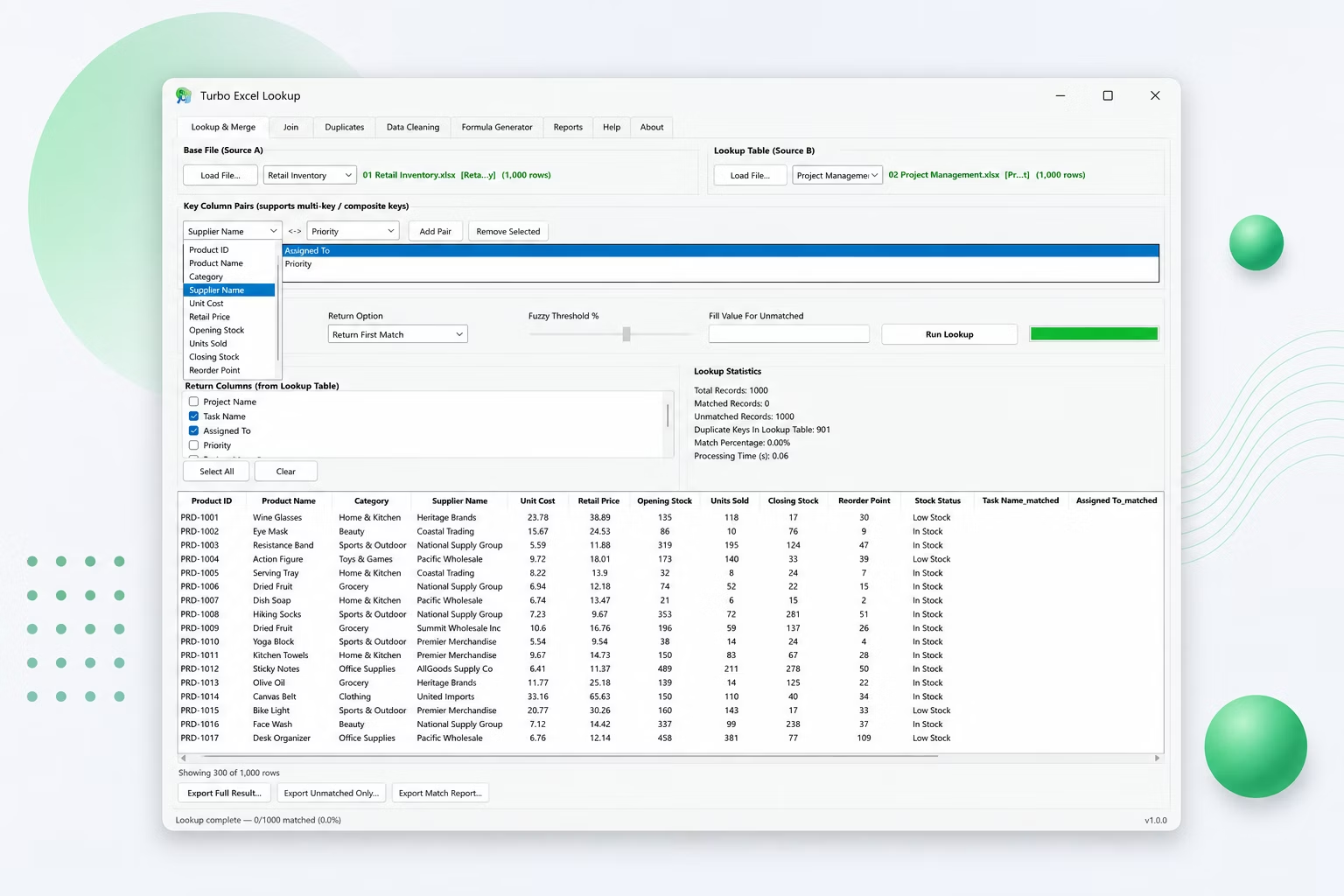
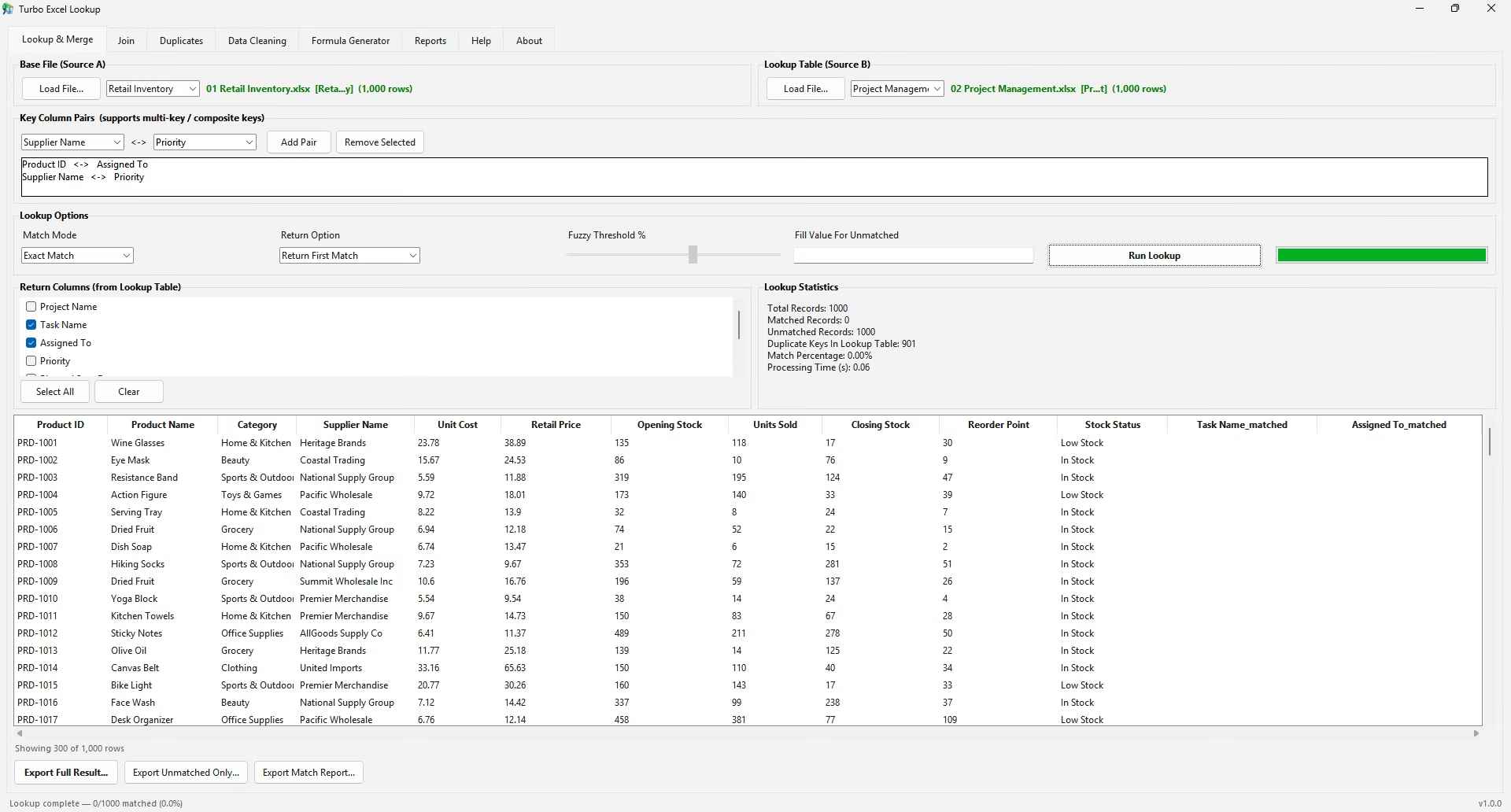
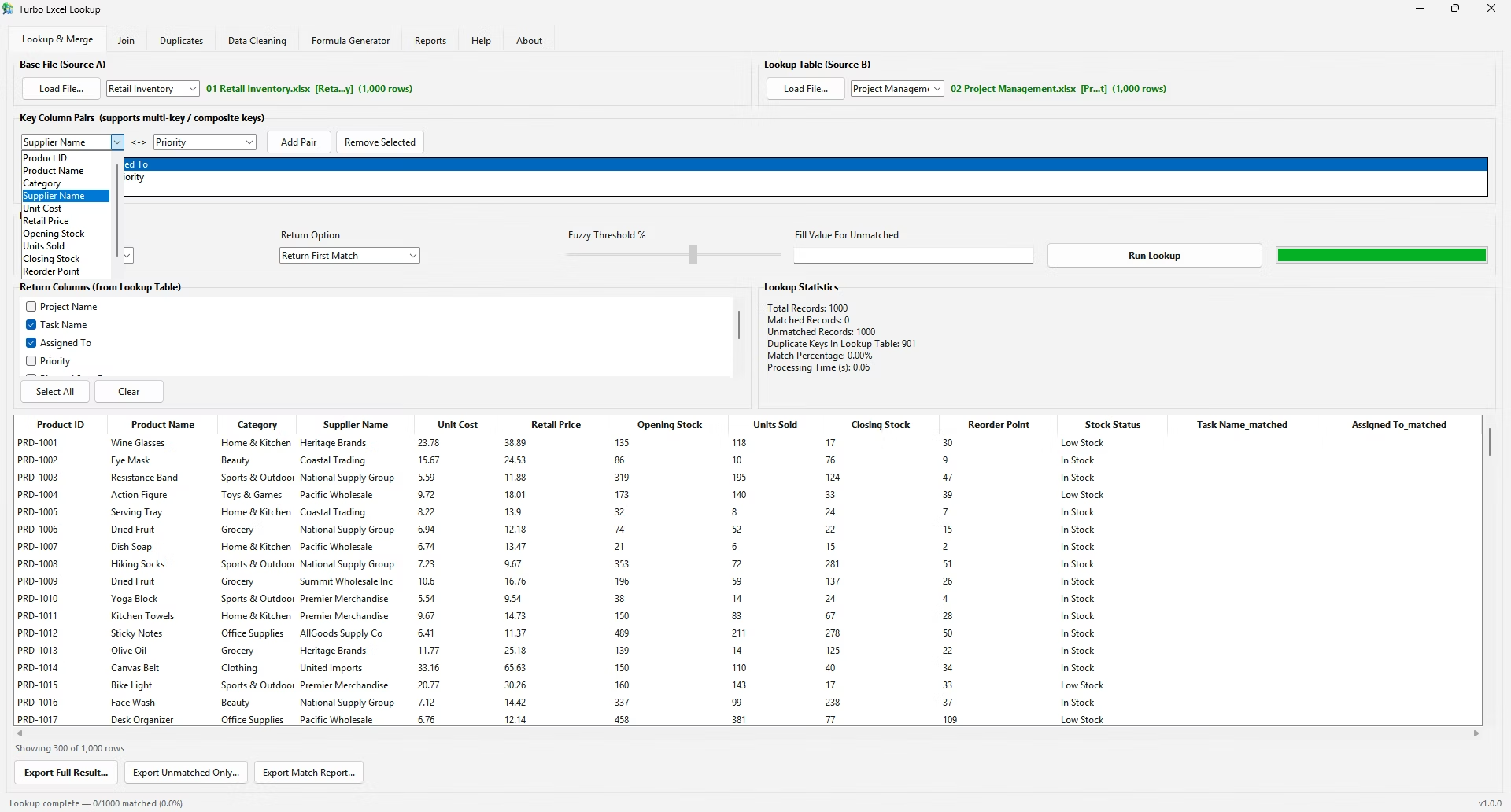
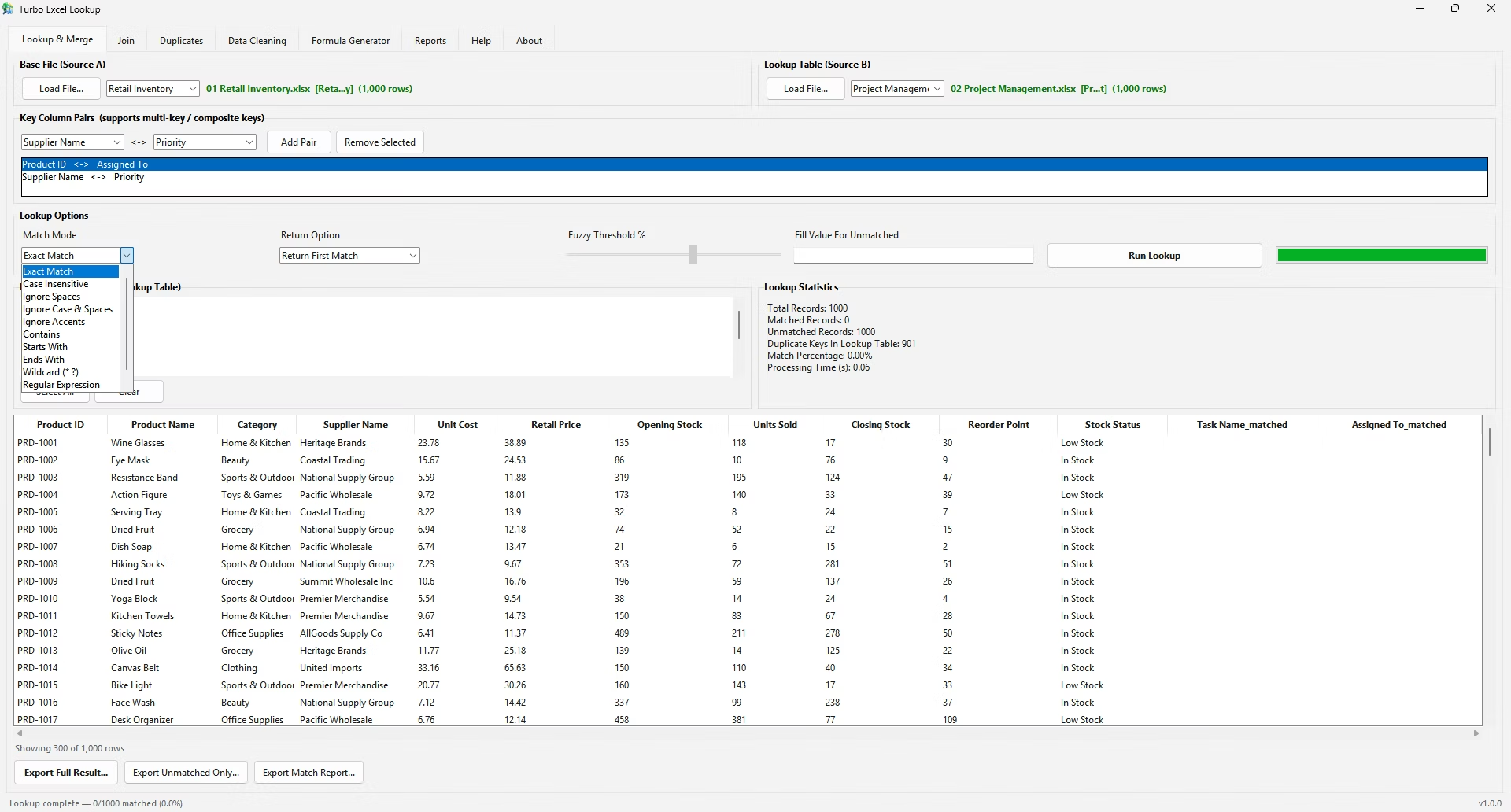
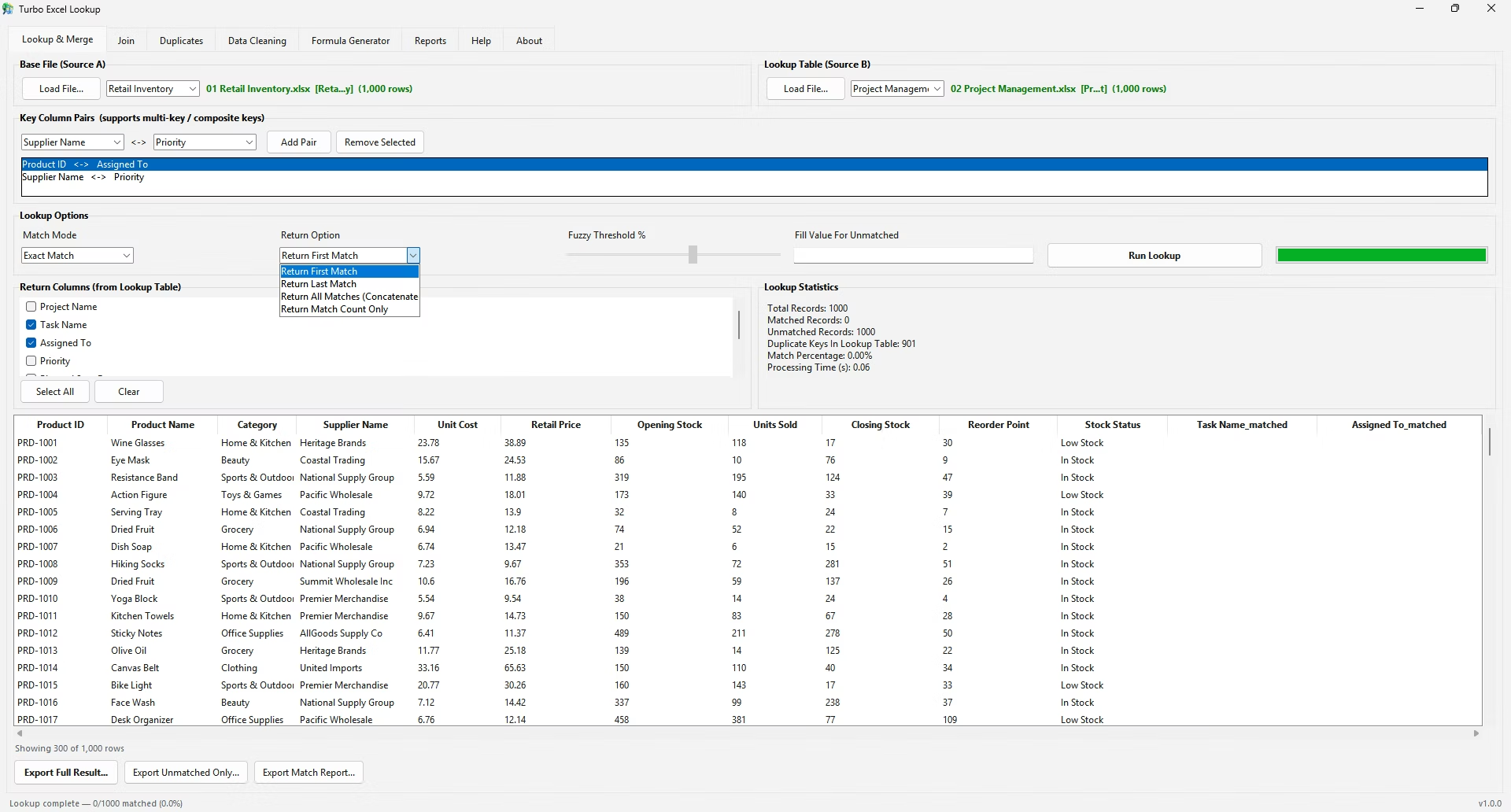
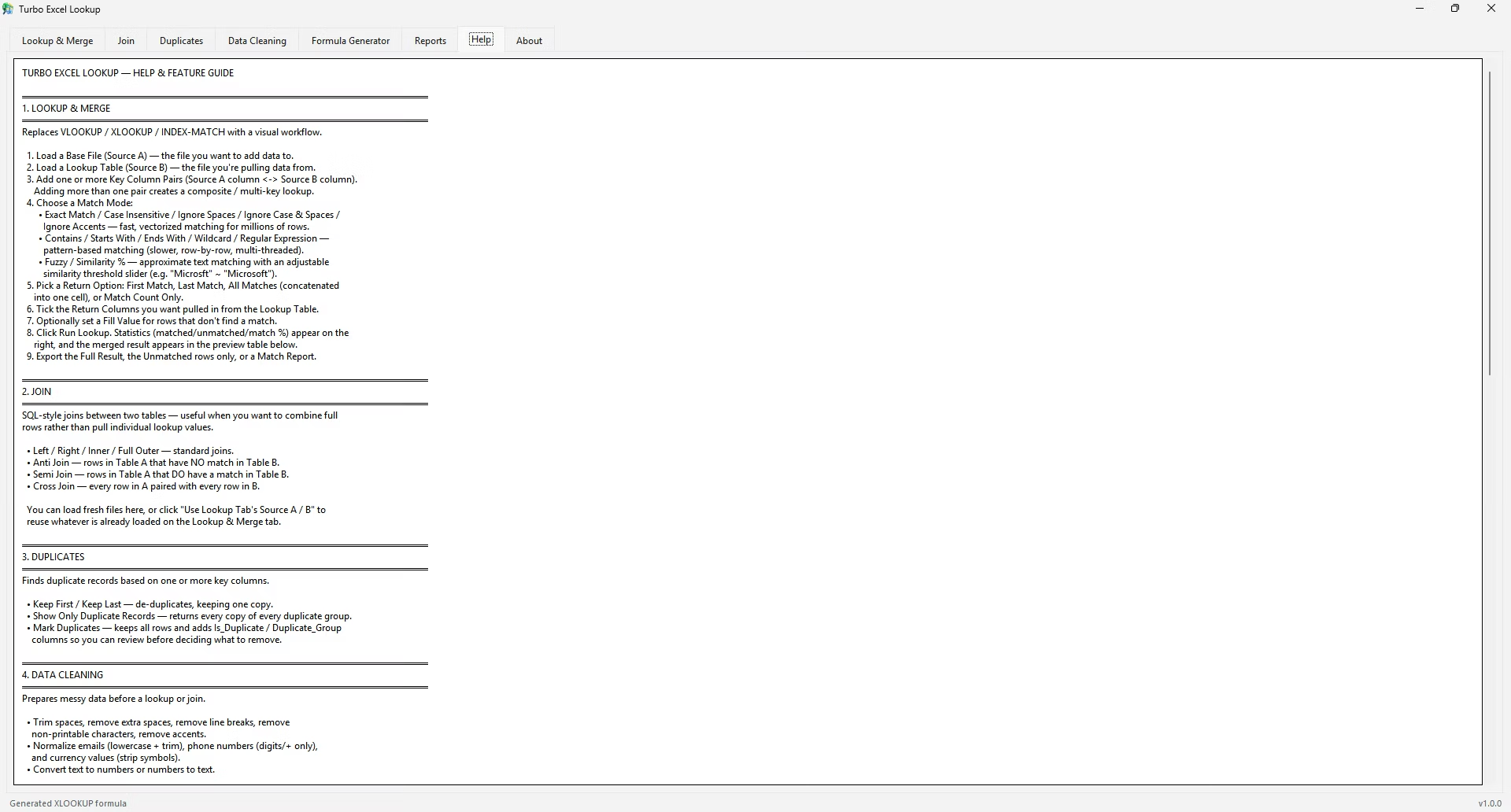
Turbo Excel Lookup's Lookup & Merge tab converts each of these arguments into a visible setting rather than a positional argument you have to get right in sequence. The lookup_value and table_array become file and column selections from dropdowns, col_index_num becomes a simple checkbox next to each column name you want returned, and range_lookup becomes a Match Mode dropdown with eleven options instead of a binary TRUE/FALSE choice - including several tolerant modes that handle the spacing and casing issues TRIM() only partially solves.
A VLOOKUP formula on its own doesn't explain why it exists or what it's supposed to accomplish, which becomes a problem the moment someone other than the original author needs to understand or modify it. Adding a brief cell comment, or a plain-language note in an adjacent column header - like "Pulls current price from Master Price List, updated weekly" - saves significant time for whoever inherits the sheet later, including your own future self.
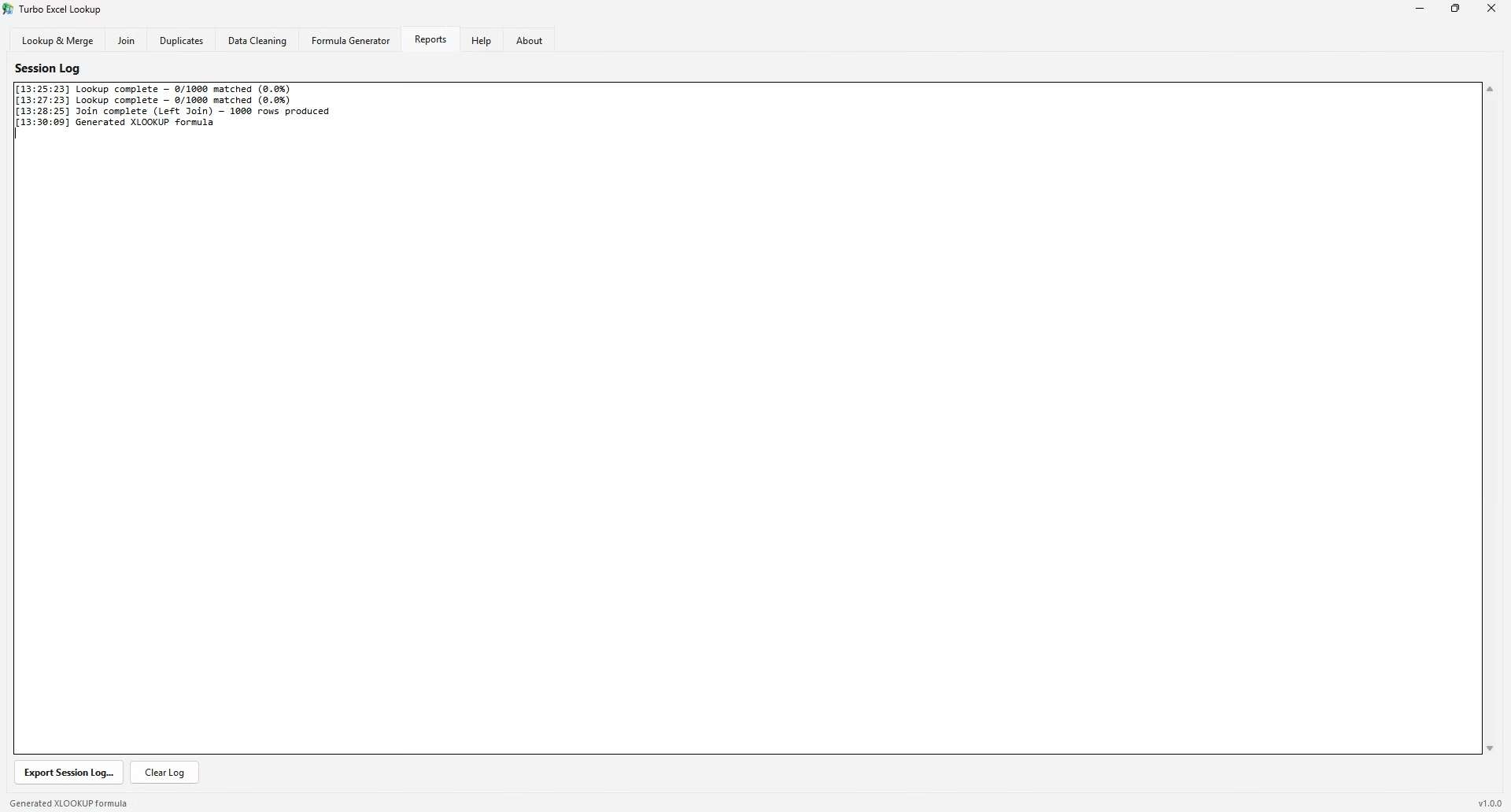
This kind of documentation happens naturally in Turbo Excel Lookup, since the Reports tab automatically logs which files, columns, and match mode were used for each lookup performed, creating a built-in record of intent without requiring a separate manual note.
Before sending a workbook with VLOOKUP formulas to someone else, it's worth doing one last pass: confirming every table_array reference is locked, every formula uses FALSE where an exact match is intended, and no #N/A results remain unexplained. This final check takes only a few minutes but prevents the most common category of "why is this formula wrong" questions from the person receiving the file.
A specific version of the data-type mismatch mentioned earlier deserves its own callout: numbers imported from a CSV or another system are sometimes stored as text rather than actual numbers, recognizable by a small green triangle in the corner of the cell. VLOOKUP treats these differently from real numbers even though they display identically, and the fix is typically selecting the affected cells, using Data > Text to Columns (with no changes needed) to force a data type conversion, or wrapping the lookup value in VALUE() within the formula itself.
Getting comfortable with each of VLOOKUP's four arguments individually - rather than memorizing the whole formula as one block - makes the function considerably easier to adapt to new situations as they come up, without needing to look up the syntax from scratch each time.
Should I always wrap VLOOKUP in IFERROR?
It's good practice for any formula shown to end users, since it replaces a raw #N/A with a clearer message, though it can also mask genuine data problems if overused without periodically checking for legitimate unmatched rows.
Does TRIM() fix every spacing issue?
TRIM() removes leading, trailing, and repeated internal spaces, but it won't fix casing differences or non-breaking spaces from web-copied data, which sometimes need additional cleanup.
Why shouldn't I select whole columns for table_array in large files?
Selecting entire columns forces Excel to consider every row, including empty ones, which can measurably slow recalculation in workbooks with tens of thousands of rows or many formulas.
What replaces TRIM() and IFERROR when using a non-formula tool?
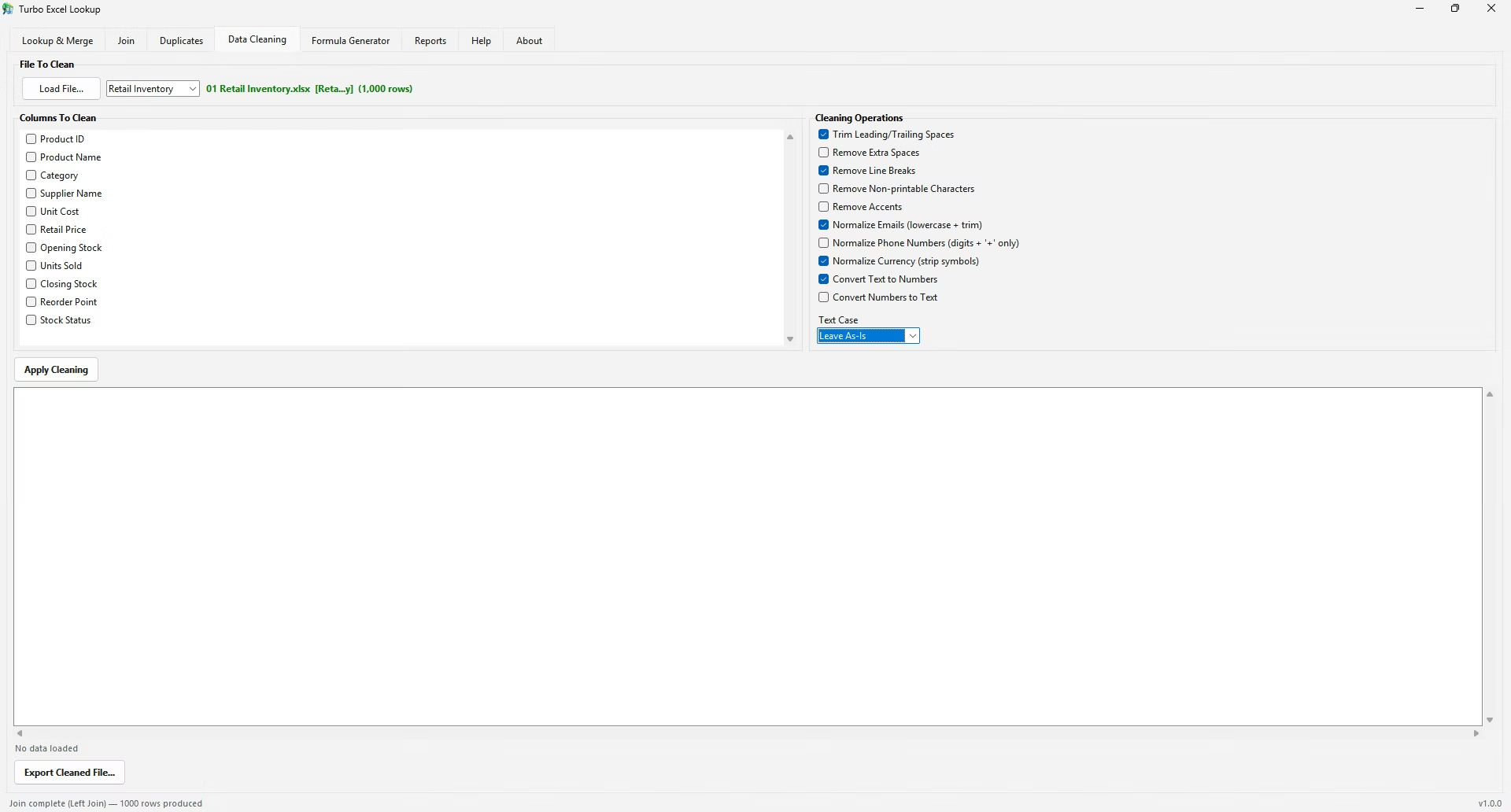
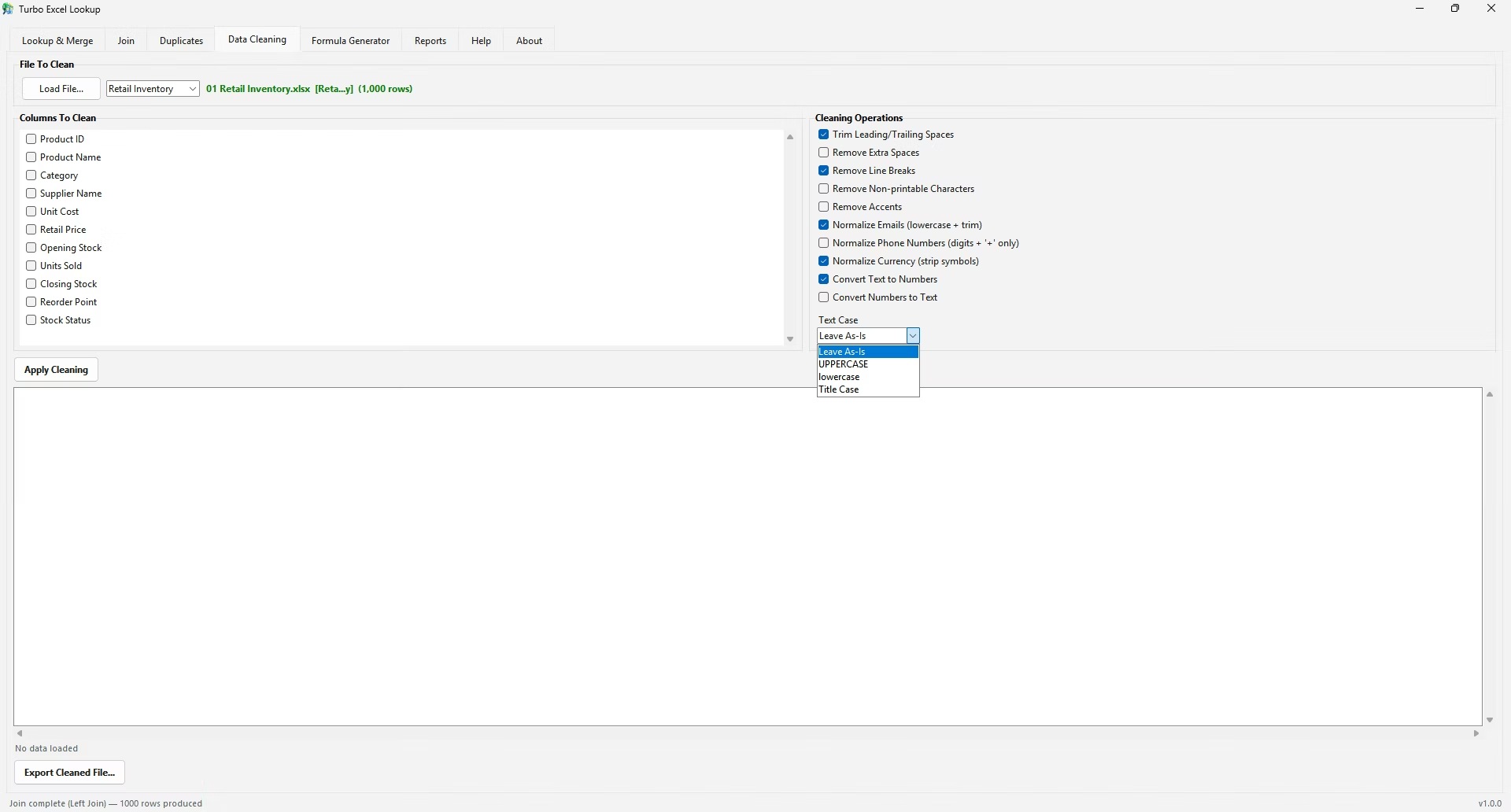
Turbo Excel Lookup's Data Cleaning tab and its tolerant match modes (Ignore Spaces, Ignore Case & Spaces) handle the cleanup automatically, and its Fill Value setting replaces the IFERROR fallback text.
Why should I document what a VLOOKUP formula is doing?
Because the formula itself only shows the mechanics, not the reasoning - a brief note on intent saves significant time for anyone maintaining the sheet later, including yourself.
Does Turbo Excel Lookup keep a record of past lookups automatically?
Yes, the Reports tab logs each lookup's files, matched columns, and settings during a session, functioning as automatic documentation.
What should I check right before sharing a workbook with VLOOKUP formulas in it?
Confirm every table_array is locked, every formula uses the intended match type, and any remaining #N/A results are genuinely expected rather than an unnoticed error.
How do I fix numbers that are stored as text before running VLOOKUP?
Selecting the affected cells and running Data > Text to Columns, or wrapping the lookup value in the VALUE() function within the formula, both convert text-formatted numbers into actual numeric values VLOOKUP can match correctly.
Ready to stop fighting #N/A errors and match your spreadsheets visually?