The short answer is no: a single Excel worksheet cannot have more than 1,048,576 rows, and that number has stayed fixed across recent versions of Excel regardless of your computer's specifications.
This means any dataset larger than that, whether it's a database export, a log file, or a large CSV, cannot exist inside one worksheet no matter how it's loaded or pasted. The data either needs to be split across multiple sheets, or handled outside Excel entirely.
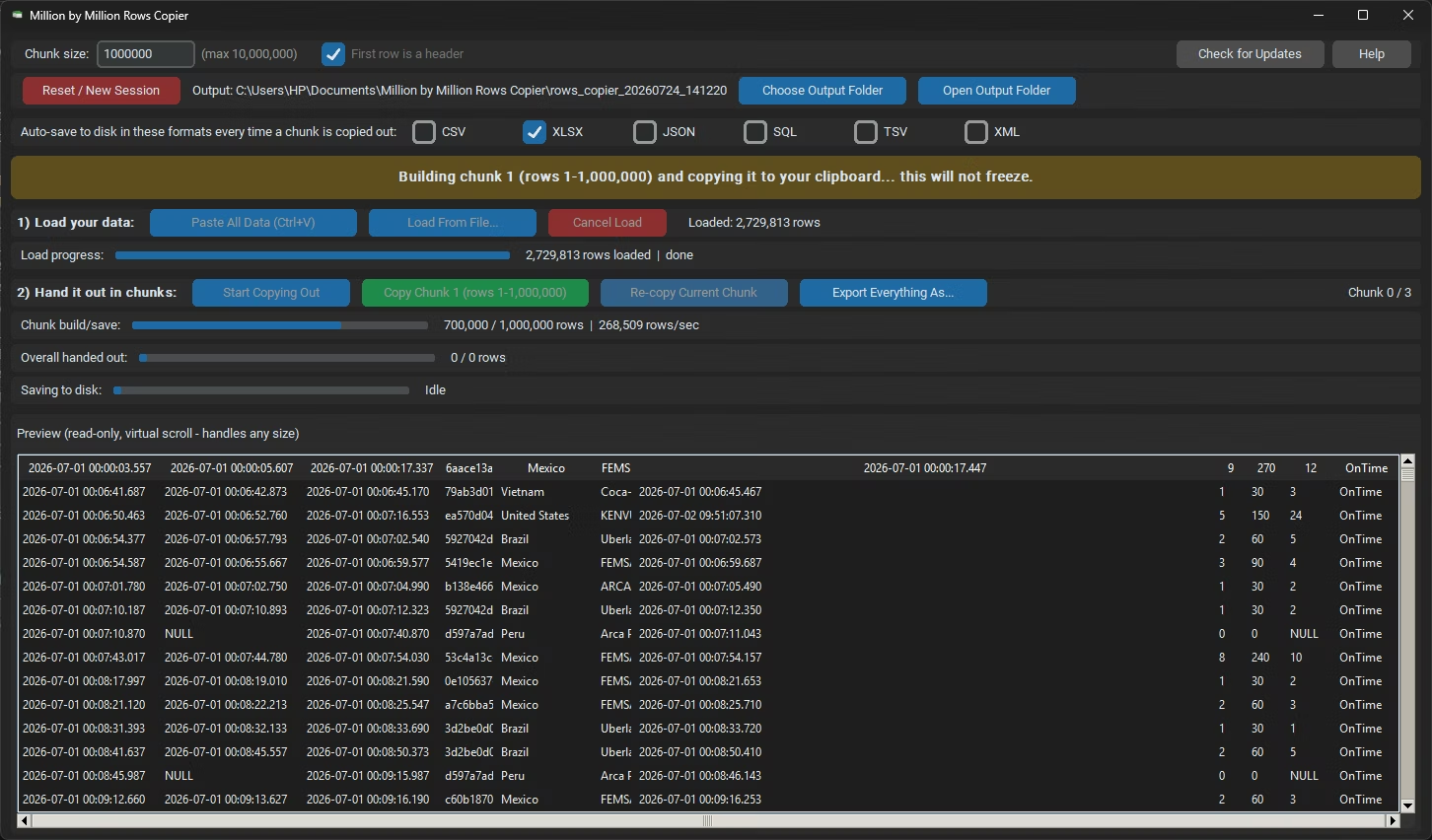
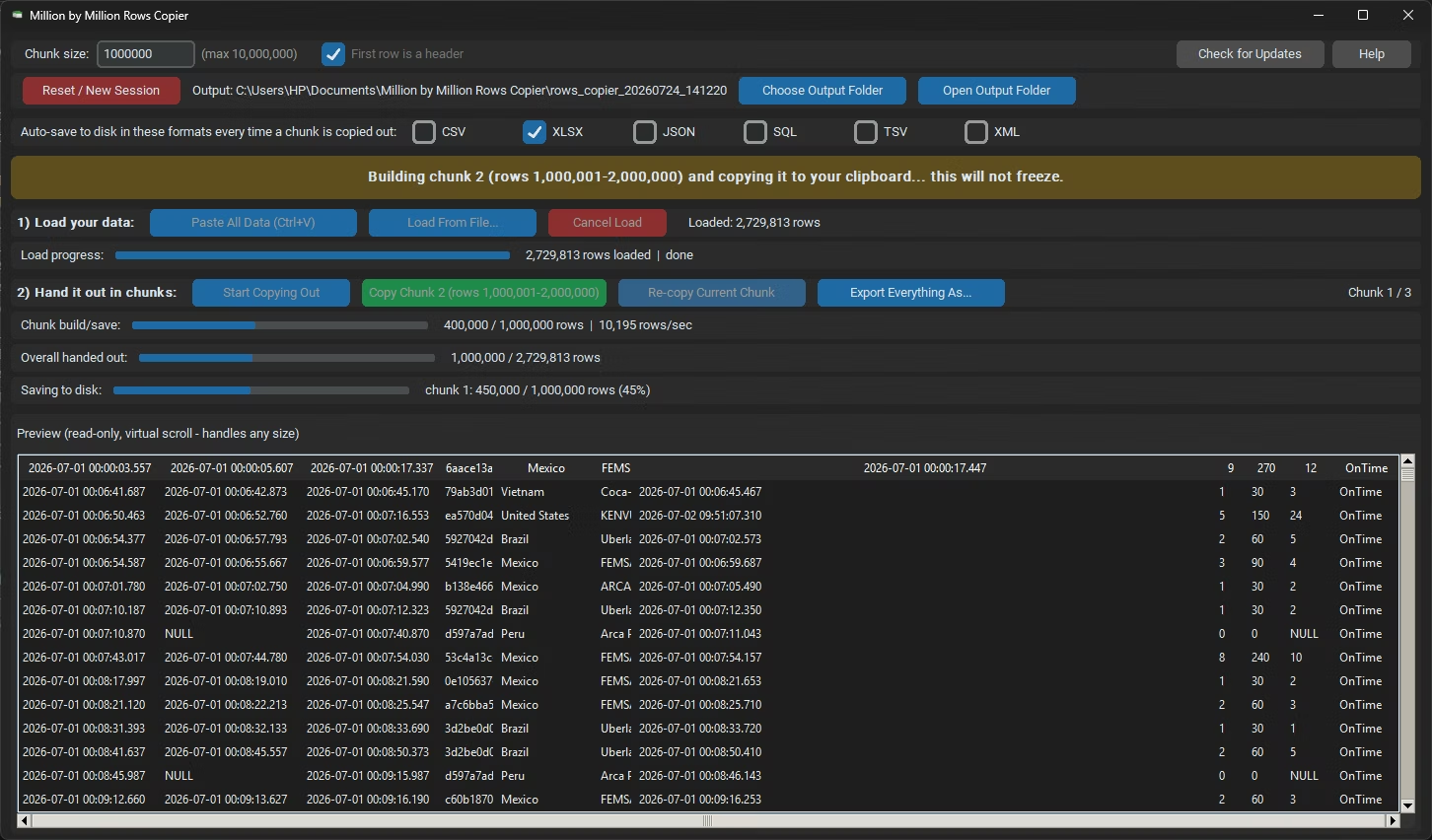
Million by Million Rows Copier makes that split automatic. It loads up to 50,000,000 rows into a local SQLite file, then produces 1,000,000-row chunks through Copy Next Chunk, each one small enough to become its own worksheet.
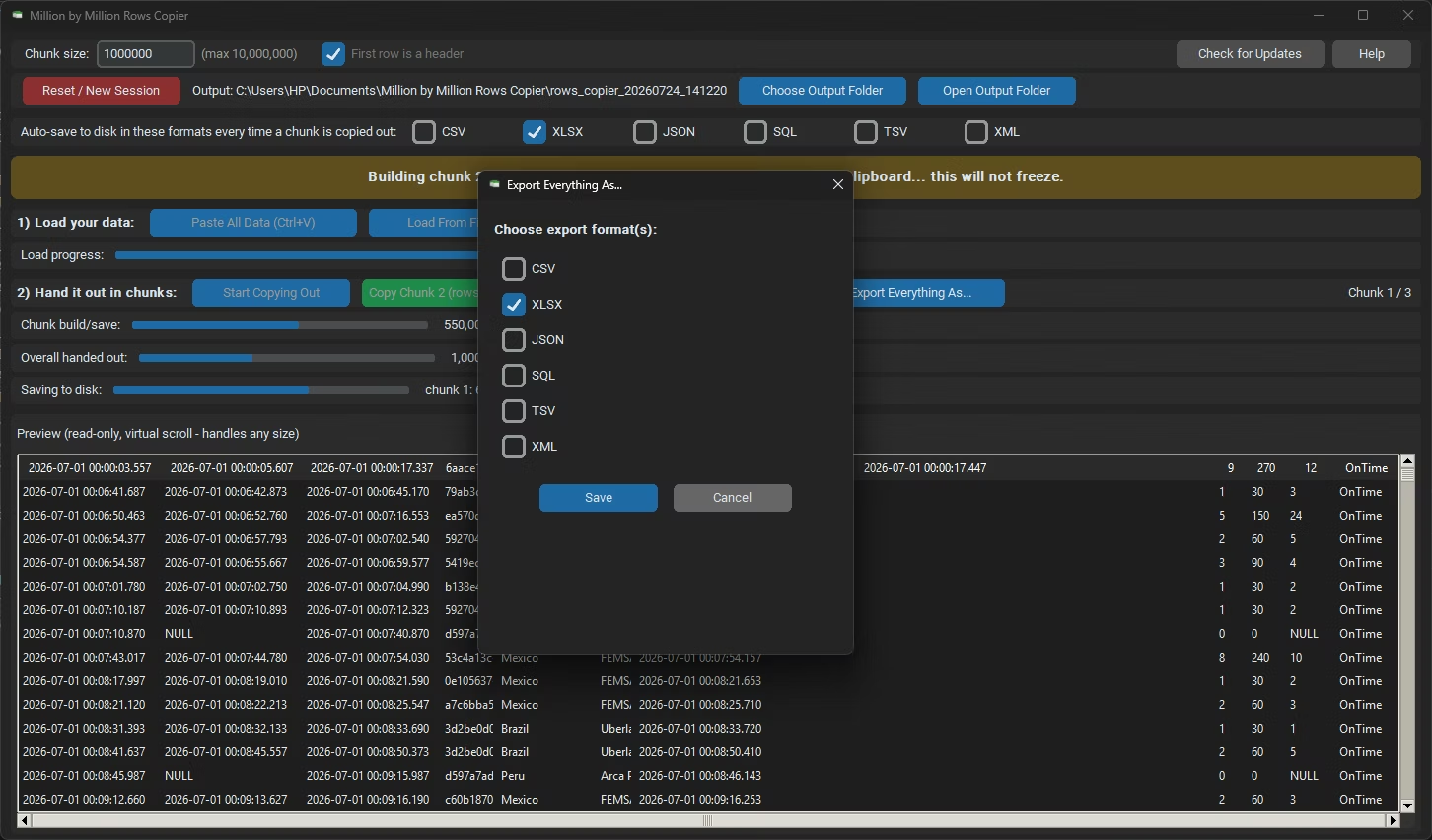
If you'd rather not use Excel at all for data this size, the same app can export the full dataset directly to CSV, XLSX, JSON, SQL, TSV or XML, giving you a way to work with more than 1 million rows regardless of the format you ultimately need.
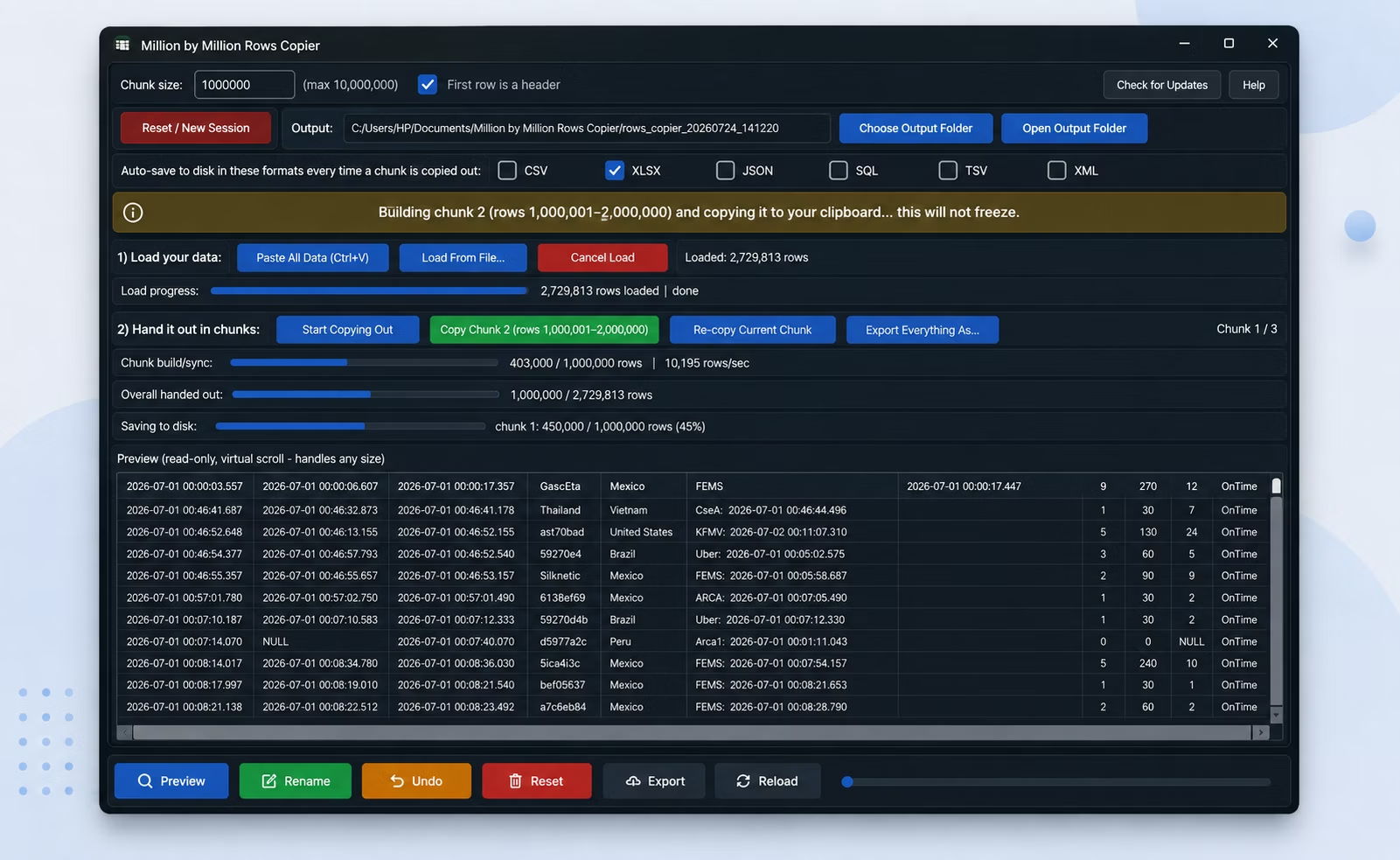
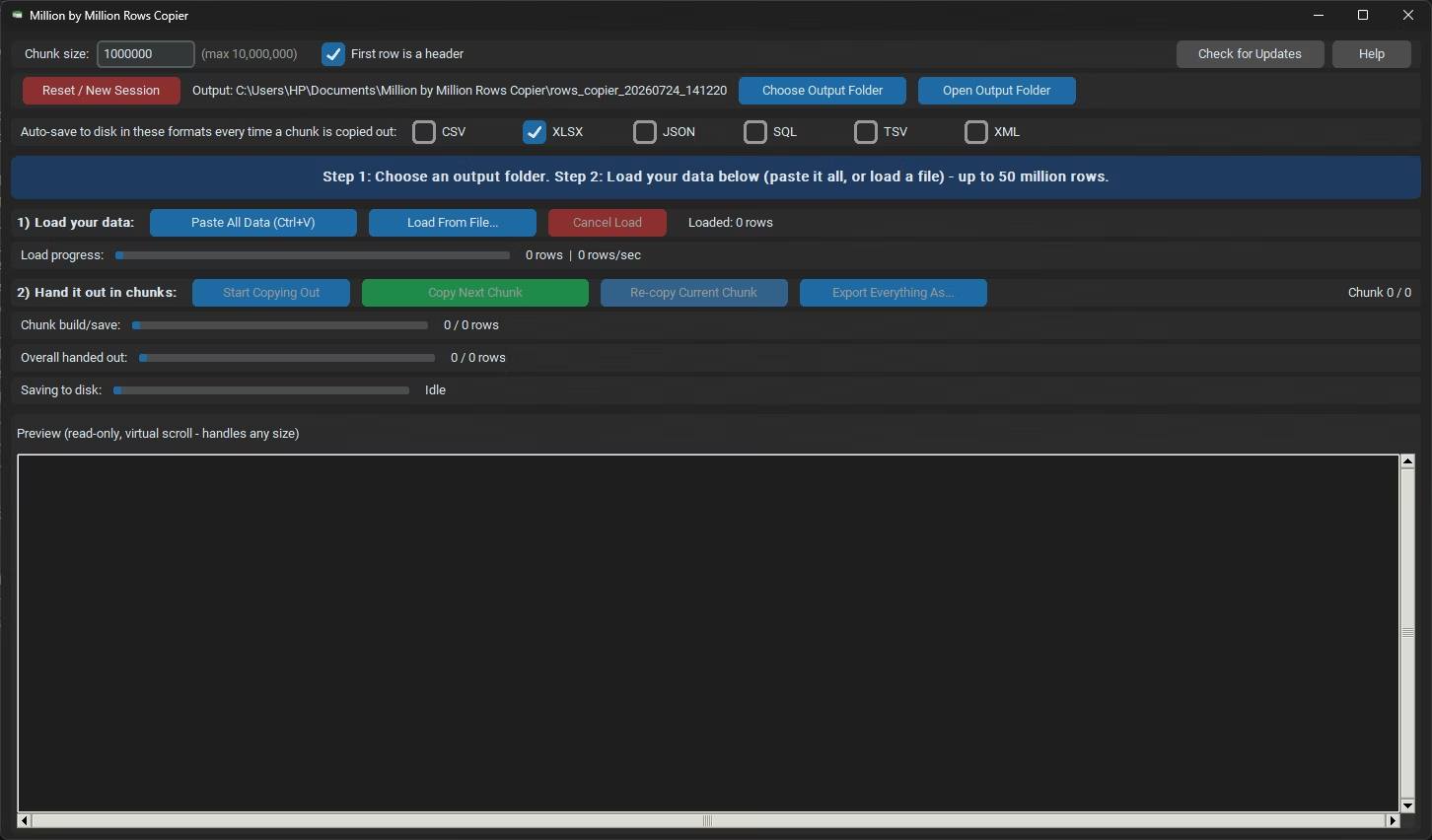
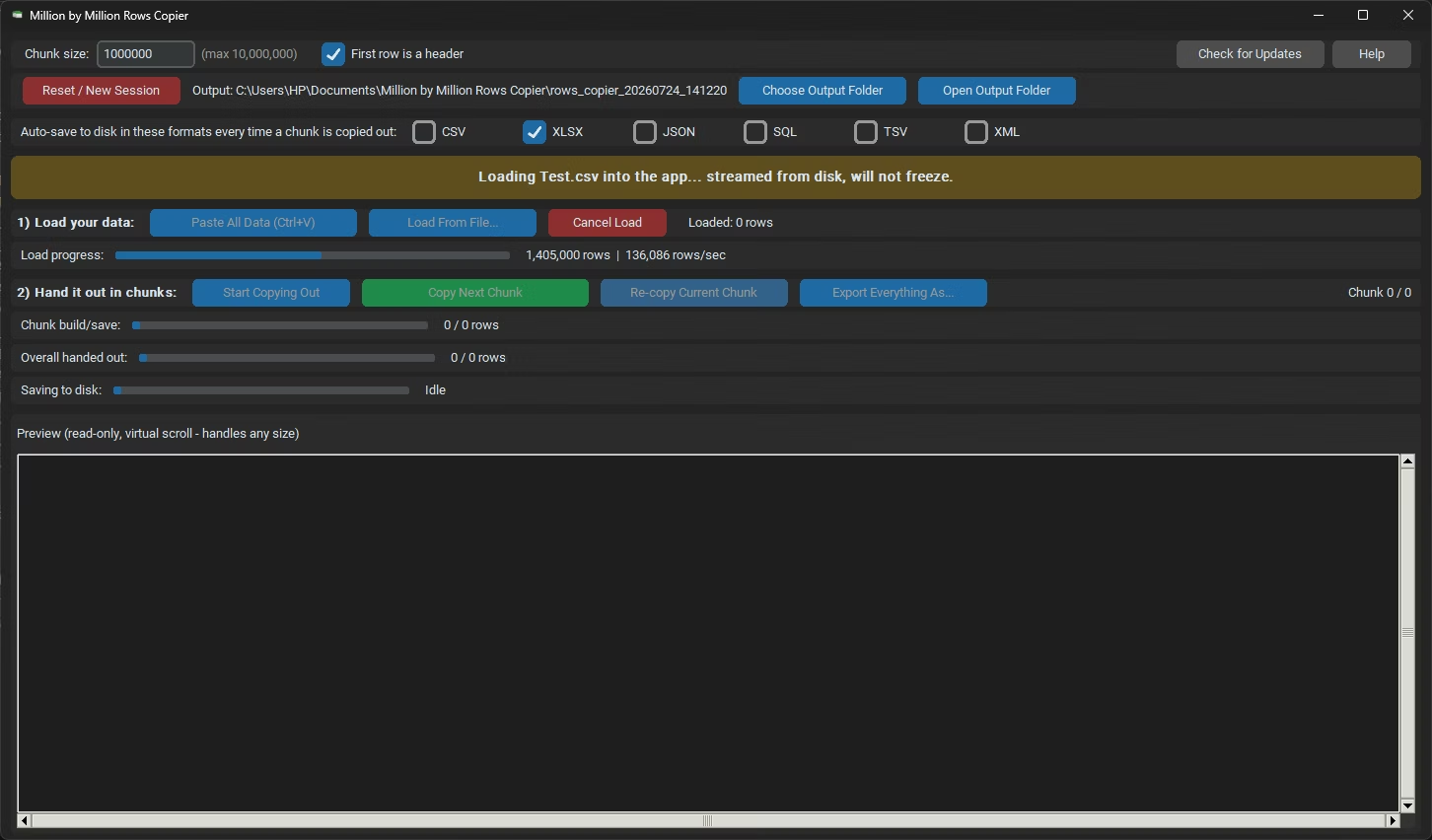
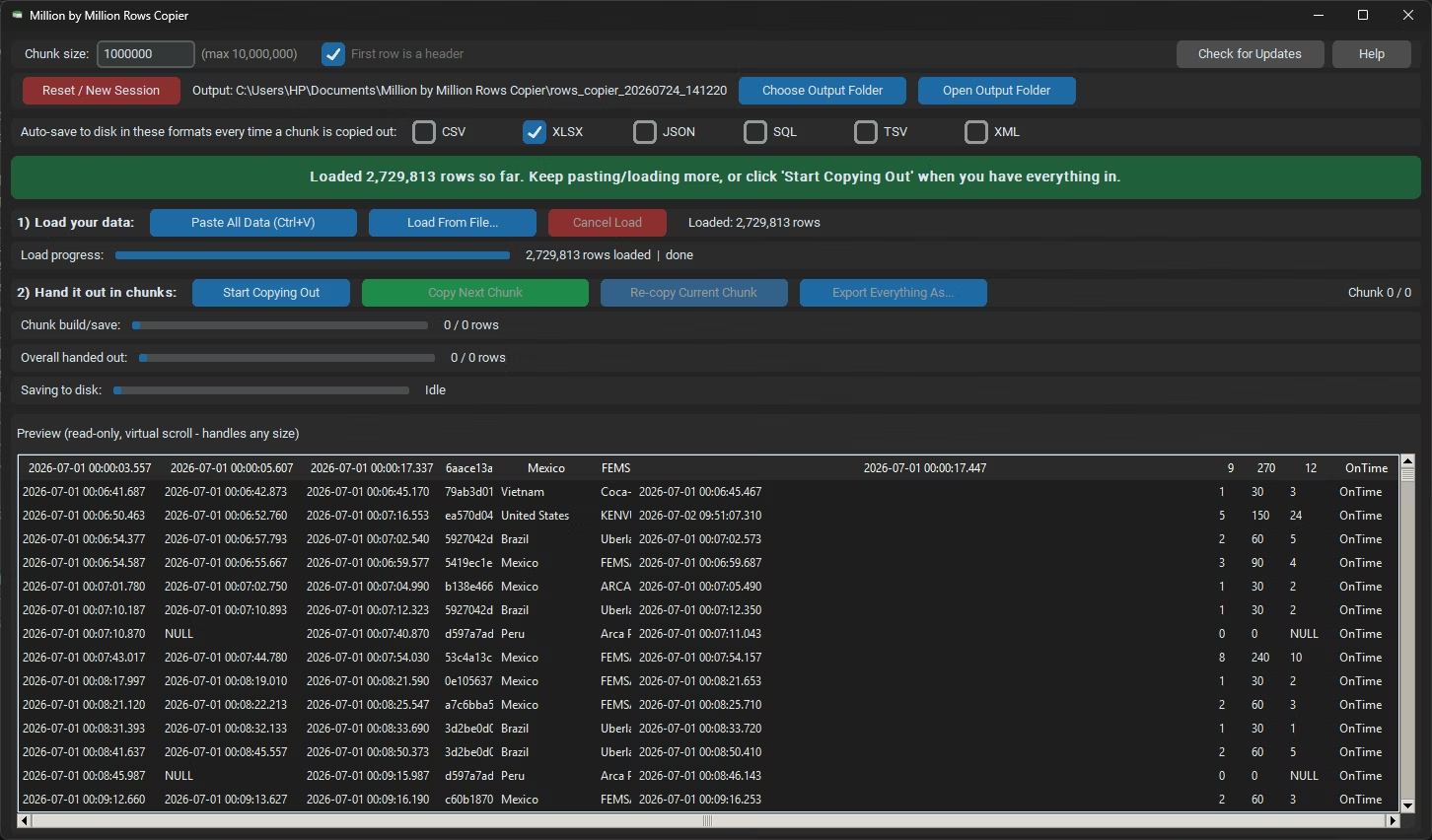
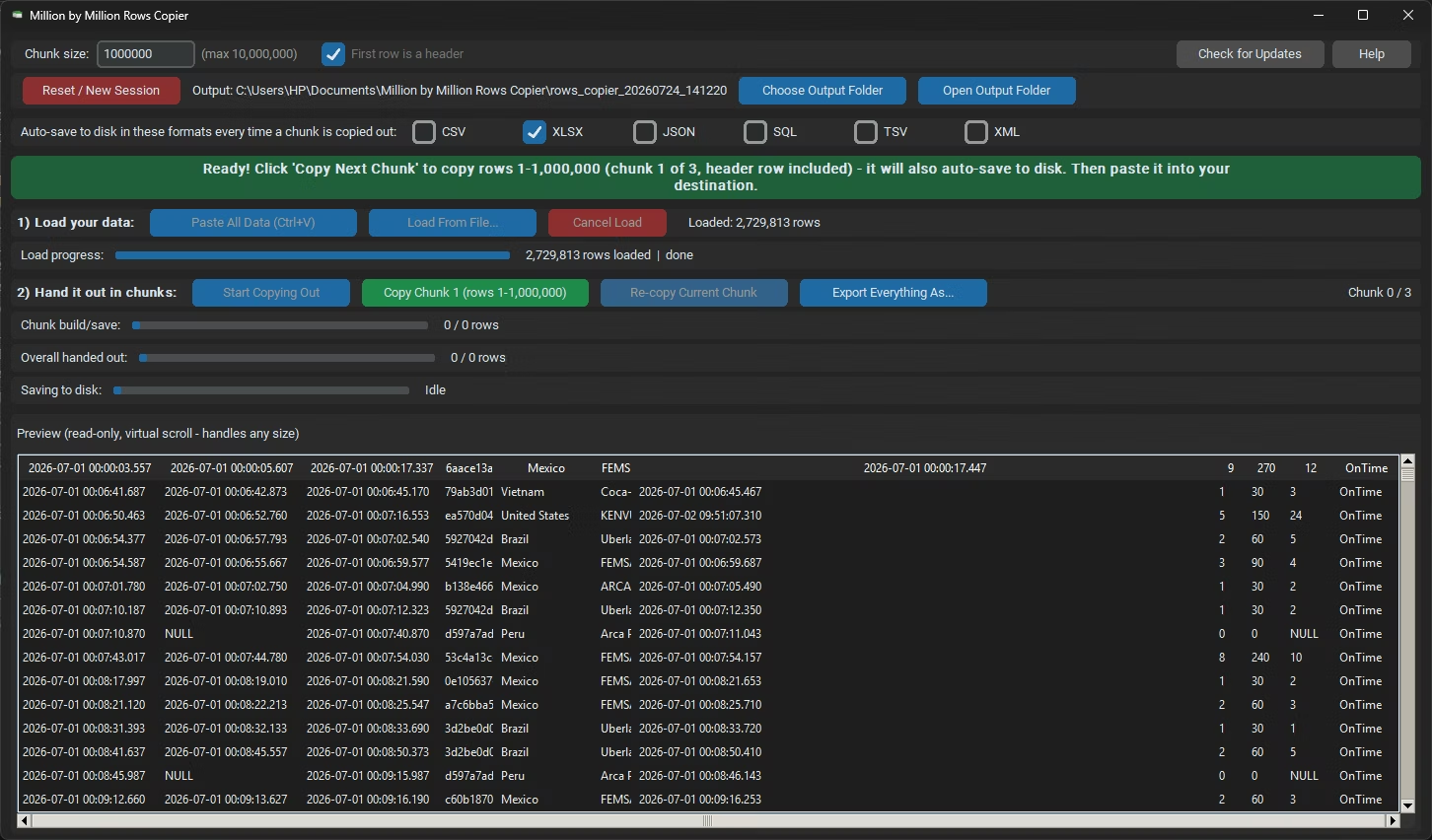
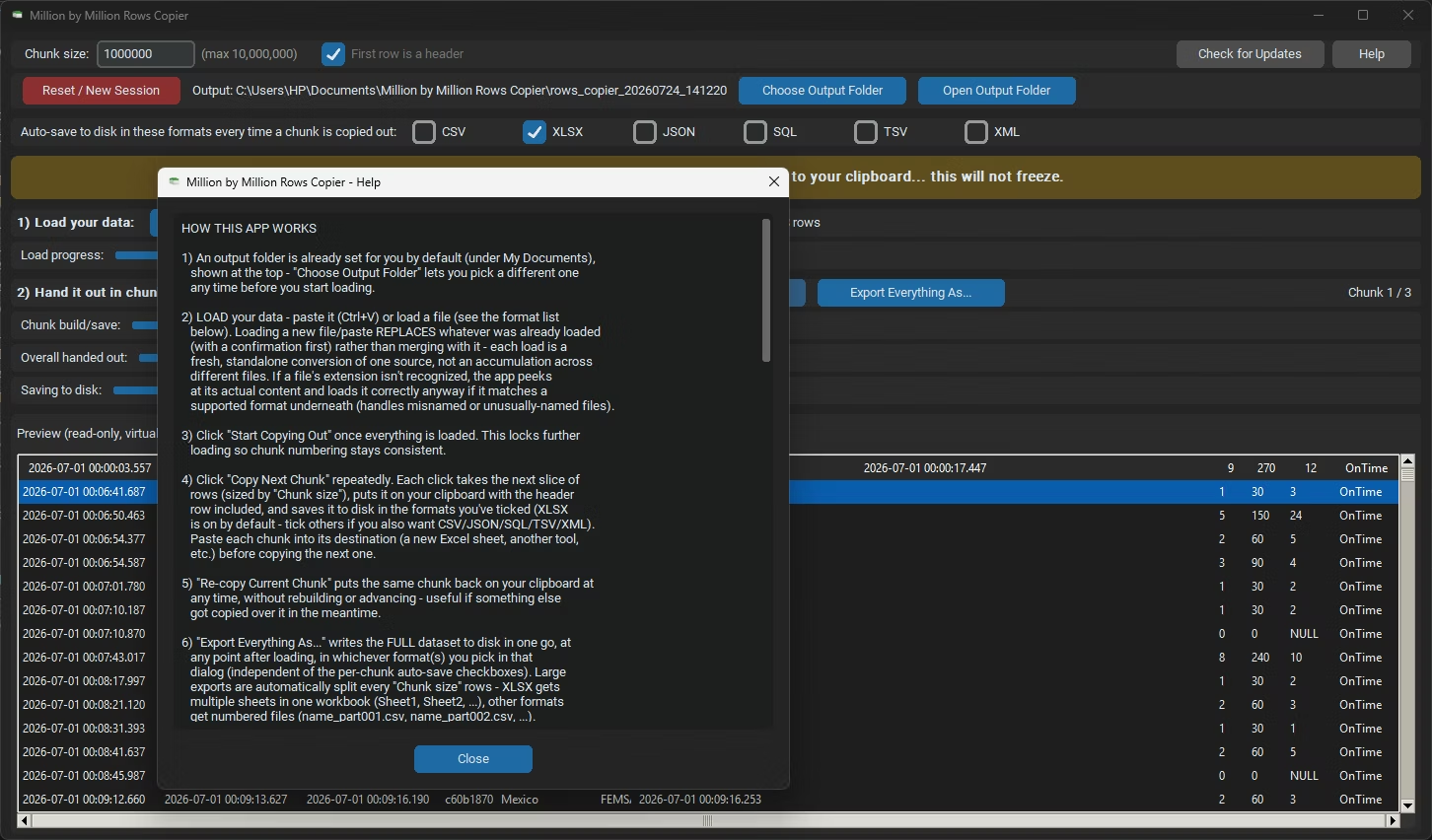
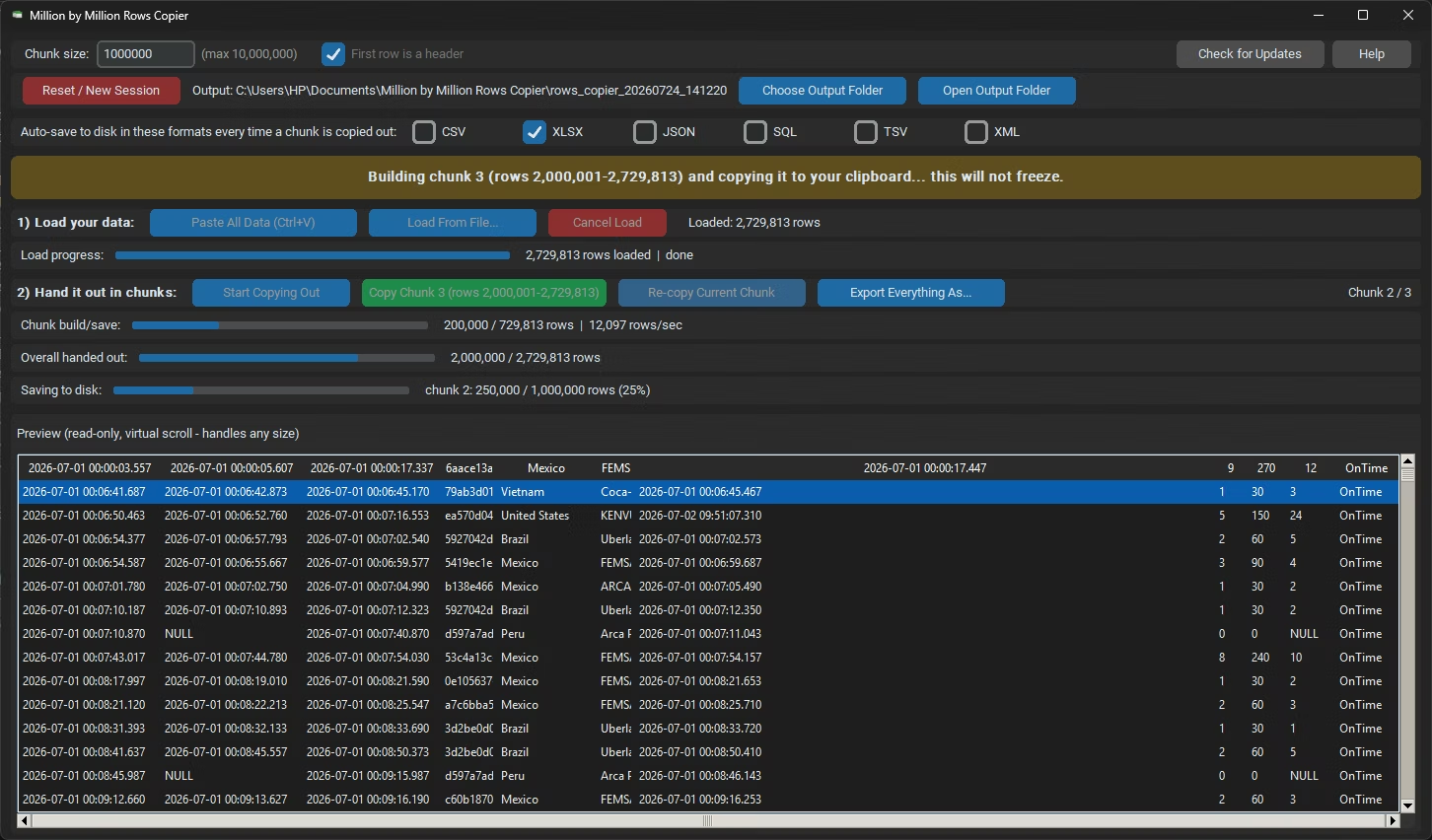
- Load your dataset into Million by Million Rows Copier to see its true row count.
- Confirm whether the dataset exceeds 1,048,576 rows.
- If it does, use Copy Next Chunk to split it into 1,000,000-row pieces for separate worksheets.
- Or use Export Everything to save the full dataset in another format instead.
- Repeat the process any time a new large file needs to be worked with.
- 1,048,576 rows is Excel's fixed worksheet limit, unaffected by hardware
- Million by Million Rows Copier supports up to 50,000,000 rows per session
- 1,000,000-row chunks are the practical way to spread data across sheets
- Direct export bypasses Excel's limit entirely when needed
- Loads more than 25 formats to check row counts before you commit to a workflow
- Local SQLite storage handles the full dataset regardless of its size
Can you have more than 1 million rows in Excel?
No, a single worksheet is limited to 1,048,576 rows, and this limit applies to every current version of Excel.
Is there any workaround built into Excel itself?
Not directly, though splitting data across multiple worksheets in the same workbook is the closest built-in option, and doing that manually for large files is slow.
How do I split a large dataset across worksheets automatically?
Load it into Million by Million Rows Copier and use Copy Next Chunk to generate 1,000,000-row pieces ready for separate sheets.
What if I don't want to use Excel for a dataset this large?
Export Everything can save the complete dataset directly to CSV, XLSX, JSON, SQL, TSV or XML without needing Excel at all.
Now that you know the limit, here's the easiest way to work around it.