XLOOKUP can reference a second, separate workbook the same way VLOOKUP can, using an external reference in square brackets. The syntax is slightly cleaner than VLOOKUP's cross-file version since XLOOKUP references two independent single-column ranges rather than one combined table_array, but the underlying dependency on both files staying in place is identical.
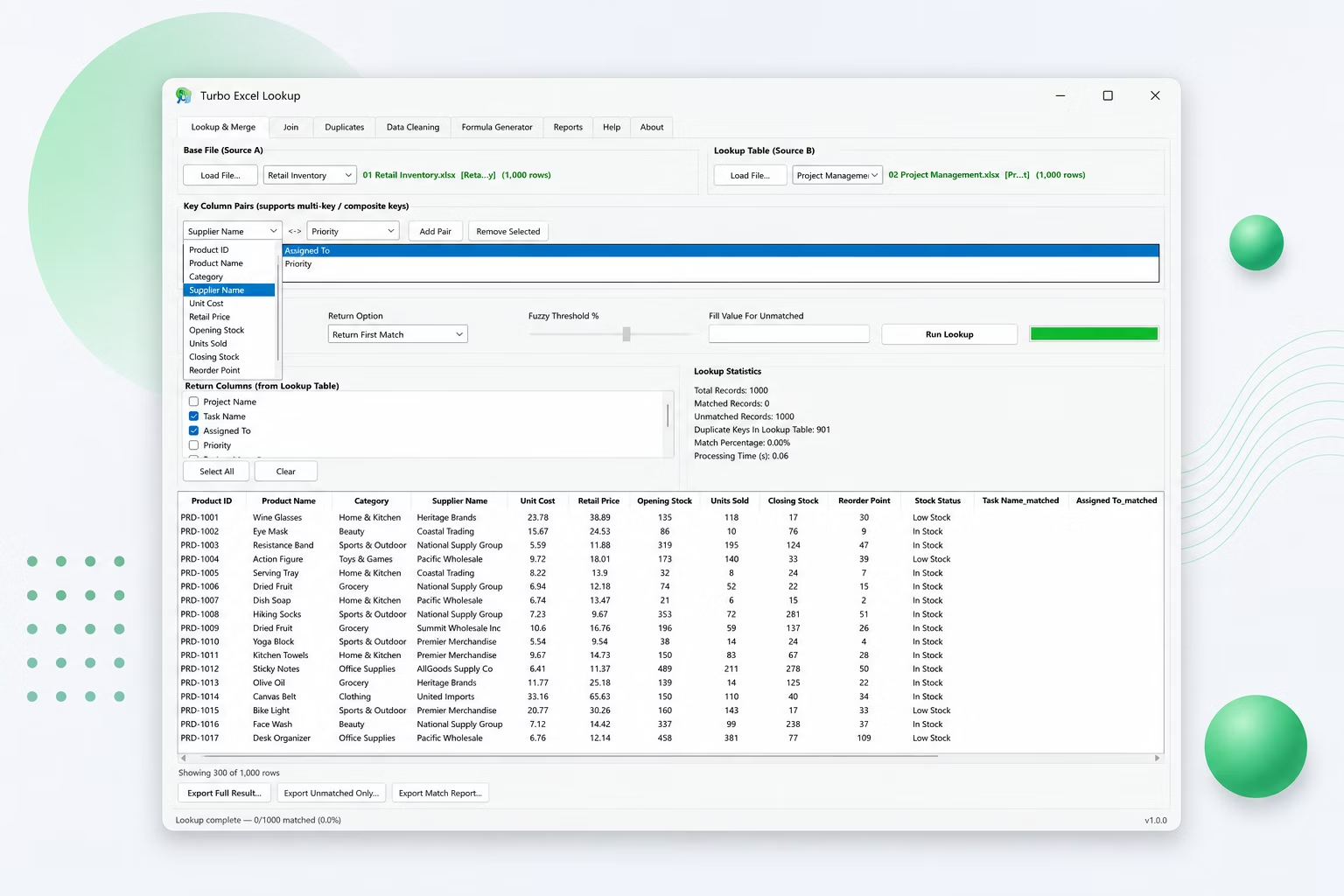
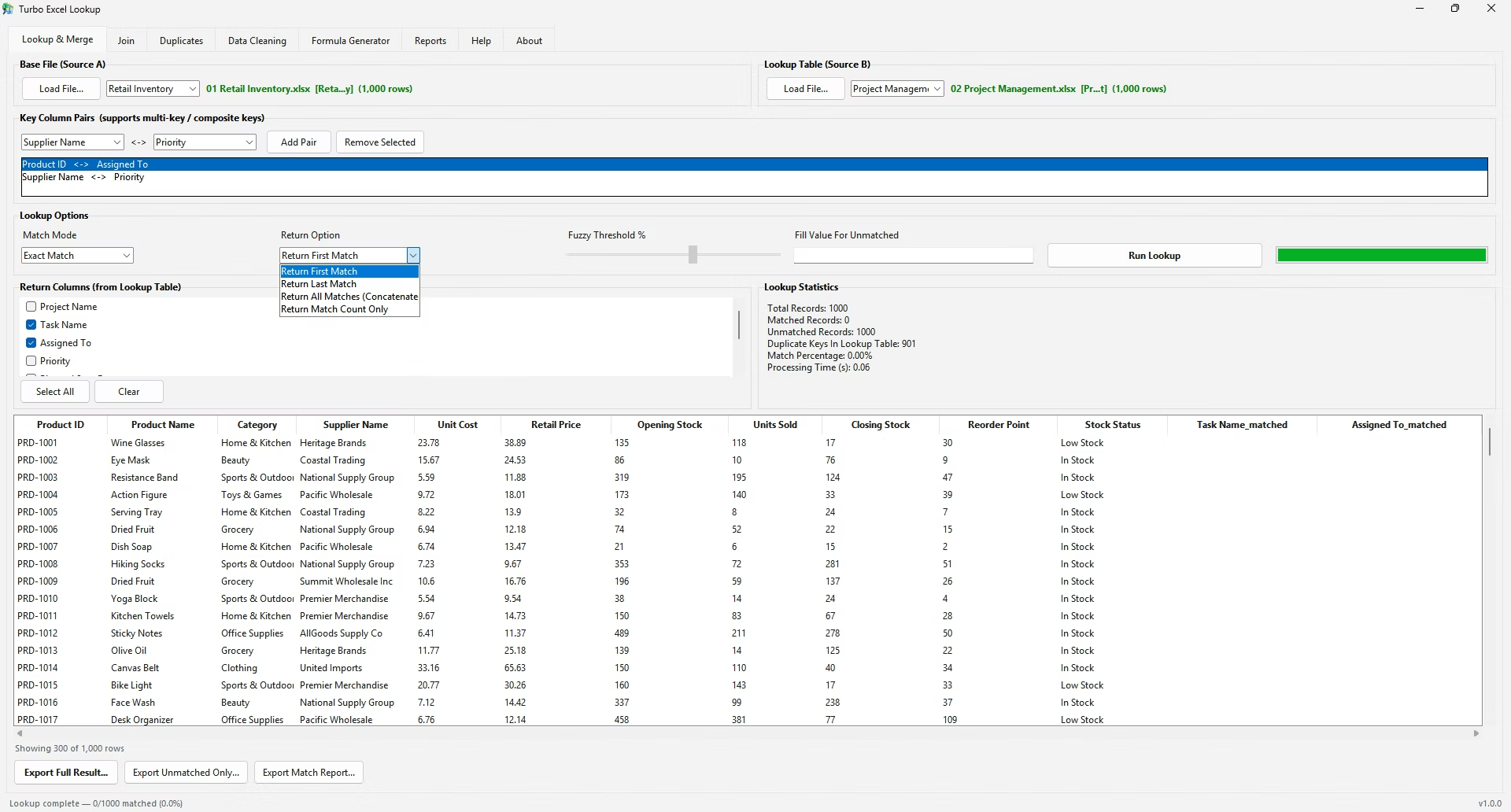
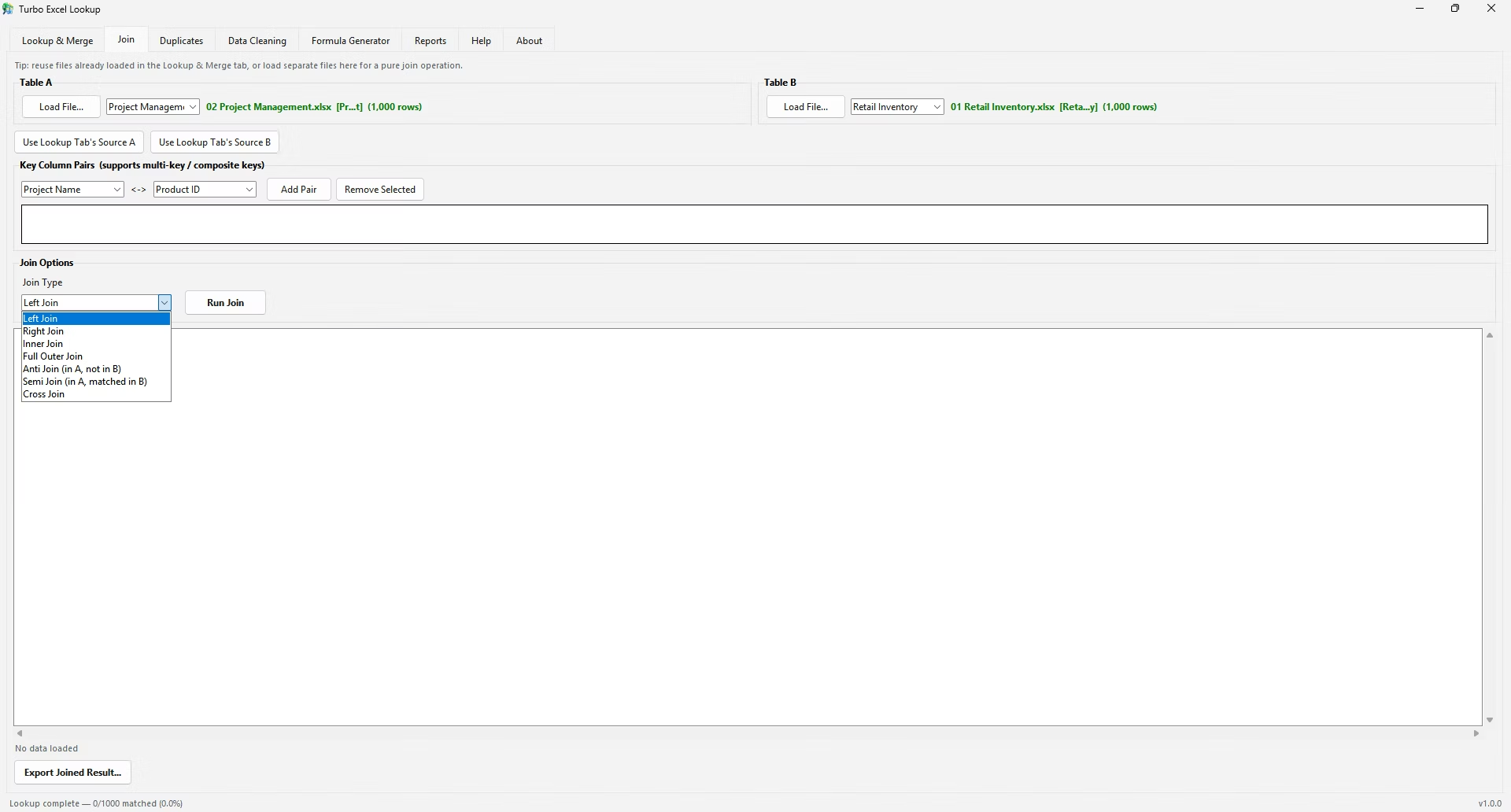
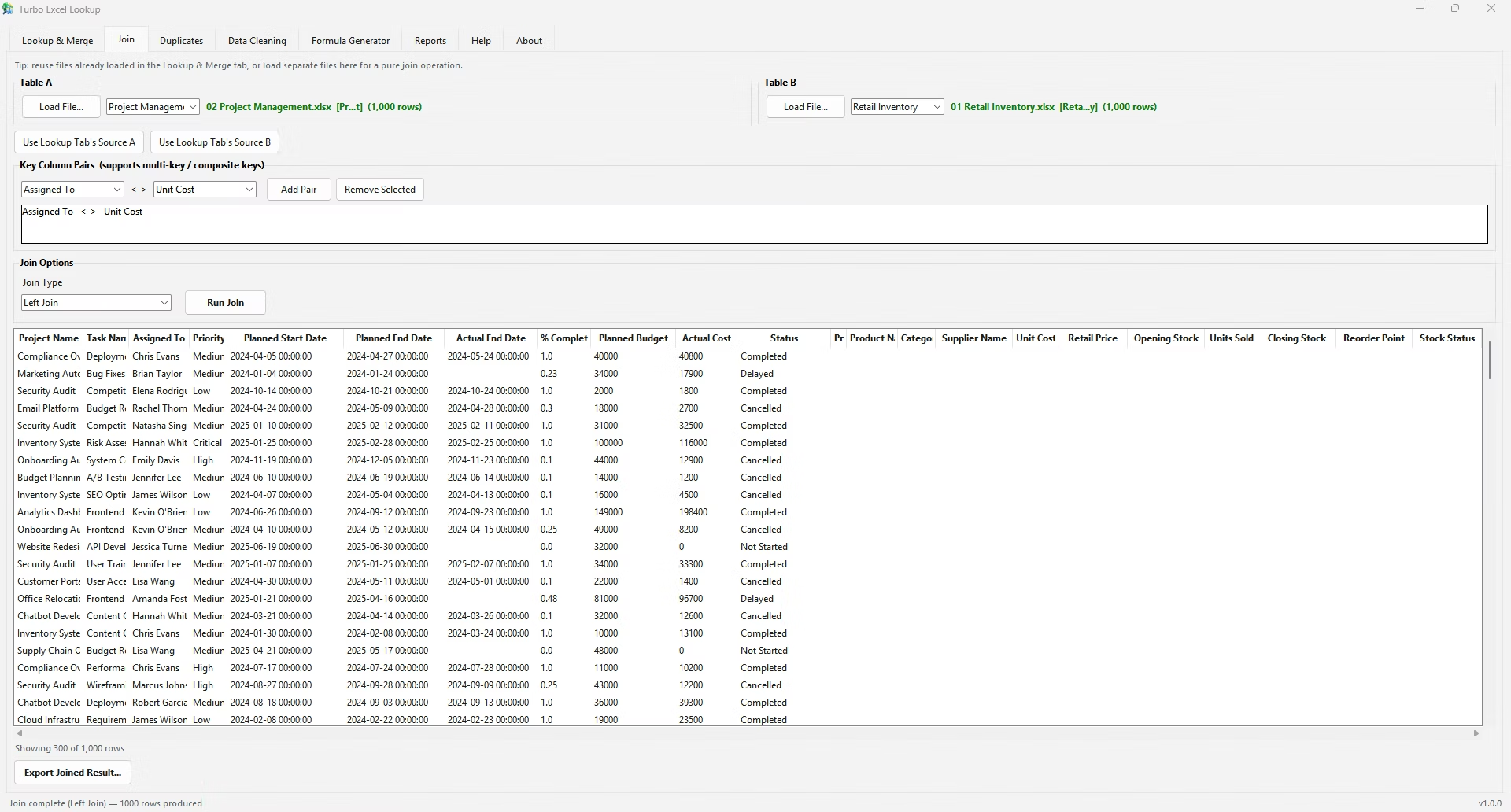
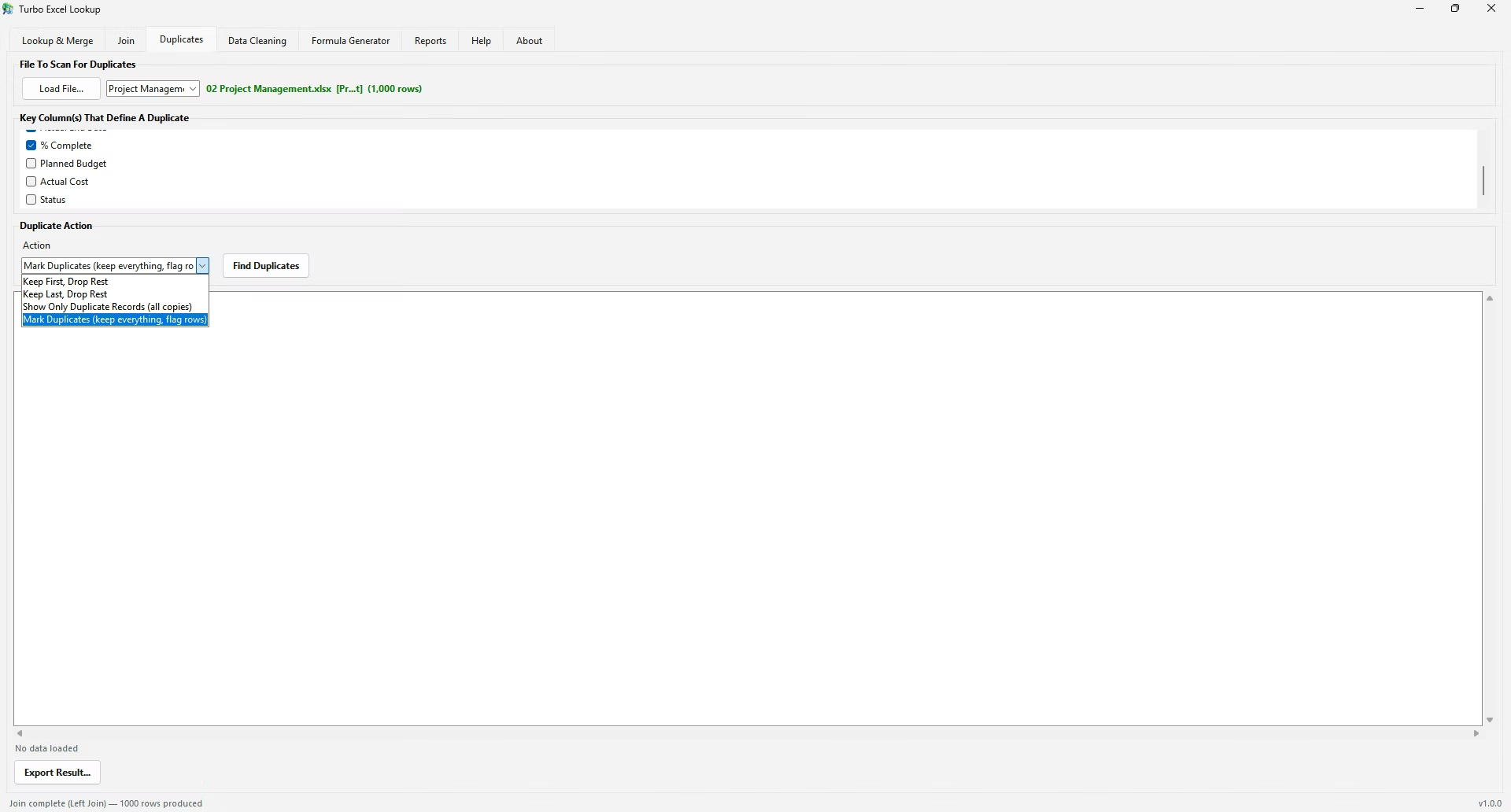
This page covers the correct syntax and its limitations, then shows Turbo Excel Lookup handling the same two-workbook scenario as a standalone import rather than a live external link.
Both lookup_array and return_array reference the external file PriceList.xlsx by name, followed by the sheet name and range. As with VLOOKUP, this reference is built automatically and correctly if you select the range by clicking into the second workbook's window rather than typing the file path by hand.
- Renaming or moving PriceList.xlsx breaks the link and requires updating it through Excel's Edit Links dialog
- If the second workbook is closed, Excel needs to reopen it in the background to recalculate, which can be slow over a network drive
- Sharing the first workbook with someone who doesn't have access to the second file's folder location will show stale or broken values
- Sending the file over email typically breaks the link entirely unless both files are zipped and their relative folder structure preserved
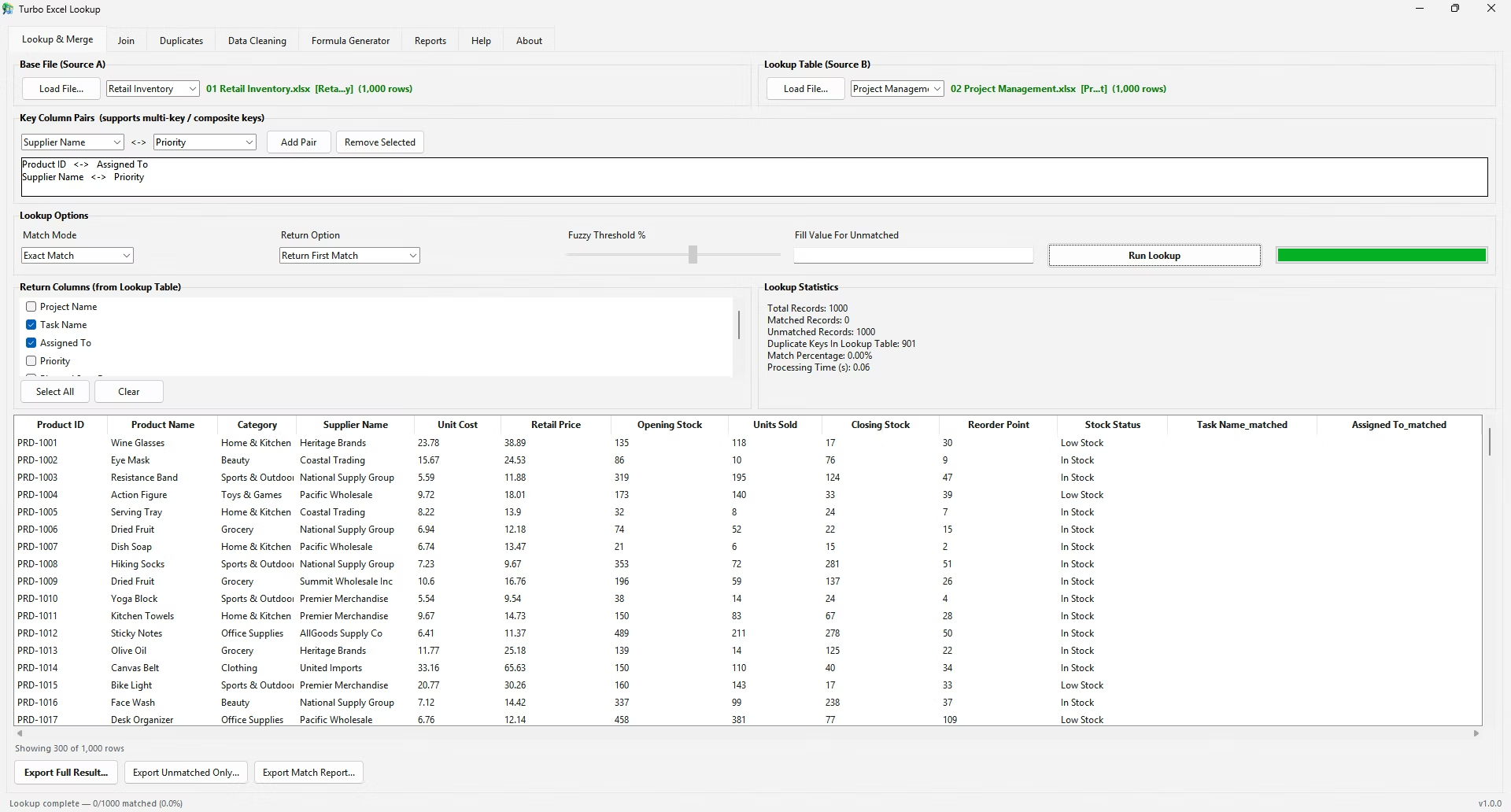
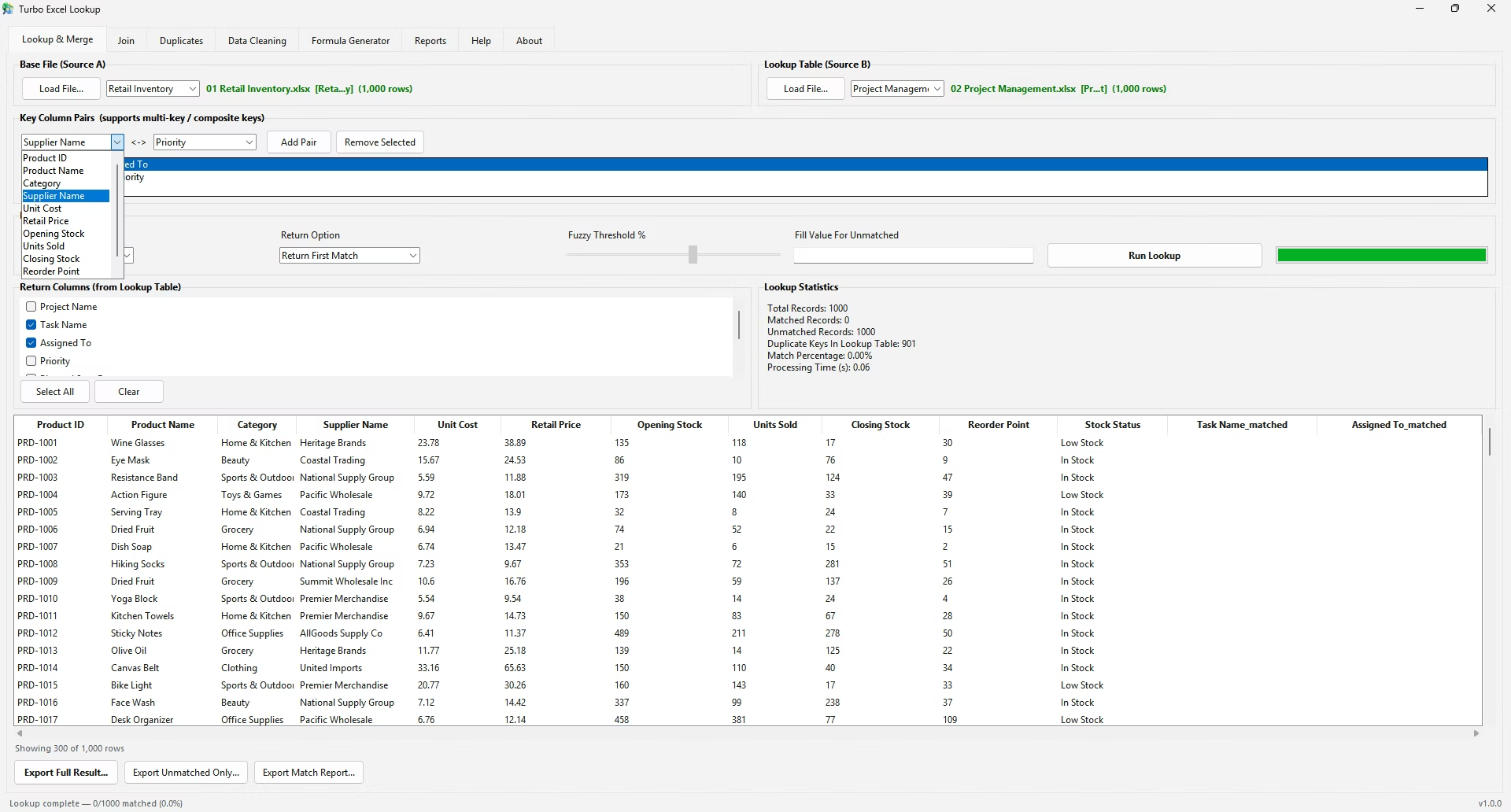
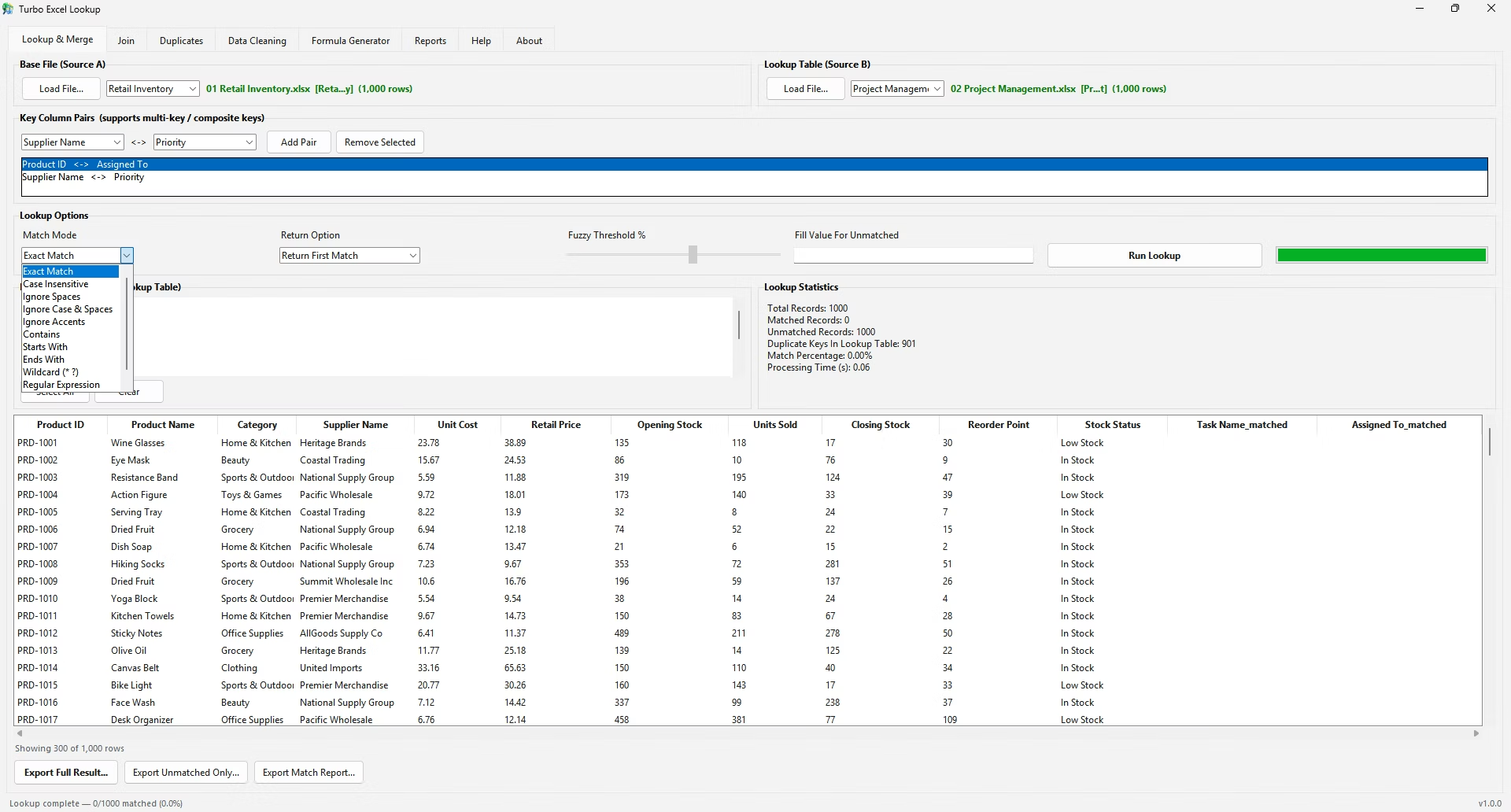
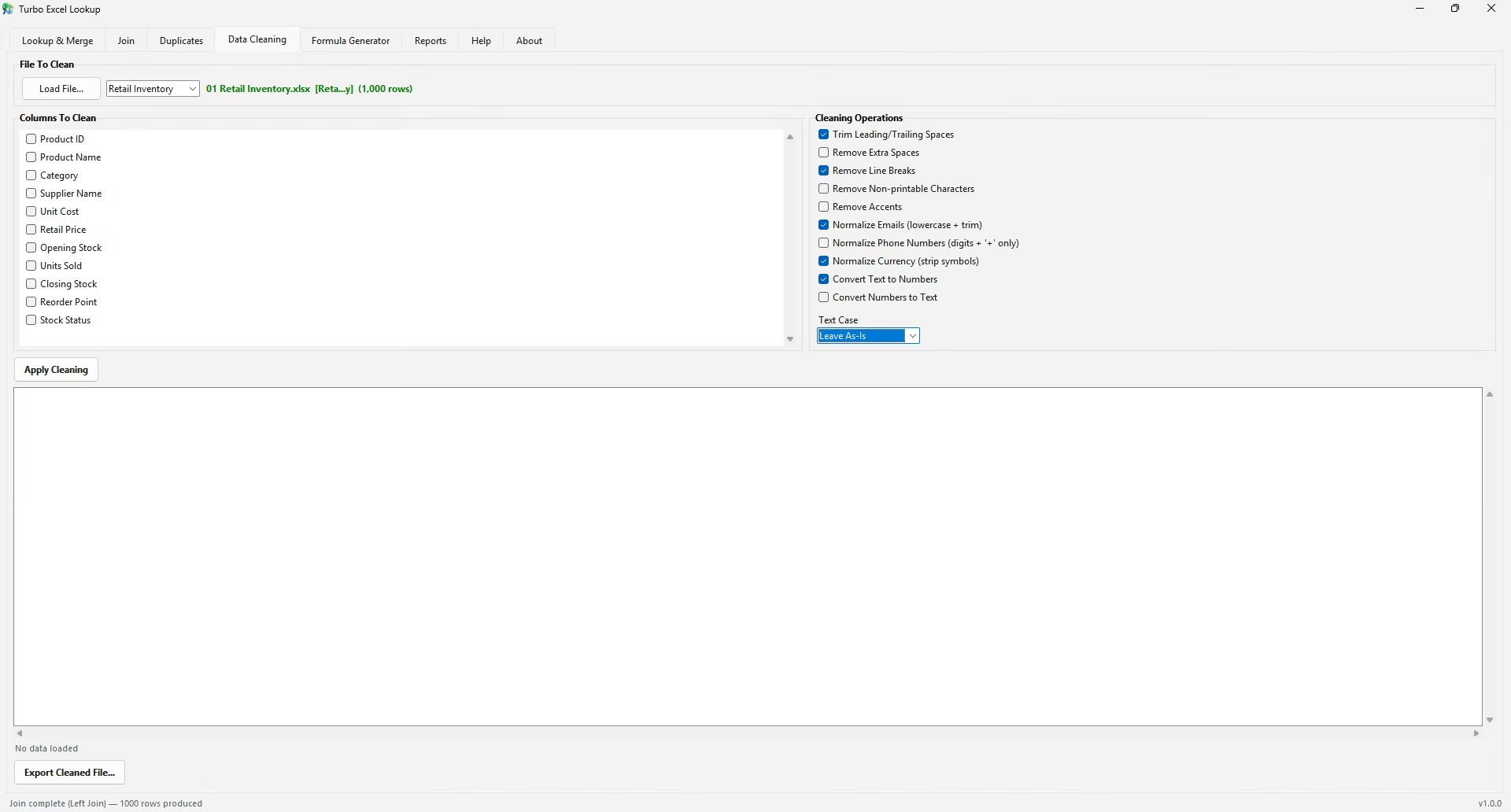
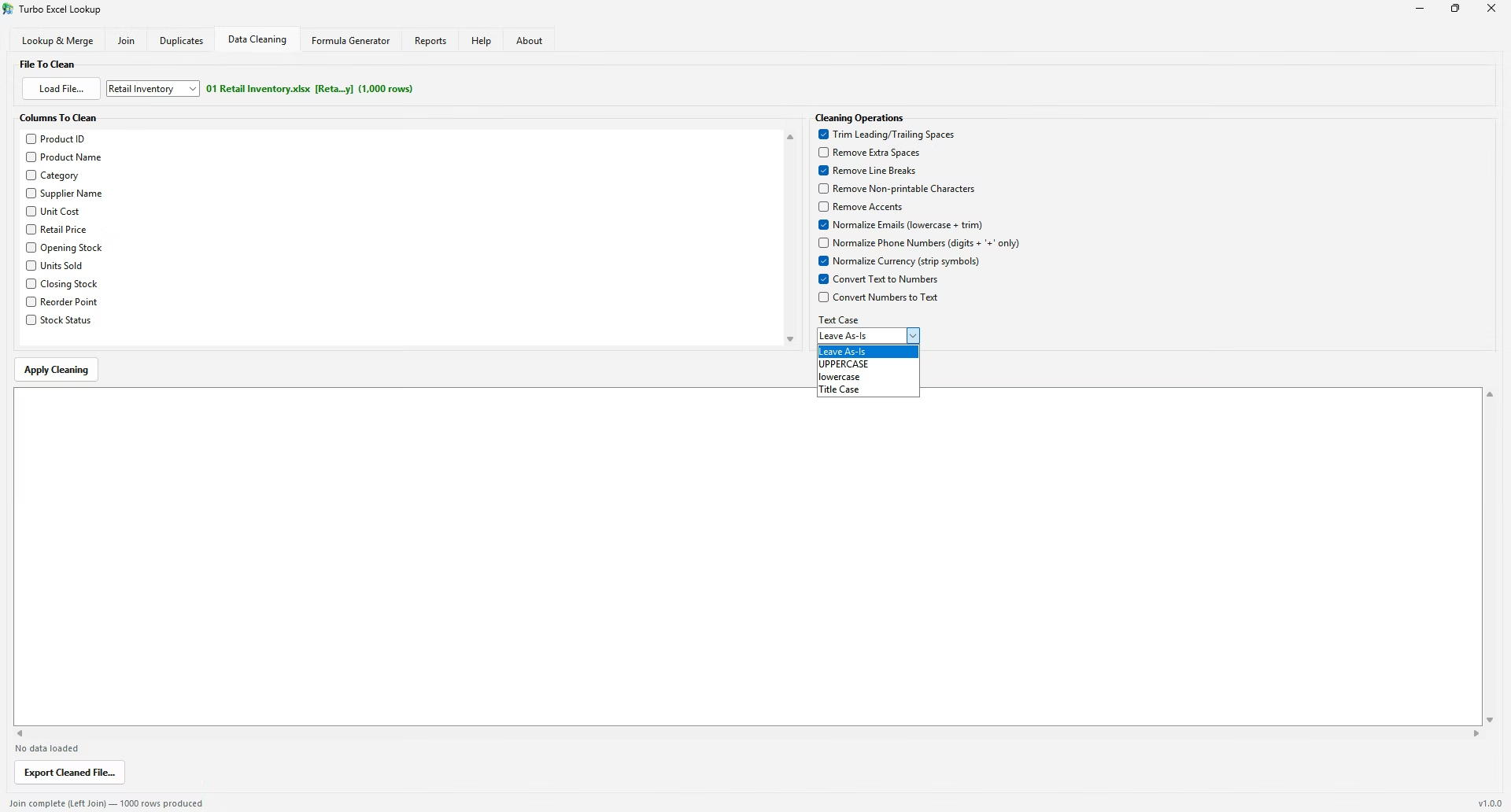
Turbo Excel Lookup avoids all of these dependency issues by treating a two-workbook match as a one-time import-and-run operation rather than a persistent link. You browse to both files from inside the app, run the lookup, and export a standalone result file that no longer depends on either source file's location, name, or even continued existence. This makes the output safe to email, archive, or hand off to someone else without worrying about broken references down the line.
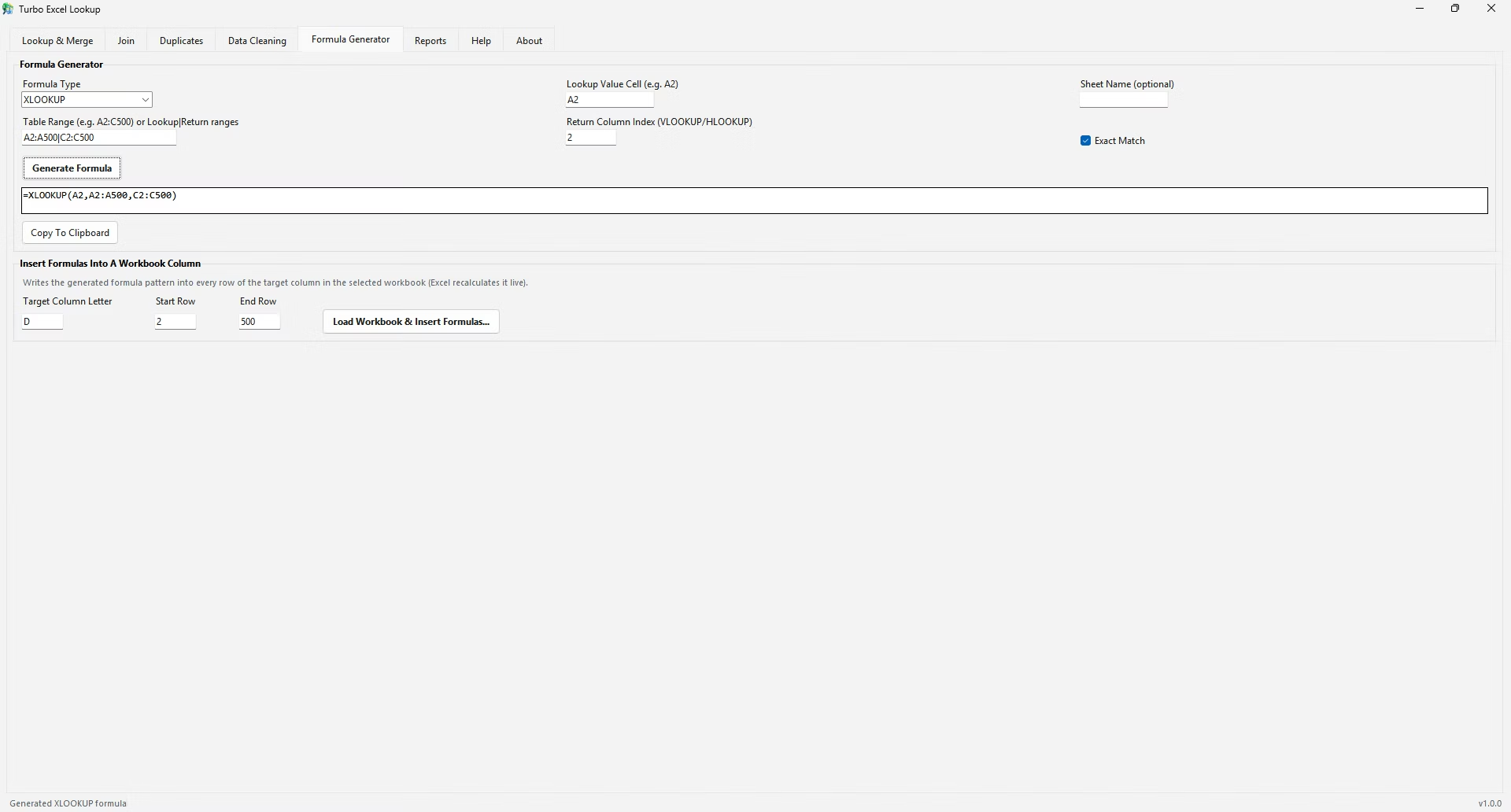
If a live, self-updating link genuinely is what's needed - for example, a dashboard that should reflect a price list as it changes - the Formula Generator tab can still produce the correct native XLOOKUP or VLOOKUP syntax referencing the second workbook, for that specific case.
For a two-workbook relationship that's used repeatedly rather than as a one-off task, consolidating both files into a single workbook with separate sheets removes the external-link dependency altogether. This is usually the right call once a cross-workbook lookup becomes a routine, recurring part of a process rather than an occasional need, since it removes an entire category of file-path and file-availability risk.
Turbo Excel Lookup offers a lighter-weight version of this same benefit: because it imports both files fresh each time a lookup runs, there's no persistent dependency to break in the first place, whether the workbooks stay separate permanently or eventually get consolidated.
Since this pattern relies on XLOOKUP, it's worth confirming both the person building the formula and everyone who will open the resulting file have a compatible Excel version before investing time in it. Building a cross-workbook XLOOKUP formula only to discover a colleague on Excel 2019 can't open it correctly is a frustrating and entirely avoidable outcome, caught with a thirty-second version check beforehand.
For a genuinely one-time cross-workbook lookup that won't be needed again, it's often faster to simply copy the needed columns from the second workbook into the first as static values, then run a normal single-workbook XLOOKUP, rather than building and later cleaning up an external reference. This shortcut trades a small amount of manual copying for avoiding the external-link complexity entirely, which is a reasonable trade for infrequent tasks.
A cross-workbook XLOOKUP formula works well for genuinely recurring, well-maintained links between two files, but carries real fragility if either file's name, location, or availability changes. Weigh that ongoing risk against the convenience it provides before committing to it for anything important.
What happens if I email a workbook that references a second closed workbook?
The external link typically breaks unless the recipient has an identical file at the exact same relative path, since the reference is tied to the file's location.
Can I convert an external reference into a static value?
Yes, copying the cell and using Paste Special > Values replaces the live formula with its last calculated result, removing the dependency on the second file.
Is there a faster way to combine two workbooks without live links?
Turbo Excel Lookup imports both workbooks directly and exports a single merged result file, avoiding the external-link mechanism altogether.
Does Turbo Excel Lookup require both files to be in the same folder?
No, you can browse to each file independently from anywhere on the system, since the app doesn't rely on Excel's external reference system.
When does it make sense to merge two workbooks into one?
Once a cross-workbook lookup becomes a routine, recurring need rather than a one-off task, consolidating into a single workbook removes the ongoing risk of a broken external link.
Does Turbo Excel Lookup avoid this dependency even for recurring use?
Yes, since each lookup re-imports the source files fresh, there's no persistent link to maintain between sessions, whether it's used once or repeatedly.
What should I check before building a cross-workbook XLOOKUP formula for a team?
Confirm everyone who needs to open the resulting file has a compatible Excel version, since XLOOKUP formulas won't calculate correctly in Excel 2019 or earlier.
Is building a full cross-workbook formula worth it for a one-time task?
Often not - for a genuinely one-time need, copying the relevant data into the same workbook as static values first and running a normal single-workbook lookup avoids the added complexity of an external reference.
Ready to stop fighting #N/A errors and match your spreadsheets visually?