Using VLOOKUP correctly in Excel comes down to preparing your data properly before you even open the formula bar, then following a consistent process for building the formula itself. Most of the frustration people report with VLOOKUP traces back to skipping the preparation step - jumping straight to typing the formula on data that isn't structured in a way VLOOKUP can search.
This walkthrough covers both the preparation and the formula itself, then introduces Turbo Excel Lookup for anyone who would rather skip the preparation step altogether.
- Make sure the column you're searching by is the leftmost column in the range you'll select
- Check both files or sheets for consistent spacing and capitalization in the key columns
- Decide whether you need an exact match (almost always yes, for identifiers) or an approximate match against sorted data
- Note which column number, counted from the left of your selected range, holds the value you want returned
- Click the destination cell for your result.
- Type
=VLOOKUP(and click the cell holding the value to search for. - Add a comma, then select the range covering the lookup column through your target return column.
- Add a comma, then enter the column number of the value you want, counted from the left of your selection.
- Add a comma, type FALSE, and close the parenthesis.
- Press Enter, check the result, then lock the range with F4 before copying the formula to other rows.
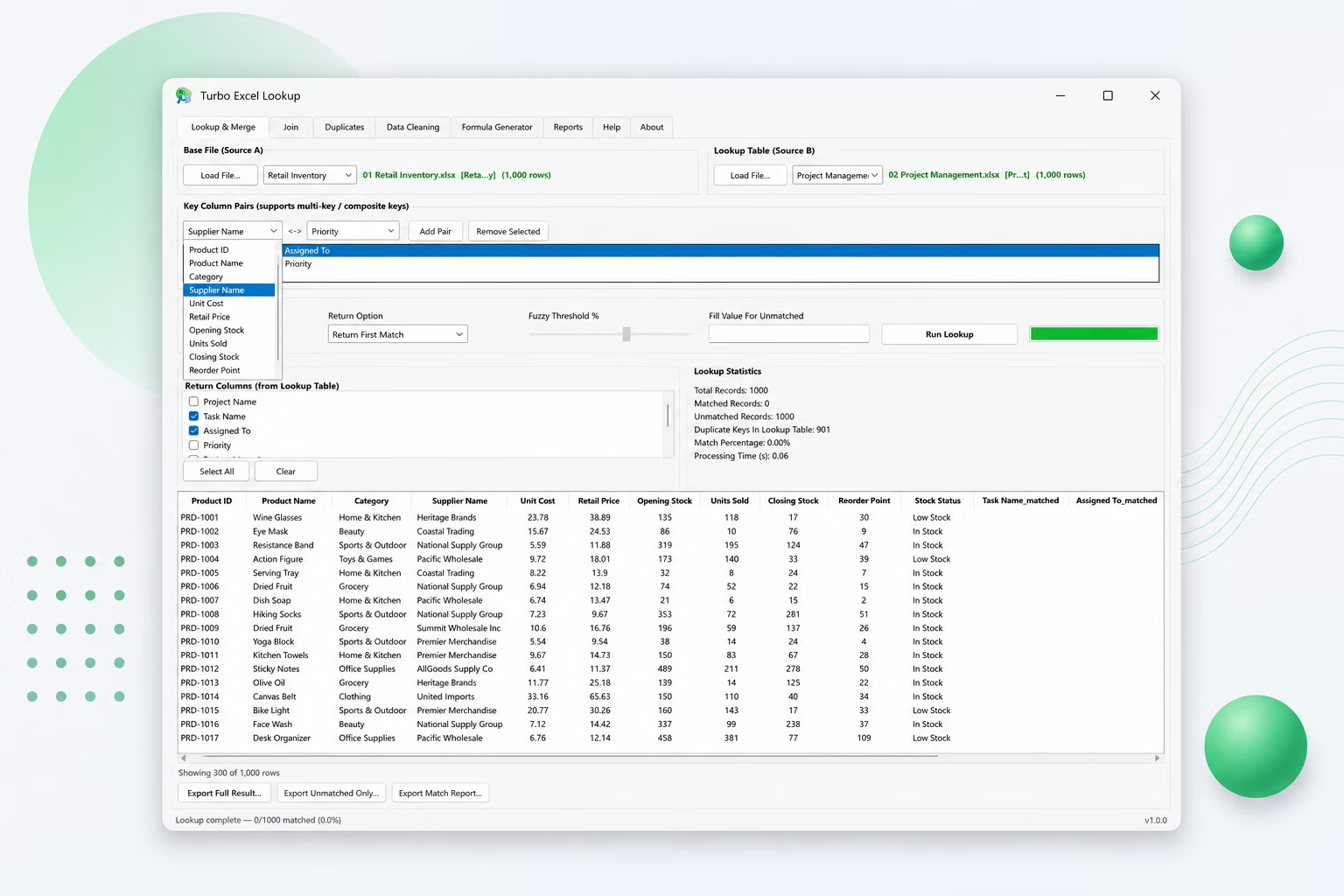
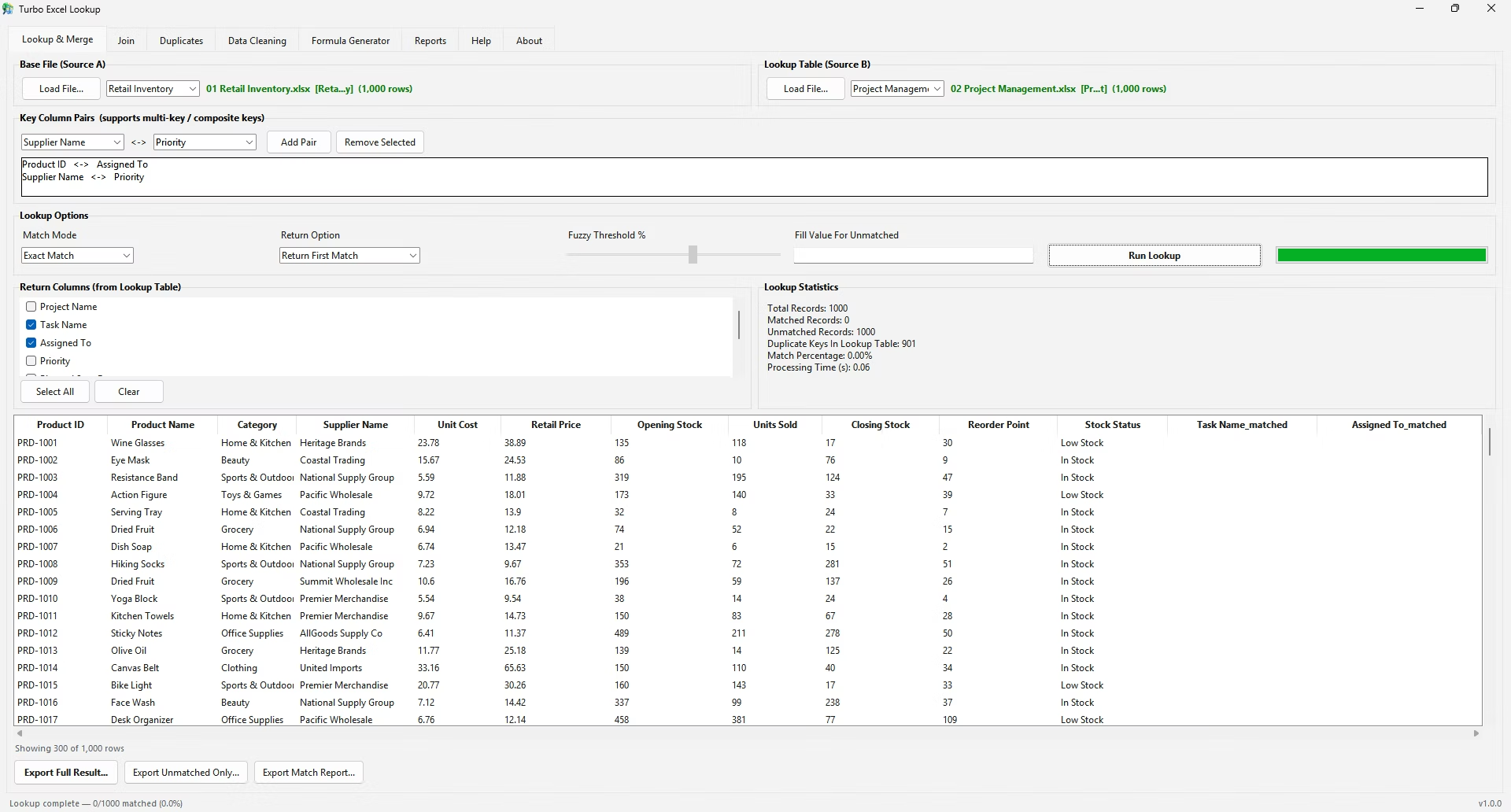
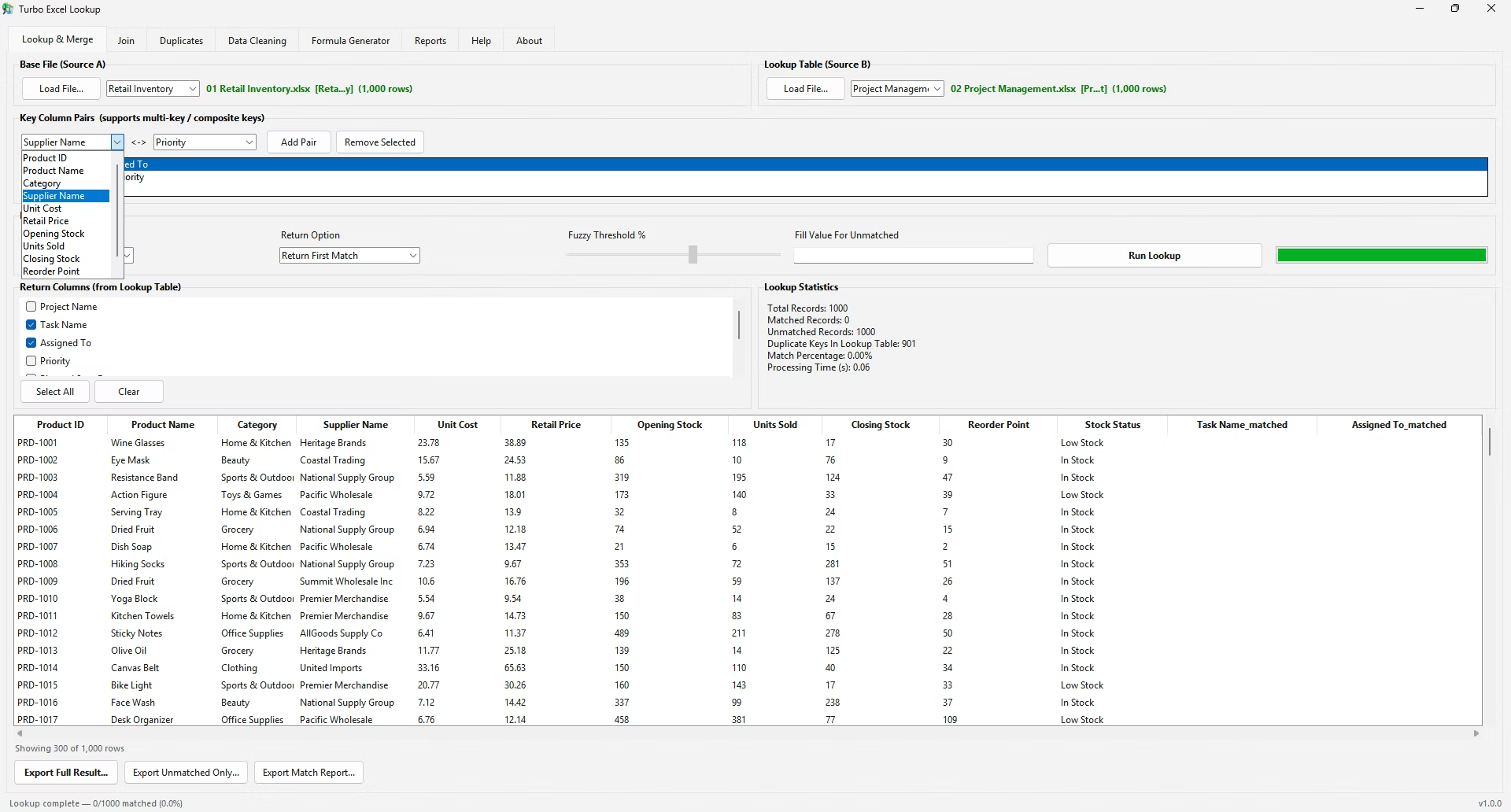
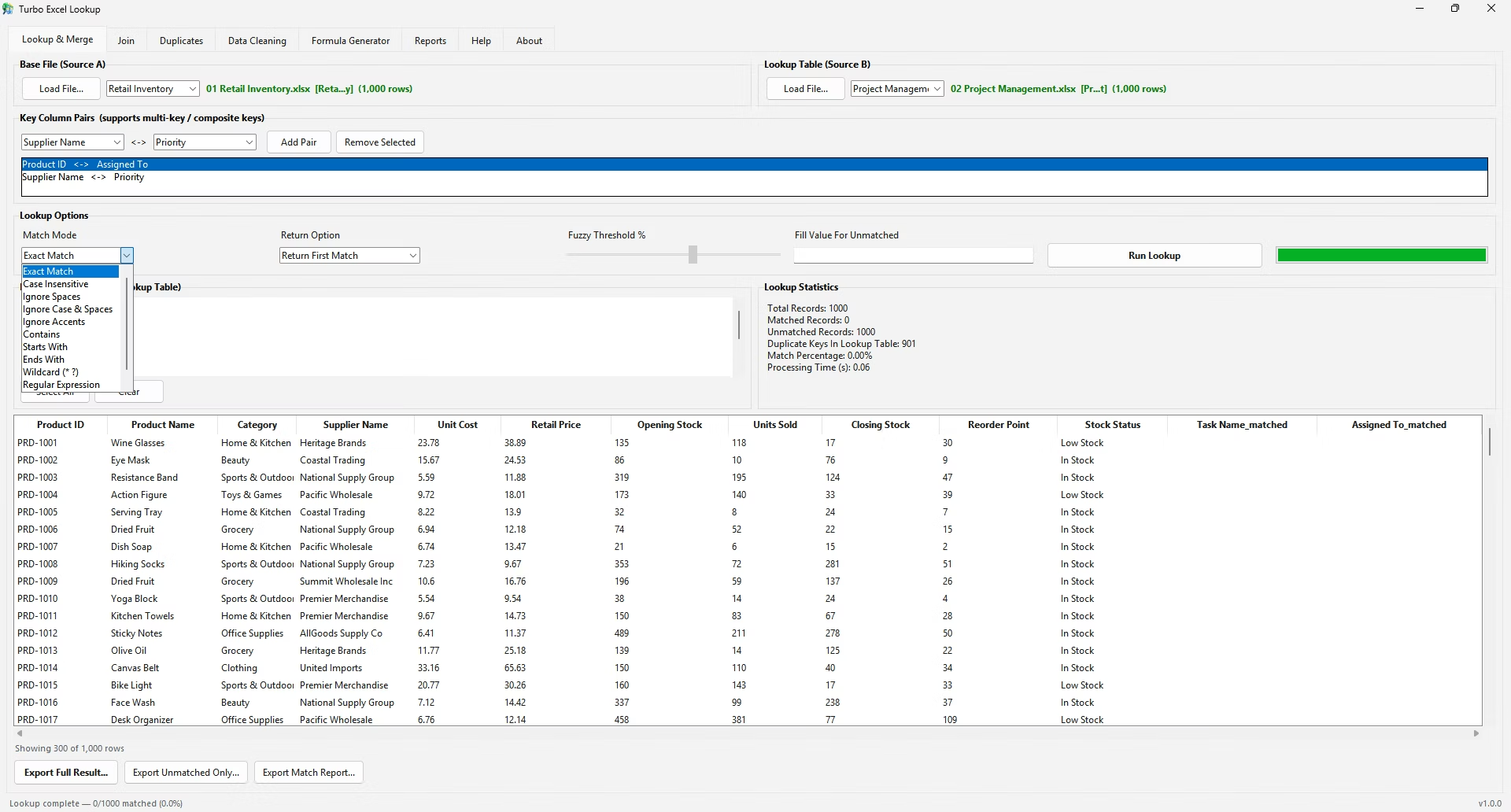
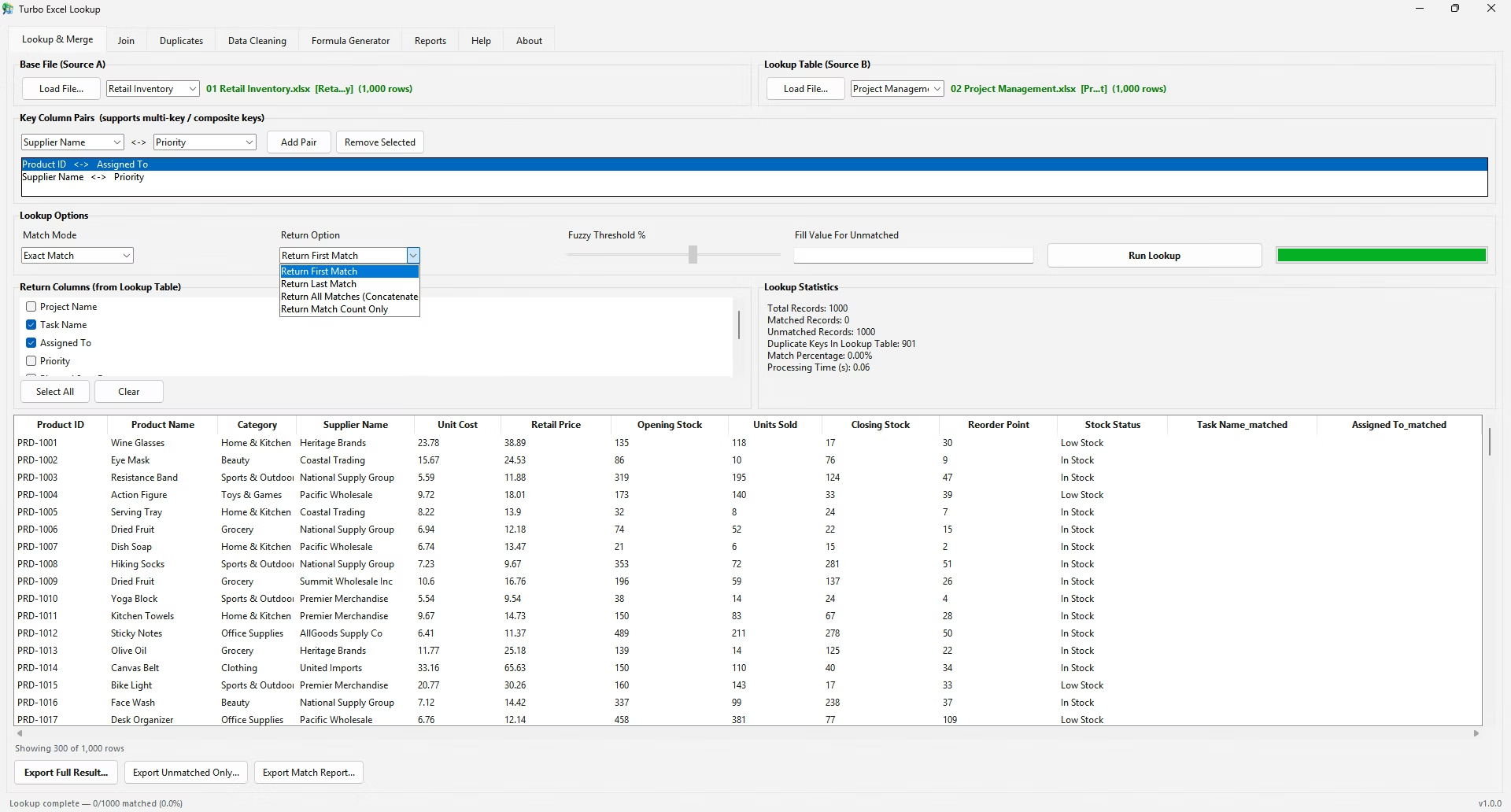
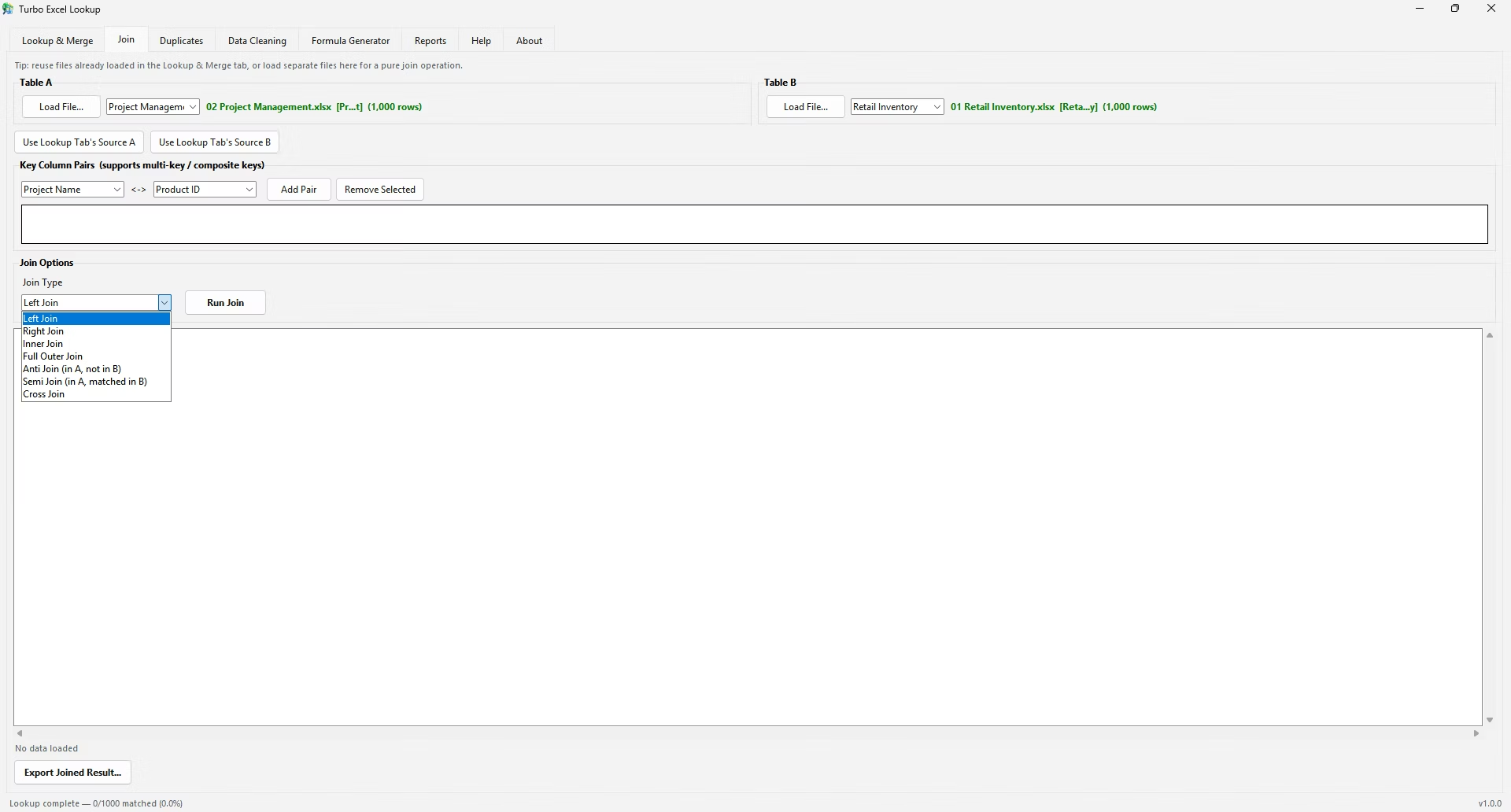
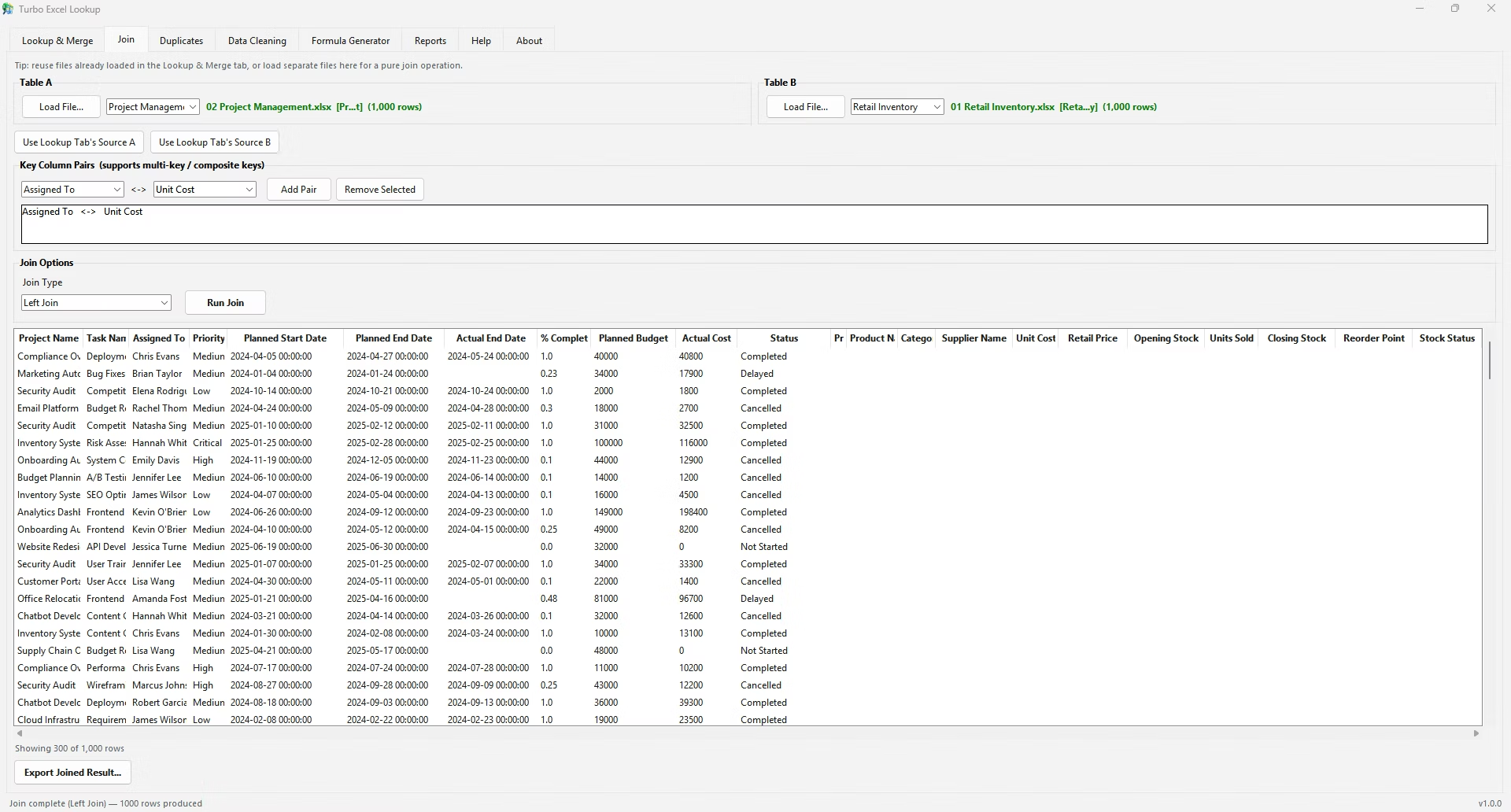
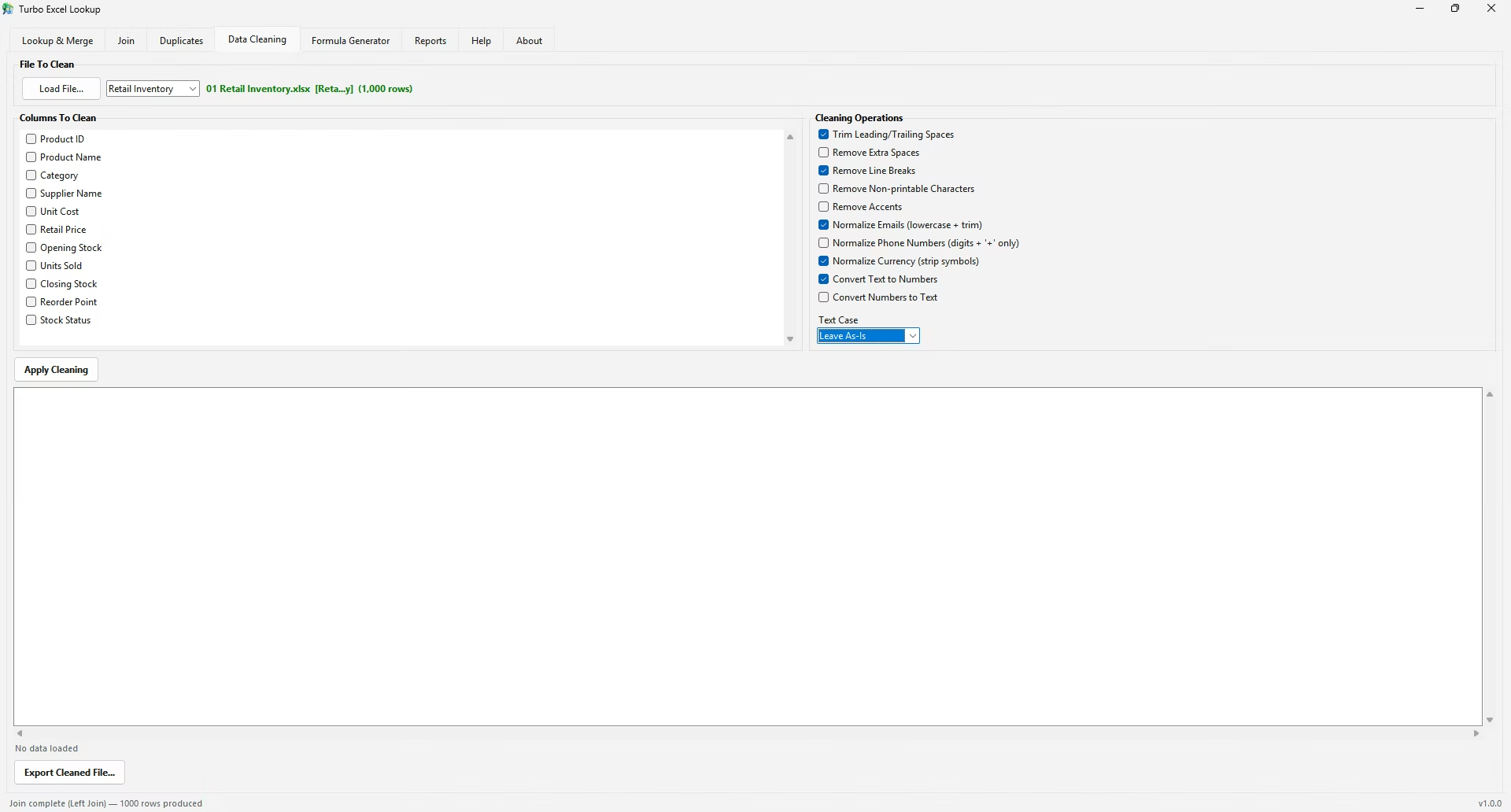
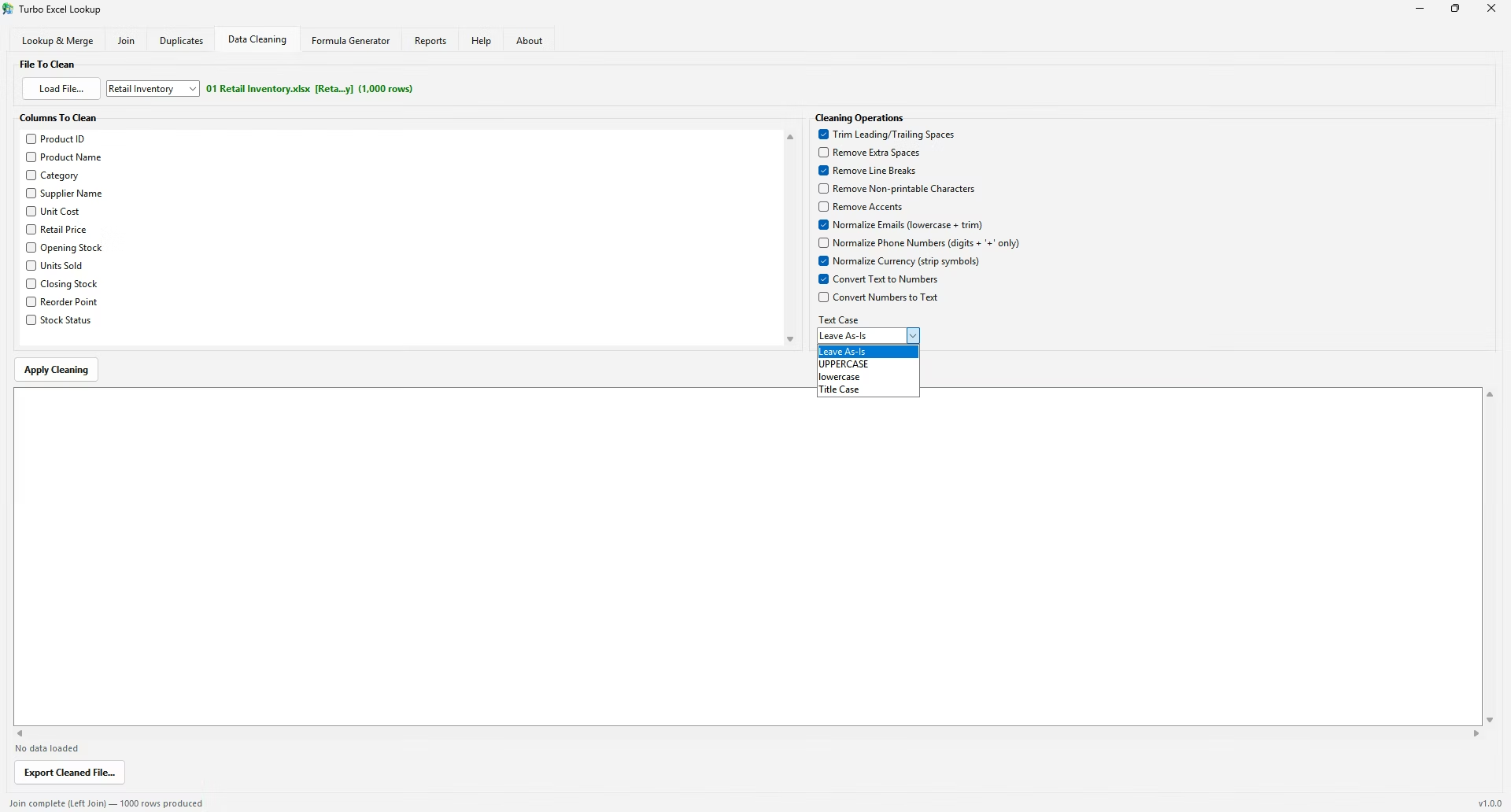
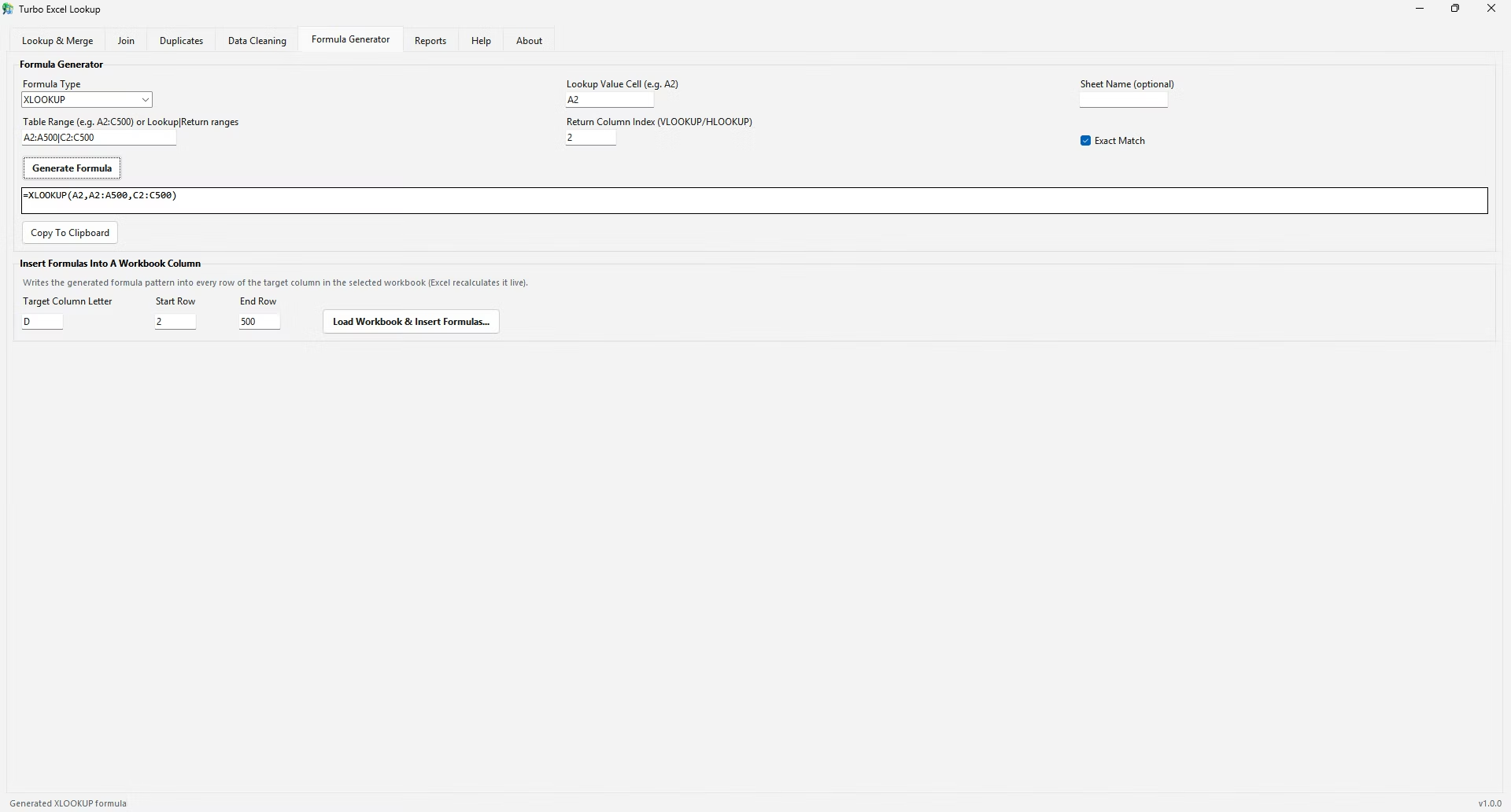
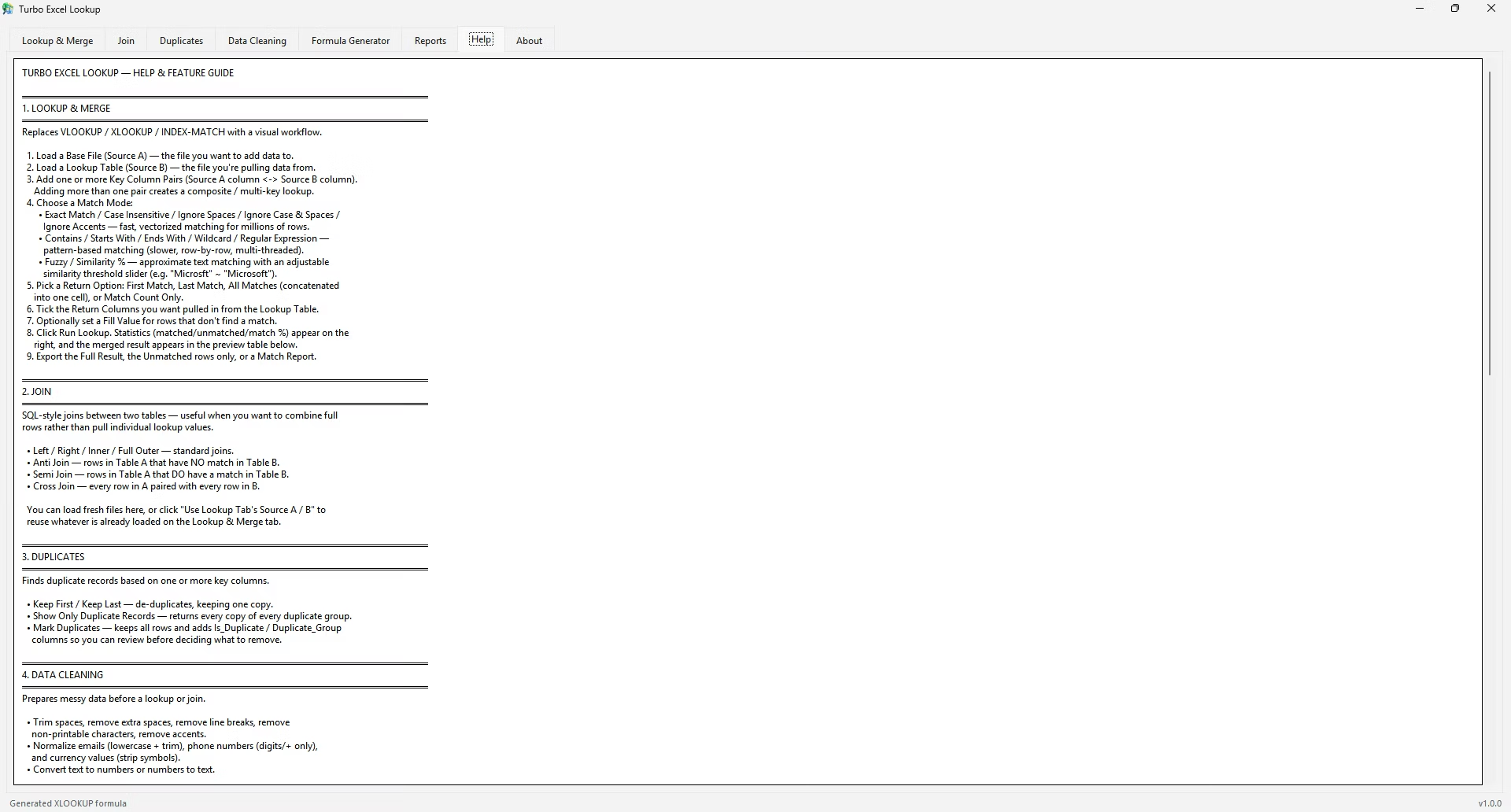
Turbo Excel Lookup handles the same task without either the preparation checklist or the step-by-step formula process. Load your two files, choose the matching columns from dropdowns of actual header names, select the columns you want returned, pick a match mode (Exact, or one of the tolerant modes if your data has spacing or casing issues), and run the lookup. The app checks column layout, matching consistency, and formula syntax concerns automatically, replacing the manual preparation checklist with settings you choose once per lookup.
If VLOOKUP still feels unfamiliar after the first attempt, building a small practice dataset - two sheets with ten or so rows each, sharing an obvious ID column - is a faster way to build comfort than reading further explanations. Deliberately introducing a mistake, such as an extra space in one ID or a mismatched capitalization, and watching how the formula responds, teaches the failure patterns more effectively than any written description of them.
Turbo Excel Lookup can be used the same way for practice - running the same small dataset through its various Match Modes and comparing the results side by side with a manual VLOOKUP formula builds an intuitive sense of which tolerant modes solve which kinds of mismatches, before applying that understanding to a real, larger dataset.
A useful signal that it's time to consider an alternative to VLOOKUP is spending more time debugging #N/A errors than actually using the results. If a majority of the time spent on a lookup task goes toward chasing down spacing issues, mismatched IDs, or slow recalculation rather than analyzing the matched data itself, that's a strong indicator the underlying tooling, not the data, has become the bottleneck.
A few terms worth knowing before diving further into VLOOKUP: "argument" refers to each piece of information a function needs, separated by commas; "range" is a group of cells like A1:D10; "absolute reference" means a range locked with $ signs so it doesn't shift when copied; and "exact match" means the compared values must be character-for-character identical, not merely similar in appearance.
Most VLOOKUP frustration traces back to skipped data preparation rather than the formula itself being difficult. Spending a minute checking your data's layout and consistency before writing the formula prevents the majority of errors people typically encounter with this function.
As a final habit worth adopting, saving a working copy of the workbook before making broad changes to VLOOKUP formulas across many rows gives you a safe fallback to compare against if something unexpected happens partway through a large edit.
What's the single most common VLOOKUP mistake beginners make?
Forgetting to type FALSE for the match type, which causes Excel to default to an approximate match that often returns incorrect results on unsorted data.
Do I need both files open in Excel to use VLOOKUP across them?
Generally yes, or at least the source file needs to have been opened once so Excel can resolve the external reference; otherwise the formula may show a #REF! error.
How many rows can VLOOKUP realistically handle?
There's no hard limit, but performance degrades as the row count and number of VLOOKUP formulas both grow, especially in workbooks with other calculations running simultaneously.
Is there a way to preview match results before committing to a formula?
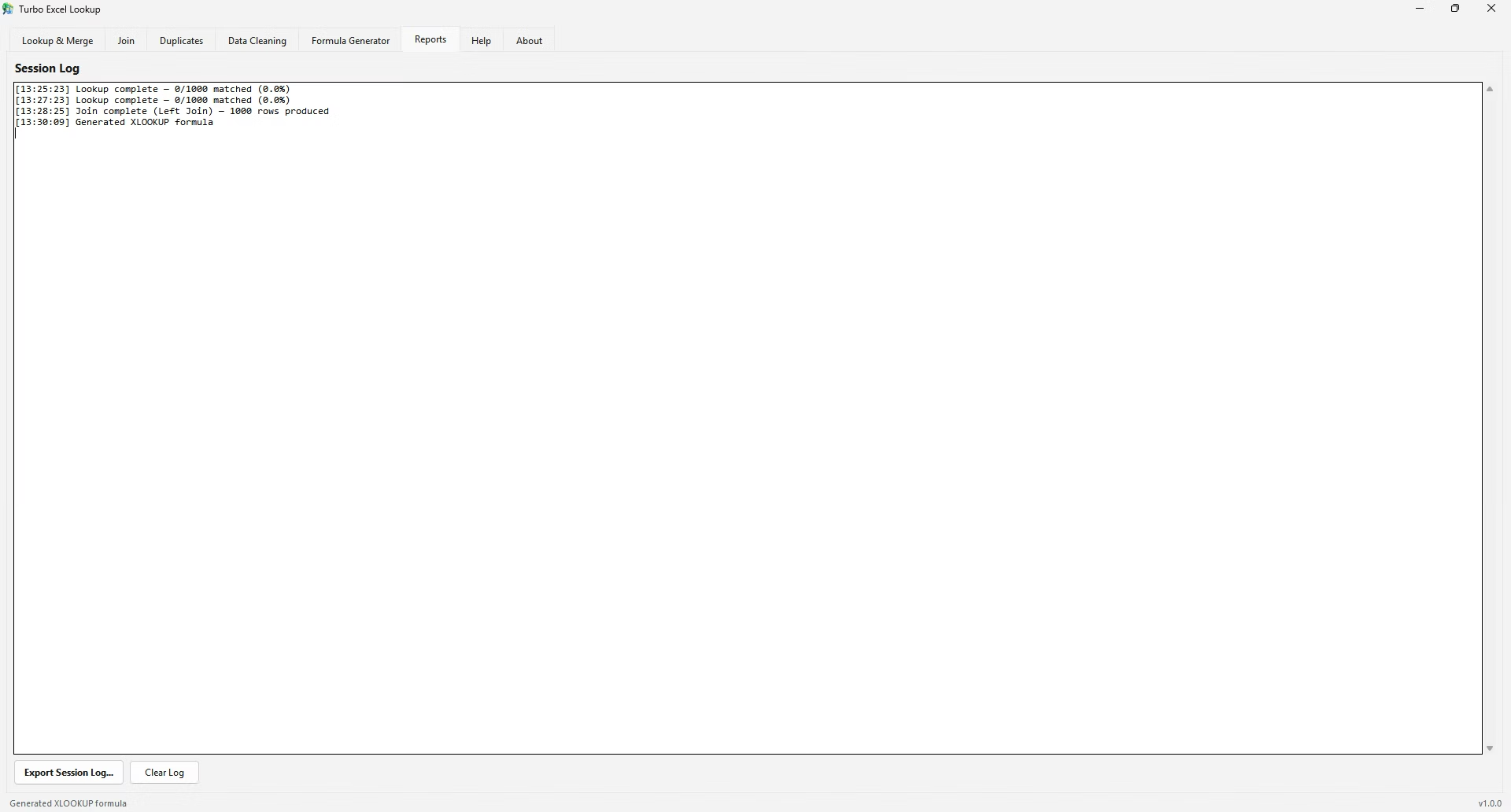
Turbo Excel Lookup shows a match-rate statistic immediately after running a lookup, letting you review accuracy before exporting, which a live formula doesn't do automatically.
What's the fastest way to get comfortable with VLOOKUP?
Practicing on a small, deliberately imperfect dataset - with a few intentional spacing or casing mismatches - builds intuition faster than reading about the function alone.
Is Turbo Excel Lookup useful for learning, not just production work?
Yes, comparing its match results against a manual VLOOKUP formula on the same small dataset is a practical way to understand what each match mode actually does.
How do I know when it's time to move on from a formula-based approach?
If more time is spent debugging match failures than actually using the results, that's a strong sign the formula-based approach has become the bottleneck rather than the data itself.
What does "absolute reference" mean in the context of VLOOKUP?
It refers to a range locked with dollar signs (like $A$1:$D$10) so the reference doesn't shift when the formula is copied to other cells, which is essential when copying a VLOOKUP formula down a column.
Ready to stop fighting #N/A errors and match your spreadsheets visually?