The VLOOKUP function behaves a little differently depending on what you're trying to do with it, and seeing a few examples side by side makes those differences much clearer than reading the syntax alone. This page covers three common variations of the function: an exact match lookup, an approximate match against a sorted list, and a lookup that pulls back multiple columns at once.
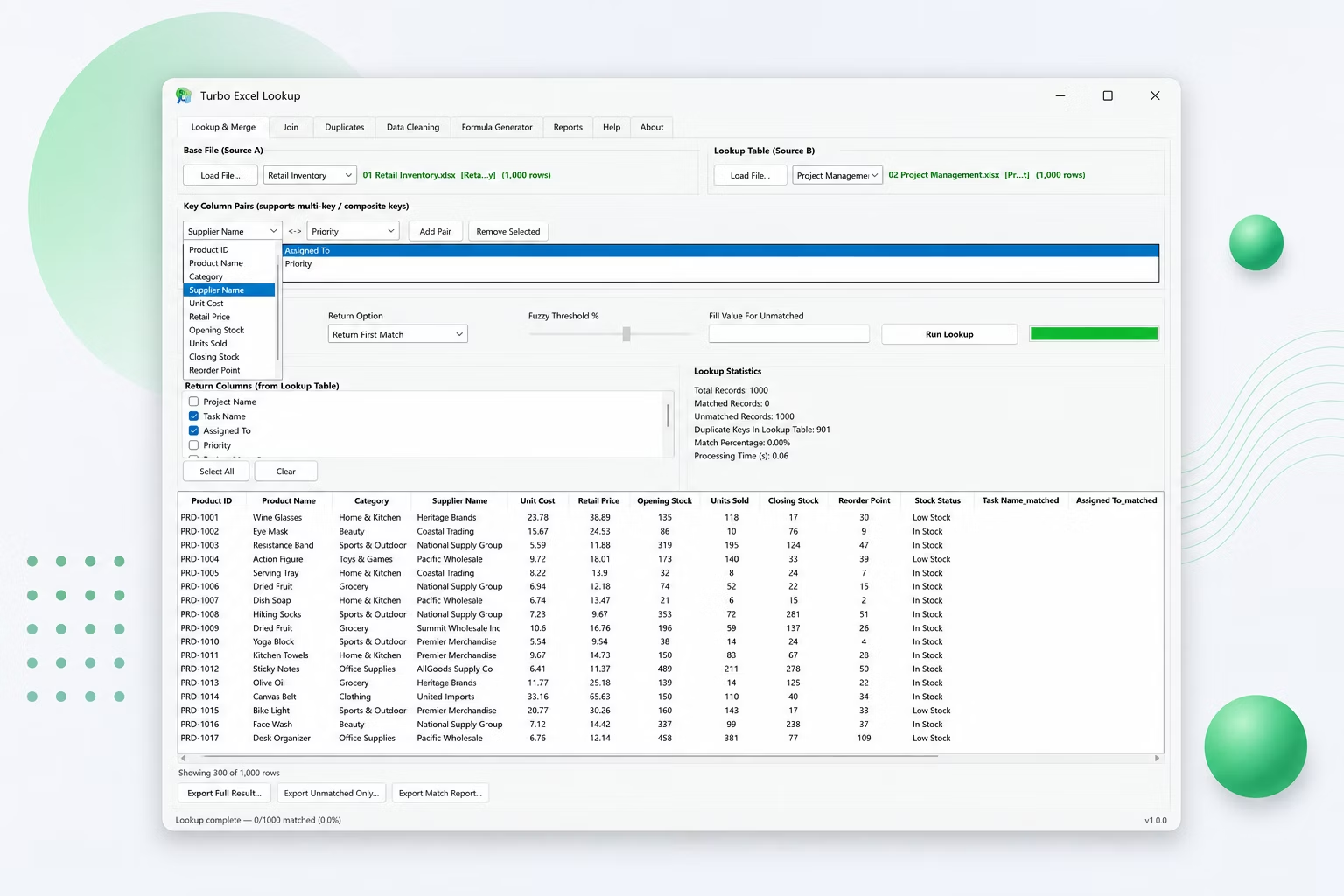
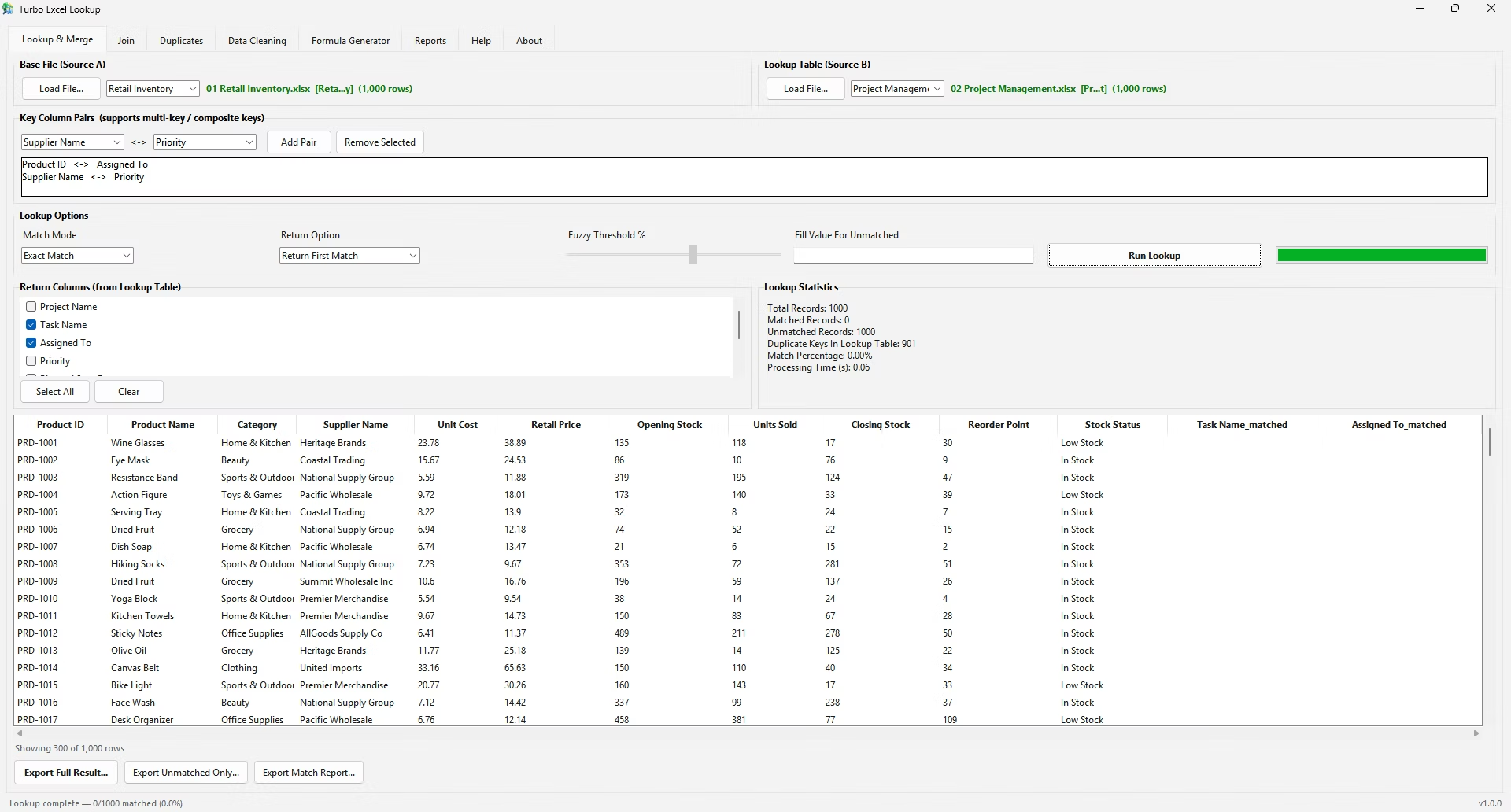
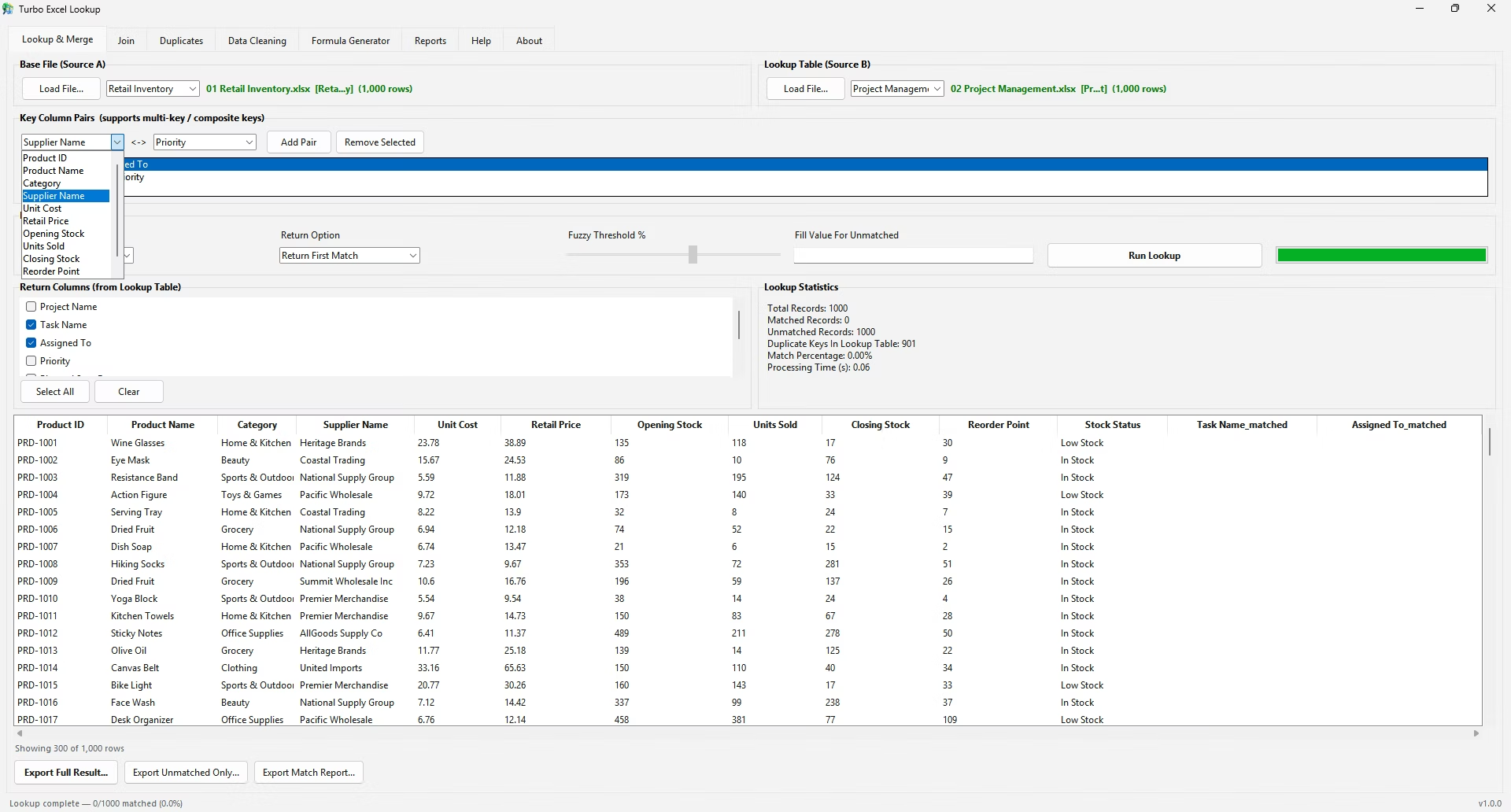
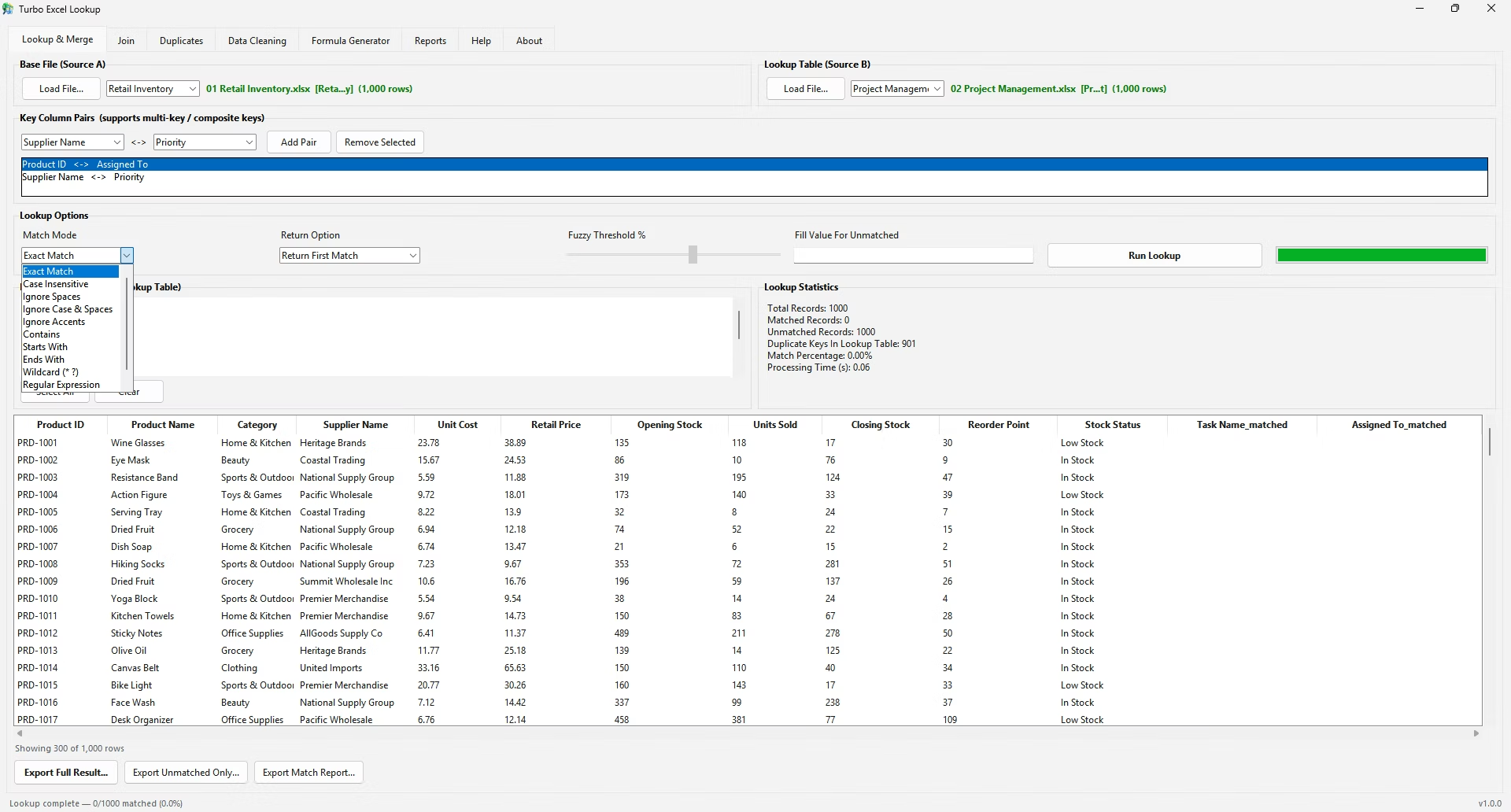
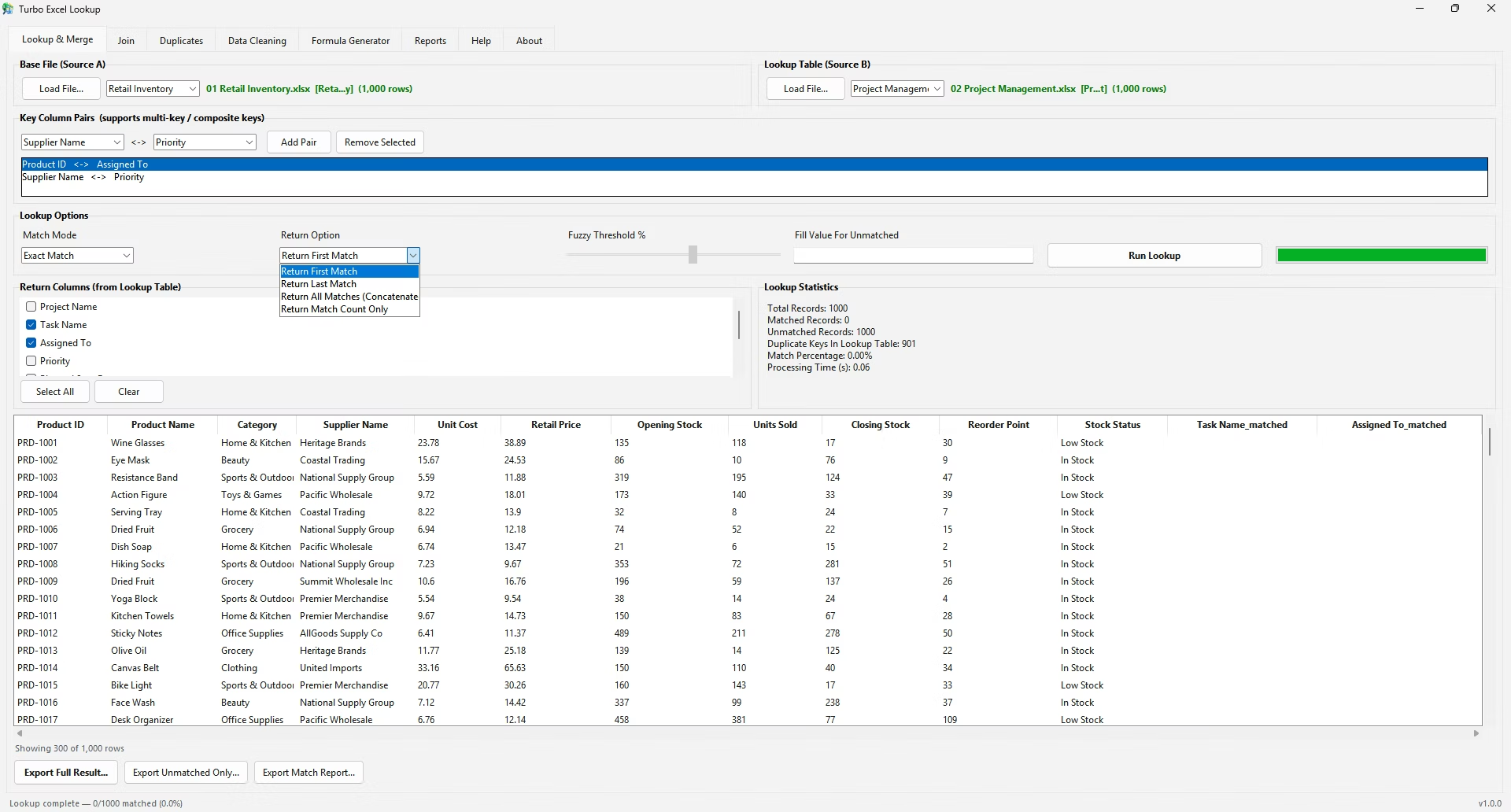
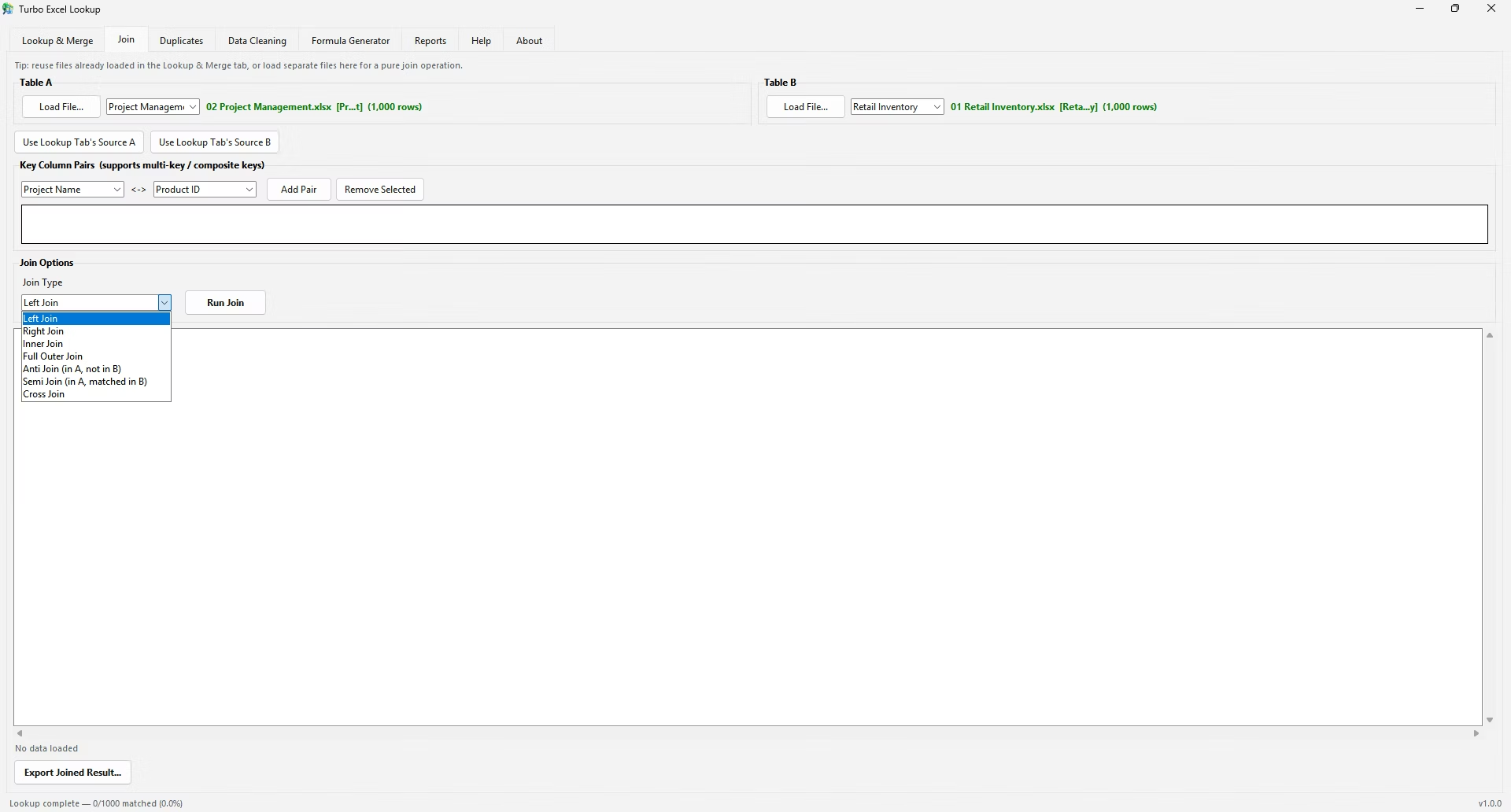
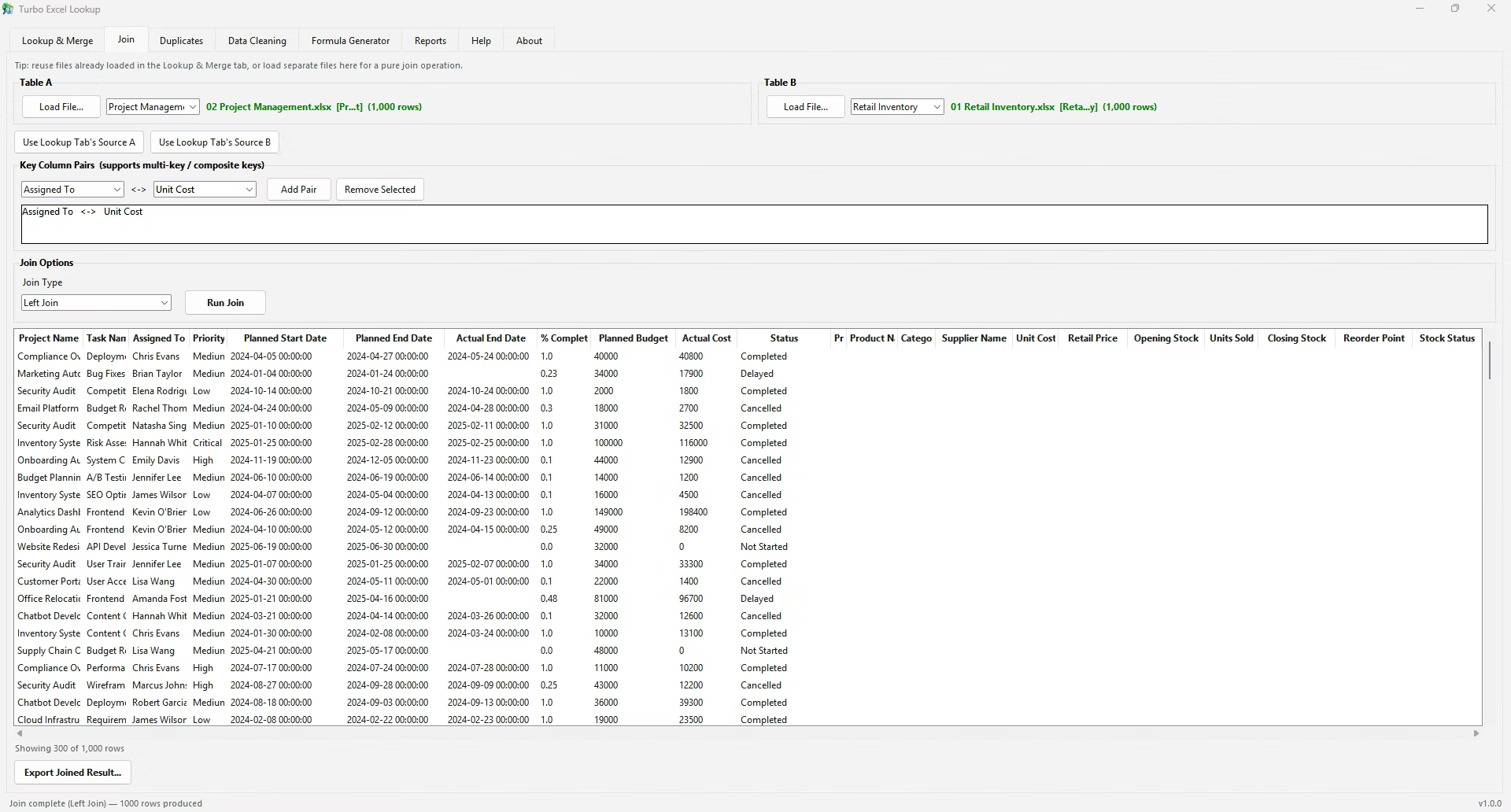
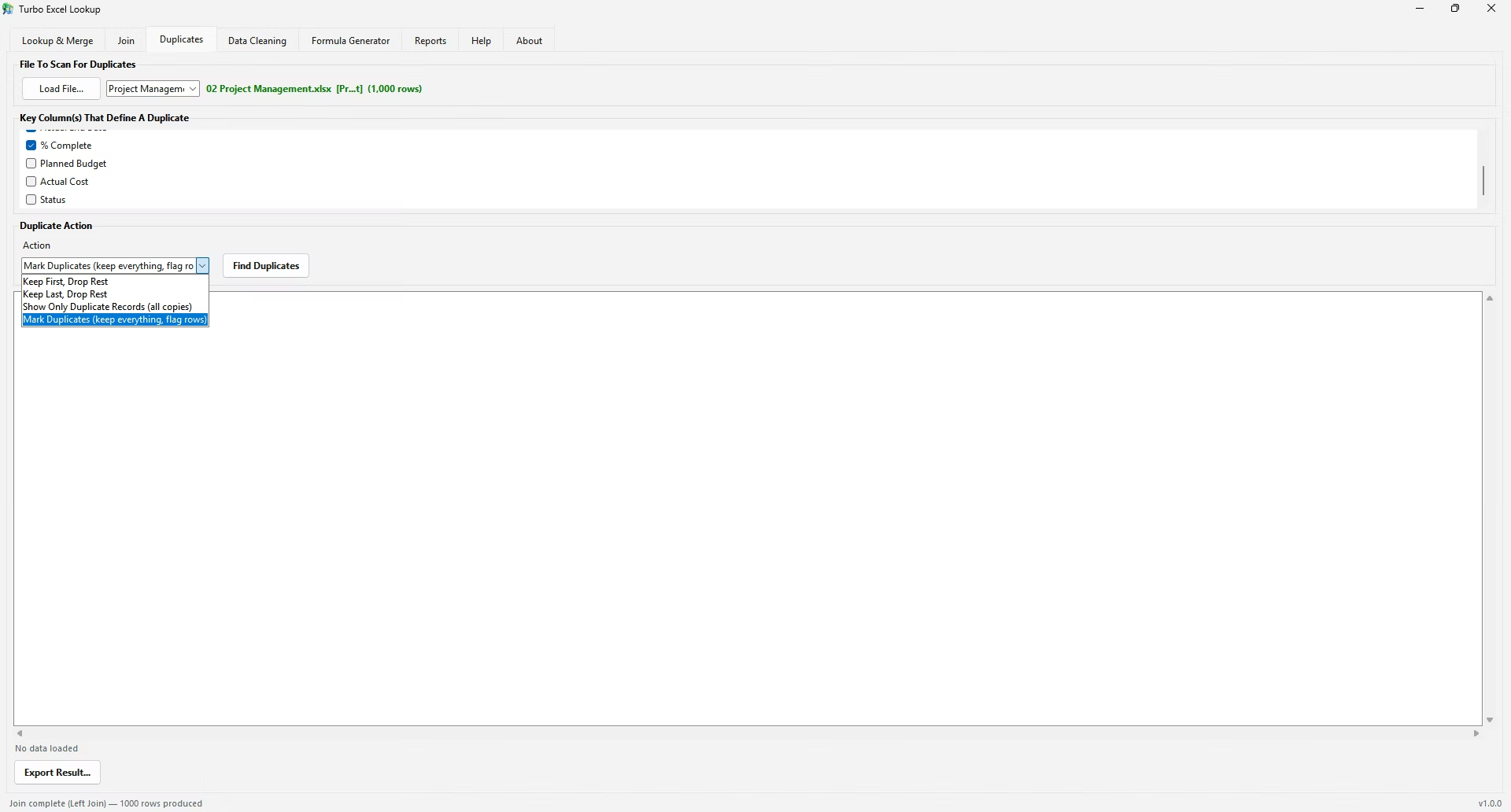
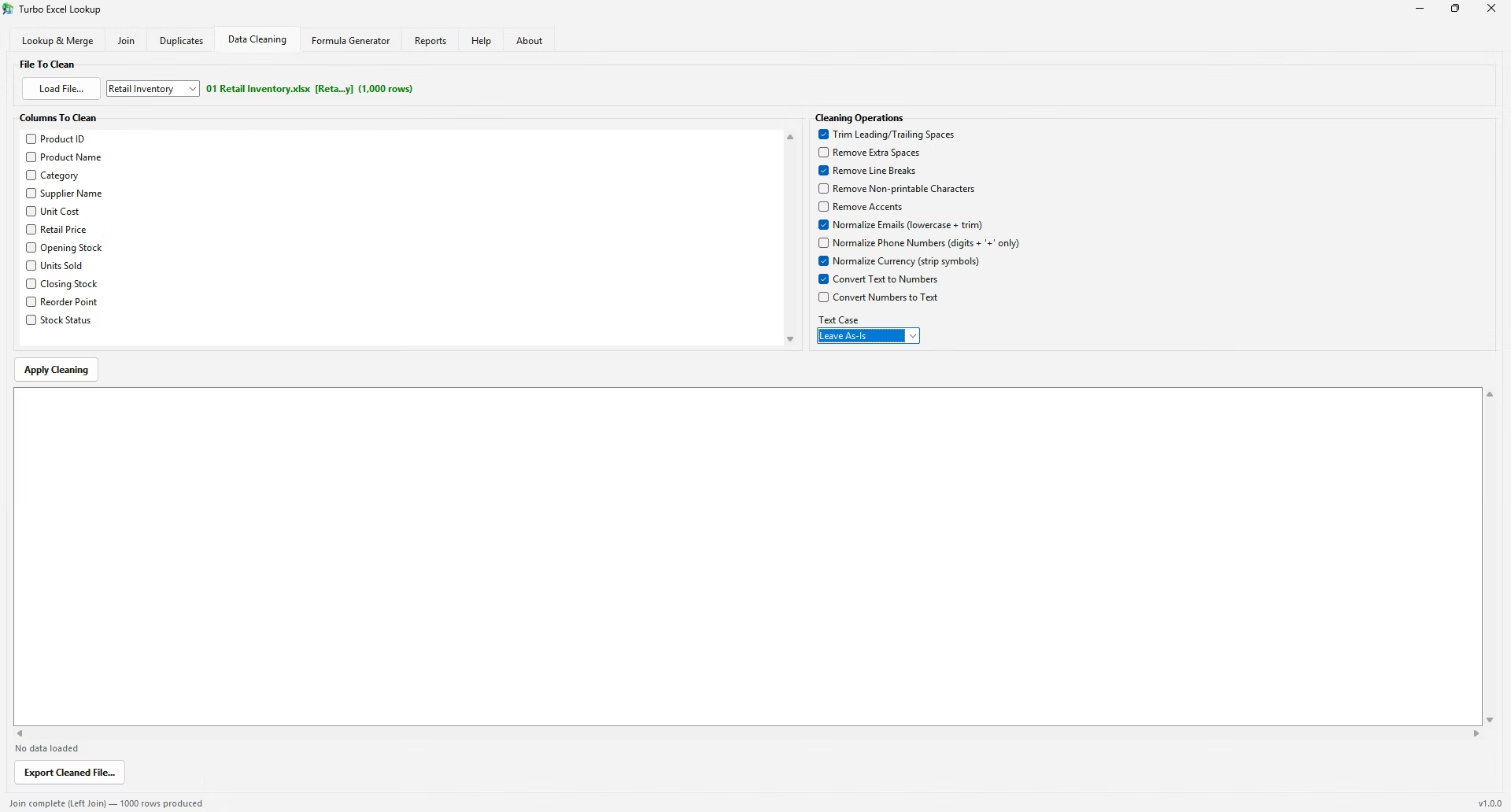
If you'd rather skip typing and debugging the function entirely, the final section shows how Turbo Excel Lookup replicates each of these scenarios through a visual workflow.
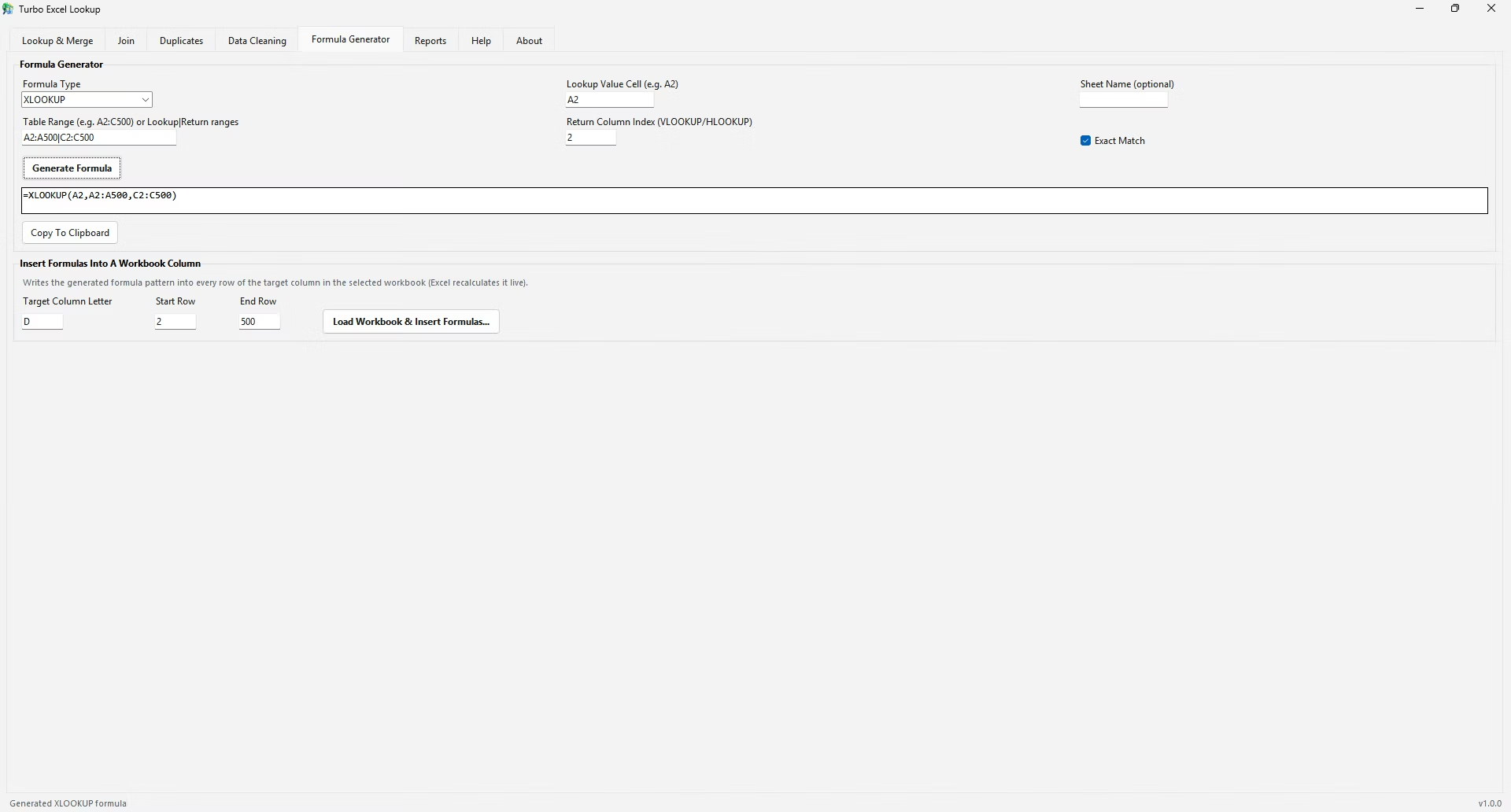
This searches for the value in A2 inside column A of the Employees range and returns the value from the fourth column - for example, a department name. FALSE ensures the match must be exact, which is the correct setting for almost any identifier-based lookup, such as an employee ID, order number, or SKU.
Using TRUE instead of FALSE tells VLOOKUP to find the largest value in the lookup column that is less than or equal to the lookup value, which is useful for bracket-based calculations like tax rates or shipping tiers. This mode requires the lookup column to be sorted in ascending order, or the results will be wrong without throwing any error.
VLOOKUP itself only returns one column per formula, so pulling back several columns - say, Department, Manager, and Hire Date - means writing three separate VLOOKUP formulas, each with a different col_index_num, and copying all three down the sheet.
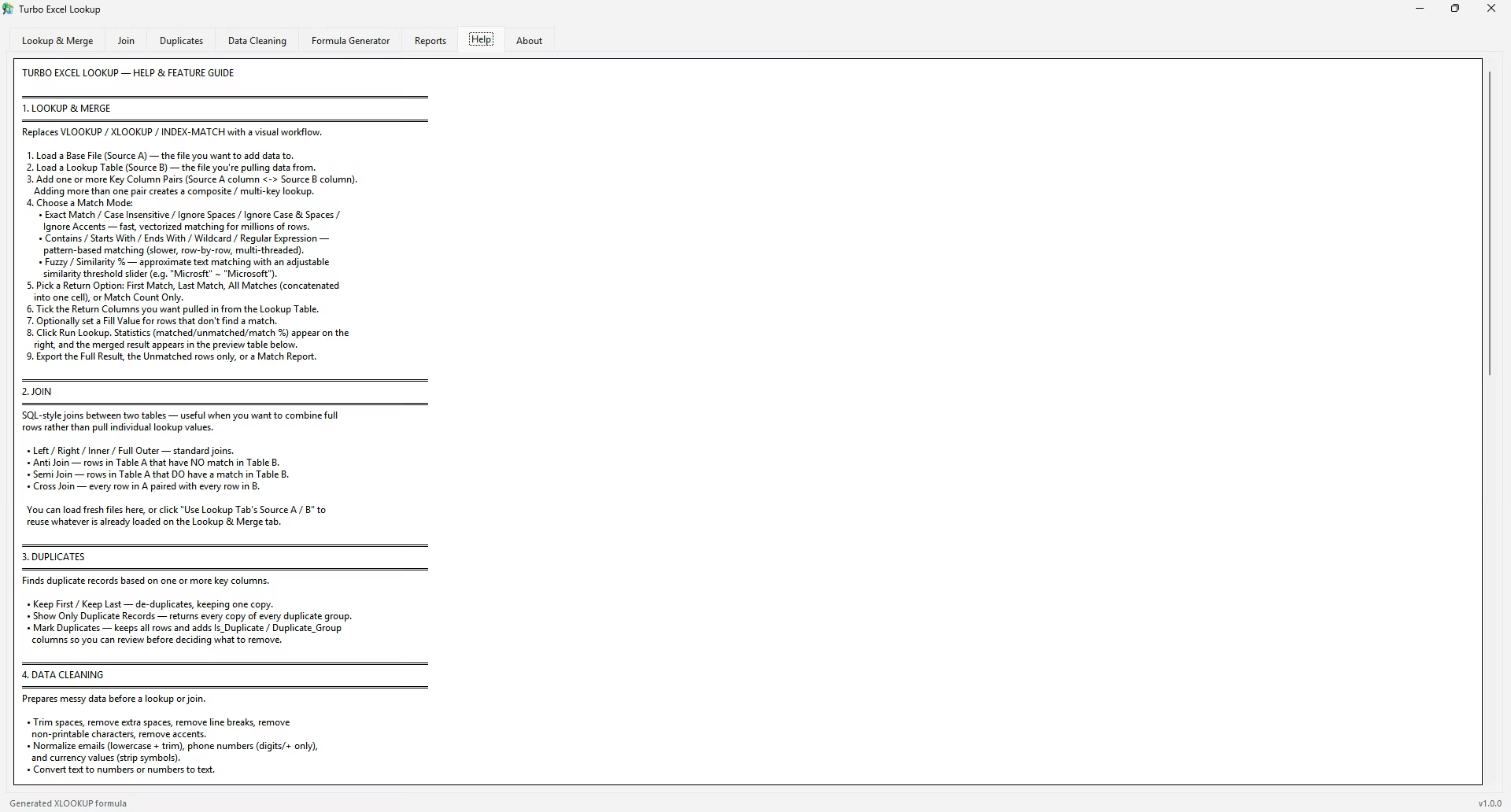
This is where Turbo Excel Lookup differs the most: on the Lookup & Merge tab, you simply tick every column you want returned from the Lookup Table, and the app pulls all of them in a single pass. There's no need to duplicate the formula per column or keep three separate col_index_num values in sync as the catalog changes.
VLOOKUP is frequently nested inside other functions to extend what it can do on its own. Wrapping it in ROUND, for example, cleans up a looked-up price to two decimal places: =ROUND(VLOOKUP(A2, Prices!A:B, 2, FALSE), 2). Combining it with IF lets you branch logic based on a looked-up value, such as flagging any product priced above a threshold. Nesting a MATCH function inside VLOOKUP's col_index_num argument, instead of a hardcoded number, makes the formula automatically adjust if columns in the source table get reordered.
Each layer of nesting adds a bit more resilience or functionality, but also makes the formula harder for someone else to read and maintain later, which is one of the more understated reasons teams eventually move complex, deeply-nested VLOOKUP chains into a dedicated data-matching tool instead.
Of the three variations covered - exact match, approximate match, and multi-column pulls - exact match covers the large majority of everyday spreadsheet work, since most lookups involve identifiers rather than ranges. Approximate match is worth reaching for specifically when bucketing continuous values into tiers or brackets. Multi-column pulls come up often enough in reporting work that it's worth knowing Turbo Excel Lookup handles them in a single pass rather than reaching for several near-identical formulas.
When inheriting a workbook built by someone else, quickly understanding an unfamiliar VLOOKUP formula is a common task in itself. Clicking the cell and pressing Ctrl+` (the grave accent key) toggles Show Formulas mode across the whole sheet, making it easy to scan several related formulas at once rather than clicking through cells one at a time. Comparing a formula's col_index_num against the actual column headers in its referenced range, counting manually if needed, is usually the fastest way to understand what a specific unfamiliar formula is pulling.
Seeing exact match, approximate match, and multi-column scenarios side by side clarifies which pattern applies to a given task far faster than reading the general syntax alone. Most everyday lookups fall into the exact-match category, so that pattern is worth committing to memory first before the others.
What's the difference between exact and approximate match?
Exact match (FALSE) requires the values to match precisely and works on unsorted data, while approximate match (TRUE) finds the closest value below the lookup value and requires the lookup column to be sorted ascending.
Can VLOOKUP return more than one column at a time?
Not natively - each VLOOKUP formula returns exactly one column, so multiple columns require multiple formulas. Turbo Excel Lookup returns as many columns as you select in a single run.
What happens if I use TRUE on unsorted data?
The function can silently return an incorrect result rather than an error, which makes this one of the more dangerous mistakes to make with VLOOKUP since it often goes unnoticed.
Is there a limit to how many rows VLOOKUP can handle?
There's no hard formula limit, but performance degrades noticeably on very large datasets since Excel recalculates every instance of the formula. Vectorized tools handle six-figure row counts considerably faster.
Can VLOOKUP's column index adjust automatically if columns move?
Yes, replacing the hardcoded col_index_num with a MATCH() function that looks up the column header's position makes the formula self-adjusting if columns are reordered.
Is nesting VLOOKUP inside IF a common pattern?
Very common - it's typically used to apply conditional formatting logic or flag values based on what a lookup returns, such as marking overdue accounts.
Which of the three example types is most common in everyday use?
Exact match lookups are by far the most common, since most spreadsheet work involves matching identifiers like IDs, SKUs, or names rather than bucketing continuous numeric ranges.
What's a fast way to review several VLOOKUP formulas across a sheet at once?
Pressing Ctrl+` toggles Show Formulas mode for the entire sheet, letting you scan multiple formulas side by side rather than clicking through cells individually.
Ready to stop fighting #N/A errors and match your spreadsheets visually?