Repeated header rows usually appear when several exported reports have been stacked into a single sheet - each export brings its own header row along with it, so instead of one header at the top, the same column labels show up again every time a new section starts. This is common with combined monthly reports, merged CSV exports, and printouts converted from paginated PDF sources where a header repeats on every page.
A repeated header row is not just visual clutter; if the sheet is treated as a single data range, formulas like SUM and AVERAGE will try to process the header text as if it were data, and sorting the sheet will scatter the header rows randomly throughout the results.


The most reliable way to find repeated headers manually is to filter the sheet by the exact text that appears in your first row's header cells - for example, filtering column A for the same label used in cell A1. Any row that matches is either your original header or a repeated one further down, and reviewing that filtered list makes it easy to select every repeat except the very first row for deletion.
This approach works well when headers are consistent, but if an export varies its header wording slightly between sections, a manual check of each occurrence becomes necessary.
A common mistake is filtering only on the first header column's text, which can miss a repeated header row if that particular export varied the wording slightly between sections. It also helps to check whether any repeated header row was accidentally included in a chart range or a SUM formula before it is removed, since header text mixed into a numeric range can produce a confusing #VALUE! error further down the sheet.
- Note the exact text used in your header row's first column, such as the label in cell A1.
- Apply AutoFilter to the sheet and filter that column for the header text.
- In the filtered results, identify every row after the first one - these are the repeated headers.
- Select those rows and delete them using Home > Delete > Delete Sheet Rows.
- Clear the filter and confirm the sheet now has only one header row at the top.
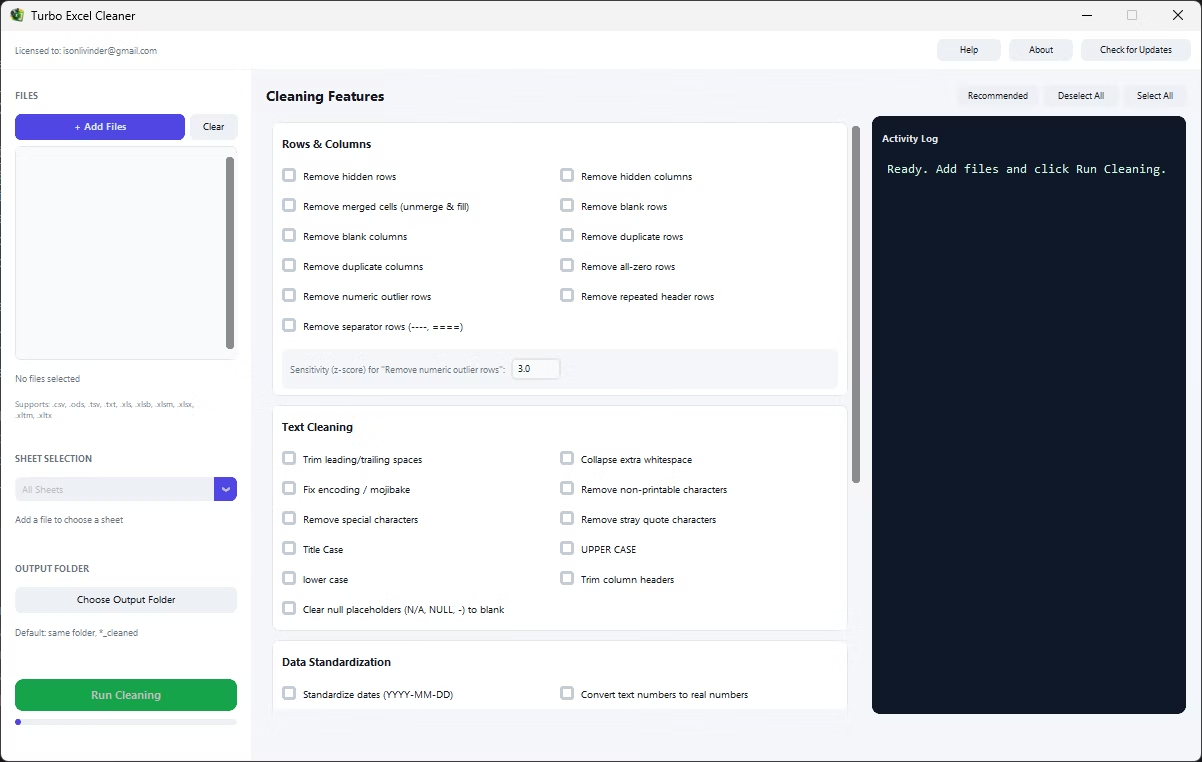
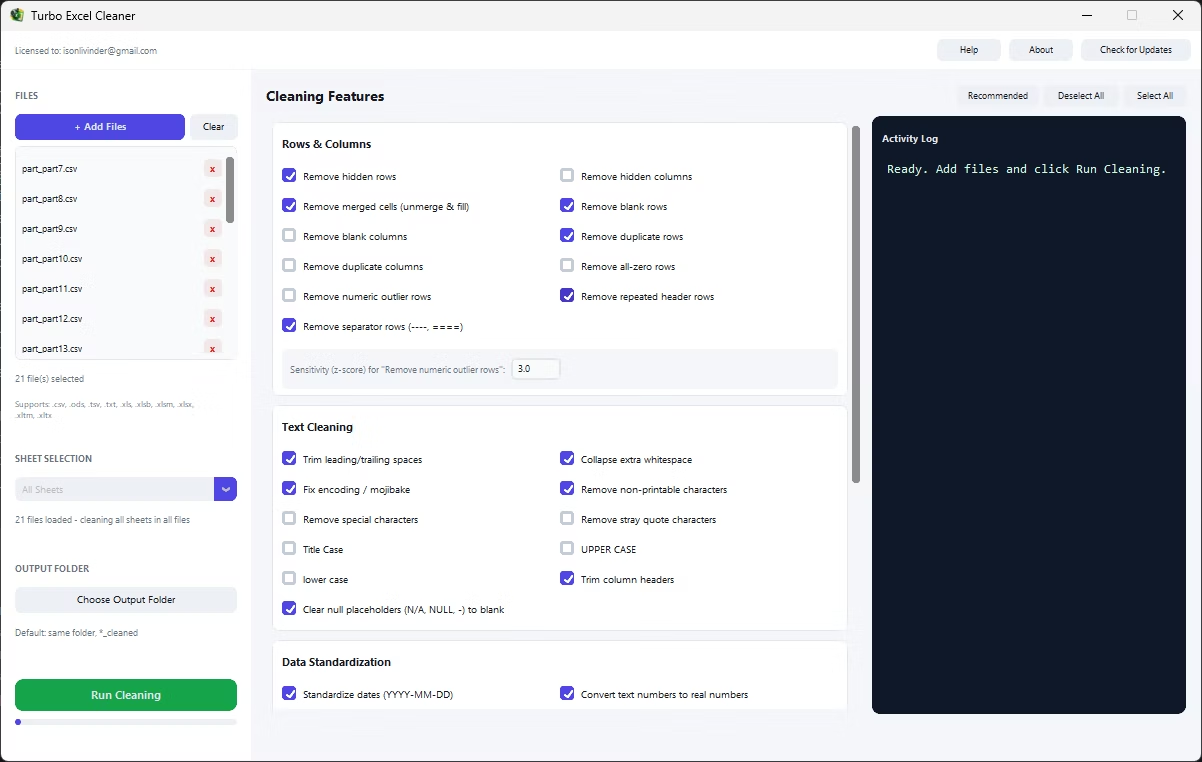
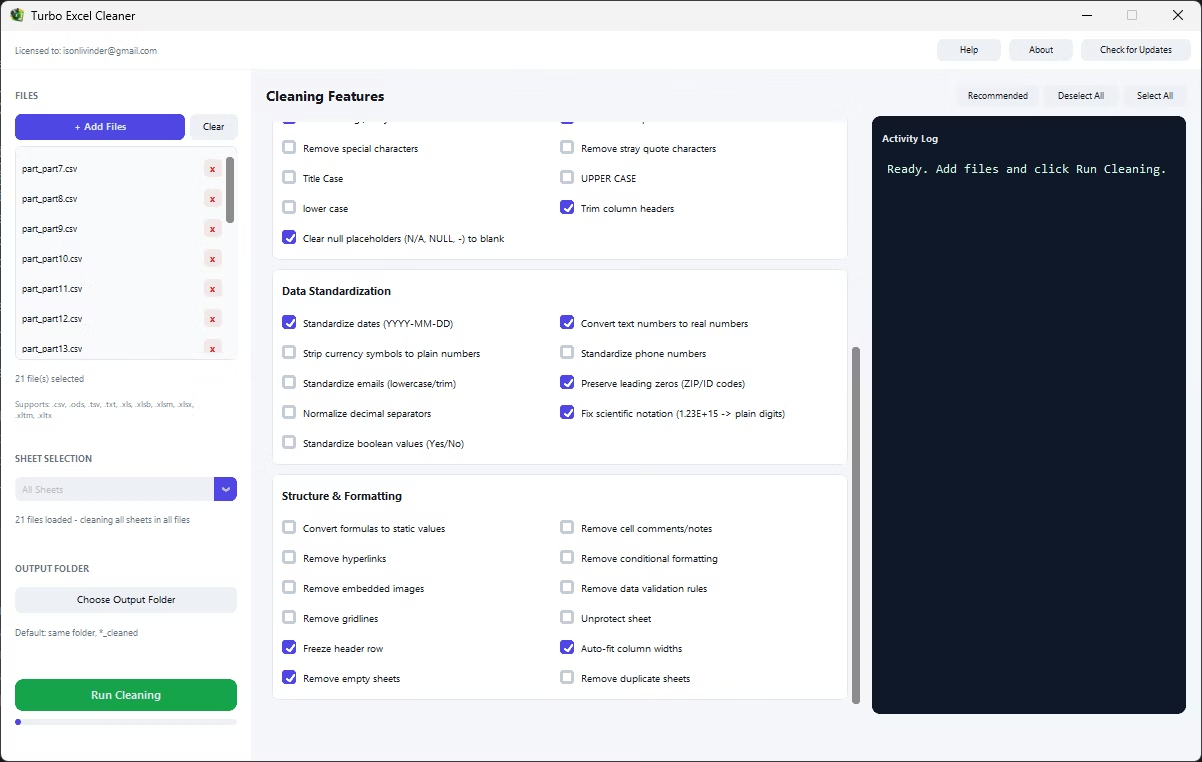
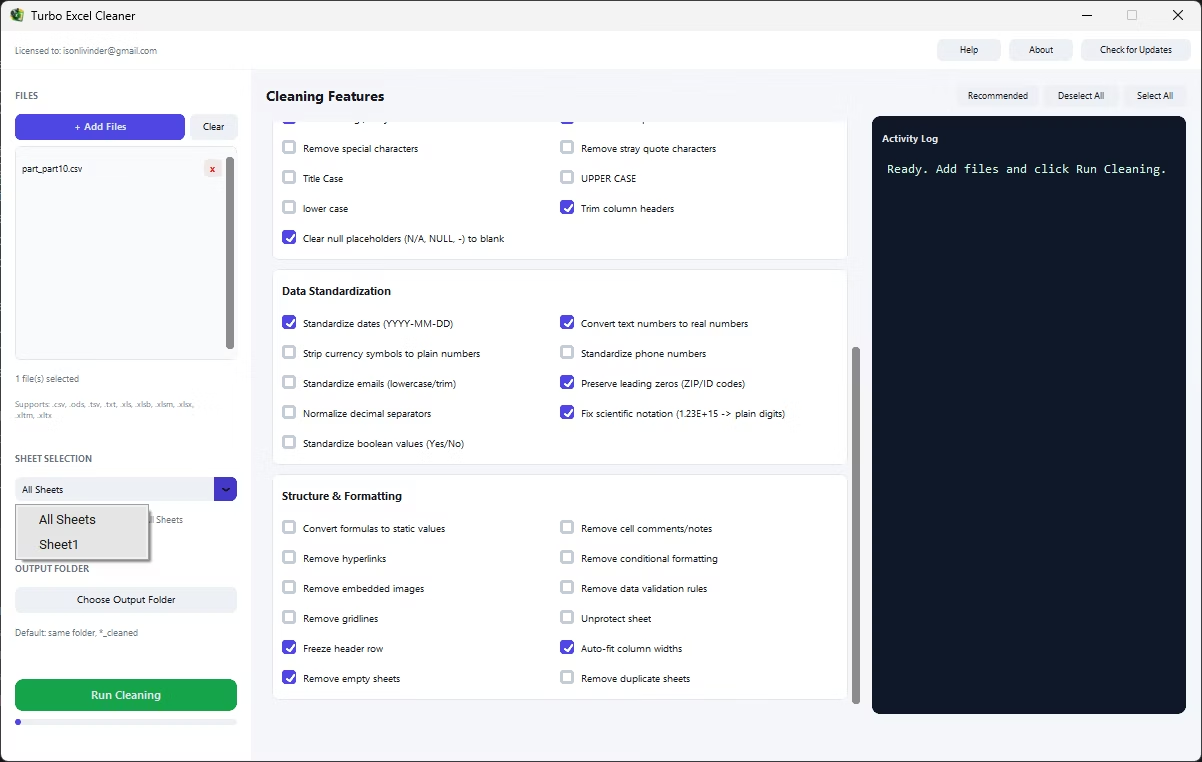
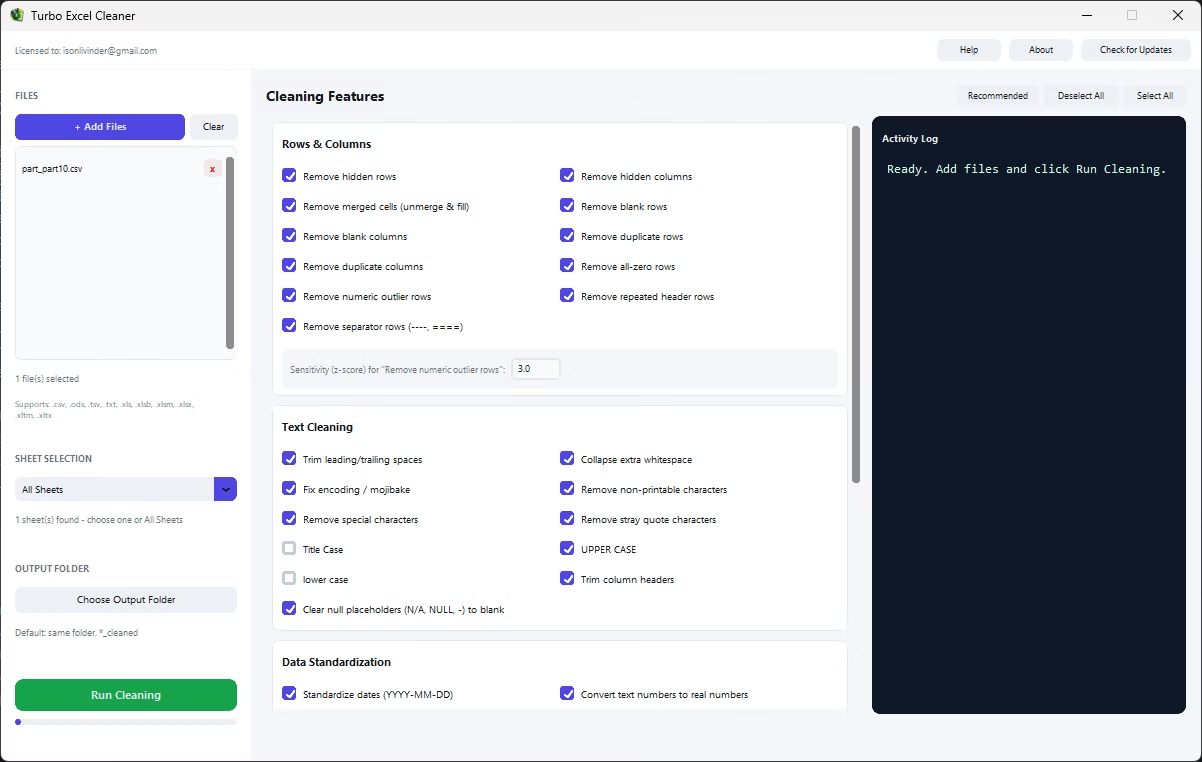
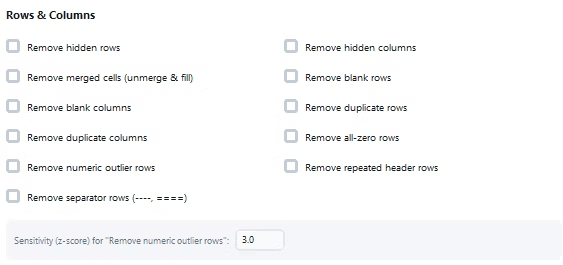
Filtering for repeated header text works for one file, but it has to be redone by hand for every new export, and slightly inconsistent header wording between files can make the manual filter miss occurrences. Turbo Excel Cleaner's Remove Repeated Header Rows feature scans each sheet for rows that duplicate the header pattern and removes them automatically, without requiring you to know the exact header text in advance.
This is especially useful when combined with blank row and duplicate row removal, since combined or stacked reports often carry all three problems - blank spacer rows, duplicate records, and repeated headers - at the same time.
- Automatic detection and removal of repeated header rows
- No need to know the exact header text in advance
- Pairs well with blank row and duplicate row removal
- Applies to every sheet in every file in the batch
- Handles Excel, OpenDocument, CSV, TSV, and TXT formats
Will this remove my original header row too?
No, the very first header row at the top of the sheet is preserved; only later rows that repeat the same header pattern further down the data are removed.
What if the repeated headers use slightly different wording?
The feature is designed to catch common repeated-header patterns from stacked exports; reviewing the cleaned file is recommended if your source data uses highly inconsistent header wording between sections.
Does this work if headers repeat multiple times in one file?
Yes, every repeated occurrence found in the sheet is removed, regardless of how many times the header pattern appears.
Ready to clean your spreadsheets in bulk, offline, with full privacy?