A specific size constraint, whether it's expressed in megabytes for an email attachment or gigabytes for a storage system's per-file cap, is sometimes the exact number you need to design around, and a splitter that lets you target that size directly removes the guesswork.
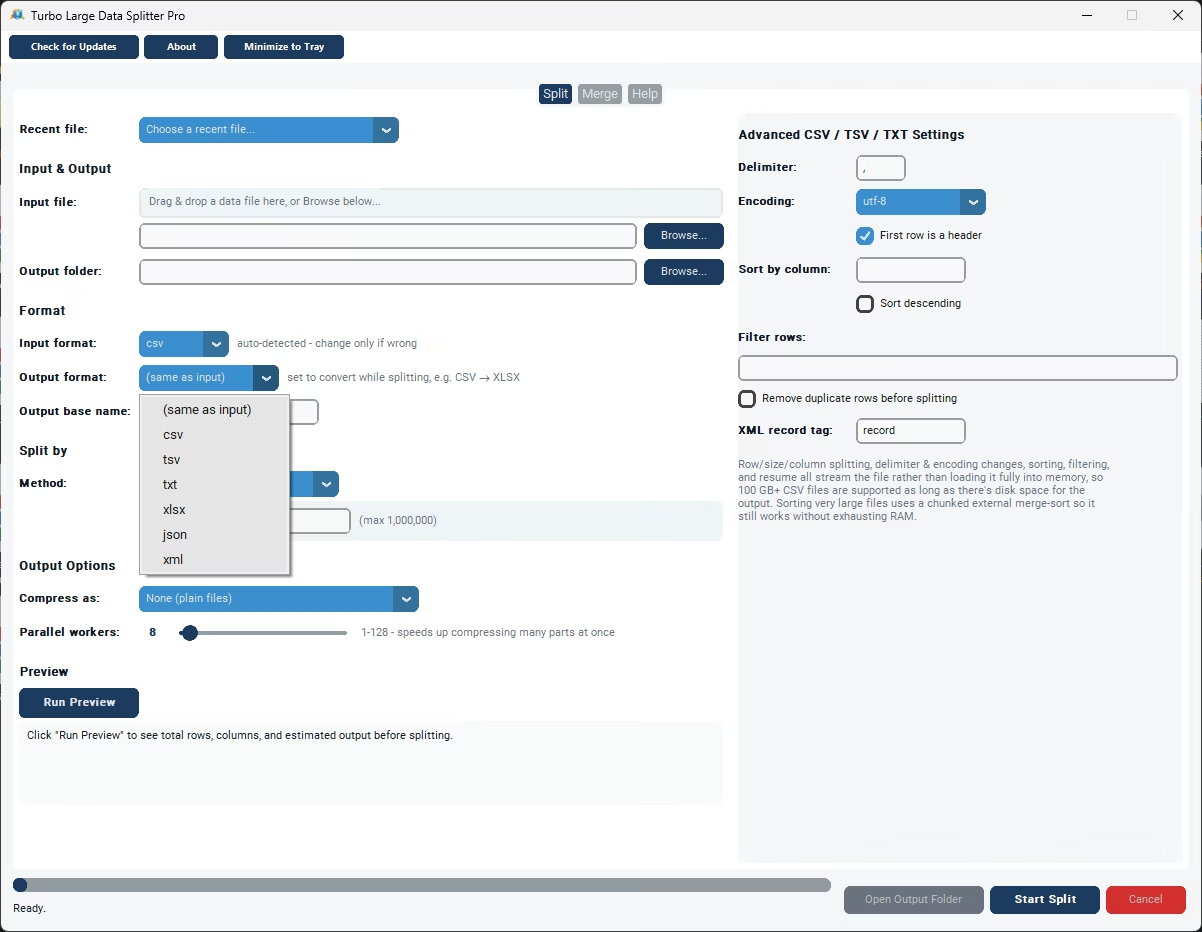
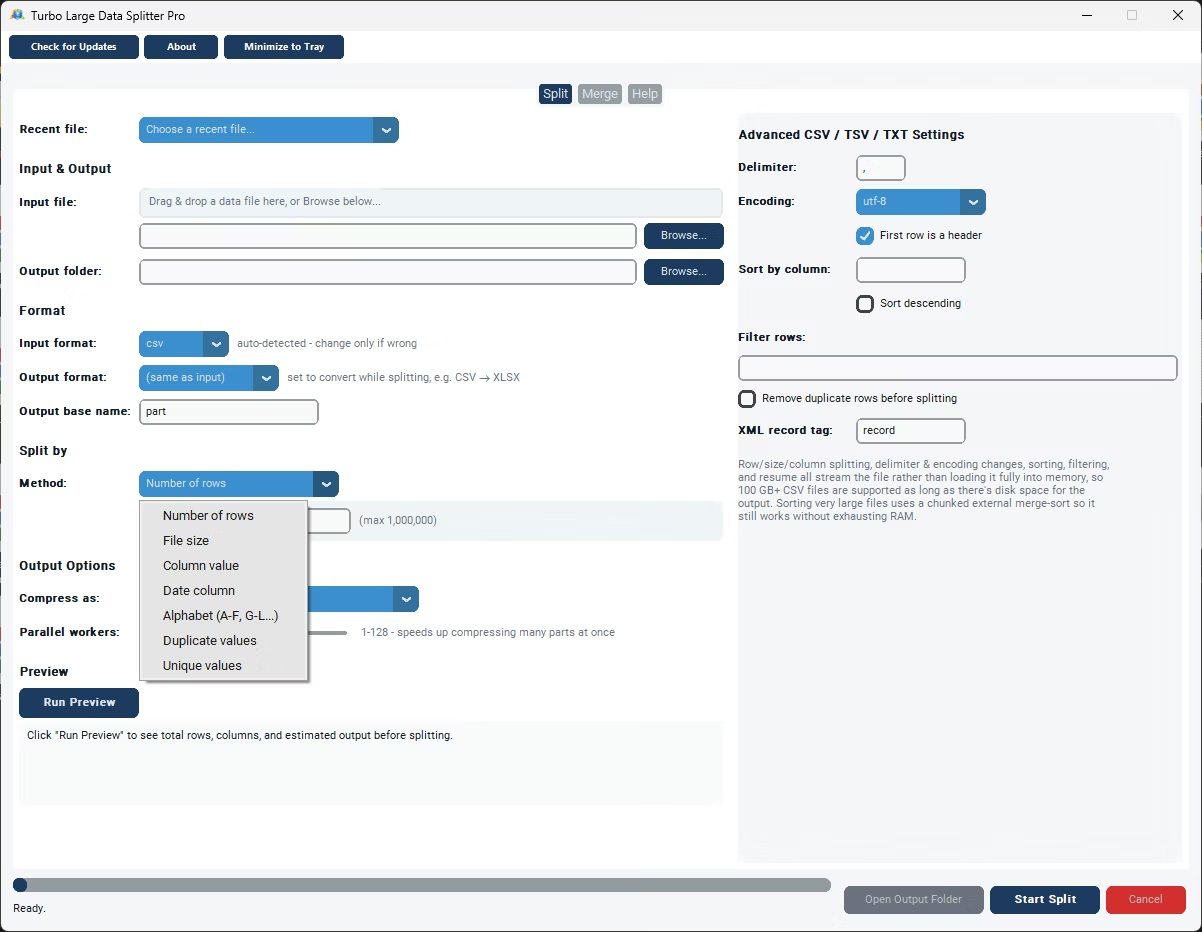
Turbo Large Data Splitter's File Size method lets you set exactly the target size your situation calls for, in MB, rolling over to a new output part as soon as the current one reaches your specified size, working across CSV, TSV, TXT, XLSX, JSON, and XML.
Because rows vary in width, especially in files with mixed-length text fields, a size-based split produces files that stay close to your target size even when a row-count-based approach would have produced wildly different actual file sizes across parts.
This is particularly useful for matching output directly to a known constraint, an upload portal's stated MB limit, a storage tier's per-file GB cap, or a specific size a downstream system expects, without any trial-and-error row-count guessing.
The header or equivalent structure is repeated at the top of every size-based part, so each output file remains independently valid no matter how many rows happened to fit before your specified size was reached.
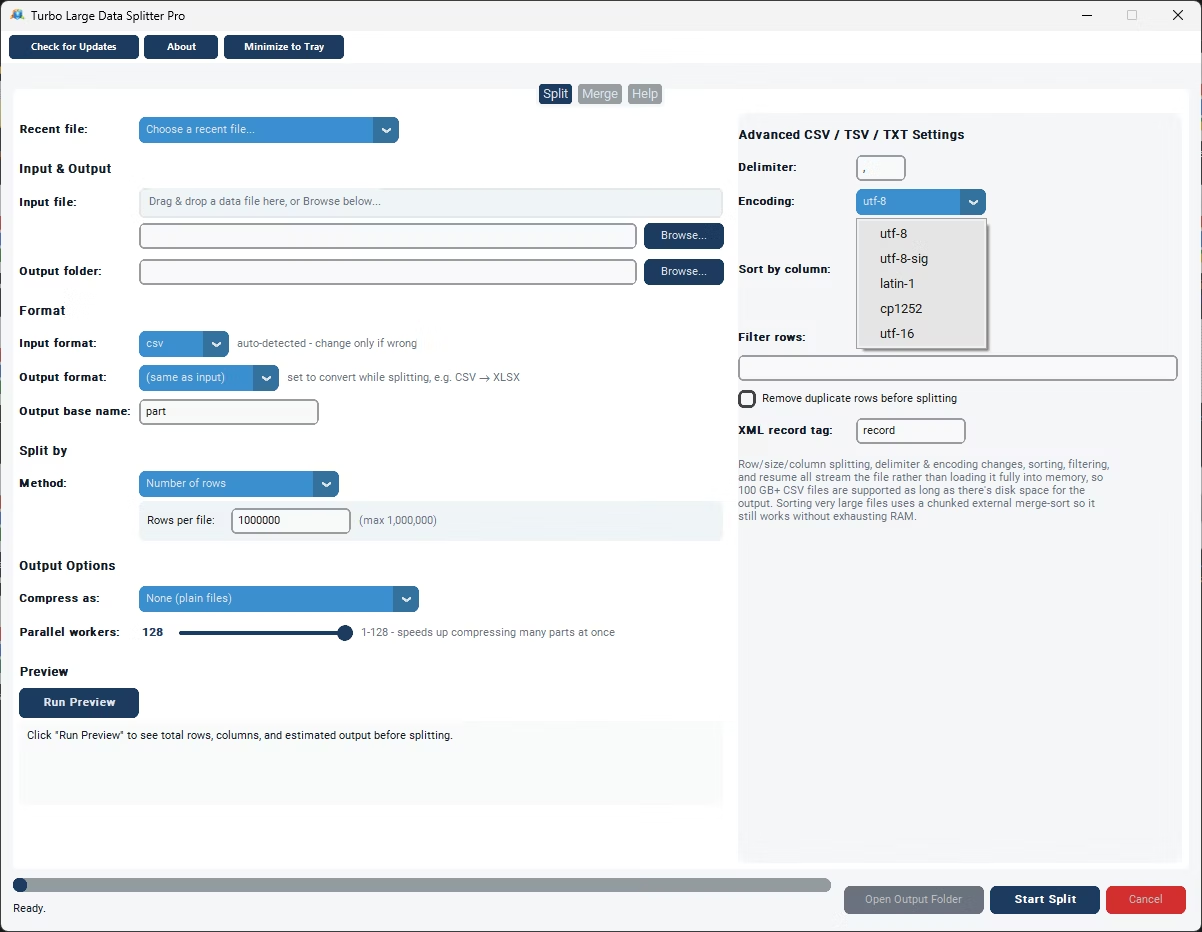
Everything runs offline, on your own Windows PC, so splitting a file to a custom size never requires uploading the file anywhere to test whether the resulting parts actually fit your target. Delimiter and encoding both default to Auto for relevant formats and are detected directly from the file itself, so you only need to touch them in the rare case detection gets something wrong, an unusual delimiter or a legacy encoding, for example. This makes the tool equally useful for data analysts working with irregular exports, developers automating a recurring pipeline step, e-commerce teams distributing catalog data by category, and anyone else who regularly runs into the practical limits of opening a large data file directly in a spreadsheet program.
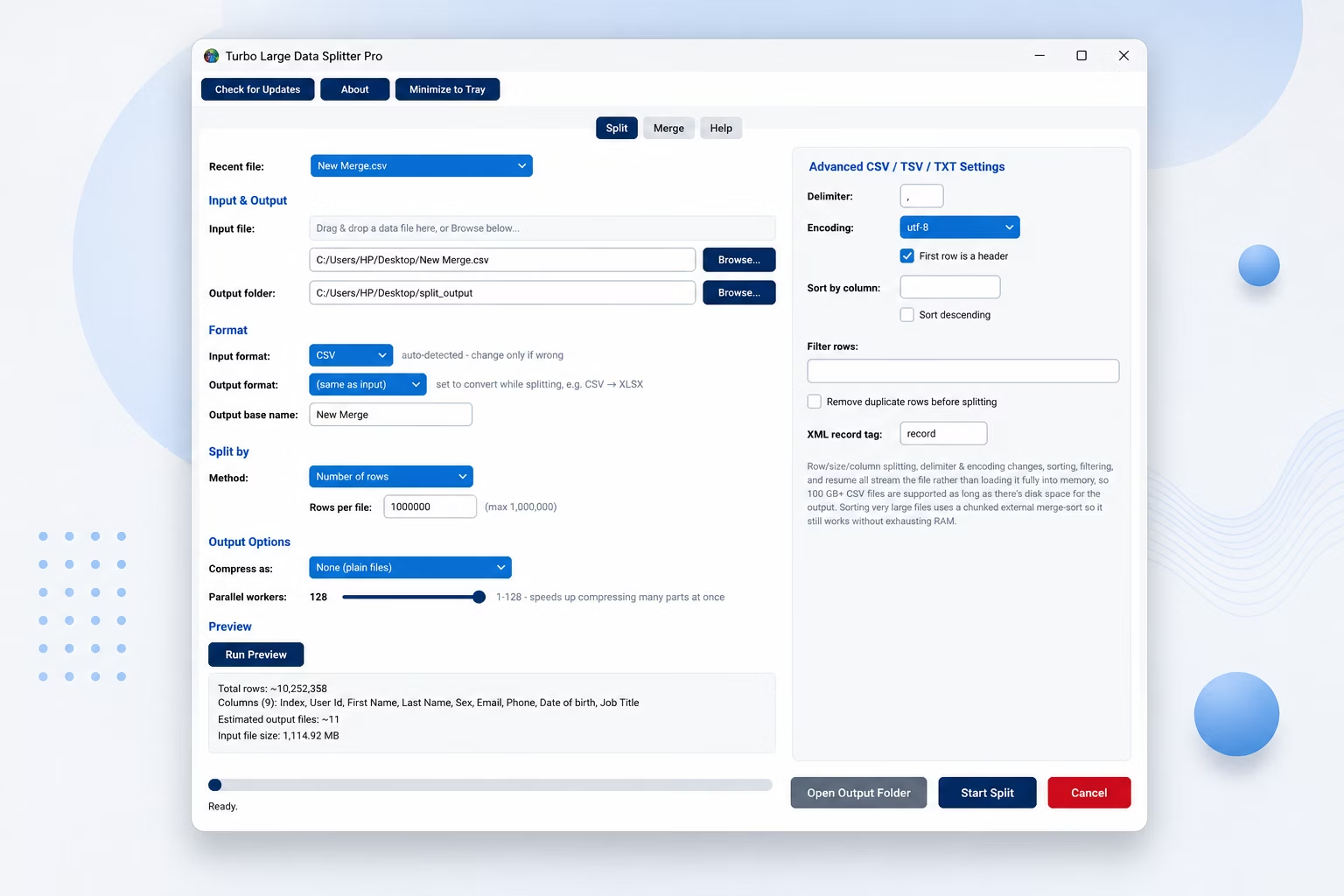
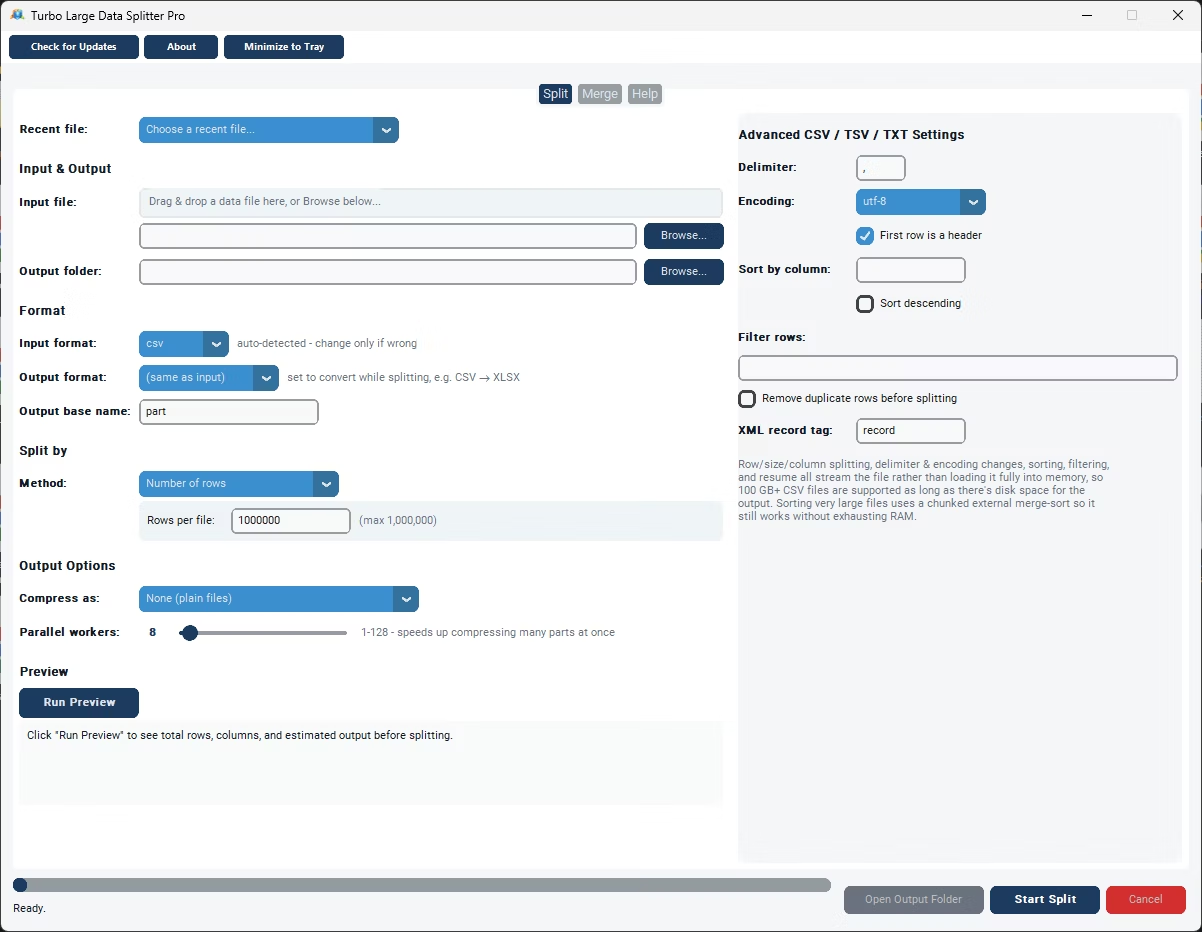
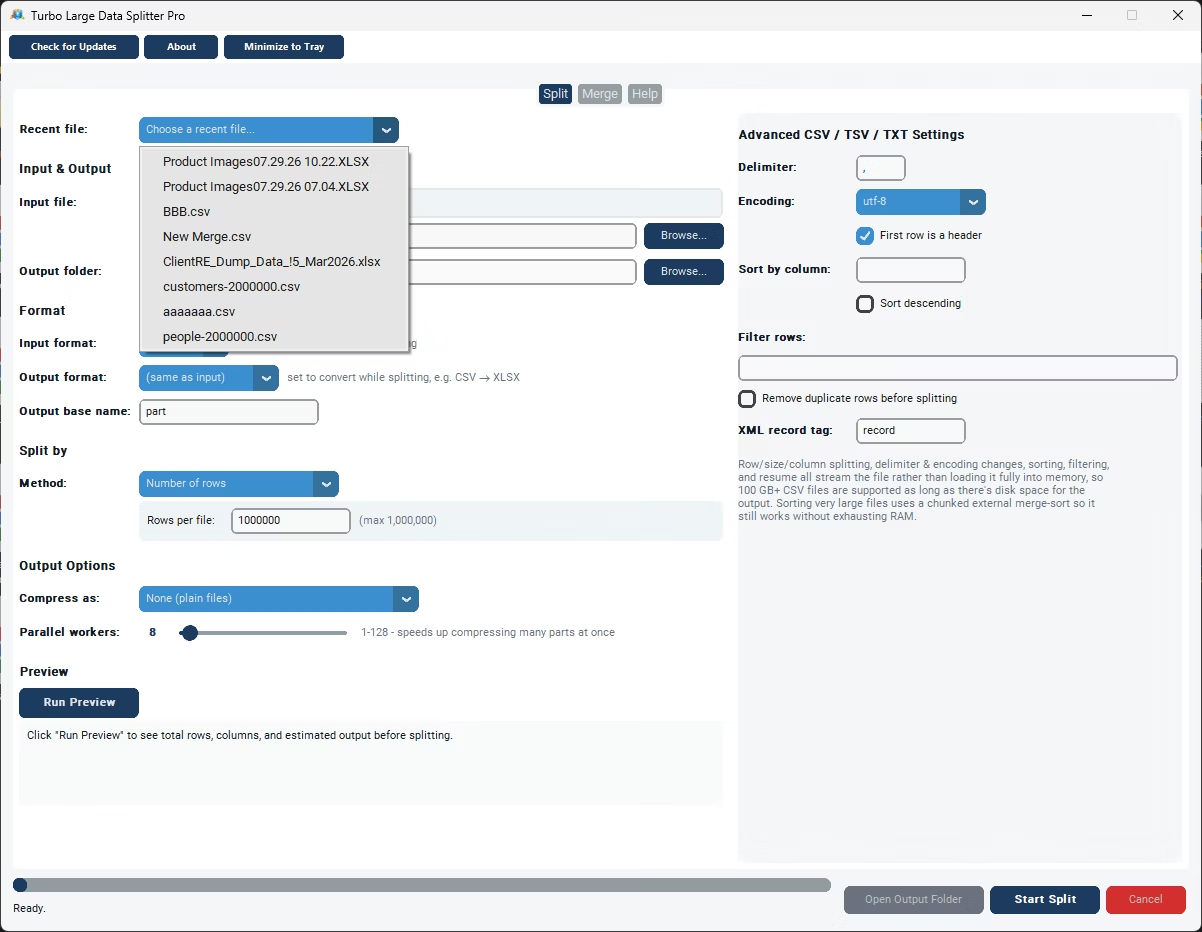
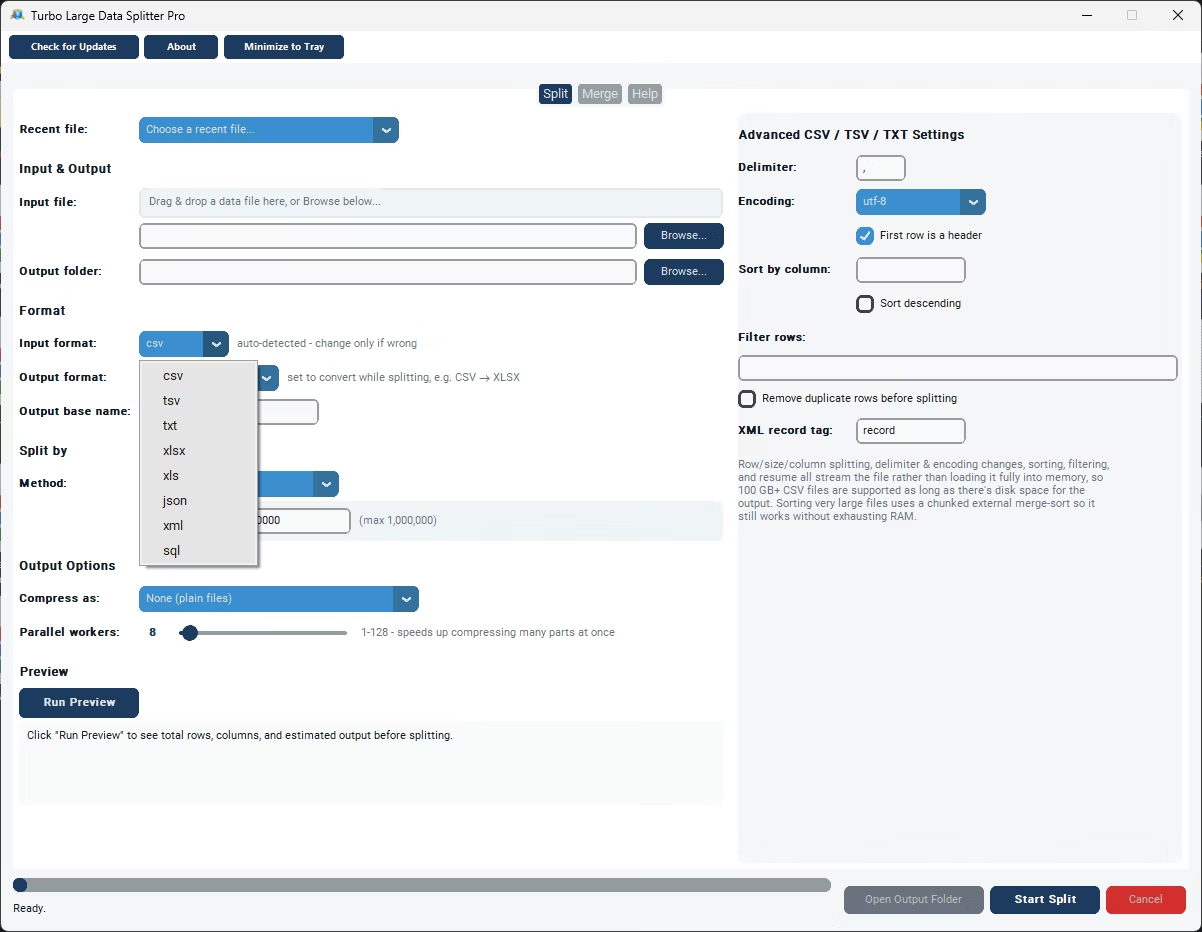
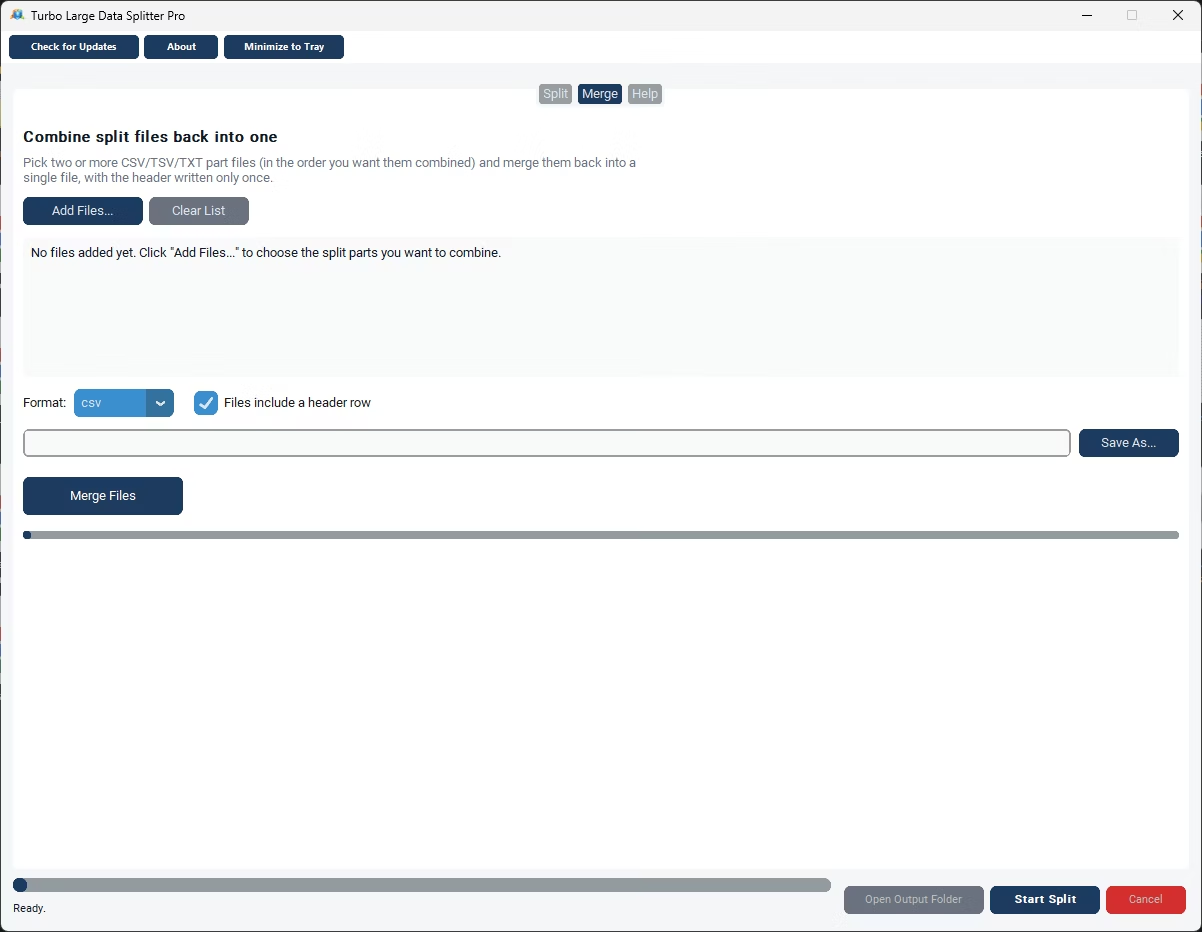
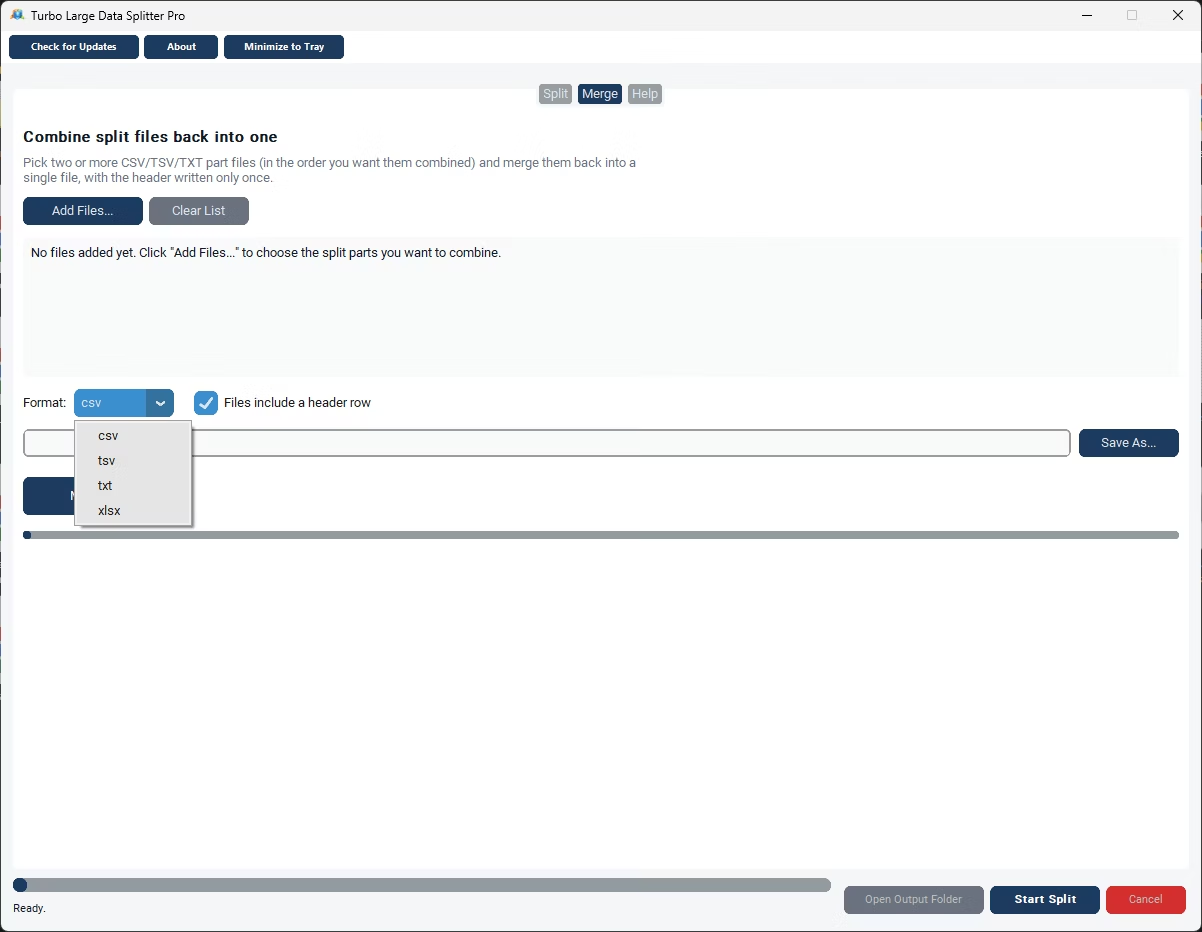
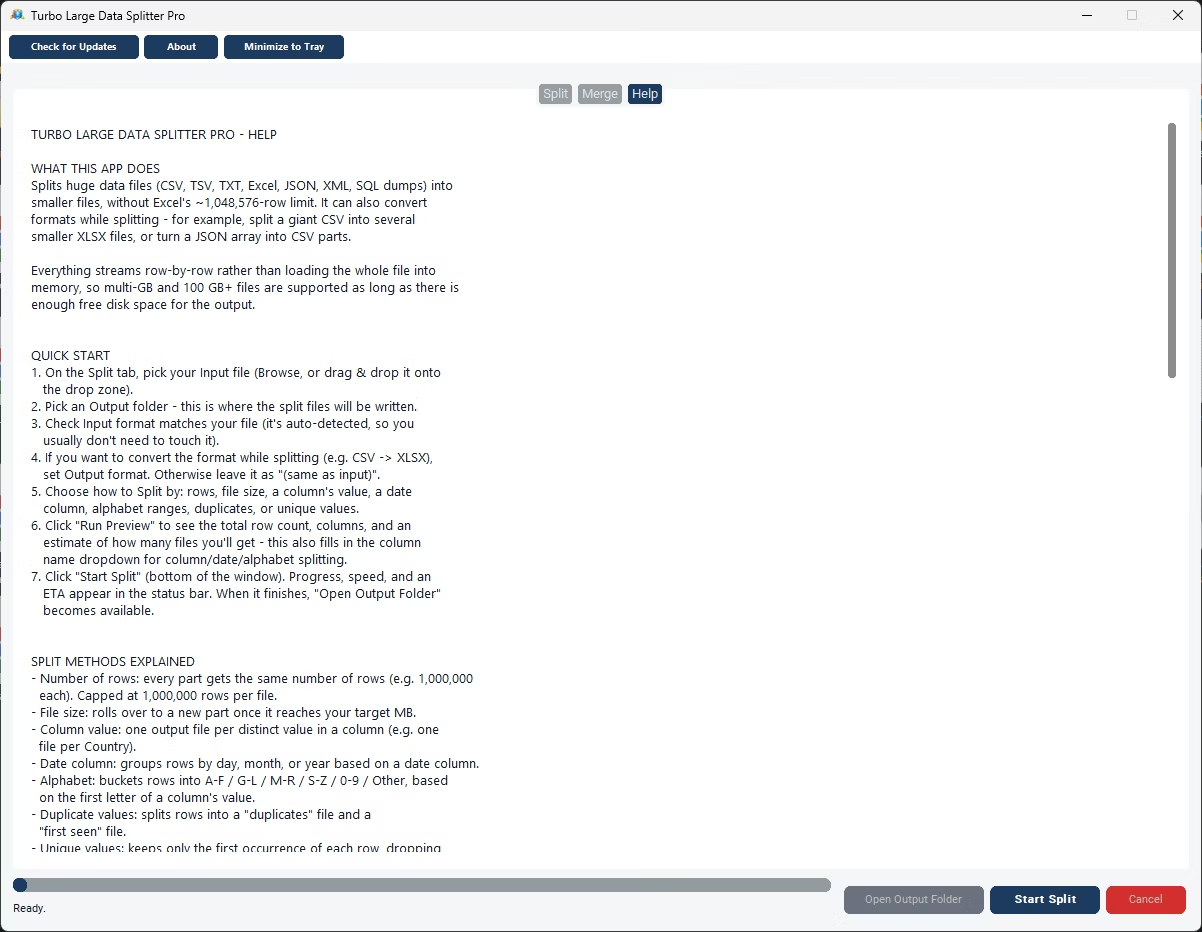
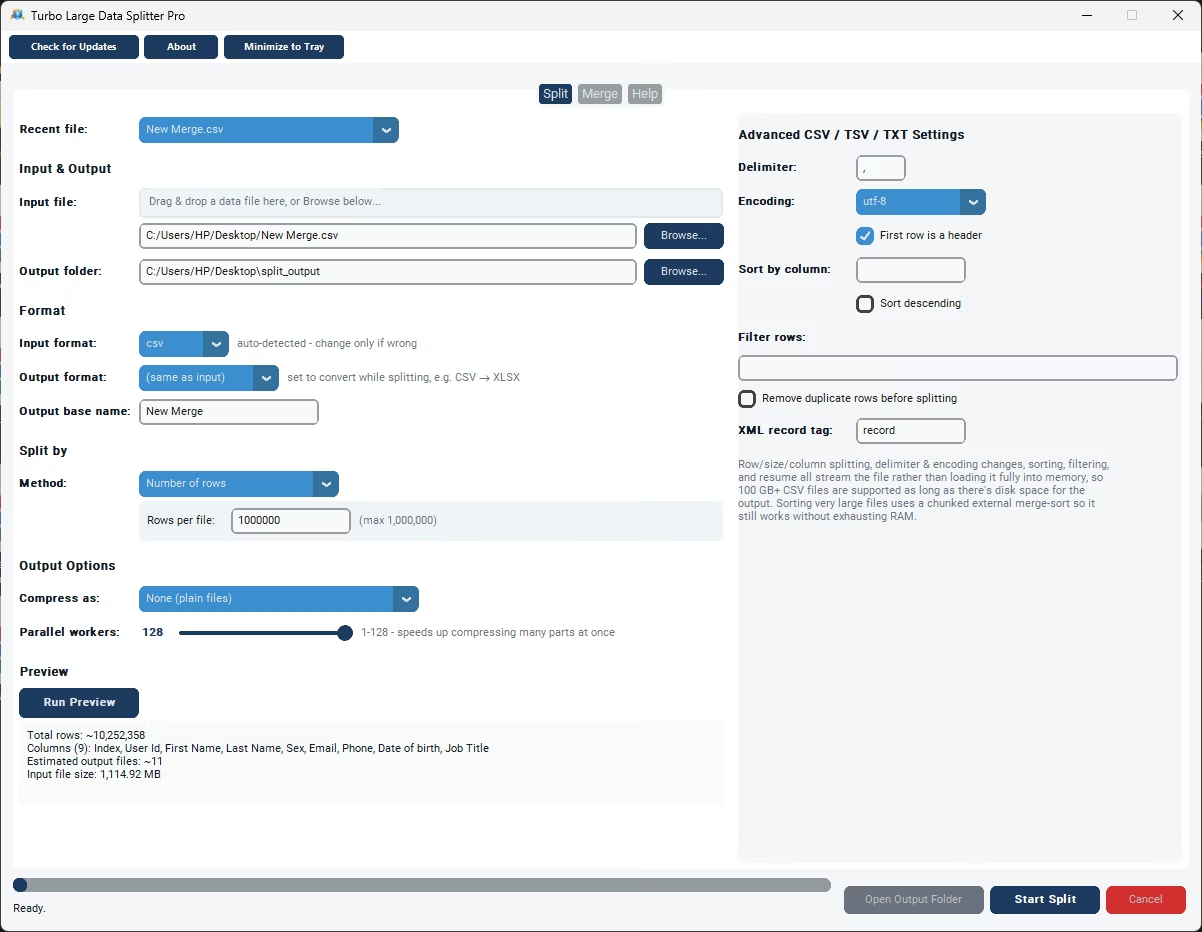
- Install Turbo Large Data Splitter on your Windows PC.
- Browse to or drag and drop your data file.
- Choose your output folder and format.
- Select the File Size split method.
- Enter your custom target size in MB.
- Run Preview to confirm the setup.
- Click Start Split and monitor progress.
- Open the output folder to find your custom-sized files.
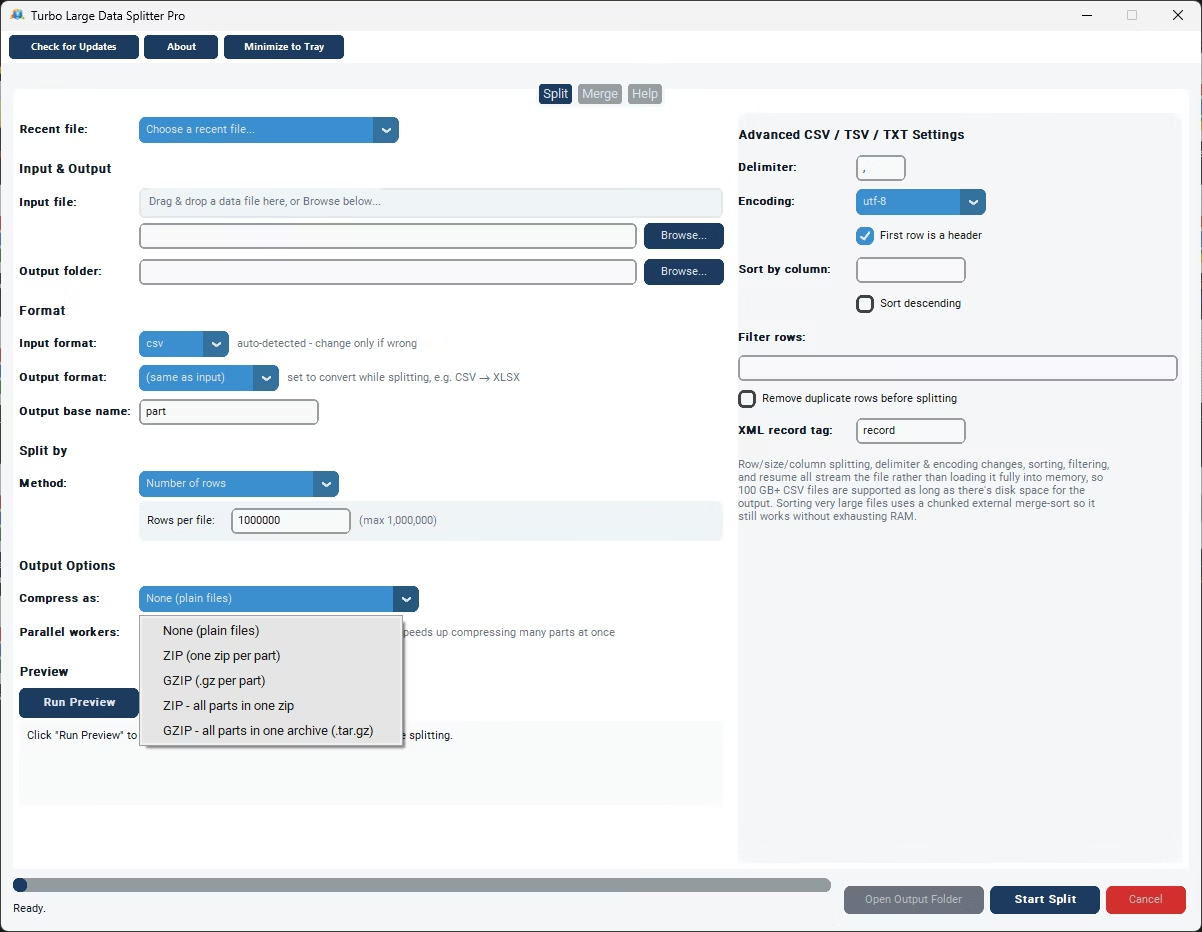
- Adjust the parallel worker slider if compressing many output parts.
- Check the status bar for the final row count and file count summary.
- Set any custom target size for output files
- Works across CSV, TSV, TXT, XLSX, JSON, and XML
- No need to estimate row counts to hit a byte-based target
- Files roll over automatically once the target size is reached
- Header repeated on every custom-sized part
- Matches output directly to known upload or storage limits
- Runs fully offline with no uploads required
- One-time purchase for Windows, with Gumroad license activation
- Compression options: uncompressed, per-part ZIP/gzip, or a single bundled archive
- Works with files on local drives, external drives, and network shares
Can I set the target size in gigabytes instead of megabytes?
The target size setting is entered in MB; for a gigabyte target, convert to the equivalent MB value, for example 1 GB is roughly 1,000 MB.
Why not just estimate rows per file to hit a target size?
Row width varies, so a row-count estimate can produce wildly different actual file sizes; the File Size method rolls over based on actual size, hitting your target directly.
Does this work for non-CSV formats like Excel or JSON?
Yes, File Size splitting works across all supported input formats.
Will file sizes vary between parts even with this method?
Parts stay close to your target size, though the exact size may vary slightly since the split happens at row boundaries rather than mid-row.
Does this work on both Windows 10 and Windows 11?
Yes, Turbo Large Data Splitter is built and tested for both Windows 10 and Windows 11.
Is my data safe when using this tool?
Yes, all processing happens locally on your PC; no files are ever uploaded, so proprietary or sensitive data stays fully under your control.
Can I compress the split output files?
Yes, you can leave parts uncompressed, zip or gzip each part individually, or bundle everything into a single ZIP or gzip archive, sped up by a parallel worker slider.
Can I use this on files stored on an external or network drive?
Yes, data files on local drives, external drives, or mapped network shares all work the same as any local file.
Can I cancel a split job partway through if I need to?
Yes, cancelling saves a checkpoint file in the output folder, so you can resume the job later exactly where it left off instead of starting over.
Is there a trial version available before buying?
Check the product page on turbo-soft.com for current trial availability and details.
Ready to split your data files by size, fully offline?