Breaking a large dataset into chunks is a common step in data processing pipelines, and the right chunking tool needs to handle whatever format the data actually arrives in, rather than forcing a conversion step before chunking can even begin.
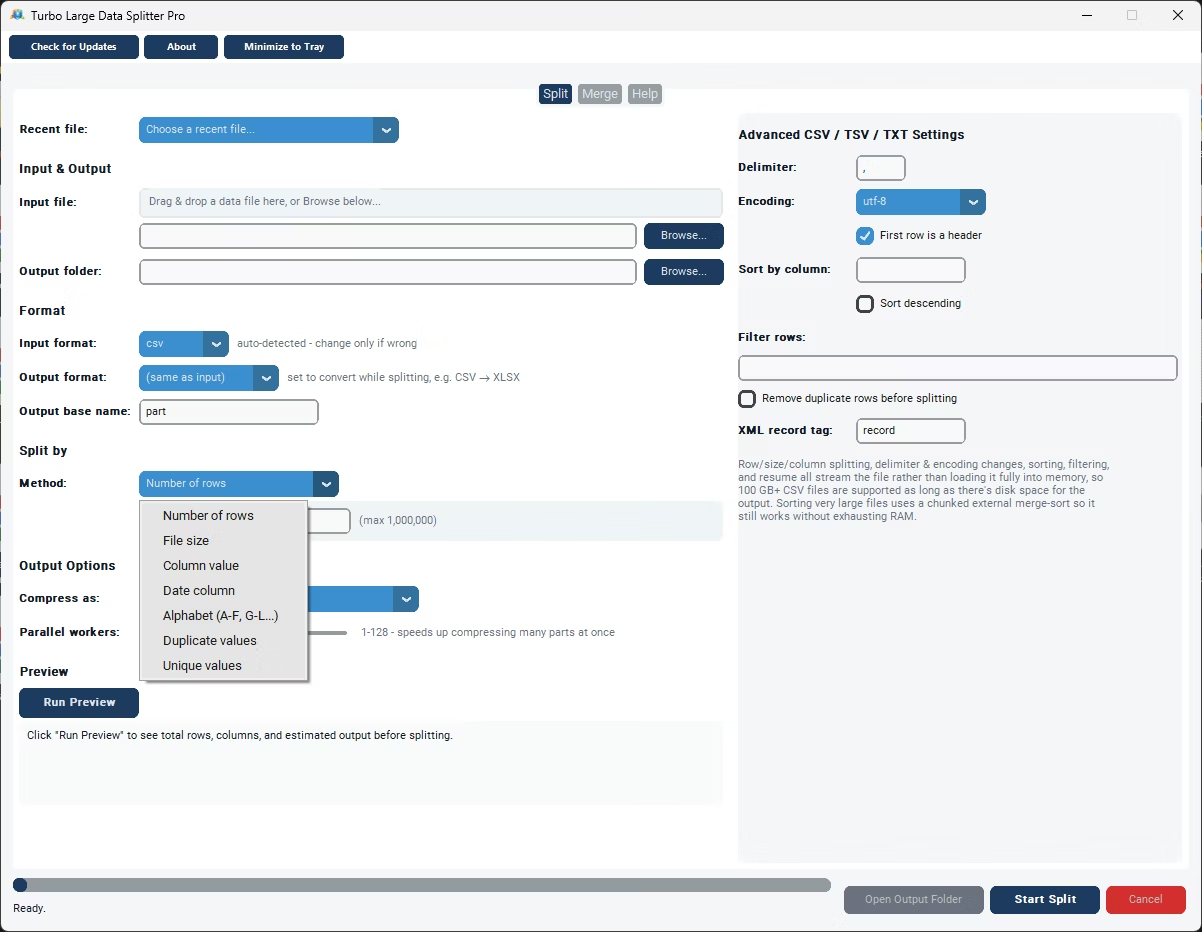
Turbo Large Data Splitter chunks large datasets across eight input formats, CSV, TSV, TXT, XLSX, XLS, JSON arrays, XML, and line-oriented SQL dumps, using seven different methods depending on how you want the chunks defined: by row count, by target file size, by a column's distinct values, by date period, alphabetically, or by duplicate status.
Every chunk carries the header or equivalent structure, so each piece is independently valid and ready to feed into whatever process expects a standalone file, without needing to reconstruct or reference the original.
Because the chunking engine streams row by row for most formats rather than loading the whole file into memory, chunking works reliably on files of any size, multi-gigabyte and even 100 GB+ files are chunked the same way as small ones, just taking proportionally longer.
Preview reports the total row count, detected columns, and an estimate of how many chunks your settings will produce, letting you confirm the chunking plan before running the actual job.
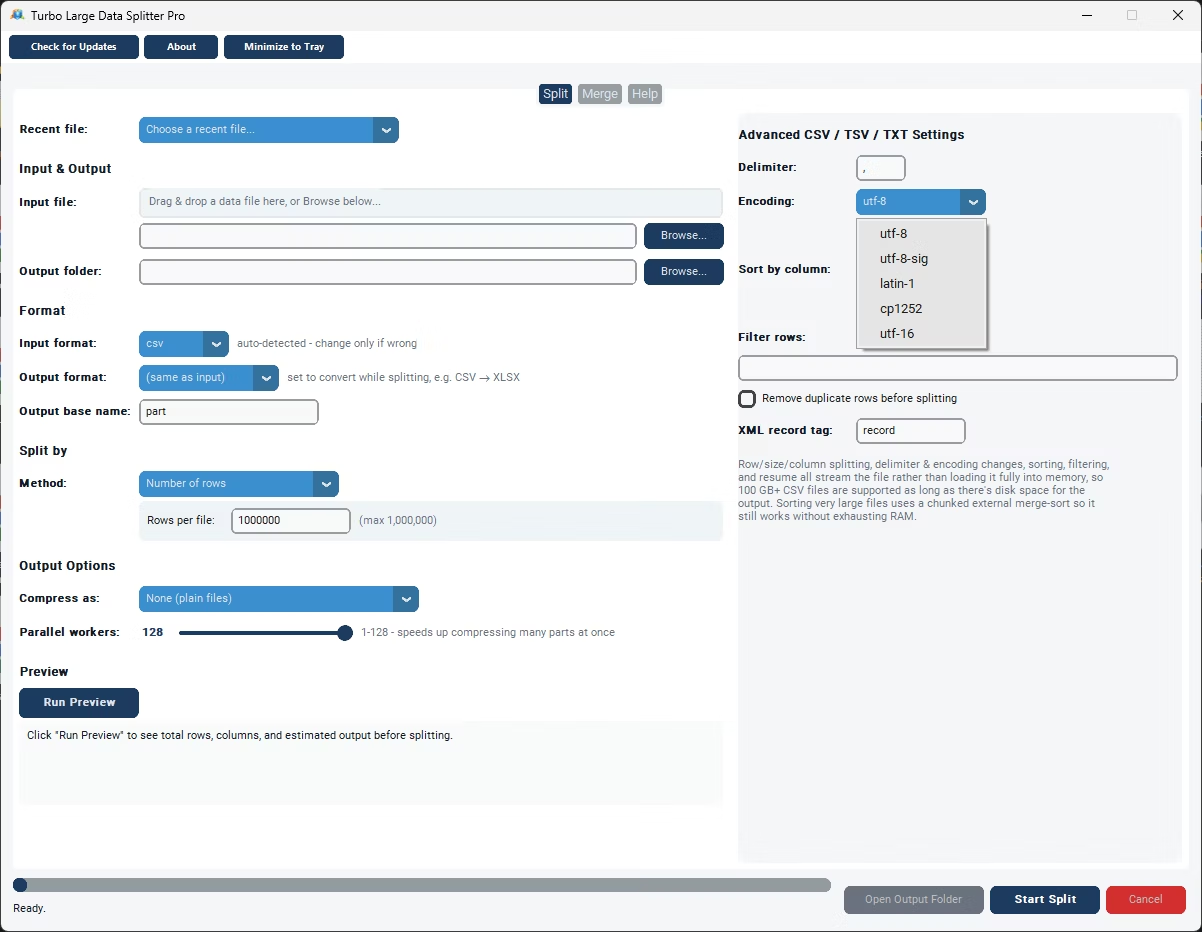
Everything runs offline, on your own Windows PC, so chunking a large dataset full of sensitive or proprietary data never requires uploading it to an external service. Delimiter and encoding both default to Auto for relevant formats and are detected directly from the file itself, so you only need to touch them in the rare case detection gets something wrong, an unusual delimiter or a legacy encoding, for example. This makes the tool equally useful for data analysts working with irregular exports, developers automating a recurring pipeline step, e-commerce teams distributing catalog data by category, and anyone else who regularly runs into the practical limits of opening a large data file directly in a spreadsheet program.
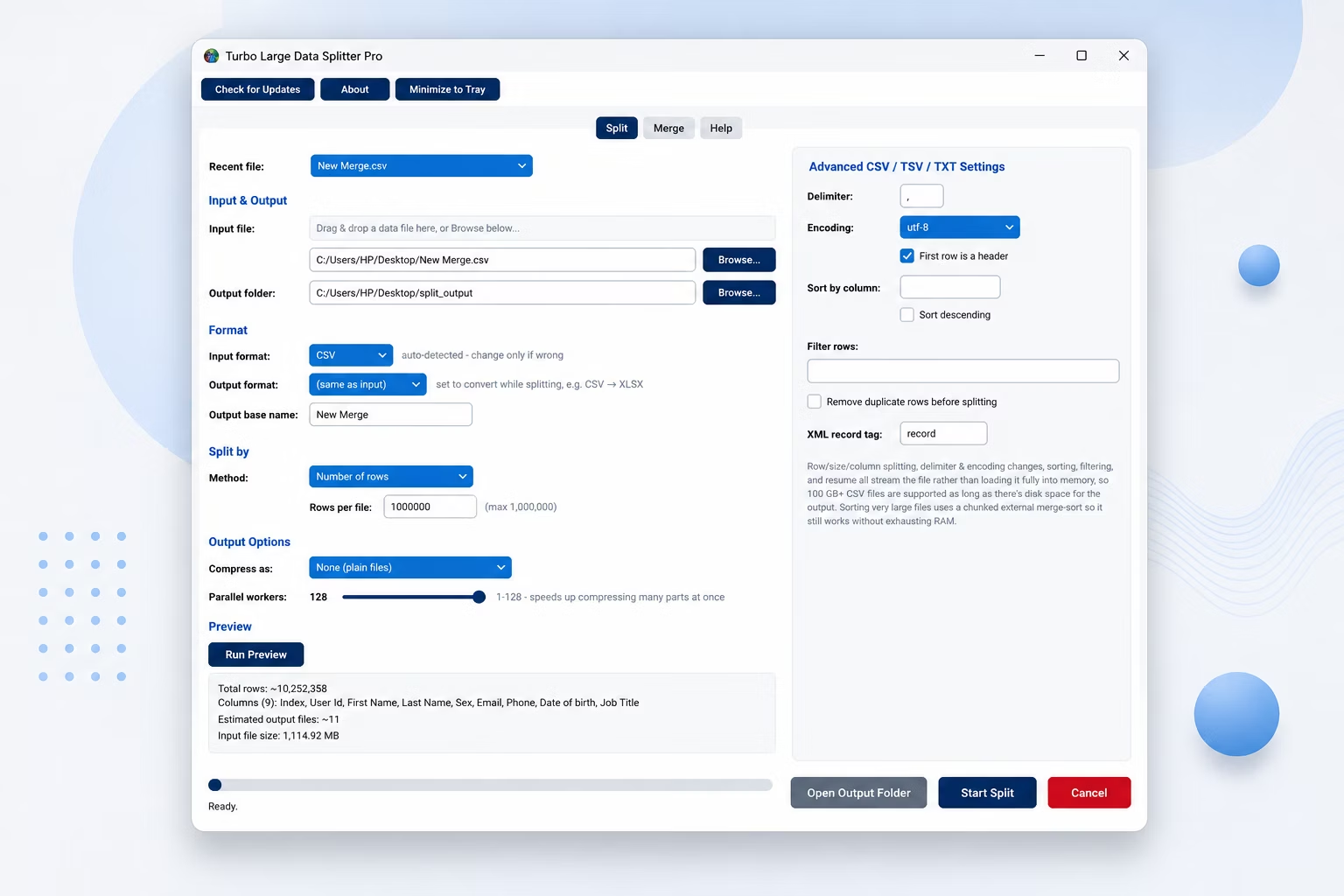
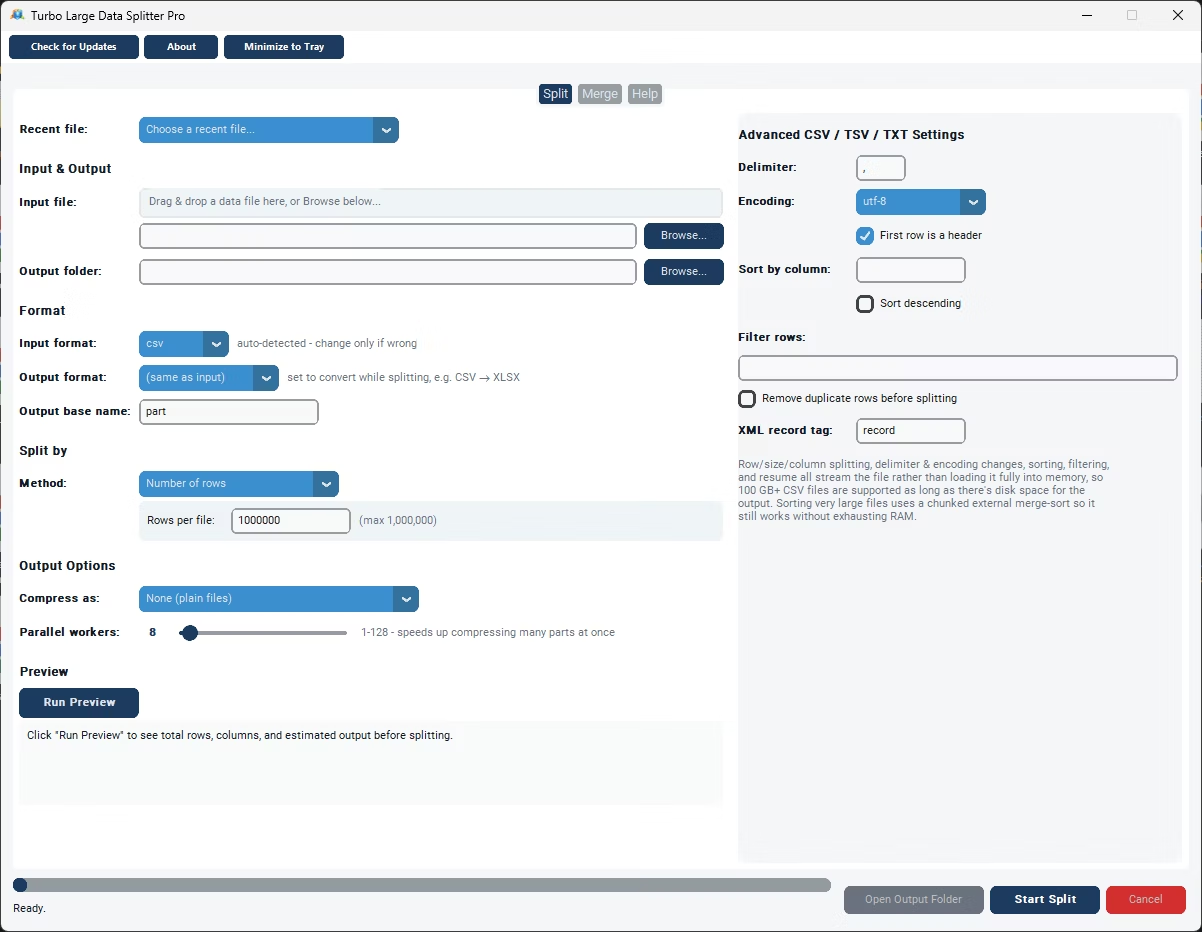
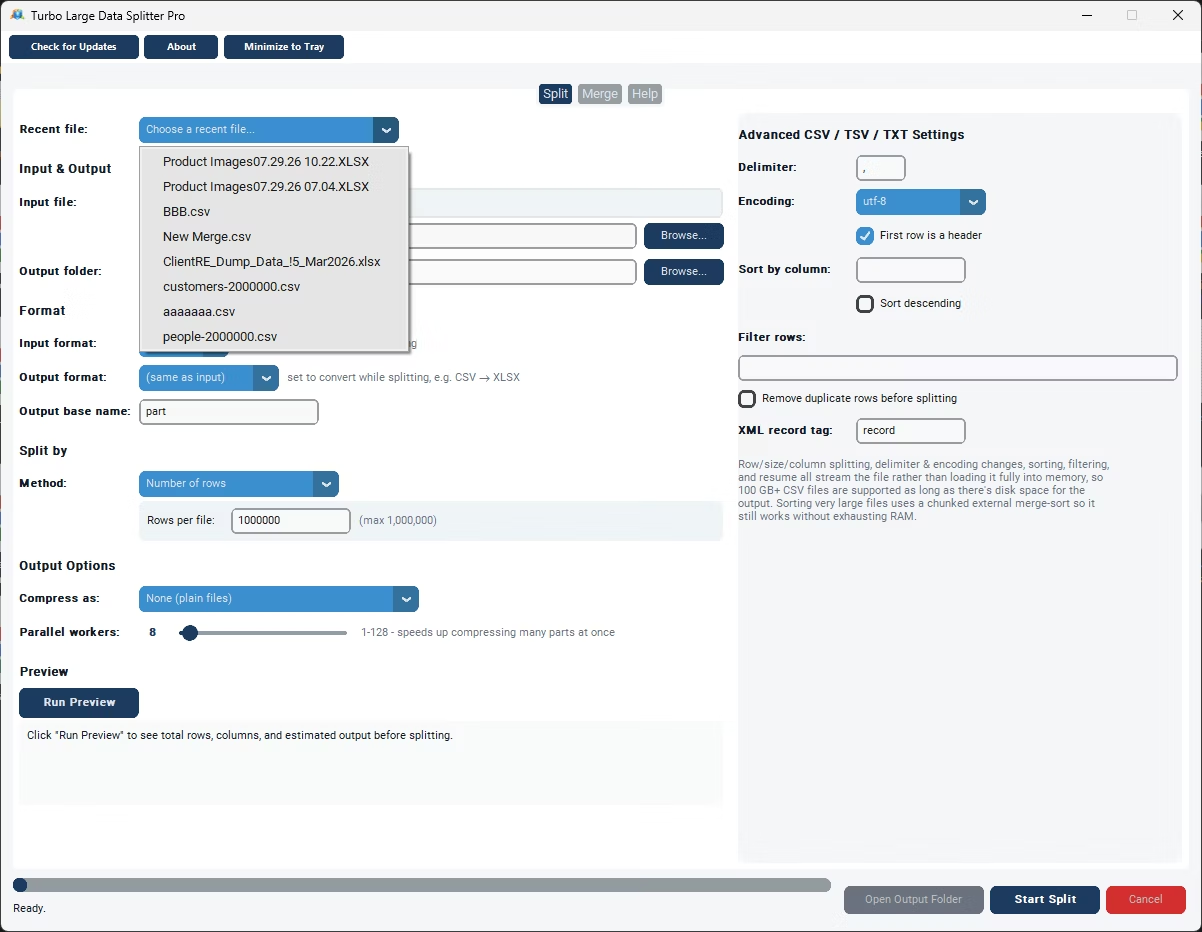
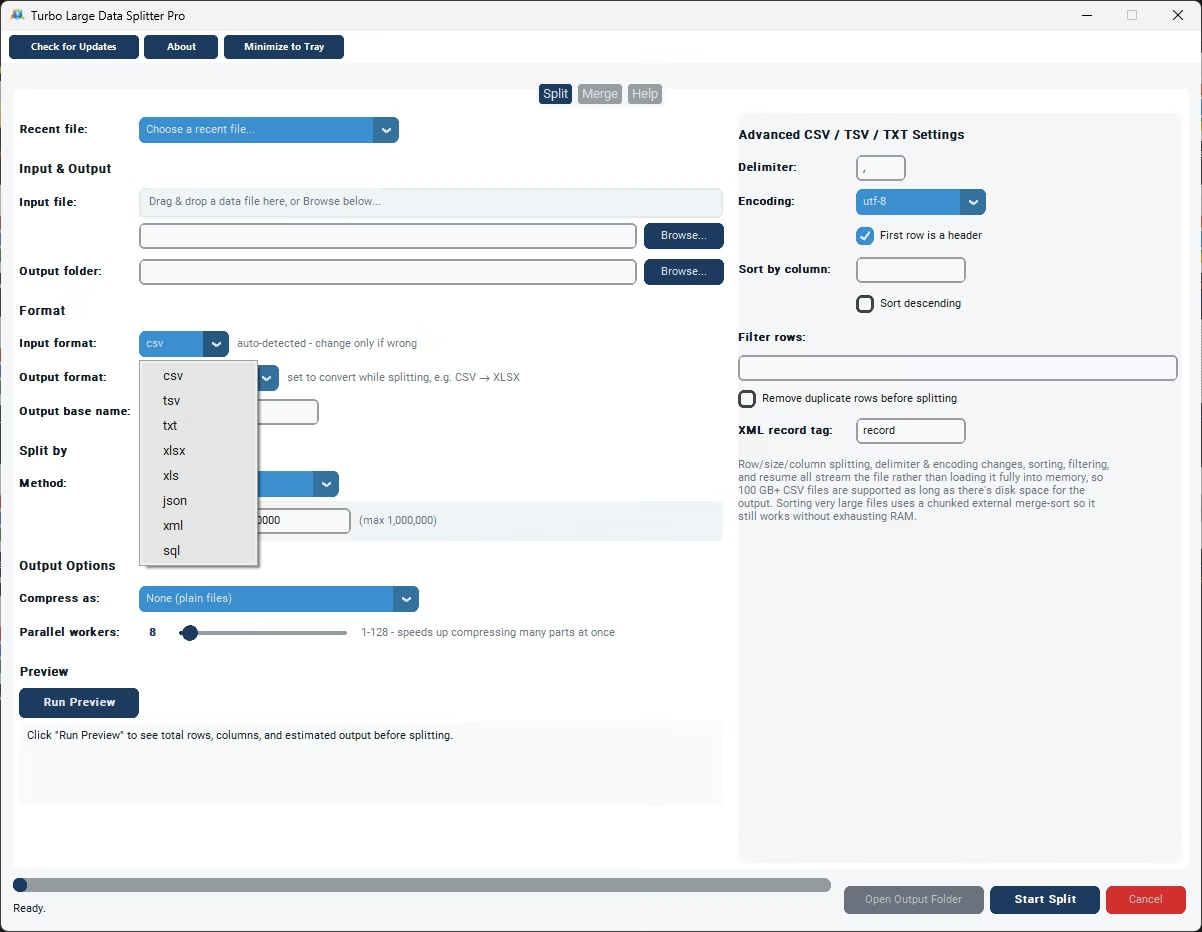
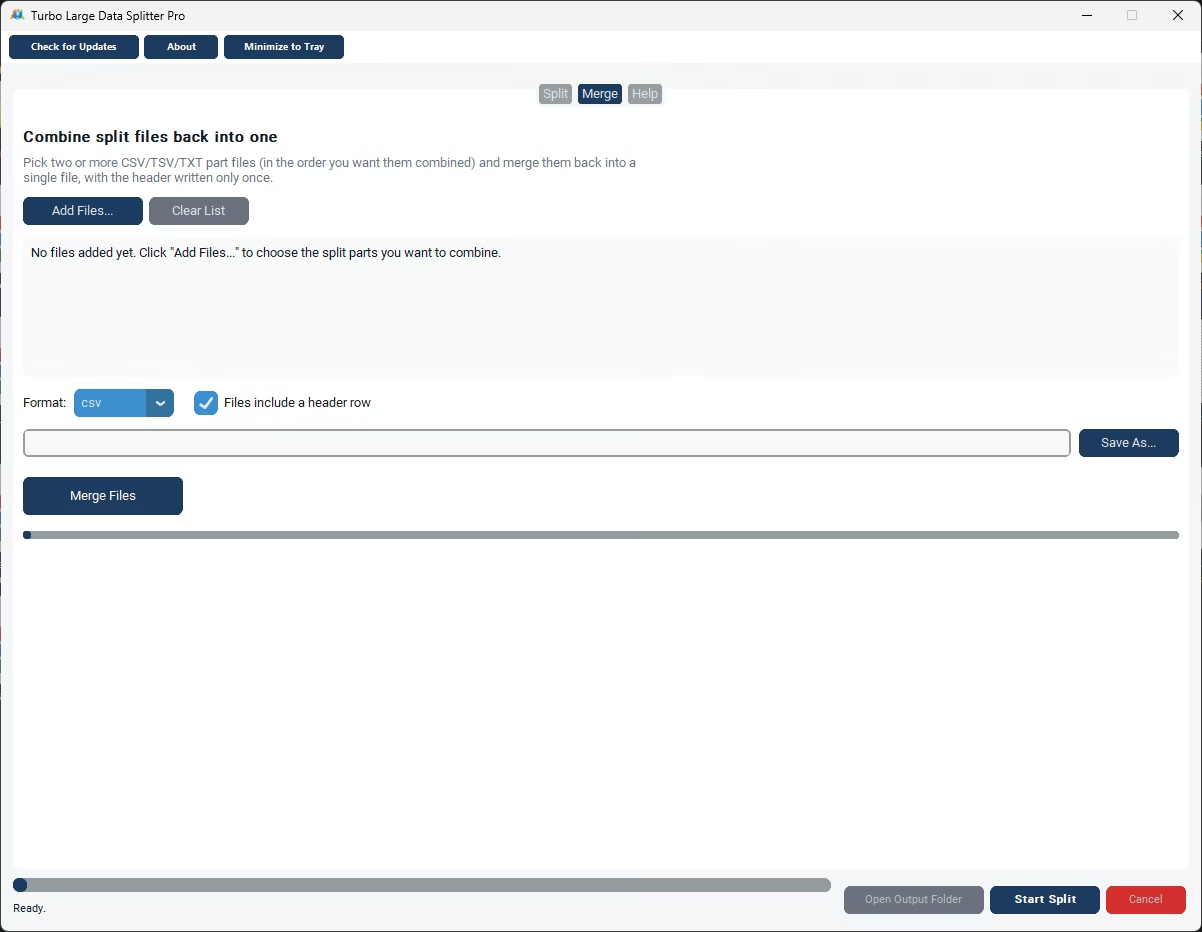
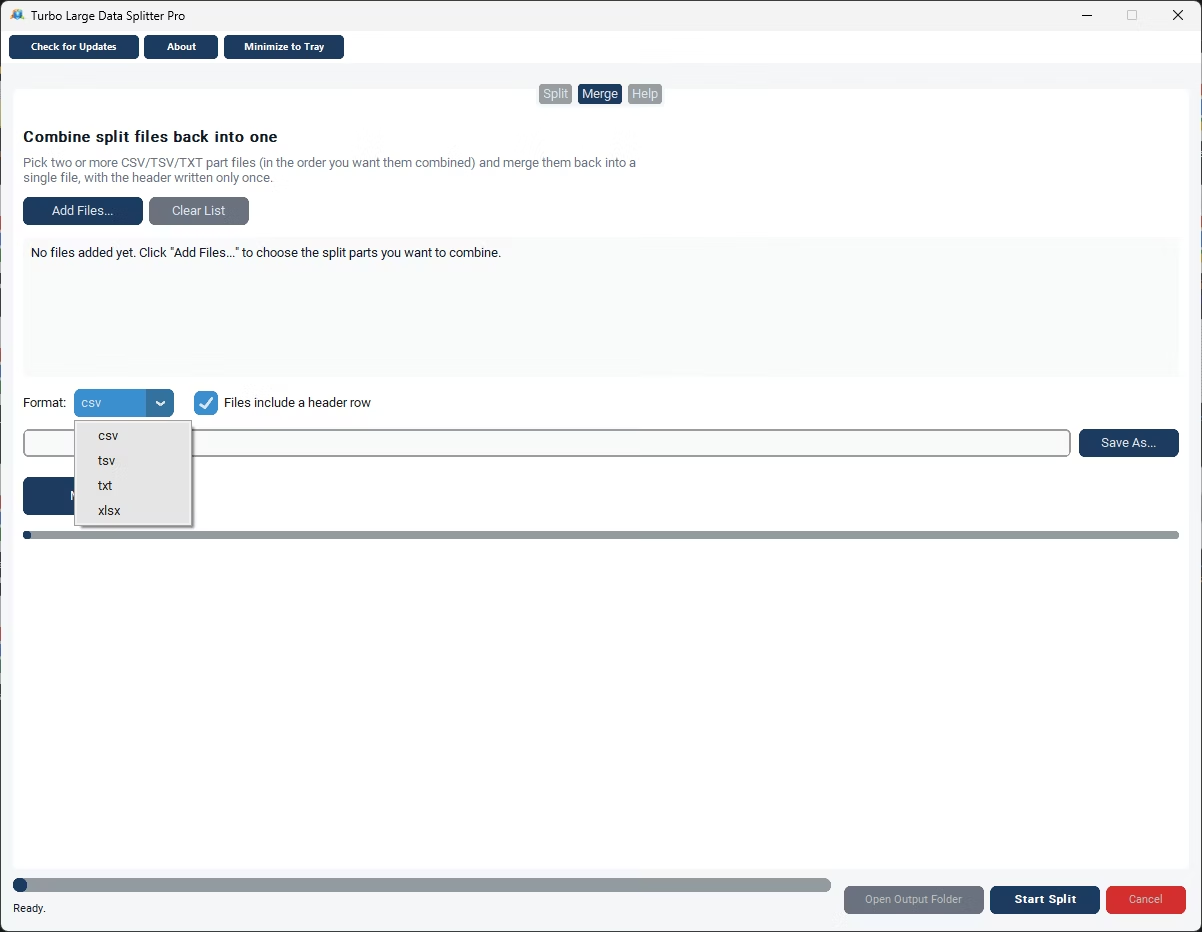
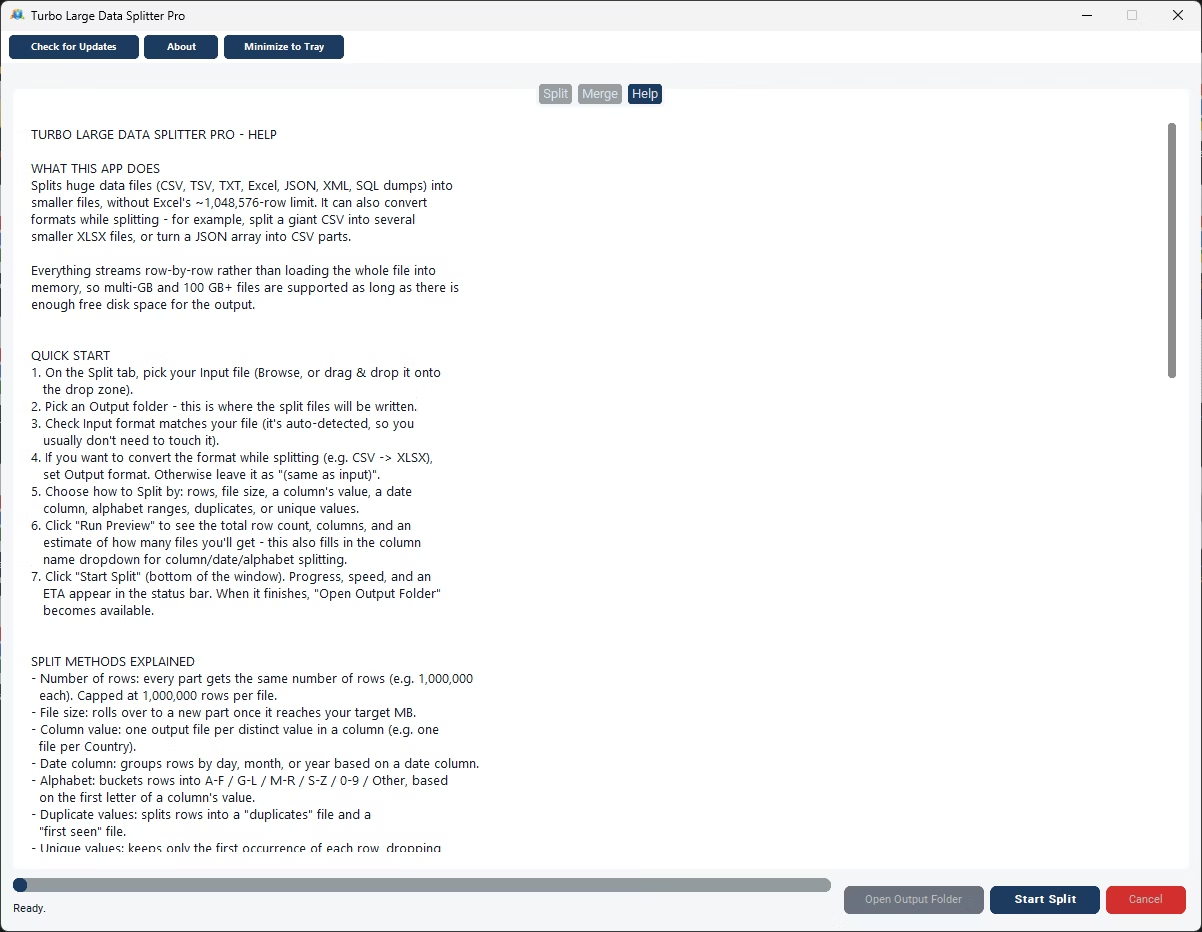
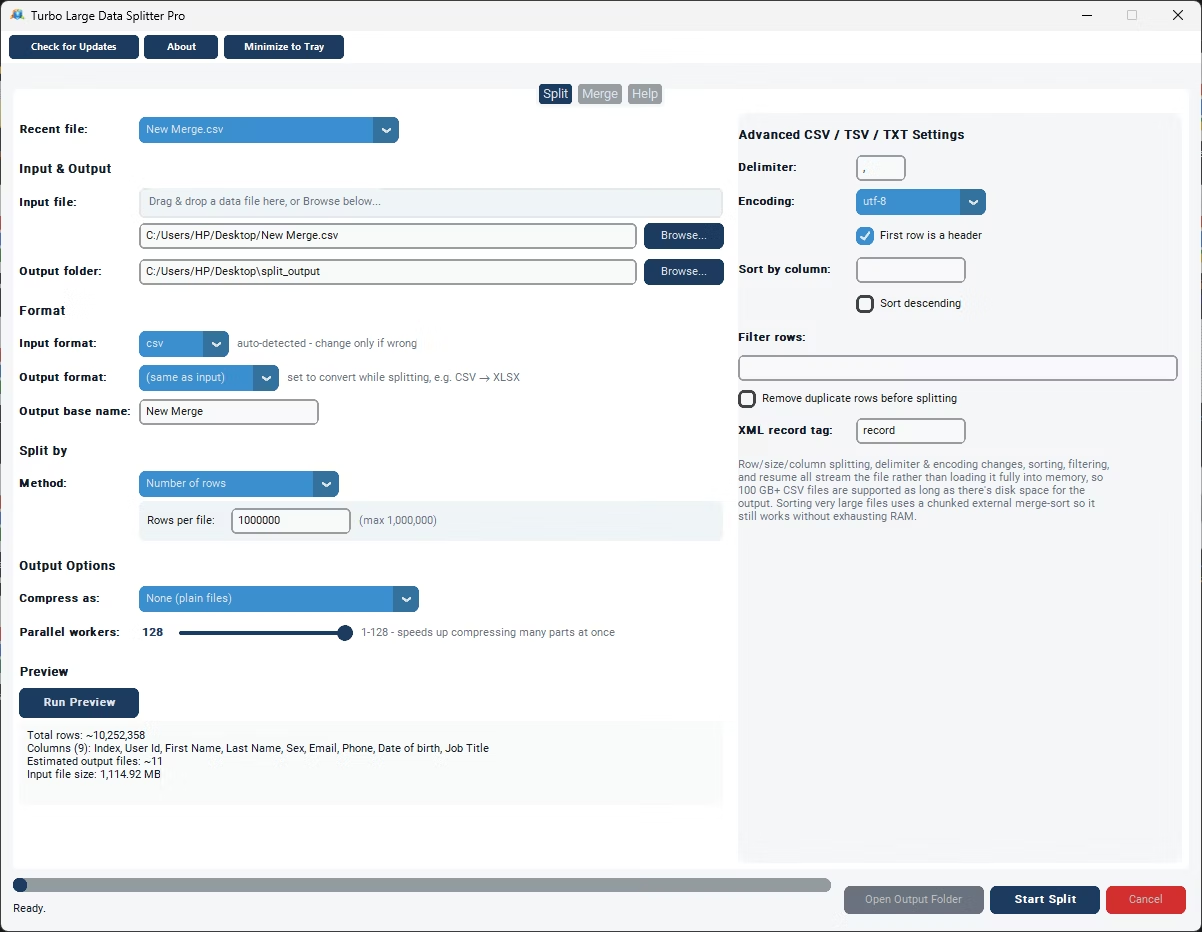
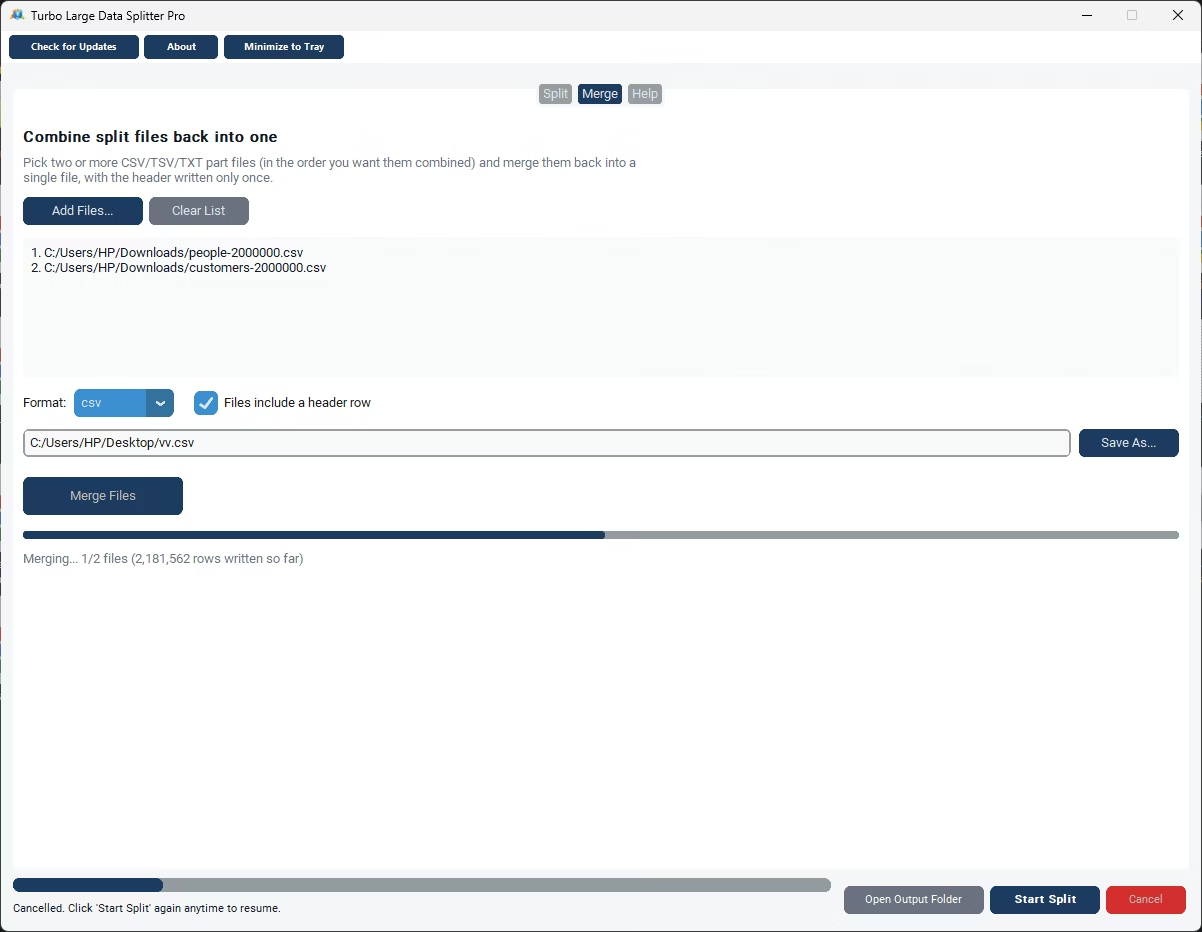
- Install Turbo Large Data Splitter on your Windows PC.
- Browse to or drag and drop your dataset.
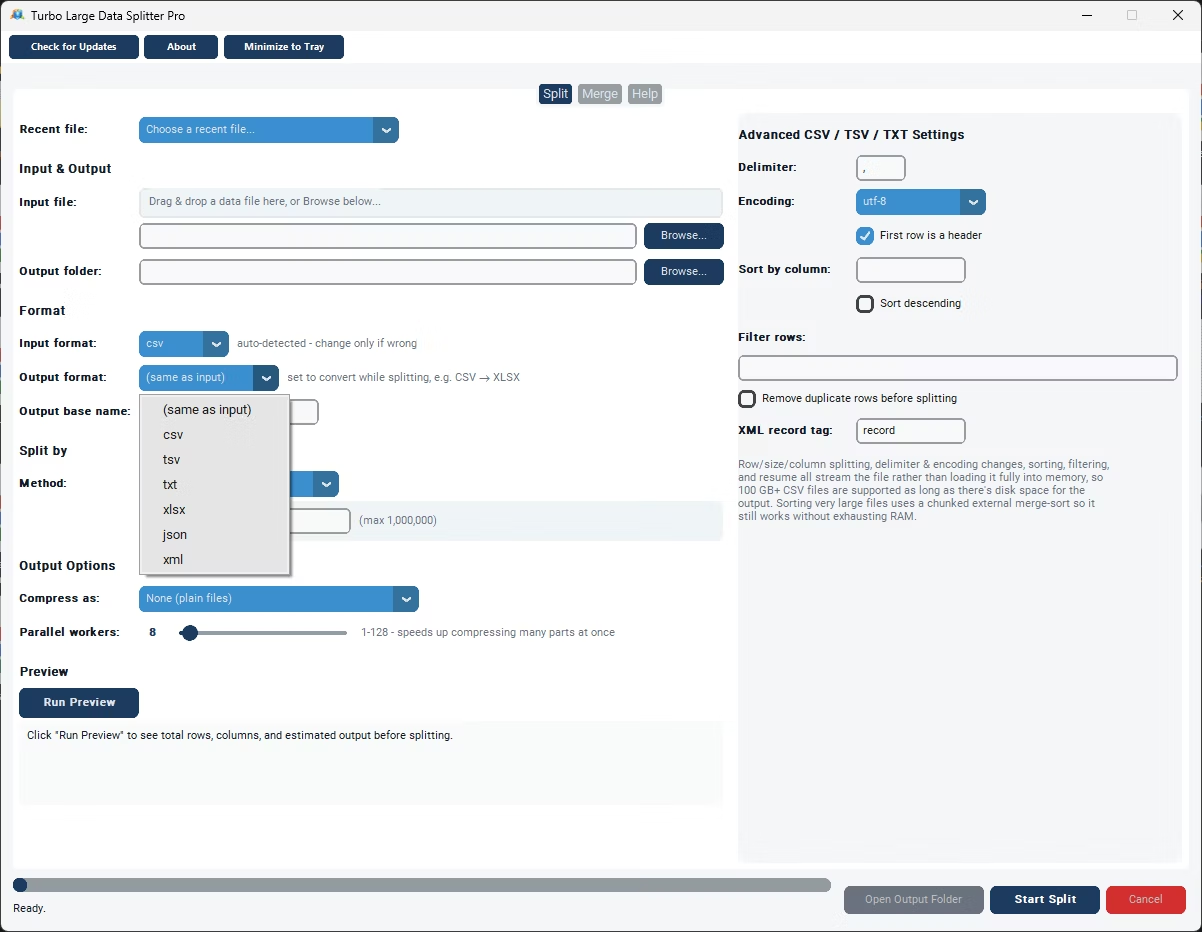
- Choose your output folder and format.
- Select a chunking method based on how you want chunks defined.
- Set the method's required value.
- Run Preview to confirm the chunking plan.
- Click Start Split and monitor progress.
- Open the output folder to find your chunks.
- Adjust the parallel worker slider if compressing many output parts.
- Check the status bar for the final row count and file count summary.
- Chunks datasets across eight different input formats
- Seven chunking methods for different pipeline needs
- Header carried on every chunk for independent validity
- Streaming engine chunks files of any size reliably
- Preview estimates the resulting number of chunks
- Format conversion built into the chunking process
- Runs fully offline with no uploads required
- One-time purchase for Windows, with Gumroad license activation
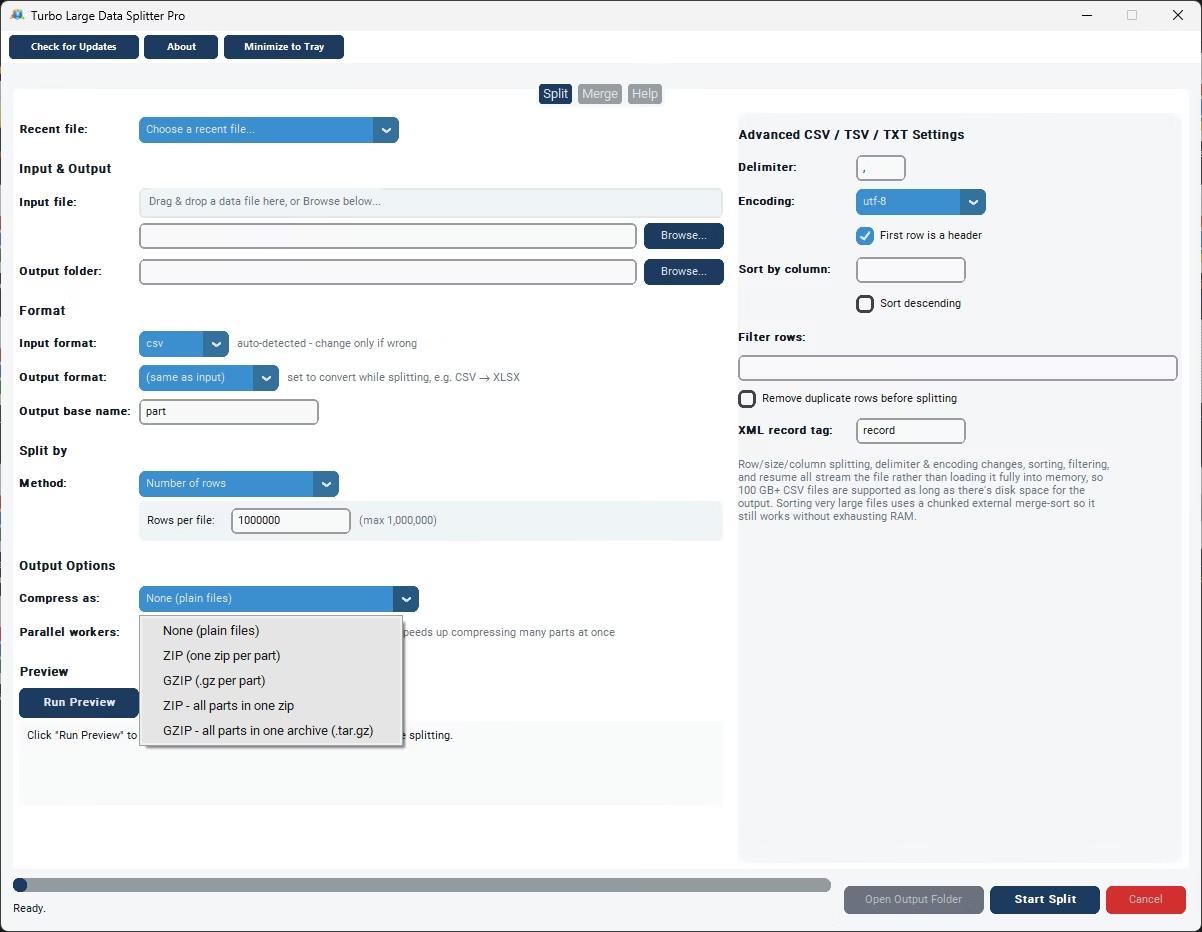
- Compression options: uncompressed, per-part ZIP/gzip, or a single bundled archive
- Works with files on local drives, external drives, and network shares
Can I chunk a JSON file the same way as a CSV file?
Yes, all seven chunking methods work across the supported input formats, including JSON arrays alongside CSV, XLSX, and others.
Does chunking preserve the structure in every piece?
Yes, the header or equivalent structure is repeated in every chunk, so each one is a complete, independently usable file.
How large a file can be chunked?
The streaming engine processes most formats row by row without loading the whole file into memory, so files up to 100 GB+ can be chunked as long as your disk has enough free space for the output.
Can the output format differ from the input format when chunking?
Yes, input and output format are independent settings, so you could chunk a JSON file directly into a set of smaller CSV or XLSX files.
Does this work on both Windows 10 and Windows 11?
Yes, Turbo Large Data Splitter is built and tested for both Windows 10 and Windows 11.
Is my data safe when using this tool?
Yes, all processing happens locally on your PC; no files are ever uploaded, so proprietary or sensitive data stays fully under your control.
Can I compress the split output files?
Yes, you can leave parts uncompressed, zip or gzip each part individually, or bundle everything into a single ZIP or gzip archive, sped up by a parallel worker slider.
Can I use this on files stored on an external or network drive?
Yes, data files on local drives, external drives, or mapped network shares all work the same as any local file.
Can I cancel a split job partway through if I need to?
Yes, cancelling saves a checkpoint file in the output folder, so you can resume the job later exactly where it left off instead of starting over.
Is there a trial version available before buying?
Check the product page on turbo-soft.com for current trial availability and details.
Ready to chunk your large dataset into manageable pieces, fully offline?