Microsoft Excel is a spreadsheet application that lets you store, organize, calculate, and visualize data inside a grid of rows and columns called a worksheet. Each worksheet is made up of individual cells, and each cell can hold a number, a piece of text, a date, or a formula that calculates a result from other cells. Several worksheets can live together inside a single file, called a workbook, which is why you will often hear people refer to an Excel file and an Excel workbook interchangeably.
Excel has been part of Microsoft Office since the late 1980s, and over the decades it has become the default tool for everyday numeric and tabular work across nearly every industry - finance, sales, operations, research, education, and personal budgeting all lean on it.
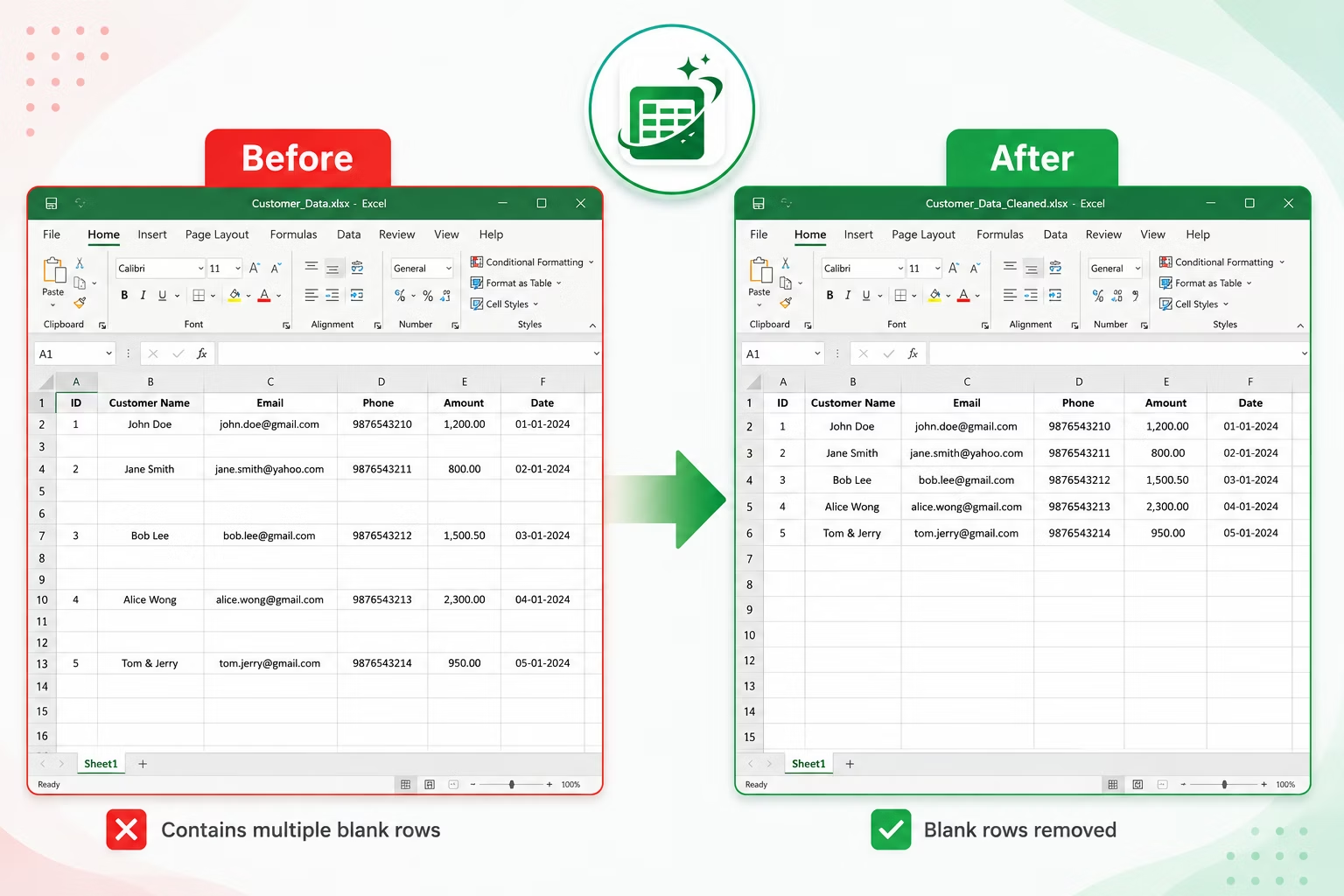
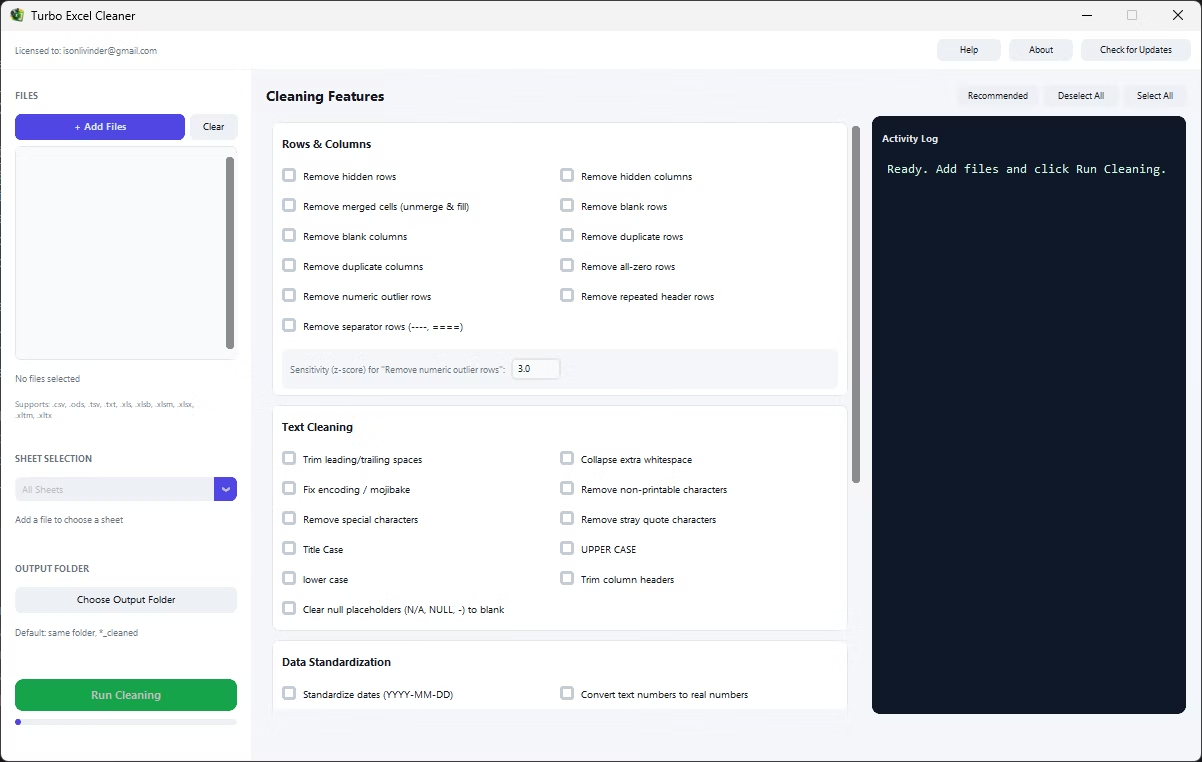
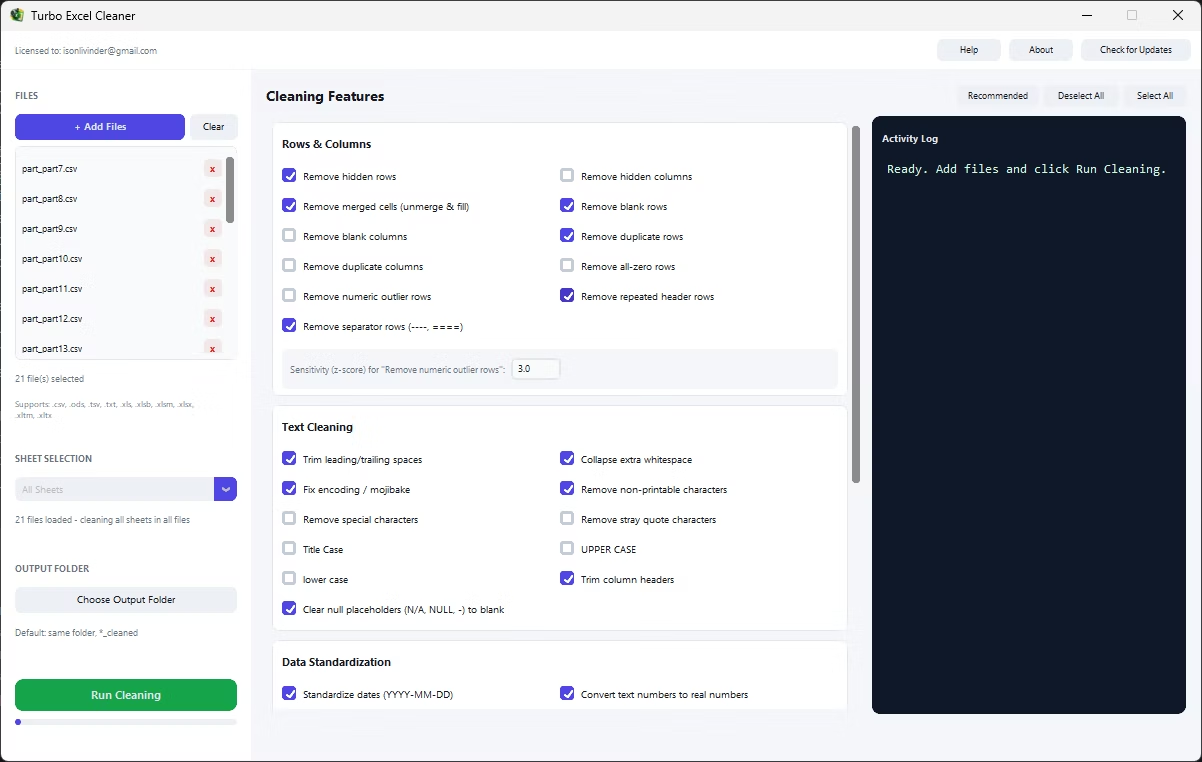
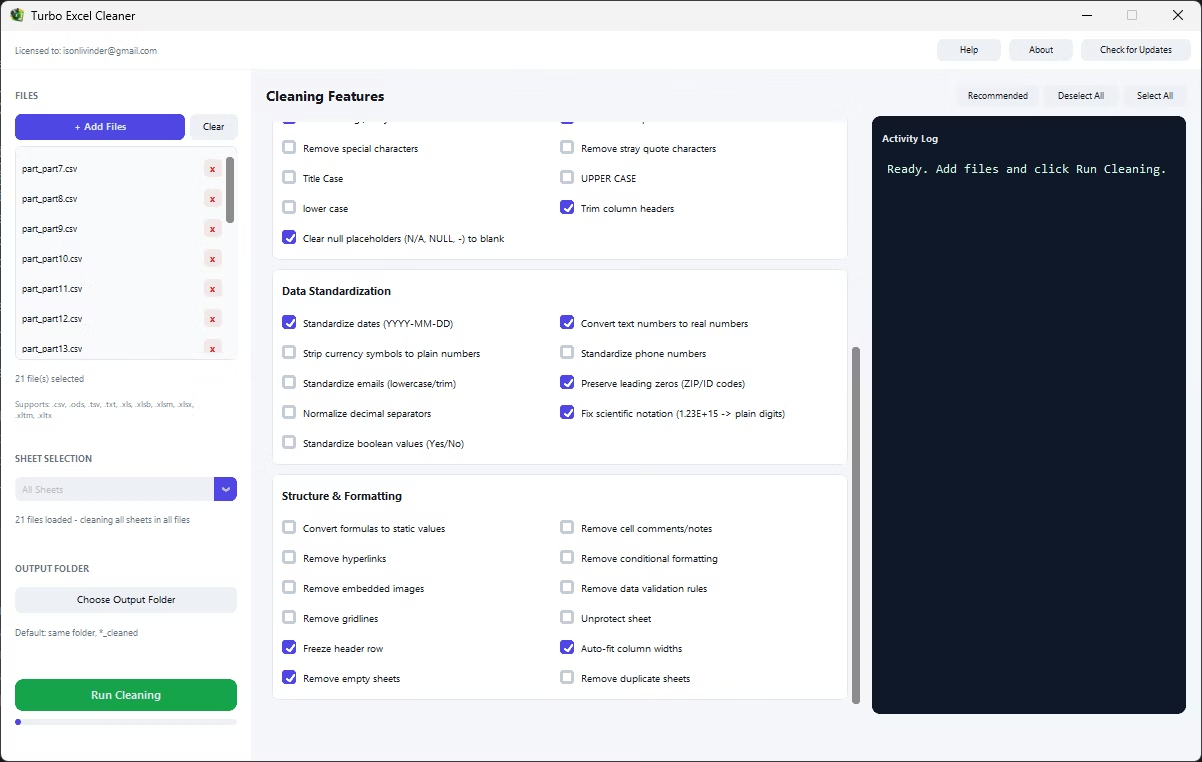

In practice, Excel is used for far more than simple addition. People build budgets and financial models, track inventory, log customer records, analyze survey results, plan project timelines, and generate charts for reports and presentations. Formulas and functions - from a basic SUM to more advanced lookups and conditional logic - let a spreadsheet update itself automatically as new data is entered, which is a large part of why Excel remains so popular decades after it was first released.
Excel files typically use the XLSX format today, though the software also opens legacy XLS workbooks, binary XLSB files, and plain delimited formats like CSV and TSV that many other systems export by default.
A common mistake for people new to Excel is treating every worksheet as a free-form canvas rather than a structured table - typing notes in random cells, merging cells for visual effect, or leaving gaps between sections. These habits make a sheet harder for both people and software to work with later. Sticking to one header row, one data type per column, and no merged cells inside a data range keeps a spreadsheet easy to sort, filter, and clean whenever it needs attention.
- Open Excel and choose Blank Workbook, or open an existing file you want to work with.
- Click any cell to select it, then type a value, label, or formula and press Enter.
- Use the column and row headers to select an entire column or row when you need to format or sort it.
- Save the file regularly using Ctrl+S, choosing the XLSX format unless you specifically need something else.
- Add more sheets with the plus icon at the bottom if your project needs several related tables.
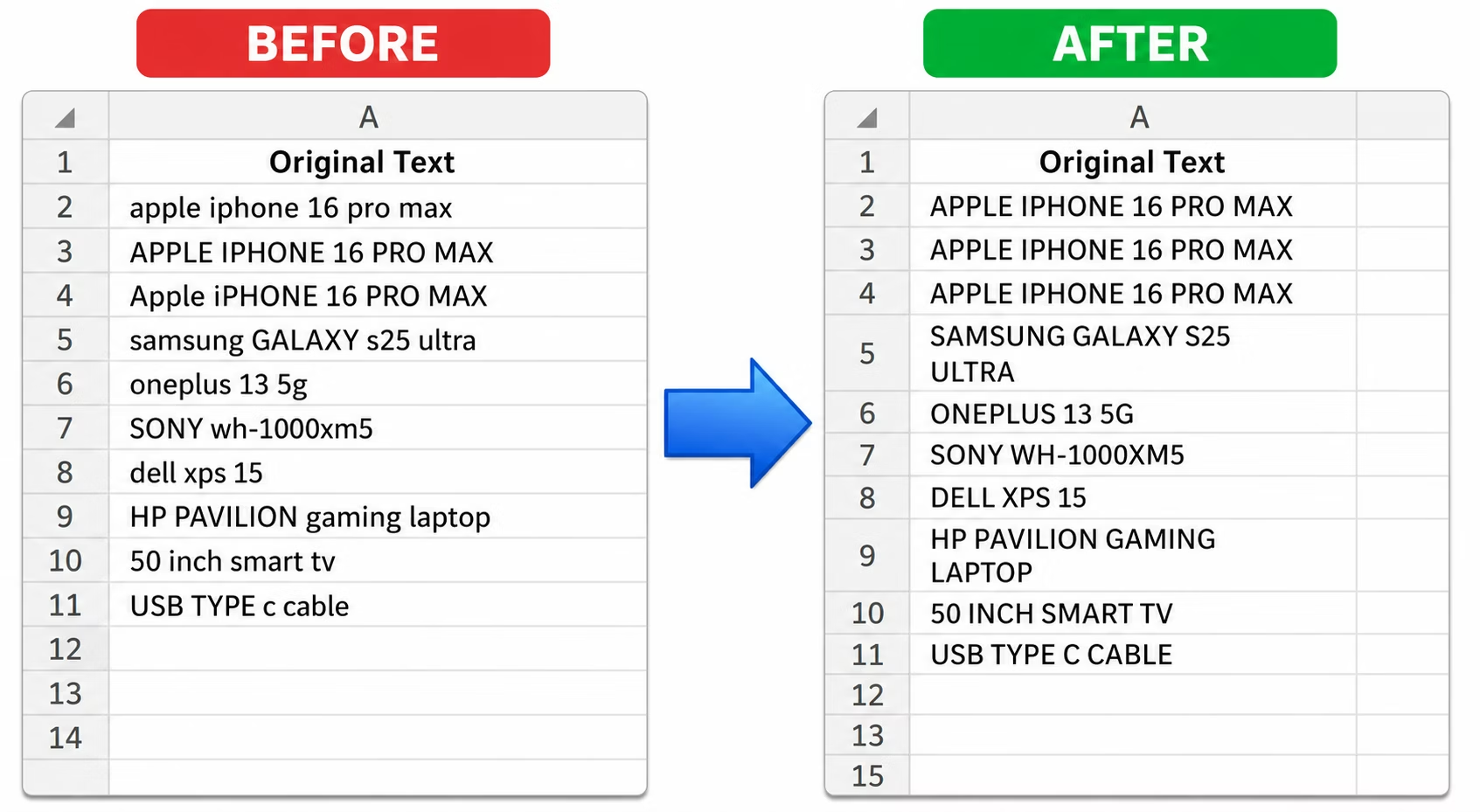
Excel is extremely flexible, but that flexibility is exactly why spreadsheets drift into messy states over time. Data imported from other systems often arrives with blank rows, inconsistent capitalization, stray whitespace, duplicate records, and dates stored as plain text instead of real date values. None of these problems are caused by a flaw in Excel itself - they are simply the natural result of combining data from many different sources, each with its own formatting habits.
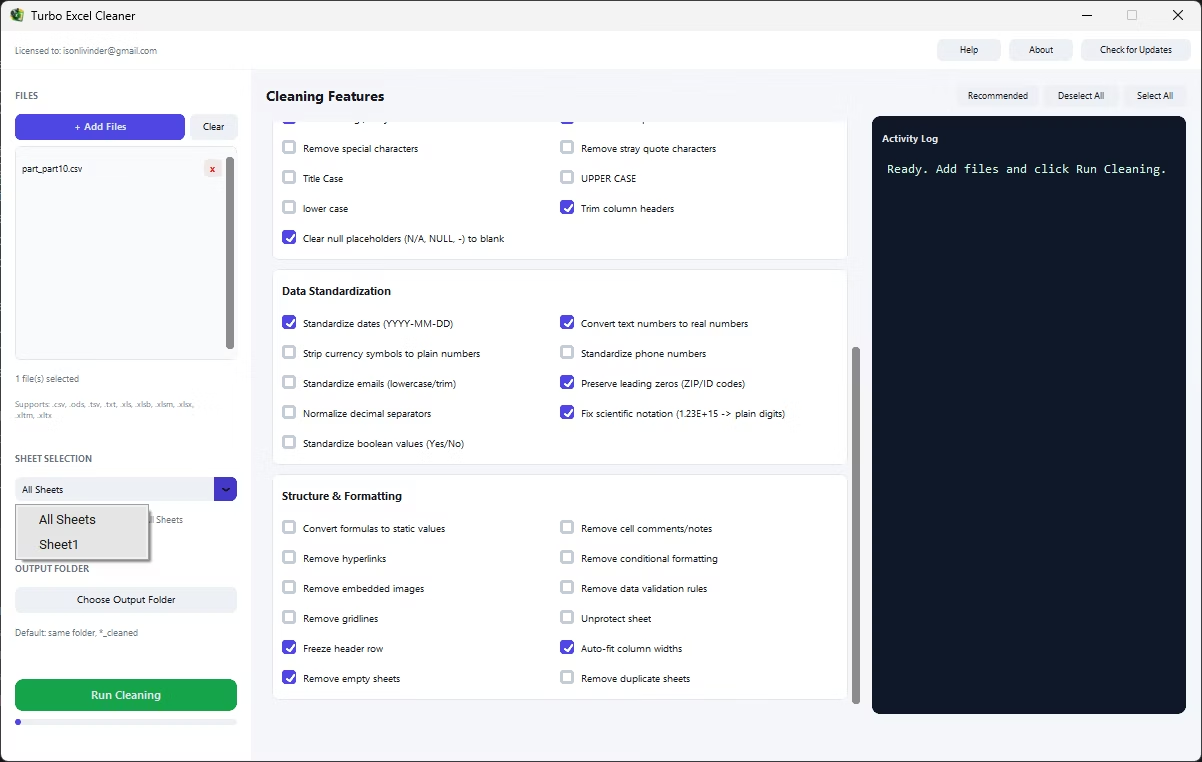
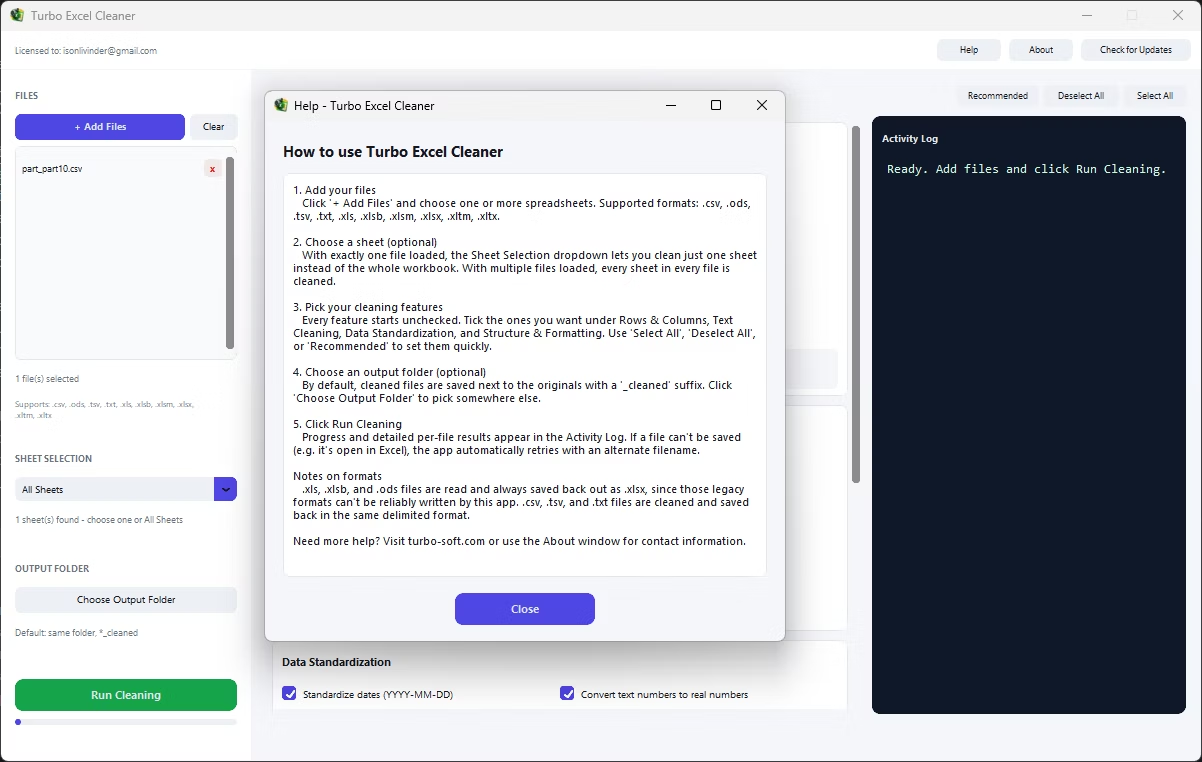
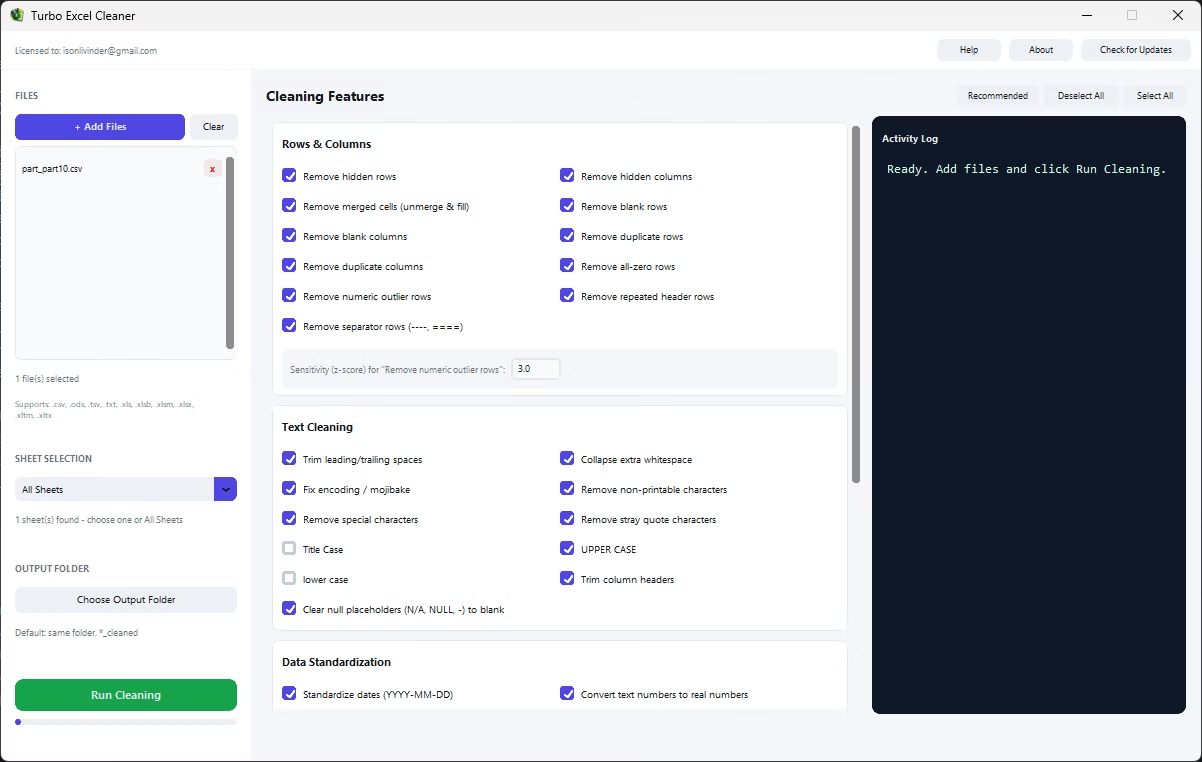
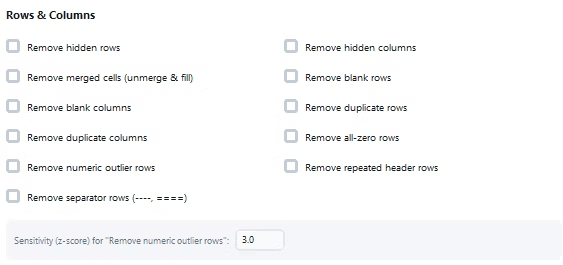
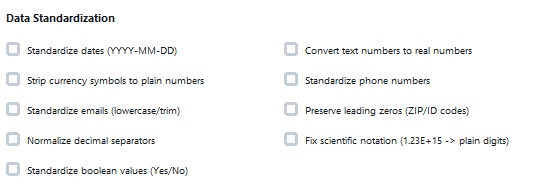
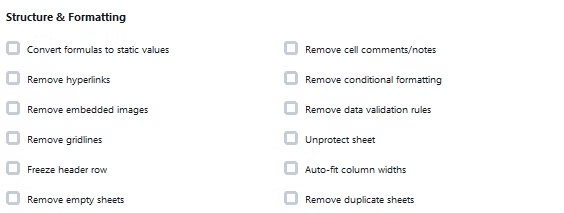
Turbo Excel Cleaner was built to solve exactly this problem. Instead of manually hunting through a worksheet for blank rows, duplicate entries, or inconsistent text, you point the app at one file or an entire folder of workbooks, tick the cleaning operations you want, and let it apply all 43 features automatically across every sheet, offline and without a subscription.
- 43 individual one-click cleaning features for Excel, CSV, and more
- Reads XLSX, XLSM, XLS, XLSB, ODS, CSV, TSV, and TXT files
- Cleans an unlimited number of workbooks in a single batch
- Runs entirely offline - your spreadsheets never leave your computer
- One-time purchase, no subscription required
Is Excel the same as a spreadsheet?
Excel is one specific spreadsheet program made by Microsoft; the word spreadsheet describes the general concept of a grid-based data tool that also includes alternatives like Google Sheets and LibreOffice Calc.
What file format does Excel save in by default?
Modern versions of Excel save files as XLSX by default, though the program can also open and export older XLS files, CSV and TSV text files, and several other formats.
Do I need Excel installed to clean an Excel file?
No. Turbo Excel Cleaner reads and writes native Excel workbooks directly, so you can batch-clean XLSX, XLS, and related files even without Microsoft Excel installed on your machine.
Ready to clean your spreadsheets in bulk, offline, with full privacy?