A huge data file, whatever format it happens to be in, needs a splitter that doesn't choke trying to open the whole thing at once. Most general-purpose tools try to load an entire file into memory, which fails outright once a file gets large enough, regardless of whether it's CSV, JSON, or an Excel workbook.
Turbo Large Data Splitter is built for exactly this scale. Files are read and written in a single streaming pass, so multi-gigabyte and 100 GB+ files are supported as long as there's enough free disk space for the output, across CSV, TSV, TXT, XLSX, JSON, and XML.
Seven split methods cover different ways of breaking a huge file down: Number of Rows for a fixed row count per part, File Size for a target megabyte size, and five other methods for splitting by column value, date, alphabet, or duplicate status.
A live status bar shows progress, speed, and an ETA as a huge split runs, so you know roughly how long a big job will take rather than watching an unresponsive screen. Preview beforehand gives you a row count and estimated file count before you commit to running the full split.
If a huge split gets interrupted, a checkpoint file lets you resume exactly where you left off rather than restarting a job that might have already run for a significant amount of time, by byte offset or row count depending on the format.
Everything runs offline, entirely on your own PC, so splitting a huge file full of sensitive data never requires uploading gigabytes of it to a cloud service first. Delimiter and encoding both default to Auto for relevant formats and are detected directly from the file itself, so you only need to touch them in the rare case detection gets something wrong, an unusual delimiter or a legacy encoding, for example. This makes the tool equally useful for data analysts working with irregular exports, developers automating a recurring pipeline step, e-commerce teams distributing catalog data by category, and anyone else who regularly runs into the practical limits of opening a large data file directly in a spreadsheet program.
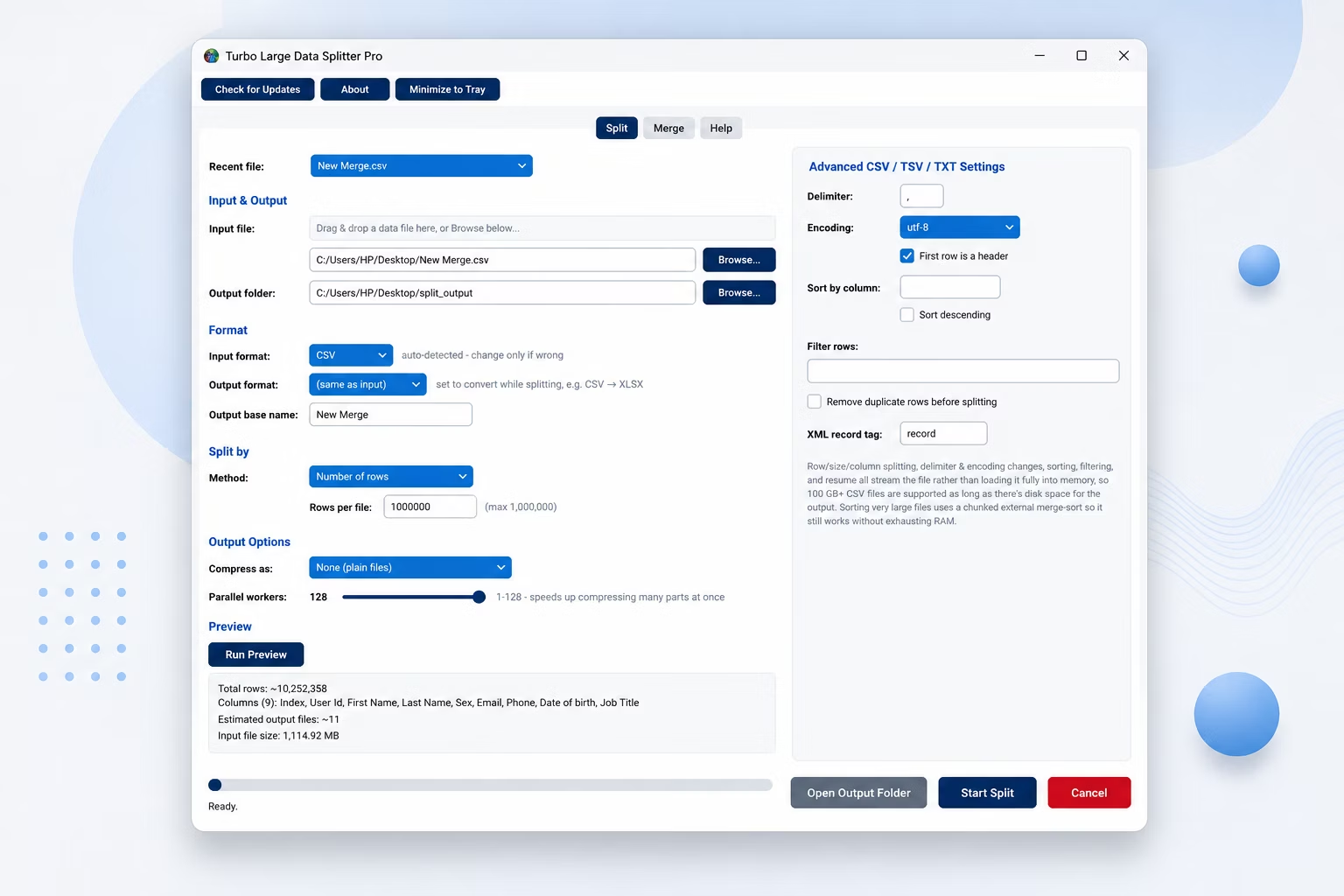
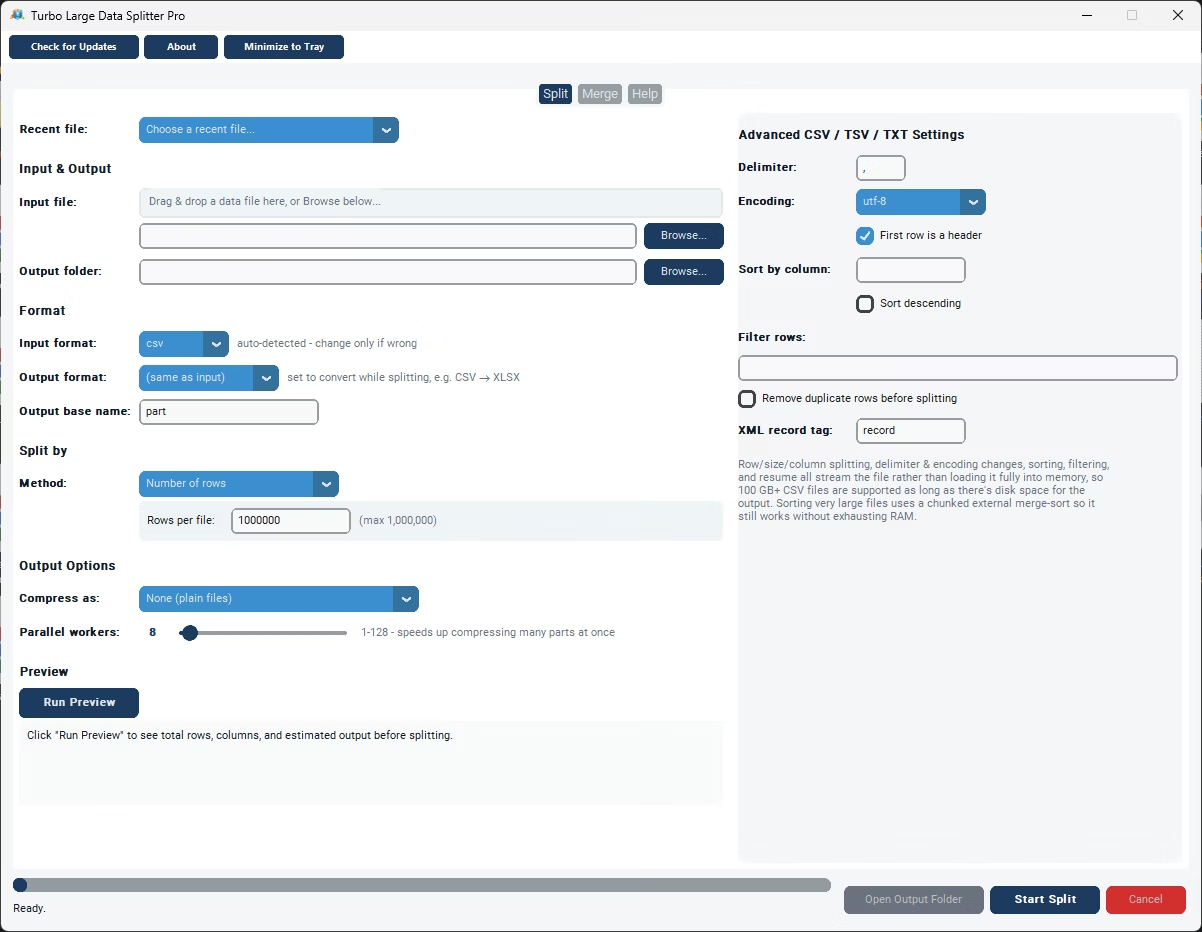
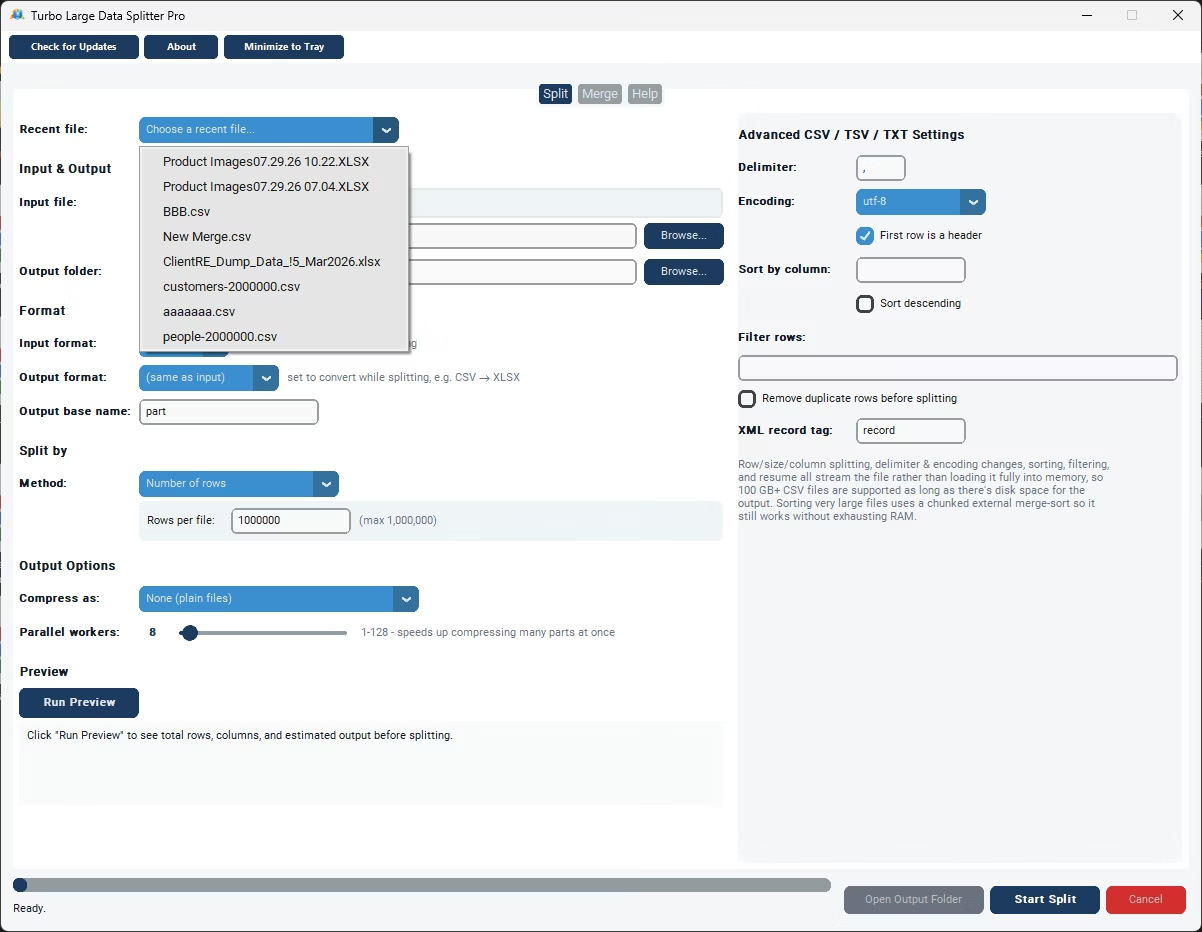
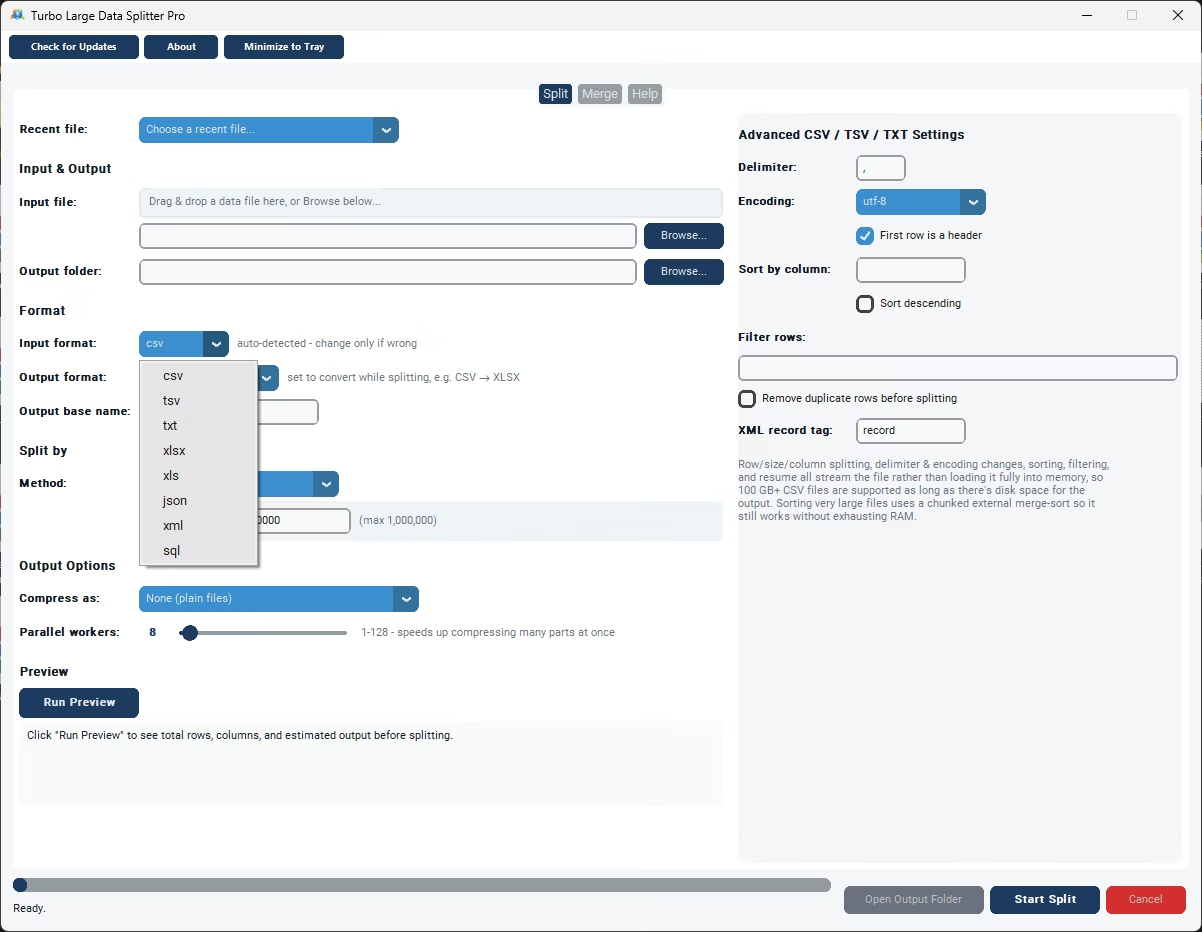
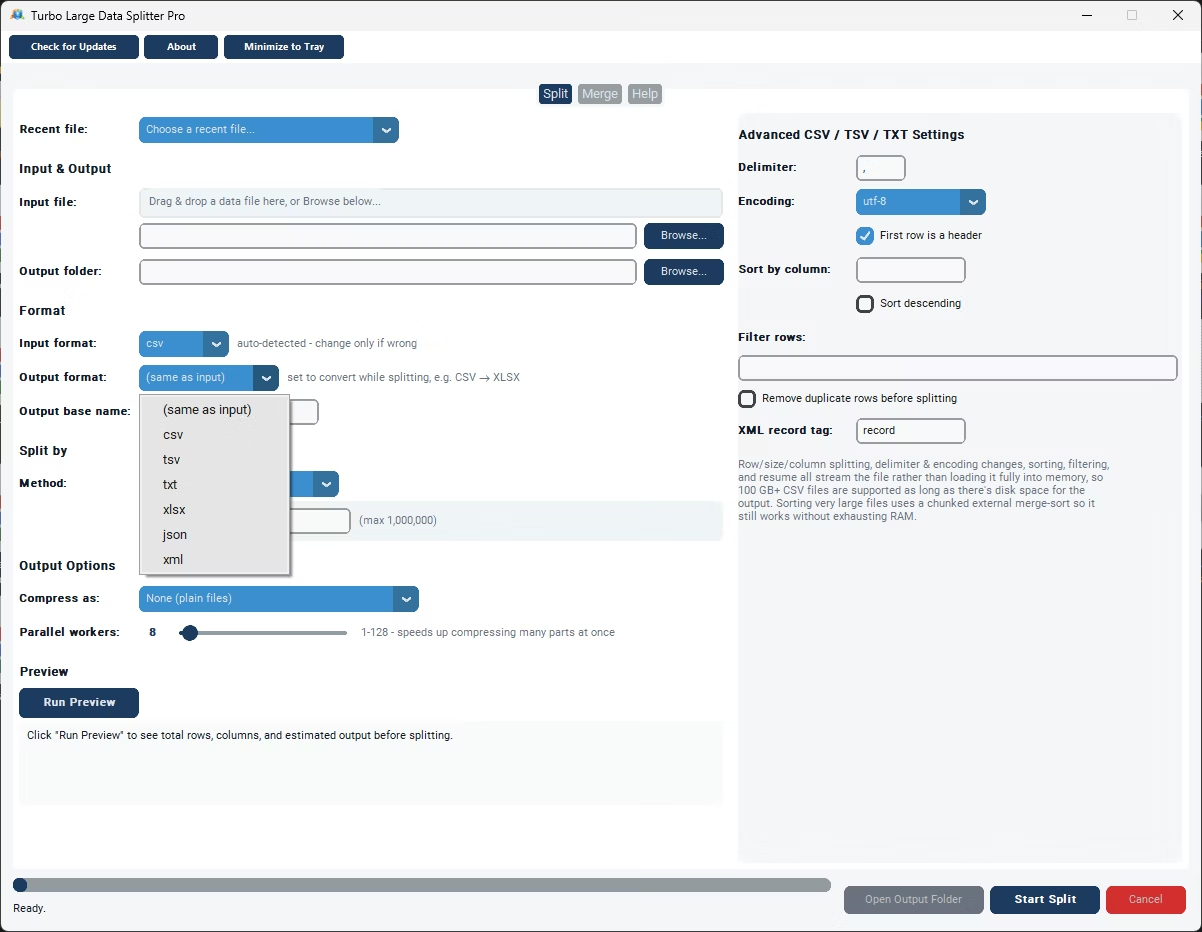
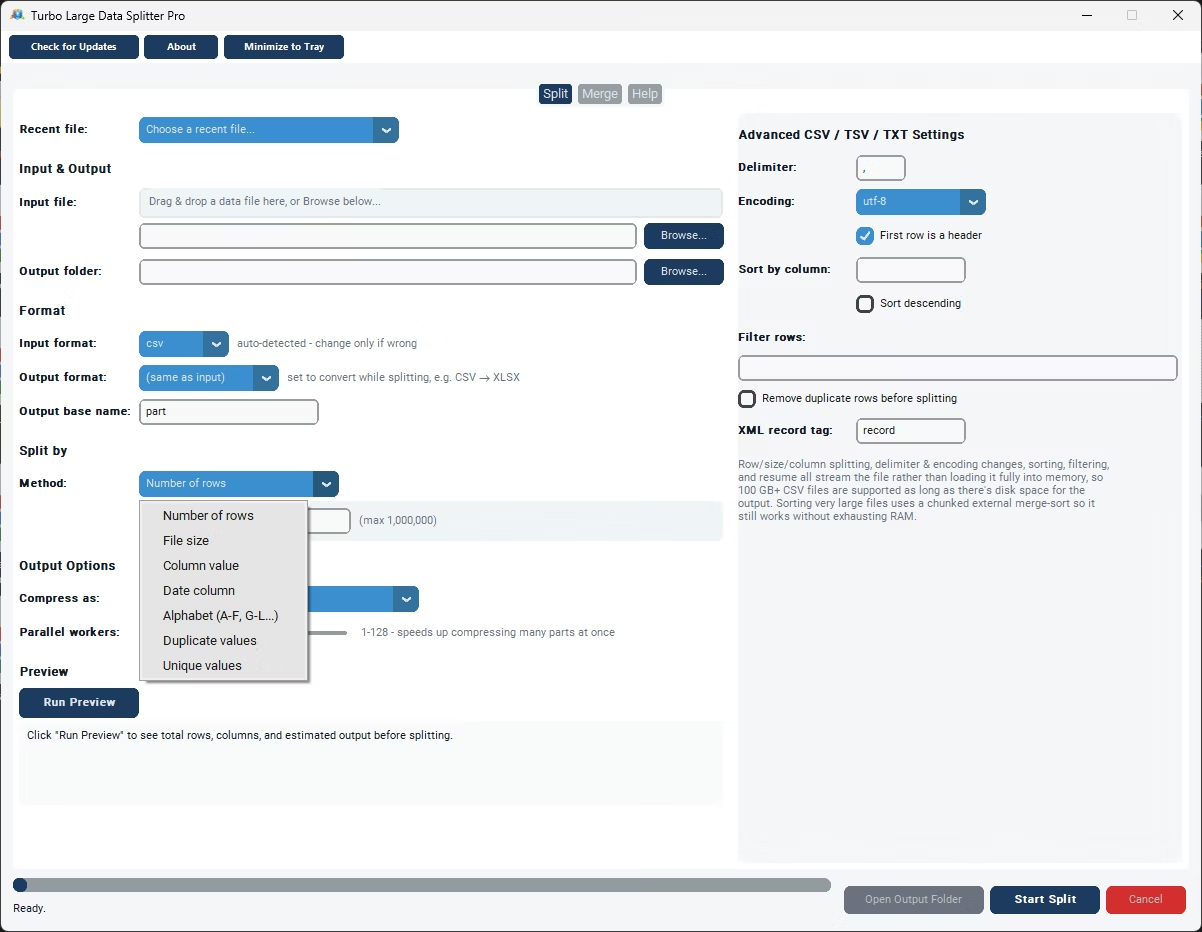
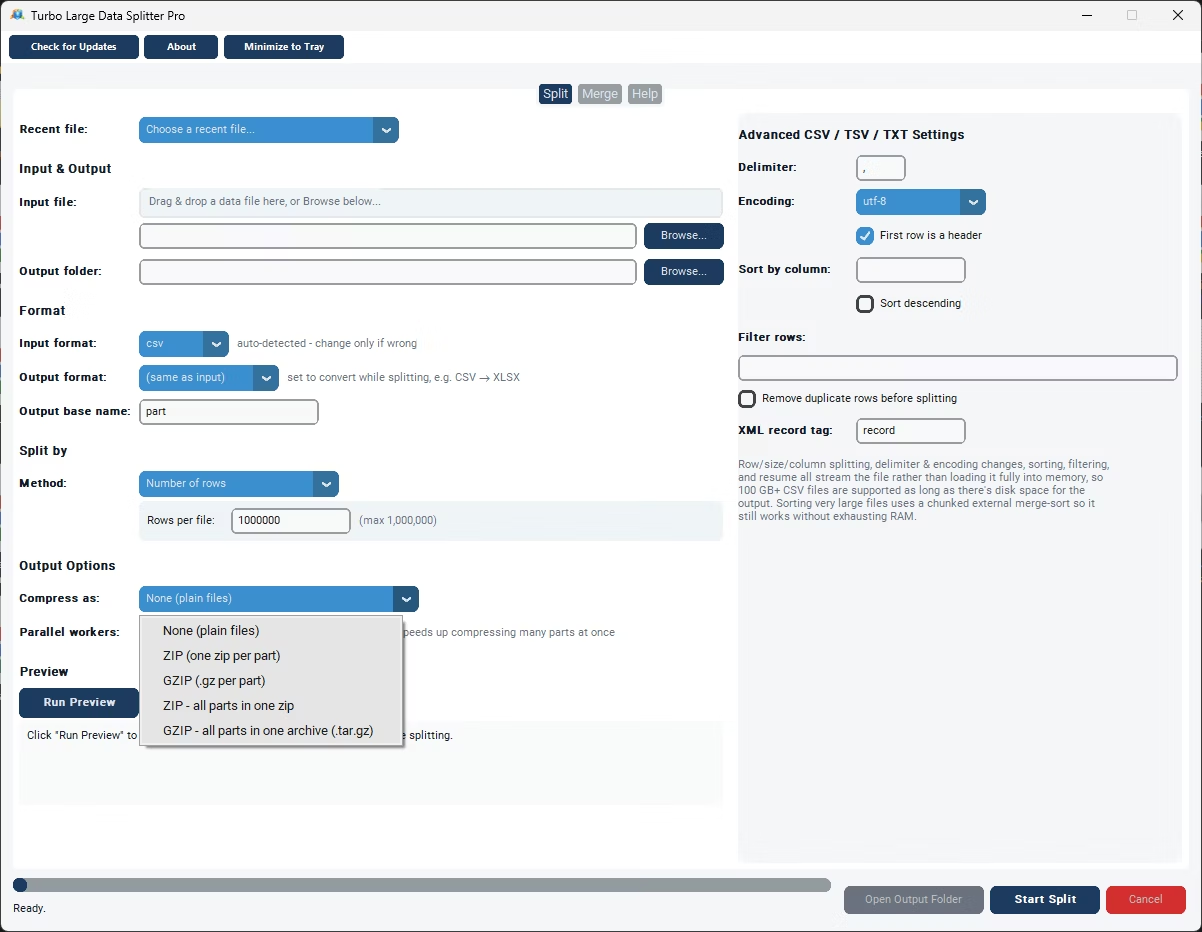
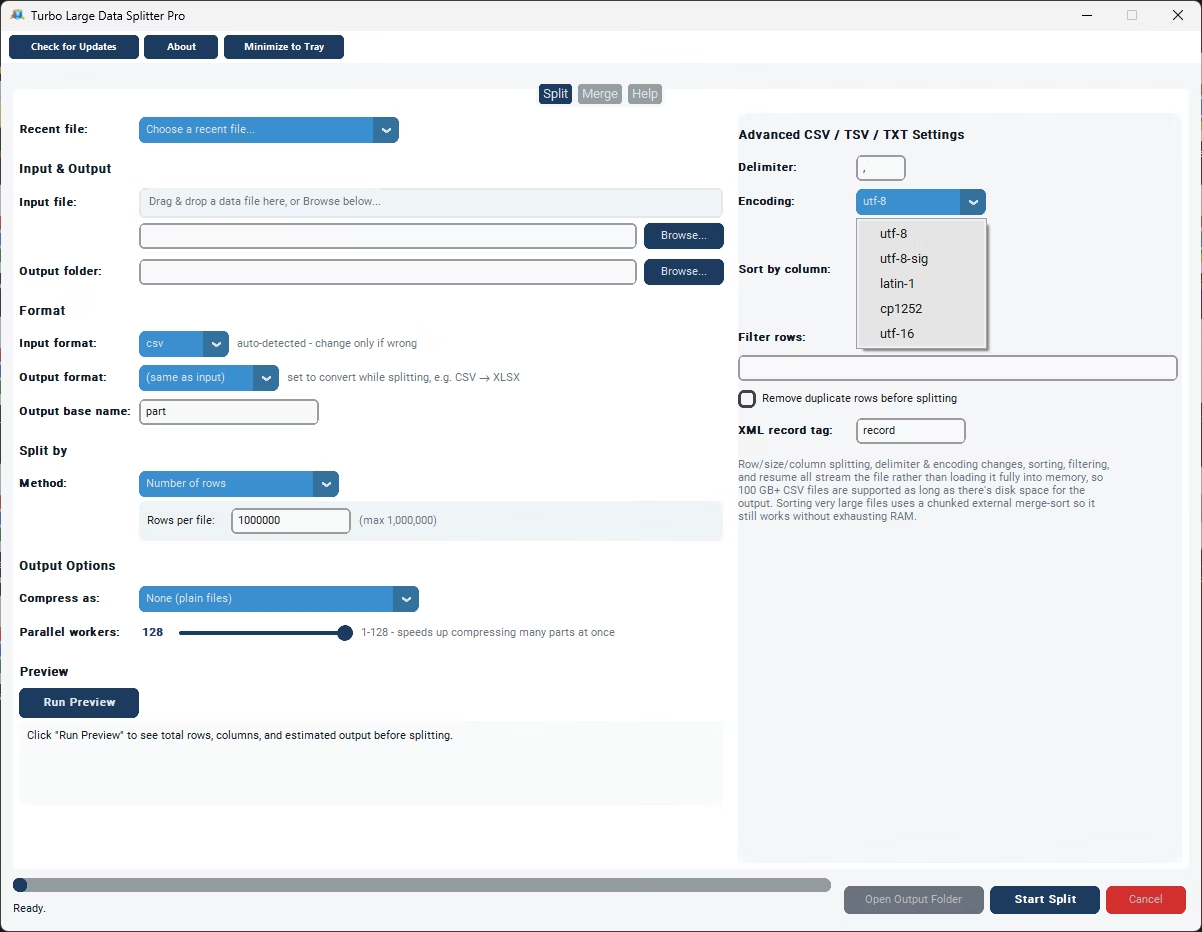
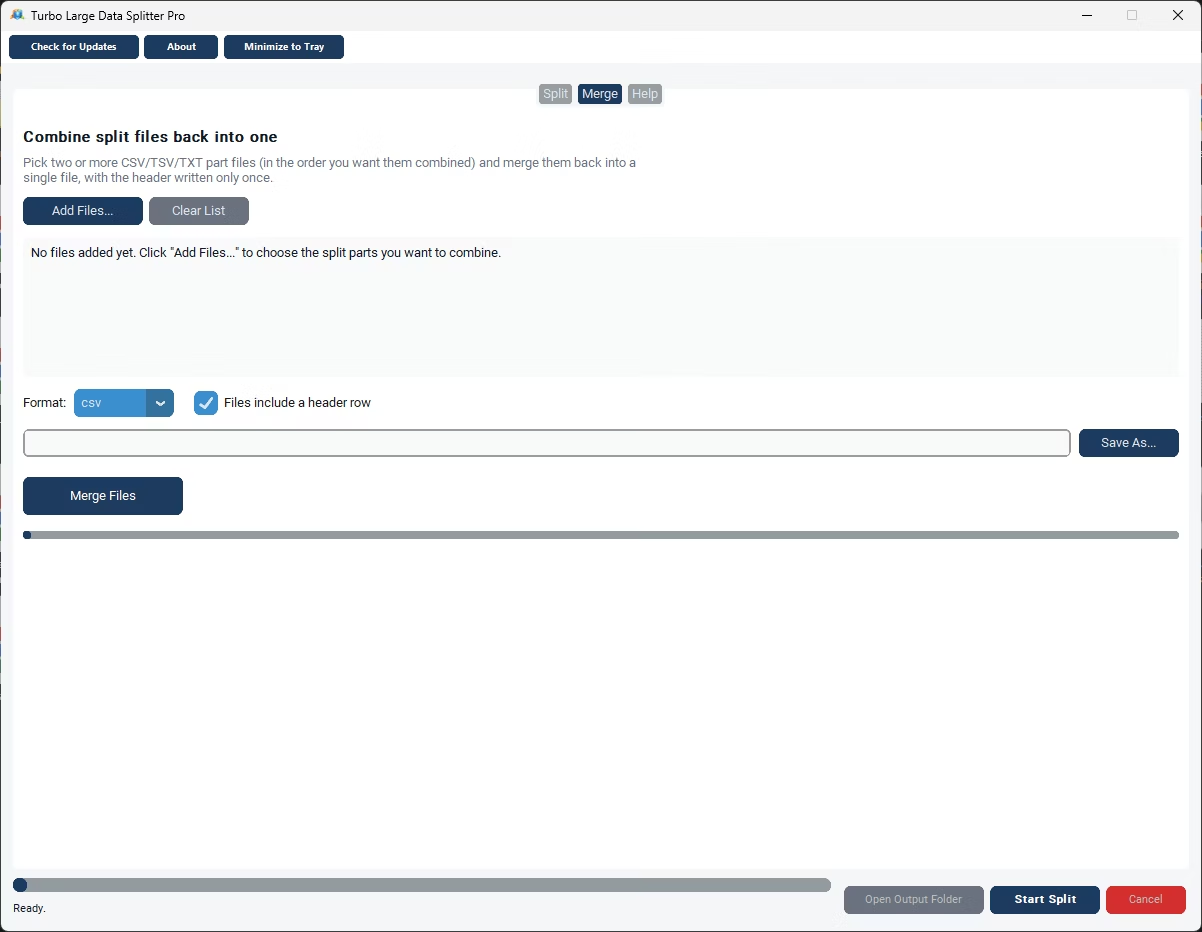
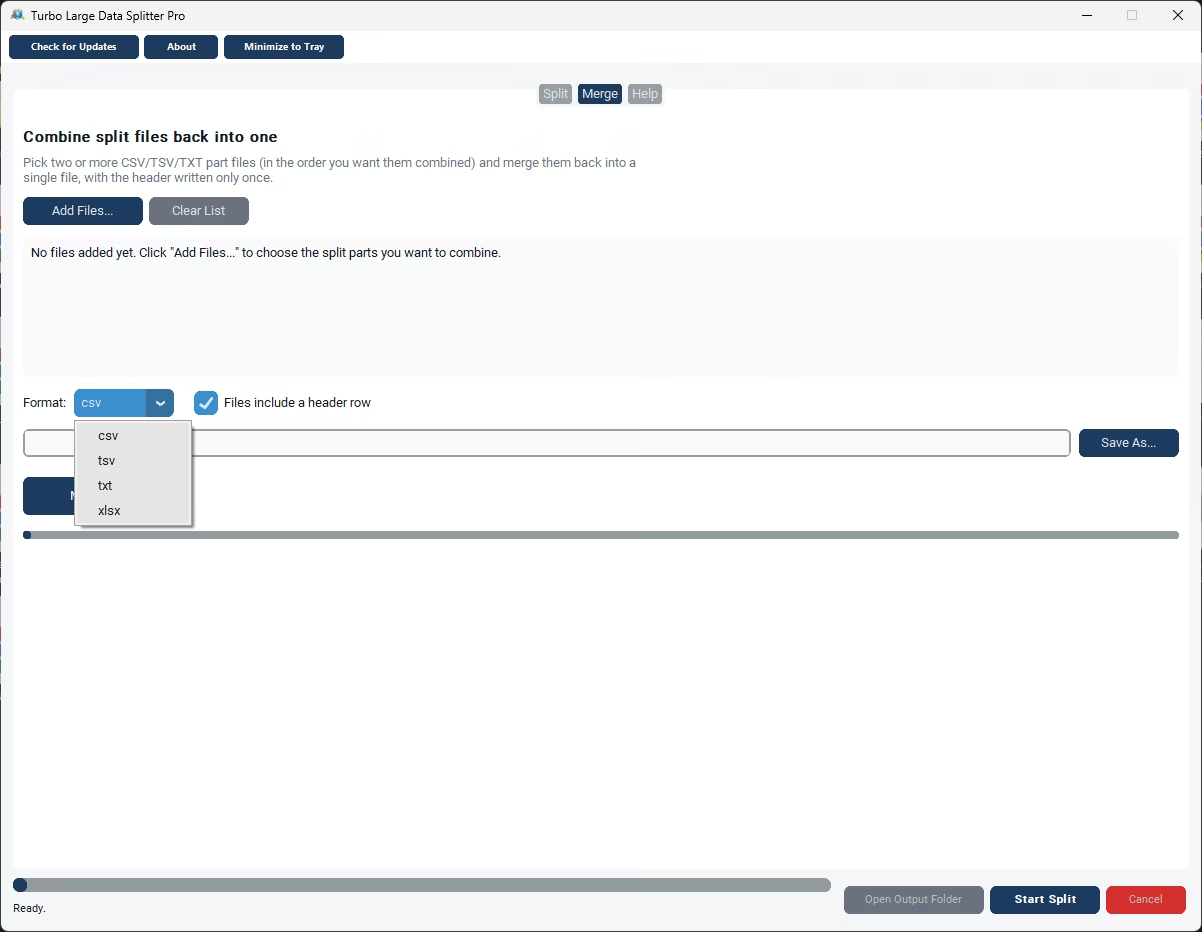
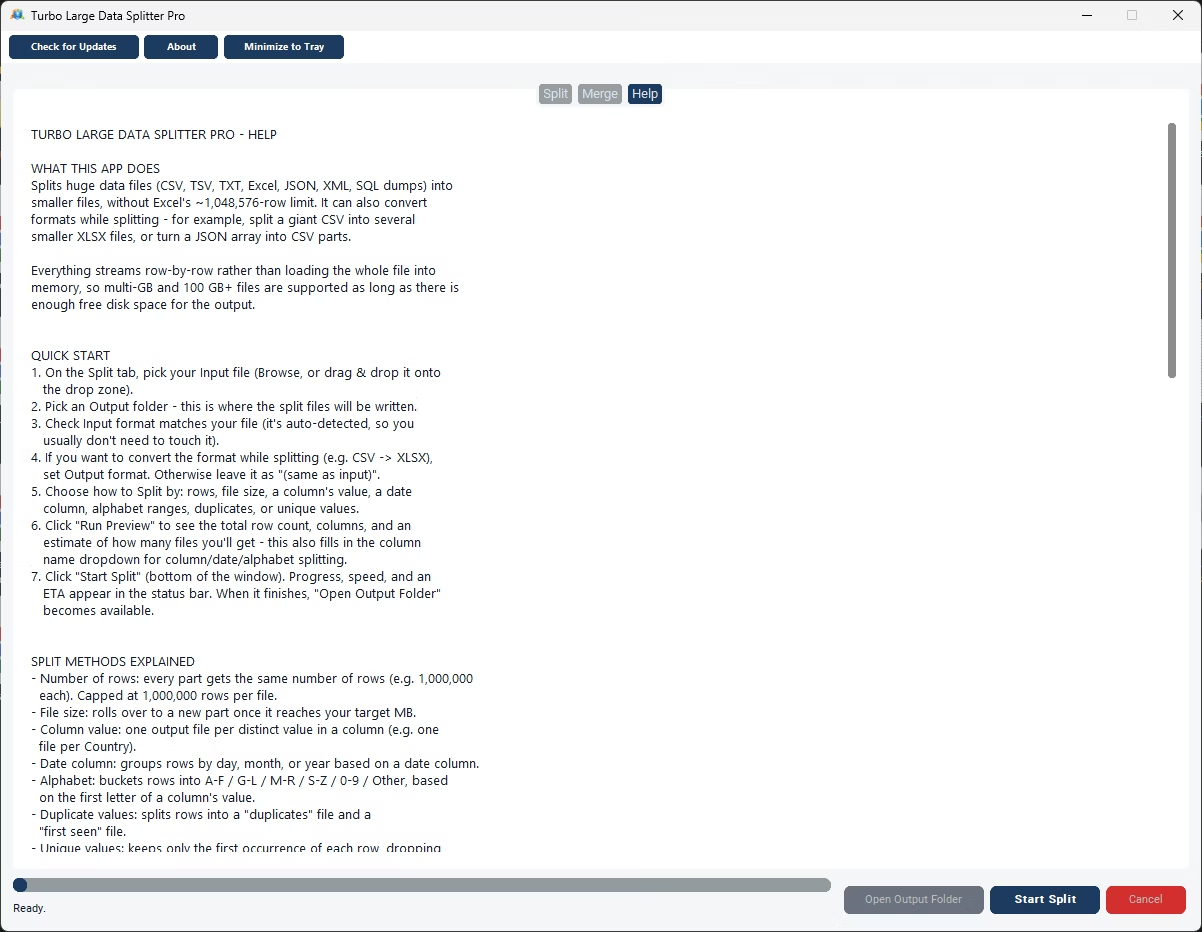
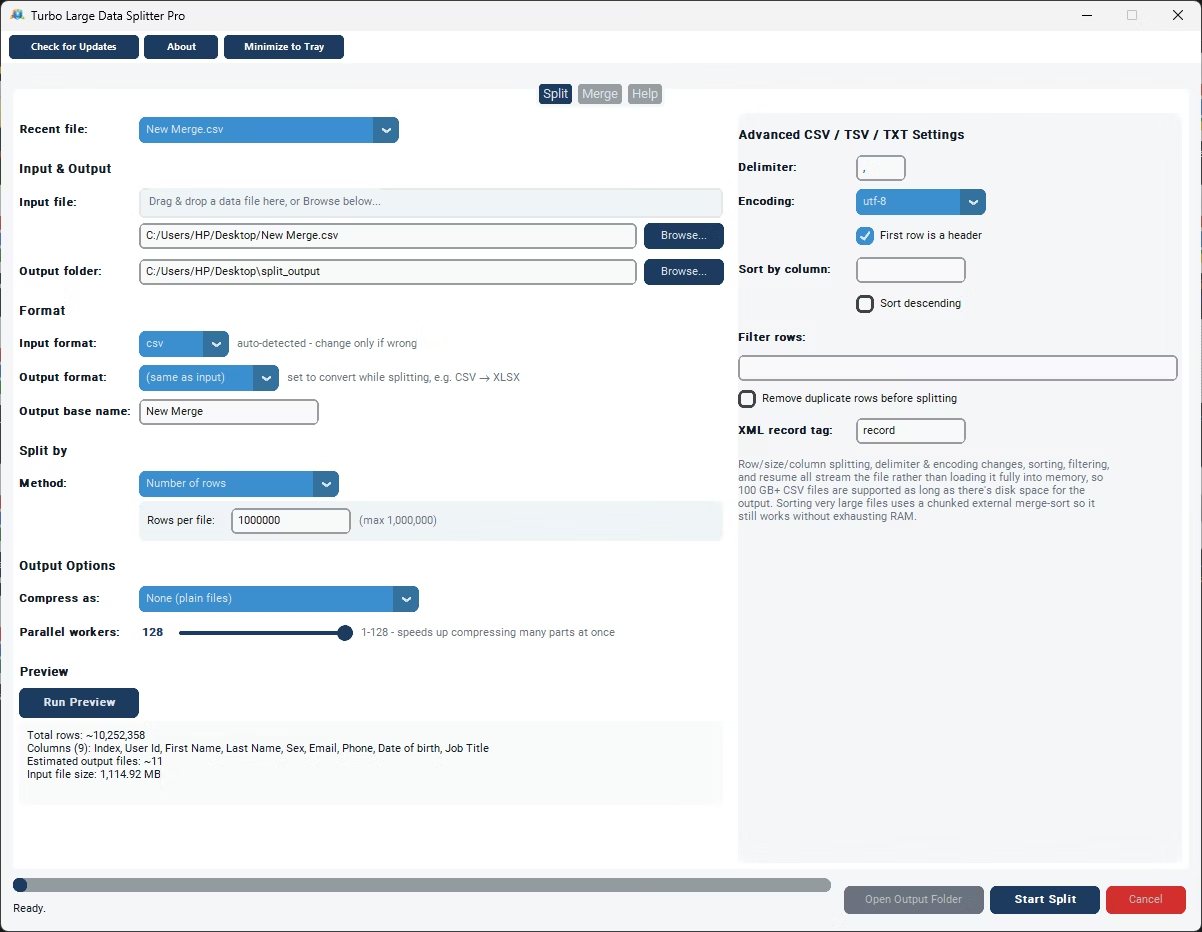
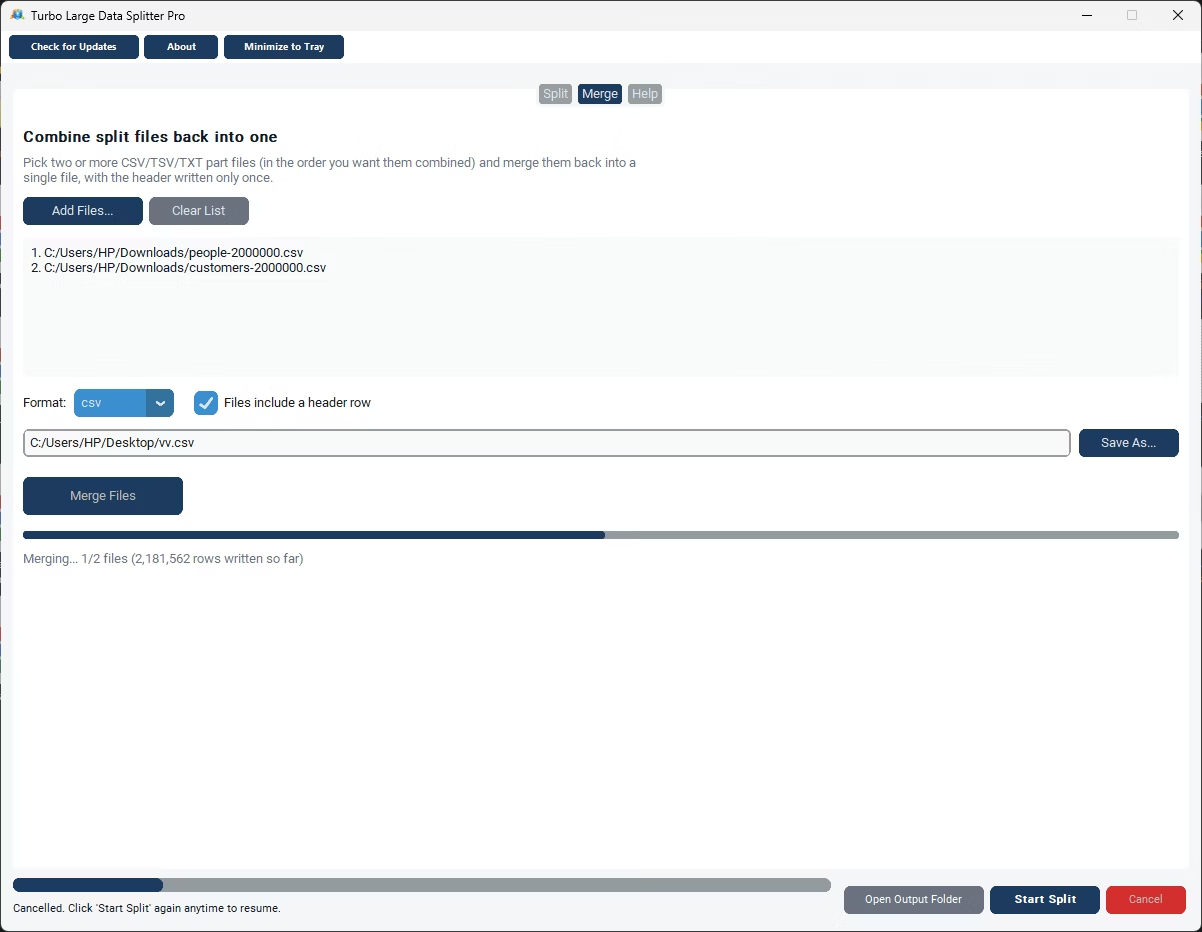
- Install Turbo Large Data Splitter on your Windows PC.
- Browse to or drag and drop your large data file.
- Choose your output folder, with enough free disk space.
- Select a split method matching your needs.
- Run Preview to confirm row count and estimated output files.
- Click Start Split and watch live speed and ETA.
- Adjust the parallel worker slider if compressing many output parts.
- Open the output folder once the split completes.
- Adjust the parallel worker slider if compressing many output parts.
- Check the status bar for the final row count and file count summary.
- Streaming engine avoids loading the whole file into memory
- Supports multi-GB and 100 GB+ files across most formats
- Seven split methods for different large-file scenarios
- Live speed and ETA during large splits
- Preview estimates output file count before committing
- Checkpoint-based resume for interrupted large jobs
- Runs fully offline with no file size limits
- One-time purchase for Windows, with Gumroad license activation
- Compression options: uncompressed, per-part ZIP/gzip, or a single bundled archive
- Works with files on local drives, external drives, and network shares
Will a huge file crash the application?
No, the streaming engine processes most formats row by row rather than loading the whole file into memory, so large files are handled without crashing. Legacy .xls is the one exception, loaded whole, though it caps at 65,536 rows regardless.
How much disk space do I need for a large split?
Enough free space to hold the full set of output files, which together are roughly the same size as the original input, plus any archives if you choose to compress the output.
How fast is splitting a very large file?
The status bar shows live speed and an ETA, so you can see actual throughput as the job runs rather than guessing.
What if my PC restarts during a large split?
A checkpoint file lets you resume from where the job left off, by byte offset for CSV, TSV, TXT, and SQL, or by row count for XLSX, JSON, and XML.
Does this work on both Windows 10 and Windows 11?
Yes, Turbo Large Data Splitter is built and tested for both Windows 10 and Windows 11.
Is my data safe when using this tool?
Yes, all processing happens locally on your PC; no files are ever uploaded, so proprietary or sensitive data stays fully under your control.
Can I compress the split output files?
Yes, you can leave parts uncompressed, zip or gzip each part individually, or bundle everything into a single ZIP or gzip archive, sped up by a parallel worker slider.
Can I use this on files stored on an external or network drive?
Yes, data files on local drives, external drives, or mapped network shares all work the same as any local file.
Can I cancel a split job partway through if I need to?
Yes, cancelling saves a checkpoint file in the output folder, so you can resume the job later exactly where it left off instead of starting over.
Is there a trial version available before buying?
Check the product page on turbo-soft.com for current trial availability and details.
Ready to split your huge data files quickly, fully offline?