A trailing space sits after the visible text in a cell, so "Smith " looks exactly the same as "Smith" when you glance at the sheet, but Excel treats the two as different values. This causes the same category of problems as a leading space - failed exact-match lookups, entries that should be duplicates being counted separately, and filters that unexpectedly miss rows a user expects to see.
Trailing spaces commonly enter a spreadsheet through copy-paste from web pages, fixed-width text exports that pad every field out to the same length, or simple typos where an extra space was pressed before moving to the next cell.
Since trailing spaces are invisible, the most reliable way to confirm one exists is with a LEN formula comparing the length of the raw cell to the length of a TRIM version of the same cell - if the two numbers differ, there is extra whitespace somewhere in the text. Clicking into a cell and pressing the End key on the keyboard, then checking where the cursor lands relative to the visible text, is another quick way to spot a trailing space in a single cell.
Once confirmed, the same TRIM-based method used for leading spaces applies equally well to trailing spaces, since TRIM removes both at once.
A common mistake is checking for trailing spaces visually, which almost never works since the space itself is invisible against the white background of a cell. Relying on a LEN comparison or the End-key cursor check described above is far more reliable than eyeballing a column. It is also easy to forget that trailing spaces inside numeric-looking text cells will prevent that value from being recognized as a true number even after other cleanup is done.
- Insert a helper column next to the text you want to check.
- Enter =TRIM(A1) in the first cell and press Enter.
- Fill the formula down across every row you want to clean.
- Copy the helper column and use Paste Special > Values to overwrite the original column.
- Delete the helper column once the cleanup is complete.
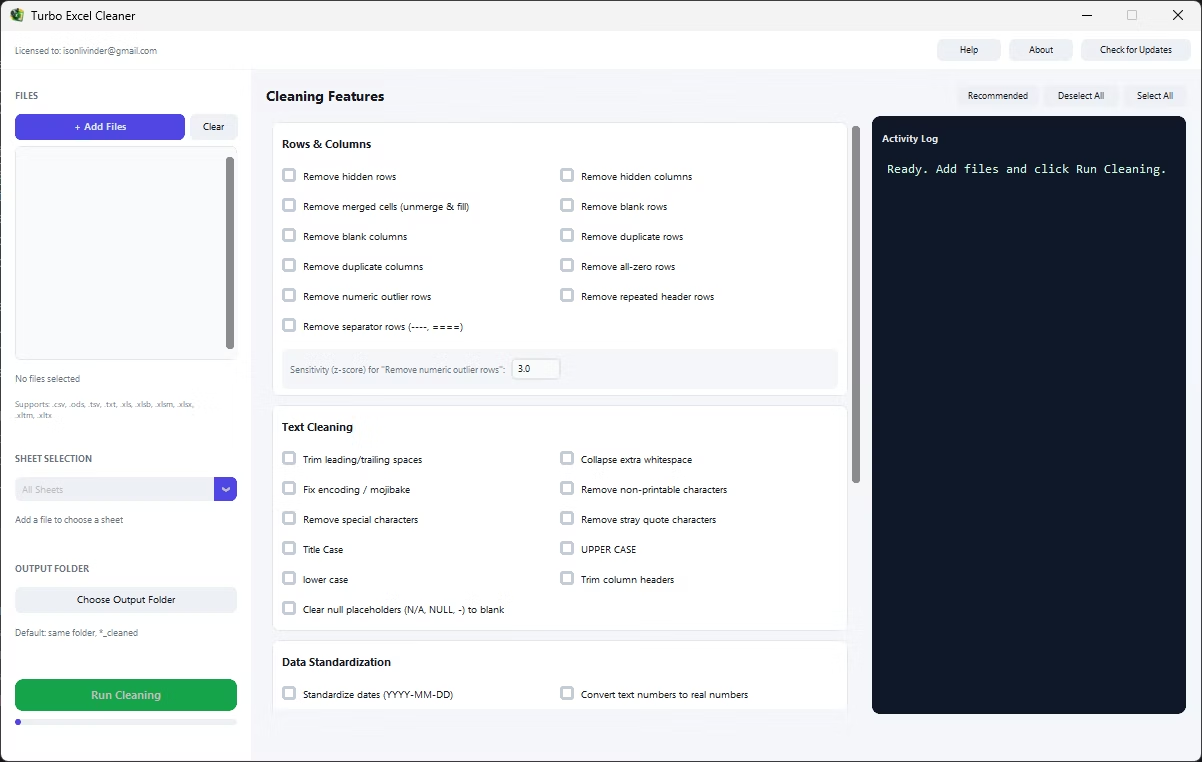
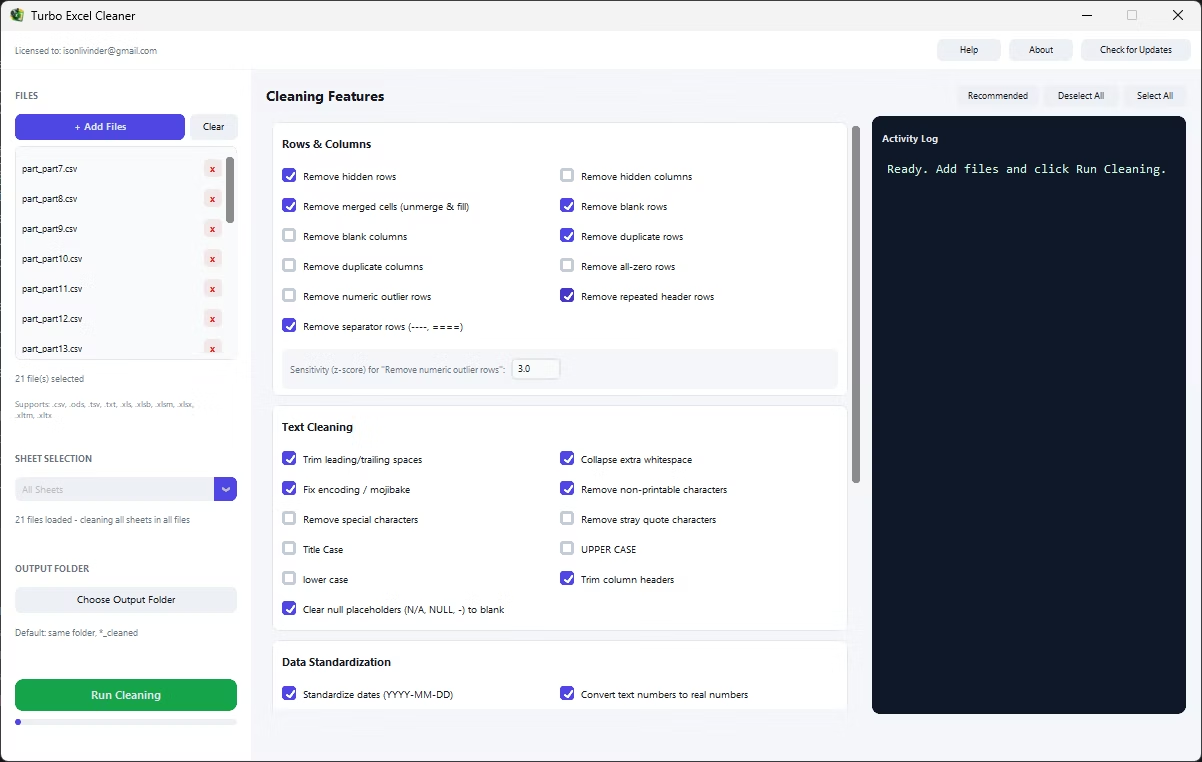
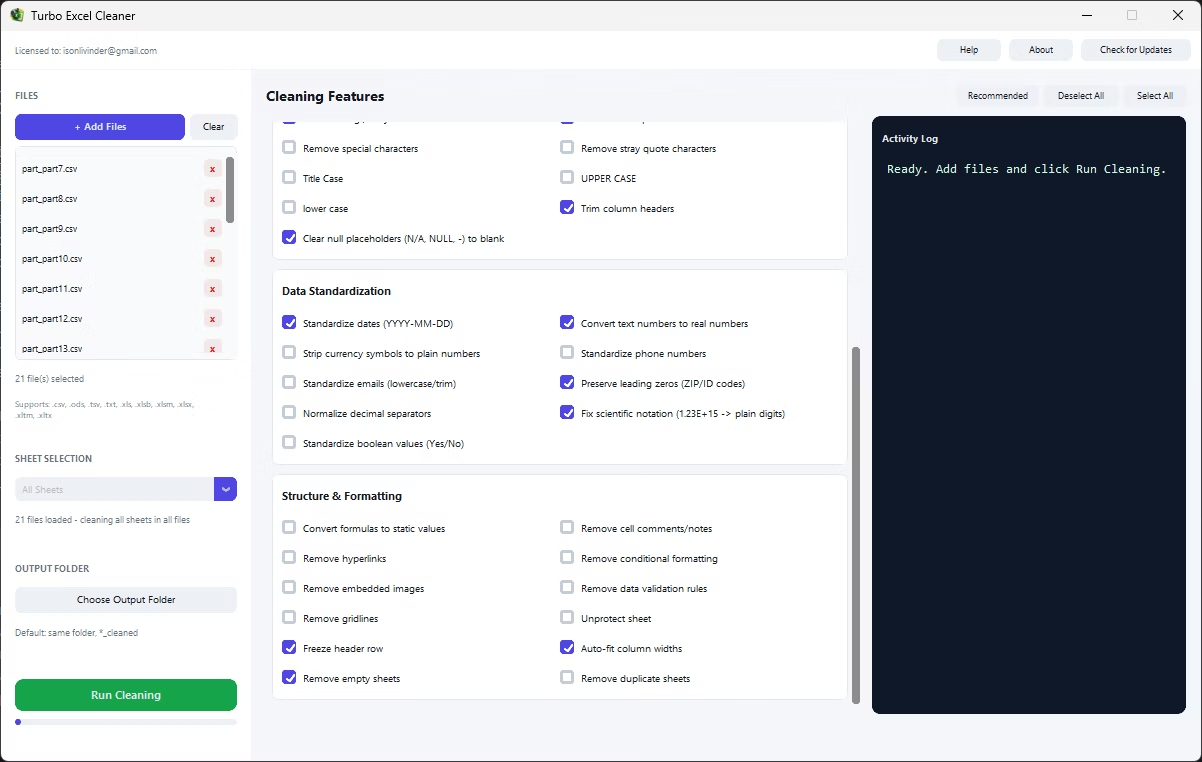
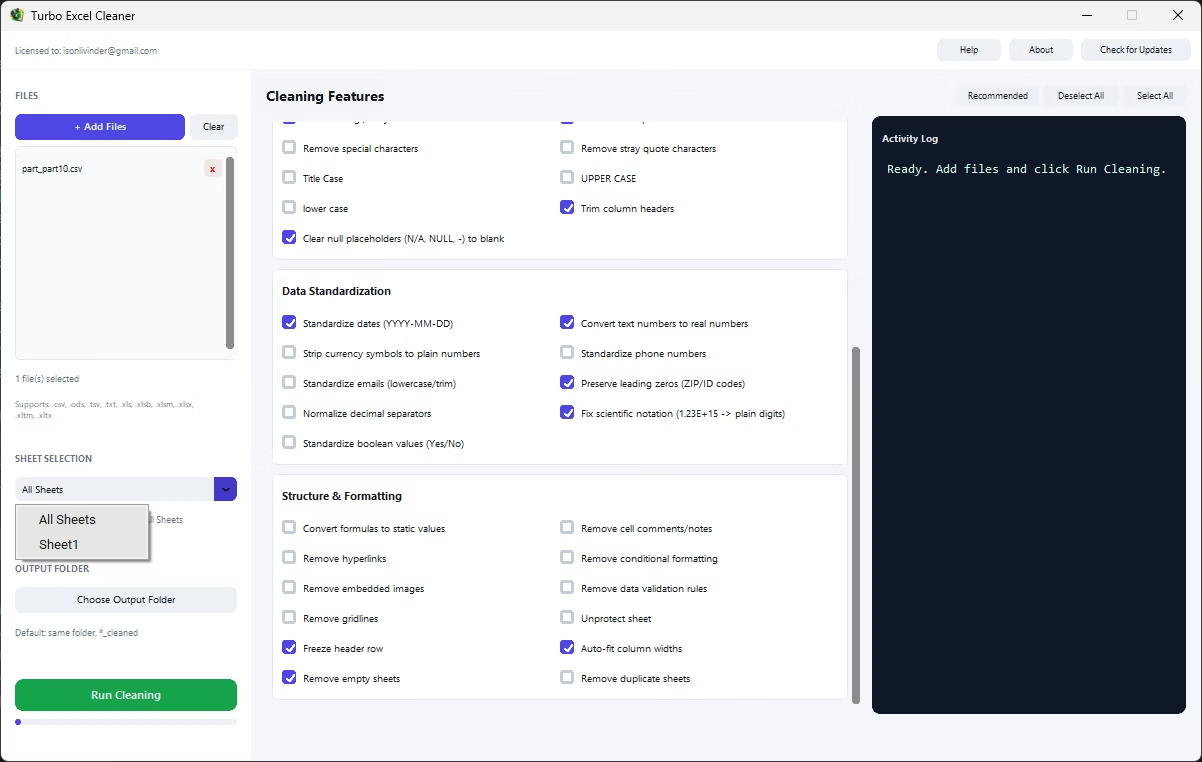
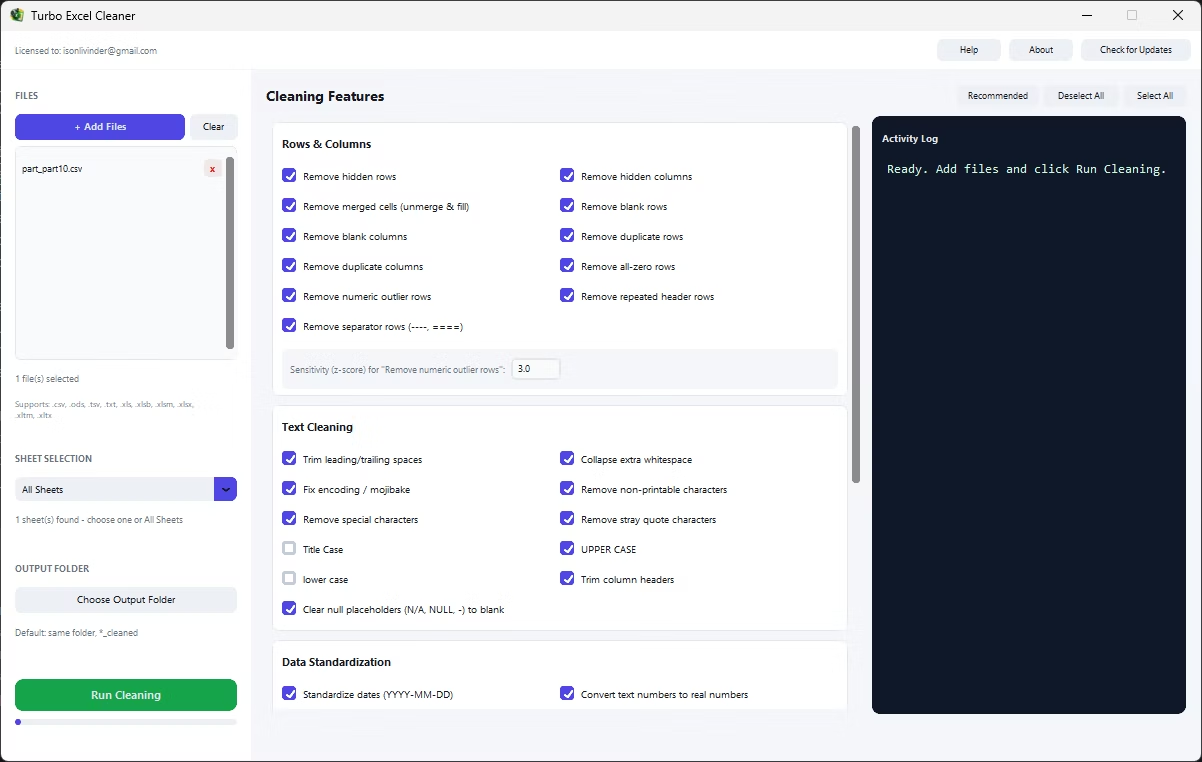
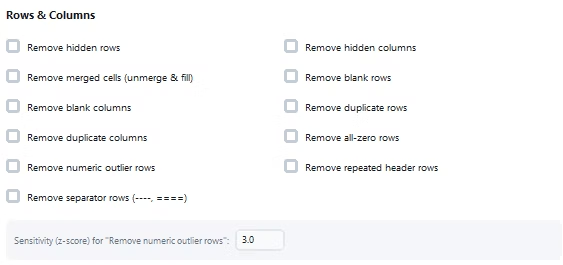
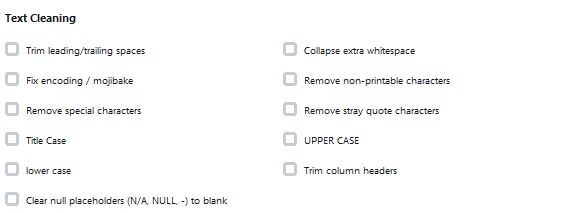
Because TRIM removes both leading and trailing spaces together, Turbo Excel Cleaner splits this into two separate, independently selectable operations - Trim Leading Spaces and Trim Trailing Spaces - so you have precise control over which side of the text gets cleaned if you only need one. Both run automatically across every text cell in every sheet you load, with no helper columns or formulas to build.
Running both together, alongside the Collapse Extra Whitespace feature, produces text that matches cleanly for lookups, filters, and duplicate checks across an entire batch of files in a single pass.
- One-click removal of trailing spaces from every text cell
- Independent control over leading versus trailing space trimming
- No formulas or helper columns required
- Applies across every sheet in every file in the batch
- Works on Excel, OpenDocument, CSV, TSV, and TXT files
How can I tell if a cell has a trailing space without a formula?
Clicking into the cell and pressing End moves the cursor to the true end of the text; if the cursor stops visibly past the last letter, there is trailing whitespace present.
Does trimming trailing spaces change cell formatting?
No, only the text content itself is affected; number formats, fonts, and colors are left untouched.
Should I run this before or after removing duplicates?
Trimming whitespace before deduplication is generally recommended, since a trailing space can otherwise prevent two rows that should match from being recognized as duplicates.
Ready to clean your spreadsheets in bulk, offline, with full privacy?